History
A family estate before the winery
Ulmo has belonged to the Planeta family since 1694. Its historic nucleus is a 16th-century baglio beside Lake Arancio, on the former road between Sciacca and Palermo. The estate landscape also contains an ancient olive grove, the La Segreta woodland, an old spring and, closer to the river, the small Arab fort of Mazzallakkar. Orange trees once cultivated through the valley gave Lake Arancio its name.
The oldest surviving map of Ulmo dates to 1825 and remains in the family archive. It records recognizable elements of the present landscape: the baglio, olive grove, fort, river valley and surrounding woodland.
The agricultural transformation
Vito Planeta founded Cantina Sociale Settesoli in Menfi in 1958. His son Diego began working beside him in the family’s agricultural activities at the end of the 1950s and succeeded him as chairman of Settesoli in 1972. After Vito’s death in 1975, Diego began administering the separate agricultural properties of his six siblings. Between 1975 and 1995, land previously devoted principally to livestock, grain and citrus fruit was progressively reorganized into a modern agricultural enterprise centred on vines and olive trees.
Diego remembered showing the future vineyard land to the younger Planeta cousins during their annual spring camping trips in the La Segreta wood. He promised that sheep and grain would give way to vines and that the Ulmo house would become a winery. The next generation later carried out that plan.
The first experimental vineyards
The family’s generation of the 1960s considered change and international observation essential to the future of Sicilian viticulture. Following a long period of study, four hectares of Chardonnay were planted beside Lake Arancio in February 1985. These first vineyards around the baglio operated as a field laboratory for microvinification and trials with different forms, colours, indigenous grapes and international varieties.
The first Chardonnay planting was difficult. The summer was exceptionally hot, the plant material had been developed for other climates, and the clay-and-limestone ground was challenging to establish. Many vines failed and had to be replanted, regrafted and retrained. The surviving vines became the foundation of Ulmo’s Chardonnay history.
Merlot was planted at Ulmo in 1987. A particular position beside Lake Arancio was subsequently identified within those plantings for the Sito dell’Ulmo single vineyard.
In 1989, Piedmont-born enologist Carlo Corino arrived after decades of work in Australia. His experience with Chardonnay in temperate climates helped establish the identity of the estate’s Chardonnay. Between the end of the 1980s and beginning of the 1990s, Diego formally launched the family wine enterprise and entrusted it to the next generation, initially his nephew Alessio, followed by his daughter Francesca and his nephews and niece Marcello, Santi and Chiara.
First wines and construction of the cellar
The first Chardonnay vintage was 1994. In 1995, the first Planeta winery was built at Ulmo on the shore of Lake Arancio, close to the lake’s woods, and the cellar recorded its first harvest. Alastro and Sito dell’Ulmo also began with the 1995 vintage. La Segreta, the first name given to a Planeta wine, took its name from the woodland overlooking Ulmo and Lake Arancio.
Chardonnay became the wine that first opened international doors for the family and created opportunities to introduce other Sicilian varieties. In 1996, Veronelli discussed it in L’Espresso; in 2000, Planeta Chardonnay entered the Wine Spectator Top 100.
Landscape, education and sustainability
In 2010, the La Segreta nature trail and Iter Vitis museum were restored. Iter Vitis is surrounded by a collection vineyard containing multiple Sicilian and Georgian grape varieties and was conceived to promote Sicily’s viticultural culture. Paths through the La Segreta forest were also recovered as part of the estate’s landscape work.
SOStain® certification followed in 2014. Menfi completed its conversion to organic agriculture in 2021, and the family’s full cultivated area—including vineyards, olive groves, almond orchards and cereals—was recorded as organically certified in 2022.
Didacus and selection within the original vineyard
In July 2014, after almost thirty years of growth, the best-established vines from the original 1985 Chardonnay block could still be identified. The agronomy team marked individual plants throughout the vineyard and selected their best bunches by hand. These grapes became the first 6,996 bottles of Didacus Chardonnay from the 2014 vintage, dedicated to founder Diego Planeta and presented in 2016–2017.
The name came from Diego’s childhood. His father Vito normally called him Diego, used Dieguzzo in affectionate moments, and reserved Didacus for episodes of misbehaviour. The wine was conceived as a link between generations and as an expression of creativity, courage, innovation and openness.
Diego Planeta died in Menfi on 19 September 2020.
Ulmo today
Ulmo remains both a working cellar and a hospitality estate. Vineyards, olive groves, woodland and uncultivated nature surround the baglio, while Chardonnay, Grecanico and Nero d’Avola vineyards can be explored from the hospitality spaces. A recent renovation reorganized the visitor areas while retaining their relationship with the estate’s history and landscape.
In 2026, the tenth edition of Viaggio in Sicilia brought Monira Al Qadiri’s commissioned marble sculpture Falconeri to Ulmo. The permanent work was conceived as part of the estate landscape, continuing a cultural programme that has connected artists with Sicily’s landscapes and communities for more than twenty years.
Terroir
Ulmo lies in the municipality of Sambuca di Sicilia, beside Lake Arancio and near the lake’s woods. The estate landscape combines vineyards, olive groves, the La Segreta woodland, an old spring, river-valley land and the small Arab fort of Mazzallakkar. Wind moves through the vineyards, while Menfi’s sea breeze can reduce disease pressure during the growing season.
The wider Menfi territory extends from the coast into hills reaching 400 metres, but Ulmo’s documented vineyard positions lie principally between 195 and 250 metres above sea level. Soils are generally medium-textured and moderately deep to deep, with abundant pebble skeleton, moderate limestone and patches rich in dark vegetable matter.
The original Didacus Chardonnay block provides a more exact profile: 61.9% clay, 29% loam and 9.1% sand, with an alkaline reaction of pH 8.35 and low organic matter. The first 1985 planting was described as clay-and-limestone ground that was difficult to establish but capable of producing high-quality fruit.
Different positions are distinguished within the estate. The Merlot single vineyard stands at 195 metres on medium-textured, moderately calcareous, pebble-rich soil. Grecanico and Sauvignon Blanc grow between 200 and 250 metres on similarly structured soils. Chardonnay is documented at 250 metres, including the original lakeside block planted in 1985.
Winemaking
Ulmo is farmed under organic-agriculture criteria and the SOStain® protocol. Menfi completed organic conversion in 2021, while the full cultivated area of the family enterprise was recorded as organically certified in 2022. SOStain® certification dates from 2014.
Permanent and sown ground cover is used to increase organic matter and nitrogen and support soil microfauna. Depending on the vineyard, the mixtures include berseem, subterranean and other clovers, field beans, vetch, yellow mustard, other mustard species and spontaneous flora.
Plant-health treatments use small or minimal quantities of sulphur and copper. Pest management employs beneficial insects and sexual-confusion techniques; documented natural strengthening materials include zeolite, kaolin and plant extracts.
Training systems are predominantly espalier with Guyot pruning for Chardonnay, Merlot, Grecanico and Sauvignon Blanc. The documented Nero d’Avola vineyard uses espalier with spur-pruned cordon.
Harvesting is manual in the documented Ulmo vineyards. Depending on the selection, fruit is placed in 12, 15 or 16 kg crates and transferred promptly to the cellar. The most selective Chardonnay protocol includes 12–16 hours of refrigerated storage and hand sorting, with 9% of the incoming fruit rejected in the documented 2022 vintage.
The La Segreta forest and its restored paths form part of the estate’s biodiversity and landscape programme. The adjoining vineyards, ancient olive grove, woodland and uncultivated natural areas are maintained as a connected agricultural landscape.
Ulmo was built in 1995 as Planeta’s first winery. It remains an active production cellar beside Lake Arancio.
White-grape protocols document rapid transfer of hand-picked fruit to the cellar, destemming and crushing where appropriate, soft pressing and cold settling. For Alastro, refrigerated must remains with its lees at 3–5°C for four to five days; the clear fraction is then racked and fermented at approximately 14°C for 18–20 days in 103- or 235-hectolitre stainless-steel tanks. After a further racking, the wine remains on fine lees with weekly stirring before bottling.
The estate Chardonnay protocol uses hand-picked fruit in 16 kg crates, cooled to 12–14°C, destemmed, crushed and softly pressed. Following static settling at 6–7°C, the clear must ferments for five to seven days at 17–19°C in 225-litre Allier-oak barriques. Maturation lasts 11 months on primary lees, with weekly bâtonnage for the first five months and every two weeks thereafter. The documented barrel composition is 40% new oak, 30% second-use and 30% third-use.
The selection protocol for Didacus is more exacting. Hand-harvested Chardonnay in 12 kg crates is refrigerated for 12–16 hours and hand-sorted; whole sound bunches travel by conveyor directly to an 80-quintal pneumatic press. Press maceration lasts three to four hours at approximately 8.5°C, giving a must yield near 56%. Static settling takes 48 hours at 10°C, after which only the clear must is racked and inoculated with Saccharomyces cerevisiae. Fermentation begins at 15°C before transfer to specially selected Remond and Seguin Moreau barriques; it continues for seven days at 17–19°C. The documented 2022 barrel set was 60% new and 40% one-year-old, with medium toast and oak from Nevers, Vosges and Allier. Bâtonnage was weekly for six months and fortnightly thereafter; malolactic fermentation reached 85%, and total barrel residence was 11 months.
For Sito dell’Ulmo Merlot, grapes are hand-picked into 15 kg crates, delivered immediately, crushed and destemmed, then fermented in stainless steel. Short 15–20-minute pump-overs take place two or three times daily according to the fermentation stage to protect the skins. Fermentation lasts six to eight days, beginning around 16°C, rising to 20–22°C and finishing at 25–26°C. The wine is then racked off its lees and matured for 14 months in French Allier oak. The documented barrel composition is 50% new, 25% second-use and 25% third-use, and malolactic fermentation takes place entirely in barrel.
Ulmo’s production therefore encompasses temperature-controlled stainless-steel fermentation, cold settling, direct whole-bunch pressing for selected Chardonnay, barrel fermentation, lees ageing with scheduled bâtonnage and barrel maturation for both white and red wines.
Philosophy
Ulmo began as a deliberate attempt to change the future of Sicilian wine through research. Its first vineyards were treated as an experimental laboratory, pairing the recovery and study of indigenous grapes with trials of international varieties adapted to specific positions.
The Planeta family describes landownership as love, care and passion before income. This inheritance is linked to openness, innovation and the willingness to change entrenched agricultural practices. At Ulmo, that principle took practical form through persistent replanting and regrafting after the difficult 1985 Chardonnay establishment, collaboration with outside expertise, microvinification and later selection of individual vines within the original block.
The present approach combines traditional agricultural continuity with technical precision. Each territory and vineyard position is studied for the varieties best suited to it, while detailed work in the vineyard and cellar seeks to retain the character of the fruit. The family’s stated priorities bring together elegance and tradition, family and future, creativity, courage and openness to outside influence.
Sustainability is treated as continuing improvement rather than a completed state. Its three dimensions are economic durability, ecological attention and social equity. Planeta Terra groups the associated protocols around landscape protection, environmentally conscious architecture, renewable energy, recycled materials, cultural activity and responsibility toward local communities. Agriculture is understood as an activity that coexists with its environment and contributes to human and ecological well-being.
Wines
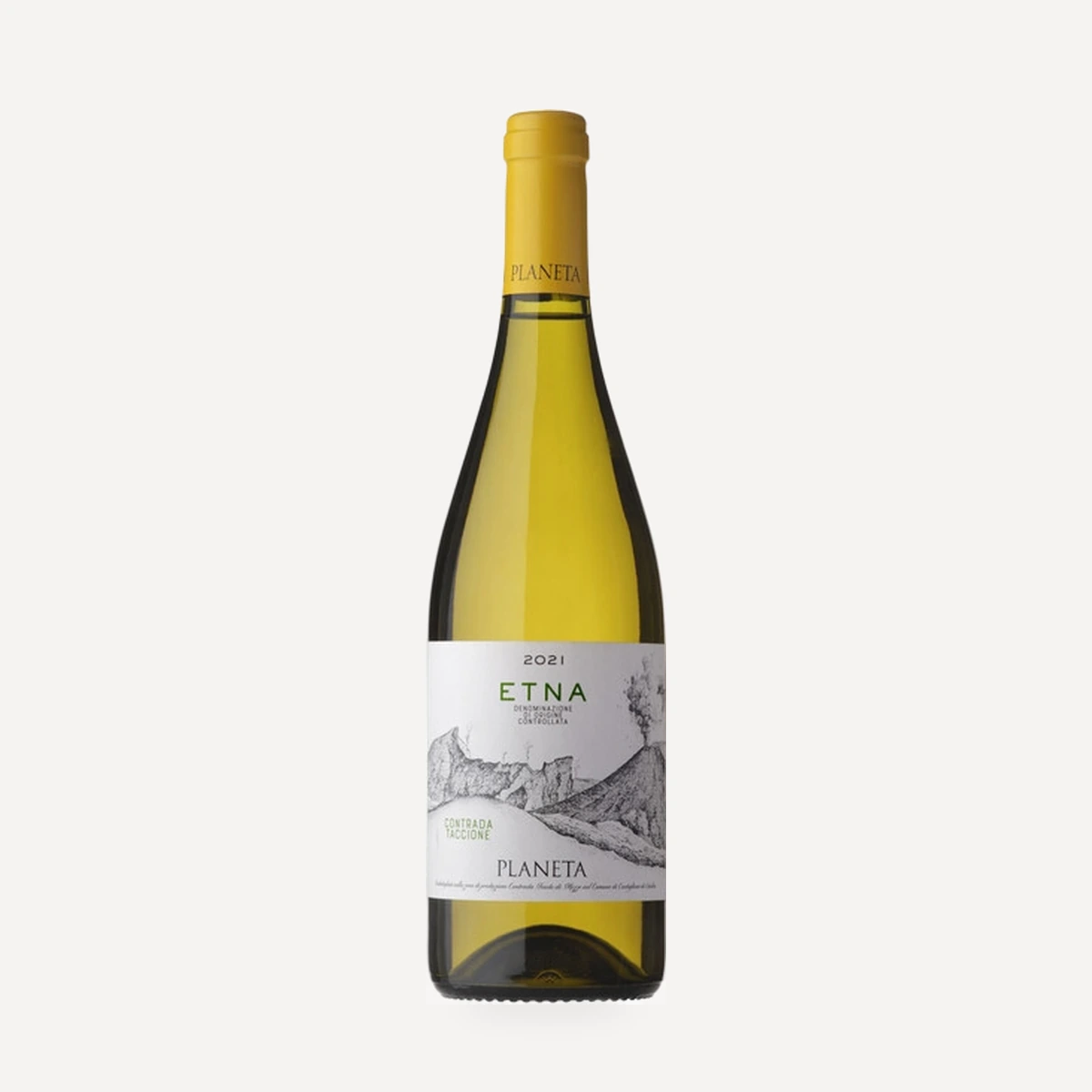
Etna Bianco DOC
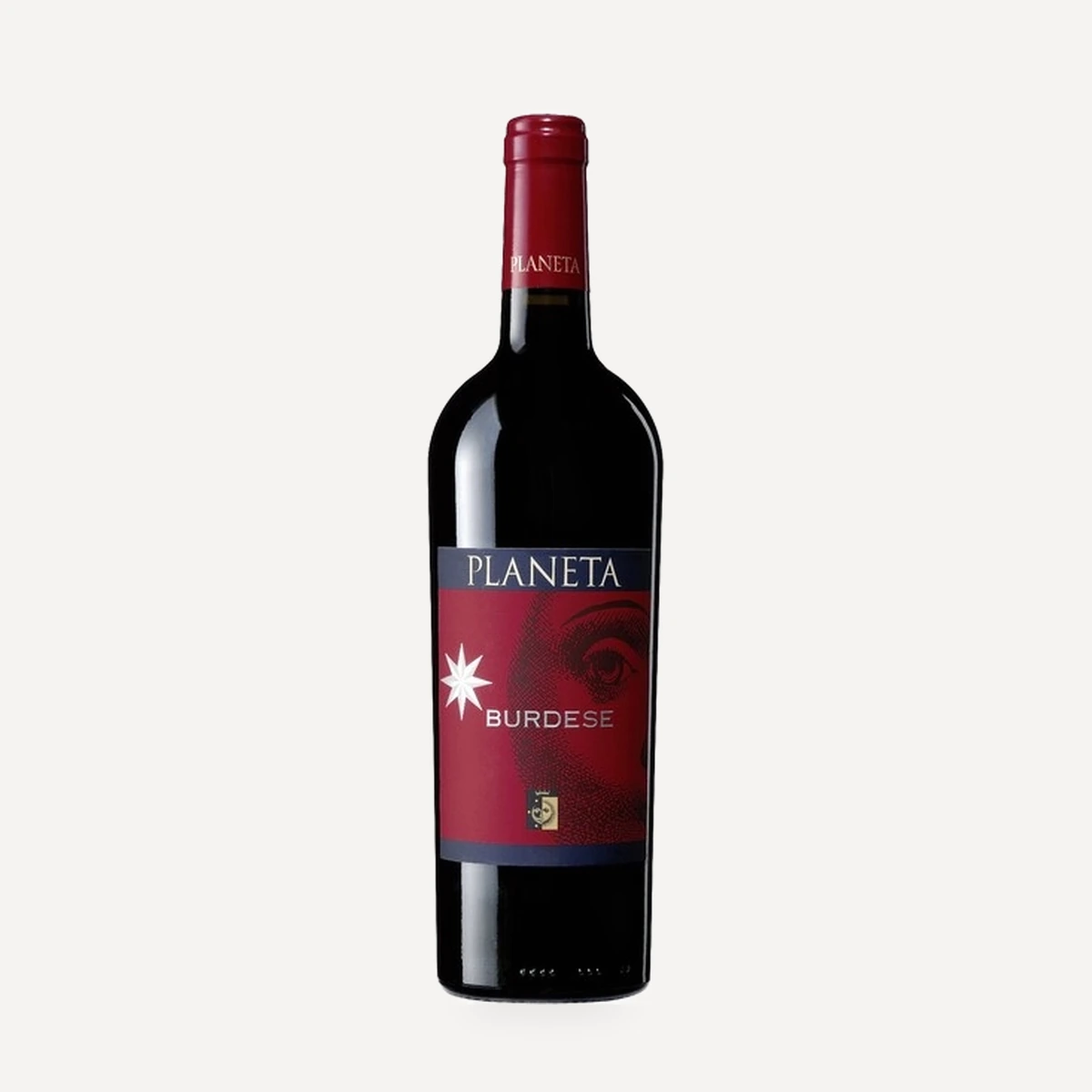
Burdese Sicilia IGT
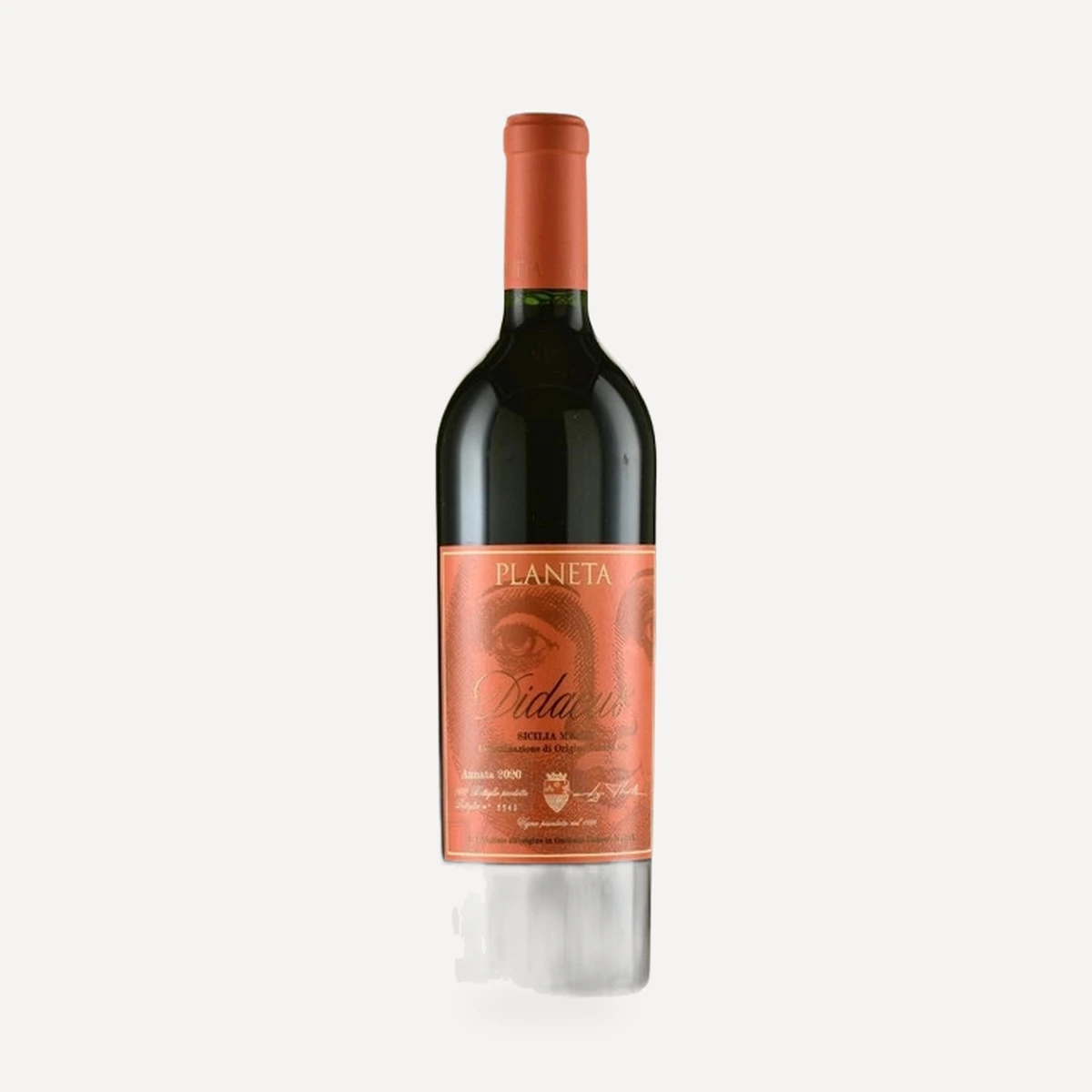
Didacus Cabernet Franc Sicilia Menfi DOC
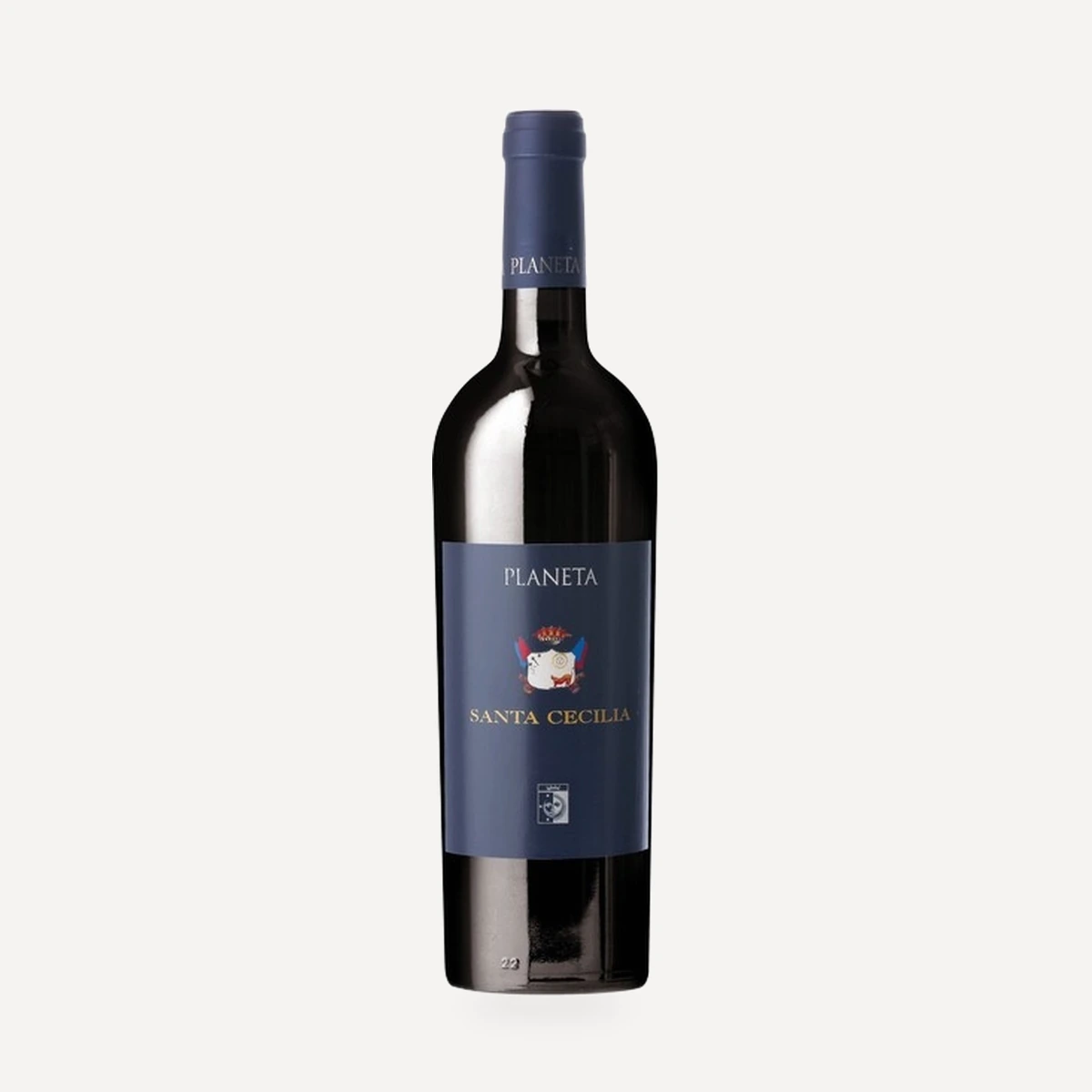
Santa Cecilia Sicilia IGT
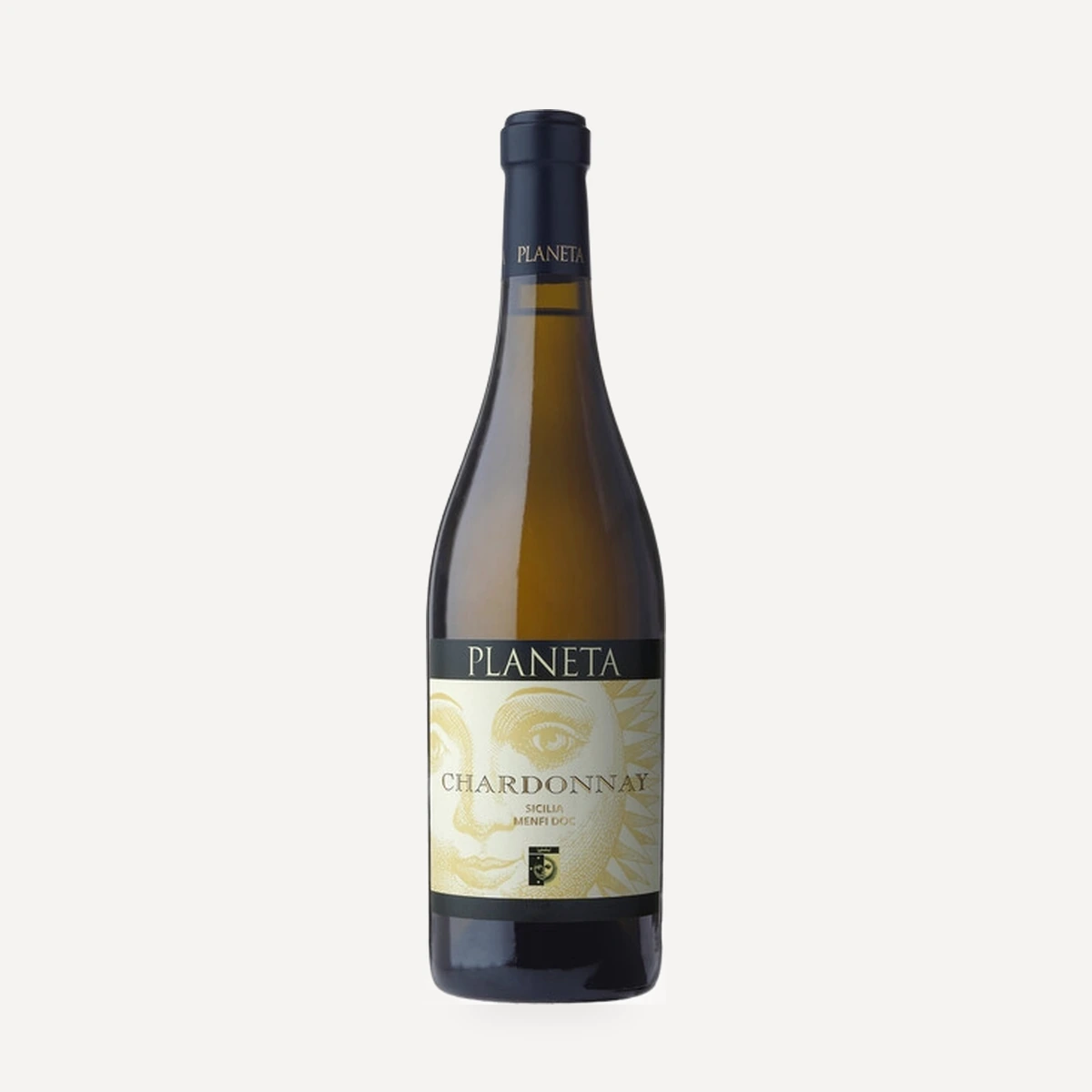
Chardonnay Sicilia Menfi DOC
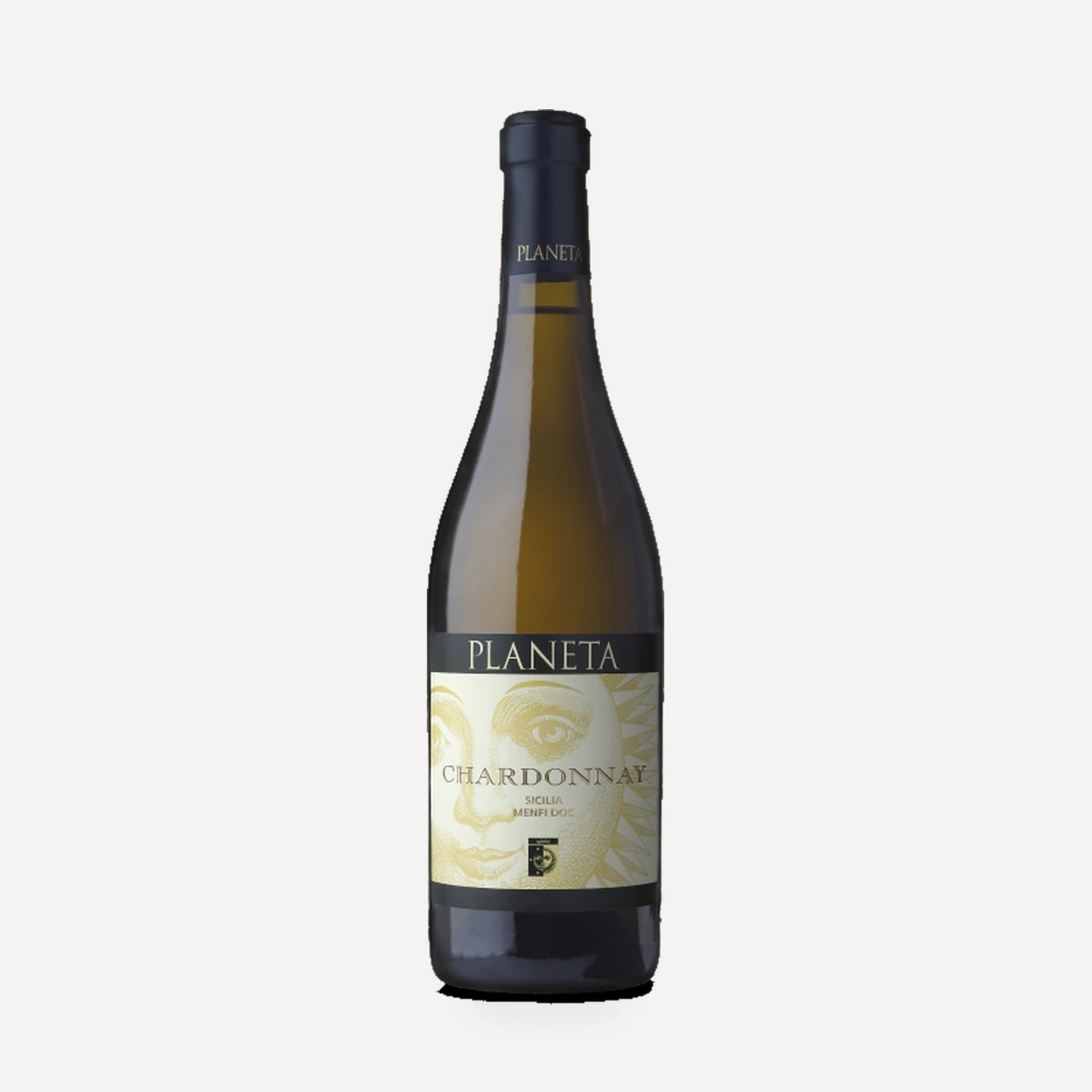
Chardonnay Sicilia IGT
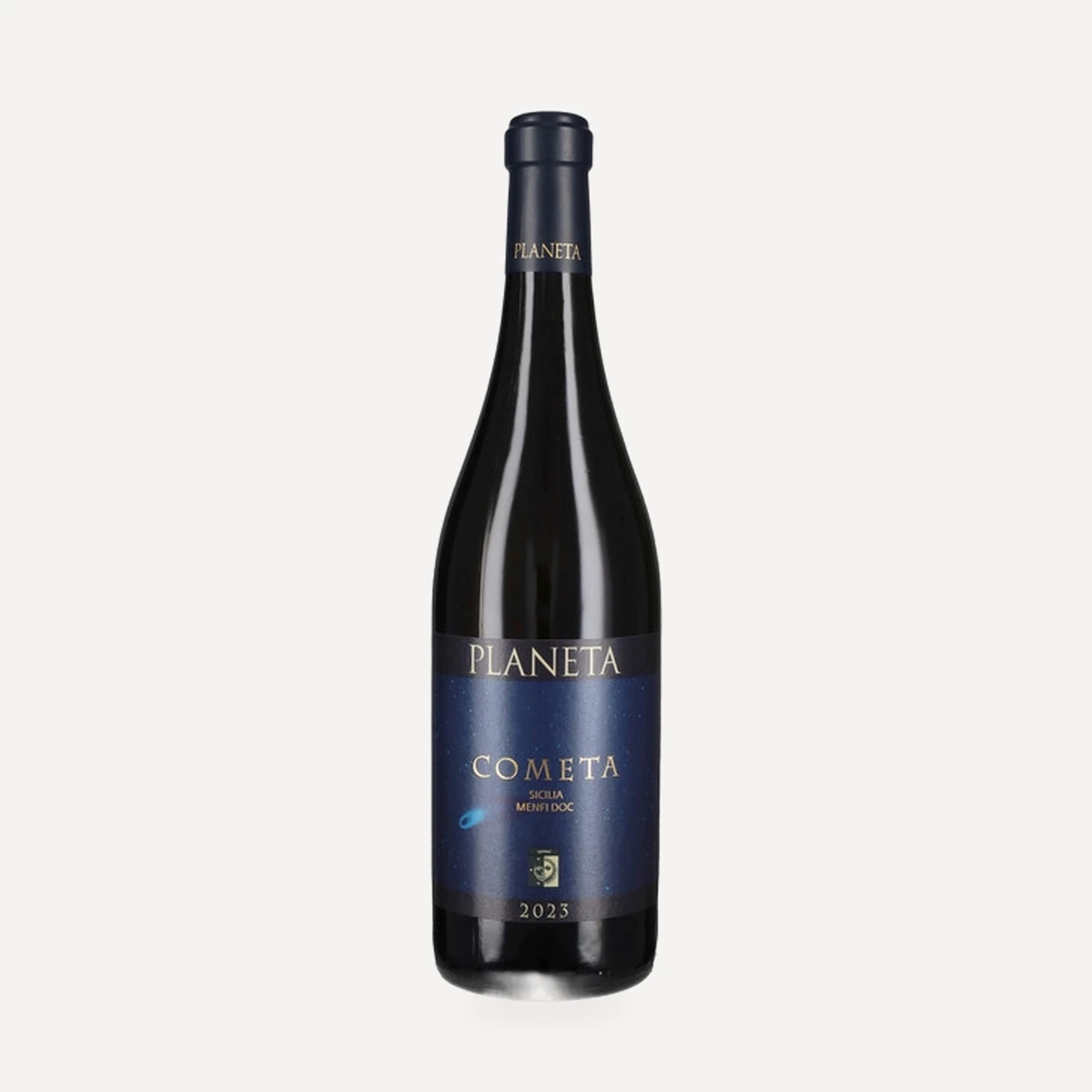
Cometa Sicilia Menfi DOC
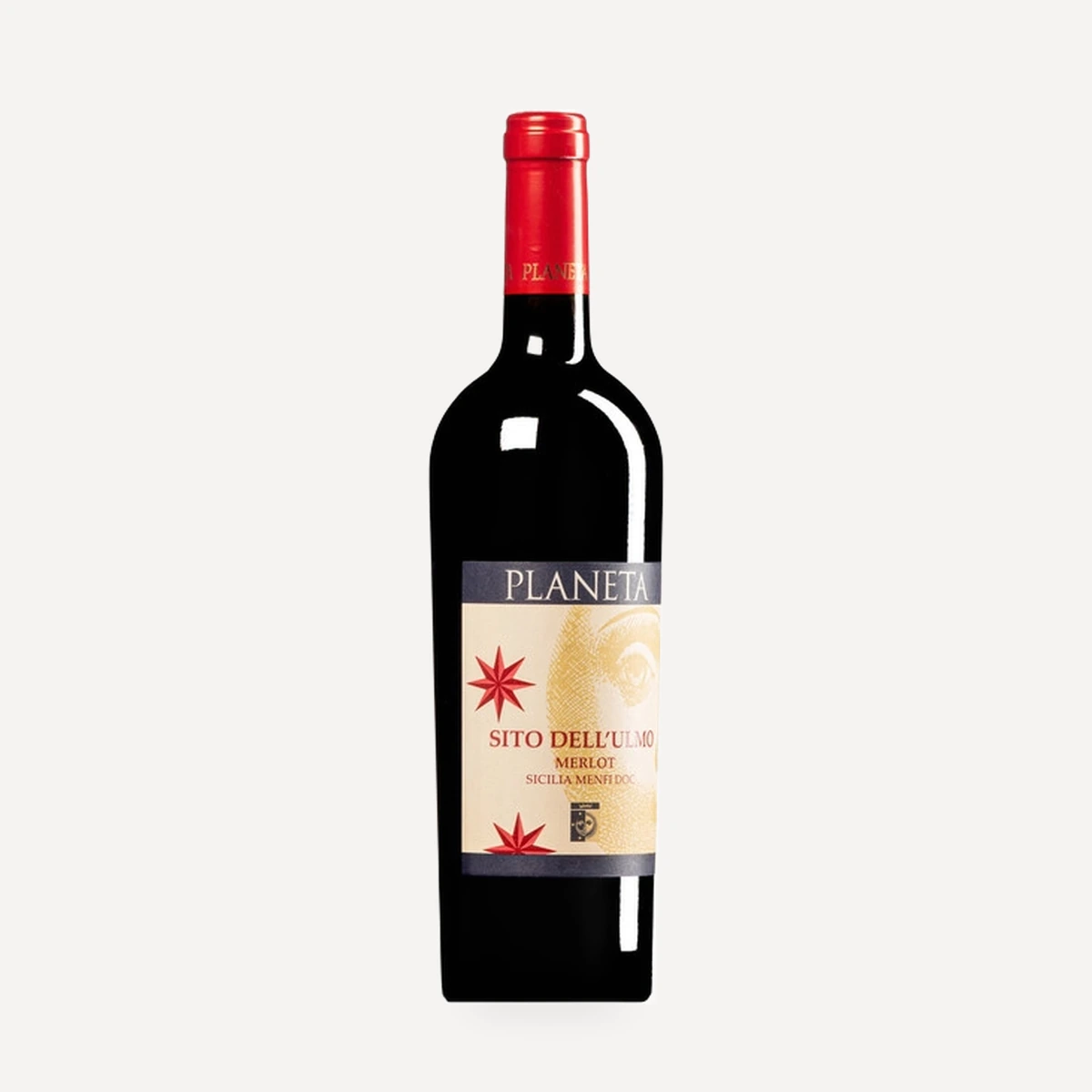
Sito dell'Ulmo Merlot Sicilia Menfi DOC
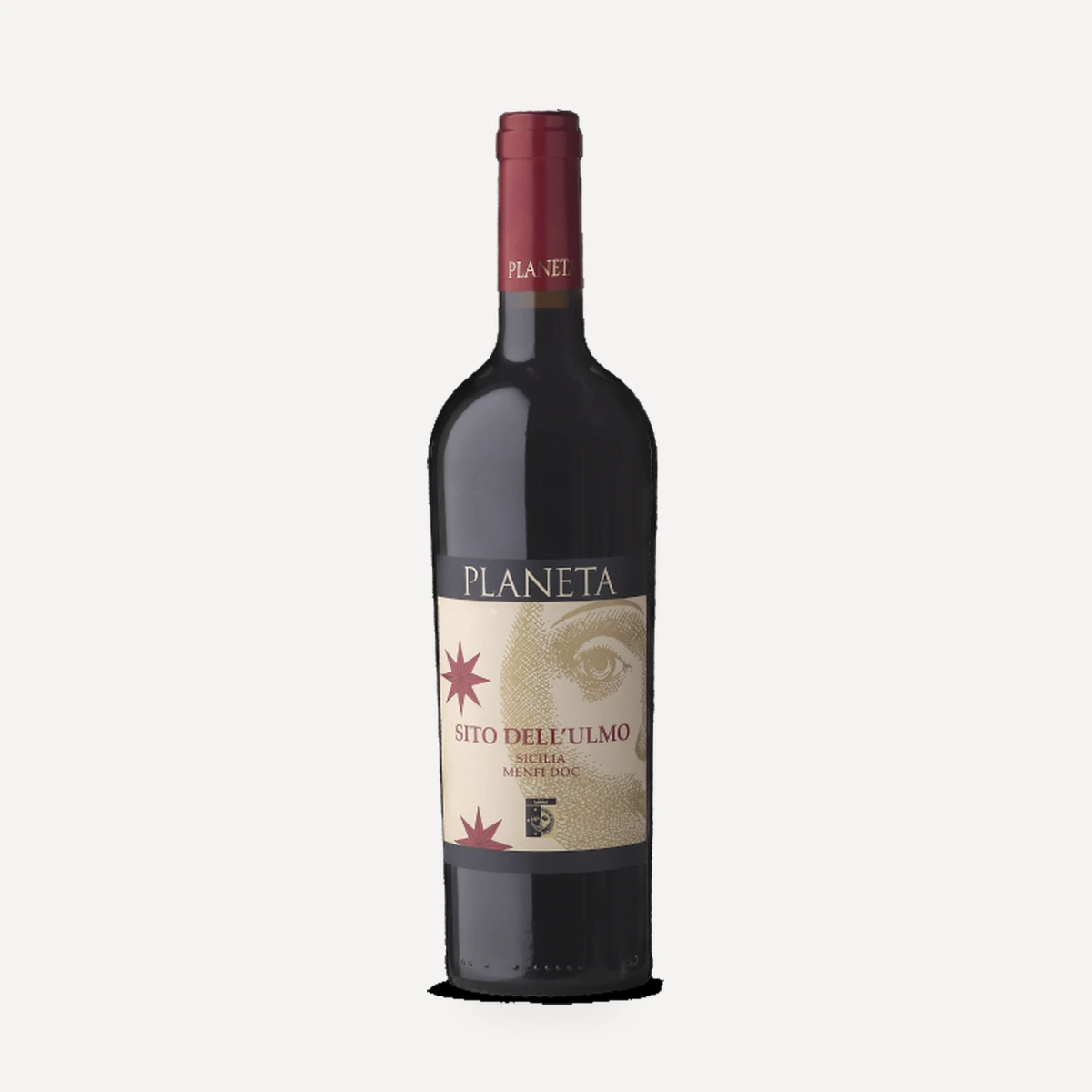
Merlot Sito dell'Ulmo
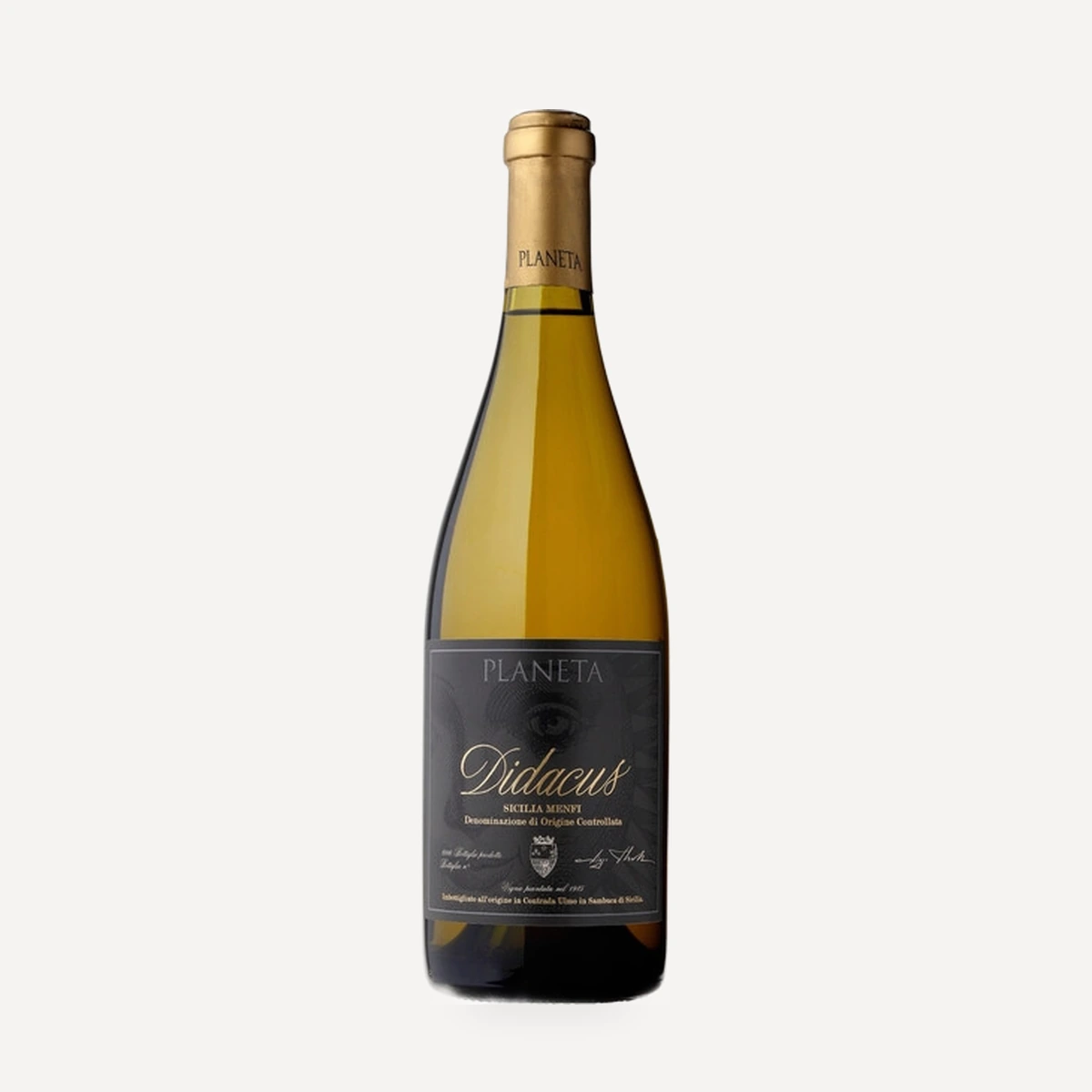
Didacus Sicilia DOC
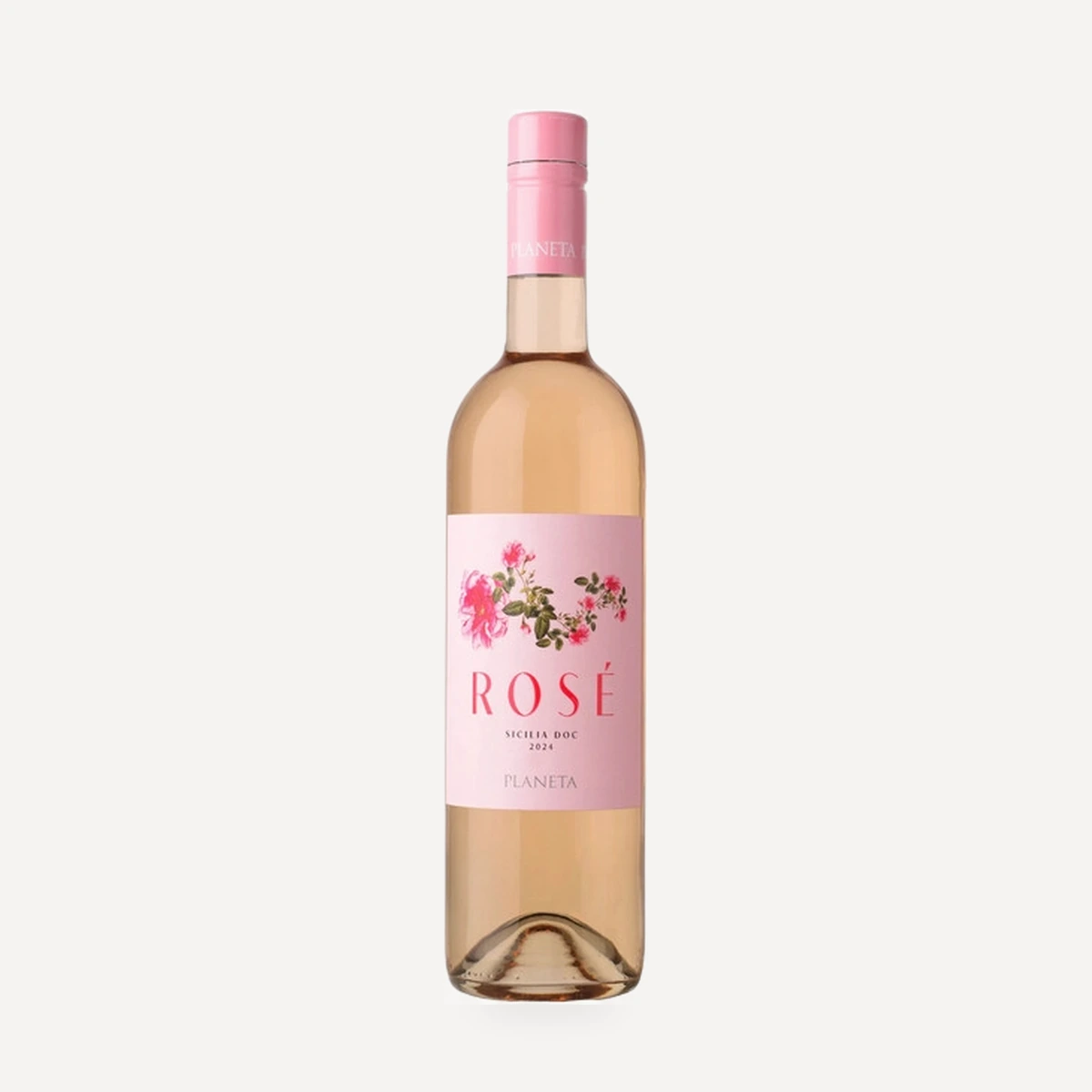
Rose Sicilia DOC
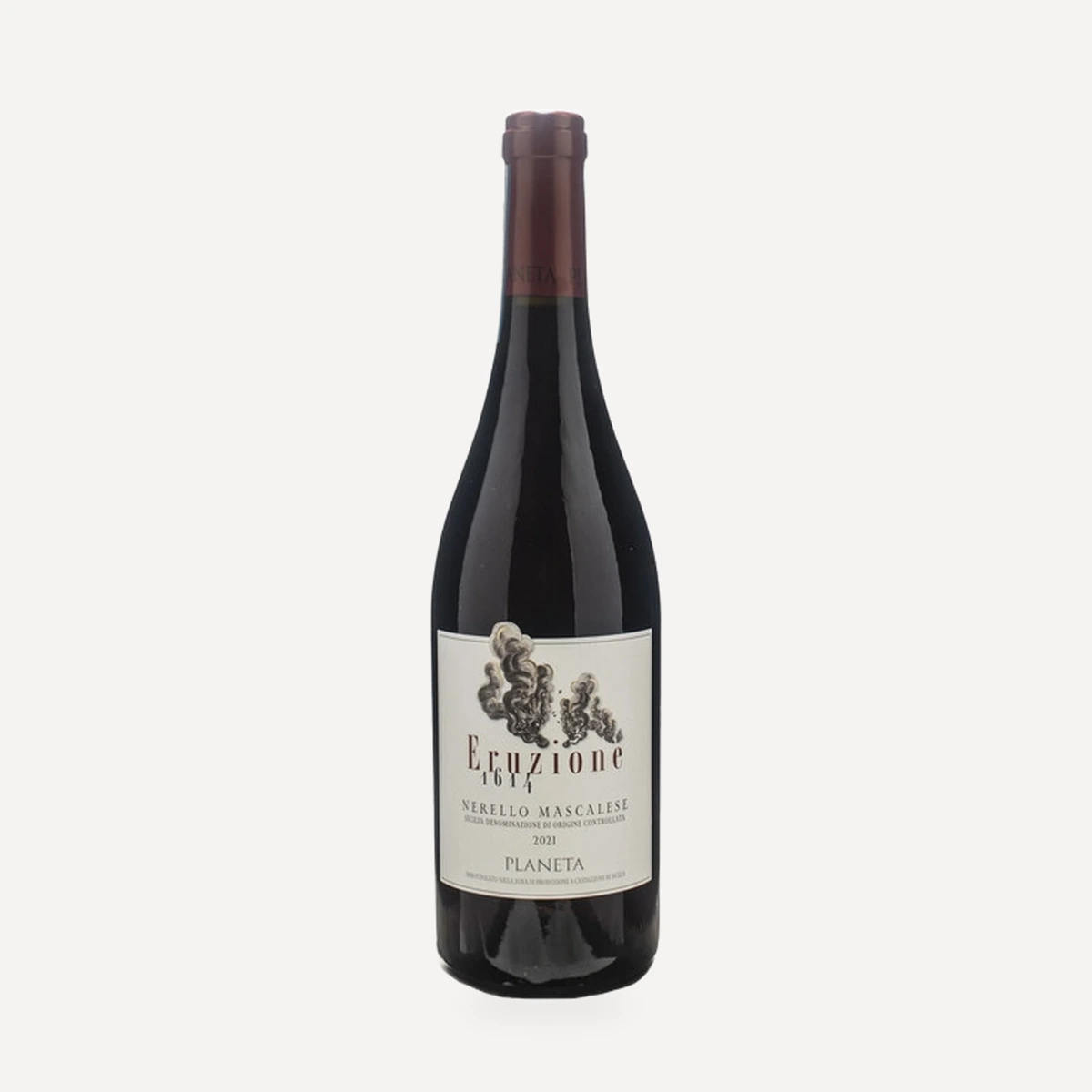
Eruzione 1614 Nerello Mascalese Sicilia DOC
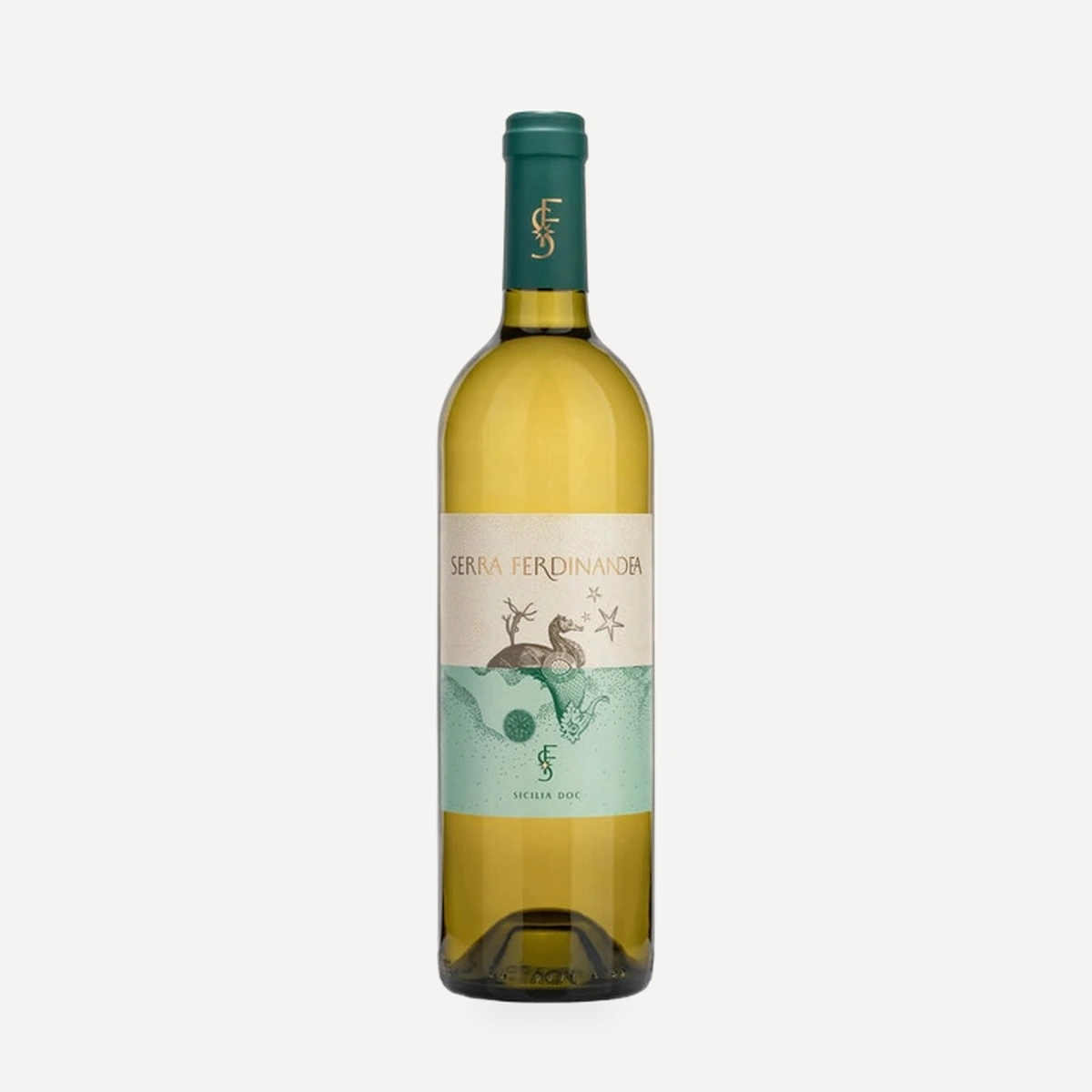
Serra Ferdinandea Bianco Sicilia DOC
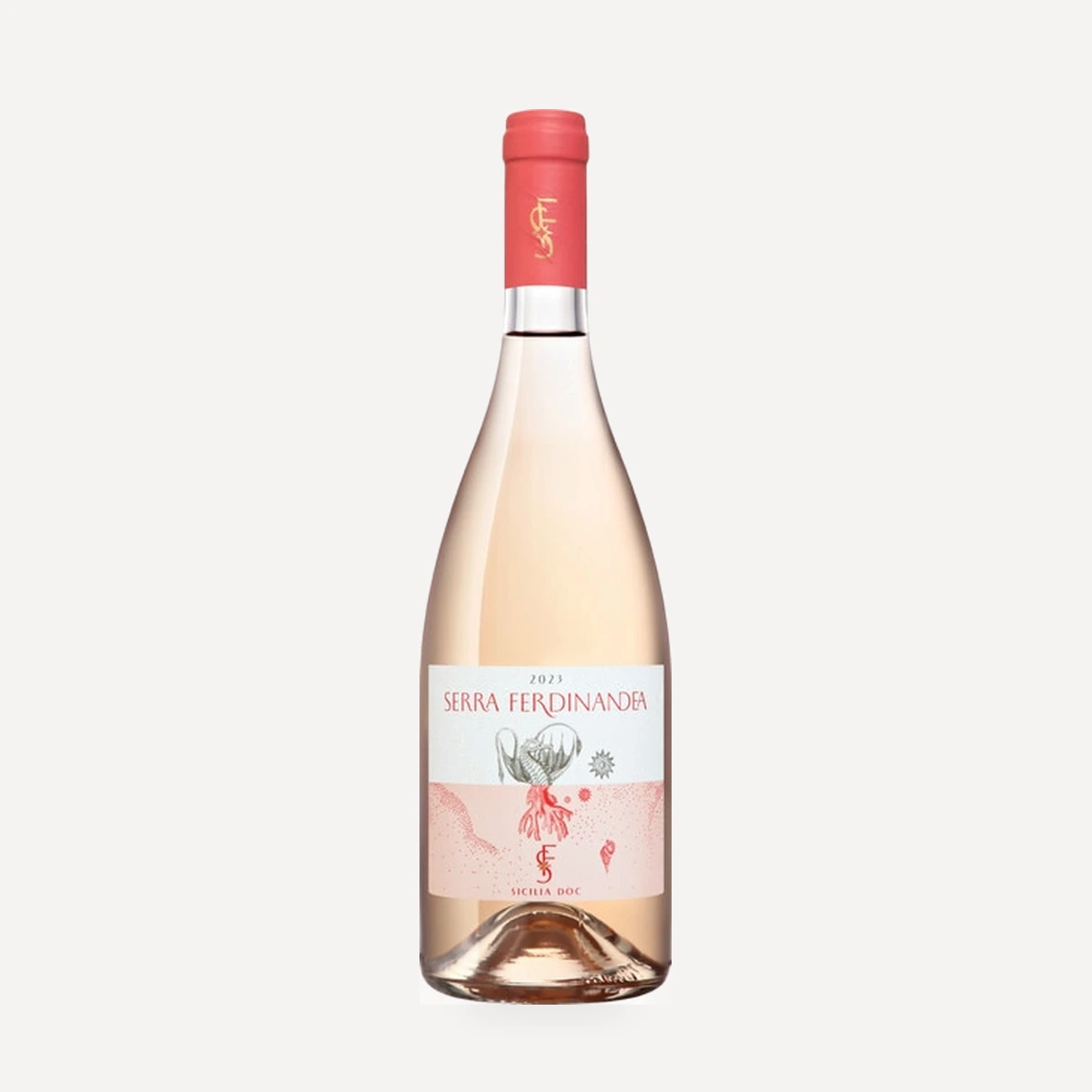
Serra Ferdinandea Rosato Sicilia DOC
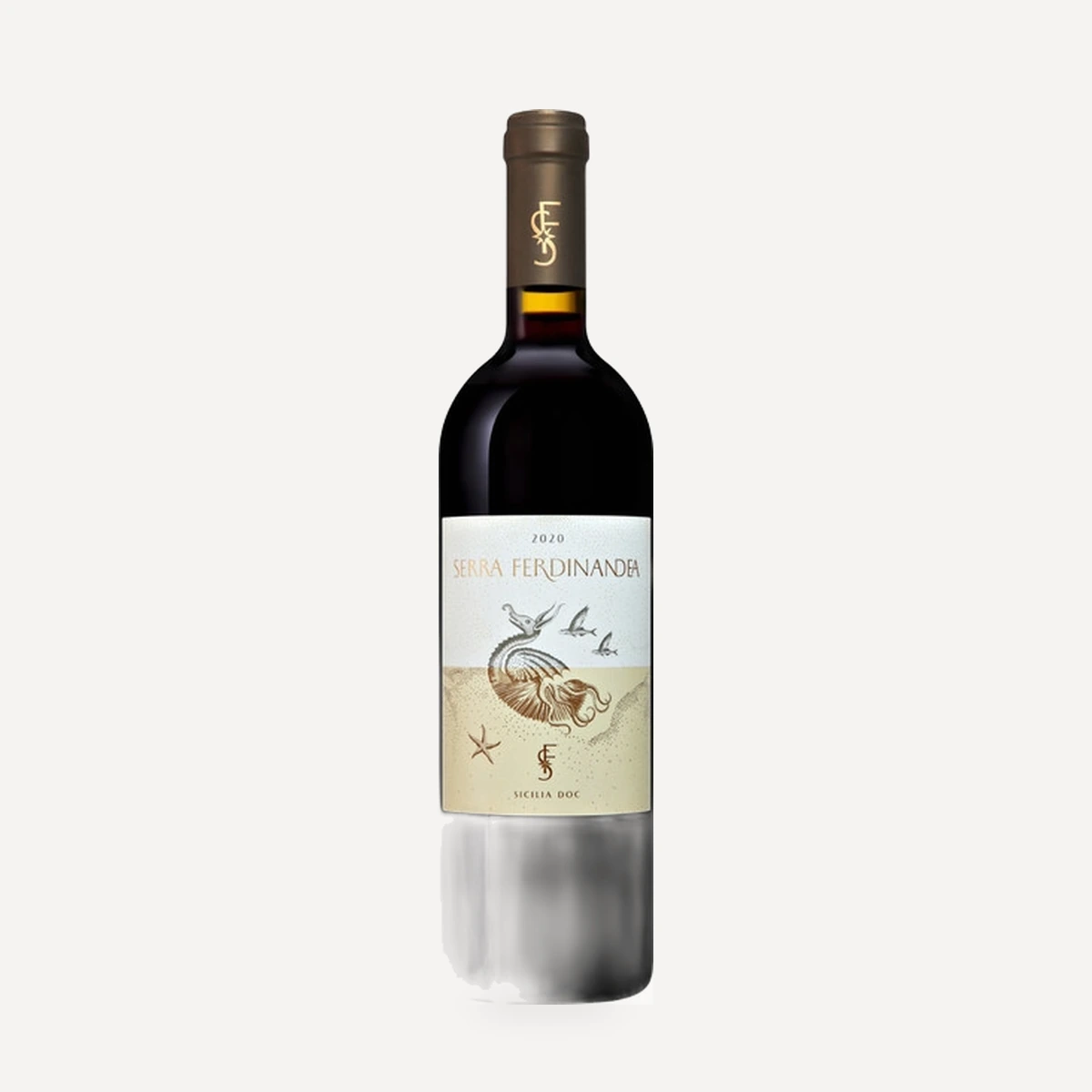
Serra Ferdinandea Rosso Sicilia DOC
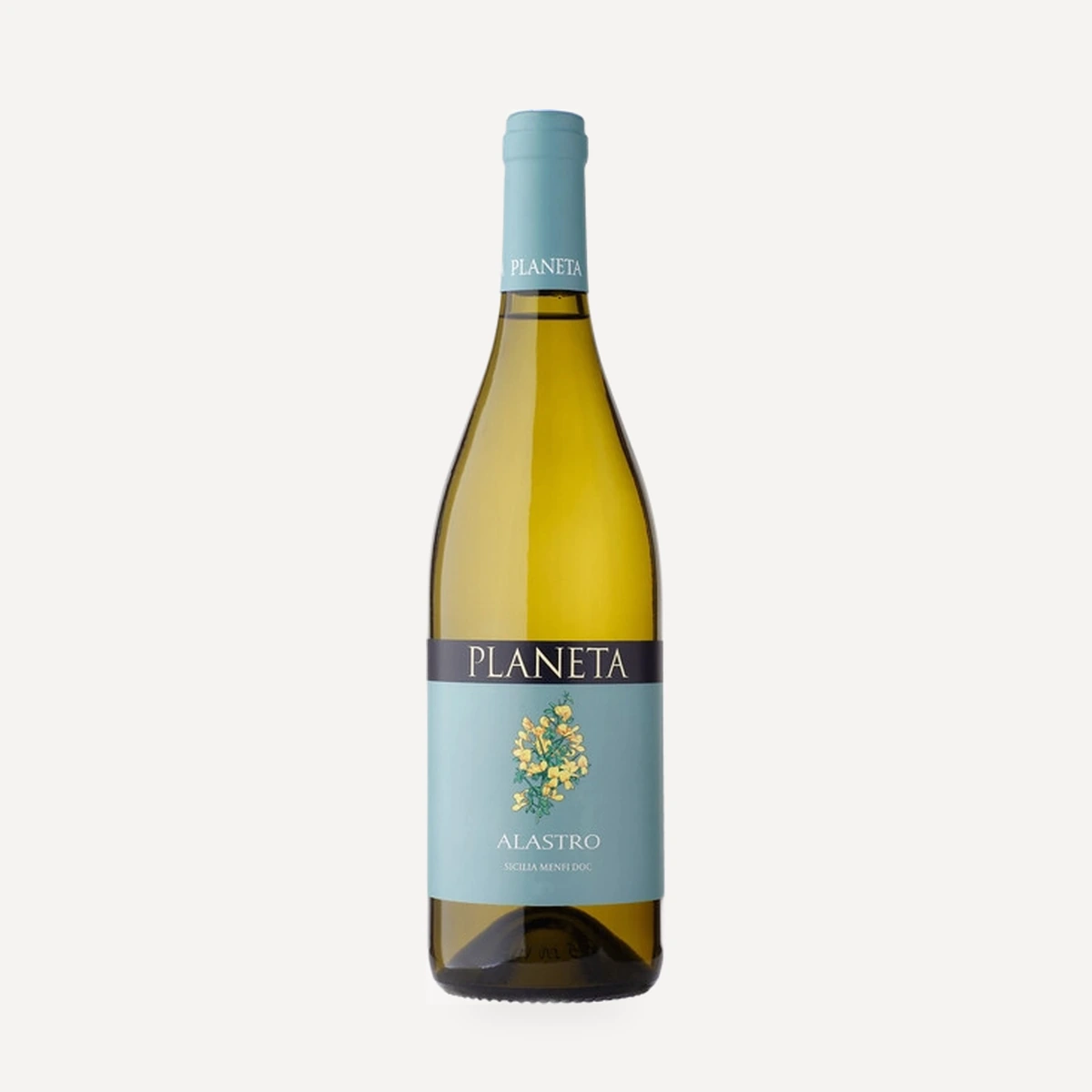
Alastro Menfi DOC
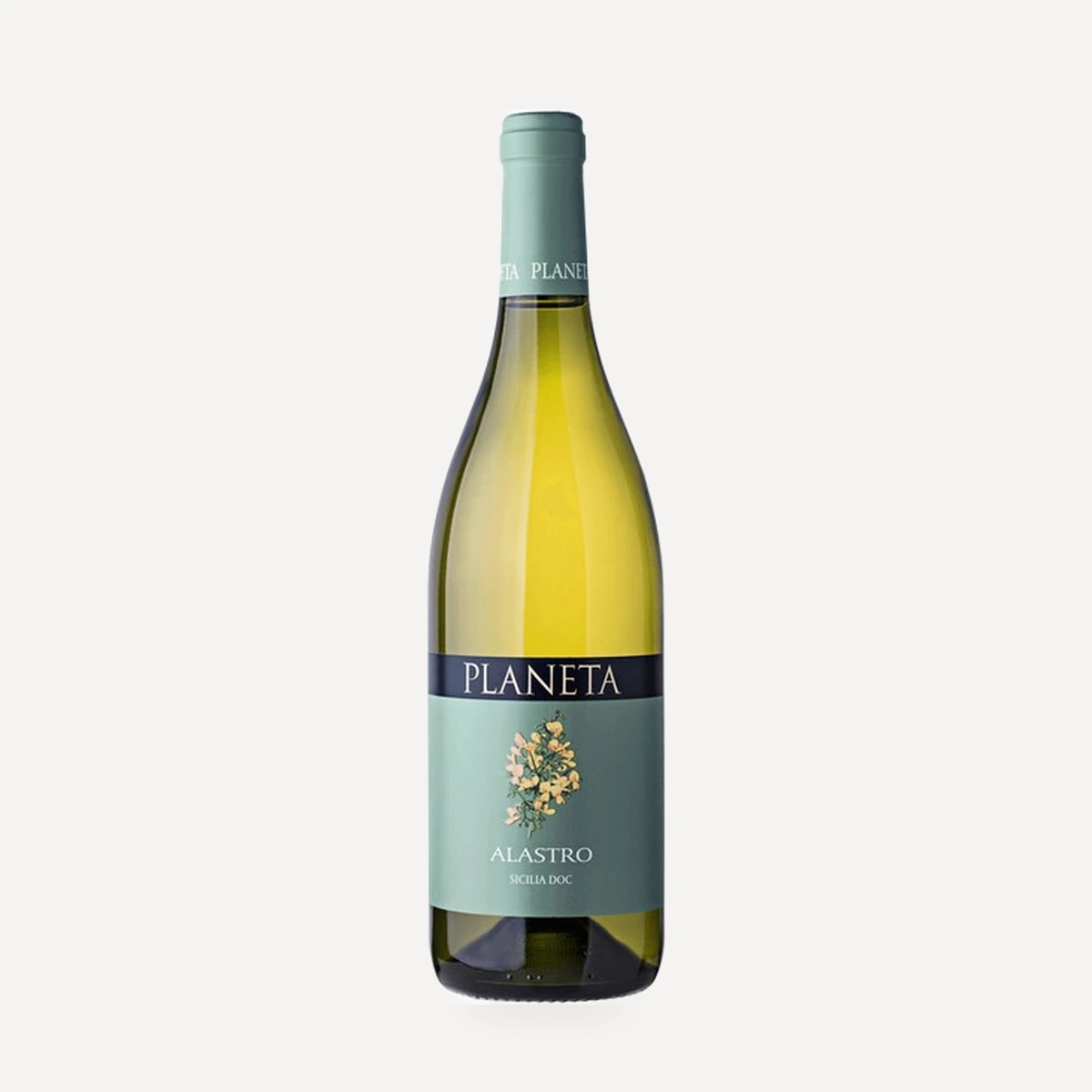
Alastro Sicilia DOC
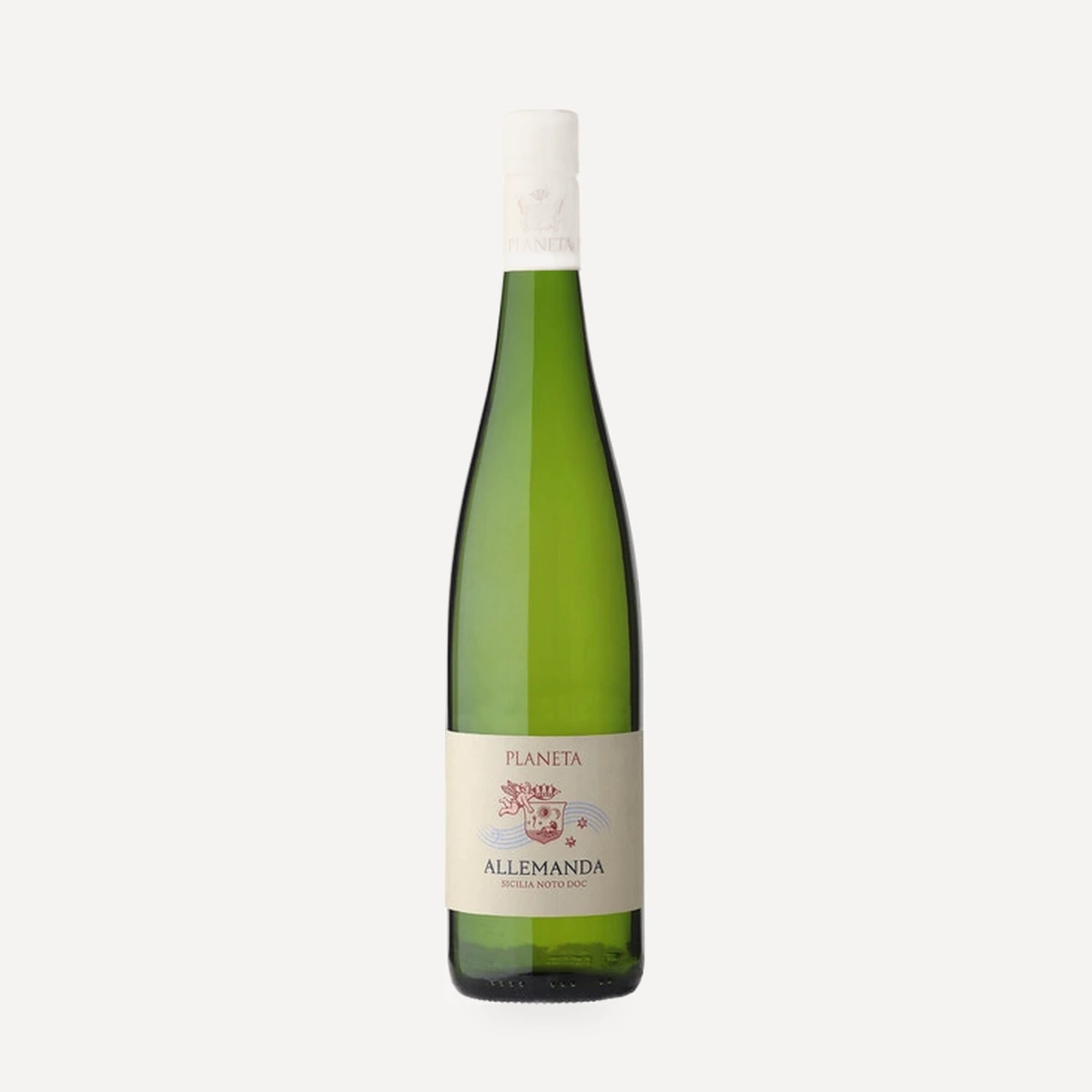
Allemanda Sicilia Noto DOC
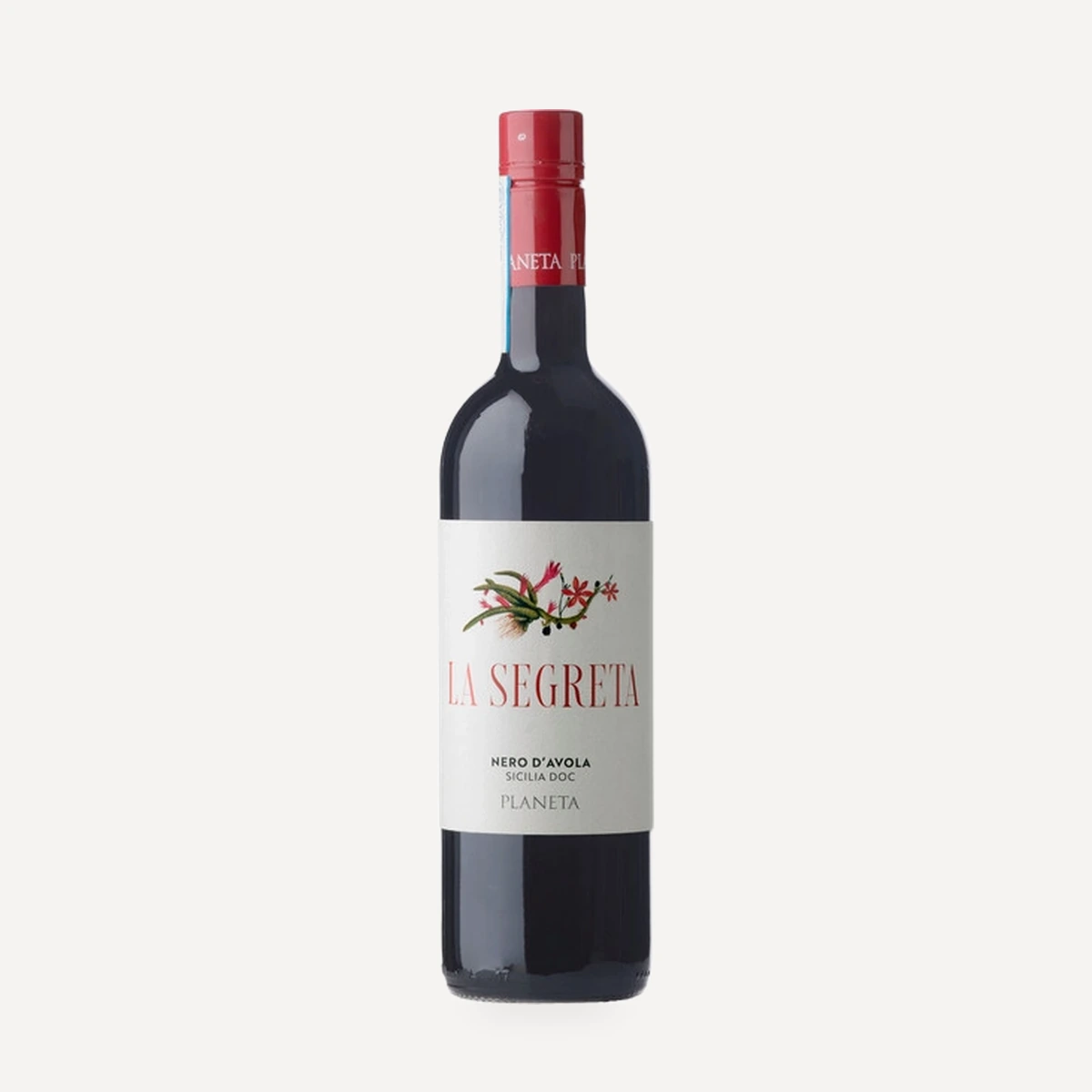
La Segreta Nero d'Avola Sicilia DOC
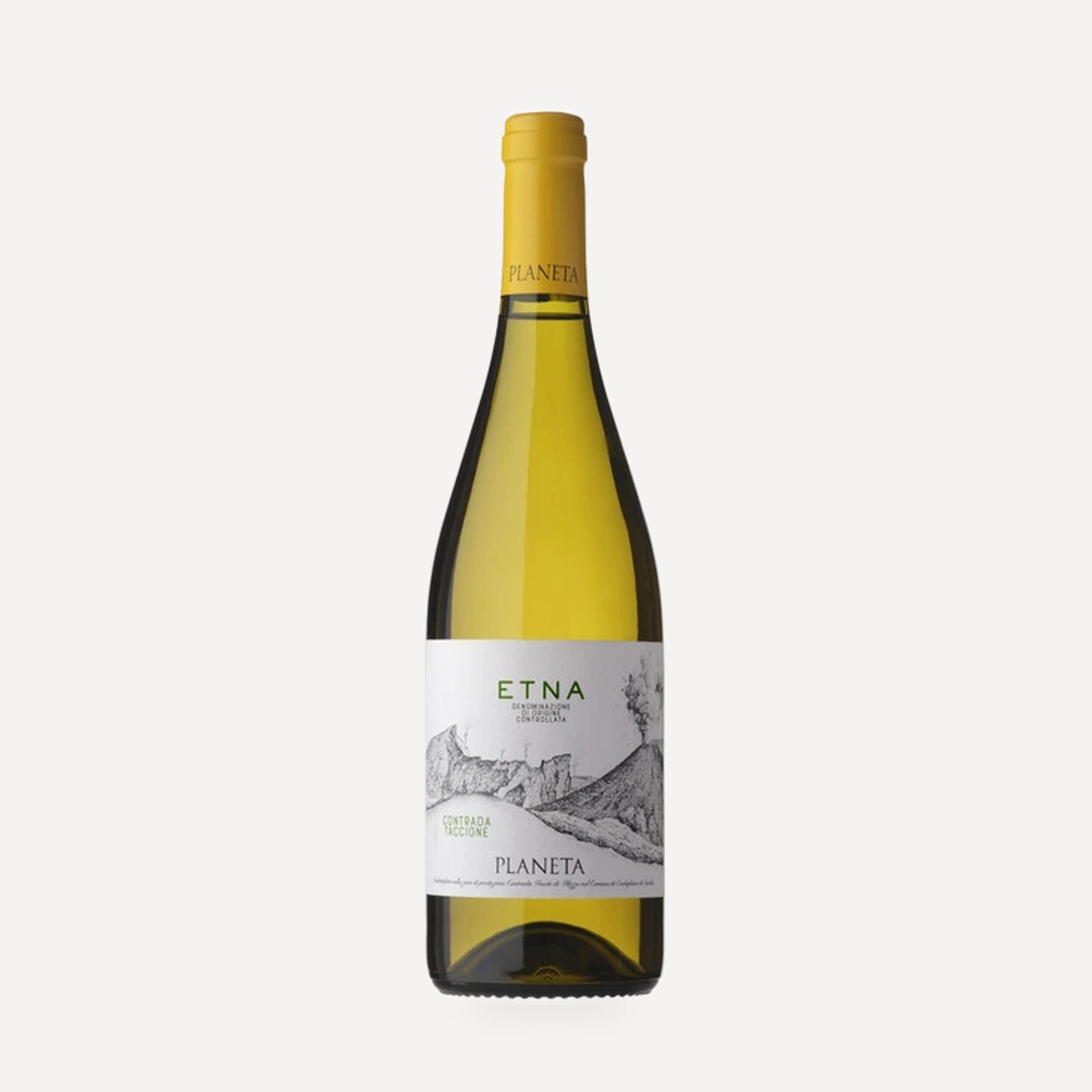
Etna Bianco Contrada Taccione DOC
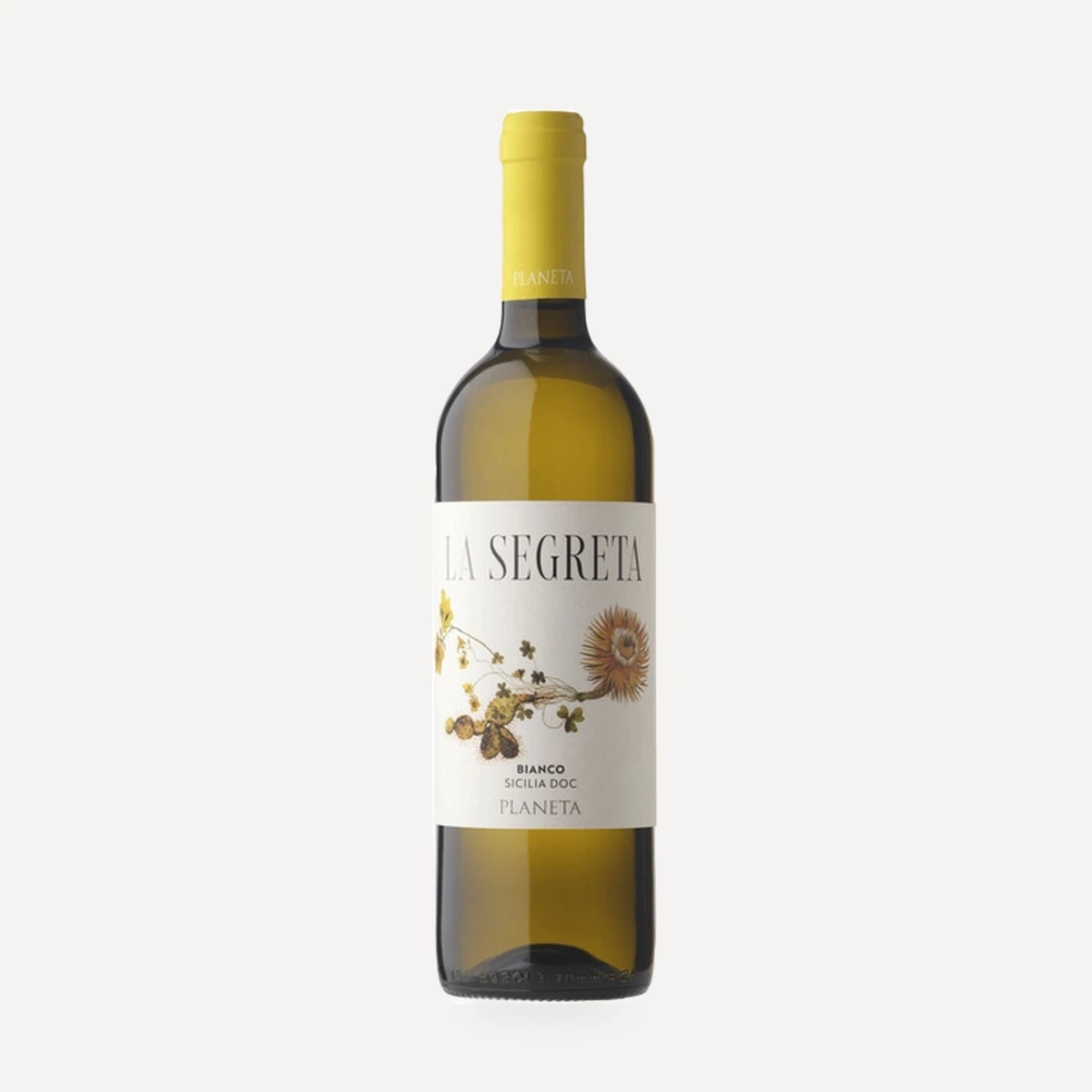
La Segreta Bianco Sicilia DOC
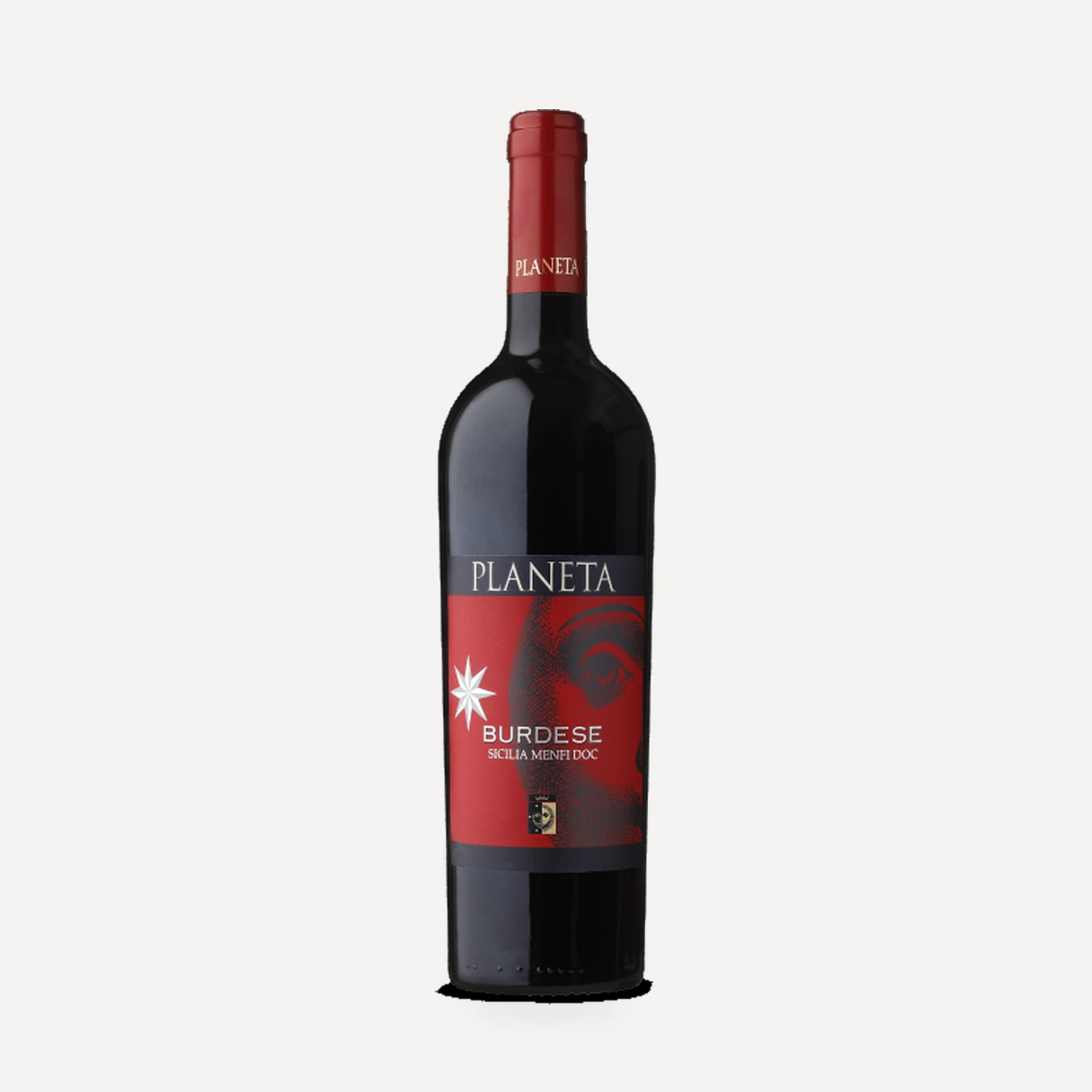
Burdese Menfi DOC
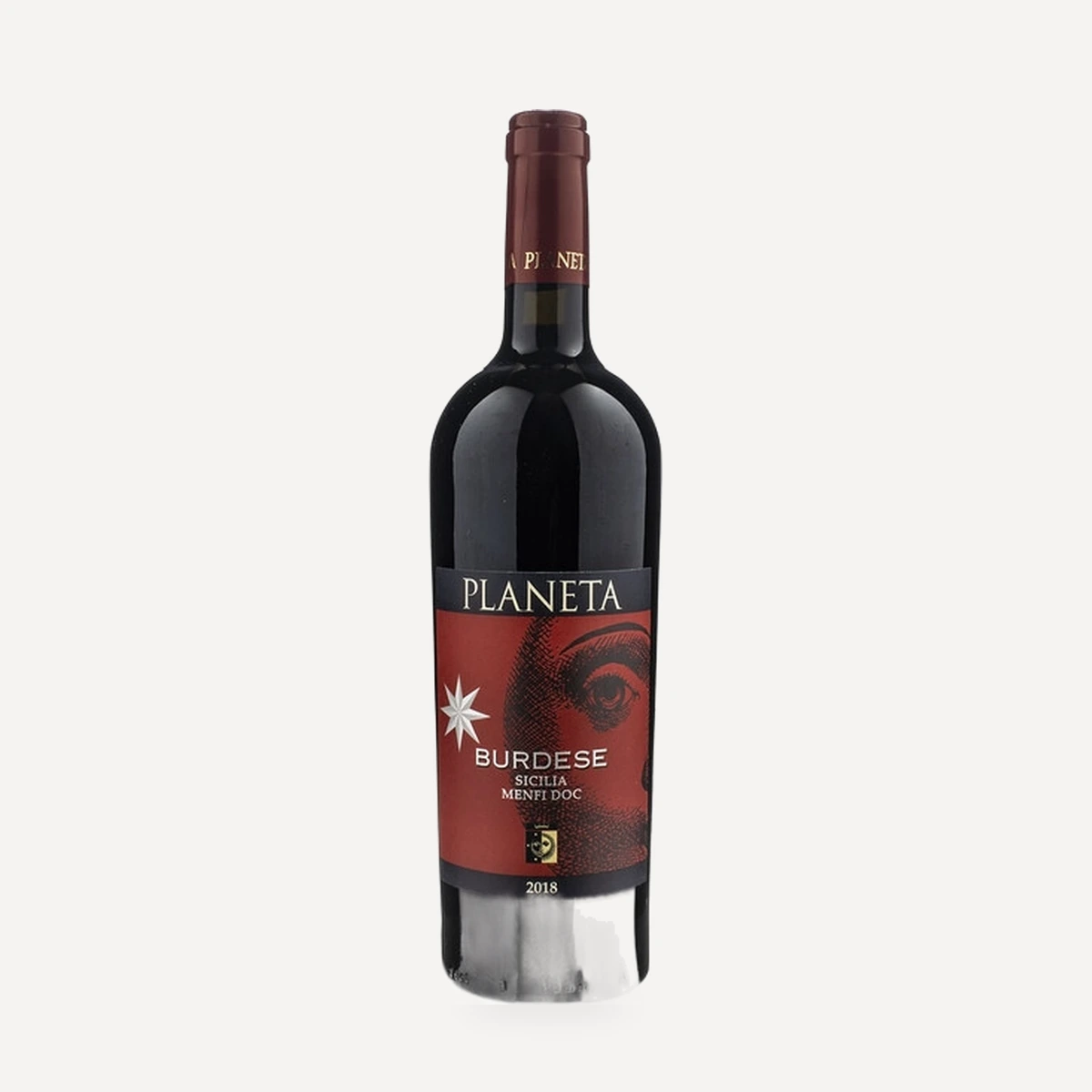
Burdese Sicilia Menfi DOC
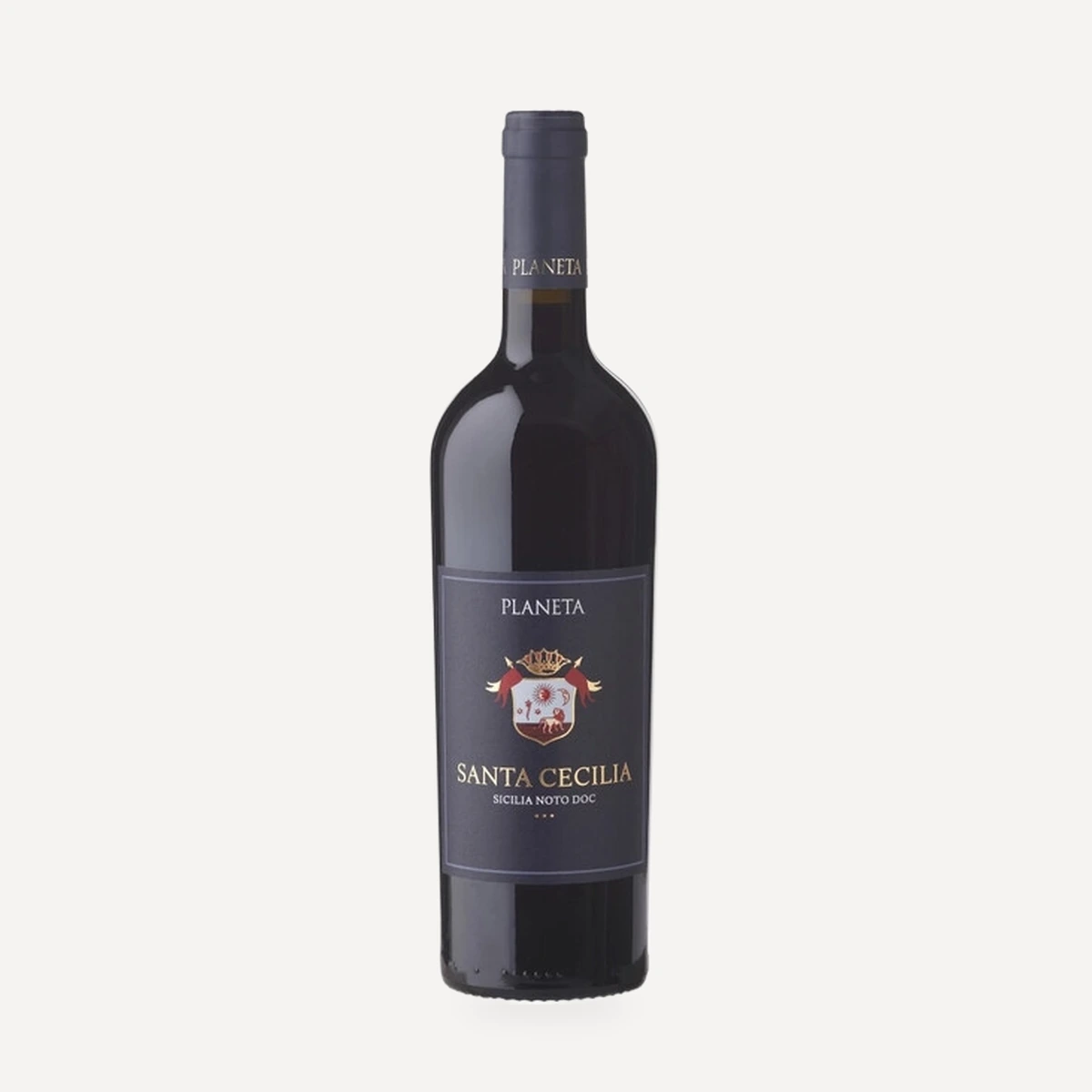
Santa Cecilia Sicilia Noto DOC
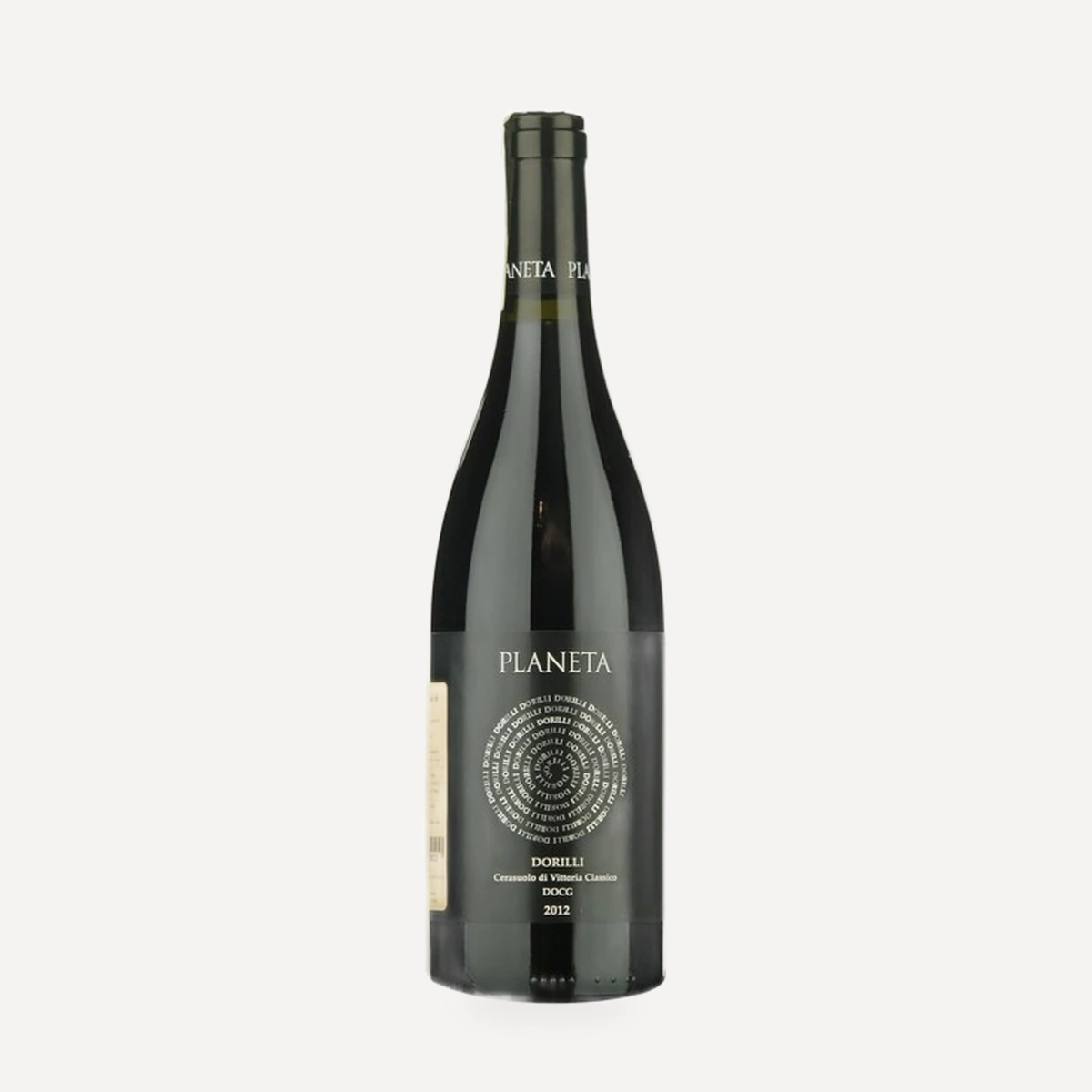
Dorilli Cerasuolo di Vittoria Classico DOCG
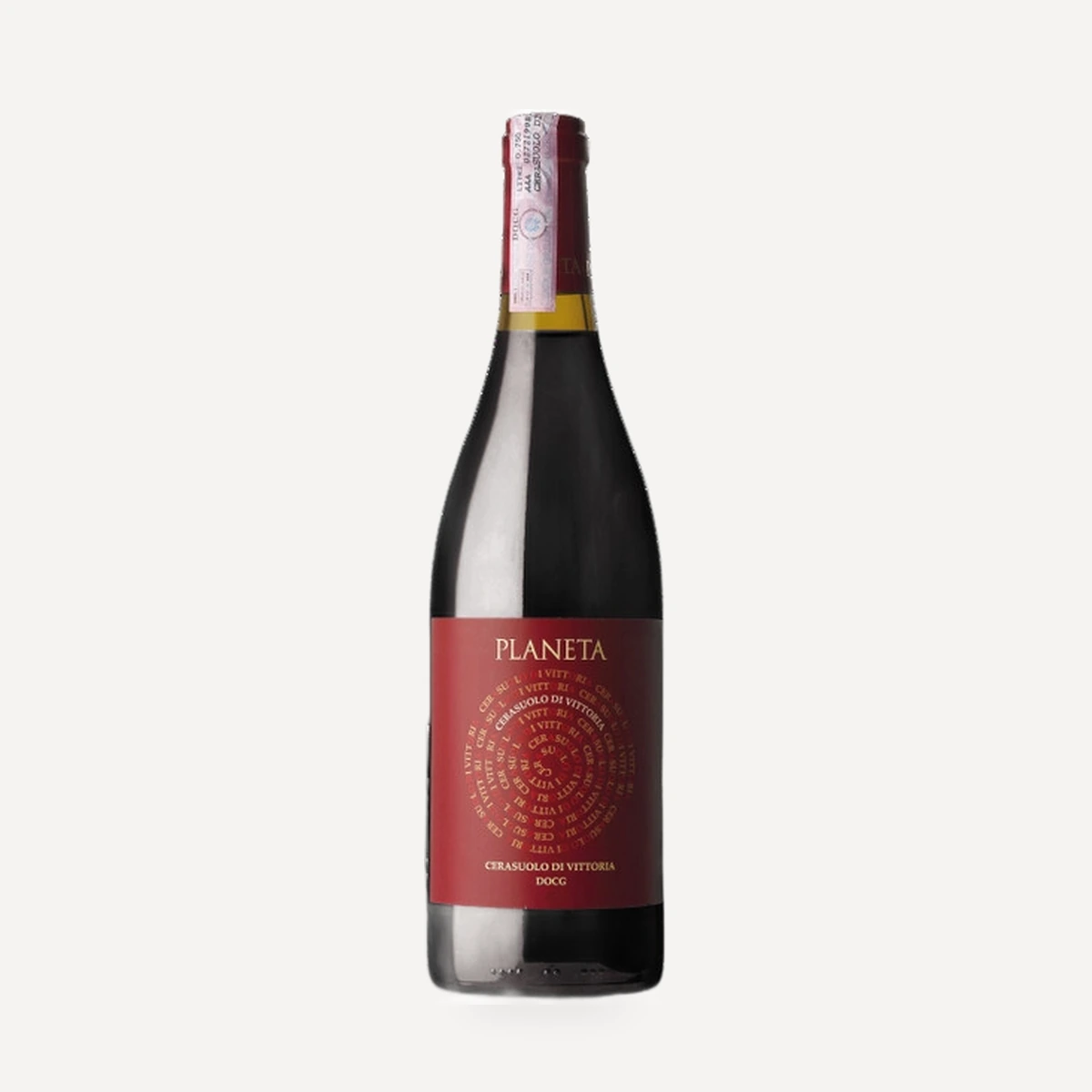
Cerasuolo di Vittoria Sicilia DOCG
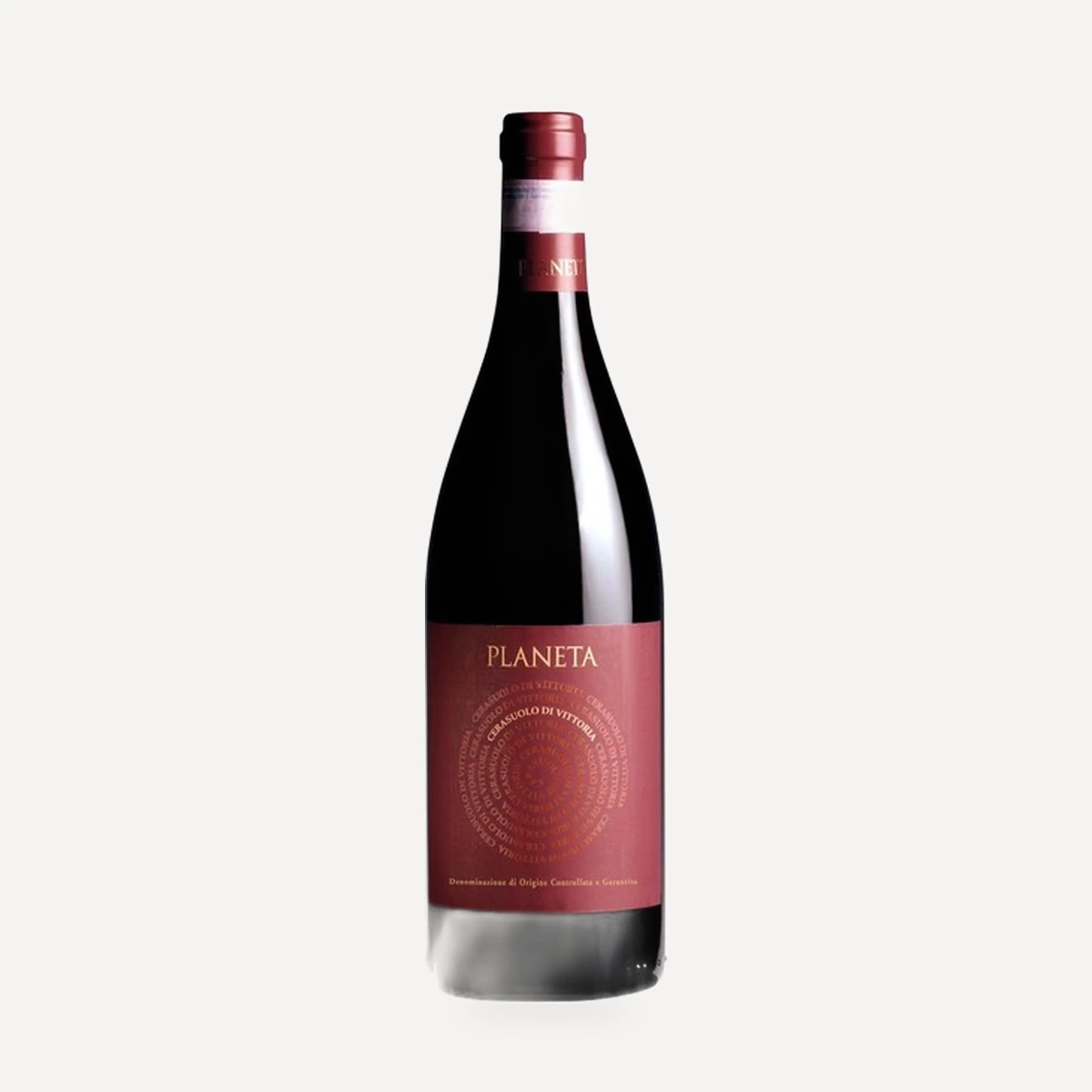
Cerasuolo di Vittoria DOCG
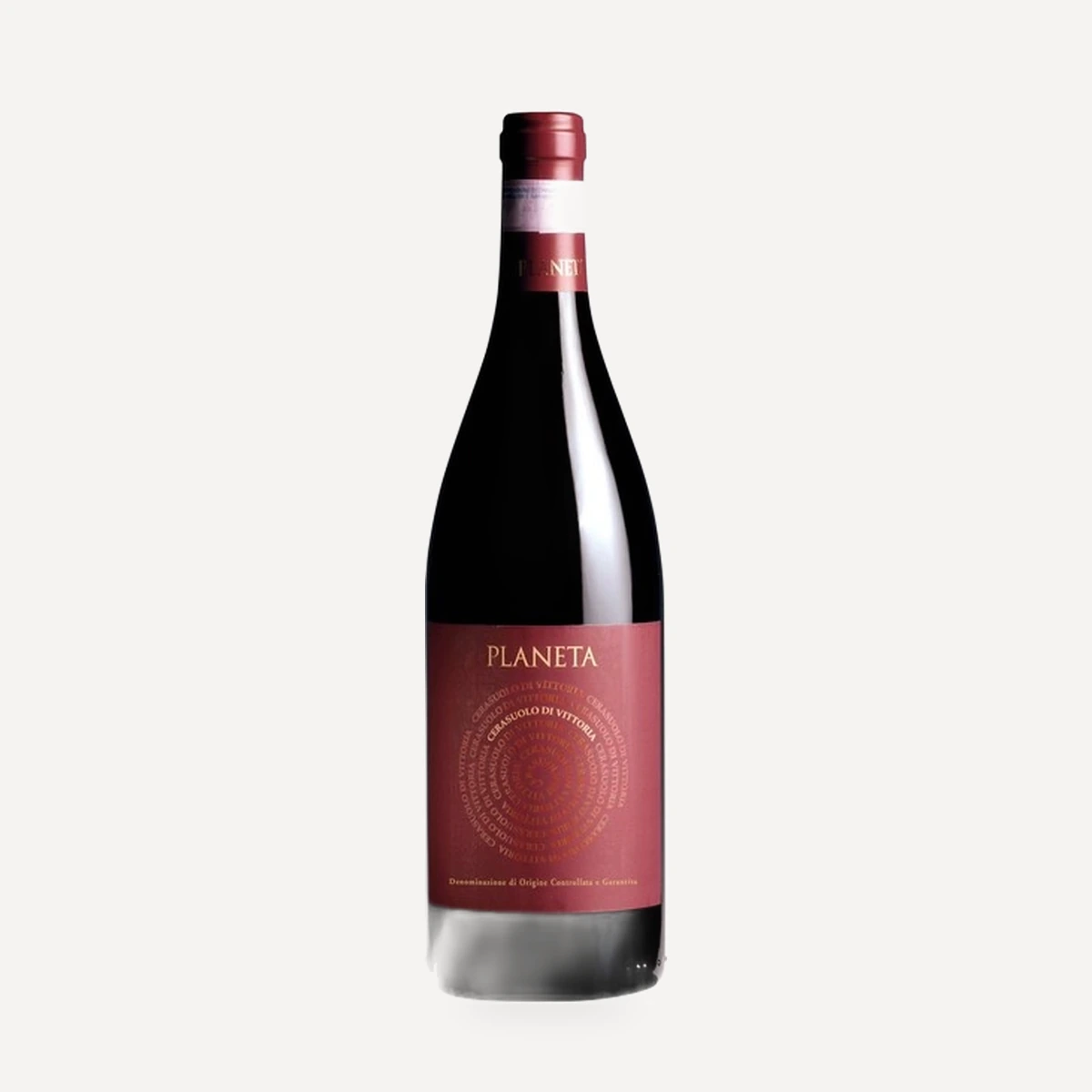
Cerrasuolo di Vittoria DOCG
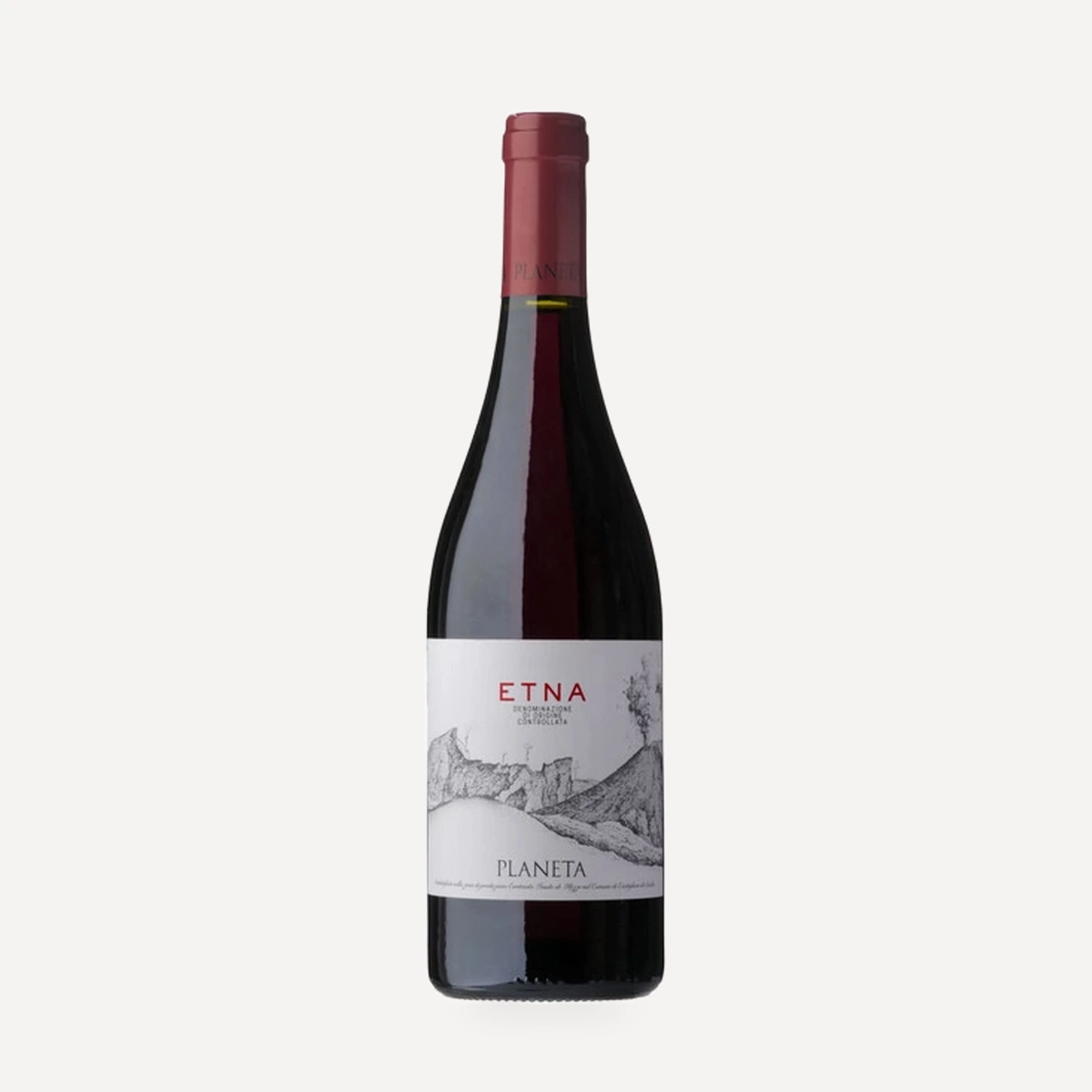
Etna Rosso DOC
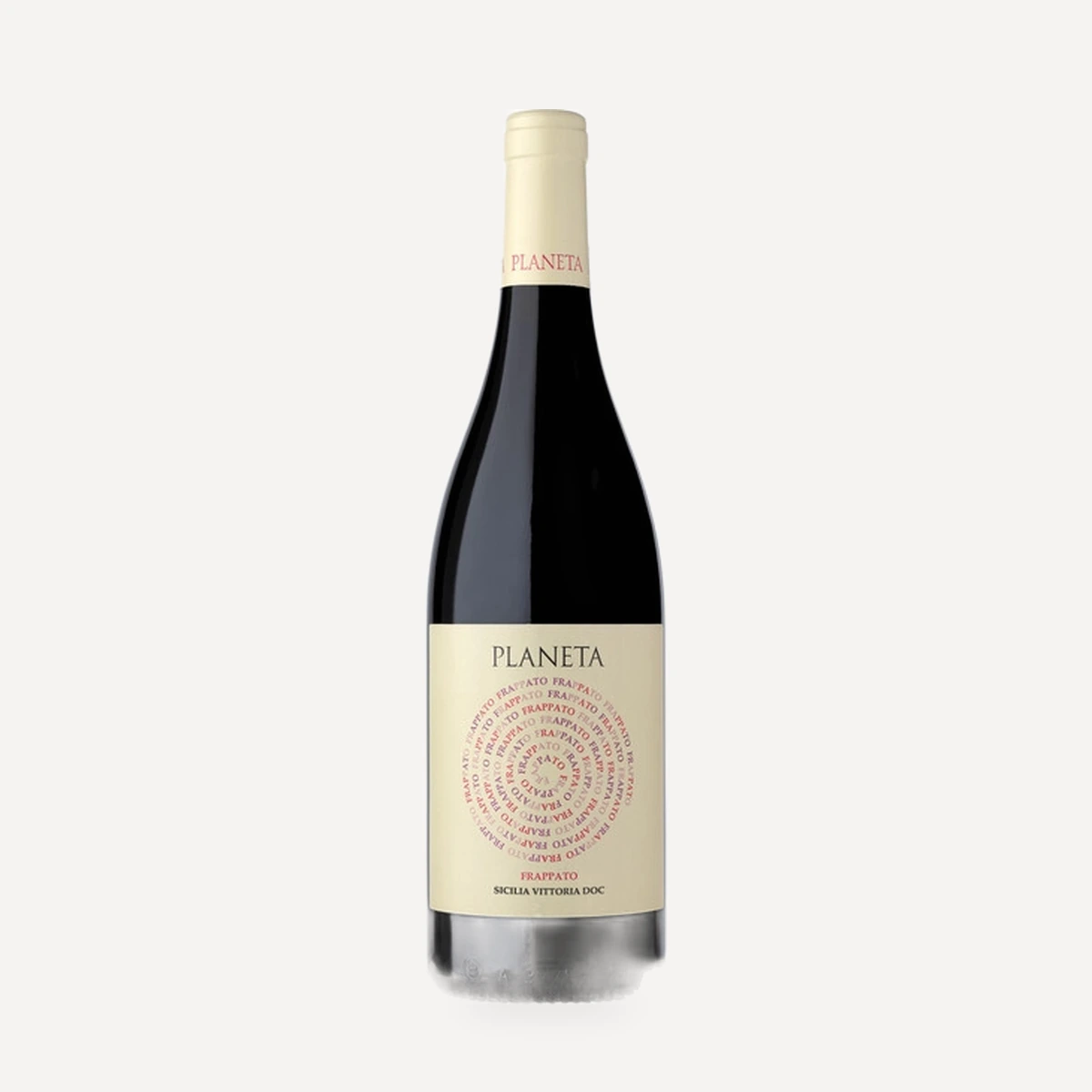
Frappato Sicilia Vittoria DOC
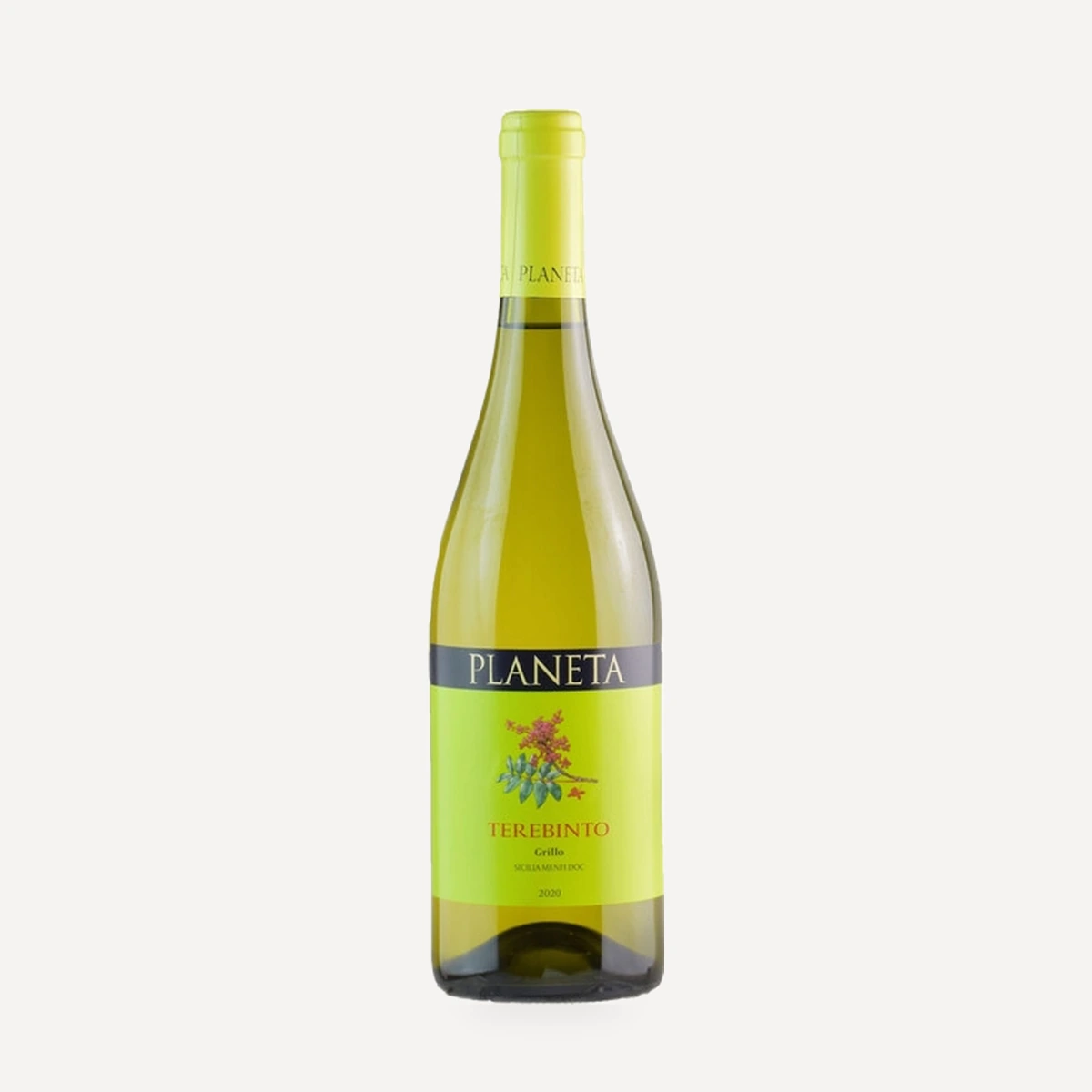
Terebinto Grillo Sicilia Menfi DOC
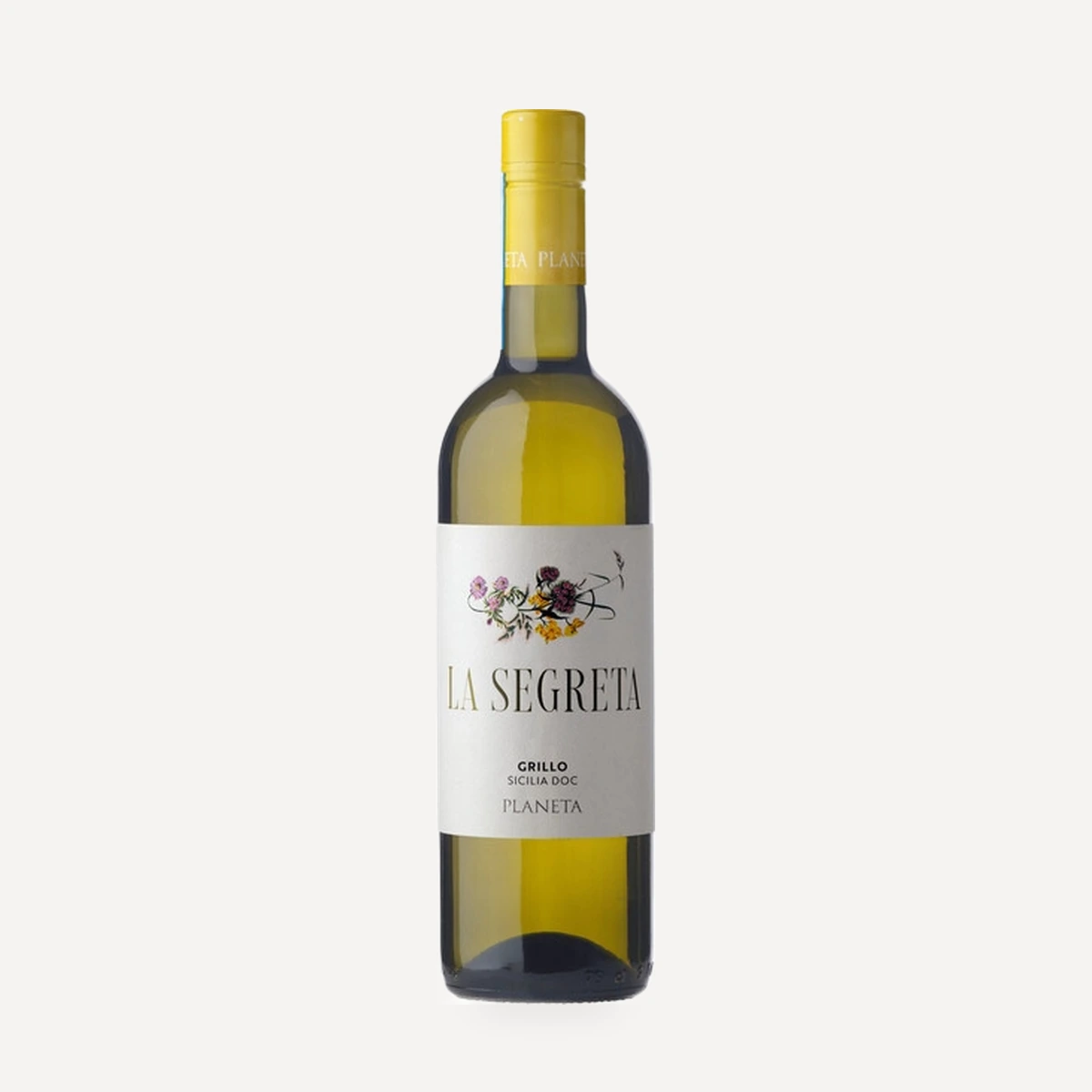
La Segreta Grillo Sicilia DOC
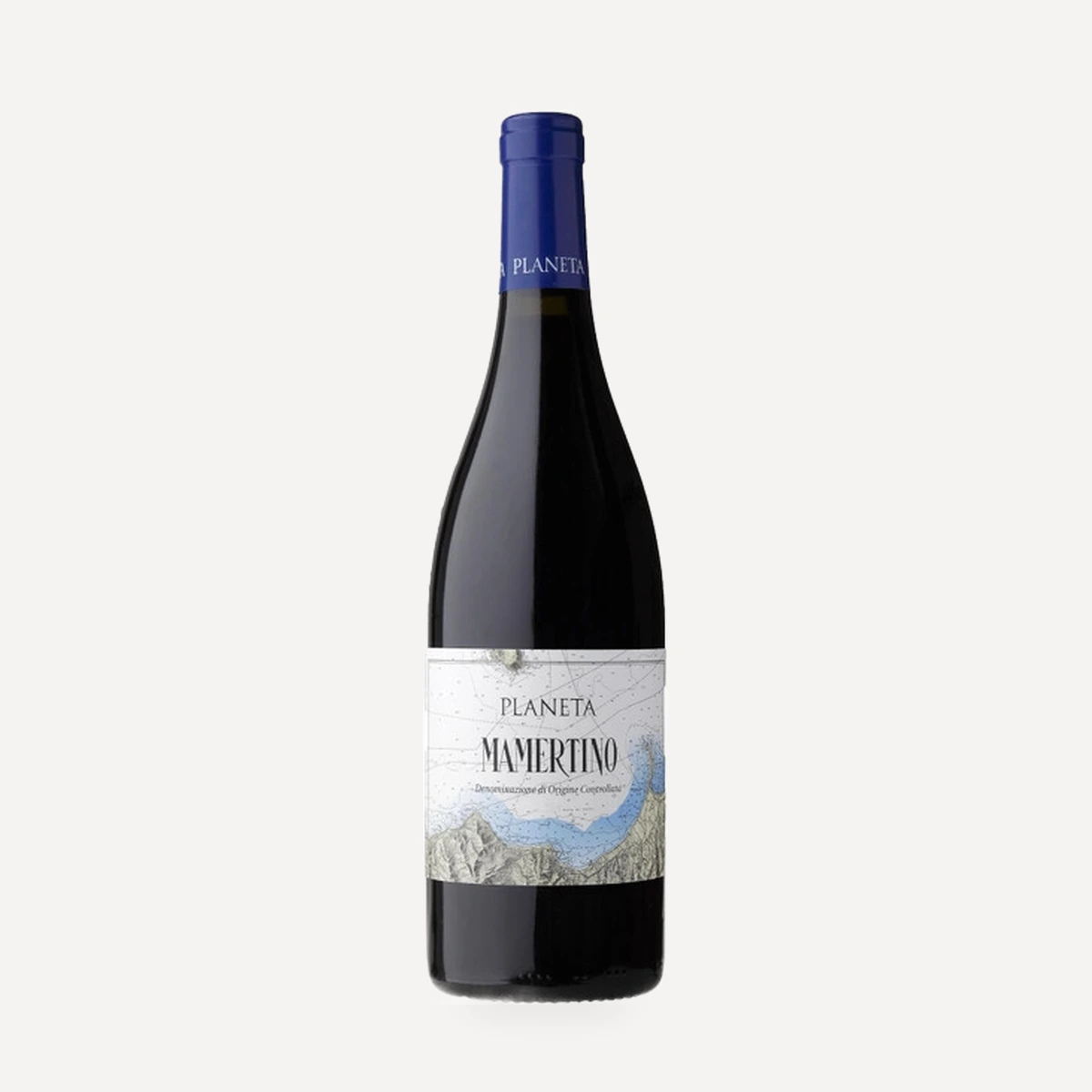
Mamertino Sicilia DOC
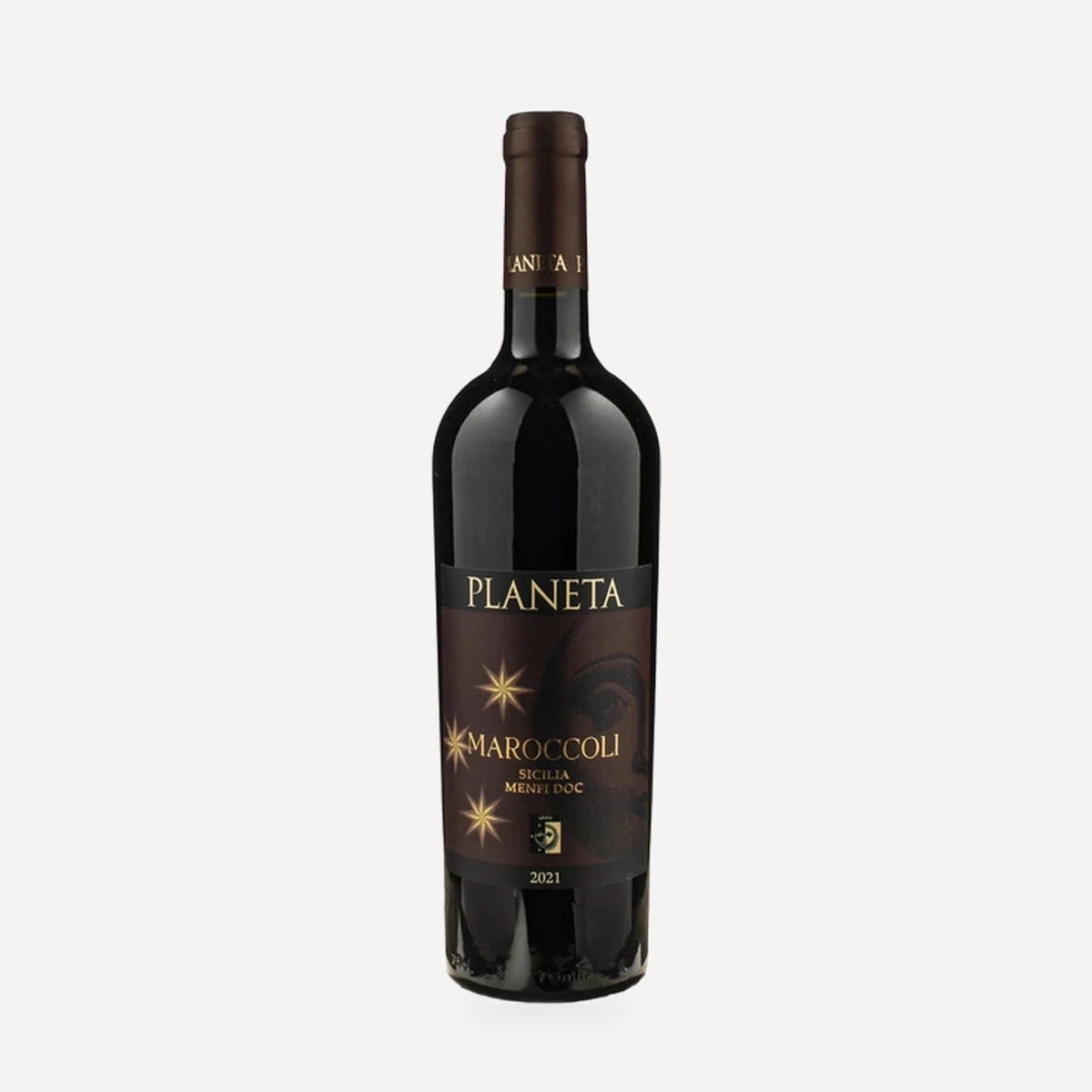
Maroccoli Syrah Menfi DOC
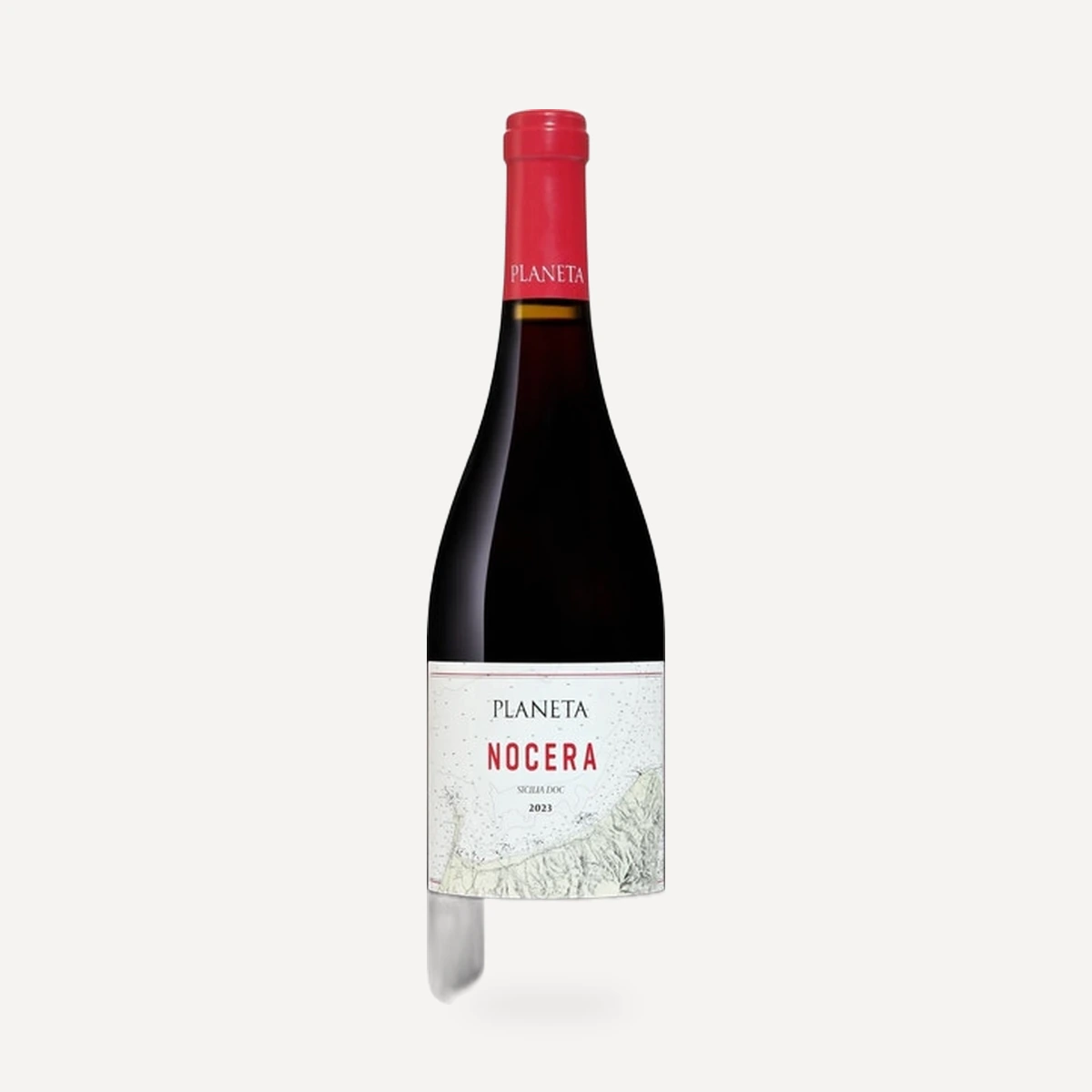
Nocera Sicilia DOC
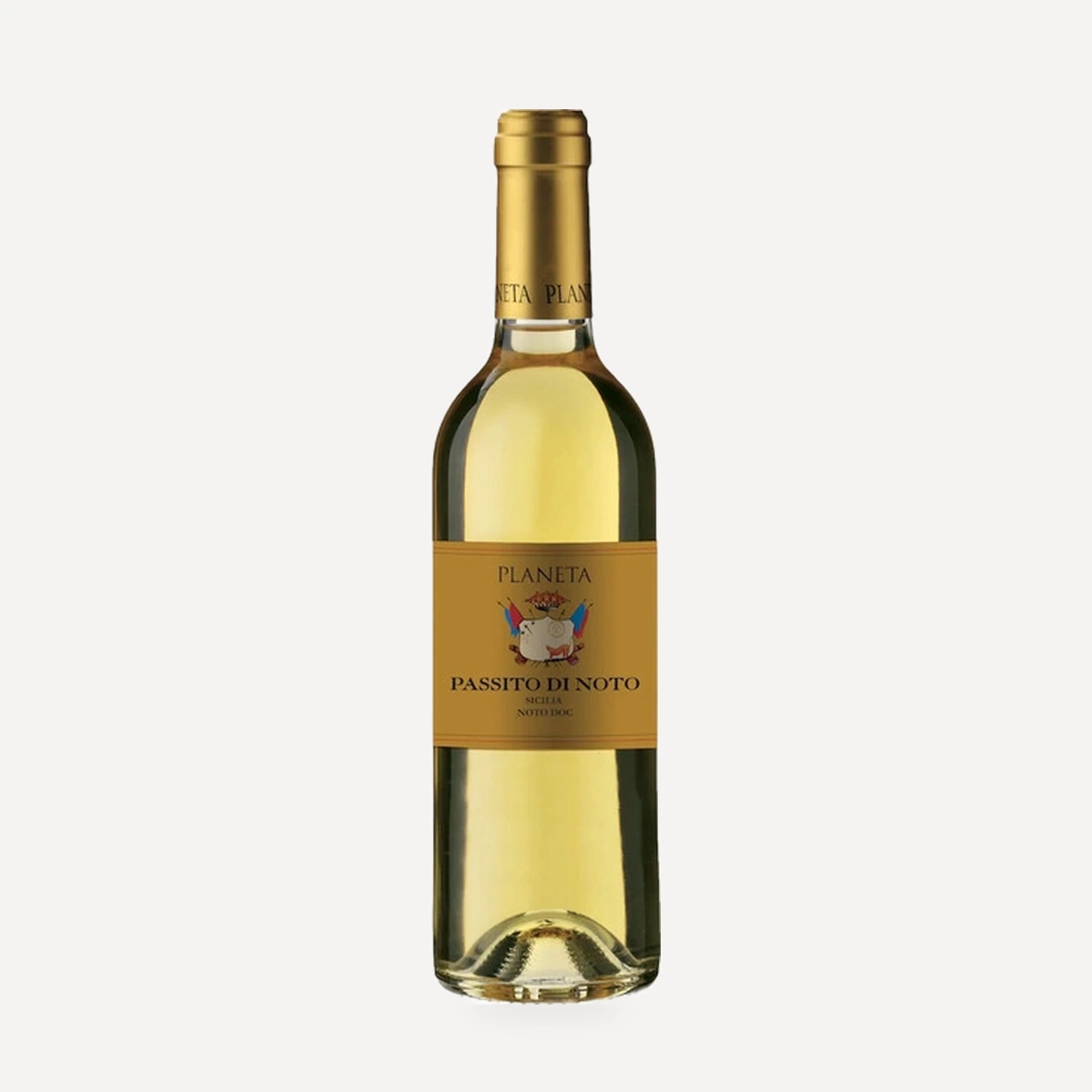
Passito di Noto Sicilia Noto DOC
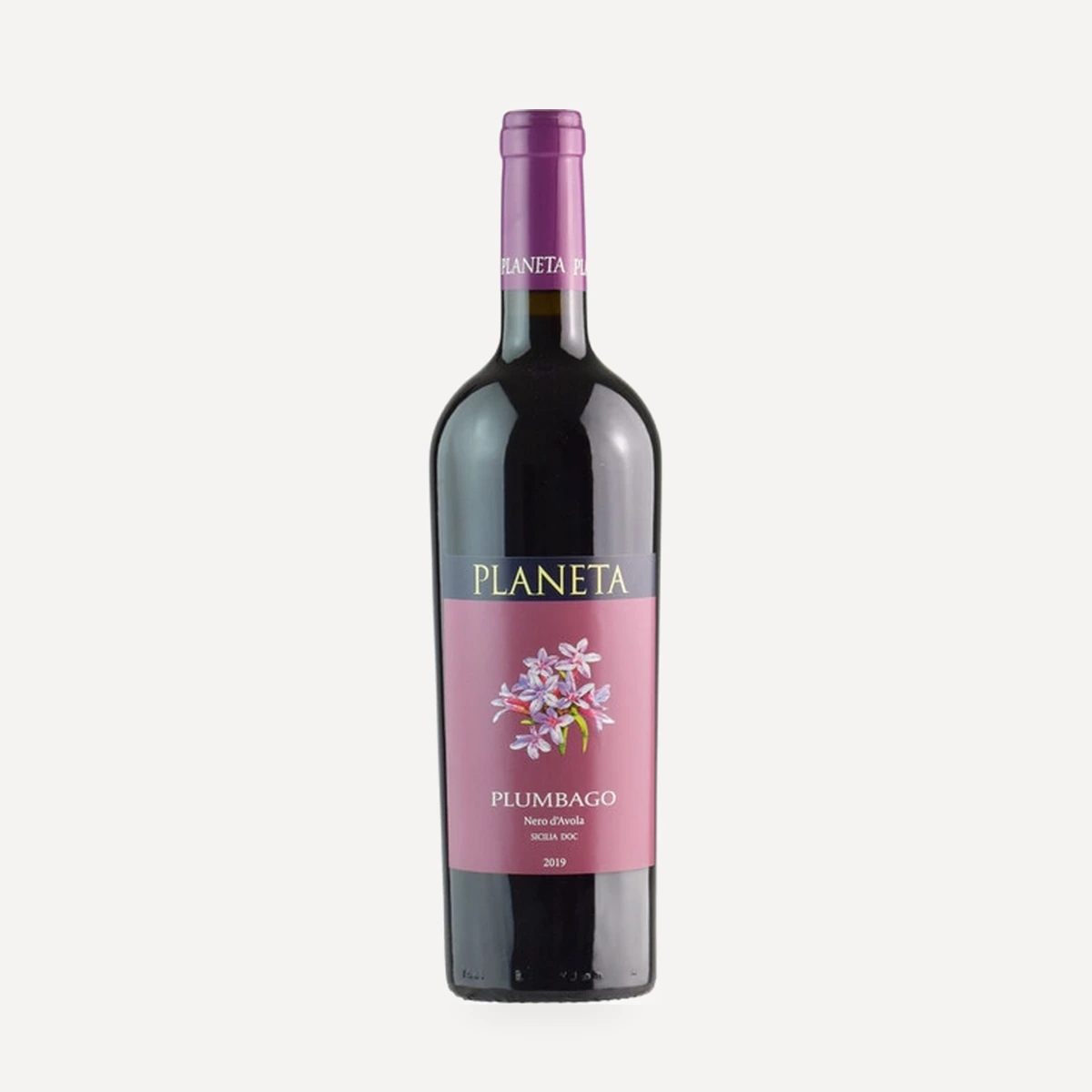
Plumbago Sicilia DOC
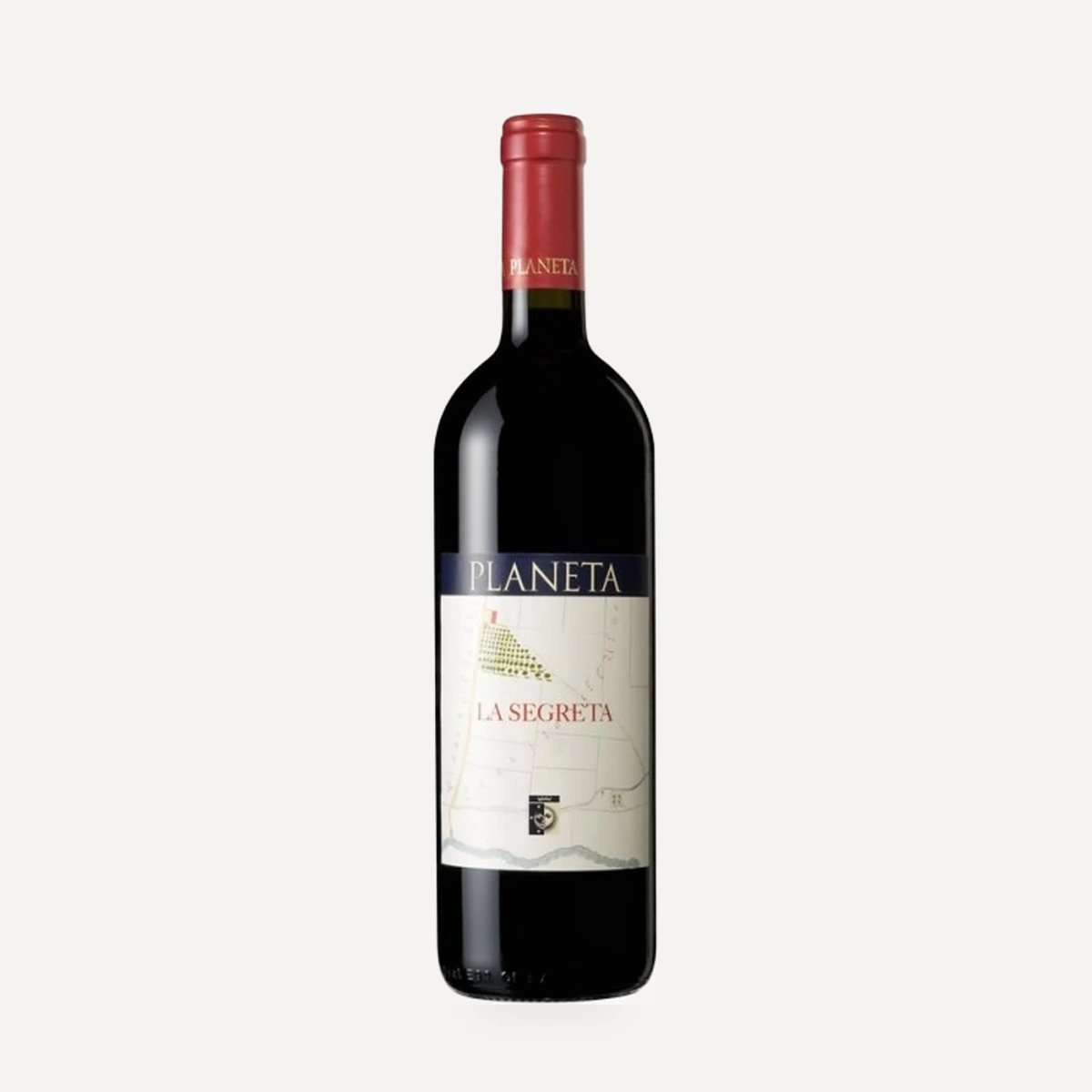
La Segreta Rosso
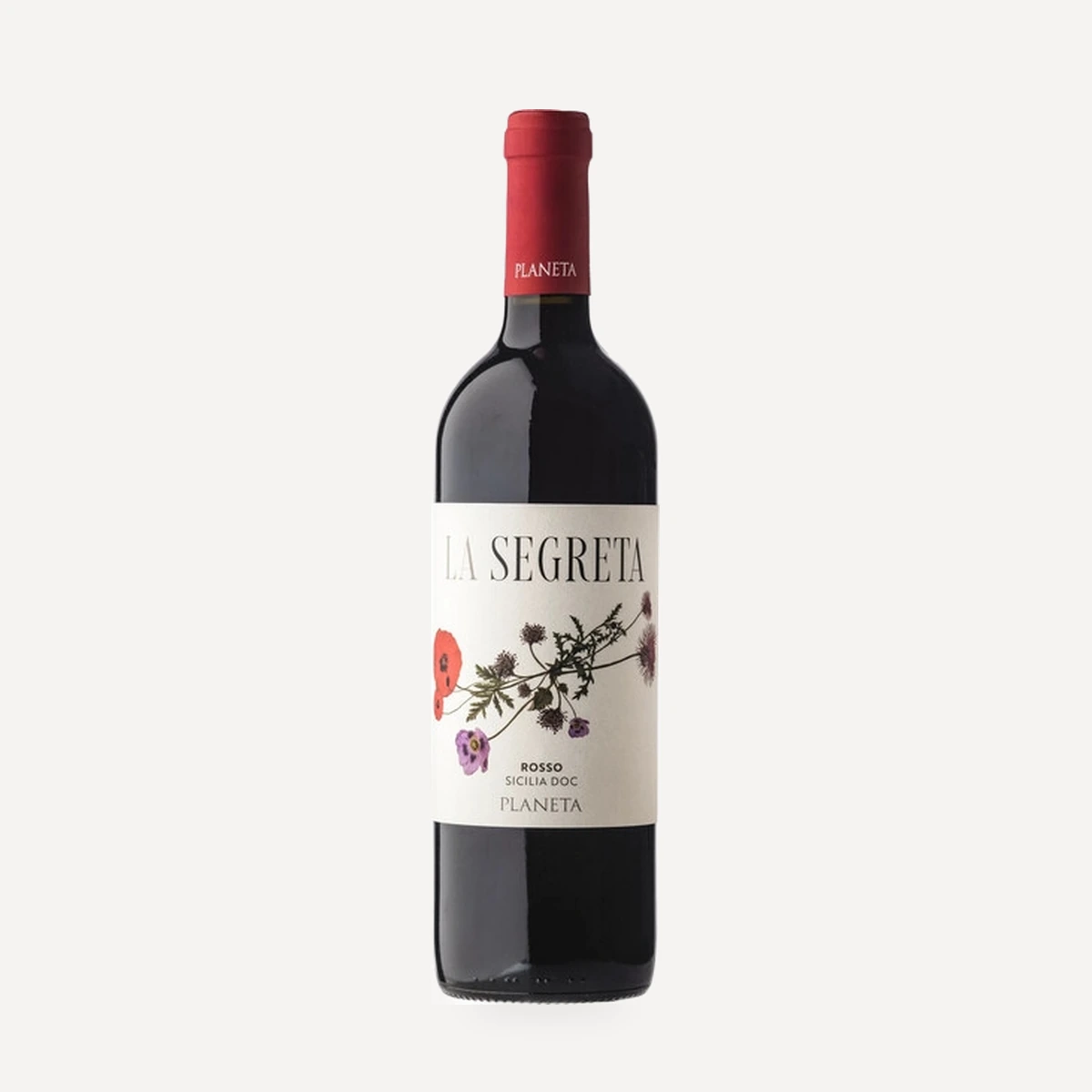
La Segreta Il Rosso Sicilia DOC
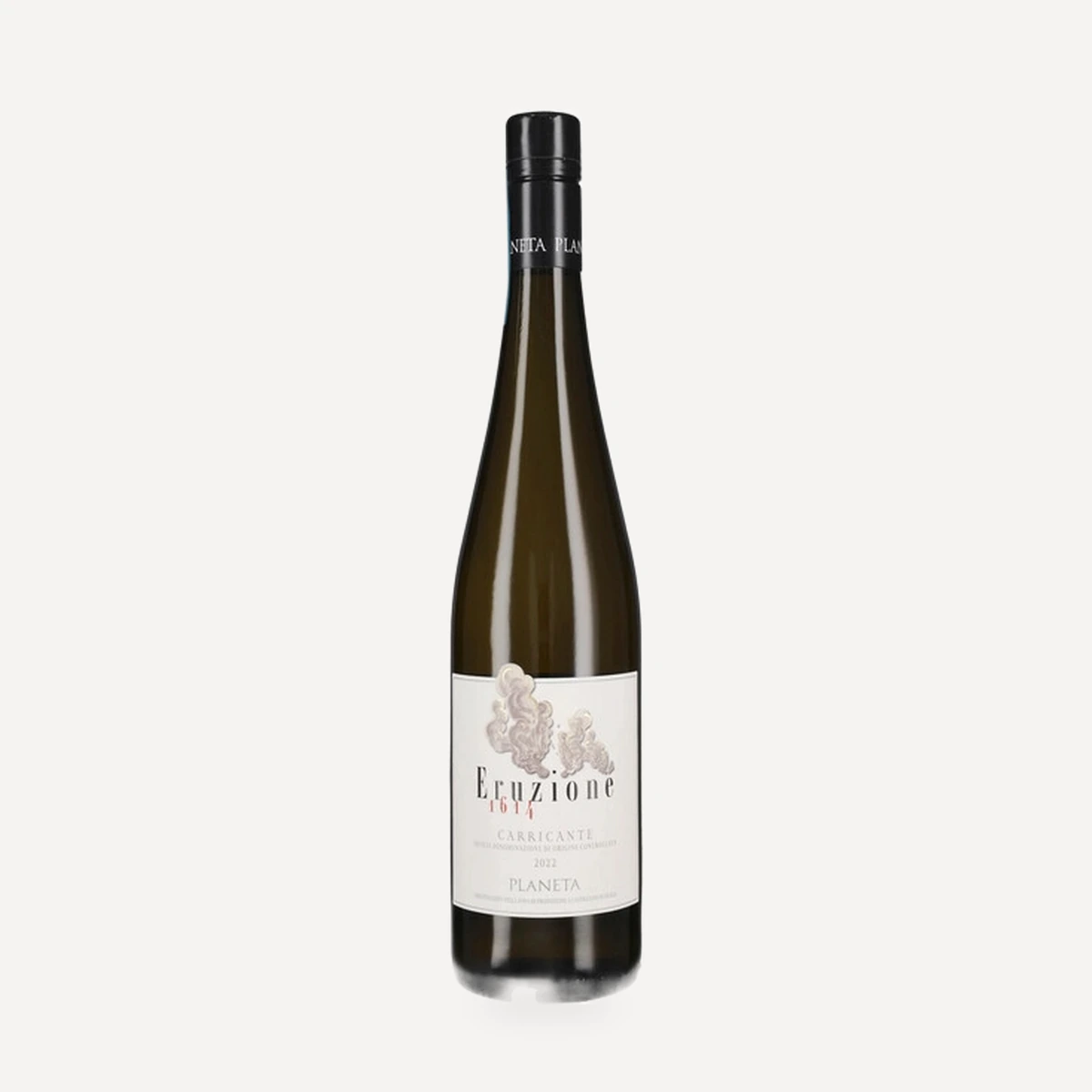
Eruzione 1614 Carricante
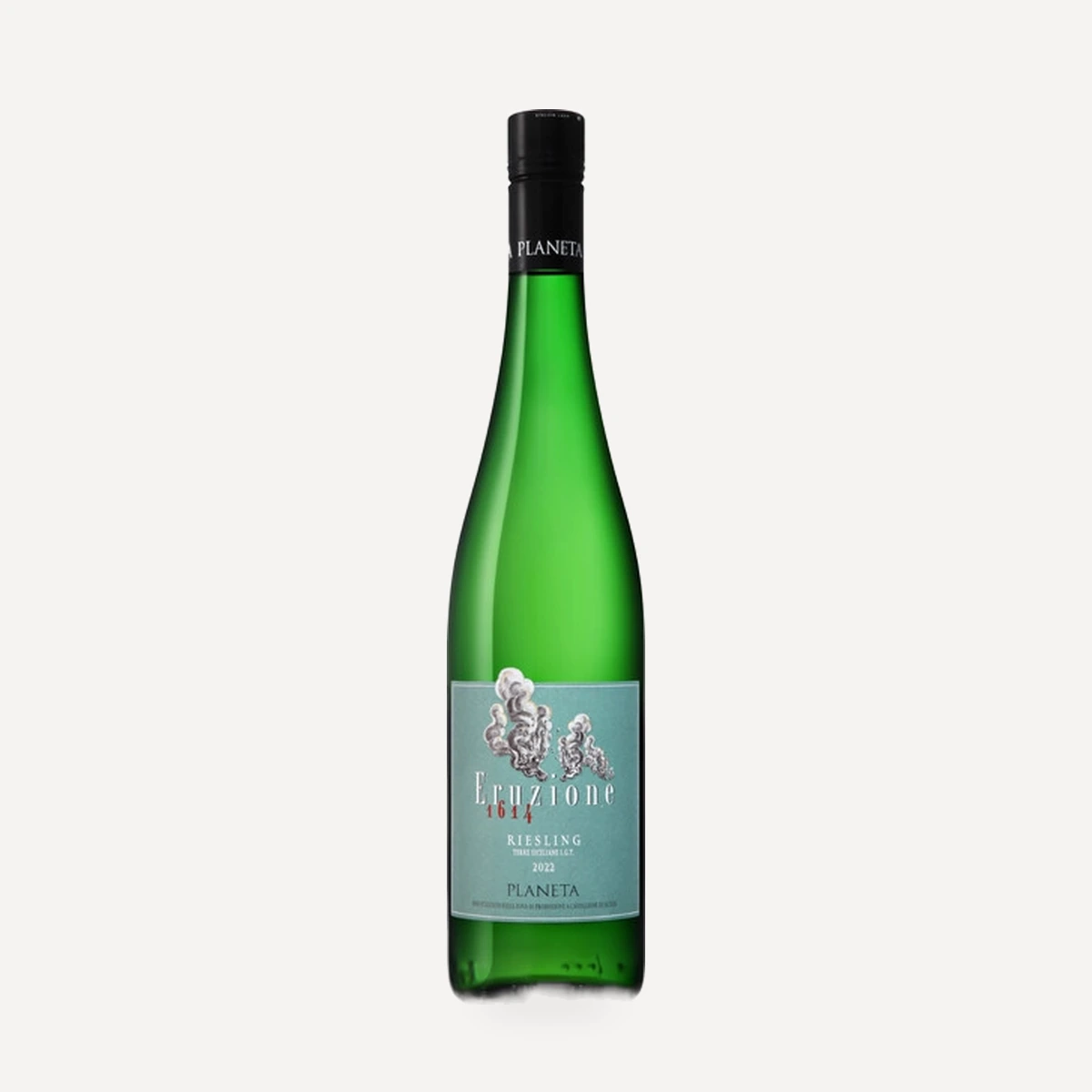
Eruzione 1614 Riesling Terre Siciliane IGT
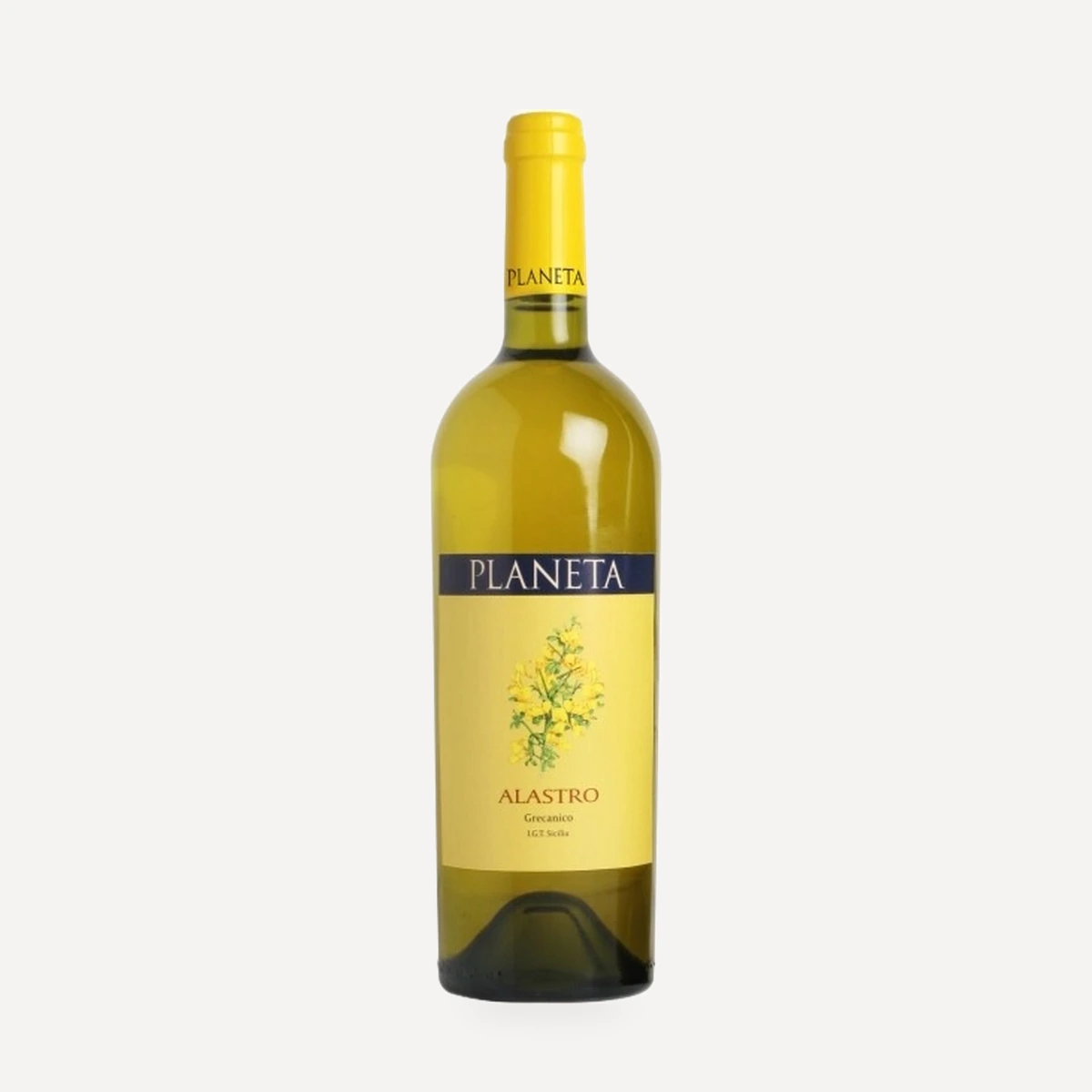
Alastro IGT
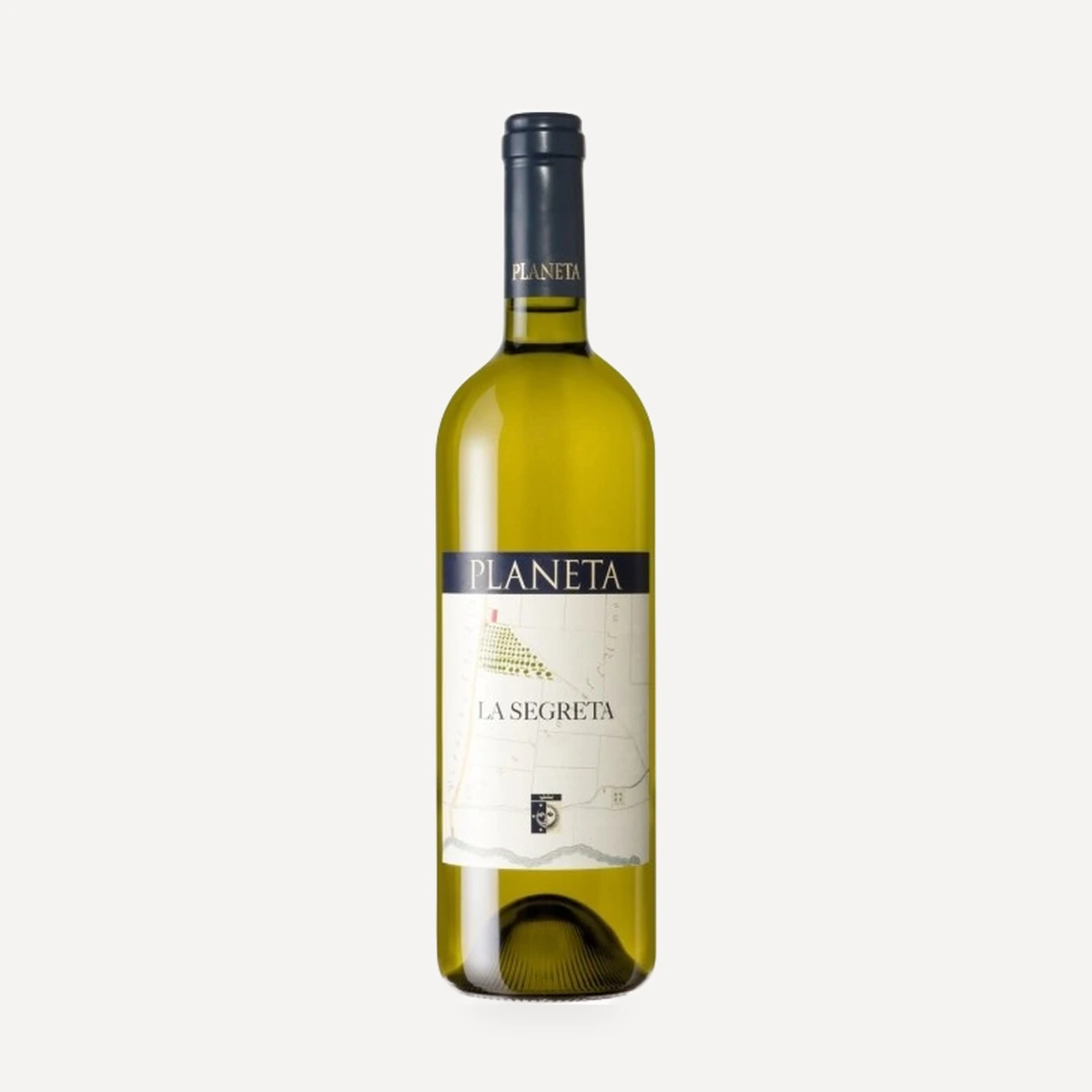
La Segreta Bianco
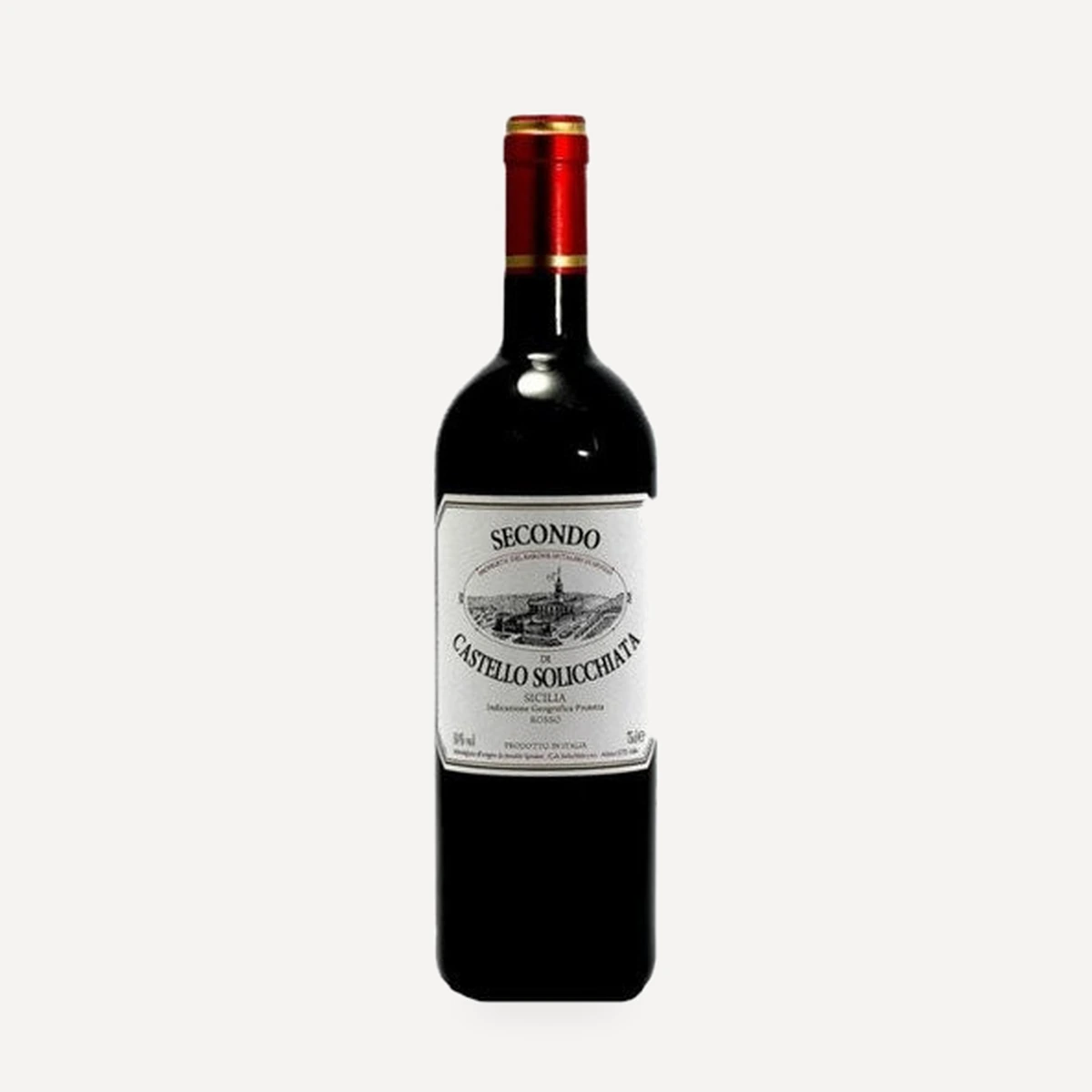
Secondo di Castello Solicchiata Sicilia IGP
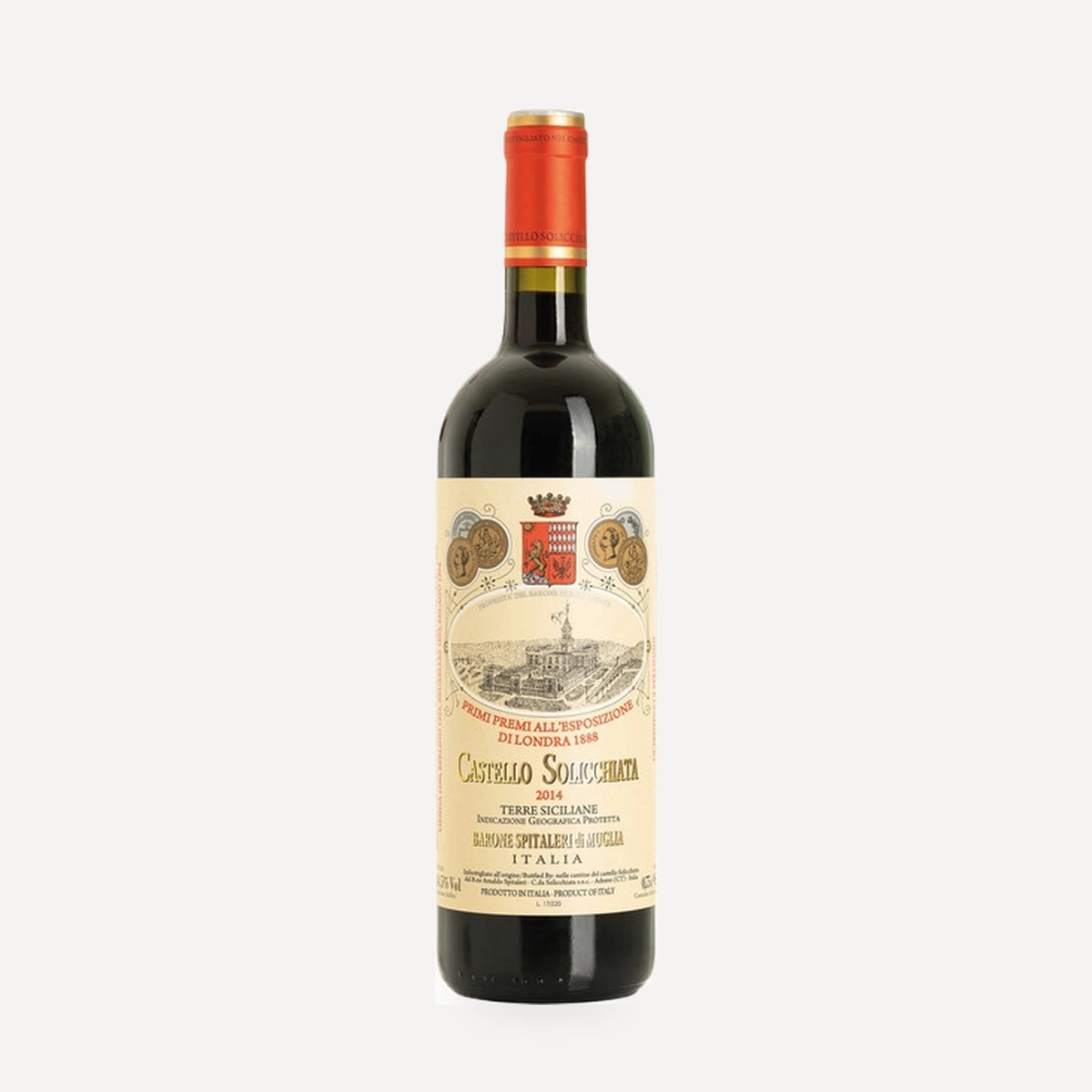
Castello Solicchiata Terre Siciliane IGP
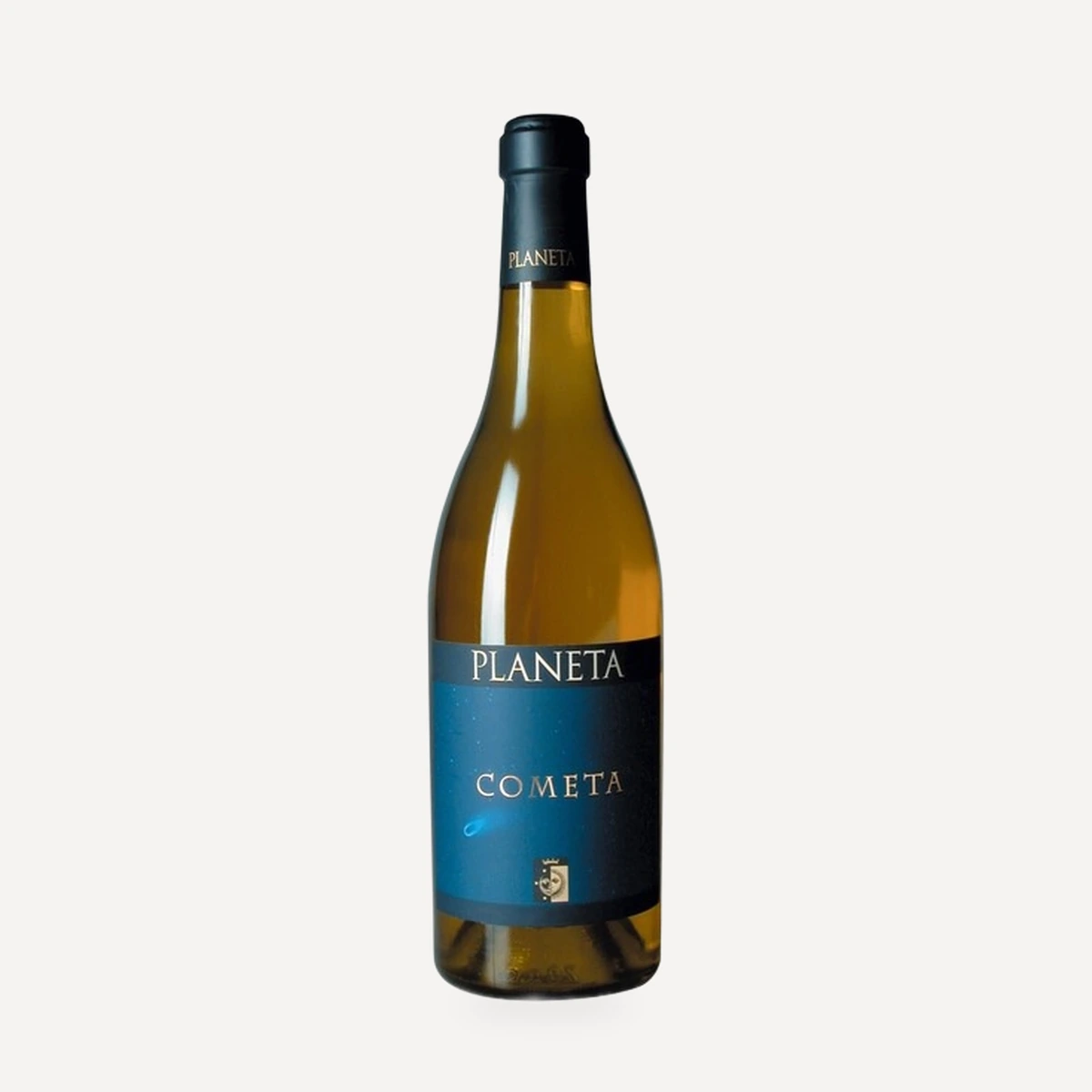
Cometa Sicilia IGT
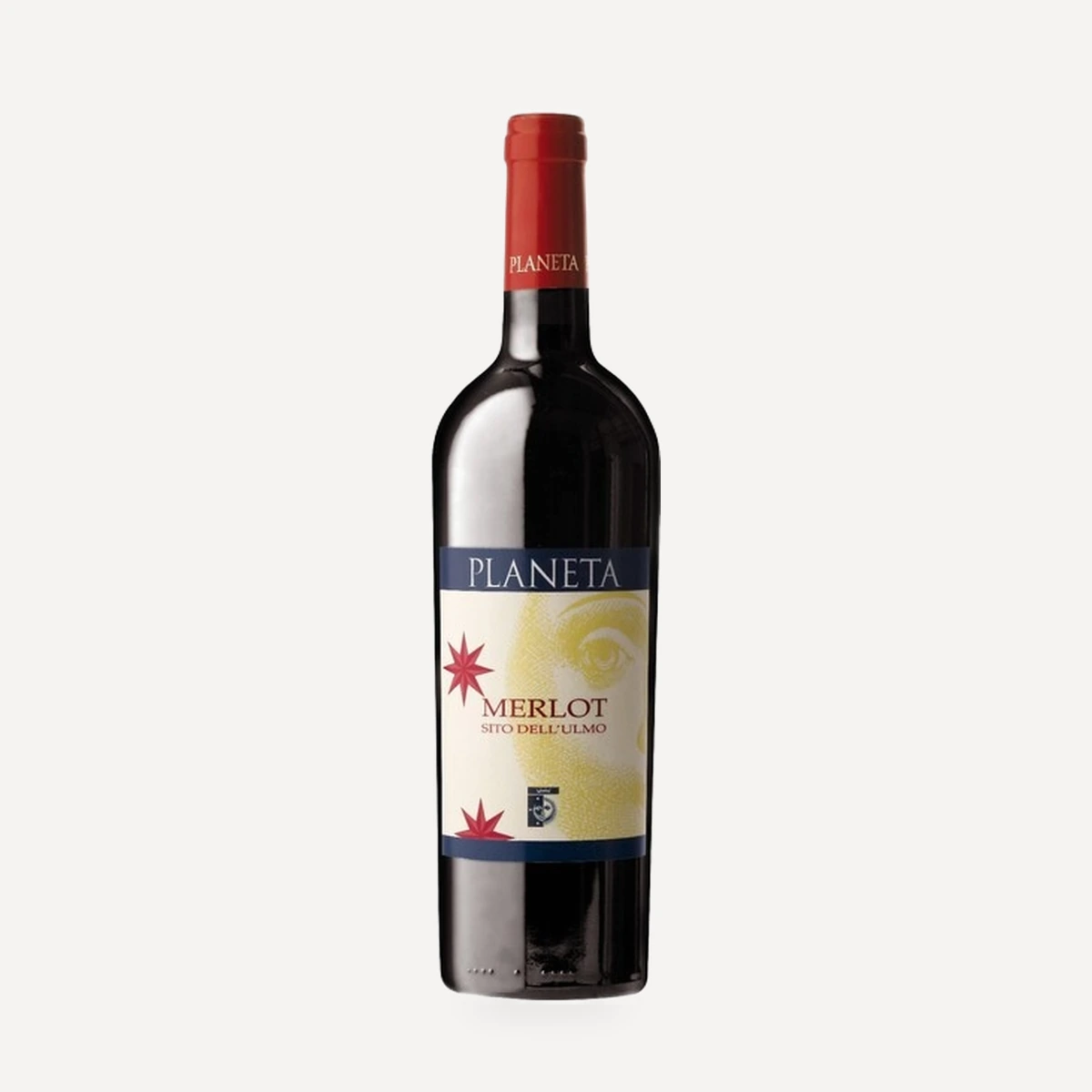
Merlot
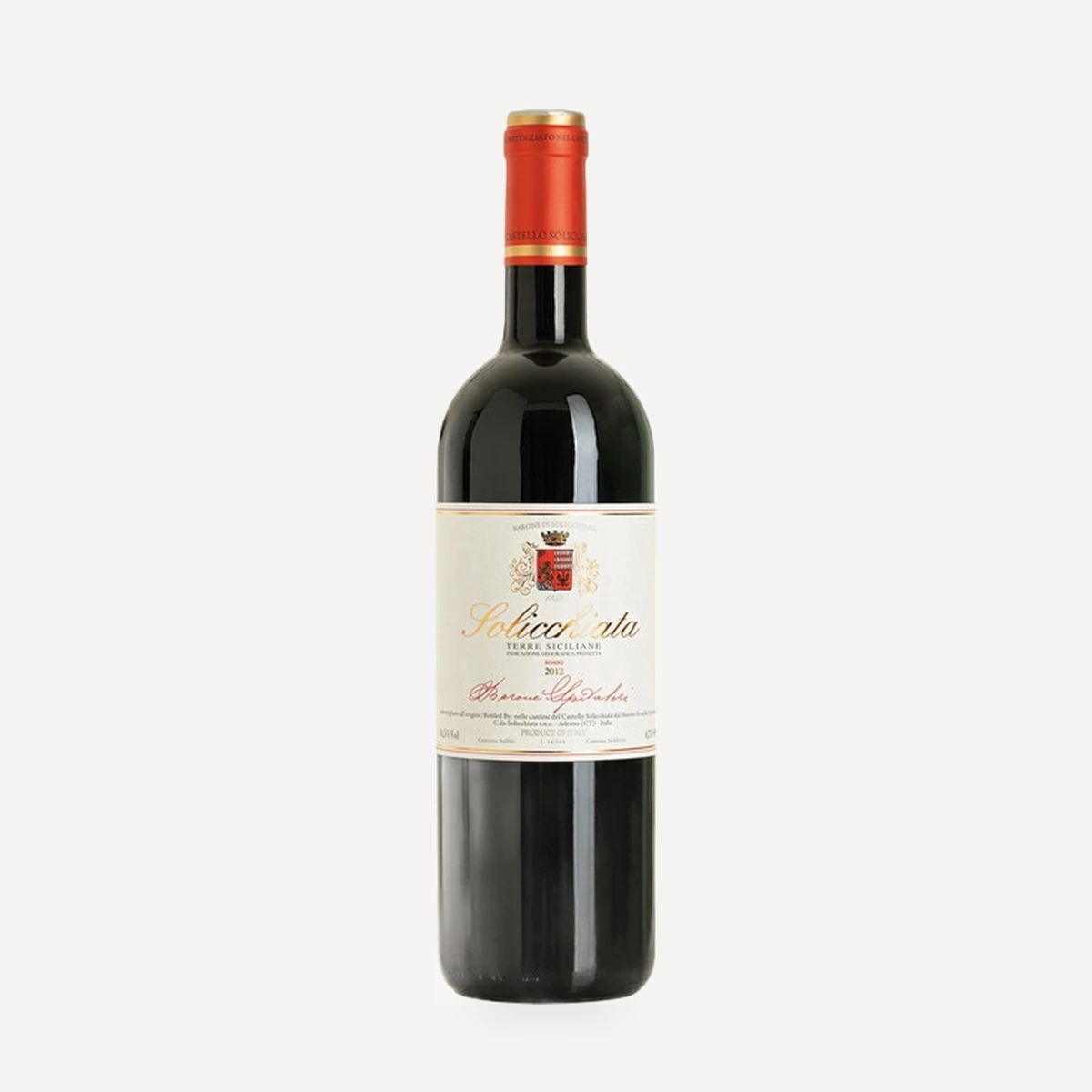
Solicchiata Terre Siciliane IGP
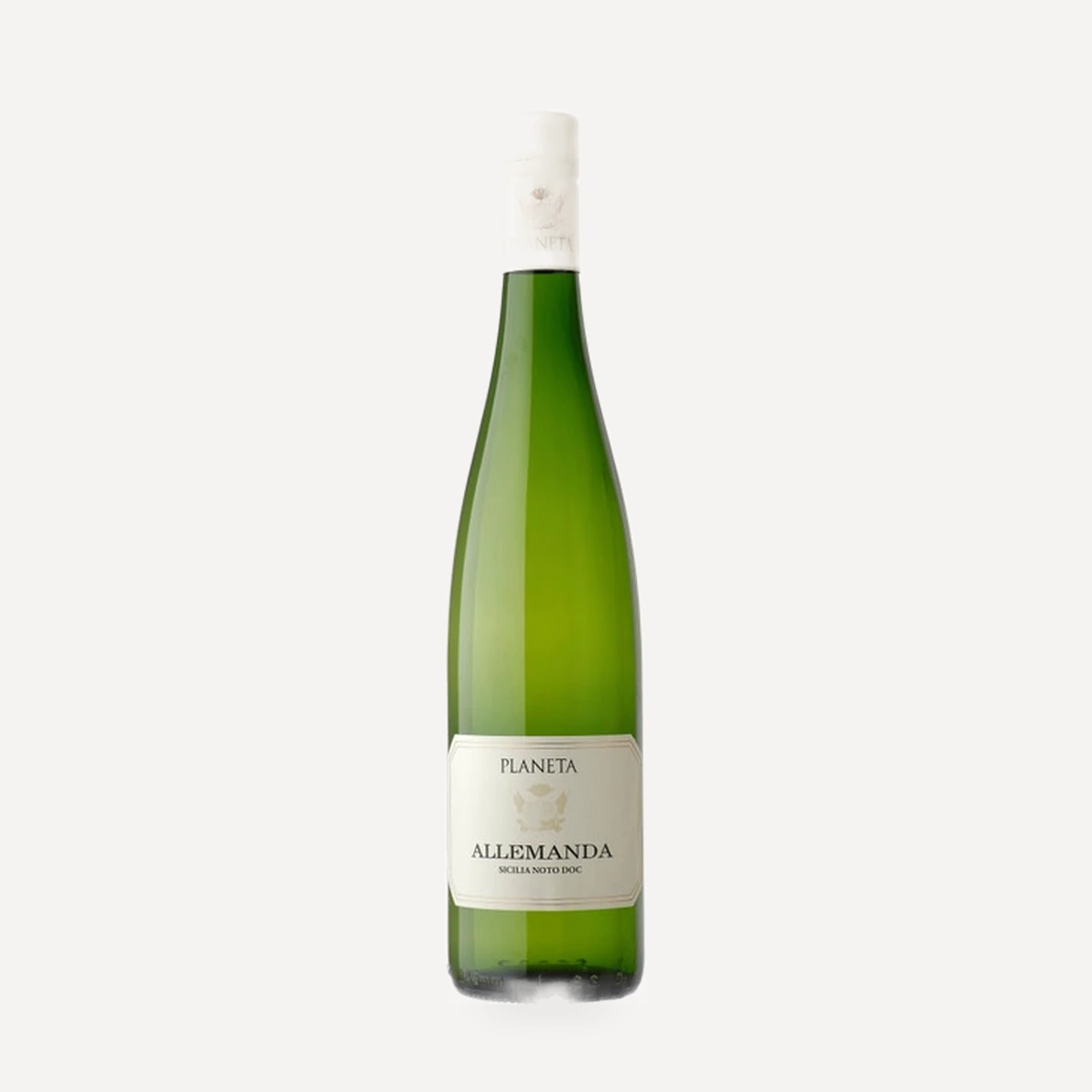
Allemanda Noto DOC
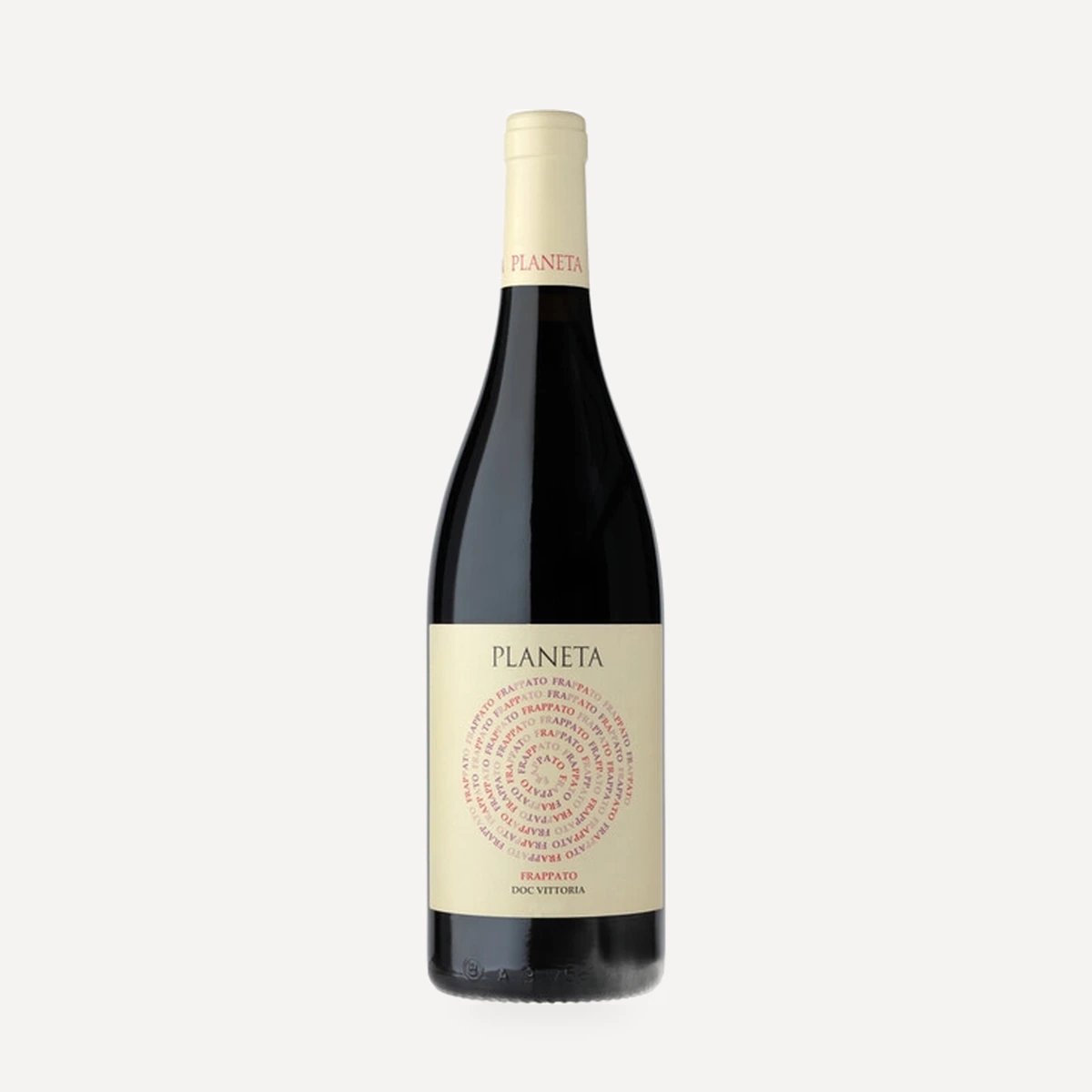
Frappato Vittoria DOC
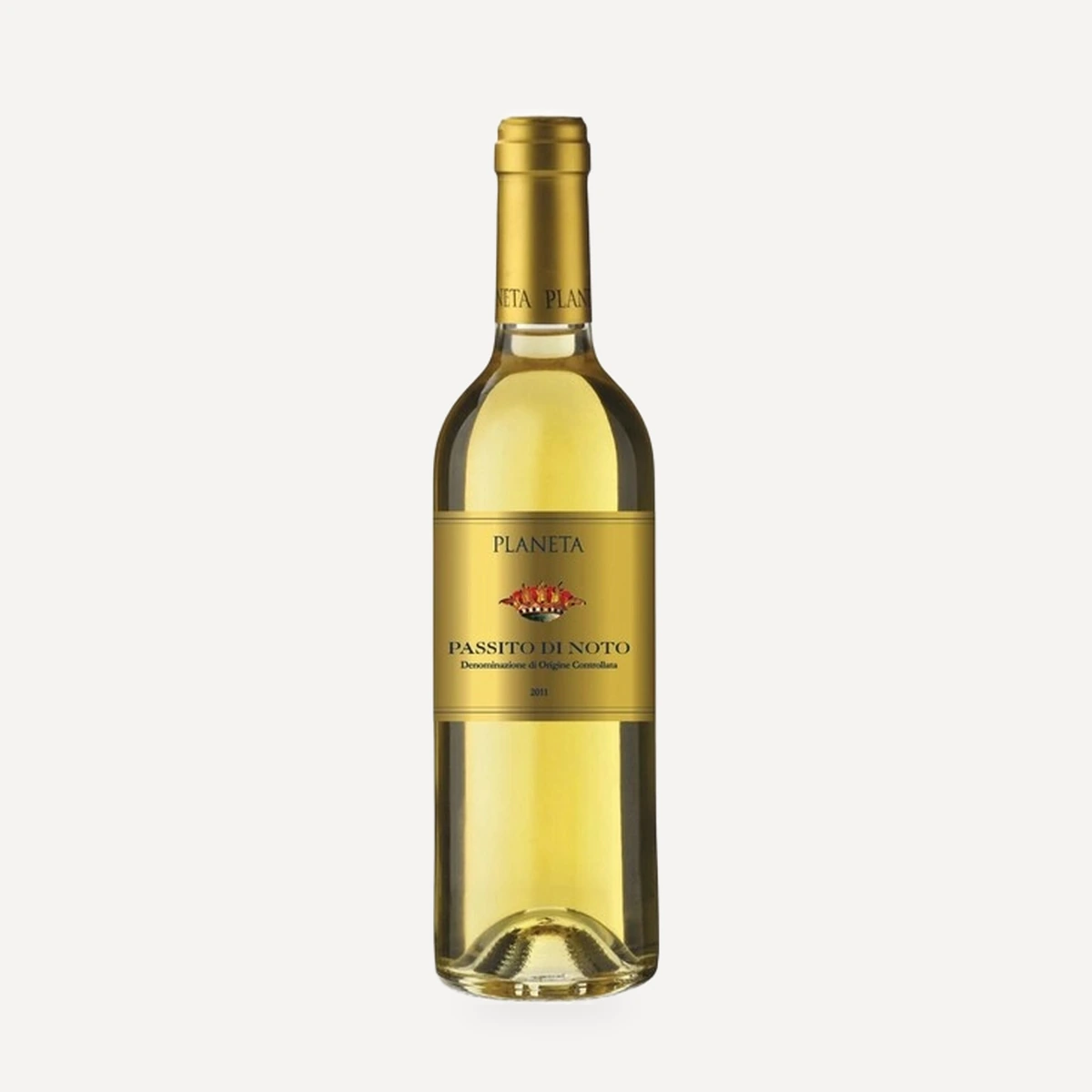
Passito Di Noto DOC
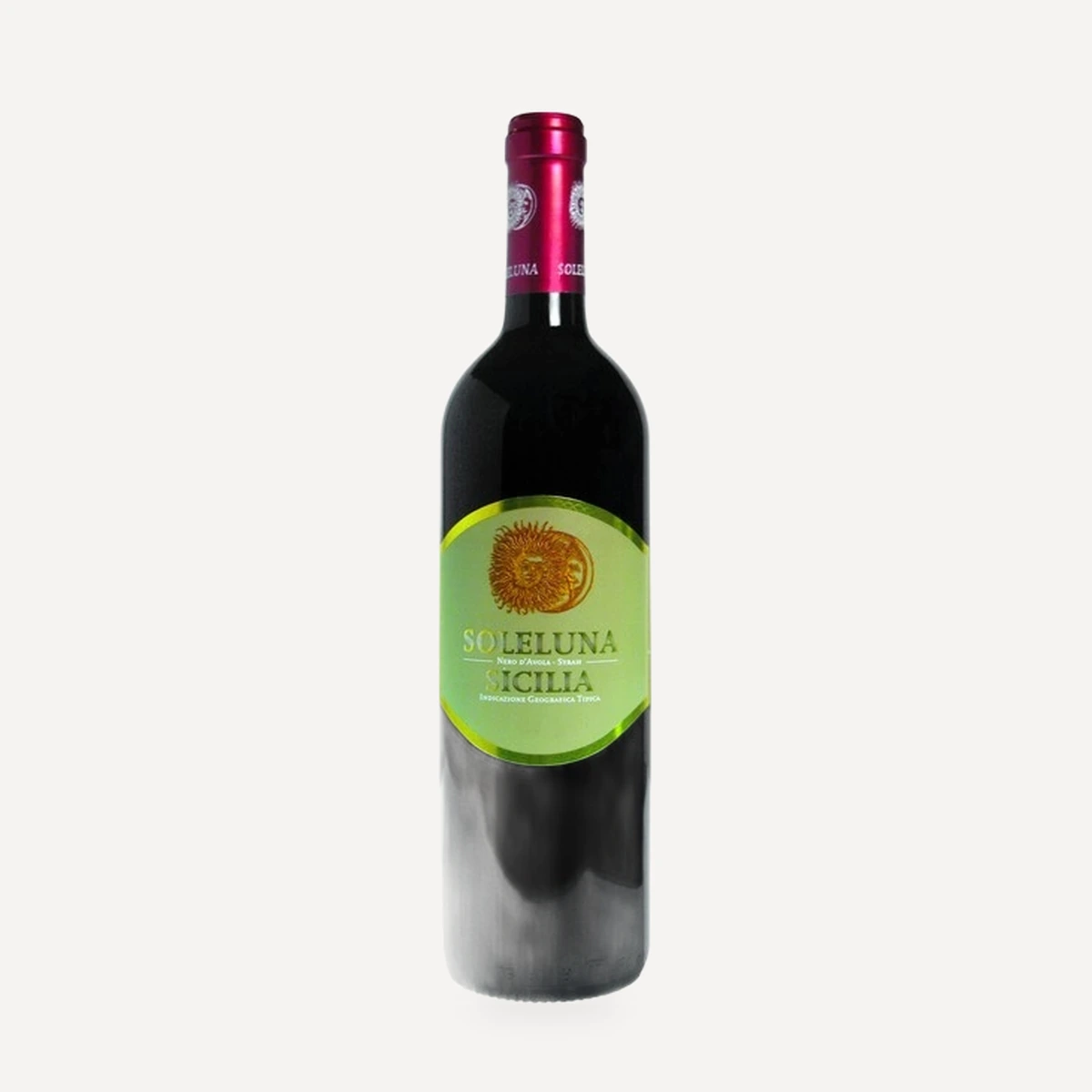
Soleluna Nero D'Avola-Syrah Sicilia IGT
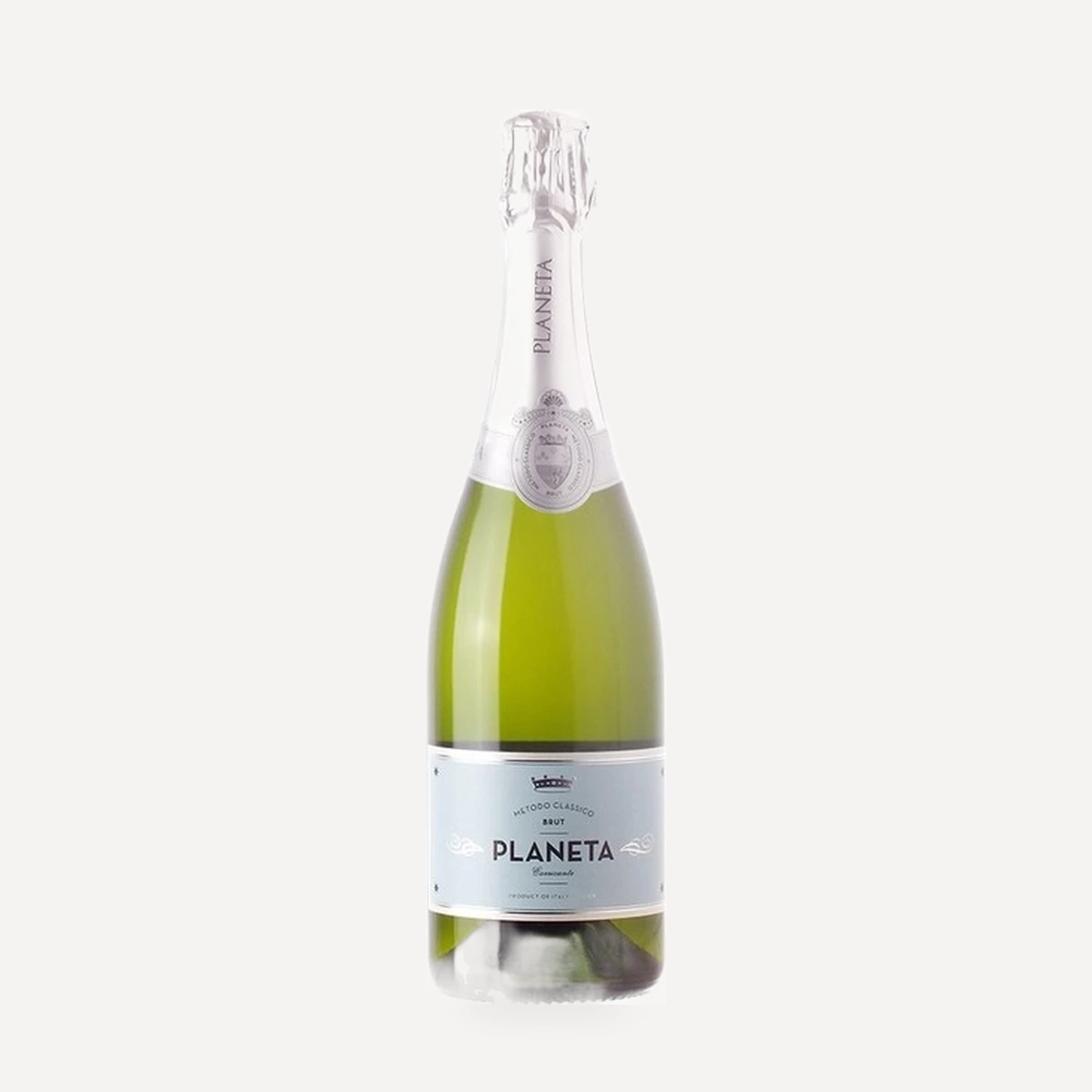
Brut Metodo Classico Sicilia IGT
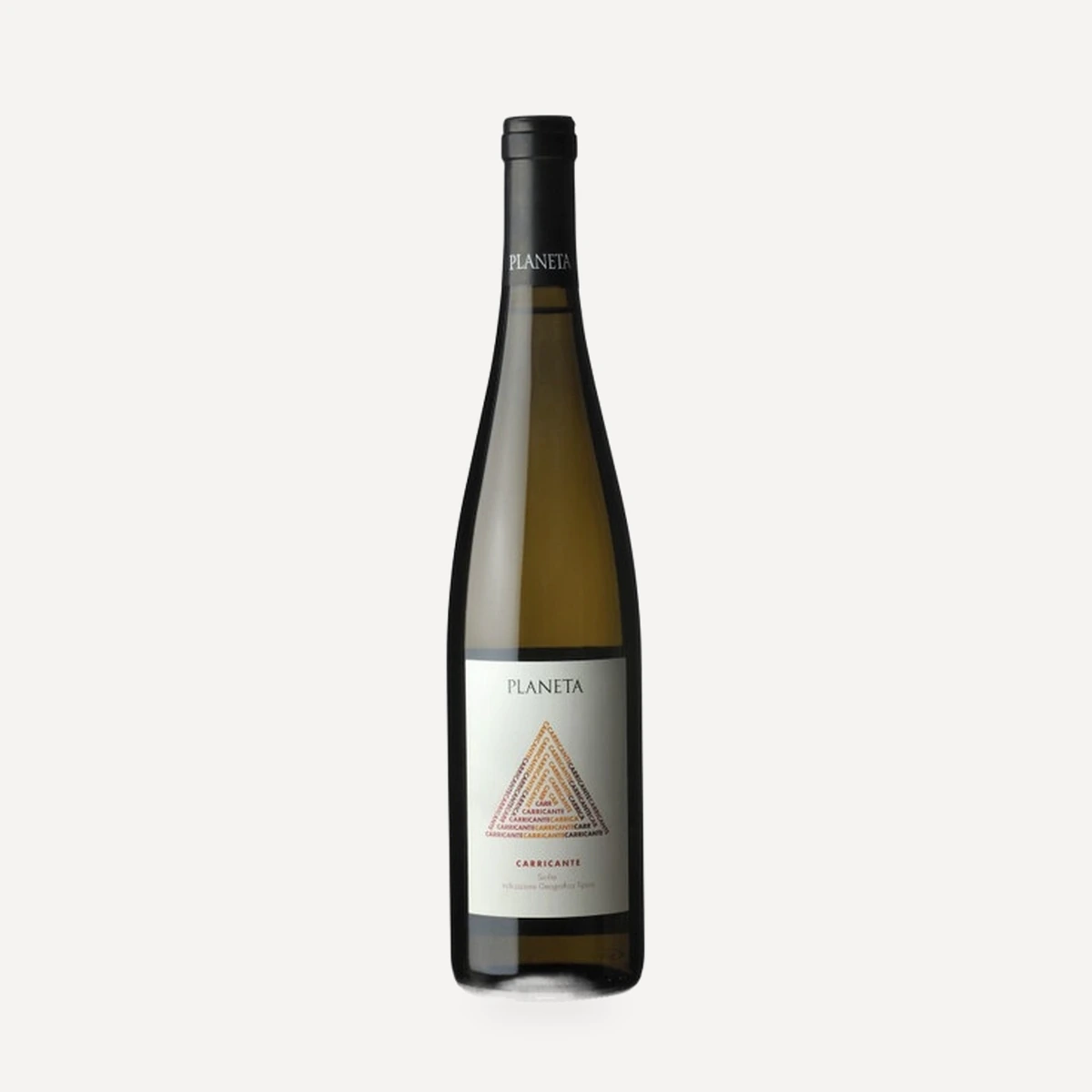
Carricante Sicilia IGT
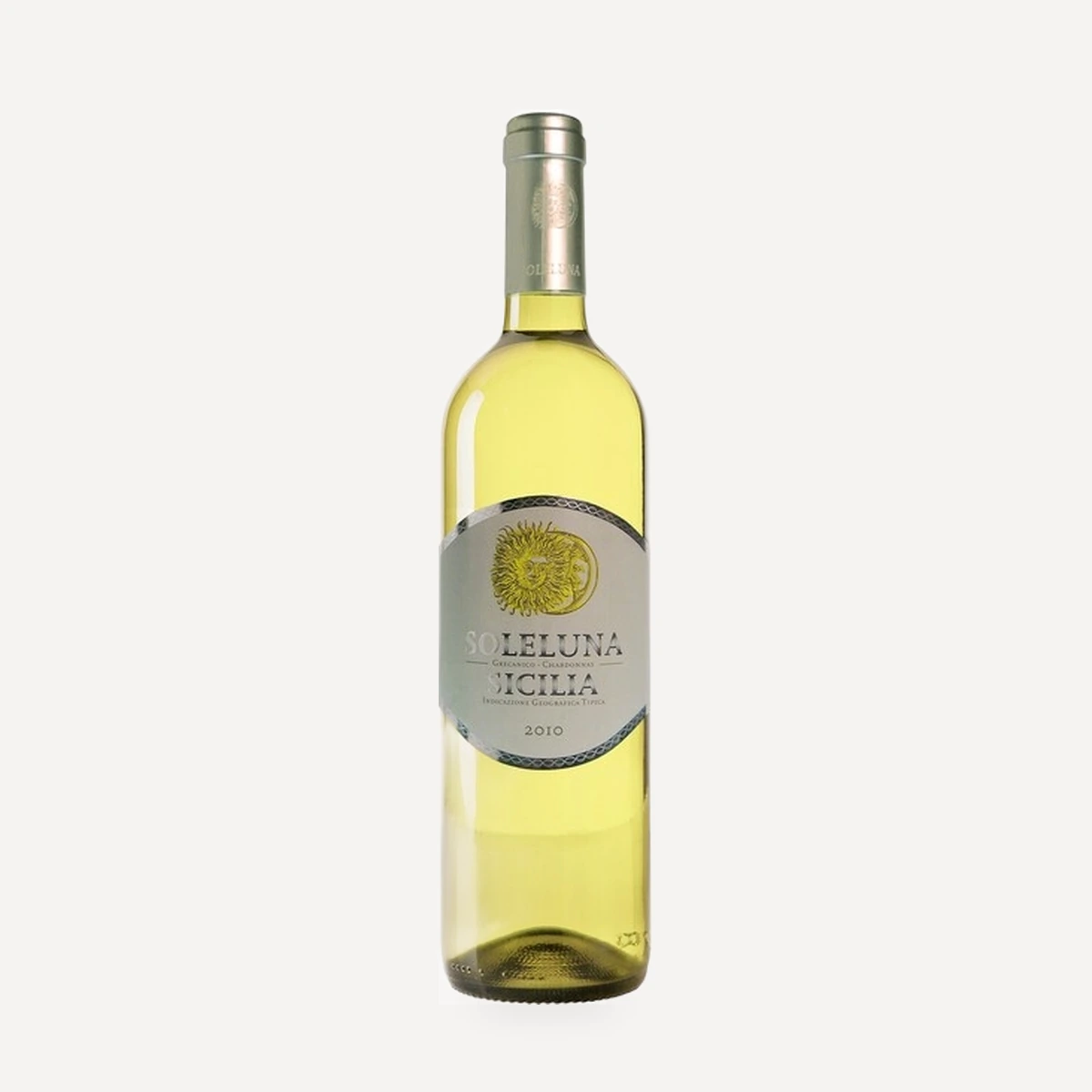
Soleluna Grecanico-Chardonnay Sicilia IGT
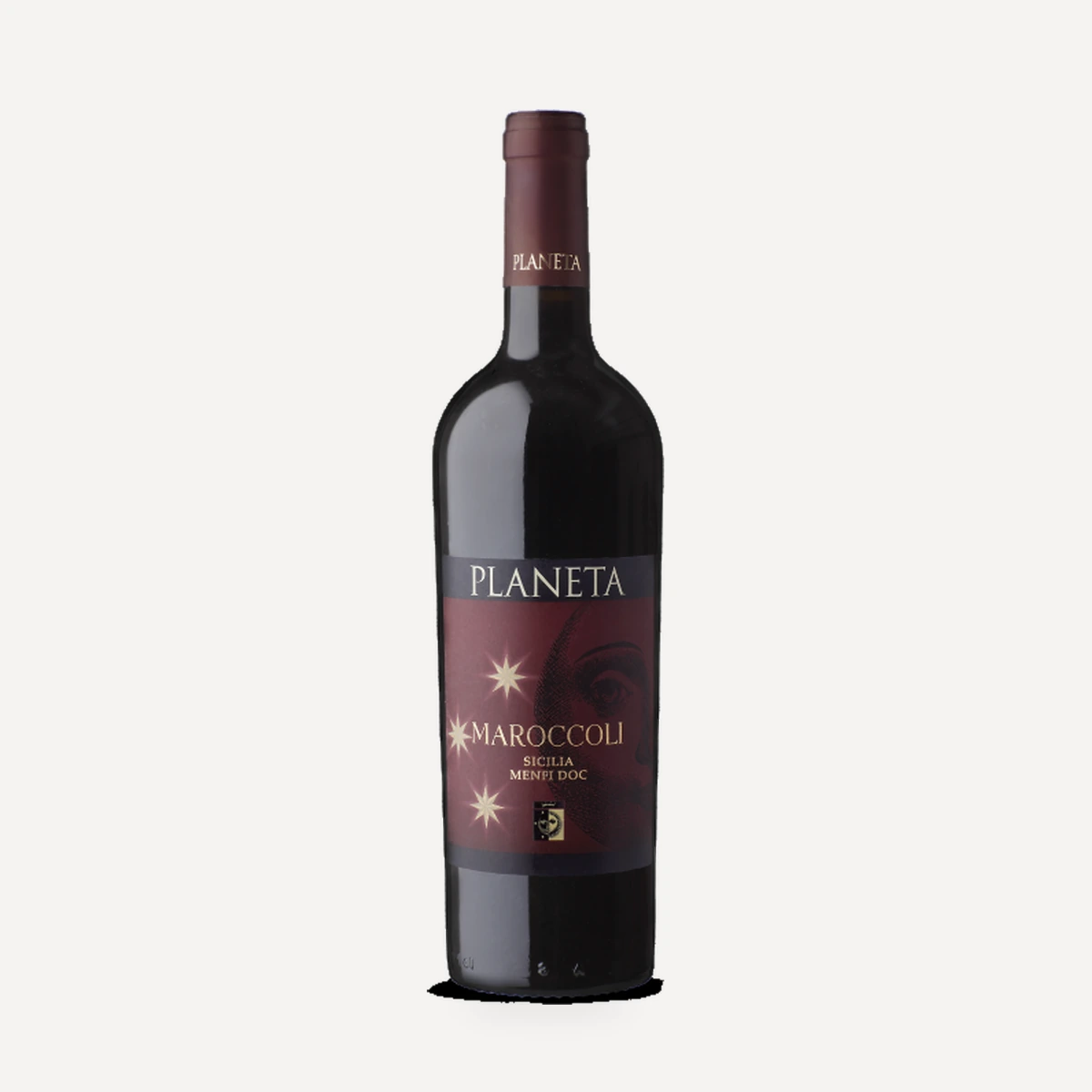
Maroccoli Syrah Sicilia IGT