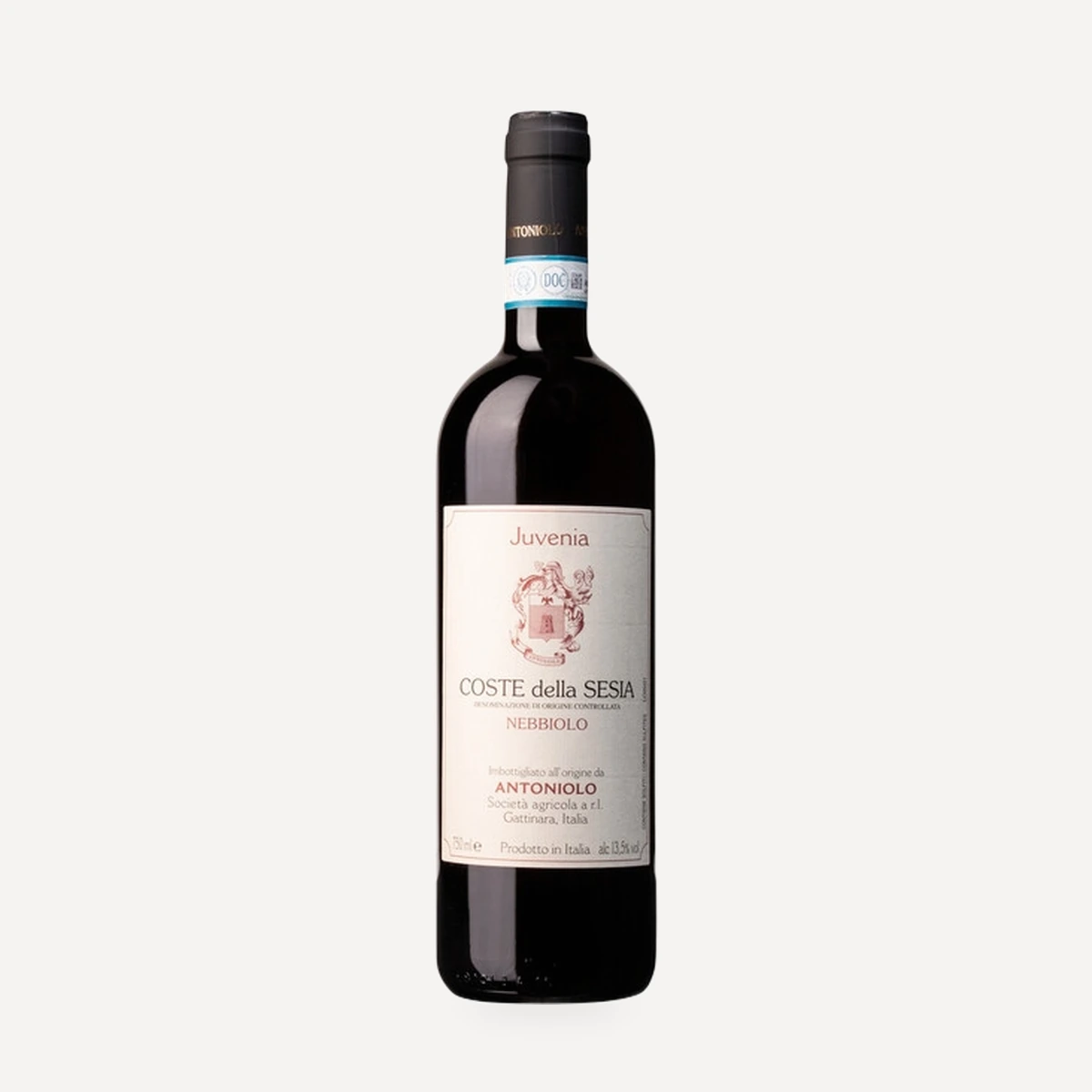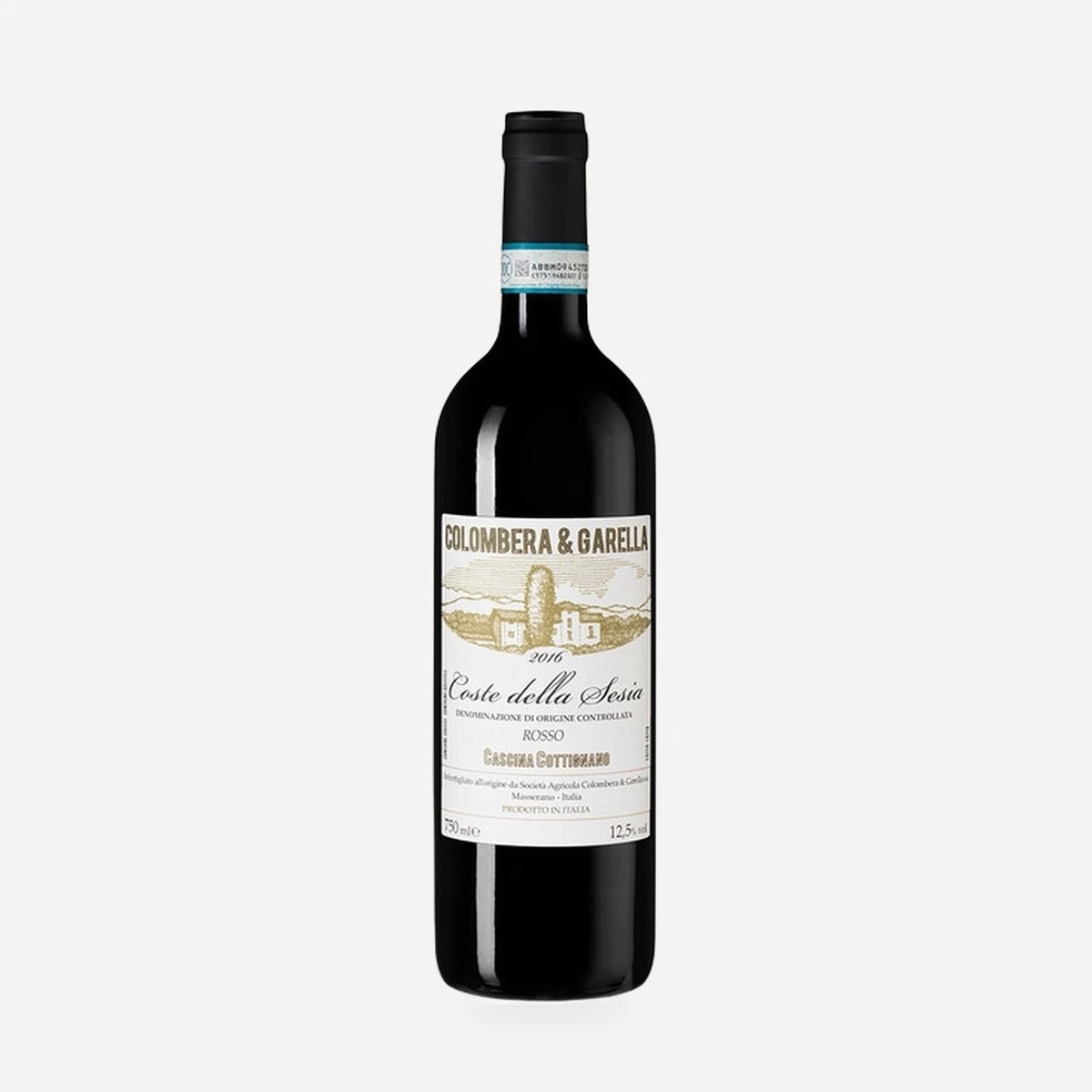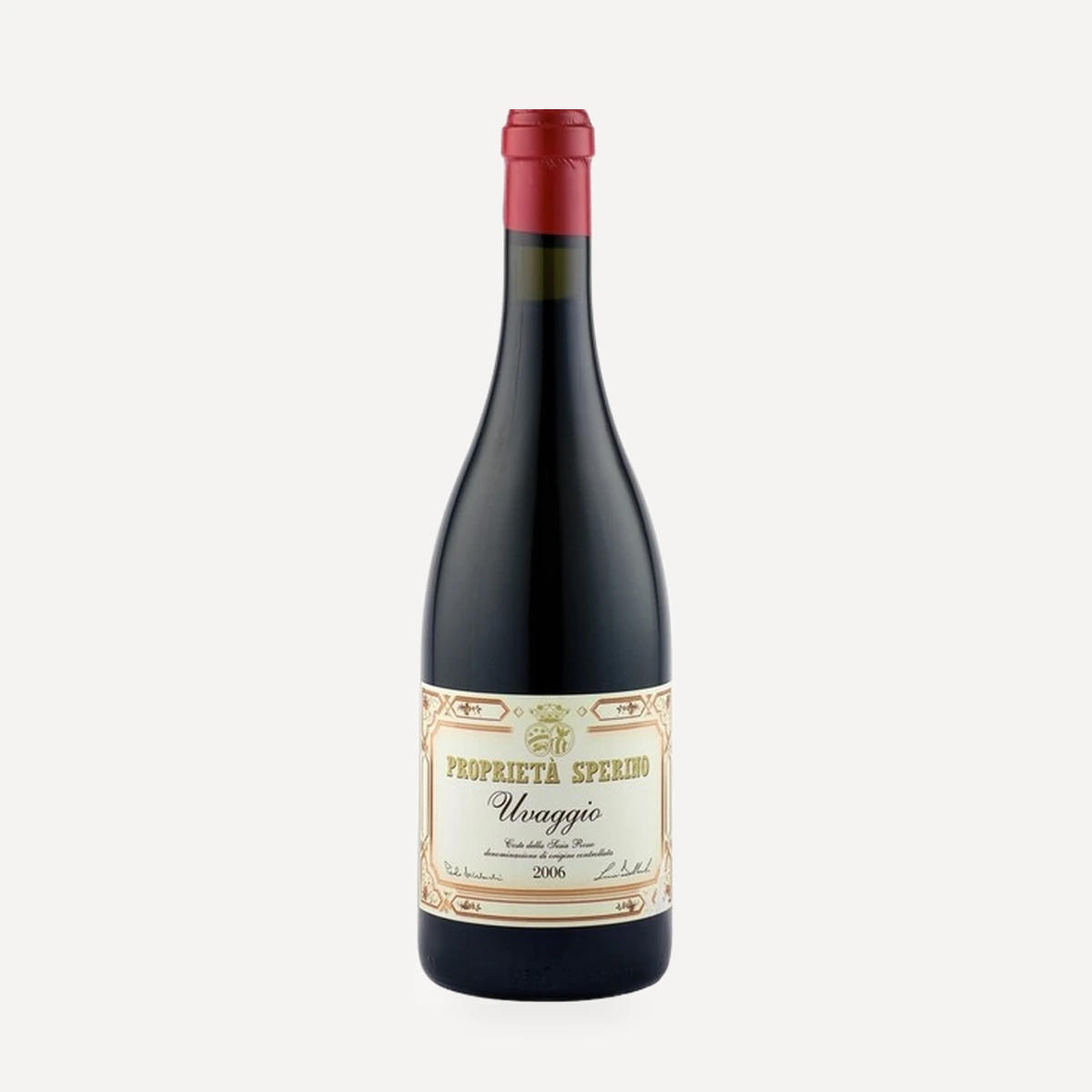
About this wine
Vineyard and terroir
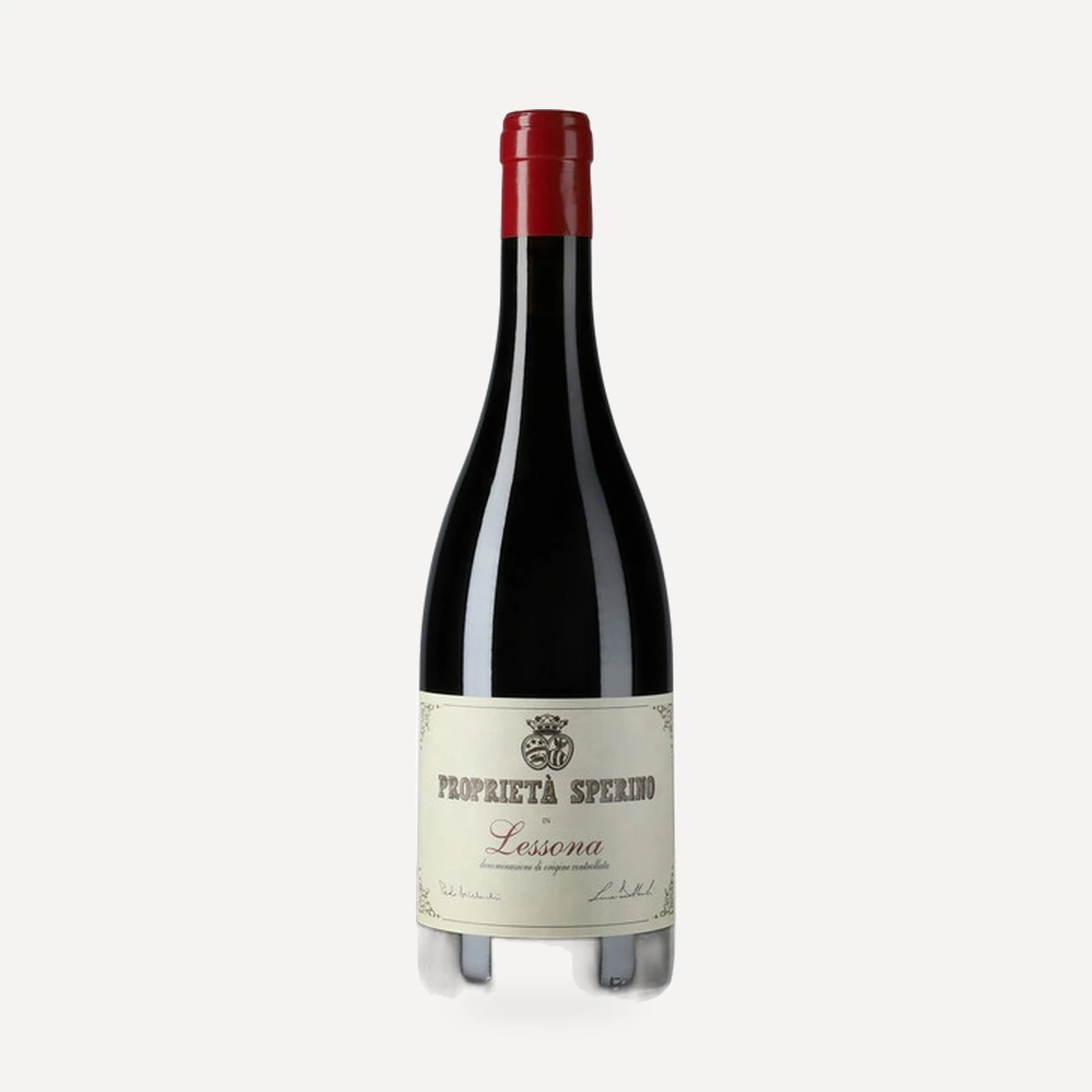
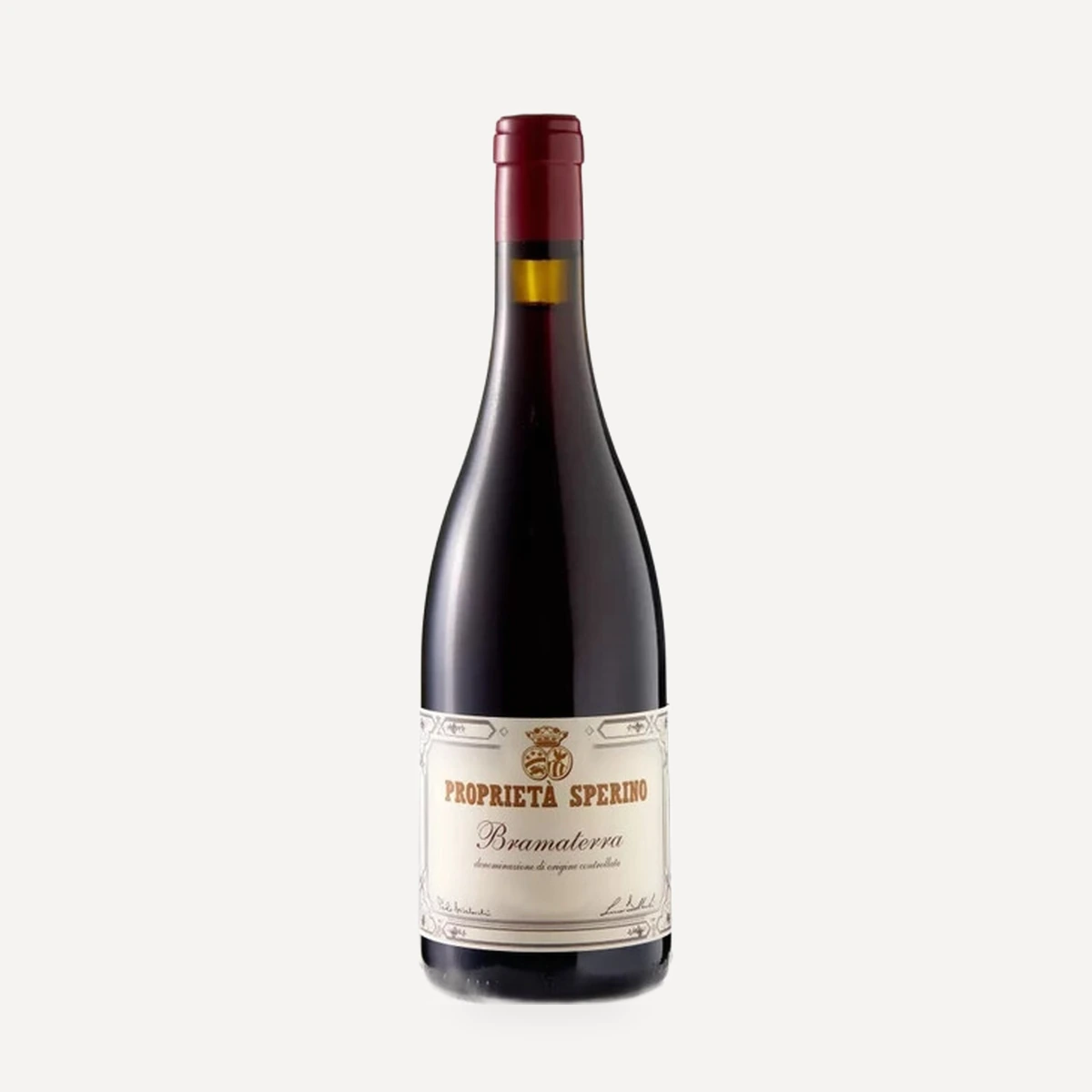
The fruit comes from Ormeggio, Castagnola and Belvedere in Lessona’s Orolungo area, vineyards registered within Lessona DOC, and from Madonna degli Angeli in the Forte area of Brusnengo, registered within Bramaterra DOC. Madonna degli Angeli has vines between 45 and 90 years old. Elevations range from 290 to 350 metres in Lessona and from 350 to 420 metres at Madonna degli Angeli. Planting density is 5,000 vines per hectare; rootstocks are 3309-C, Gloire de Montpellier, 101-14, Gravesac and Rupestris du Lot.
Lessona’s acidic soils consist of Pliocene marine sands over igneous rock, mixed with more recent glacial sediment. Their pH is 4.5–5.5, with iron, manganese, aluminium and zinc among the mineral and trace-element components. Madonna degli Angeli has pebbly soils over igneous bedrock close to the surface, crossed by china-clay veins, with a pH of 5–6.
Grapes
The 2018 blend is 80% Nebbiolo, 15% Vespolina and 5% Croatina.
Vinification
The 2018 harvest ran from 6 to 14 October. Grapes were picked by hand into small boxes, sorted on a conveyor, destemmed and gently pressed. Gravity carried the fruit into open-top wooden fermenters, where fermentation proceeded with indigenous yeasts. Skin contact lasted 25 days with regular punching down. The wine then remained on its lees for ten months.
Ageing
Maturation continued for 22 months in a combination of barriques, barrels and 15-hectolitre oval casks. The wine was bottled on 17 September 2020 and received additional bottle ageing before release.
Technical data
Alcohol is 13.5%, total acidity 5.4 g/L and pH 3.52.
Vintage notes
A long but relatively mild winter brought little snow and substantial rain, replenishing reserves after the dry 2017 season. Temperatures near 0°C persisted until April and delayed budbreak. Heavy rain continued through spring and early summer, without hail damage. Warmer conditions from late July and a favourable late summer allowed full ripening, although disease pressure required careful vineyard work. The resulting wines were described as fresh, floral and flavourful. Higher yields gave a lighter tannic structure and made the vintage comparatively approachable and food-friendly at an earlier stage.