History
1950–1967: the two estates take shape
Silvio Nardi owned one of Umbria’s early leading agricultural-machinery businesses before entering Montalcino. In 1950 he acquired Casale del Bosco on the north-western side of the appellation. The property became the original nucleus of Tenute Silvio Nardi, although the place itself is much older: its origins have been traced to the Etruscan period, while the Tuscan villa dates from the 17th century.
The first Tenute Silvio Nardi Brunello di Montalcino vintage was produced in 1954, before the creation of the Brunello consortium. The estate was among the denomination’s early producers to bottle its own wine. Bottles from the 1950s and 1960s remain in the historic cellar.
In 1962 Silvio Nardi purchased Manachiara, on Montalcino’s eastern side along the slope leading toward Castelnuovo dell’Abate. The estate’s eponymous vineyard subsequently gave its name to the Manachiara Brunello cru. Casale del Bosco and Manachiara occupy almost equal portions of the property on opposite sides of the denomination; their union also explains the plural Tenute in the company name.
In 1967 Silvio Nardi became one of the founders of the Consorzio del Vino Brunello di Montalcino.
1985–1996: a new generation and scientific renewal
Emilia Nardi, Silvio’s youngest daughter, entered the family business in 1985. Working in agreement with her brothers, she promoted radical changes in both wine production and company management.
At the beginning of the 1990s, the estate began an extensive program of vineyard replanting, zoning and clonal selection. Soils were sampled meticulously at different depths, and the vineyards were divided into 36 parcels and 50 sub-parcels according to their soil and climatic characteristics. During three years of research, approximately 120 original Sangiovese grosso individuals were identified. They were planted in an experimental field, observed for vegetative behavior and tested through micro-vinification. This program joined scientific research to accumulated viticultural experience and shaped the present vineyard organization.
The first Brunello di Montalcino Vigneto Manachiara was produced from the excellent 1995 vintage and became the estate’s flagship cru. In 1996, Bordeaux oenologist Yves Glories began consulting and introduced the measurement of phenolic ripeness.
2004–2019: crus, consultancy and proprietary clones
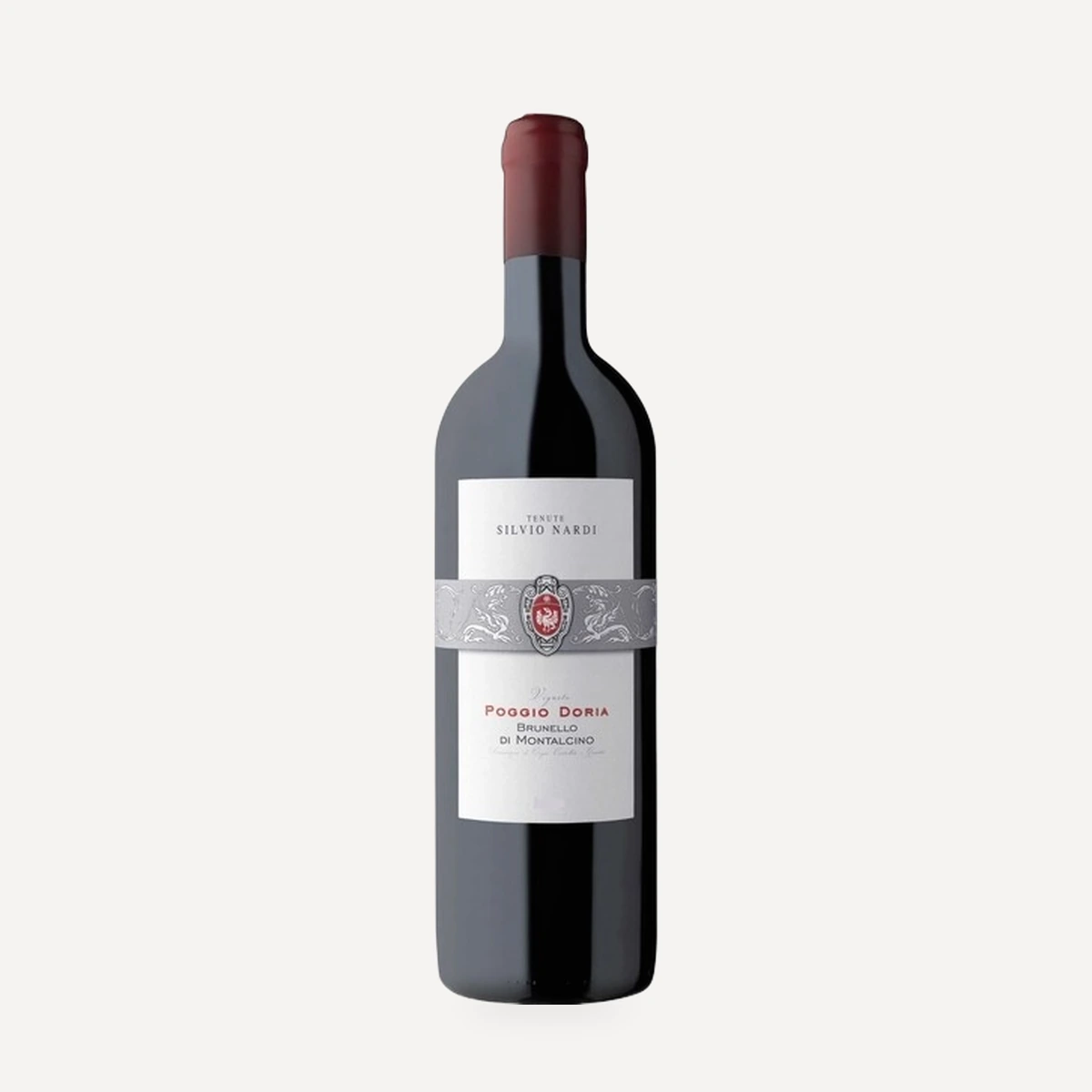
The first vintage of Brunello di Montalcino Vigneto Poggio Doria was produced in 2004. The cru comes from its namesake vineyard at Casale del Bosco, on Montalcino’s north-western side.
In 2009 Bordeaux oenologist Eric Boissenot began working as an external consultant. The long process of choosing the estate’s best clones and recording the morphological characteristics of each selected individual was completed in 2012.
On 7 June 2019, four Tenute Silvio Nardi Sangiovese clones were certified by the Ministry of Agriculture and entered in Italy’s national register of vine varieties. The completed clonal-selection program connected genetic material preserved in the old vineyards with future plantings.
The vineyards now cover 80 hectares across Casale del Bosco and Manachiara. They are organized into eight macro-parcels and 36 vineyards, with approximately 49 hectares registered for Brunello di Montalcino.
Terroir
Two sides of Montalcino
Tenute Silvio Nardi is divided almost equally between two contrasting areas of the Montalcino denomination. Casale del Bosco forms the original north-western nucleus, while Manachiara lies to the south-east and east. The two sides differ in altitude, climate and soils, creating the basis for multiple terroirs within one estate.
Both properties overlook the Val d’Orcia and contain old farmhouses, arable fields and olive groves among the vineyards. Dense Mediterranean scrub and holm-oak woods occur on both sides. Woodland frequently borders individual vineyards, forming small systems isolated from one another.
Casale del Bosco includes documented vineyard elevations from approximately 240 to 400 m. Its soils encompass jasper, marly and clay shale, sand, marl, metamorphic formations, limestone, silt and clay. Conditions vary substantially in depth, permeability, drainage, skeletal material and subsoil water.
Manachiara contains the property’s highest vineyards and oldest olive trees. Its soils include clay with sand and silt; grey-to-red earthy sandstone; quartz-rich sand and Pliocene clay; and sandstone with marly limestone, clay and skeletal deposits. Drainage ranges from precarious in Colombaiolo to excellent in the Manachiara macro-parcel.
Sangiovese grosso is the principal native variety across both estates. The contrasting north-western and south-eastern environments are brought together through separate vineyard vinifications, including the lots used for the estate Brunello blend.
Winemaking
Extensive zoning and replanting began in the early 1990s. Soil was sampled at multiple depths, allowing the vineyards to be divided into 36 parcels and 50 sub-parcels according to pedoclimatic characteristics.
A three-year study of existing vineyards identified approximately 120 original Sangiovese grosso individuals. These were planted in an experimental field, evaluated for vegetative behavior and tested through separate micro-vinifications. Four selections emerged from the longer program; the Ministry of Agriculture certified them, and they entered Italy’s national register of vine varieties on 7 June 2019.
Sangiovese grosso vineyards have an average age of approximately 15 years, considered the estate’s optimal stage of maturity. Vines are trained to spurred cordon with six to eight buds per plant. Planting densities range from 5,000 to 6,000 vines/ha, while yields are maintained at 50–60 q/ha. Harvesting is manual in cases, with timing varying by variety, site and wine.
Production is organized around the identity of individual vineyards and sub-parcels. The principal Brunello is assembled from 20 separate Sangiovese vinifications originating in Casale del Bosco and Manachiara, bringing together the north-western and south-eastern sides of the property.
Micro-vinification has also been central to the clonal-selection program: approximately 120 Sangiovese grosso individuals were vinified experimentally before four estate selections were chosen and registered. Since 1996, phenolic-ripeness measurement has formed part of grape evaluation.
The cellar program combines stainless steel, French oak tonneaux, large Slavonian oak casks and bottle maturation according to the intended style. The historic cellar preserves estate-bottled Brunello from the 1950s and 1960s, while separate ageing cellars form part of the property’s visitor routes.
Philosophy
Tenute Silvio Nardi’s stated objective is for its wines to express the essence of each vineyard within Montalcino. The division of two estates into macro-parcels, vineyards and pedoclimatic sub-parcels gives practical form to that objective.
Tradition is paired with scientific investigation rather than treated as its opposite. Old-vine genetic material supplied the candidates for a long clonal-selection program, while vineyard observation, soil sampling, micro-vinification and phenolic-ripeness assessment were used to identify and preserve estate-specific Sangiovese characteristics.
Low yields of 50–60 q/ha are maintained in pursuit of quality. The four registered Sangiovese clones embody the estate’s intention to carry material from its older vineyards into future plantings. The preservation of early estate-bottled vintages in the historic cellar similarly connects present production with the family’s earlier work.
Wines
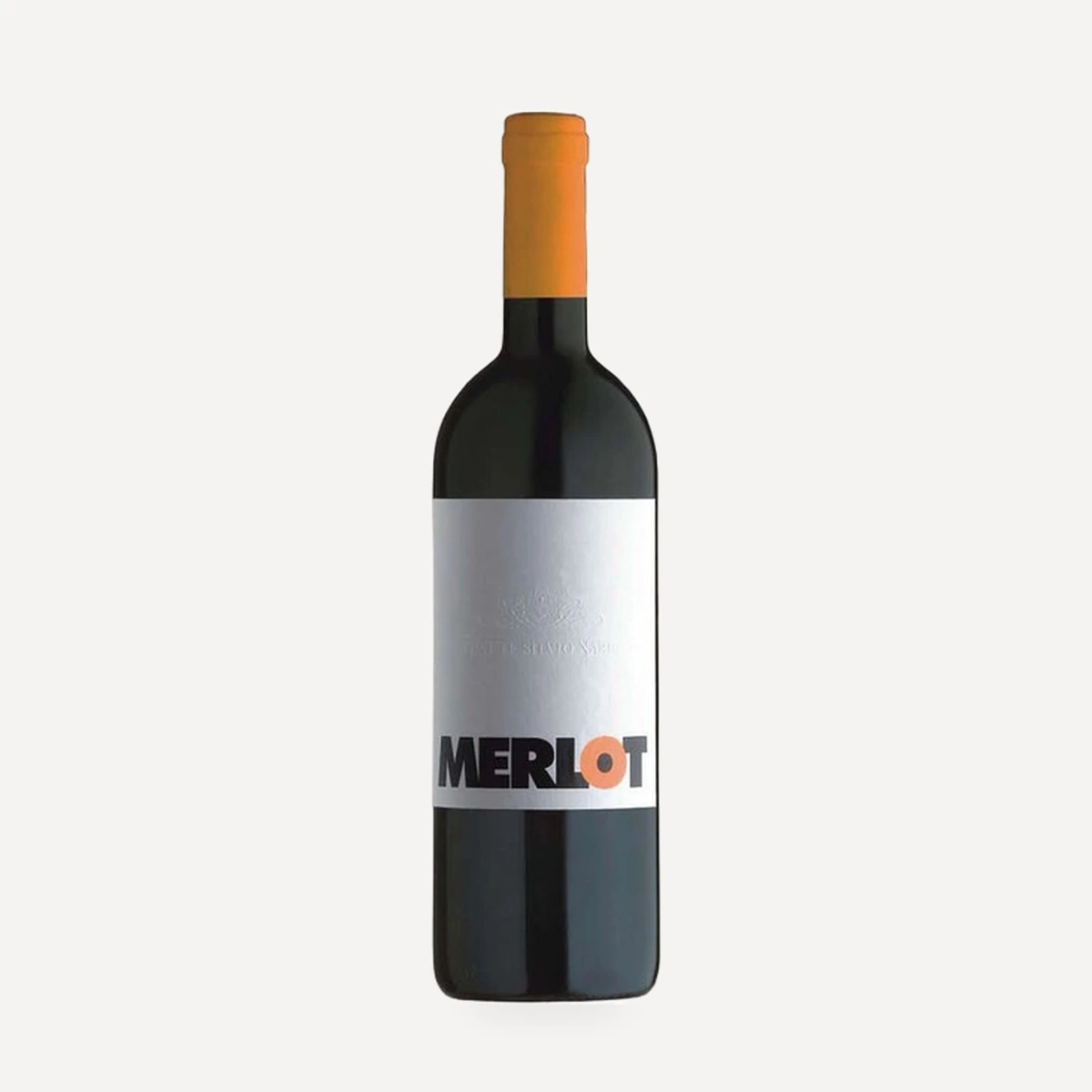
Merlot Sant'Antimo DOC
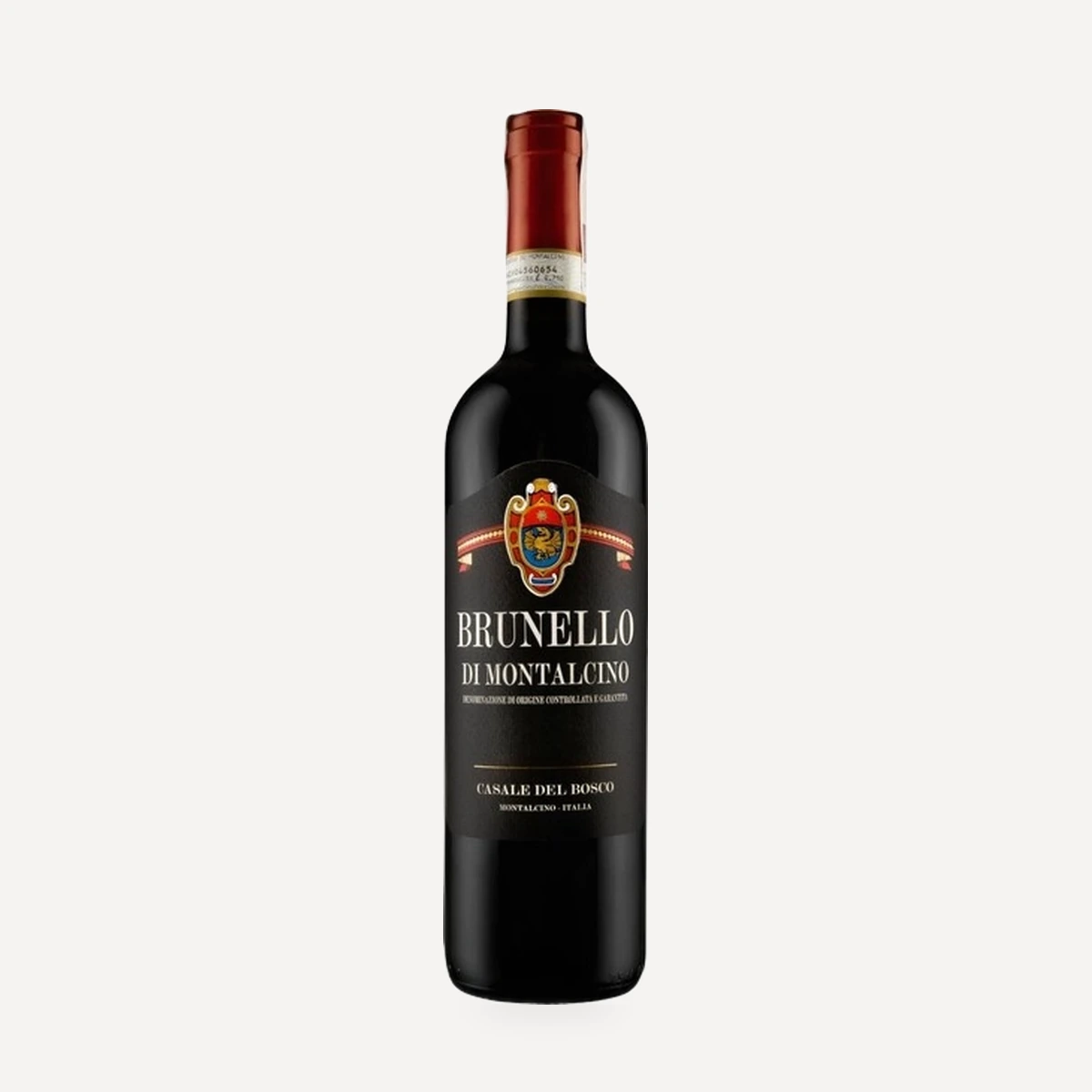
Casale del Bosco Brunello di Montalcino DOCG
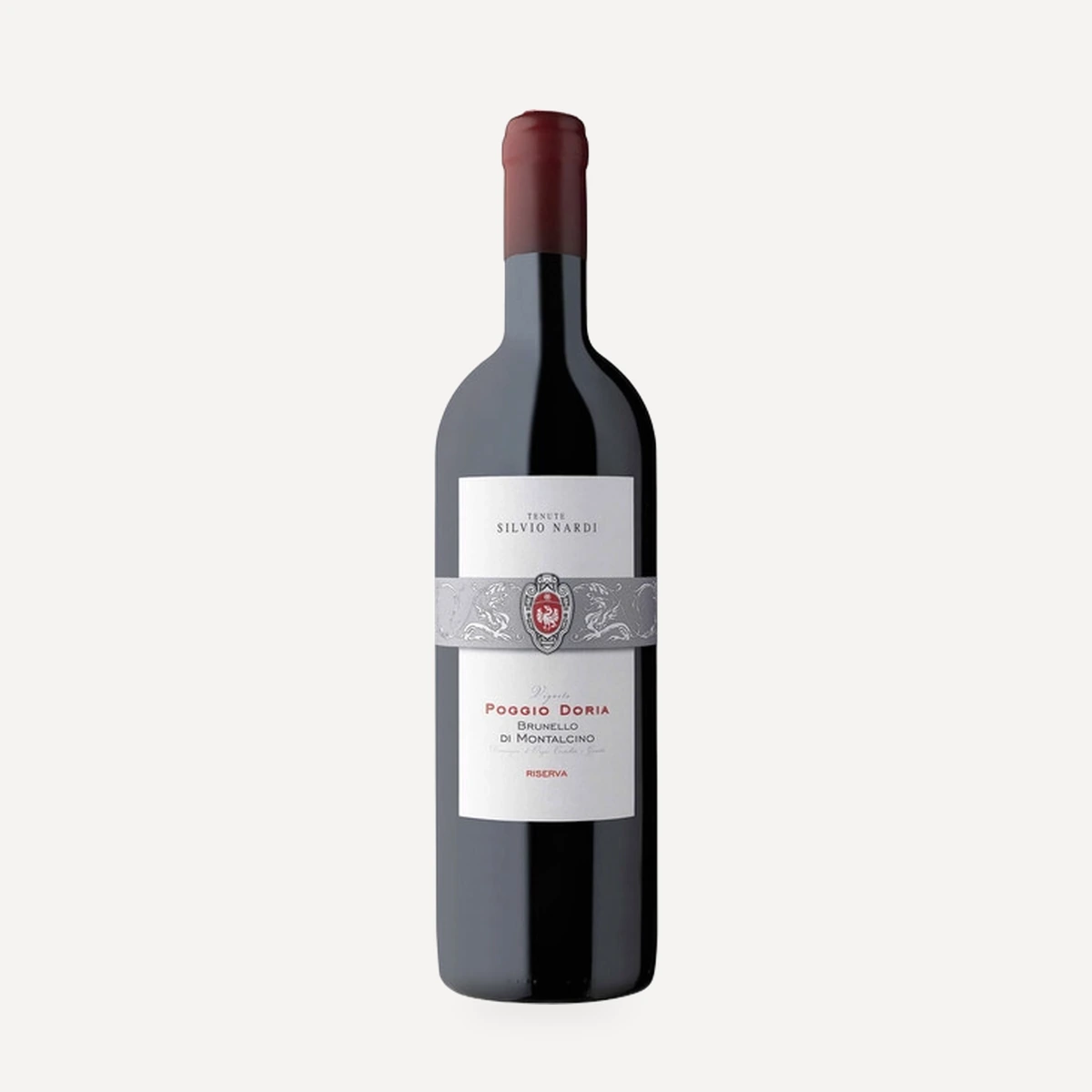
Vigneto Poggio Doria Brunello di Montalcino Riserva DOCG
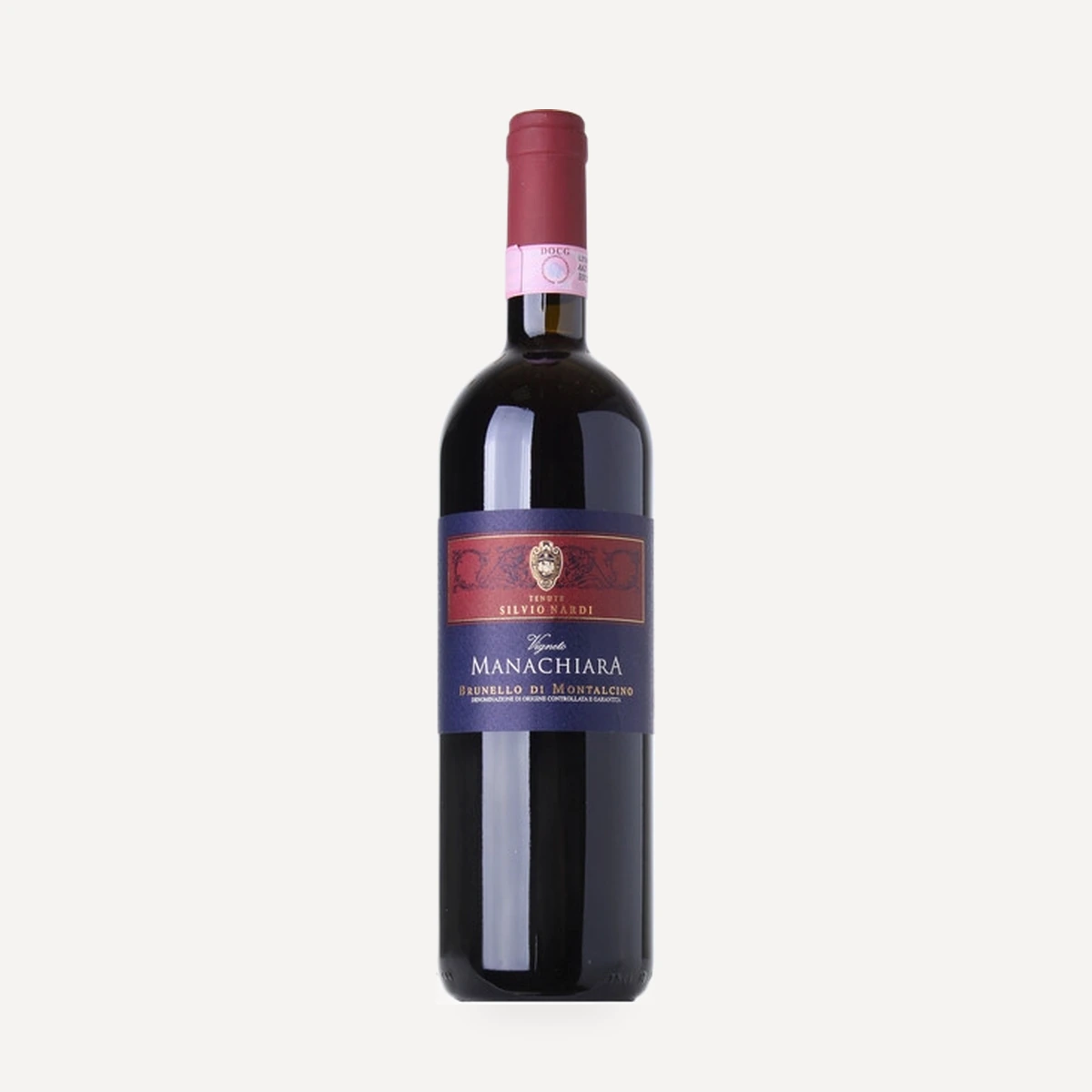
Vigneto Manachiara Brunello di Montalcino DOCG
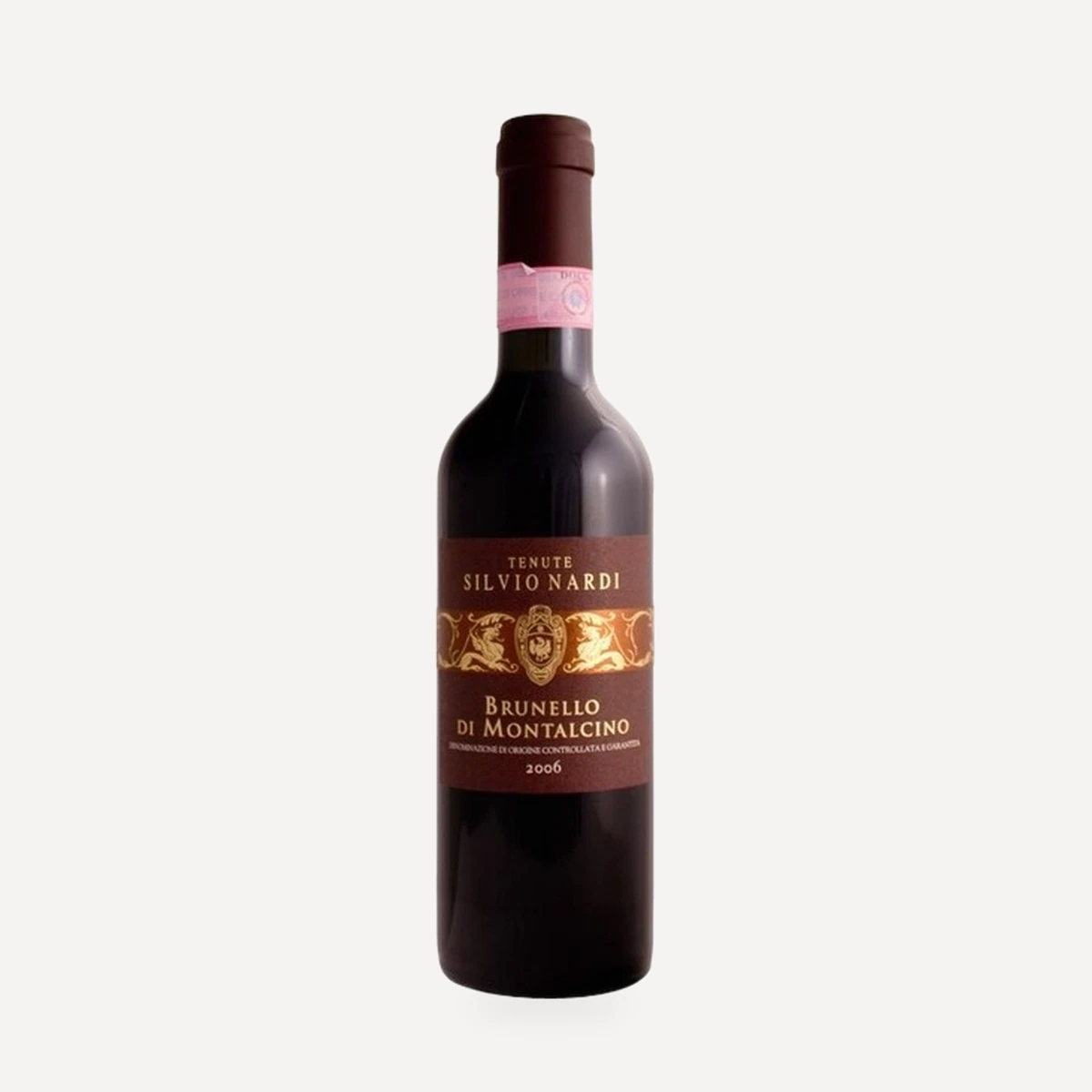
Brunello di Montalcino DOCG
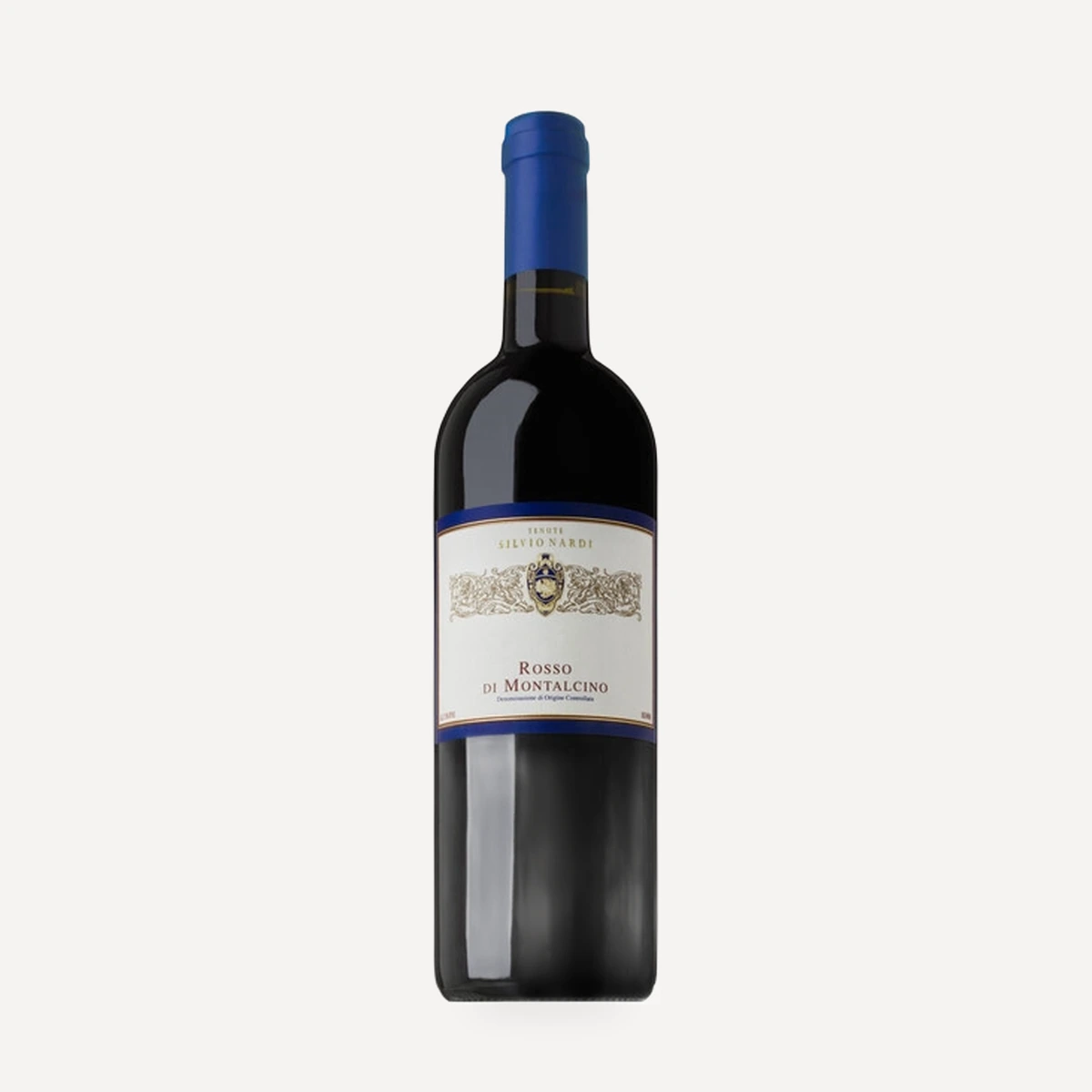
Rosso di Montalcino DOC
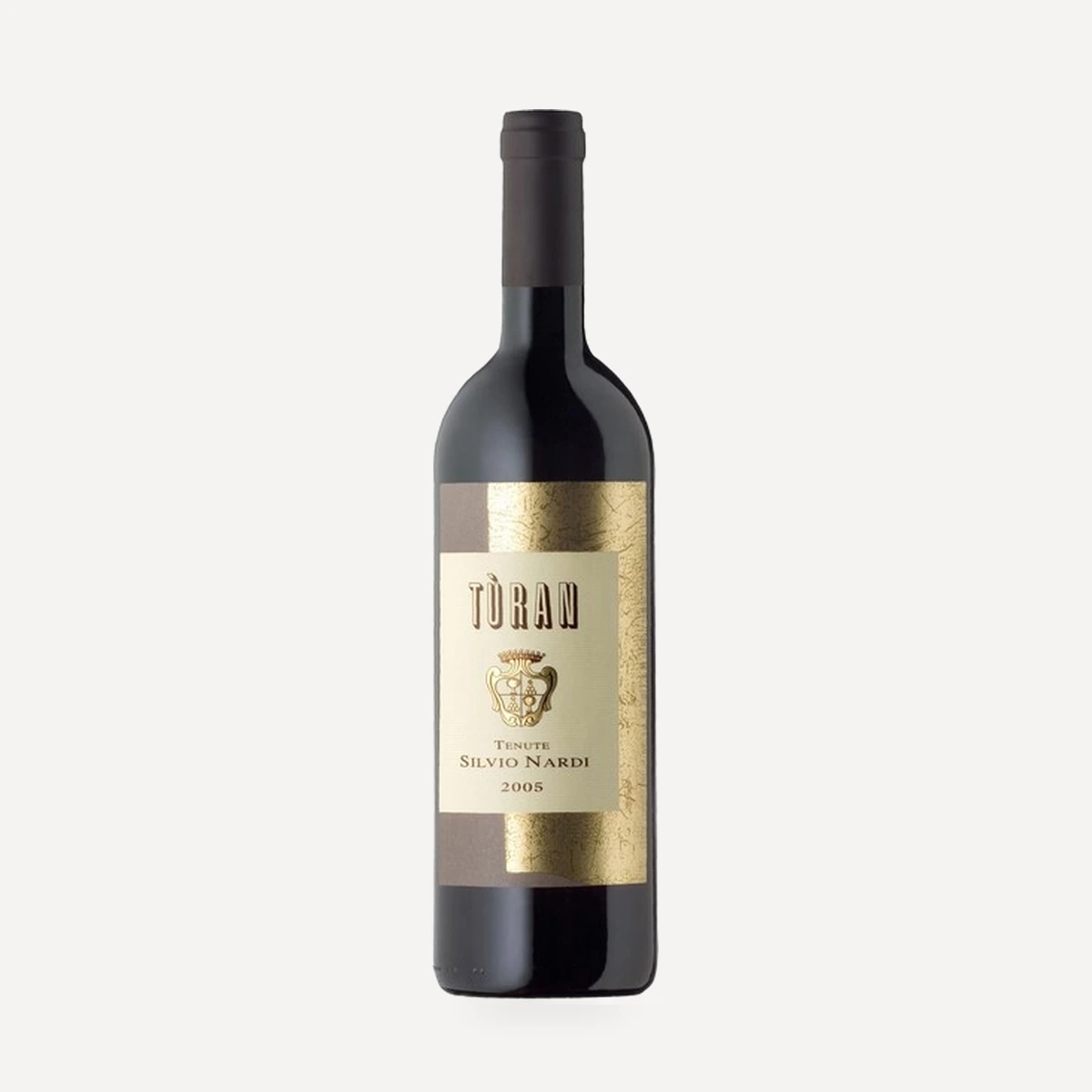
Turan Sant'Antimo DOC