History
Foundation and the first Tralcetto — 1978
Marcello Zaccagnini founded the winery in Bolognano in 1978. Originally called Fattoria Zaccagnini, it began as a modest producer serving the local market. Marcello conceived it as a young, innovative enterprise focused on high-quality wine while remaining connected to Abruzzo, its local traditions and indigenous grape varieties.
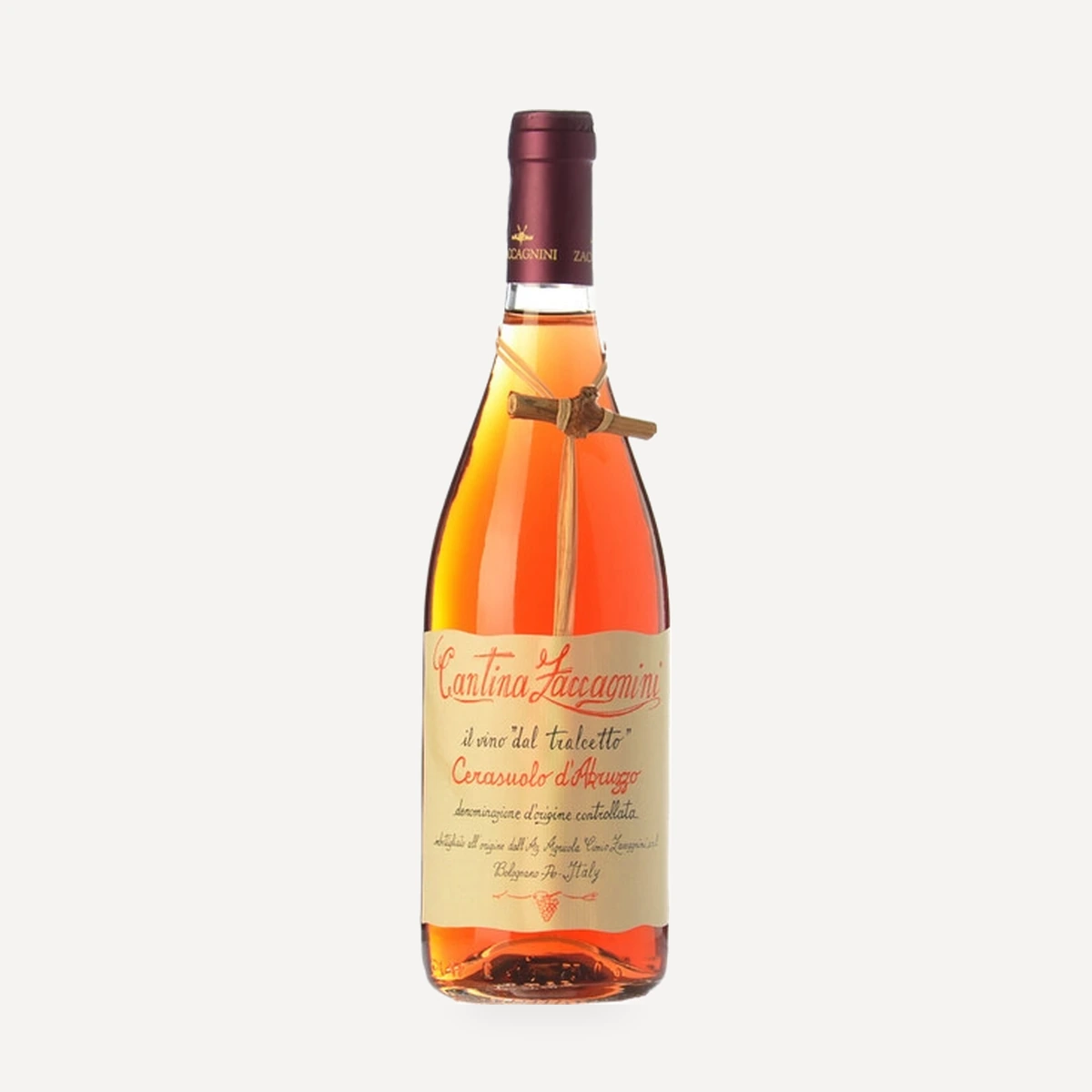
The first vintage of Tralcetto also dates from 1978. Its defining feature is a small vine shoot tied around the bottle neck. The shoots are gathered from the vineyards after the annual pruning and attached to every bottle by hand, turning a vineyard by-product into a physical emblem of the relationship between wine and its place of origin.
Wine, art and environmental thought — 1984
On 13 May 1984, German artist Joseph Beuys presented “Defense of Nature” inside the winery’s barrel room. He used two blackboards to develop an artistic, ecological and anthropological discussion combining scientific analysis and philosophical reflection. During the event, Beuys described the Tralcetto bottle as a work of art containing wine.
The encounter realised Marcello Zaccagnini’s project of bringing together winemaking and art. It began the family’s lasting association with artists, musicians, writers and cultural projects, while linking the estate’s artistic identity with environmental responsibility.
Expansion and technological investment — 1990s
During the 1990s, the winery expanded substantially and invested in advanced technology intended to improve wine quality. The range also developed, including the first production of Cerasuolo d’Abruzzo.
International recognition — 2000
By 2000, recognition from publications and competitions including Decanter’s DWWA and Wine Spectator accompanied a growing international reputation. Expansion was particularly marked in the United States.
New production infrastructure — 2004
A new production unit opened in 2004. Built underground, the facility was designed to maintain optimal temperature conditions.
Corropoli expansion — 2012
In 2012, operations expanded with an additional production facility in Corropoli, in Val Vibrata. The unit increased storage capacity and incorporated a dedicated Bag in Box packaging line.
Fortieth anniversary — 2018
Cantina Zaccagnini marked its fortieth anniversary in 2018 with events held around Italy and a special limited-edition bottle.
Argea partnership — 2023
Cantina Zaccagnini became part of the Argea Group in 2023. The ownership structure subsequently comprised an 80% interest held by Argea and 20% retained by the Zaccagnini family. Argea’s guidance supports the winery’s international development and sustainability programme, while Marcello Zaccagnini continues as brand ambassador.
New additions to Tralcetto — 2024
In 2024, the Tralcetto range gained a Montepulciano d’Abruzzo DOC Riserva, introduced with the 2020 vintage. April brought the winery’s first dealcoholised wines, one white and one red, developed in response to changing patterns of consumption. The year also marked the fortieth anniversary of Joseph Beuys’s “Defense of Nature” event.
Expansion of the alcohol-free range — 2025
A dealcoholised sparkling white wine joined the range in 2025, extending the winery’s use of vacuum dealcoholisation technology.
Terroir
Between the Apennines and the Adriatic
Cantina Zaccagnini lies among the hills of Bolognano in Abruzzo, within an imaginary triangle formed by the Maiella, Gran Sasso and Morrone massifs. The wider region extends from the central Apennines to the Adriatic coast and combines mountains, forests, protected landscapes and an extensive coastline.
The climate is predominantly continental, with marked seasonal temperature changes. Around Bolognano, winds descending from the three surrounding mountain groups create continuous ventilation across the vines. The estate credits this airflow with limiting waterlogging and reducing pest pressure.
Pescara hills and Casauria Valley
The 300 ha of vineyards lie predominantly across a valley in the Pescara hills. The Casauria Valley has year-round ventilation and pronounced temperature differences between day and night. The hills surrounding the estate and the barrel room overlook this valley.
Soils
Medium-textured clay and clay-loam soils predominate. Limestone concentrations become especially notable in the San Clemente area, on the hill opposite the winery. The historic San Clemente vineyard has clay-leaning, estate-owned soils and southern to south-western exposures. Vigneto Chronicon occupies clay-leaning, medium-textured soils with a western exposure.
Winemaking
Training and vine age
The vineyards use bilateral Guyot, spurred cordon and pergola training. Pergola is associated particularly with older vines, some reaching 40 years of age, and is used to distribute bunches evenly and manage the plants effectively.
Soil fertility and biodiversity
Agronomic management has shifted from chemical fertilisers toward organic compost and legumes. Leguminous and brassica species are alternated between the rows to add nitrogen and improve soil aeration. These practices are intended to support soil health, strengthen surrounding biodiversity and facilitate integrated pest management.
Disease and pest management
Chitosan, a natural antifungal material derived from crustacean shells, is used against harmful spores. A modern weather station records rainfall, temperature and other conditions associated with fungal development. This enables the agronomic team to intervene at the appropriate time and reduce unnecessary synthetic treatments. The San Clemente vineyard follows integrated pest-management practices and the guidelines of the Sustainable Viticulture Project.
Water management
Underground sensors continuously monitor soil moisture. Irrigation is activated only when the readings indicate that it is required, reducing water use and improving efficiency.
Carbon and landscape measures
Five hundred oak trees have been planted to counterbalance carbon dioxide generated during fermentation. The vineyards are managed within a broader low-impact approach that includes organic certification and VIVA sustainability certification.
Harvest and selection
Grapes are harvested by hand and carefully selected. Timing varies by site and variety: Pecorino is generally early; Chronicon Montepulciano is picked around the end of September; San Clemente Trebbiano is harvested between late September and early October; and San Clemente Montepulciano is normally collected during the second ten days of October.
Winery and storage
The modern winery is built among the Bolognano hills and was conceived for low environmental impact. Its design combines clean contemporary architecture, environmentally considerate materials, renewable-energy installations and energy-efficient production systems.
The principal tank capacity is approximately 15,000 hl. Wine is held in stainless-steel tanks, most of them equipped for temperature-controlled storage.
Bottling and quality control
The production line can handle approximately 4,500 bottles per hour. Line personnel oversee machine operation, supply packaging materials and conduct quality-control checks. Total production is 6,000,000 bottles.
Oak cellar
The barrel room is maintained under controlled temperature and humidity and has a capacity of approximately 2,600 hl. It contains both large casks and barriques, made predominantly from French oak with a smaller proportion of American oak. The winery employs fermentations and extended maturation in oak vats where required by the relevant range.
Additional facilities
The underground production unit inaugurated in 2004 was designed for optimal temperature control. A further facility opened at Corropoli in Val Vibrata in 2012, adding storage and a specialised Bag in Box line.
Philosophy
Cantina Zaccagnini defines wine as an expression of Abruzzo’s land, traditions and artistic heritage. Its production philosophy joins detailed vineyard care and careful grape selection with respect for established practices and the use of advanced technology.
The estate presents tradition and innovation as complementary rather than opposing forces. Indigenous grapes—especially Montepulciano, Trebbiano, Pecorino and Passerina—remain at the centre of production, while sensors, weather monitoring, temperature control and energy-efficient systems are used to manage resources and improve precision.
Environmental responsibility is treated as part of both viticulture and architecture. Organic inputs, biodiversity measures, targeted irrigation, reduced synthetic treatments, renewable-energy systems and low-impact building choices support the stated goal of protecting the landscape.
The phrase “Wine, the art of man” expresses a second defining principle. Wine and art are understood as disciplines requiring love, patience, cultivation and rigour. Since the encounter with Joseph Beuys in 1984, this outlook has connected winemaking, contemporary art and ecological thought throughout the vineyard and cellar.
Tralcetto condenses these ideas into a physical symbol: vine shoots recovered after pruning are tied by hand to the bottles, linking artisanal work, the vineyard cycle and the identity of Abruzzo.
Wines
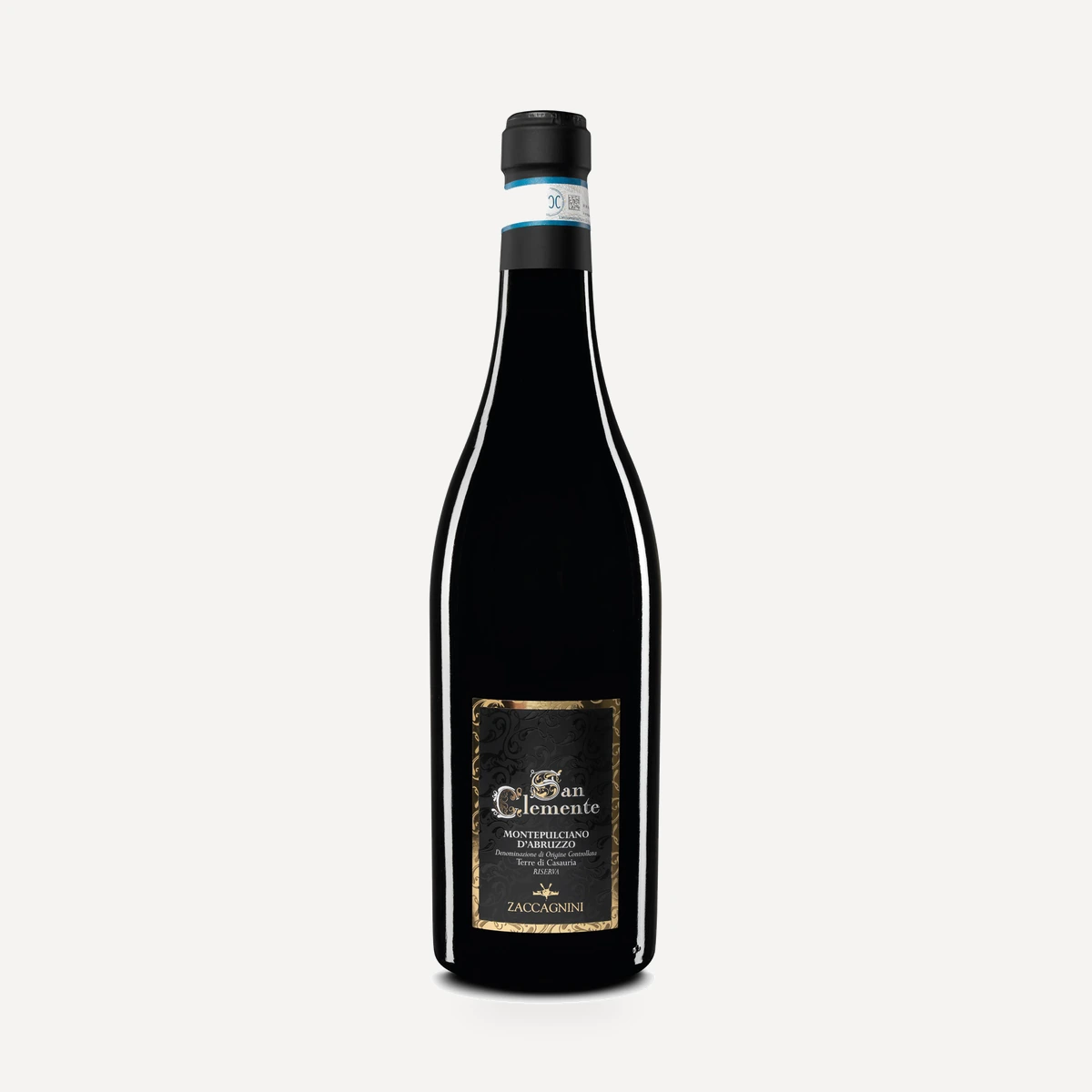
San Clemente Montepulciano d’Abruzzo Riserva DOC
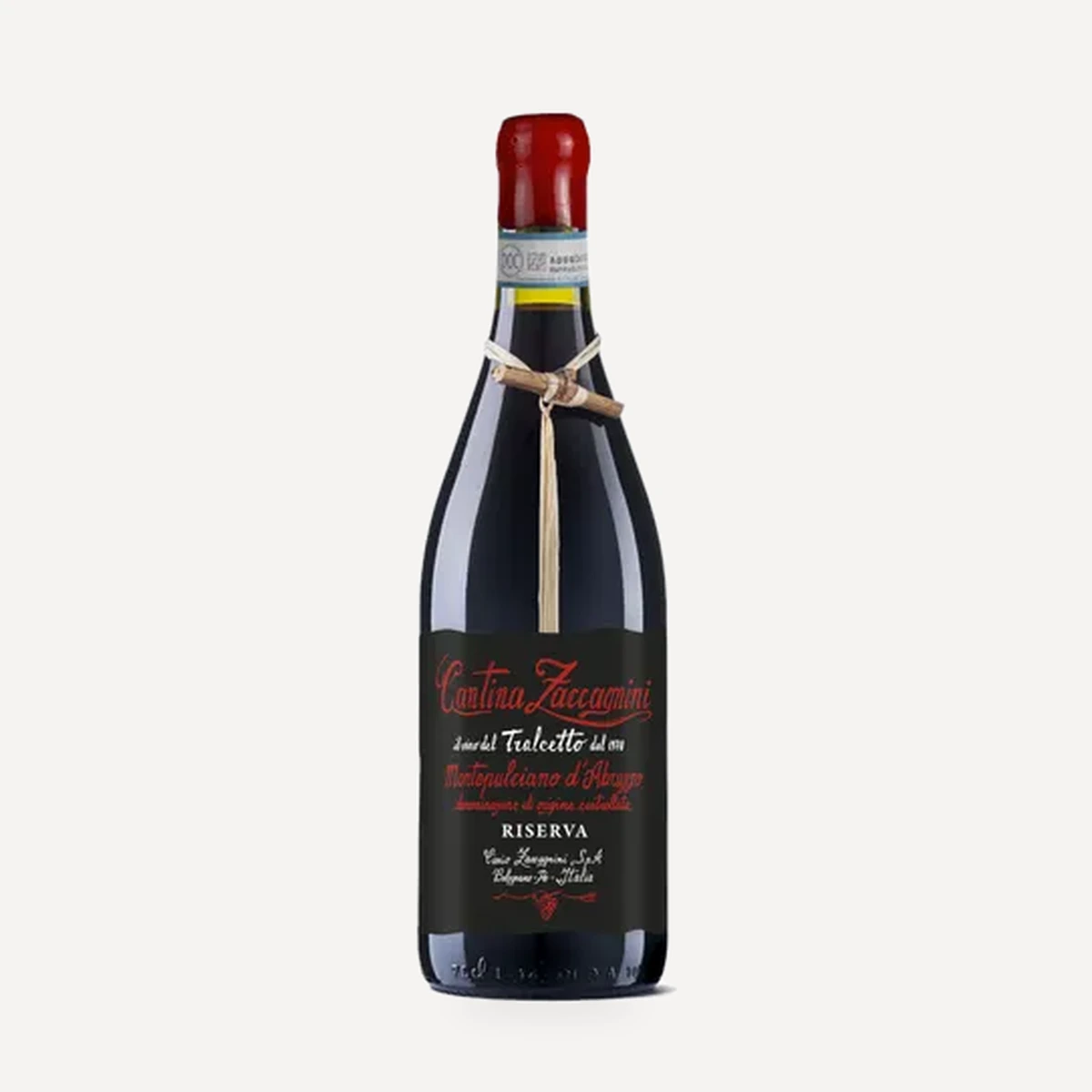
Tralcetto Montepulciano d’Abruzzo Riserva DOC
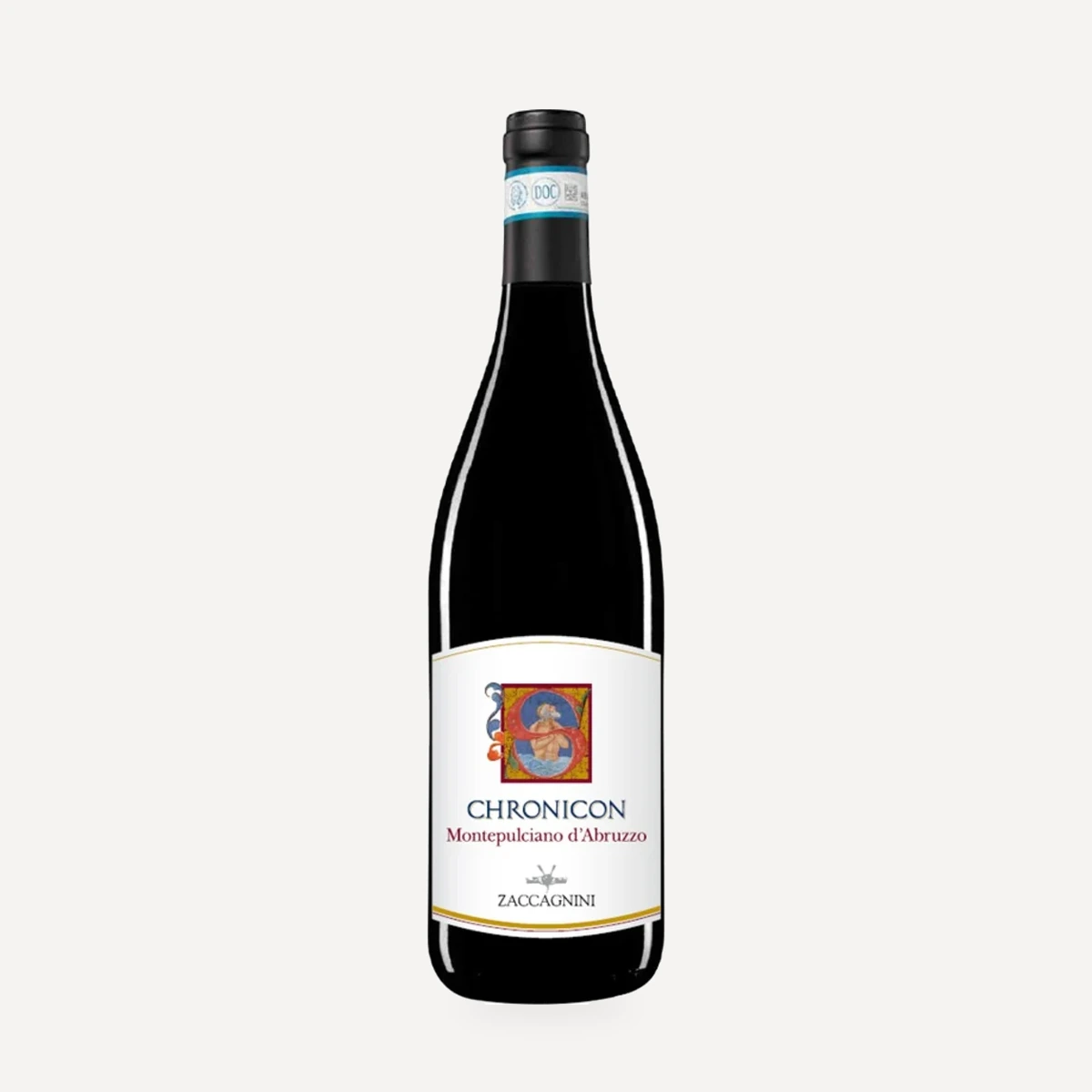
Chronicon Montepulciano d’Abruzzo DOC
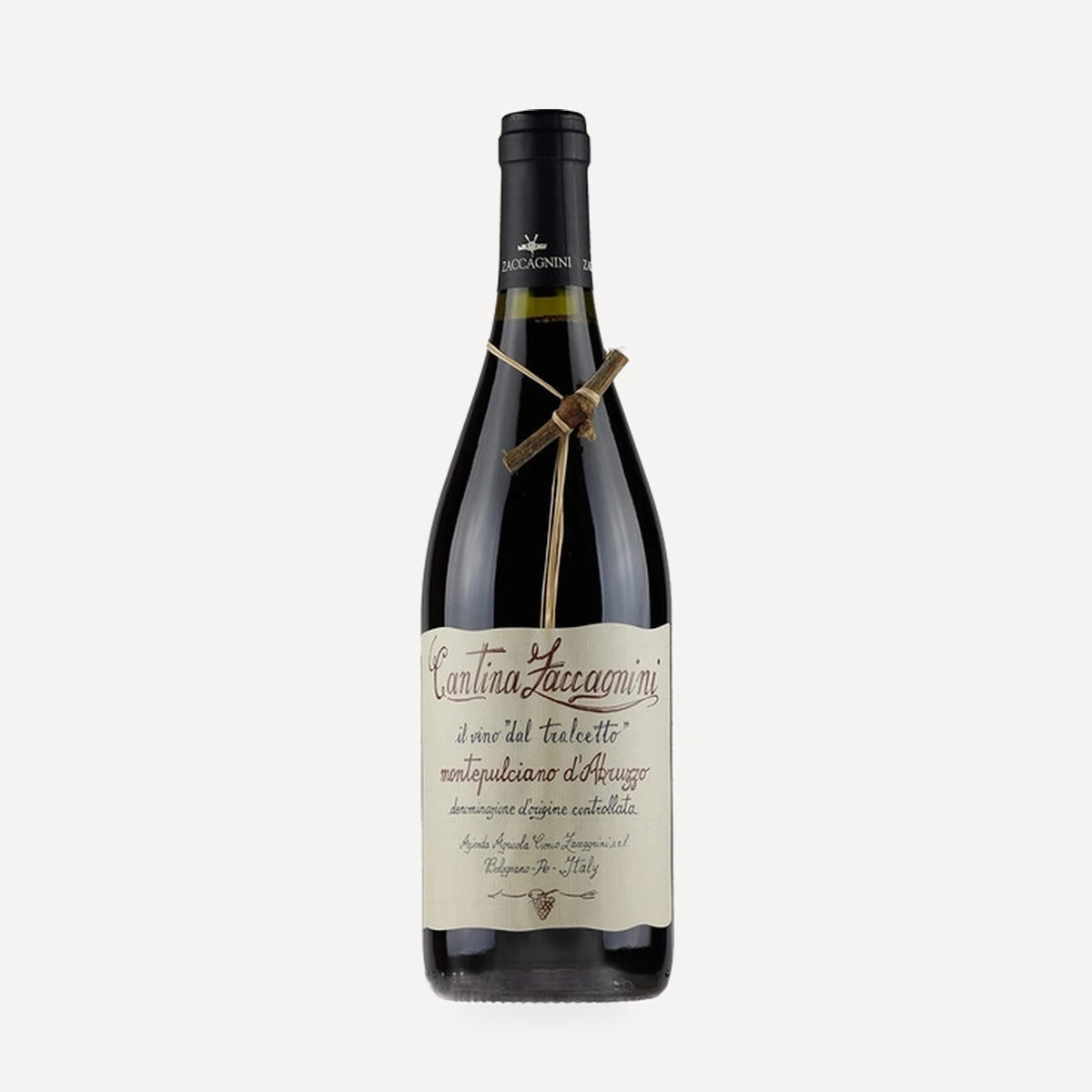
Tralcetto Montepulciano d’Abruzzo DOC
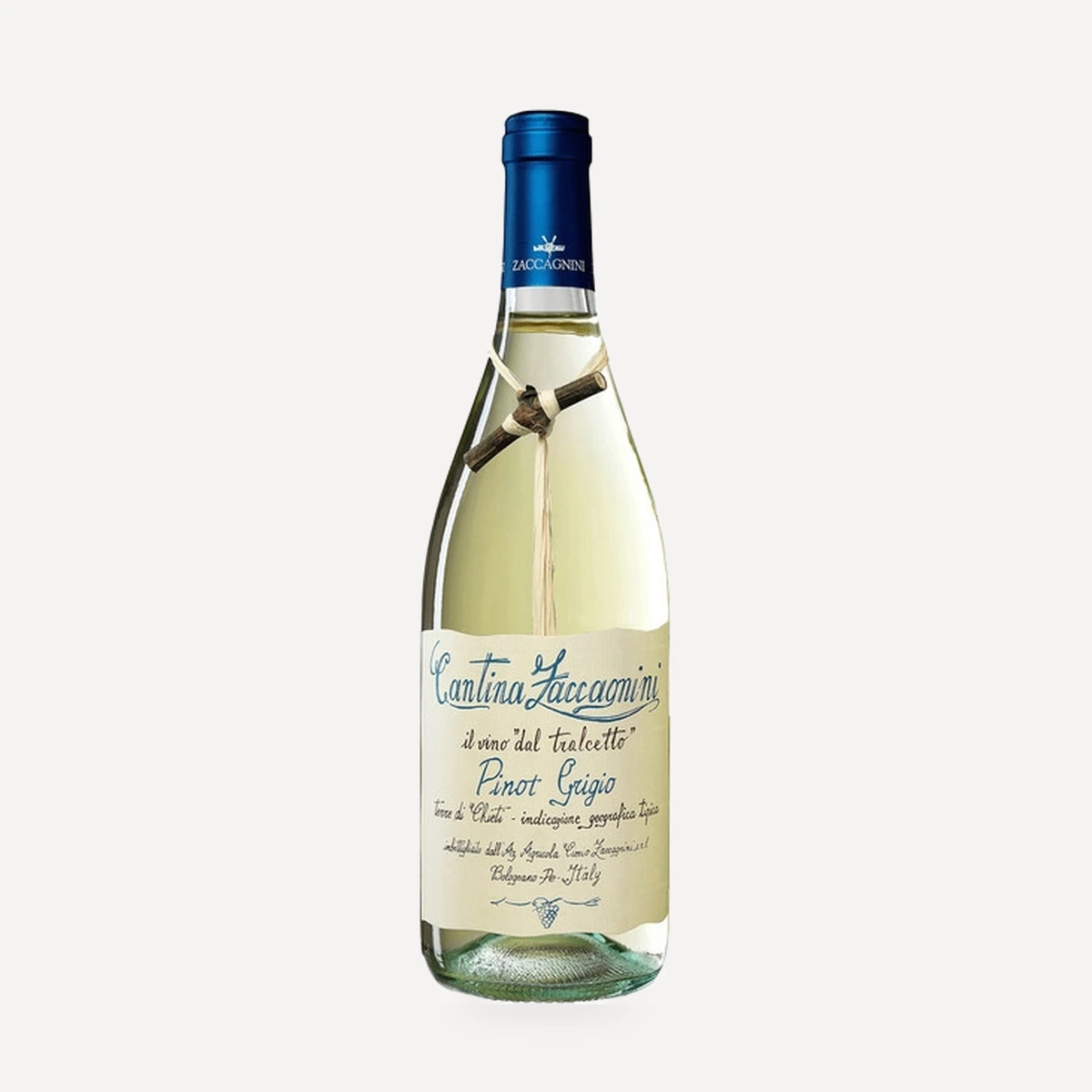
Tralcetto Pinot Grigio Terre d’Abruzzo IGT