Storia
Family roots
Alessandro Rivetto’s connection to wine passes through two earlier generations named in the family story. His great-grandfather Giovanni provided the original intuitions and knowledge that Ercole, Alessandro’s grandfather, developed into new productive possibilities. Ercole introduced Alessandro to work in the vineyard and cellar and instilled both a strong attachment to his native territory and the conviction that work should be undertaken with pleasure and generosity.
Alessandro’s memories of harvest in the 1970s place the family in a rural community where neighbours helped one another during the picking season. Ercole, already elderly but still an indefatigable worker, harvested alongside other local farmers. Work began early and paused at 11 a.m. for a communal meal. Giacinta, an older woman who lived and worked with the family, gathered vegetables from the kitchen garden for soup and salad. The meals also featured toasted bread, cheese and, toward the end of October, omelettes with truffles brought from neighbouring farms. The adults drank picheta, a light wine made from the final pressing, diluted with water and measuring about 10% alcohol. These memories underpin Alessandro’s emphasis on conviviality, mutual help and finding value in simple shared experiences.
A personal enterprise in 2012
In 2012, Alessandro separated from the family business and began his own entrepreneurial project. That same year he met Alessandro Bonelli, a former school desk-mate and close friend who became his partner, winemaker and head of production technology. Mauro Adriano subsequently joined the business, bringing experience of international markets and serving as its commercial representative. Together they developed a project that Alessandro describes as the continuation of a childhood ambition supported by more than twenty years of professional work.
A 2015 company profile recorded 22 hectares and total production of 100,000 bottles. At that time the vineyards highlighted in the profile were in Serralunga d’Alba, and the business was operating under the Alessandro Rivetto name with the agricultural-company designation Az. Agr. IPOLA.
Education and new Barolo expressions
The 2016 harvest supplied an educational collaboration with the Enological School of Alba, where Alessandro had once studied. At the request of his former teacher, Professor Vincenzo Barbaro, the estate provided several quintals of Nebbiolo from Serralunga d’Alba—fruit normally reserved for prestigious Barolo labels—to a promising student. The student was to vinify a Serralunga Barolo and compare it with the wine traditionally produced by the school and its pupils from Grinzane Cavour vineyards. The outcome was expected to become assessable in 2020.
In June 2017 the estate introduced Barolo Vigna Rionda from the 2012 vintage, adding the historic Serralunga d’Alba cru to its Barolo range. Vigna Rionda represented both a challenge and an evolution for a producer focused on Serralunga fruit.
The 2015 vintage also produced 2,000 bottles of Langhe Nascetta Albori. It joined a new range presented in Albeisa bottles and devoted to wines considered representative of the territory. Matirè, the estate’s Arneis, was named by combining the names of Alessandro’s twin daughters, Matilde and Irene.
Expansion into Barbaresco
On 31 January 2018, the estate announced the acquisition of six hectares in the municipality of Alba, within the Montersino and Meruzzano geographical areas. The team had already worked with Montersino fruit for several years. Five of the acquired hectares were in Montersino, in the hamlet of San Rocco Seno d’Elvio—the only part of Alba included in the Barbaresco appellation.
The first cru-specific Barbaresco Montersino was planned from the 2017 vintage, with an initial production of 3,500 bottles. Beginning in spring 2018, vineyard restructuring was intended gradually to add Nebbiolo for Barbaresco alongside the existing Dolcetto, Barbera and Moscato. The estate also expressed the intention of eventually making a limited selection from Meruzzano.
Metodo Classico and continuing development
In February 2021, Alessandro presented the estate’s first Alta Langa DOCG Metodo Classico after four years of development. The initial project comprised 1,500 bottles and marked a deliberate move beyond the structured, ageworthy red wines for which the business was known. The current technical specification has since evolved to an 85% Pinot Nero and 15% Chardonnay blend.
In April 2023, the estate planted a new 3,000 m² Langhe Nebbiolo vineyard at Simane in La Morra. Its west-facing young vines were expected to give their first crop in 2026.
The business is now based at the Wine Loft in Annunziata, La Morra. Besides housing Barolo during maturation, this cellar is conceived as a place for tastings, discussion and direct exchange between the team and visitors.
Terroir
A dispersed Langhe estate
The vineyards span La Morra, Sinio, Alba and Serralunga d’Alba, with additional fruit associated with the municipalities of Barolo, Alta Langa, Acqui Terme and Strevi. The estate treats each parcel as a distinct site and contrasts the expressions of Nebbiolo from Serralunga d’Alba and La Morra rather than seeking uniformity.
Serralunga d’Alba
The historic Nebbiolo vineyards lie on ancient, marl-rich soils containing abundant minerals and trace elements. These soils are associated with depth, complexity, structure and longevity. The holdings include vineyards within the Lazzarito MGA.
Vigna Rionda occupies the heart of the western side of Serralunga d’Alba. The name has also historically appeared as Vignarionda, Vigna Riunda, Arionda and Rotonda, referring to the rounded form of the hill. The site lies at 300–350 metres, has a predominantly southern exposure and rests on mainly calcareous, mineral-rich soils associated with the Formazione di Lequio.
Alba: San Rocco Seno d’Elvio
The Alba vineyards are on the hills of San Rocco Seno d’Elvio within Montersino and Meruzzano. This is the only part of the municipality of Alba included in the Barbaresco appellation. The broader soil profile combines marl, sand and ancient river deposits.
Montersino is a steep hillside. The detailed acquisition account describes an excellent south-southwest exposure and a distinctive sandy soil. The cru has two aspects, south and west, which responded differently to the dry 2023 season: the southern side lost about 50% of its crop, whereas the west-facing side maintained a good harvest despite light hail. The soils are also described as calcareous-clayey in the 2023 vintage account, contributing a pronounced mineral and saline character.
La Morra
The La Morra vineyard lies in one of the highest and most panoramic parts of the Langhe. Its favourable microclimate and soils are associated with balance, aromatic complexity and a refined expression of Nebbiolo. At Simane, a 3,000 m² west-facing Langhe Nebbiolo vineyard was planted in April 2023.
Sinio
The Sinio vineyards sit near the border with Serralunga d’Alba among compact hills and woods. This transitional position brings together influences from different terroirs. Marl-rich soils and favourable exposures support Nebbiolo with freshness, fine aromas and harmonious tannins.
Alta Langa and specific Alba parcels
The 0.5-hectare Alta Langa vineyard faces southeast. Its clay-and-limestone soil contains a high proportion of sand and fossils.
The Alba Dolcetto parcel identified as Foglio 5 – Particella 149 lies at 350 metres, faces west and was planted in 2000.
Vinificazione
Viticulture is organised parcel by parcel, with practices adapted to individual hillsides rather than imposed uniformly. The approach is described as attentive observation of nature, respect for seasonal rhythms and care for both the environment and the people working among the vines.
Harvesting is manual across every wine-growing specification examined, including Nebbiolo, Barbera, Dolcetto, Arneis, Nascetta, Moscato, Pinot Nero and Chardonnay.
The 2023 drought reduced the total crop by approximately 20% compared with 2022. East- and south-facing sites suffered more severely, while sheltered plots and soils with better water retention performed more strongly. At Montersino, the south-facing slope lost about half its production; the west-facing slope retained a good crop despite light hail.
Following that season, the estate planned deep harrowing combined with shallow surface earth movement. The objective was to aerate the soil and form natural collection channels so that intense, short rainfall events could infiltrate more effectively rather than running off. The work was intended to improve water availability and vineyard resilience during future droughts.
In Montersino, restructuring from spring 2018 gradually introduced additional Nebbiolo for Barbaresco alongside existing Dolcetto, Barbera and Moscato. No organic, biodynamic or other third-party farming certification is identified.
The winery uses different protocols according to grape and intended style, while recurring elements include manual harvest, controlled-temperature fermentation and extensive use of stainless steel.
Red grapes are generally destemmed, with crushing specified for several lots. Nebbiolo protocols employ either about 30 hours of cold skin contact or two days of cold maceration before controlled-temperature fermentation in stainless steel. Maceration ranges from approximately 15 days for earlier-drinking Nebbiolo to about 20 days for Barolo and Barbaresco, reaching about 30 days for the Lazzarito selection. Barbera fermentation takes place in stainless steel at around 30°C, with maceration ranging from about 12 to 25 days. Dolcetto ferments at controlled temperature and remains in stainless steel until bottling.
Wood maturation includes large Slavonian oak barrels. Nebbiolo may spend one year in Slavonian oak followed by several months in bottle. Barbera may mature for about ten months in Slavonian oak and then several months in bottle; the longer-macerated Barbera protocol uses about 12 months in Slavonian oak followed by five months in barrique. The mixed red blend combines wooden-barrel and steel maturation before several months in bottle. Barolo is matured for at least 38 months in total, including 18 months in barrel; the Riserva protocol extends total maturation to 62 months, including 18 months in wood. Barbaresco receives at least 26 months of maturation, at least nine of them in wood.
White-wine methods include cold contact between must and skins for about 30 hours, followed by controlled fermentation in stainless steel; the Arneis protocol gives about five days of maceration and finishes in steel. Nascetta undergoes a long controlled fermentation at 15–18°C and matures in stainless steel and bottle.
For Alta Langa Metodo Classico, grapes are softly pressed after a short tank maceration, and the must ferments at 16°C. Secondary fermentation takes place in bottle at 15°C, followed by 30 months on the fermentation lees in the estate cellar. The current bottling has no added sugar.
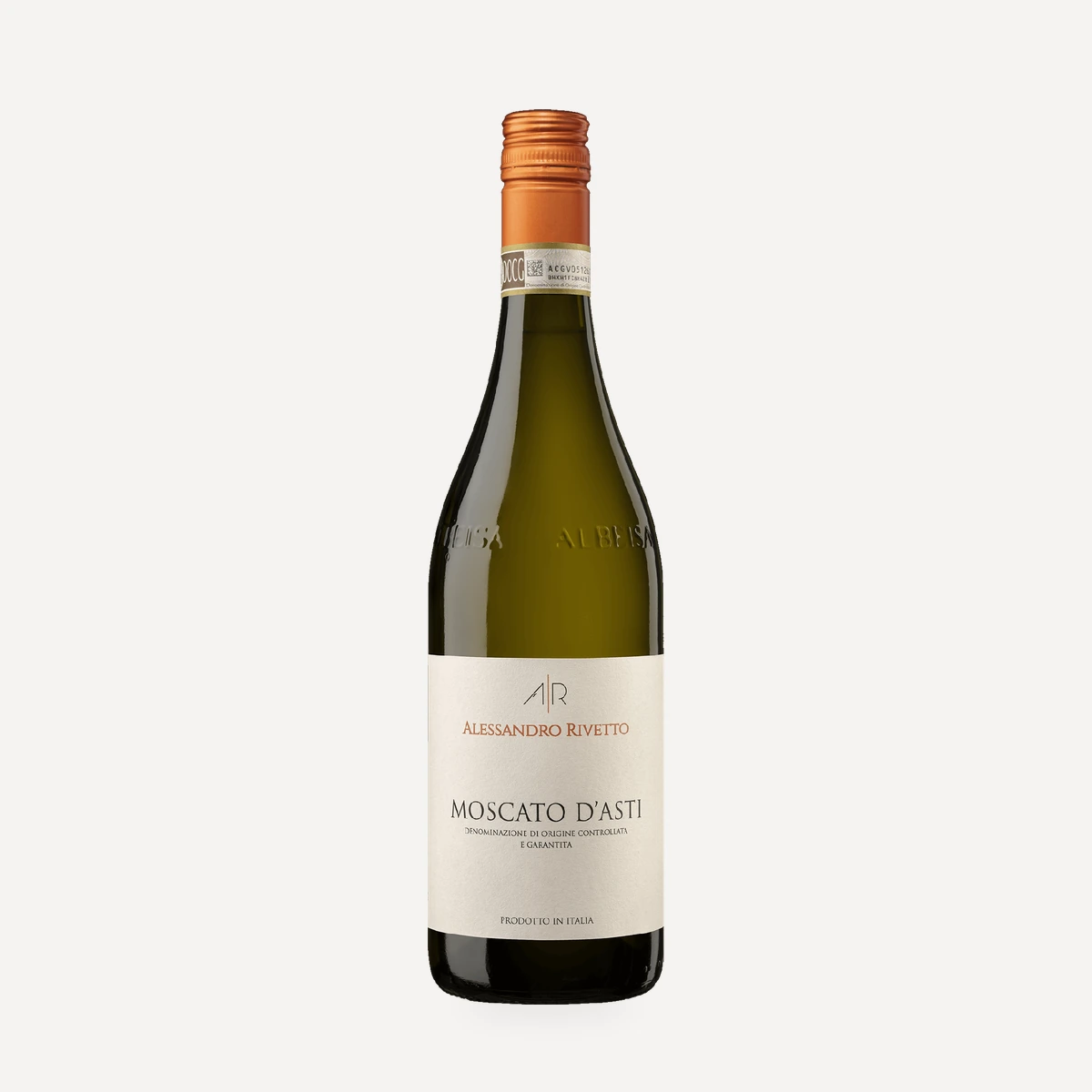
Moscato ferments at low temperature in stainless-steel autoclaves until reaching 5–5.5% alcohol. Cooling then stops fermentation before sterile bottling.
The wines are presented in the Albeisa bottle, used as a regional symbol and paired with modern, restrained label design.
Filosofia
Alessandro Rivetto’s guiding idea joins hard work with pleasure, openness and conviviality. The family lesson inherited from Ercole is to love the work, perform it with a smile and share that enjoyment with the people who encounter the wines.
The estate describes wine as a vehicle for emotion, effort and exchange rather than merely a finished product. Each vintage is treated as a new exploration of what the vineyards can offer. Dialogue with customers and visitors is considered part of this process: the Wine Loft is intended as a place where differing opinions can be expressed respectfully and with good humour.
In the vineyard, the declared aim is to listen to nature rather than force it, respect seasonal rhythms and tailor work to each parcel. The distinctive character of every hillside and terroir is meant to remain recognisable. Alessandro’s earlier statement of purpose presents every hill and vineyard as possessing its own unrepeatable identity, with the grower responsible for allowing its character and personality to emerge.
Tradition and change are treated as complementary. The estate works with historic Langhe sites and native grapes while continuing to add new vineyards, restructure plantings and explore categories such as Alta Langa. The Albeisa bottle similarly combines a regional symbol with contemporary label design.
Family memory, teamwork and shared experience remain central. The history is framed not only through ancestors and current colleagues but also through future friends and collaborators who will contribute to it.
Vini
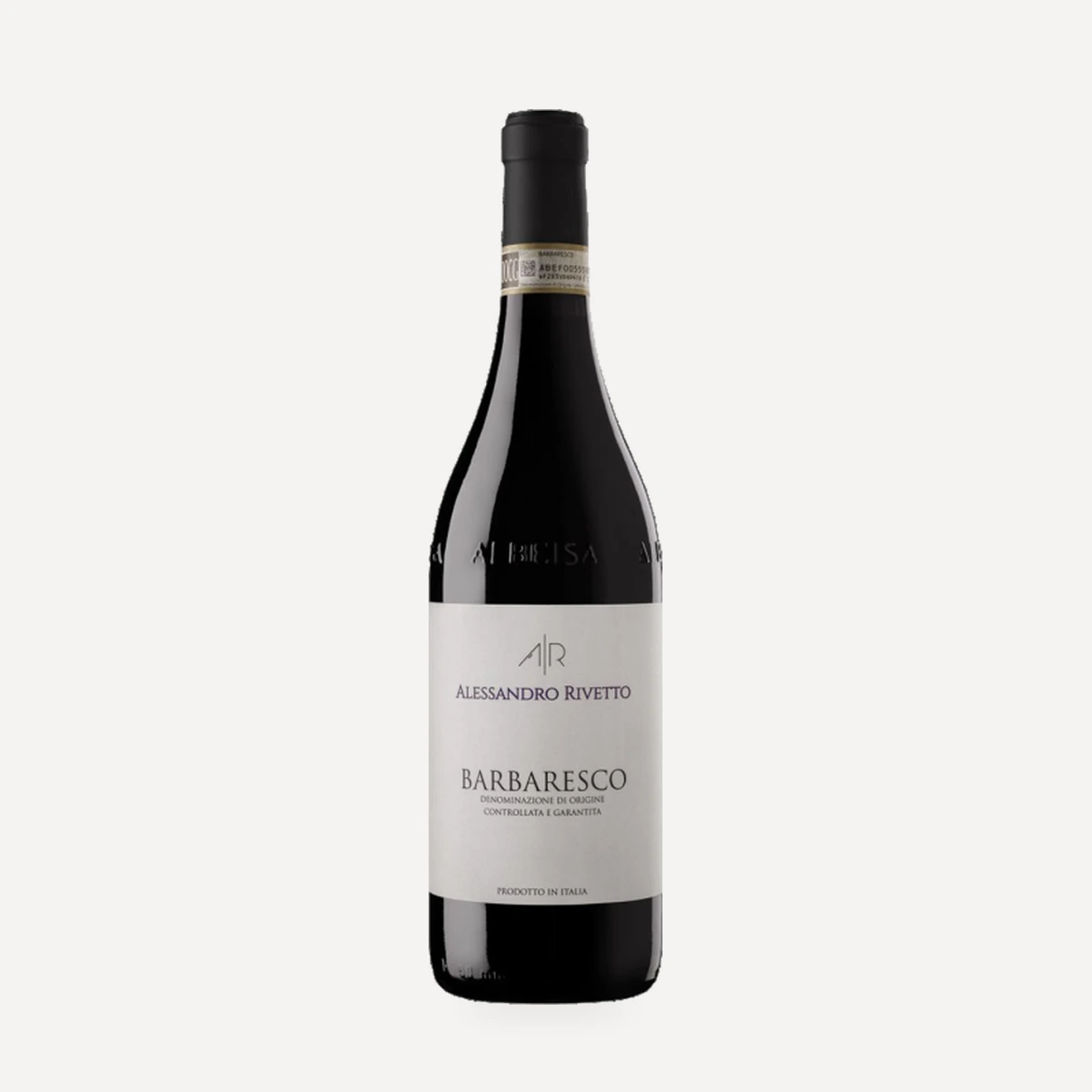
Barbaresco DOCG
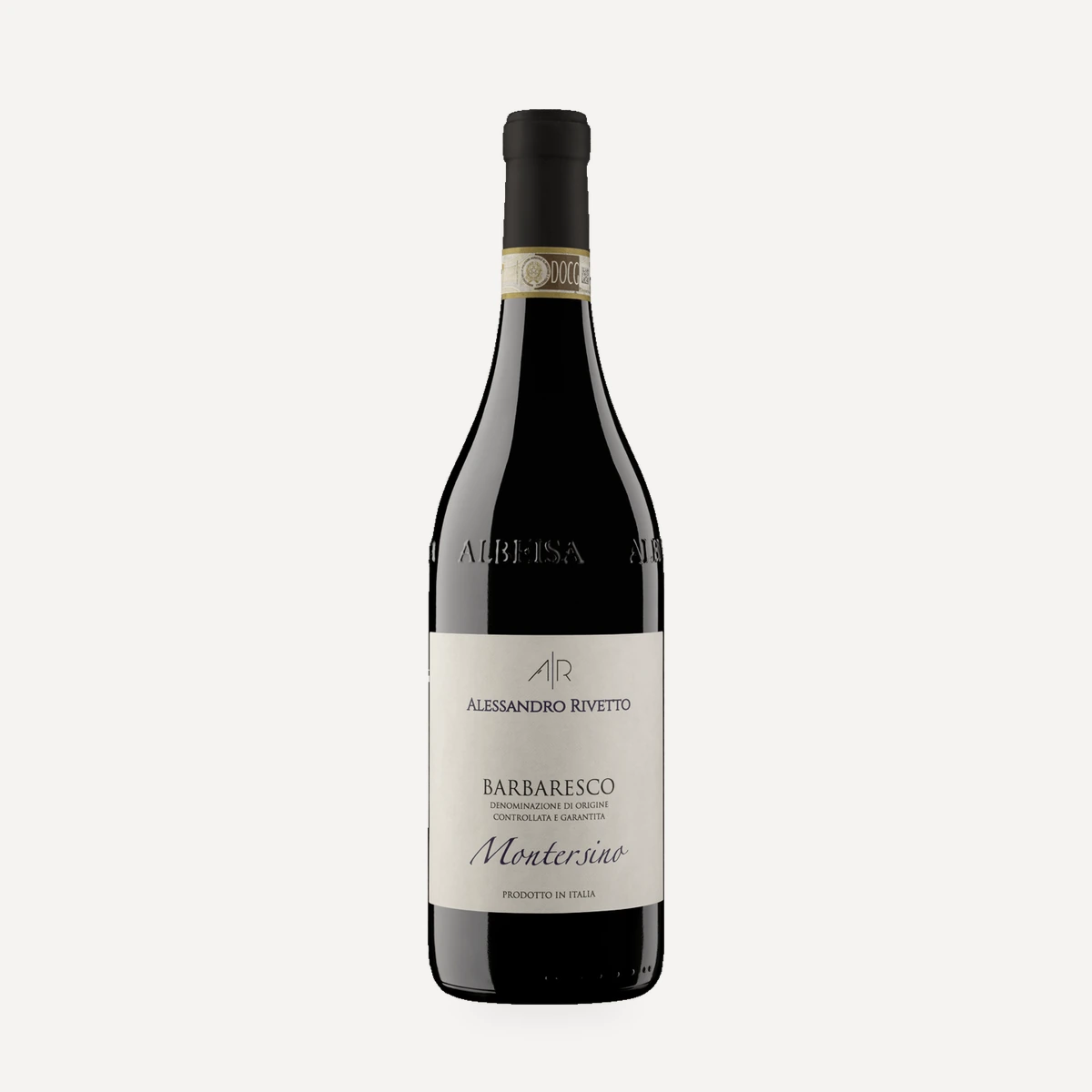
Barbaresco DOCG Montersino
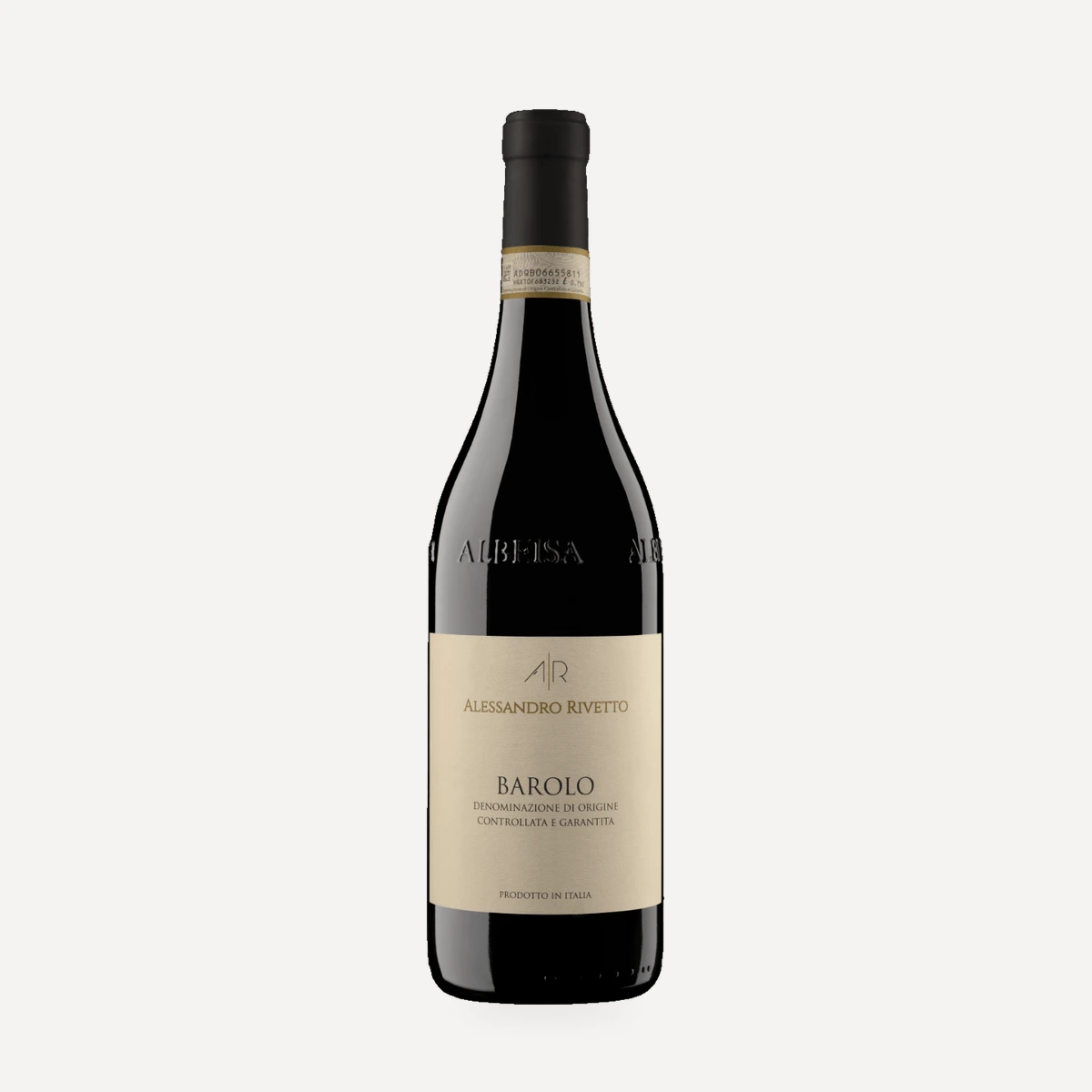
Barolo DOCG
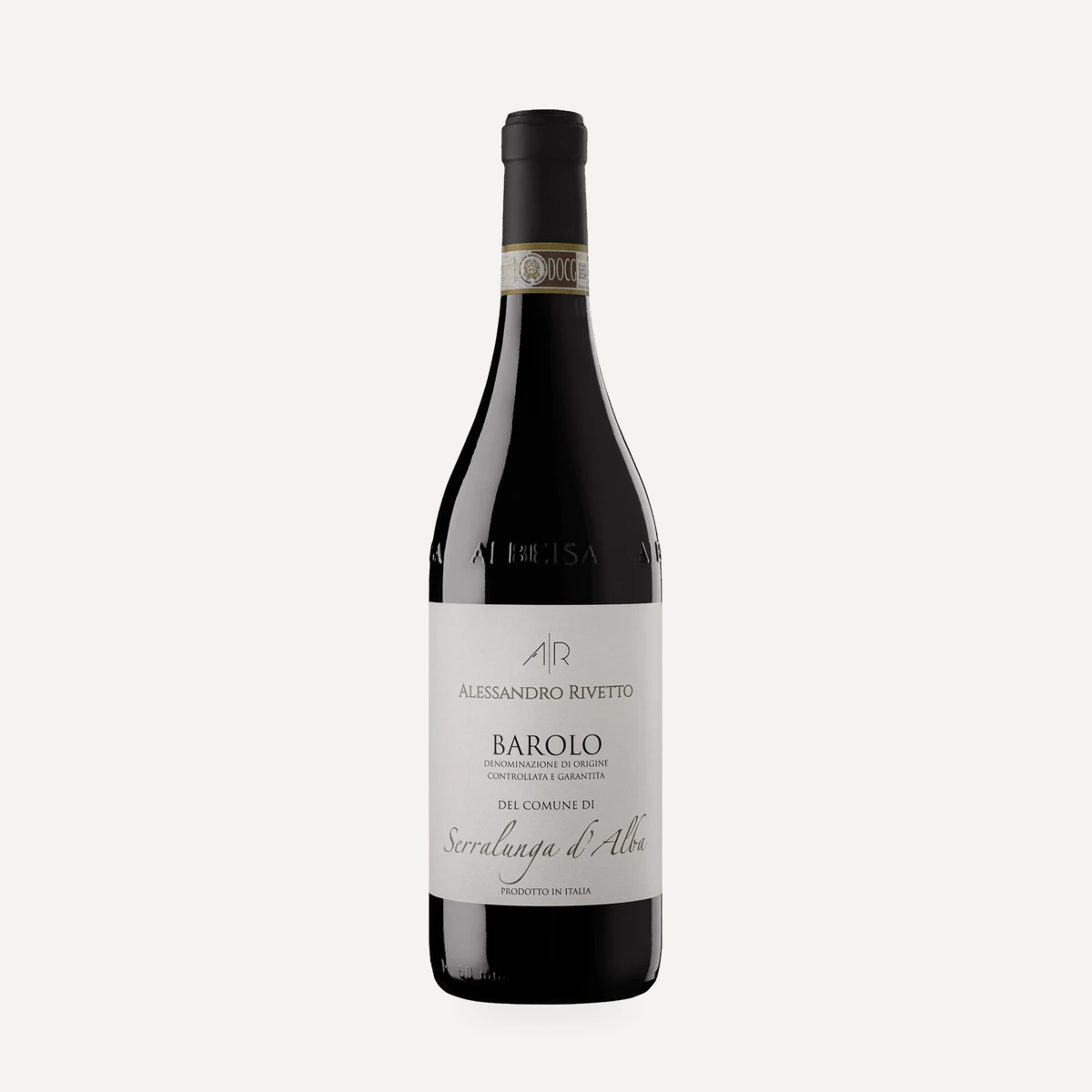
Barolo DOCG Comune di Serralunga d'Alba
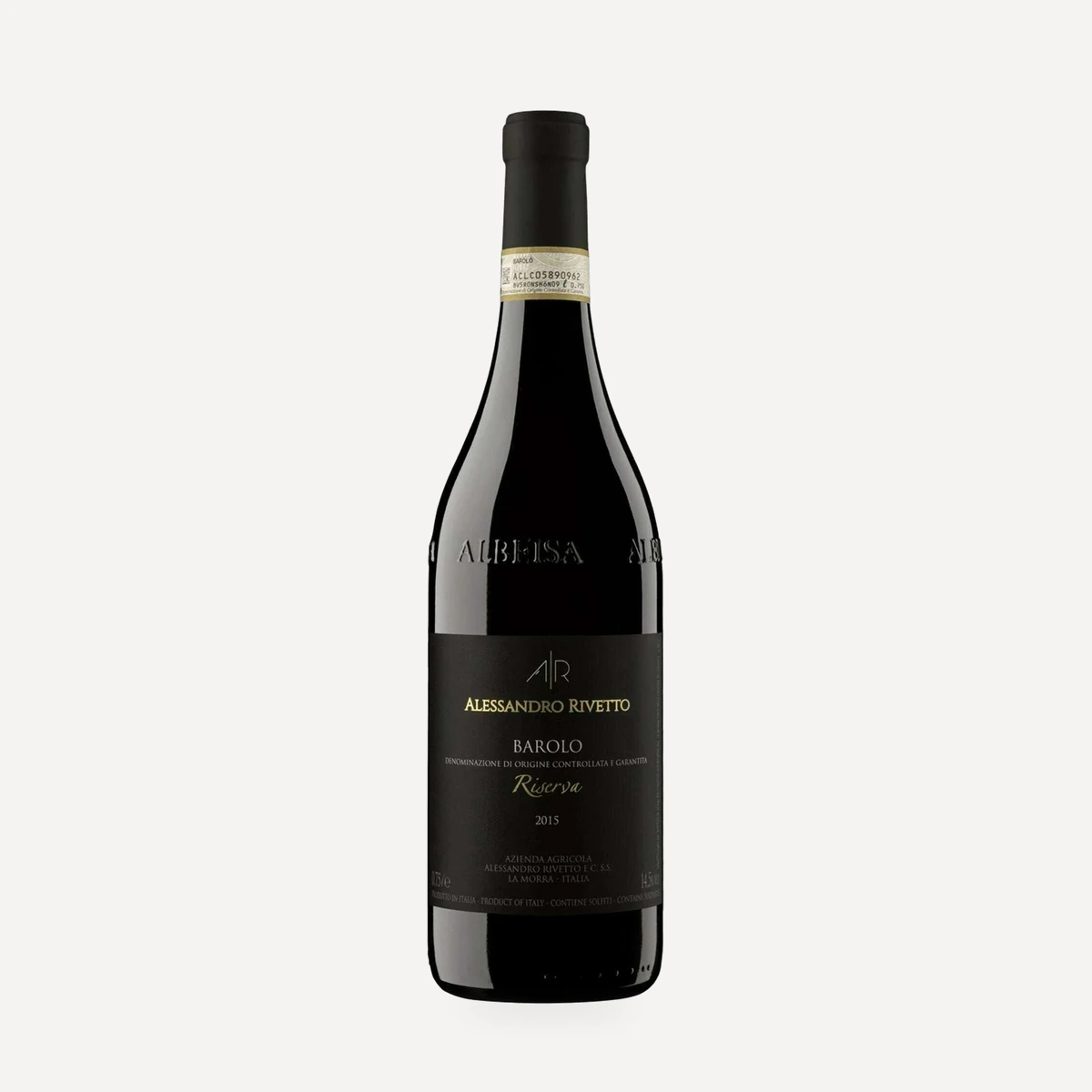
Barolo DOCG Riserva
Barolo DOCG Vigna Rionda
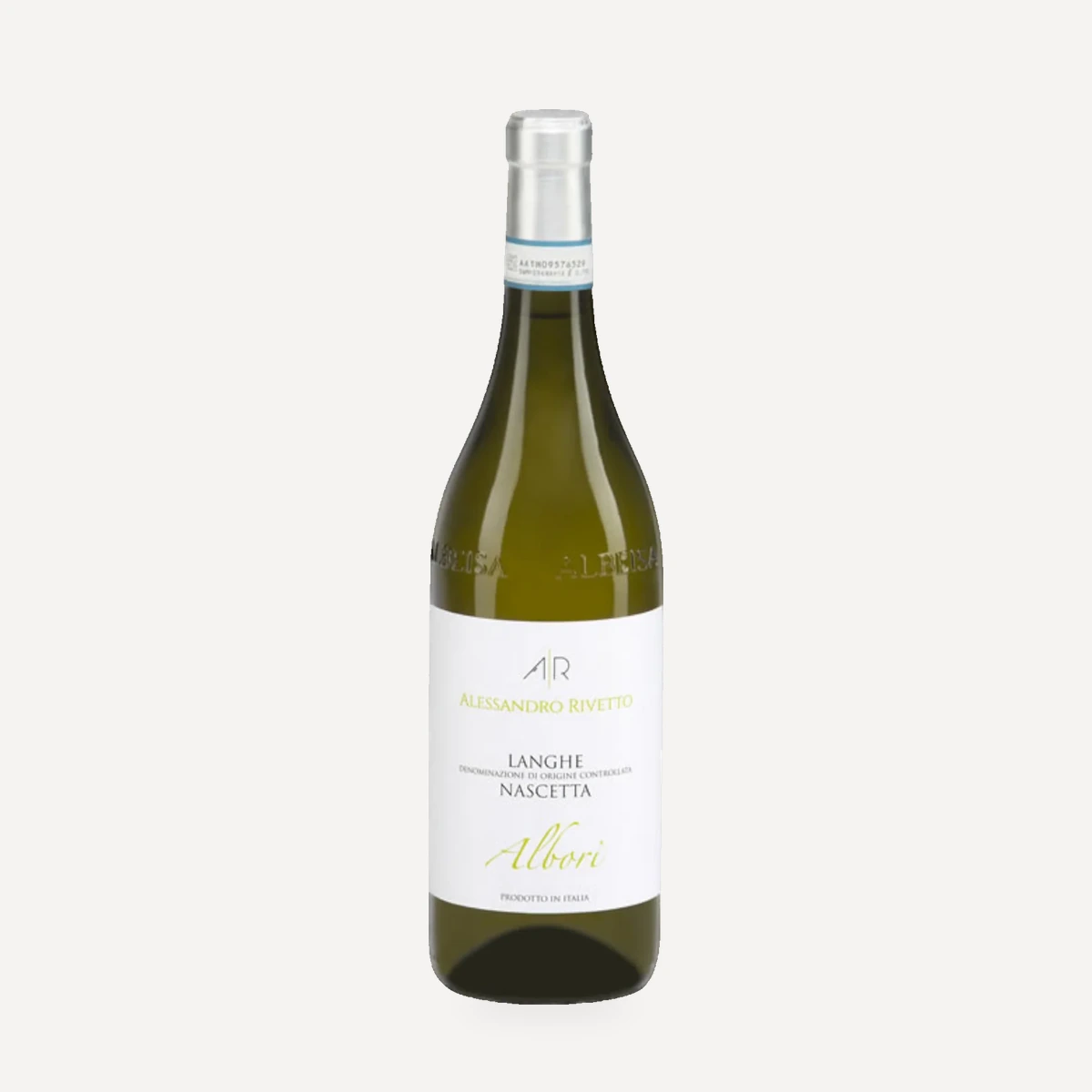
Langhe Nascetta DOC Albori
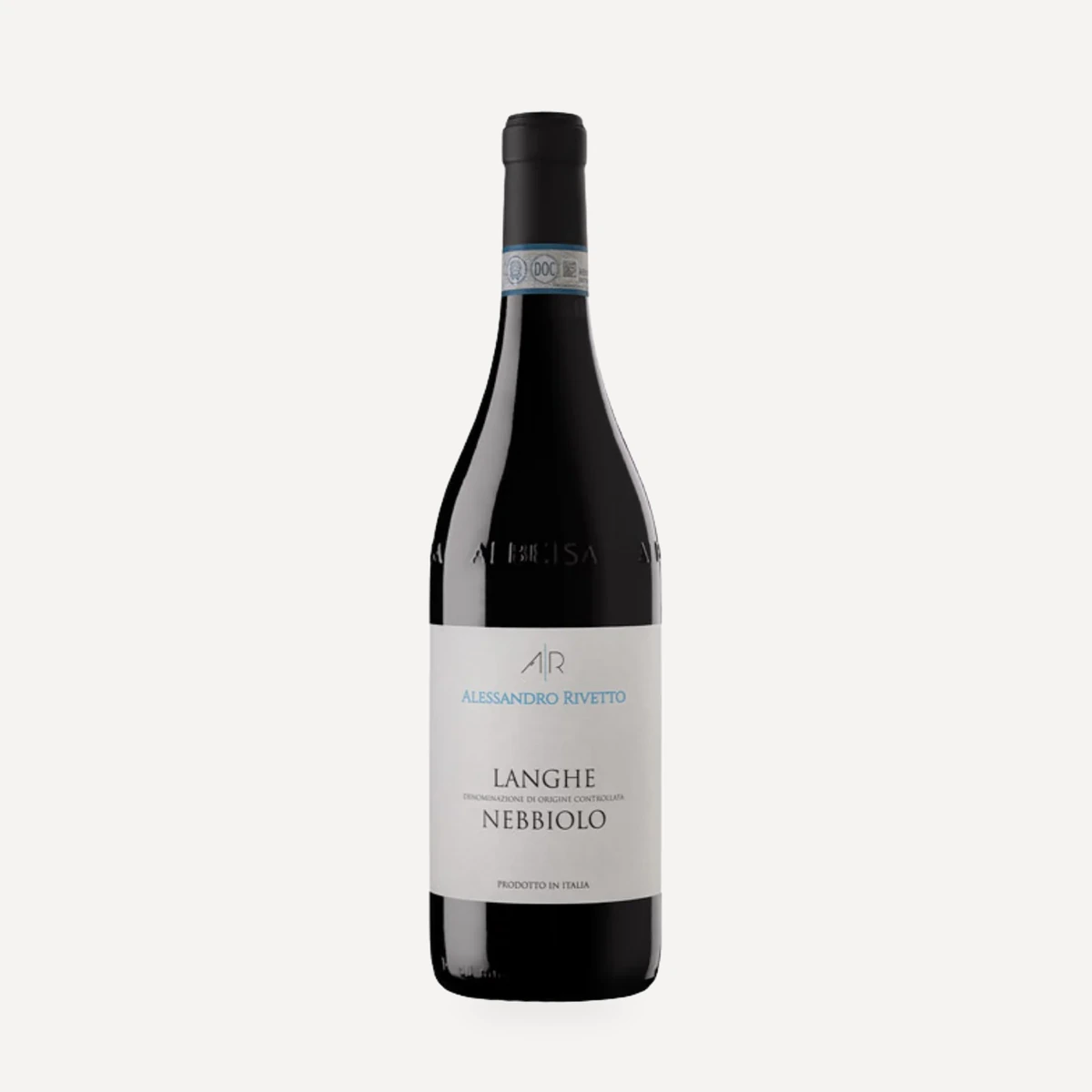
Langhe Nebbiolo DOC
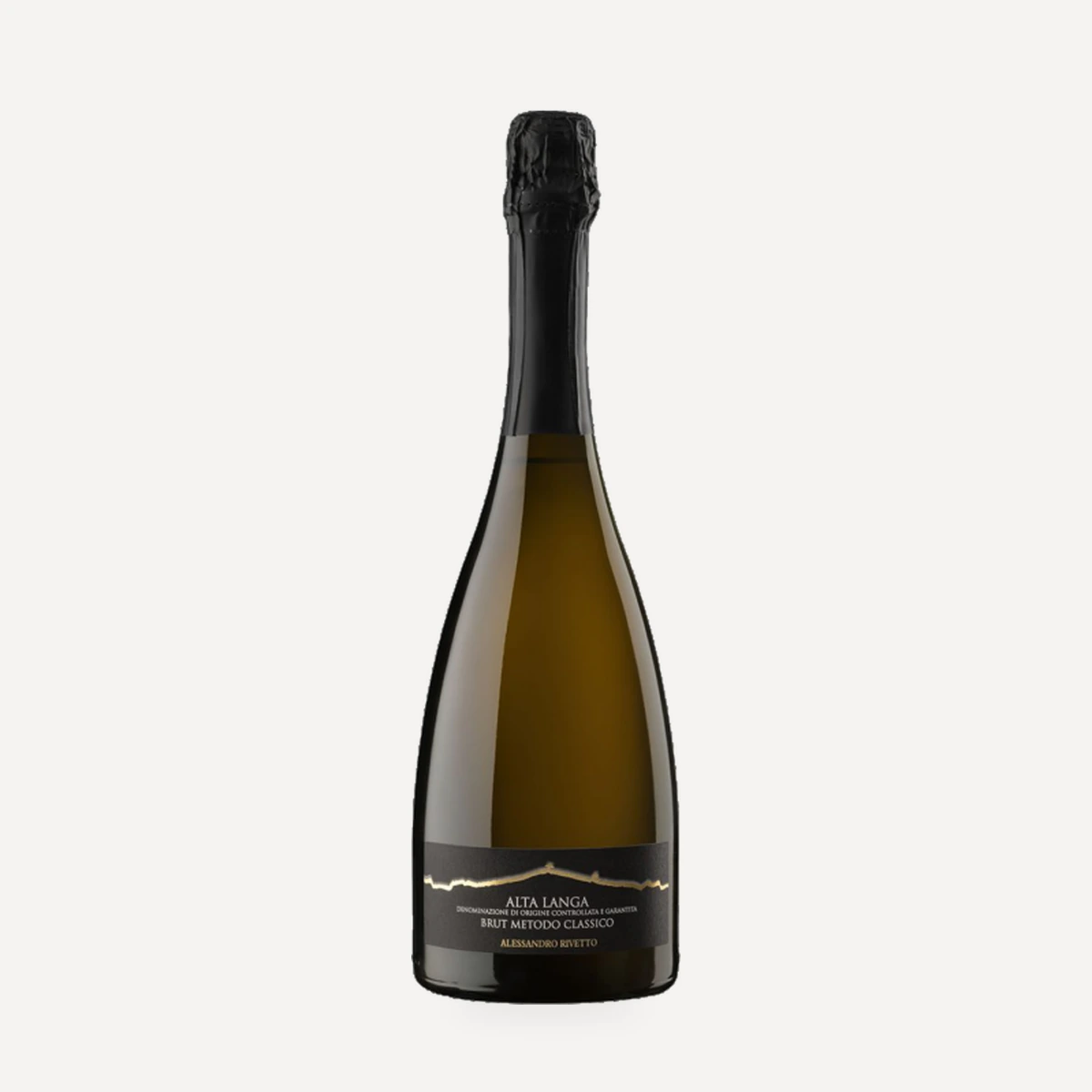
Alta Langa DOCG Metodo Classico Brut
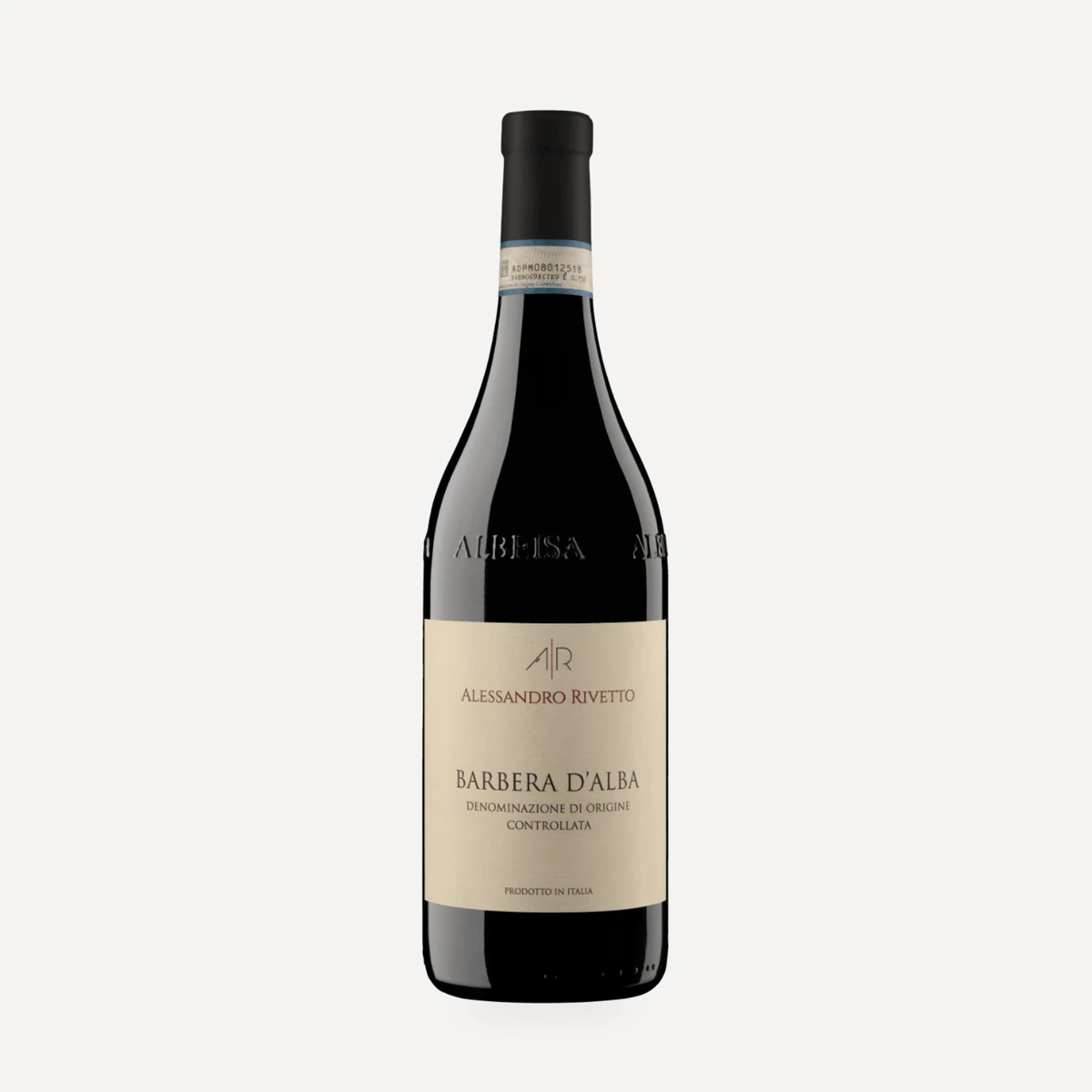
Barbera d'Alba DOC
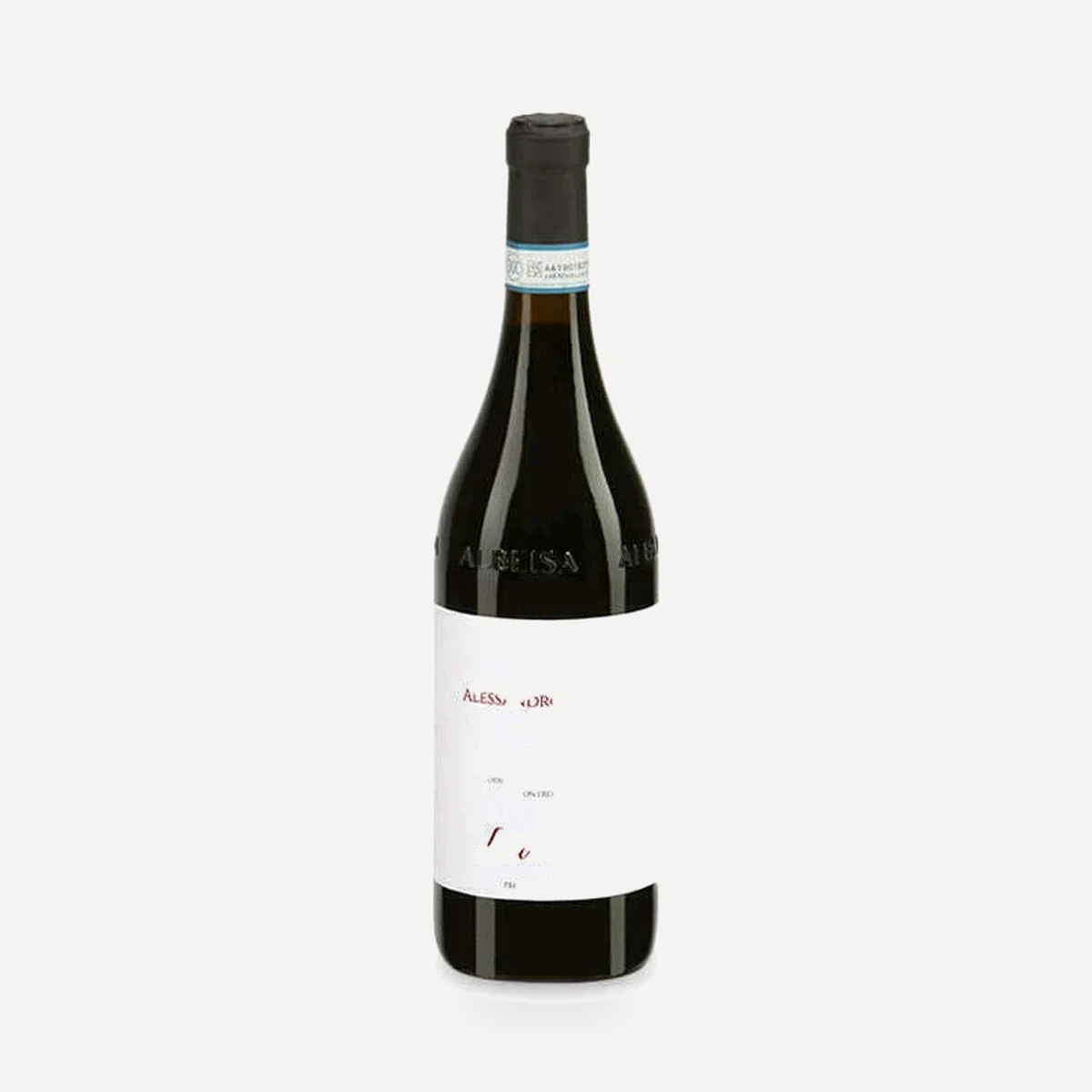
Barbera d'Alba DOC Leonilde
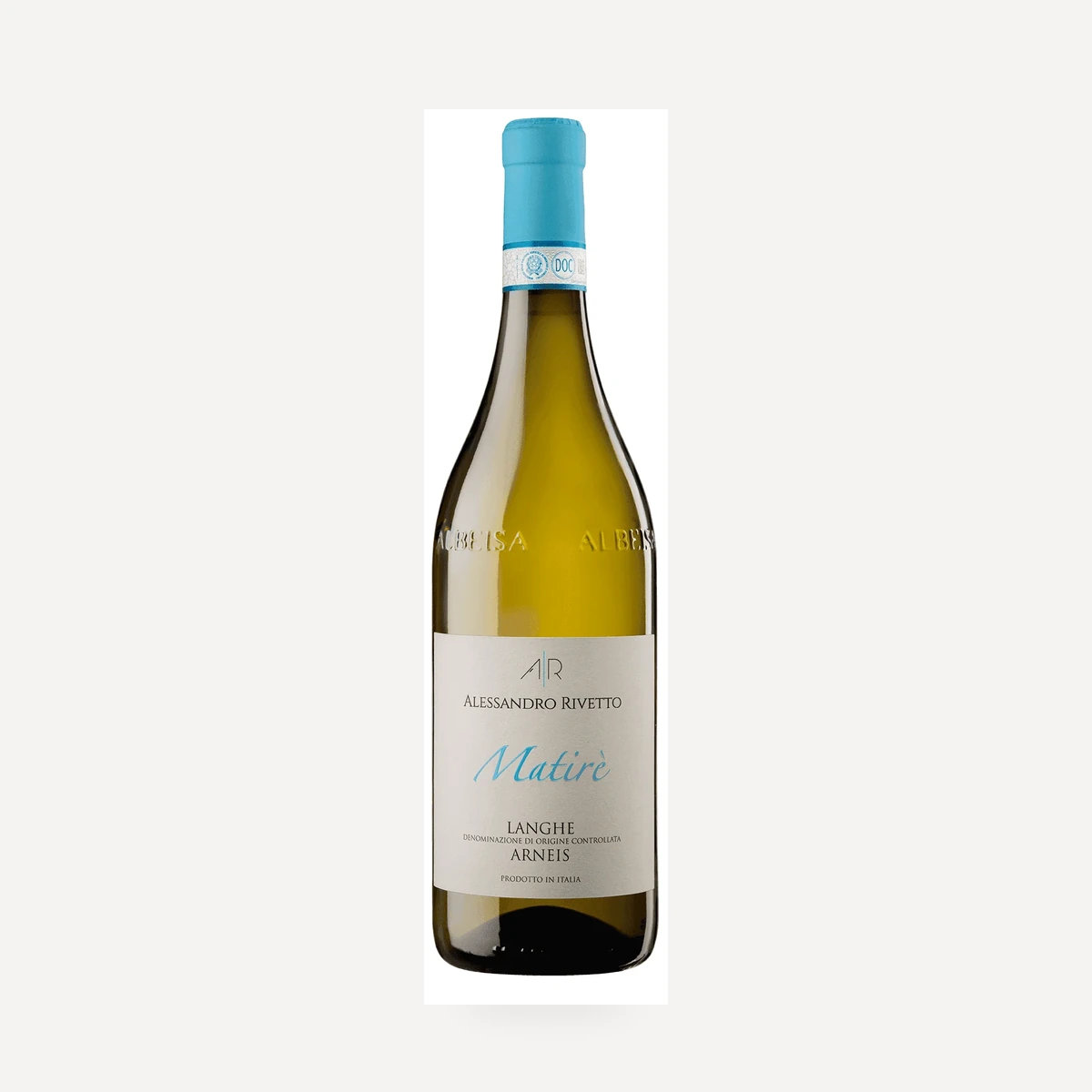
Langhe Arneis DOC Matirè
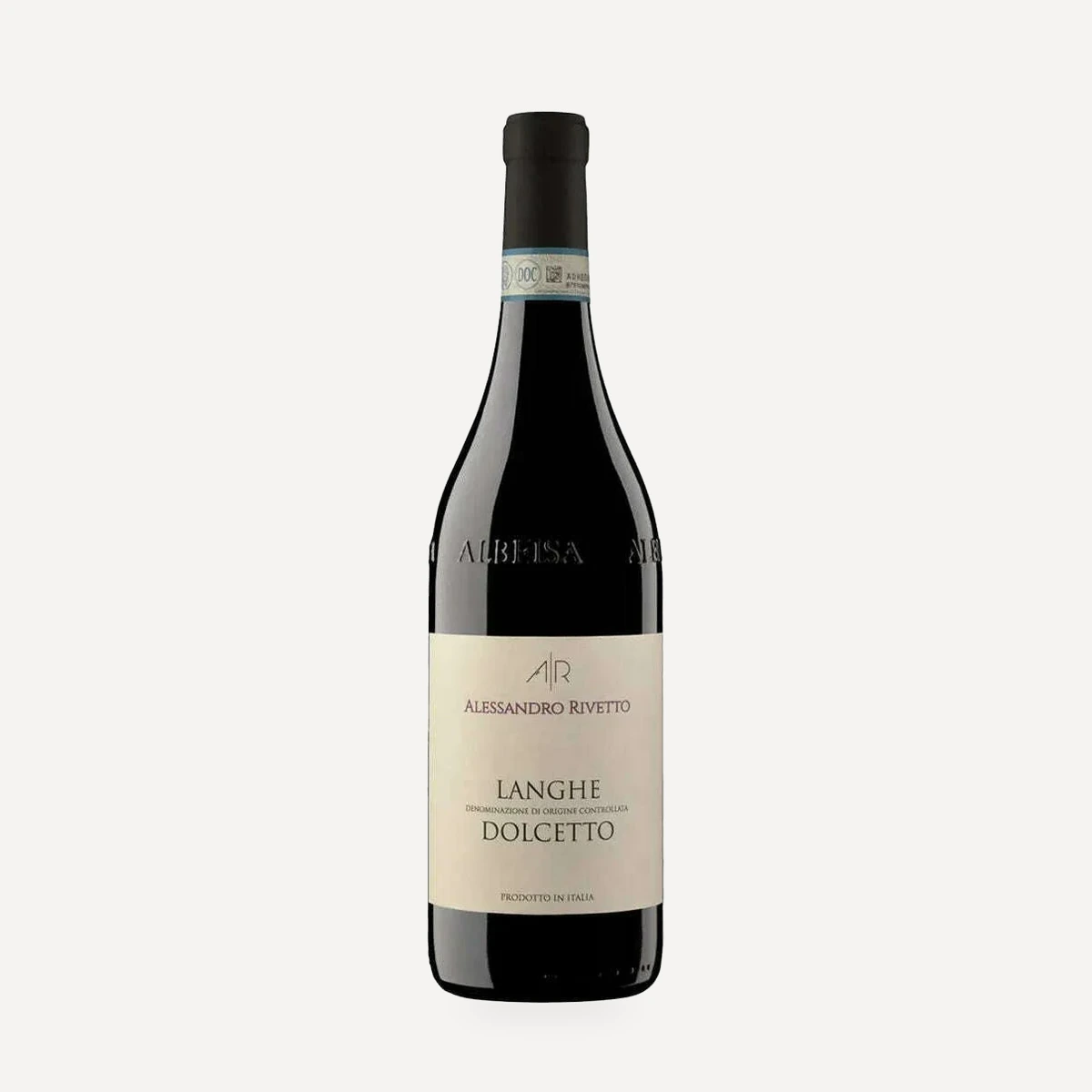
Langhe DOC Dolcetto
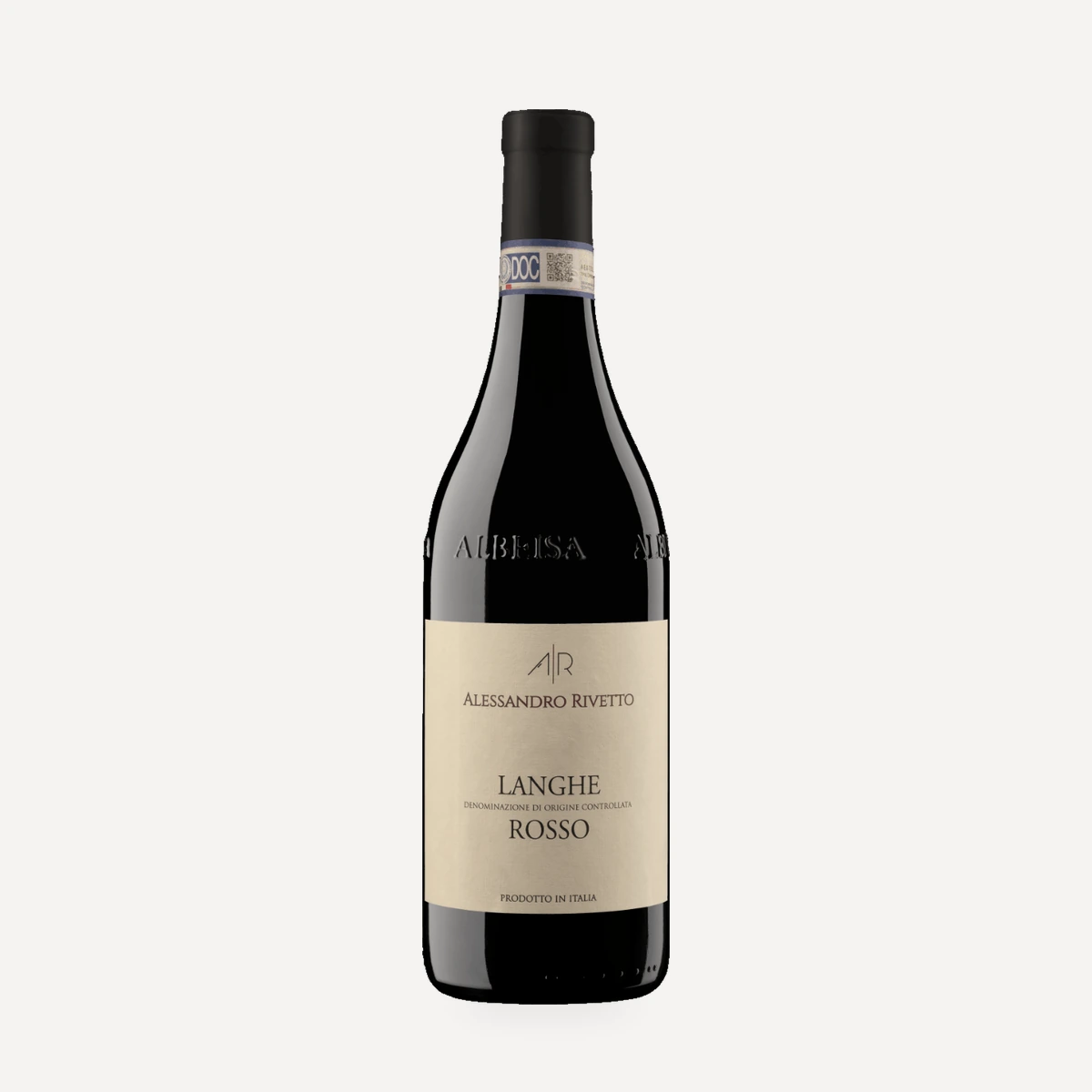
Langhe Rosso DOC