Storia
Arnaldo Rivera and the cooperative legacy
Arnaldo Rivera was born in Castiglione Falletto on 13 December 1919. He worked as a primary-school teacher, served as a partisan commander under the name “Arno,” acted as a commissioner of the Comitato di Liberazione in Turin and was mayor of Castiglione Falletto for 37 years.
On 8 December 1958, Rivera and 21 local growers founded the Cantina Terre del Barolo cooperative. The initiative sought to unite farming families around the common objective of producing wine capable of adding value to both their work and their territory. Its first steps were difficult: established wineries and brokers opposed the new structure because they feared losing their market monopoly. By the cooperative’s first harvest in October 1959, membership had already risen to 362 and construction of the winery had begun.
Rivera died on 10 January 1987. His combination of teaching, civic leadership and cooperative organization later provided both the name and the social model for ArnaldoRivera.
Vineyards later incorporated into the project
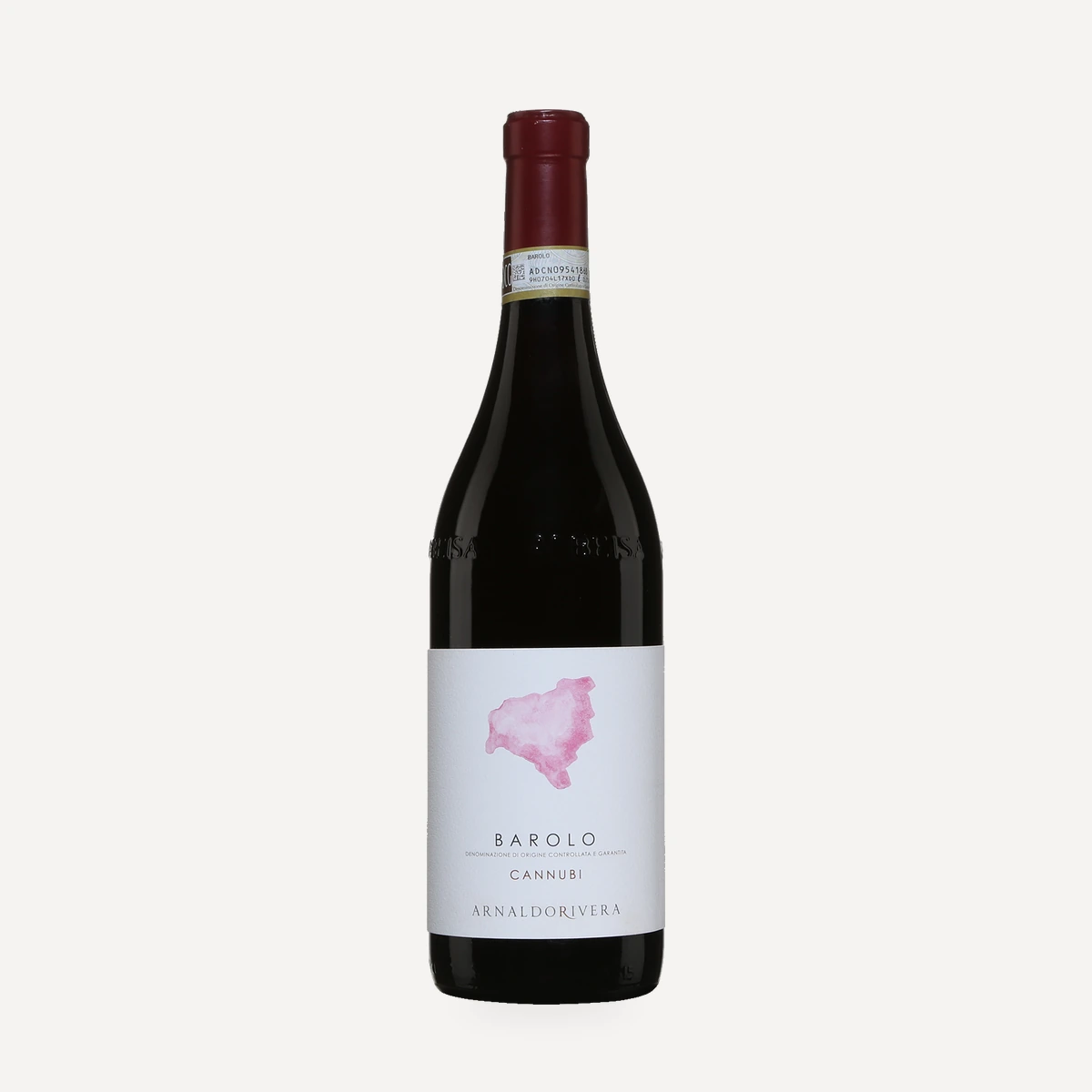
In 1994, the cooperative purchased a Nebbiolo vineyard in the Rocche di Castiglione MGA in Castiglione Falletto. A second estate-owned Nebbiolo vineyard was acquired in 1999 in Boiolo at La Morra, at the end of Rocche dell’Annunziata. Both holdings subsequently became sources for individual ArnaldoRivera Barolo expressions.
2013: the project begins
The ArnaldoRivera project originated with the 2013 vintage. Cantina Terre del Barolo and selected member-growers who owned Nebbiolo vineyards in prestigious Barolo locations entered into a formal protocol intended to produce high-quality grapes with a close territorial identity. Participating vineyards were assessed for inclusion in the premium range, while growers accepted detailed agronomic requirements, periodic inspections and a minimum five-year commitment for CRU parcels. Compliance qualified the grower for an enhanced per-hectare payment.
2017: introduction of ArnaldoRivera
ArnaldoRivera was introduced in 2017 as a journey through the historic crus of Barolo. The brand commemorated the cooperative’s founder almost 60 years after its creation, linking Rivera’s name with the work of member-grower families and with a collection based on individual varieties and distinguished vineyard origins.
The initial Barolo geography comprised Ravera, Boiolo, Monvigliero, Bussia, Castello, Vignarionda and Rocche di Castiglione, accompanied by Barolo undicicomuni and wines from native Piedmontese varieties.
2018: expansion to nine Barolo territories
In 2018, Villero in Castiglione Falletto and Rocche dell’Annunziata in La Morra joined the project. Their addition brought the ArnaldoRivera collection to nine Barolo territories/crus.
The Barolo undicicomuni cuvée also broadened its vineyard base. The 2016 vintage originated from ten selected parcels, while vintages from 2018 onward draw on 21 vineyards distributed across the denomination, expressing the project’s collective, multi-village dimension.
Terroir
A project across the Barolo area
ArnaldoRivera is structured around distinguished vineyard origins rather than a single contiguous estate. Its Barolo component encompasses nine territories or crus in Verduno, Novello, La Morra, Monforte d’Alba, Grinzane Cavour, Serralunga d’Alba and Castiglione Falletto. The Barolo undicicomuni cuvée extends the geographical approach across the denomination through 21 vineyards from the 2018 vintage onward.
Elevation and exposure
The individually described Barolo origins range from 250 to 420 metres above sea level. Monvigliero and Castello lie at 250 metres; Vignarionda at 330 metres; Rocche di Castiglione at 340 metres; Ravera averages 400 metres; Bussia averages 410 metres; and Boiolo reaches 420 metres. The selected sites use warm exposures: Ravera, Monvigliero and Vignarionda face south; Bussia and Castello face south-west; Boiolo and Rocche di Castiglione face south-east.
Soils and geological formations
The range spans several distinct expressions of the Barolo area’s marl and sandstone formations. Ravera has white, marly, calcareous soils over nine-million-year-old Sant’Agata fossil marl of Tortonian age. Boiolo has dark, cool clay soils over laminated Sant’Agata fossil marl approximately eight million years old. Monvigliero combines white marl with abundant clay and limestone over the same laminated, eight-million-year-old formation.
Bussia has white marl containing gravel and skeletal material, with moderate limestone, over nine-million-year-old Sant’Agata fossil marl transitioning toward Diano sandstone. Castello is deep, dark, clay-rich marl with relatively little chalk over ten-million-year-old Sant’Agata fossil marl. Vignarionda differs through its shallow, white, chalk-rich marl over the approximately 12-million-year-old Lequio Formation of Serravallian age. Rocche di Castiglione has dark marl with a substantial sandy component and moderate limestone over Diano sandstone transitioning to nine-million-year-old Sant’Agata fossil marl.
Beyond Nebbiolo, the Nascetta source is characterized by white marl with moderate limestone, while the Diano d’Alba source combines white marl, sand and moderate limestone.
Vinificazione
ArnaldoRivera’s CRU protocol links selected member-owned vineyards with continuous technical assistance and periodic field inspections. Technicians complete a scored vineyard-assessment form, classifying management as excellent, requiring revision or unacceptable. Growers who comply receive a premium above the normal grape payment, calculated per hectare, and commit the parcel to the protocol for at least five years.
The protocol regulates soil fertilization and cultivation, winter pruning, canopy health, disease treatments, foliar fertilization, harvest timing and the manner in which grapes are delivered. Weed management excludes chemical herbicides. Green operations include shoot thinning, lateral-shoot removal, summer leaf removal, hedging and crop thinning. Growers must also monitor flavescence dorée and maintain a vineyard record book.
A related SPQ protocol selects vineyards suited to quality production for the wider ArnaldoRivera range. It applies similar requirements—including no chemical herbicides, pruning and canopy work, crop thinning, treatment and residue controls, harvest and delivery rules, vineyard records and training—with a one-year parcel commitment. Nebbiolo intended for Barolo receives a per-hectare premium, while other varieties qualify for a production premium when the requirements are met.
Grape reception and preparation
Member-growers deliver the grapes to the winery. Each lot is sampled with a probe and analyzed so that the fruit can be classified and selected by colour and potential alcohol. Destemming separates the berries from the stems in a perforated rotating drum. A pair of rollers then breaks the skins while avoiding damage to the seeds. The discarded stems are shredded and transferred to a compost producer.
Fermentation and extraction
Red must is fermented and macerated in cylindrical stainless-steel vinifiers with conical tops and bottoms. Sulphites, tannins, fermentation activators and prepared yeasts may be used. Micro-oxygenation supports a regular and complete fermentation. During maceration, the cap is broken and wetted by pumping must over from above. After fermentation, the liquid is separated from the solids; the pomace is hydraulically pressed and the recovered liquid proceeds to malolactic fermentation.
Maturation and finishing
Wines are racked periodically to remove deposits and prevent unwanted fermentation. Depending on the wine, maturation takes place in stainless-steel tanks, wooden casks, tonneaux or barriques. The winery’s underground level houses casks, tonneaux and barriques; the ground floor contains the production departments, while upper levels accommodate the analytical laboratory, offices, archives and maturation tanks.
Clarification combines fining and tangential filtration. Refrigeration in temperature-controlled stainless-steel tanks at approximately 3°C promotes tartrate stability, after which the wine is filtered again. Bottling follows maturation and clarification.
The production complex also includes a new barrel cellar and finished-wine warehouse. Red-wine production is the principal activity, while white must is separated from its skins before fermentation.
Filosofia
ArnaldoRivera presents itself as an expression of love, freedom and grower pride. Its central objective is to translate selected vineyards into wines with a close territorial identity, combining the technical skill of the cooperative with the craftsmanship of individual member-growers.
Purity of variety is treated as a guiding principle. The project emphasizes native grapes and individual vineyard origins, while Barolo undicicomuni expresses the collective dimension of the denomination through a blend of sites distributed across its villages.
The brand also functions as a tribute to Arnaldo Rivera’s cooperative ideal: families working toward a shared purpose so that wine can create value for both the farming community and its territory. Quality is supported through formal vineyard protocols, technical guidance, measurable field assessments and higher payments for growers who meet the required standards.
Vini
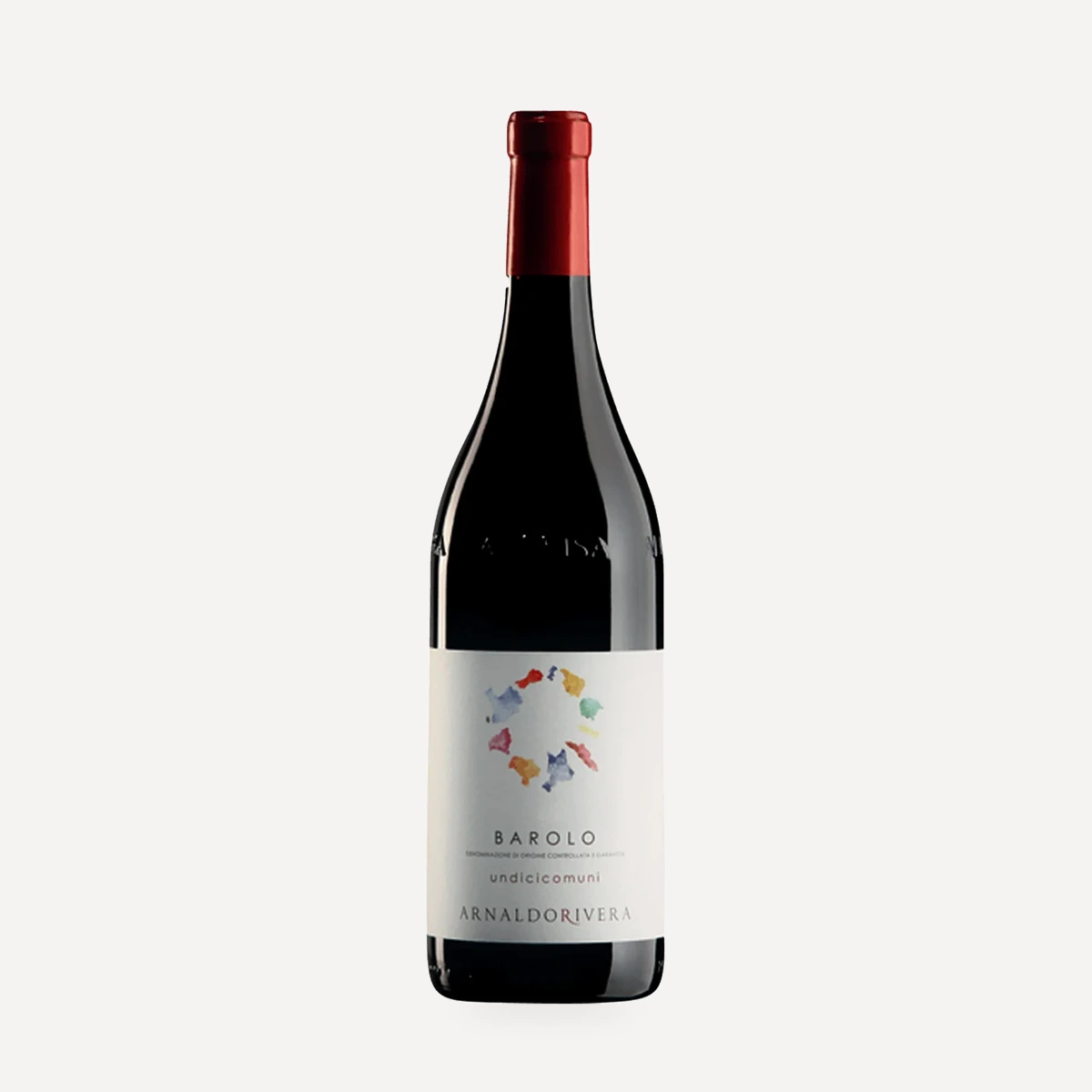
Barolo Undicicomuni DOCG
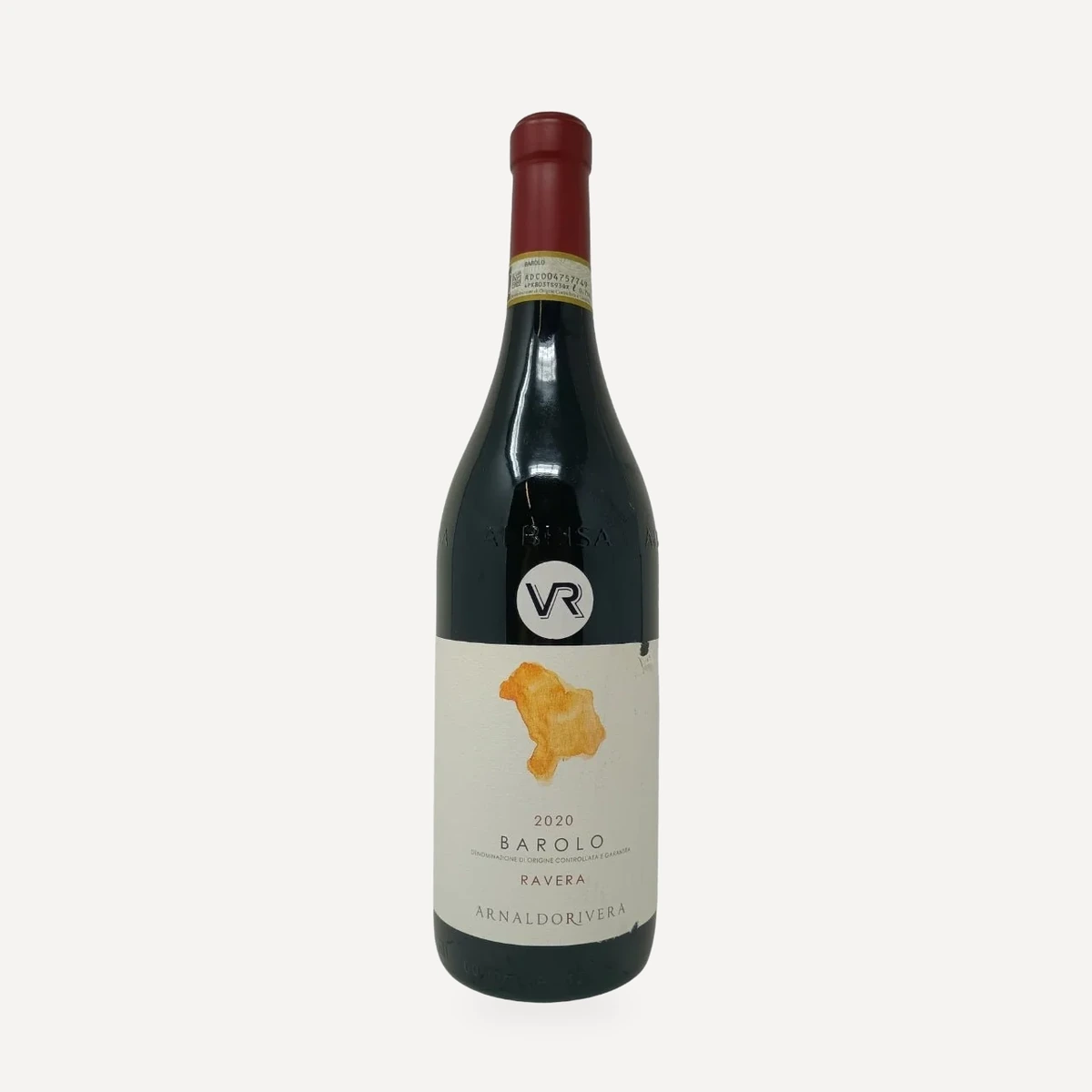
Barolo Ravera DOCG
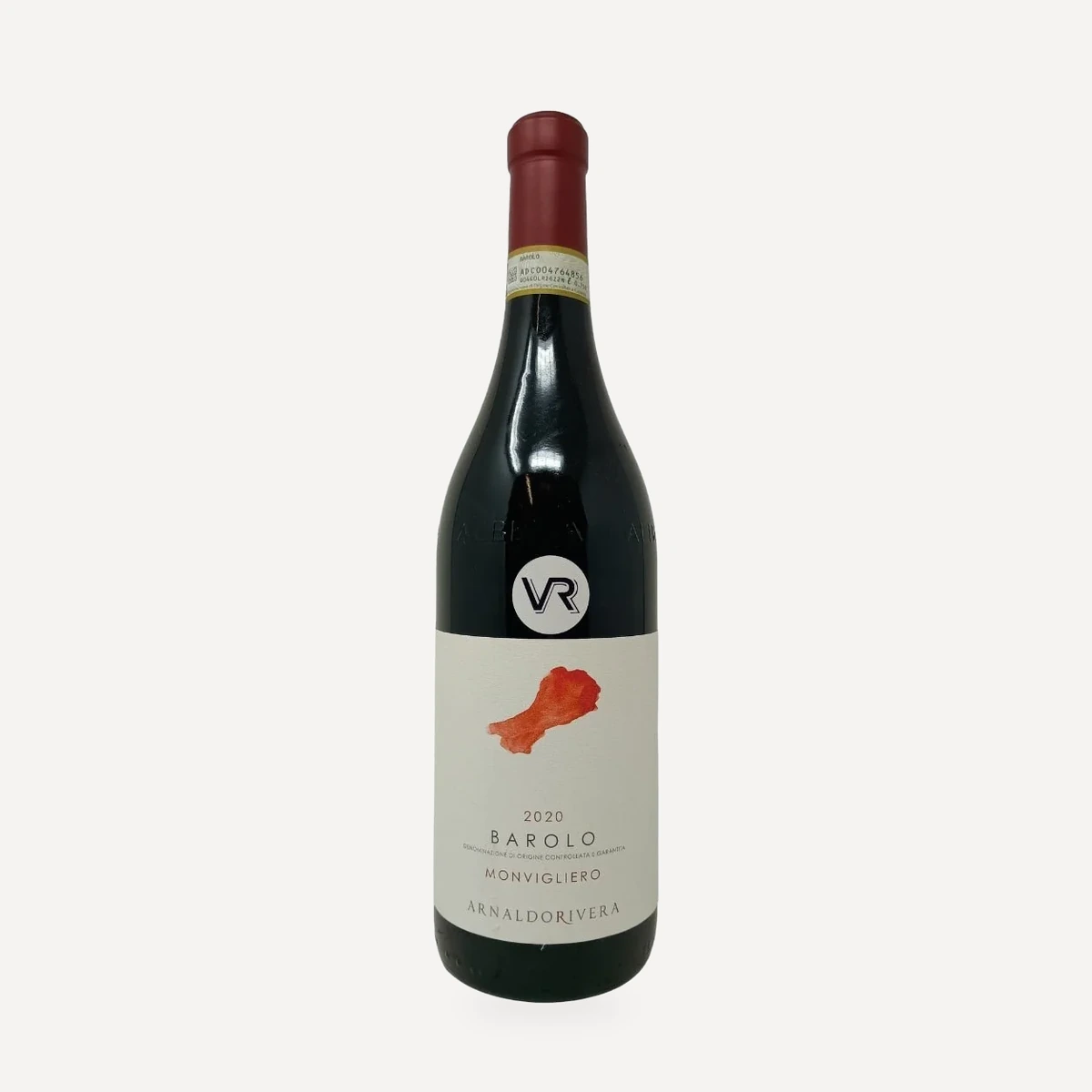
Barolo Monvigliero DOCG
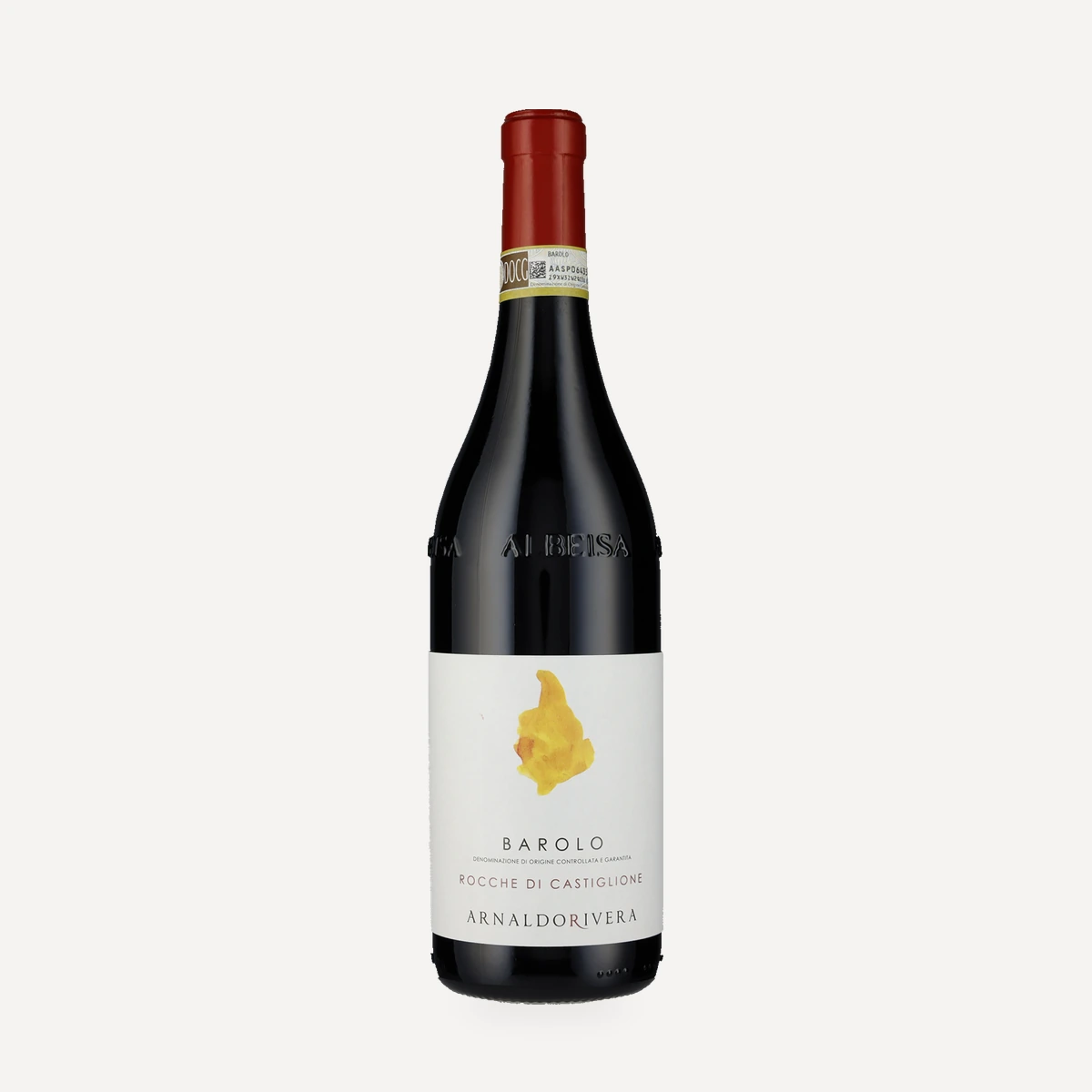
Barolo Rocche di Castiglione DOCG
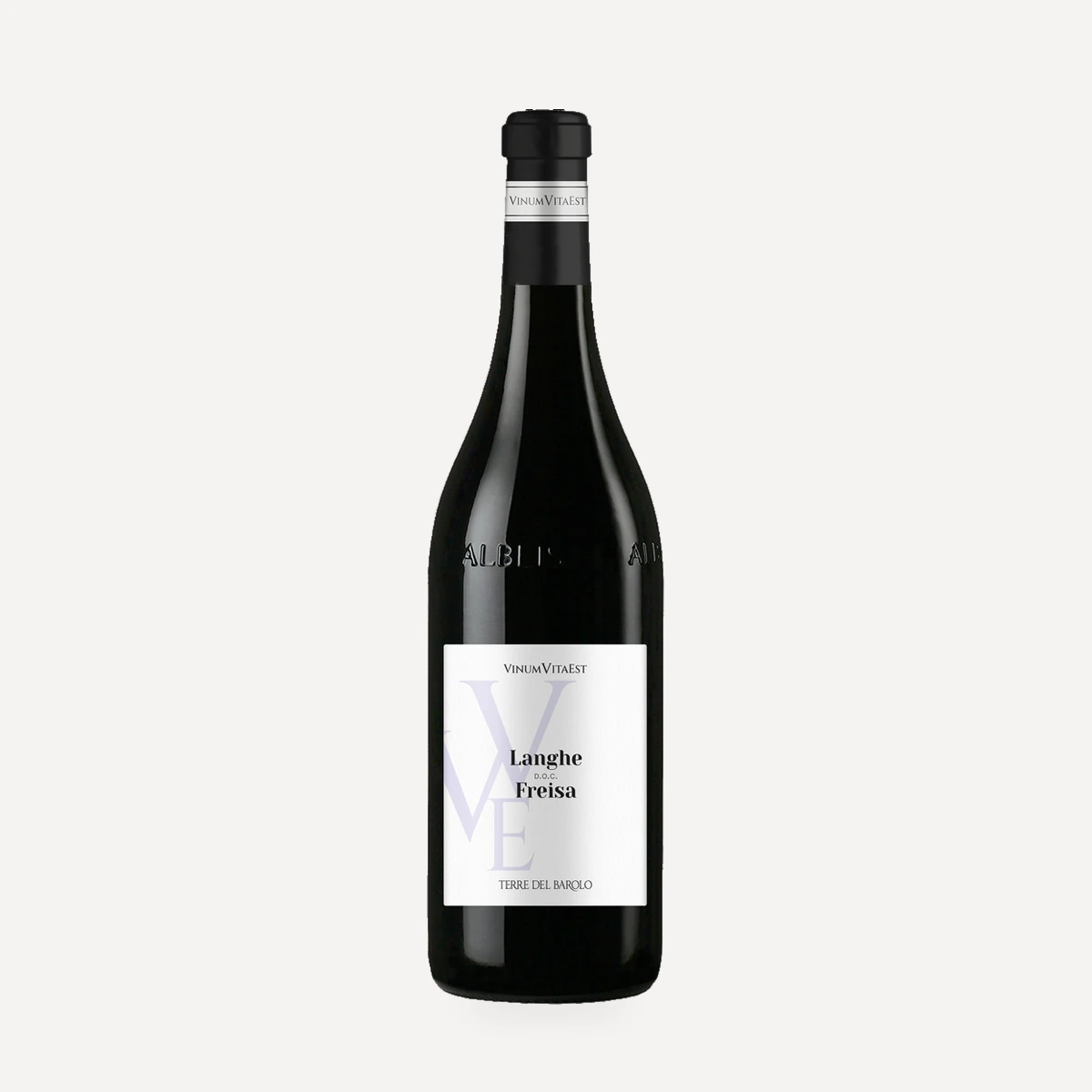
Langhe DOC Freisa
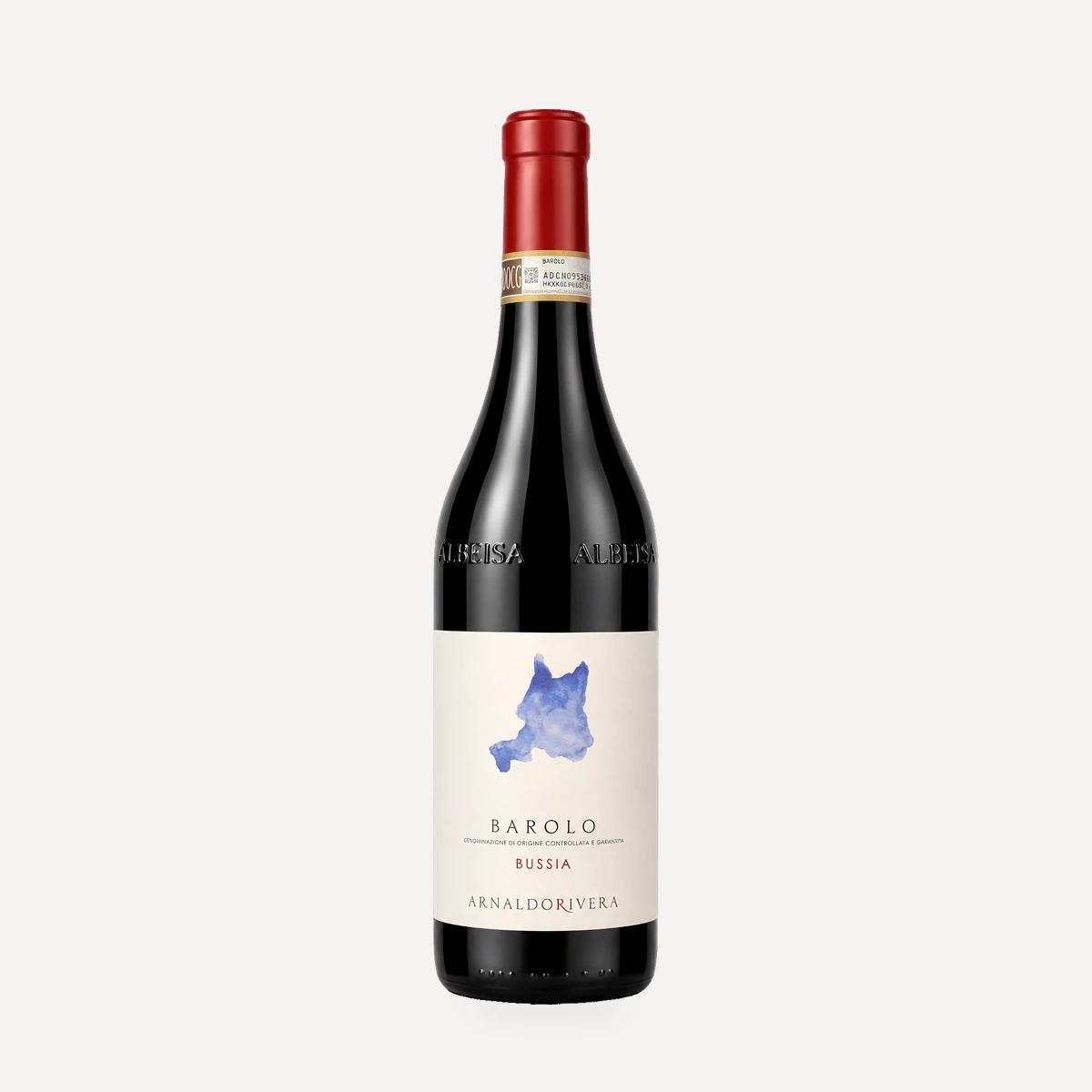
Barolo Bussia DOCG
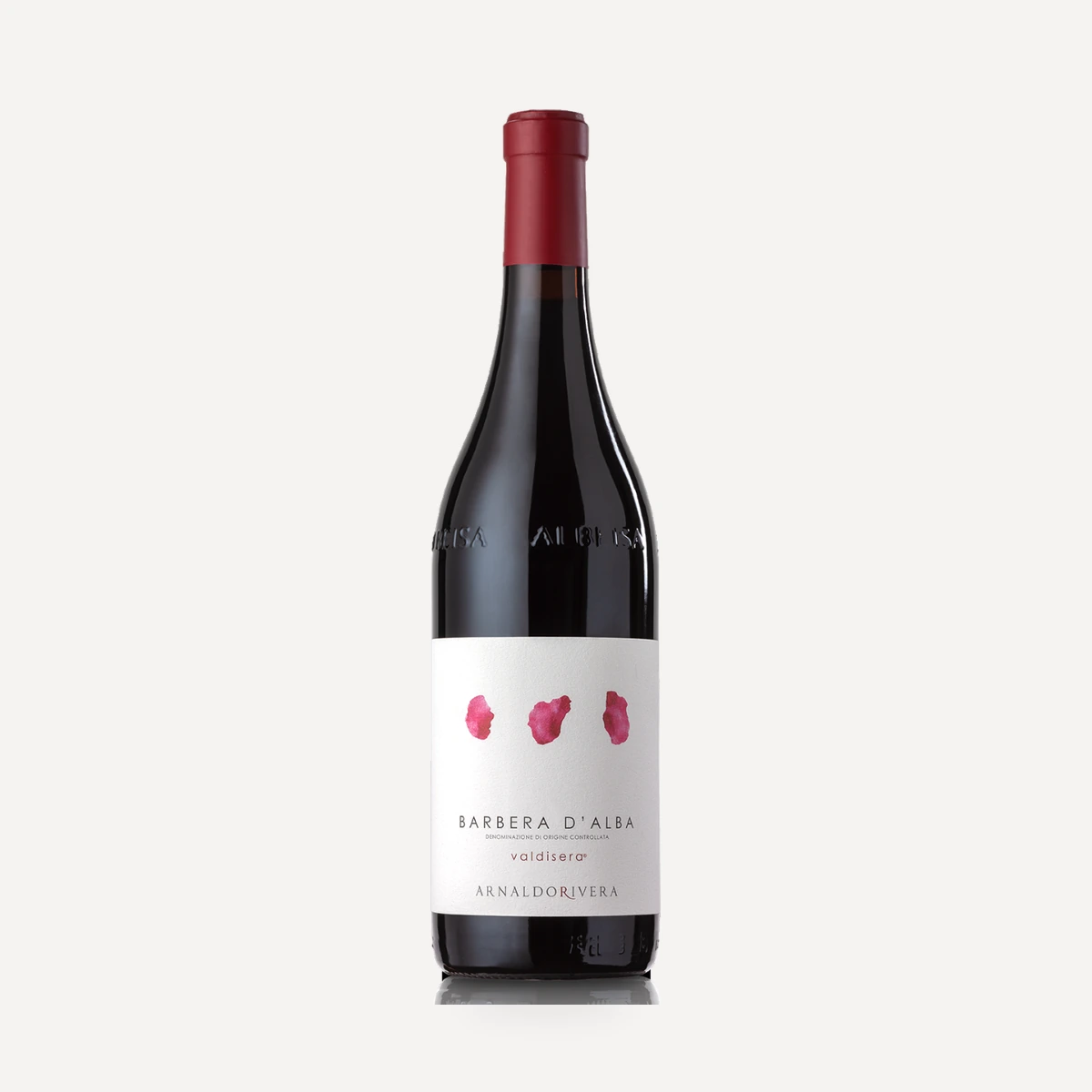
Barbera d’Alba DOC Valdisera
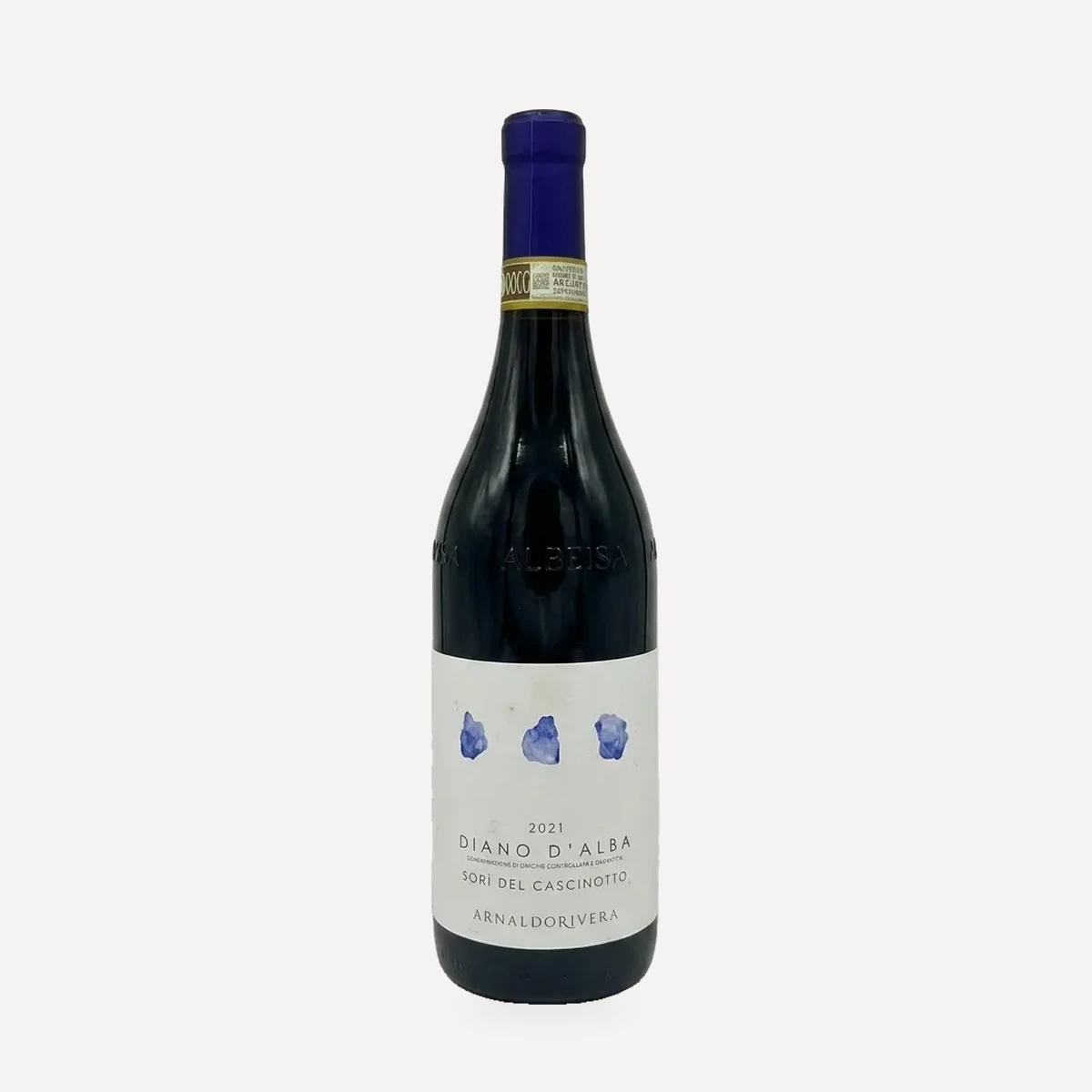
Diano d’Alba DOCG Sorì del Cascinotto