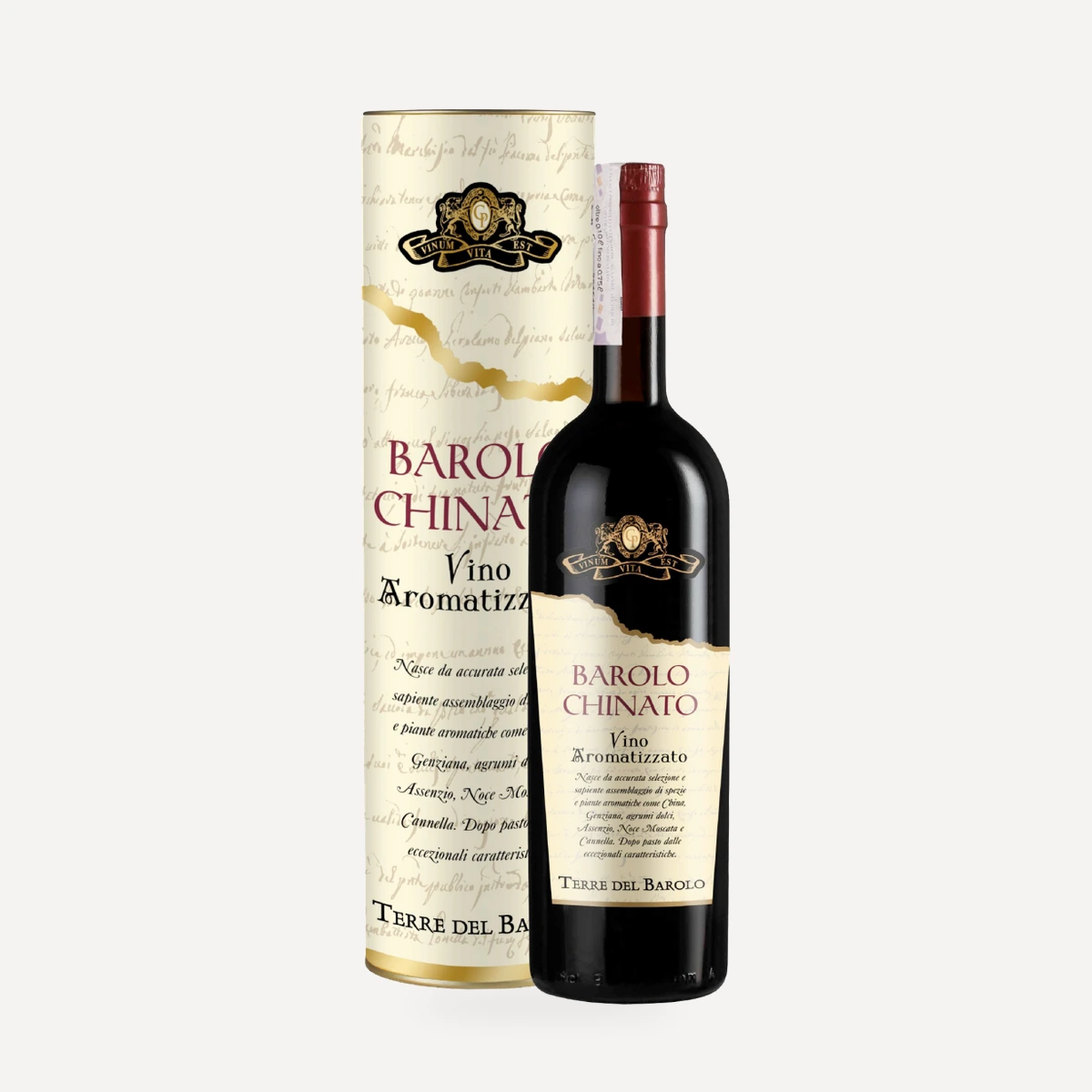
Storia
Foundation and the first harvest
Terre del Barolo was founded in Castiglione Falletto on 8 December 1958. Arnaldo Rivera—a teacher, mayor of Castiglione Falletto and advocate for the local community—joined 21 area growers in establishing the cooperative. The initiative encountered resistance from large wineries and intermediaries concerned about losing their control of the market.
The cooperative completed its first harvest in October 1959. Membership had already risen to 362, and construction of the winery began. By giving smallholders a shared production and commercial structure, the project helped families remain on their farms during a period when many people were leaving the countryside.
Technical support and vineyard expansion
In 1978 the cooperative introduced a technical-assistance programme for its growers, anticipating later controls on vineyard practices. Members were directed toward collective purchasing of plant-protection materials, biological compounds and natural fertilizers, with applications timed and limited to actual requirements. The growers’ combined vineyard area reached about 650 ha at that stage.
Cooperative-owned vineyards and cellar development
In 1994 the cooperative purchased a Nebbiolo vineyard in Rocche di Castiglione, in Castiglione Falletto. A second cooperative-owned Nebbiolo vineyard followed in 1999 at Boiolo in La Morra, at the edge of Rocche dell’Annunziata.
The winery was enlarged in September 1997 and a 500 m² wine shop was created for bottled and bulk wine. Between 2000 and 2004, work was completed on an enlarged ageing cellar and warehouse, while a new bottling line was installed.
UNESCO, organic wine and the ArnaldoRivera project
The vineyard landscapes of the Langhe entered the UNESCO World Heritage list in June 2014, recognizing a wine culture built on transmitted knowledge, local varieties and their adaptation to environmental conditions.
The ArnaldoRivera project began with the 2013 vintage and was publicly introduced as a new chapter in 2017. It is based on a formal protocol between the cooperative and participating grower-owners, with the goal of producing single-variety wines closely identified with individual territories. The name honours the founder and his work in bringing farming families together. Villero in Castiglione Falletto and Rocche dell’Annunziata in La Morra were added in 2018, bringing the project to nine Barolo territories or crus.
Terre del Barolo also introduced its first range made entirely as organic wine. By 2019, certified organic vineyards among the membership had doubled over two years.
GREEN programme and comprehensive redevelopment
The voluntary GREEN programme began in 2018 to eliminate chemical herbicides and mineral fertilizers from participating vineyards. In its 2019 campaign it involved 115 families and more than 150 ha across the programme’s first two years.
A major €9 million redevelopment began in April 2018. Paolo Boffa signed the construction contract with Moretti S.p.A. on 27 March, geological investigations began on 11 April, and the planned architecture was presented in June. The project introduced new spaces for grape processing, storage, bottling and ageing, including an underground barrique cellar, together with offices and a new wine shop. Environmental provisions included renewable energy, water recovery and a rainwater attenuation system. In July 2018, excavation was completed for underground treatment tanks and a rainwater basin designed to release stormwater gradually toward the nearby watercourse.
A related regional-development project, valued at €2,487,467.62 with €429,038.41 in FEASR support, expanded wine-storage capacity through new casks and equipment and introduced new production technologies.
In 2022 the renewed facilities opened with a new underground ageing cellar, wine shop, tasting room and multimedia room. The following stages continued the modernization of production, storage, laboratory and administrative areas.
Sustainability, certification and recent investment
During 2022–2023 the cooperative acquired an electric van and lithium-battery forklift, renewed transfer equipment, replaced three fermentation tanks with improved cooling surfaces and pursued funding for a larger photovoltaic installation. During 2023–2024 it added energy meters, grape bins and mechanized bin-tipping equipment, a new bag-in-box filler and a new pomace conveyor.
Equalitas certification subsequently formalized the cooperative’s environmental, economic and social sustainability system. Organic, SQNPI, ISO 9001, ISO 22000, ISO 14001, BRCGS and IFS systems form part of its wider certification framework.
In January 2025 Paolo Boffa was confirmed for a fourth consecutive term as president and Rosa Oberto for a third term as vice-president. The reported financial year closed with approximately €20 million in revenue and €2.3 million in net profit. The cooperative also increased the vineyards managed directly by its agricultural company—owned and leased parcels together—to approximately 12 ha, partly to help members experiencing difficulty remain within the cooperative.
In February 2025 a new photovoltaic installation on the wine-shop roof increased total installed solar capacity to 513 kWp, sufficient to generate 45% of annual company energy requirements. The new 144.43 kWp installation included 69.6 kWp of storage capacity for night-time operations.
The final redevelopment phase scheduled for 2025 converted the former wine shop into offices and a laboratory, while the former office area was designated for a canteen, larger employee changing rooms and new customer-reception rooms. The programme completed a modernization process that had begun in 2018 and encompassed every winery department.
Terroir
Terre del Barolo is based at Castiglione Falletto in the Langhe, with member vineyards distributed across all eleven municipalities of the Barolo denomination. The cooperative’s holdings and grower parcels encompass markedly different hill positions, exposures, elevations and microclimates.
Rocche di Castiglione occupies a narrow ridge at 350 m, running from Castiglione Falletto toward Monforte, with a south-eastern exposure. Castello lies below the castle at Grinzane Cavour at 260 m and turns from south-west to south-east. Monvigliero, in Verduno, is at 300 m with southern and south-eastern exposure. Vignarionda stands on a rounded ridge at Serralunga d’Alba at 350 m and faces due south. Ravera, at Novello beside Barolo, averages 250 m and contains varied conditions because of its considerable extent. Boiolo, a natural continuation of Rocche dell’Annunziata in La Morra, is fully south-facing at 440 m. Bussia, in Monforte d’Alba, faces south-west at 430 m and has a distinctive microclimate associated with consistent grape quality.
Across wines for which soil is specified, the recurring profiles include calcareous clay and sandy-calcareous formations. Geological reconstructions and physical soil cores are maintained at the winery to demonstrate the relationship between soil stratification, microclimate and wine character.
Vinificazione
Terre del Barolo coordinates vineyard work across a large and diverse membership through technical assistance and voluntary agronomic protocols. The programme begun in 1978 organized shared procurement of vineyard-protection materials, biological compounds and natural fertilizers, with the objective of applying them at appropriate times and in strictly necessary quantities.
Current initiatives include the GREEN, Cru, SPQ/Undicicomuni, Alta Langa and Organic protocols. GREEN was launched in 2018 to eliminate chemical herbicides and mineral fertilizers. By the 2019 campaign, 115 families had enrolled voluntarily and the participating surface exceeded 150 ha over the programme’s first two years. The cooperative supports lower-impact grape production through financial incentives, meetings, training, vineyard inspections and promotion. Protocol requirements combine grape-quality objectives with soil and vegetation conservation and reduced use of synthetic inputs.
Regular meetings and field inspections address plant-protection products, equipment maintenance, fertilization, pruning, work affecting the landscape, waste management and machinery washing. Member participation in certified organic viticulture has expanded, while the organic range is based on grapes produced under organic methods. The winery holds certification for organic preparation and wine production under Regulation (EU) 2018/848. Its 2025 wine grapes also hold SQNPI certification under Piedmont’s integrated-production rules.
Biodiversity monitoring conducted on 14 June 2024 examined soil invertebrates in eight vineyard plots across La Morra, Grinzane Cavour and Castiglione Falletto. Three sub-samples were taken per plot, for 24 sub-samples. Every sample exceeded the IBS-bf sufficiency threshold of 100; the mean was 120 ± 14, with a maximum of 140 at Grinzane Cavour and a minimum of 105 at La Morra and Castiglione Falletto. The results indicated good soil quality and agronomic practices compatible with biodiversity.
Harvesting is manual for the vineyard examples whose practices are described. Grapes delivered to the cooperative are graded by geographical and vineyard origin, visual quality and sugar level before being directed to the appropriate production stream.
The cooperative receives grapes from its member growers and separates them according to growing area, individual vineyard, qualitative condition and sugar level. Production combines established regional procedures with modern equipment and systematic controls from incoming raw material to finished product.
The certified processing scope includes crushing, alcoholic fermentation, sparkling-wine production, racking, decanting, clarification, stabilization, filtration, maturation and bottling. Still and sparkling wines are bottled in glass, while still wines may also be packed in bag-in-box. Remuage and disgorgement for sparkling wines can be carried out externally under the cooperative’s responsibility.
Fermentation management uses yeast selected in relation to grape variety and the temperature of incoming fruit. Tannin may be used at the start of fermentation to reduce sulphite requirements and help fix colour during extraction. Extraction enzymes may be employed for short macerations of particularly healthy grapes. Average total use of oenological products during the 2023 harvest was 87.44 g/hl, compared with 106.91 g/hl in the preceding year; favourable conditions allowed more limited intervention.
The winery contains a fermentation department, ageing cellars and an infernot housing a historical collection extending from the first harvest to the present. Approximately 5,500 m² are assigned to maturation. Barolo has historically undergone its principal maturation in Slavonian oak casks, with time in wood adjusted to the vintage.
The 1997 expansion added a 500 m² wine shop. Between 2000 and 2004 the enlarged ageing cellar and warehouse were completed and a new bottling line was installed. Redevelopment begun in 2018 added grape-processing, storage, bottling and maturation spaces, including an underground wood-ageing area. The 2022 phase provided a new underground ageing cellar and new visitor facilities. Subsequent improvements included three fermentation tanks with greater cooling surfaces, renewed transfer machinery, grape bins with mechanized tipping, a bag-in-box filler and a new pomace conveyor. Planned extensions include more underground tanks for white-wine vinification and storage, a larger company cask inventory and a renewed internal laboratory.
Quality management is based on documented procedures, production protocols, analytical monitoring, full traceability, periodic maintenance and gradual modernization. In 2023 the winery processed 4,533,105 kg of grapes and produced 32,717 hl of wine, equivalent to 138.56 kg of grapes per hectolitre.
Filosofia
Terre del Barolo defines itself as a shared home for farming families. Its cooperative purpose is to improve and protect the quality, technical performance and economic value of members’ winegrowing while producing wines of consistent quality from their grapes. Arnaldo Rivera’s founding objective—uniting families so that wine could create value for both community and territory—remains central to this identity.
The three declared pillars are tradition, community and quality. Vineyard origin is treated as fundamental, while traditional experience is combined with modern production technology, systematic controls and continuous improvement. The ArnaldoRivera project expresses this approach through formal grower protocols, single-variety purity and close correspondence between wine and individual Barolo territories.
Sustainability is understood as a balance of environmental, economic and social responsibility. Environmental goals include conserving soil and vegetation, reducing synthetic vineyard inputs, lowering cellar consumption of water, energy and processing materials, monitoring biodiversity and reducing packaging impacts. Economic sustainability is linked to prudent management and fair relationships throughout the supply chain. Social sustainability includes employee welfare, safety, professional development and responsibility toward the surrounding community.
The cooperative also commits to selecting suppliers and distributors that share principles of food safety, workplace safety, environmental protection and energy efficiency. Its stated operational aims include reducing lifecycle impacts, protecting water quality, applying innovative technologies, maintaining open dialogue with institutions and neighbours and embedding quality and environmental awareness throughout the organization.
Vini
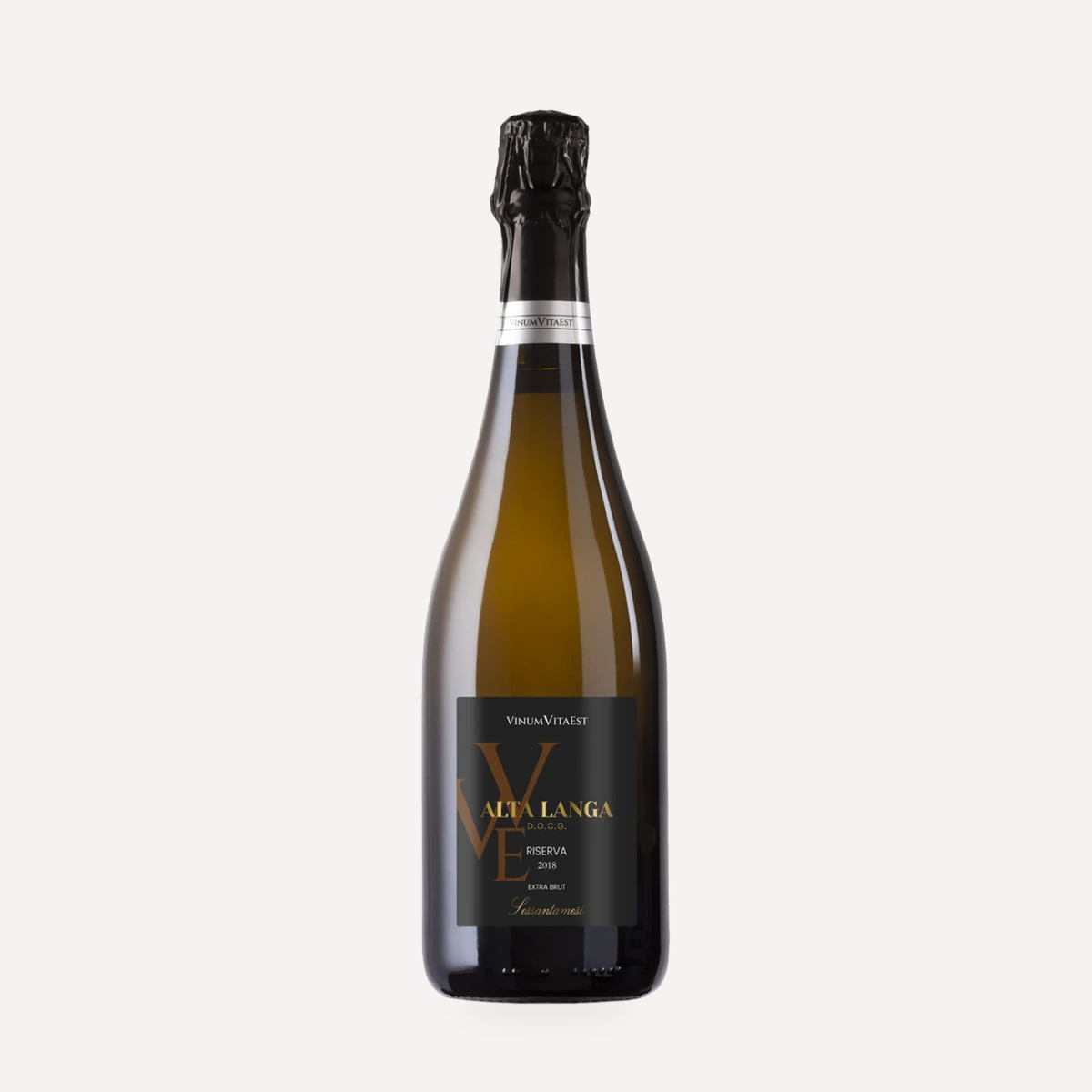
Alta Langa Riserva Extra Brut DOCG
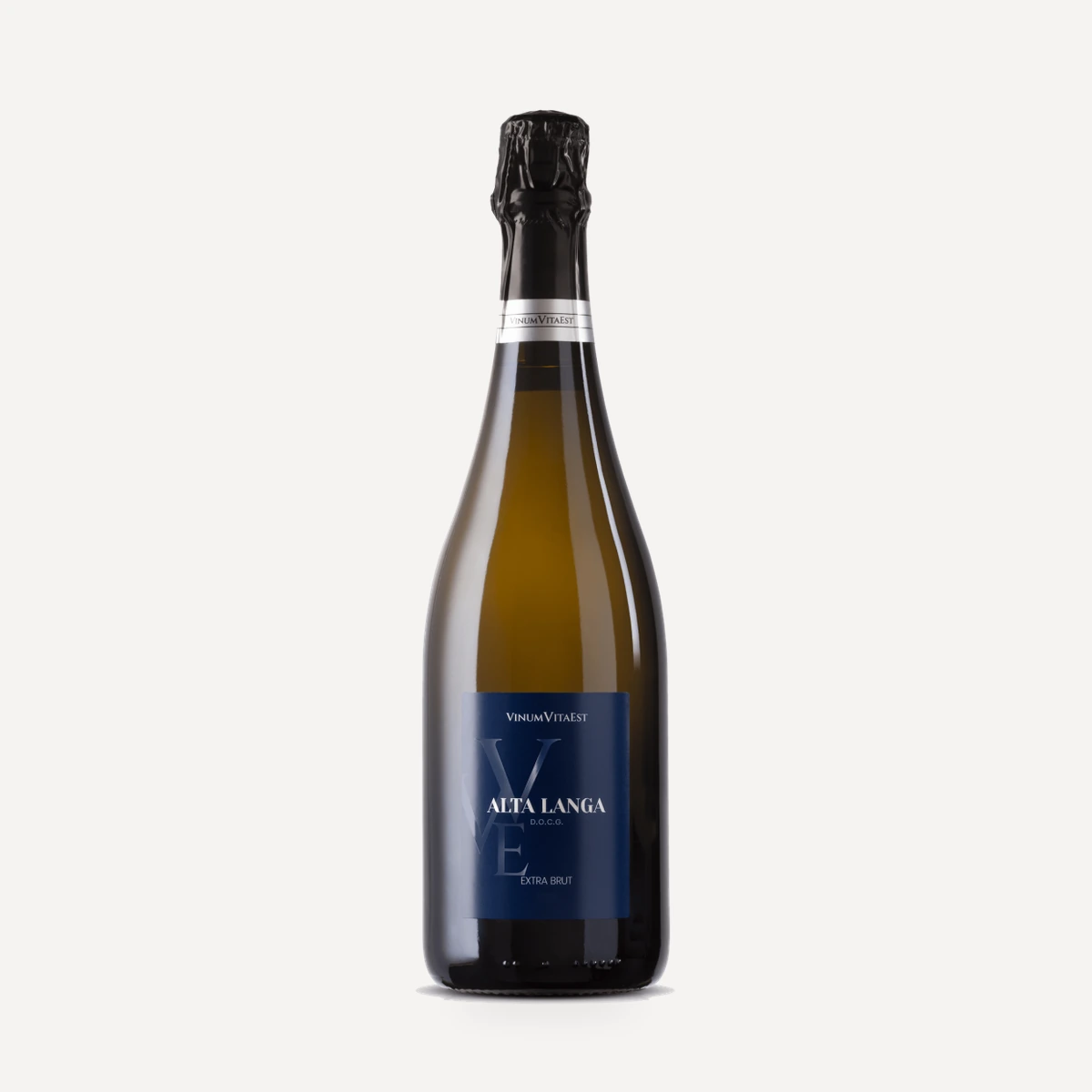
Alta Langa Metodo Classico Extra Brut DOCG
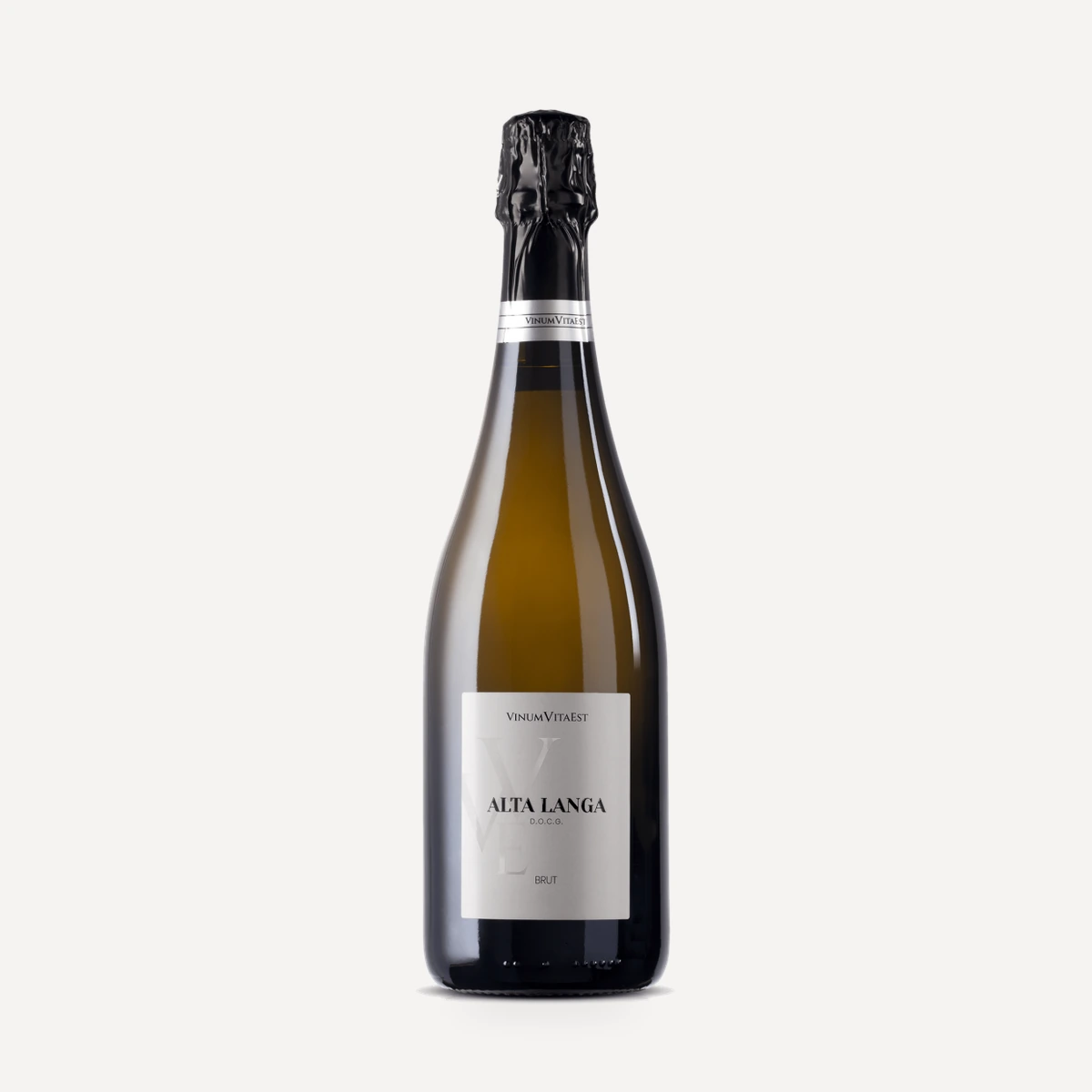
Alta Langa Metodo Classico Brut DOCG
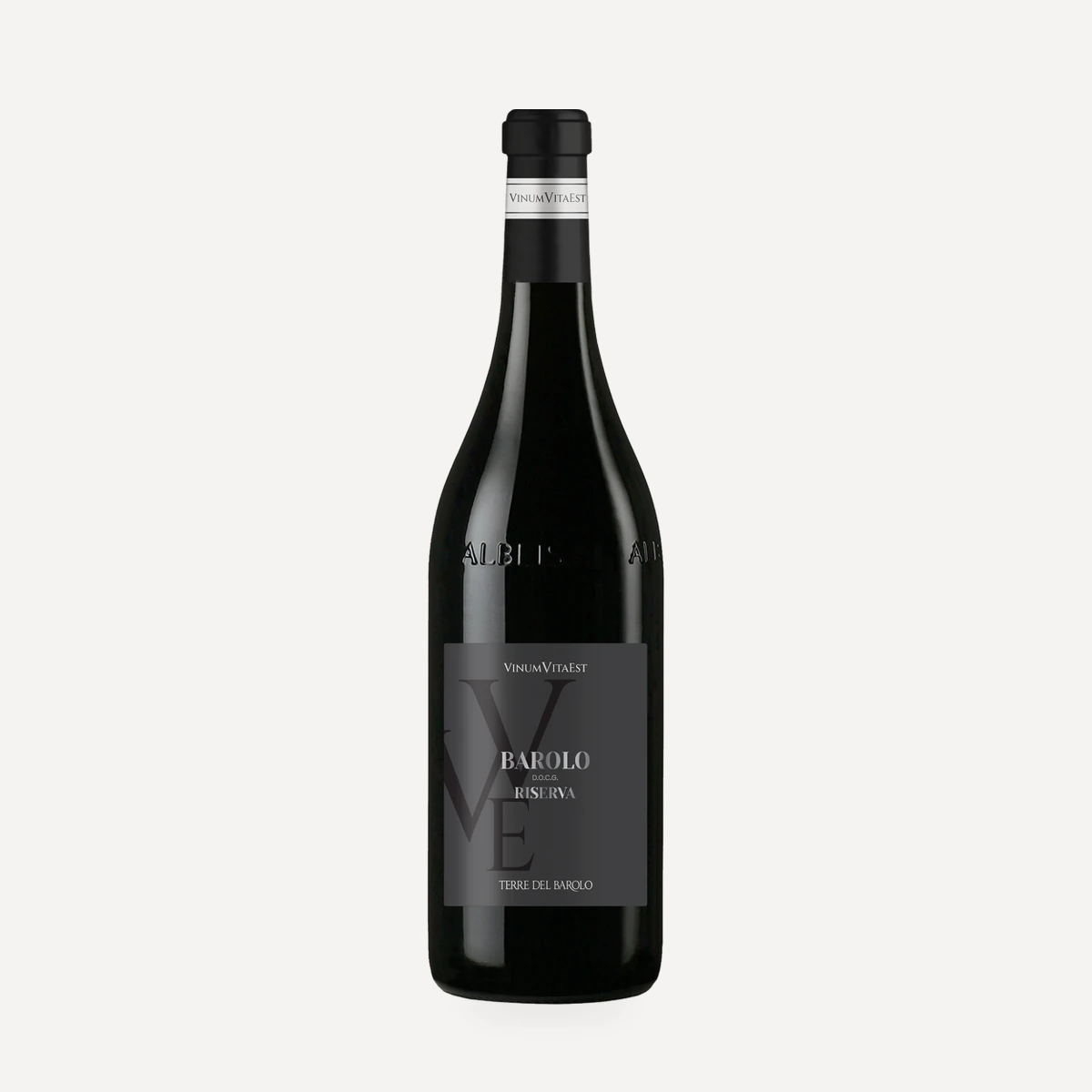
Barolo Riserva DOCG
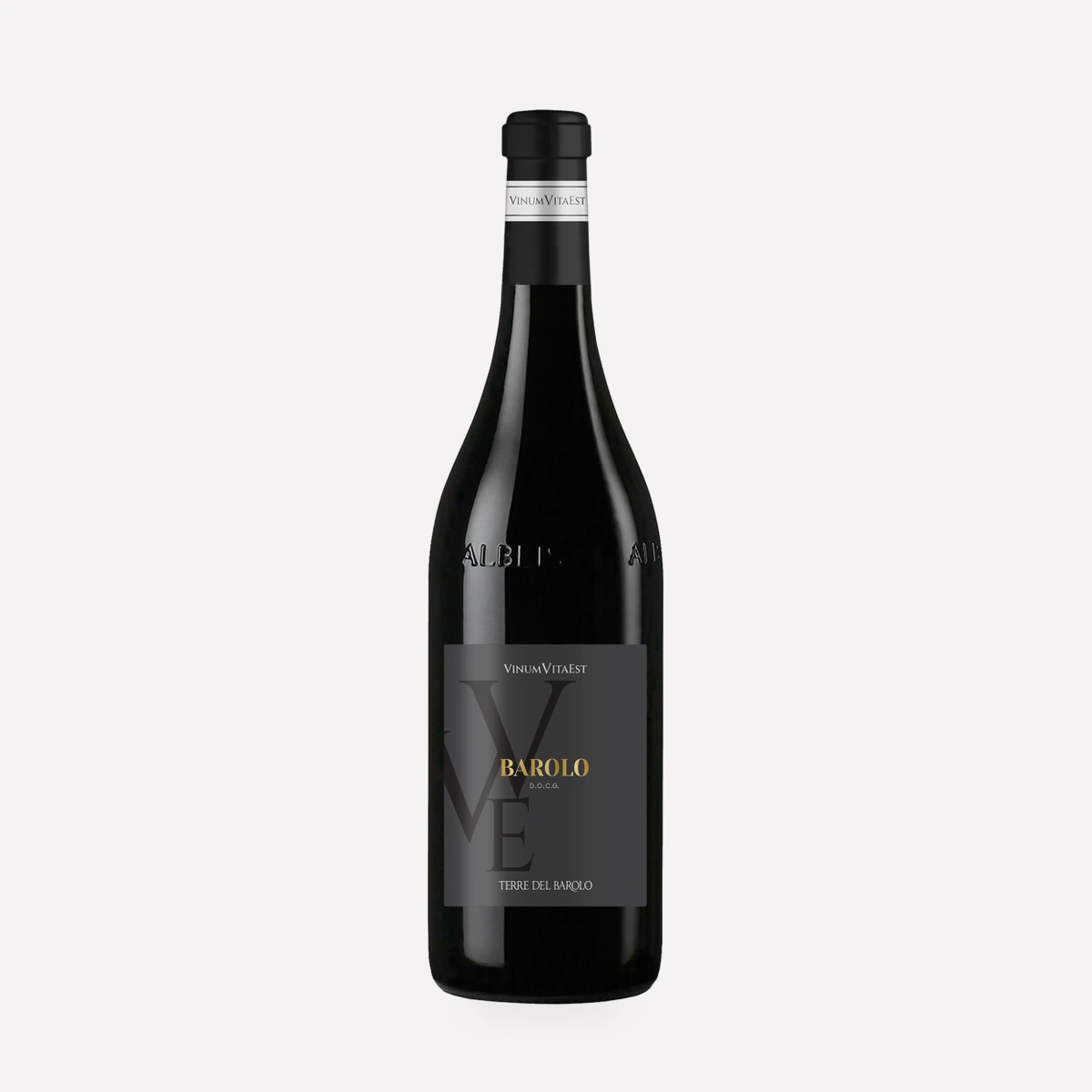
Barolo DOCG
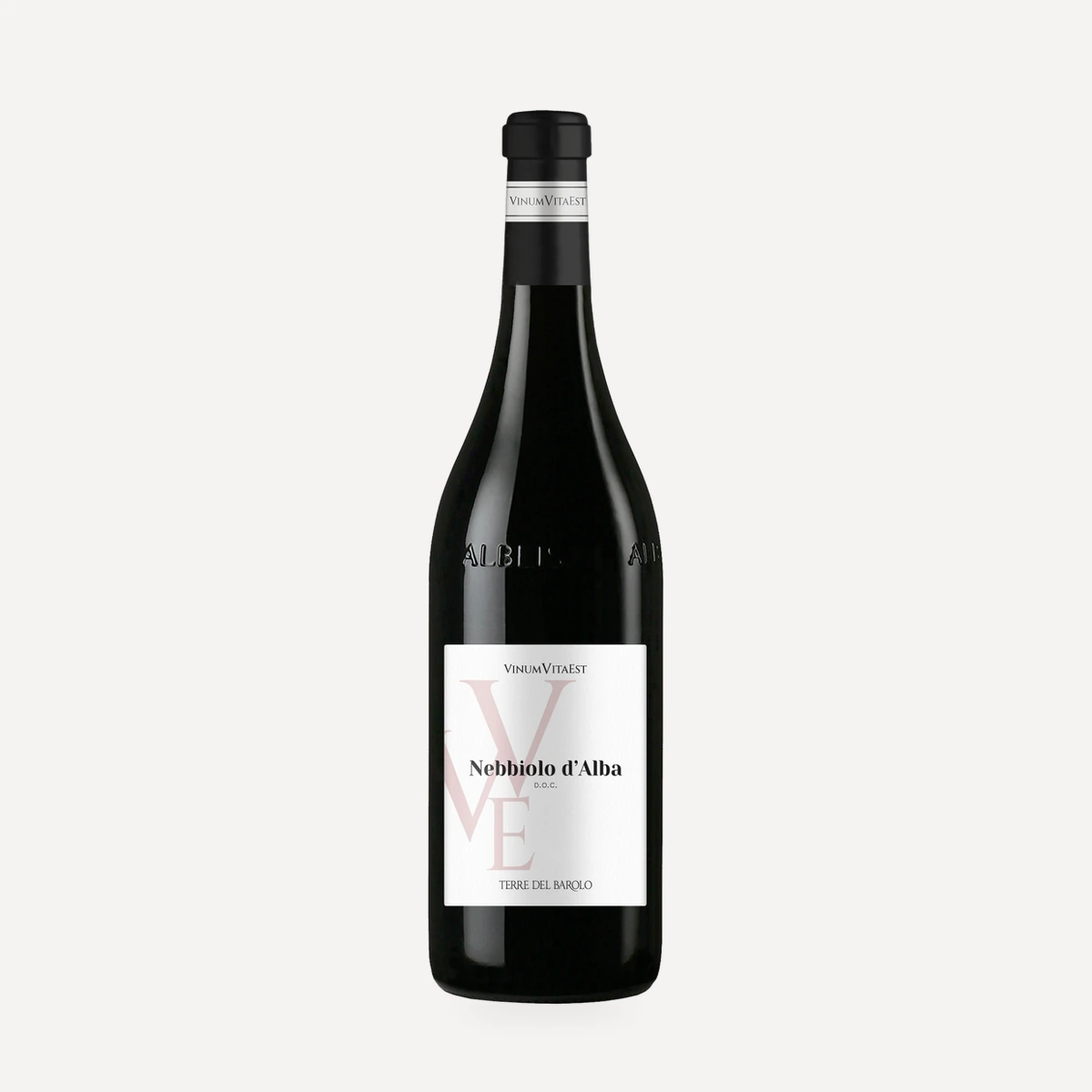
Nebbiolo d’Alba DOC
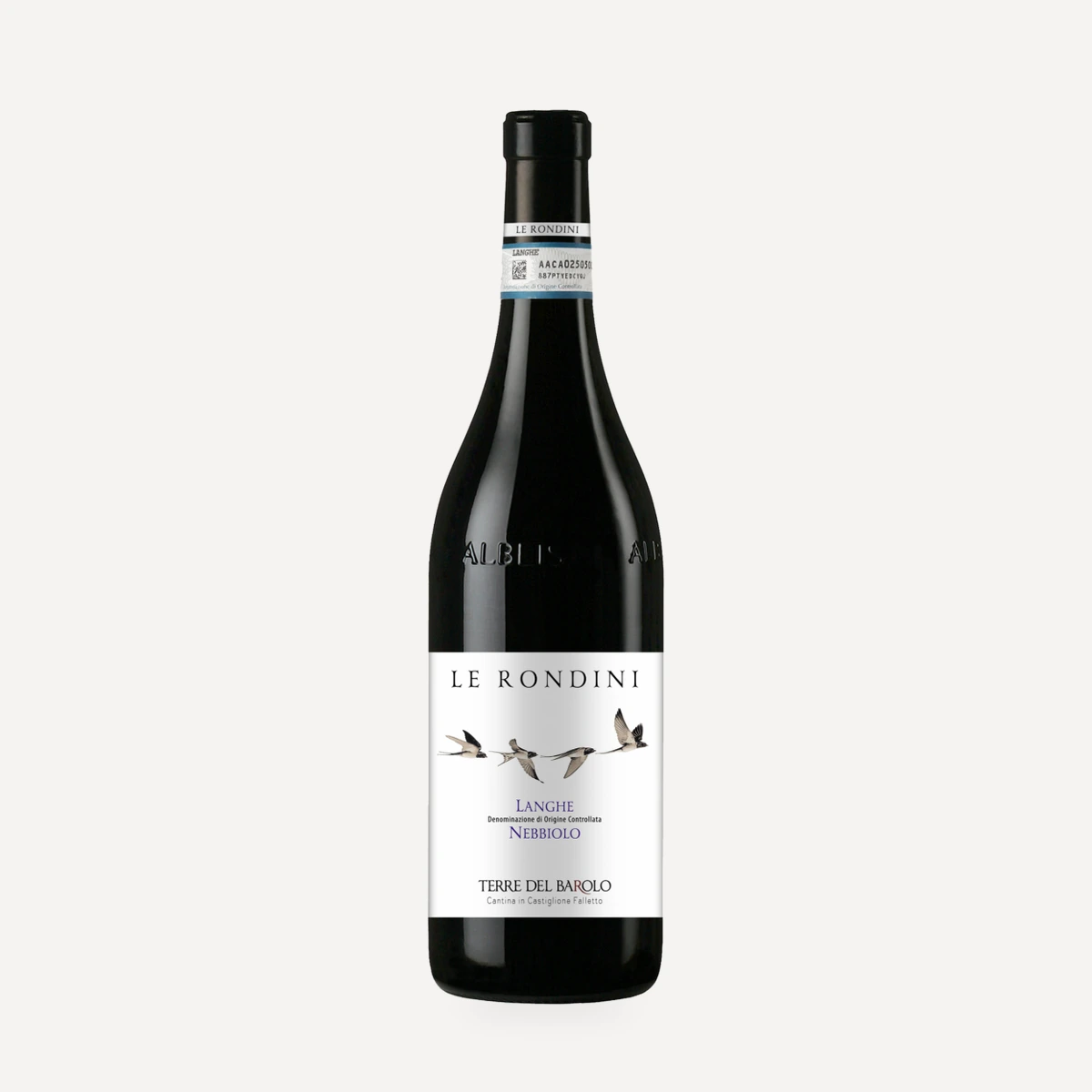
Langhe Nebbiolo DOC
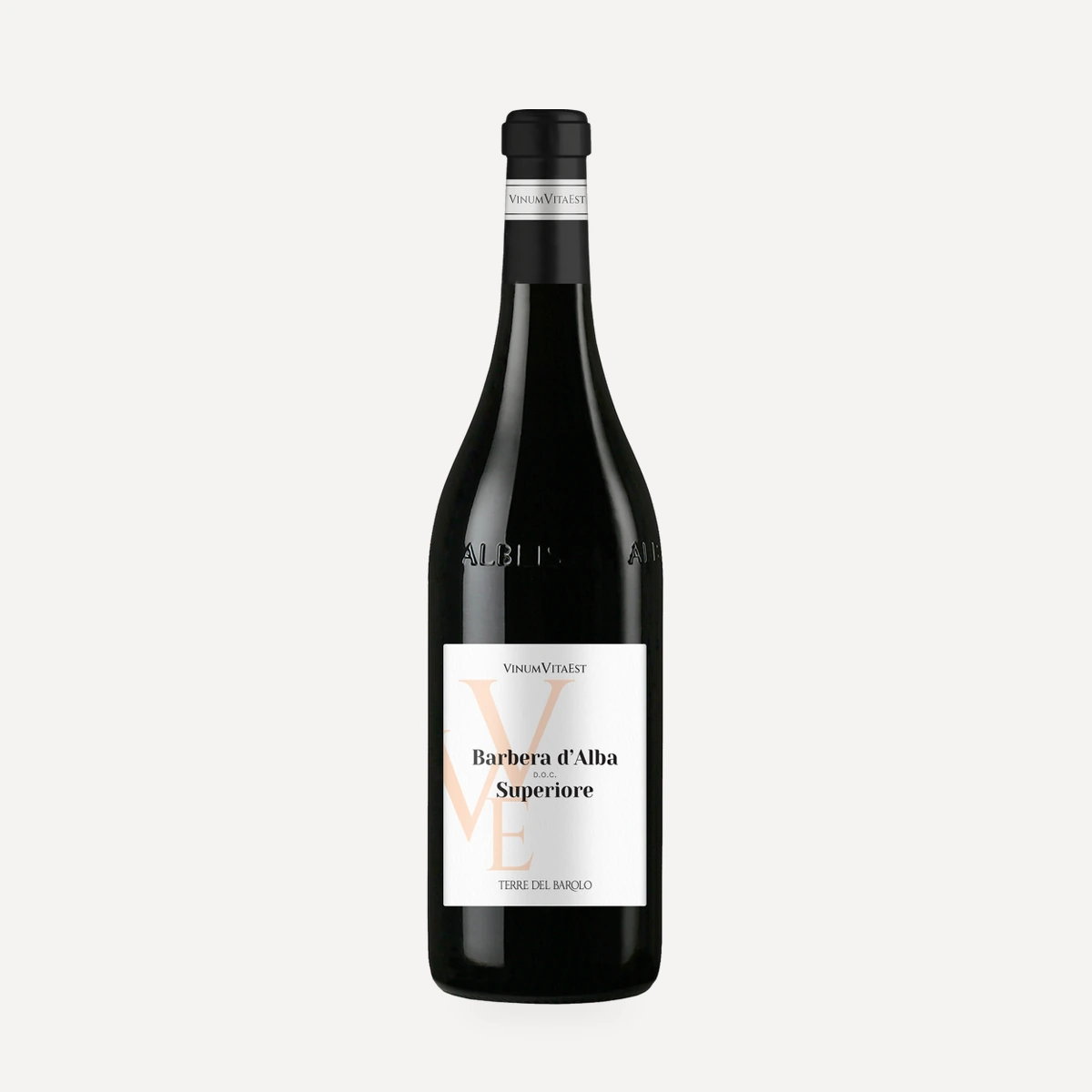
Barbera d’Alba Superiore DOC
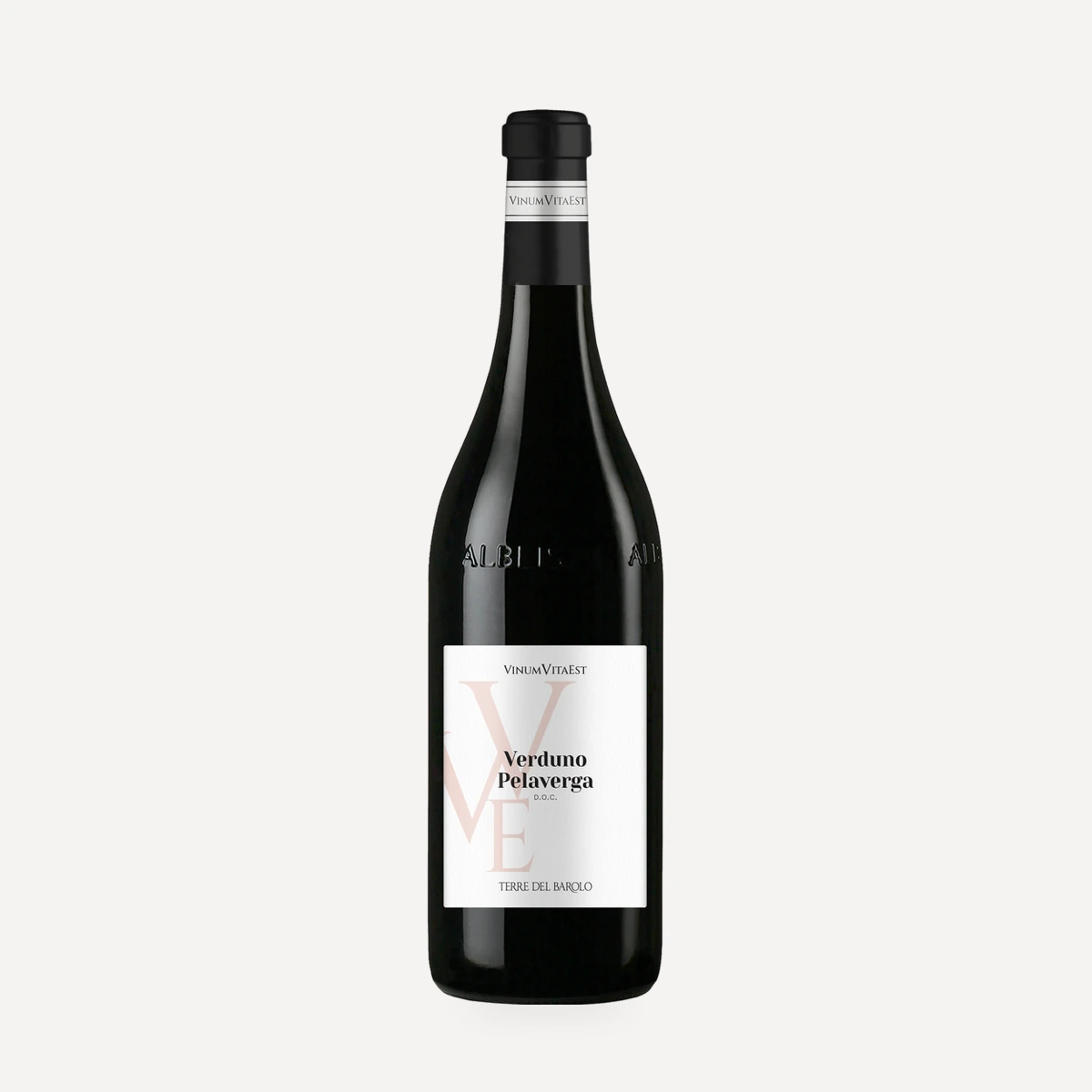
Verduno Pelaverga DOC
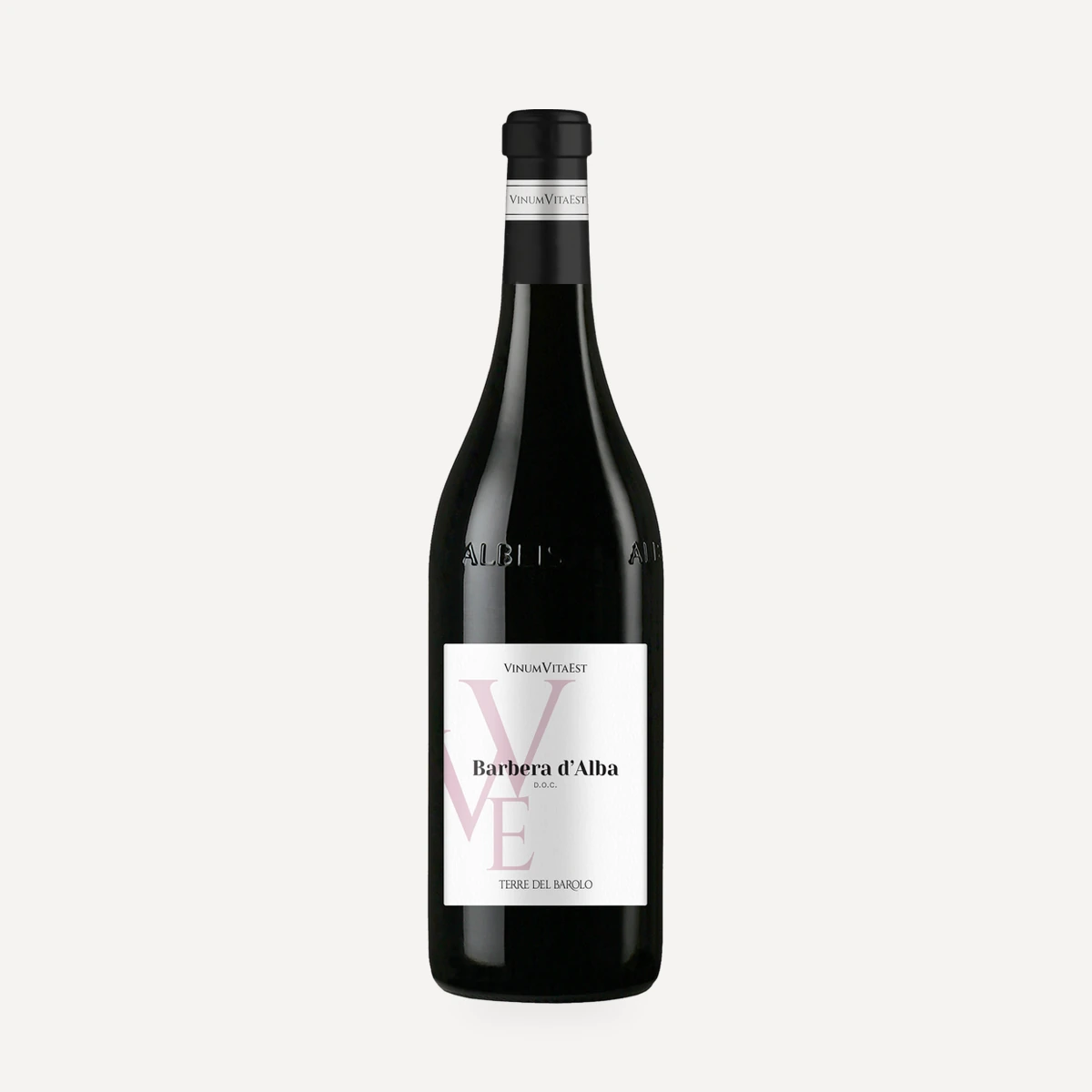
Barbera d’Alba DOC
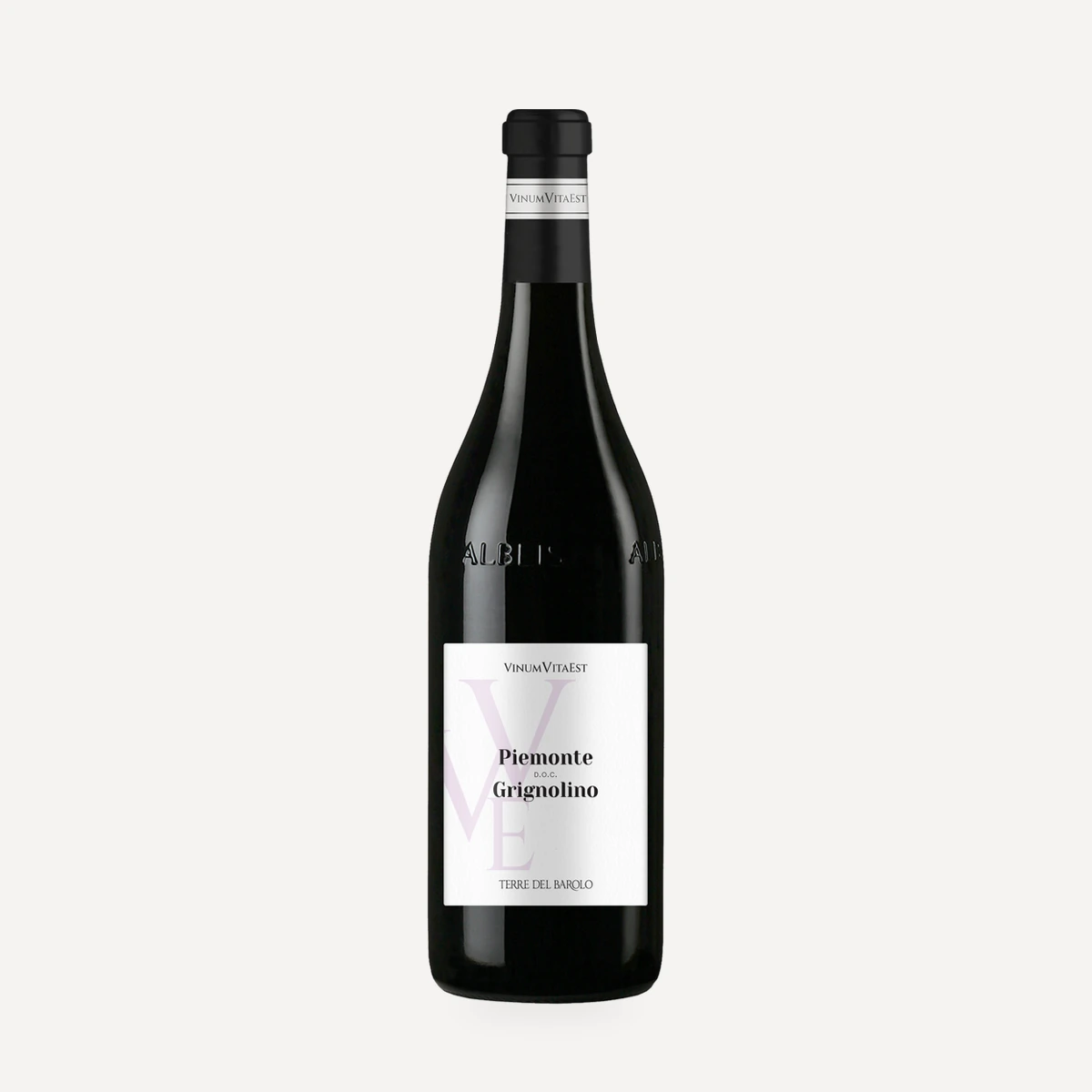
Piemonte Grignolino DOC
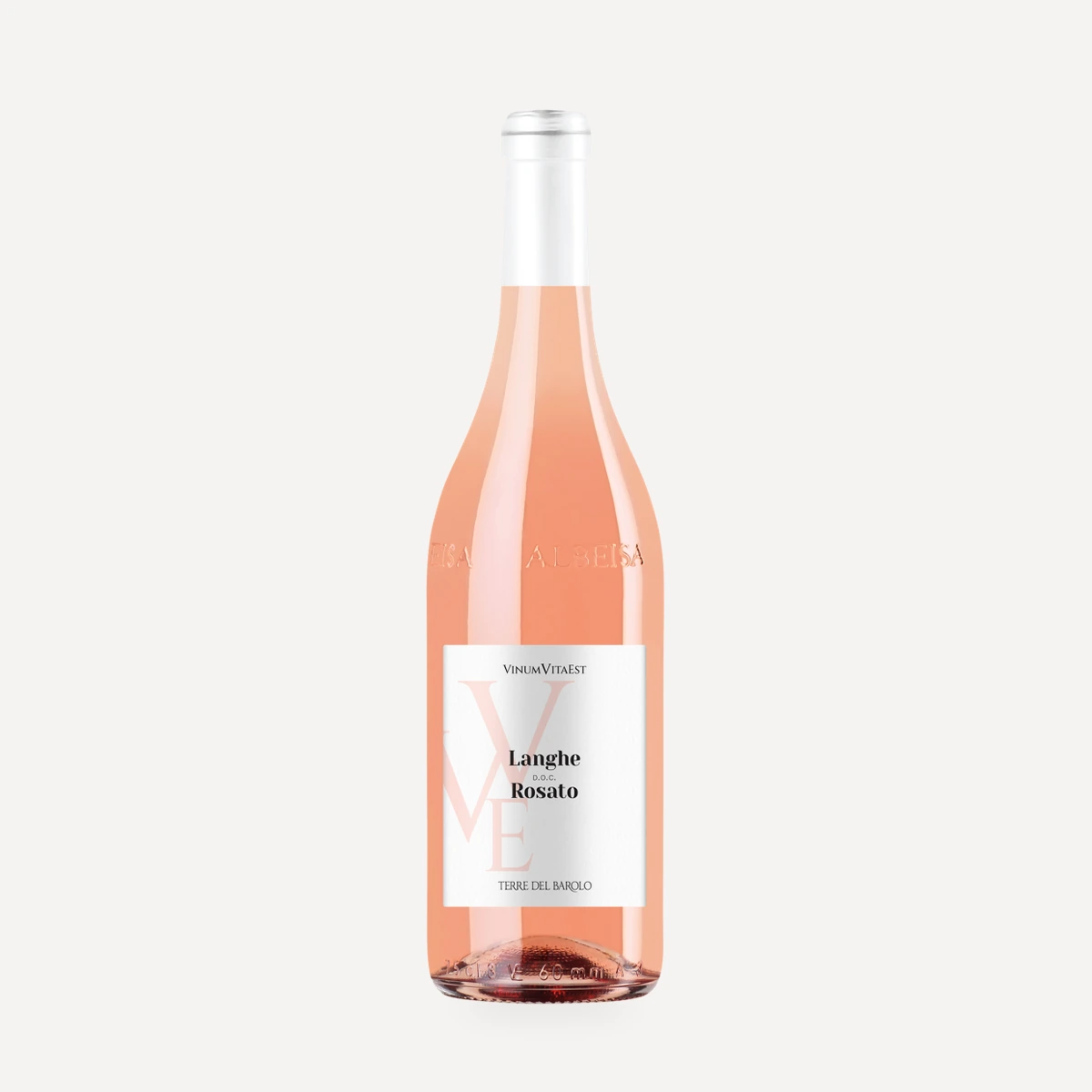
Langhe Rosato DOC
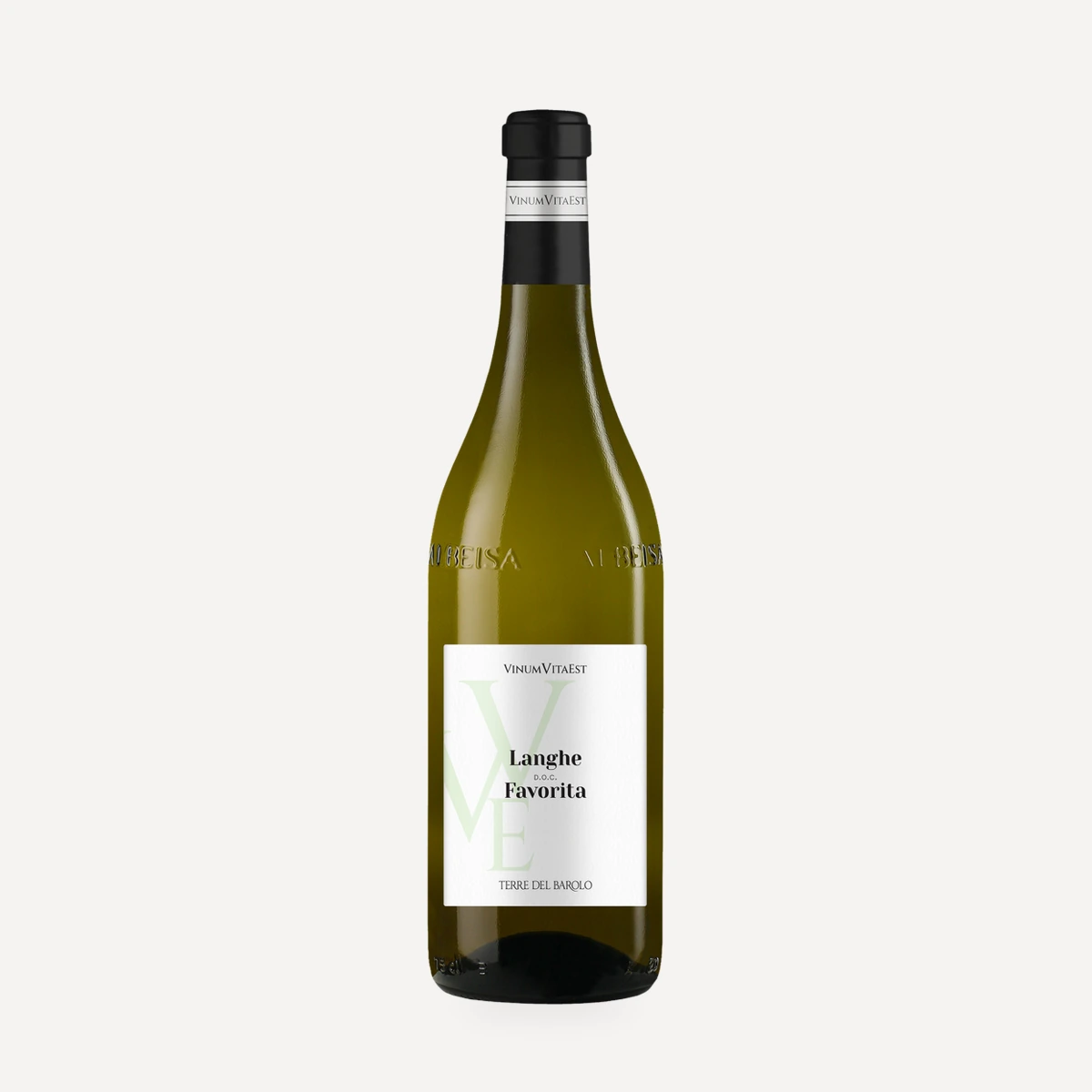
Langhe Favorita DOC
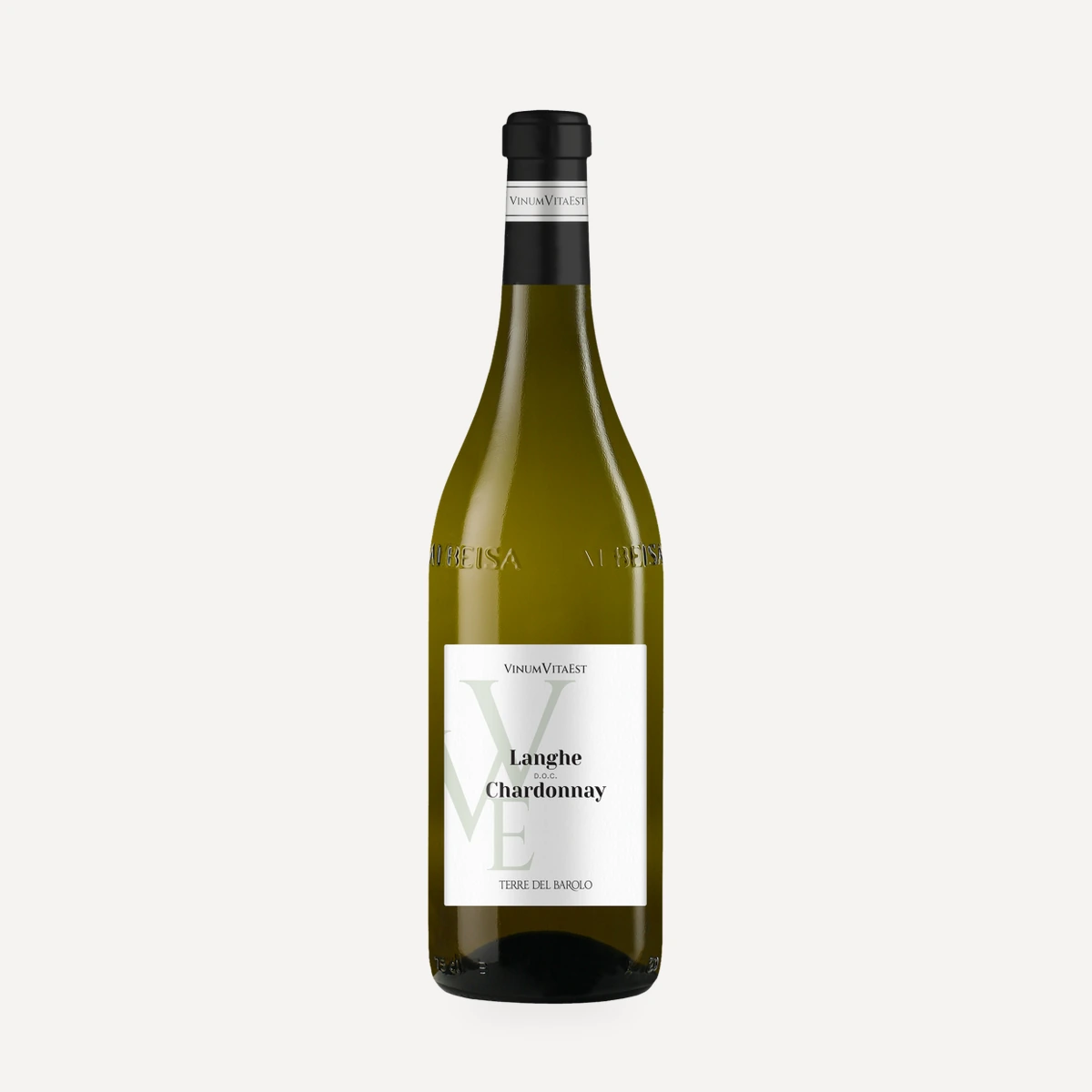
Langhe Chardonnay DOC
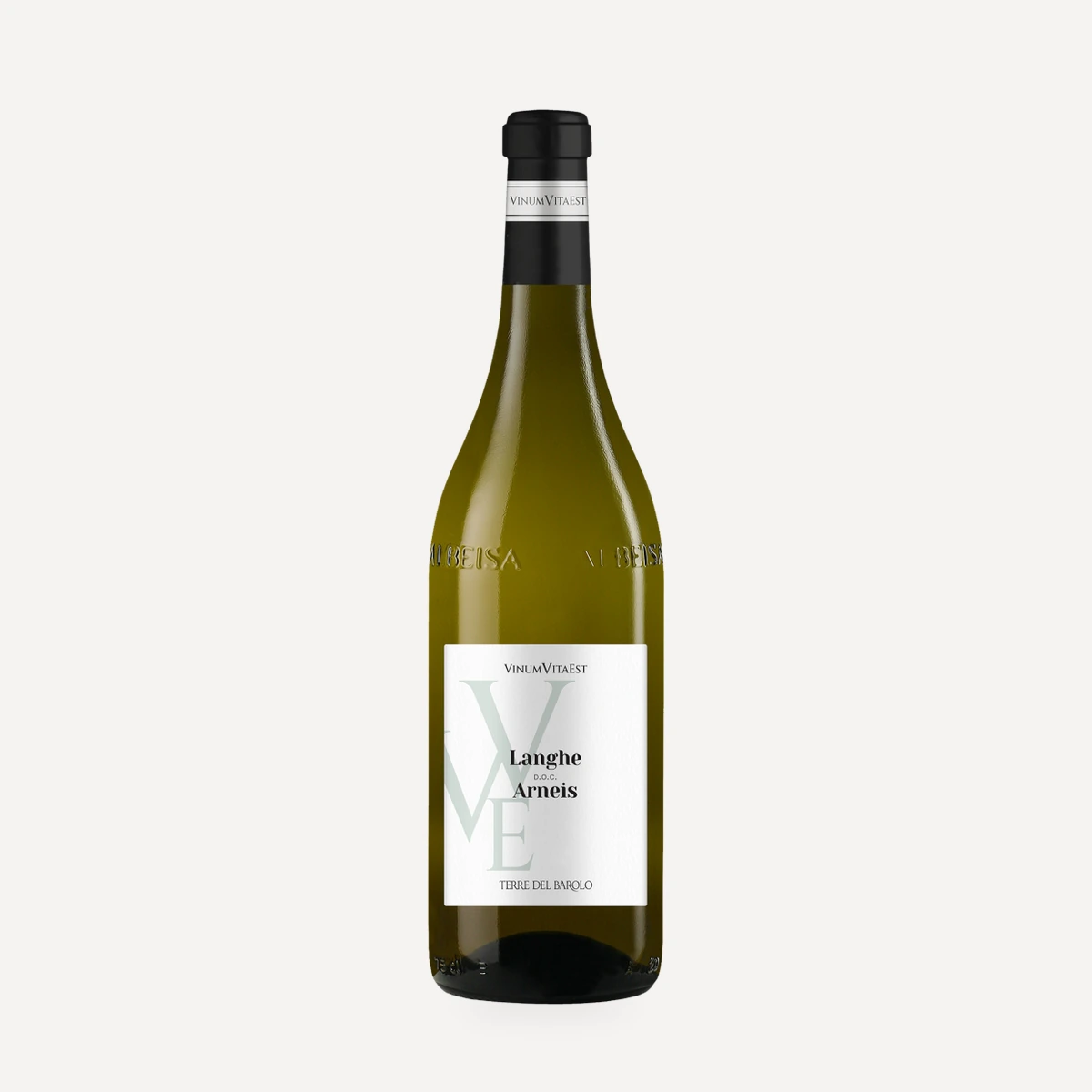
Langhe Arneis DOC
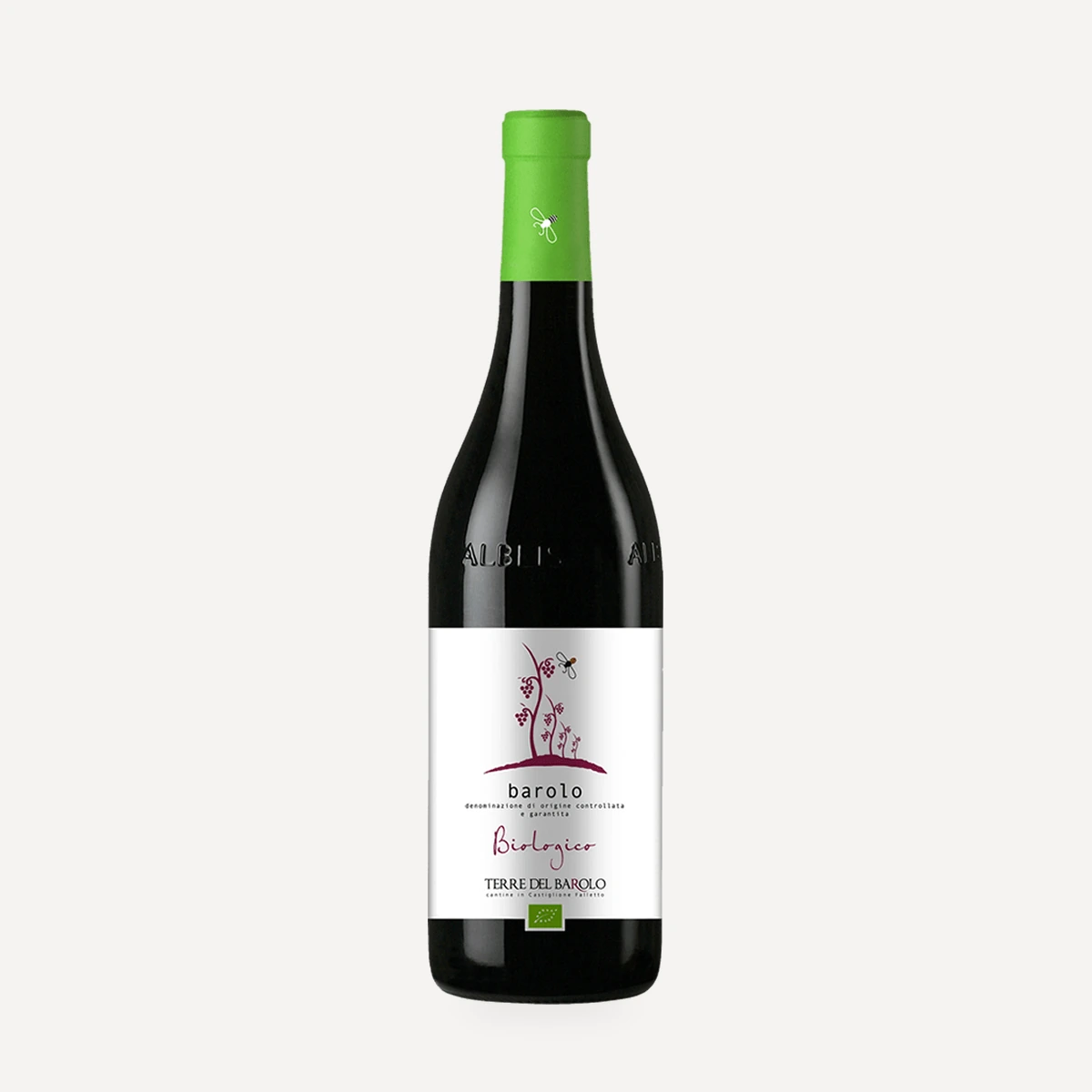
Barolo Organic DOCG
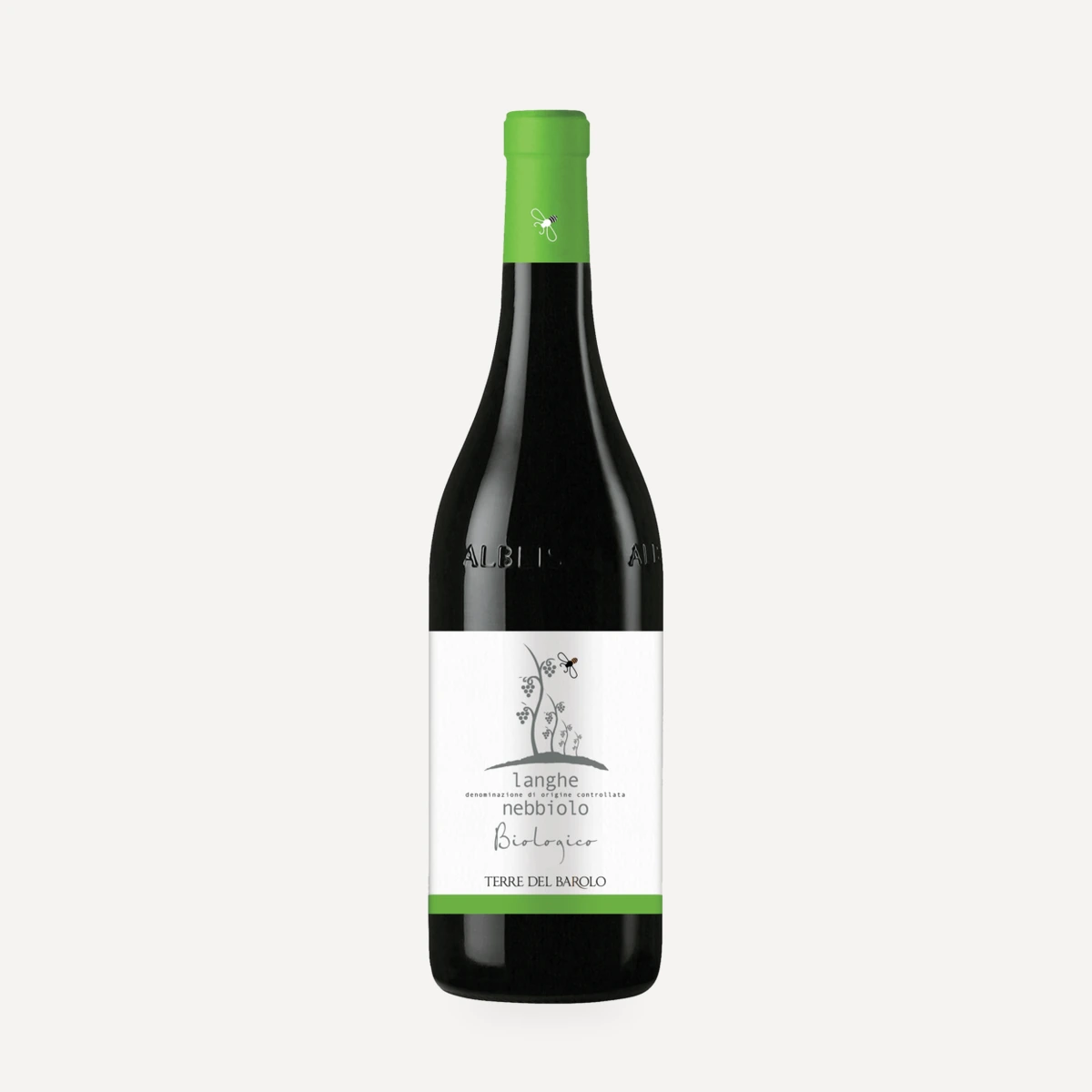
Langhe Nebbiolo Organic DOC
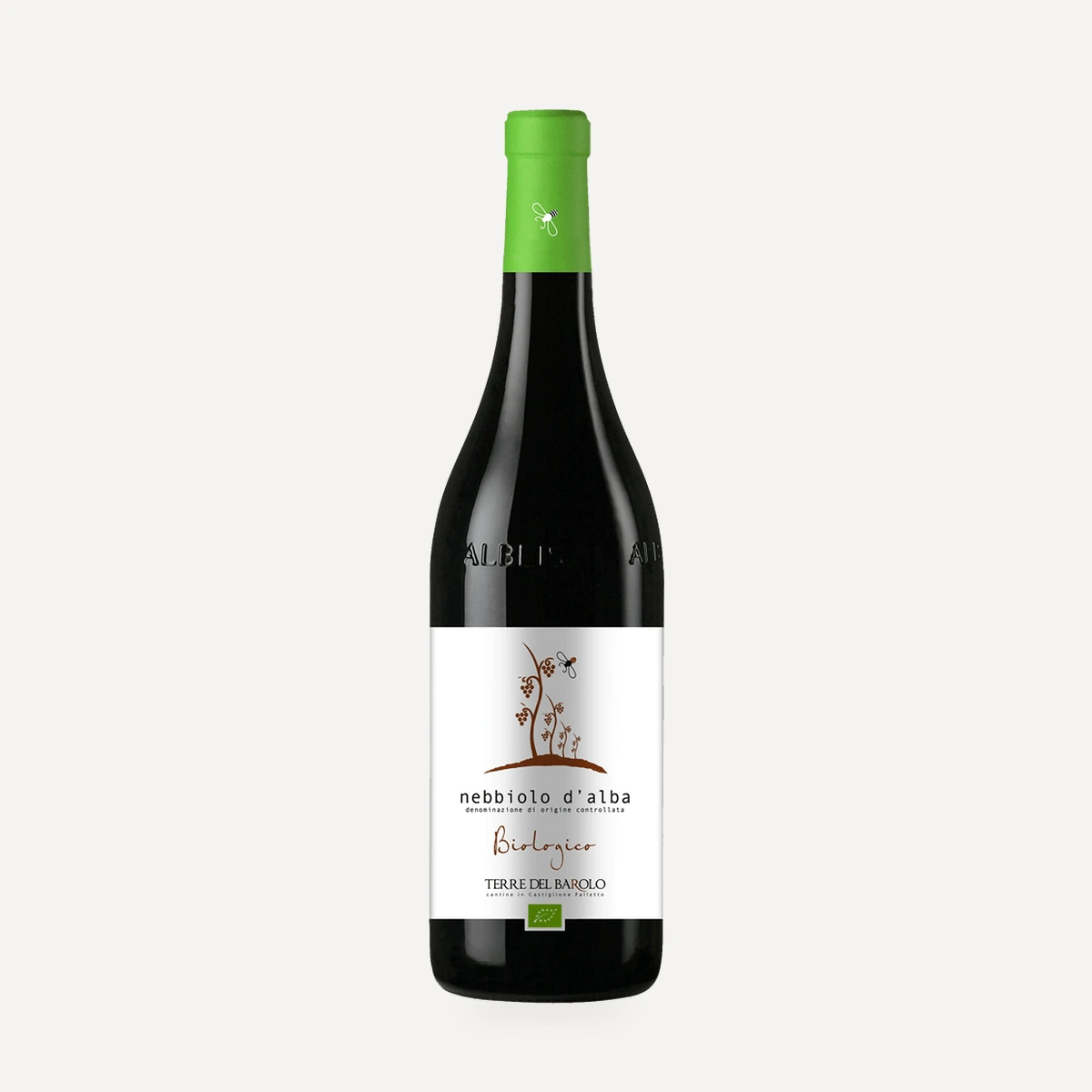
Nebbiolo d’Alba Organic DOC
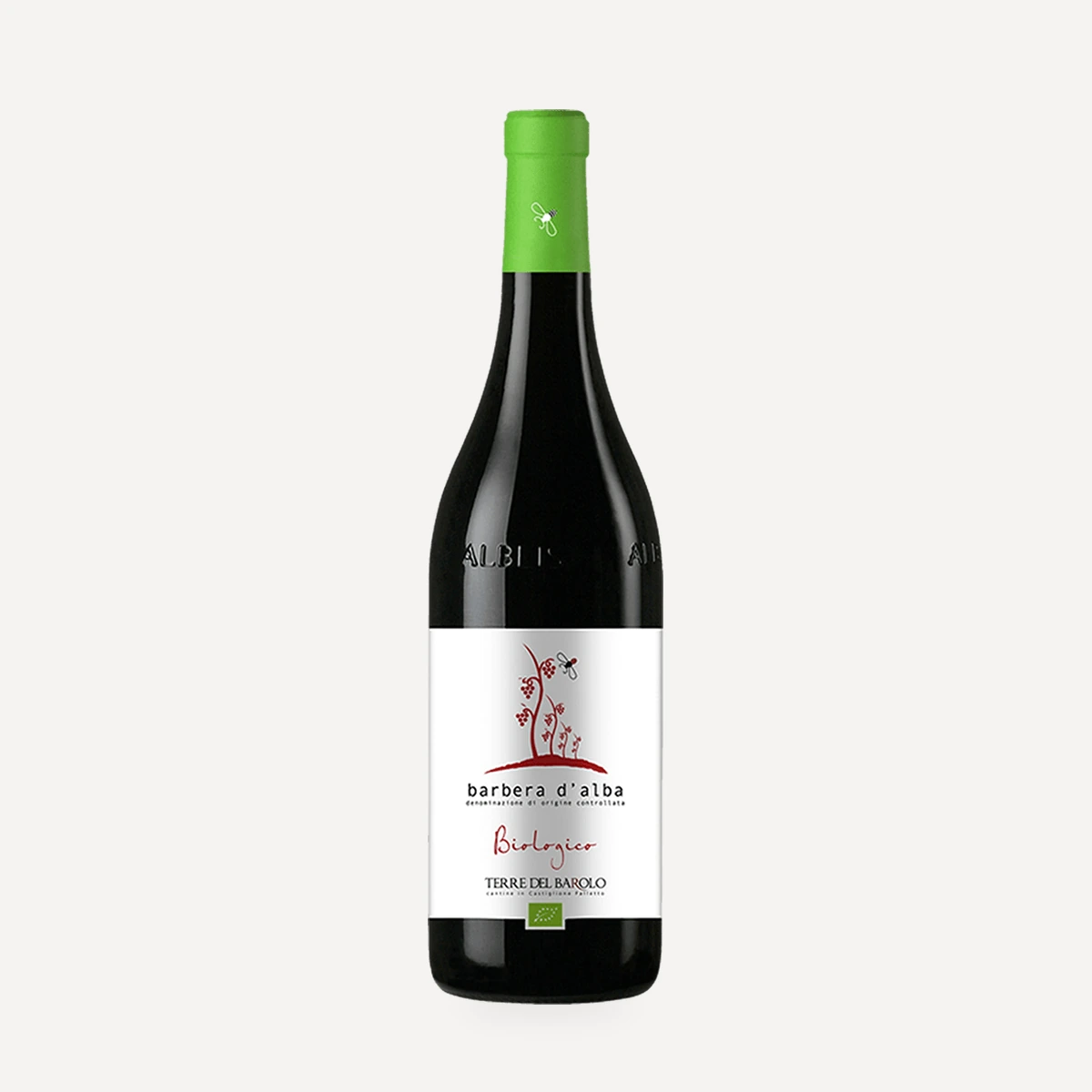
Barbera d’Alba Organic DOC
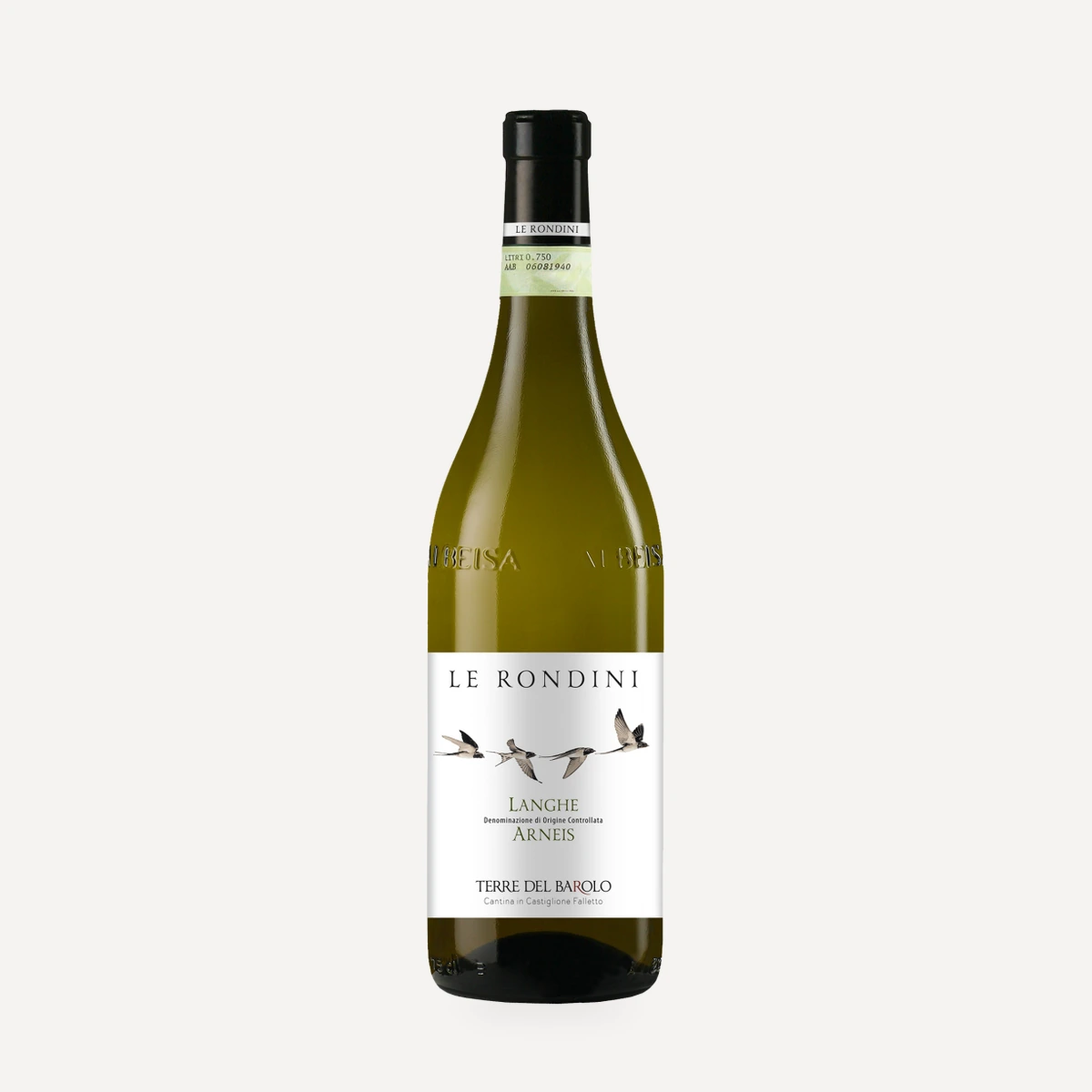
Le Rondini Langhe Arneis DOC
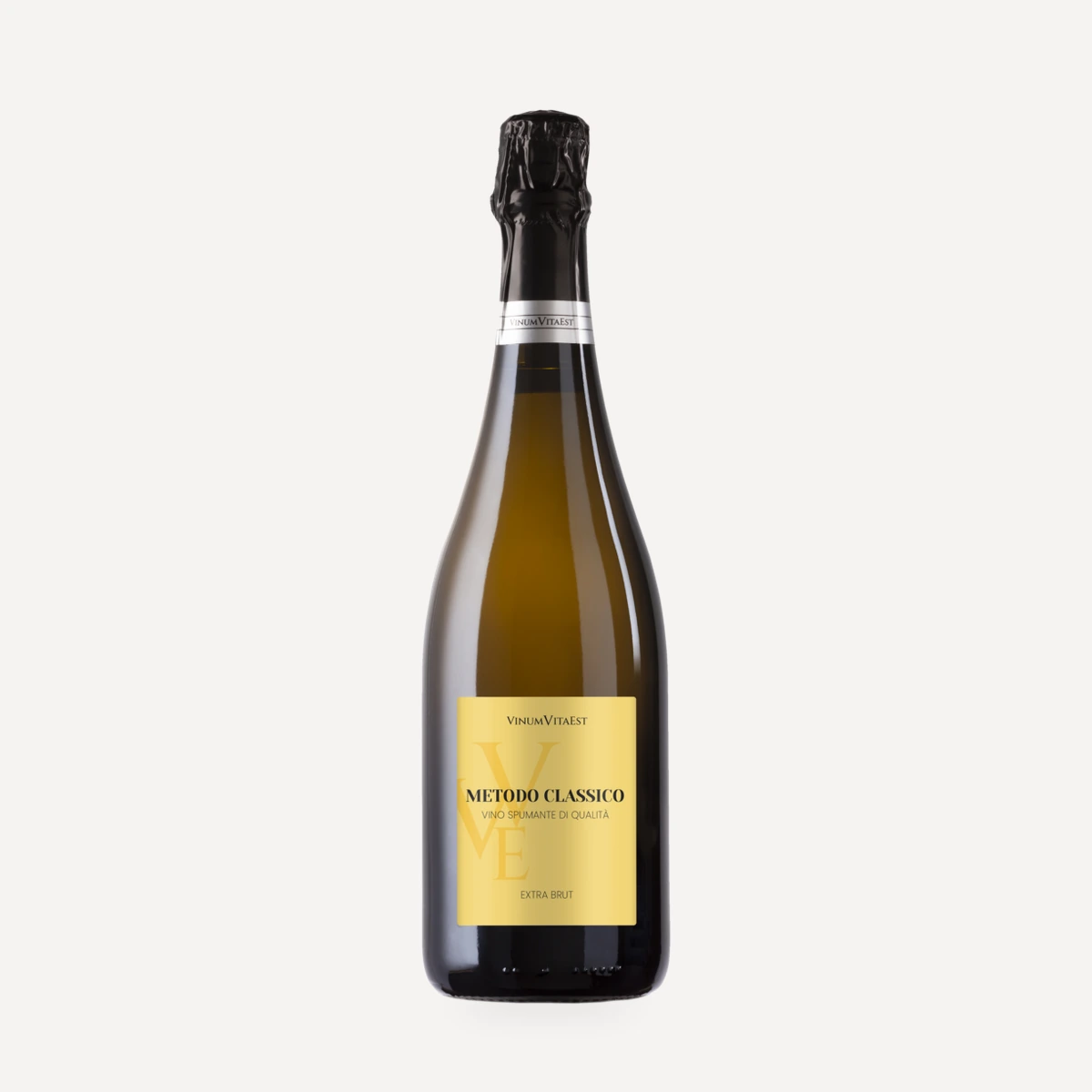
Metodo Classico Spumante Extra Brut
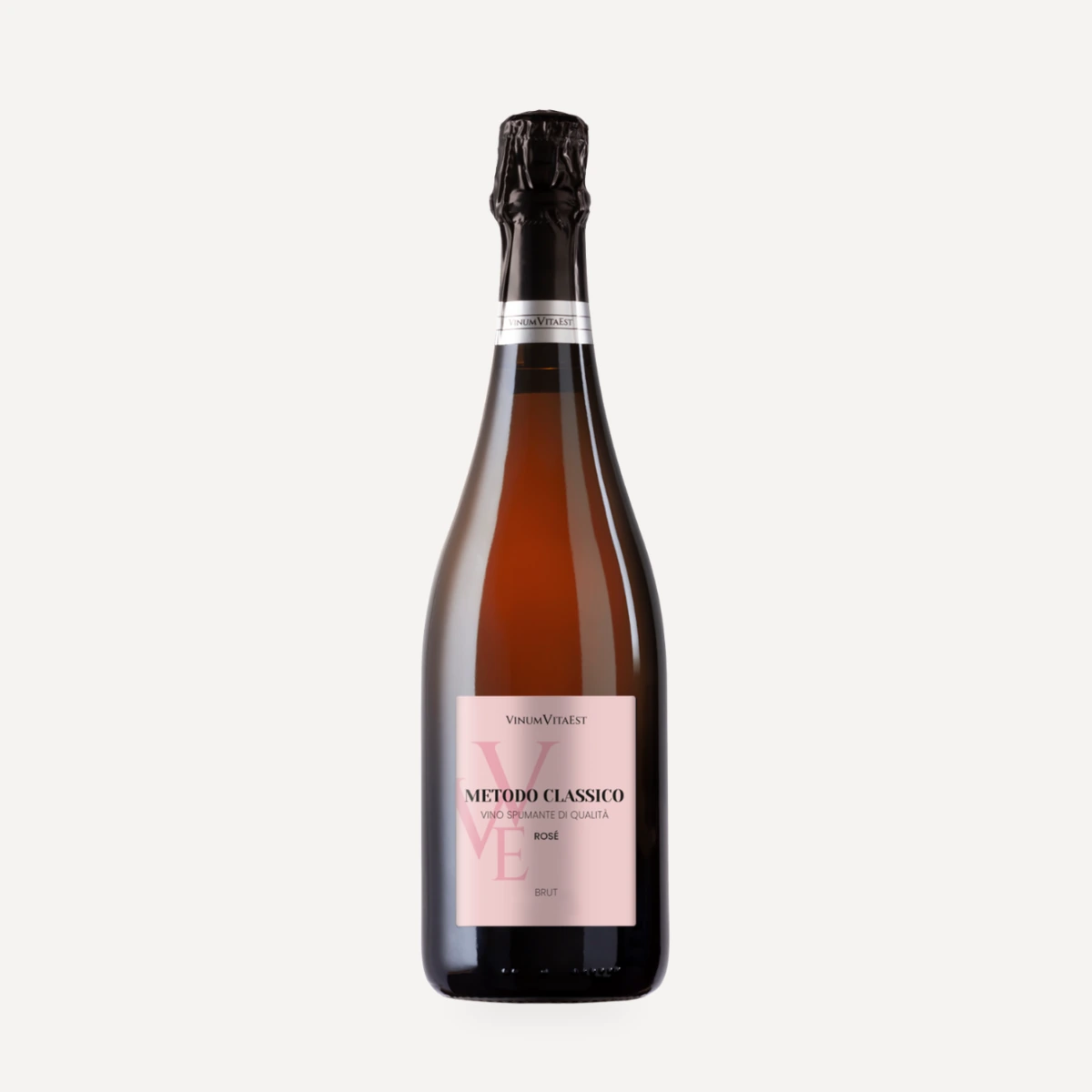
Metodo Classico Rosè Vino Spumante Brut
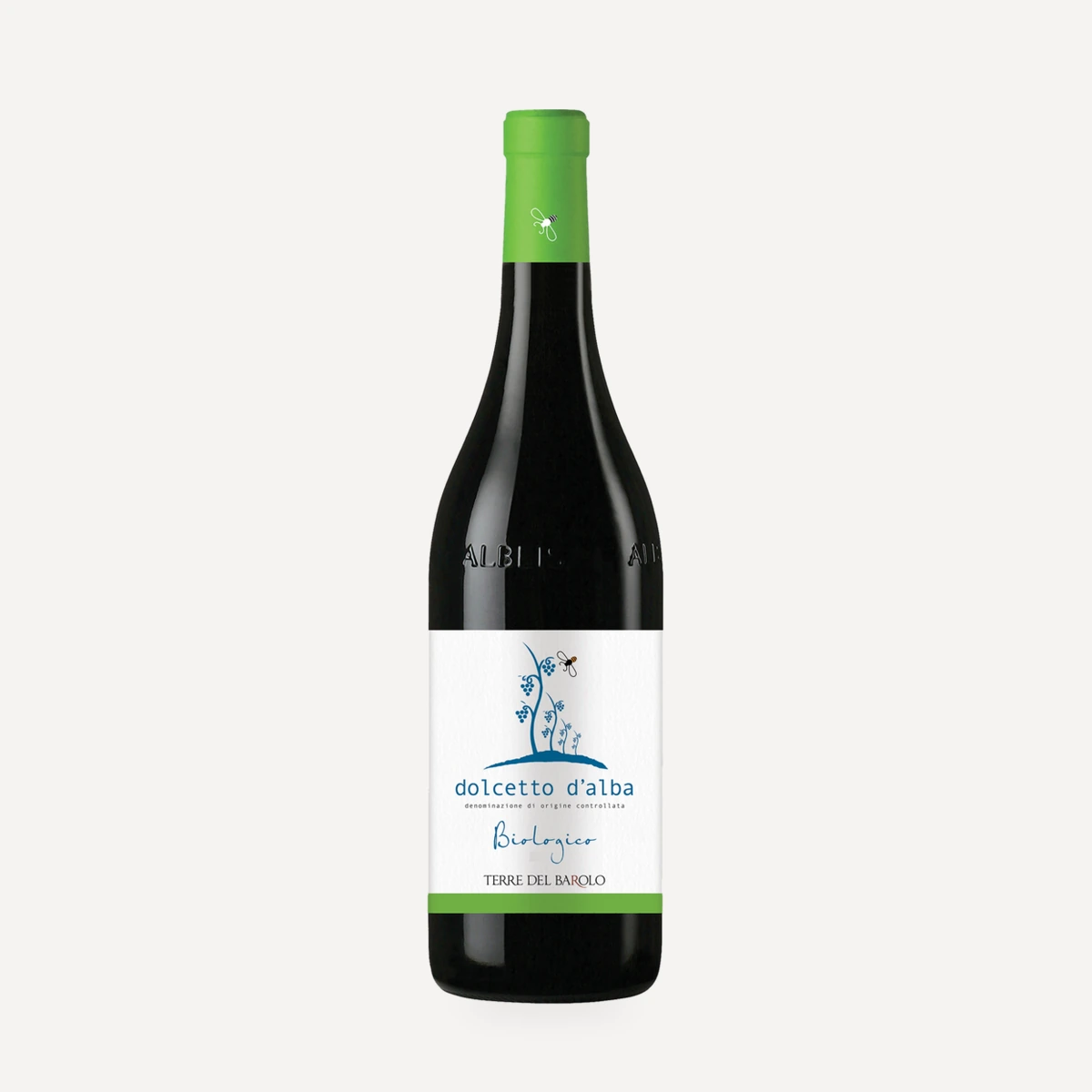
Dolcetto d’Alba Organic DOC
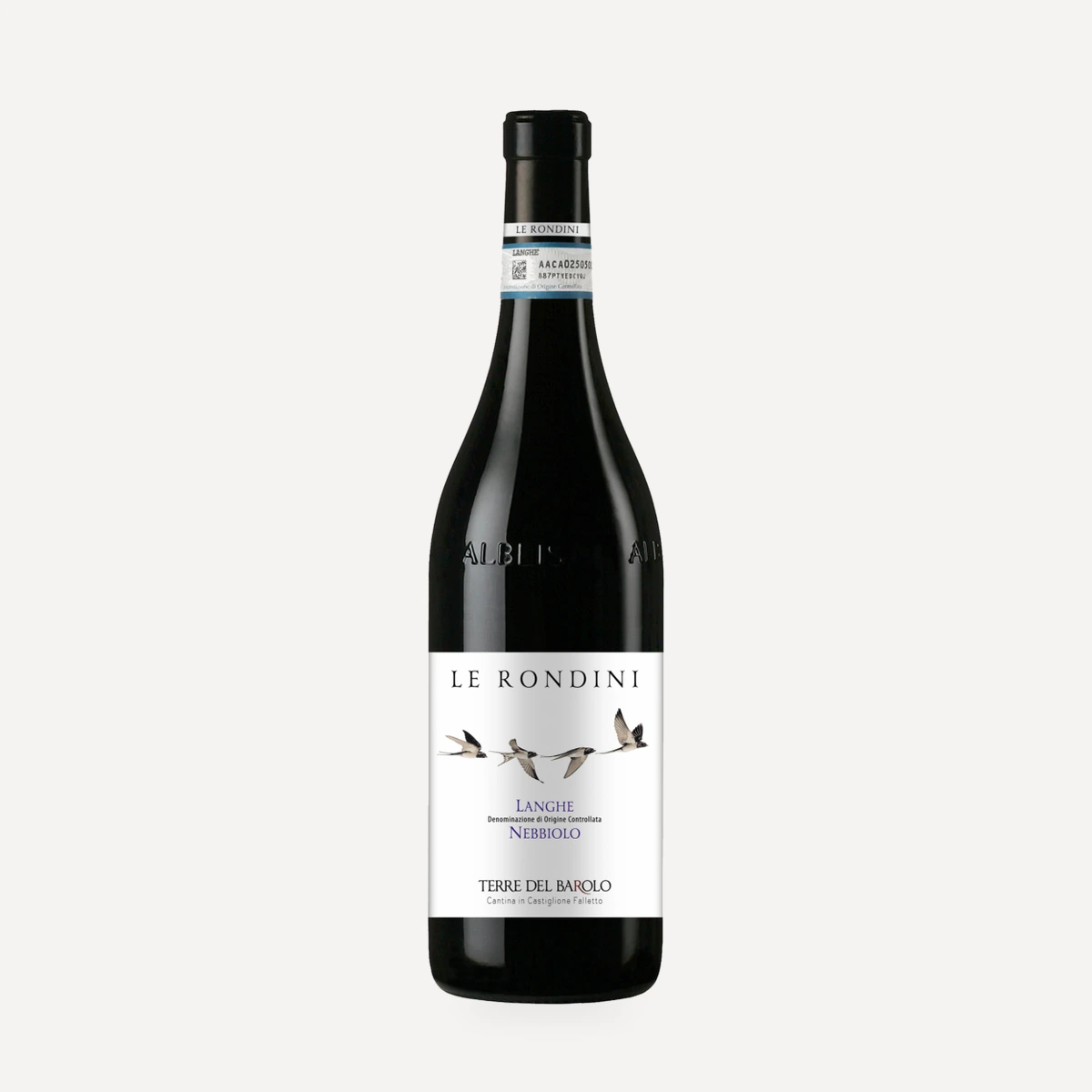
Le Rondini Langhe Nebbiolo DOC
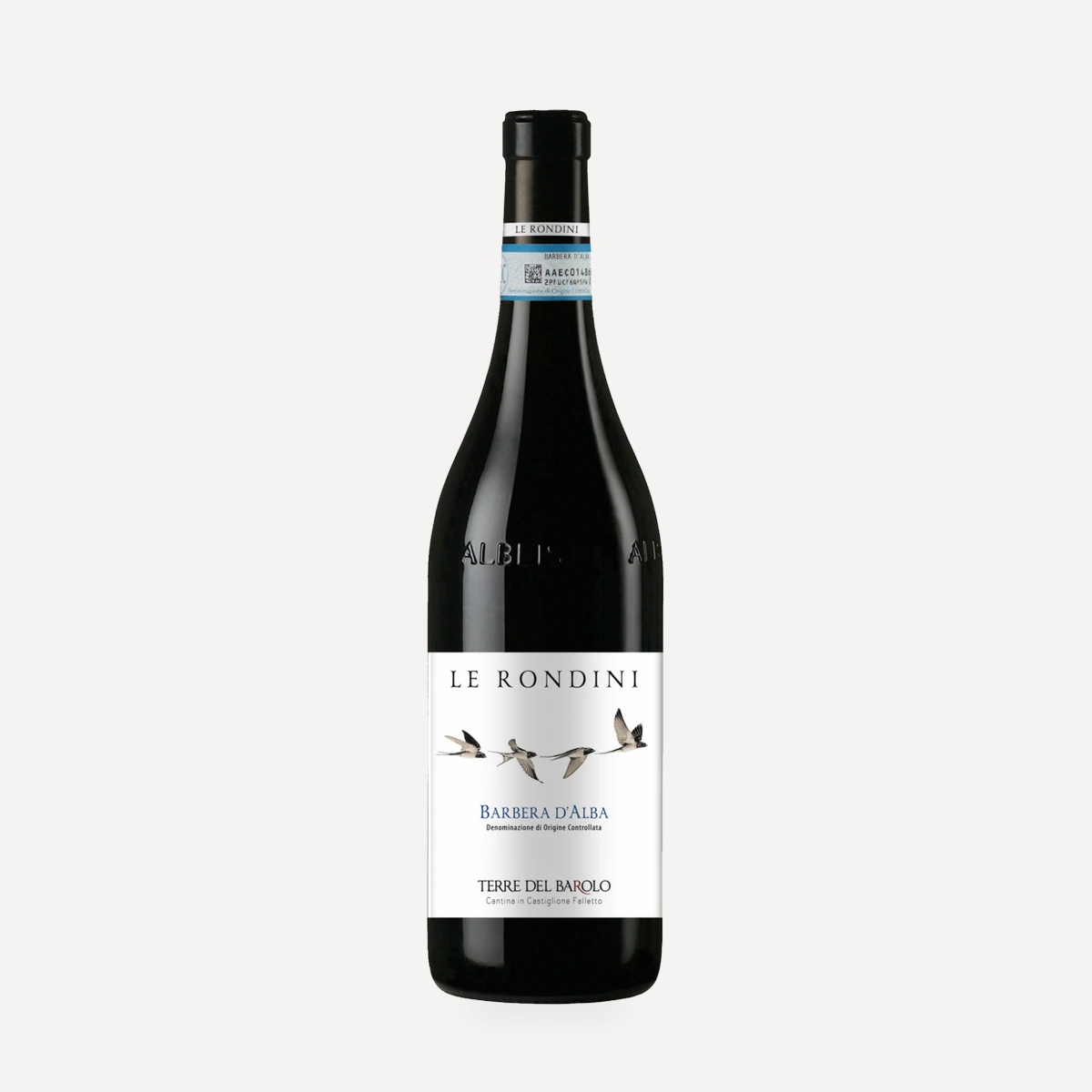
Le Rondini Barbera d’Alba DOC
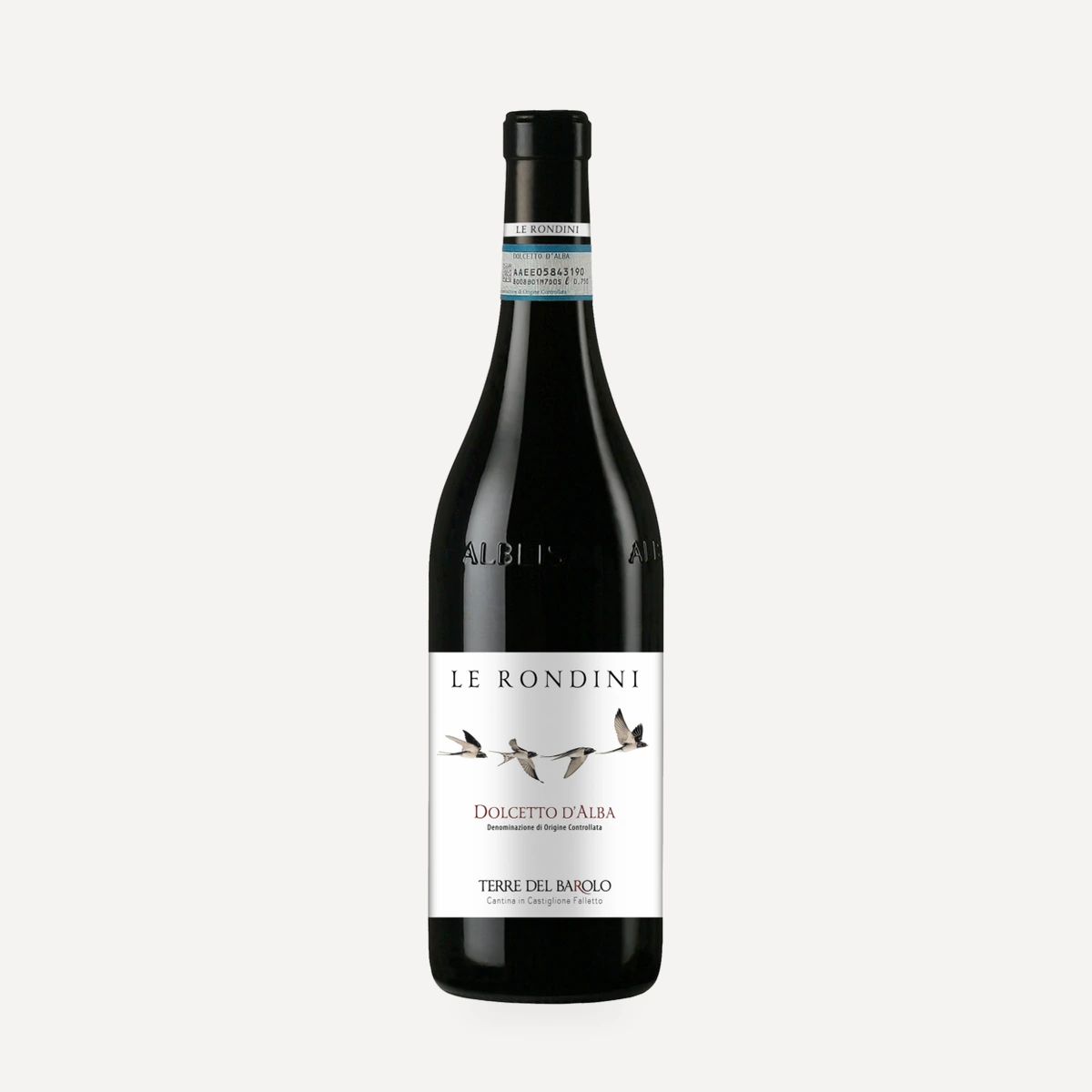
Le Rondini Dolcetto d’Alba DOC
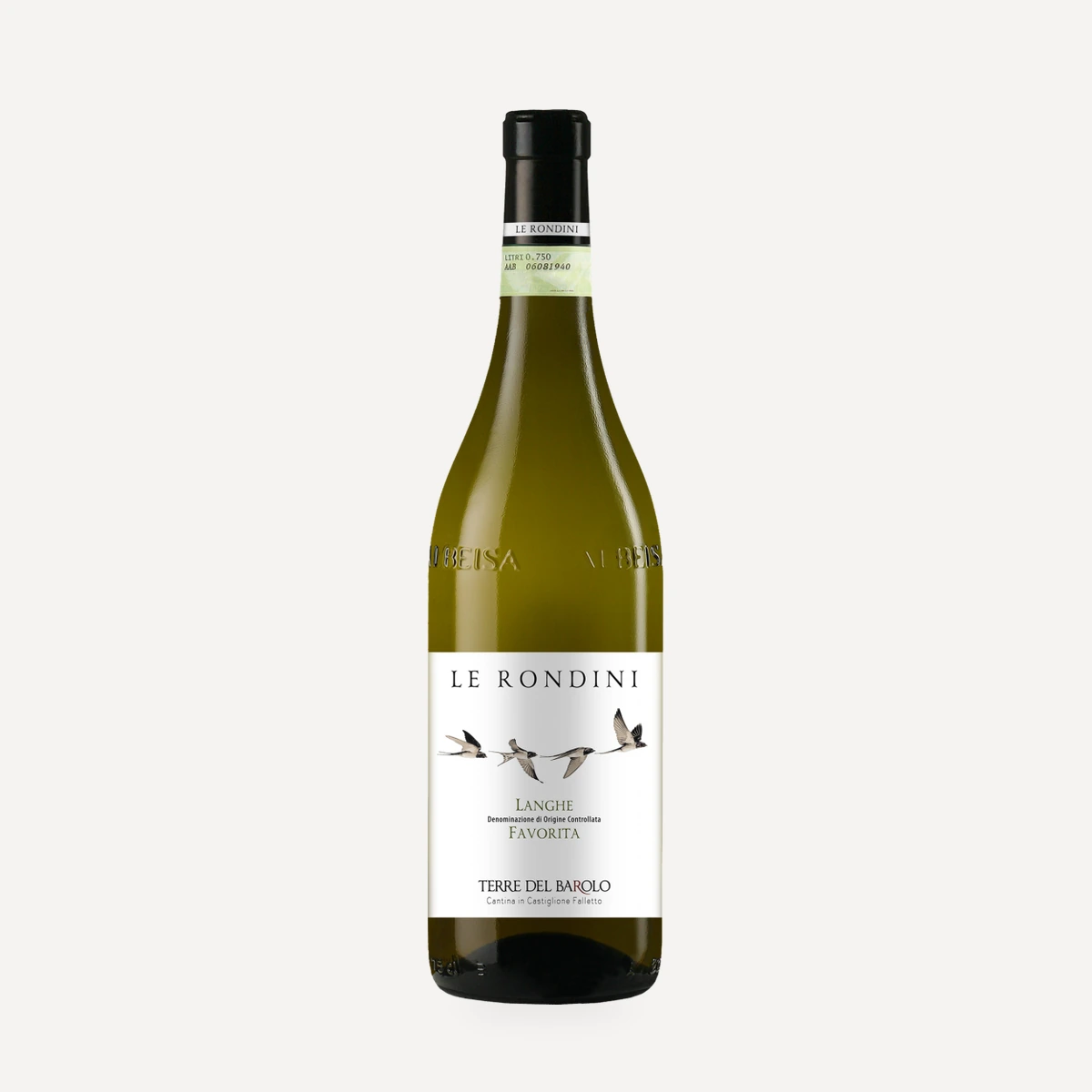
Le Rondini Langhe Favorita DOC
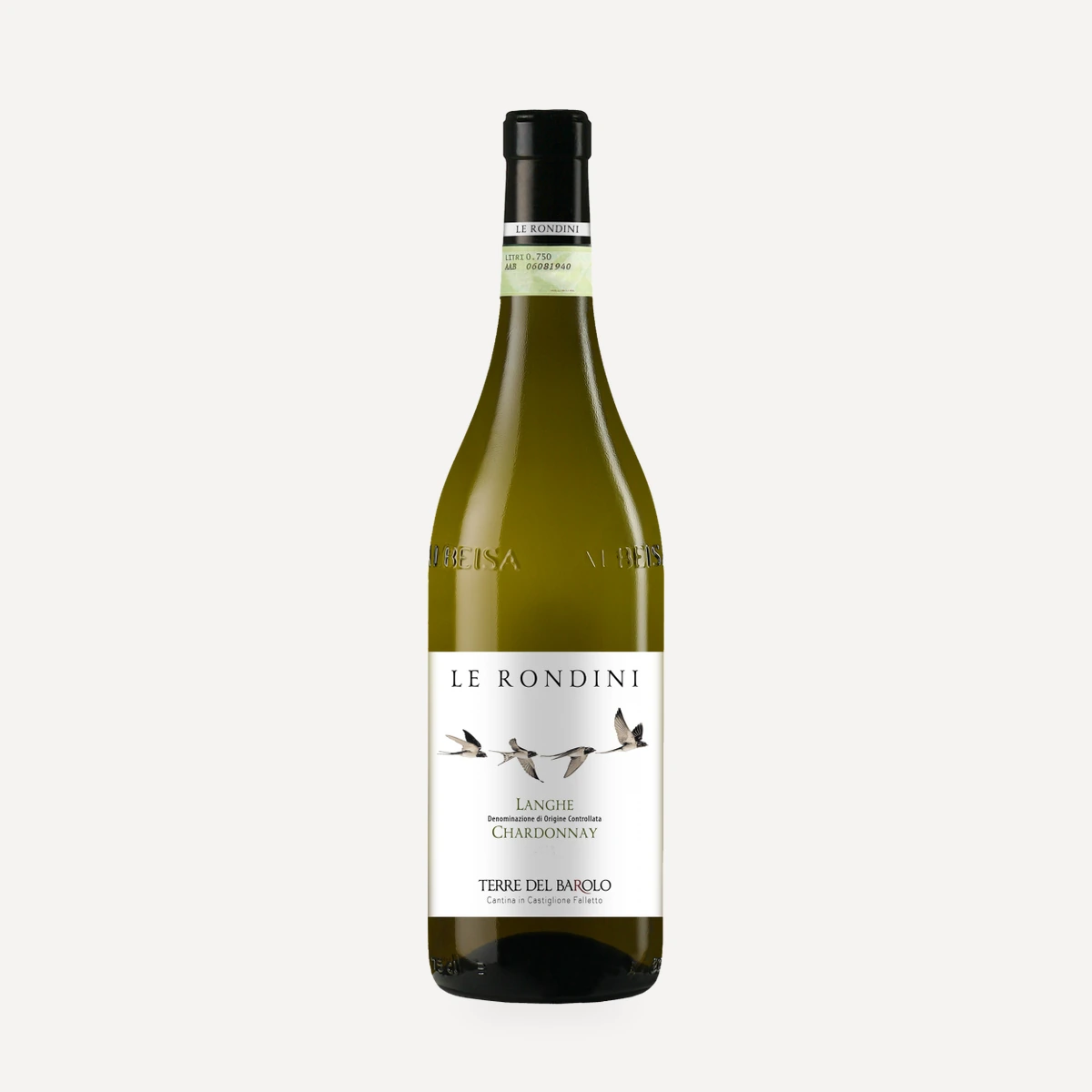
Le Rondini Langhe Chardonnay DOC