Storia
The Collalto estate
The land now associated with Borgoluce has belonged to the Collalto family for almost a thousand years. Extending from the River Piave to the first hills of the Prealps, the estate includes the castles and historic hamlets of San Salvatore and Collalto. The tower at Collalto marks the family’s first settlement in these lands, while the medieval Castello di San Salvatore remains a defining feature of the agricultural landscape.
Agriculture historically rested on a mixed system of fields, vineyards, woodland, livestock, canals, mills and dairies. This diversity once supplied the necessities of daily life within the estate and later became the foundation of Borgoluce’s contemporary ideas of biodiversity, short supply chains and circular production.
1984: continuity and agricultural development
Agronomist Gabriele Furlanetto began working on the Collalto family’s land in 1984. At that time it was a conventional mixed farm growing arable crops and vines and operating a dairy-cow barn; its products were generally sold to merchants and processors. Furlanetto initially worked with the dairy herd, then moved into field management and spent at least 15 years contributing to land improvements, particularly irrigation systems.
The estate gradually began selling directly to consumers. It first slaughtered small numbers of animals and sold the meat by reservation; the growth of this activity led to the farm shop. The dairy, educational-farm programme and an early museum were also developed, while hospitality and direct catering brought agricultural products closer to the final consumer.
2007: creation of Borgoluce
The Borgoluce brand was launched in 2007 by Maria Trinidad “Ninni” Collalto and Caterina Collalto, together with Caterina’s husband, Lodovico Giustiniani. Their mother, Trinidad, is also identified as part of the founding family nucleus. Management subsequently expanded through the arrival of younger family generations and a growing multidisciplinary workforce.
Borgoluce developed as an integrated agricultural system rather than a wine monoculture. Viticulture and winemaking became part of a wider combination of livestock, cereals, woodland, olive growing, beekeeping, walnuts and hazelnuts, hospitality, restaurants, direct sales, education and renewable-energy production.
2012–2018: direct hospitality and catering
Direct management of Osteria Borgoluce completed another link between the farm and its consumers. The restaurant, already owned by the estate but previously leased to an outside operator, opened under the Borgoluce format in 2012. Frasca followed in 2018. These projects complemented the farm shop and made estate-grown meat, dairy products, cereals and wine central to the hospitality programme.
2017: the new winery
The new winery was realized in 2017, the same year that Alessandro Bernardi joined Borgoluce as winemaker. Its design was intended to limit visual and environmental impact at the foot of Castello di San Salvatore. The principal production volumes—steel tanks, sparkling-wine autoclaves, laboratory and warehouses—were placed 13 metres underground. The complex was conceived in the form of an eighteenth-century rural court, with a courtyard, agricultural outbuildings and a portico recalling Veneto farm architecture. Yellow and red were chosen as references to the traditional colours of Collalto houses.
2022–2024: formal sustainability management
Paolo Guicciardini joined Borgoluce in September 2022 and coordinated the process leading to Equalitas Sustainable Winery certification. An independent auditor completed a full internal Equalitas audit on 15 June 2023; all major non-conformities identified during the audit were resolved. Winery and vineyard employees received internal training on the standard on 25 September 2023.
Certification was obtained in December during the first Equalitas cycle. The estate treated it as the start of an ongoing, measurable programme covering environmental, social and economic sustainability. The 2023 sustainability programme included soil-biological-quality analysis in the estate’s two principal geographic macro-areas and formal monitoring of energy, water, fuel, labour and other performance indicators.
Operational investments planned or partly implemented in 2023–2024 included an estate-winery wastewater treatment plant; a €60,000 tunnel sprayer that had entered service; two operational straddle machines for mechanical under-row weed control, costing €27,000 and €16,000; a 304 kW photovoltaic installation developed with Enel X and valued at €700,000; and replacement of an obsolete tractor.
The company also began planning carbon-footprint, water-footprint, greenhouse-gas and water-resource monitoring as the next stage of its sustainability programme.
Terroir
Borgoluce lies in the hills of the Province of Treviso, between Venice and the Dolomites, within the Conegliano Valdobbiadene Prosecco area. The estate stretches from the River Piave to the first Prealpine hills and occupies land in Susegana, Santa Lucia di Piave, San Pietro di Feletto and Pieve di Soligo. Its landscape includes the historic hamlets and castles of Collalto and San Salvatore, with views toward Montello and the Prealps.
Most of the Glera vineyards occupy gently sloping hill country. Gradients are generally 10–20%, and average elevations range from 130 to 200 metres above sea level. Vineyard rows are interspersed with woodland containing centuries-old oaks, olive groves and multispecies meadows. These non-vine habitats interrupt the cultivated surface and sustain the estate’s landscape diversity.
The vineyard soils are heterogeneous. Four mapped soil types resolve into three principal pedological zones because the first two are closely related:
- gravelly plains and terraces formed from gravel and sand, with soils beginning to decarbonate;
- fluvioglacial gravel plains composed mainly of gravel and sand;
- distal foothill zones with gradients below 2% and medium-textured mixtures of clay, silt and gravel;
- hill slopes developed over conglomerates and calcareous marls.
Broad vineyard soil analyses conducted in 2018 found health and fertility at more than acceptable levels. During the first Equalitas certification year, biological soil quality was also assessed in the two principal geographic macro-areas. The resulting biodiversity classification was “fairly poor” on the plain and “good” in the hills.
The production winery stands at the foot of Castello di San Salvatore, facing vineyards and the surrounding agricultural landscape. Its below-ground rooms benefit from thermal inertia, maintaining a stable year-round temperature while reducing energy demand.
Vinificazione
All 87.6 ha of vineyards are managed under SQNPI certification requirements. Farming is divided between organic and biodynamic approaches according to the characteristics of each area; where these approaches cannot be fully applied because of weather or soil constraints, vineyard management is adjusted to local conditions. The estate also follows the Conegliano Valdobbiadene DOCG Viticultural Protocol and advanced integrated-control principles.
Chemical herbicides are not used. Mechanical under-row weed management is supported by two straddle machines introduced during the 2023–2024 improvement programme. Certified-organic vineyards follow the practices required for organic production. No evident nutritional deficiencies were observed in the years covered by the 2023 sustainability assessment.
Spontaneous grass cover is maintained throughout the agricultural surface. Its purposes are to improve physical and microbiological soil fertility, encourage biodiversity, increase soil-bearing capacity and thereby reduce compaction, and limit surface erosion. Green-manure trials and the reuse of manure from the estate’s livestock form part of ongoing work to improve fertility.
Irrigation is delivered by drip lines and used only as emergency support. Water use is considered in relation to precipitation and minimum and maximum temperature patterns. A tunnel sprayer was introduced to improve treatment efficiency.
Vineyards alternate with woodland, centuries-old oaks, olive groves and multispecies meadows. This deliberate avoidance of monoculture connects viticulture with the wider estate system of pasture, livestock, cereals, orchards and renewable-energy production. The first Equalitas-cycle biological assessment classified hill-soil biodiversity as good, while plain soils received a fairly poor classification, providing a measurable basis for further improvement.
The modern winery was designed to sit within the agricultural landscape at the foot of Castello di San Salvatore. It occupies the area of a former Roman centuriation and borrows its architectural form from eighteenth-century Veneto rural courts: a central courtyard, agricultural outbuildings, a large portico and the yellow and red traditionally associated with Collalto houses.
Grapes move from the surrounding vineyards into production rooms situated 13 metres below ground. The principal steel tanks, sparkling-wine autoclaves, laboratory and warehouses are underground. Thermal inertia keeps cellar temperatures stable throughout the year and reduces energy demand. A 600 m² glazed opening brings natural sunlight into the vinification rooms despite their depth. Upper floors, the portico and a terrace overlooking the fields are used for visitor reception and tasting.
Winemaking is organized through formal work plans and protocols defining individual process stages, operating procedures and record-keeping systems. Good cellar practice and selected organic-winemaking practices are applied. Drinking-quality water is used to clean and sanitize equipment, with established protocols governing cleaning frequency, detergents and water consumption.
Sparkling production includes the autoclave-based Charmat method. The estate’s Conegliano Valdobbiadene sparkling wines are made from 100% Glera. Two certified-organic refermented wines take a different route: natural secondary fermentation occurs in the bottle and the wines are left unfiltered, drawing on the local col fondo or sur lie tradition.
Bottling is outsourced and organized on dedicated days according to production and market requirements. Primary, secondary and tertiary packaging materials and weights are reviewed under management direction. The sustainability programme also monitors energy, fuel and water consumption per litre and includes a winery-wastewater treatment project.
Filosofia
Borgoluce defines itself through respect for land, workers and landscape. Its central principle is circularity: each agricultural activity should form part of a wider cycle in which by-products become inputs for another process and waste is minimized. Cereals feed cattle and buffalo; manure and field residues enter biodigesters that generate electricity and return material to subsequent sowing and harvesting cycles.
Biodiversity is pursued through crop diversification rather than monoculture. Vineyards, fields, woodland, meadows, orchards, olive groves and livestock are treated as parts of one agricultural system. This diversity is intended to protect botanical variety and landscape character, renew natural resources and make production more resilient environmentally and economically.
The estate combines rural experience with contemporary agronomy and technology. Its stated goals include organic and biodynamic practice where local conditions permit, careful water use, renewable energy, transparent performance measurement and continuous improvement. The below-ground winery, biodigesters, photovoltaic programme, mechanical weed control and soil-biological monitoring translate those principles into physical infrastructure and operating procedures.
Equalitas certification frames sustainability through environmental, social and economic criteria. Borgoluce treats certification as a starting point rather than an endpoint, with further carbon-footprint, water-footprint, greenhouse-gas and water-management monitoring intended to make progress measurable.
The social dimension includes employee development, incentive programmes, training, a multicultural working environment and rejection of discrimination and harassment. Commercial relationships are intended to be durable and transparent, with preference given to local suppliers who share compatible standards of sustainability and mutual respect.
Quality is understood broadly: it encompasses food and wine, relationships, hospitality, local culture, knowledge of flora and fauna and time lived according to natural and seasonal rhythms. The estate’s hospitality, educational and museum activities are intended to share this agricultural culture rather than separate tourism from production.
Vini
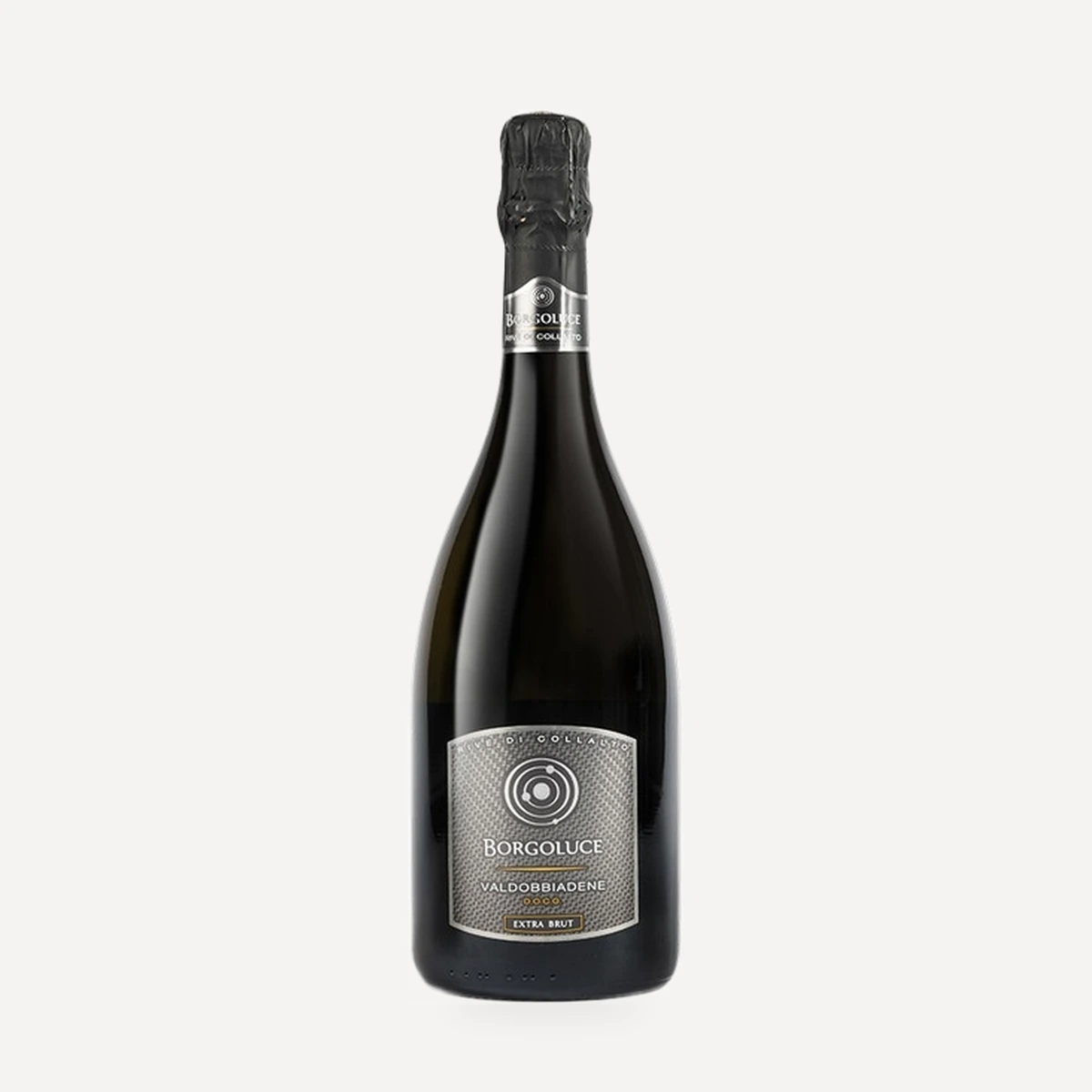
Rive di Collalto Valdobbiadene Prosecco Superiore Extra Brut DOCG
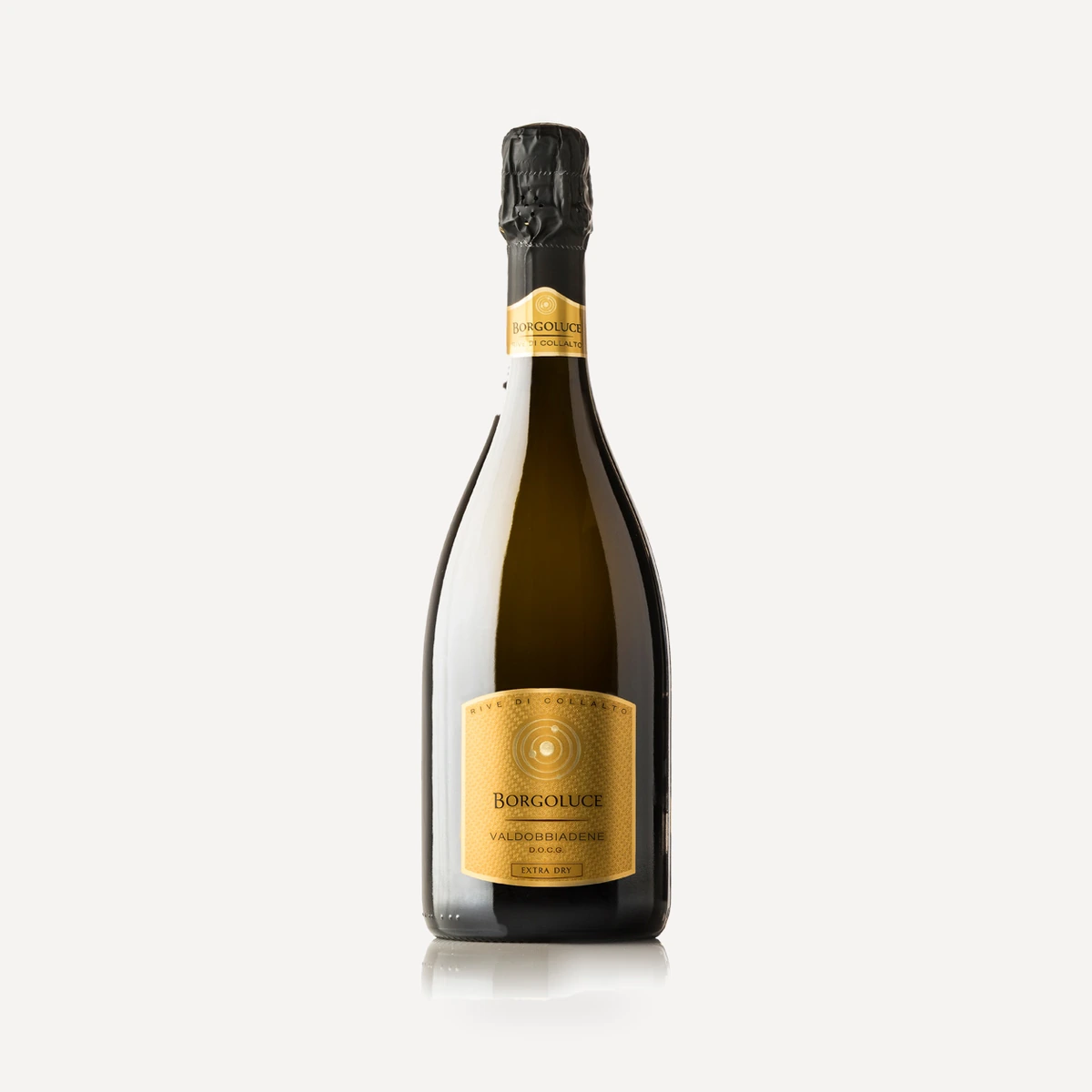
Rive di Collalto Valdobbiadene DOCG Extra Dry
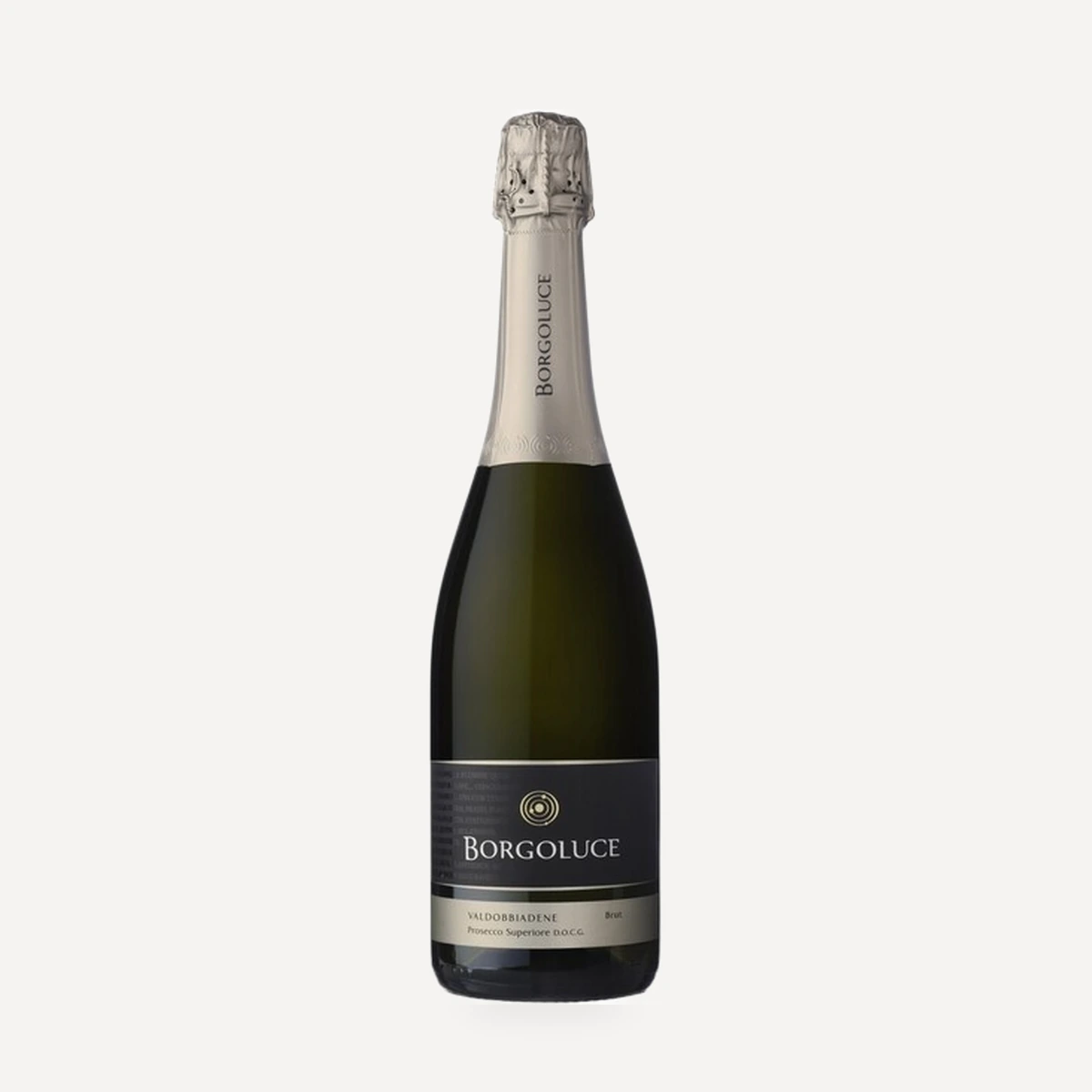
Valdobbiadene Prosecco Superiore Brut DOCG
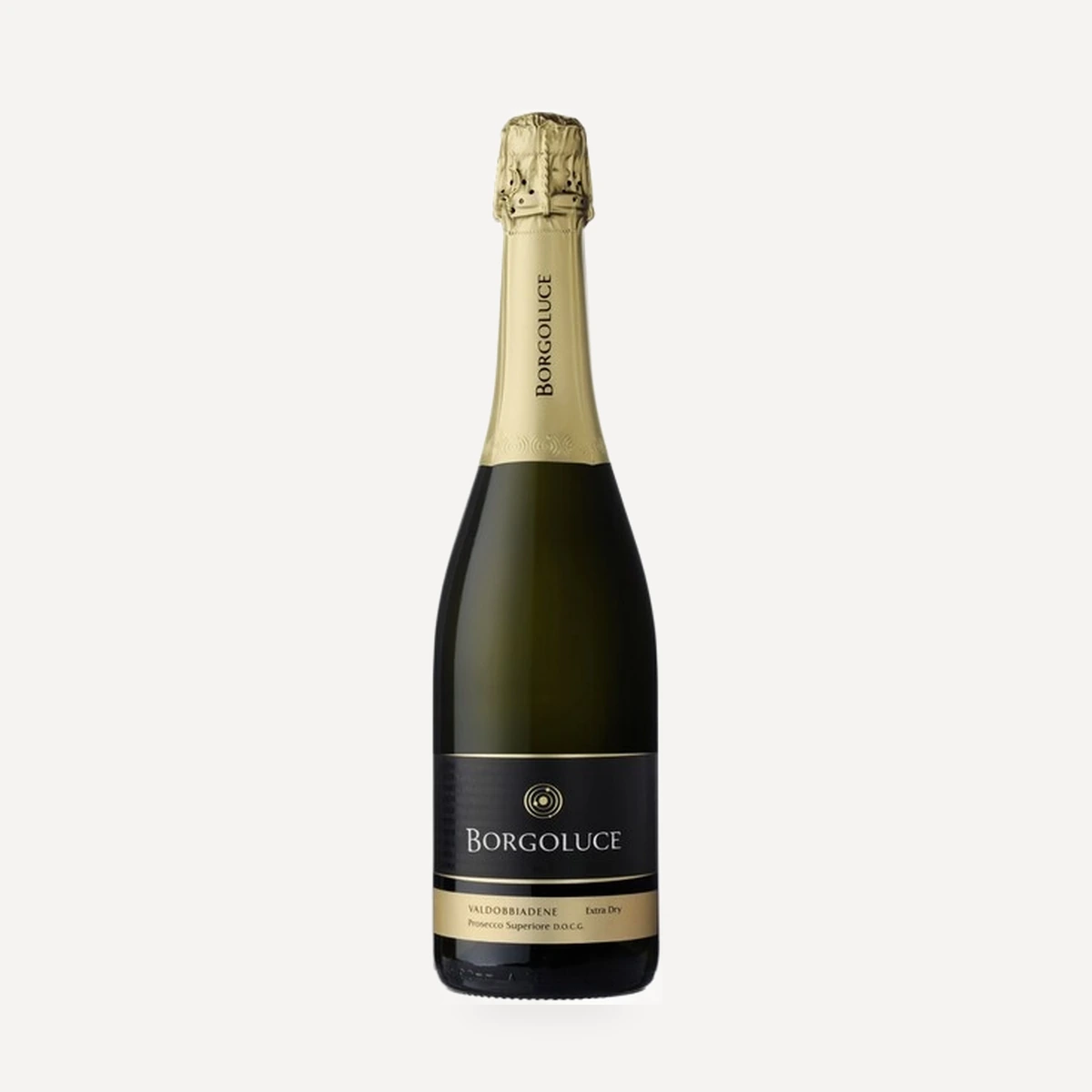
Valdobbiadene Prosecco Superiore Extra Dry DOCG
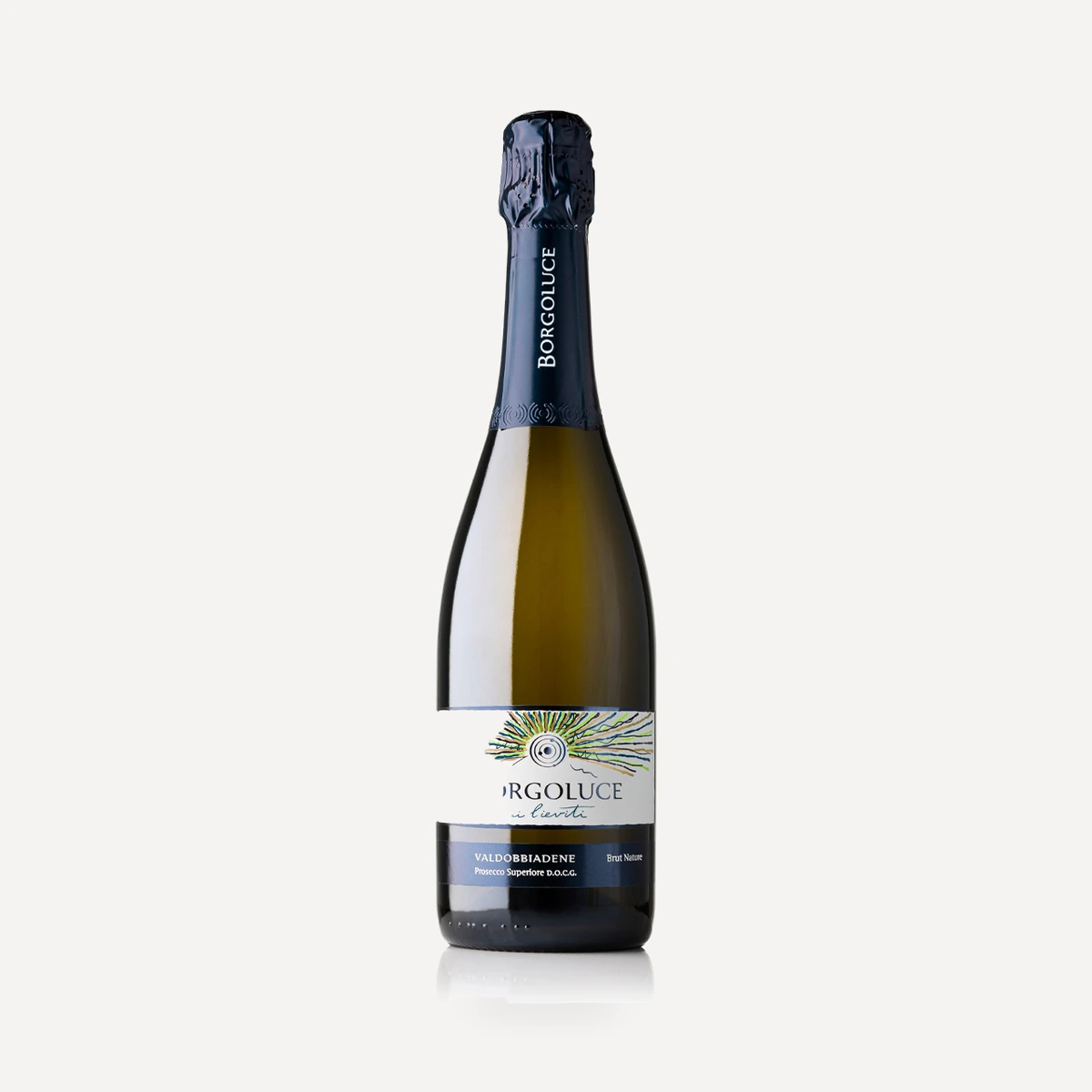
Sui Lieviti Valdobbiadene DOCG Brut Nature
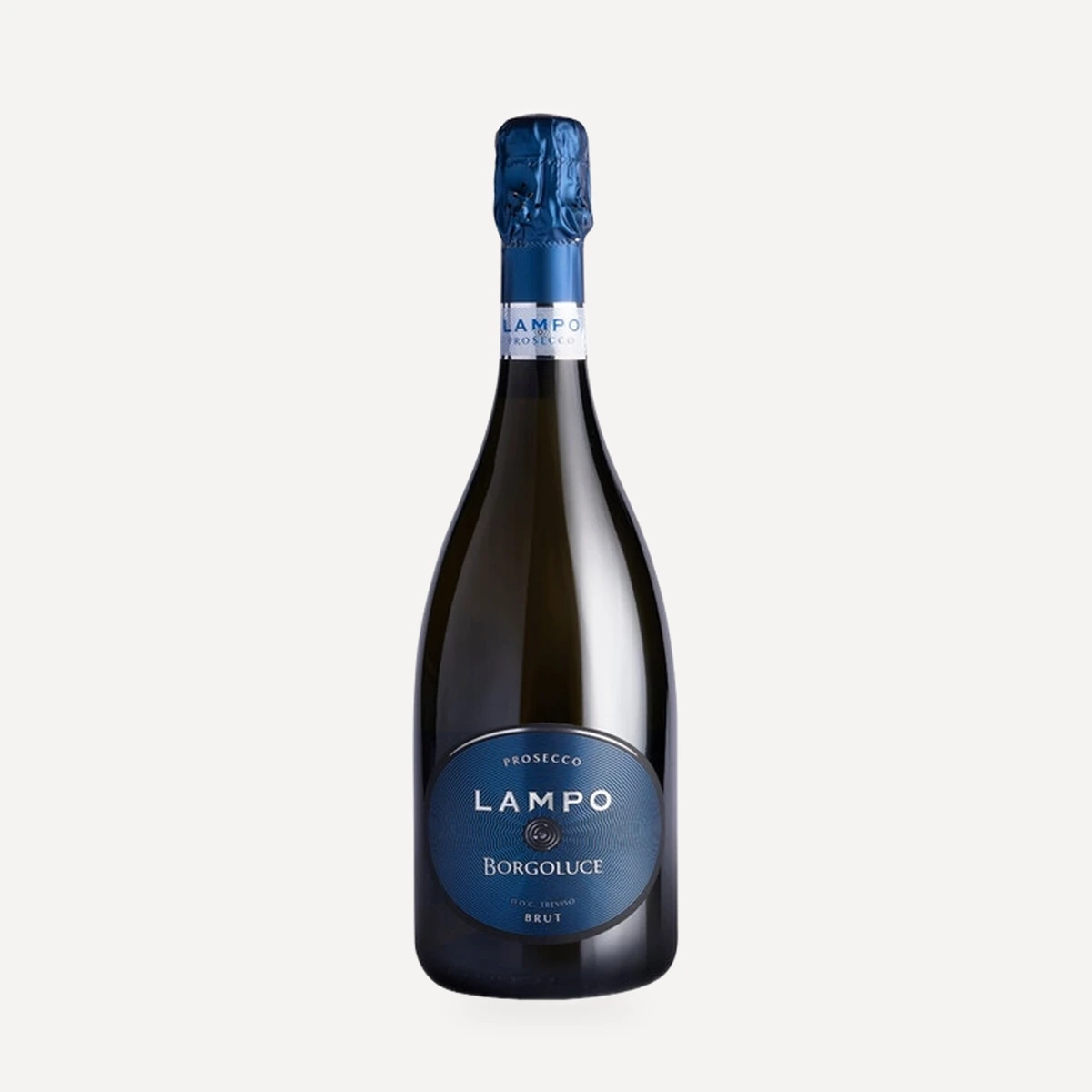
Lampo Prosecco Brut DOC
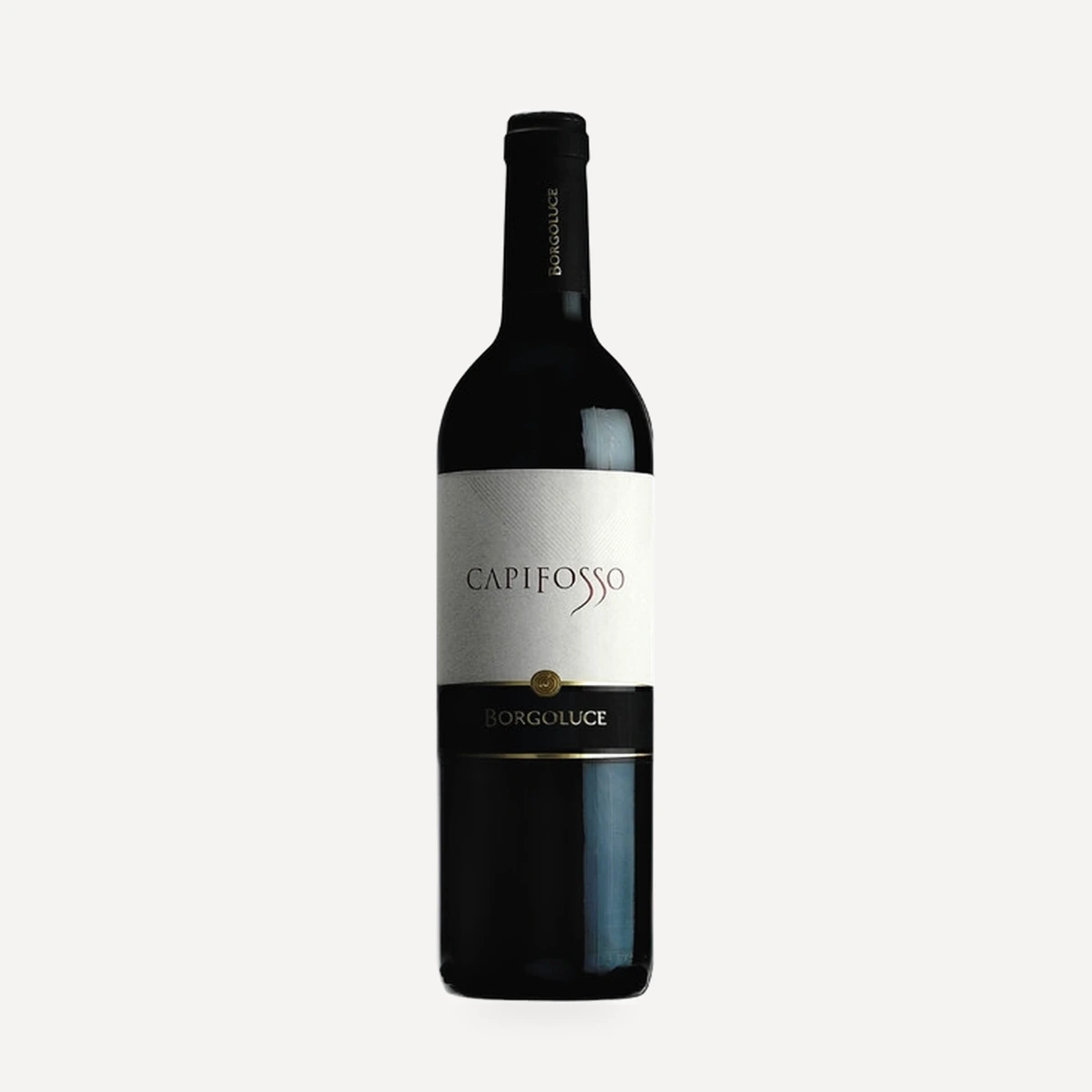
Capifosso Marca Trevigiana IGT
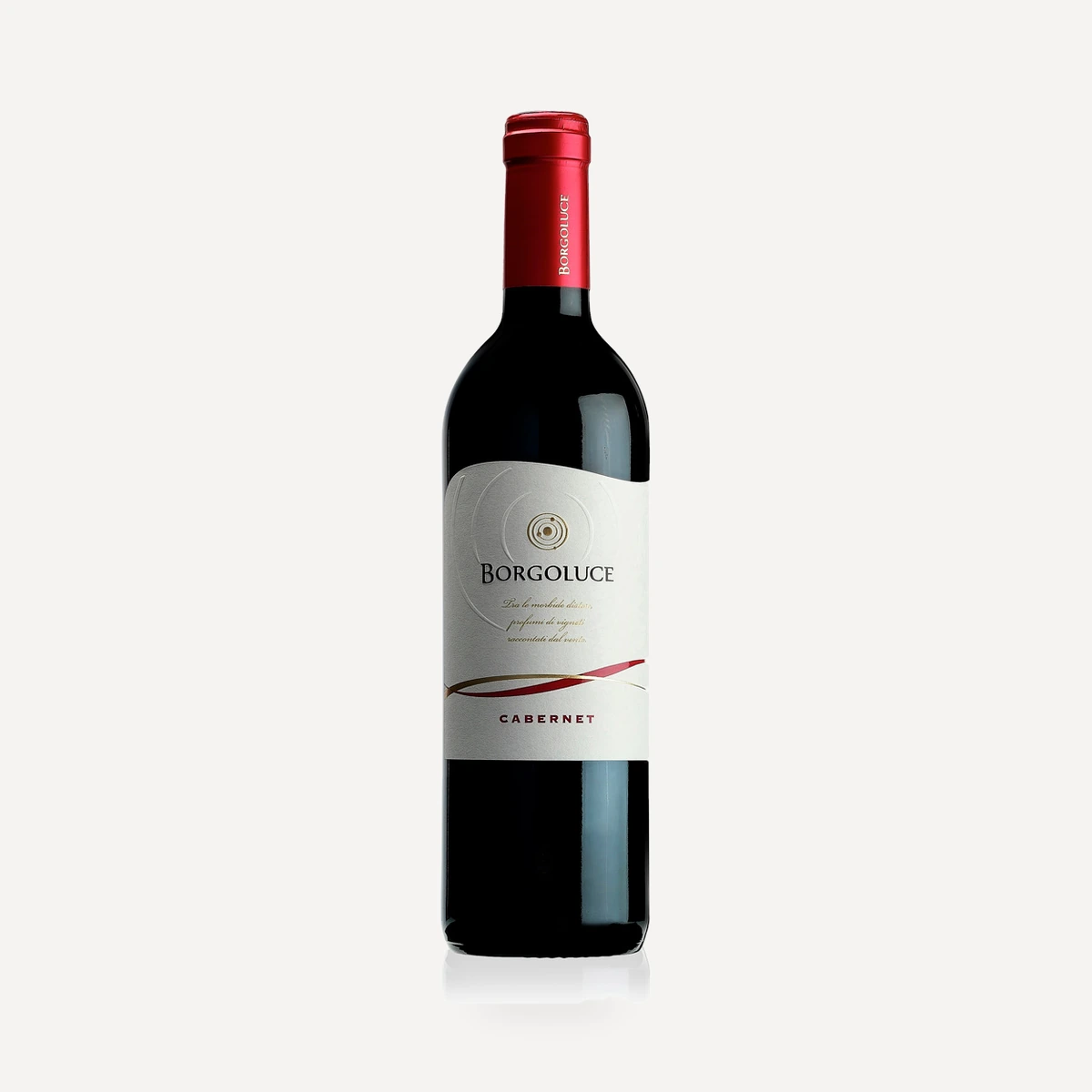
Cabernet Marca Trevigiana IGT Rosso
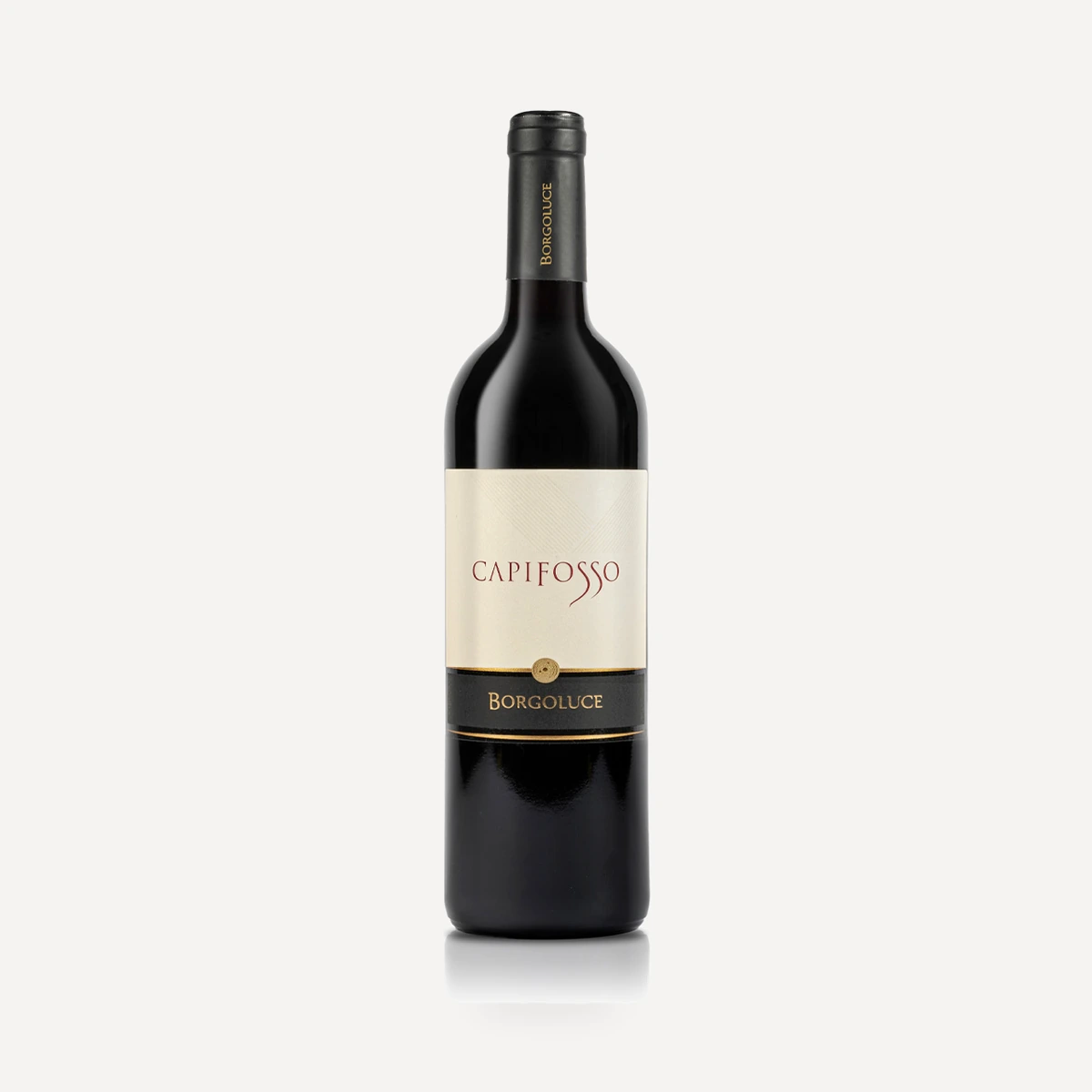
Capifosso Colli Trevigiani ICG Rosso
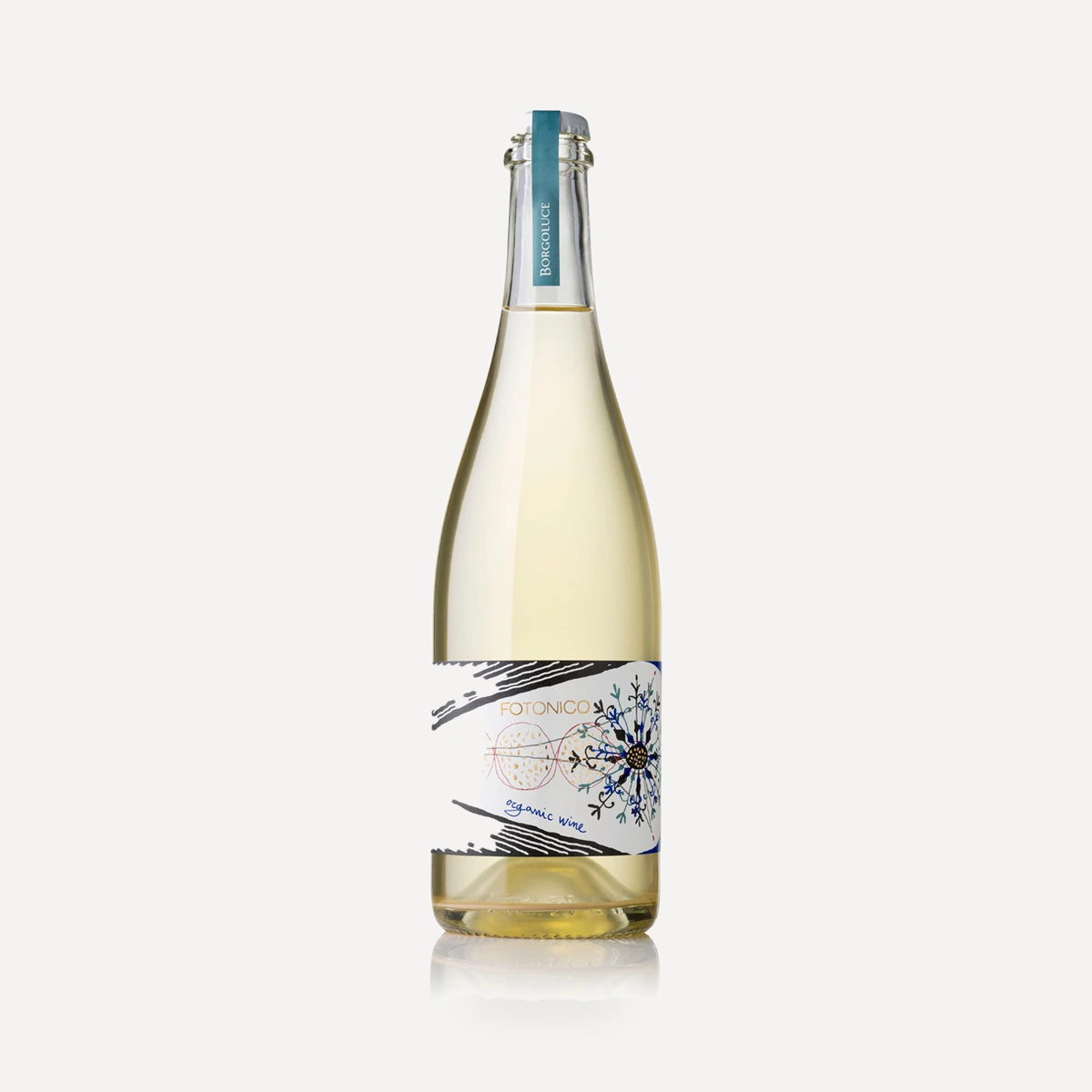
Fotonico
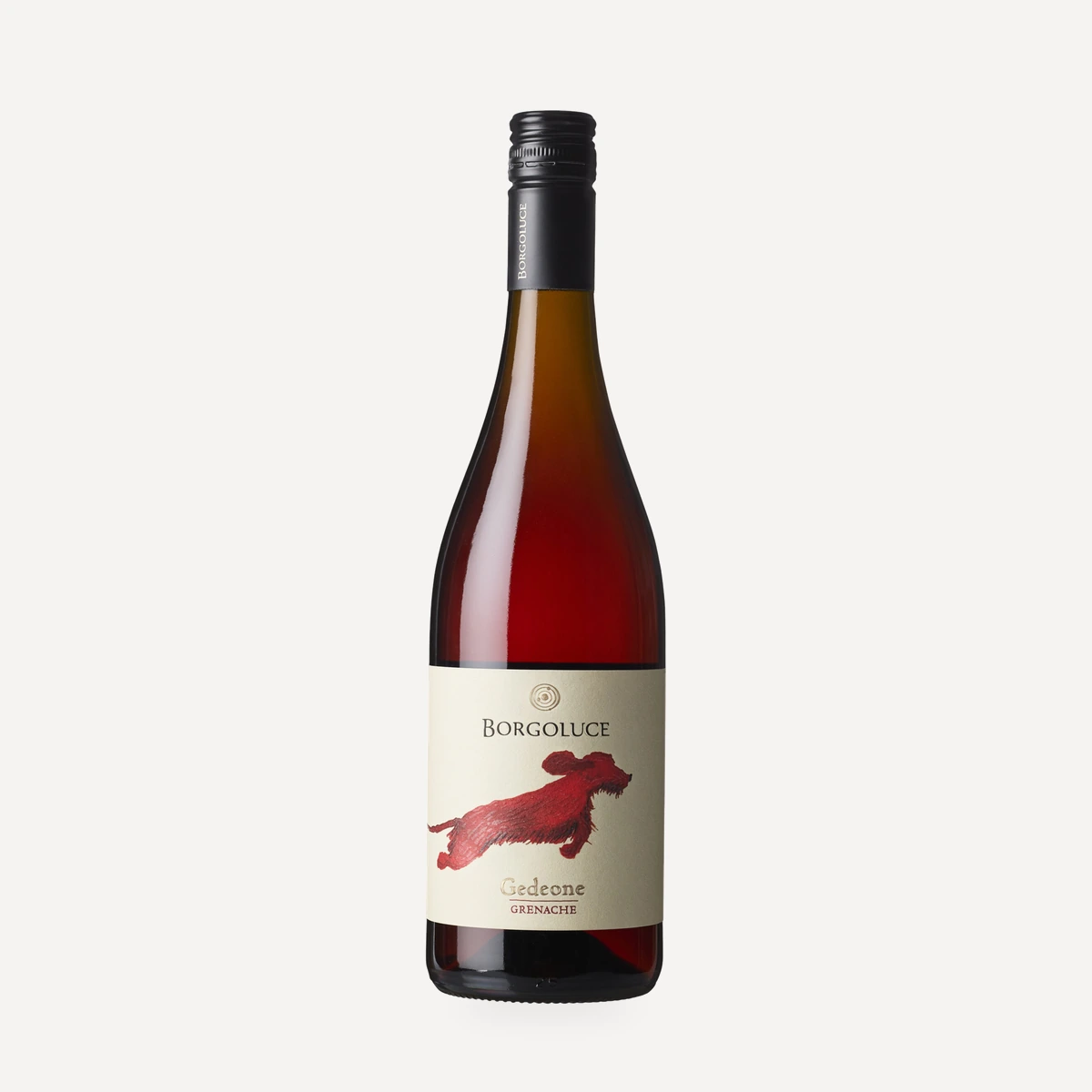
Grenache Veneto I.G.T. Marca Trevigiana IGT Rosso
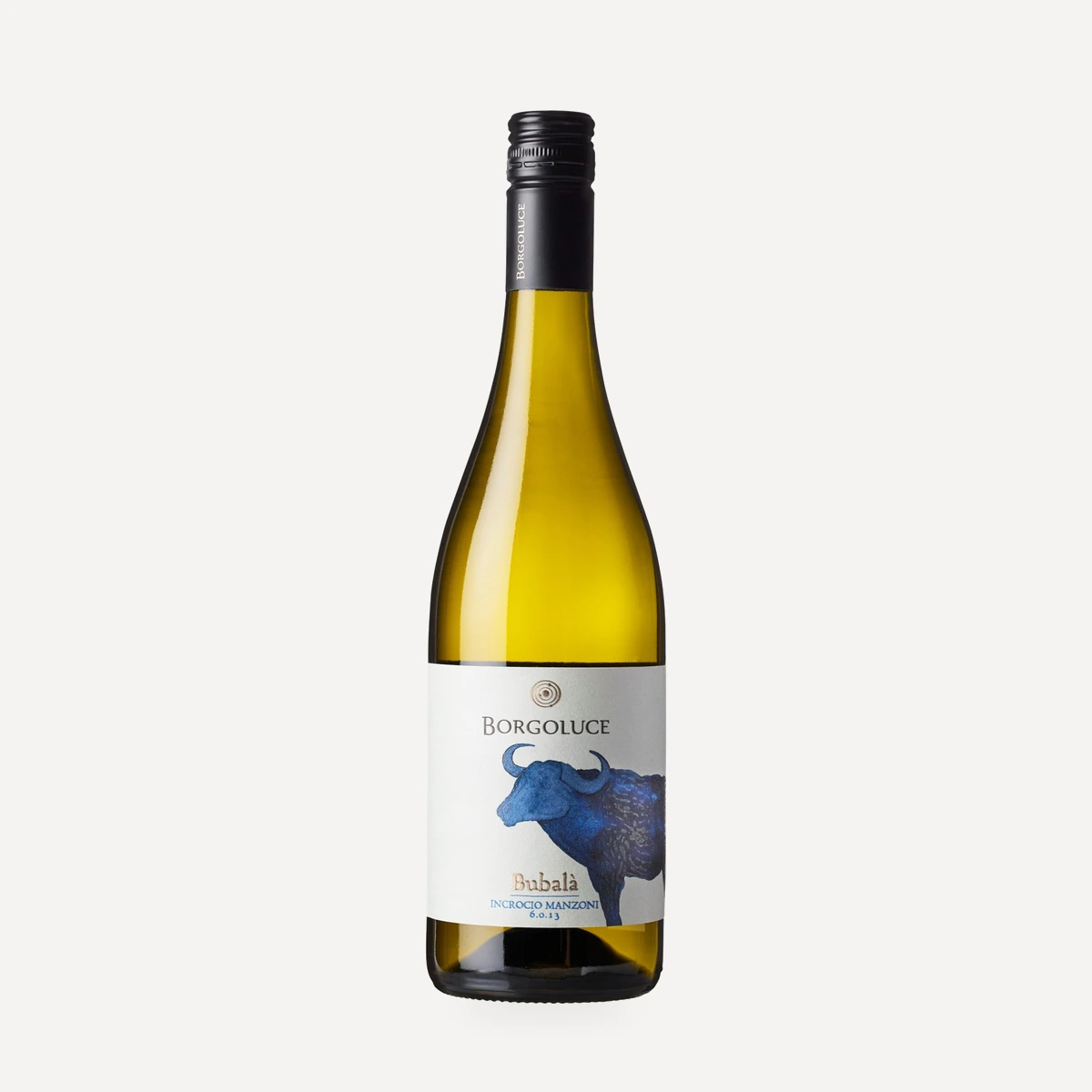
Incrocio Manzoni 6.0.13 Marca Trevigiana IGT Bianco
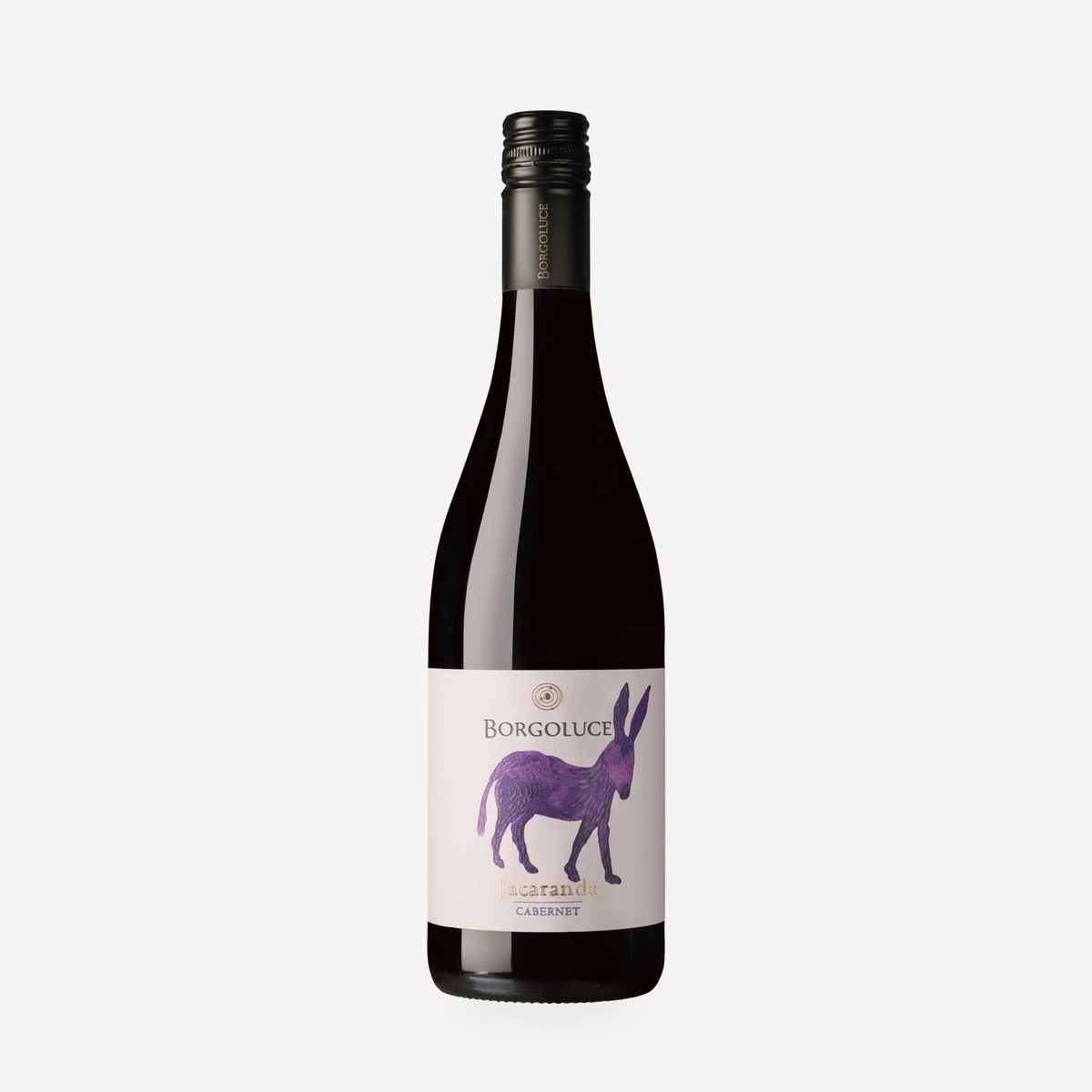
Jacaranda Cabernet Marca Trevigiana IGT Rosso