Storia
1928: Bernardo Accomo establishes the estate
Bricco Maiolica traces its history to 1928 and four generations of the Accomo family. Bernardo Accomo, known as “Cumot,” began as a sharecropper. After years of agricultural work, he acquired 14 giornate piemontesi—approximately 5 hectares—together with the Cascina Rolando farmhouse. The property stood on a steep hill, or bricco, long known as Maiolica for the perceived quality of its land. The estate retained that historic name.
Bernardo’s vineyards were planted predominantly with Dolcetto.
1930: Vigna Vigia
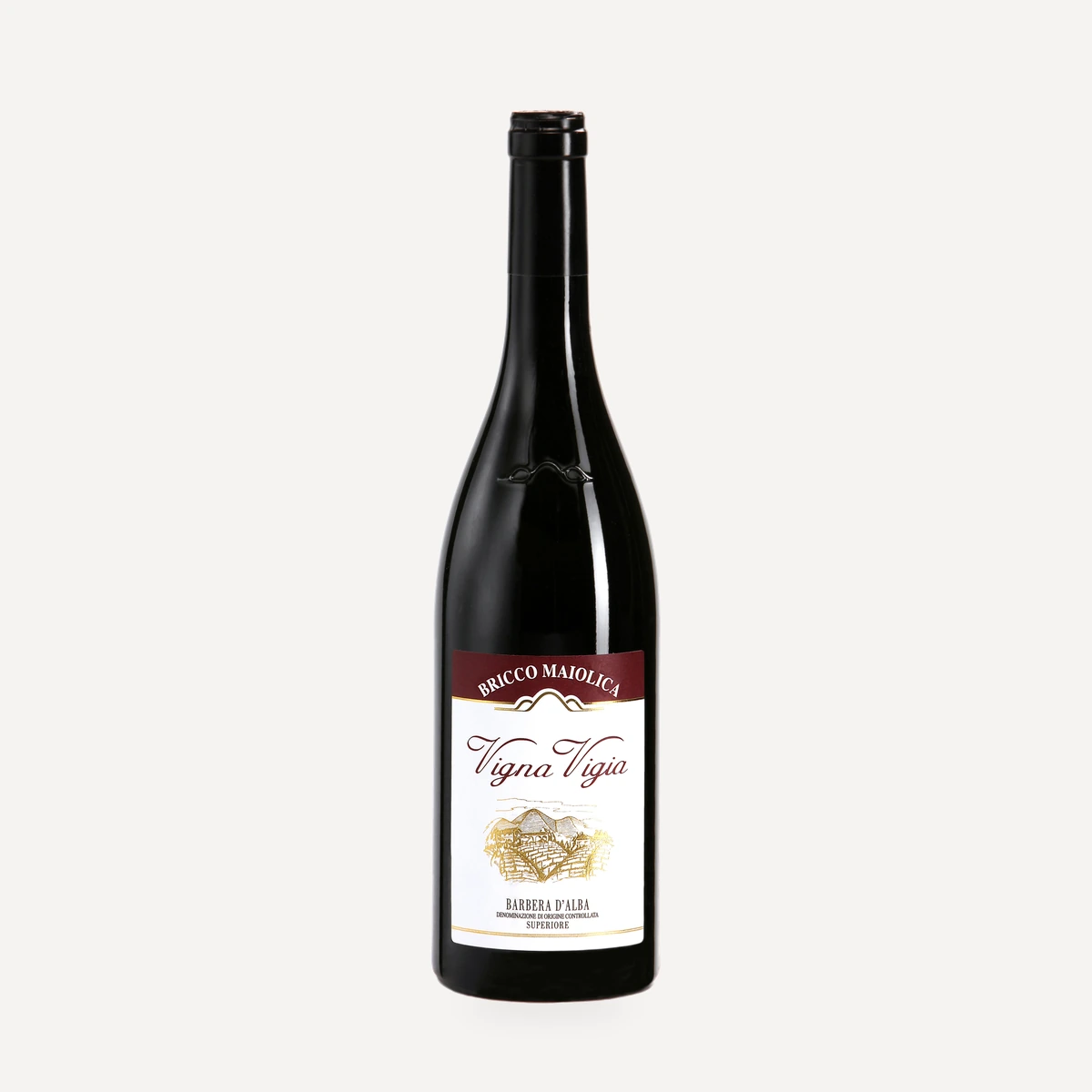
In 1930 Bernardo bought an adjoining plot using an inheritance received by his wife, Luigia, known as “Vigia.” He planted the newly acquired land with Barbera, and the plot became known as Vigna Vigia in her honour.
1950: Nebbiolo enters the vineyards
Bernardo’s son Giuseppe, who had a particular interest in tannic wines, began cultivating Nebbiolo in 1950.
1970: expansion under Angelo Accomo
In 1970 Angelo Accomo, Giuseppe’s son, enlarged the property through the acquisition of the neighbouring Cascina Valdavì. He also introduced white-berried grape varieties to the estate.
1985: controlled vinification and estate bottling
The decisive change came in 1985 under fourth-generation Beppe Accomo, born in 1963. Having grown up working with the land and vines, Beppe took part in and supervised the agricultural operations. He concluded that selling only grapes or bulk wine limited the estate’s potential and moved Bricco Maiolica into controlled vinification and estate bottling.
1990–2006: new varieties and projects
The estate has cultivated Pinot Nero since 1990; the current Alta Langa Rosé block was planted that year, while the Perlei block on the summit of Bricco Maiolica was planted in 1993 as part of Beppe’s experimentation with the variety. Chardonnay cultivation is documented from 1991, although the oldest Chardonnay vineyard associated with Pensiero Infinito was planted in 1989.
The Pensiero Infinito project began with the 2005 harvest. Conceived as a pure Chardonnay from the oldest estate vineyard, it joined wine and family memory: every vintage received a different artist’s label commemorating a person, event, place or moment the family wished to preserve. The first edition honoured Beppe’s parents, Emiliana and Angelo Accomo, for their five decades of agricultural work and for building a close, industrious family.
The blended red Tris followed in 2006. Its name reflects its composition from three estate varieties: Barbera, Dolcetto and Merlot.
2009–2013: Claudia Castella and the union of two estates
Beppe met Claudia Castella in 2009. Their shared attachment to their farming origins developed into both a personal and professional partnership. A Sauvignon Fumé vineyard was planted in 2009, and the subsequent Castella wine carried Claudia’s family name.
By 2010 Beppe and Claudia were planning a shared future and pursuing their ambition to obtain a Nebbiolo vineyard suitable for Barolo. Simone Castella, Claudia’s father, provided important assistance in the search. The vineyard, within the commune of Diano d’Alba, had been planted in 2000; production of their Contadin Barolo began with the 2012 harvest. The name, pronounced “Cuntadin” in Piedmontese dialect, honours their farming roots, while Simone’s slender figure appears on the label.
In 2013 Bricco Maiolica and Castella were united as a single undertaking. The partnership combined their experience and traditions, introduced new labels and continued the Casa Castella agriturismo.
Artistic labels and later development
Beginning with the 2011 Pensiero Infinito vintage, Bricco Maiolica collaborated with the 5A class of Alba’s Liceo Artistico “Pinot Gallizio.” Students created works around a chosen theme, with finalist paintings presented at the estate and one selected for the label. The collaboration produced labels devoted to the 150th anniversary of Italian unification, Lucio Dalla, Beppe and Claudia’s union, Michael Schumacher, and the aspirations of a new generation.
A 1.5-hectare west-facing Chardonnay block for Alta Langa was planted in 2016. The resulting Pas Dosé Metodo Classico extended the estate’s long experience with Chardonnay into traditional-method sparkling wine.
With the 2021 vintage, the estate also developed an Alta Langa Rosé Pas Dosé from Pinot Nero. The same harvest became a family milestone when Beppe and Claudia’s granddaughter Ambra was born in September during the grape harvest; the seventeenth Pensiero Infinito label was dedicated to her.
The eighteenth Pensiero Infinito, from the 2022 harvest, commemorated a landmark moment for civil rights and the legally recognised right to personal self-determination in Italy.
Terroir
Bricco Maiolica occupies a steep hill in the Langhe, within territory divided between the communes of Diano d’Alba and Alba. The estate’s historic nucleus is the Maiolica hill and Cascina Rolando; the hill’s longstanding name was associated with the particular quality attributed to its land.
The documented vineyards range from 300 to 450 metres above sea level and encompass varied aspects. South and south-east exposures are used for Barbera, Dolcetto and Nebbiolo; west and south-west slopes support Chardonnay and Sauvignon Fumé; Pinot Nero occupies east- and north-east-facing positions, including the summit of Bricco Maiolica. Vigna Vigia lies on the Alba side of the hill, while the Contadin Barolo vineyard is within the commune of Diano d’Alba.
This range of elevation and aspect allows the estate to cultivate both the traditional red varieties Dolcetto, Barbera and Nebbiolo and later additions including Chardonnay, Sauvignon Fumé, Pinot Nero and Merlot.
Vinificazione
The estate manages 24 hectares with the objective of obtaining low yields and healthy, fully mature fruit. Environmental attention is expressed through the avoidance of synthetic fungicides and anti-mould products.
Viticulture is closely tied to individual hillside positions. Vineyard blocks are distributed from 300 to 450 metres and across south, south-east, east, north-east, west and south-west exposures. Beppe Accomo remains directly involved in the agricultural work and its supervision, continuing the family’s hands-on approach to the vines.
Production has been based on controlled vinification and estate bottling since Beppe Accomo’s 1985 transition away from selling only grapes and bulk wine.
Stainless-steel élevage
Dolcetto is matured in stainless steel for approximately eight months. The traditional Barbera remains in stainless-steel tanks for approximately ten months. Langhe Nebbiolo is likewise raised in steel for about ten months and bottled in July following the harvest. For Tris, Barbera and Dolcetto are vinified and matured in steel; its Merlot component is vinified in steel and then aged for nine months in second- and third-use 225-litre oak barrels. The assembled wine is bottled in August following harvest.
Oak-aged reds
Vigna Vigia and Cumot are matured in small oak barrels. The Pinot Nero associated with Perlei also uses small oak barrels. Contadin Barolo ferments in stainless steel using the traditional submerged-cap method, then spends 24 months in a 20-hectolitre Slavonian oak cask and approximately 18 months in bottle.
White-wine production
Sauvignon Fumé is gently pressed. After settling at approximately 4°C, the must undergoes temperature-controlled fermentation at 20–22°C in stainless steel. The wine remains with its fine lees for about six months before filtration and bottling.
Rolando Chardonnay ferments in stainless steel, remains with fine lees for approximately six months, and is then filtered and bottled.
Pensiero Infinito ferments in French barriques for approximately 50 days, with malolactic fermentation taking place in the same vessels. It then undergoes weekly bâtonnage for 20 months, without racking, keeping the yeasts in suspension throughout. Both bottles and 1,000 individually numbered magnums are produced; each magnum is presented in an individual solid-wood case.
Traditional-method sparkling wines
For both Alta Langa Pas Dosé wines, the grapes are pressed to create the base wine. Tirage takes place in the spring following harvest. The wines remain in bottle on the secondary-fermentation lees for at least 40 months, with remuage followed by disgorgement. They are Pas Dosé, with no added sugar.
Filosofia
Bricco Maiolica’s guiding idea is to work within tradition while transferring the family’s roots, vocation, character and personality from vineyard to glass. Beppe and Claudia describe themselves less as “children of art” than as children of farmers: for them, working a vineyard and producing wine is itself an art grounded in the hard life and stories of Langhe farming families.
Their partnership is built around a shared attachment to origins, family continuity and the land. Quality begins with restrained yields, healthy mature grapes and direct participation in agricultural work. Experimentation nevertheless has a place within that continuity: Pinot Nero was planted on the summit of Bricco Maiolica, Chardonnay was developed for both still and traditional-method sparkling wines, and Nebbiolo and Pinot Nero were explored in Pas Dosé styles.
Pensiero Infinito extends this philosophy beyond production. Each vintage is intended to preserve a family memory, person, place or wider historical event through an artist’s label. The project connects wine, ageing, family history and the work of younger artists, including students from Alba’s Liceo Artistico “Pinot Gallizio.”
Vini
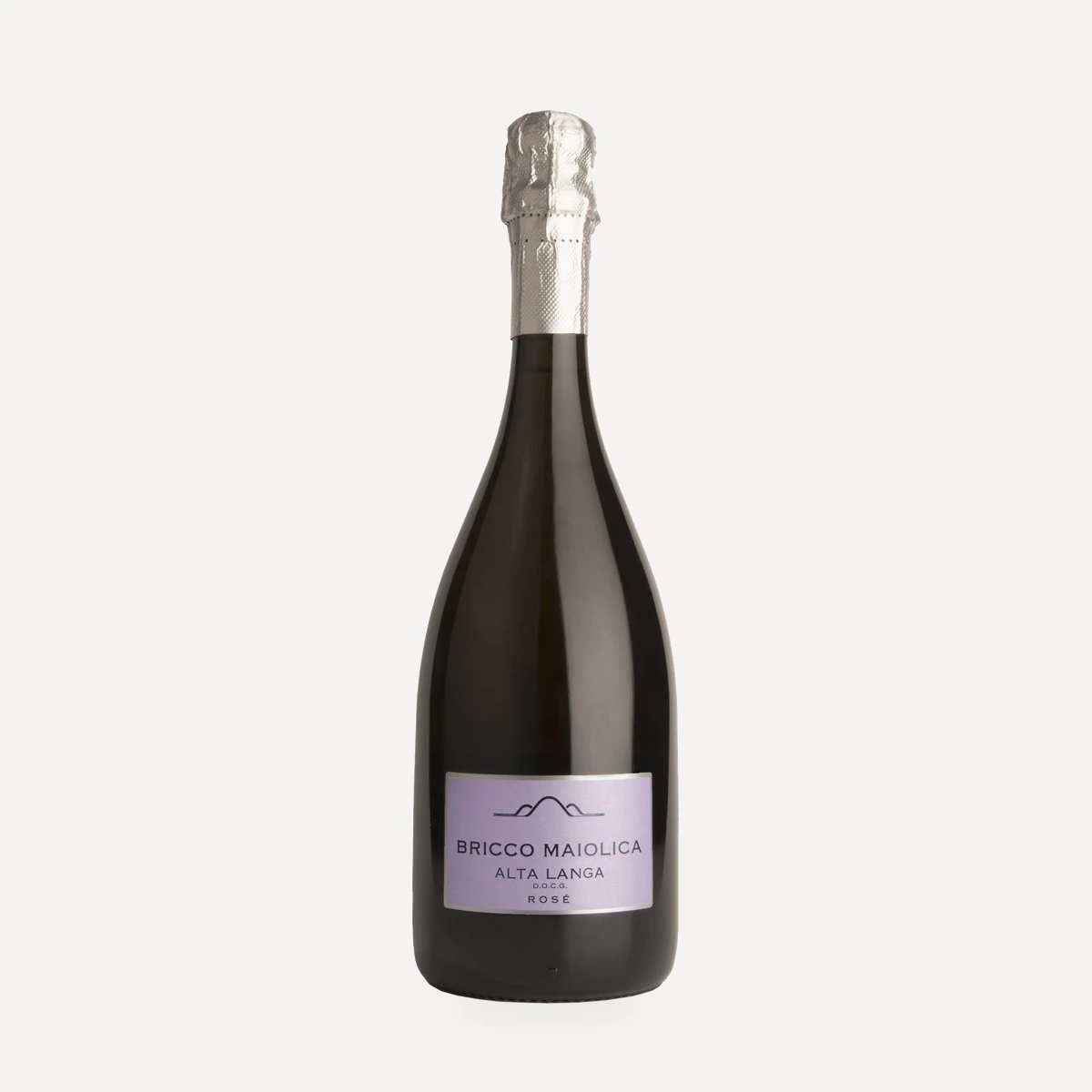
“Bricco Maiolica” Alta Langa Rosé Pas Dosé Metodo Classico
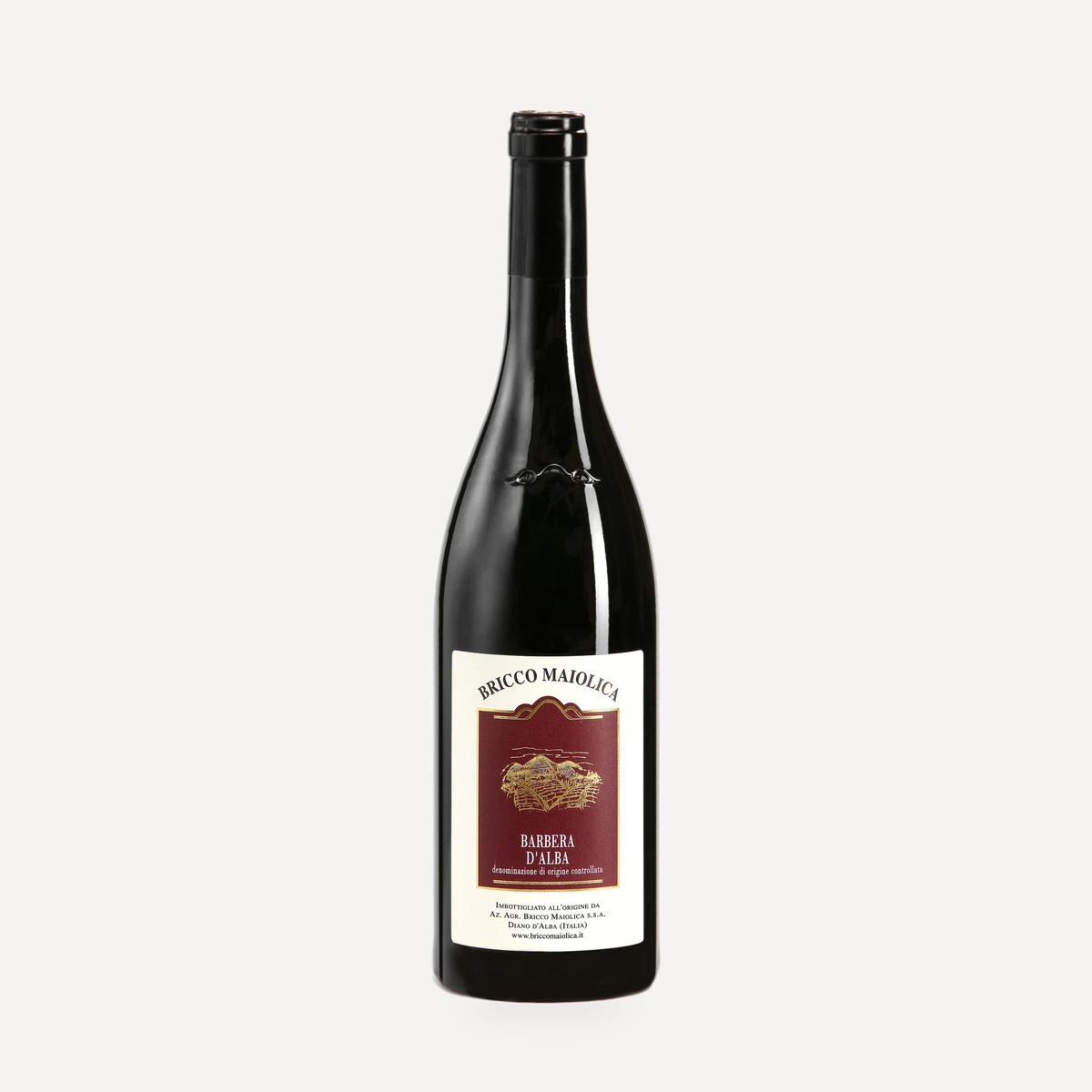
Barbera d’Alba DOC
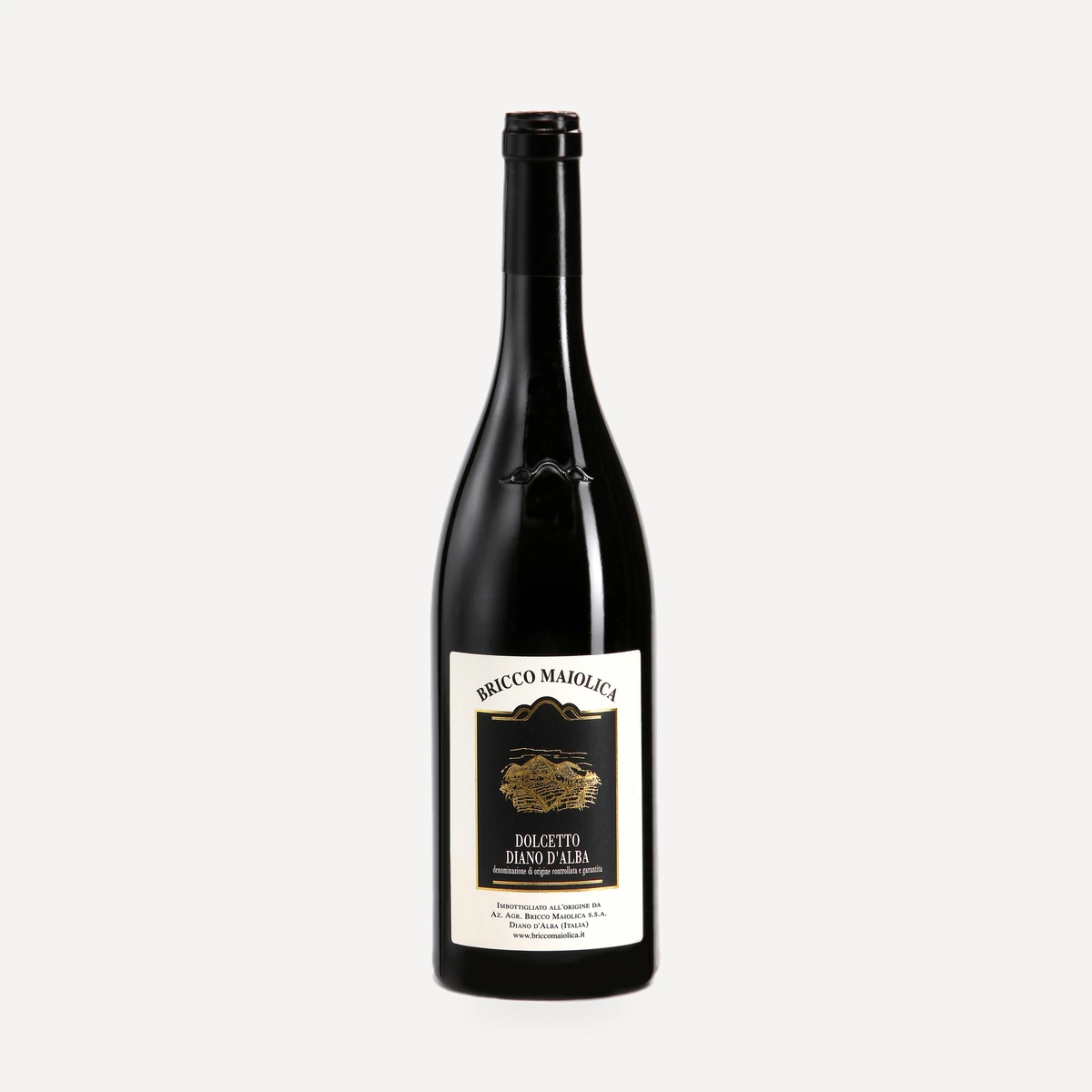
Dolcetto di Diano d’Alba DOCG
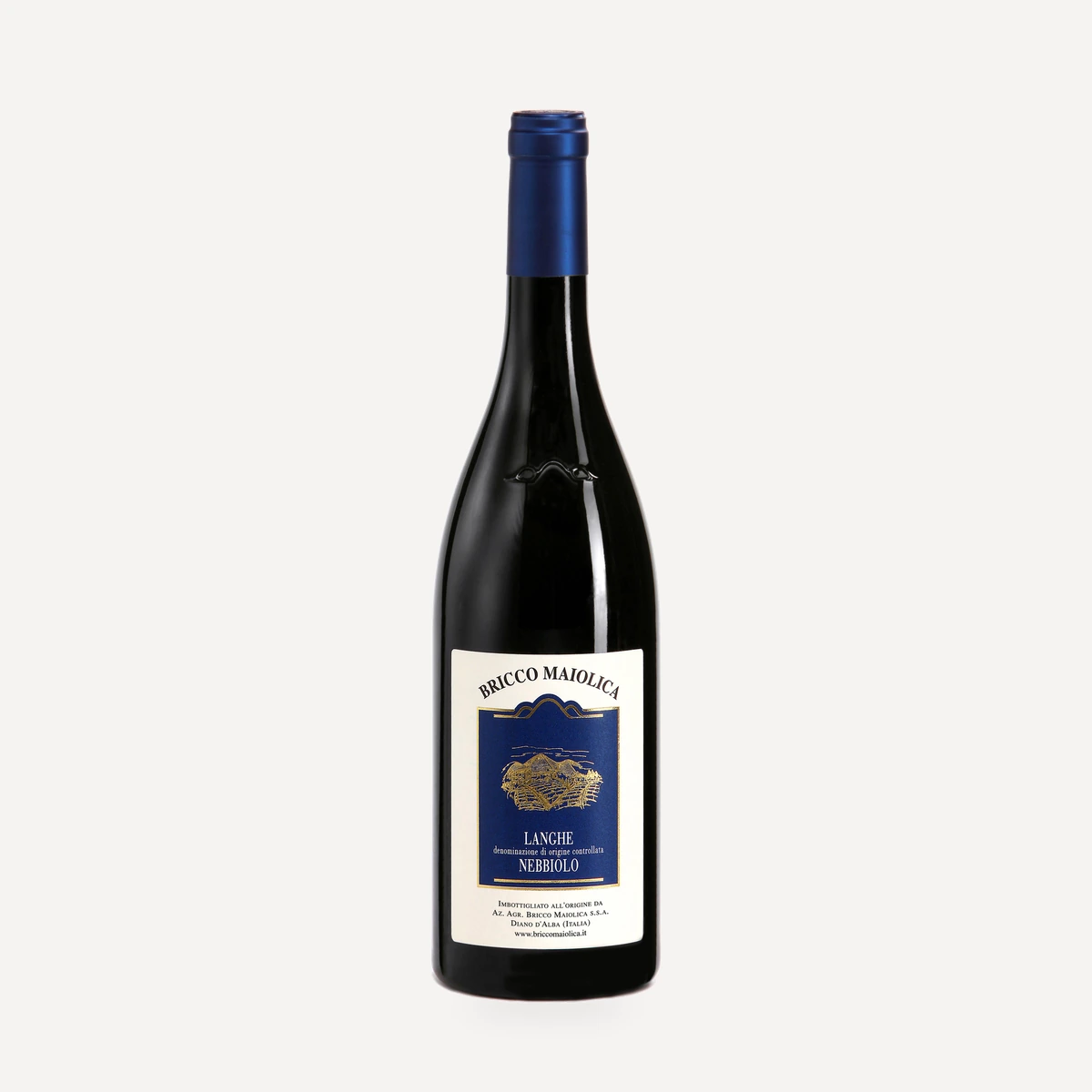
Langhe Nebbiolo DOC
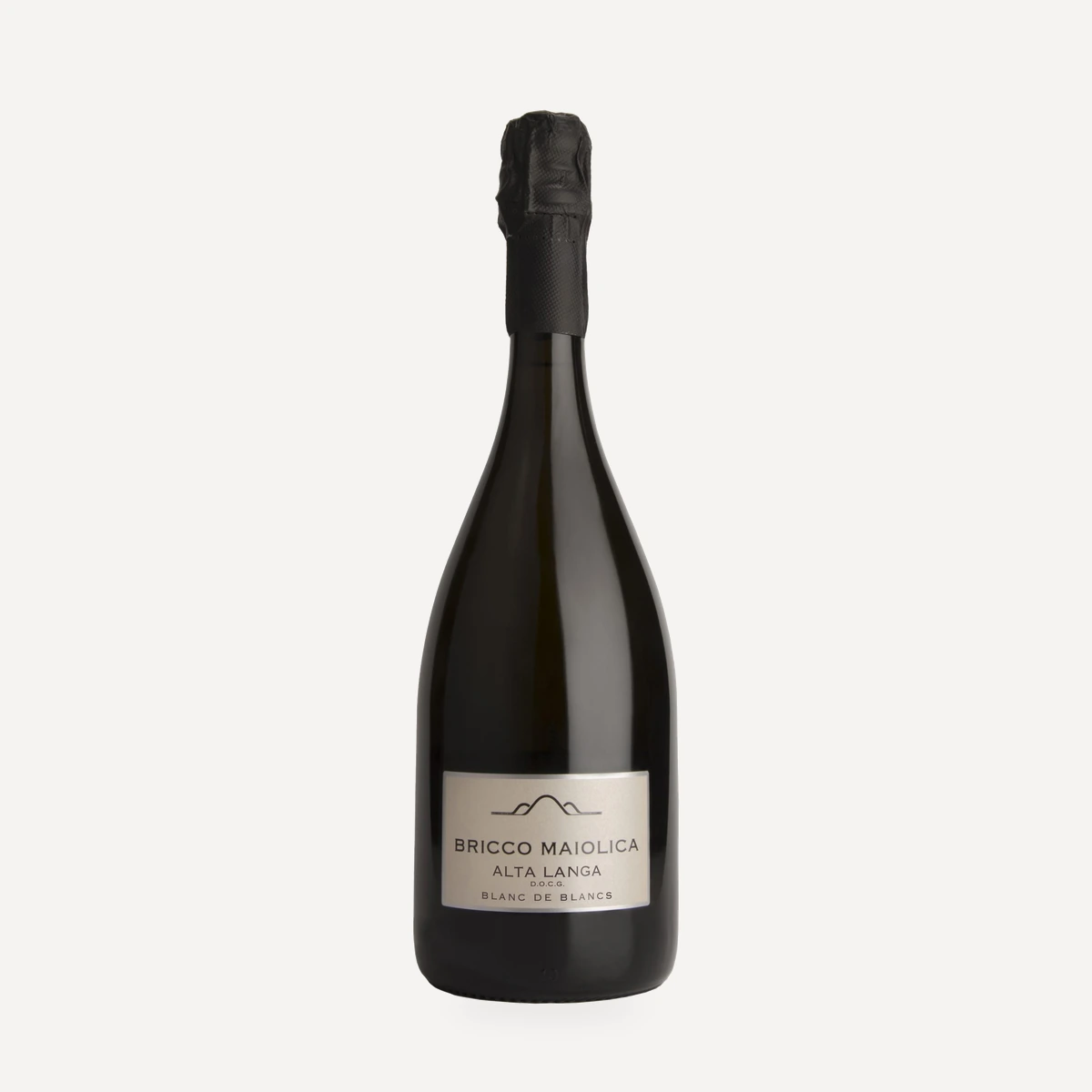
“Bricco Maiolica” Alta Langa Pas Dosé Metodo Classico
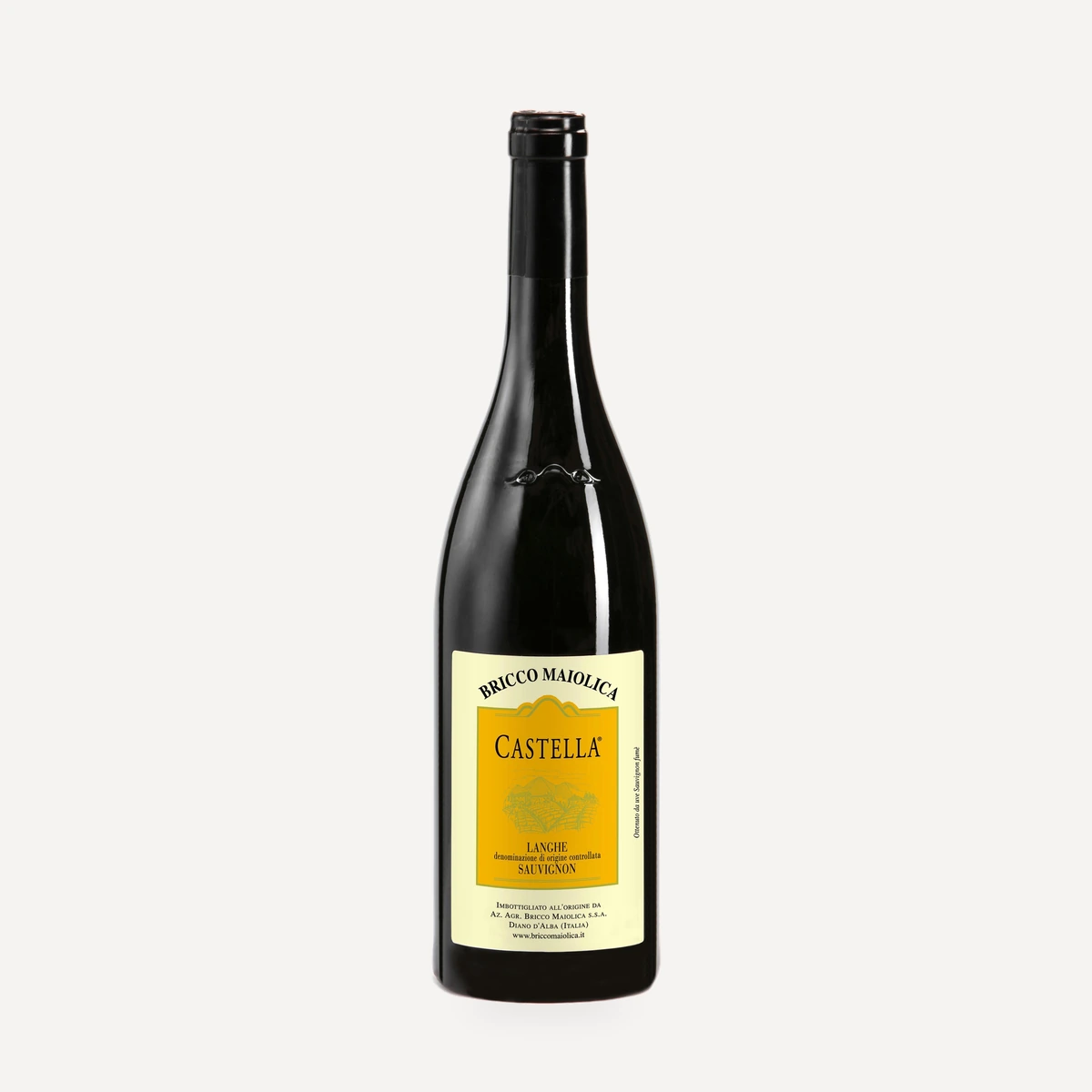
“Castella” Langhe Sauvignon Fumé DOC
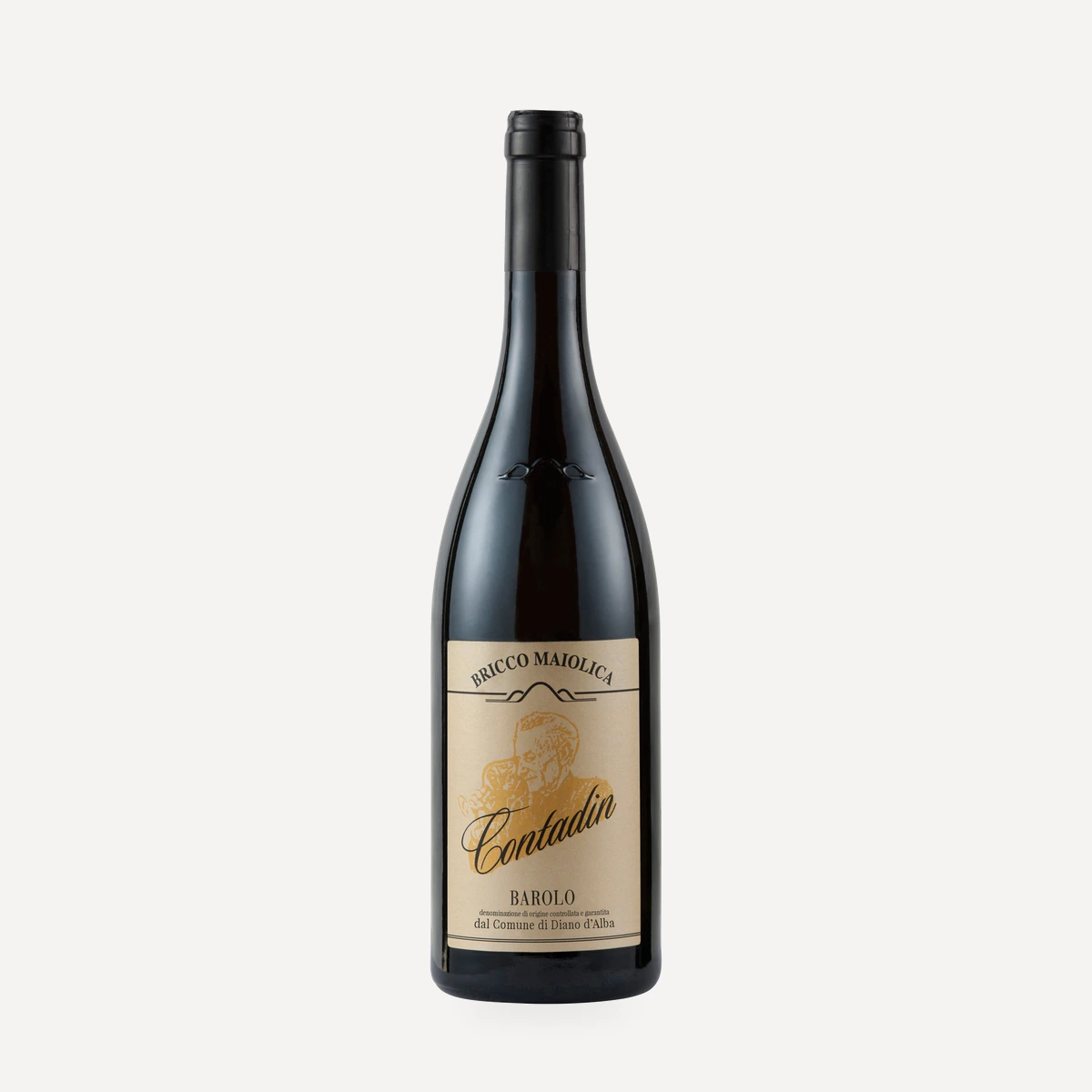
“Contadin” Barolo del Comune di Diano d’Alba DOCG
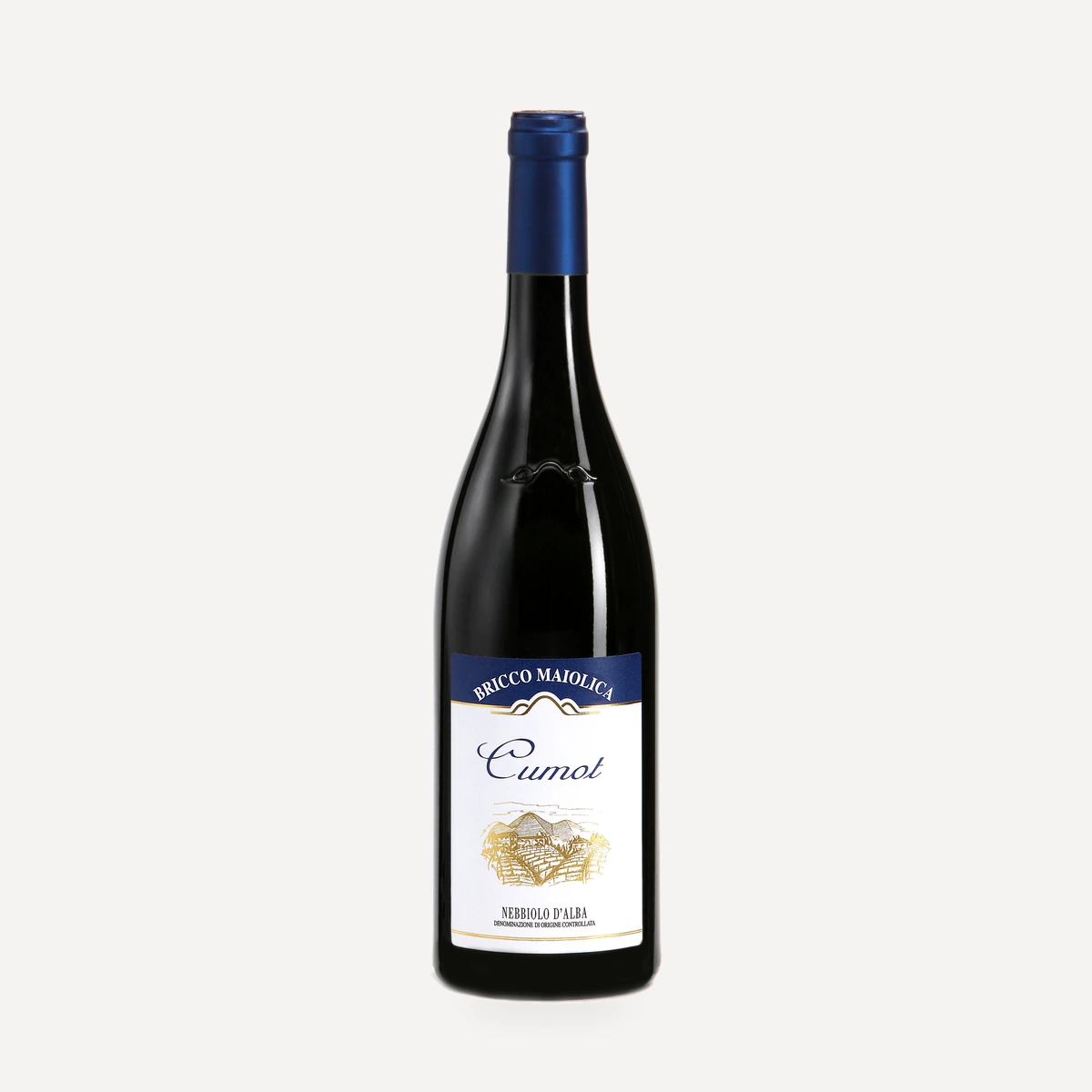
“Cumot” Nebbiolo d’Alba Superiore DOC
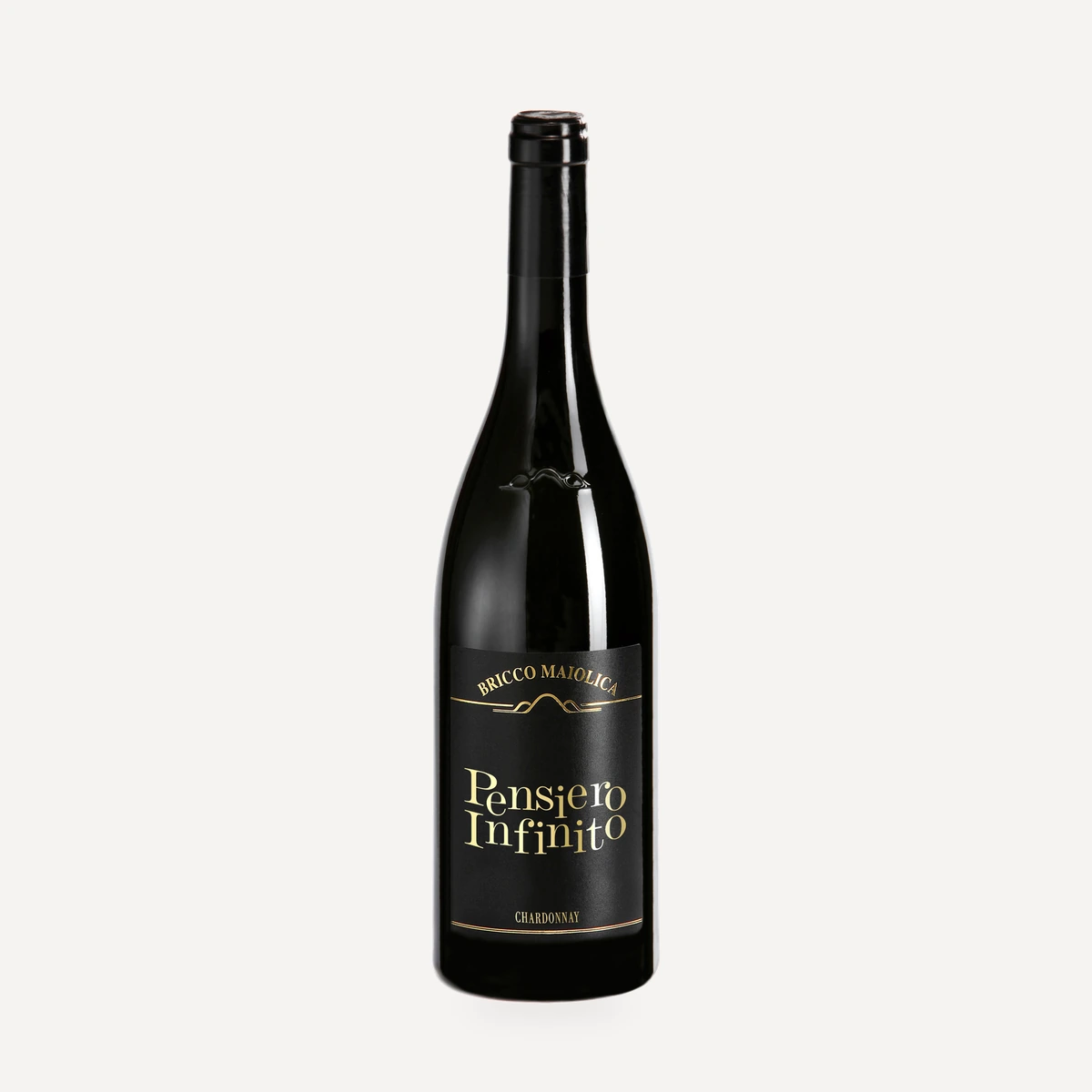
“Pensiero Infinito” Langhe Chardonnay DOC
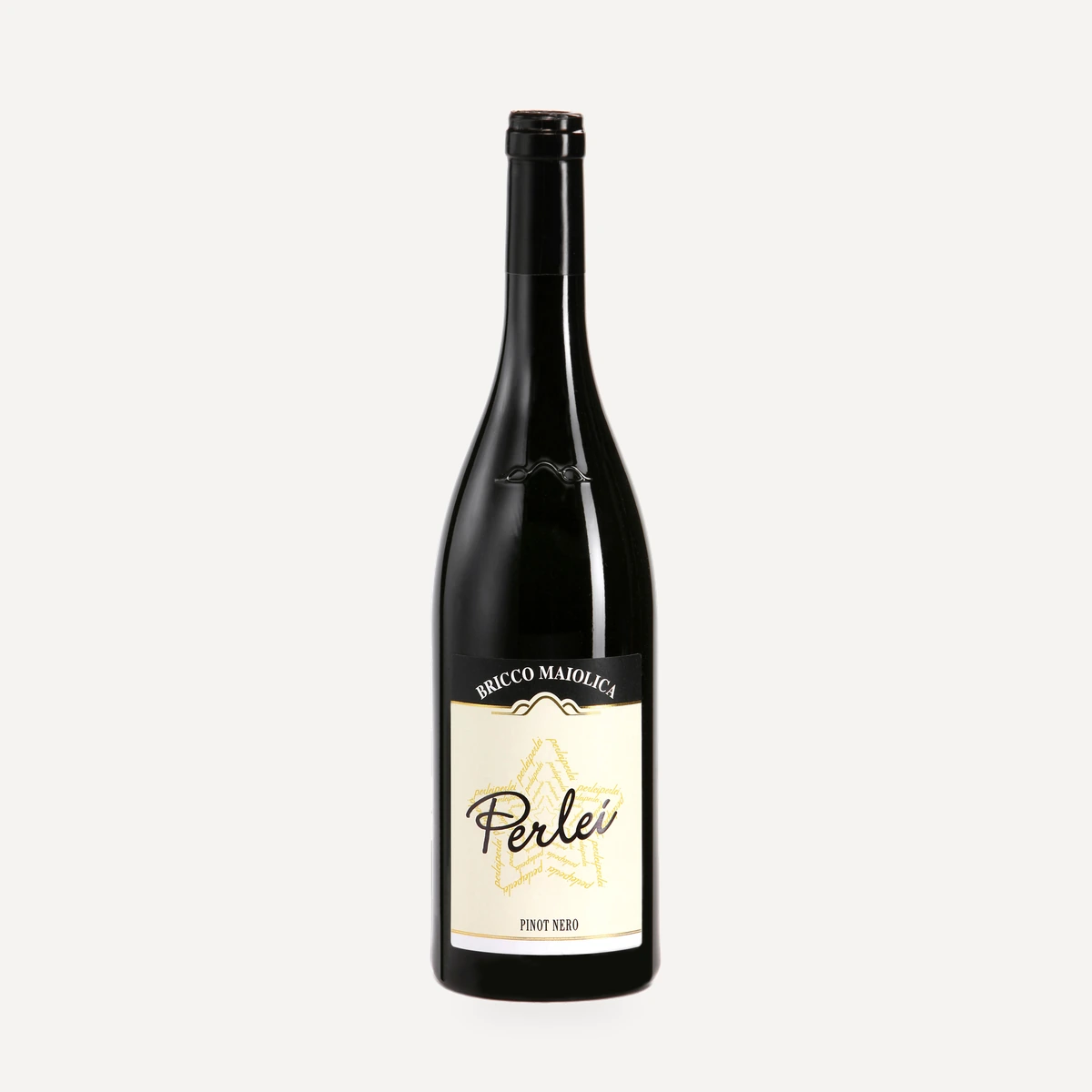
“Perlei” Langhe Pinot Nero DOC
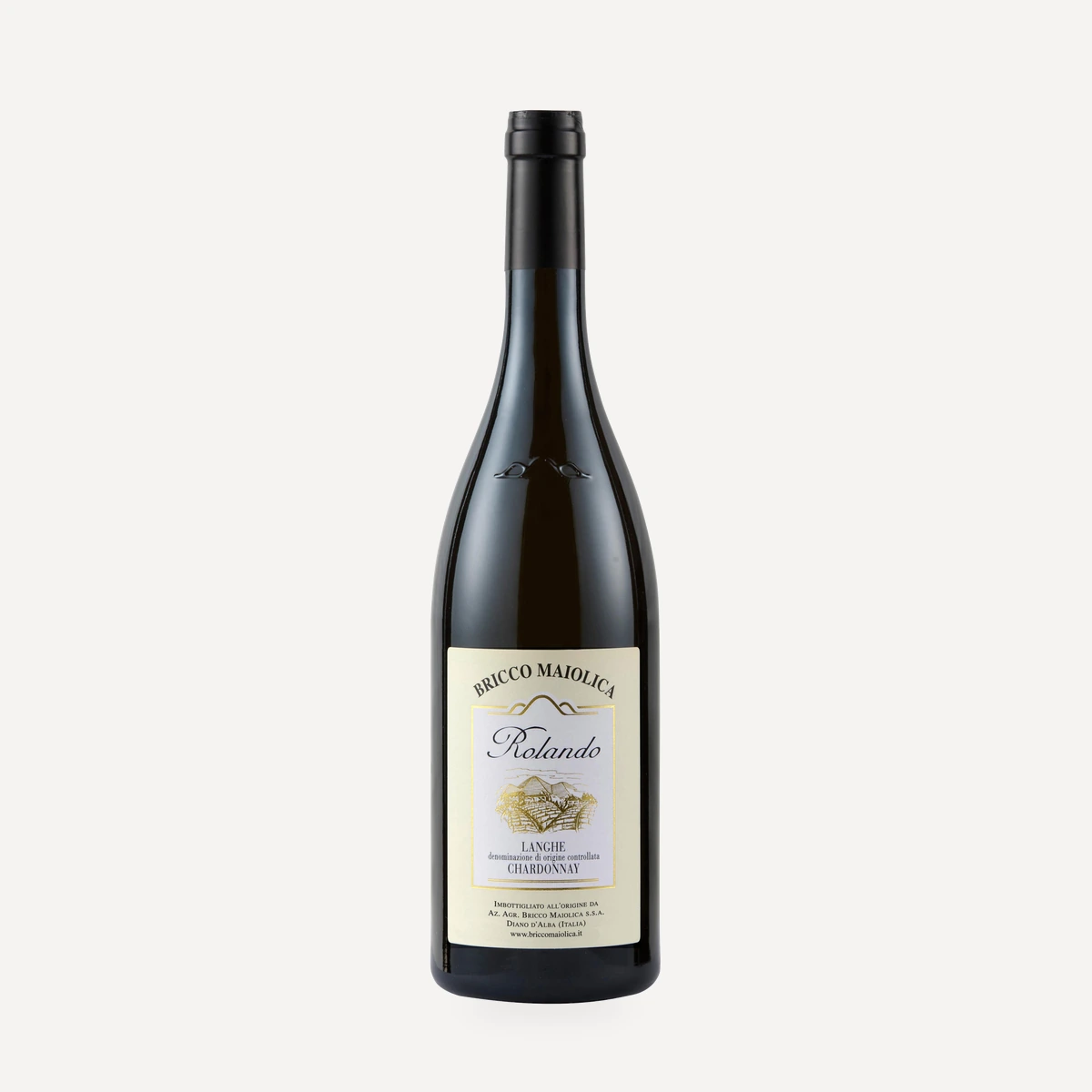
“Rolando” Langhe Chardonnay DOC
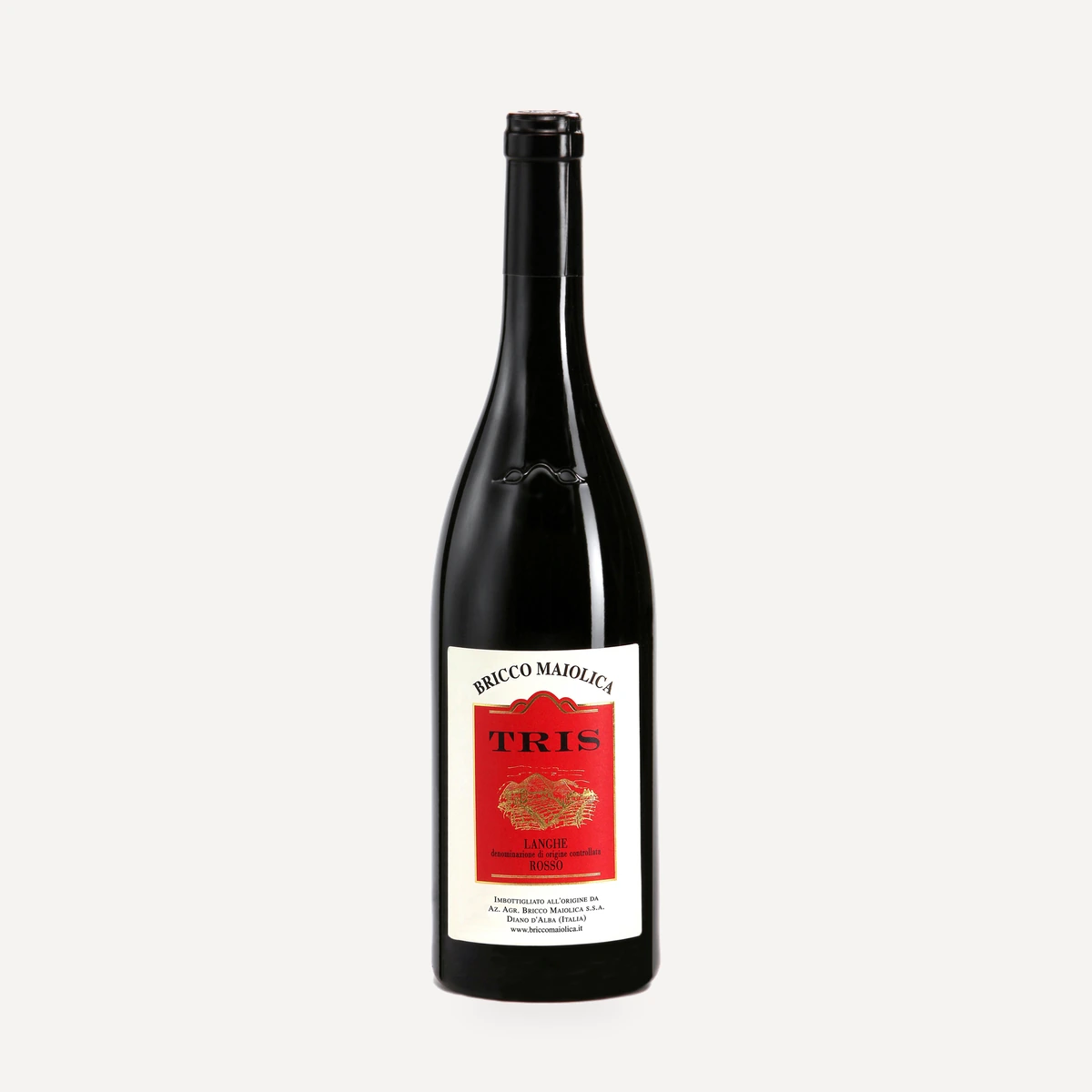
“Tris” Langhe Rosso DOC