Storia
Foundation and construction, 1968–1972
Cantina Produttori Cormòns was formed in 1968 through the initiative of winegrowers from Cormòns who wanted to build upon the area’s centuries-old traditions. From the beginning, they regarded the lasting development of their territory—not short-lived fashions—as the basis for the future of local viticulture and wine.
ERSA promoted the cooperative with the objective of constructing a facility in Cormòns for transforming and commercialising local produce. The project was financed by the Italian Ministry of Agriculture, and the winery was completed in 1972. The cooperative operated the property as concessionaire rather than owner for more than five decades.
Technical and cultural development from 1980
In 1980 the cooperative directed its viticulture toward integrated production. The programme sought to combine traditional practice and contemporary techniques while protecting the environment and the health of growers and consumers. Technical assistance, controlled pest-management protocols, meteorological monitoring, member training and detailed vineyard records became central elements of this approach.
Beginning in the early 1980s, about 20 artists were invited on several occasions to decorate the winery’s Slavonian oak casks. Contributors included Zancanaro, Celiberti, Ciussi, Ceschia, Spessot, Benedetti, Crico, Fornarelli, Ornella and Menon. Their work transformed the barrel cellar into a gallery connecting wine production with the figurative arts.
From 1972 onward, the members expanded the building and modernised the equipment entrusted to them. By 2020, investment in enlargement and technical renewal amounted to approximately €15 million.
Property transfer and organisational renewal, 2014–2020
A regional law passed in 2014 authorised the transfer of plants and assets to the cooperatives already operating them. The process culminated on 5 October 2020 with the acquisition of the winery property from the Regione Friuli Venezia Giulia. The deed was executed before notary Andrea Maistrello: architect Lara Carlot signed as delegate of the regional property directorate, while president Filippo Bregant signed for the cooperative. Regional councillor Stefano Zannier and deputy director for agri-food resources Maurizio Urizio were credited with helping complete the process.
Filippo Bregant, born in 1973 and from Lucinico, had first been elected president in 2016. On 12 November 2020 the board confirmed him for a second term. His first mandate coincided with a comprehensive renewal of the organisation and its internal structure. Following earlier uncertainty, the cooperative described itself in 2020 as financially solid despite the COVID-19 crisis, modernised and focused on consolidating its Italian market while expanding abroad.
Sustainability certification, 2020–2021
The cooperative began certifying selected grapes from its members within the voluntary SQNPI national integrated-production quality system by 2020. In February 2021, a Ribolla Gialla bag-in-box carried the SQNPI “Qualità sostenibile” mark, whose production chain is subject to independent third-party controls from farming through transformation, packaging and identification of the finished product. A second certified Ribolla Gialla joined the range in March 2021. At that time, the cooperative set the goal of extending certification to its entire 2021 harvest; this was presented as an objective rather than a completed estate-wide certification.
Continuing cooperative identity
The cooperative now brings together more than 90 winegrowing families, with members ranging from 24 to 86 years old, and coordinates 320 hectares of vineyards. Its operating model joins collective vineyard standards, real-time monitoring and modern cellar equipment with the traditions of Cormòns and Friuli Venezia Giulia.
Terroir
Geographic setting
The members’ vineyards lie in Friuli Venezia Giulia in northeastern Italy, within a border landscape shaped by hills, plains and the river systems of the Isonzo, Judrio, Torre and Versa. The range encompasses wines from Collio, the wider DOC Friuli territory, Friuli Isonzo and Friuli Colli Orientali, together with other Friulian denominations.
Collio
Collio forms a small, south-facing half-moon extending from Gorizia to Dolegna and bordering Slovenia to the north, with Cormòns at its centre. Its gentle hills are characterised by the Flysch of Cormòns: alternating sandstone and marl rich in limestone, potassium and phosphorus. The friable material tends to crumble, making terraces a defining element of the landscape. Sun exposure and marine breezes contribute to the conditions of the hillside vineyards.
Ten-year climatic figures give an average annual temperature of 13.3°C and an April–October average of 17.8°C. Average rainfall is 1,317 mm across 144 days. Solar radiation reaches 101,646 kcal/cm², with approximately 1,950 sunshine hours.
DOC Friuli and the Isonzo plain
DOC Friuli covers Friuli Venezia Giulia and incorporates the Friuli Isonzo area. The Isonzo rises in the Julian Alps, passes through gorges and ravines, slows near Gorizia and crosses the plain toward the sea at Grado. Around Cormòns and Gradisca, the northern countryside is principally calcareous and rich in mineral compounds. Other sectors contain alluvial and foothill soils, while the Grave dell’Isonzo is distinguished by gravelly terrain.
The regional balance is influenced by the thermoregulatory action of the sea and by surrounding mountains that impede cold northern winds. In Collio, the combination of sun exposure and sea breezes is particularly associated with freshness and mineral character.
Friuli Colli Orientali
Friuli Colli Orientali extends through the hills of the province of Udine, from Corno di Rosazzo to Nimis. Its soils also feature Flysch of Cormòns, with alternating sandstone and marl. The marl, locally called ponca, contains limestone, potassium and phosphorus and supports hillside viticulture.
Rainfall increases from Cividale toward Ramandolo. Ten-year figures record an average temperature of 13.3°C, annual precipitation of 1,393.2 mm across 163 days, solar radiation of 107,316 kcal/cm² and approximately 2,058 hours of sunshine.
Vinificazione
Integrated production has guided the cooperative’s viticulture since 1980. The programme combines established local practice with technical assistance, controlled plant protection and measures intended to reduce environmental impact and protect growers and consumers.
Eight peripheral weather stations are positioned in key microclimatic locations. Their sensors measure air and soil temperature, relative humidity, rainfall, leaf-wetness duration, solar radiation, wind speed and wind direction. Data are sent in real time to the winery’s central station, processed into hourly averages and retained in a meteorological archive. The information supports decisions about vineyard planting and helps distinguish between sites with different microclimates.
During summer, the network monitors downy mildew through a real-time warning system. An epidemiological model applies the “three tens” rule: primary infection becomes likely when 10 mm of rain, an average temperature of 10°C and young shoots measuring 10 cm occur together. As the disease cycle approaches completion, the central station issues an alert and a technician records guidance through the telephone information system. Members can therefore treat only when required, reducing both the number of applications and their environmental footprint.
Plant-protection products are purchased and distributed jointly. Knowledge of the principal vineyard pests and their development cycles is circulated through the monthly bulletin Notizie Cantina Produttori Cormòns. Regular technical meetings communicate updates on fertilisation, agronomy, vineyard operations and other cultivation matters.
Every member maintains a Countryside Notebook that functions both as a code of conduct and a vineyard diary. It records pruning dates, phenological stages, agronomic and cultivation operations, products and application rates. These records help coordinate standards across all 320 hectares.
By 2020, selected grapes had entered the SQNPI voluntary certification system for integrated production. SQNPI uses independent authorised control bodies and a two-level control structure covering agricultural production, transformation, packaging and finished-product identification. Certified products may carry the ministerial “Qualità sostenibile” mark. Ribolla Gialla products carried the mark in 2021, when full certification of that year’s harvest remained the cooperative’s stated target.
Harvest planning and intake
Harvest generally begins in early September for white grapes and toward the end of September for red varieties. Timing is adjusted to the season and to the ripening period and maturity of each variety. At delivery, grapes are assessed by origin and variety and immediately analysed for sugar, acidity, pH and temperature.
Horizontal crusher-destemmers separate the berries from the stems. Stainless-steel pipes fitted with heat exchangers then carry the crushed fruit into the cellar while rapidly reducing its temperature.
White grapes
Crushed white grapes enter temperature-controlled pneumatic presses, where cold maceration promotes the extraction of aromatic compounds. The resulting must is transferred to refrigerated stainless-steel tanks and inoculated with selected yeasts.
Fermentation takes place at approximately 16°C and lasts 15–20 days. Once fermentation is complete, the wine remains on its fermentation lees for several months. It then undergoes natural cold stabilisation and microfiltration before bottling.
Red grapes
Crushed red grapes ferment in stainless-steel vinifiers equipped with automated systems for punching down, pumping over and oxygenation. The schedule is adapted to each variety to extract colour and aromatic material from the skins and pulp.
Red-wine fermentation takes place at approximately 25°C and lasts 6–10 days. The marc is then separated from the wine, which is transferred to Slavonian oak casks for ageing before bottling.
Filosofia
Cantina Produttori Cormòns presents itself as a cooperative and a “family of families,” joining the work of more than 90 winegrowing households. Its founding principle is that the future of viticulture and wine depends on persistent development of the territory rather than transient fashion.
The cooperative places grape quality at the centre of production. Shared records, technical assistance and common standards are intended to make the work of many growers coherent across 320 hectares without separating technology from established vineyard practice.
Its approach to sustainability is based on measured intervention: meteorological and epidemiological monitoring should make it possible to act only when conditions justify treatment. The stated objective is to reconcile modern viticulture with environmental protection and the health of growers and consumers.
Art and social participation are also treated as extensions of the cooperative identity. The painted-cask programme links the craft of wine with figurative art, while Vino della Solidarietà involves people with intellectual and relational disabilities in production and directs part of the proceeds to their care and families.
Vini
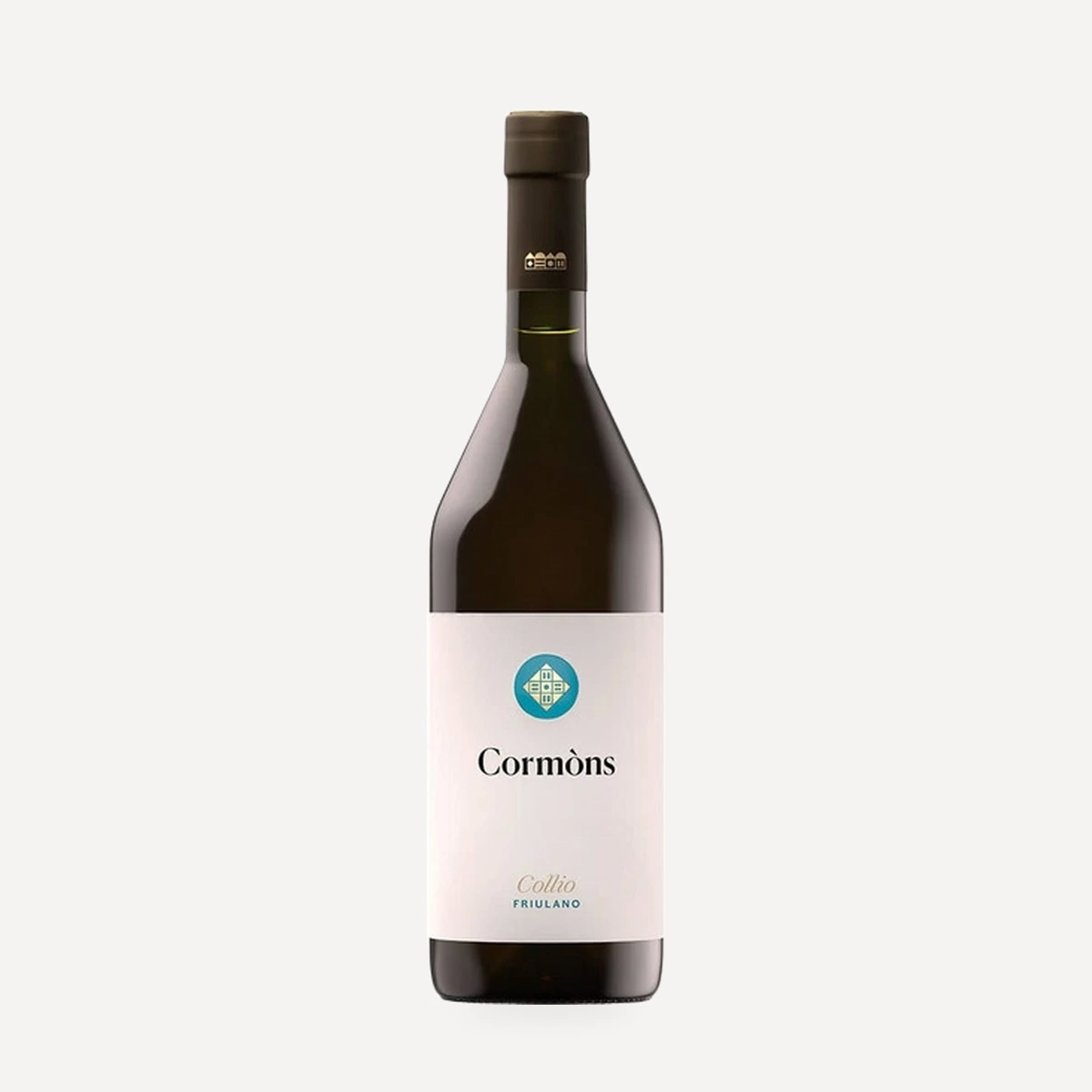
Friulano Collio DOC
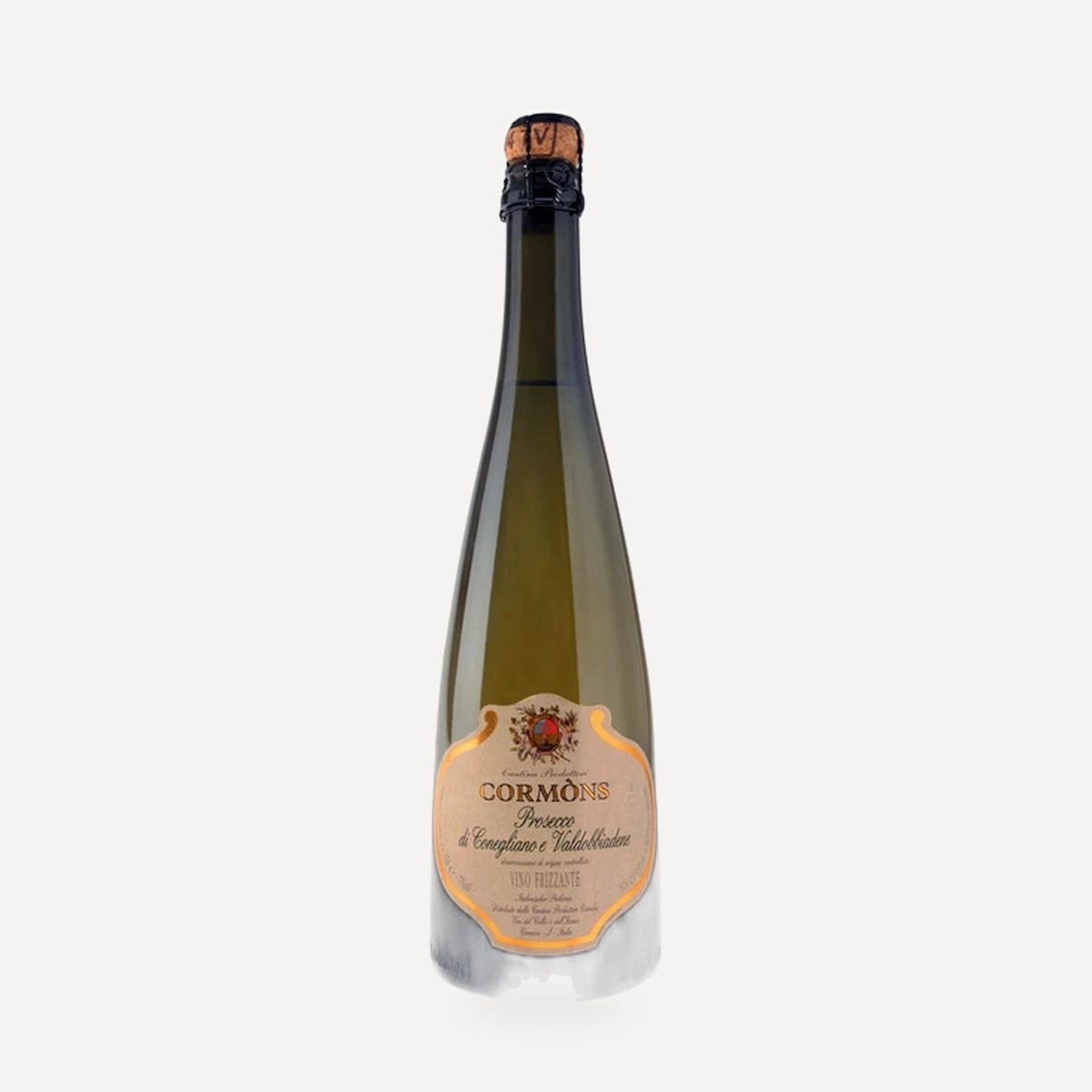
Prosecco Brut Frizzante di Conegliano e Valdobbiadene DOC
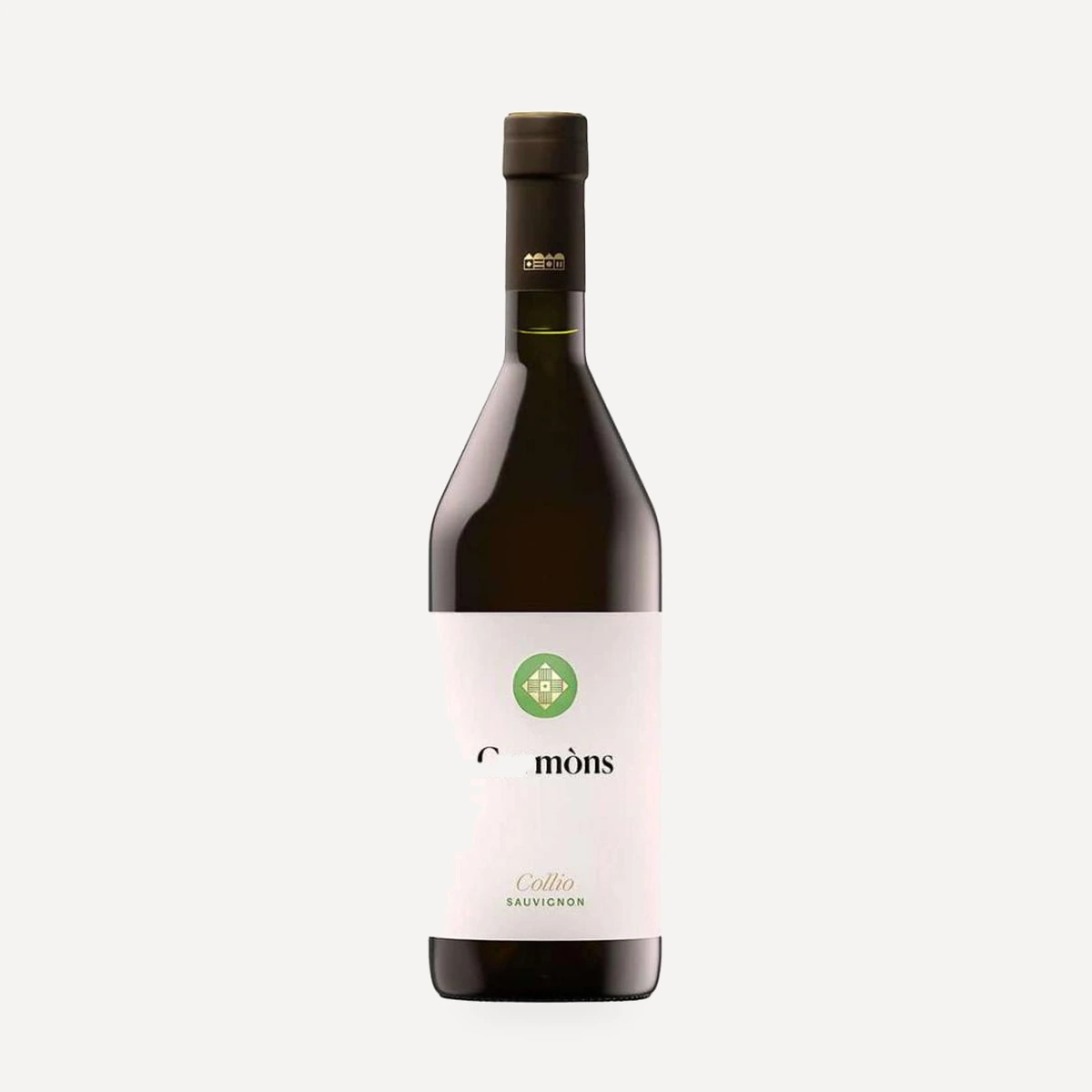
Sauvignon DOC Collio
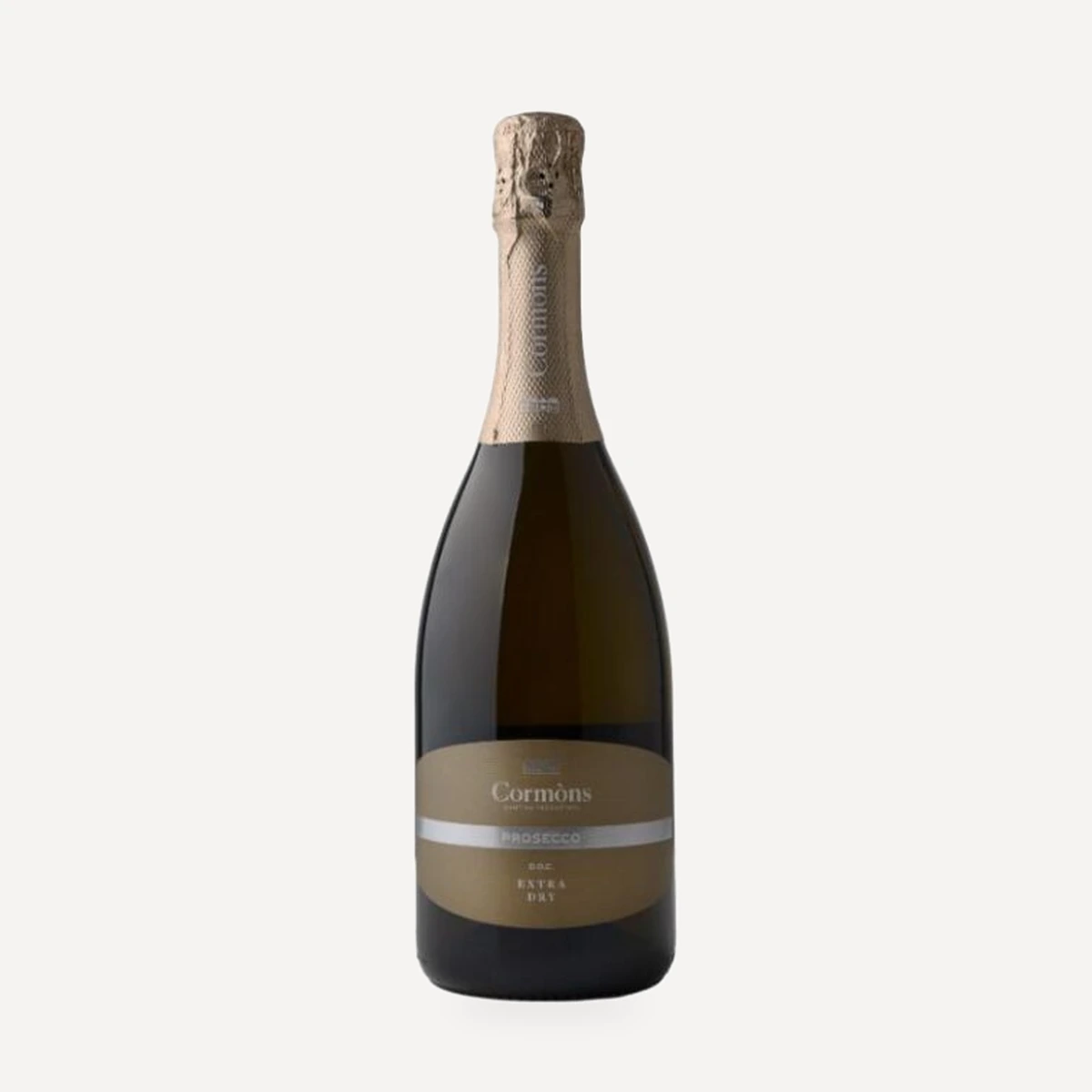
Prosecco Extra Dry DOC
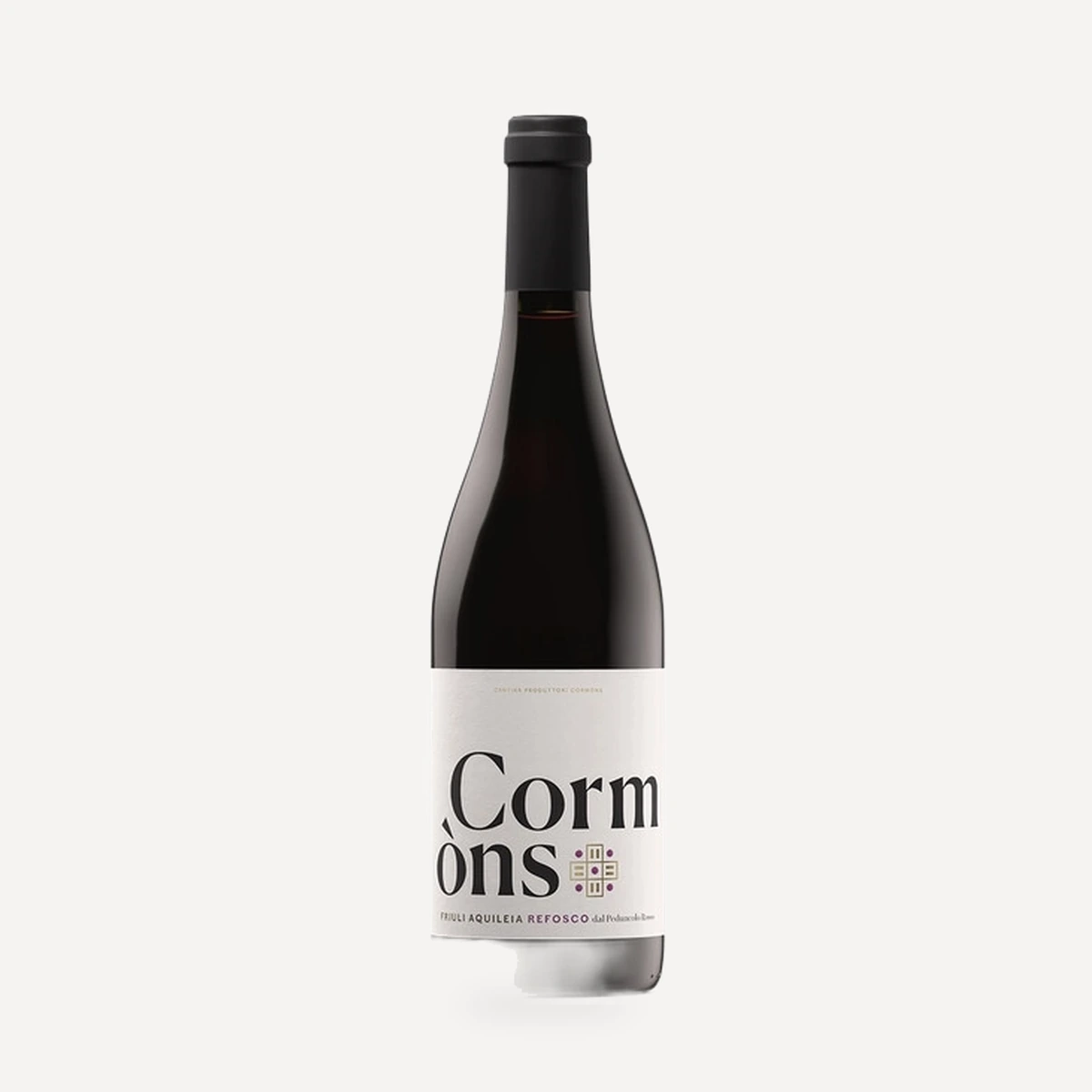
Refosco dal Peduncolo Rosso Friuli Aquileia DOC
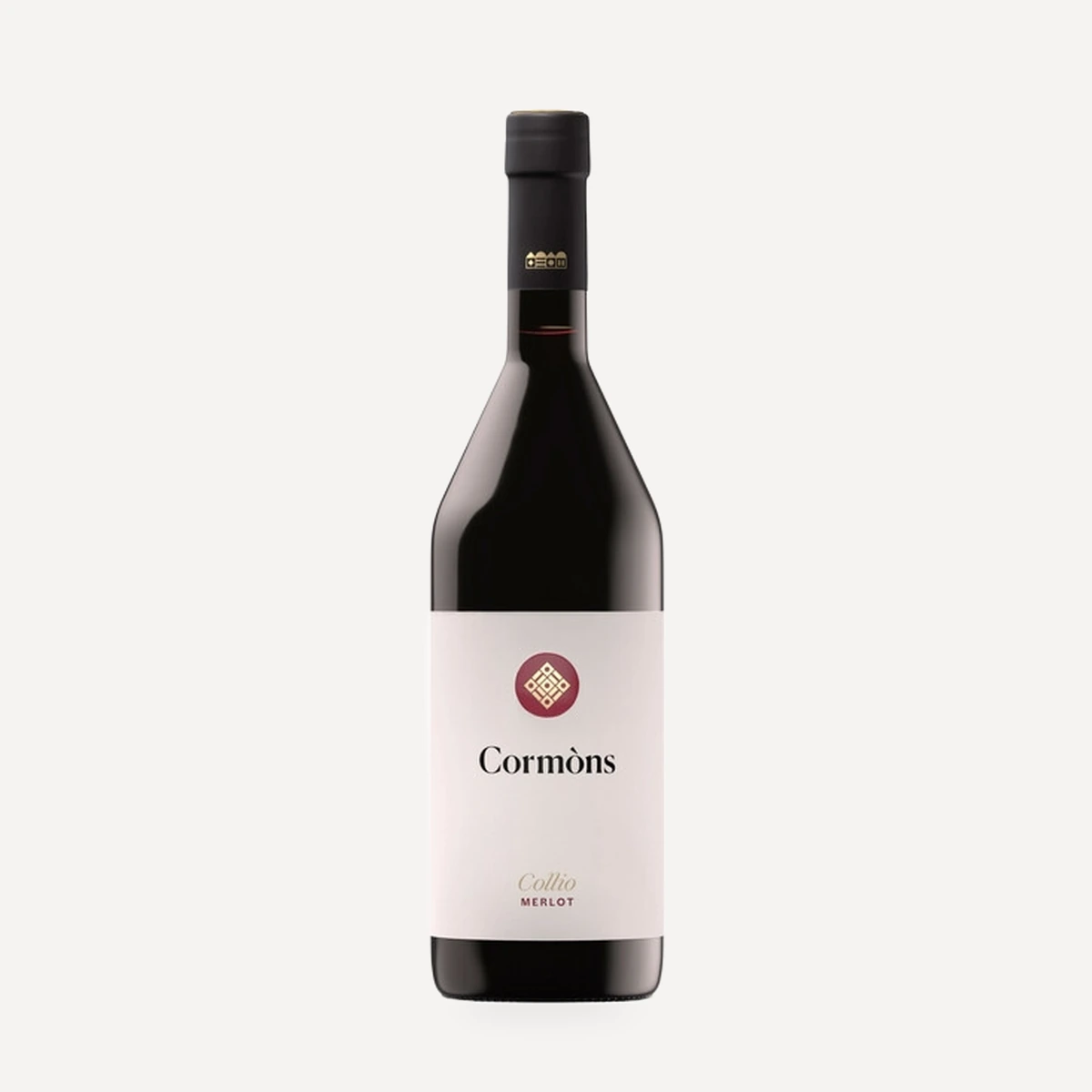
Merlot Collio DOC
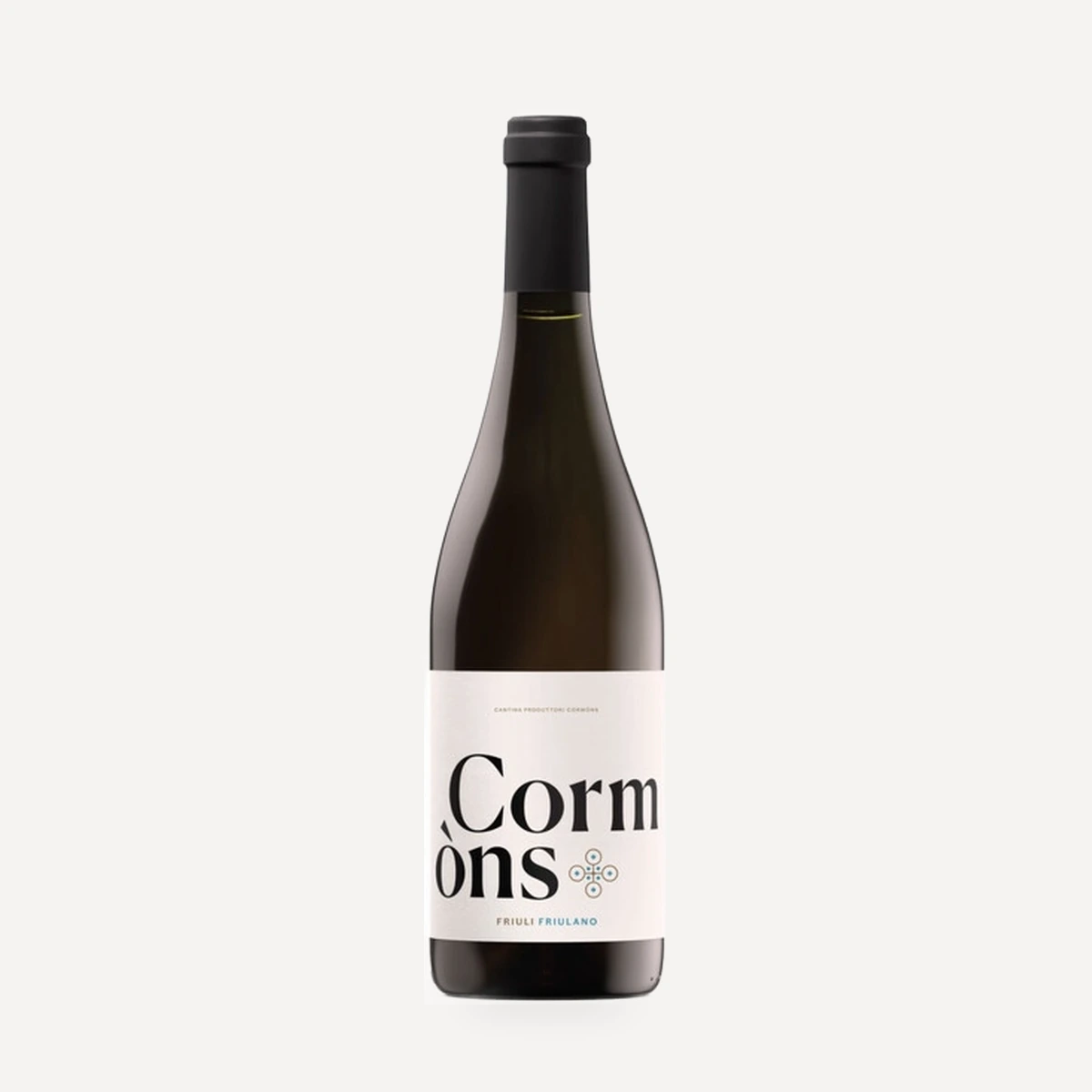
Friulano Friuli DOC
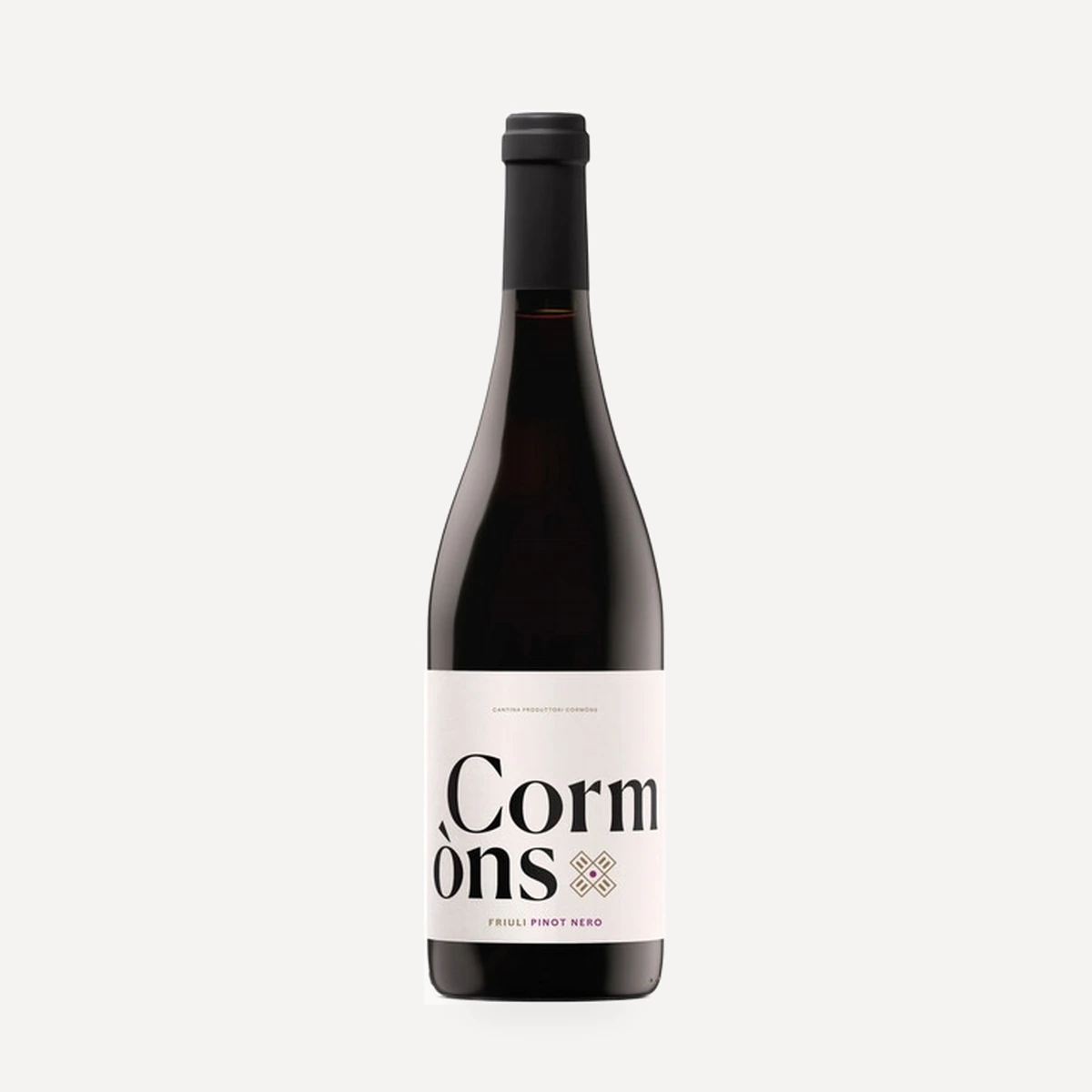
Pinot Nero Friuli DOC
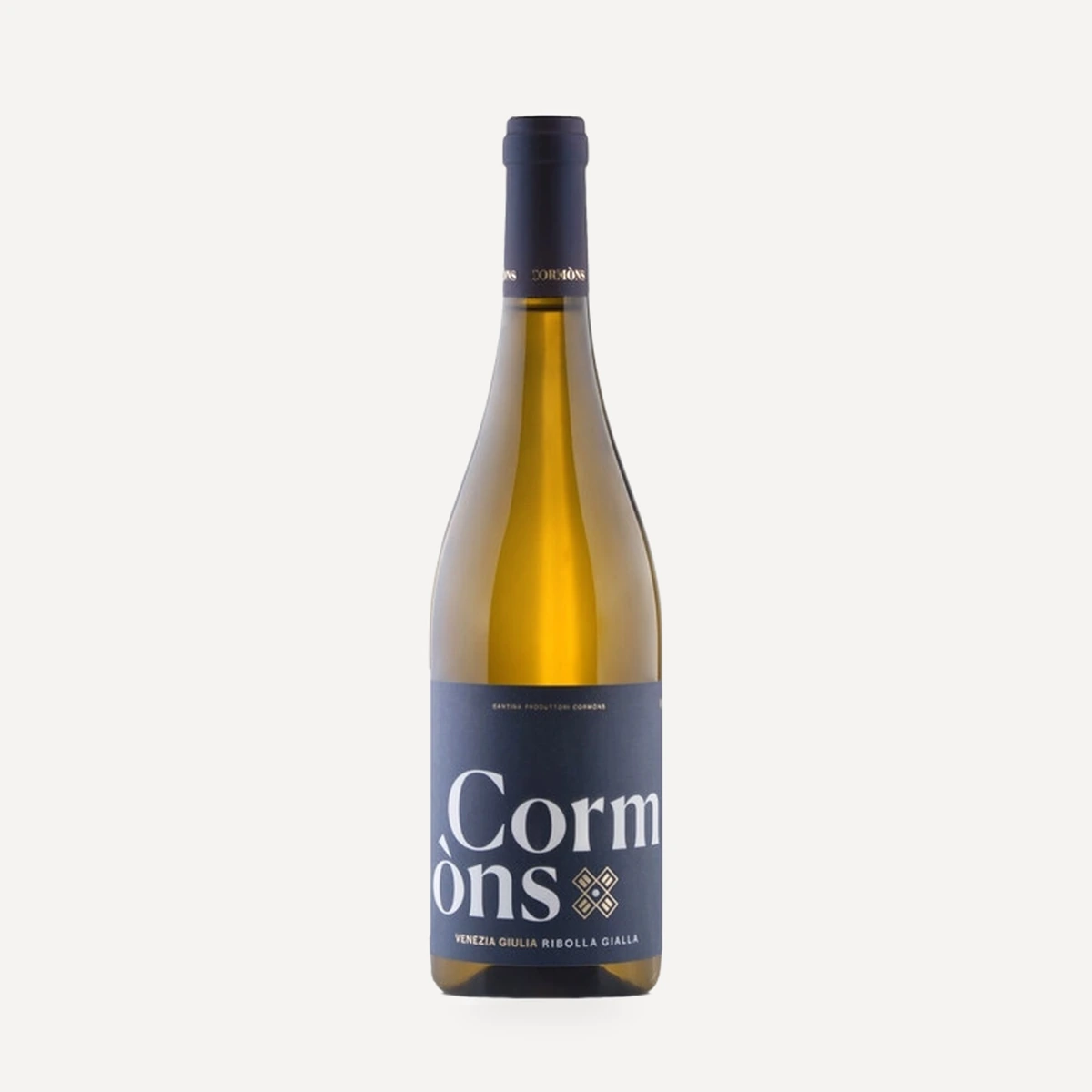
Ribolla Gialla Trevenezie IGT
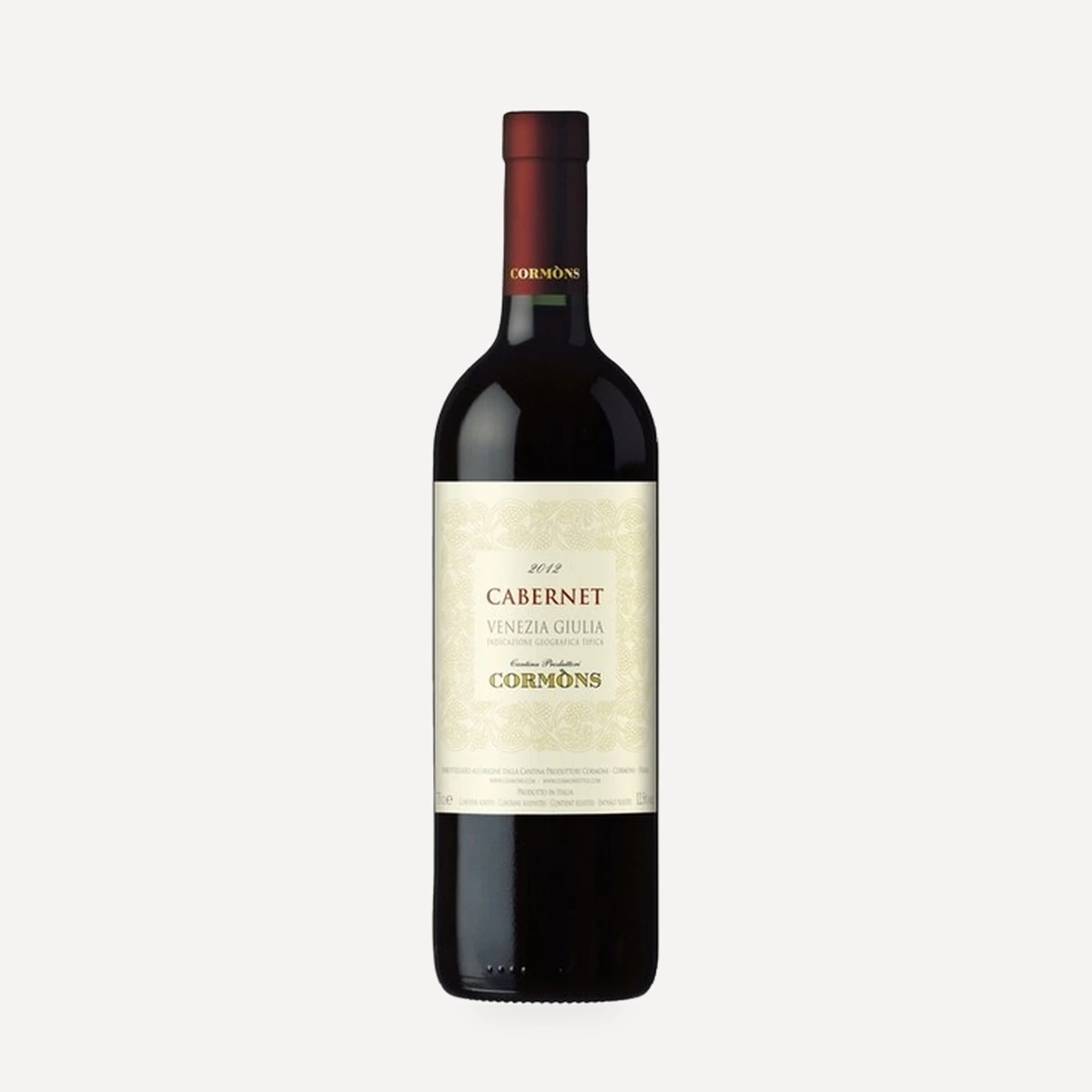
Cabernet Venezia Giulia IGT
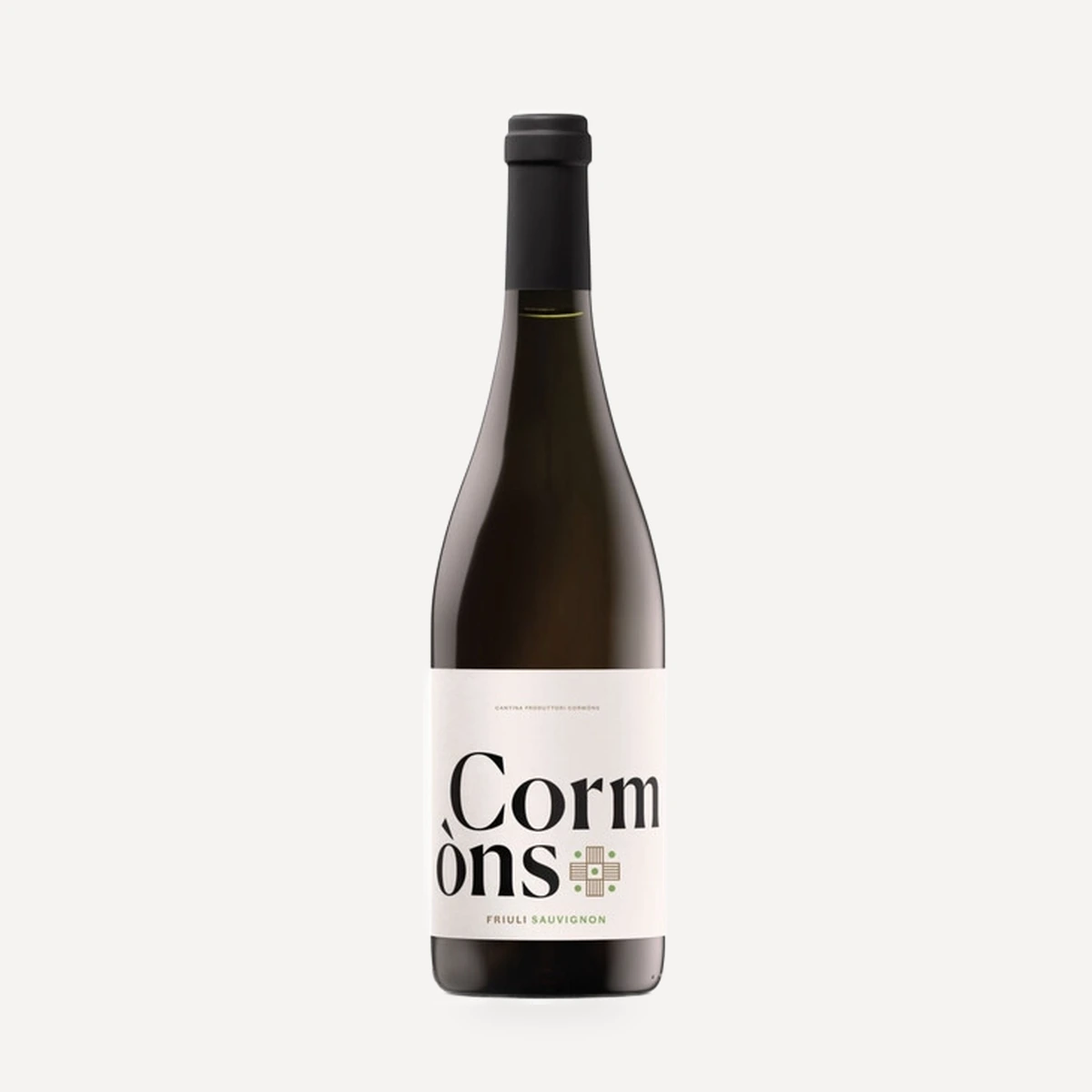
Sauvignon Friuli DOC
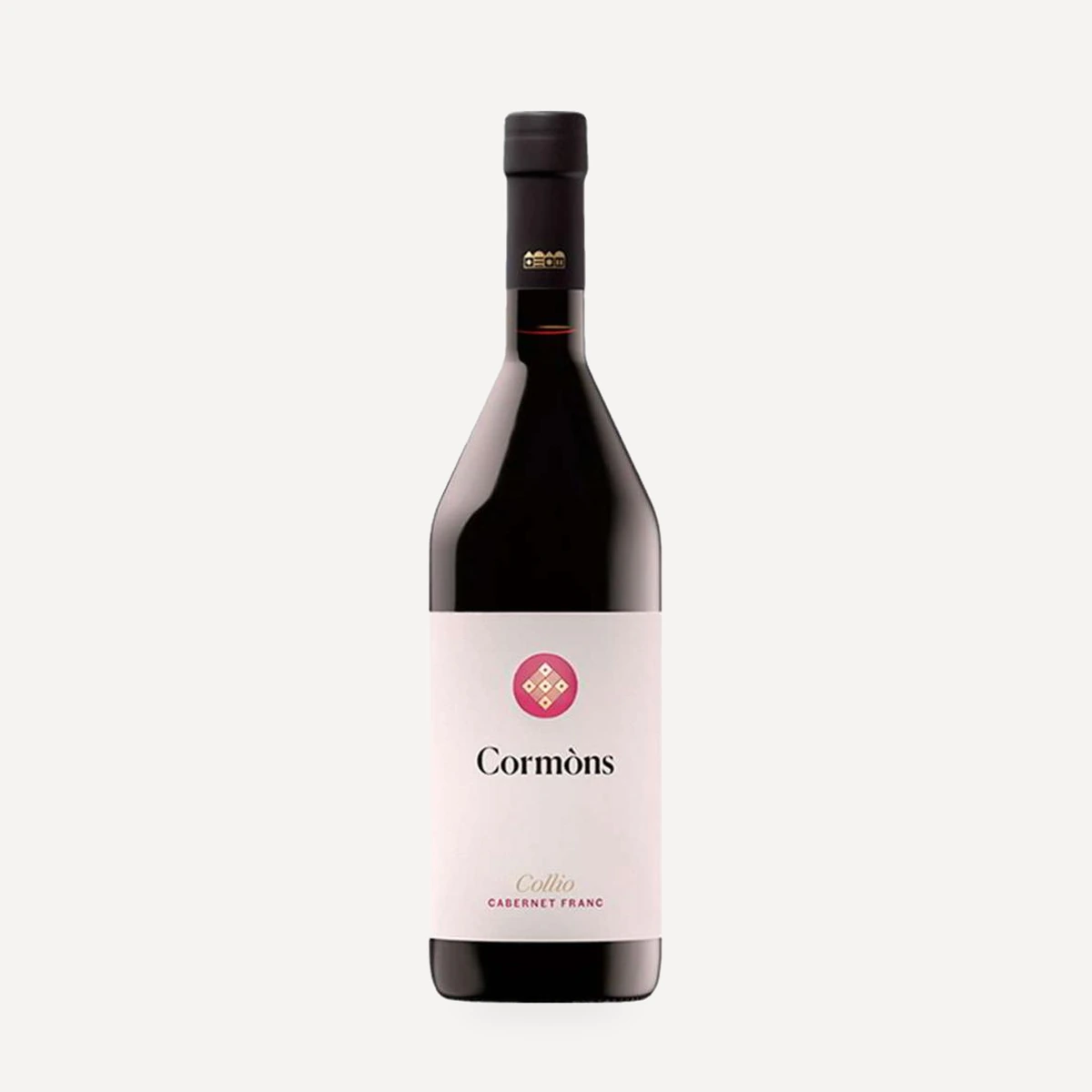
Cabernet Franc DOC Collio
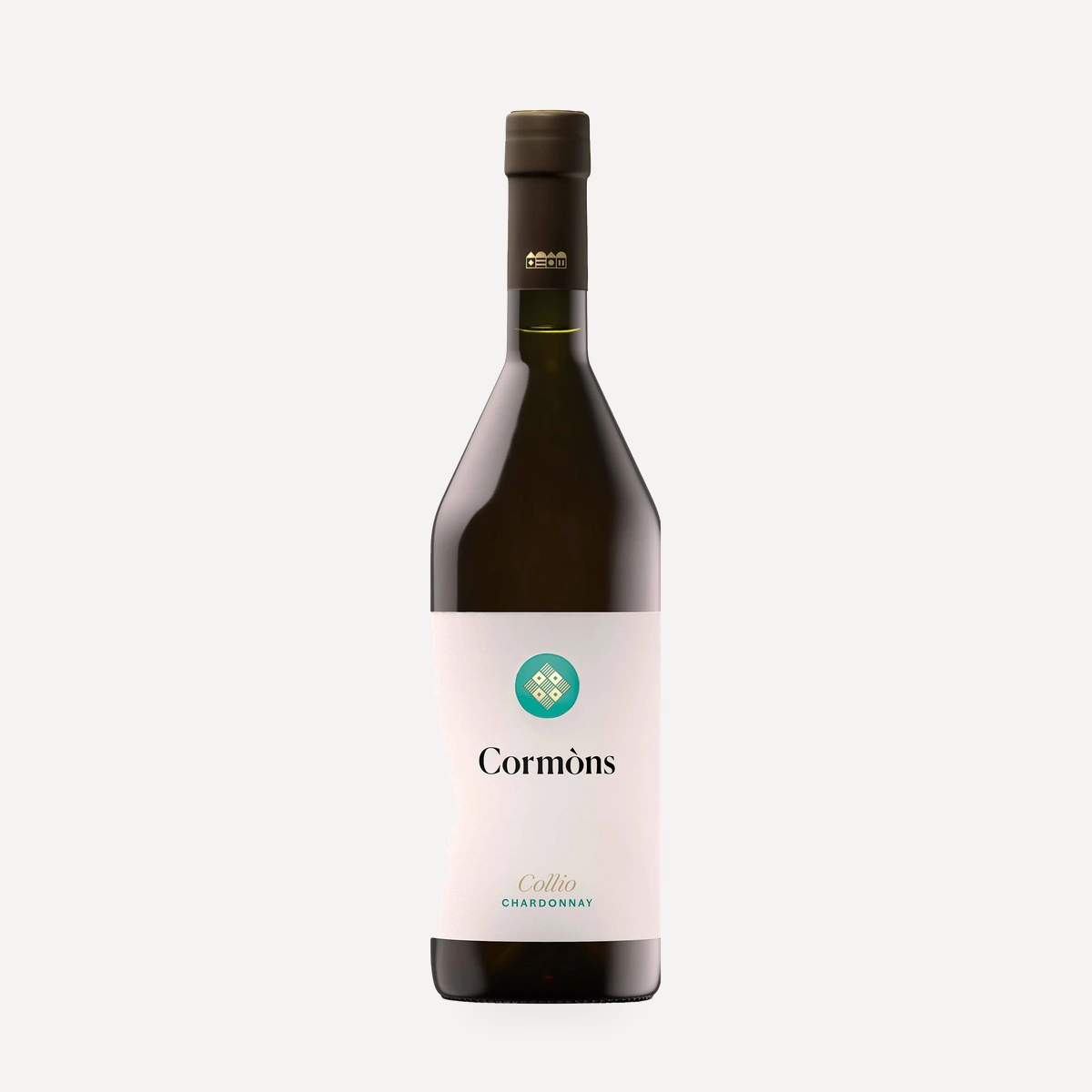
Chardonnay DOC Collio
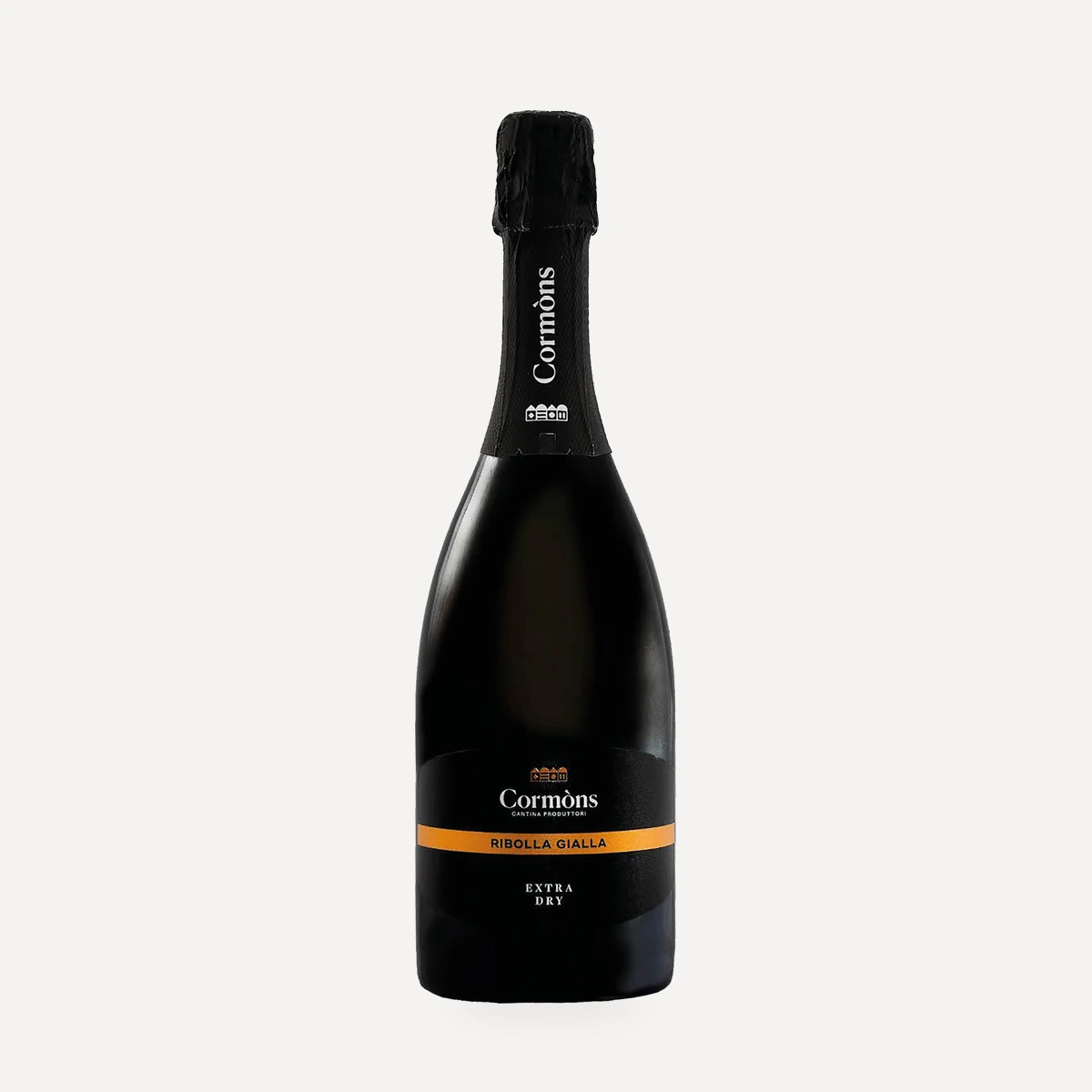
Ribolla Gialla Extra Dry
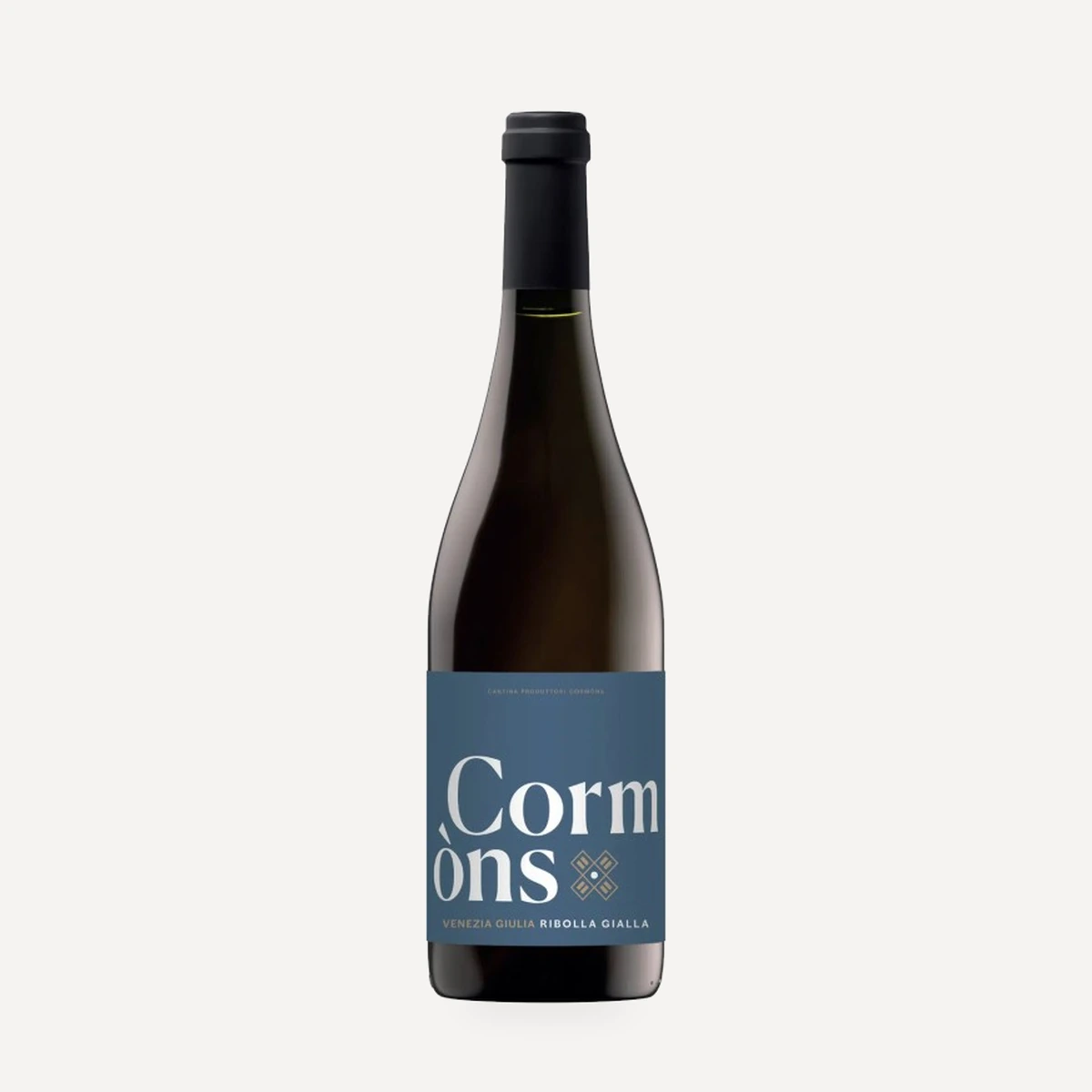
Ribolla Gialla IGT Venezia Giulia
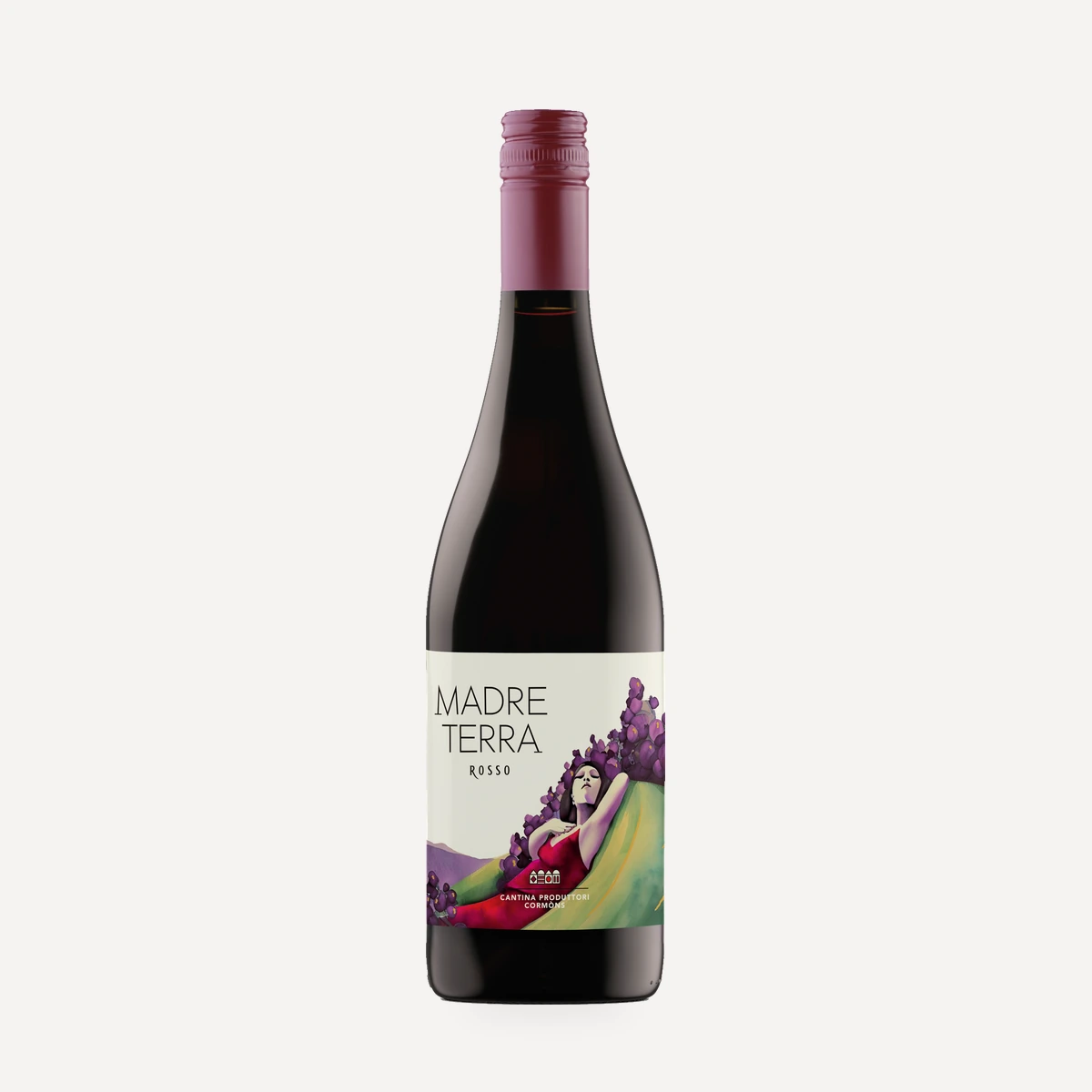
Rosso “Madreterra” DOC Friuli
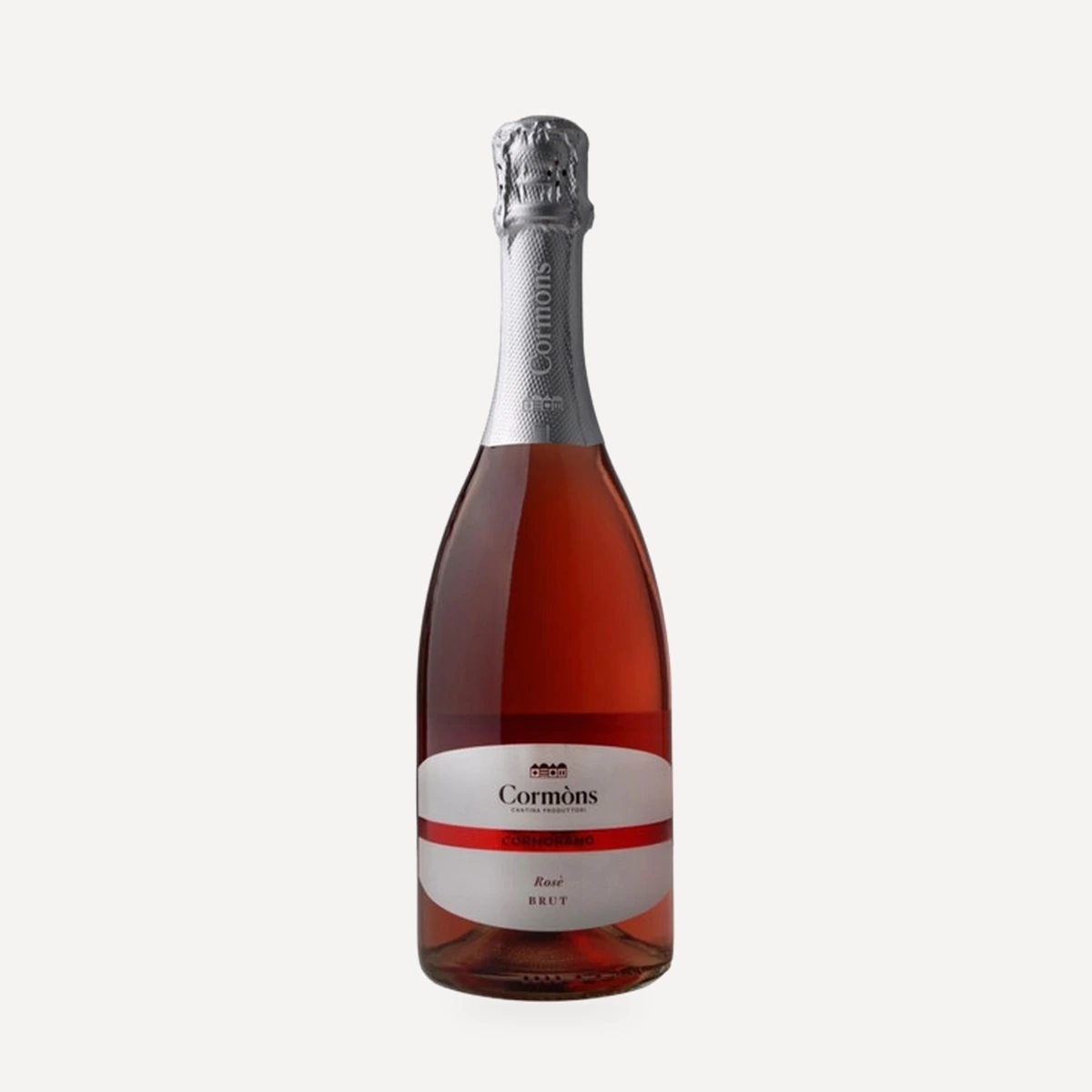
Cormorano Rose Brut
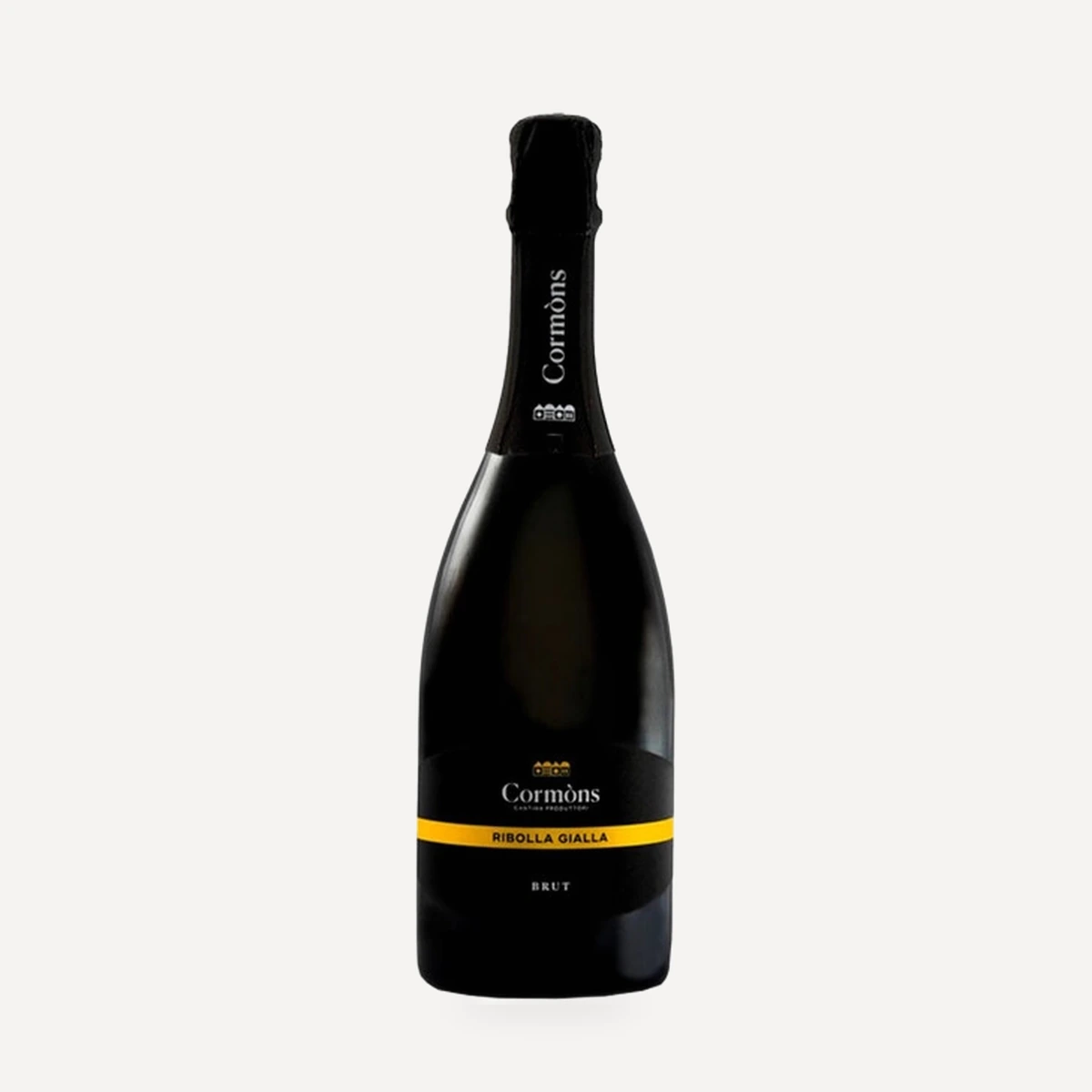
Ribolla Gialla Brut
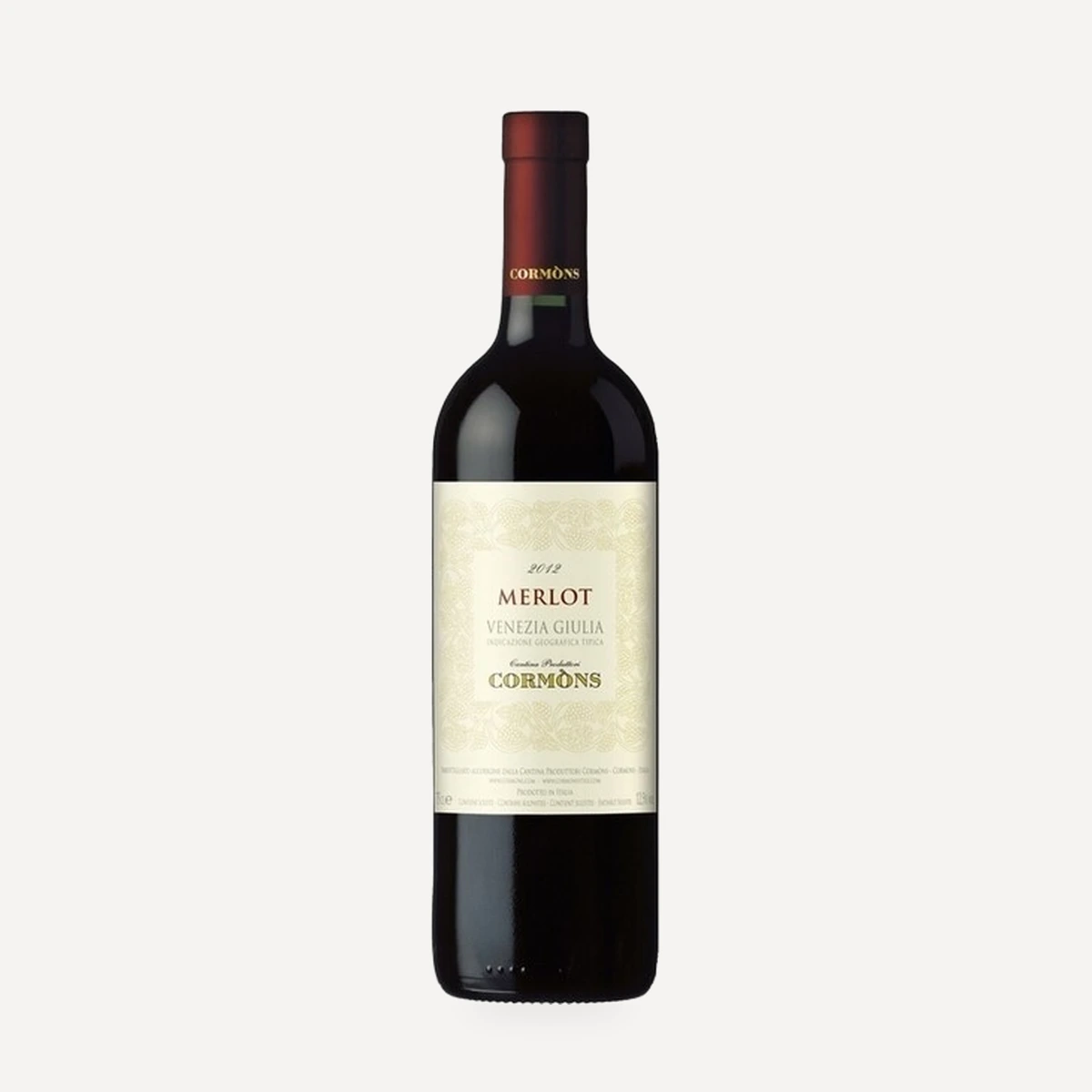
Merlot Venezia Giulia IGT
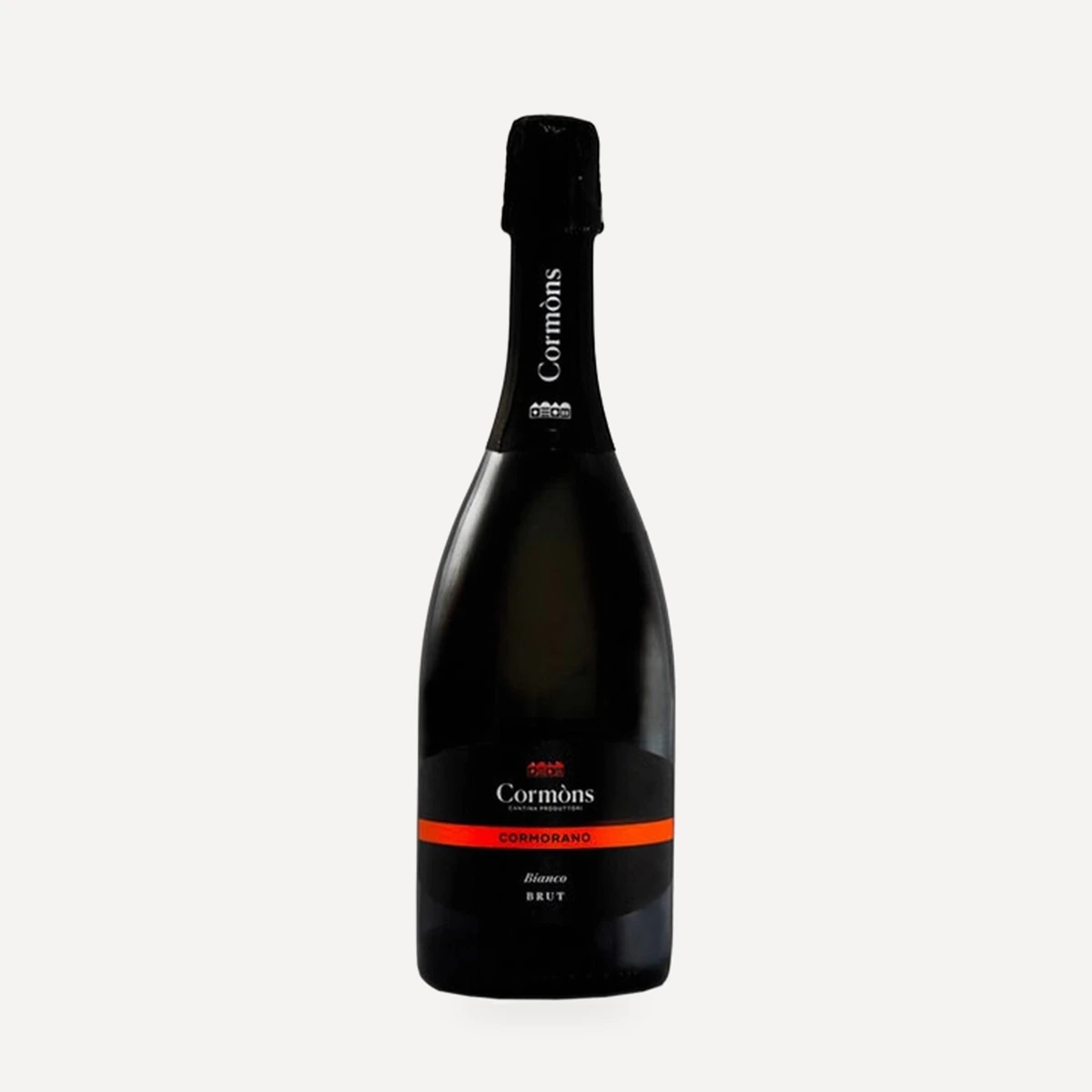
Cormorano Bianco Brut
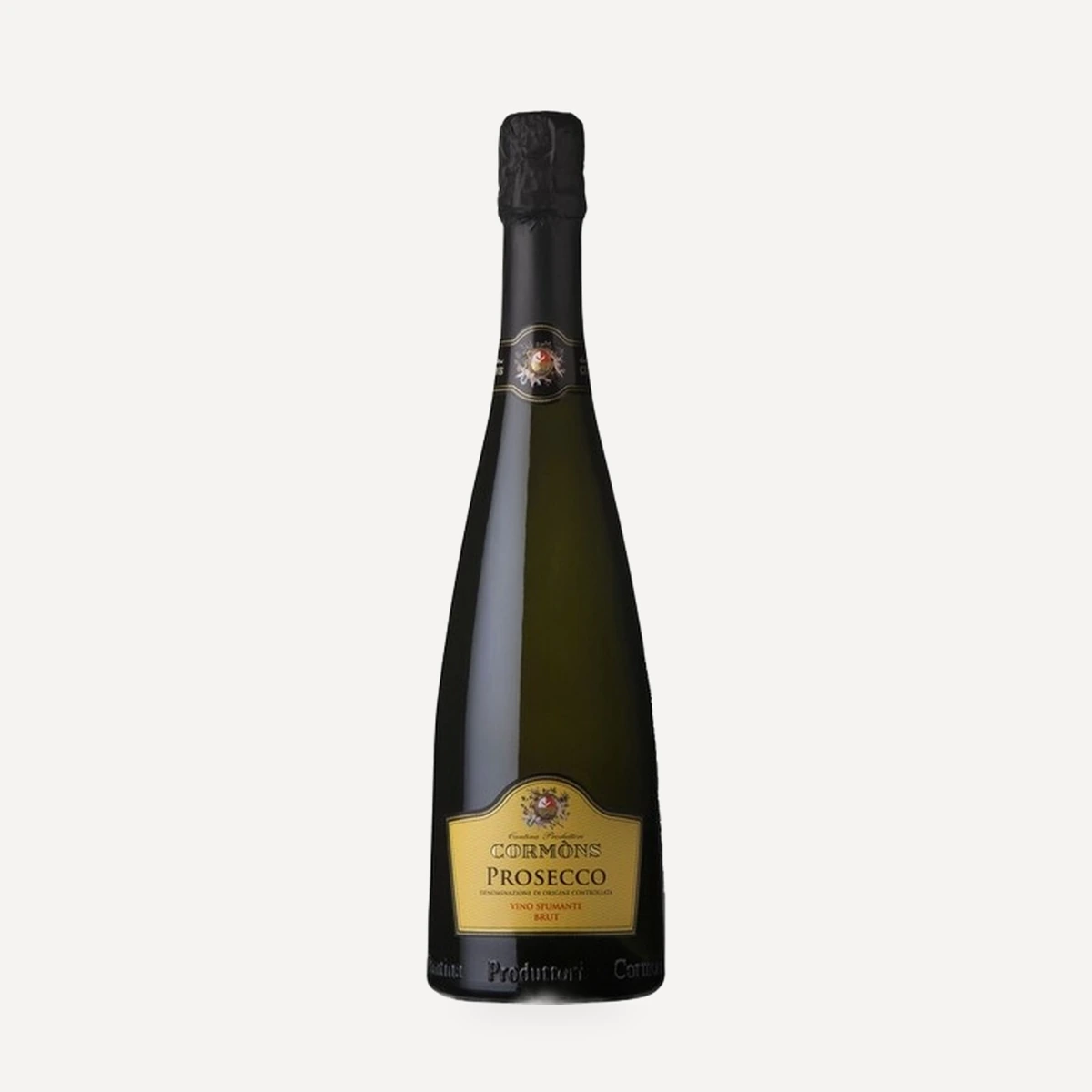
Prosecco Brut DOC
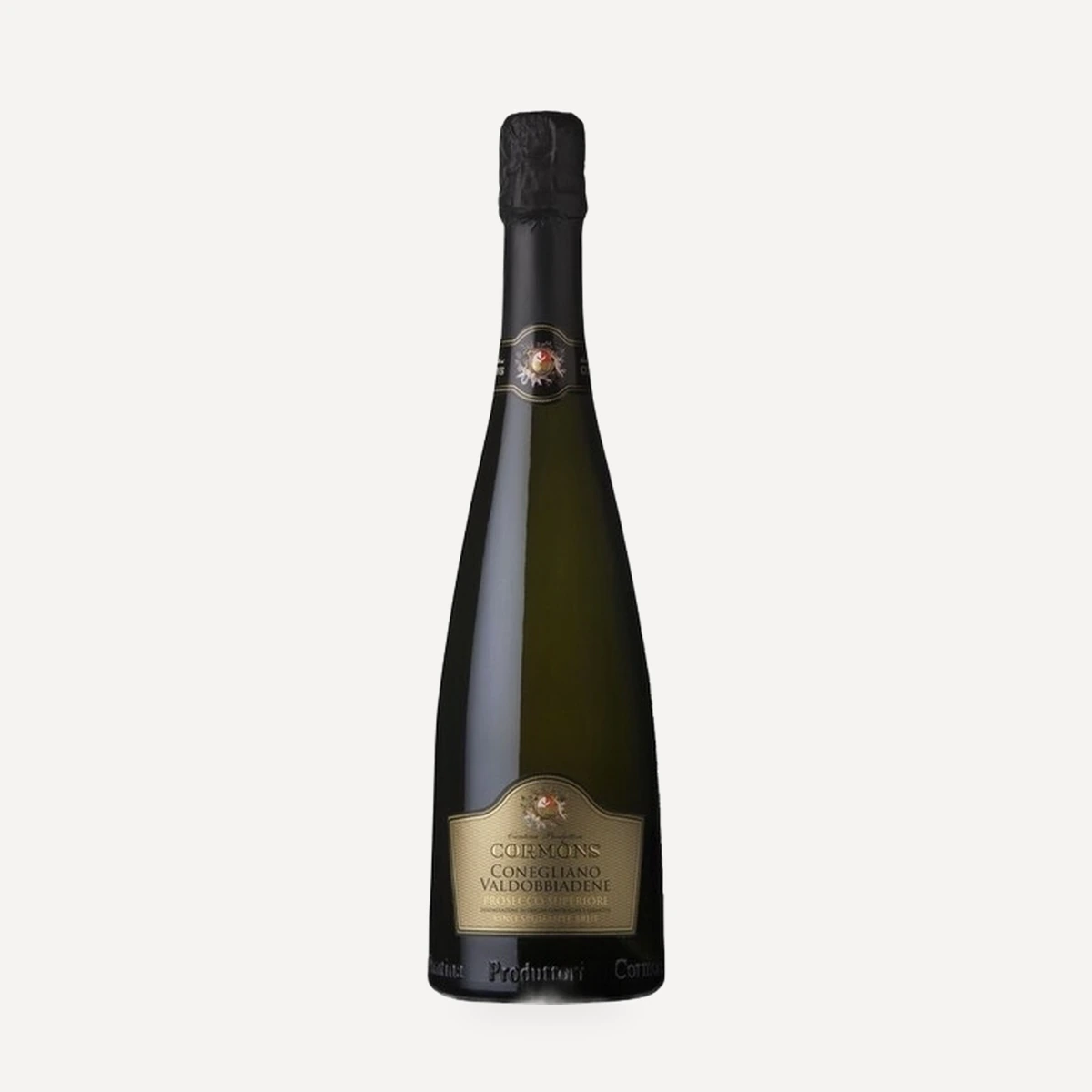
Conegliano Valdobbiadene Prosecco Superiore DOCG
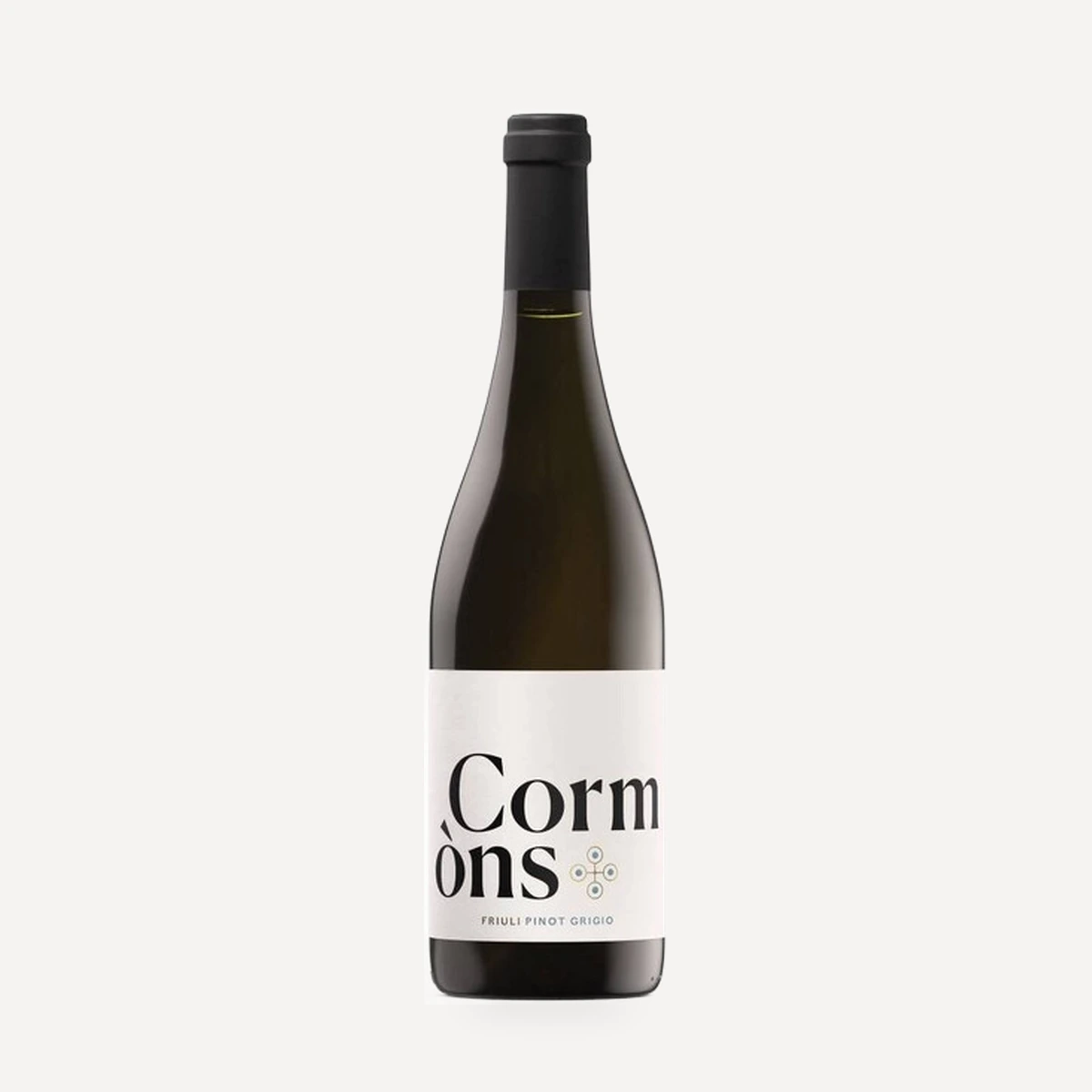
Pinot Grigio Friuli DOC
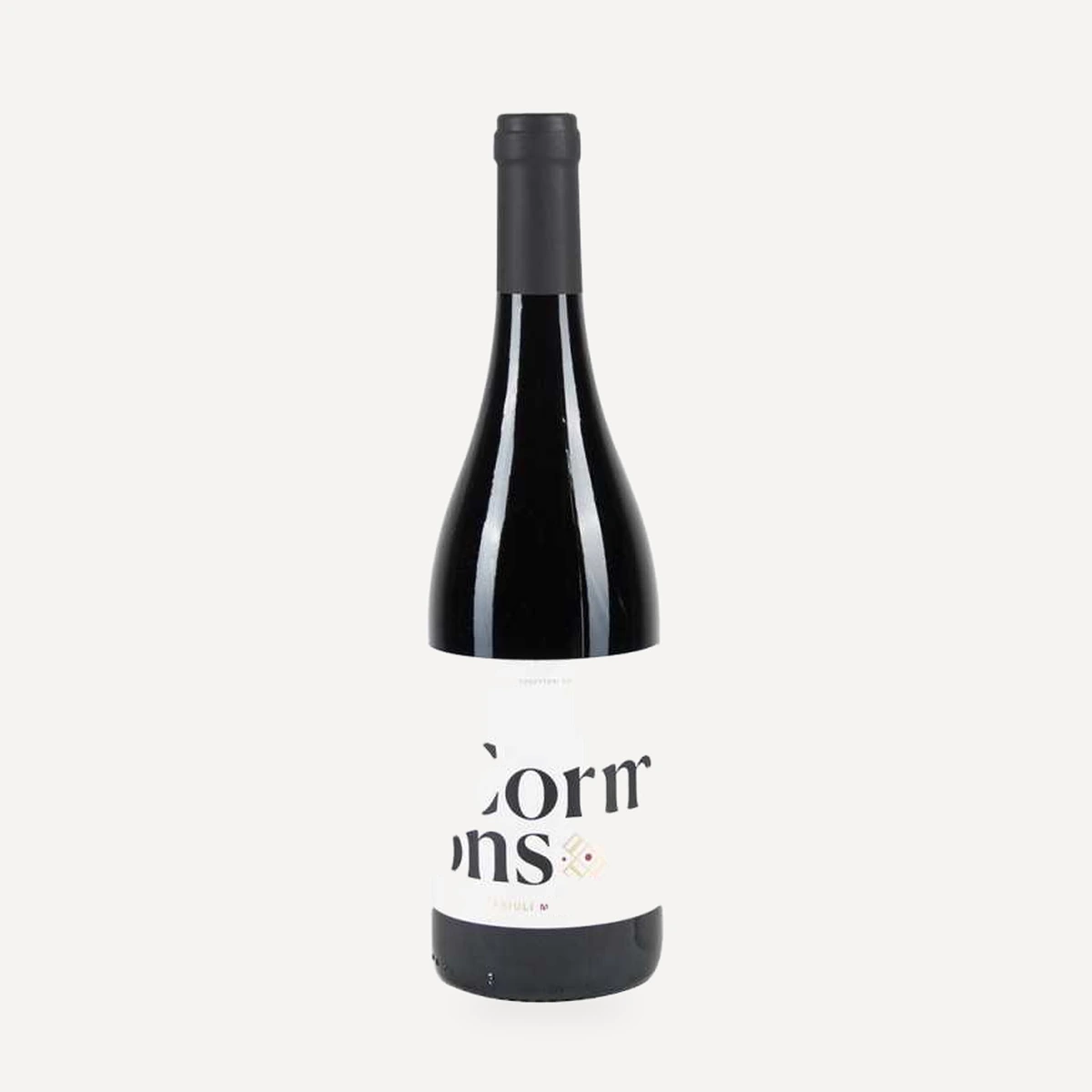
Merlot DOC Friuli