Storia
Family land and the old cascine
Cascina Rizzi has belonged to the Dellapiana family for generations. The building dates from the late eighteenth century and occupies the ridge of the hill whose name it shares. Its name derives from the Piedmontese word Riss, meaning hedgehogs, once common in the surrounding woodland. The neighbouring Cascina Boito is likewise an eighteenth-century example of traditional Langa architecture.
Manzola has a still older local history. Known in Roman times as Villa Manxionis, it served as a stopping place on the Magistra Langorum, the road that passed through Treiso and connected Alba Pompeia with the sea. Travellers rested there while horses and carriages arriving from Asti, Incisa and nearby settlements were cleaned and prepared before entering Alba.
In 1898, Cru Rizzi appeared on the vineyard map prepared by Domizio Cavazza, then dean of Alba’s oenological school, as an area suited to Barbaresco production.
Ernesto Dellapiana’s return to Treiso
Ernesto Dellapiana was born in Alba in 1940 and spent much of his childhood at Cascina Rizzi. In 1954, he moved with his family to Turin, where he completed secondary and university studies before joining the family paper business.
In 1973, Ernesto and his wife Lia left Turin and returned to Treiso. At the time, wheat rather than vines was commonly planted locally, roads remained unpaved and connections between villages were difficult. Ernesto began rebuilding the portions of the inherited property that had become divided, enlarged the holding and converted existing rooms into winemaking, storage and ageing spaces.
The first independent vinification followed in 1974, the inaugural vintage of both the estate and Barbaresco Rizzi. The initial agricultural base comprised Cascina Rizzi, vineyards on both sides of the Rizzi hill and a single four-hectare holding in Cru Nervo below Treiso.
Ernesto was also among the early growers to plant Chardonnay in the Langhe, establishing it at Rizzi in 1978. The first estate Chardonnay vintage was produced in 1982.
Expansion of the estate
In 1984, Ernesto repurchased neighbouring Cascina Boito, which had formerly belonged to his family, together with Vigna Boito inside Cru Rizzi.
In 1997, the family acquired Cascina Manzola and its vineyards. The property brought approximately two hectares, then planted almost entirely with Moscato.
The Nervo bottling first appeared in 1999 under the name Barbaresco “Fondetta”. The first Barbaresco from Vigna Boito followed in 2000. In 2001, the family created Frimaio, a sweet wine from overripe, botrytised grapes harvested on 21 November, the first day of Frimaire in the French Revolutionary calendar.
Between 2004 and 2007, Ernesto acquired approximately three hectares in Cru Pajorè and the five-hectare Podere Stella in Neviglie. Pajorè’s first estate vintage was 2004. During the wider 2004–2018 expansion, the family also added 1.5 hectares in Cru Giacone and approximately three hectares in Bricco di Neive.
In 2004, Enrico Dellapiana completed his qualification in Viticulture and Oenology and began directing vineyard and cellar operations. He also became involved in sales and exports, while his sister Jole assumed responsibility for commercial administration, bookkeeping, public relations, hospitality and the sales network.
Renewable energy and new projects
On 9 November 2006, a 19.80 kWp photovoltaic plant began operating on the farmhouse roofs and the terrace above the cellar. At activation, it was among Italy’s largest non-residential solar installations dedicated to wine production and the largest of its kind in Piedmont. Its 117 panels cover 149.72 m² and generate approximately 25,000 kWh per year, supplying more than 90% of the energy used by the cellar, offices, machinery and climate-control systems.
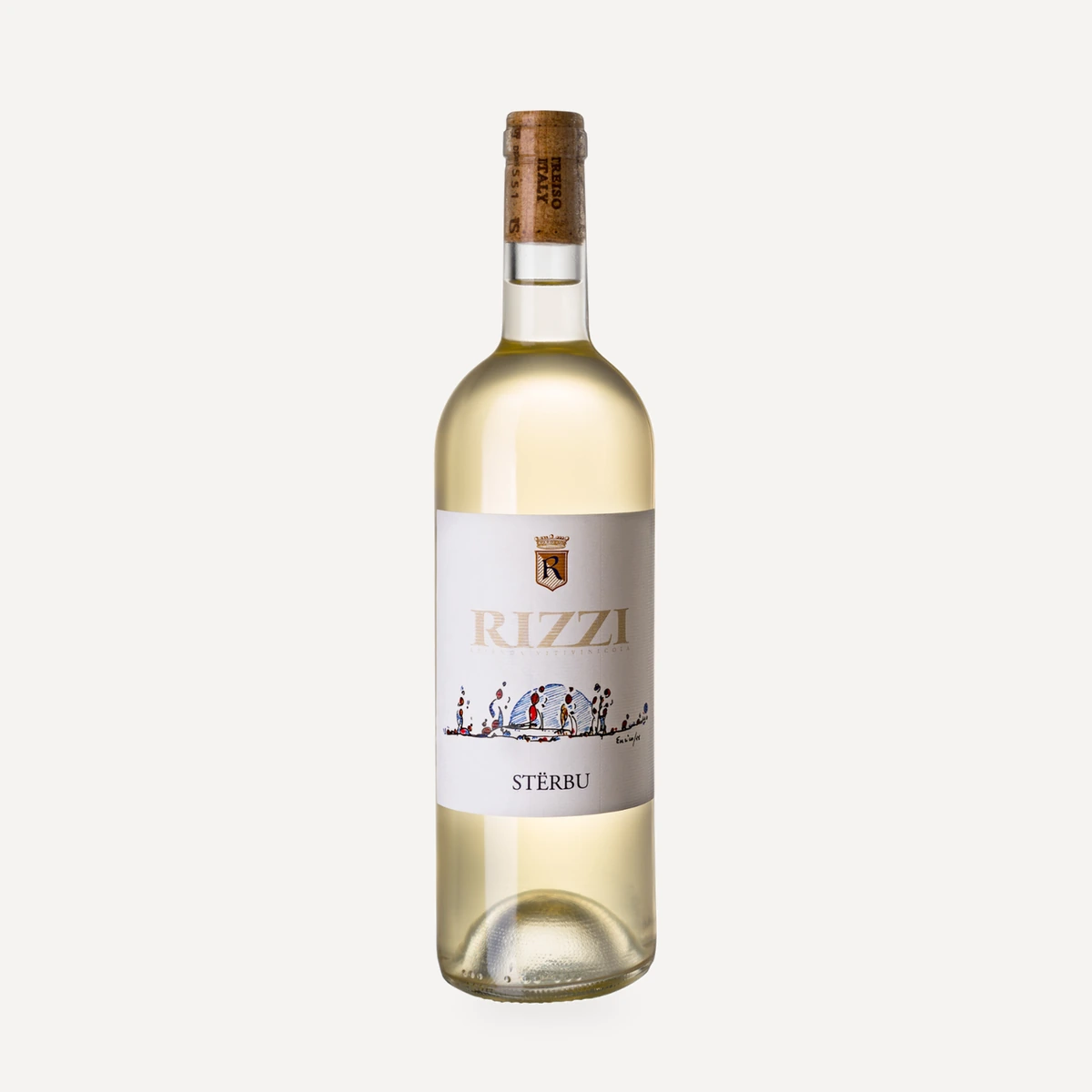
From the 2009 vintage, the former Barbaresco Boito became Barbaresco Rizzi Riserva “Vigna Boito”. Sterbu, an unclarified and unfiltered Chardonnay bottled on its lees, began with the 2010 vintage. Langhe Nebbiolo followed in 2012 and Alta Langa Pas Dosé in 2013.
A 3.3-hectare holding in Bricco di Neive was reported as joining the estate in 2017. A new Nebbiolo planting there was planned for autumn 2019.
The family estate today
Cantina Rizzi now brings together three adjoining cascine in Treiso—Rizzi, Boito and Manzola—and Podere Stella in Neviglie. The vineyard holding totals 44 hectares, approximately half devoted to Nebbiolo for Barbaresco. Ernesto and Lia work alongside Jole and Enrico, combining the family’s traditional approach with technical and commercial development.
Terroir
Location and landscape
Cantina Rizzi stands on Collina Rizzi in Treiso, in the Barbaresco area of the Langhe. Treiso lies at the meeting point of five hills and overlooks the valley between the Tinella and Seno d’Elvio streams. The village is at approximately 410 metres and is about 9 km from Alba, 5 km from Barbaresco and 5 km from Neive.
The surrounding landscape consists of long hill ridges alternating with deep, medium-width valleys. Water erosion has formed frequent calanchi, or steep gullied formations. Estate vineyards range from 220 to 430 metres above sea level, with marked differences in elevation, exposure, slope, shelter and air movement between sites.
Geology
The Barbaresco zone is predominantly Miocene and marine in origin, except for Holocene alluvial areas. Its prevailing soils are calcareous marls formed from sediments raised by the gradual uplift of the primordial seabed beneath the Po basin.
Treiso, San Rocco Seno d’Elvio and the vineyards of Neive south of the village belong to the Tortonian–Serravallian Formazioni di Lequio, characterised by compact grey marl alternating with sand. Barbaresco and the part of Neive adjoining it belong to the Tortonian Marne di Sant’Agata Fossili, distinguished by bluish calcareous marl.
Altitude alone does not determine warmth: exposure, slope position, wind currents and the configuration of the surrounding landscape create individual mesoclimates. This is especially visible across the Rizzi, Nervo, Pajorè, Manzola and Podere Stella holdings.
Collina Rizzi
The hill is lower than neighbouring elevations and is consequently more sheltered from currents and severe weather. Together with its solar exposure and white calcareous marl, this creates a distinct microclimate. The eastern side near Nervo has leaner, looser clay-limestone marl with slightly more sand. West of Cascina Rizzi, around Vigna Boito, the summit turns from south to southwest; soils become deeper and more clay-rich, with a clay seam cutting through the hill.
Other mesoclimates
Nervo forms a steep, south-facing natural amphitheatre sheltered from wind. Its gradient improves drainage and solar interception, while poor white marl, sand and sandstone contribute to the site’s particular profile.
Pajorè occupies a south to southwest position between approximately 230 and 300 metres, with poor marl soils.
Manzola lies between Rombone to the north, Valeriano to the east and Rio Manzola to the southwest. Its relatively low elevation and protection from excessive air circulation create a warmer microclimate.
Podere Stella in Neviglie lies between 360 and 420 metres. The hill form keeps it ventilated; soils are clay-tuffaceous and limestone-rich, with south and southwest exposures.
Vinificazione
Cantina Rizzi follows sustainable, integrated vineyard practices and belongs to The Green Experience, a Piedmontese programme focused on environmentally attentive production and landscape care.
Fertilisation relies on pelletised manure, compost and green manure. Chemical fertilisers are avoided. Grass and undervine areas are managed mechanically rather than with herbicides. Copper and sulphur are used against fungal pressure and pests, while systemic fungicides are excluded. Pheromone bands provide mating disruption as an alternative to insecticides.
The environmental programme follows the objectives associated with EEC Regulation 2078/92: reducing agriculture’s polluting effects and managing soils in ways compatible with the protection of landscapes, natural resources, groundwater and genetic diversity. The farming profile published in 2019 recorded no formal organic certification.
Harvesting protocols for the principal estate wines specify manual picking into small crates. Vineyard training recorded across the individually described sites is Guyot.
The winemaking rooms contain temperature-controlled vats and pumps for managing fermenting must through pump-overs. A 2019 technical profile records spontaneous fermentation.
Old concrete tanks occupy the ageing cellar. Formerly used for fermentation, they now serve principally for storage and maturation. Their porosity permits gradual oxygen exchange comparable to wood without imparting oak flavour. The intended result is to preserve freshness and fruit while avoiding both overt wood character and the harder profile associated with stainless-steel storage.
Large 50-hl oak casks are a central element of the traditional cellar. Their thick staves and fine grain provide slow aeration and micro-oxygenation. Wood is treated as a tool for development rather than a source of toast or oak flavour, with the aim of preserving fruit and supporting longevity.
The cellar’s broader principle is to respect the wine’s natural development without forcing its pace, maintaining traditional techniques while using controlled vats and modern pumping equipment where appropriate.
Filosofia
Cantina Rizzi defines itself through family continuity, classicism and Piedmontese tradition, balanced by selective technical innovation. Two generations work side by side, and growth has been pursued without abandoning a deliberately human-scale family structure.
The central winemaking objective is to convey what each season, site and grape variety has expressed in the fruit. Enrico Dellapiana frames this as transparency of terroir and clarity of fruit: oak, cellar equipment and technique should support evolution without masking vineyard identity.
Environmental quality is treated as a determining factor in production. Protection of the land, groundwater, natural resources, landscape and biodiversity is joined to renewable-energy investment and lower-impact farming. Ernesto Dellapiana describes this as a philosophy of action grounded in respect for the earth and the use of clean energy.
Vini
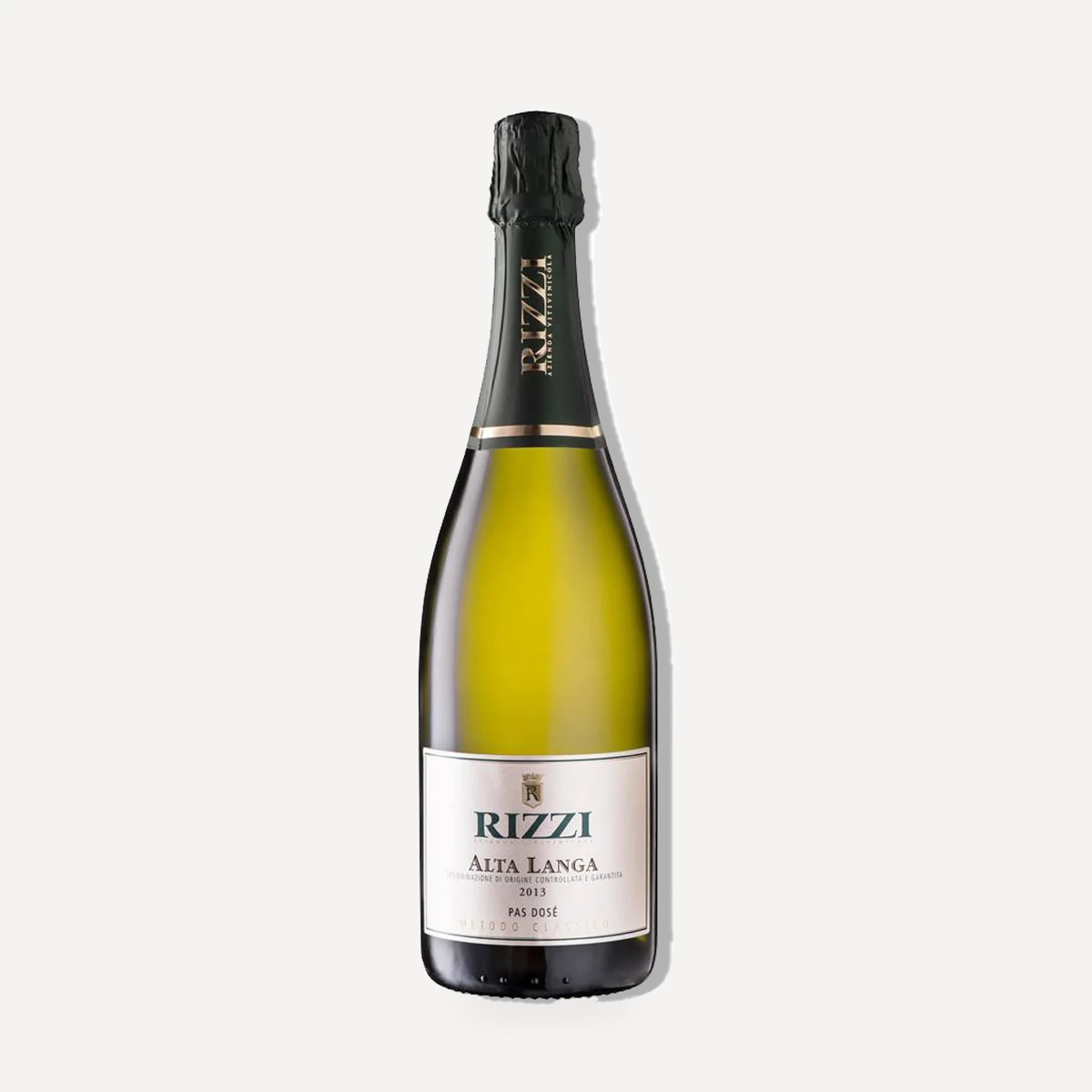
Alta Langa DOCG Pas Dosé Millesimato – Metodo Classico
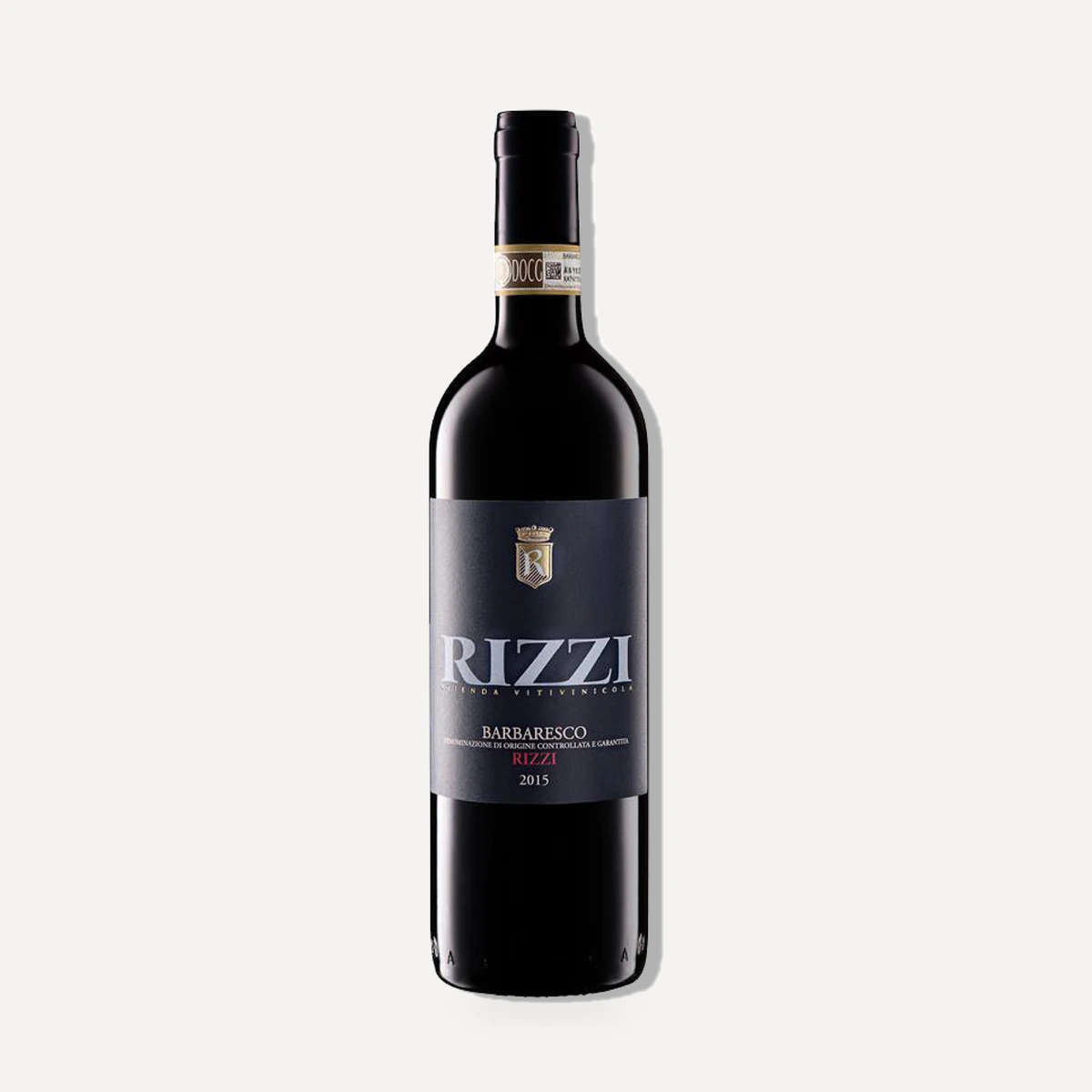
Barbaresco DOCG “Rizzi”
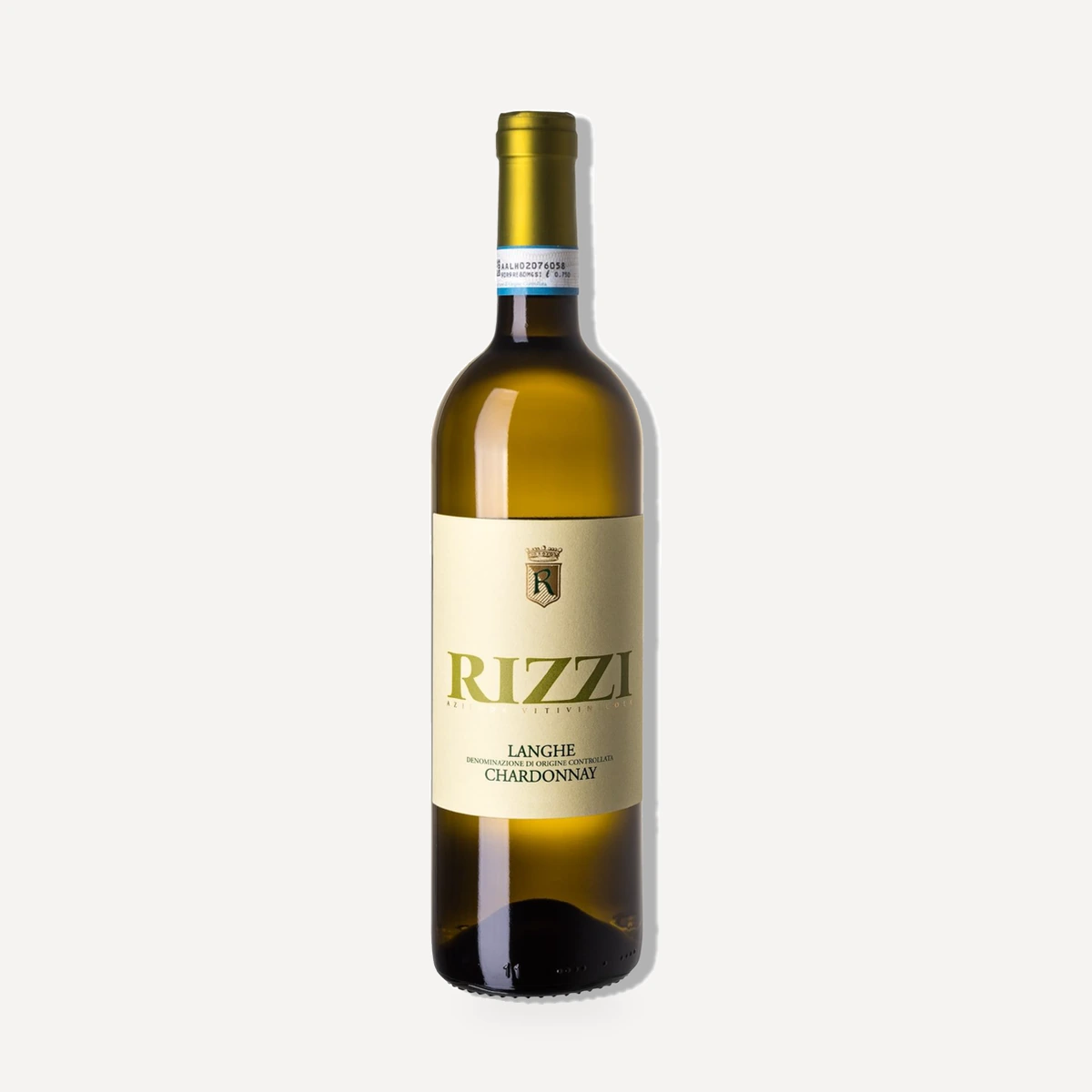
Langhe DOC Chardonnay
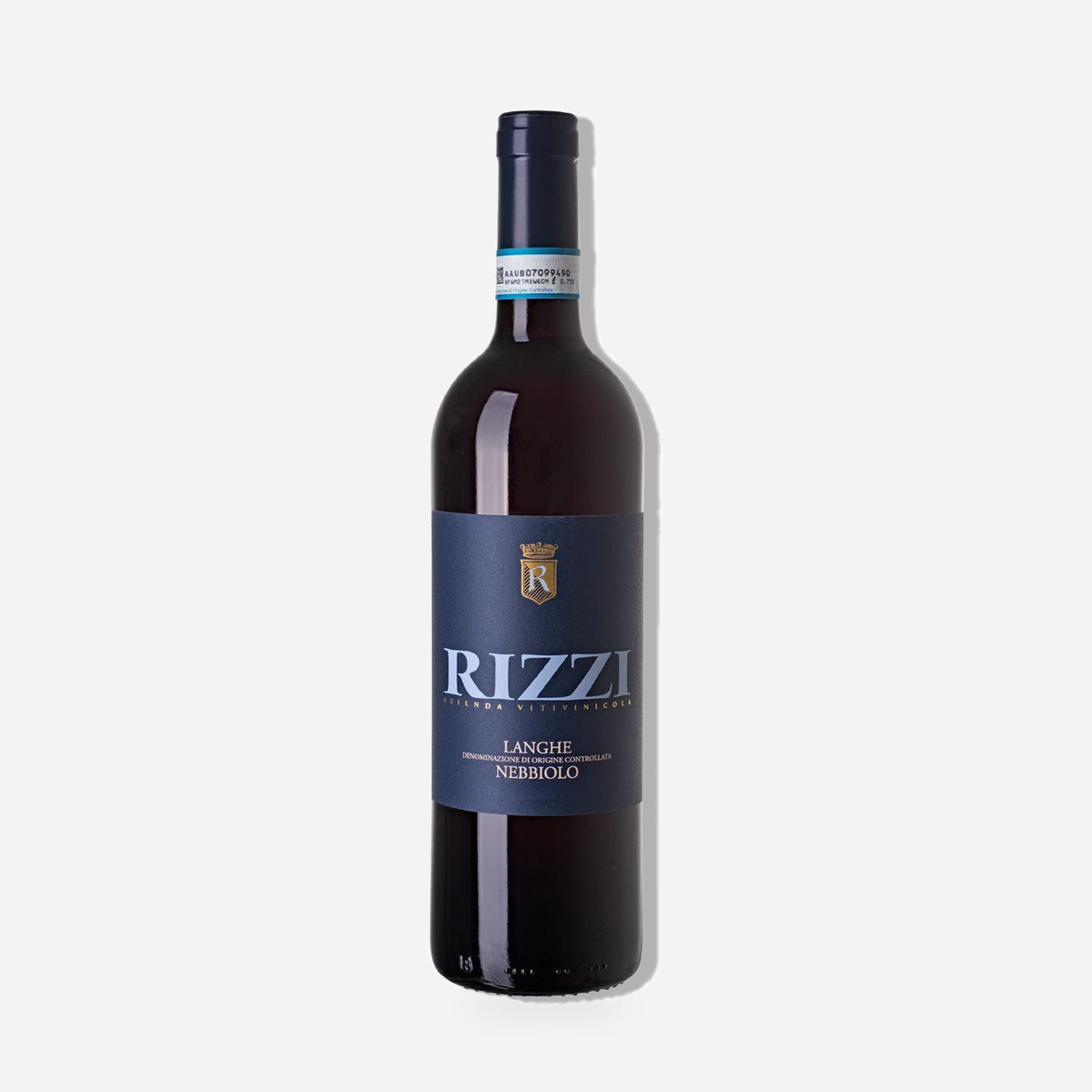
Langhe DOC Nebbiolo
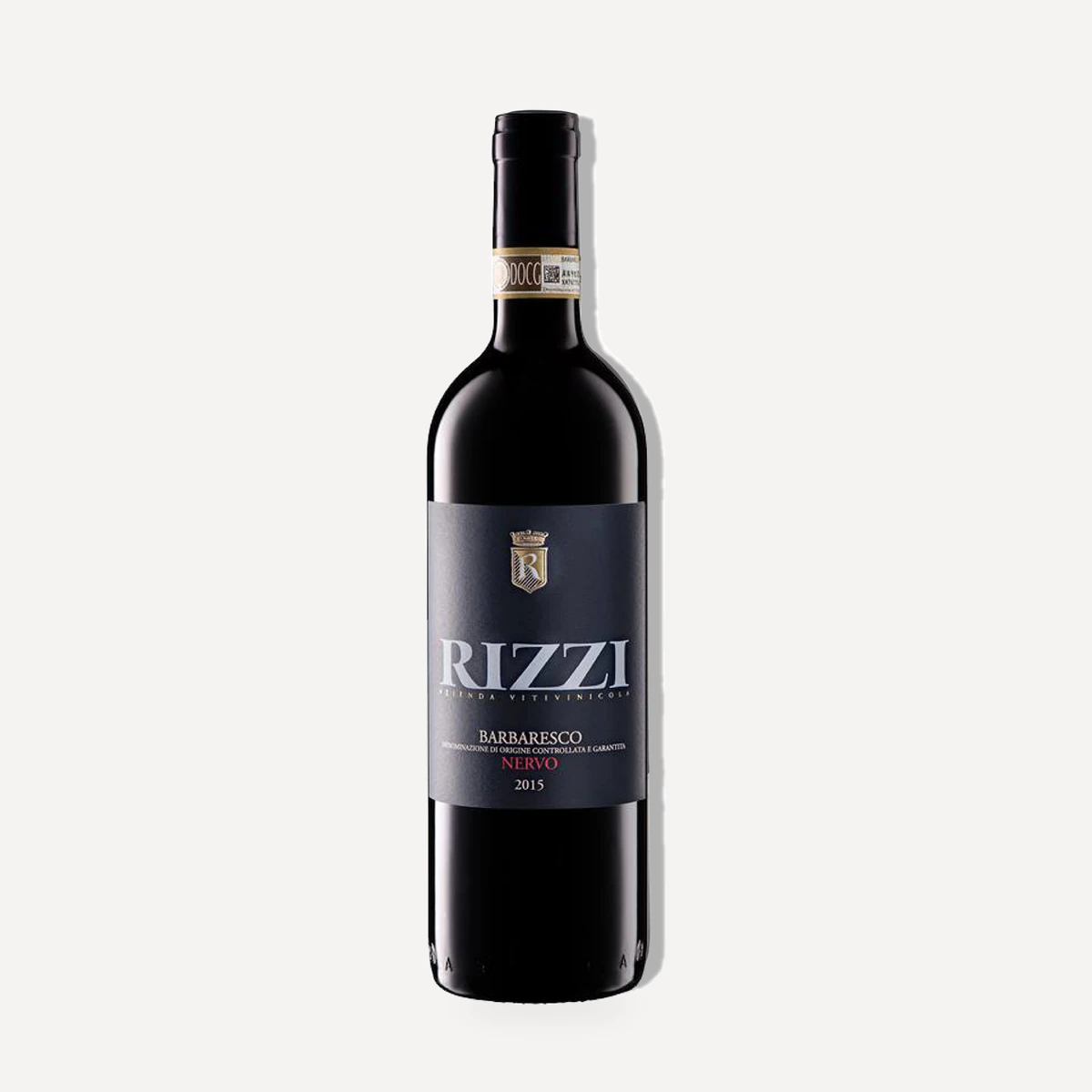
Barbaresco DOCG “Nervo”
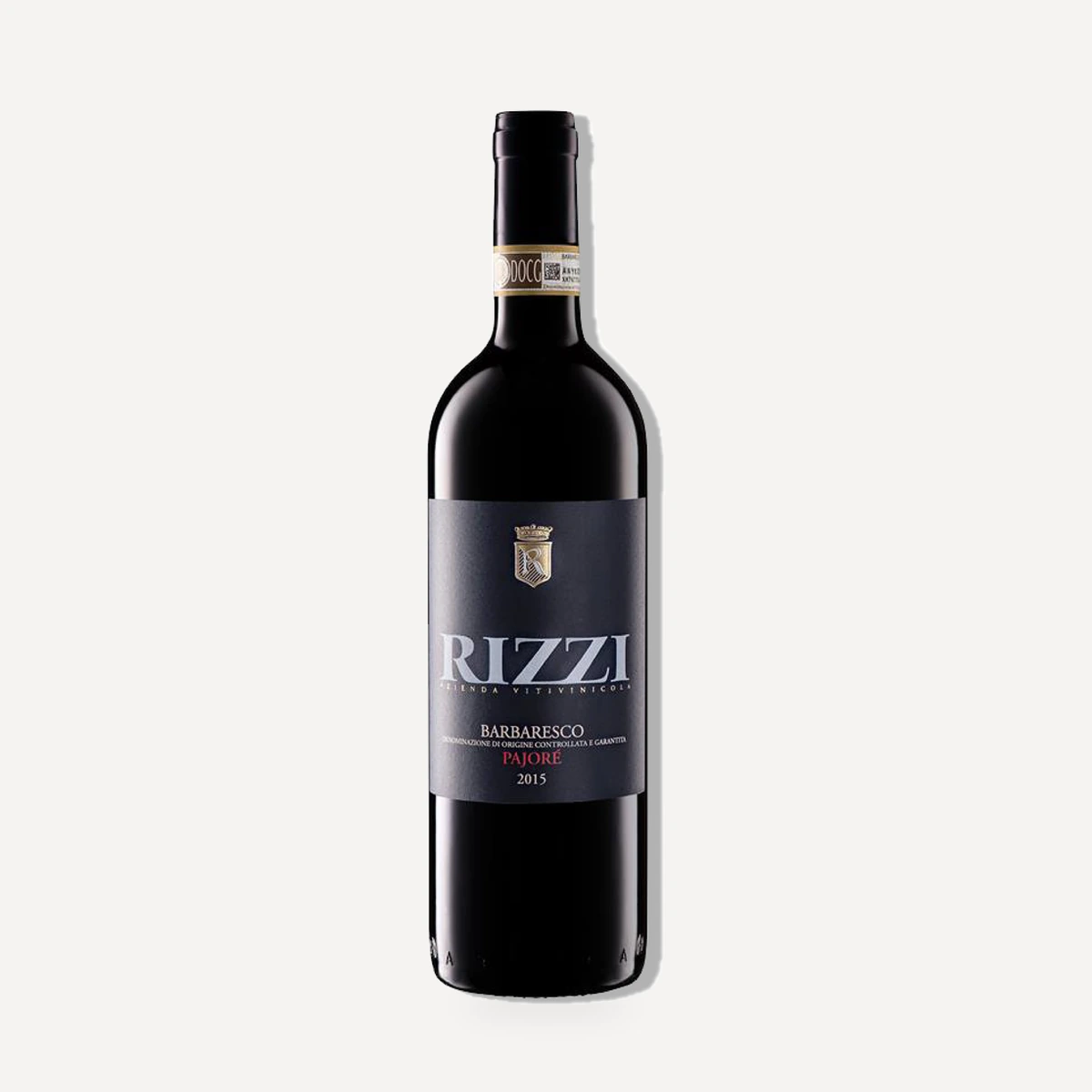
Barbaresco DOCG “Pajorè”