Storia
Four generations of the Ponte family
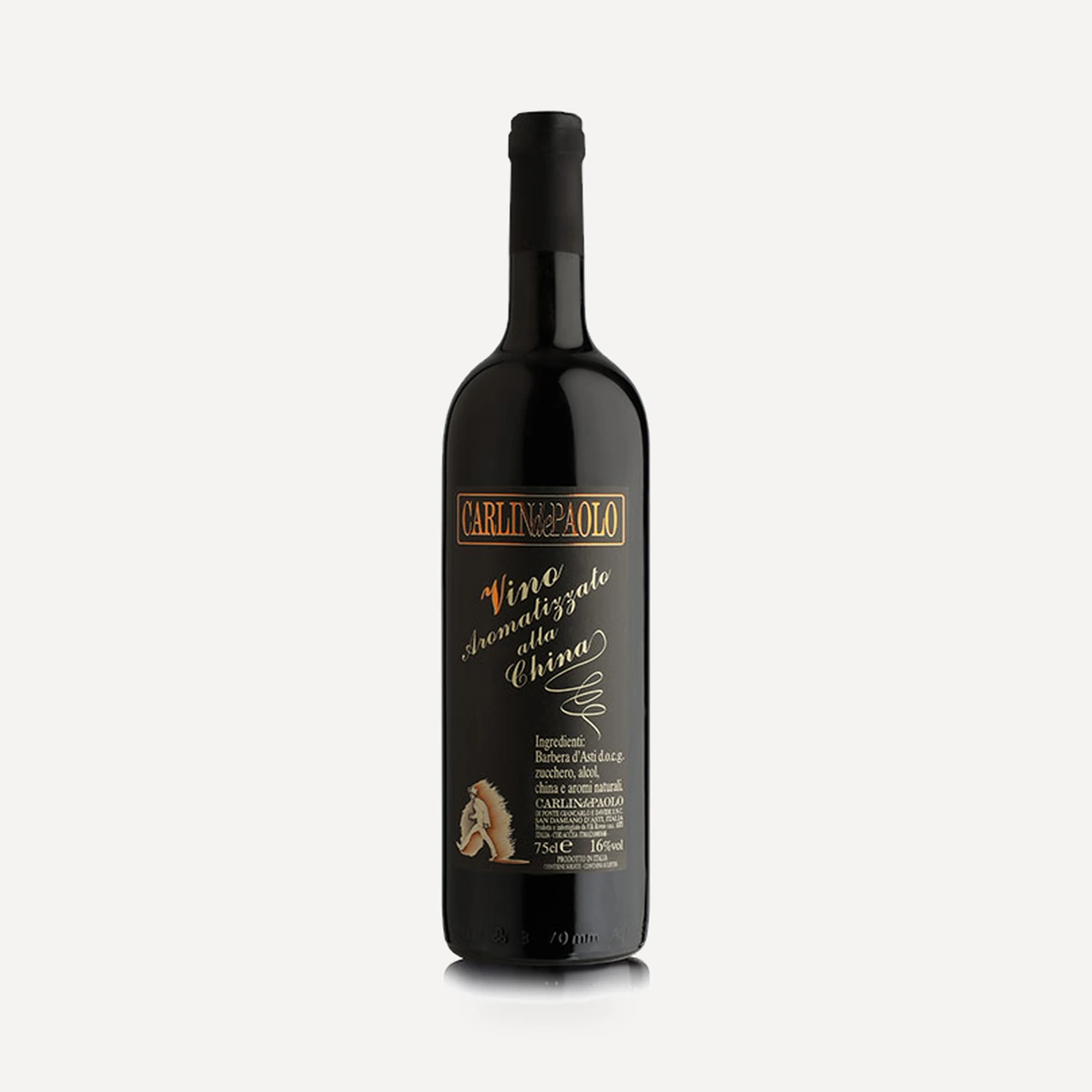
The family story begins before the formal establishment of the present business. Great-grandfather Paolo was followed by his son Carlin, remembered as a tireless vineyard worker whose physical bearing reflected years of labor among the vines. Family accounts portray him as cheerful and determined despite a life of hard work. His long stride, clenched fist, patched trousers and attachment to land and family became the basis of the Carlin de Paolo name and visual identity.
The family describes honesty, mutual respect, gratitude and affection as the forces that carried its work through four generations. The act of walking forward became a recurring symbol: the human figure in the marque represents Carlin advancing across the family’s land while linking its past with its future.
1999–2000: formation of the present winery
Carlin De Paolo di Ponte Giancarlo & C. S.N.C. was constituted on 1 December 1999 as a Ponte-family company for the production and retail and wholesale sale of bottled and bulk wine and alcoholic beverages. Its permitted activities also encompass food retail and wholesale and public food service through La Merenderia.
The winery dates its official beginning to 2000, crediting brothers Davide and Giancarlo Ponte with establishing the enterprise in its present form. It developed at Gorzano, in the municipality of San Damiano d’Asti, within Terre Alfieri. The business remained devoted to wine production and sales while combining inherited family practices with investment in contemporary equipment.
2010–2018: soil stewardship, landscape work and a dedicated farming company
In 2010 the family began raising earthworms on the estate to transform cattle manure and grape stalks into natural fertilizer.
In 2011 the family restored the Pilone dell’Ascensione, a votive structure standing at the summit of the vineyard bearing the same name. The work formed part of the “Valorizziamo il Territorio delle Colline Alfieri” project and was undertaken with the consent and help of the Barolo family, from whom the land and chapel had been acquired. The approximately 200-year-old structure was already documented as present by the middle of the nineteenth century and had been built as an ex-voto before becoming a communal place of prayer.
Azienda Agricola Tenuta Carlin De Paolo S.S. was constituted on 12 May 2016 to manage vine and hazelnut cultivation. Giancarlo Ponte became a partner, while Lorenzo and Davide Ponte served as managing partners. Grapes from this farming entity are transferred to Carlin De Paolo S.N.C. for vinification.
At the end of 2016, authorization was requested from the municipality of Vezza d’Alba to convert a recently established wooded area, subject to hydrogeological restrictions, into vineyard. Approval followed in June 2017, and planting work began in 2018. The Valmaggiore vineyard at Vezza d’Alba was subsequently restructured and planted to Nebbiolo.
2019–2022: vineyard and cellar modernization
In 2019 the farming company invested in a rubber-tracked vehicle, a tracked vehicle and a Fendt tractor equipped with 4.0 technology. The equipment was selected to improve operational control, reduce working time, limit soil compaction and support more precise use of crop-protection products and fertilizers. Other projects included replanting vineyards at San Damiano d’Asti, establishing a truffle ground, clearing woods and paths, and installing a rainwater-collection system.
The cellar’s expansion accelerated in 2020. A temperature-controlled barrel room was constructed, the packaging line received a monobloc case-packing unit, and a 300-hL temperature-controlled vinifier was acquired. Restaurant equipment was expanded at the same time.
In 2021 a new isobaric bottling line was installed with digital process controls designed to optimize water and electricity use. Additional vinifiers increased cellar capacity, including an autoclave for sparkling-wine production. A bag-in-box packaging line, sparkling-wine wire-hooding machine and grape conveyor were also added.
In 2022 approximately 2.6 ha of replanted Barbera and 0.6 ha of replanted Sauvignon Blanc entered production at San Damiano d’Asti. Storage capacity grew through pallet racking and a mezzanine, while a renovated warehouse provided a bathroom, museum space and areas for bottle storage and maturation. The winery also renewed its website and e-commerce operation.
2023 onward: formal sustainability program and new identity
In 2023 Carlin de Paolo requested entry into the SQNPI integrated-production system. On 8 September 2023 its winery and bottling sustainability-management system received Equalitas Sustainable Organization certification for producing and bottling still and sparkling red and white wines in glass and bag-in-box. The published certificate covered the Gorzano operating unit through 7 September 2026.
The four brothers Giancarlo, Davide, Lorenzo and Paolo now represent the family enterprise’s combination of tradition, hospitality and technical development. On 8 February 2024 the winery presented an evolving label redesign. The earlier design by architect Dante Scaglia used grey for roots in the past and earth-brown for a forward-looking connection to land and life; the new presentation retained family, tradition and care as its defining themes.
Terroir
Carlin de Paolo is based in the open countryside of frazione Gorzano, within the municipality of San Damiano d’Asti and the Terre Alfieri landscape. Its vineyards lie within one of the six core zones of the UNESCO-listed wine landscapes of Langhe-Roero and Monferrato.
The soils are predominantly clay-limestone, with significant sand and calcarenite. White marl-and-sandstone soils distinguish Vigna dell’Ascensione and are associated with its Nebbiolo and Arneis plantings. The family’s viticulture reaches elevations of approximately 350–400 m.
The local climate is temperate-suboceanic. Summers are hot, increasingly reaching or exceeding 35°C, while winters are cold. Mean annual temperature is about 12°C. Annual precipitation totals approximately 500–800 mm, with maxima in spring and autumn.
The cultivated landscape is interspersed with woods, other crops and seminatural land. Of a total cadastral area of 29.726 ha in 2022, vines accounted for 19.409 ha, or 65.5%, while seminatural areas accounted for 3.932 ha, or 13.2%. Small water areas covered 0.1117 ha, approximately 0.4% of the managed surface. These water bodies, woodland and wooded meadows are protected by vegetated buffer strips at least 3 m wide that receive neither fertilizer nor crop-protection treatments.
Vinificazione
Soil fertility and floor management
Natural fertilizer is produced from cattle manure and grape stalks with earthworms raised on the estate since 2010. Remaining nutrition is managed with organic fertilizers incorporated in alternate rows under integrated-production guidelines. Fertilization plans draw on visual assessment of vine growth and crop load by the technical staff and on soil analysis historically performed every five years.
Chemical herbicides are not applied between rows. Targeted under-vine chemical weed control was retained in certain vineyards under integrated-production rules, while mechanical under-vine work, shoot removal and inter-row mowing provide the broader weed-management strategy. Cultivation is deliberately limited. Alternate rows are ripped in autumn while the other rows receive fertilizer.
Ground cover is adapted to soil, slope, erosion risk and weather. More exposed sites receive temporary complete cover; other vineyards maintain spontaneous vegetation in alternating rows. Green manure and nutritional cover species support soil flora and microorganisms. Clover is sown in sandier vineyards to reduce erosion and compaction.
Plant protection and precision monitoring
Treatments are determined by field observations from technical personnel, forecasts and data from the regional RAM agrometeorological network. The nearby Lavezzole station monitors temperature, relative humidity, rainfall and the hydrometric level of the Borbore stream. Three sprayers with automatic rinsing are used; rinse water and any residues are redistributed around the perimeter of the final treated vineyard.
Products considered hazardous to workers are excluded. Pheromone dispensers create mating disruption against grape moth, and monitoring traps are distributed among the parcels. Insecticide intervention is considered only if seasonal monitoring detects the pest. Control of Scaphoideus titanus, the vector of flavescence dorée, follows compulsory regional measures, traditionally involving scheduled treatments in the second half of June and at the end of July.
Biodiversity, water and landscape
Vineyards are made available free of charge to local beekeepers for hive placement. Small water bodies, woodland and wooded meadows are bordered by untreated, unfertilized vegetated buffers at least 3 m wide. Concrete vineyard posts are being progressively replaced by corten-steel supports to reduce their visual impact within the UNESCO landscape.
A rainwater-collection installation forms part of the agricultural improvements. Woodland and paths at San Damiano d’Asti have also been cleared and rehabilitated to support lower-impact tourism and environmental recovery. A truffle ground has been established, while new agricultural machinery was selected to improve traction control, reduce soil compaction and increase the precision of fertilizer and crop-protection applications.
The production cellar stands in the open countryside at Gorzano. Azienda Agricola Tenuta Carlin de Paolo S.S. cultivates the family vineyards and transfers its grapes to Carlin de Paolo S.N.C. for vinification. The cellar also processes purchased grapes, must and wine from long-standing local suppliers expected to meet the company’s requirements for care, quality and sustainable management.
Fruit integrity is the starting point for cellar work. The production style is traditional and restrained, seeking a recognizable, consistent expression rather than exaggerated extraction. Grapes undergo gentle pressing designed not to tear the skins. Fermentation and maceration are managed to extract phenolics while preserving varietal identity.
Separate management and analytical-control plans cover dry white wines, dry red wines and sparkling wines. Processing protocols are recorded through the traceability system, which is tested every six months in both directions through the supply chain. The protocols are designed to meet product specifications while limiting water, processing aids, additives and nutrients. Analytical work is preferentially entrusted to laboratories accredited to UNI CEI EN ISO/IEC 17025:2018, including analyses required for DOC and DOCG eligibility.
The cellar has been extensively modernized. A temperature-controlled barrel room and a 300-hL temperature-controlled vinifier were added in 2020. In 2021, an isobaric bottling line with digital parameter control was installed alongside additional vinifiers, an autoclave for sparkling-wine production, bag-in-box equipment, a sparkling-wine wire-hooding machine and a grape conveyor. The bottle and bag-in-box lines were designed to increase capacity while reducing water, electricity and labor requirements. A mezzanine and pallet racking expanded vertical storage, while the renovated warehouse added bottle-aging space.
Cleaning procedures specify and monitor water and detergent use and are periodically validated under worst-case conditions. In 2022, total mains-water consumption—including cellar use, vineyard treatments, irrigation, green areas and animals—was calculated at 3.01 L per litre of processed product. The equipment-maintenance program is intended to minimize water and energy use, workplace risk and environmental contamination.
Packaging employs standard-weight recyclable glass rather than heavy bottles. Closures include recyclable aluminium Stelvin caps, microgranulated technical corks and one-piece corks from FSC supply chains. Cartons use material from responsibly managed forests, dividers contain 100% recycled paper, selected labels use sustainably sourced paper, and pallet timber comes from managed forests.
Filosofia
Carlin de Paolo’s identity rests on family continuity, honesty, care for the land and steady progress. The family presents producer honesty as wine’s essential ingredient and treats mutual respect, gratitude and affection as the foundations of its work.
Its emblem embodies that position. Carlin’s feet are rooted in the family past while his determined stride points forward. Grey in the earlier label represented the past; brown represented earth, life and the future. The evolving label retains family, tradition and care as the central values of production.
Davide Ponte’s phrase “La terra parla da sola”—the land speaks for itself—summarizes an approach intended to join inherited rural knowledge with modern practice. Vineyard work is conceived as a disciplined choice of methods and timing that allows each variety to remain recognizable without forcing its development. Soil, vines, workers, biodiversity and the broader ecosystem are treated as connected responsibilities.
The sustainability program is built around environmental, social and economic commitments. Its objectives include food safety, staff development and welfare, equitable work, sustainable practices among suppliers, protection of cultural and natural heritage, lower use of water and energy, renewable energy, waste prevention and recycling, reduced emissions and efficient use of natural resources. The family also regards hospitality as a way to share the landscape, food traditions and history surrounding its wines.
Vini
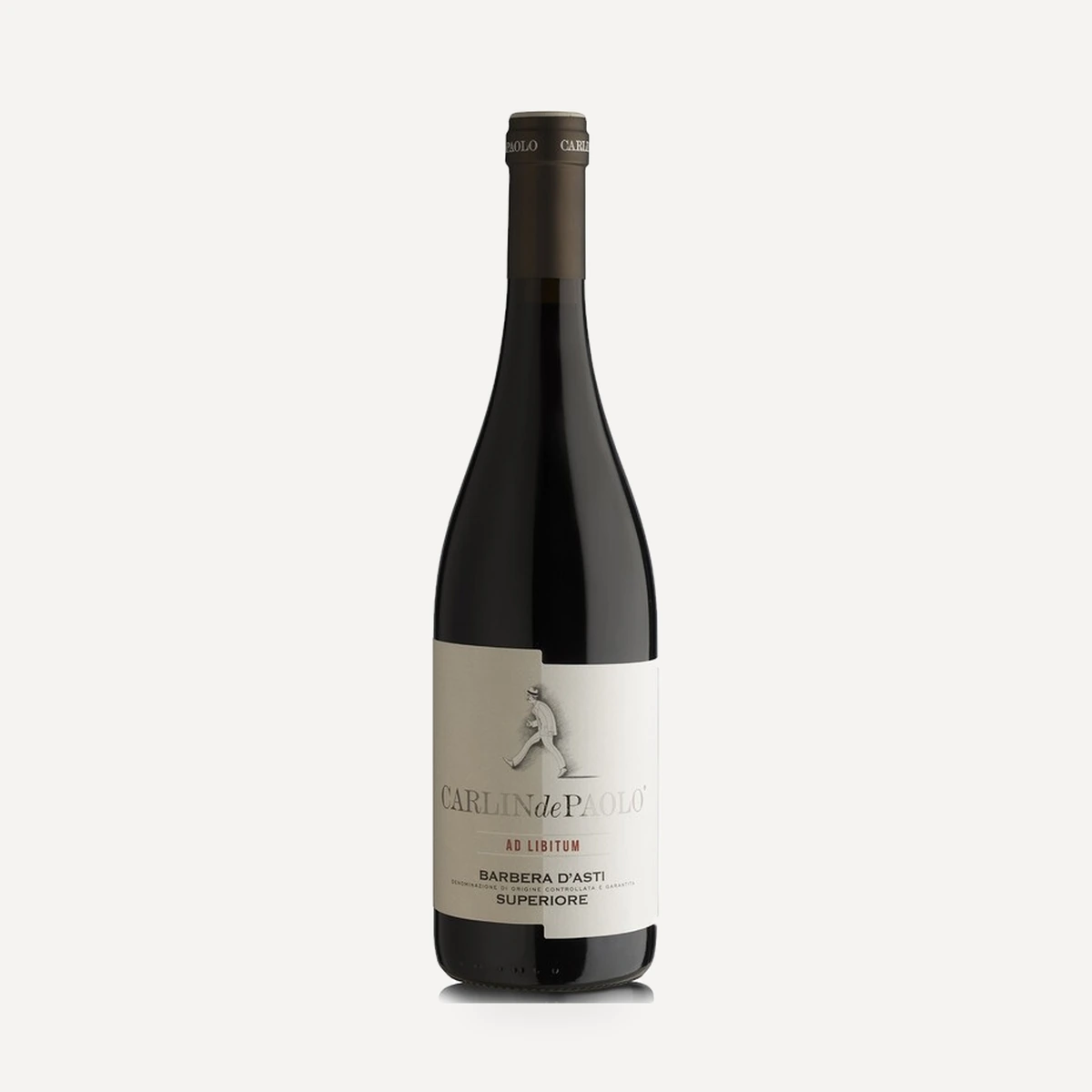
Barbera d’Asti D.O.C.G. Superiore “Ad Libitvm”
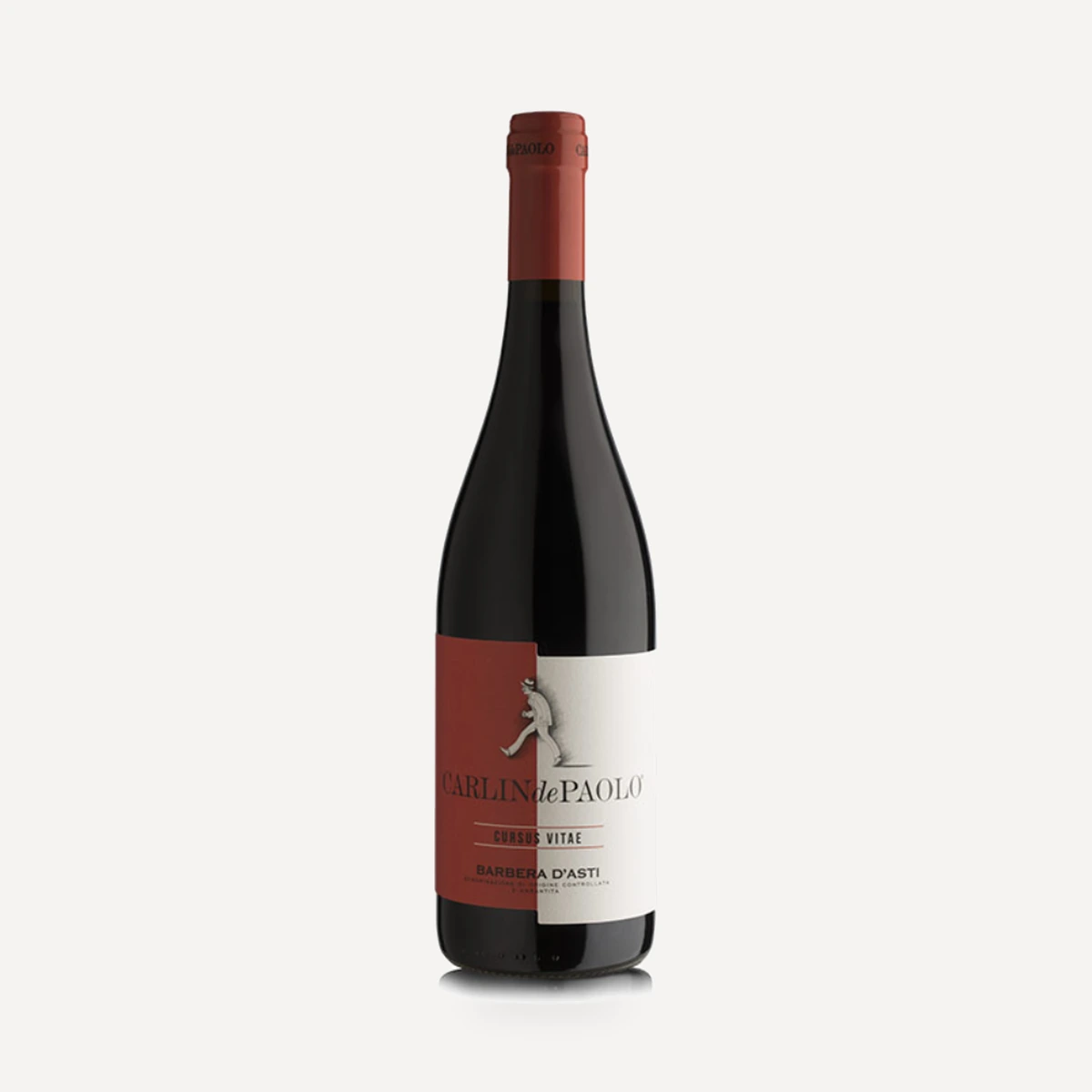
Barbera d’Asti D.O.C.G. “Cvrsvs Vitae”
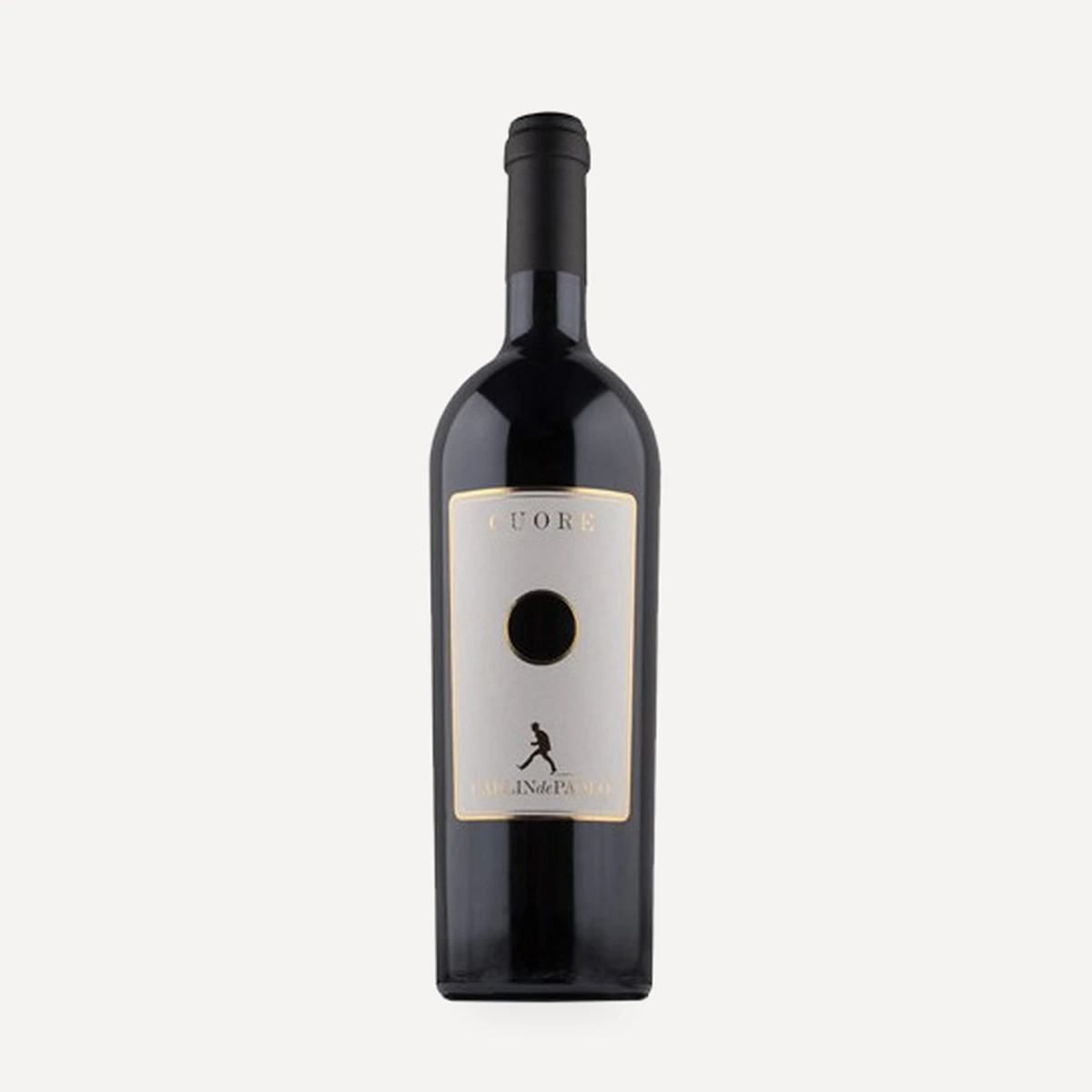
Barbera d’Asti Superiore D.O.C.G. “Cuore”
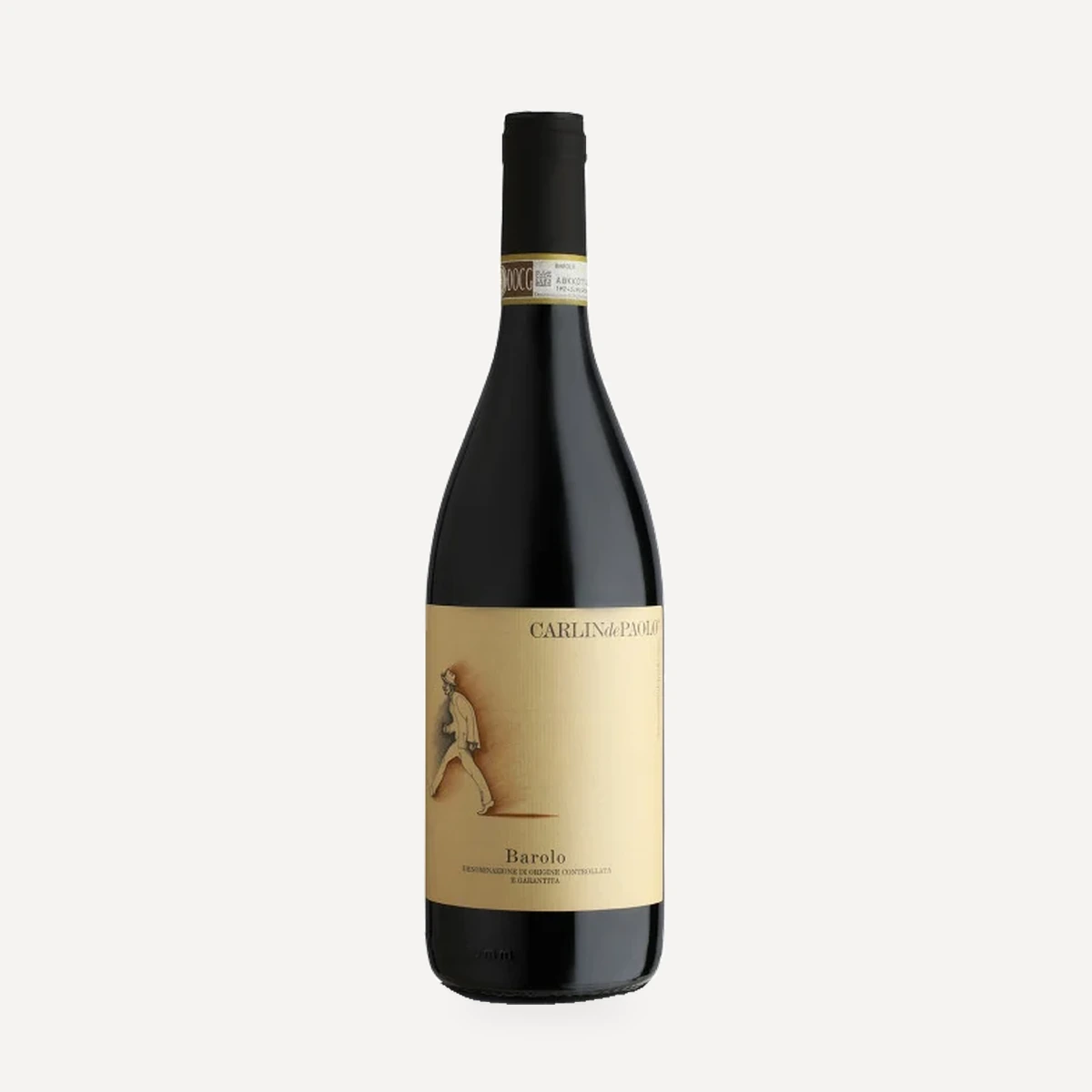
Barolo D.O.C.G.
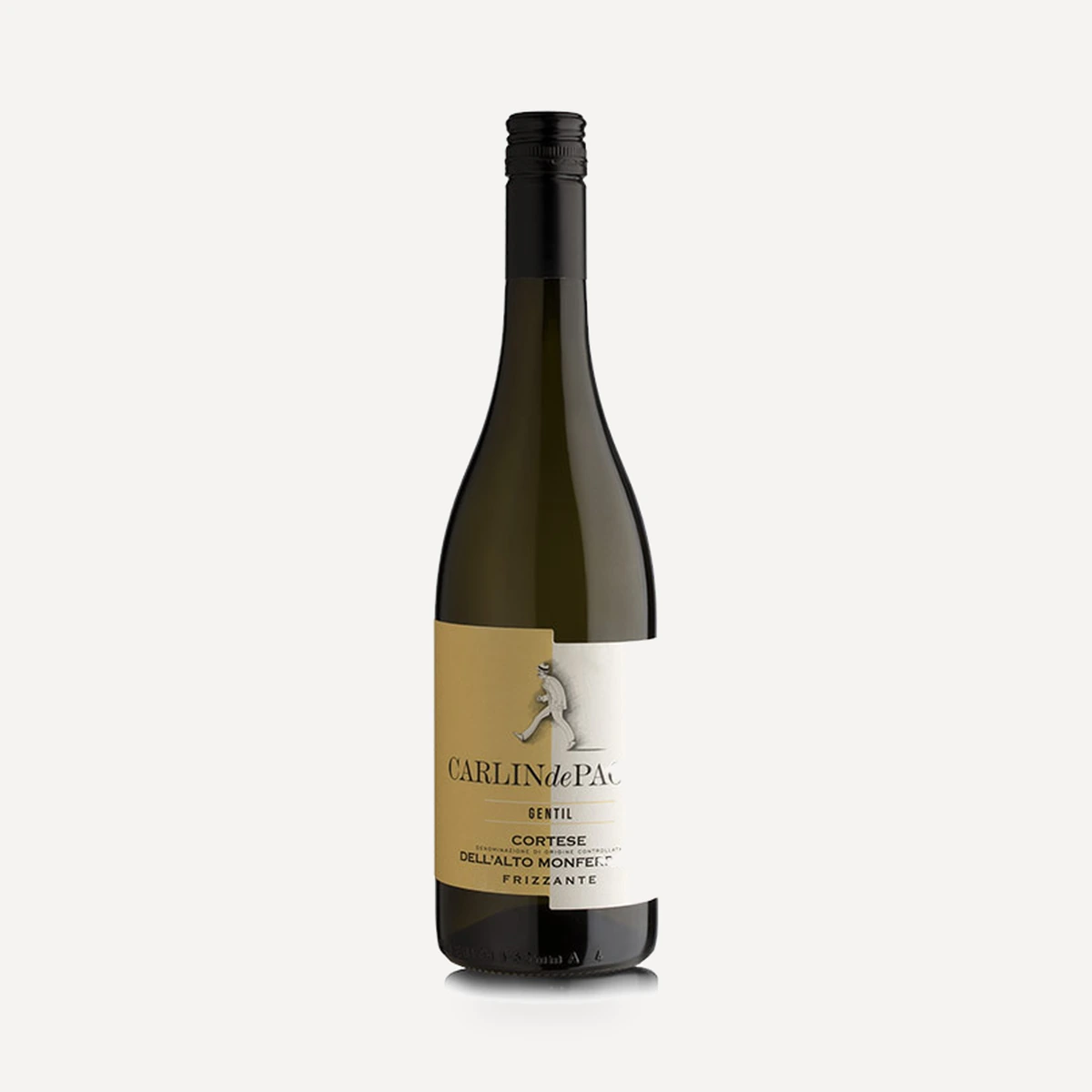
Cortese dell’Alto Monferrato D.O.C. “Gentil”
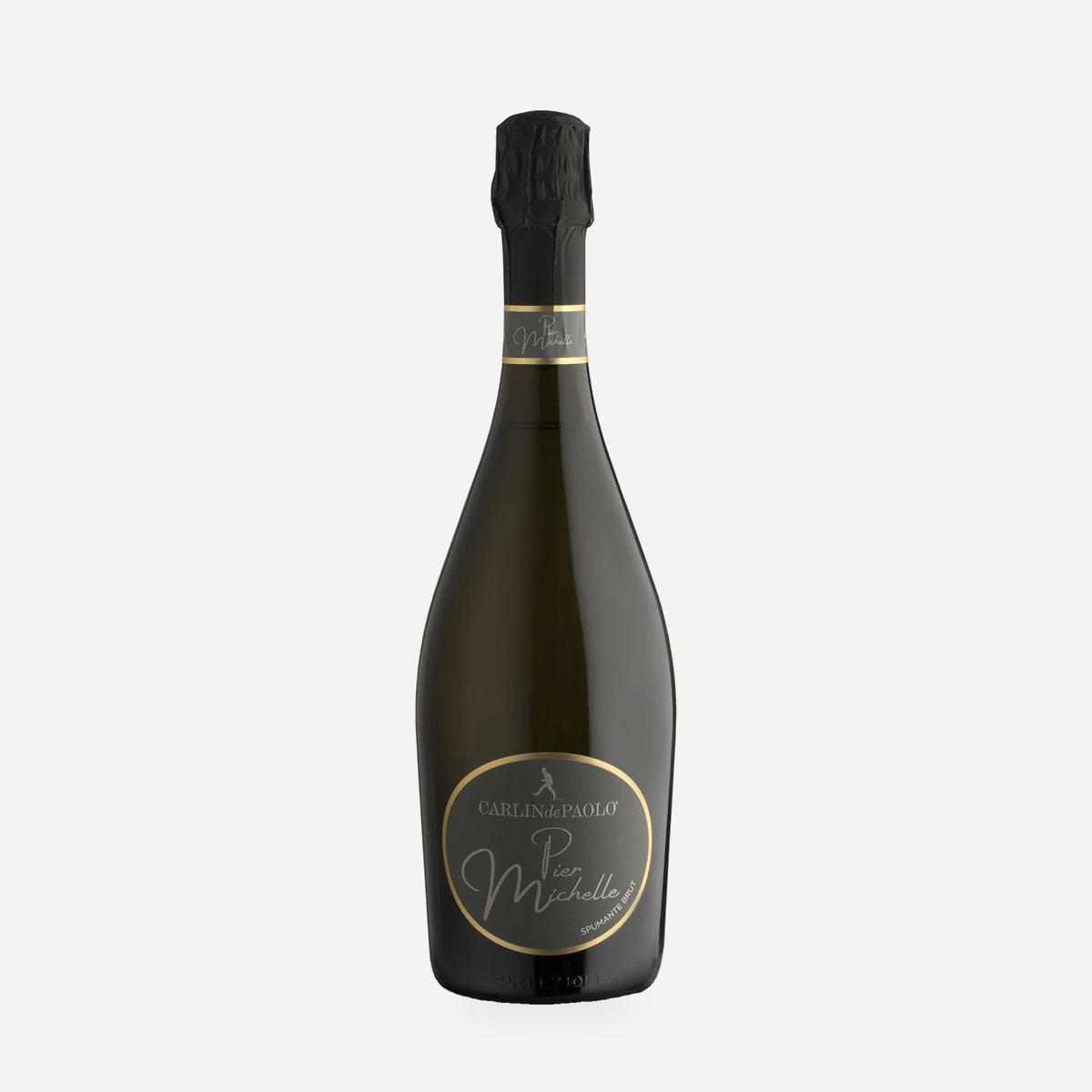
Spumante Brut “Pier Michelle”
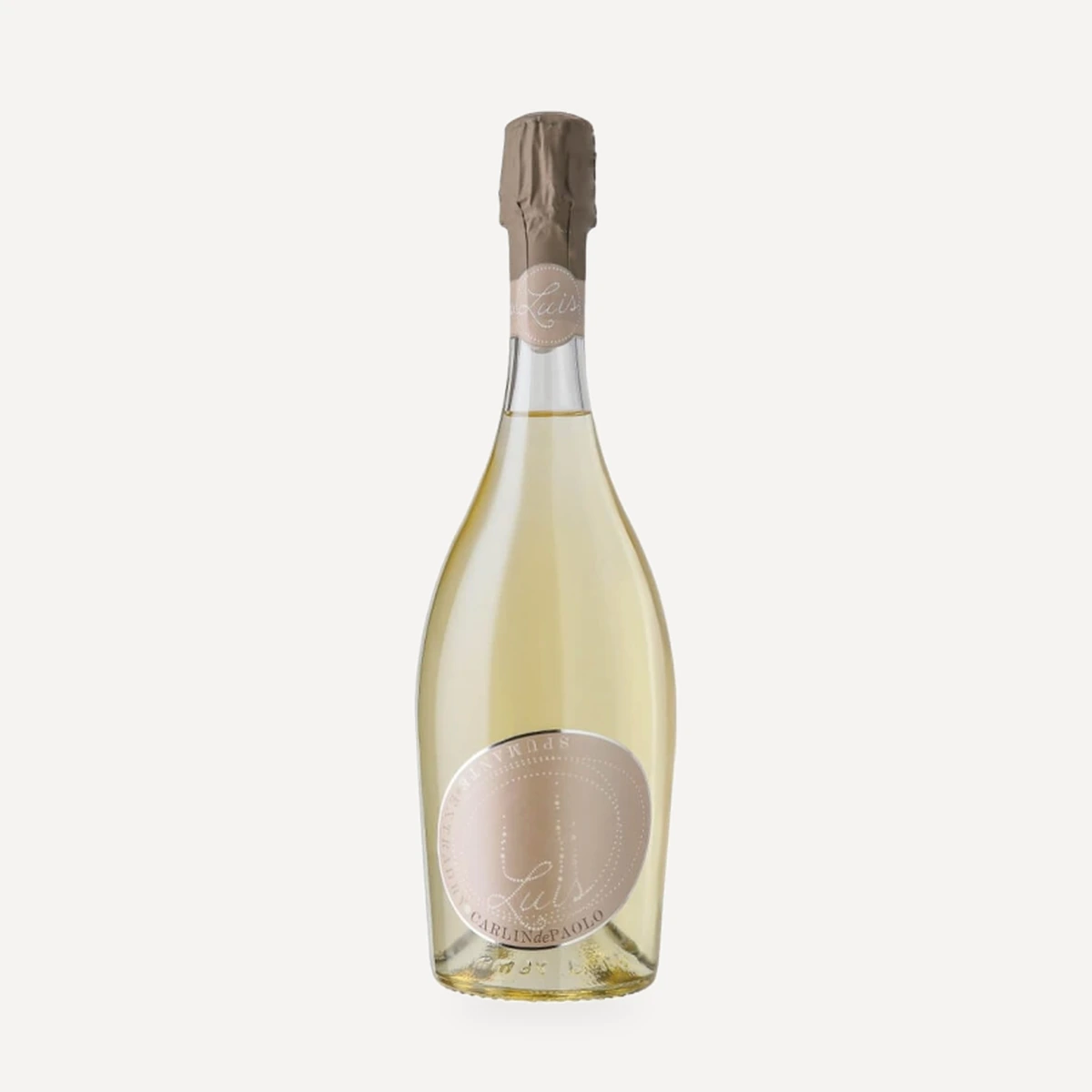
Spumante Extra Dry “Luis” Bianco
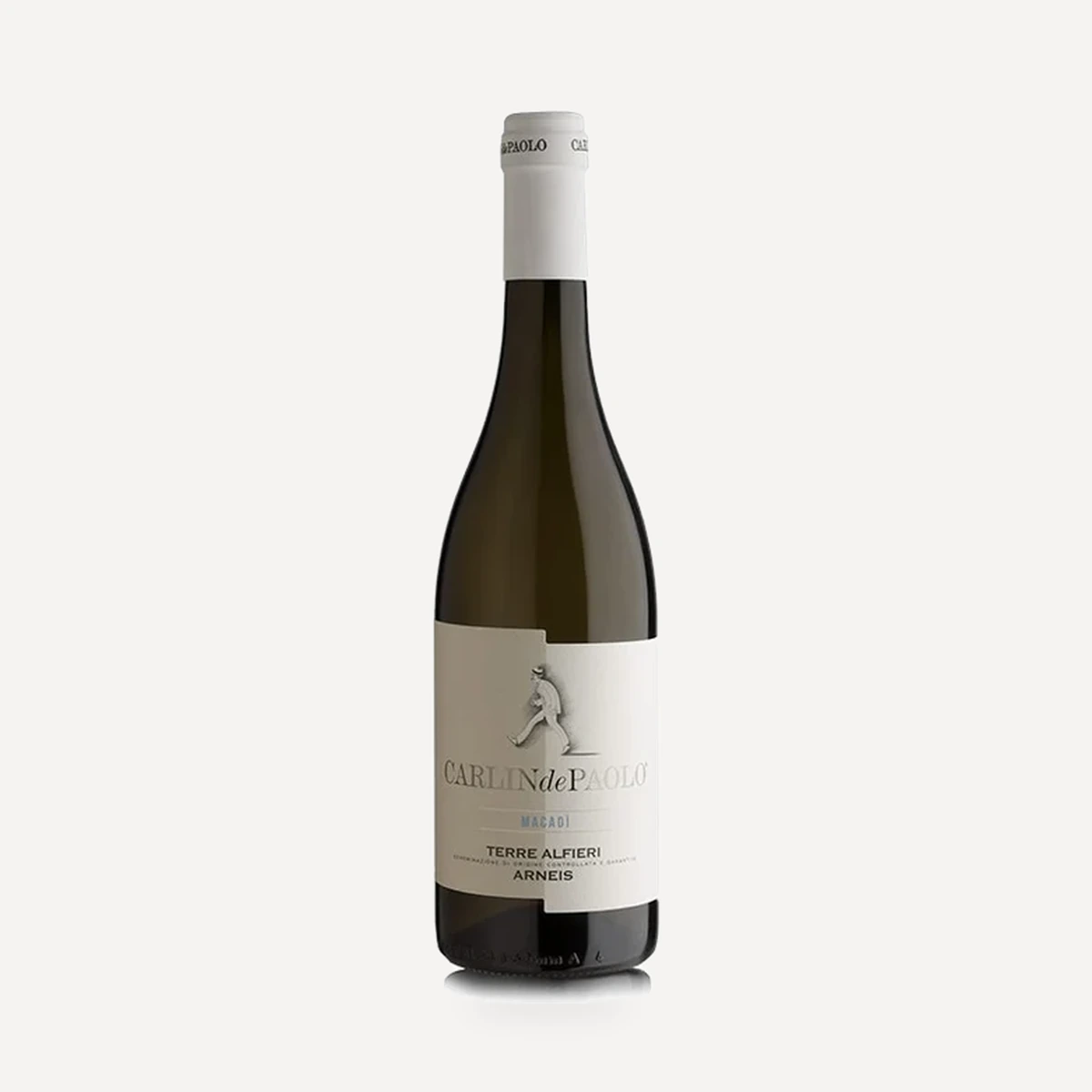
Terre Alfieri D.O.C.G. Arneis “Macadì”
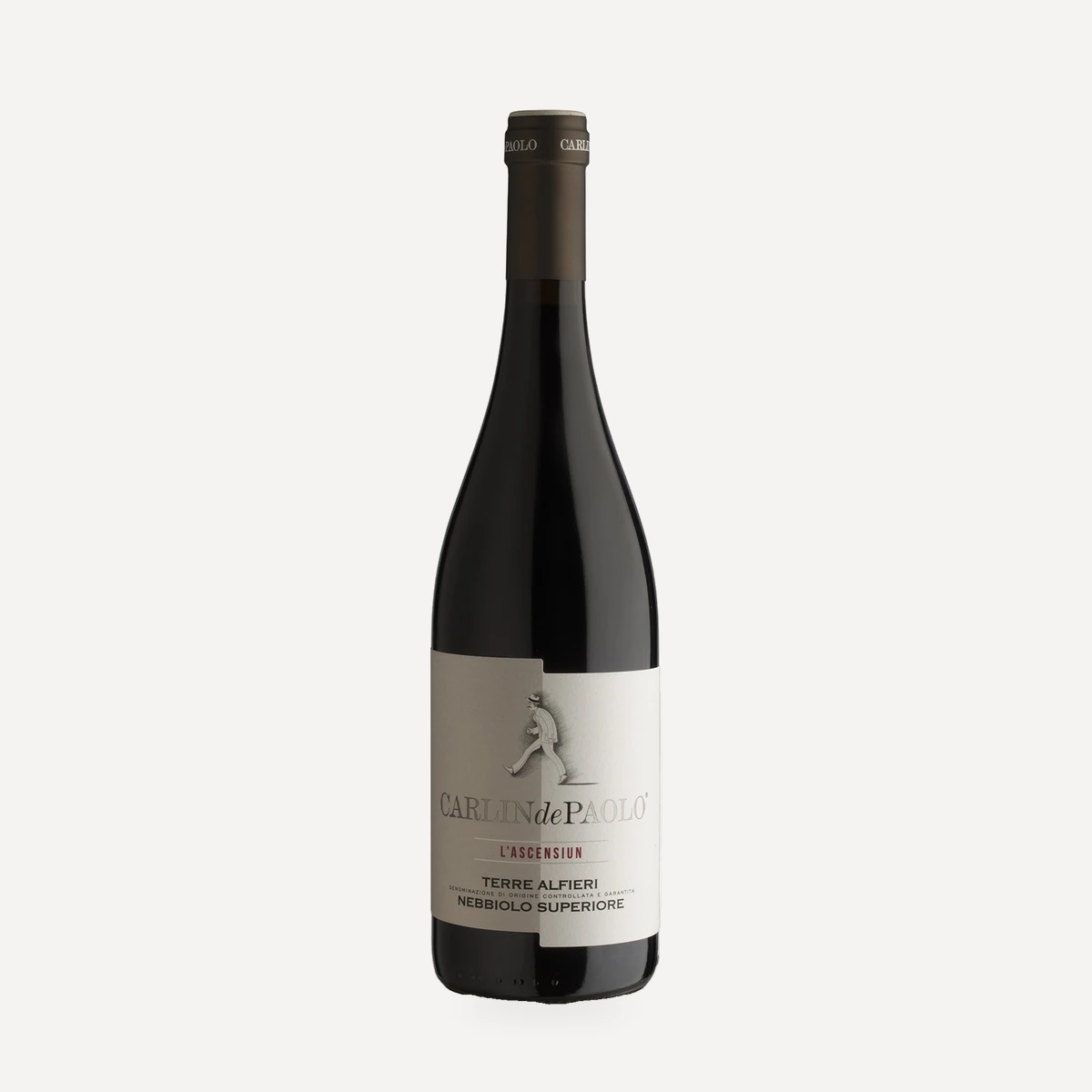
Terre Alfieri D.O.C.G. Nebbiolo “L’Ascensiun”
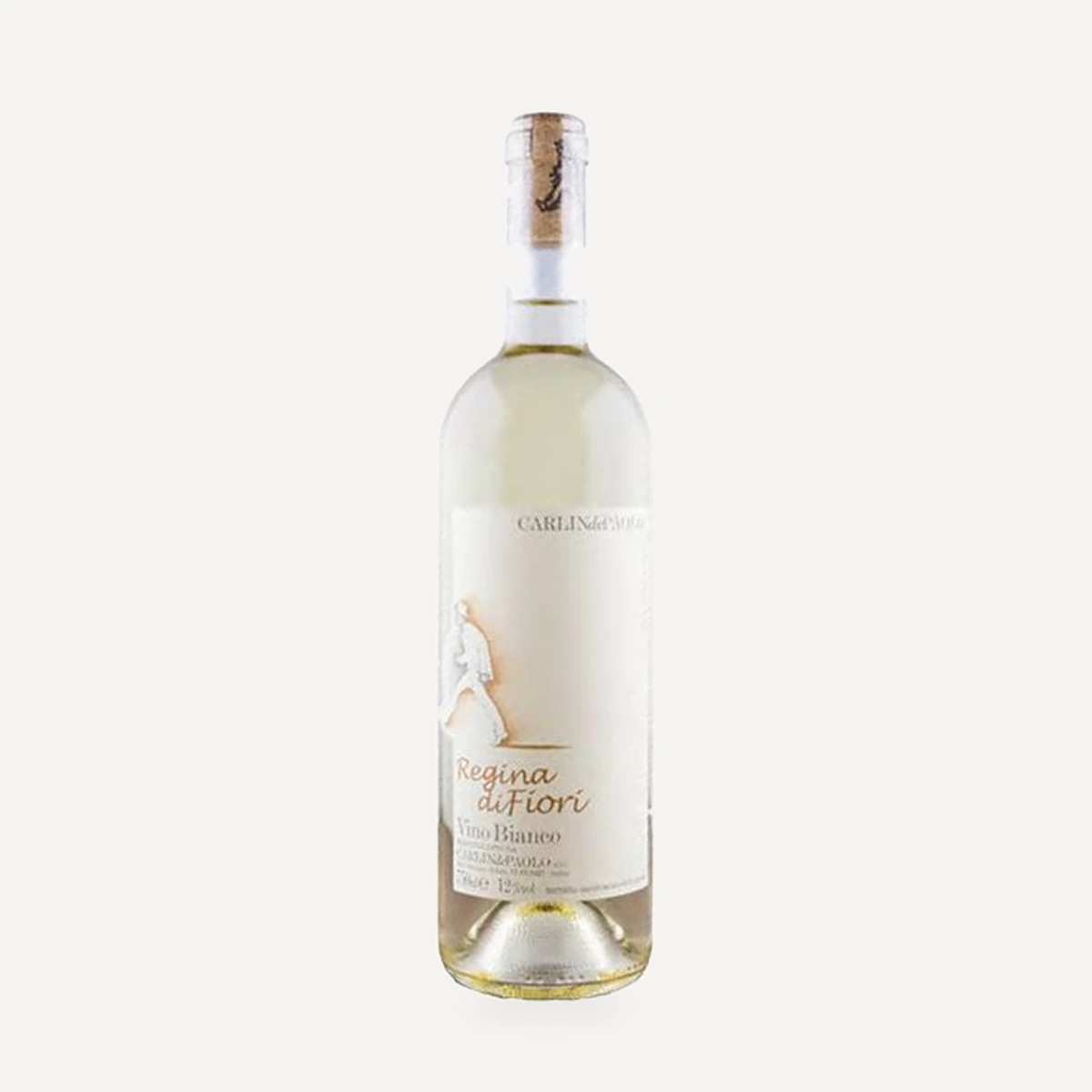
Vino Bianco “Regina di Fiori”
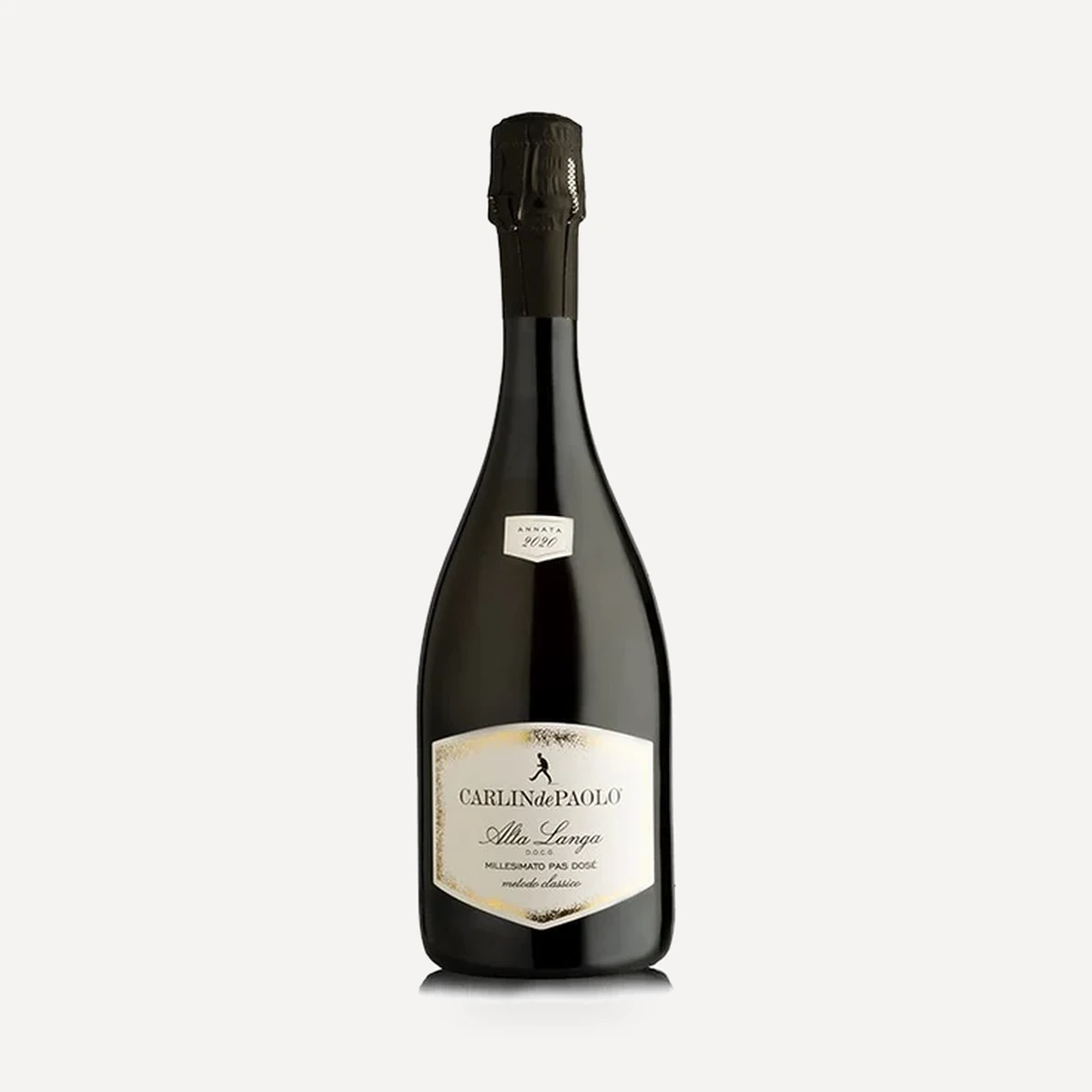
Spumante DOCG Millesimato Pas Dosè “Alta Langa”