Storia
Villa Beretta and the eighteenth-century muse
The historical background reaches back to the seventeenth century, when Count Giuseppe Beretta built Villa Beretta at Mizzole, in the eastern part of Valpolicella. Giuseppe Beretta served as podestà of Verona and was also known as an agronomist and pastoral poet.
The identity of the project also evokes Cecilia Beretta, an educated and refined eighteenth-century noblewoman and patron of arts and crafts. She welcomed aristocrats, artists, intellectuals and musicians from across Europe to her salon. Her strong but elegant character became the model for the personality associated with the Cecilia Beretta name.
Late 1940s: the Pasqua family acquires the vineyards
At the end of the 1940s, the Pasqua family purchased vineyards at Mizzole and San Felice. These holdings later became central to its quality-focused work in Valpolicella.
1980: creation of Cecilia Beretta
Cecilia Beretta was established in 1980 as a Pasqua family project devoted to high-quality Veronese wines with a distinct identity. Its starting point was the family's vineyards in Valpolicella and Soave, under the technical direction of Carlo Olivari.
During the 1980s, the consolidation of the family business made it possible to devote substantial resources to improving the qualitative potential of the Mizzole and San Felice vineyards. The project set out to recover the strength and personality of traditional Valpolicella and Soave wines while interpreting tradition through a modern, original approach. Particular importance was attached to indigenous varieties—above all Corvina—and to the historic technique of appassimento.
Production was deliberately restricted to a limited range of fine wines. Picàie became an international ambassador for Cecilia Beretta and had occupied that role for twenty years by the time a new phase of stylistic development began.
Environmental research and vineyard conversion
The business invested in environmental-sustainability research and began converting its vineyards to organic methods. This work subsequently developed into a broader programme covering energy use, naturally temperature-regulating structures, packaging, quality certifications and organisational sustainability.
2017–2019: new vineyard relationships and stylistic development
Grapes from the 2017 harvest were used to develop a more elegant interpretation of Mizzole Valpolicella Superiore. From 2018, new relationships were established with controlled vineyards supplying Cecilia Beretta. Their geographical reach extended from Valpolicella to the Lake Garda area, supporting the creation of Freeda Rosé Trevenezie.
In 2019, Pasqua engaged Graziana Grassini as a consultant. A Tuscan biologist and oenologist with approximately thirty years of experience, Grassini was among the first women to establish a career in Italian winemaking. Her initial Cecilia Beretta work focused on Mizzole Valpolicella Superiore and Picàie, with the aim of refining their stylistic expression. The Mizzole project included a leaner, more elegant treatment of the 2017 grapes.
The same year, Cecilia Beretta and Wired developed a project devoted to thirty-three contemporary female innovators. Twelve of their stories appeared on a limited series of Mizzole labels illustrated by Ludovica Basso, known as Clorophilla.
Current direction
Cecilia, a member of the Pasqua family and part of its international sales team, was appointed business development manager. She holds the WSET Level 4 Diploma in Wines and Spirits. The business is owned by Umberto, Riccardo and Alessandro Pasqua, while Graziana Grassini supervises the stylistic reinterpretation of selected references and Carlo Olivari is identified with its technical direction.
Current production is approximately 300,000 bottles annually. The environmental programme includes Organic certification, ISO, BRC and IFS quality certifications, and conformity with the Equalitas SOPD Sustainable Organisation Module—OS.
Terroir
The holdings extend across the amphitheatre of hills and valleys that forms Valpolicella and eastward to the volcanic hills of Soave. The Valpolicella vineyards lie both in the eastern part of the denomination and in Valpolicella Classica, between Castello di Montorio, Mizzole and San Pietro in Cariano. The historical Mizzole and San Felice vineyards entered Pasqua family ownership in the late 1940s.
The vineyards have an average elevation of 150–200 metres. Limestone and clay characterise the broadly described vineyard soils, while the Soave hills introduce a distinctly volcanic component. At Brognoligo, within Soave Classico, the formation is specifically eruptive basalt with alluvial residues.
Controlled vineyards in the southern Lake Garda area expanded the geographical scope of grape sourcing from 2018. These sites supply fruit for the rosé programme and are distinguished from the owned Valpolicella and Soave holdings.
Vinificazione
The vineyards are planted at approximately 5,000 vines per hectare and use both Guyot and spur-pruned cordon training. The Brognoligo Garganega site is pergola trained and approximately 45 years old.
Hand harvesting is integral to the documented vineyard work. Grapes intended for traditional appassimento are selected among the best bunches and picked after reaching slight overripeness. At Brognoligo, cane cutting interrupts sap flow once the fruit is ripe, allowing the berries to dry naturally on the vine for another two to three weeks before manual picking. Fruit from the controlled southern Lake Garda vineyards is also harvested by hand.
The vineyards entered conversion to organic methods as part of an investment in environmental research. Organic certification is now maintained alongside ISO, BRC and IFS quality certifications. The broader sustainability programme reduces energy consumption, uses structures that regulate temperature naturally and seeks to minimise waste from glass and paper packaging. Organisational practices conform to the Equalitas SOPD Sustainable Organisation Module—OS.
Production is deliberately limited to approximately 300,000 bottles annually and is centred on Valpolicella and Soave. The approach combines modern interpretation with the recovery of indigenous varieties, particularly Corvina, and the continued use of appassimento.
For the traditional drying process, the best bunches are selected and harvested by hand at slight overripeness. They are arranged with space between them in wooden crates, with no more than 5 kg of fruit in each container, and transferred to the drying room or fruttaio. Fans maintain a constant temperature and control humidity, reducing the risk of mould.
Drying lasts approximately four months. During this period the grapes lose 30–40% of their original weight. Water loss concentrates sugars and potential alcohol while also increasing aromatic compounds, extract and glycerine. The technique is used to give the red wines greater concentration and aromatic richness. The house has also applied appassimento to combinations of local and international varieties, joining the fragrance and fruit character of indigenous grapes to the expression of international cultivars.
Naturally temperature-regulating structures and reduced energy consumption form part of the production infrastructure. The stylistic work supervised by Graziana Grassini seeks authenticity and consistency with the grape variety, place of origin and intended house style, including a more elegant interpretation of Valpolicella Superiore.
Filosofia
Wine stands at the centre of Cecilia Beretta's identity. The project seeks to recover the strength and personality of traditional Valpolicella and Soave while interpreting that heritage through contemporary winemaking. Innovation is treated as compatible with tradition when it clarifies the character of the grape and its precise place of origin.
Indigenous varieties, particularly Corvina, are central to this approach. The relationship between people and nature is carried into the cellar through local grapes and centuries-old techniques such as appassimento. Production remains deliberately limited, with emphasis placed on vineyard and regional typicity rather than scale.
The identity also has a deliberately female perspective. The eighteenth-century Cecilia Beretta supplies the historical model: educated, internationally connected, strong in character and elegant in manner. In the present, business development is led by Cecilia of the Pasqua family, while Graziana Grassini supervises the stylistic reinterpretation of selected wines.
Grassini's stated approach defines a wine as an authentic, coherent expression of a particular variety in a particular terroir, interpreted within the producer's chosen style. Her work also treats innovation as responsiveness to changing preferences, supported by science, microbiology and technology. For Cecilia Beretta, this has included the pursuit of a more elegant Valpolicella Superiore expression.
Environmental responsibility is incorporated into business strategy through lower energy consumption, naturally temperature-regulating structures, reduced packaging waste, organic certification and Equalitas organisational conformity.
Vini
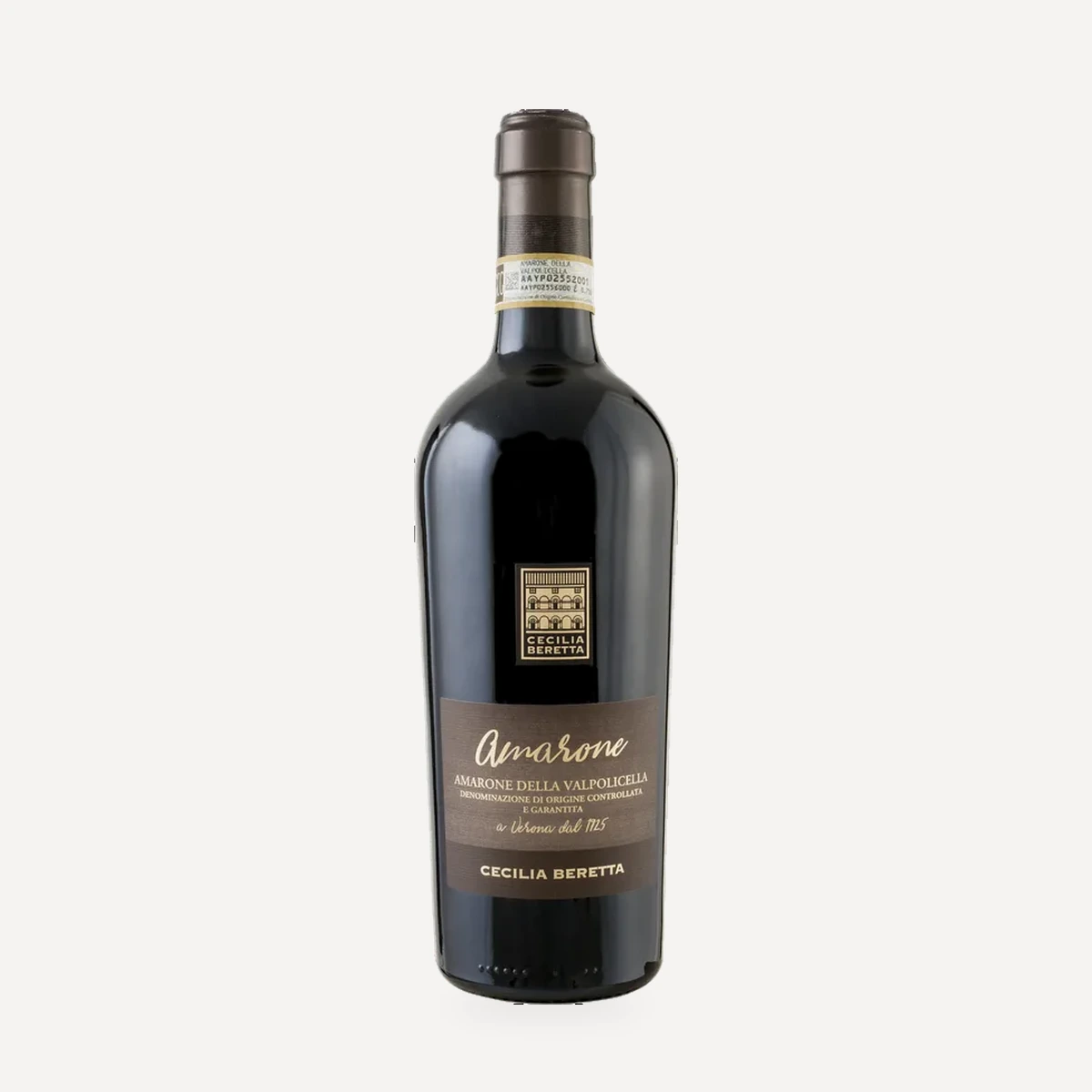
Amarone della Valpolicella
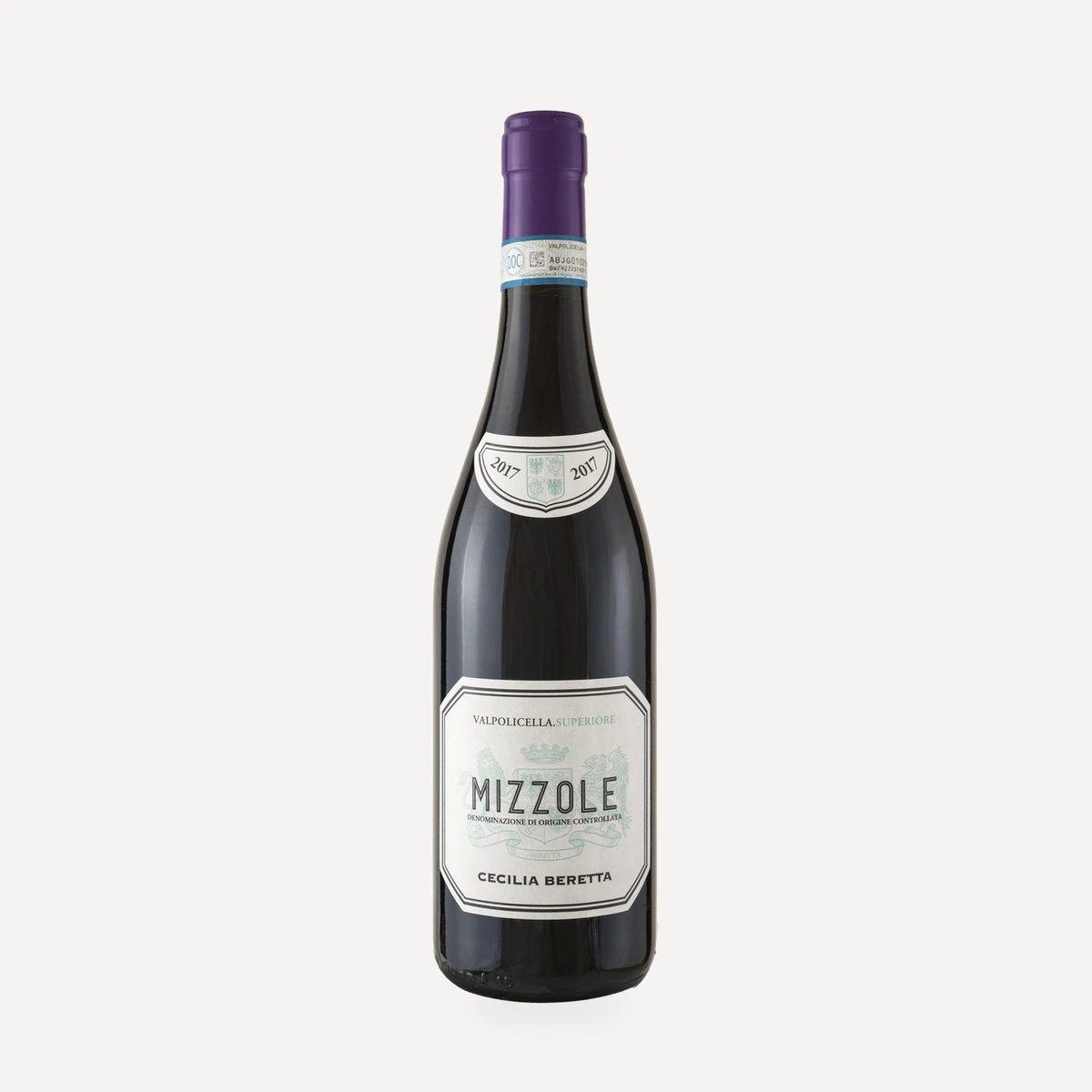
Mizzole Valpolicella Superiore
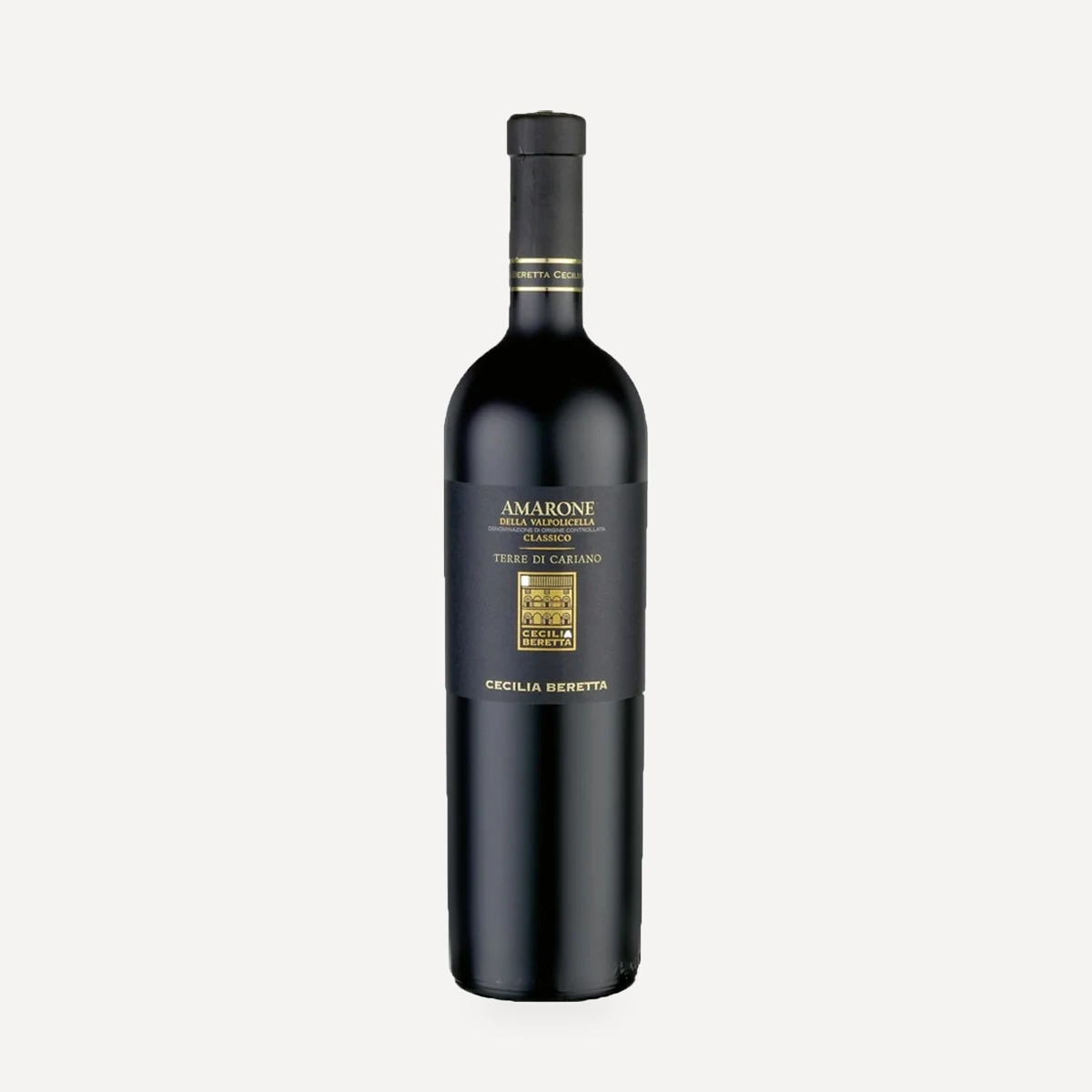
Terre di Cariano Amarone della Valpolicella Classico Riserva
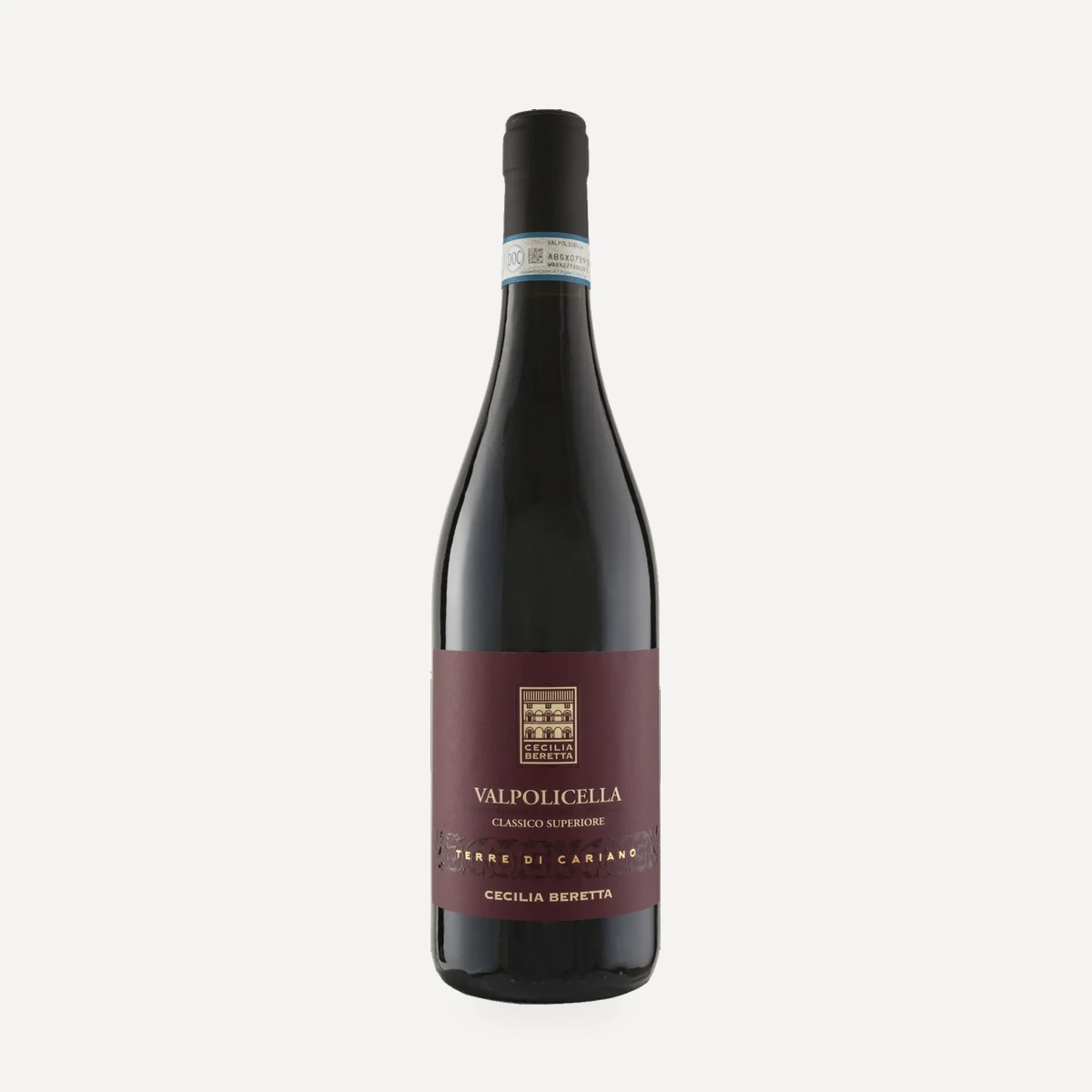
Terre di Cariano Valpolicella Classico Superiore