Storia
Generational roots
Ceralti is a family-managed agricultural estate with roots extending across several generations in the Castagneto Carducci area near Bolgheri. Family, tradition and direct engagement with the land form the continuity between its wine, olive-oil and hospitality activities. Walter Alfeo and his son Iacopo later assumed responsibility for the different phases of cultivation and production; Walter is an experienced agronomist, while Iacopo is both an agronomist and an enologist.
1889 farmhouse and agricultural estate
The estate’s Tuscan farmhouse dates from 1889. It stands in the Cerreta area of the municipality of Castagneto Carducci, amid vineyards, olive trees and peach orchards. The building was subsequently restored and divided into guest apartments, extending the agricultural estate into agritourism while retaining opportunities for visitors to take part in seasonal work such as pruning, tying vines and harvesting grapes, olives and peaches.
1997: first Bolgheri Rosso DOC
In 1997 Ceralti produced its first Bolgheri Rosso DOC. The wine was bottled after maturation in barriques, establishing a documented milestone in the estate’s bottled-wine production.
Organic development and new plantings
Organic production became a defining part of the estate’s identity. An organic certificate appears among Ceralti’s records for 2014, and later technical materials identify several wines as certified organic. The estate linked its organic approach to continuity, environmental responsibility and sustainability.
Ceralti also expanded and renewed its plantings. New vineyards included clones of local grapes developed in cooperation with the Arezzo Experimental Research Centre for Viticulture. Alongside viticulture, additional olive trees were planted for experimental cultivation. The estate continued to maintain peach orchards and centuries-old olive trees while producing extra-virgin olive oil from both pitted and unpitted fruit.
Terroir
Setting
Ceralti has 11 ha of vineyards, mainly on the hills between Castagneto Carducci and Bolgheri. The vineyards occupy several named areas—Cerreta, Caserta and Lamentano—and combine coastal proximity with differing elevations, aspects and soil textures. The estate identifies geographic position and microclimate as important contributors to its viticulture.
Cerreta and the coastal plain
Blocks at Podere Cerreta lie approximately 1.2–1.5 km from the sea. Some are planted on sandy soils whose alkaline pH is associated with a high content of marine salts. Other Cerreta or Strada di Lamentano blocks are described as structured silty or muddy clay grading into soils of medium texture. Their rows generally run north–south.
Lamentano hillside
Lamentano lies around the Bolgherese road on the seaward side of the Grattamacco hill. The documented vineyard blocks are at 60–120 m above sea level, face southwest and have structured muddy-clay soils containing gravel. The estate distinguishes between a hillside block and a block west of the Bolgherese road.
Caserta
Caserta is named together with Cerreta and Lamentano as one of the sources for the estate’s Bolgheri Rosso vineyards. Its soils in that combined vineyard description range from structured silty or muddy clay to medium-textured ground.
Across the estate, soil conditions contribute to naturally limited yields. Technical descriptions record densities of 6,000–6,250 vines/ha and yields ranging from 60 to 90 quintals/ha, depending on the block and grape selection.
Vinificazione
Ceralti’s vineyards are managed organically, with an organic certificate documented in 2014 and later technical materials explicitly identifying several bottlings as organic. The estate frames this approach through responsibility toward its territory, sustainability and continuity of quality.
Planting density is high by the estate’s own standards: approximately 6,200 vines/ha overall, with individual technical descriptions ranging from 6,000 to 6,250 vines/ha. Training systems include Guyot, spur-pruned cordon and double cordon. Low yields are associated both with planting density and with the nature of the soils; documented blocks range from 60 to 90 quintals/ha and from approximately 1 to 1.5 kg per vine.
All documented harvests are manual. Some red-grape harvests extend from September into October, while white grapes are collected from the first or second week of September. One rosé selection is picked two weeks before the variety’s normal harvest date. A detailed red-wine description specifies hand harvesting into boxes.
Walter Alfeo and Iacopo Alfeo supervise the stages of cultivation and production. Vineyard renewal has included new plantings and clones of local grapes established in cooperation with the Arezzo Experimental Research Centre for Viticulture.
General approach
Grapes are picked by hand and processed through a combination of traditional practices and modern vinification techniques. Technical materials describe separate protocols for white, rosé and red grapes rather than one uniform cellar recipe.
White and rosé processing
White and rosé grapes receive gentle pressing. The rosé is made by a blanc-de-noirs method with rapid separation of juice and skins. White-grape protocols include cryomaceration before gentle pressing. Fermentation takes place in stainless-steel tanks at controlled temperatures: approximately 15 days for the rosé and one white blend, and about 21 days at a particularly low temperature for Vermentino.
Malolactic fermentation is blocked for the rosé and Vermentino. Vermentino remains on its lees for three months before three months of bottle maturation. The white blend undergoes malolactic fermentation and six months of lees ageing in 500 L tonneaux, followed by six months in bottle. The rosé receives three months of bottle maturation. One rosé technical sheet records total sulphites below 60 mg/L, while the Vermentino sheet gives 60 mg/L.
Red-wine processing
Red grapes undergo maceration and fermentation at controlled temperature in cement vats. The documented duration is approximately 14 days for one Bolgheri Rosso protocol and 18 days for other red selections. Micro-oxygenation is used in the Bolgheri Rosso process.
Malolactic fermentation takes place either in 1,500 L oak vats or in French-oak barriques. One Bolgheri Rosso protocol includes four months of lees ageing in the 1,500 L oak vessels, followed by racking, bottling and three months of bottle maturation. Other red selections mature on their lees in French barriques: 12 months in second- and third-use barrels for one protocol, or 18 months in a combination of 80% new and 20% third-use barrels for another. Bottle maturation after these élevages lasts 12 or 18 months respectively.
Filosofia
Ceralti presents family, tradition and passion as the connecting principles behind its wines, organic olive oil and agritourism. Its identity is tied to generational continuity in Castagneto Carducci and to direct family oversight of the agricultural and production chain.
The estate’s declared organic standard rests on consistent product quality over time. Environmental responsibility and sustainability are treated as part of living and working within the region, rather than as activities separate from farming. In production, traditional methods coexist with modern vinification techniques, while the geographic position, microclimate and individual soils remain central to vineyard decisions.
Walter and Iacopo Alfeo’s joint supervision reflects this continuity: agronomic knowledge is carried through both vineyard work and cellar production, with Iacopo adding formal enological expertise to the family’s agricultural experience.
Vini
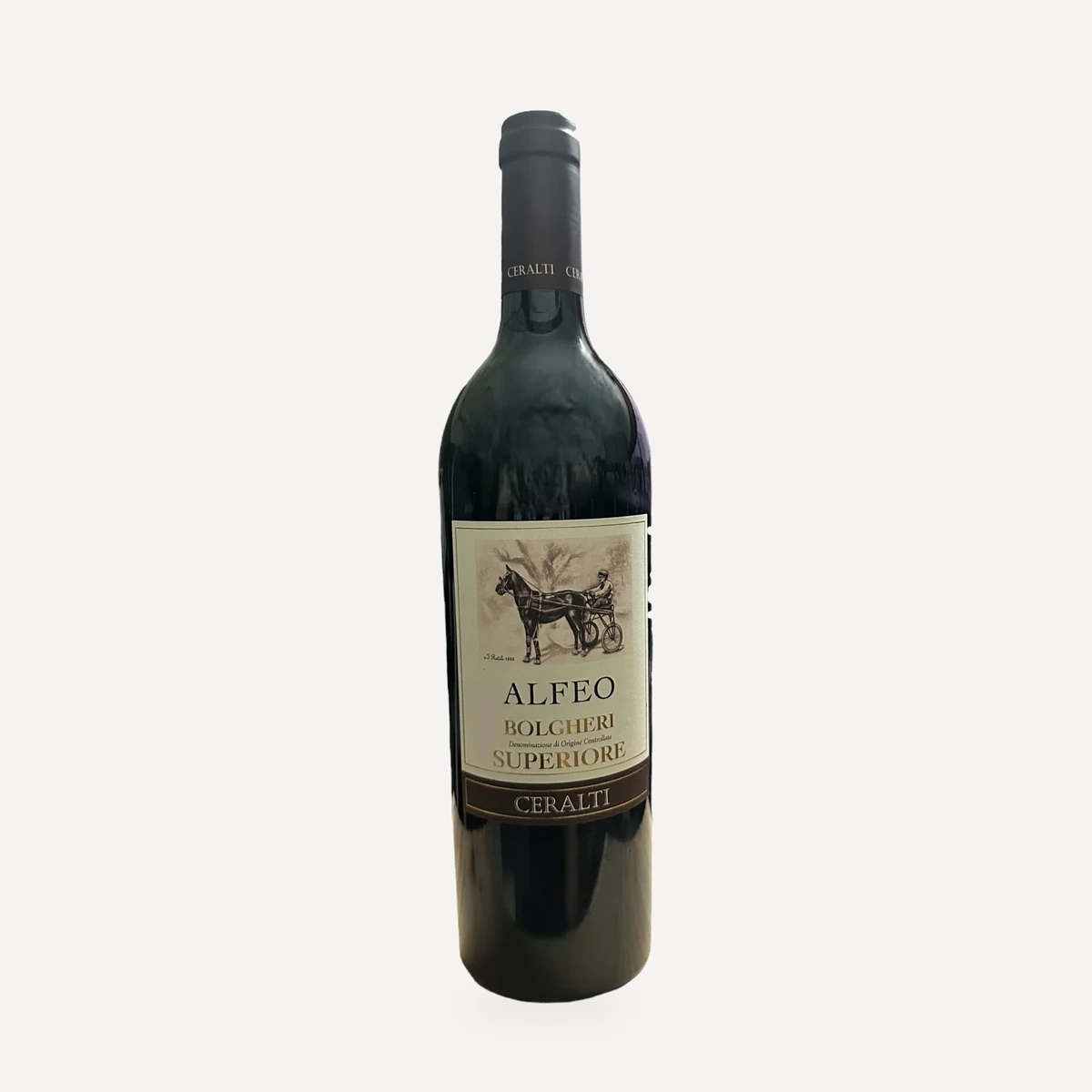
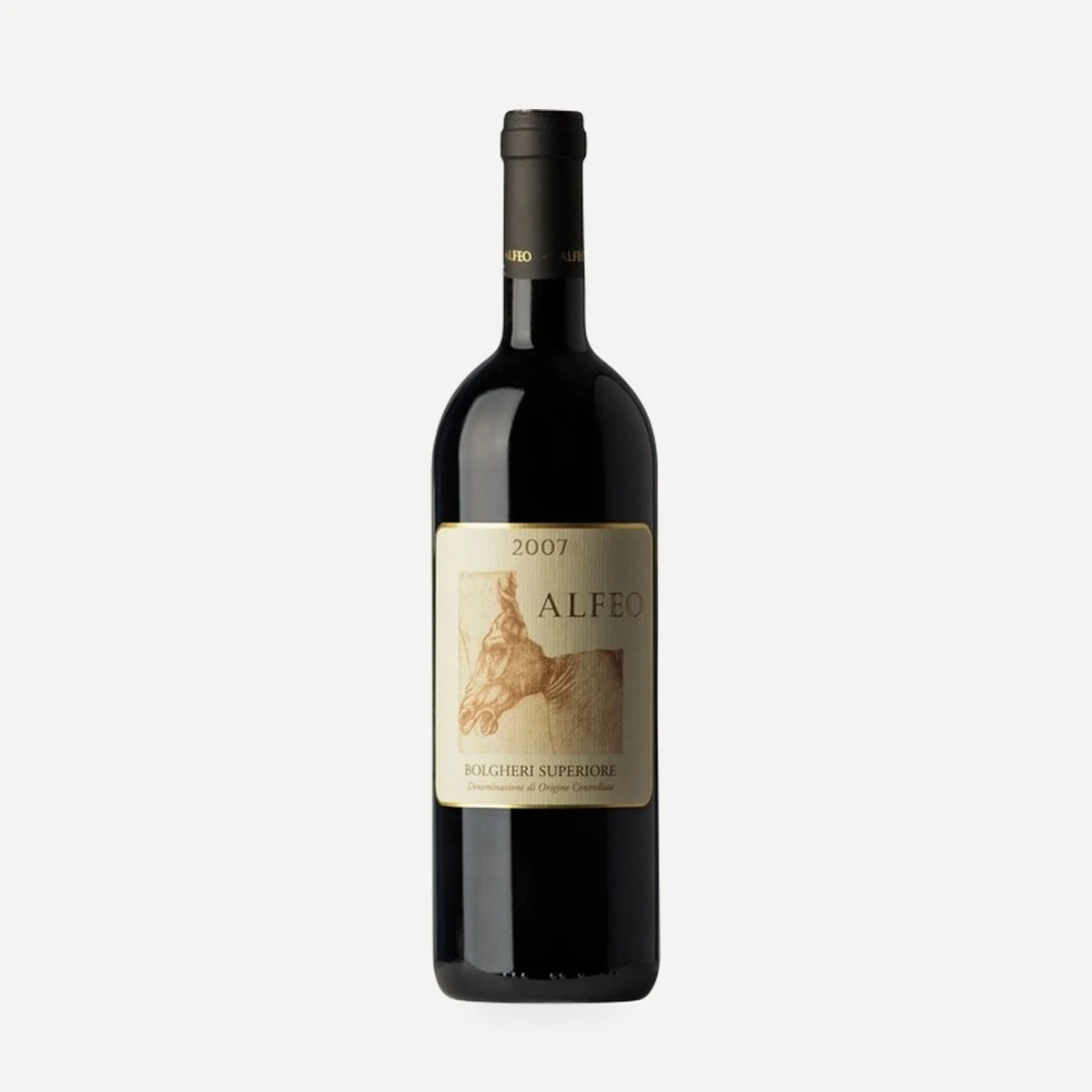
Alfeo Bolgherei D.O.C. Superiore Rosso
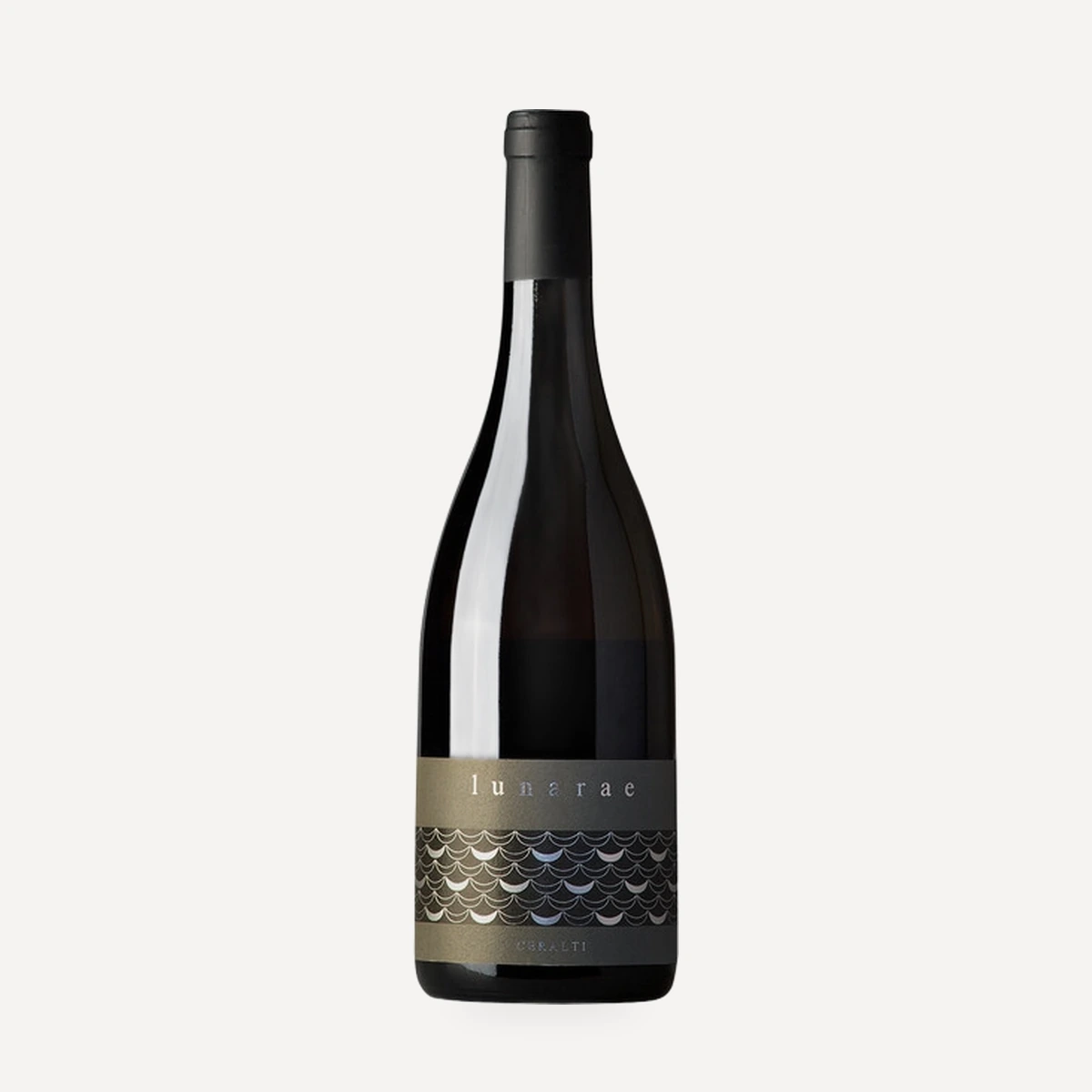
Lunarae Bianco IGT
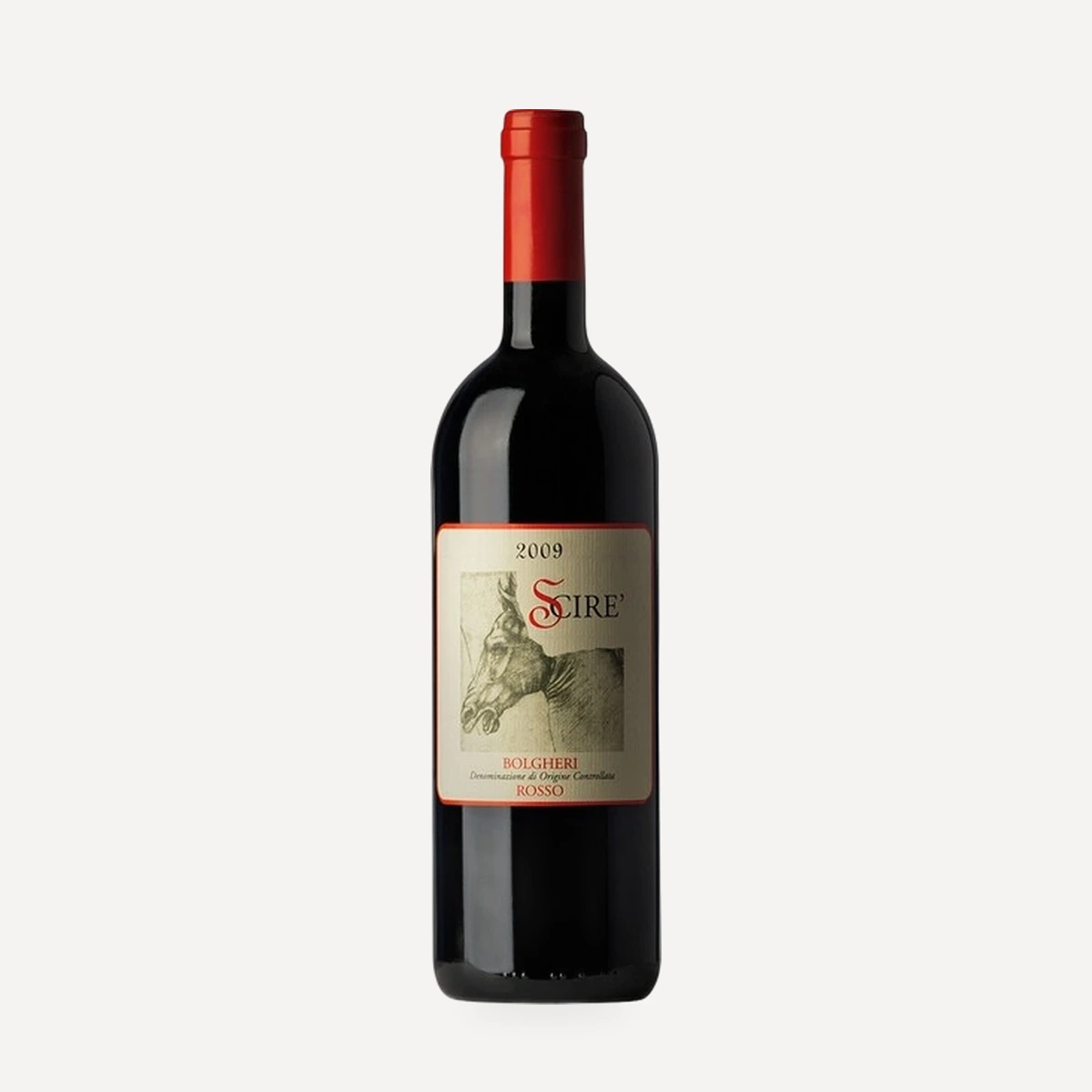
Scire Bolgheri Rosso DOC
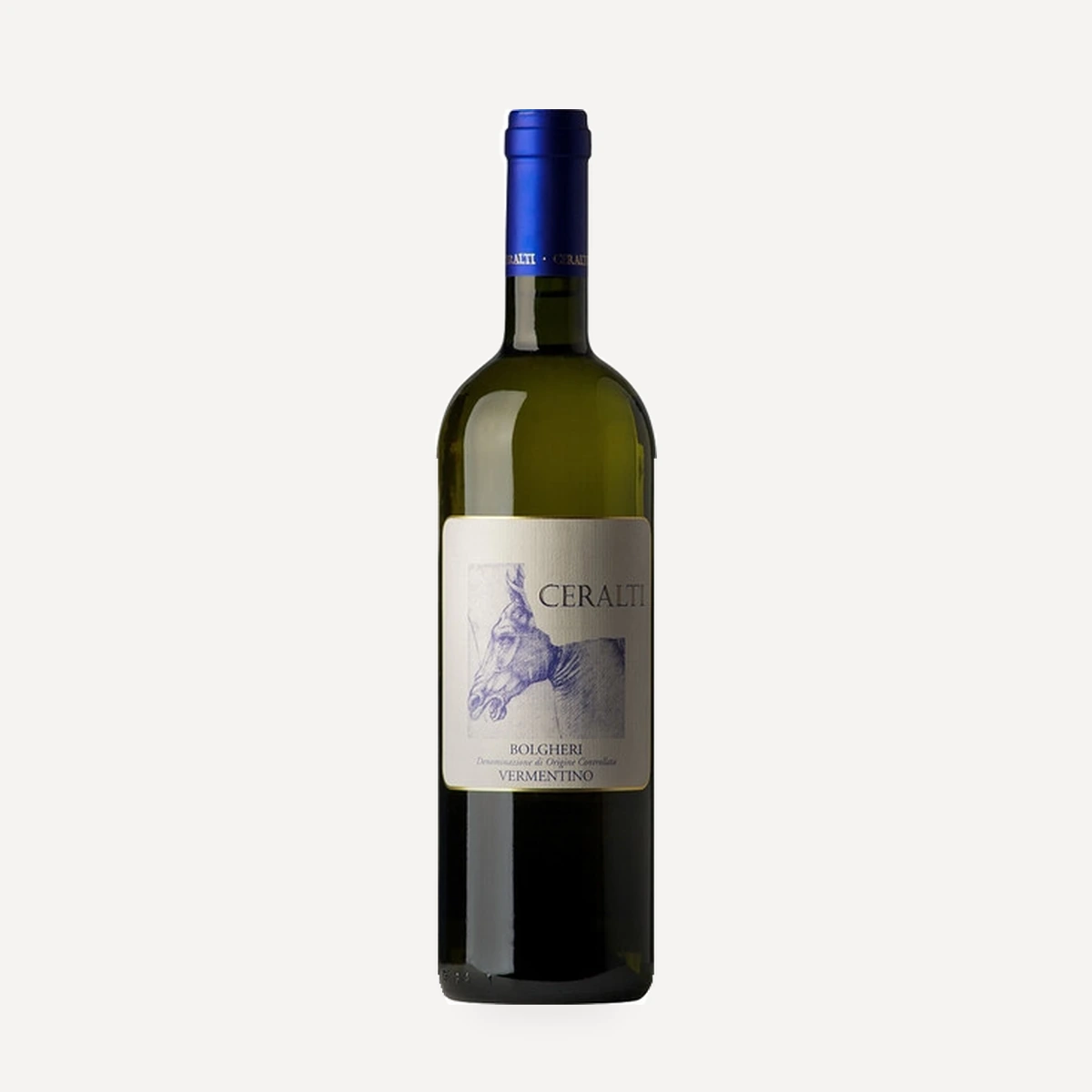
Bolgheri Vermentino DOC
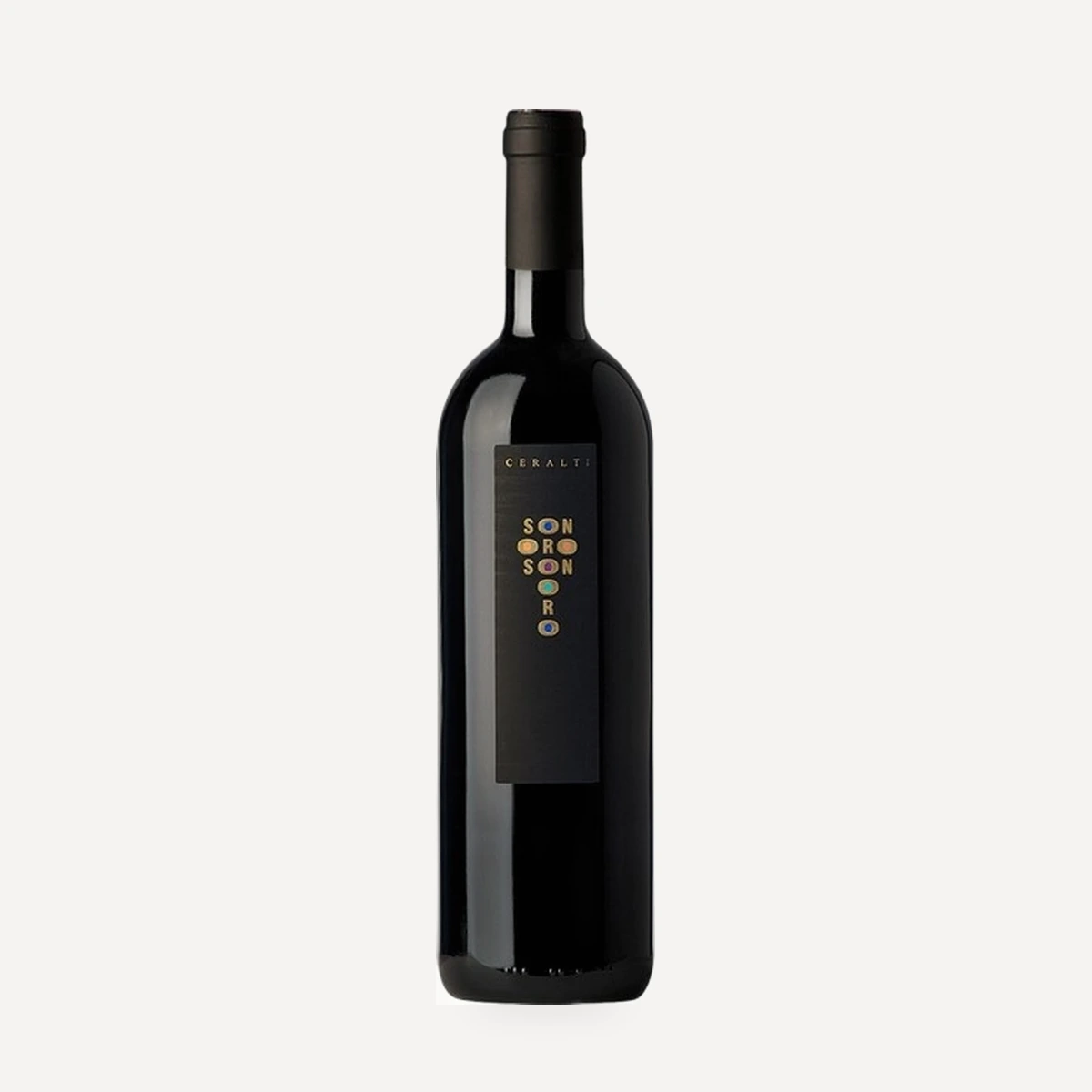
Sonoro IGT
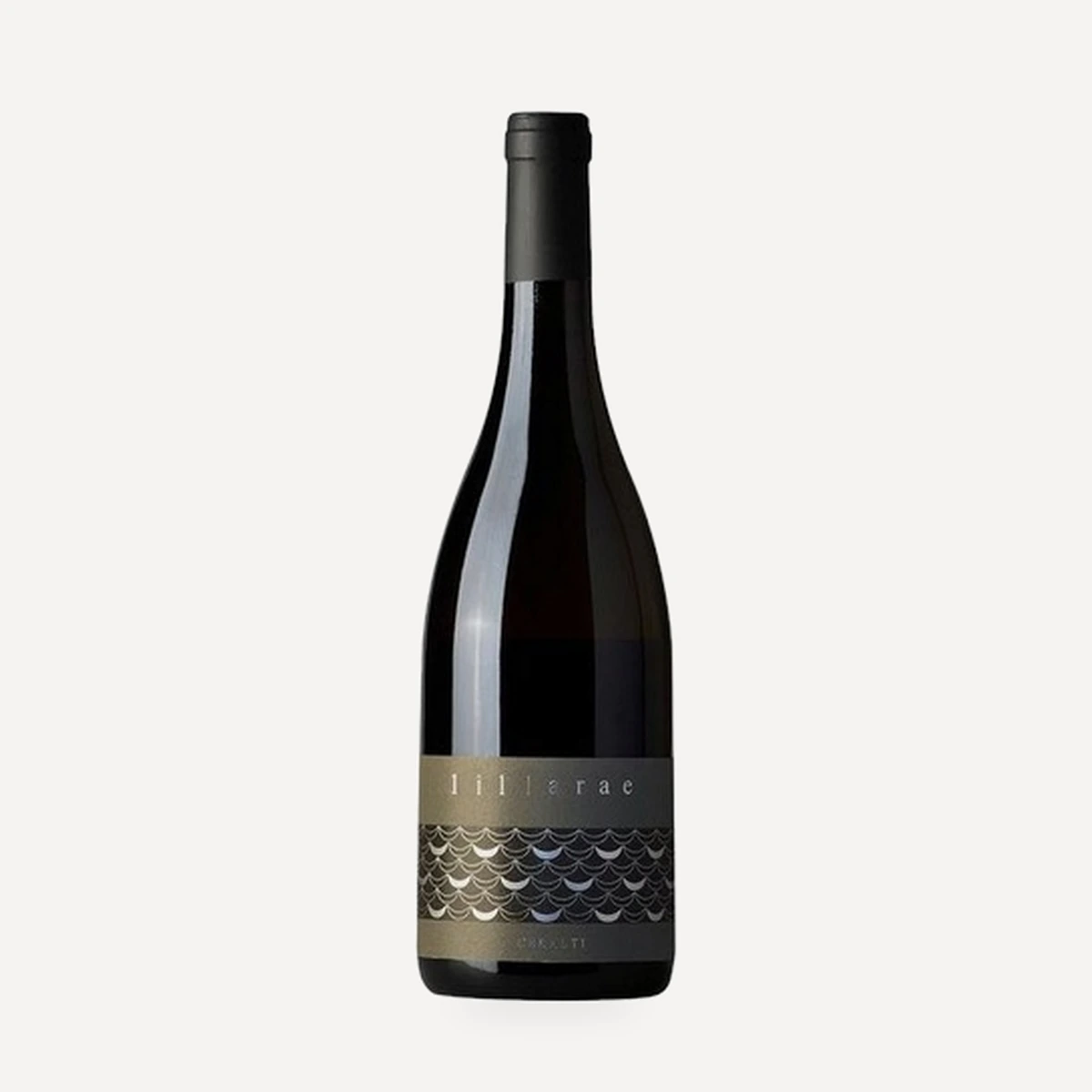
Lillarae I.G.T.
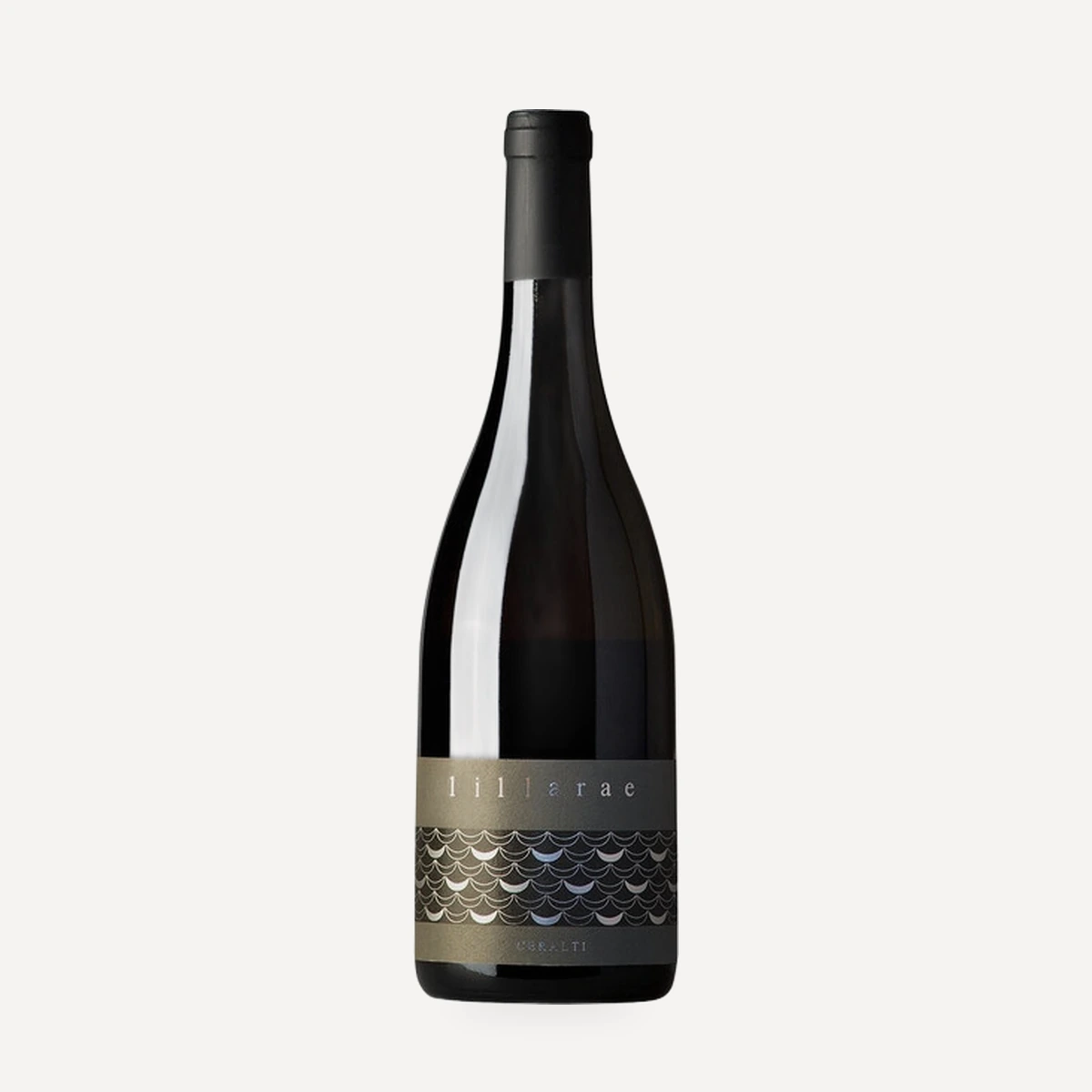
Lillarae Bianco Bolgheri IGT