Storia
Foundation in 1520
Formentini was founded in 1520 and remains active more than five centuries later. Its wines acquired a historical reputation among members of the clergy, aristocrats and political figures. Over this long period, the winery became closely associated with the development of wine production in Collio, interpreting the area through its climatic, environmental and human characteristics.
Generational relationships in Collio
A detailed knowledge of the territory was reinforced by relationships with local partner-growers maintained over successive generations. This continuity enabled Formentini to work with the particular qualities of individual micro-zones and to obtain grapes of consistent quality from a widely distributed vineyard network.
2021: Enrico Marega joins Formentini
Enrico Marega joined the winery team in 2021. His work contributed to the qualitative development of production, with particular attention to the identity of indigenous varieties and the value of the local denominations.
2025: new technical leadership
In 2025, Marega assumed technical leadership of Formentini. His approach combines close ties to Collio with openness to discussion, technical exchange and innovation.
Terroir
Collio
Formentini operates in Collio, a border territory in northeastern Italy adjoining Slovenia. The district extends between the Isonzo and Iudrio rivers and contains nearly 1,500 ha of vineyards. Its history spans more than a millennium and includes periods of major conflict and renewal.
Ponca
The characteristic soil is Ponca, a marine-origin formation composed of marl and sandstone and dating back millions of years. Its strong drainage capacity supports grape ripening. The soil is associated with a pronounced mineral character in both the aromas and flavours of the resulting wines.
A dispersed vineyard network
Formentini's viticultural base covers approximately 58 ha in highly regarded parts of the Collio DOC zone. The grapes come from about 150 parcels distributed among nine localities in the denomination's northeastern sector. This dispersed structure provides access to distinct micro-zones whose individual characteristics are addressed through long-standing local knowledge.
Friulano is particularly delicate because of its thin skin and reaches its best ripeness only in selected micro-zones. Plessiva and San Floriano del Collio are specifically identified among the places from which Formentini obtains this variety.
Vinificazione
Formentini works through a vineyard network of approximately 58 ha, divided into about 150 parcels in nine localities. Its relationships with local partner-growers have continued over generations, preserving detailed knowledge of the different micro-zones and supporting consistent grape quality over time.
Vineyard work is guided by method and rigour, with site selection adapted to the requirements of individual varieties. Friulano receives particular attention because its thin skin makes it delicate to cultivate and because it ripens most successfully in specific micro-zones, including Plessiva and San Floriano del Collio.
Formentini's production begins with grapes drawn from approximately 150 parcels across nine localities in the northeastern Collio DOC zone. Long-standing collaboration with local growers and detailed knowledge of the supplying micro-zones are used to maintain grape quality and preserve the distinctions among sites.
The production approach pairs methodical, rigorous vineyard work with interpretive freedom in the cellar. Under Enrico Marega's technical leadership, the focus is on the expressive potential of individual vineyards, the identity of indigenous varieties and the value of Collio's local denominations. Precision and sensitivity are combined with an approach rooted in the territory yet open to technical exchange and innovation.
Filosofia
Formentini presents its work as a reinterpretation of Collio and its varieties, seeking wines with a clear relationship to their origins and territory. Authenticity, typicity, individual character, refinement and elegance form the stated stylistic objectives.
This approach rests on method and rigour in the vineyard together with creative interpretation in the cellar. Long familiarity with Collio and generational relationships with local growers provide continuity, while Enrico Marega's technical direction adds an openness to discussion and innovation. His emphasis on precision, sensitivity and the potential of each vineyard supports the broader goal of expressing indigenous grapes and local denominations rather than imposing a uniform style across different sites.
Vini
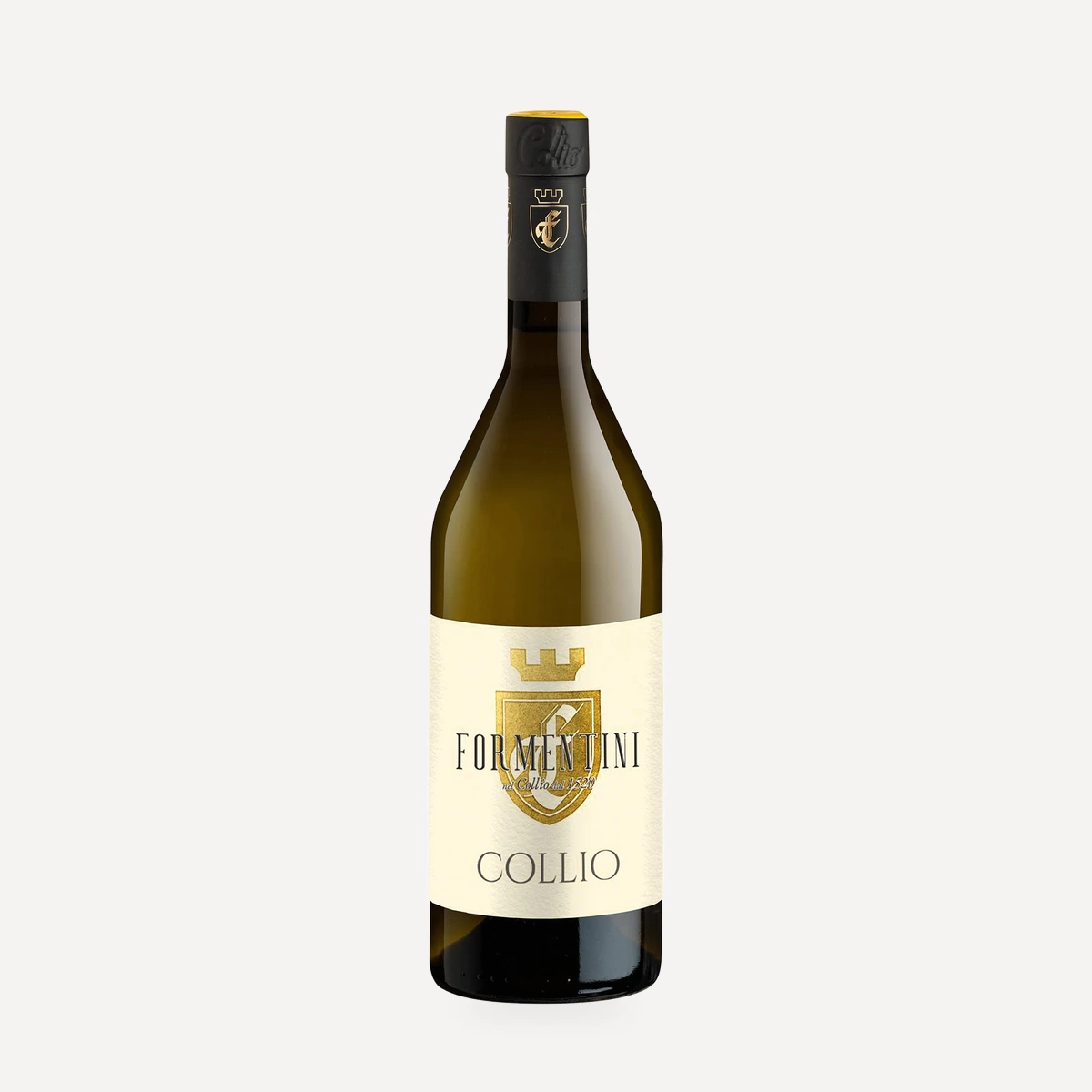
BIANCO Collio DOC
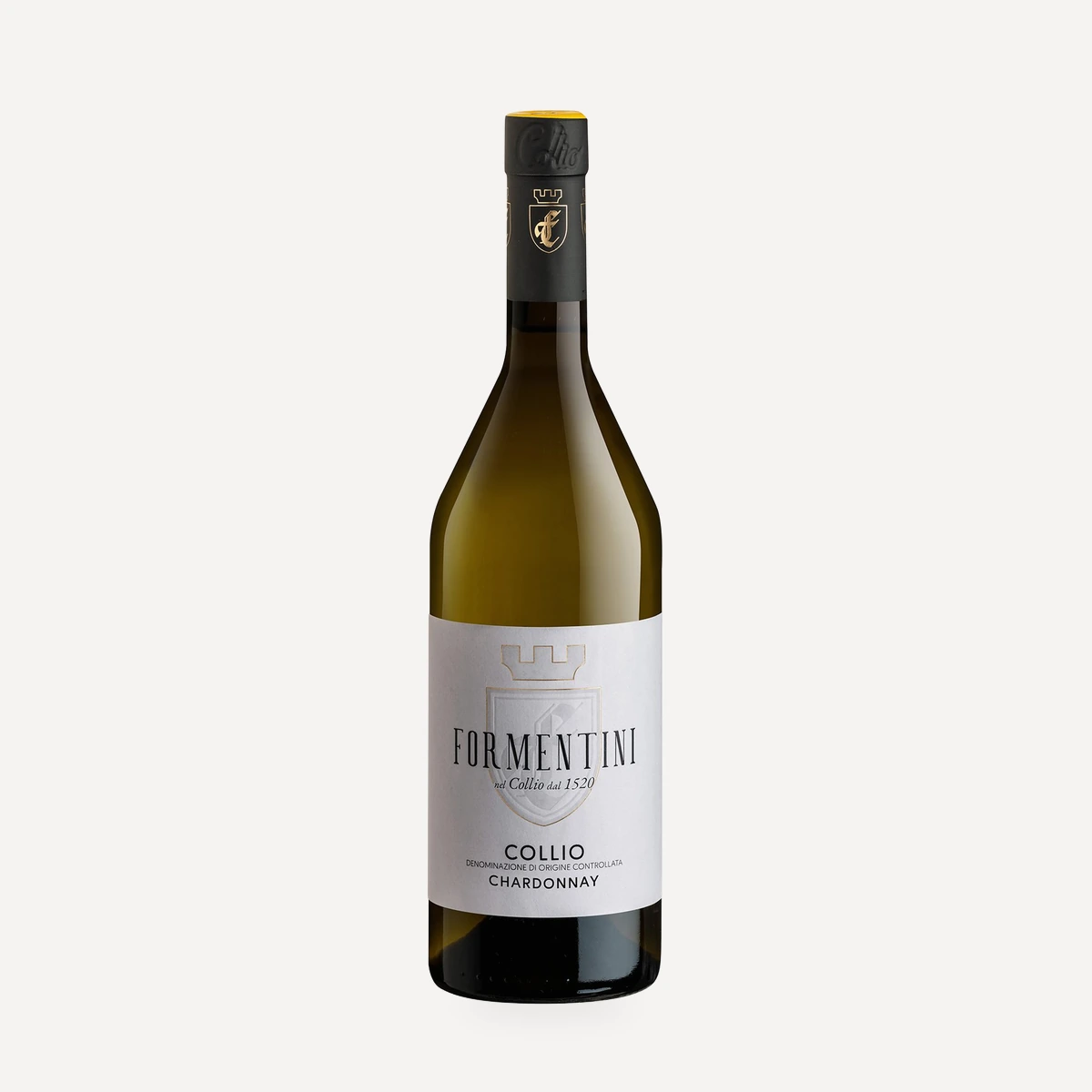
CHARDONNAY Collio DOC
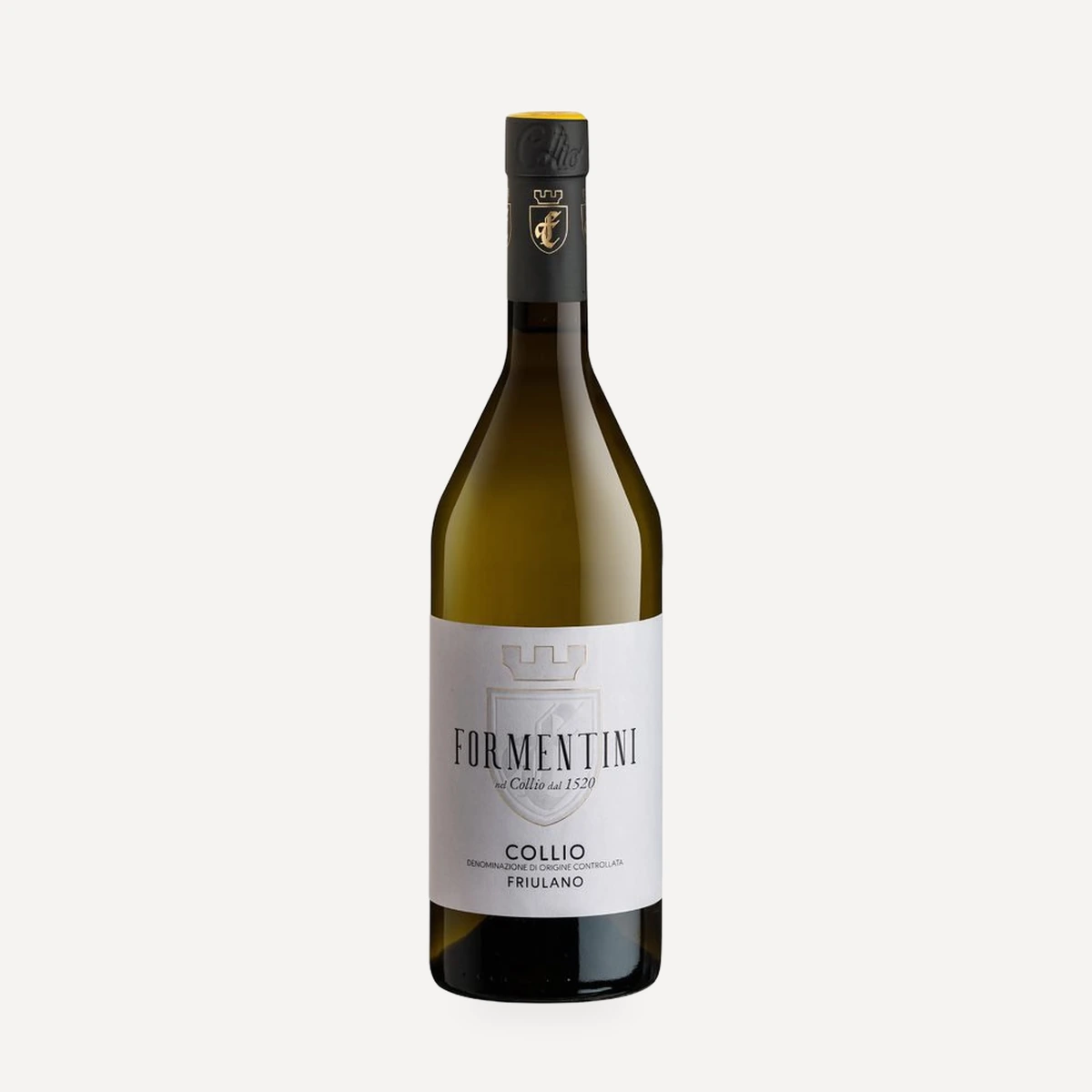
FRIULANO Collio DOC
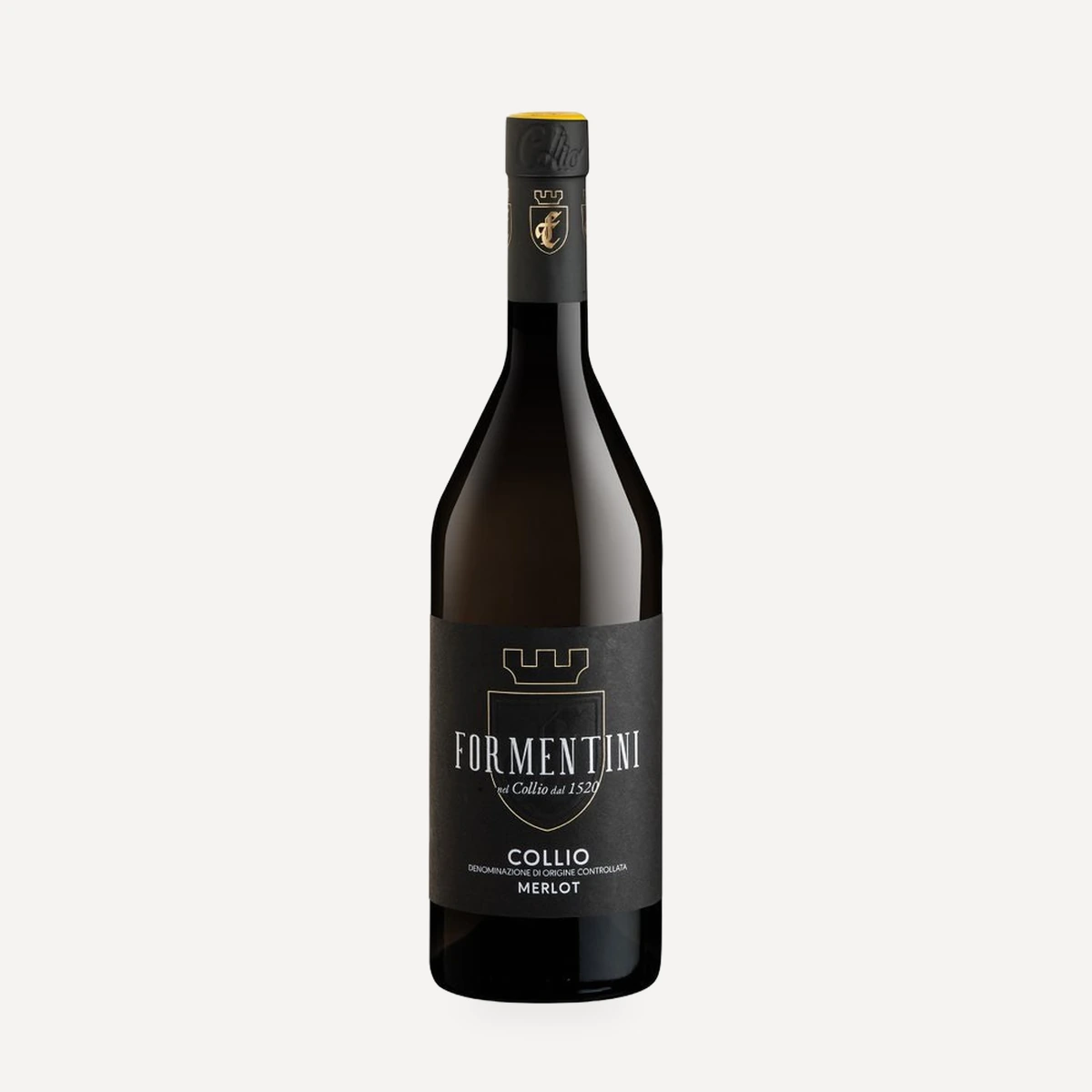
MERLOT Collio DOC
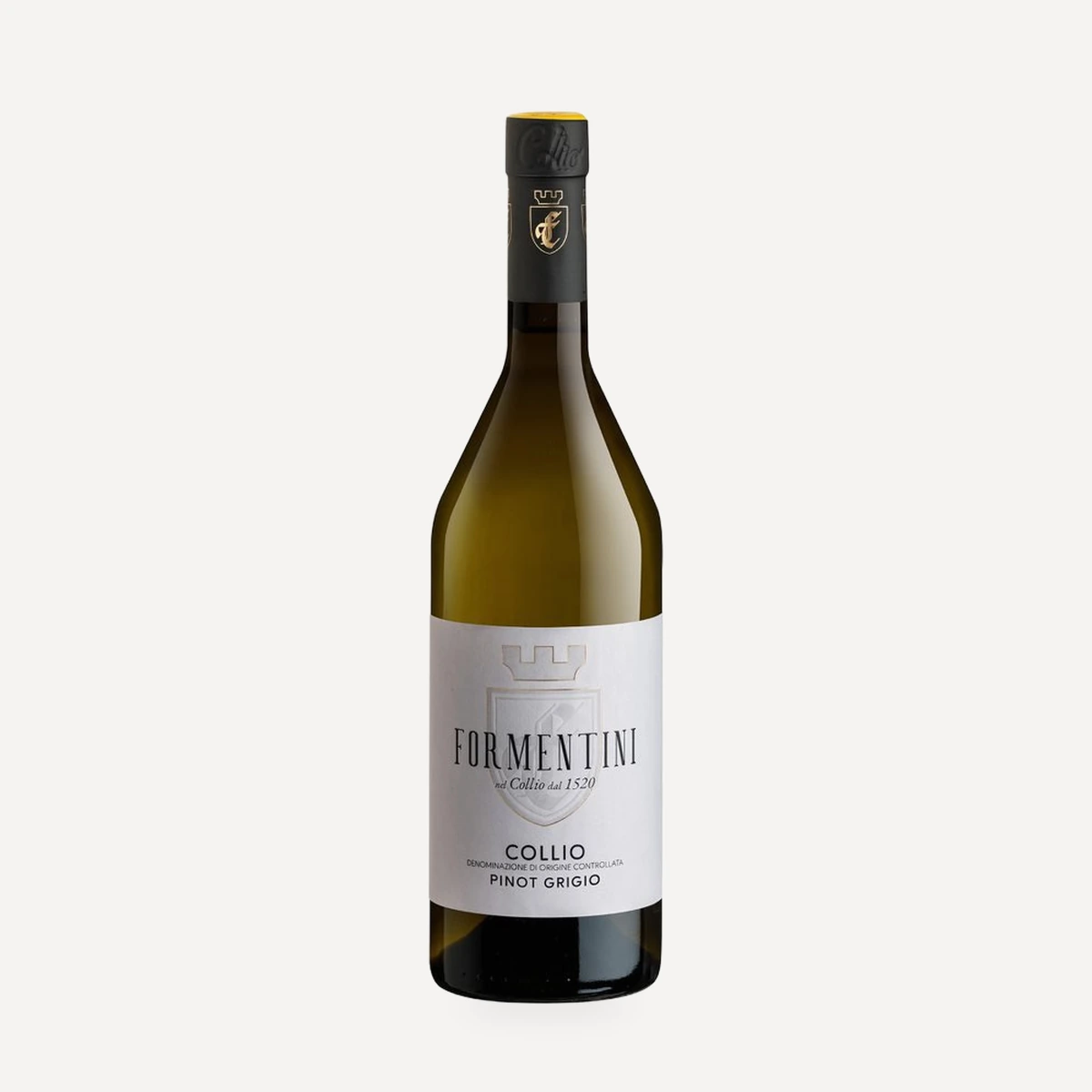
Pinot Grigio Collio DOC
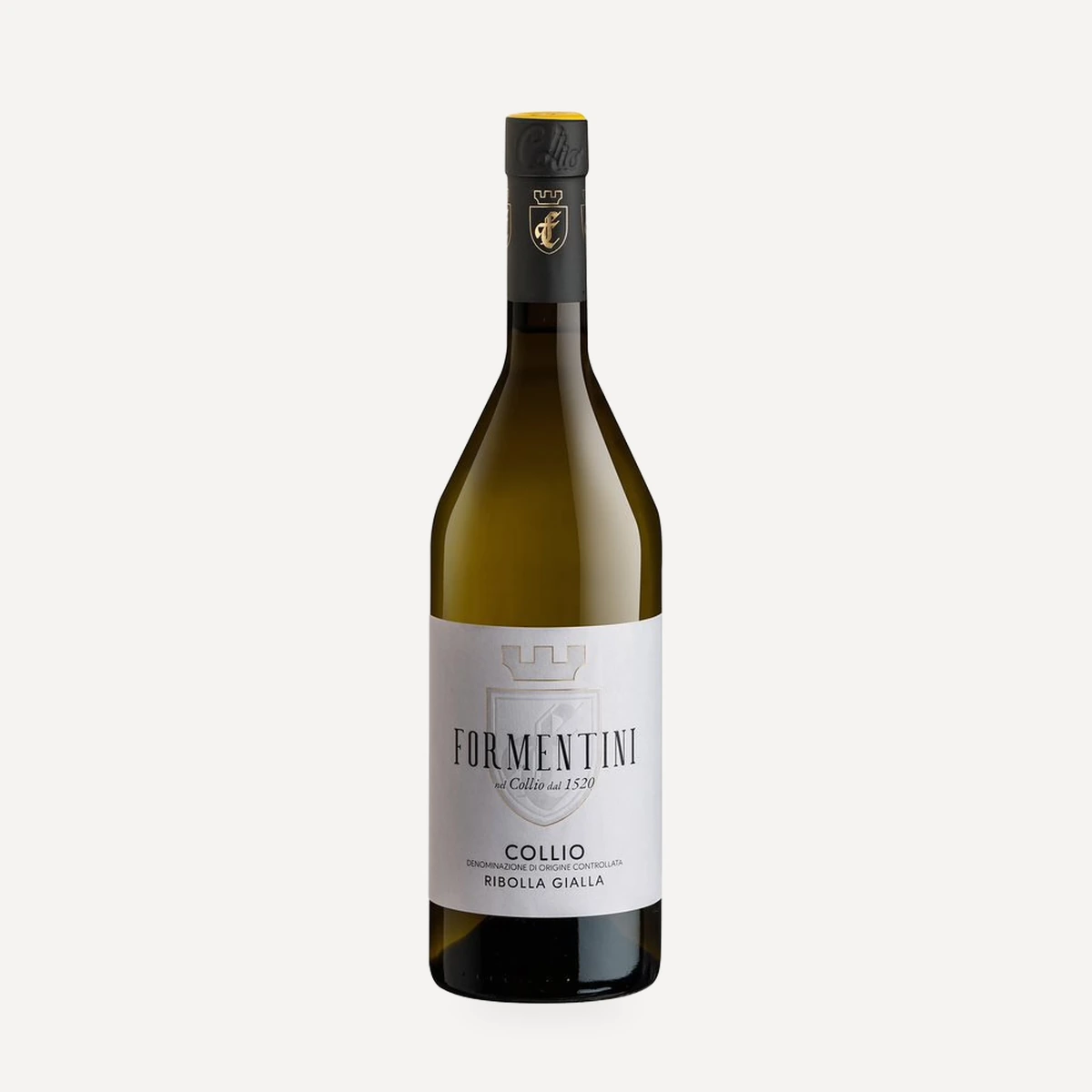
Ribolla Gialla Collio DOC