Storia
The beginning in Rivignano, 1896
Eugenio Collavini founded the business in Rivignano in 1896. Passionate about viticulture, he established relationships with affluent families in Udine and supplied them with his first wines.
Giovanni and the World Wars
The business subsequently passed to Eugenio’s son Giovanni. He kept it operating through the difficult period marked by the two World Wars and eventually handed responsibility to Manlio, the next generation of the family.
Manlio and the move to Corno di Rosazzo
Manlio introduced modern oenology into the family business and transferred its headquarters to the hills of Corno di Rosazzo. The new home was established in the Villa dei Conti Zuccus di Cuccanéa, a manor within a fortified settlement dating from the sixteenth century. At Manlio’s instigation, the property was restored so that its historic residential character could coexist with the practical requirements of a winery.
Manlio was also an early exponent of white vinification for Pinot Grigio. In 1973 he created Il Grigio, described as possibly the first Martinotti-method sparkling wine in Friulian winemaking. At the end of the 1970s he introduced the first sparkling version of Ribolla Gialla.
The work with Ribolla Gialla led to the development of the Collavini Method. It combines secondary fermentation in large horizontal pressure tanks with an unusually long period on the lees—at least 30 lunar cycles—followed by bottle maturation. The method became one of the defining technical features of the winery.
The present generation
Luigi and Giovanni now represent the family’s winemaking activity, supported by Manlio’s advice. Their stated priorities combine family continuity, dedication, attachment to the Friulian hills, attention to quality and detail, technical research, and an international outlook. The family’s wines have consequently reached markets well beyond Friuli.
Hospitality since 2006
In 2006, the family founded Osteria della Ribolla in the cellars of the historic manor. The restaurant extended the estate’s activity into hospitality, pairing Collavini wines with seasonal ingredients and Friulian dishes shaped by the region’s Austrian and Slovenian cultural influences.
Terroir
The winery is based at Corno di Rosazzo in Friuli Venezia Giulia. Its viticultural sources extend across the eastern Friulian hills, the Collio and Colli Orientali, as well as the plains and their stony magredi. Named production communes include Corno di Rosazzo, Manzano, San Floriano del Collio and Cormòns.
The estate’s tower overlooks the slopes of Rosazzo, Collio, Ruttars and Cormons. The historic Clò Turian vineyard occupies old agricultural land adjoining the villa and preserves an old selection of Ribolla Gialla.
For Ribolla Gialla intended for sparkling production in Corno di Rosazzo and Manzano, an important local condition is the north-easterly morning breeze. Harvesting begins after this breeze has dried the thin layer of nocturnal moisture from the bunches. Elsewhere in the range, fruit comes from both Friulian hills and plains, including gravelly sites used for Cabernet Sauvignon.
Vinificazione
Viticultural specifications vary by variety and destination. The documented training systems are Guyot—including unilateral and bilateral Guyot—and spurred cordon. Stated planting densities range from approximately 4,400 to 5,000 vines/ha, while stated yields range from 60 quintals/ha for Pignolo to 115 quintals/ha for Ribolla Gialla destined for a still IGT wine.
Selection may begin in the vineyard. Grapes for the principal sparkling wines are picked by hand into small cases or trays, generally at first light or in the morning before the sun warms the berries. In the Ribolla Gialla vineyards, harvest waits until a north-easterly breeze has dried the nocturnal moisture. Grapes intended for drying are placed on trays and transferred to controlled-temperature and controlled-humidity drying rooms. No estate-wide organic, biodynamic or other farming certification is declared.
Winery and technical spaces
The production facilities occupy the restored Villa dei Conti Zuccus di Cuccanéa, where historic manor-house architecture has been adapted to winery use. The cellar combines temperature-controlled stainless steel, automated vinification tanks, barriques, tonneaux, seasoned oak casks, pressure tanks and bottle-ageing areas.
The Collavini Method
The defining sparkling-wine process begins with selected Ribolla Gialla harvested by hand in the morning. Whole bunches are pressed gently, and the free-run must settles naturally overnight. Primary fermentation takes place at 14°C, partly in stainless steel and partly in barriques. In the following spring, the base wine undergoes a very slow secondary fermentation at 12°C in large horizontal pressure tanks. Maturation on the lees lasts at least 30 lunar cycles. Bottling takes place without oxygen, followed by more than 12 months in bottle. The method combines the pressure-tank technology of the Martinotti approach with maturation times associated with traditional-method sparkling wine.
The cellar also employs prolonged Martinotti processes in vertical tanks and traditional secondary fermentation in bottle. Depending on the cuvée, lees ageing ranges from several months in pressure tank to 60 lunar cycles in bottle. Periodic mechanical agitation may be used to encourage yeast autolysis.
White-wine production
White-wine techniques include immediate soft pressing, short cold skin contact, fermentation in temperature-controlled stainless steel, and maturation on fine lees. Some lots undergo partial drying in temperature- and humidity-controlled rooms. Chardonnay and Friulano may be dried at 12°C with humidity close to zero, while Sauvignon is processed separately after brief maceration and chilled to arrest fermentation. The concentrated musts are then combined and fermented partly in steel and partly in third-use barriques or tonneaux. Extended maturation on noble lees can continue until the second spring after harvest, with bottling at the beginning of summer.
Other white lots are destemmed after approximately one week of controlled drying, macerated overnight on their skins and fermented in steel at no more than 16°C for about 15 days. Lees maturation then continues into spring.
Red-wine production
For concentrated reds, bunches may spend several days or up to about 20 days in the drying room before destemming. Skin fermentation generally lasts from two to three weeks in small automated, temperature-controlled stainless-steel fermenters. Maturation vessels include seasoned oak casks and barriques from Allier and Tronçais. Depending on the intended style, oak maturation ranges from about one year to five years, followed in the longest-lived examples by as much as two further years in bottle.
A separate cold-maceration approach is used for Refosco: destemmed fruit remains on its skins for one week at 4°C, followed by a short fermentation and maturation in stainless steel until spring.
Sweet wine and liqueur techniques
Verduzzo di Ramandolo intended for sweet wine is collected in drying cases and undergoes botrytised overripening in the drying room. The grapes are frozen for three days at −18°C and pressed manually. The resulting concentrated must ferments and matures for more than three years in old barriques. Ratafià di Ribolla Gialla begins with must from cold-dried Ribolla Gialla and is infused with herbs, roots, flowers and spices without added flavourings.
Filosofia
Wine is treated as a family tradition expressed through dedication, quality and attachment to the local territory. The current generation seeks to preserve that continuity while maintaining the research-minded and internationally oriented approach established under Manlio.
The production philosophy combines close attention to detail with oenological and technological innovation. Tradition is not presented as resistance to modern technique: the historic villa has been adapted to contemporary cellar requirements, while methods such as controlled drying, temperature-controlled fermentation and horizontal pressure-tank maturation are used to interpret Friulian varieties.
Ribolla Gialla occupies a central place in this outlook. The long Collavini Method was designed to give the variety an extended, slow sparkling-wine maturation rather than a rapid pressure-tank cycle. Across the range, the stated goal is to express the character of Friuli through both indigenous and international varieties while sustaining a recognizable house style of elegance and precision.
Vini
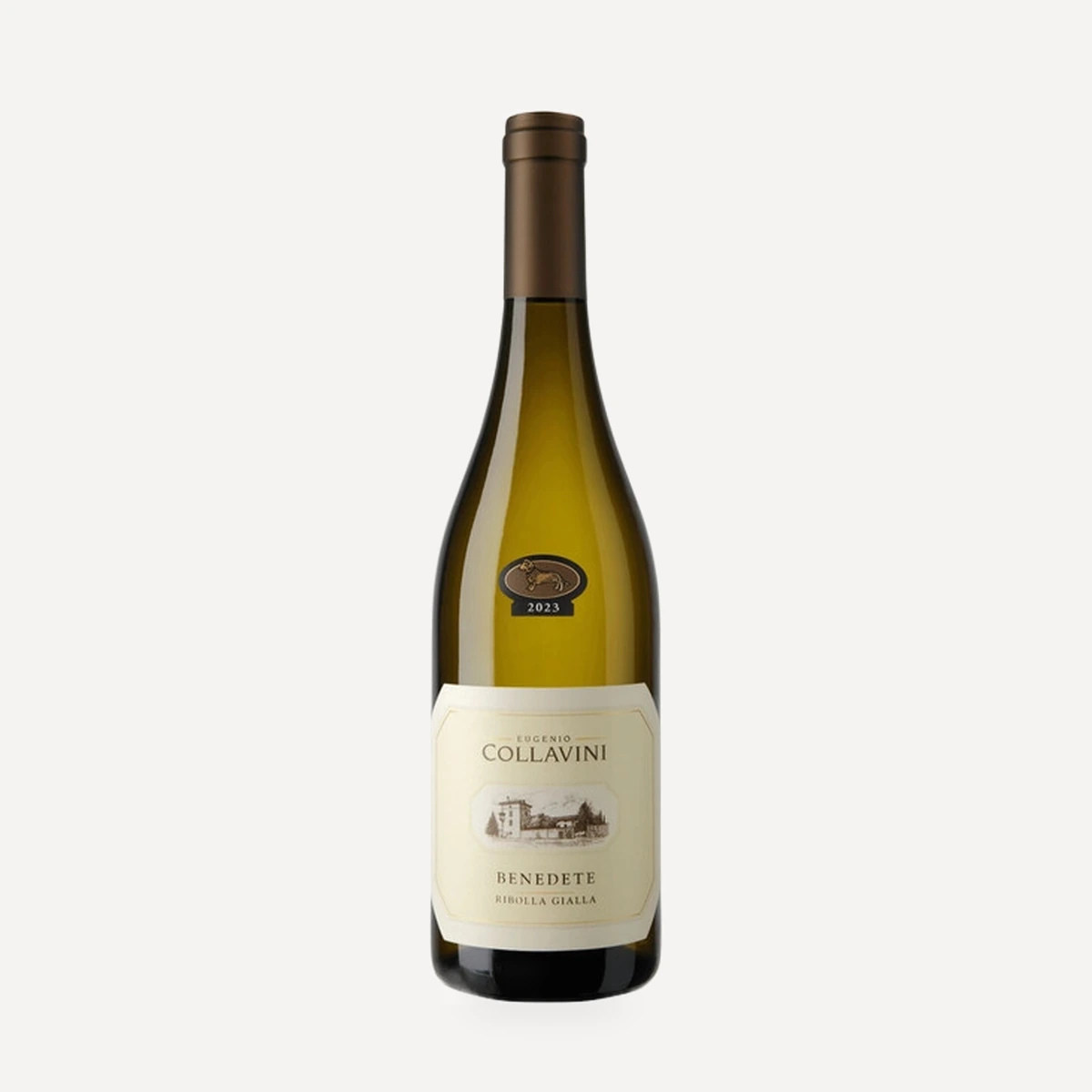
Benedete, Ribolla Gialla
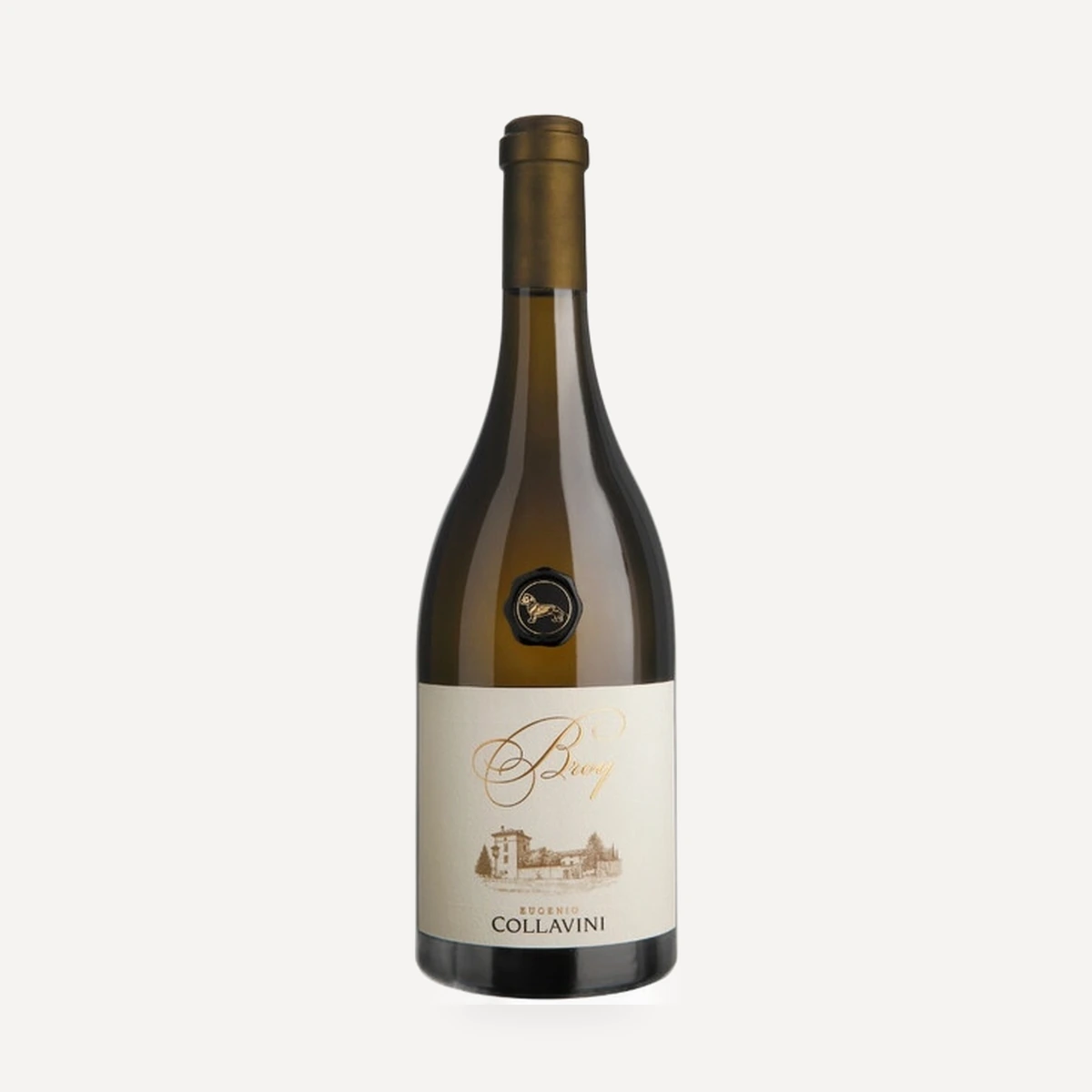
Broy
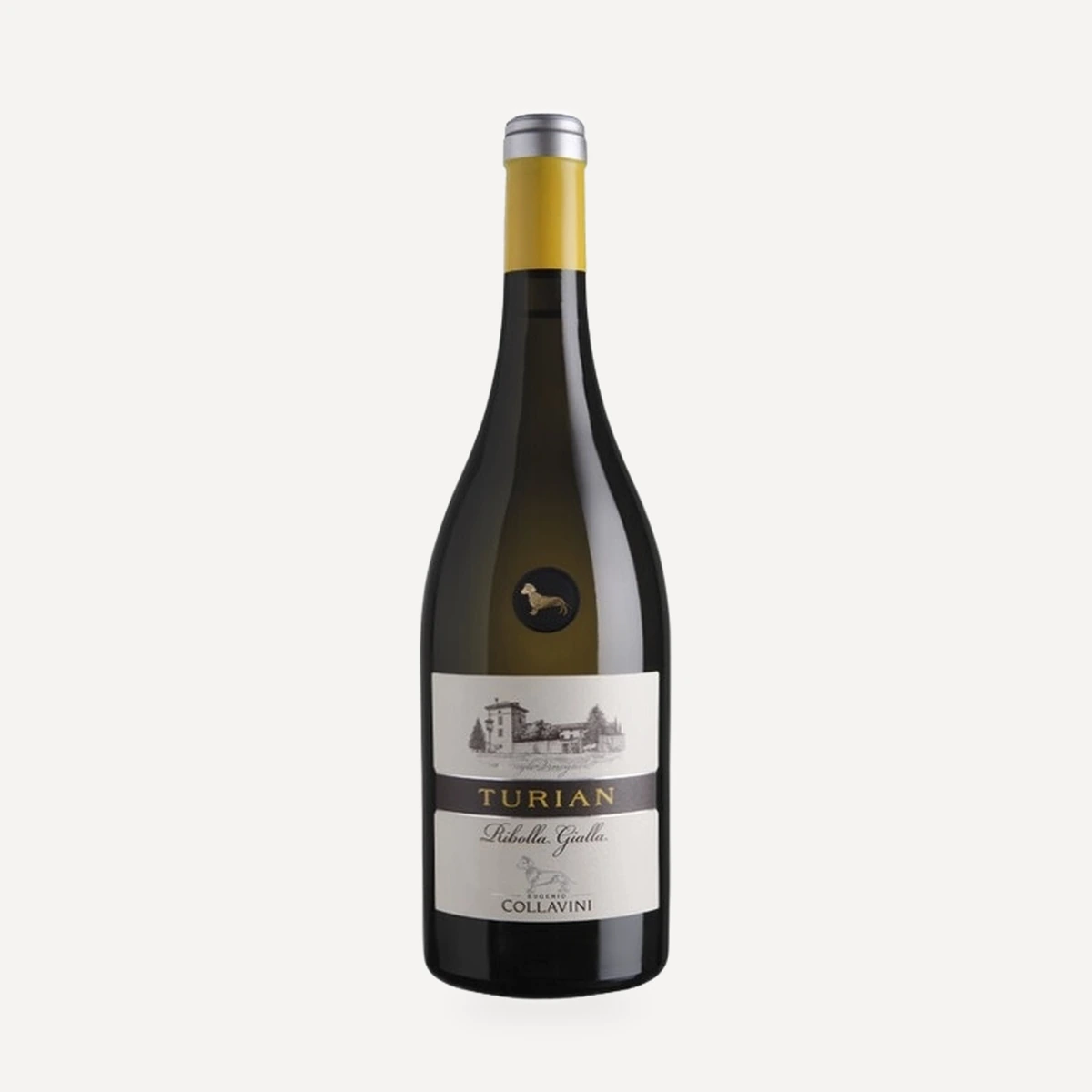
Turian, Ribolla Gialla
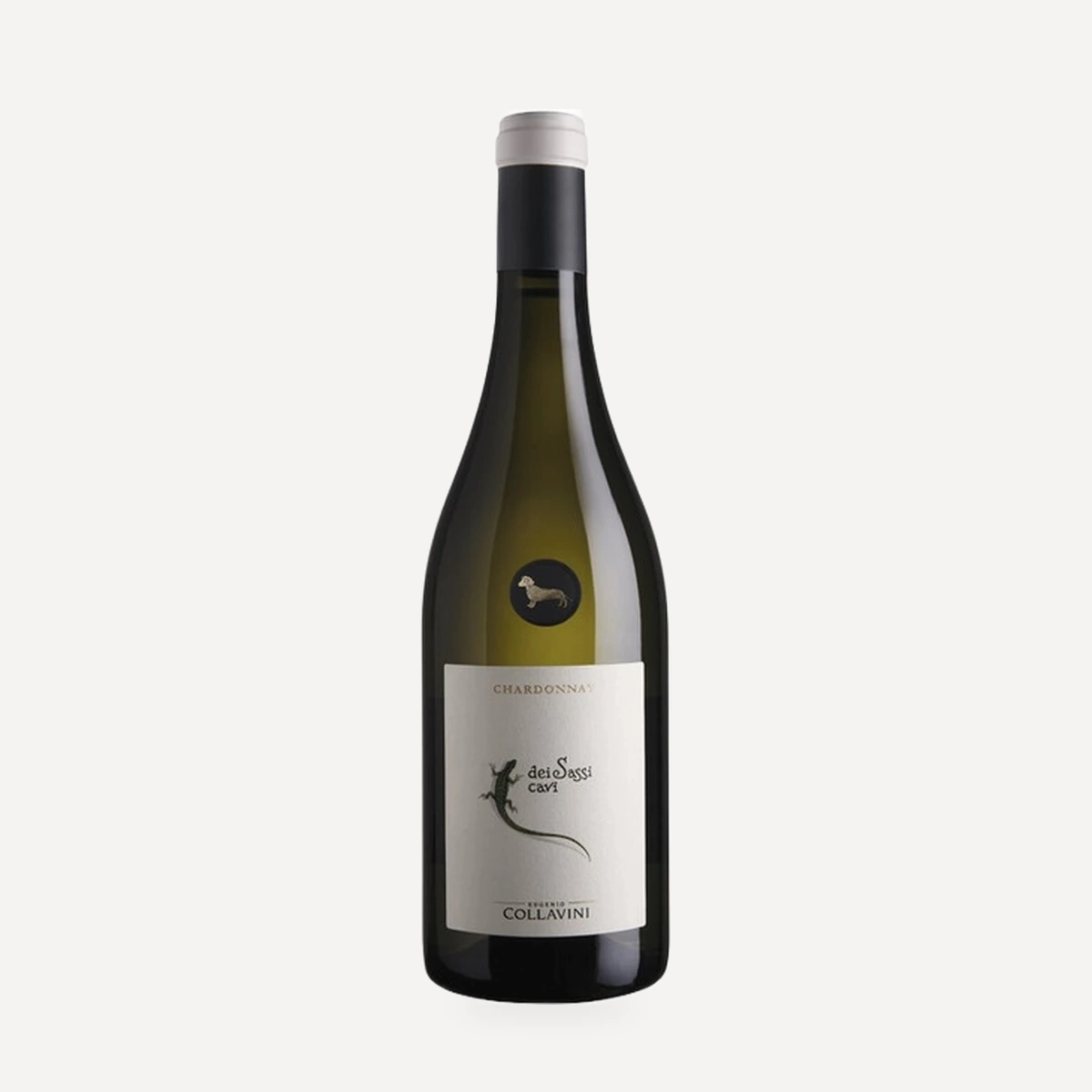
Sassi Cavi, Chardonnay
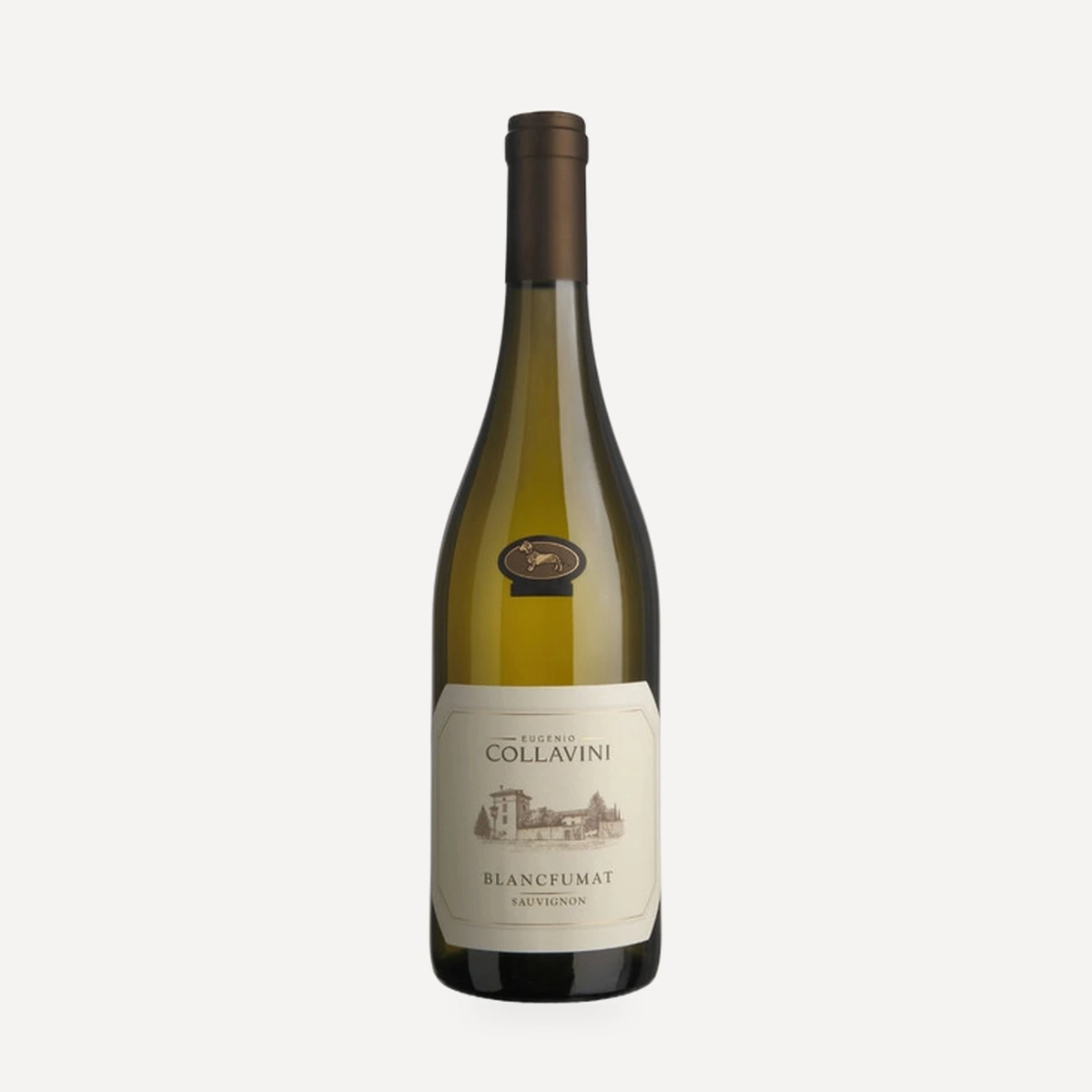
Blanc Fumat, Sauvignon
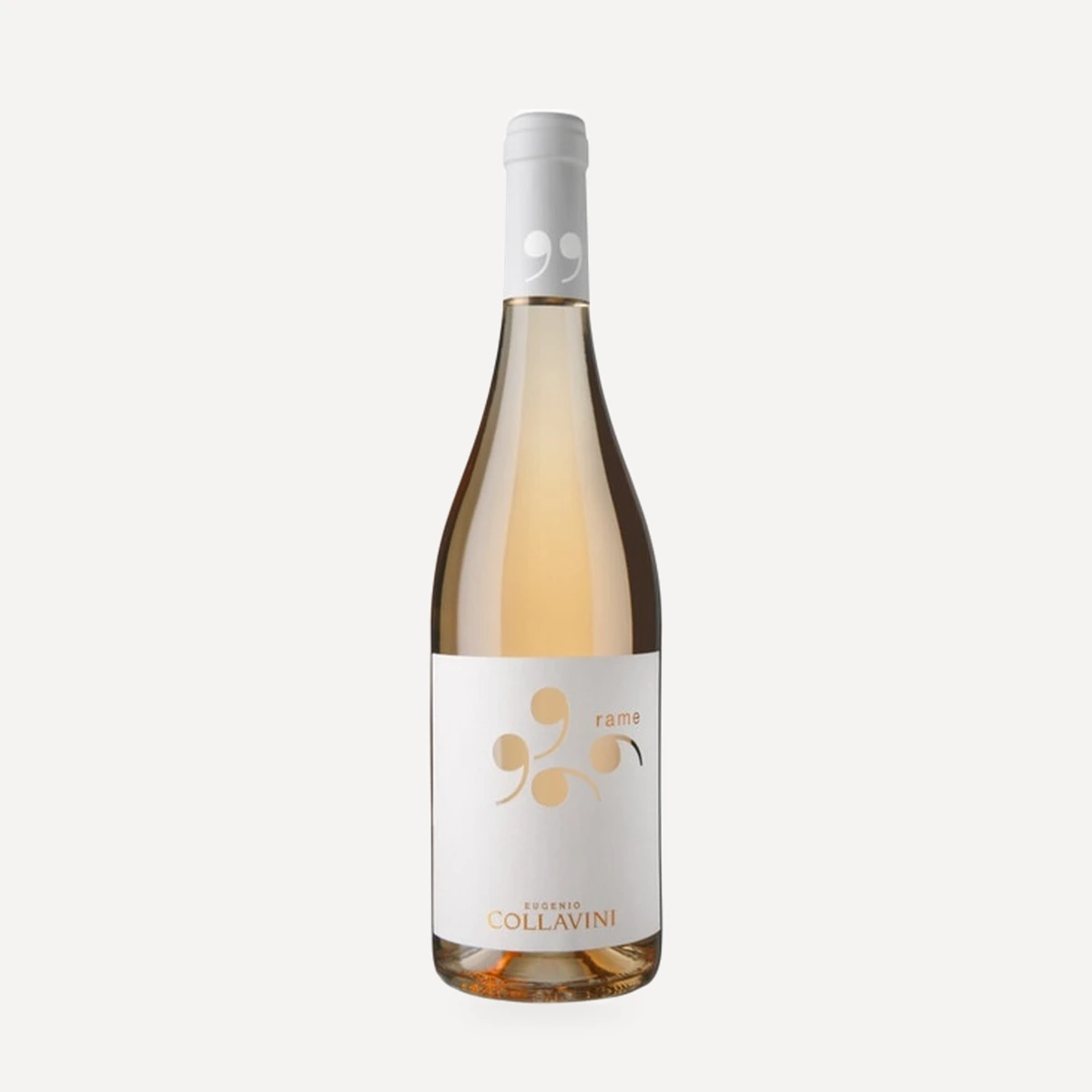
Rame
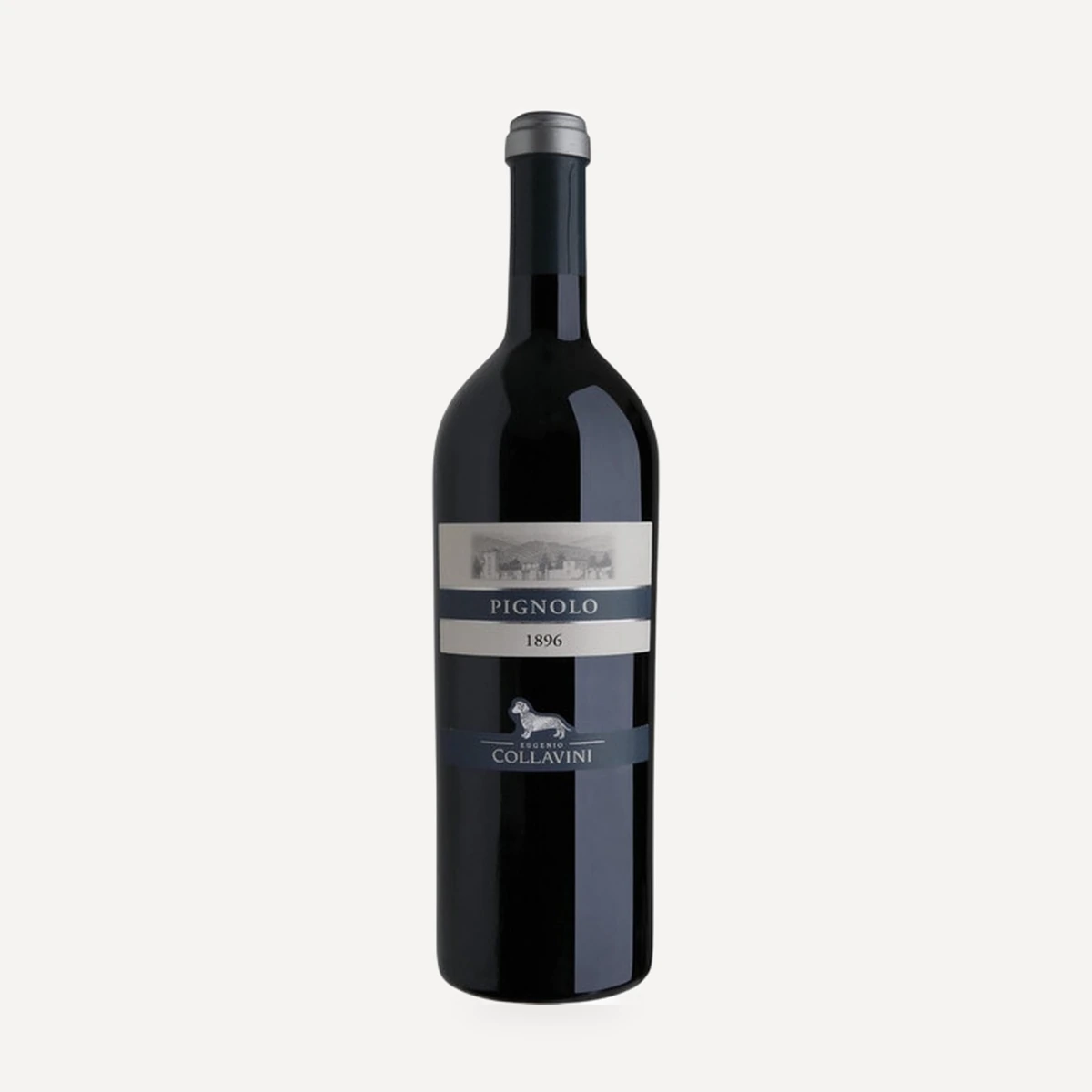
Pignolo
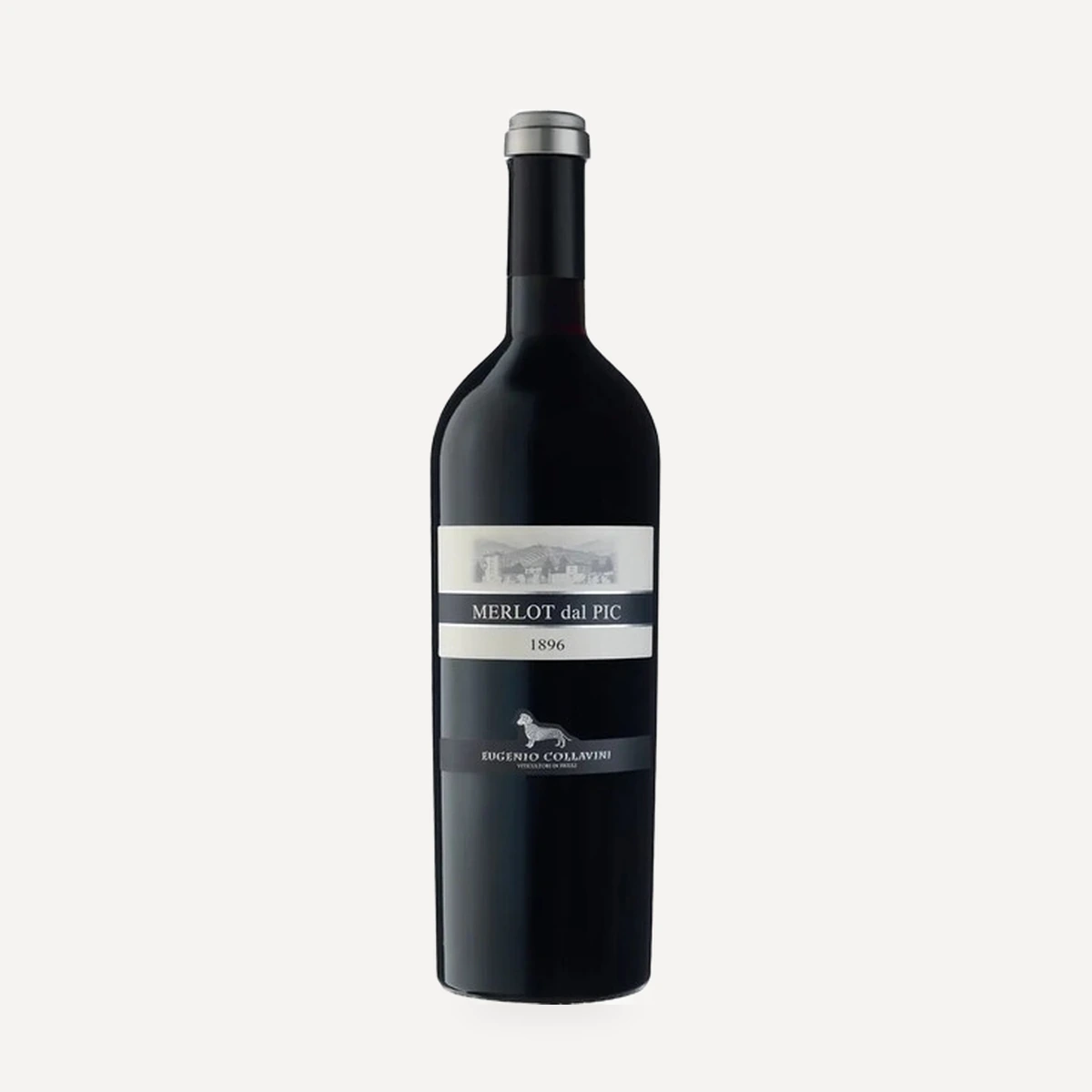
Merlot dal Pic
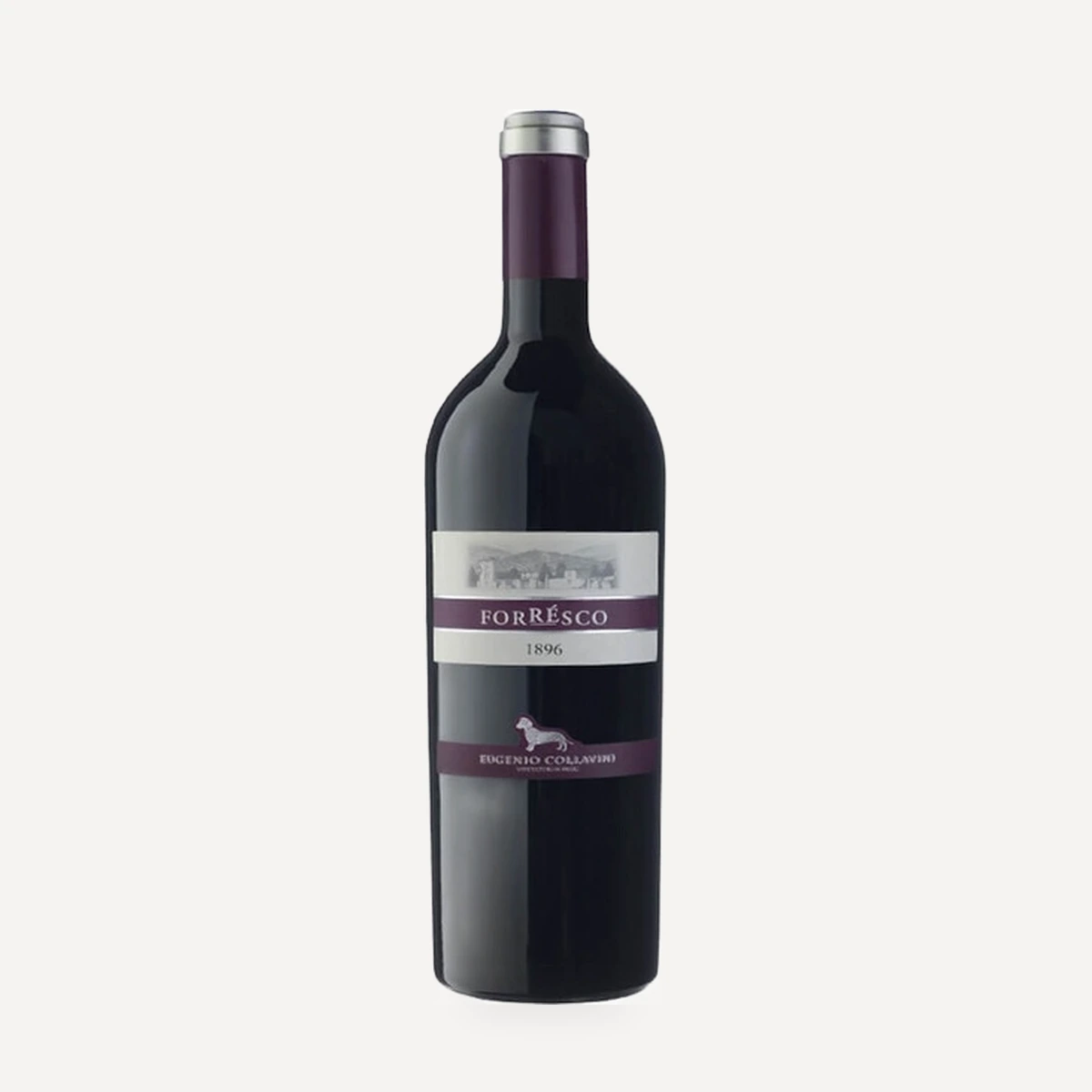
Forrésco
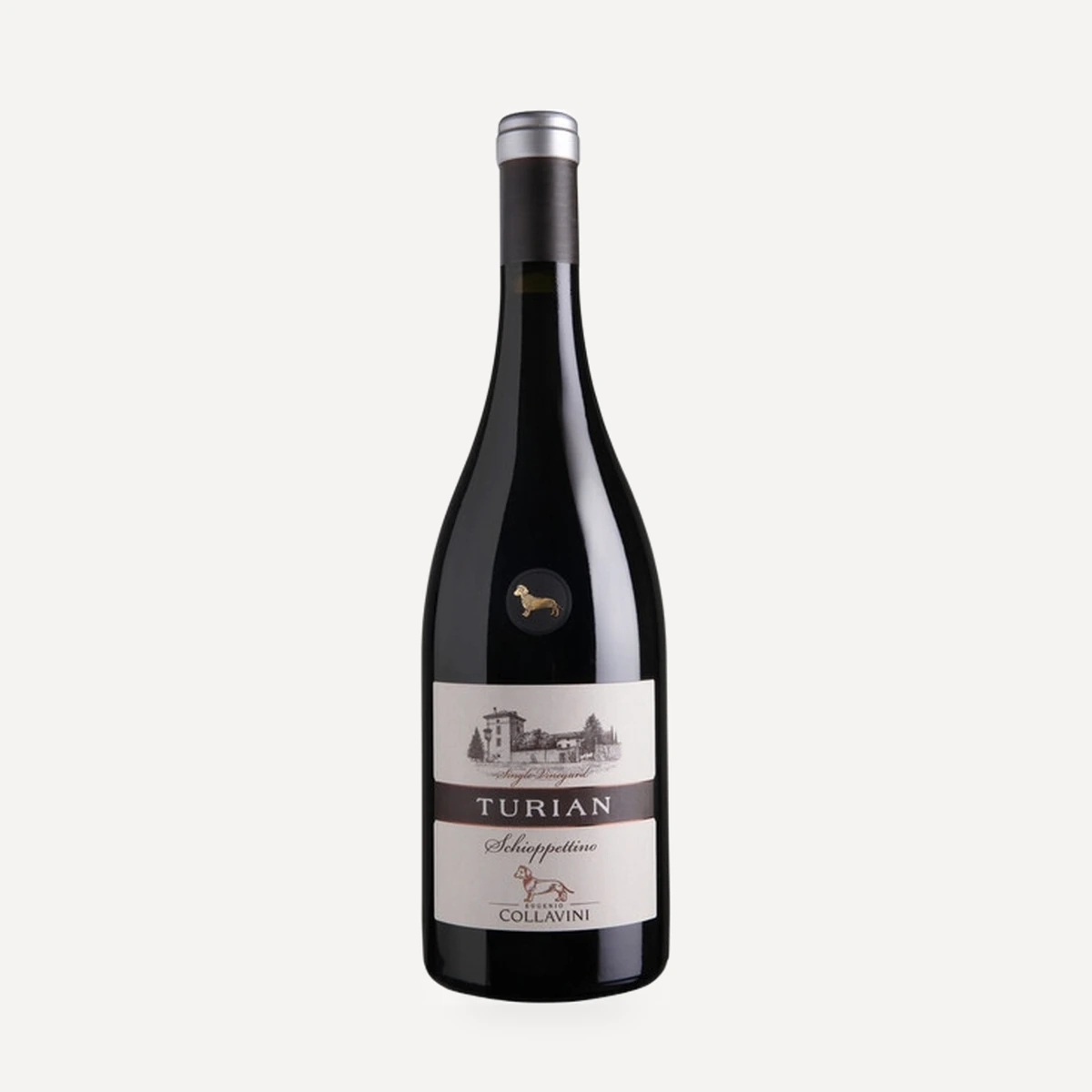
Turian, Schioppettino
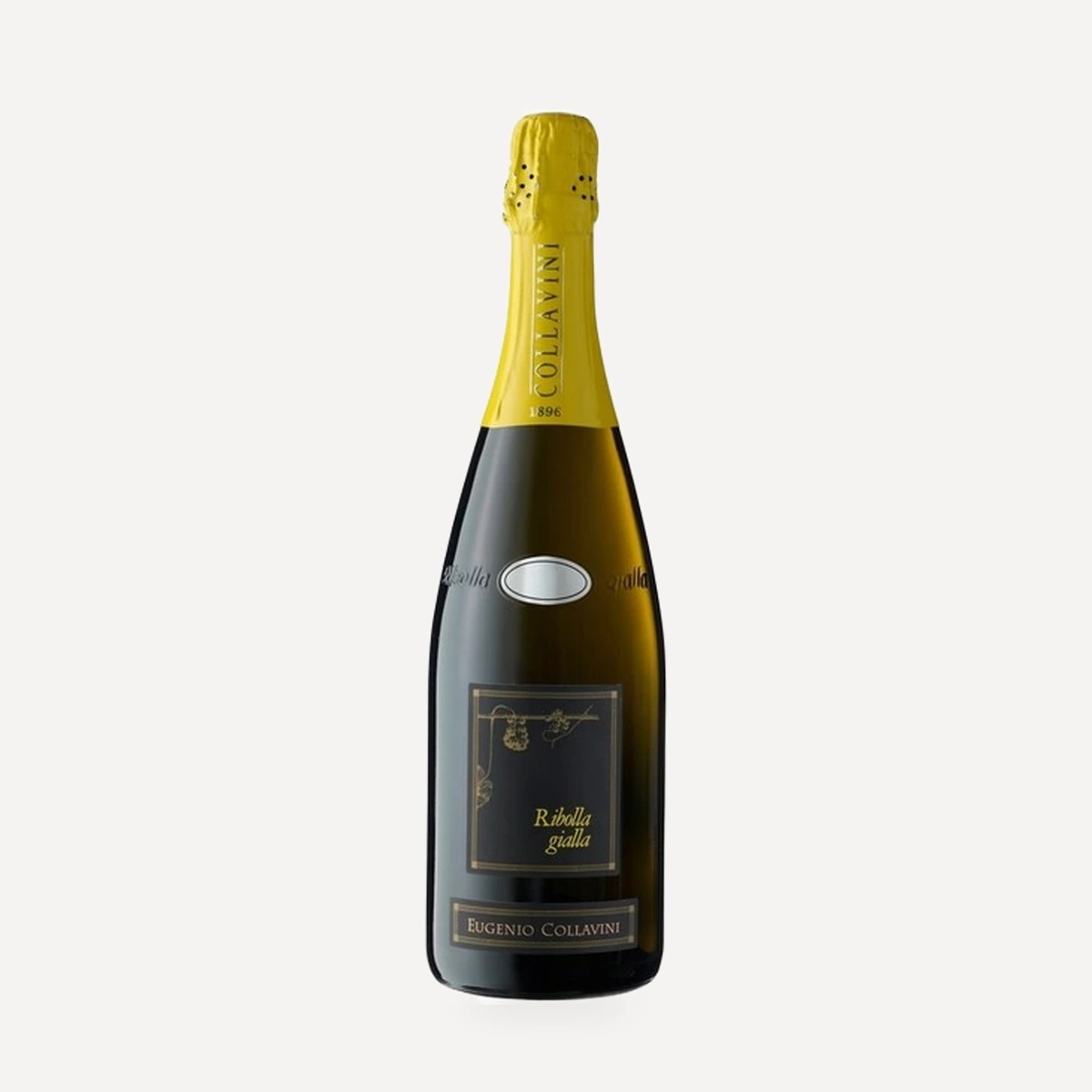
Ribolla Gialla Spumante Brut
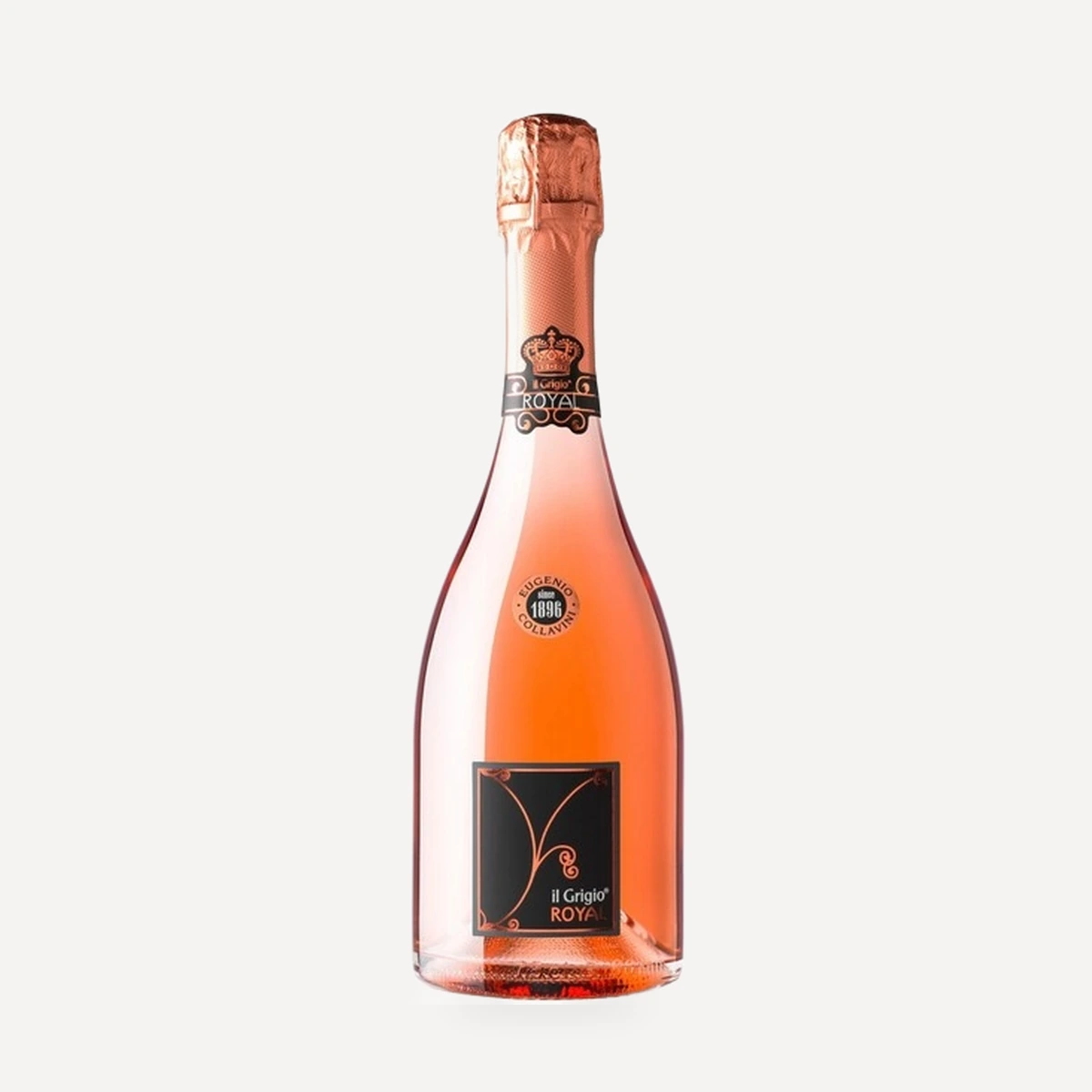
Il Grigio Royal Spumante
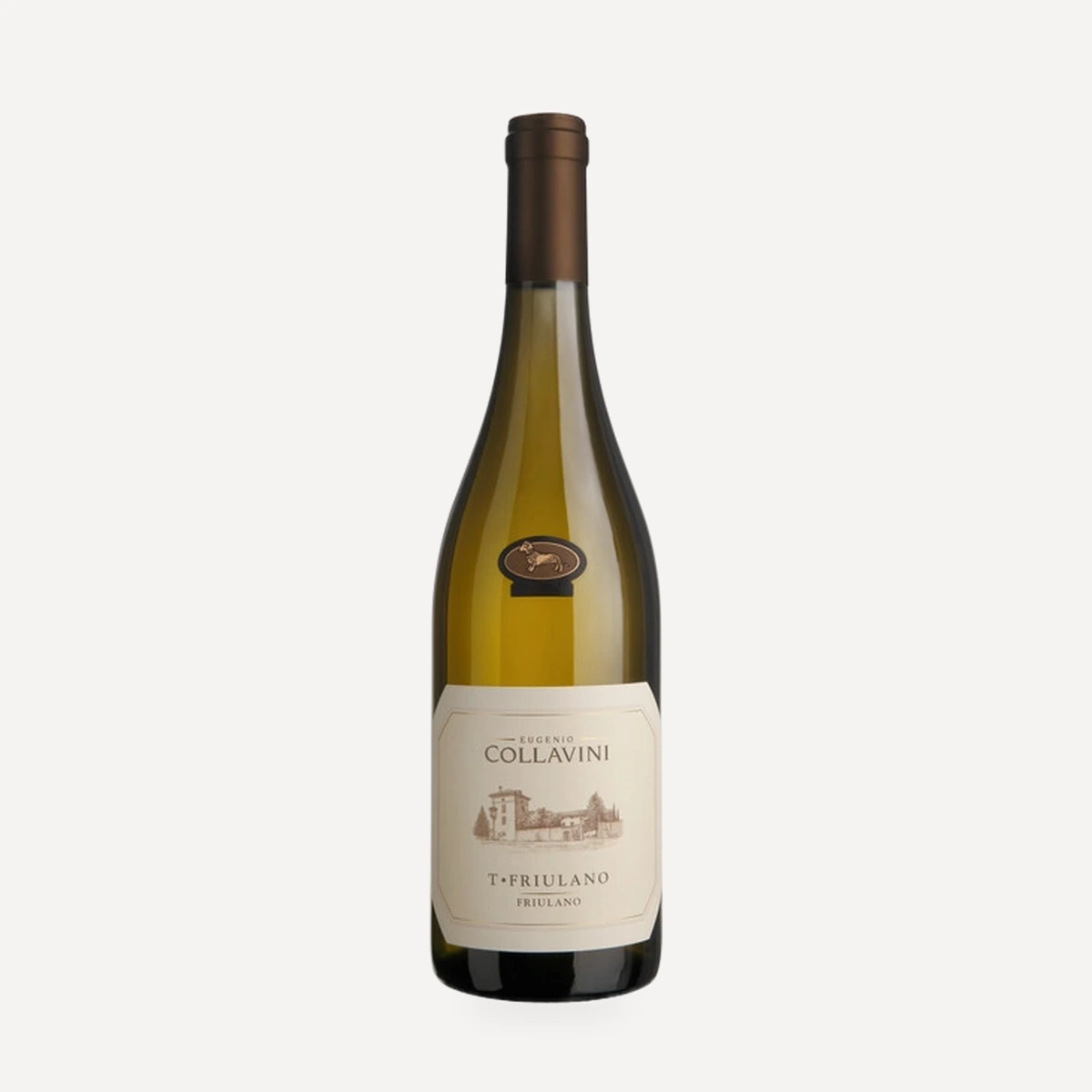
T Friulano
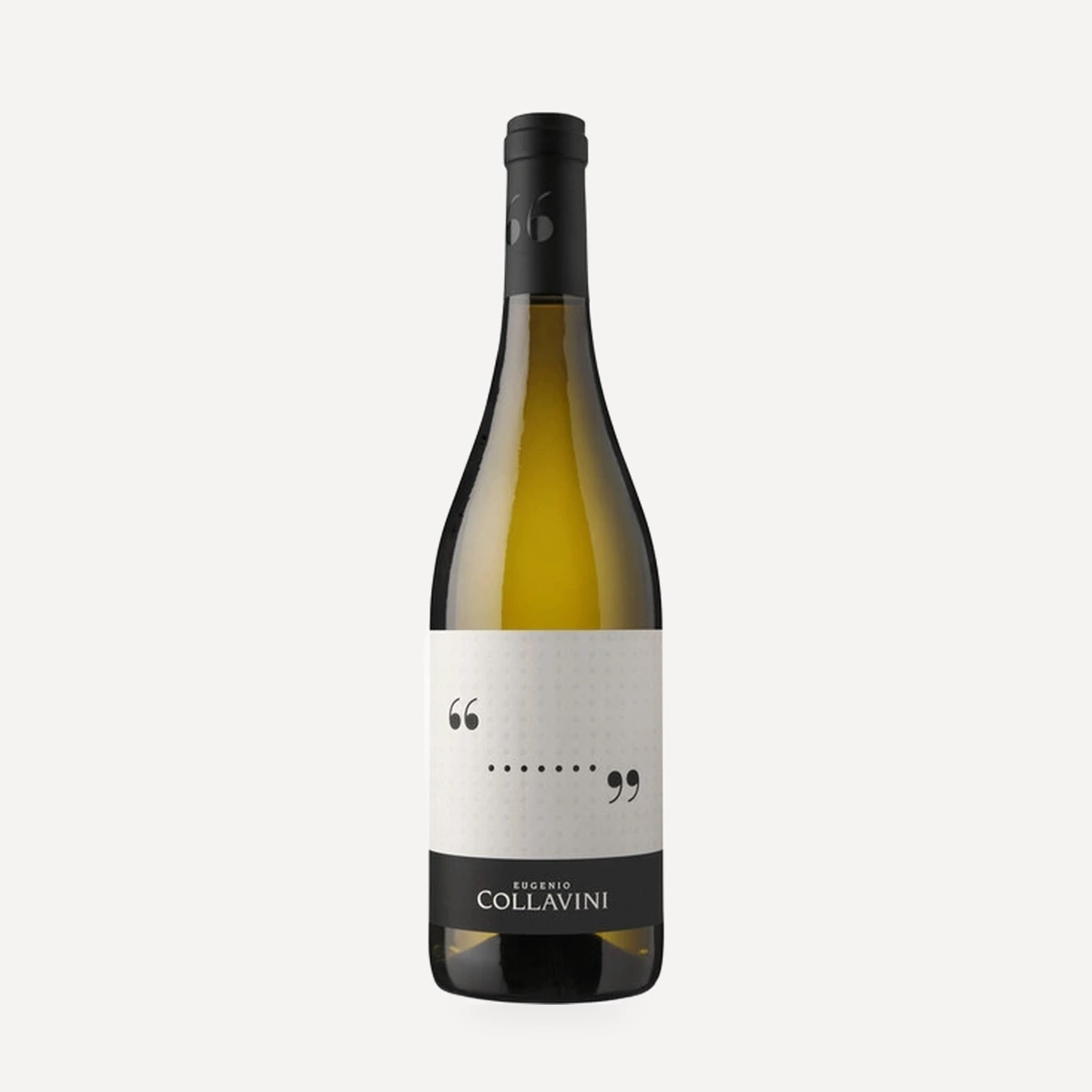
Bianco Collavini
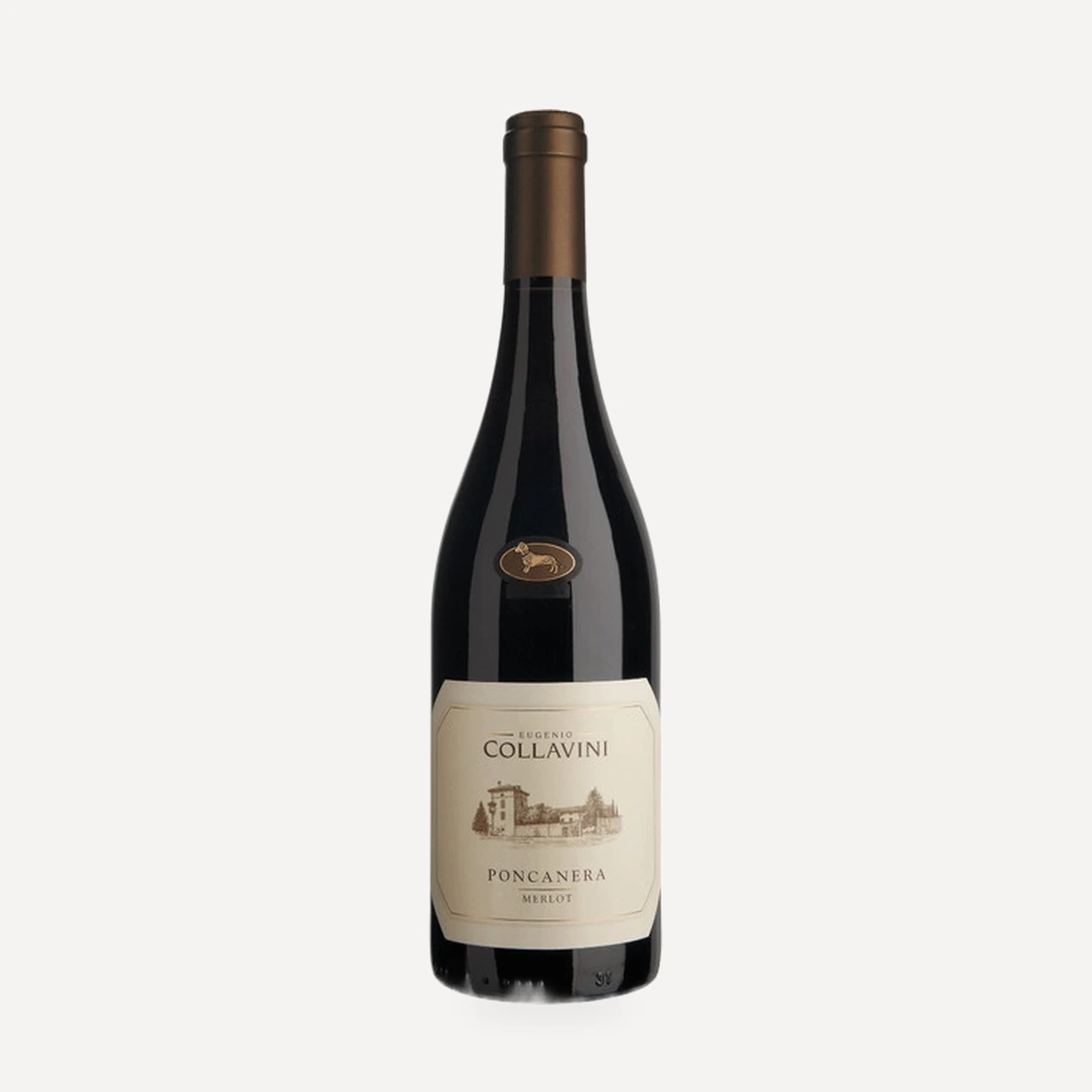
Pocanera, Merlot
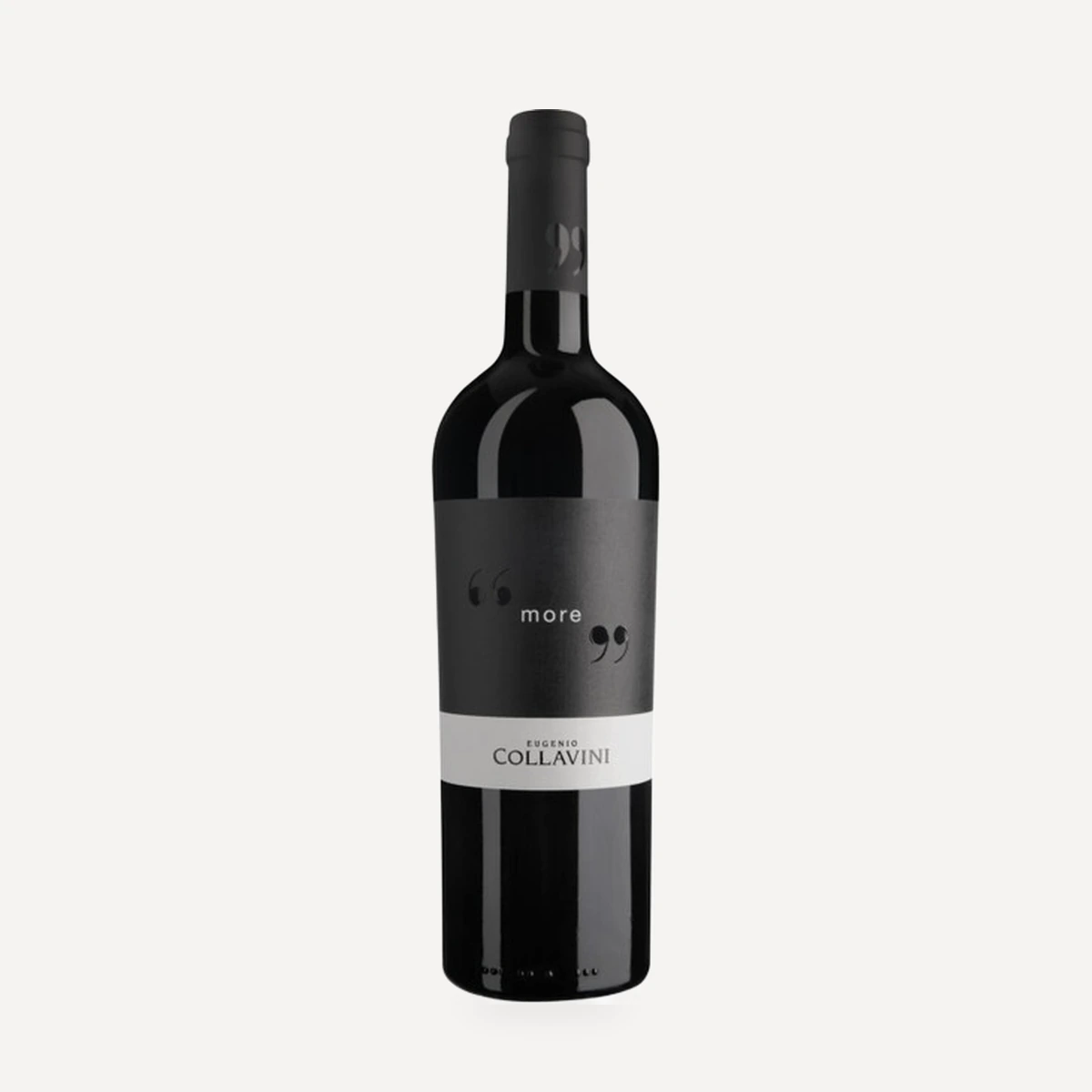
More
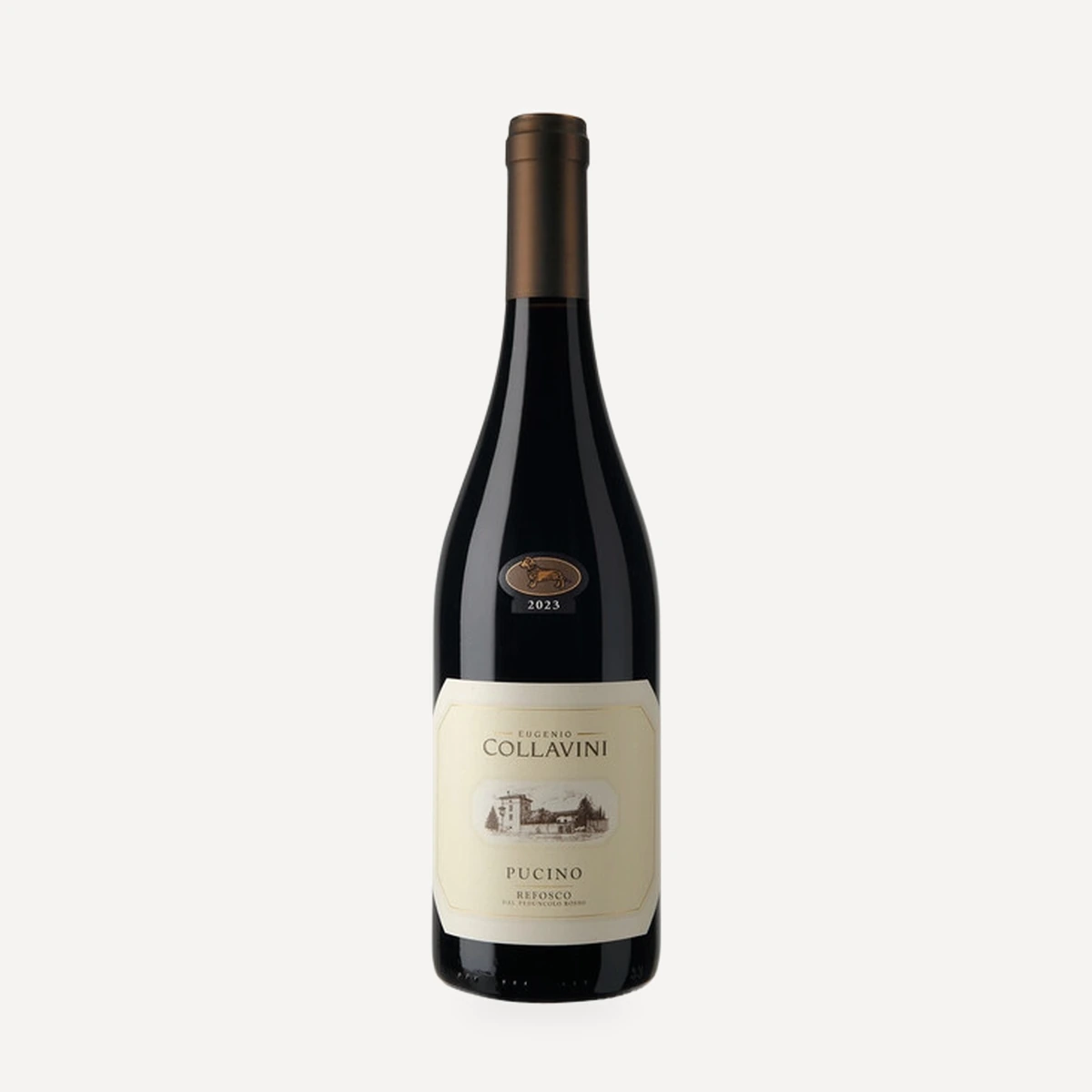
Pucino Refosco Fruili Venezia Giulia DOC