Storia
Paron Mario and the beginning
Fantinel began with Mario Fantinel, known as Paron Mario, a restaurateur and hotelier in northern Friuli. His professional life revolved around food, hospitality and wine, and he ultimately decided that producing wine himself was the fullest expression of that vocation. In 1969 he acquired the family's first vineyards in Collio, establishing the agricultural enterprise from which Fantinel developed.
The second generation and expansion
Mario's sons Luciano, Gianfranco and Loris soon joined the enterprise. They learned to assess soils, follow the seasonal cycle and evaluate grape maturity directly in the vineyard. During their stewardship, the family enlarged its landholdings through a sustained process of vineyard selection and acquisition in the principal winegrowing areas of Friuli Venezia Giulia.
The winery subsequently established its centre in Tauriano di Spilimbergo. From this base it came to manage more than 300 hectares of vineyards distributed across the Friuli, Prosecco and Collio DOC areas.
Development of sparkling-wine production
Fantinel began producing sparkling wine in 1985, initially using the traditional method and extended ageing. The sparkling-wine programme was later developed around the Charmat method with the experience of Conegliano-trained oenologist Gianni Campo Dall'Orto. Traditional-method production continued until 1998; the sparkling range subsequently concentrated on Charmat production, including extended Charmat cycles for selected cuvées.
Research, irrigation and cellar technology
Vineyard and cellar development combined agricultural experimentation with new production technology. Fantinel conducted extended trials of drip irrigation and fertigation with the University of Udine. The resulting system became a central element of water and nutrient management, particularly during dry growing seasons. Further investment included laboratory clonal selection, temperature-controlled steel tanks and a substantial stock of wooden maturation vessels.
The 2009 harvest demonstrated the role of this vineyard infrastructure. Harvest began on 18 August and continued for certain late-ripening varieties until 24 October. High temperatures and moderate water stress produced concentrated fruit, while yields fell by 8–12% compared with 2008. Drip irrigation and fertigation helped the vines reach suitable maturity despite limited rainfall. Refosco and Cabernet benefited from the extended season and achieved full phenolic maturity.
Brand renewal and the fortieth anniversary
In 2009, Fantinel marked its fortieth anniversary with a redesigned corporate identity. A new logo and revised packaging were introduced, including a redesign of the Borgo Tesis range that emphasized its Friuli Venezia Giulia identity. The initiative reflected the family's intention to retain a strong regional character while the company continued to expand.
In 2014 the winery introduced another communication renewal built around the slogan “Feel the Emotion.” The project included an augmented-reality application through which labels could activate digital content. That year also saw the launch of the vintage, single-vineyard One&Only Prosecco concept and the inauguration of the first Fantinel Prosecco Bar in Johannesburg.
The third generation
The enterprise is now represented by the family's third generation, Marco and Stefano Fantinel. Marco has served as president and CEO and remains the company's chairman. Under the third generation, the former small agricultural holding has developed into an internationally distributed winery while continuing to frame its identity around Friulian origins, estate viticulture, technical research and family continuity.
Terroir
Fantinel's viticultural centre is Tauriano di Spilimbergo in Friuli Venezia Giulia. More than 300 hectares of vineyards are managed across the Friuli, Prosecco and Collio DOC areas rather than within a single homogeneous site.
These vineyard zones possess distinct microclimates that support grape maturation and the expression of different varieties, with particular emphasis on native Friulian grapes. The Tauriano vineyards in the Friuli Grave area include gravelly ground and provide fruit for Fantinel's still and sparkling-wine programmes.
The diversity of the vineyard base is treated as a foundation of the range: the plains around Tauriano support Borgo Tesis and sparkling-wine production, while the Collio holdings supply the Tenuta Sant'Helena collection. Detailed geology, altitude, exposure and rainfall figures for the Fantinel vineyard base as a whole are not presented as a unified dataset.
Vinificazione
Fantinel describes its approach as “viti-culture”: grape growing understood as an agricultural culture rather than merely a production stage. Vines are managed according to natural rhythms, with attention to the vegetative cycle and the balance of each plant. Native Friulian varieties receive particular attention, and bunch selection is performed with the objective of bringing only suitable fruit into the winery.
Technical development in the vineyards includes laboratory clonal selection and a combined fertigation and irrigation system. Drip irrigation and fertigation were tested over an extended period with the University of Udine and were used during the dry 2009 season to compensate for limited rainfall without preventing late varieties from completing ripening.
The 2009 harvest began with early varieties on 18 August. For Refosco and Cabernet, picking continued as late as 24 October so that phenolic maturity could be reached. The warm, relatively dry conditions reduced yields by 8–12% compared with 2008 but increased concentration. The account illustrates a willingness to delay picking when grape maturity requires it.
The broader environmental approach combines plant balance, water-management technology and careful fruit selection. No organic, biodynamic or regenerative certification is identified.
The winery stands at Tauriano di Spilimbergo and serves as the production centre for fruit drawn from more than 300 hectares in the Friuli, Prosecco and Collio DOC areas.
Fantinel combines traditional cellar vessels with modern process control. Its equipment includes temperature-regulated stainless-steel tanks and a large stock of wooden barrels. Temperature control is used to strengthen control over individual vinification stages, while wooden vessels provide options for maturation where required by the range.
Sparkling-wine production began in 1985 with the traditional method and extended ageing. The programme was subsequently refined through the Charmat method with the contribution of oenologist Gianni Campo Dall'Orto. Traditional-method sparkling production continued until 1998; the present Fantinel sparkling range is based on Charmat production. Some cuvées use extended Charmat cycles in small steel pressure tanks, while the core range employs the standard Charmat method.
For the flagship One&Only sparkling programme, vineyard work includes manual harvesting and selection of the best bunches. The juice fraction is obtained through static draining, fermentation takes place directly from must in small autoclaves, and maturation on the lees is extended. These practices are presented as the work of a team comprising agronomists, oenologists and production technicians.
Investment priorities include technical research, thermoregulation and environmentally conscious production. No general specifications are provided for yeast selection, malolactic fermentation, fining, filtration, sulphur additions or bottle ageing across the complete range.
Filosofia
Passion
Fantinel presents passion as the force connecting more than five decades of family activity with the daily work of its technicians and specialists. Wine is treated as an emotional and creative product, but one whose starting point remains disciplined agricultural and cellar work.
Tradition
The traditional dimension is rooted in Friulian agricultural knowledge, respect for seasonal timing and close observation of soils, vines and grapes. Native Friulian varieties occupy an important place in this outlook. Careful selection in the vineyard is followed by close attention to each vinification.
Innovation
Tradition is paired with continual technical improvement. Investment extends from fertigation and clonal research to temperature-controlled tanks and wooden maturation vessels. Innovation is intended to reinforce individual production stages while maintaining an environmentally sustainable approach.
Respect for the land
Honouring the land is the central declared vocation. The concept of “viti-culture” expresses the view that balanced vines, grown in accordance with their vegetative cycle and natural rhythms, provide the basis for fruit capable of conveying its place of origin. The family also emphasizes continuity: international growth is framed as compatible with retaining Friulian roots and the teachings passed from Mario Fantinel to later generations.
Vini
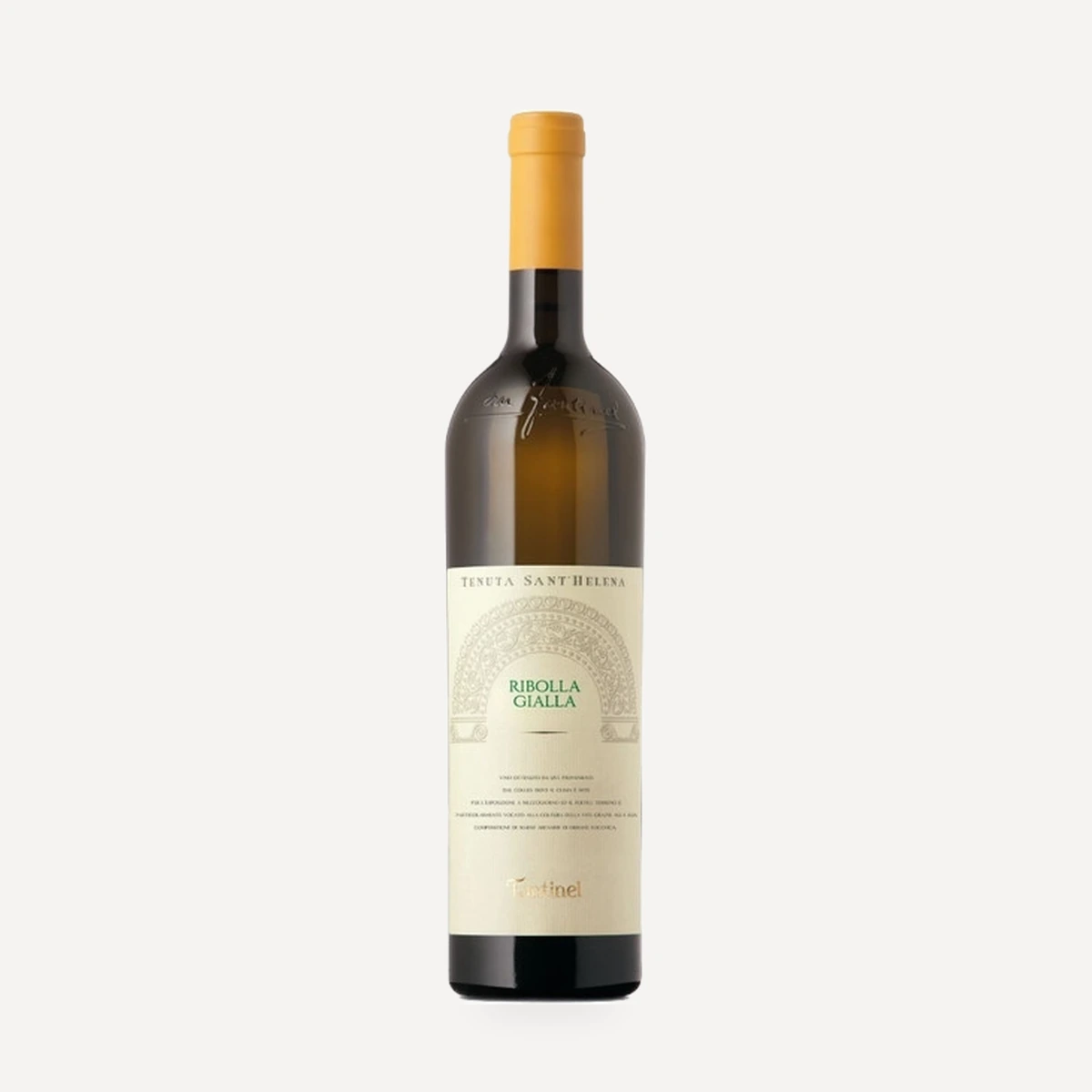
Tenuta Sant'Helena Caterina Ribolla Gialla
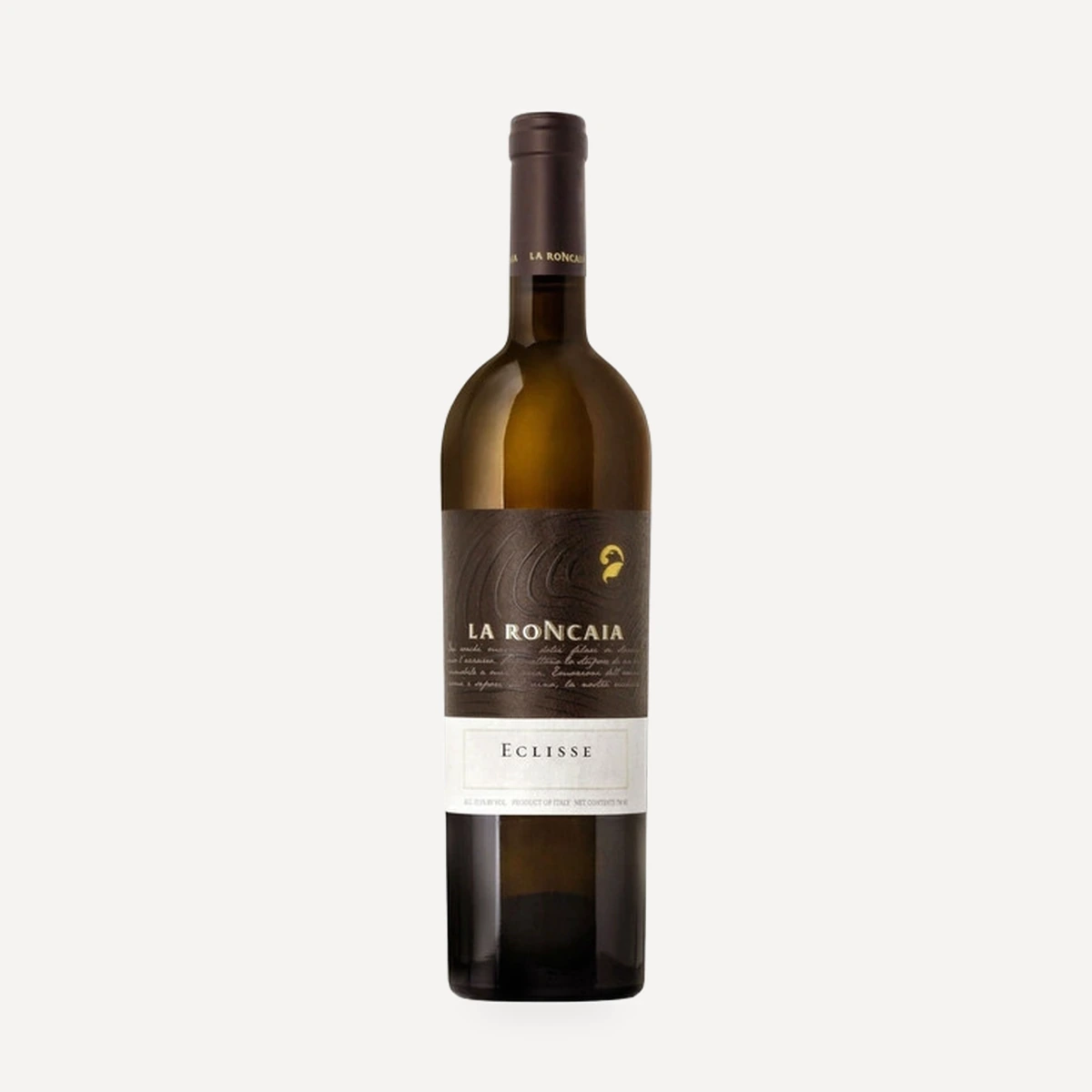
La Roncaia Eclisse Venezia Giulia IGT
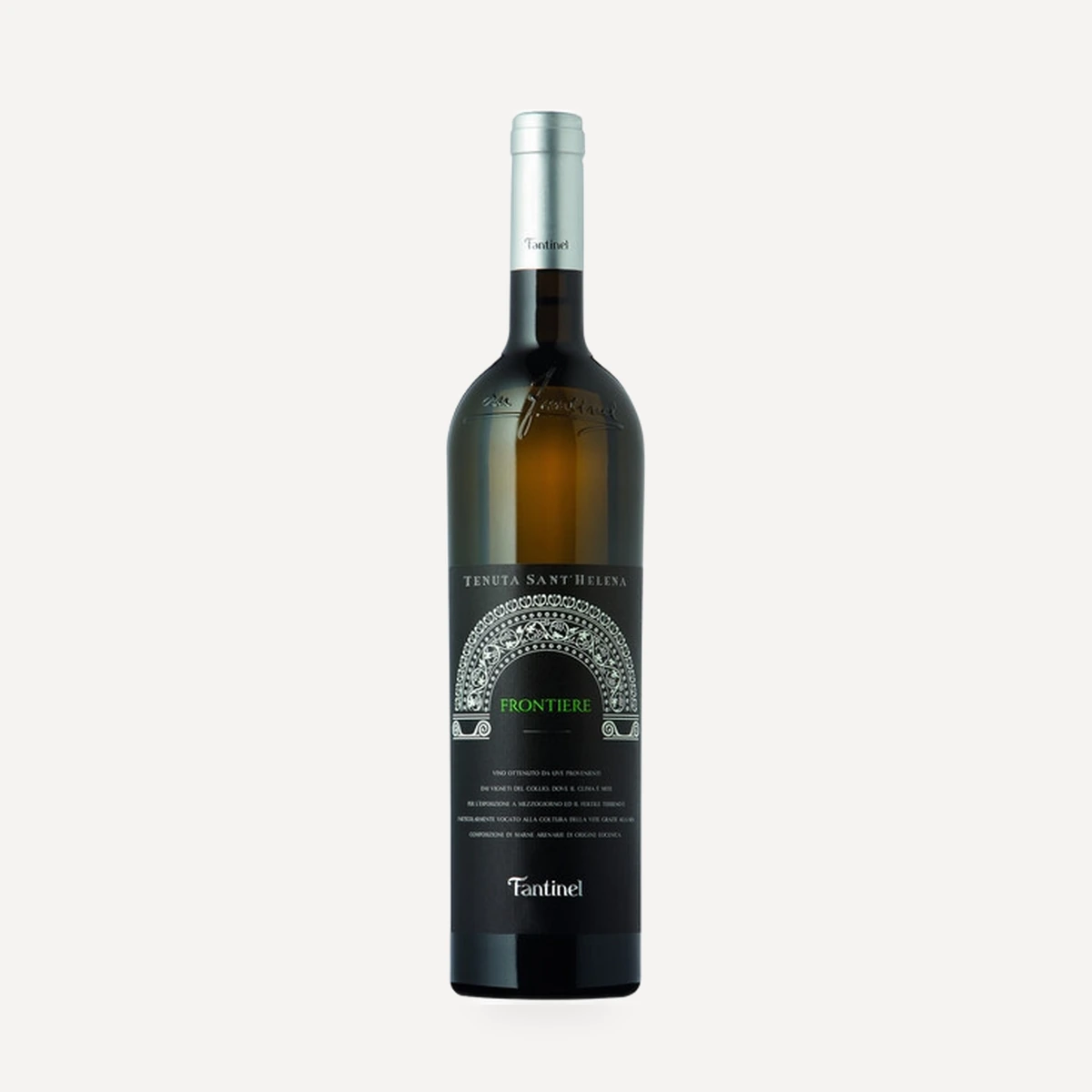
Tenuta Sant'Helena Frontiere Pinot Bianco
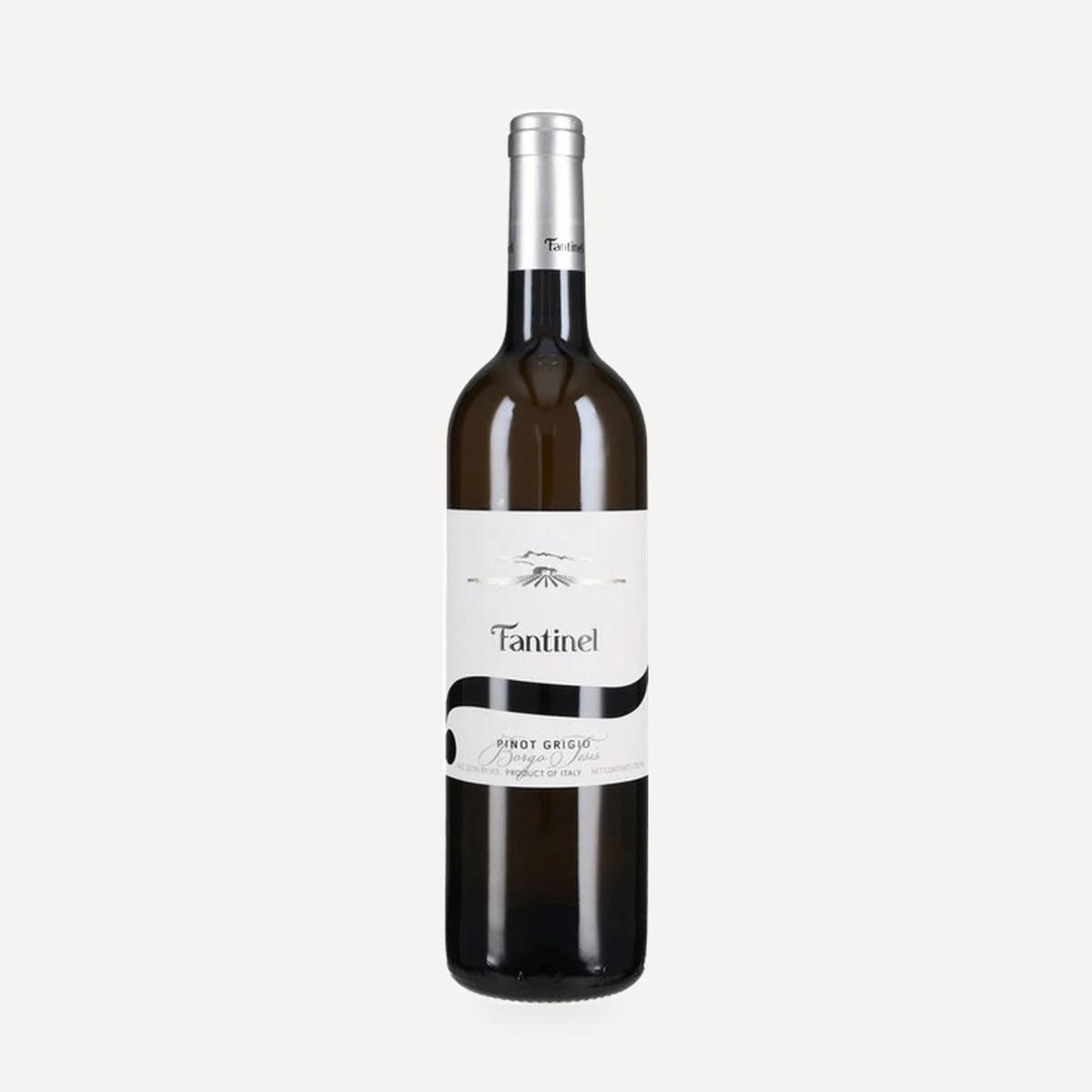
Borgo Tesis Pinot Grigio
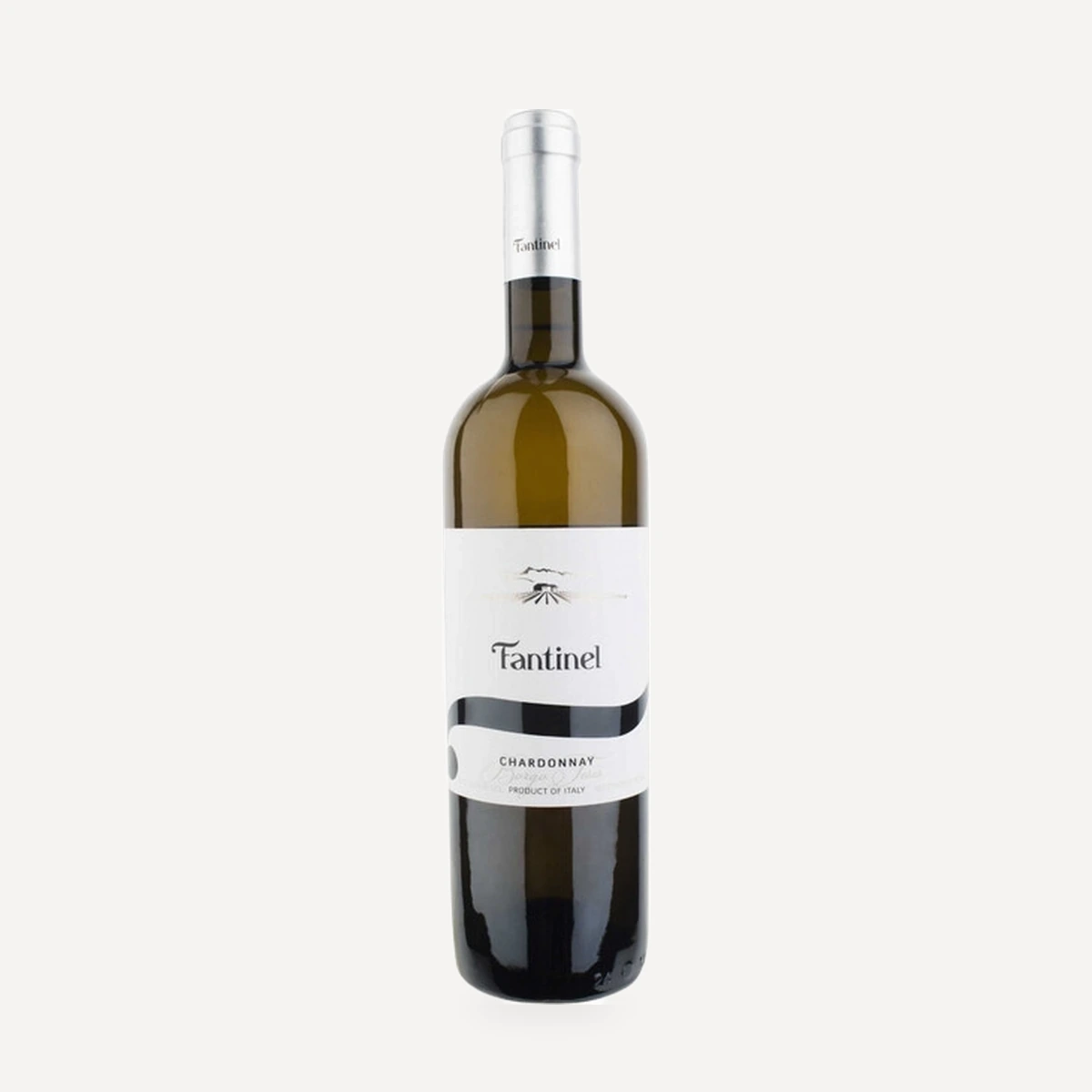
Borgo Tesis Chardonnay
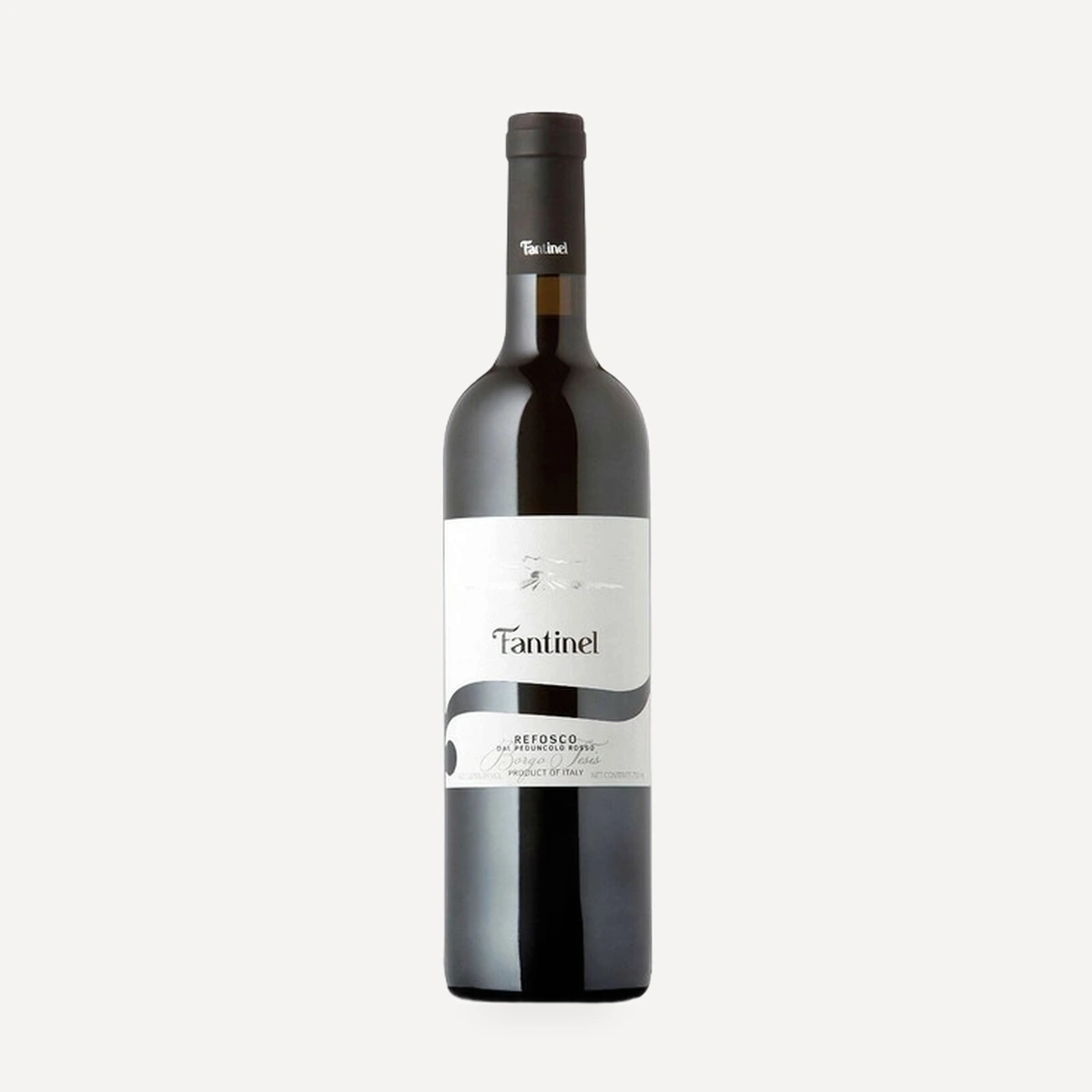
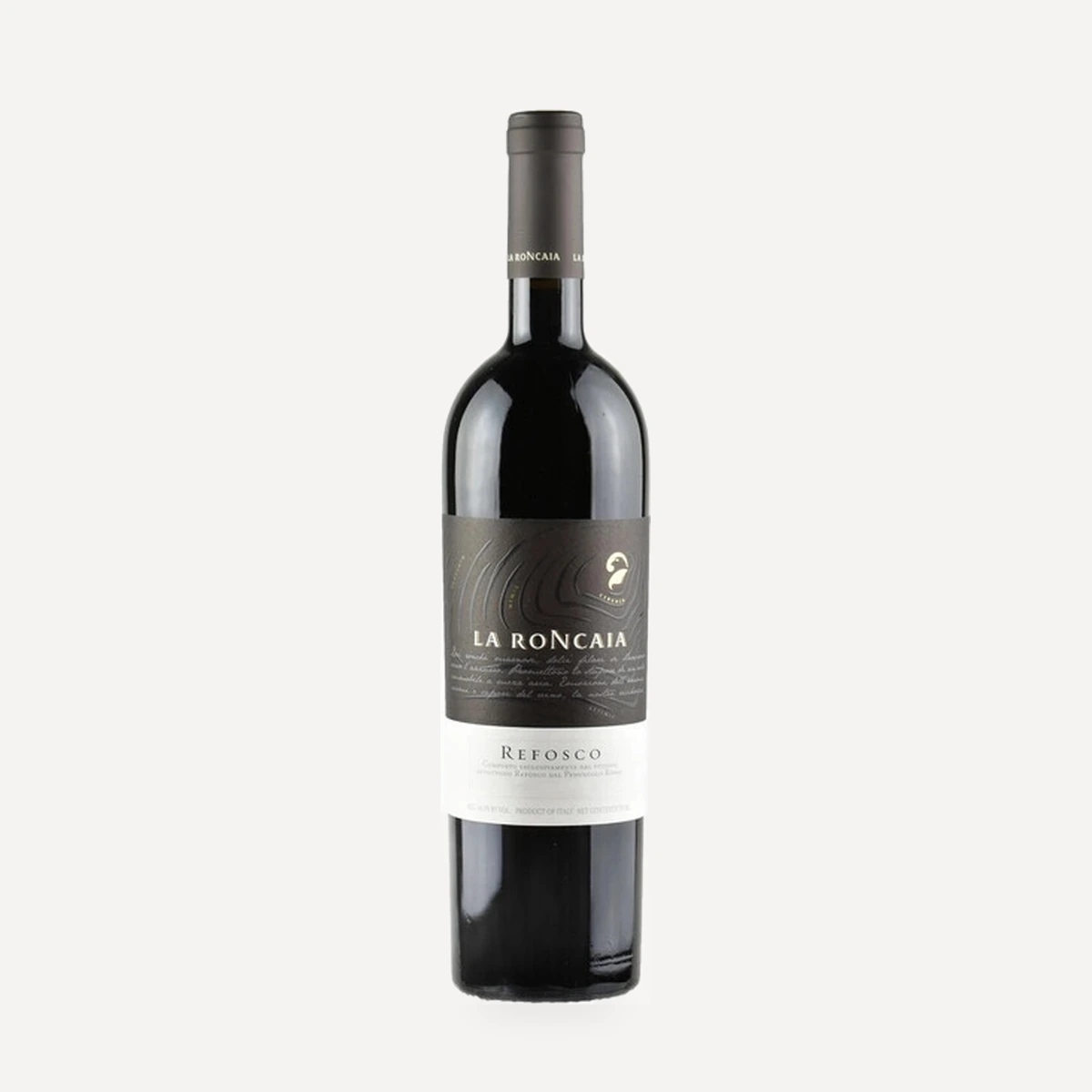
Borgo Tesis Refosco dal Peduncolo Rosso
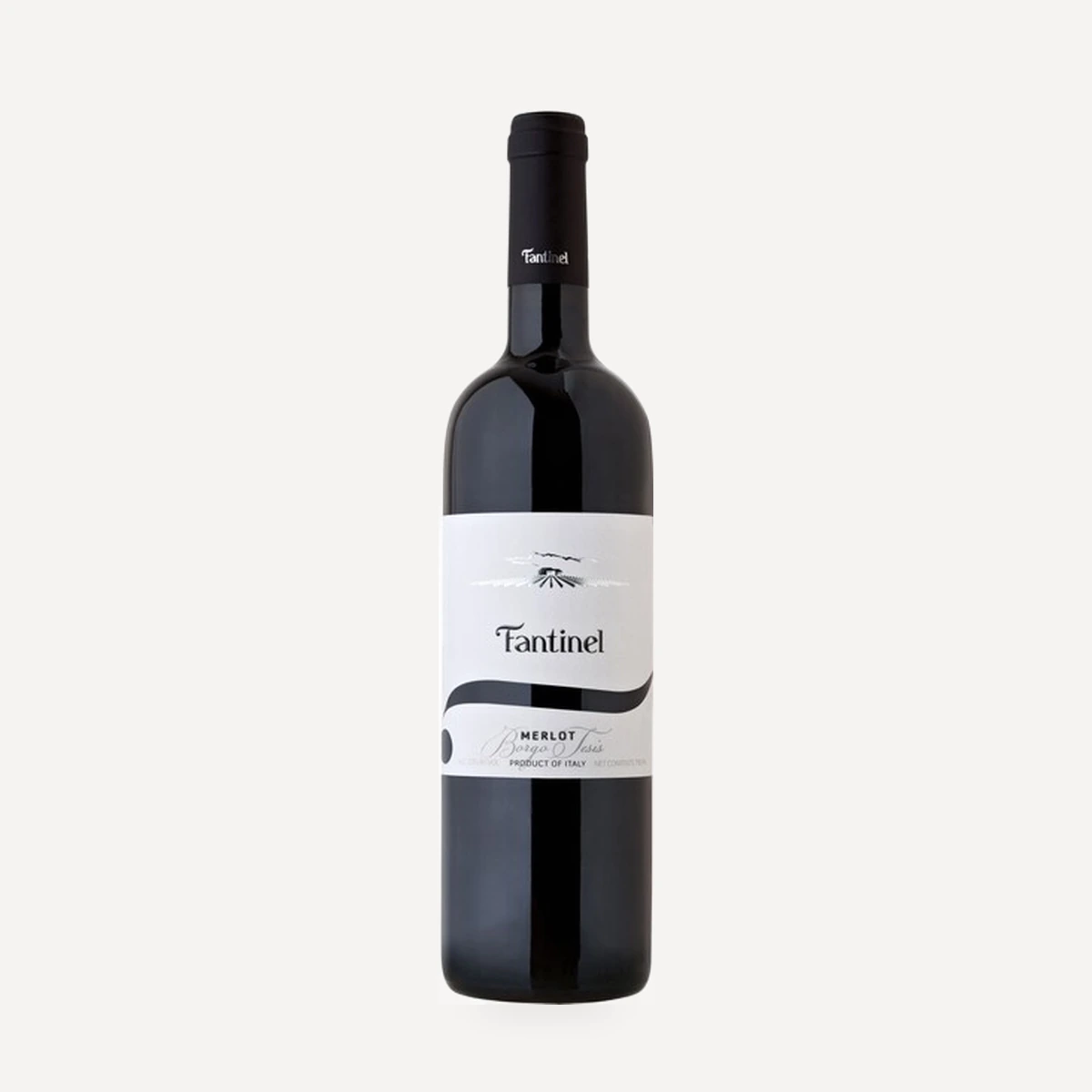
Borgo Tesis Merlot
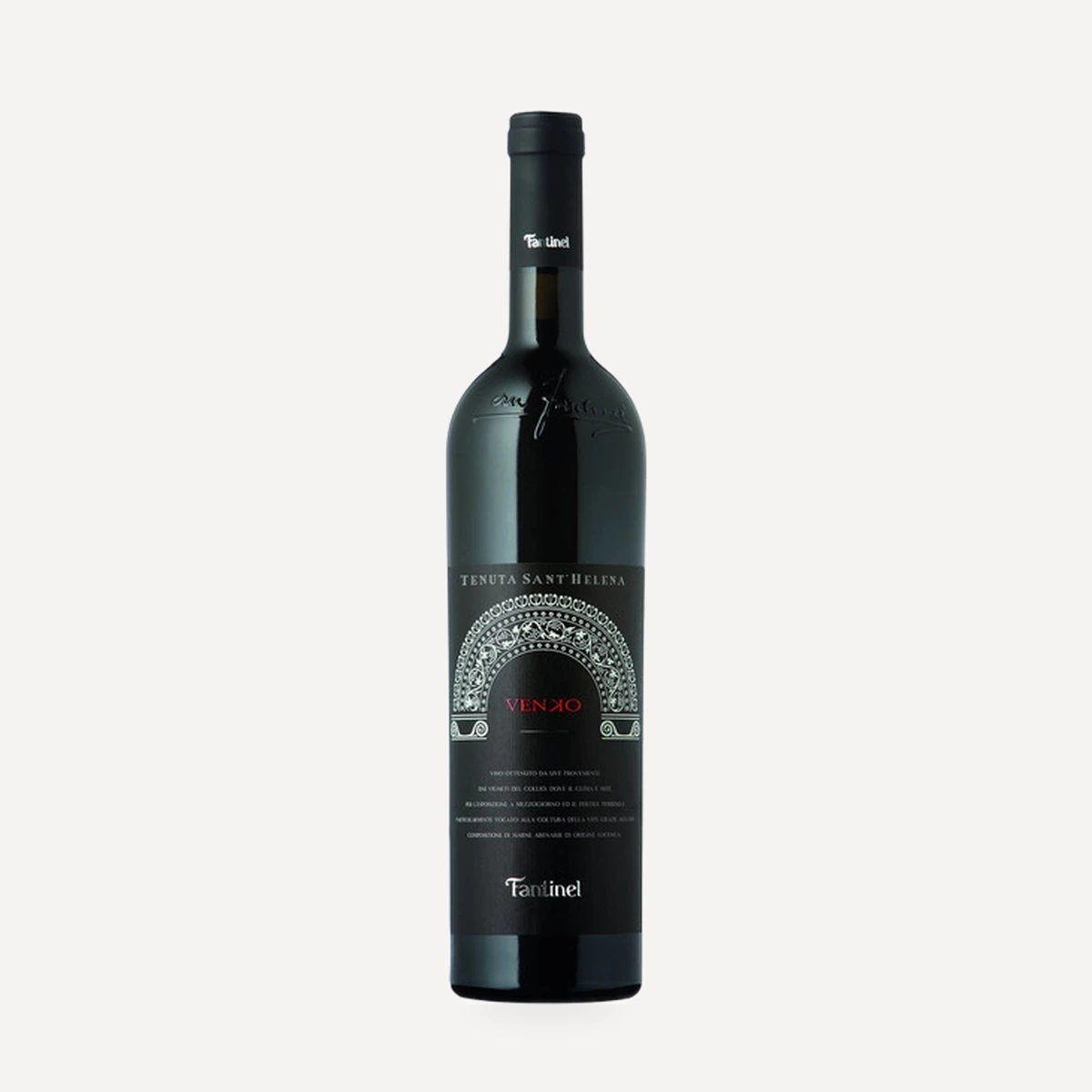
Tenuta Sant'Helena Venko Collio Rosso
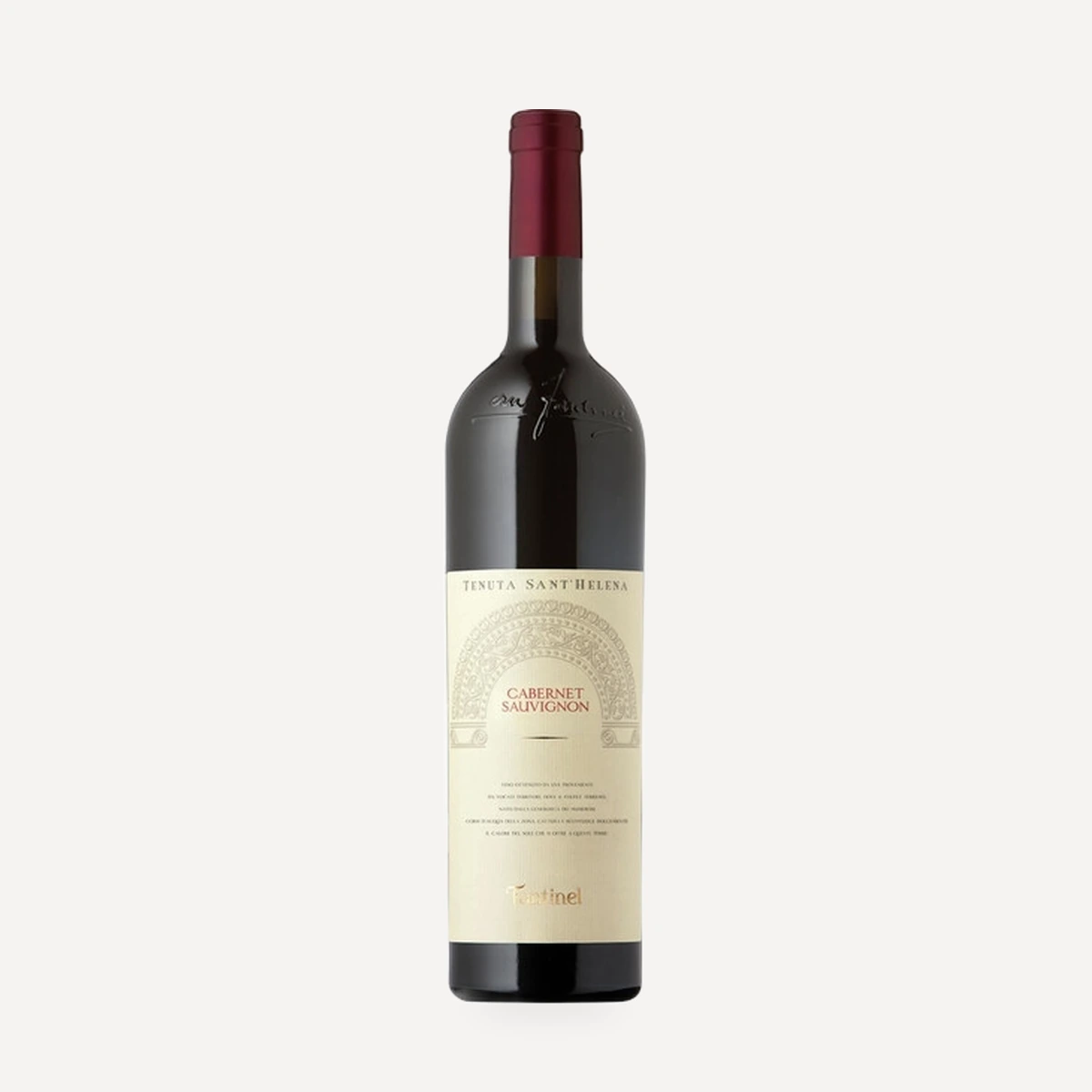
Tenuta Sant'Helena Neblo Cabernet Sauvignon
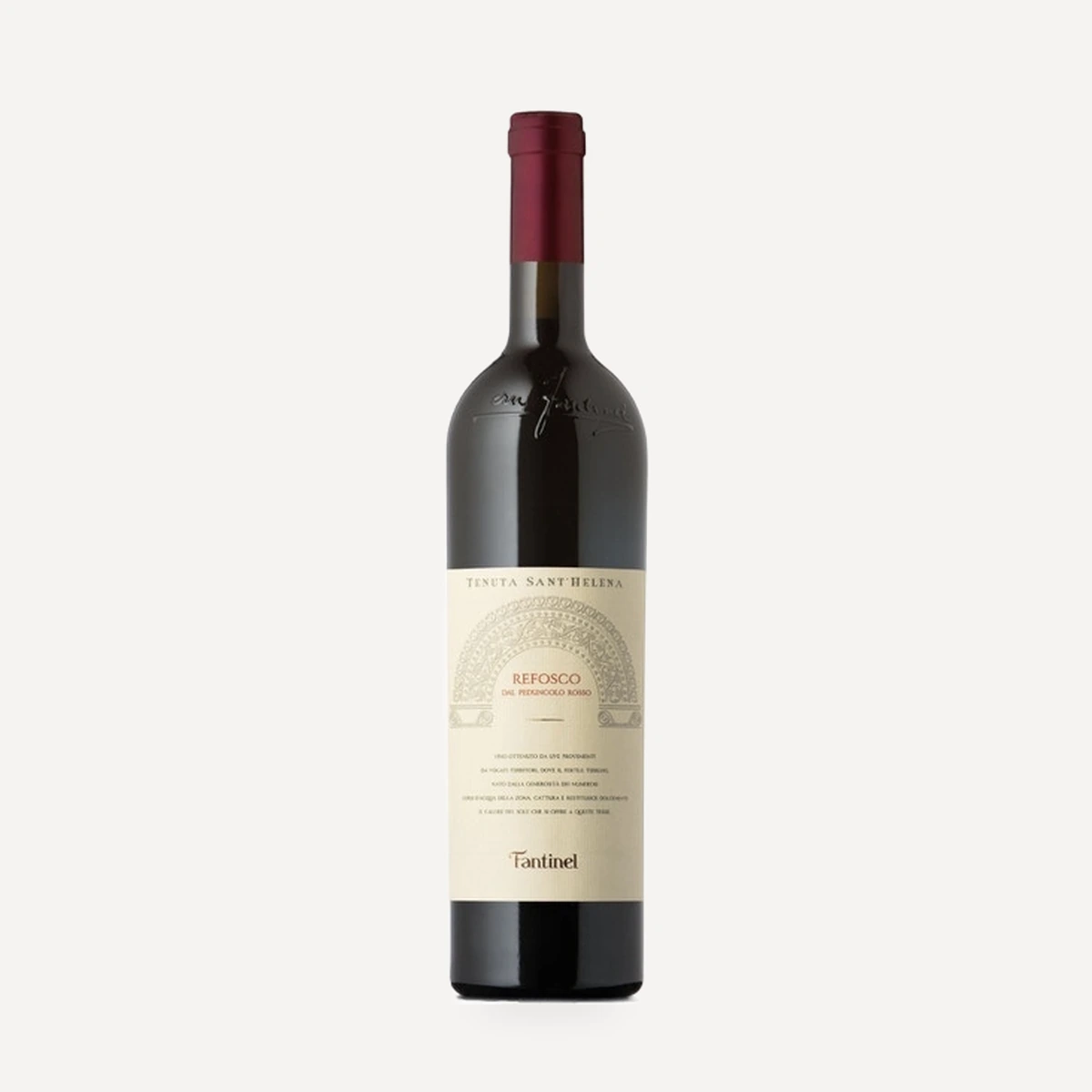
Tenuta Sant'Helena Mario Refosco dal Peduncolo Rosso
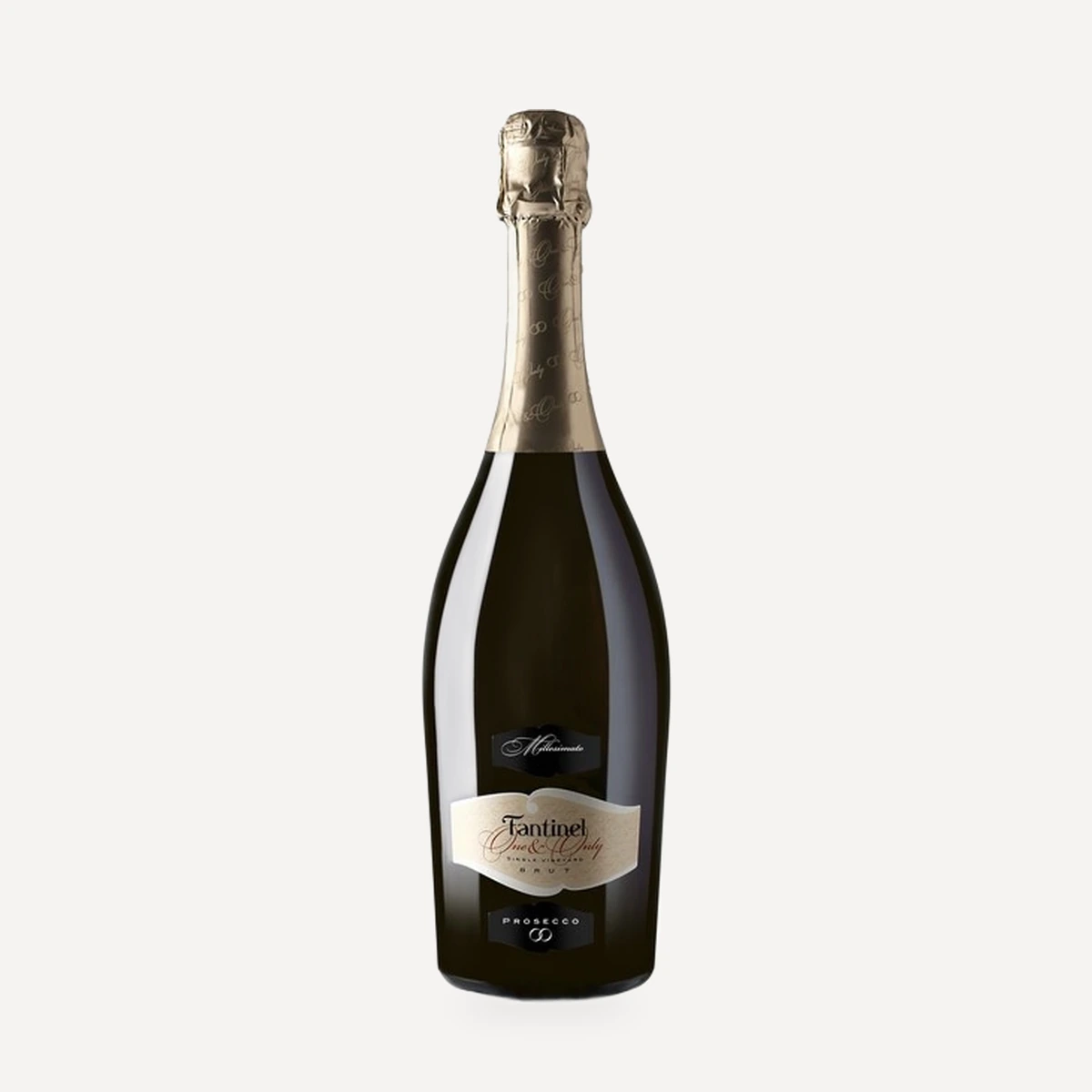
Fantinel One&Only Prosecco Millesimato Brut
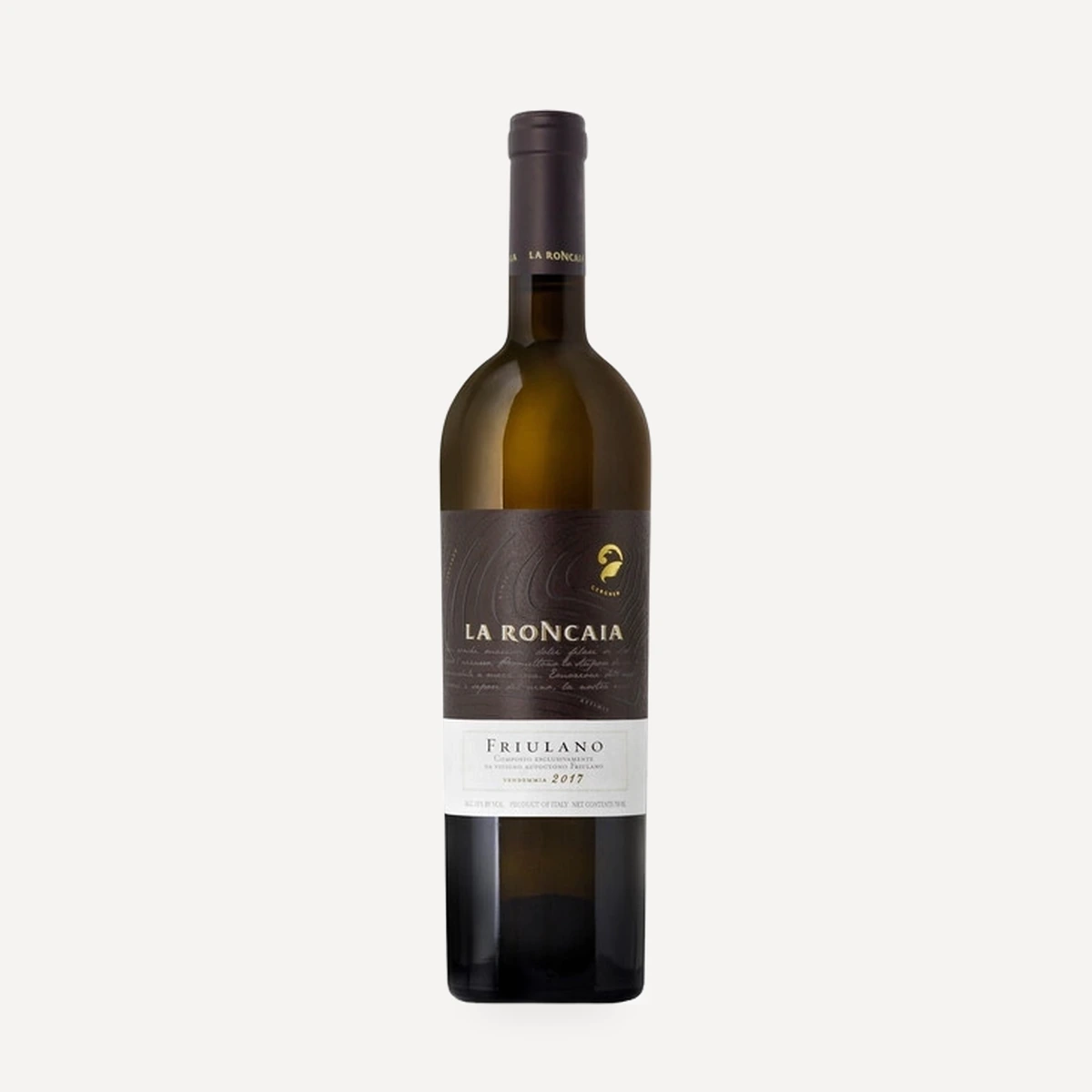
La Roncaia Friulano Colli Orientali del Friuli DOC
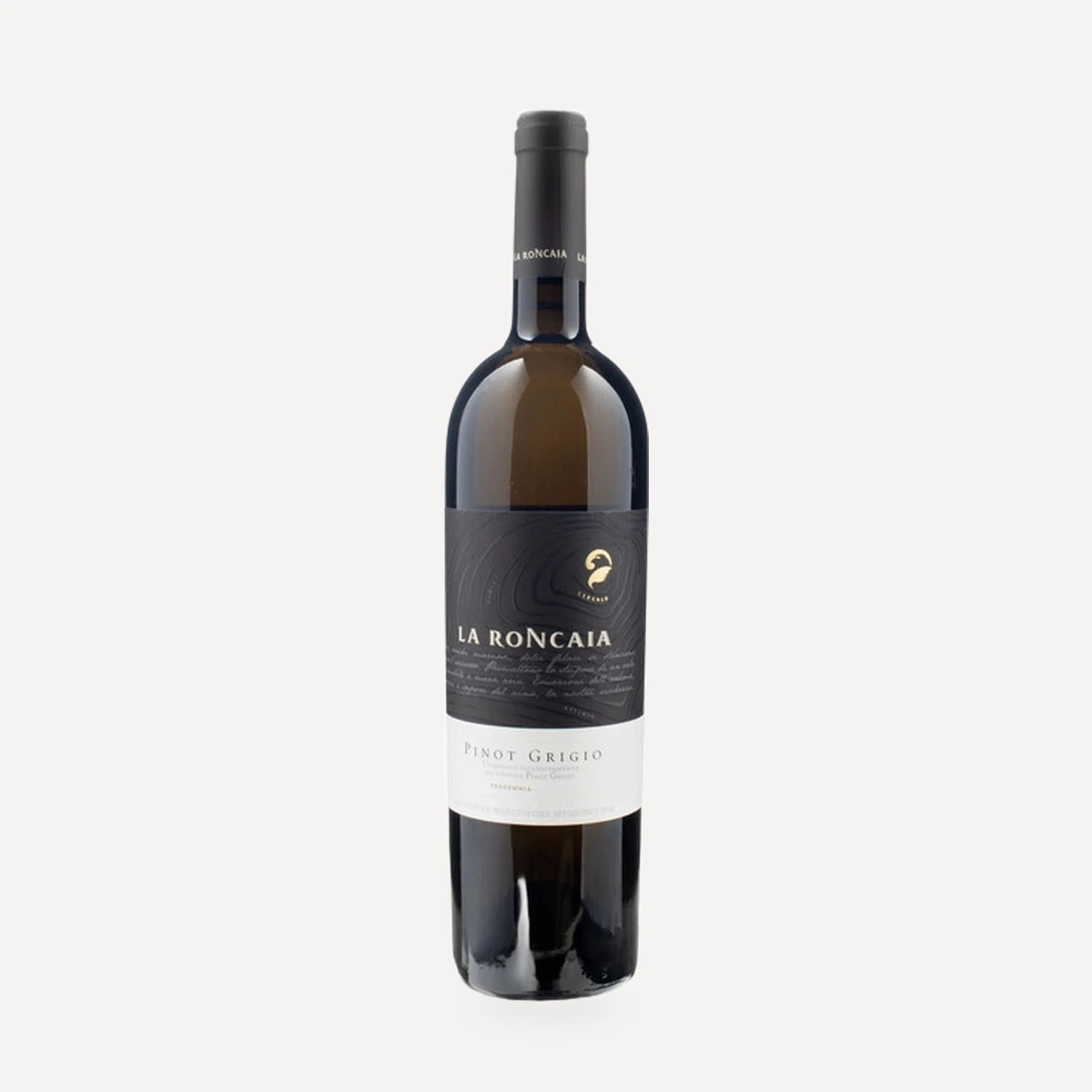
La Roncaia Pinot Grigio Colli Orientali del Friuli DOC
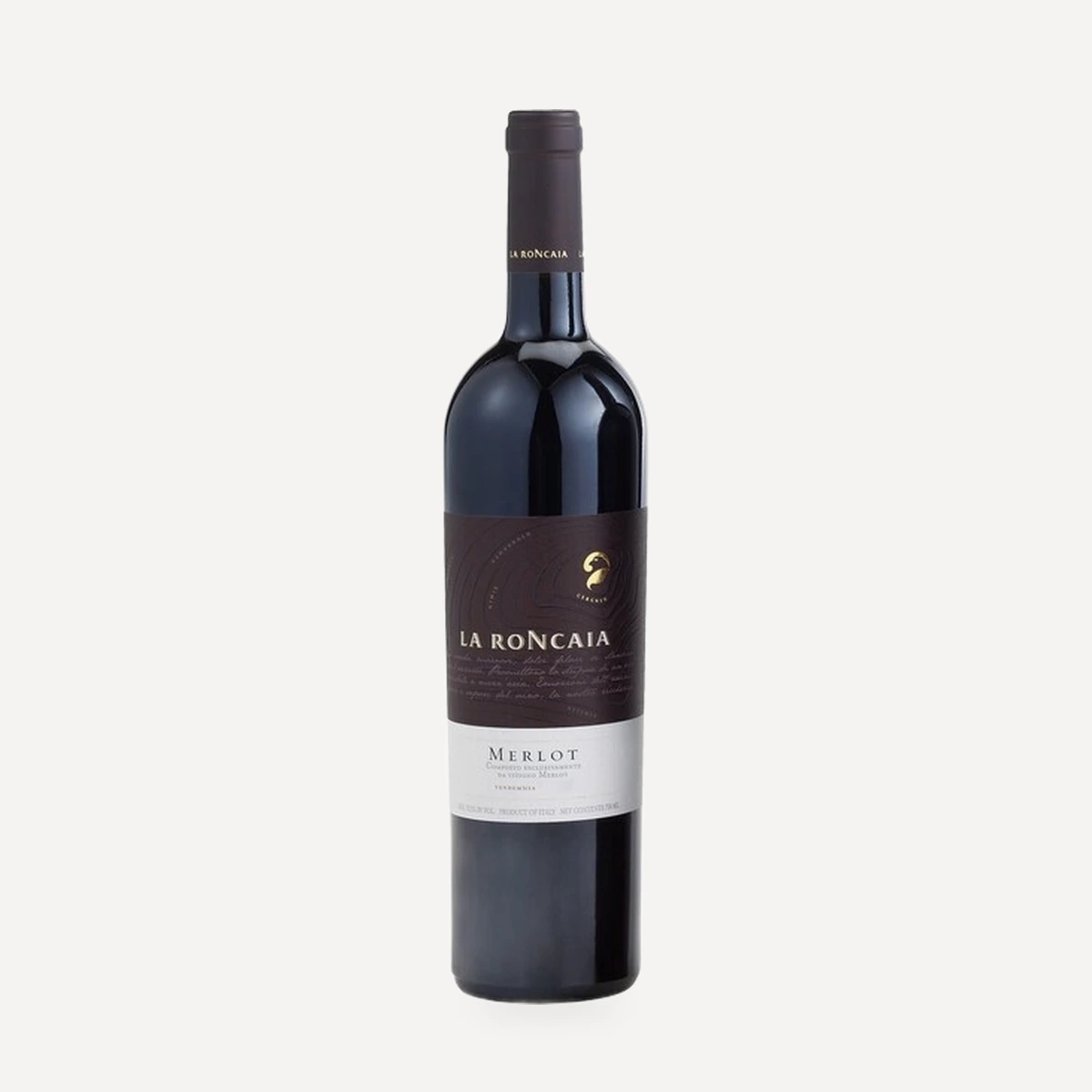
La Roncaia Merlot Colli Orientali del Friuli DOC
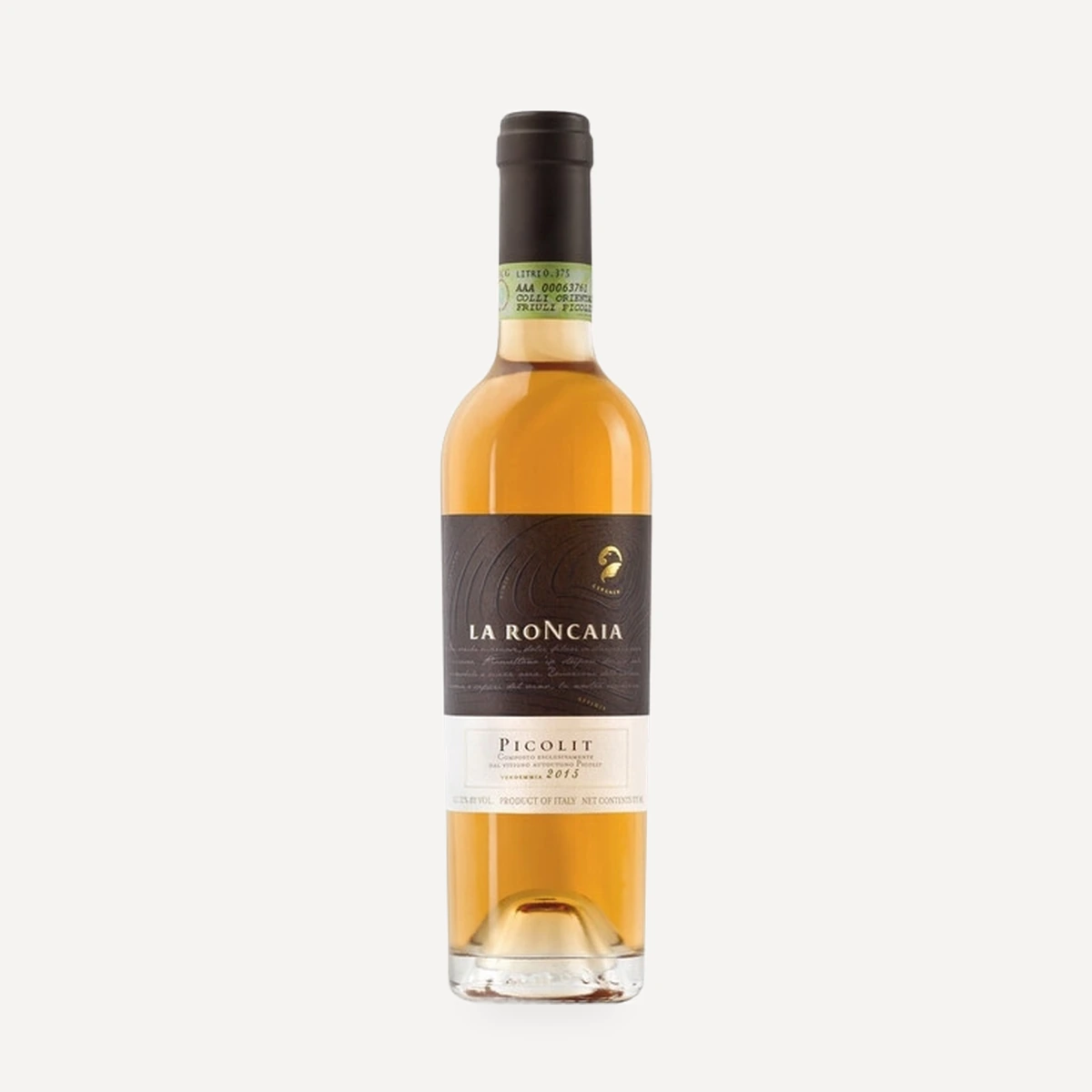
La Roncaia Picolit Colli Orientali del Friuli DOC
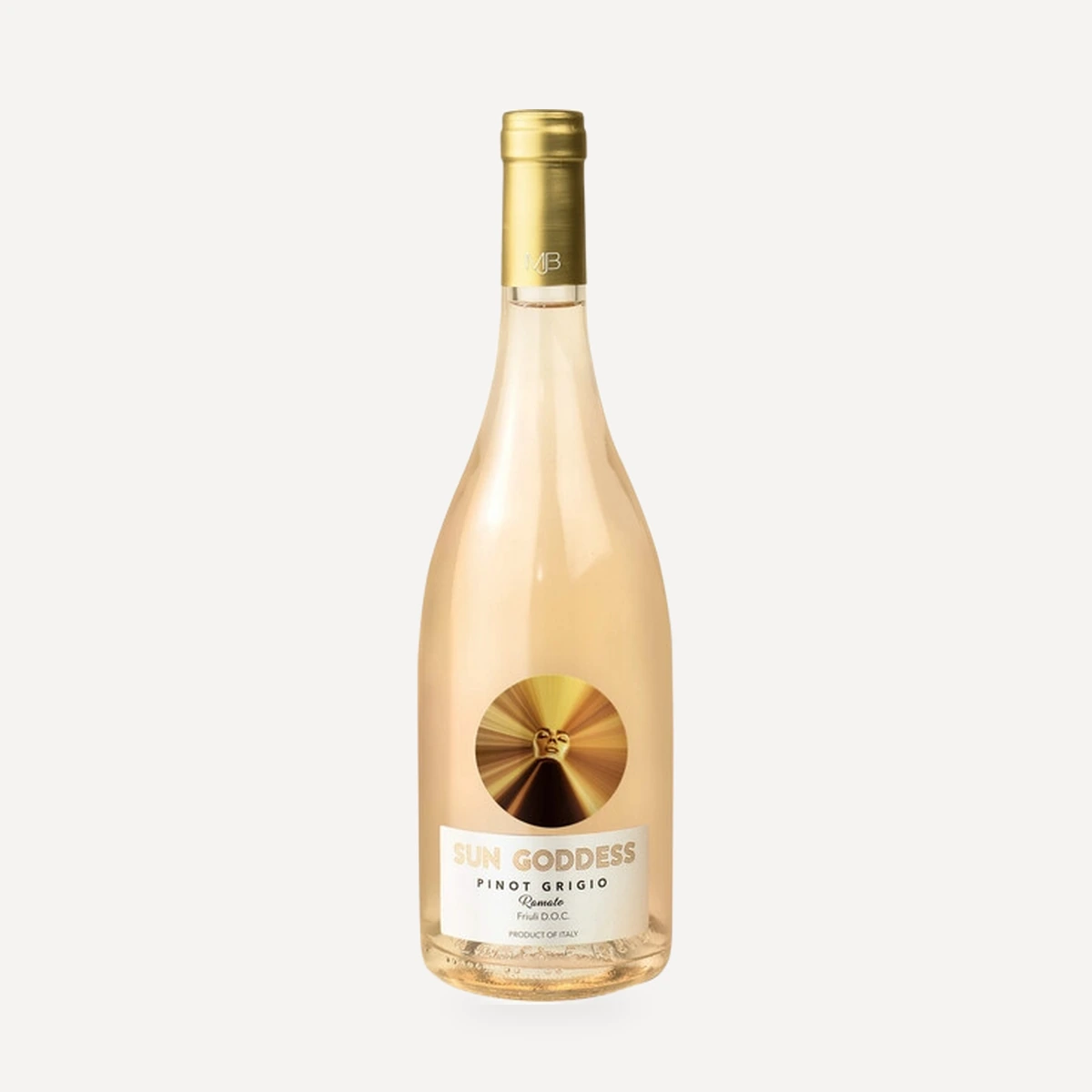
Sun Goddess Pinot Grigio Ramato
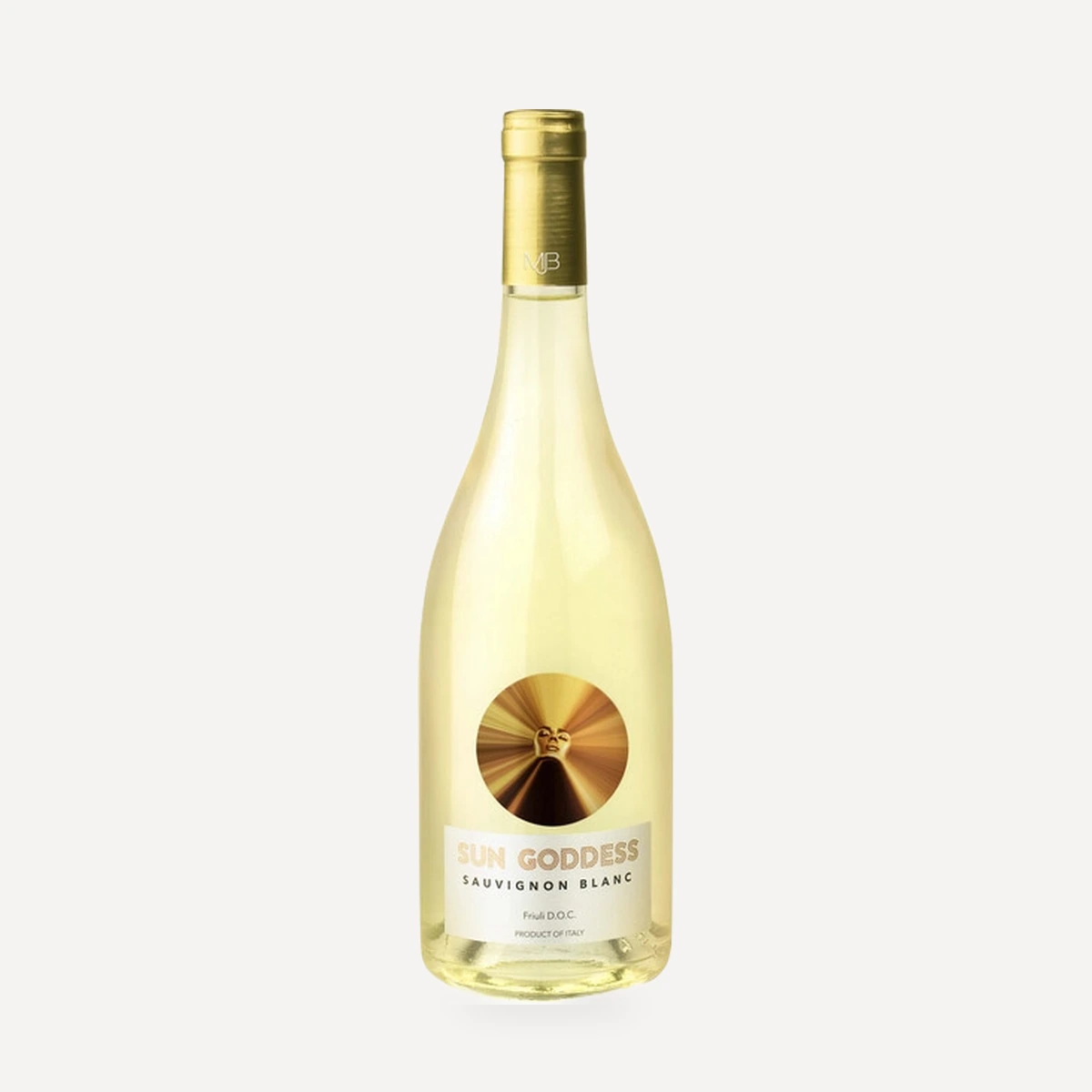
Sun Goddess Sauvignon Blanc
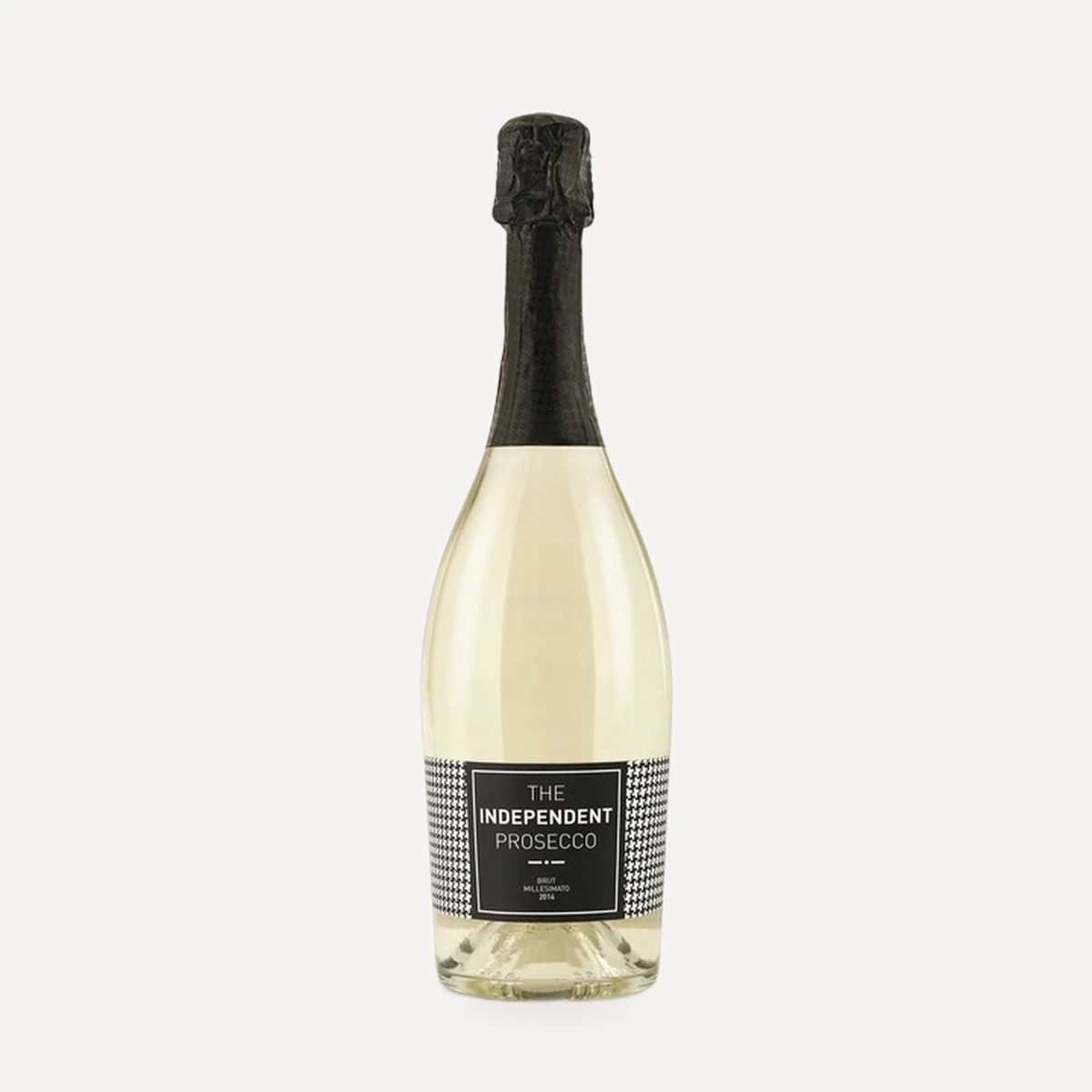
The Independent Prosecco
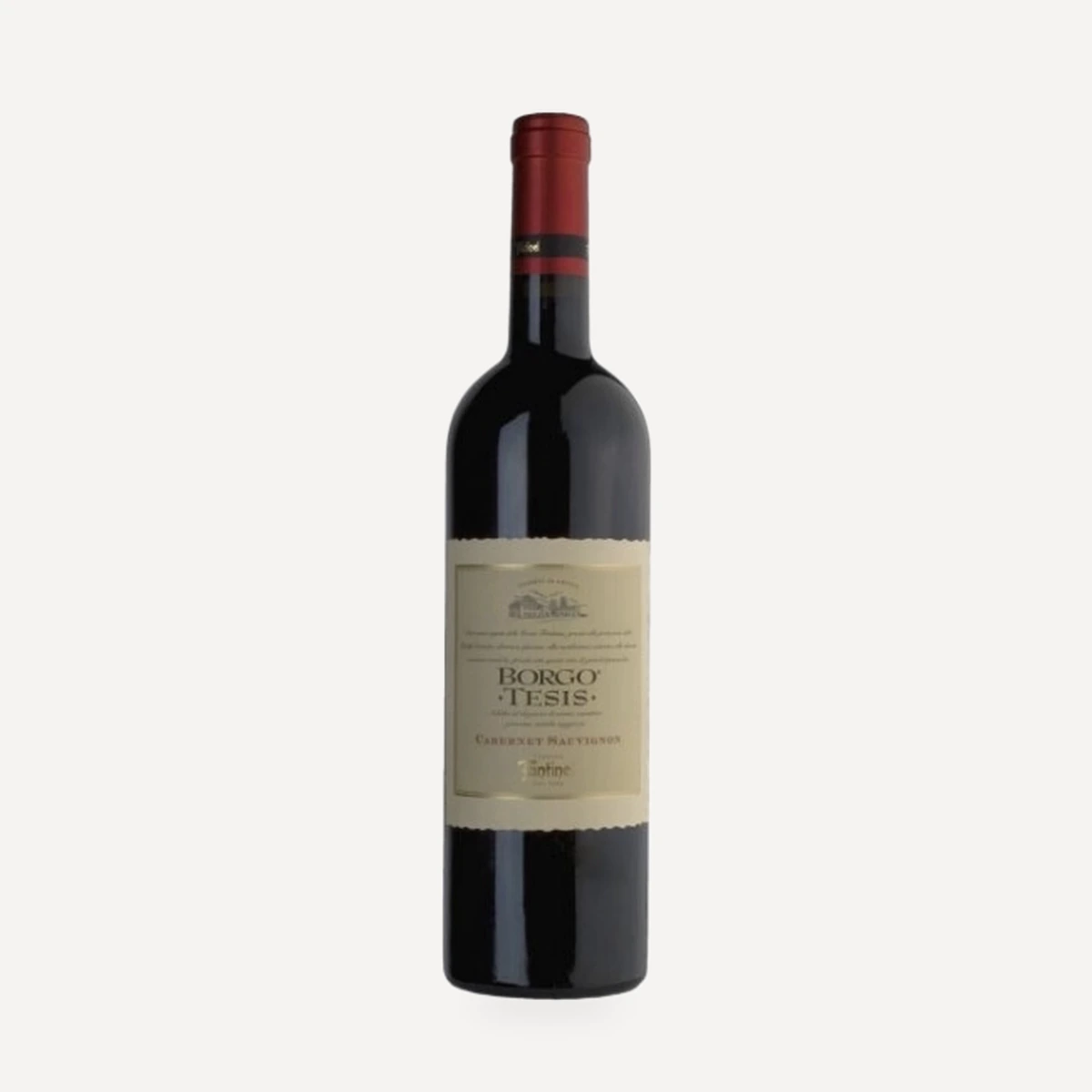
Borgo Tesis Cabernet Sauvignon
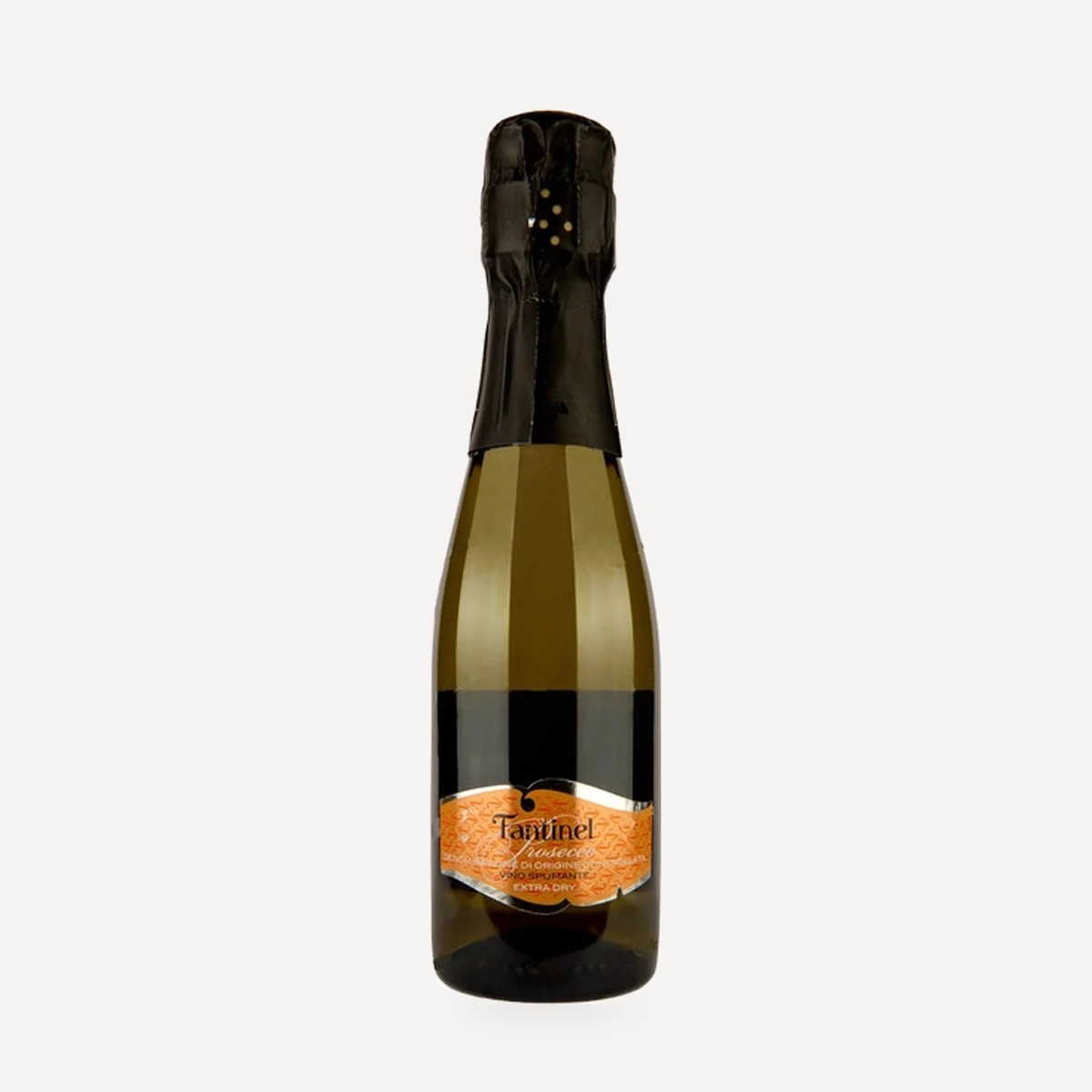
Fantinel Prosecco Extra-Dry
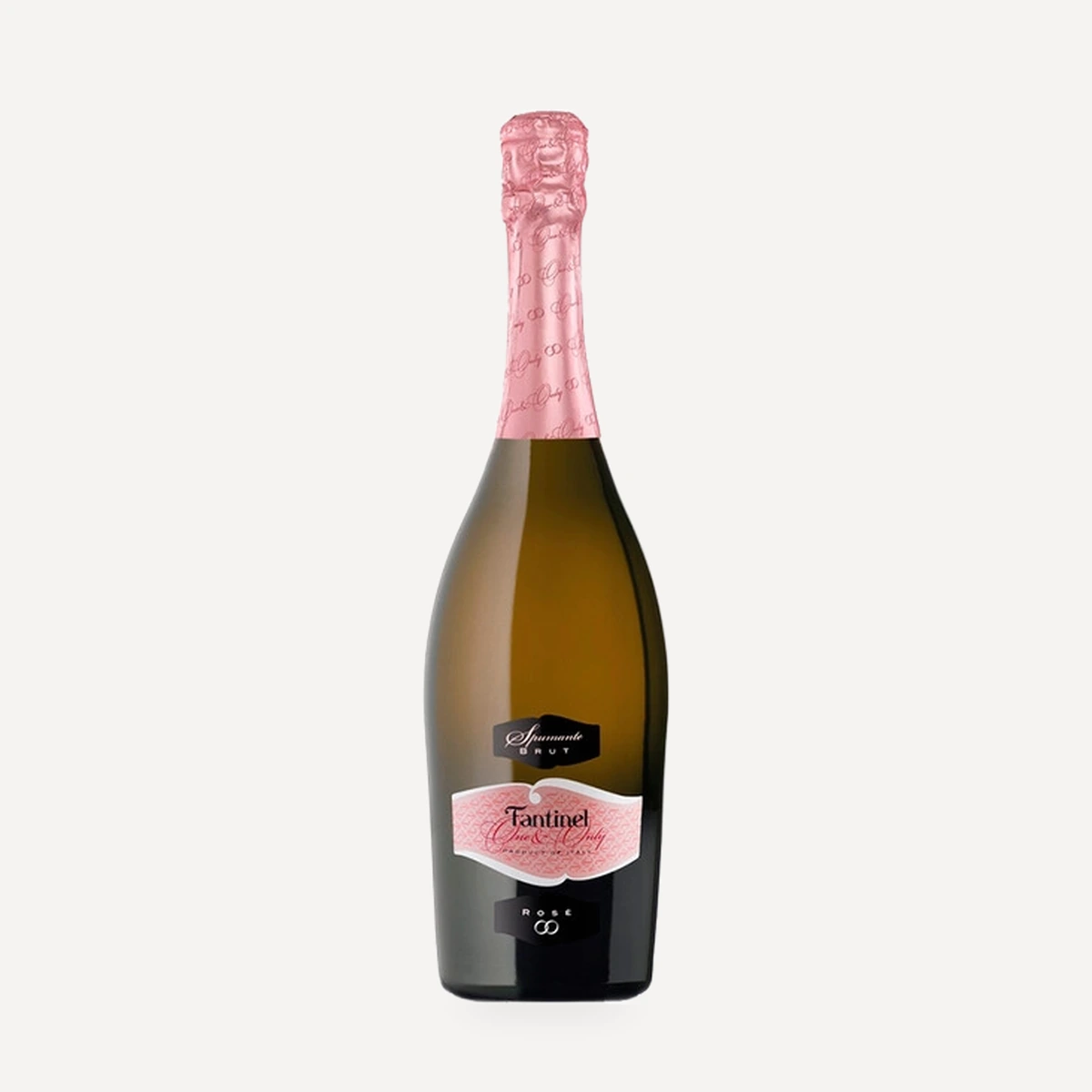
Fantinel One&Only Rosé Millesimato Brut
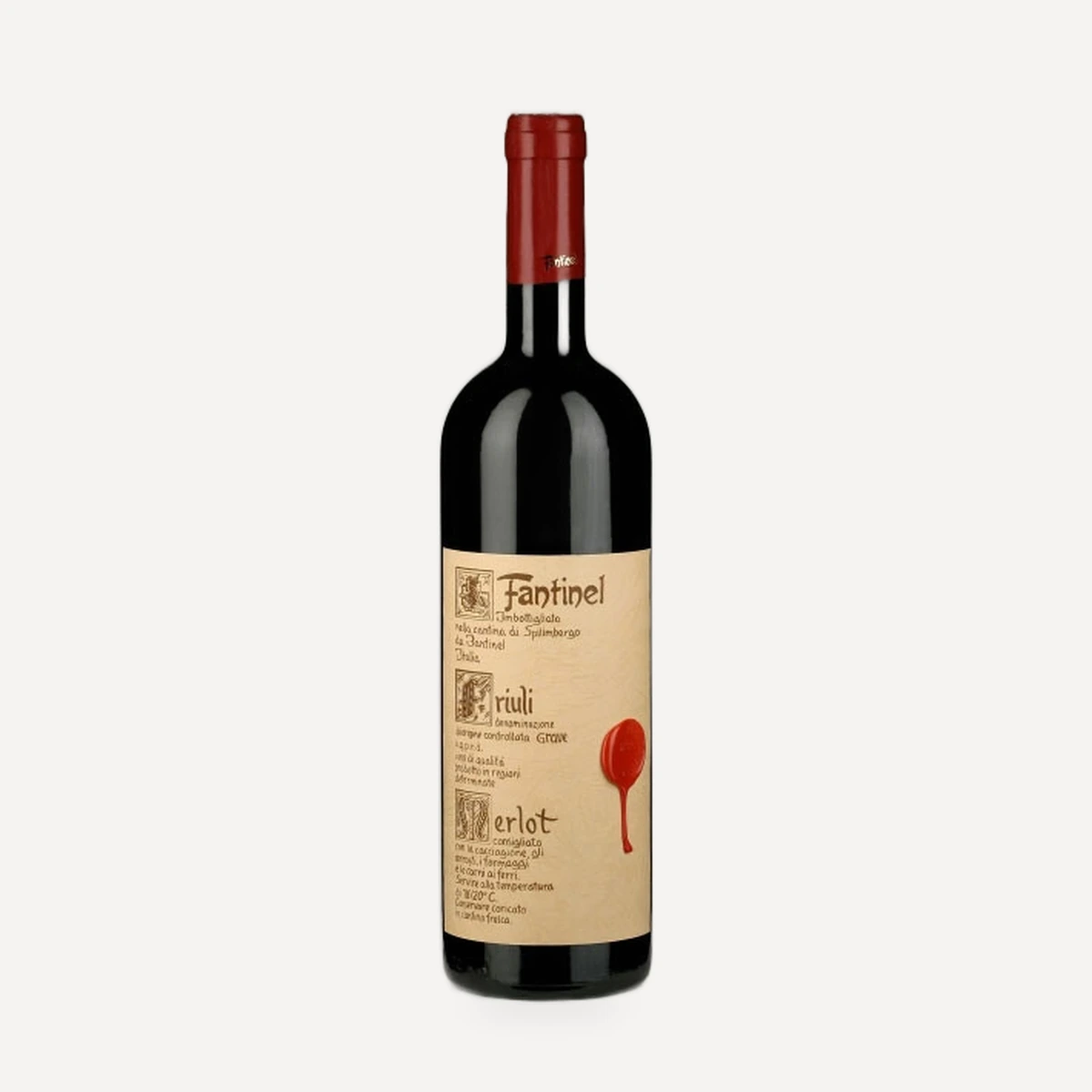
Merlot Grave del Friuli DOC
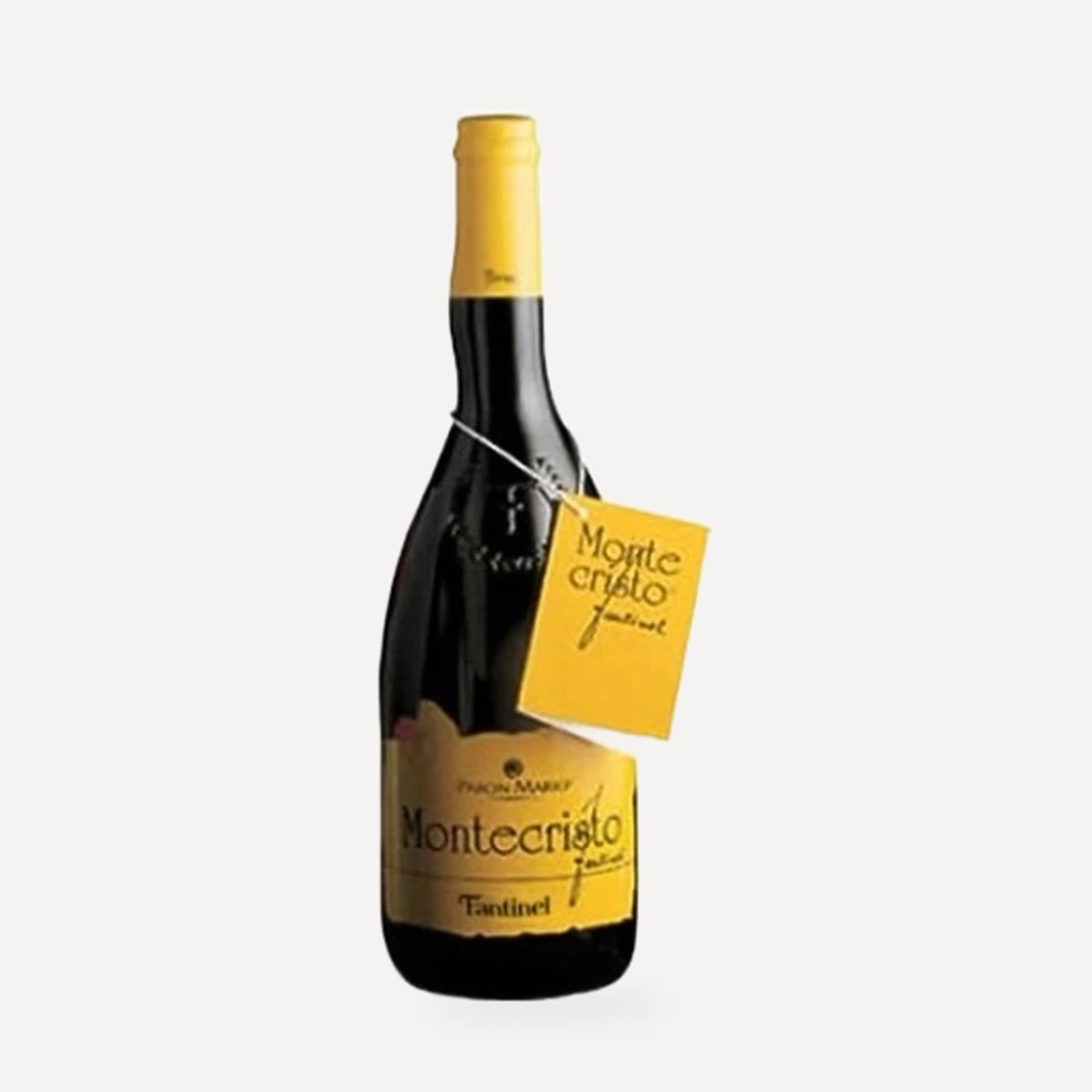
Montecristo IGT
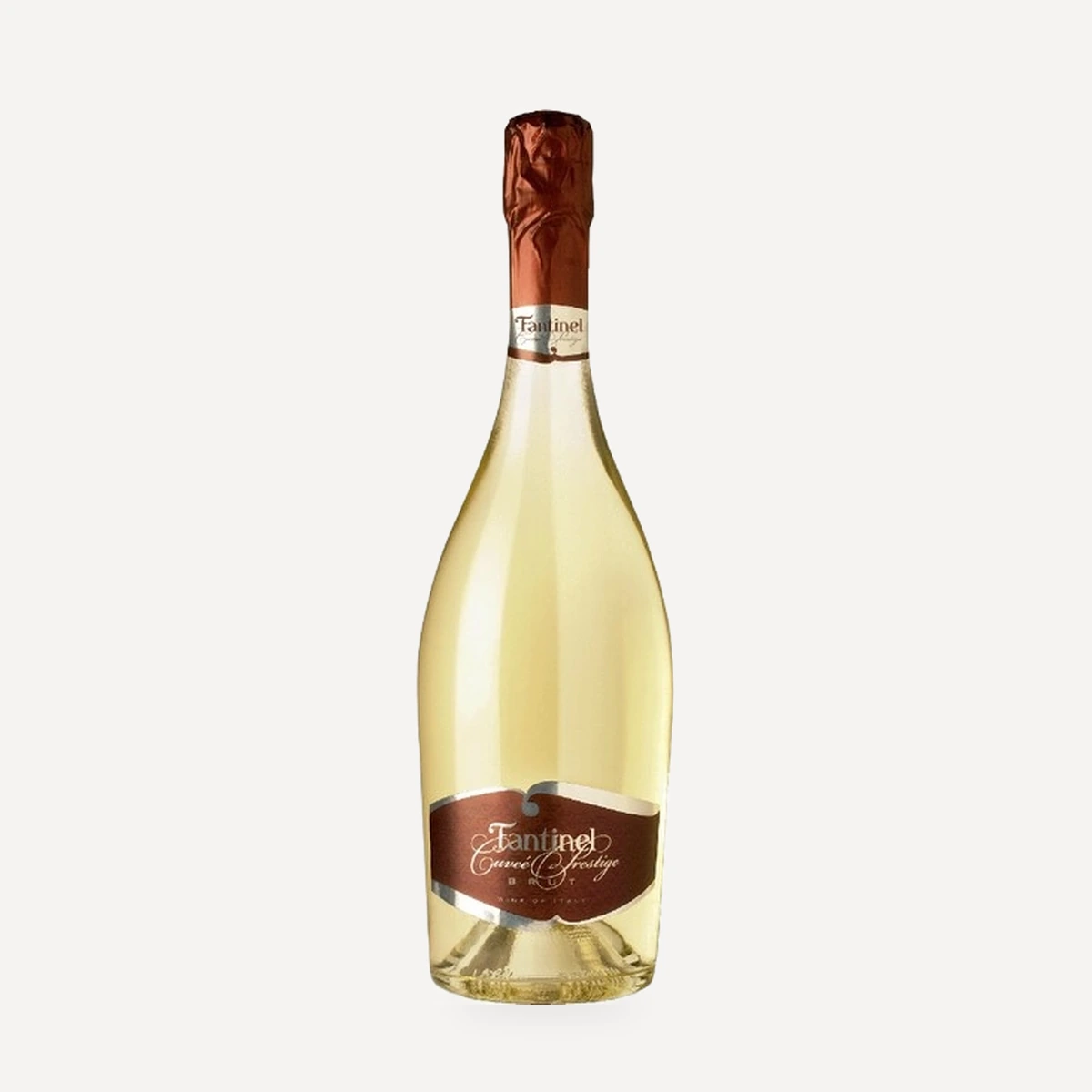
Fantinel Cuvée Prestige Brut
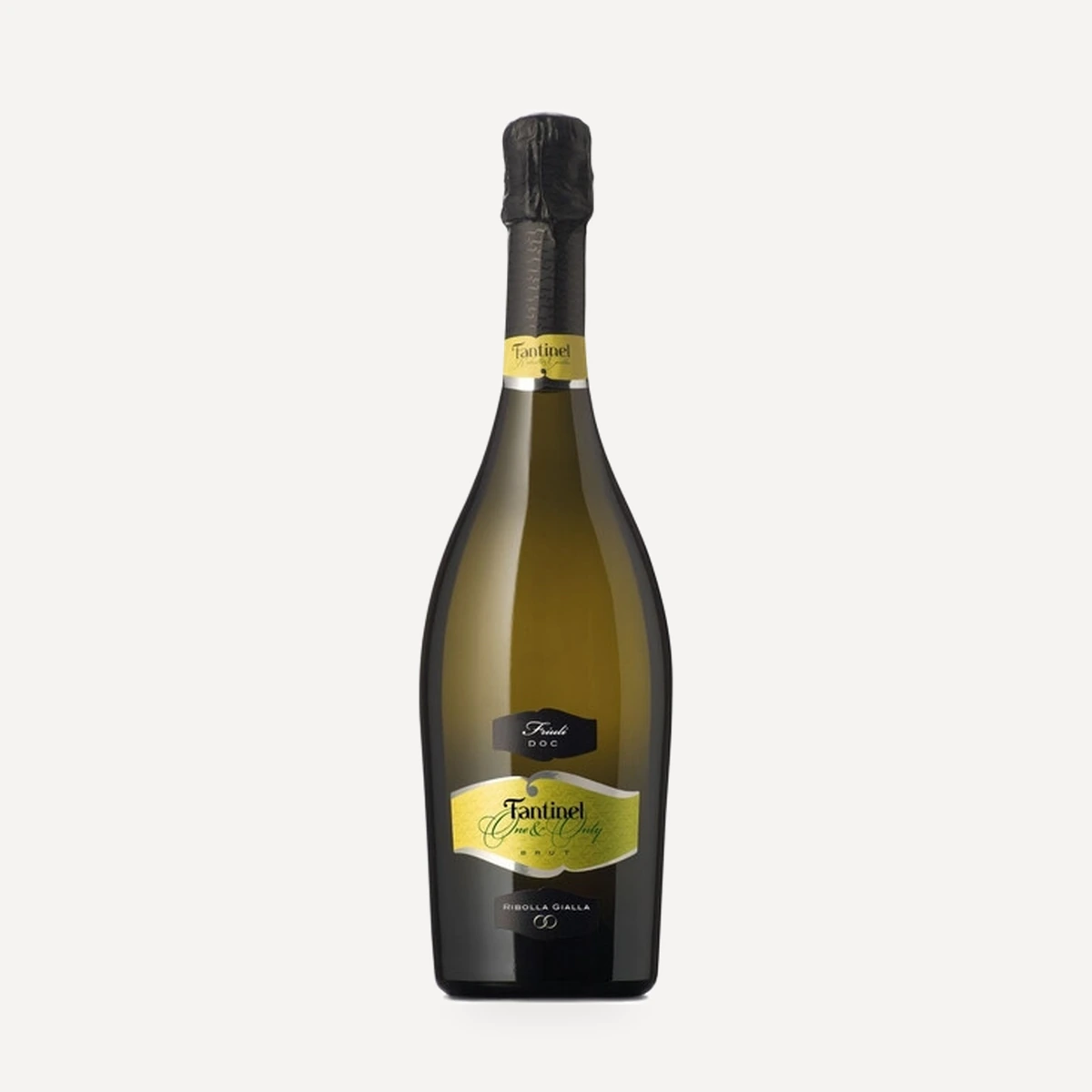
Fantinel One&Only Ribolla Gialla Brut