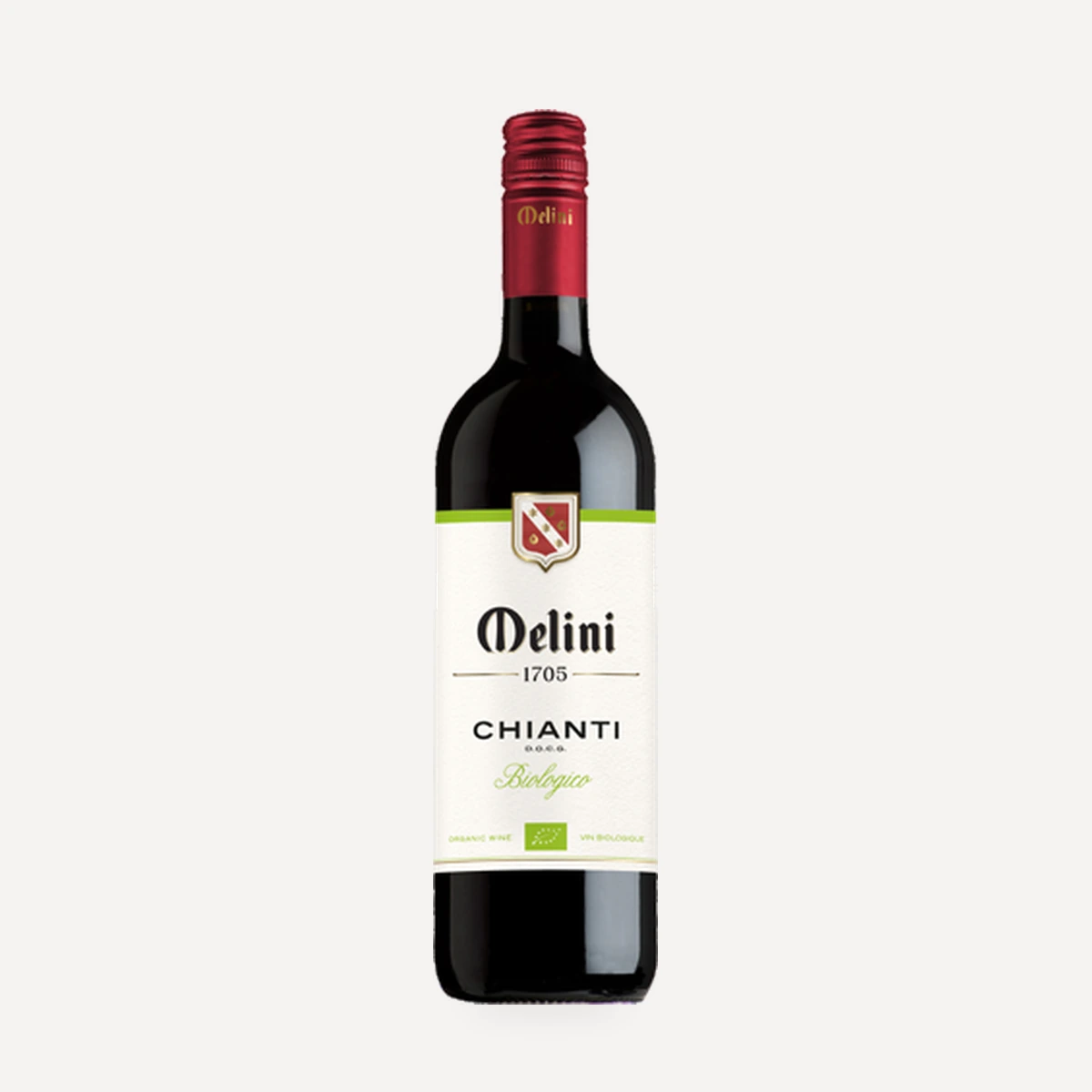
Storia
Origins in Val di Sieve: 1705
In 1705, roughly three decades before the end of Medici rule and eleven years before Grand Duke Cosimo III’s 1716 proclamation defining the Chianti production area, the wealthy Florentine Melini family began working in viticulture in Val di Sieve. Production initially centred on Vermiglio, a traditional Tuscan red table wine.
The wines were sold in casks, creating substantial preservation and transport difficulties. Melini’s technicians sought solutions from leading specialists of the period, including Cosimo Villifranchi, whose recommendations for export stressed robust, lively and unadulterated wines as well as rock-cut cellars capable of preserving wine for many years.
Early technical innovation: circa 1830
Around 1830, following advice from Novellucci of Prato, Melini began heating wine to 50 °C for a few minutes. This early stabilization method anticipated the pasteurization process later discussed by Louis Pasteur in Études sur les vins in 1866.
The “fiasco strapeso”: 1860
A decisive commercial development came in 1860, when Adolfo Laborel Melini adopted the “fiasco strapeso” invented by master glassmaker Paolo Carrai. Made from tempered glass, the flask could withstand the pressure of a mechanically inserted cork. This more durable container made it easier to distribute Chianti in both Italian and international markets.
International recognition: 1877
In 1877, the Florence Chamber of Commerce and Arts awarded Melini a diploma and gold medal for establishing what it judged to be the most extensive and dependable foreign trade in Tuscan wine. The estate associates this period of export growth with its subsequent position as one of the most widely distributed Chianti brands internationally.
Ownership changes in the 20th century
Luigi Melini, a wine technician who volunteered for service during the First World War, was killed in the conflict. After his death, the Melini wine business at Pontassieve was acquired by Buitoni of Perugia. Buitoni subsequently transferred it to Martini & Rossi of Turin. Ownership later passed to Gruppo Italiano Vini, and Melini’s headquarters moved to Gaggiano di Poggibonsi, in the Chianti Classico area of the province of Siena.
The Gaggiano winery: 1970–1974
Between 1970 and 1974, a modern four-level winery was constructed in the hillside beside an older original building at Gaggiano. It was conceived to keep the production of individual vineyards separate and to apply Melini’s cru-based or “vineyard policy” approach. The winery presents this selection and separate vinification of the most suitable vineyards as an early practice in Tuscany and among the first applications of its kind in Italy.
Alessandro Zanette: from 2007
Alessandro Zanette arrived at the Gaggiano winery in 2007. He assumed responsibility for vineyard, cellar and industrial management and for processing grapes from Melini’s 86 ha of estate vineyards.
Modernization and precision projects: PSR 2014–2020
Under Tuscany’s 2014–2020 Rural Development Programme, plans for Casa Vinicola Melini included new fermenters and casks, modernization of production processes, improvements to wine maturation and ageing, adaptation of working areas for hygiene and safety, and a roof for the vinification room.
Melini also participated in the In.Vi.T.a.S. project, conceived to integrate agro-phenological information into a decision-support platform, map homogeneous soil-and-environment units within the Gaggiano vineyards, identify intra-parcel variation, support differentiated harvesting and develop an objective method for pairing wood characteristics and toast levels with defined oenological goals.
Terroir
Melini’s property covers 556 ha in the Chianti area between Siena and Florence, including 86 ha of vineyards. The Gaggiano winery stands at 300 m above sea level in the Chianti Classico hills, on the road connecting Poggibonsi and Castellina in Chianti.
The named estates occupy distinct hill positions. Podere San Lorenzo lies at 330 m on the historic boundary between Chianti and Chianti Classico, overlooking the Val d’Elsa and surrounded by a cypress reserve. Podere Granaio occupies one of the higher hills at 360 m and extends between Castellina in Chianti and San Donato in Poggio. Podere Bonorli stands at 350 m on a hill between Borro di Cepparello and Borro di Granaio. I Coltri is enclosed by woodland in the estate’s most remote setting. Poggio a’ Rosi occupies the north-eastern side of a hill at 300 m.
The In.Vi.T.a.S. programme was designed to characterize homogeneous pedological and microclimatic environments within the Gaggiano vineyards. Its intended mapping linked vineyard conditions with wine composition and sought to distinguish meaningful intra-parcel variation for site-specific management and differentiated harvesting.
Vinificazione
The In.Vi.T.a.S. initiative was structured around site-specific vineyard management and precision viticulture. Its first action examined the feasibility of integrating information from multiple sources into a single platform for monitoring territorial and estate-level agro-phenological conditions and supporting technical decisions.
A second action focused on vineyard zoning at estate scale. Within Melini’s Gaggiano vineyards, the project sought to delimit homogeneous units according to soil-related, environmental and microclimatic characteristics, creating a soil-cartographic and climatic information base. Analysis of the vineyard agro-ecosystem was intended to identify intra-parcel zones with similar yet distinguishable wine composition. This information would permit differentiated harvests and direct grapes with particular characteristics toward specific production objectives.
The wider project framed these activities as part of continuous agronomic and technological improvement extending from soil and the surrounding environment to vineyard cultivation and grape transformation.
The winery at Gaggiano stands at 300 m above sea level in the Chianti Classico hills. Between 1970 and 1974, a modern cellar was constructed on four levels within the hillside beside the original old building. Its layout was conceived to keep the output of individual vineyards separate and to implement the cru principle, also described as Melini’s “vineyard policy.”
Production stages from the drying rooms through barrel maturation and bottling are carried out within this facility. Separate handling of selected vineyard lots is the defining general production method disclosed for the cellar.
A modernization programme under Tuscany’s PSR 2014–2020 planned the installation of new fermenters and casks, technological renewal of the processing chain, improvements to maturation and ageing, building work needed to install the equipment, hygiene and workplace-safety adaptations, and construction of a roof over the vinification room. The programme was closely connected with production of Chianti Riserva DOCG and received €603,090.60 in funding.
The In.Vi.T.a.S. precision-oenology action was designed to establish an objective method for selecting ageing woods. It proposed evaluating whether cellar practices matched the intended oenological and sensory objective and identifying suitable combinations of wood characteristics and toast level for the production plan.
Filosofia
Melini defines quality through a combination of broad winemaking capability, close ties to the land and respect for nature. Its approach is built around more than three centuries of history, long experience in international markets and a substantial vineyard holding in Chianti and Chianti Classico.
The estate’s central production principle is the selection and separate vinification of the most suitable vineyards—the cru principle or “vineyard policy”—as a means of expressing quality. The Gaggiano winery was specifically designed around that approach.
Melini presents investment and technical development as continuations of tradition rather than departures from it. This outlook encompasses vineyard zoning, precision decision support, objective selection of ageing woods and modernization of cellar equipment while maintaining the identity of individual vineyard sources.
Vini
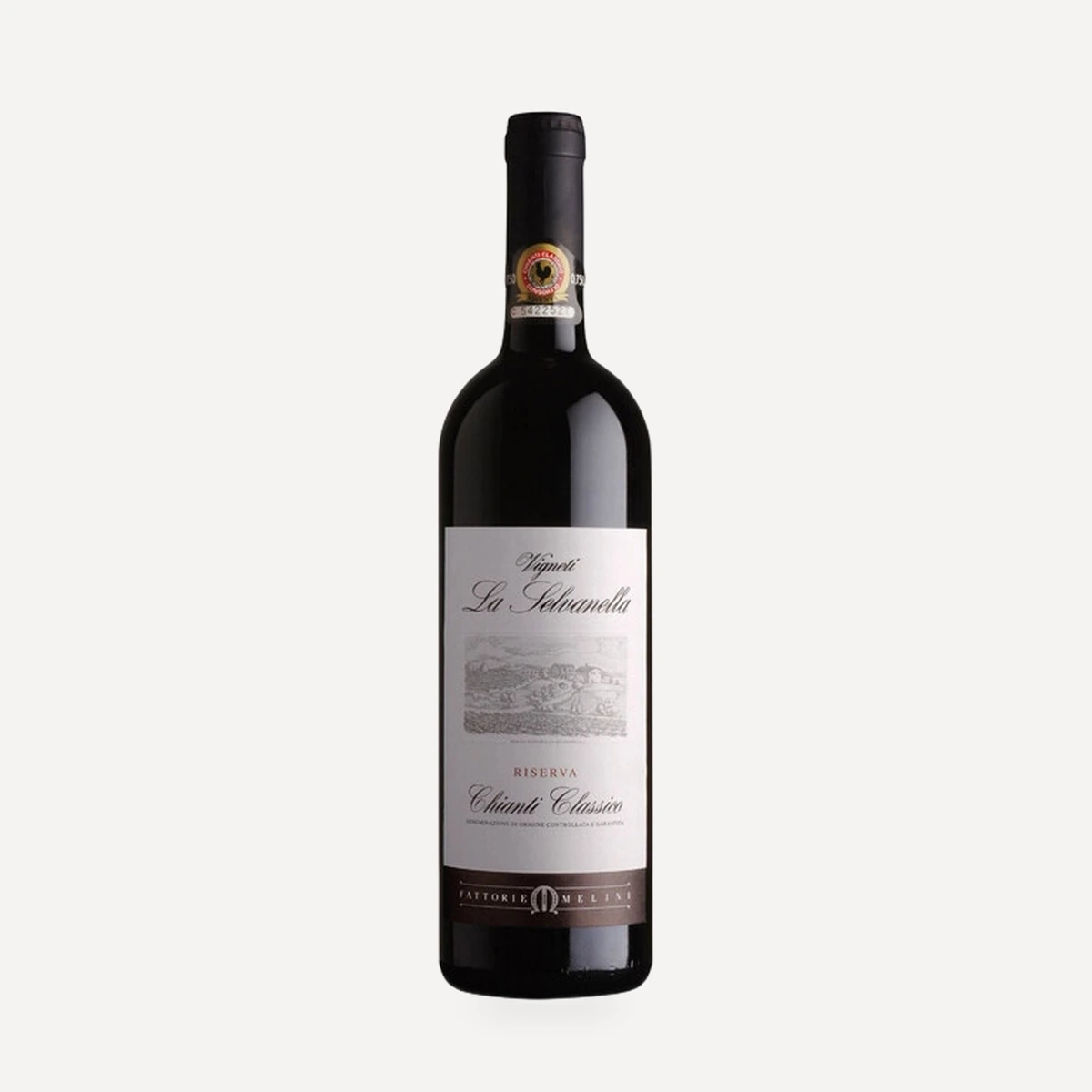
Vigneti La Selvanella Riserva Chianti Classico DOCG
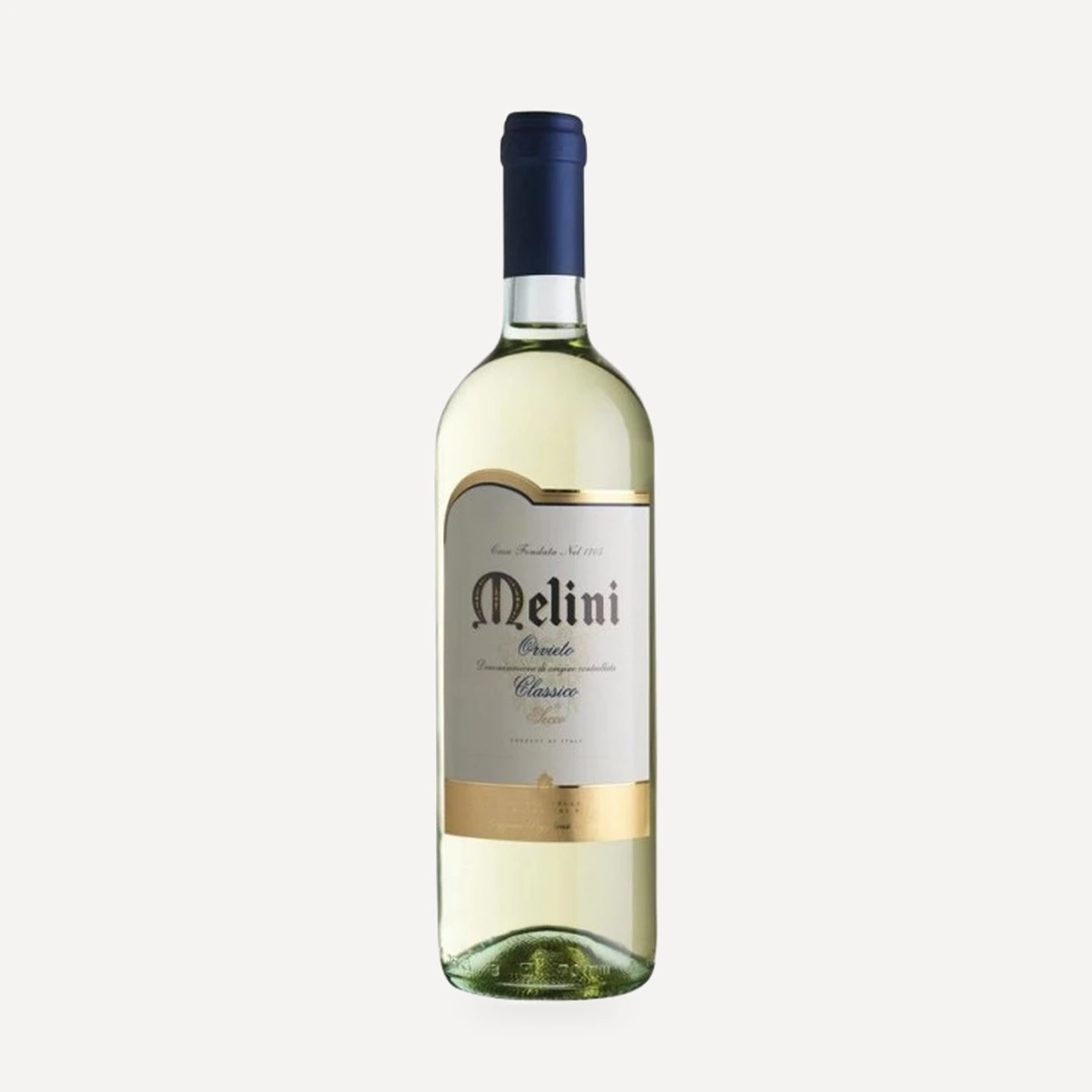
Melini Orvieto Classico Amabile DOC
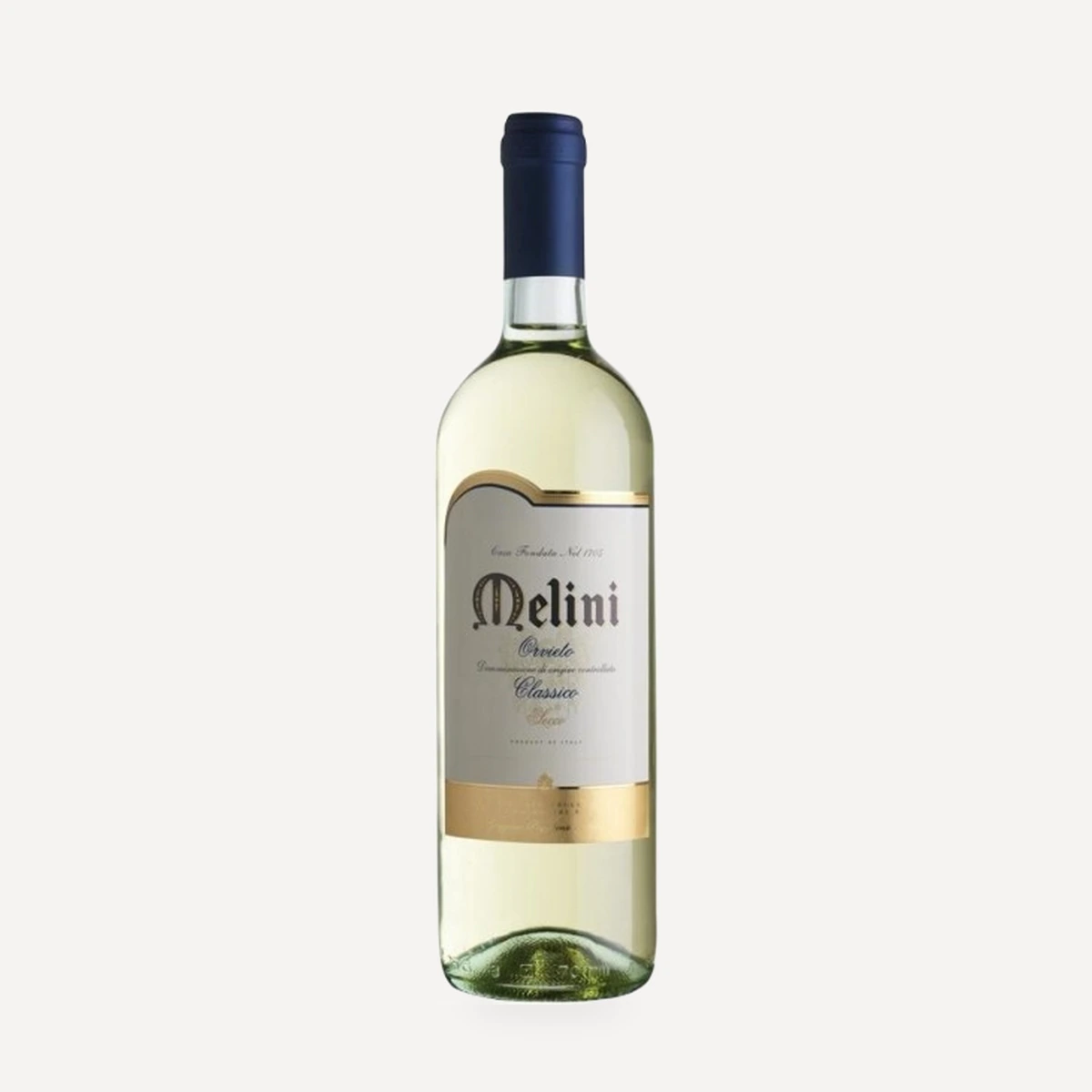
Orvieto Classico Secco DOC
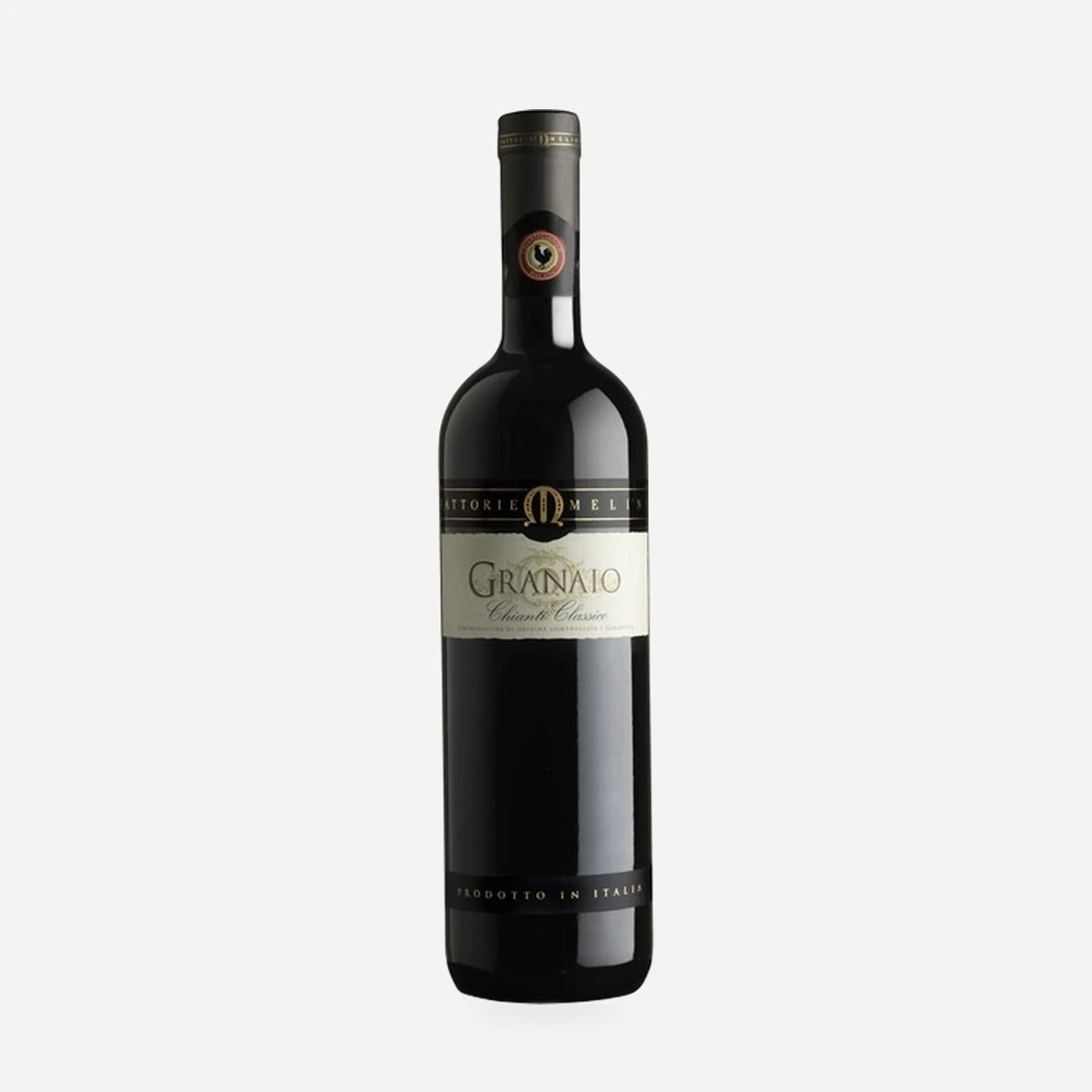
Granaio Chianti Classico DOCG
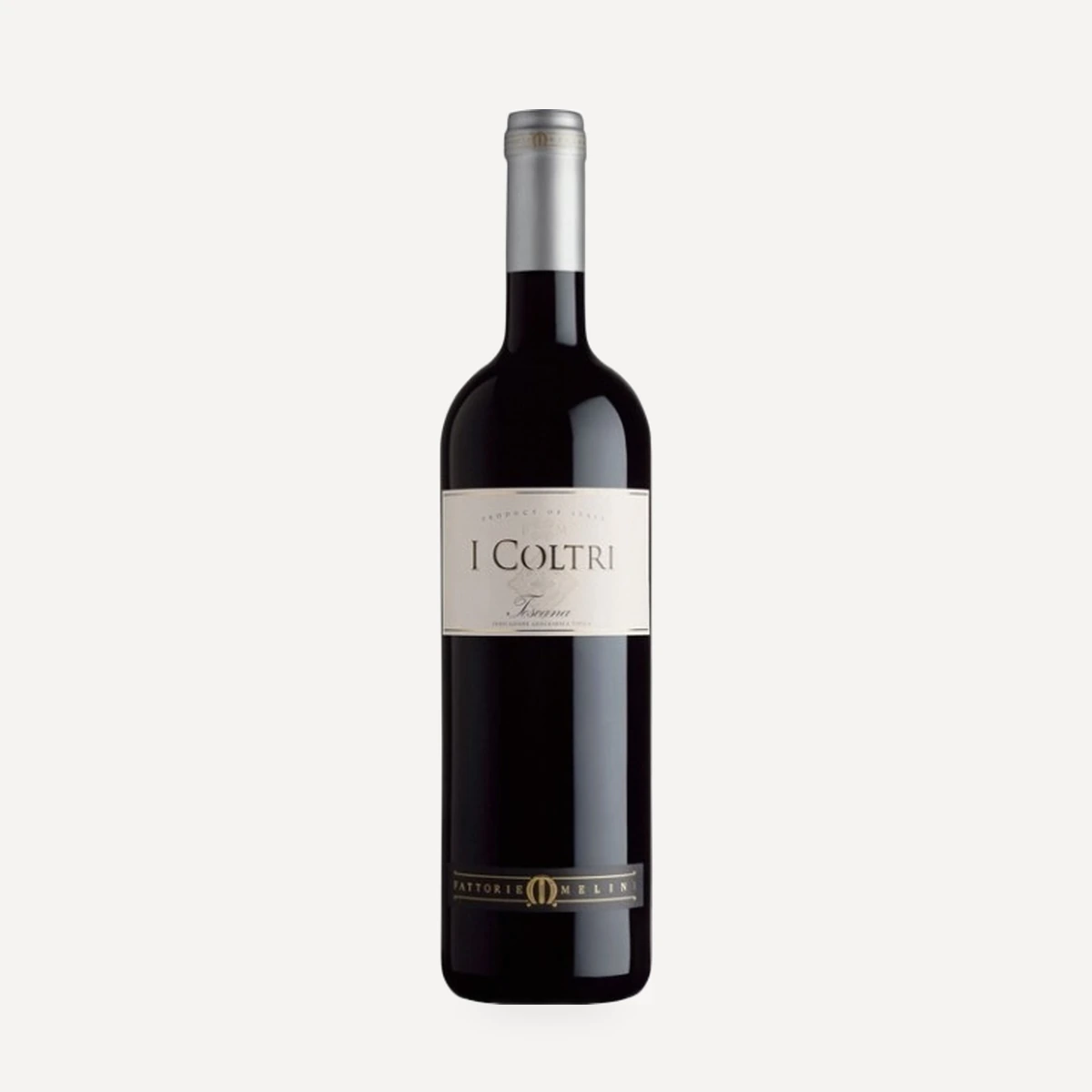
I COLTRI Toscana Chardonnay Bianco IGT
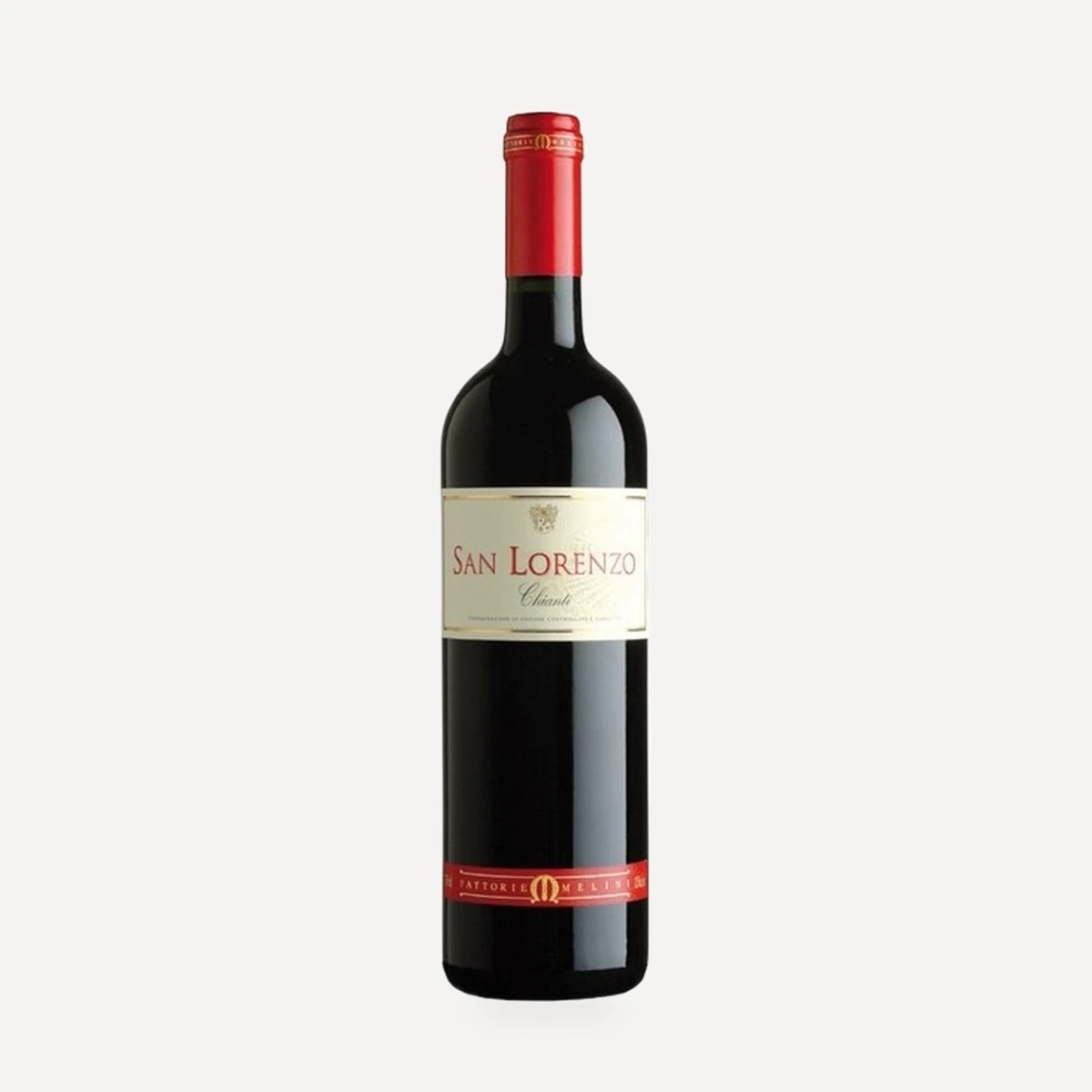
San Lorenzo Chianti DOCG
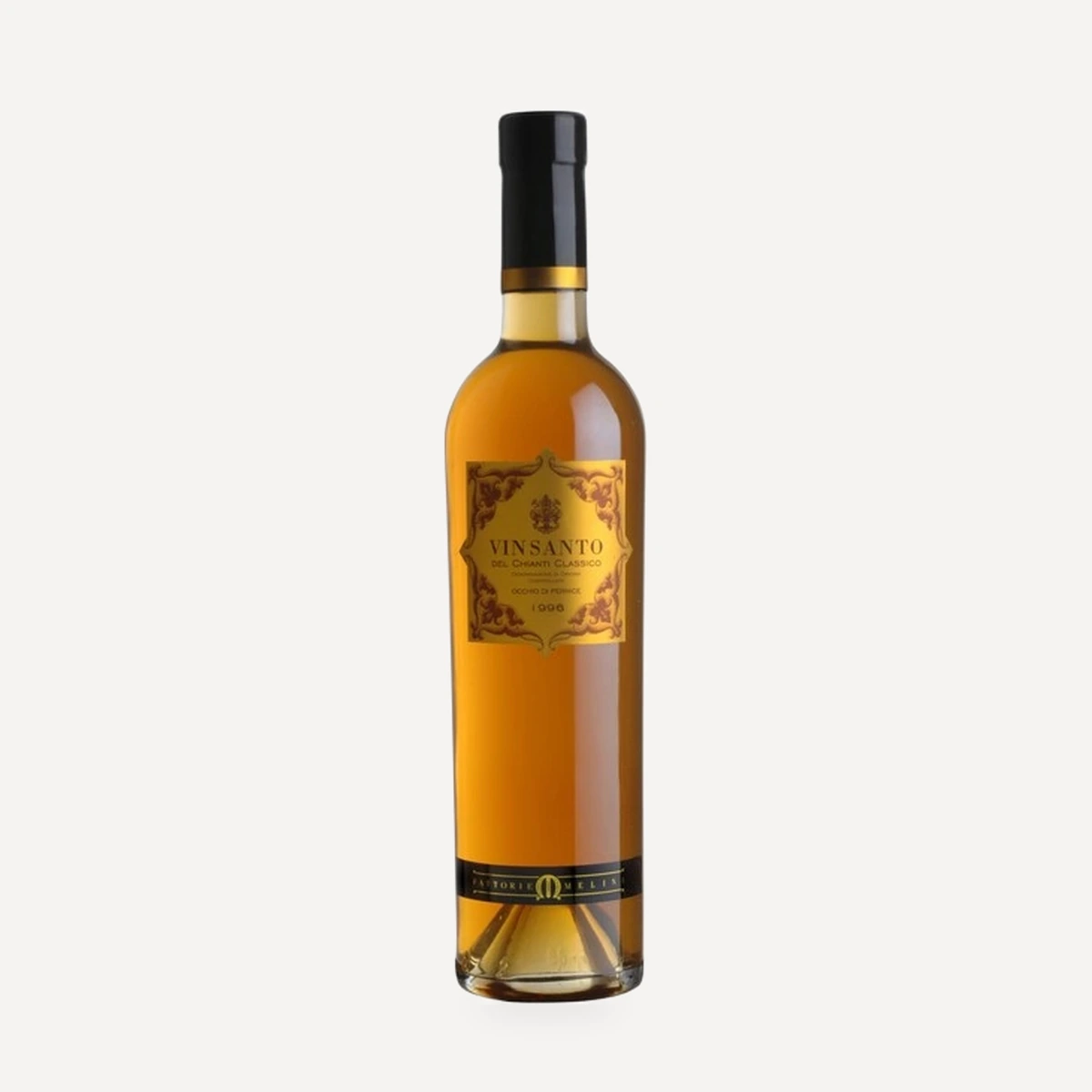
Vin Santo del Chianti Classico Occhio di Pernice DOC
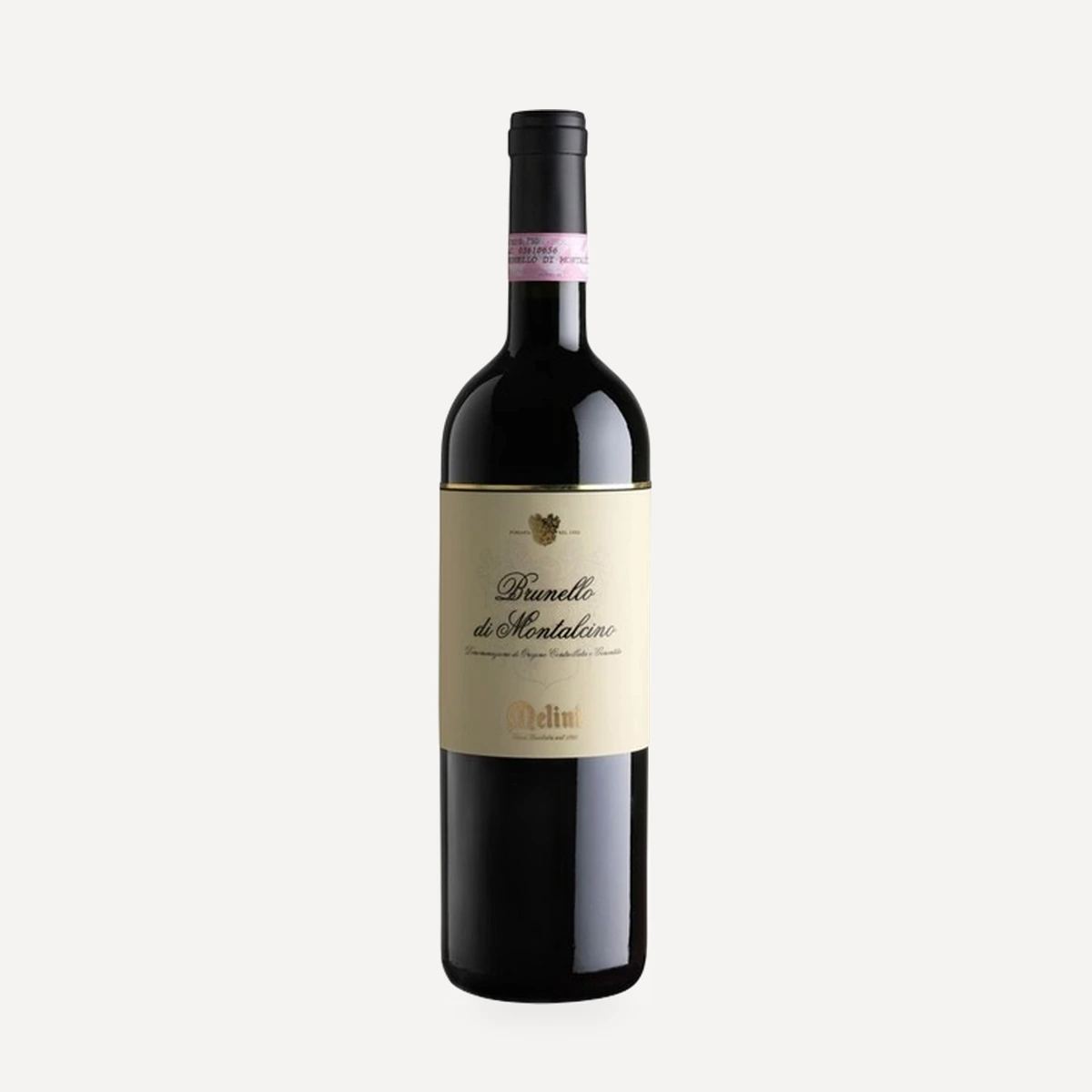
Brunello di Montalcino DOCG
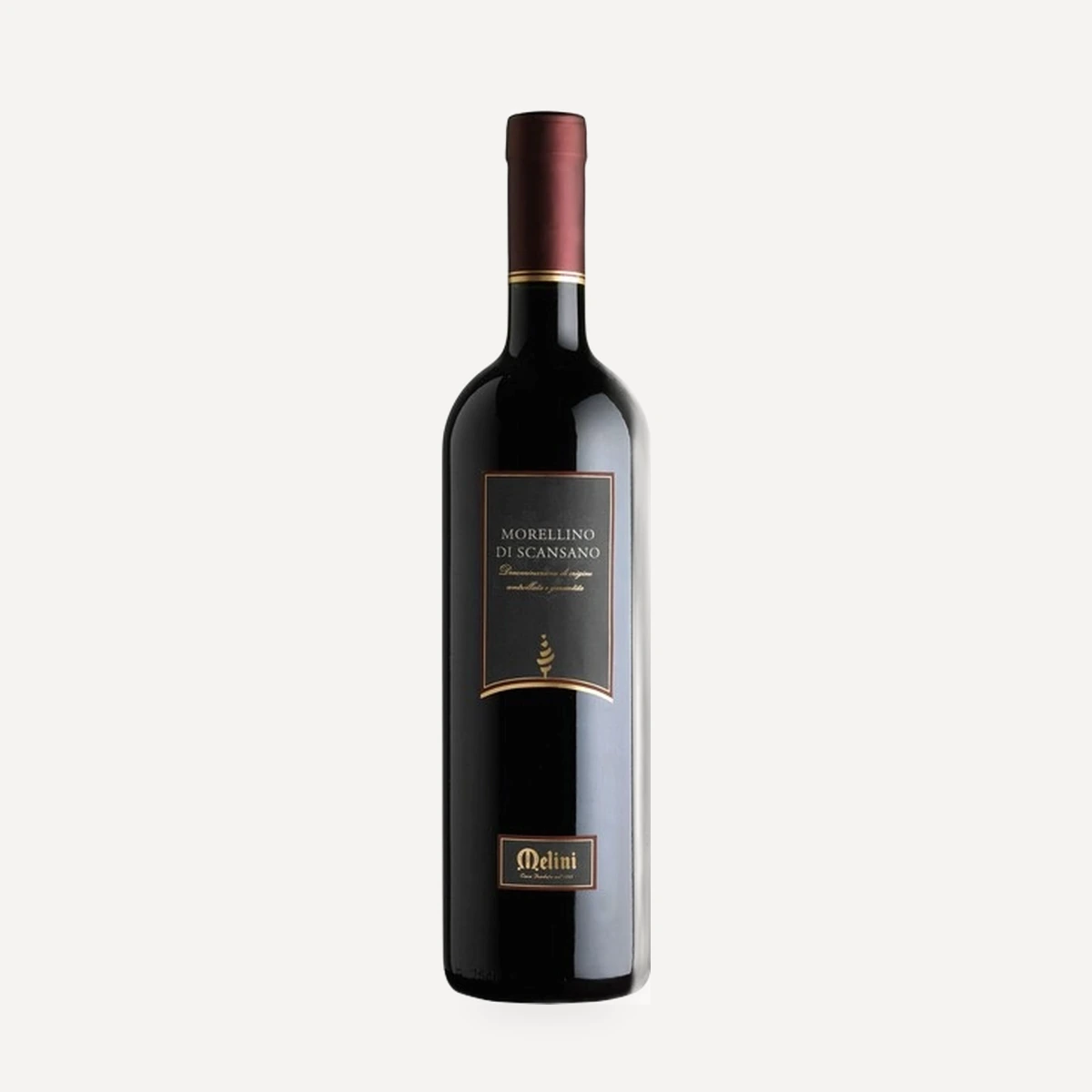
Morellino di Scansano DOCG
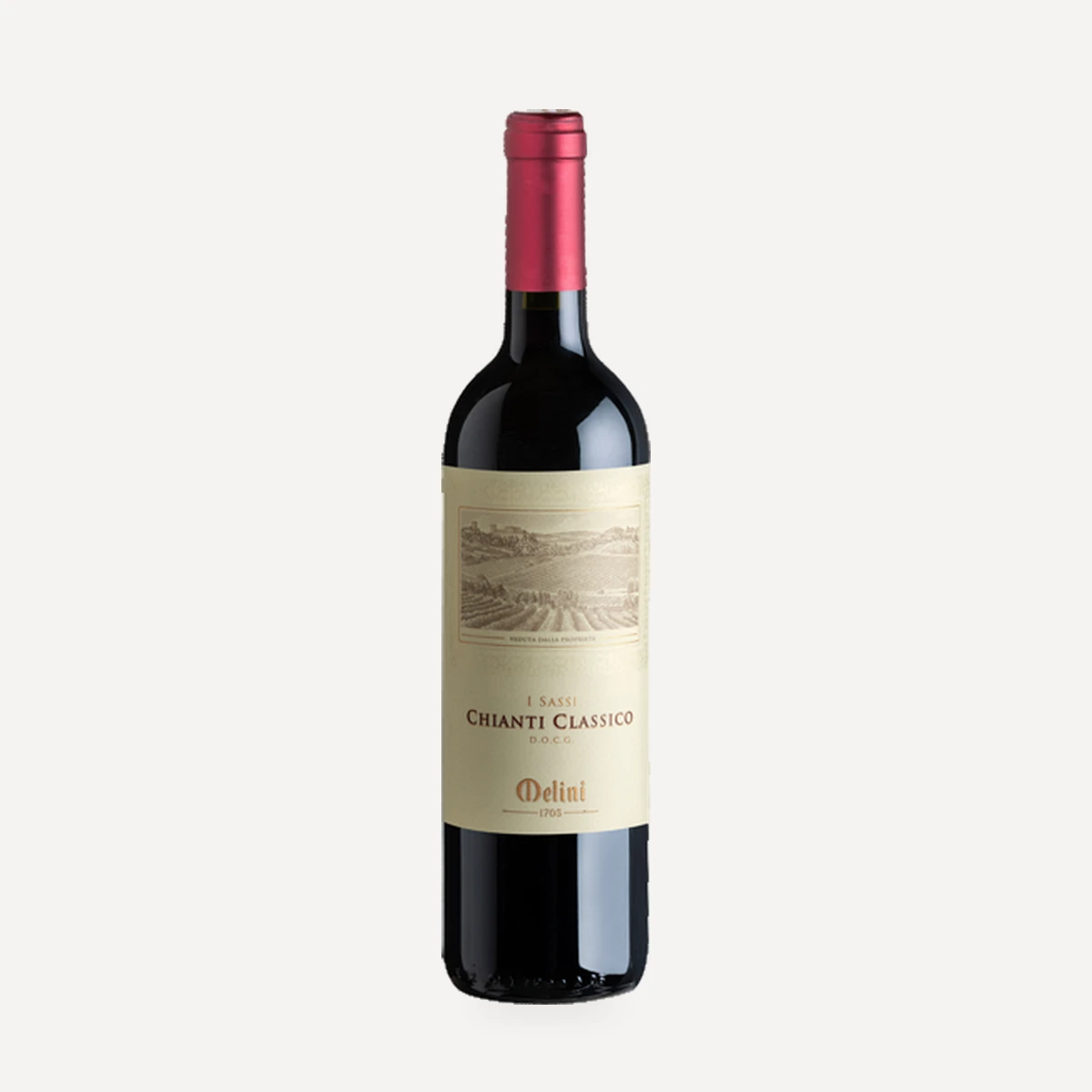
I Sassi Chianti Classico DOCG
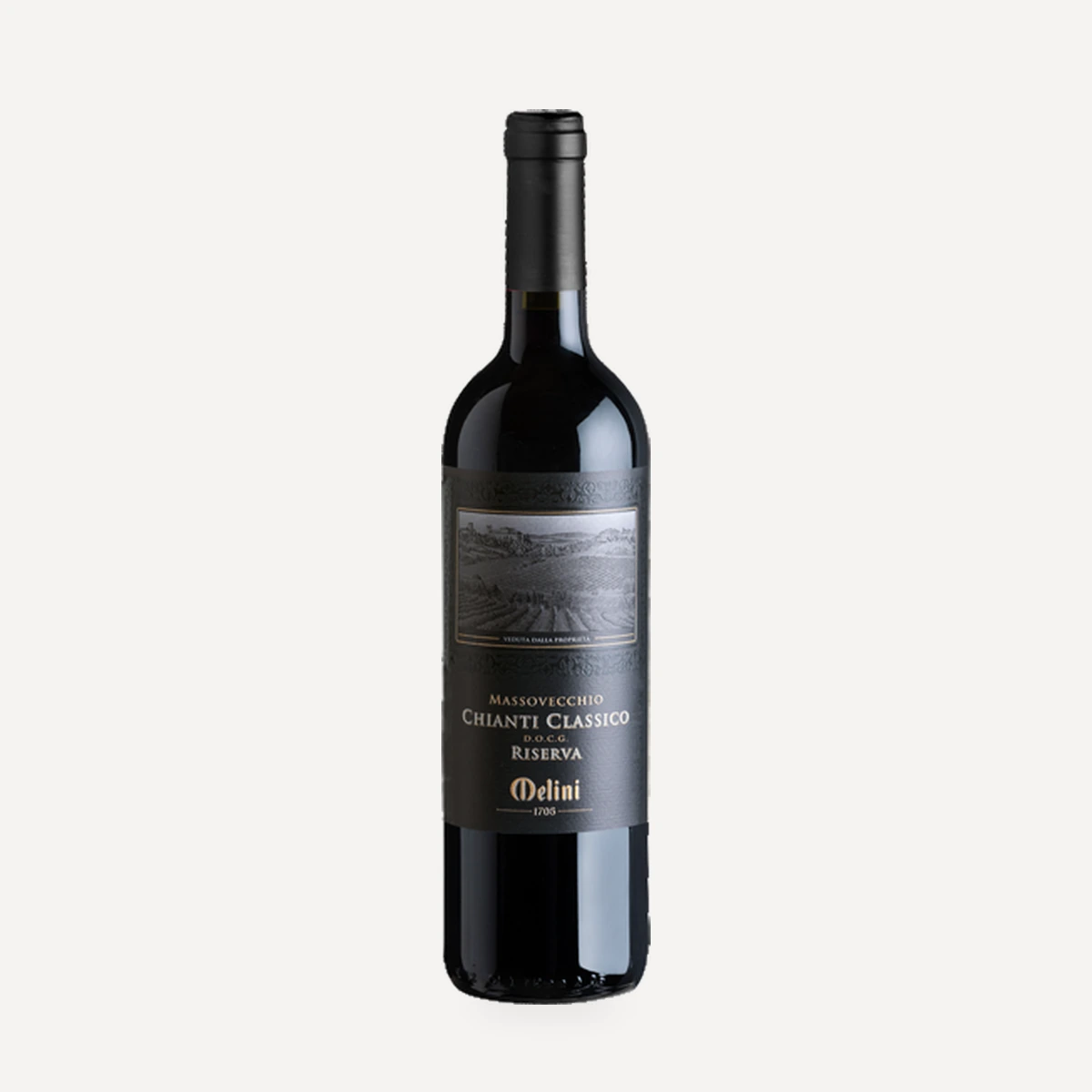
Massovecchio Chianti Classico Riserva DOCG
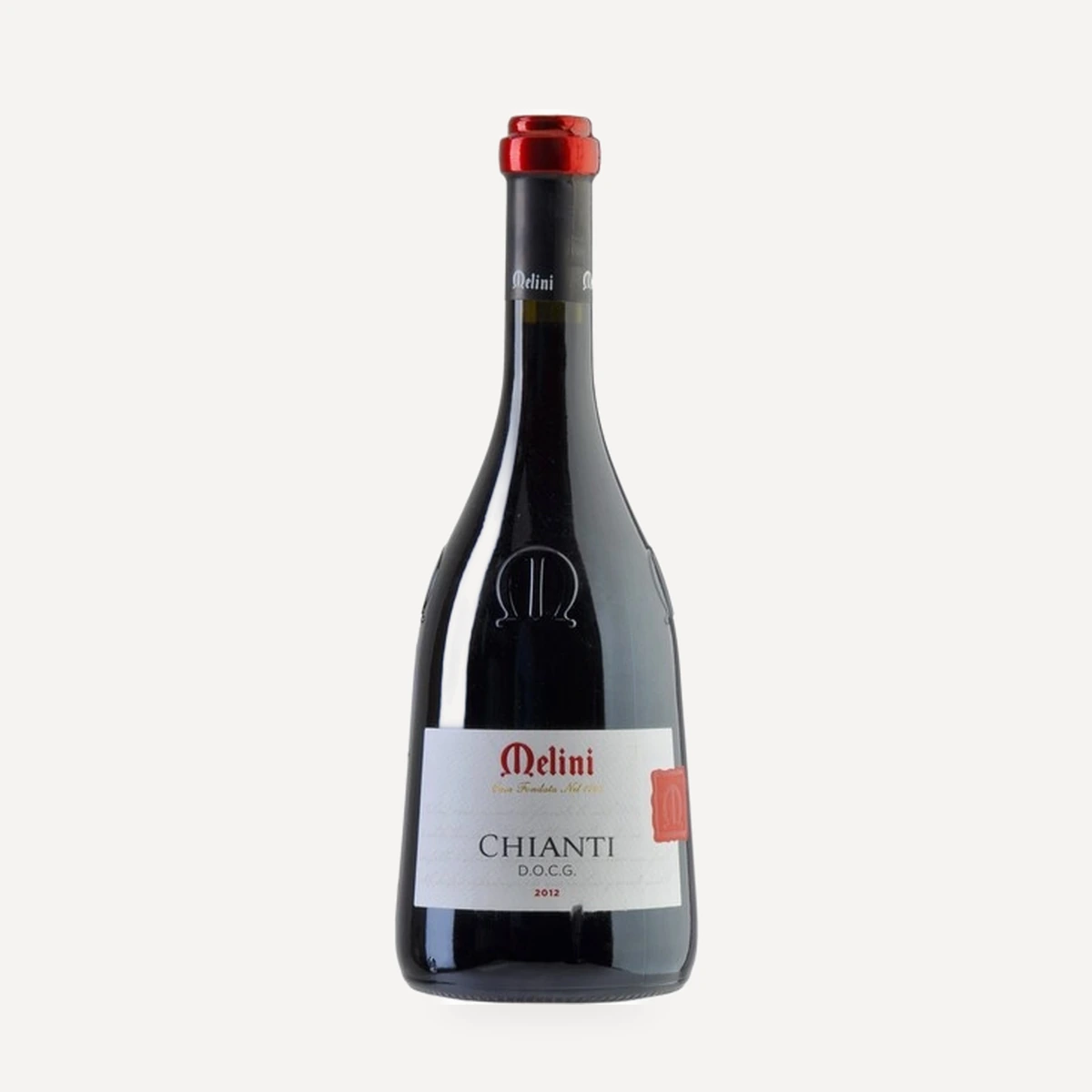
Chianti DOCG
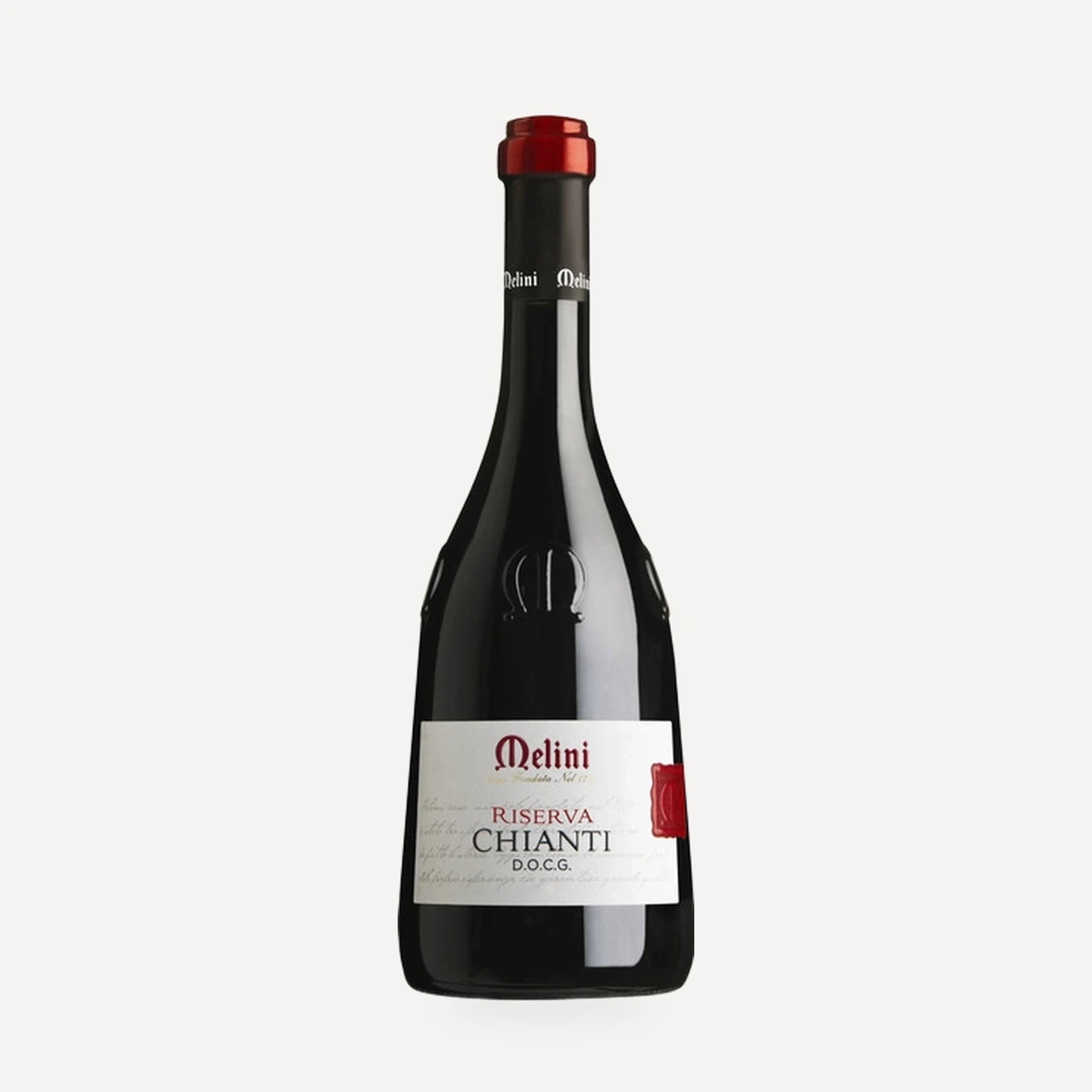
Chianti Riserva DOCG
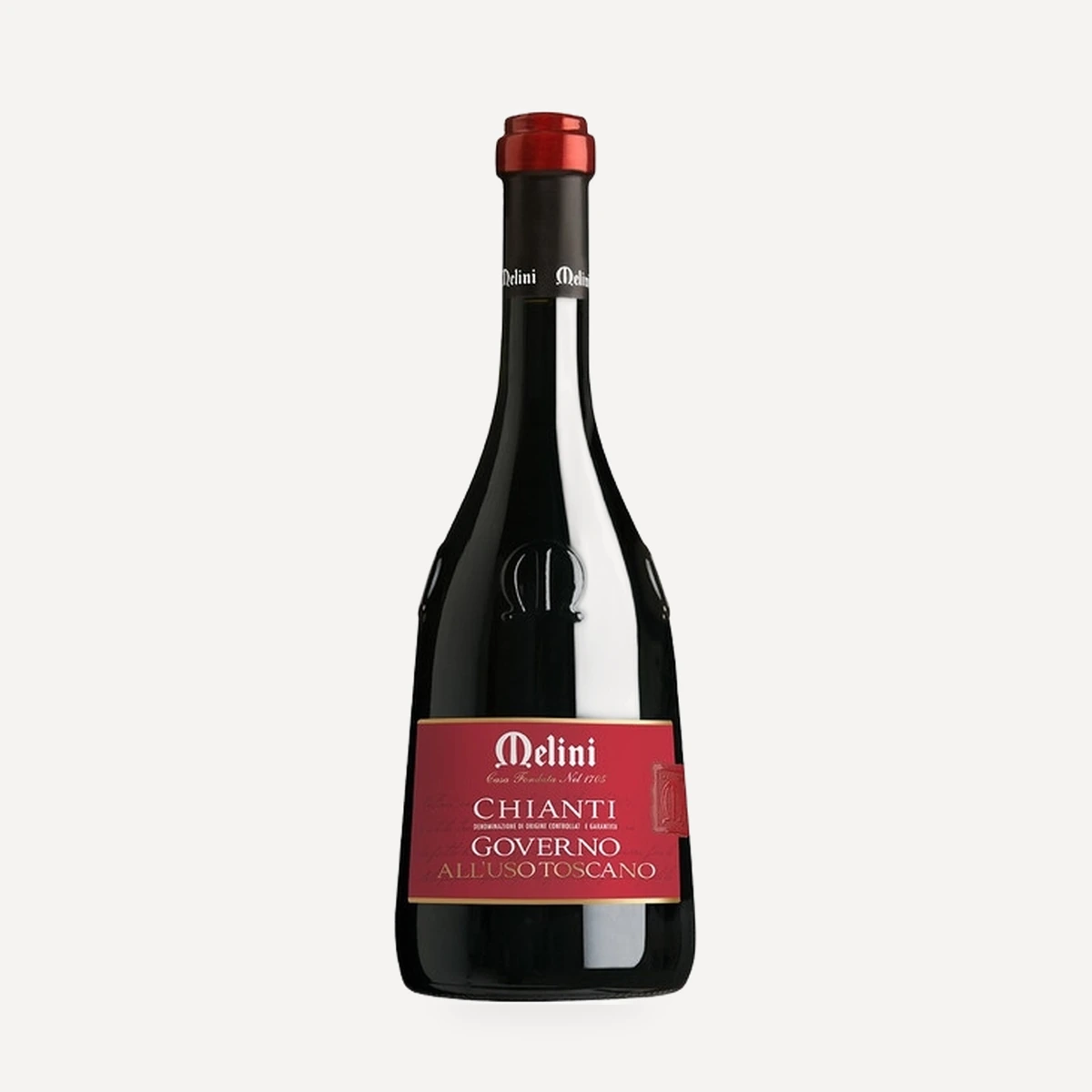
Neocampana Chianti Governo DOCG
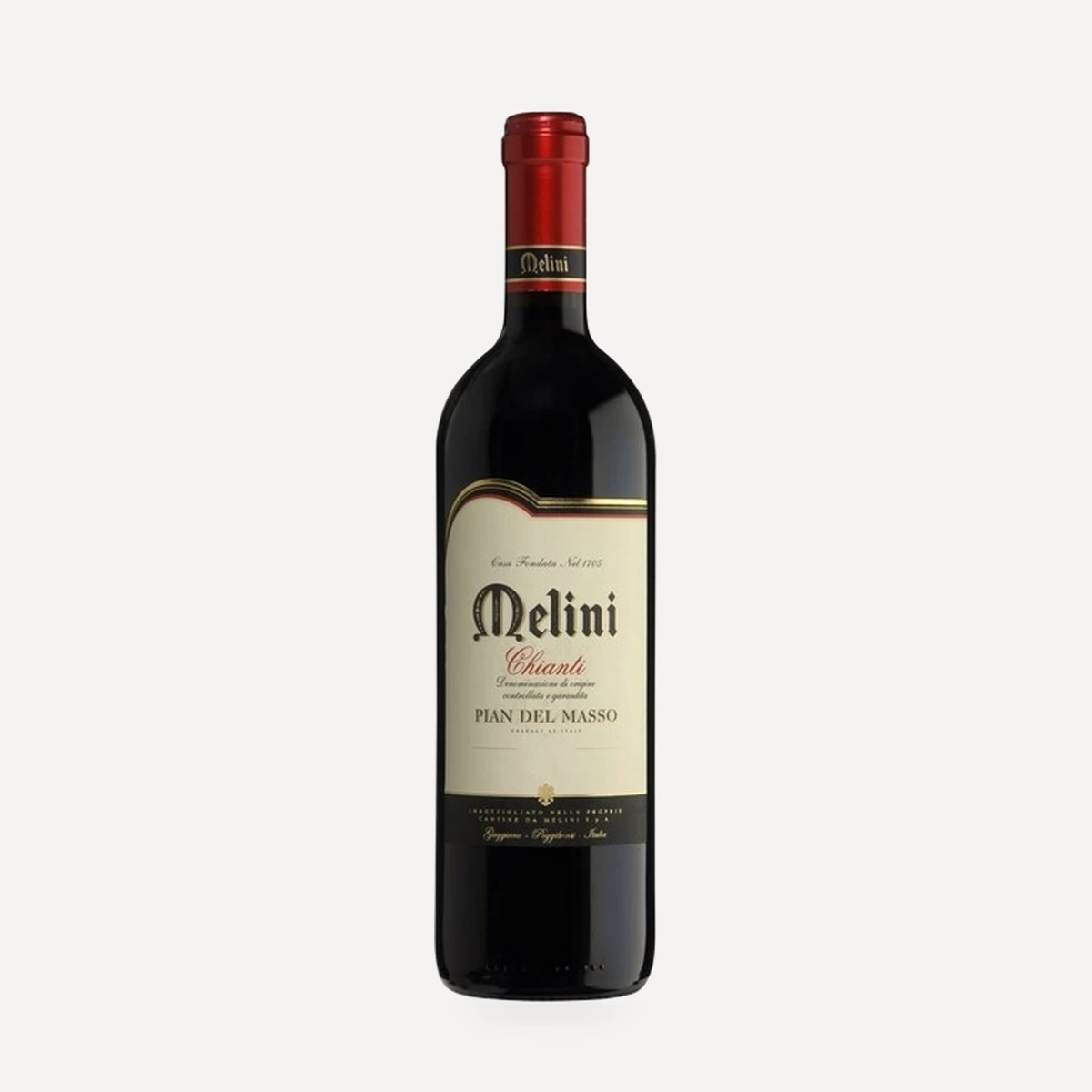
Pian del Masso Chianti DOCG
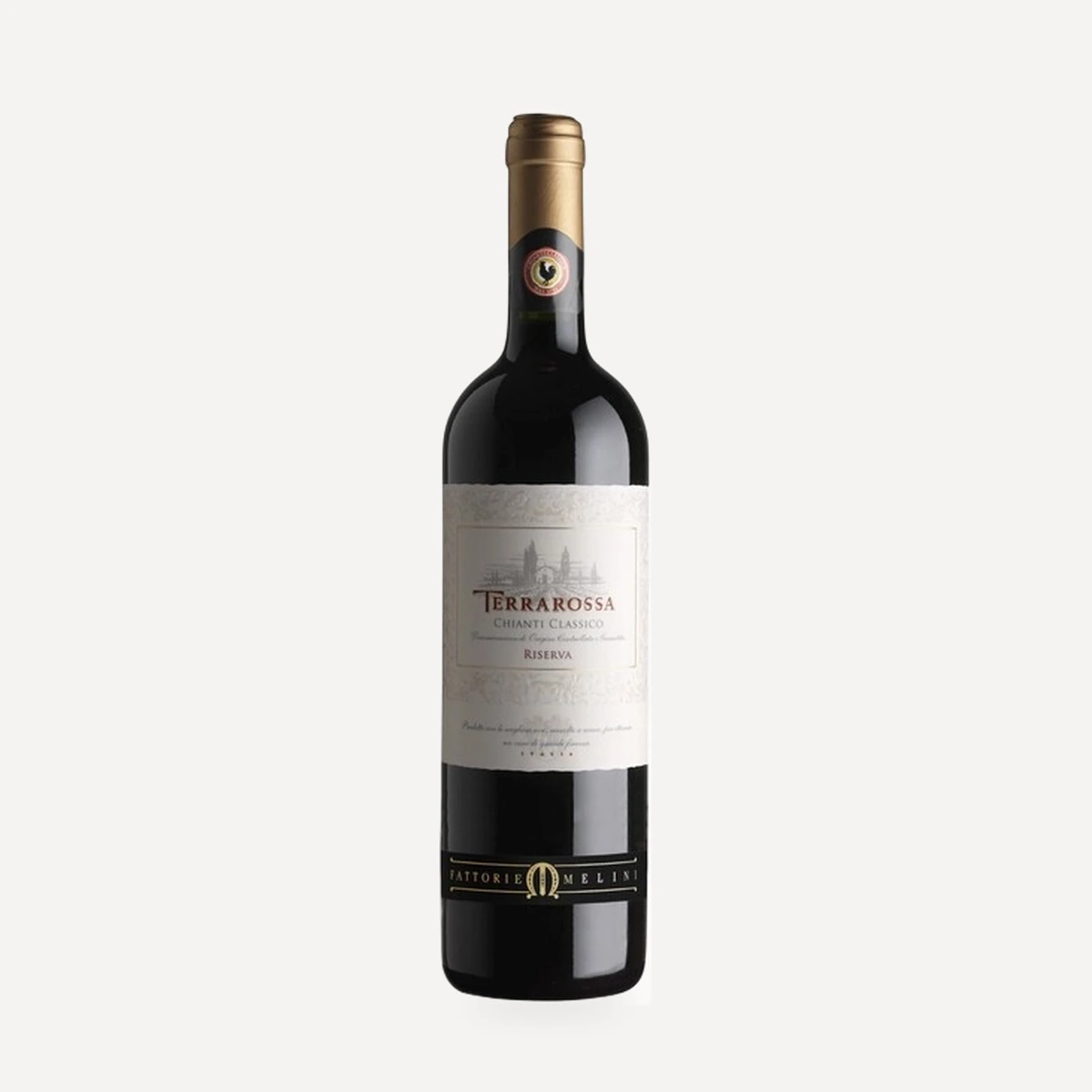
Terrarossa Chianti Classico Riserva DOCG
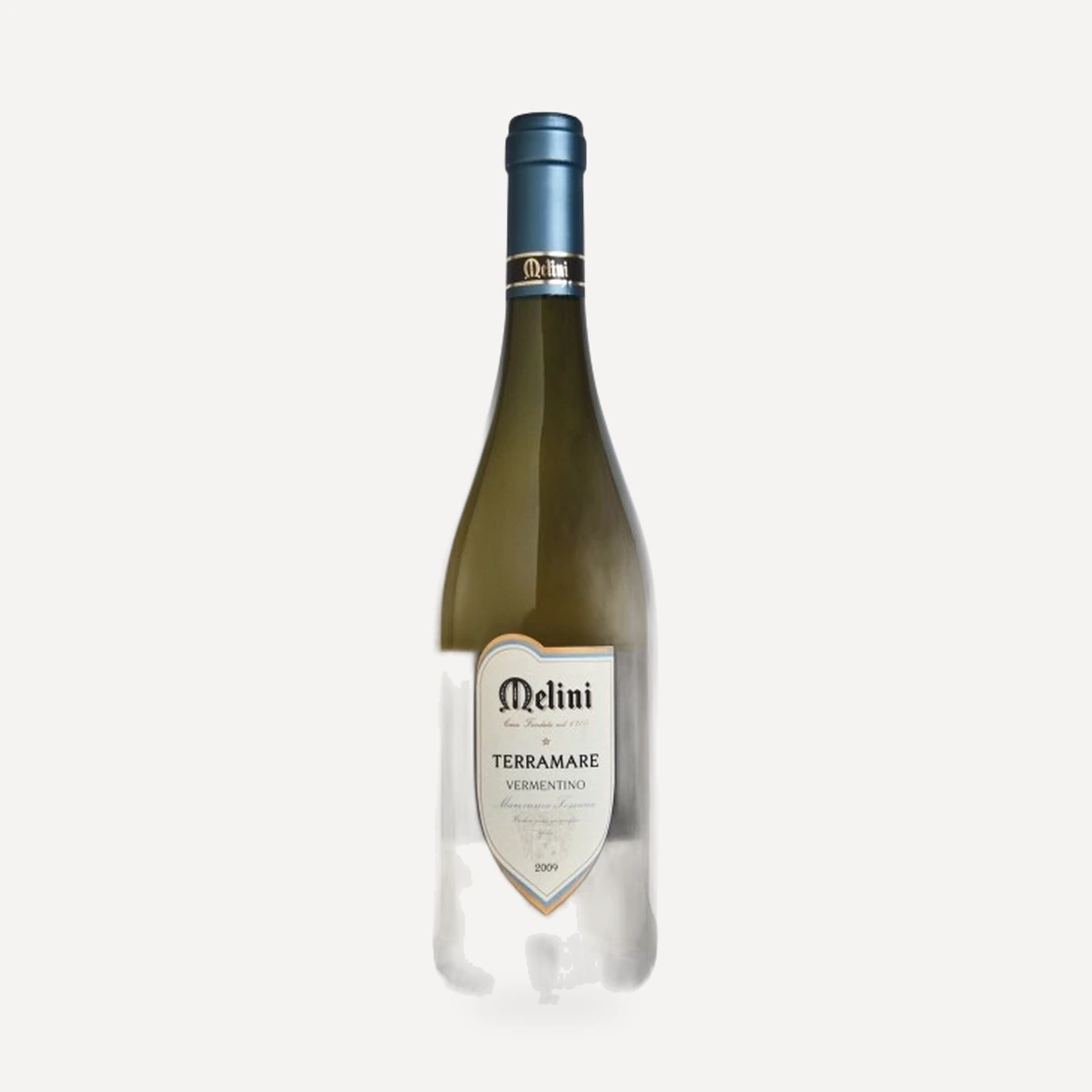
Melini Terramare Vermentino Maremma Toscana IGT
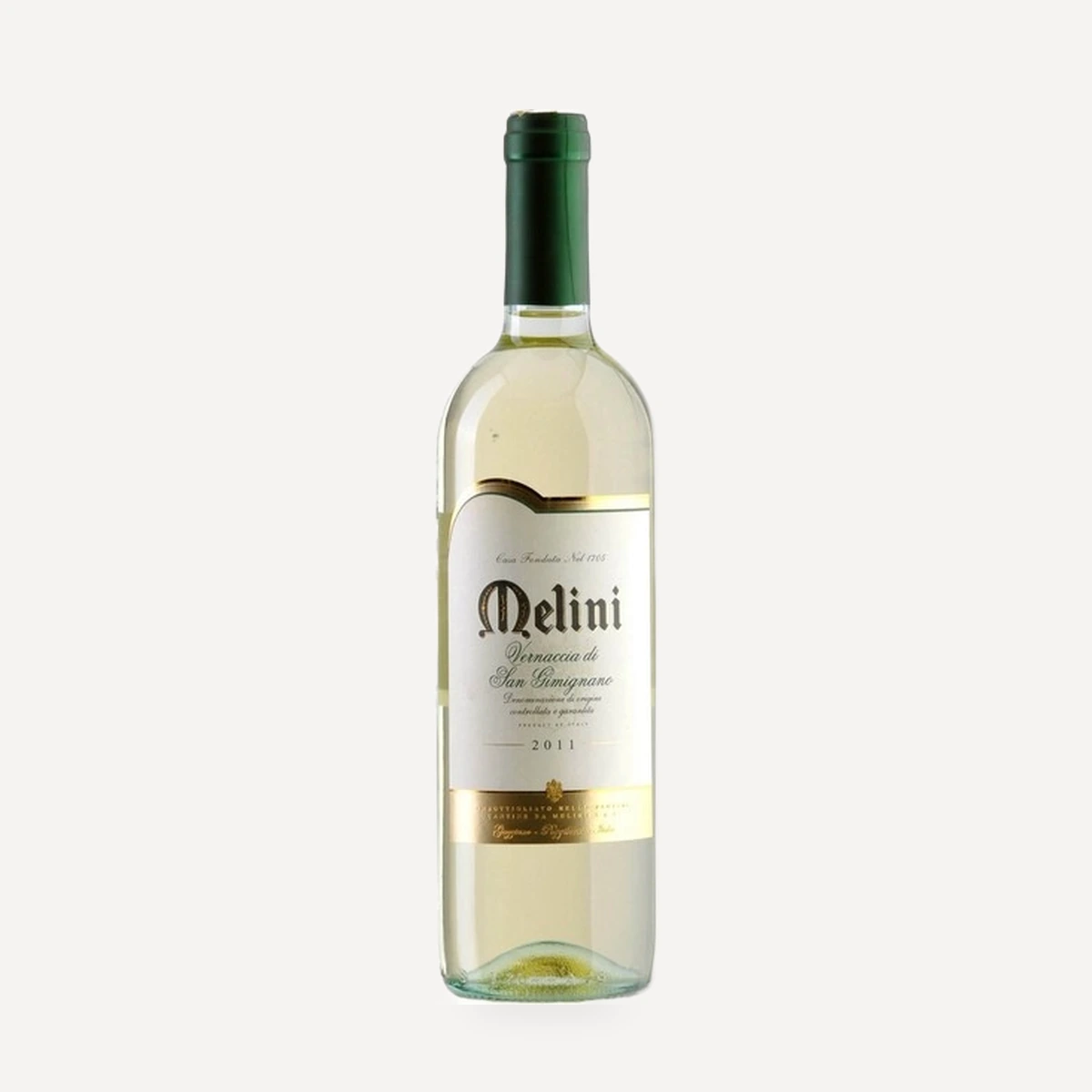
Le Grillaie Vernaccia di San Gimignano DOCG
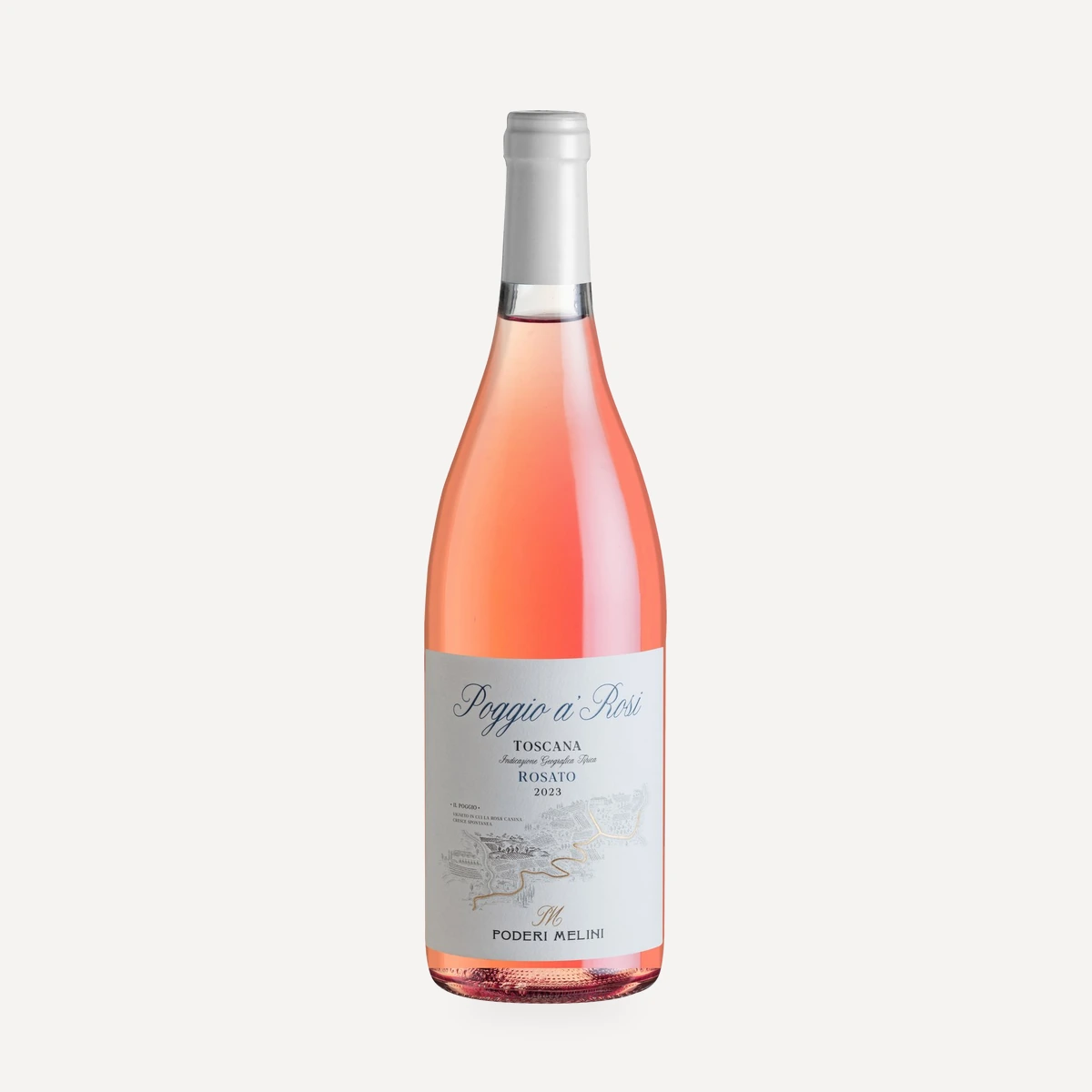
Poggio a Rosi Rosato Toscana IGT