Storia
An ancient agricultural landscape
The name Rapitalà derives from the Arabic Rabat-Allah, meaning “garden of Allah,” and preserves the memory of land cultivated since ancient times. A document dated 1340 records a dispute before the royal court over possession of a sought-after fief called “Casalj Rabitallavi,” the historical name associated with Tenuta Rapitalà. Successive generations of farmers shaped the estate and its vineyard landscape over the centuries.
The founders and the reconstruction of 1968
Hugues Bernard, Count de la Gatinais, was born in Saint-Malo, France, in 1940 and served as an officer in the French navy for eight years. In 1968 he married Gigi Guarrasi, a descendant of a prominent Palermo family. Together they began the project from which the modern estate emerged.
Their first major undertaking was the reconstruction, according to modern criteria, of the old winery destroyed by the 1968 Valle del Belice earthquake. The couple also initiated an extensive conversion of the vineyards, addressing both their varietal composition and cultivation system.
Hugues de la Gatinais placed particular emphasis on bringing French varieties into dialogue with the estate’s native grapes. Rapitalà became the first Sicilian estate to introduce major international varieties including Chardonnay and Pinot Nero. The estate’s wine record is presented harvest by harvest from 1976.
Renewal, precision viticulture and the second generation
In 1999, a corporate agreement with Gruppo Italiano Vini gave the estate renewed momentum in its pursuit of higher quality. That year also marked the arrival of Silvio Centonze as chief winemaker. The project founded by Hugues and Gigi was subsequently continued by their son, Laurent Bernard de la Gatinais.
Rapitalà later participated as a national pilot estate in the Magis Protocol, launched in 2009 under a scientific committee chaired by Professor Attilio Scienza of the University of Milan. The Catarratto vineyard Vigna Casalj, source of Alcamo Classico Bianco DOC, served as the study site. Its 2012 vintage obtained Magis certification verified by DNV. The project applied precision-agriculture principles, using digital traceability and detailed knowledge of variability within individual plots to intervene only where, when and to the extent necessary.
The estate subsequently joined SOStain Sicilia, integrating organic vineyard management with broader environmental, production and traceability requirements.
Terroir
Tenuta Rapitalà lies in the province of Palermo, in a landscape descending from Camporeale toward Alcamo. Its 176 ha form one contiguous estate across rolling hills. The territory is well ventilated and favourably exposed, while variations in soil and elevation create markedly different pedoclimatic micro-zones within the property.
The estate describes terroir through the interaction of soil, climate and grape variety. Its range of soils and elevations allows the same native or international variety to develop different characteristics in different parts of the estate.
Two principal northern zones are distinguished:
- 300–400 m above sea level: clay soils and moderate temperature variation are associated with power, structure and supple tannins. A Syrah site within this elevation band alternates dark clay with tuffaceous sand.
- 400–550 m above sea level: sandy soils and pronounced temperature variation are associated with freshness and intense aromas.
The wider estate elevation range reaches approximately 300–600 m. Catarratto for Vigna Casalj occupies the mountain summit at about 600 m above sea level.
Vinificazione
Rapitalà follows a tailored agronomic protocol inspired by organic farming and designed around the estate’s pedoclimatic diversity. Management is parcel-specific: interventions are adjusted to the characteristics and variability of individual plots rather than applied uniformly across the property.
The Magis work at Vigna Casalj applied precision agriculture based on the principle of intervening only where, when and with what is necessary. Digital tracking procedures accompanied the different stages of vineyard work, building a more detailed understanding of variability within each plot and supporting targeted decisions.
The estate fulfils the organic-production protocol used within its SOStain framework and prohibits chemical herbicides. Biodiversity measures include winter grass cover, alternating inter-row sowing of legumes followed by green manuring, and sexual-confusion techniques. Natural areas account for more than 17% of the total property, exceeding the programme’s 5% threshold for estates larger than 15 ha. These areas consist principally of woodland, low-productivity grassland and spontaneous vegetation. Vineyard work also aims to encourage soil microflora and microfauna and reduce compaction.
Other SOStain requirements met by the estate include the use of eco-compatible vineyard materials and VIVA sustainability indicators. All purchased grapes assessed under the programme were of regional origin.
The improvement programme identified further measures: increasing annual applications of organic matter; reducing erosion through sowing and planting shrubs; adding aromatic species to the legumes already sown for biodiversity; improving sustainability training; and incorporating environmental, ethical and social considerations more fully into the evaluation of local suppliers. Planned water measures included sub-irrigation systems in new vineyards and more efficient use of water for winery-floor and equipment cleaning.
Production is supported by digitally traceable, plot-specific vineyard management developed through precision-agriculture work. Within the SOStain assessment, 100% of purchased grapes were of regional origin, and residue analysis covered 100% of commercial references, compared with a minimum requirement of 25%.
Measured energy consumption was 0.44 kWh/L, below the programme ceiling of 0.7 kWh/L. The recorded bottle weight was 585 g per 0.75 L against a 550 g target, with compliance achieved through compensation. Improvement objectives included shifting more grape processing to nighttime hours to reduce indirect energy-related emissions, adopting lighter bottles, optimizing water used for winery cleaning and maintaining a low water footprint.
Detailed cellar protocols for crushing, fermentation, maceration, vessel selection, maturation, stabilization, filtration and bottling are not incorporated here.
Filosofia
Rapitalà’s guiding wine principle is to preserve the flavours and aromas of Sicily while maintaining the elegance sought by refined palates. Wines are intended to express both the personality of the estate and the interaction among its soils, elevations, microclimates and grape varieties.
The estate combines a Sicilian identity with the French background of its founder. Native grapes remain central, while French varieties introduced during the vineyard conversion are treated as another means of interpreting the site rather than replacing its local character.
Environmental management is based on measurable performance, traceability and interventions tailored to individual parcels. Organic practices, precision agriculture, biodiversity protection and resource-efficiency targets form part of this approach. The estate’s broader sustainability programme encompasses environmental, social, ethical and economic considerations.
Vini
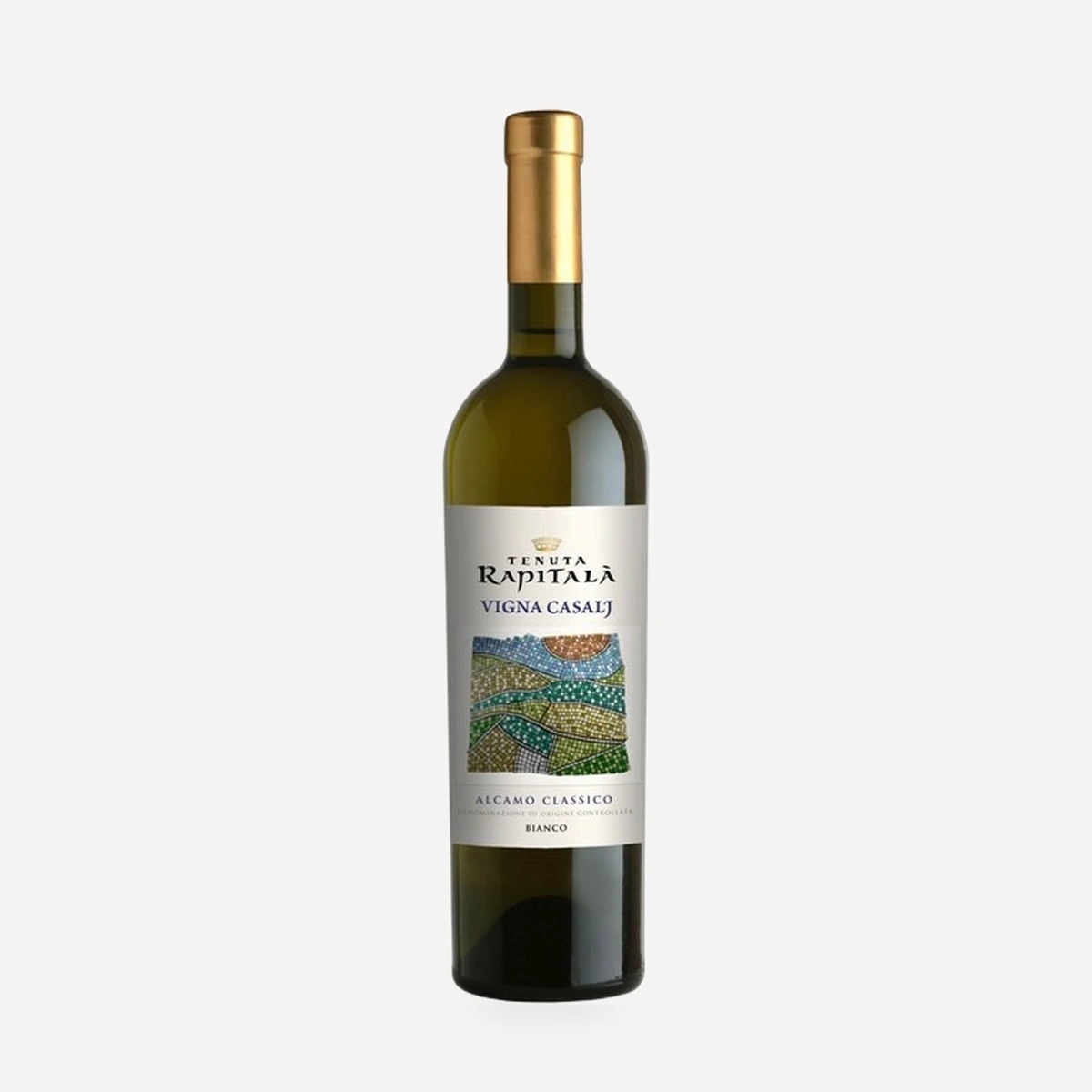
Casalj Alcamo Classico DOC
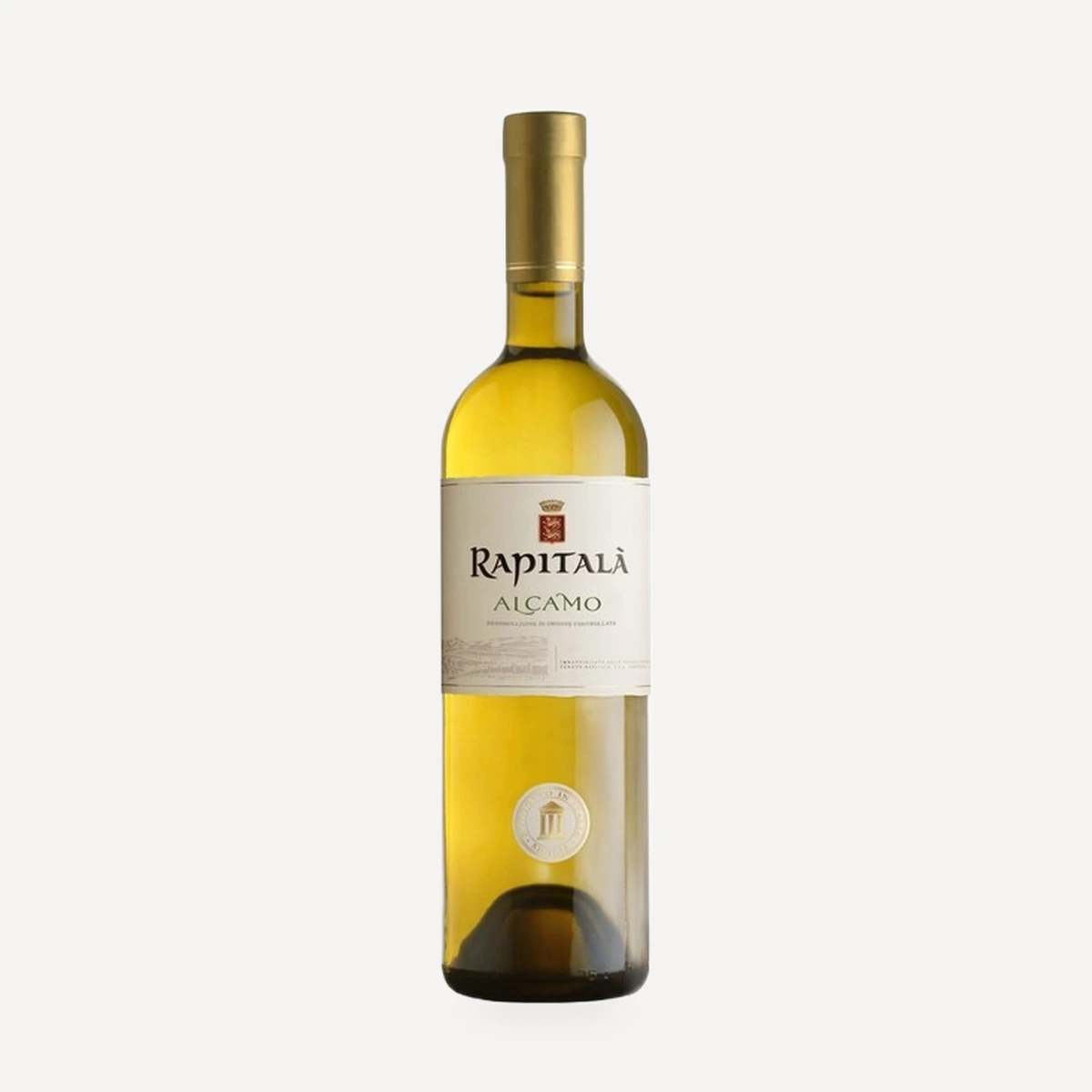
Rapitala Alcamo DOC
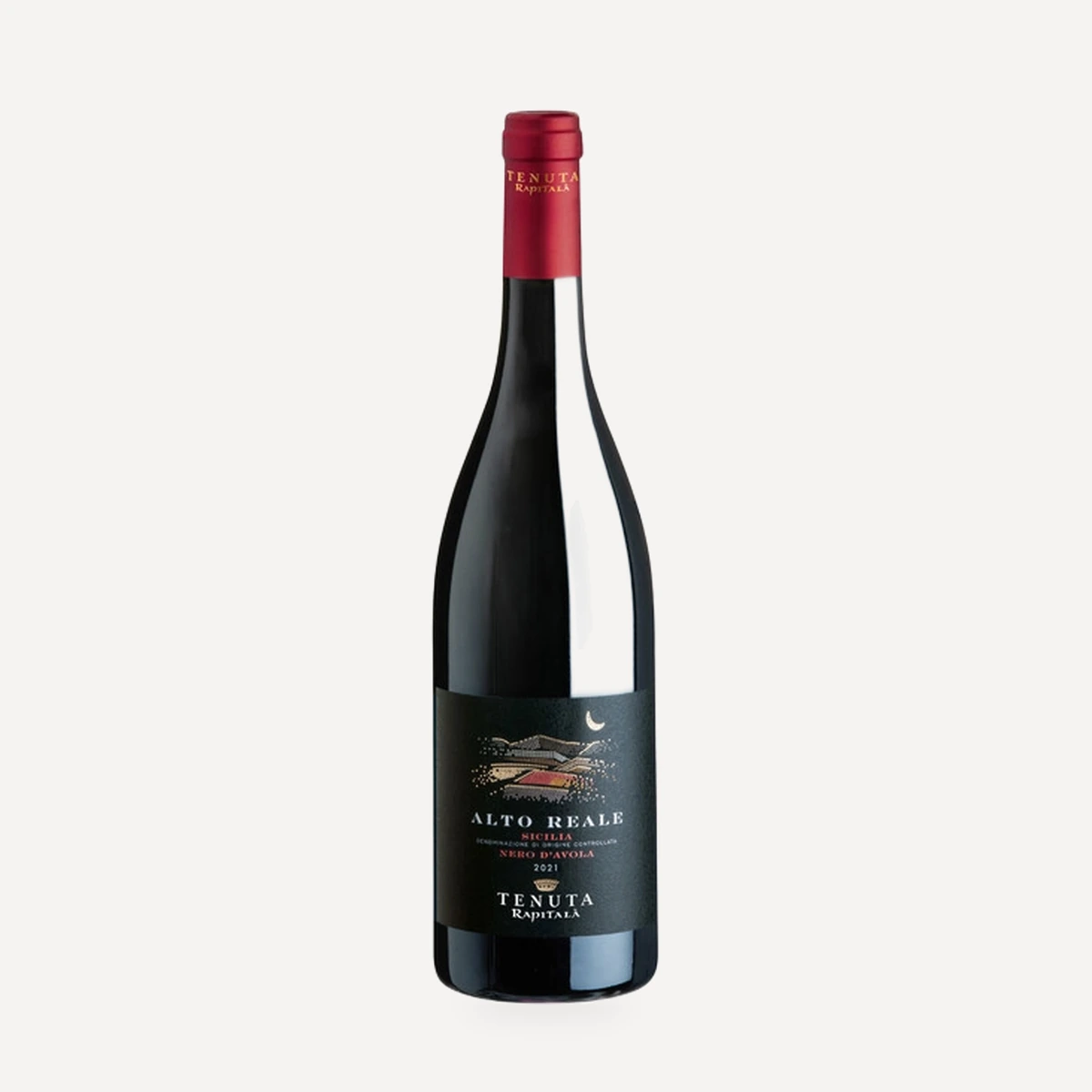
Alto Reale Nero D'Avola Sicilia DOC
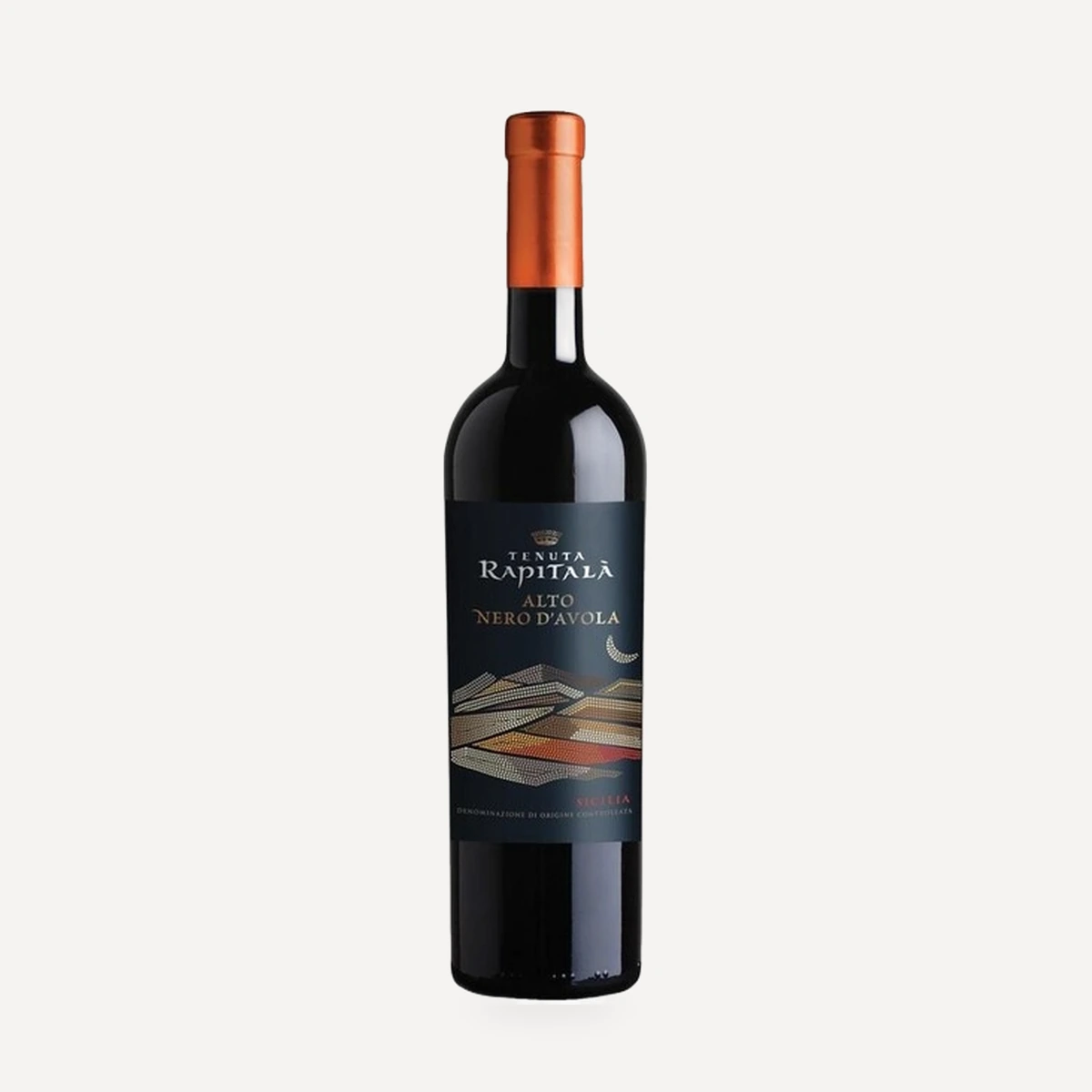
Alto Nero d'Avola Sicilia DOC
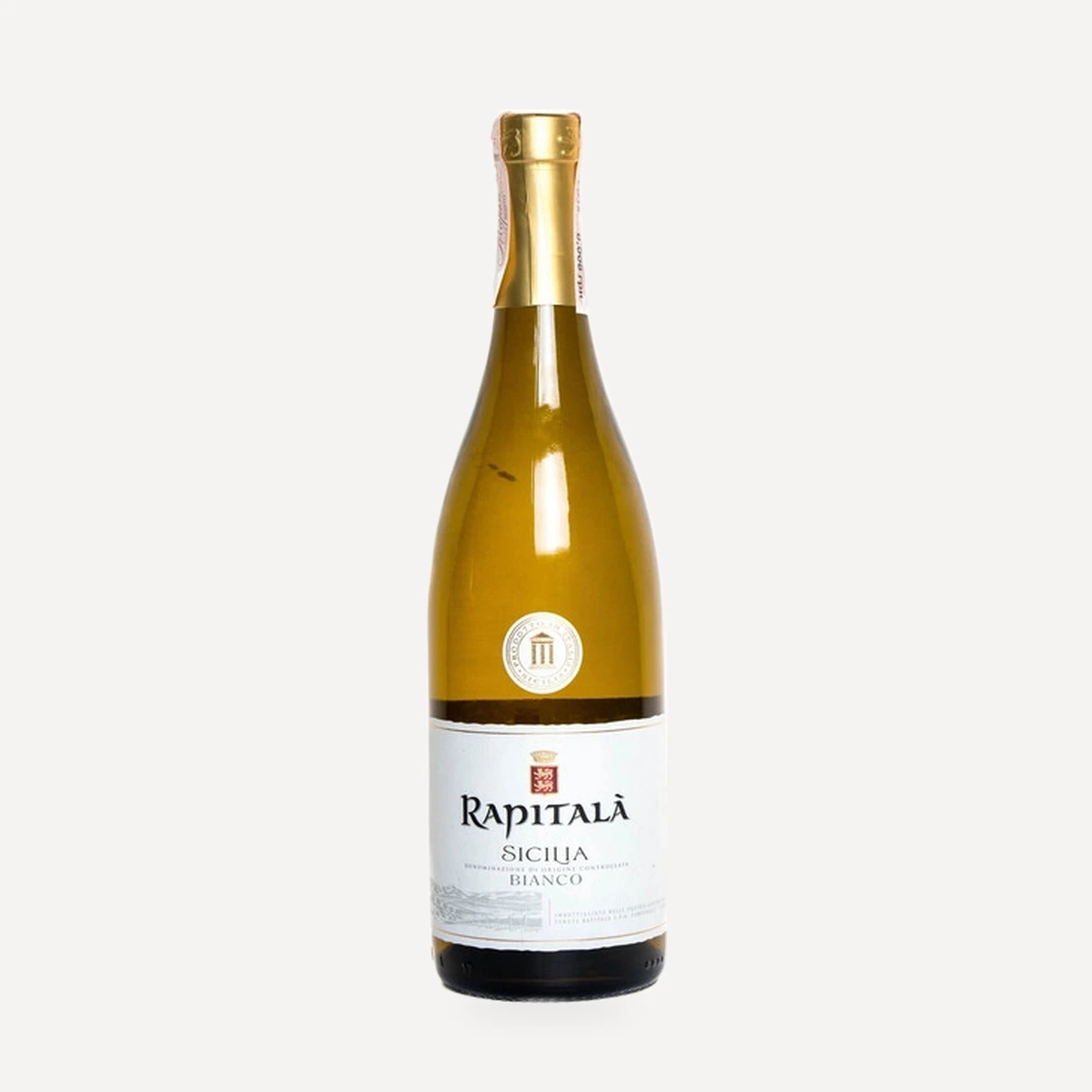
Rapitala Bianco Sicilia DOC
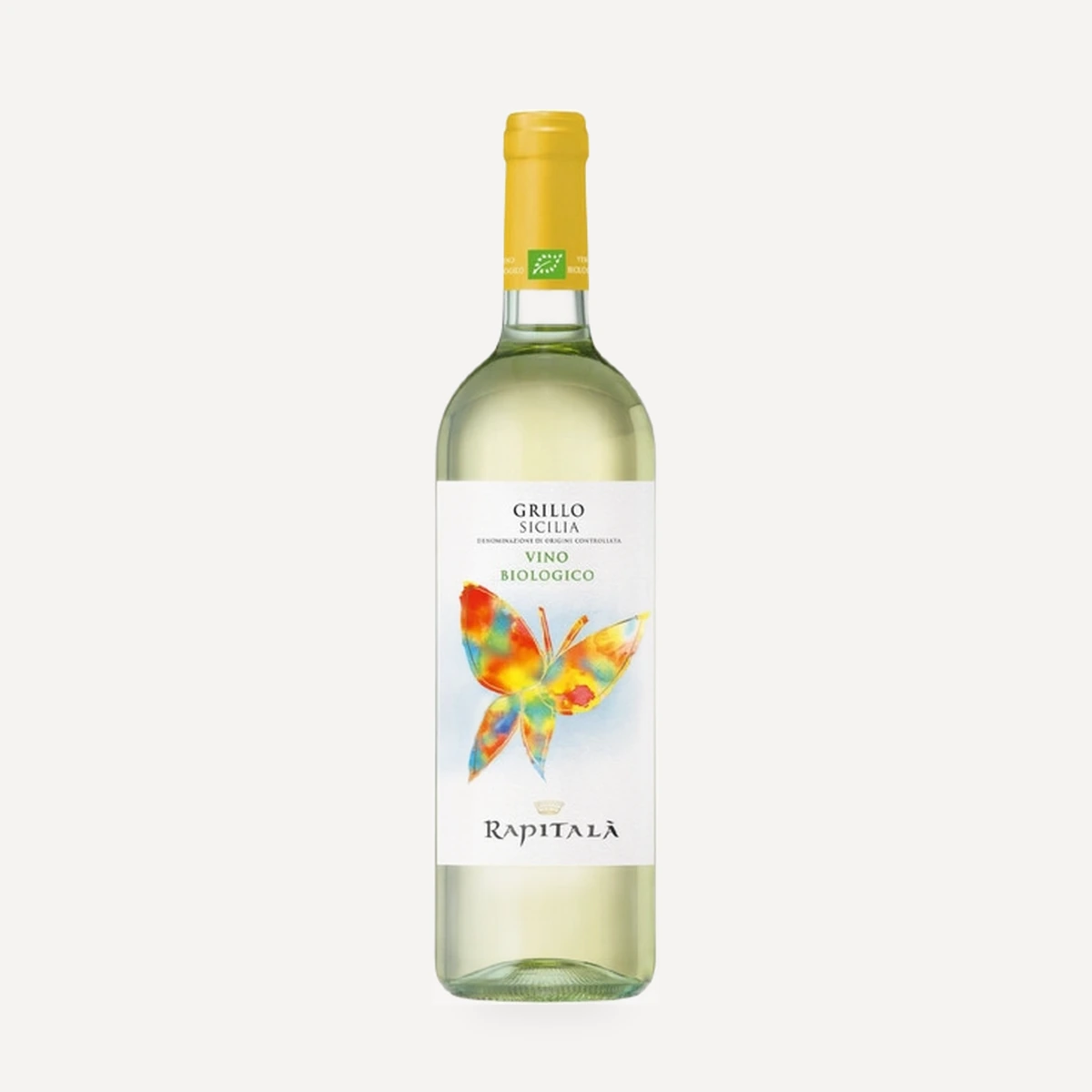
Rapitala Grillo Biologico Sicilia DOC
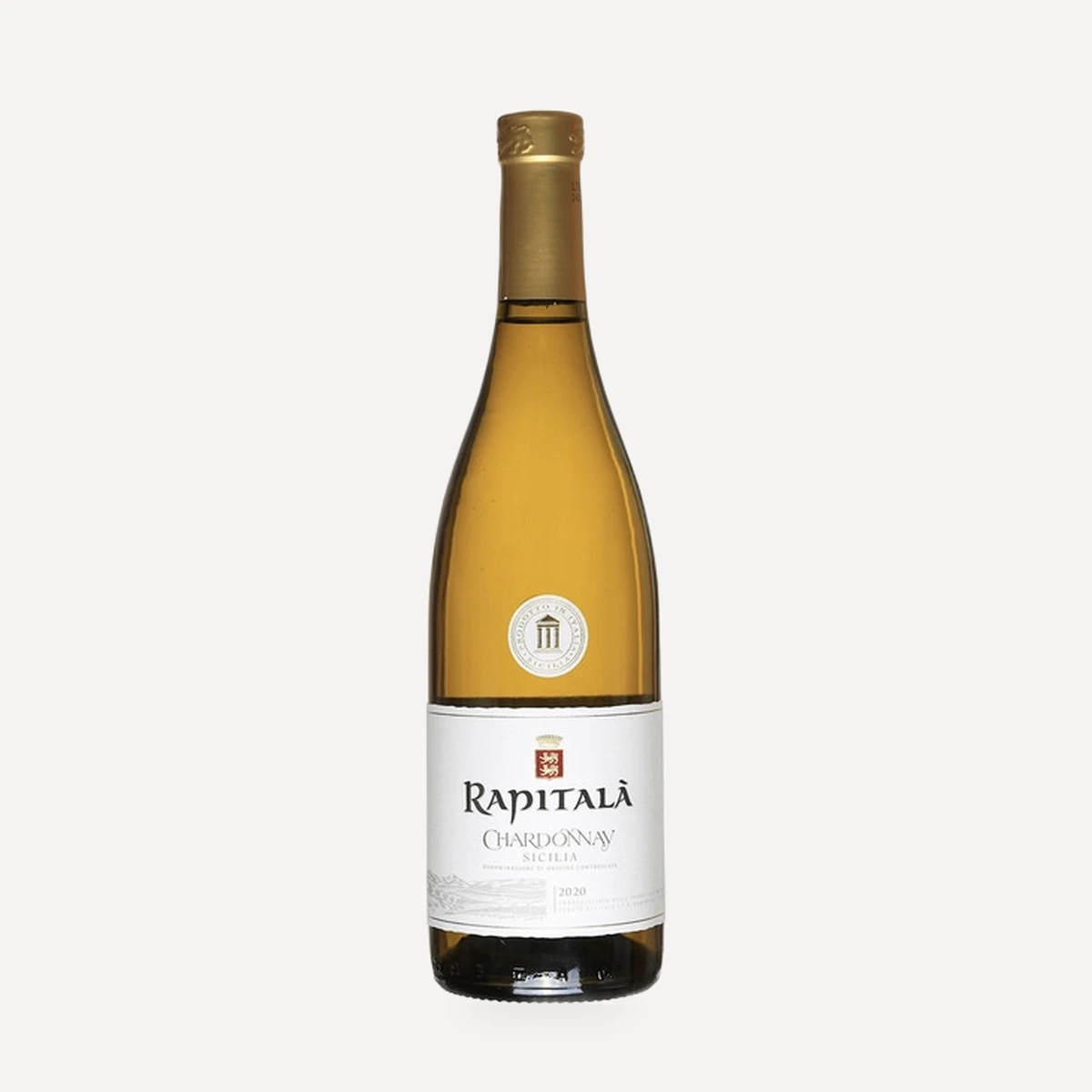
Rapitala Chardonnay Sicilia DOC
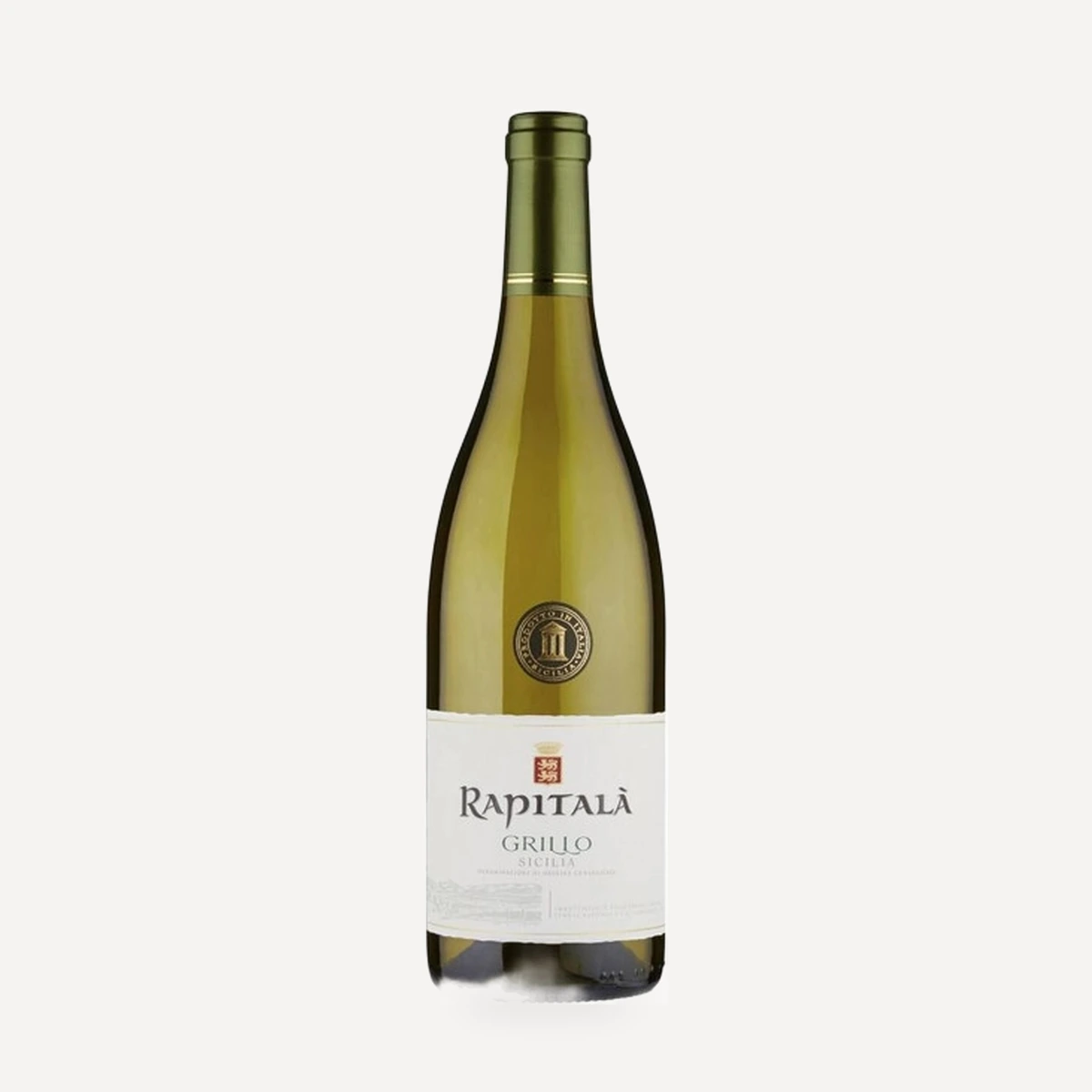
Rapitala Grillo Sicilia DOC
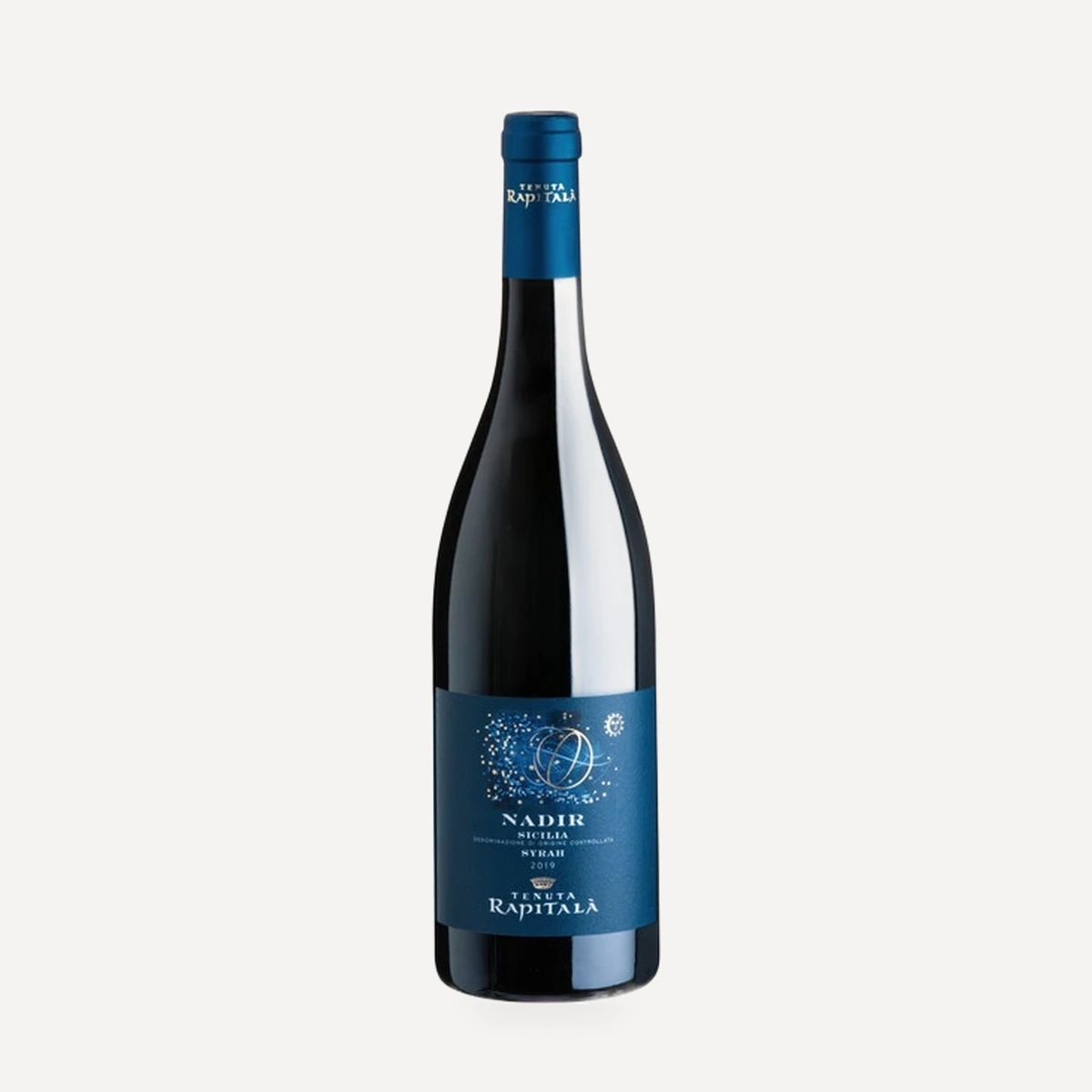
Nadir Syrah Sicilia DOC
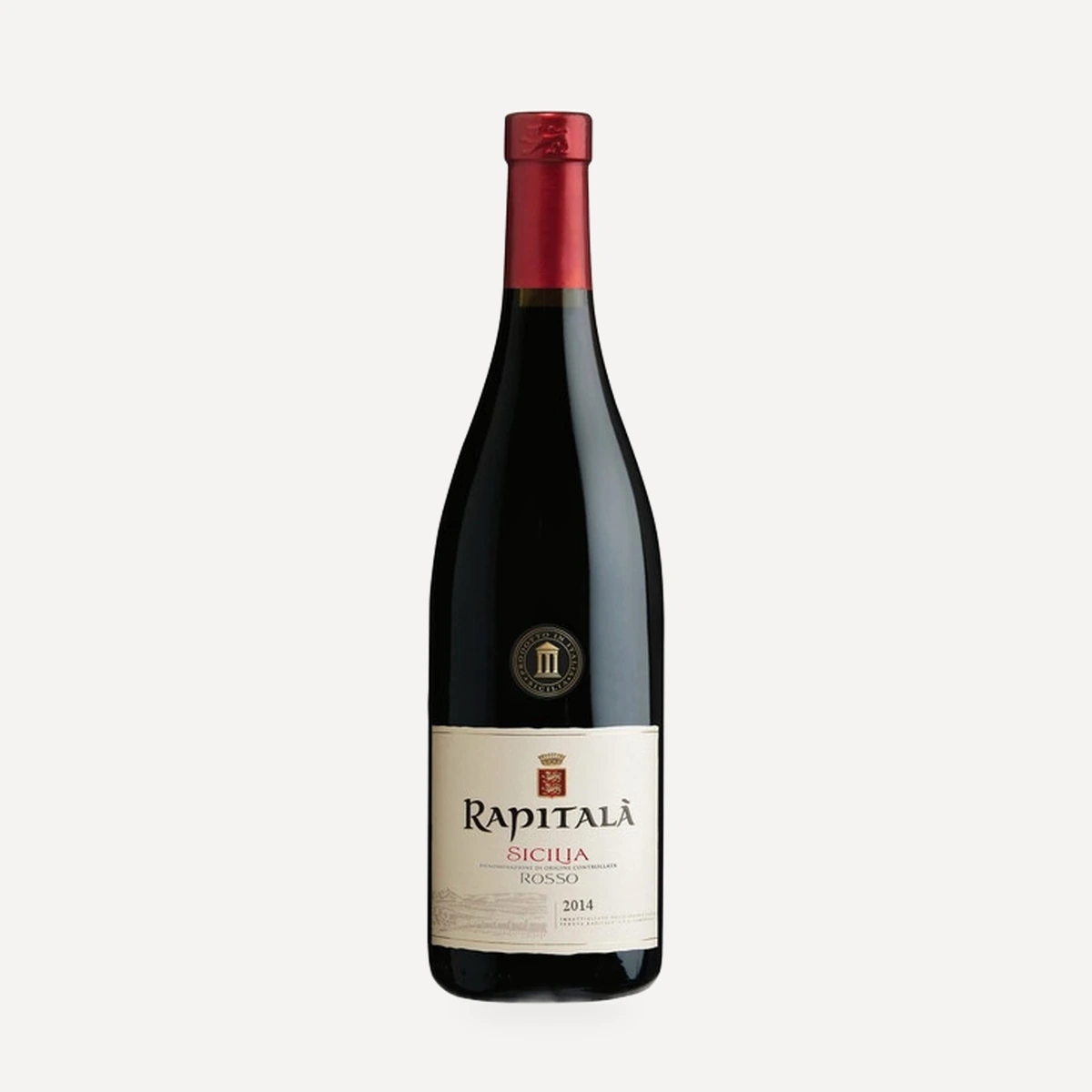
Rapitala Rosso Sicilia DOC
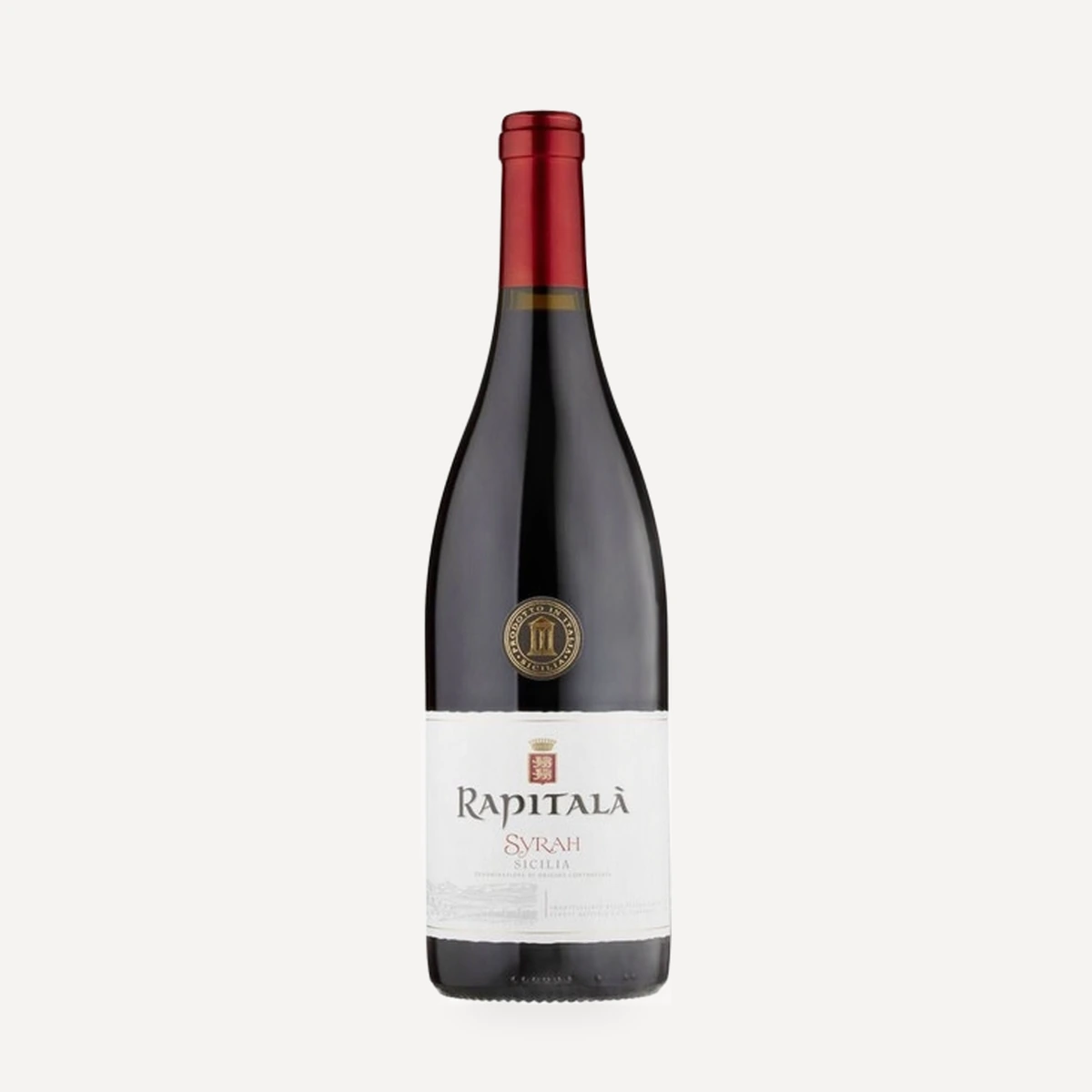
Rapitala Syrah Sicilia DOC
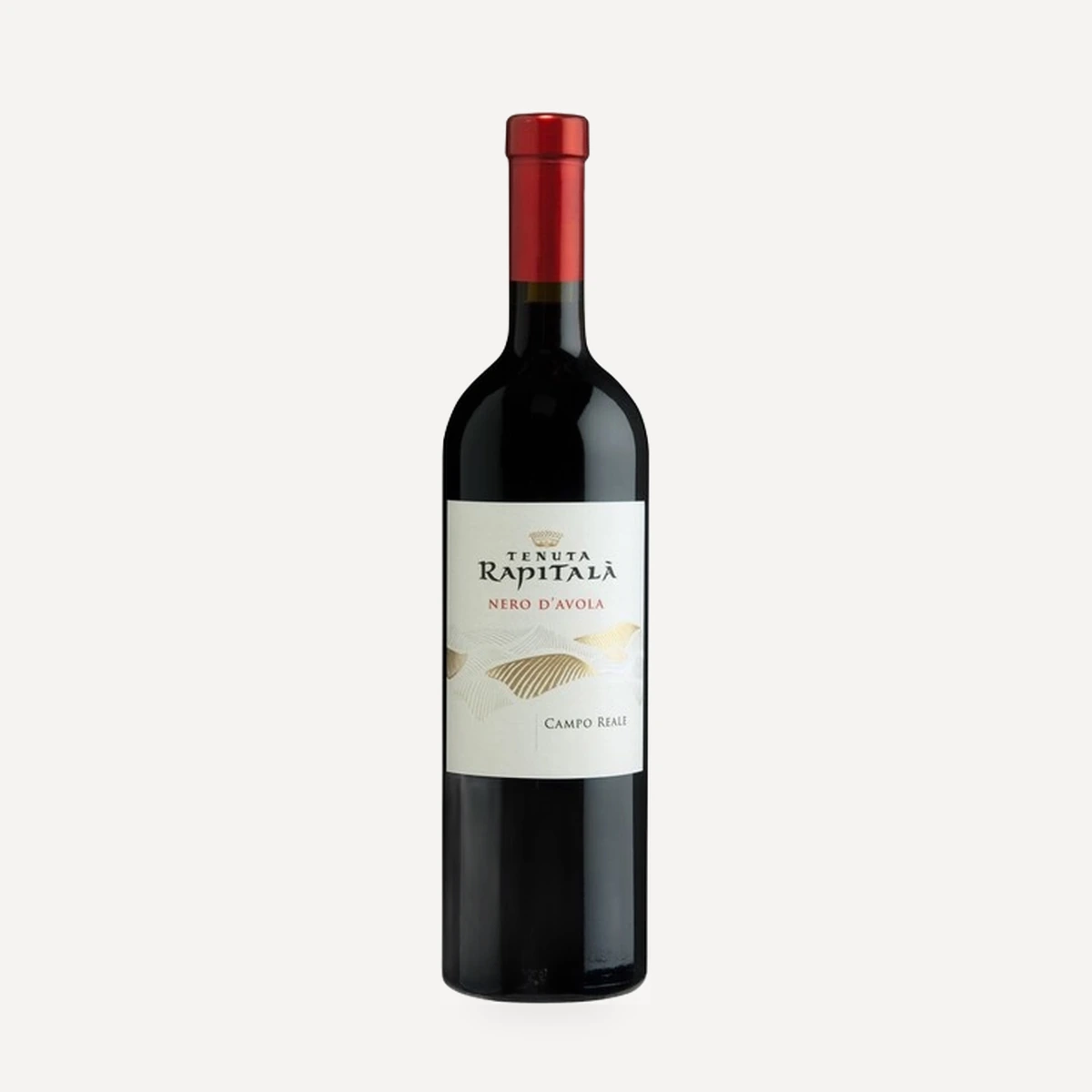
Campo Reale Sicilia IGT
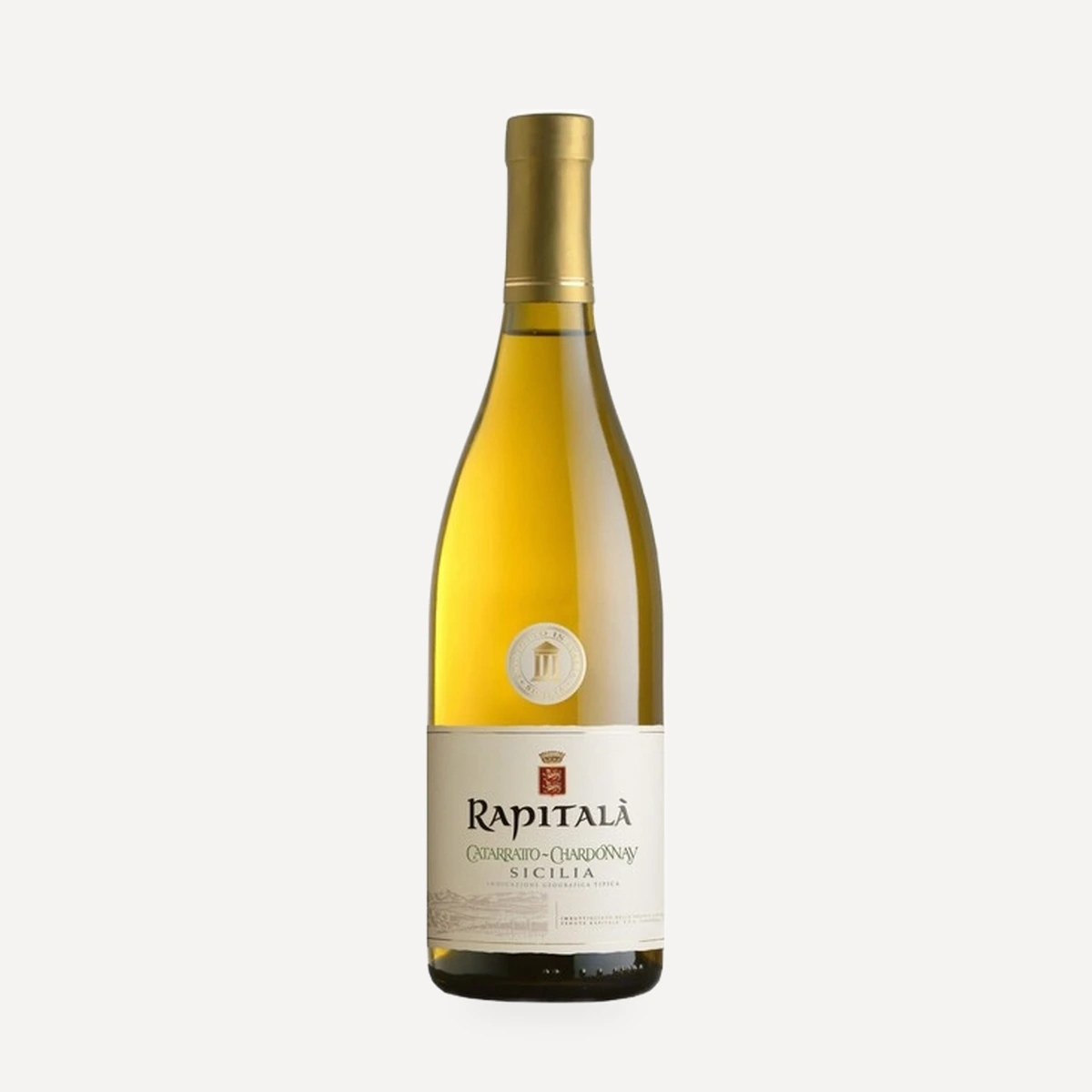
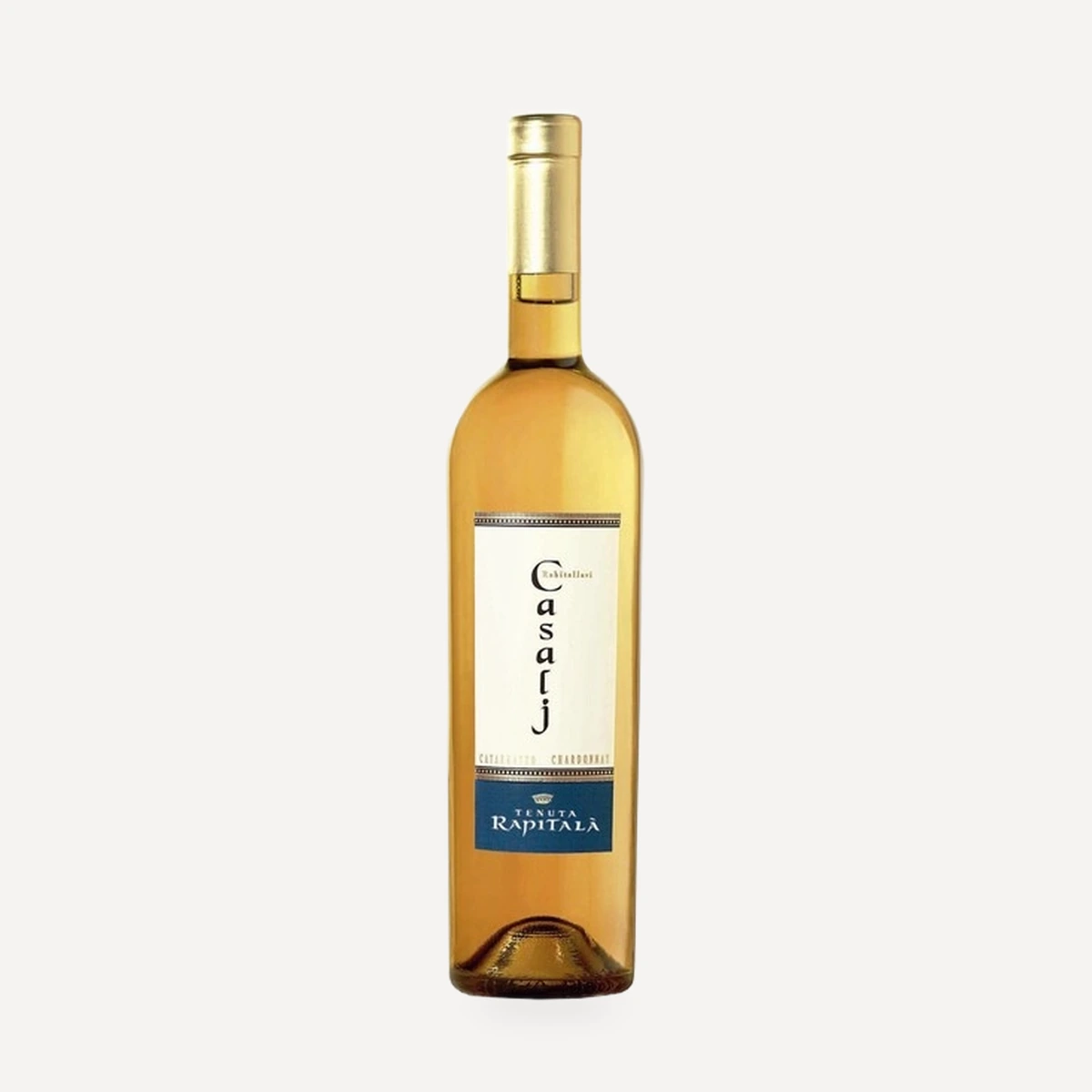
Rapitala Catarratto-Chardonnay Sicilia IGT
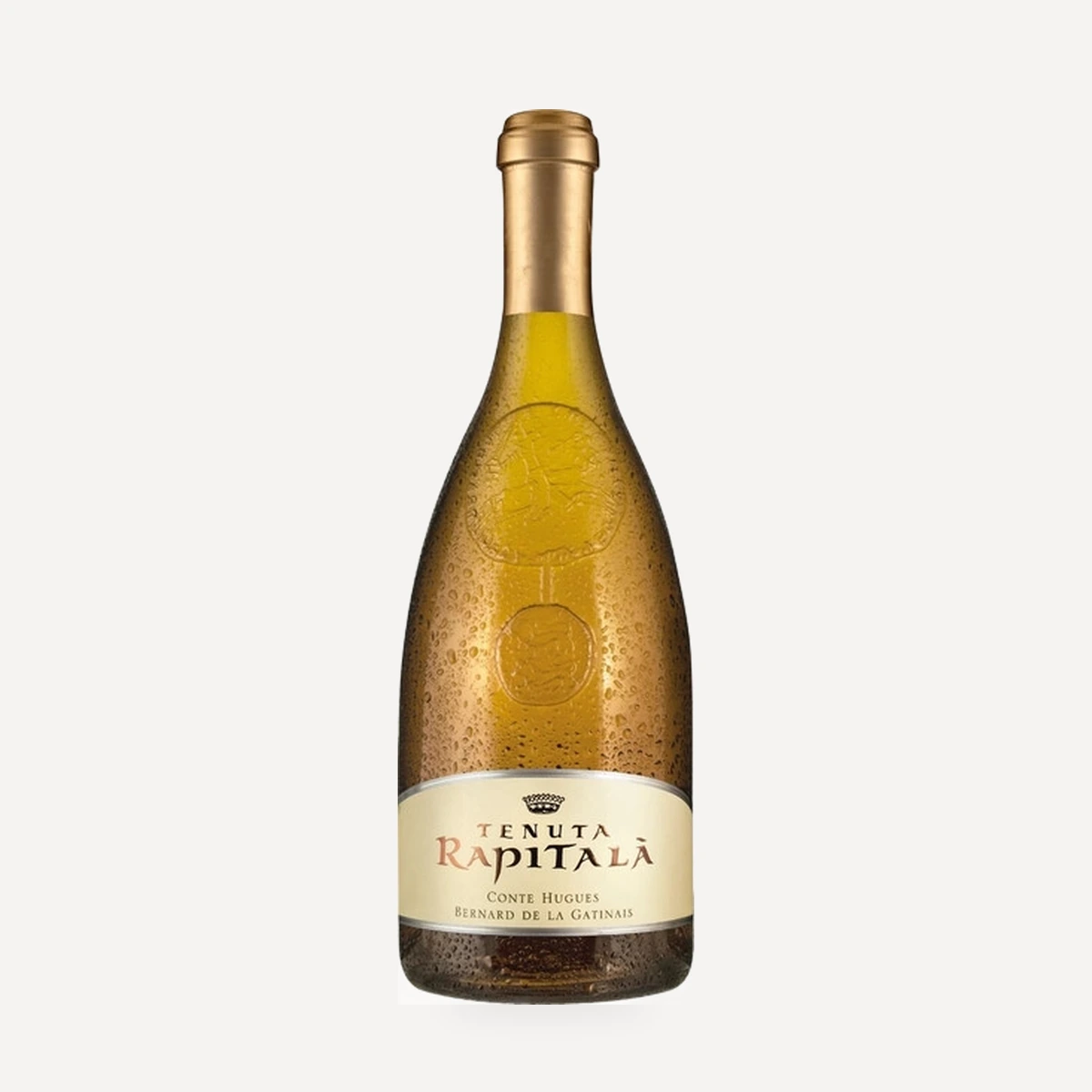
Chardonnay Grand Cru Sicilia IGT
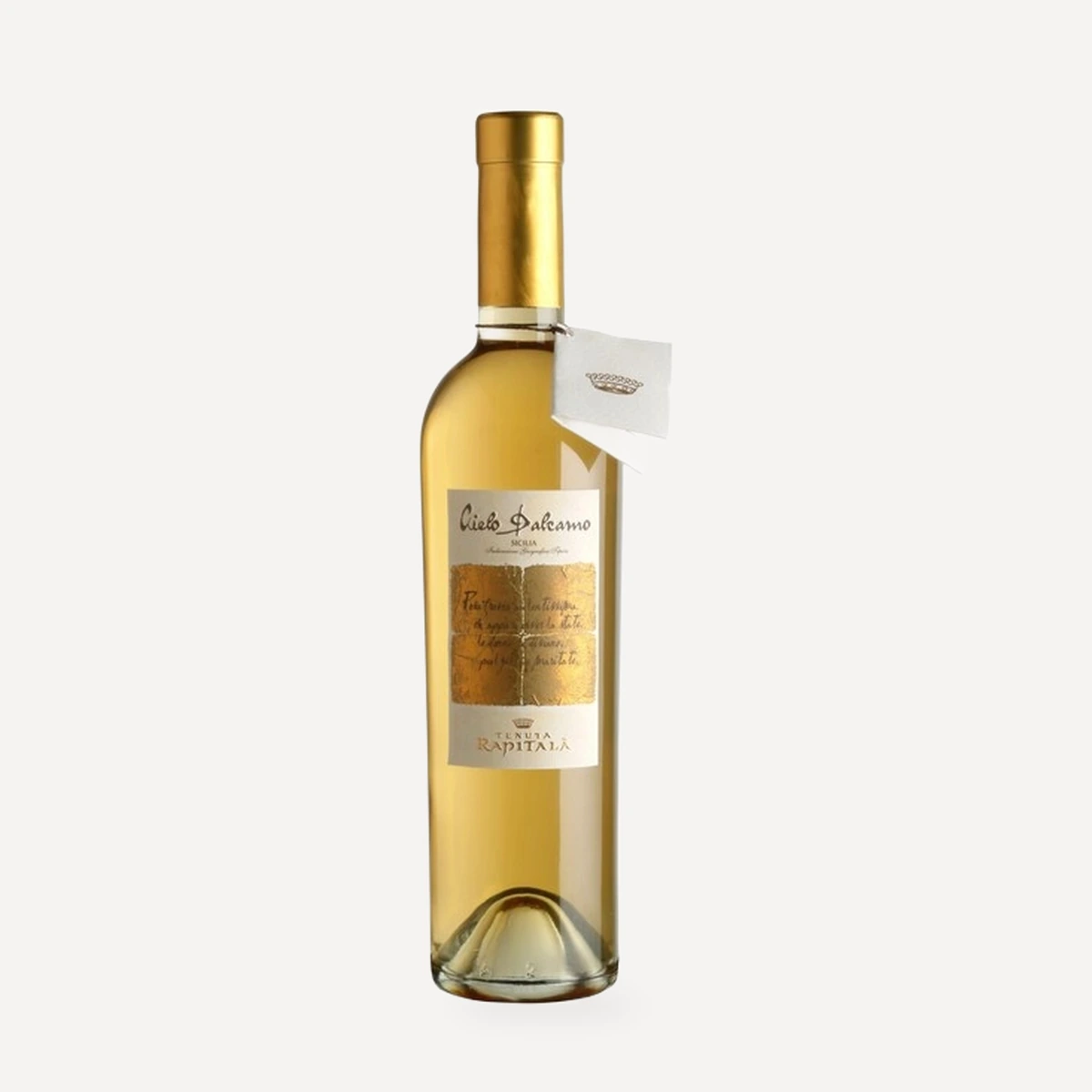
Tenuta Cielo Dalcamo Sicilia IGT
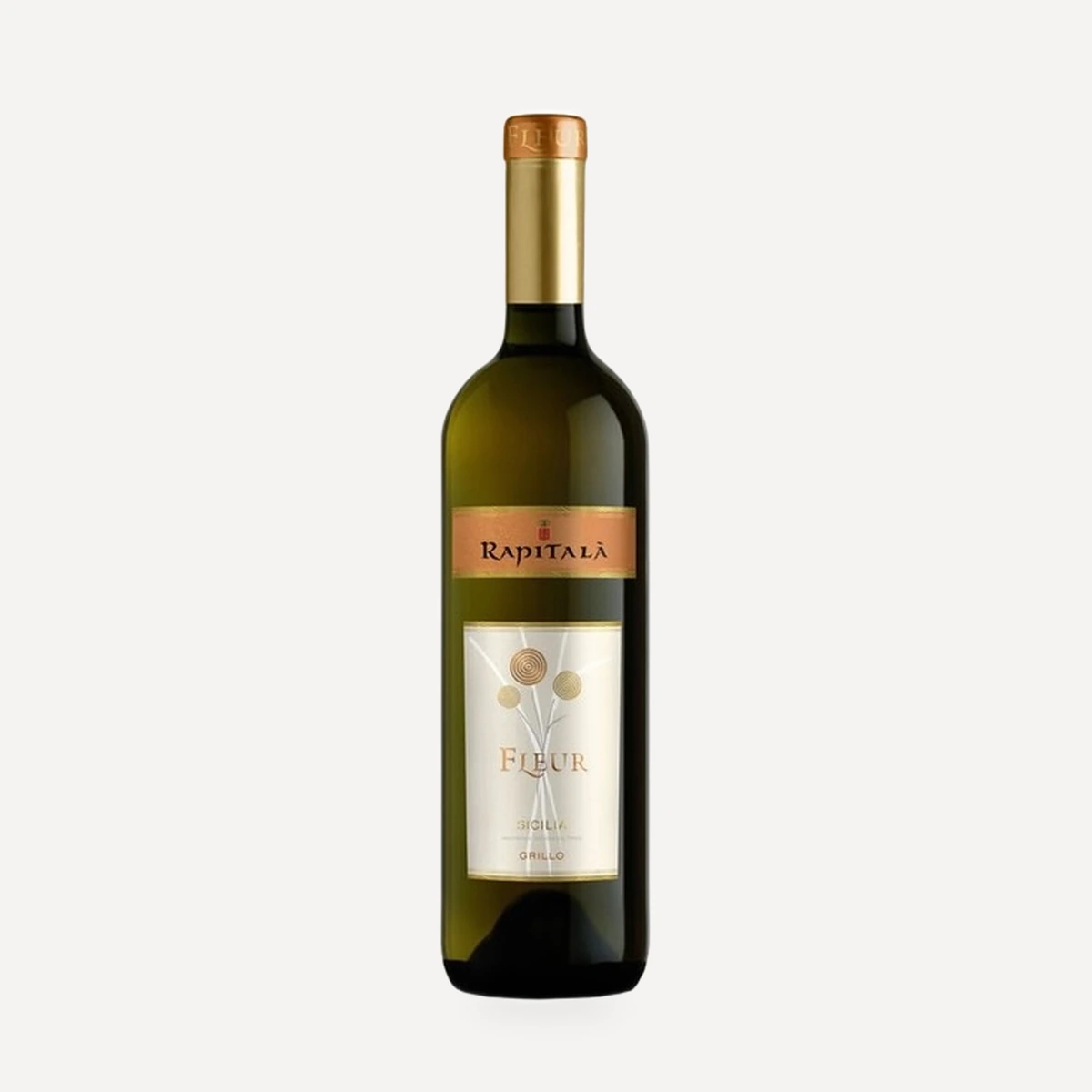
Fleur Grillo Sicilia IGT
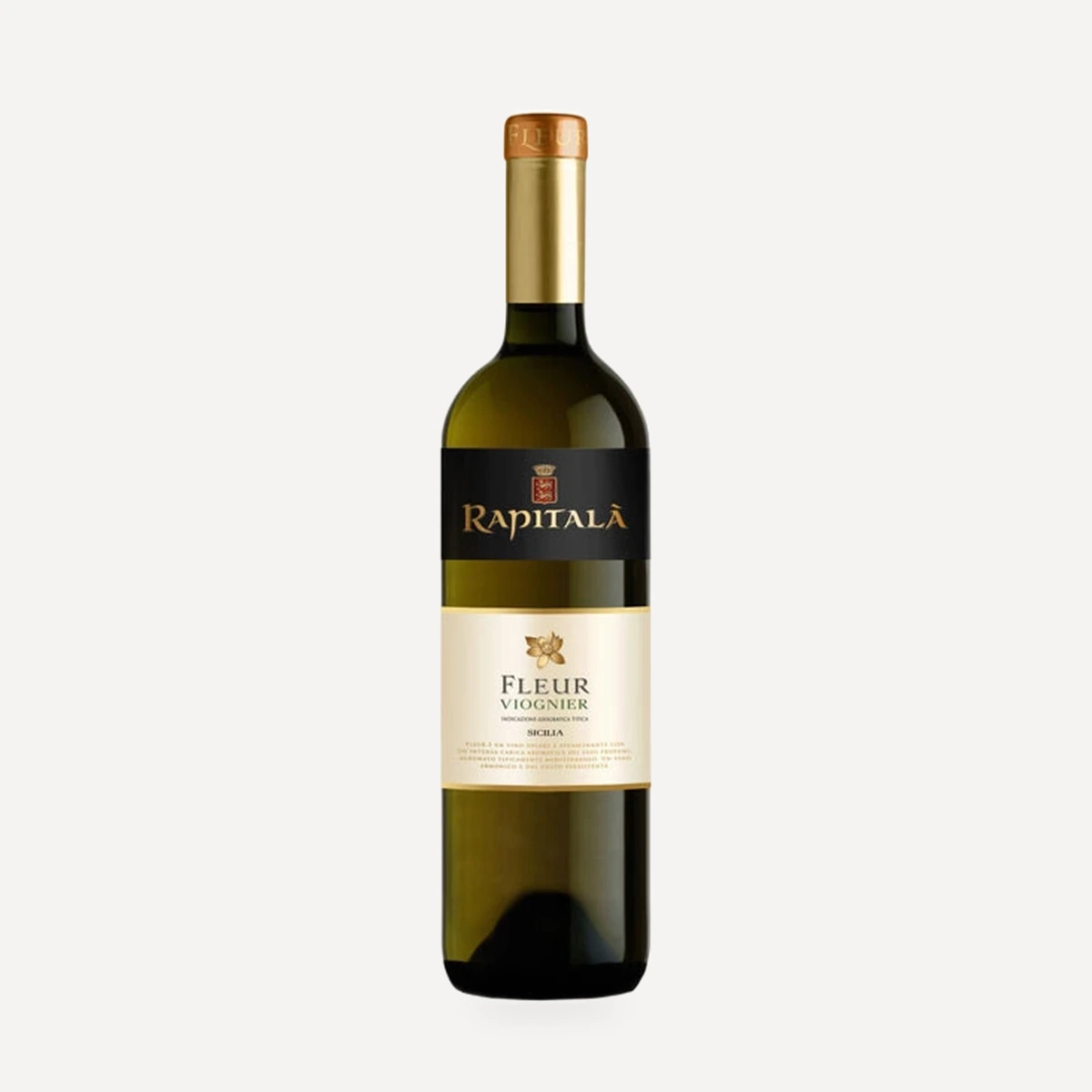
Fleur Viognier Sicilia IGT
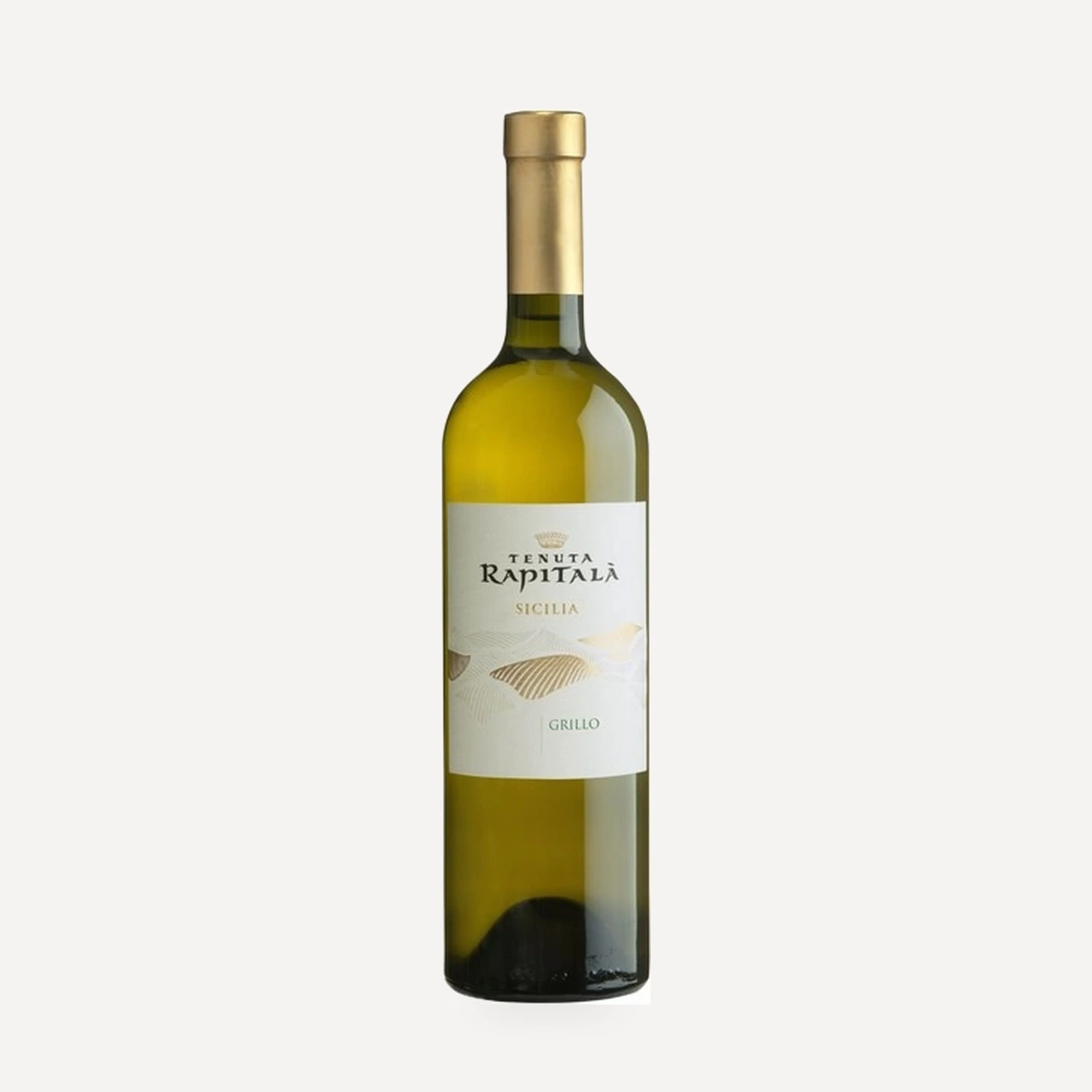
Tenuta Grillo Sicilia IGT
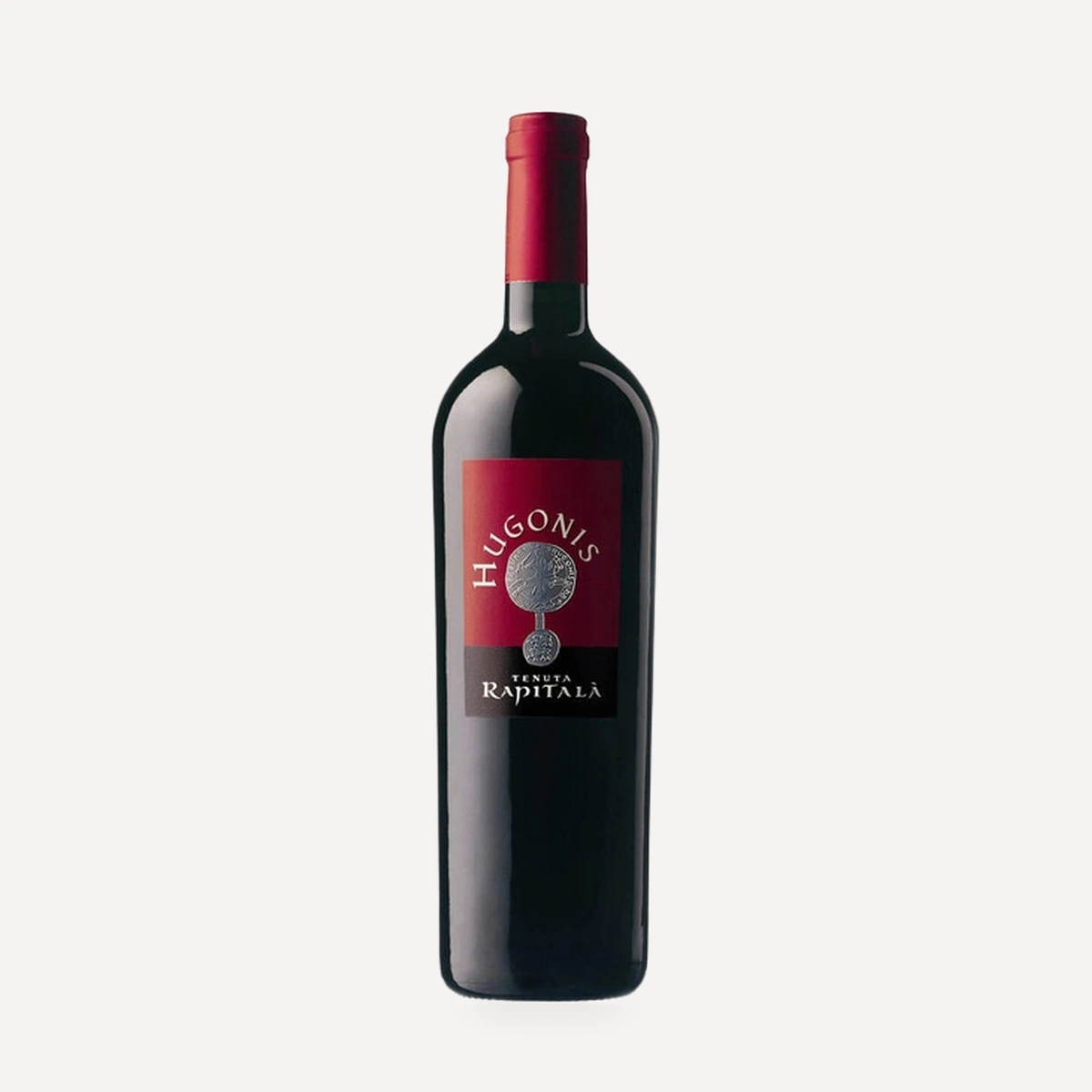
Hugonis
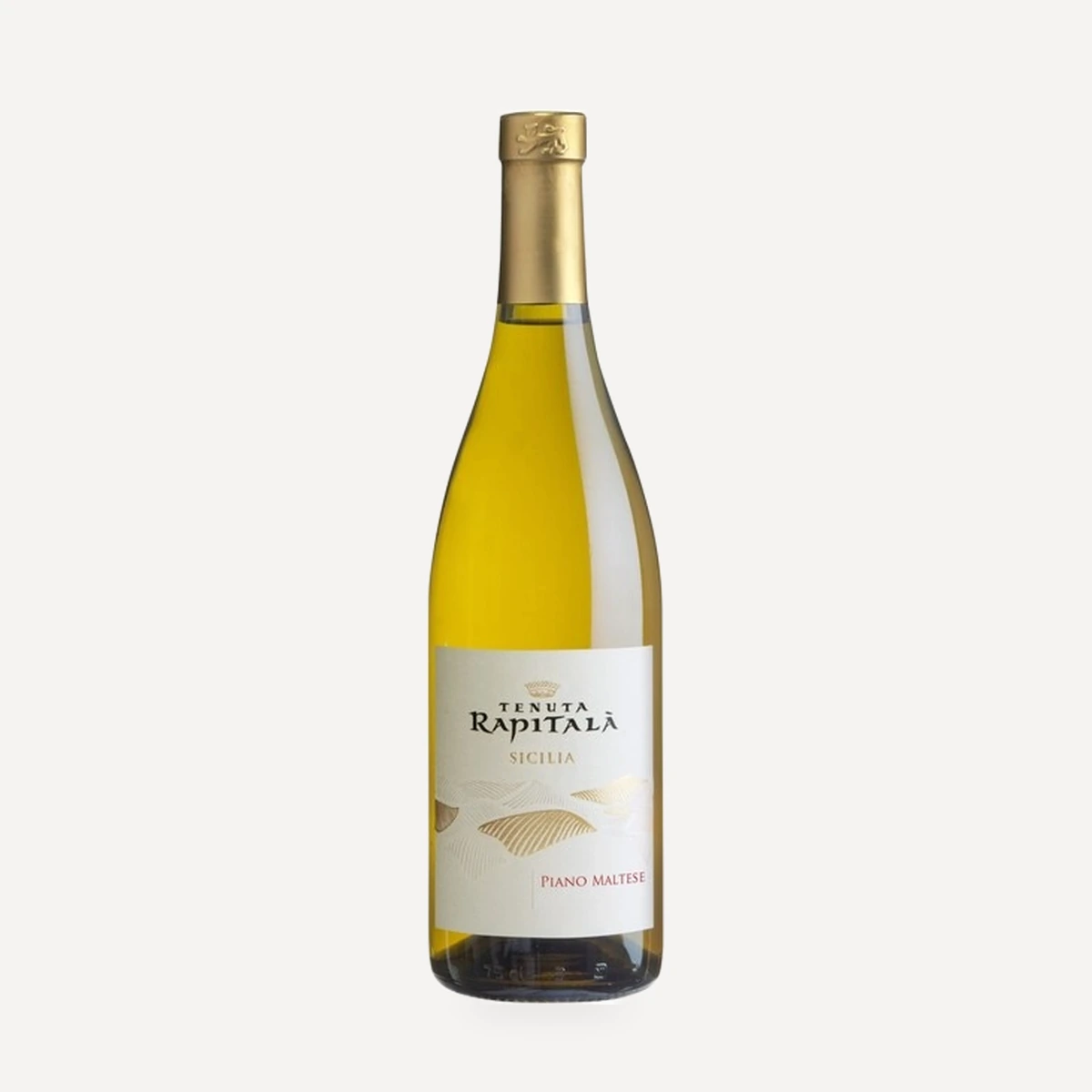
Tenuta Piano Maltese Sicilia IGT
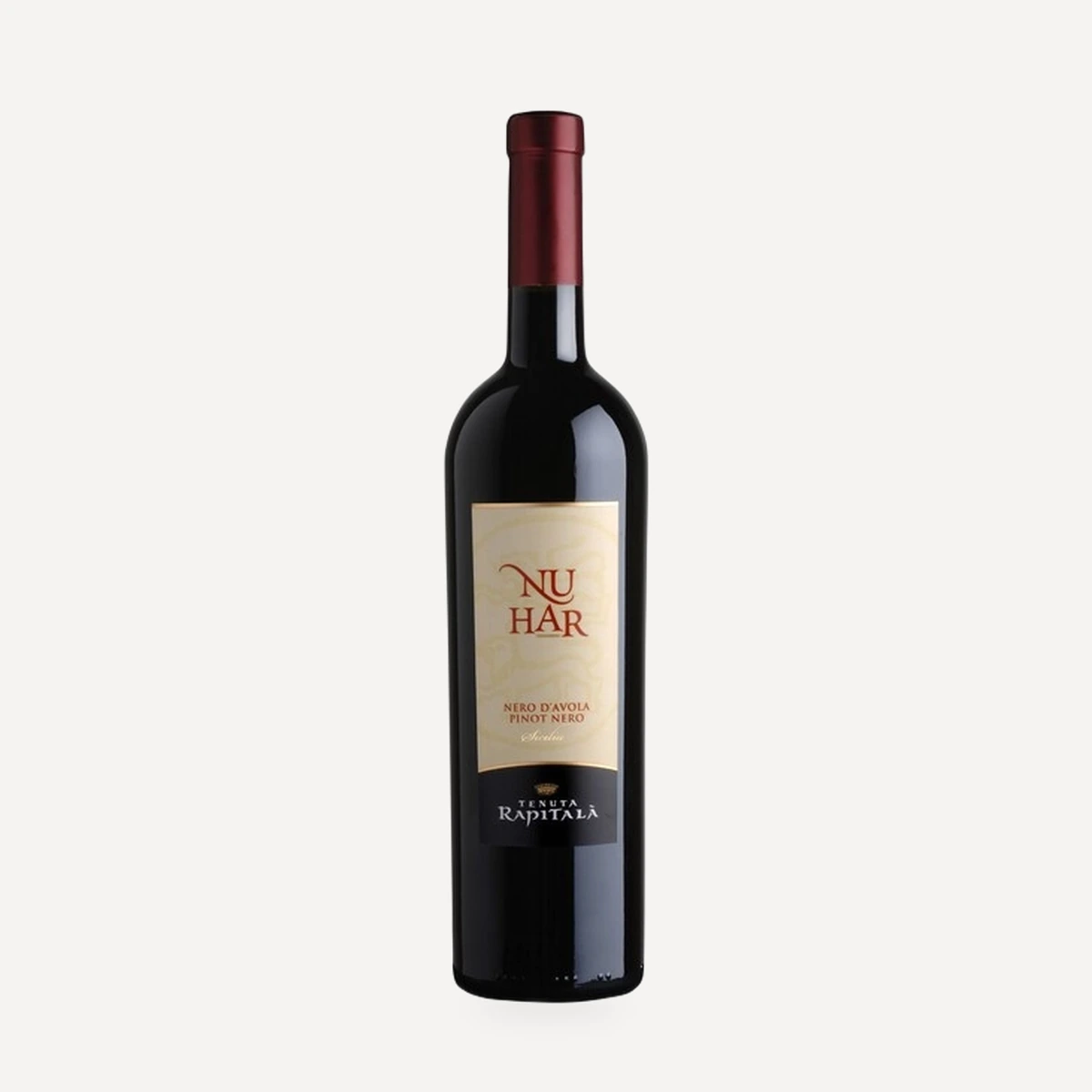
Nuhar Sicilia IGT
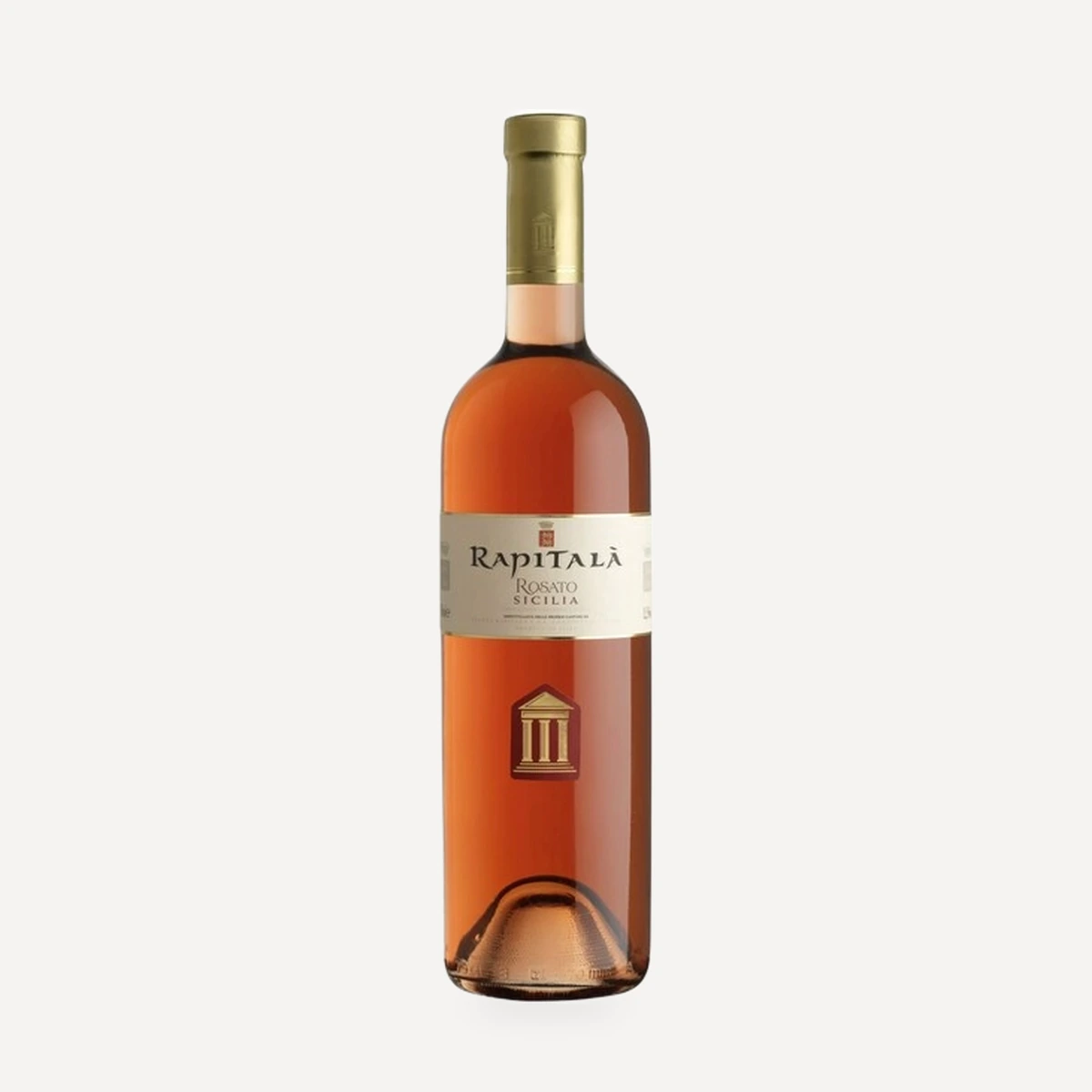
Rapitala Rosato Sicilia IGT
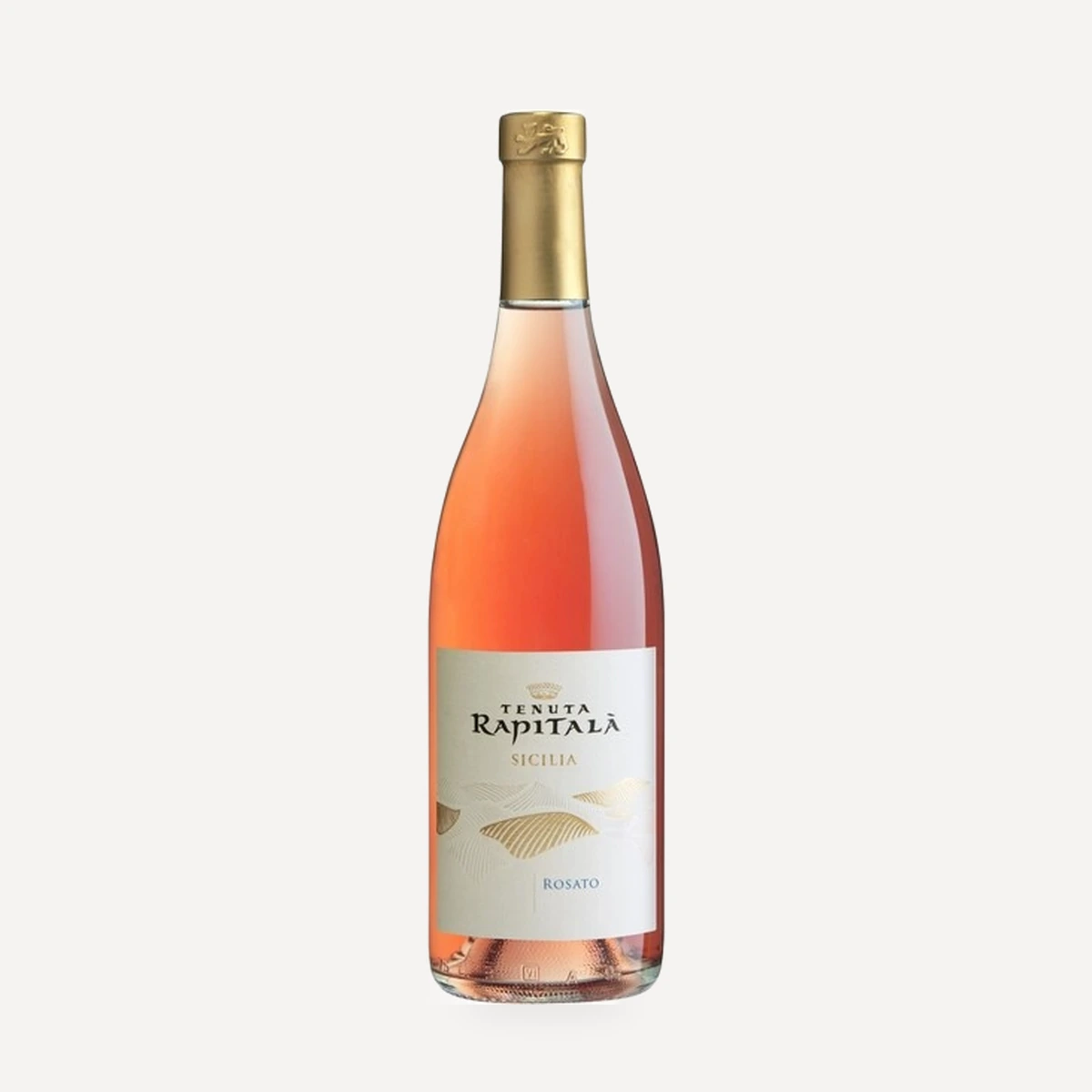
Rosato Sicilia IGT
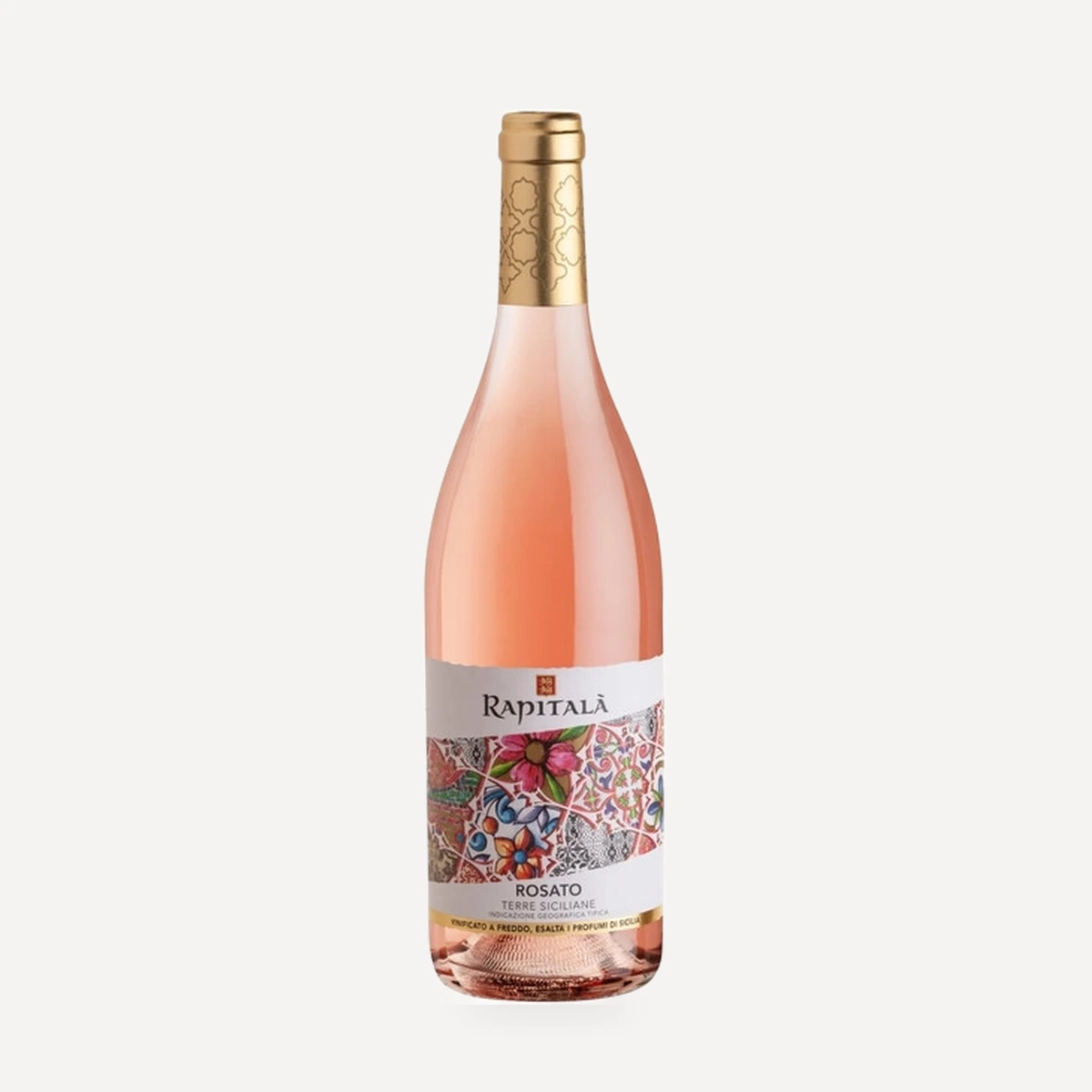
Rapitala Rosato Terre Siciliane IGT
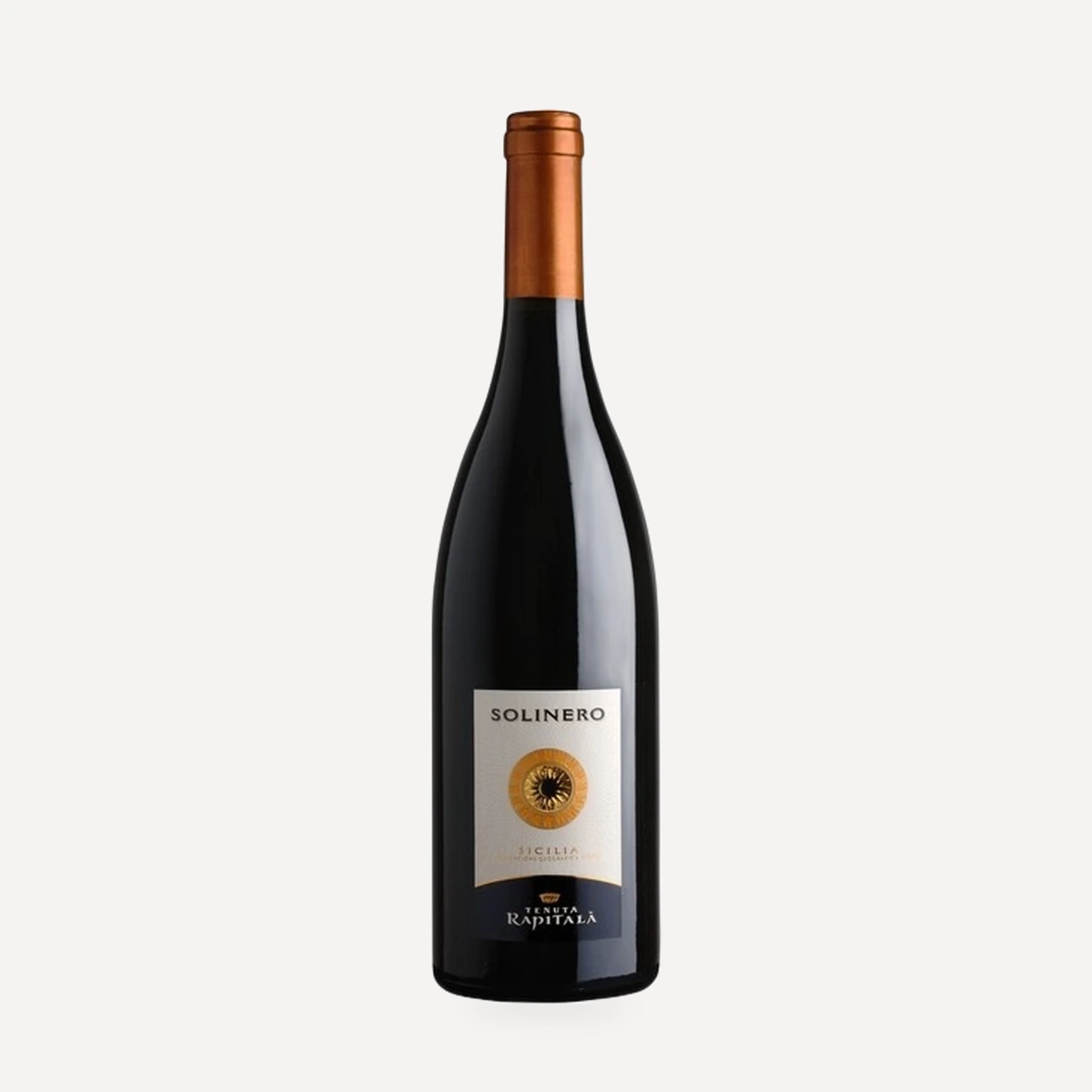
Solinero Sicilia IGT
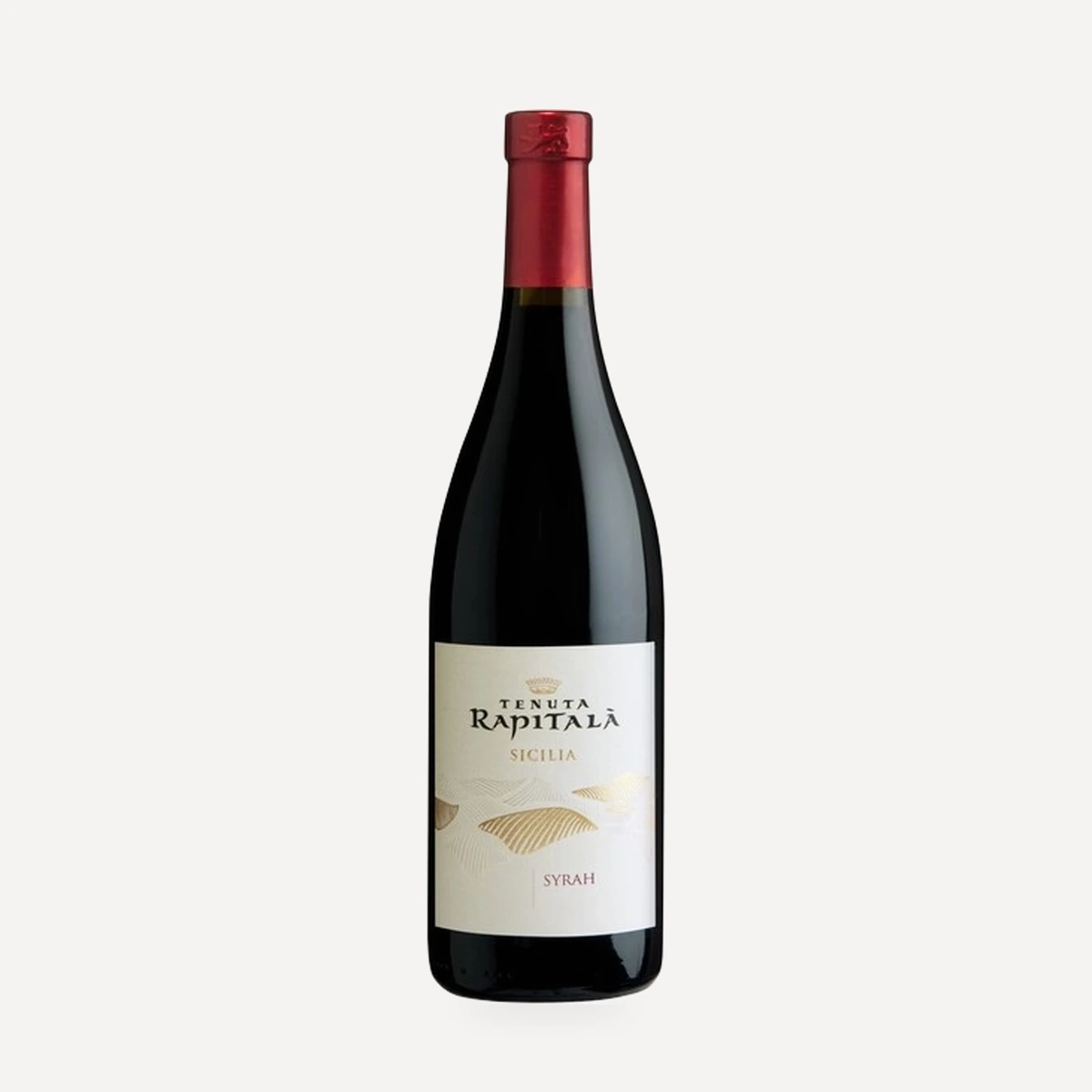
Tenuta Syrah Sicilia IGT
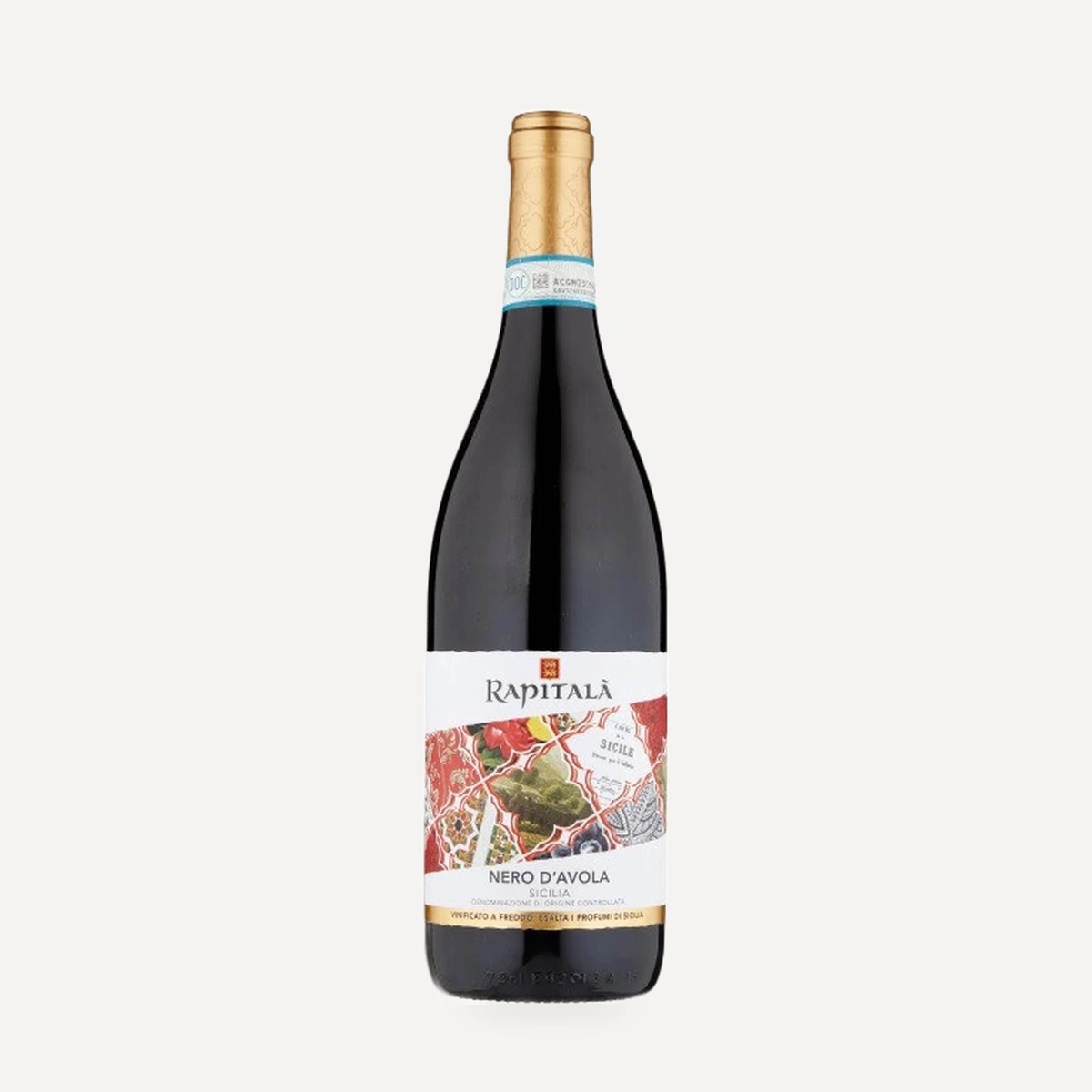
Rapitala Nero d'Avola Sicilia IGT