Storia
Istrian origins
The Felluga family’s relationship with wine began in Isola d’Istria during the second half of the nineteenth century. Michele Felluga, the first generation, produced principally Malvasia and Refosco. His successor Marco, representing the second generation, expanded the family’s wine trade across the Gulf of Trieste, first supplying Grado and subsequently the wider Friuli Venezia Giulia market. The family produced wine both for commerce and for its own trattoria, transporting it toward Grado by boat.
From Isola to Grado
After the First World War, third-generation Giovanni Felluga moved from Isola—then part of Italy—to Grado with his mother Elisa and his children in order to develop the wine trade further. A family account gives 1921 as the year of the move. Marco Felluga, one of Giovanni’s seven children, was born in Grado in 1927.
1938: the move toward the Collio
Recognizing the potential of the lands around Gorizia, before they were formally known as the Collio, Giovanni moved the family again in 1938, this time to Gradisca d’Isonzo. There he opened a production cellar and established the family’s activity among the area’s hills. The Second World War brought the loss of all the family’s remaining possessions in Istria.
1956: the founding of Marco Felluga
After taking responsibility for the family business, Marco Felluga—the penultimate of Giovanni’s seven children—founded the eponymous winery in 1956. That year also marked the division of the activity previously shared by Marco and his brother Livio, after which each created a separate company bearing his own name. Marco safeguarded and modernized the business, combining inherited practice with innovation and becoming identified with the modernization of Collio viticulture.
Expansion and succession
In 1967 Marco Felluga added Russiz Superiore at Capriva del Friuli as a separate estate and cru. The property had a history extending back more than 700 years, but it retained its own identity and production operation.
Marco later arranged distinct businesses for his three children, Roberto, Alessandra and Patrizia. Roberto Felluga, the family’s fifth generation of winegrowers, followed his father at the head of Marco Felluga and Russiz Superiore. His work emphasized environmental protection, sustainability, research-supported innovation, respect for local history and traditions, and the ability of white wines to develop through bottle age.
Sixth-generation leadership
Ilaria Felluga, Roberto’s daughter and Marco’s granddaughter, was born in Udine in 1995. Following time abroad, she returned to study viticulture and oenology and began working alongside her father and grandfather. She completed seven harvests with them before assuming leadership of the family wineries in 2021 as the sixth generation.
The family marked several connected milestones in 2017: Marco Felluga’s ninetieth birthday, the fiftieth anniversary of Russiz Superiore and a combined total of 60 harvests directed by Marco and Roberto. Since 2024, the business has also been supported through a partnership with Tommasi Family Estates.
Terroir
Marco Felluga works with hillside vineyards in the Collio, distributed among Farra d’Isonzo, San Floriano, Oslavia, Cormòns and Capriva del Friuli. The broader winegrowing zone lies between the Julian Prealps and the Adriatic Sea and has a Mediterranean climate.
The hills formed during the Eocene from former seabed deposits. Their soils consist of alternating marl—calcareous clay and silt—and cemented sandstone. This layered formation is known locally as Ponca and as flysch in Italian. The soils are relatively impermeable, directing rainfall toward surface runoff and preventing water from stagnating.
The same basic geological formation occurs across the named production areas, while the distribution of varieties changes by commune: Friulano is associated with Farra d’Isonzo and San Floriano; Pinot Grigio and Merlot extend through Farra d’Isonzo, San Floriano and Cormòns; Sauvignon and Chardonnay include sites at San Floriano, Oslavia and Cormòns; Cabernet Sauvignon is grown around San Floriano and Cormòns; Ribolla Gialla includes Oslavia and Capriva del Friuli; and Moscato Rosa comes from hills at Capriva del Friuli.
Vinificazione
Viticulture follows an integrated-production model intended to minimize chemical inputs, water use and energy consumption while respecting ecological, economic and toxicological principles. Marco Felluga was among 13 participating wineries covered when the Consorzio Collio obtained SQNPI certification in 2021. The estate is also presented as VIVA certified.
Integrated pest control is combined with natural fertilizers and the rejection of herbicides. Ozone is used as a vineyard-protection tool: water enriched with O3 is applied in the field to control vine pathologies. Ozone’s short life allows it to perform its bactericidal and virucidal function without leaving residues on the plants or in the atmosphere.
The winery’s vineyard material includes massal selection from the hand-planted Amani source vineyard, which is more than 70 years old. White varieties and Moscato Rosa are generally Guyot trained; Merlot and Cabernet Sauvignon are trained to spurred cordon. The grapes represented across the current range are harvested manually.
Environmental measures extend beyond the vines. Renewable energy has been used by both family wineries for years, bottle weights have been reduced to lower material use and waste, and the long-term objective is a circular economy that preserves the natural balance.
White-wine practice
The recurring process for the still white wines begins with destemming. Must and pulp undergo cold maceration—temperature-controlled where specified—followed by gentle pressing to separate juice from skins. Fermentation takes place in temperature-controlled stainless-steel tanks. The wines generally remain on their lees for approximately six months and then spend several additional months in bottle before release.
This approach is used across Pinot Grigio, Friulano, Sauvignon, Chardonnay, Ribolla Gialla and the white blend, with minor adjustments between bottlings. One recent description of Mongris also records maturation with 80% in stainless steel and 20% in botte, while another current account describes five months on the lees.
Red-wine practice
For Merlot and Cabernet Sauvignon, destemmed grapes enter tanks equipped for red vinification and alcoholic fermentation begins immediately. Skin contact averages 10–15 days, adjusted to the vintage and the progress of extraction. The wines then mature for 12 months in oak barrels, where malolactic fermentation also takes place, followed by approximately six months in bottle.
Moscato Rosa
Destemmed Moscato Rosa undergoes maceration in large stainless-steel vats for a period that varies with the vintage. It matures for about eight months in stainless steel, is bottled and then remains in the cellar for a further 12 months.
Traditional-method sparkling wine
The Blanc de Blancs base is obtained through gentle pressing of about 40% of the grapes. The must ferments principally in stainless steel, with a small part fermented in oak. After the cuvée is assembled, tirage takes place several months after harvest. The wine remains on its lees for at least three years before disgorgement.
Filosofia
Marco Felluga’s philosophy joins family continuity with modernization. Marco preserved the inherited business while updating its methods, and the range is framed around the interaction of tradition and innovation in the pursuit of higher quality.
Roberto Felluga made sustainability, environmental protection and respect for the territory, its history and its traditions central to the fifth generation’s work. Innovation was not treated as an end in itself: processes were to be supported by Italian and international scientific research, directed toward high-quality production and a reduced environmental impact.
The environmental position is based on maintaining natural equilibrium and progressing toward a circular economy capable of protecting both environmental and social continuity. Roberto summarized the intergenerational responsibility behind this approach as the need to care for the surrounding world so that present and future generations have a viable future.
Ilaria Felluga carries these principles into the sixth generation, presenting leadership as the preservation of a family legacy while giving it a contemporary voice and perspective. Quality, sustainability and a close relationship with the Collio remain the declared points of continuity.
Vini
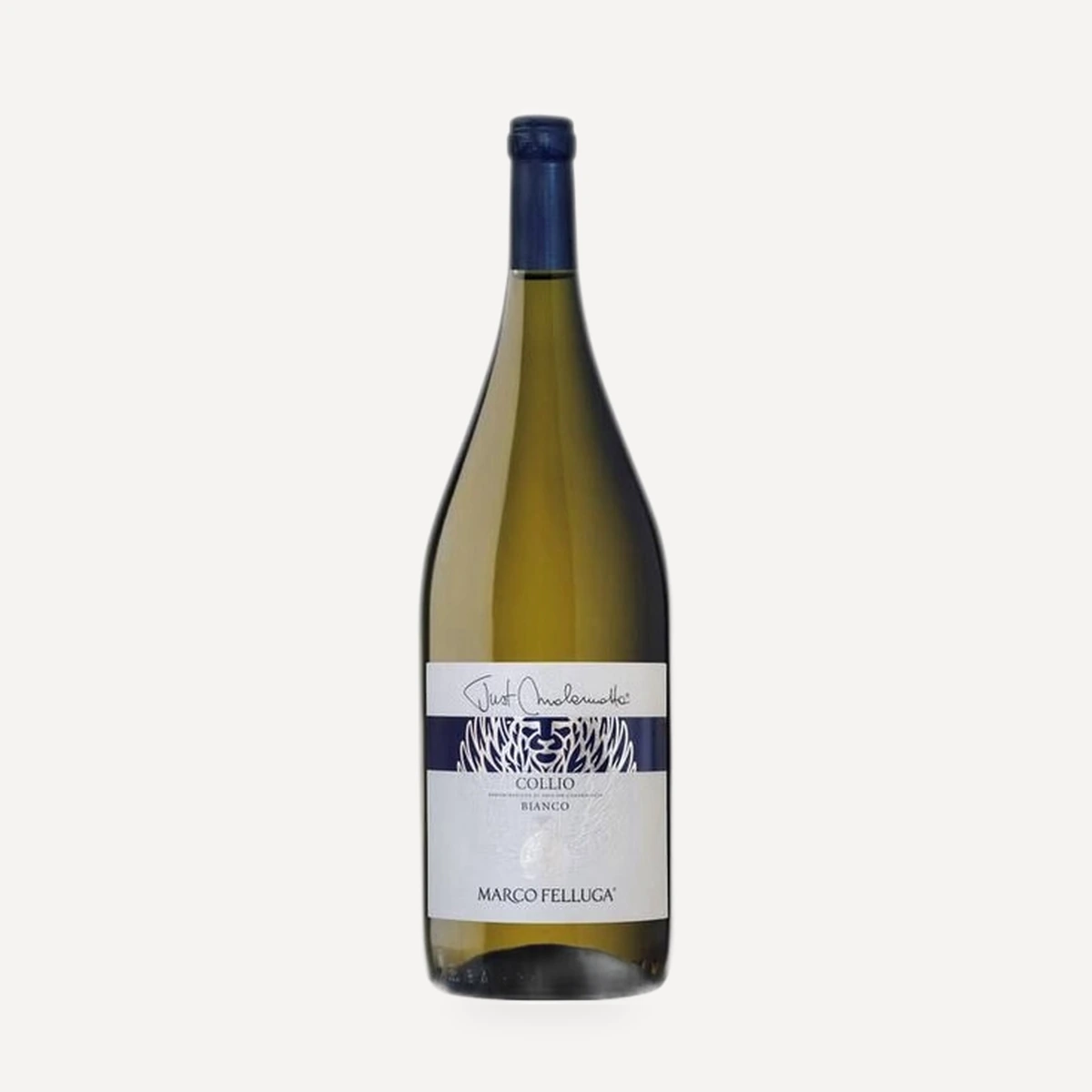
Friuli Bianco Just Molamatta Marco Felluga DOC
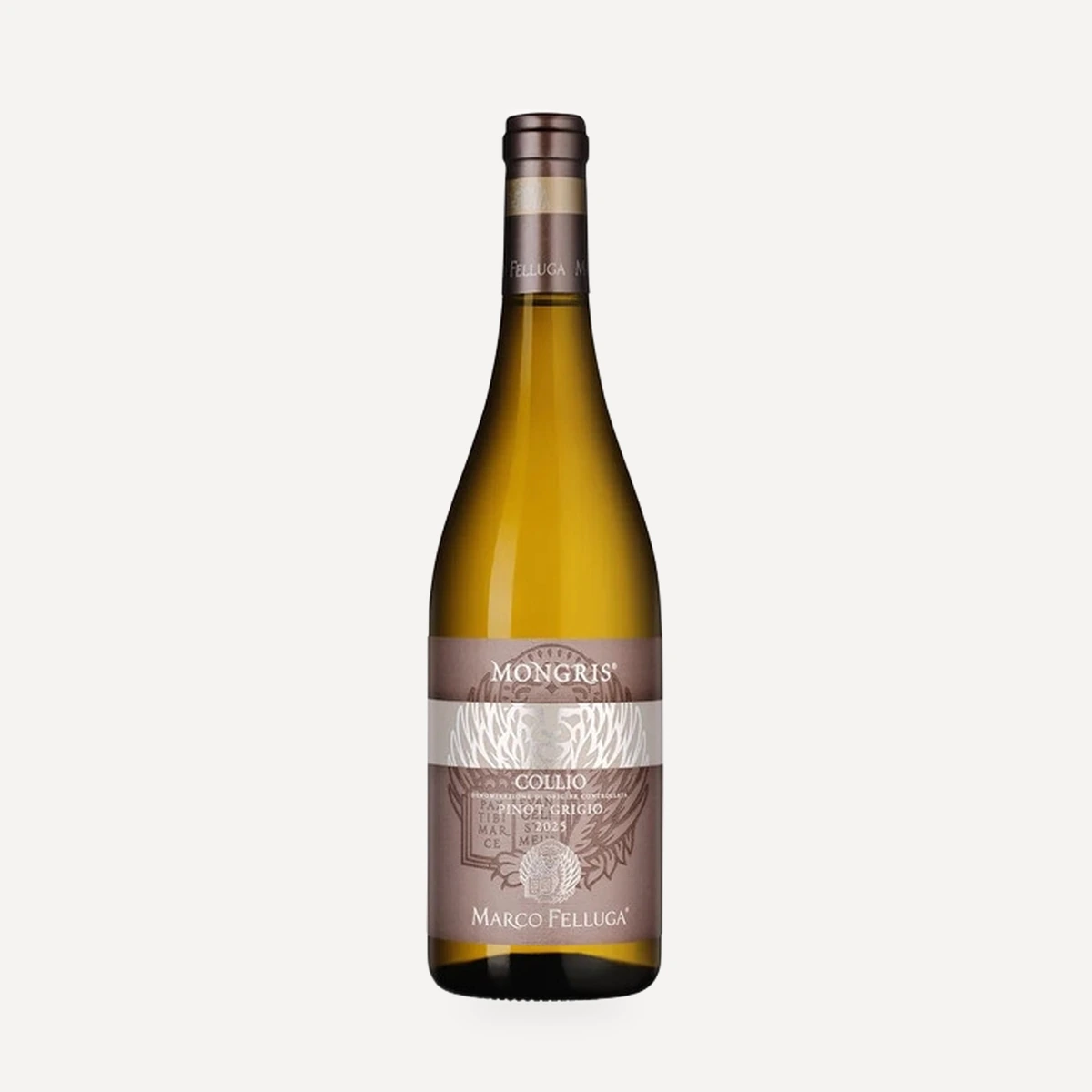
Mongris Pinot Grigio Collio Marco Felluga DOC
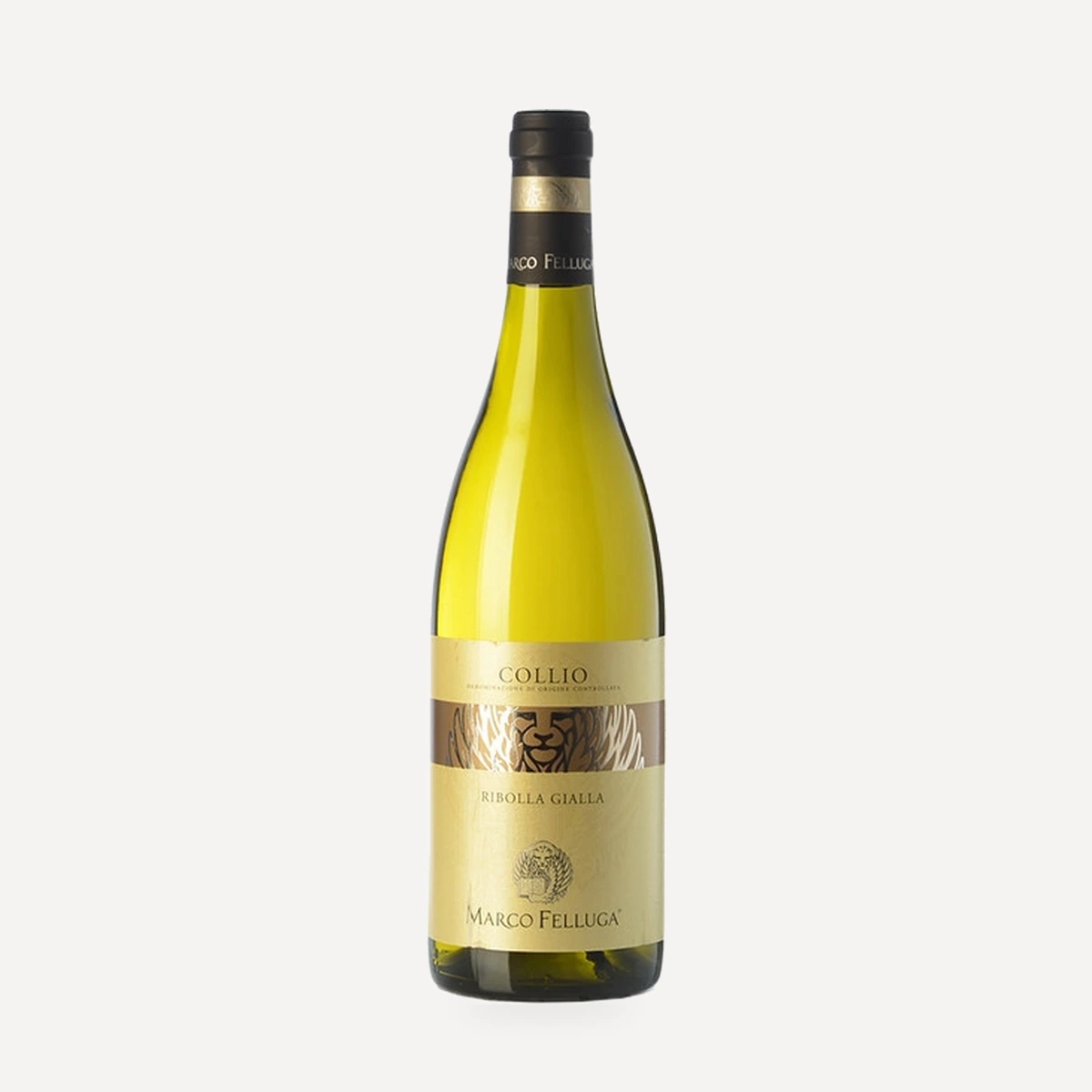
Maralba Ribolla Gialla Collio Marco Felluga DOC
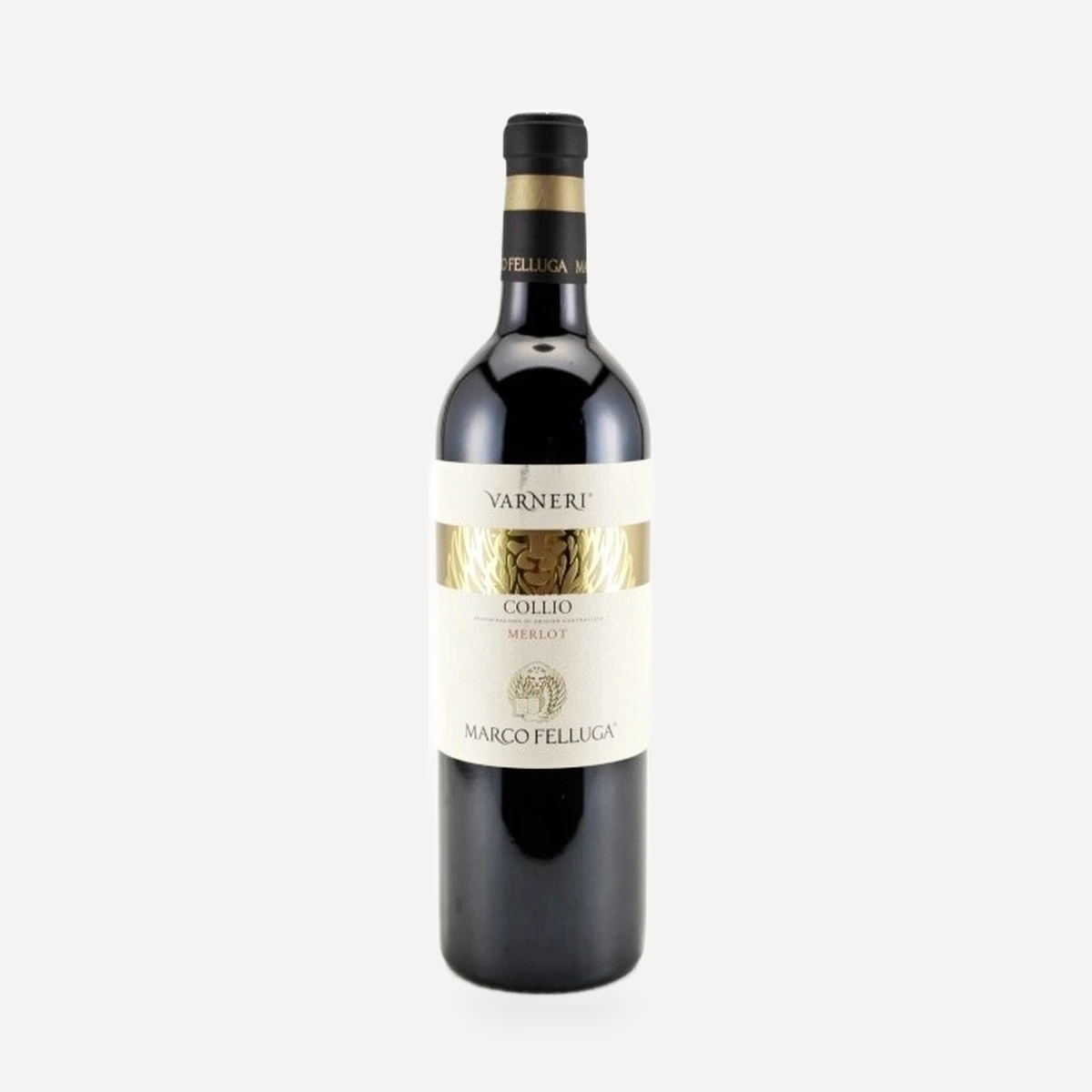
VARNERI MERLOT Collio Marco Felluga DOC
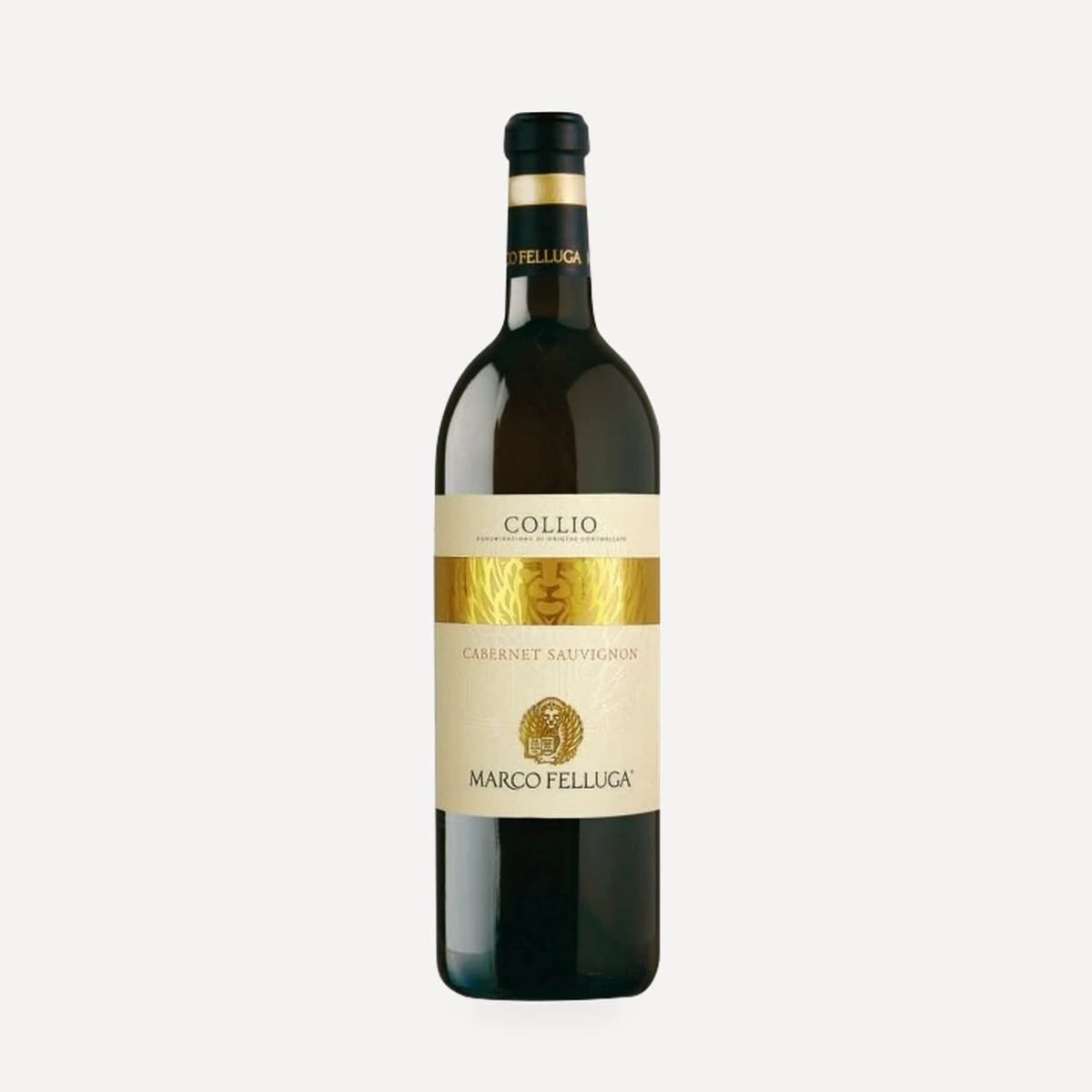
Marnasco Cabernet Sauvignon Collio Marco Felluga DOC
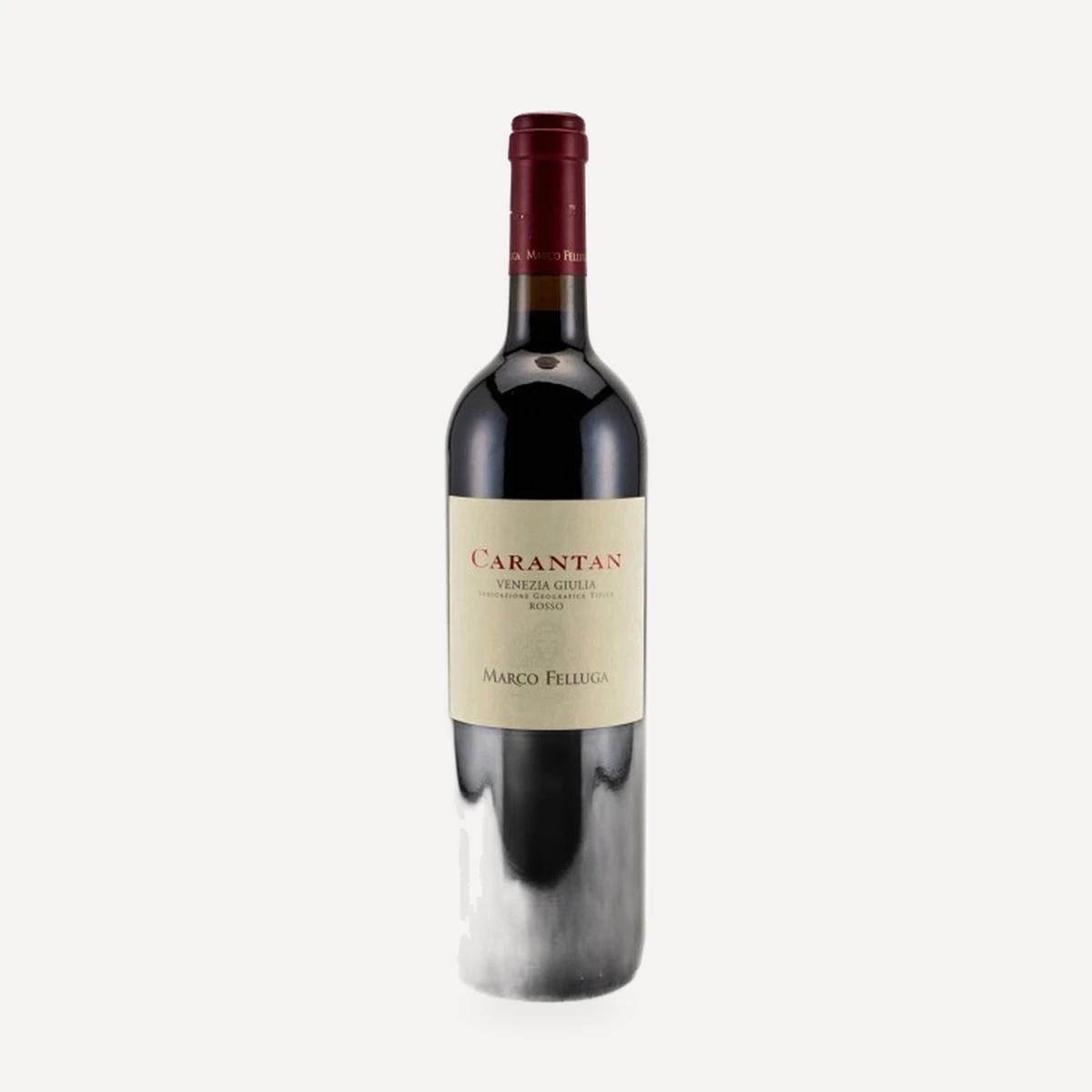
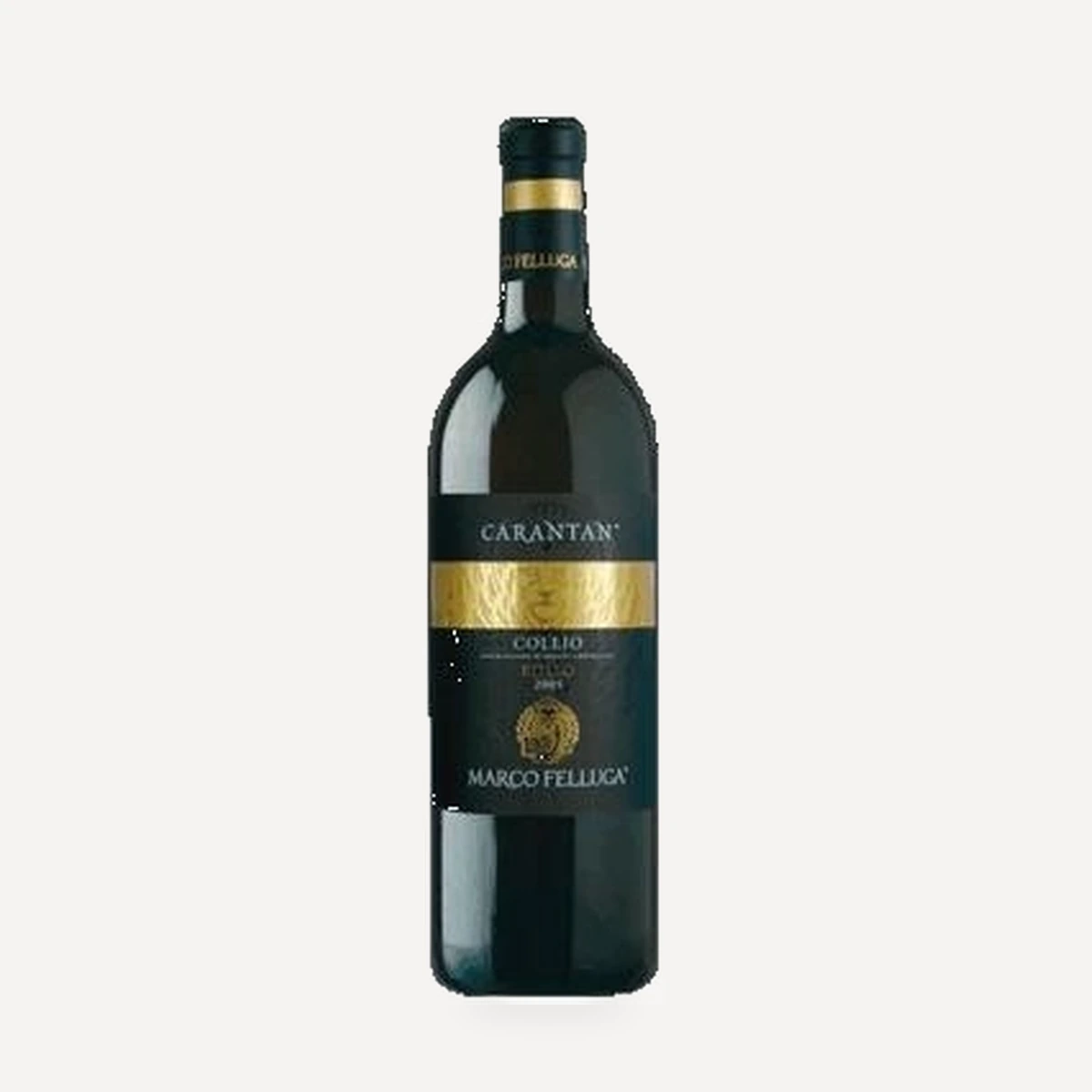
Carantan IGT
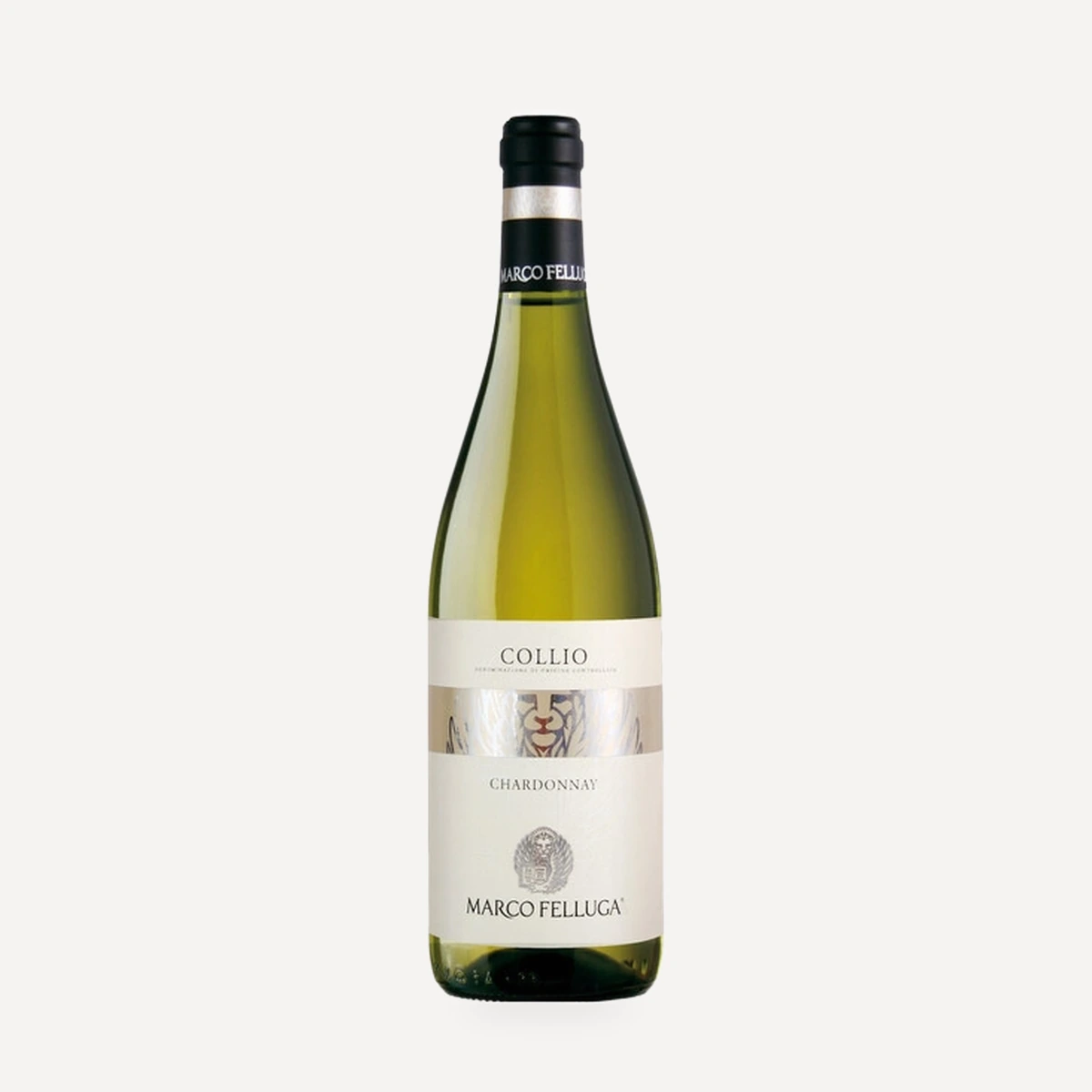
Collio Chardonnay DOC
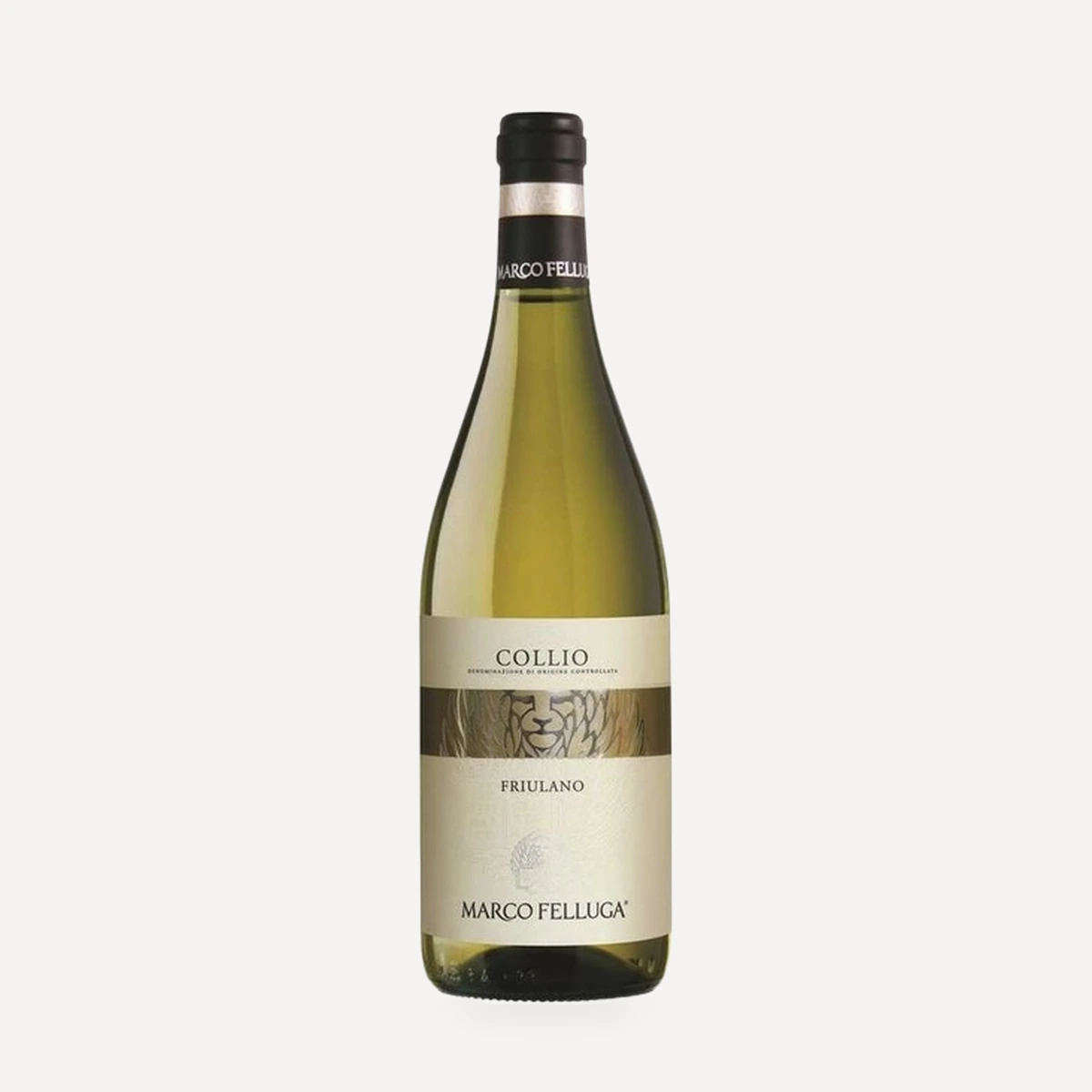
Collio Friulano DOC
AMANI FRIULANO Friuli Marco Felluga DOC