Storia
Roots in Leverano
The Zecca family’s connection with Leverano dates to 1580, when Francesco Antonio Zecca, an agricultural entrepreneur from Naples, moved to the fertile Salento countryside. The family subsequently became closely involved in the development of the area and has remained in Leverano for five centuries.
The title of Count
In June 1884, Pope Leo XIII conferred the title of Count on Giuseppe Zecca. The distinction recognized the family’s contribution to the development of the territory and marked its passage from local notability to nobility.
Completing the agricultural cycle
In the early 20th century, Alcibiade Zecca established a modern winery in Leverano. The family thereby brought grape growing and the vinification of estate fruit into a single production cycle.
Alcibiade’s son Giuseppe reformed the existing colonìa, or sharecropping, management system. He modernized the winery and acquired the equipment needed to manage the complete production process directly.
The four brothers and the Conti Zecca brand
Management passed from Giuseppe to his sons Alcibiade, Francesco, Luciano and Mario. During the 1980s and 1990s, the four brothers returned their attention to the ancestral vineyards, introduced modern agricultural methods and irrigation systems, and adopted more advanced winegrowing techniques. Conti Zecca developed into a fully defined brand and expanded its presence in both the Italian and international markets.
The brothers also began the experiments that led to Nero. The project initially explored selected Cabernet Sauvignon material before evolving toward a Negroamaro-led blend. The current historical account identifies the 1998 vintage as Nero’s debut and credits its creation to the Zecca brothers, company oenologist Antonio Romano and consulting oenologist Giorgio Marone. The wine rapidly acquired symbolic importance for the estate and became one of the milestones represented by the Iconic Wines range.
Direct hospitality and integrated farming
The company Enoteca opened as both a retail outlet and a place where visitors could explore wine culture more deeply. It is housed within the Leverano winery complex and now anchors the estate’s visits and tasting program.
Under agronomist Ruggero Mazzilli, respectful vineyard management developed into the systematic application of integrated-farming practices. Mario’s son Clemente later joined the four brothers in managing the business, adding a new family generation to its leadership.
Cellar modernization and new materials
The winery introduced a vibrating sorting table to provide a second manual inspection after selection in the vineyard. A new press and a destemming machine were also installed to refine grape processing.
Terracotta and cocciopesto were subsequently added to the cellar’s range of vessels. These materials support an approach intended to retain varietal character while limiting the sensory imprint of the maturation vessel.
Terroir
Three production communes
The selected Cru vineyards cover approximately 20 hectares distributed among Leverano, Veglie and Salice Salentino. Each commune presents a distinct soil profile, and farming is adjusted parcel by parcel to the microclimate, variety and soil composition.
Leverano
Leverano has medium-textured soils balancing sand, silt and clay. This combination provides both water and nutrient retention. Some sectors contain terra rossa, whose color comes from iron oxides. The Tucci and Felicetta parcels also include heterogeneous alluvial soils with calcareous-sandy components that permit roots to develop at depth. Maritime influence is significant: sea breezes contribute to the growing conditions of the white varieties cultivated here.
Veglie
Veglie is characterized by silty-loam soil with good drainage. Its porous structure limits water stagnation around the roots, permits aeration and allows roots to extend in search of nutrients. These conditions support even ripening and the balance of sugars and acidity in the bunches.
Salice Salentino
Salice Salentino has deep clay-loam soil rich in organic matter. Clay retains moisture during dry periods, maintains access to water and nutrients, and gives the vines physical stability. This water-holding capacity supports slow, even ripening of Negroamaro, Aglianico and Cabernet Sauvignon.
Climate and maritime setting
The wider Puglian setting is a long peninsula between the Ionian and Adriatic seas. Its Mediterranean climate combines warm, dry summers, air currents arriving from the Sahara, mild and well-ventilated winters, rainfall concentrated in spring and autumn, and day-to-night temperature variation. The generally flat terrain is interrupted by gentle slopes descending toward the sea.
Vinificazione
Vineyard management follows integrated-farming principles and begins with close observation of every parcel. Treatments and cultivation decisions are adjusted to microclimatic conditions, the planted variety and soil composition rather than applied uniformly across the estate.
Intervention is intended to be restrained and to preserve soil integrity and fertility or return what cultivation removes. Soil practices include organic-compost fertilization, barley-and-clover cover crops and mulching. On the Tucci and Felicetta parcels, organic compost and the barley-clover cover help reinforce soil structure and nourish the microorganisms surrounding the roots.
Biodiversity is treated as a functional element of the vineyard. The soil is understood as a living system whose microbial community interacts with vines and the surrounding habitat; these microorganisms convert organic and inorganic compounds into forms available for plant nutrition.
Integrated-farming strategies also serve as active defenses against increasingly extreme and unpredictable weather. Their objective is to strengthen the vines and improve their ability to respond to stress while avoiding forceful intervention.
The Cru parcels are managed for low yields. Harvest dates are determined separately according to variety, vineyard position and the conditions of the vintage. Grapes are picked manually only at the chosen point of maturity, placed gently in crates and transported to the winery. Fruit then undergoes a second manual selection on a vibrating sorting table so that only intact, healthy bunches proceed to vinification. For the white varieties used in the amphora program, the hand-picked grapes spend a night in cold storage before sorting and destemming.
The production approach combines manual fruit handling with modern environmental and temperature control. After selection in the vineyard, bunches receive a second manual inspection on a vibrating sorting table. A modern press and destemming equipment support careful processing.
Fermentations, macerations and drawing off are supervised by the technical team using equipment that permits control of cellar climate and tank temperature. Selected lots extend the range of cellar techniques to natural fermentation with indigenous yeasts, skin contact, malolactic fermentation and maturation in terracotta amphorae. Amphora is valued for thermal insulation and porosity: it permits gradual oxygen exchange without contributing an additional flavor of its own.
The cellar uses large barrels, barriques, amphorae, concrete tanks, terracotta and cocciopesto. Wines remain in their chosen vessel for the time needed to stabilize and integrate their components. Red wines are matured principally in large oak vessels or second-use barriques. The preference is for a light imprint from wood so that the identity of the grapes remains prominent.
Terracotta and cocciopesto were introduced to broaden this low-impact maturation approach. In the amphora program, prolonged skin contact extracts color, aromatic compounds and tannins; after the skins are removed, maturation can continue in amphora before bottling.
Filosofia
Conti Zecca defines wine as the result of soil, variety, microclimate, environment and human interpretation rather than simply the transformation of grapes. Its stated aim is to produce recognizable wines that act as honest interpreters of their place and cannot be replicated elsewhere.
The vineyard is the starting point. Human intervention is kept as limited and discreet as possible, farming is tailored to individual parcels, and soil fertility and biodiversity are treated as foundations of vine resilience. In the cellar, the same principle favors techniques and maturation vessels that preserve varietal identity instead of masking it.
Tradition and contemporary knowledge are treated as complementary. Modern temperature control, sorting and pressing equipment coexist with terracotta, amphora and cocciopesto. Time is considered an active part of maturation, and wine is left in barrel, barrique, amphora or concrete until its components have stabilized and become harmonious.
The estate also presents wine as a record of the vintage. Climatic differences are expected to remain perceptible rather than being erased. Environmental, economic and social sustainability are framed as interconnected responsibilities toward Salento and future generations.
The family’s broader mission combines authenticity with wine culture: promoting local identity in Italy and abroad while encouraging consumers to understand wine as a cultural expression rather than only a commercial product. Clemente Zecca also links this responsibility to education, the survival of local crafts, employment for younger generations, waste reduction and greater environmental awareness.
Vini
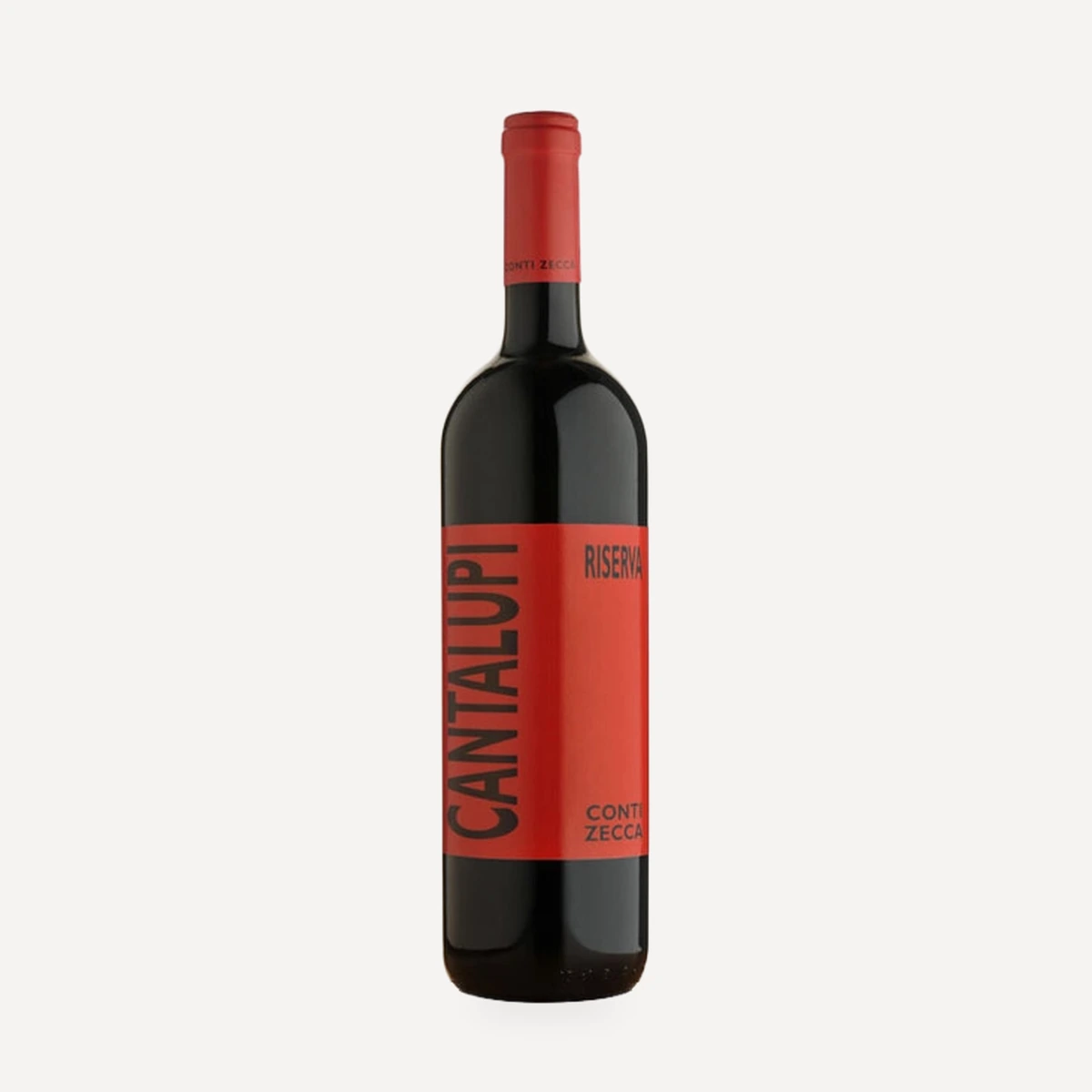
Cantalupi Riserva DOC
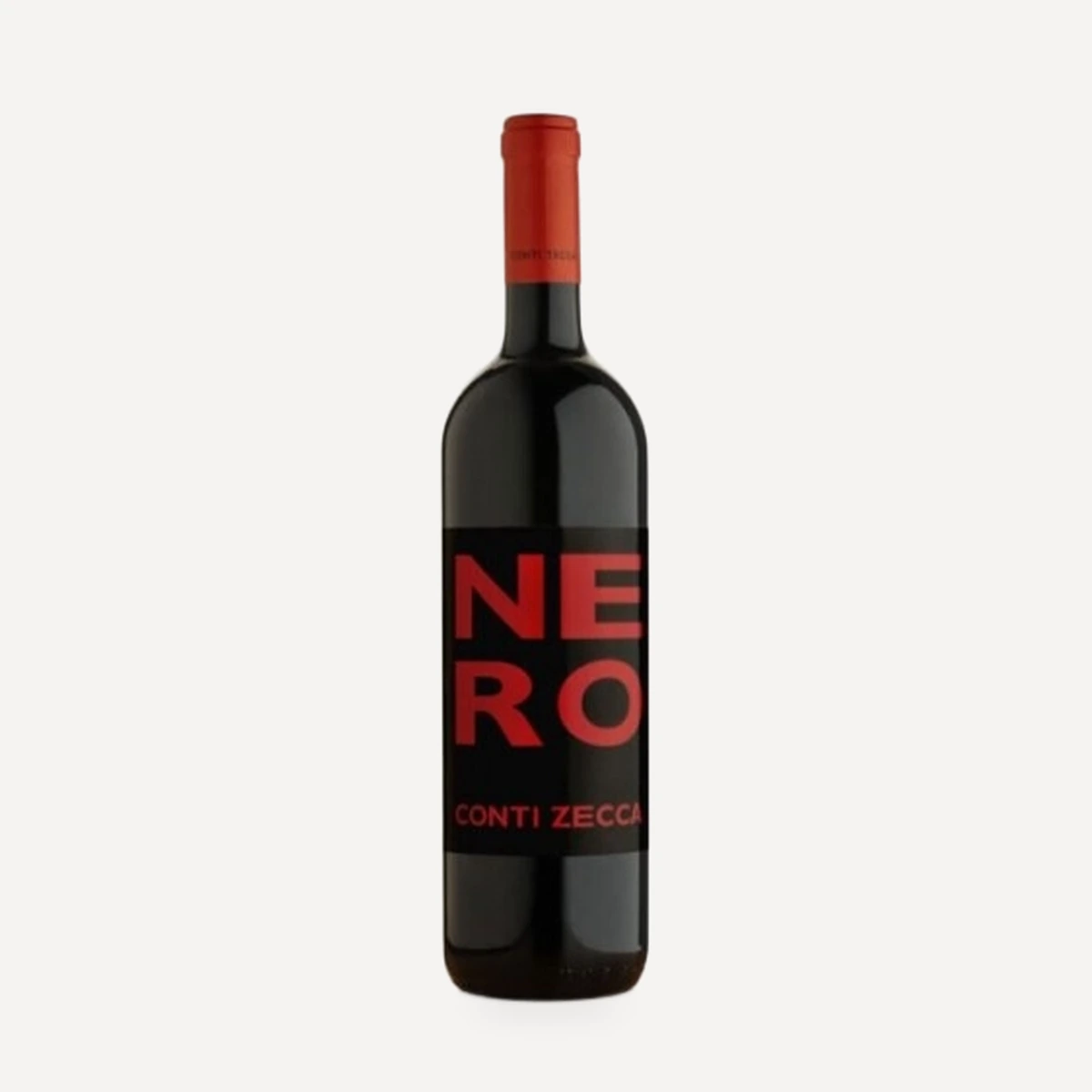
Nero IGT
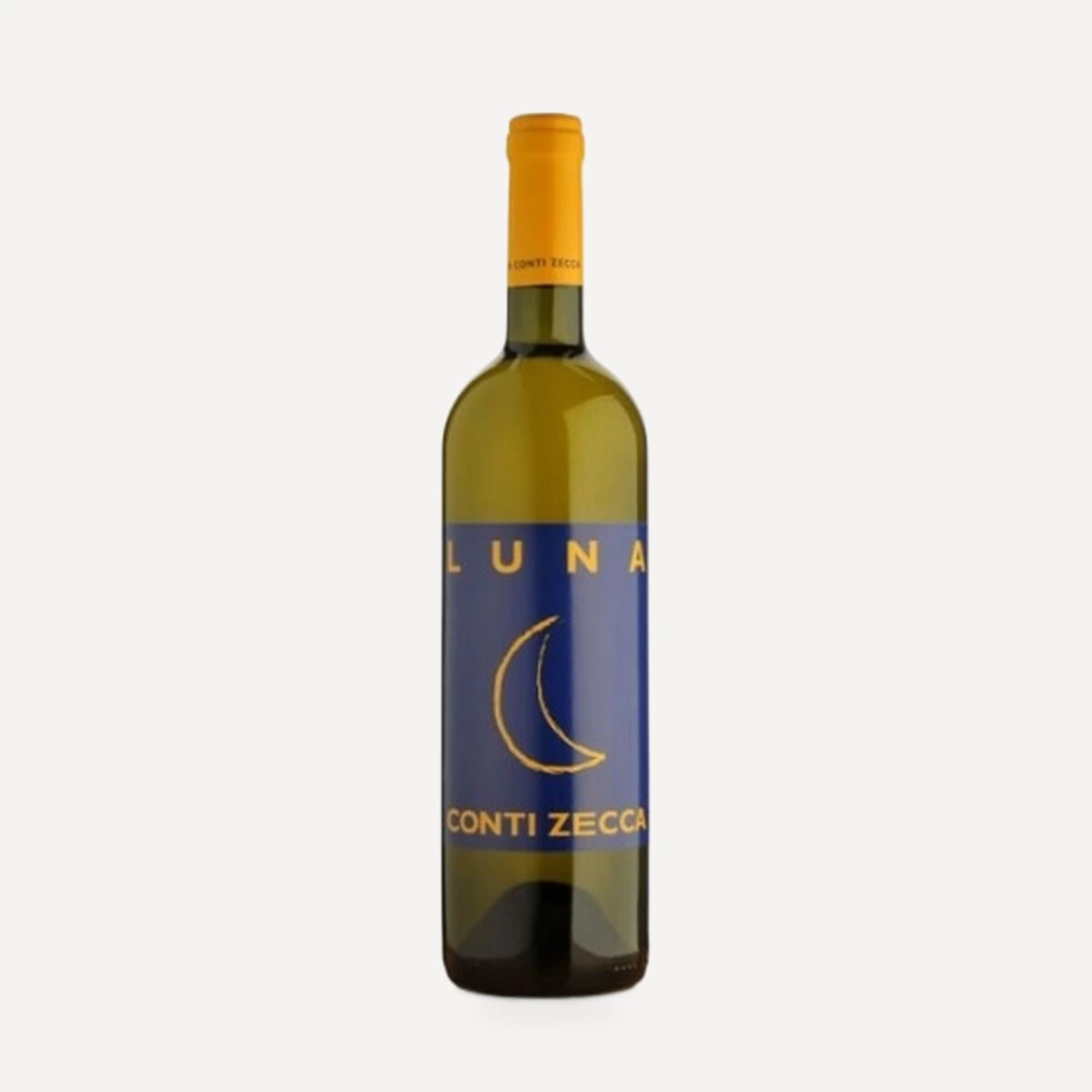
Luna IGT
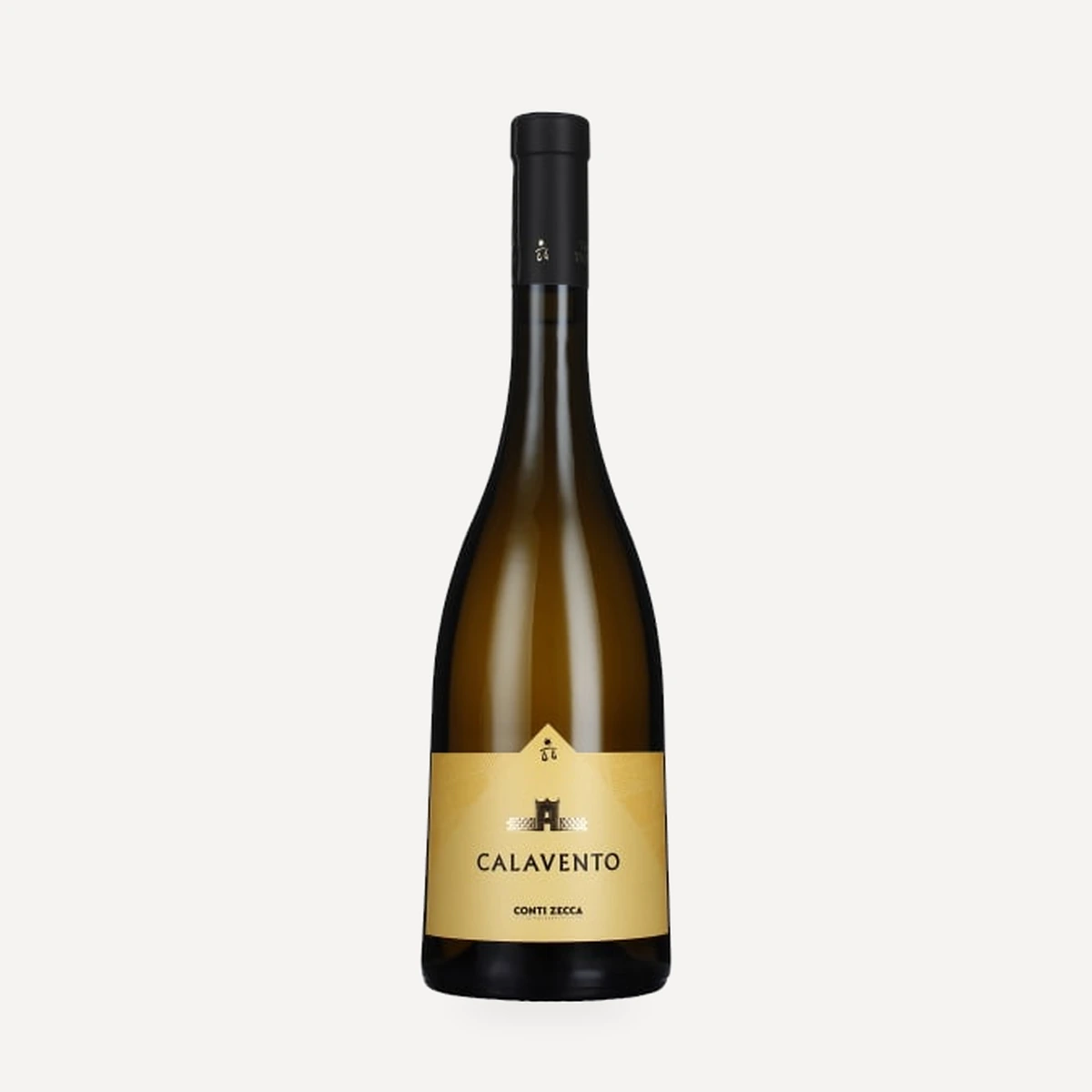
Calavento
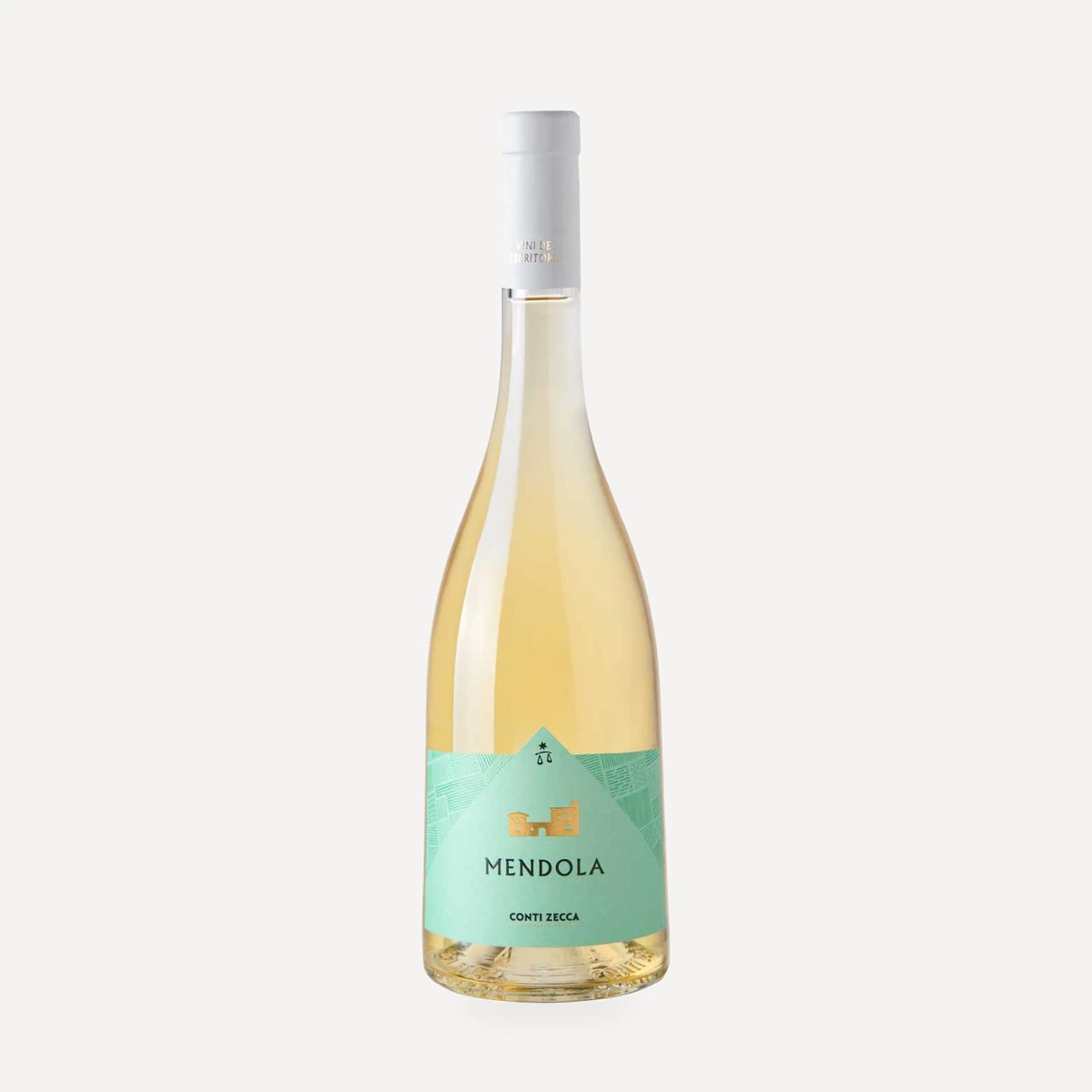
Mendola
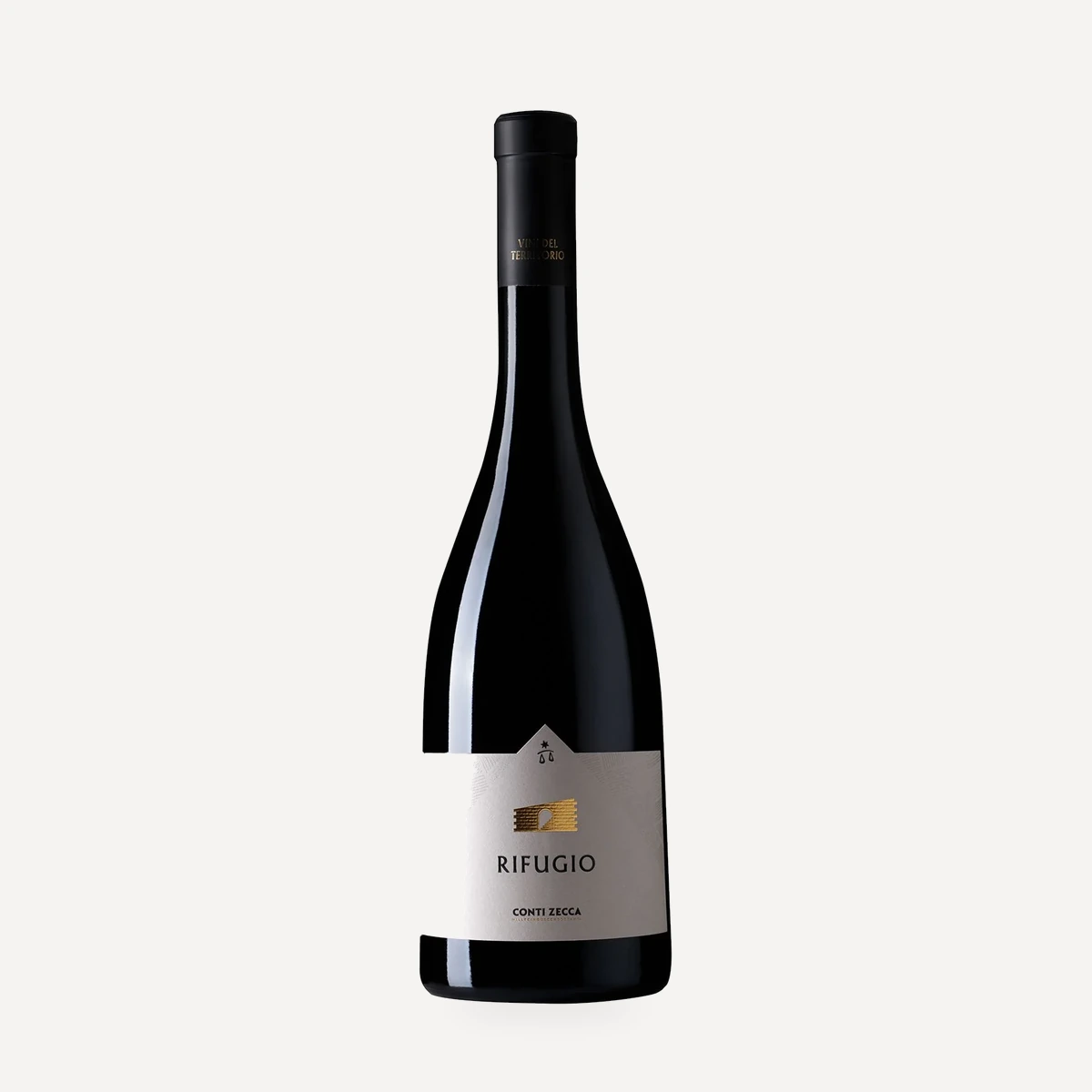
Rifugio
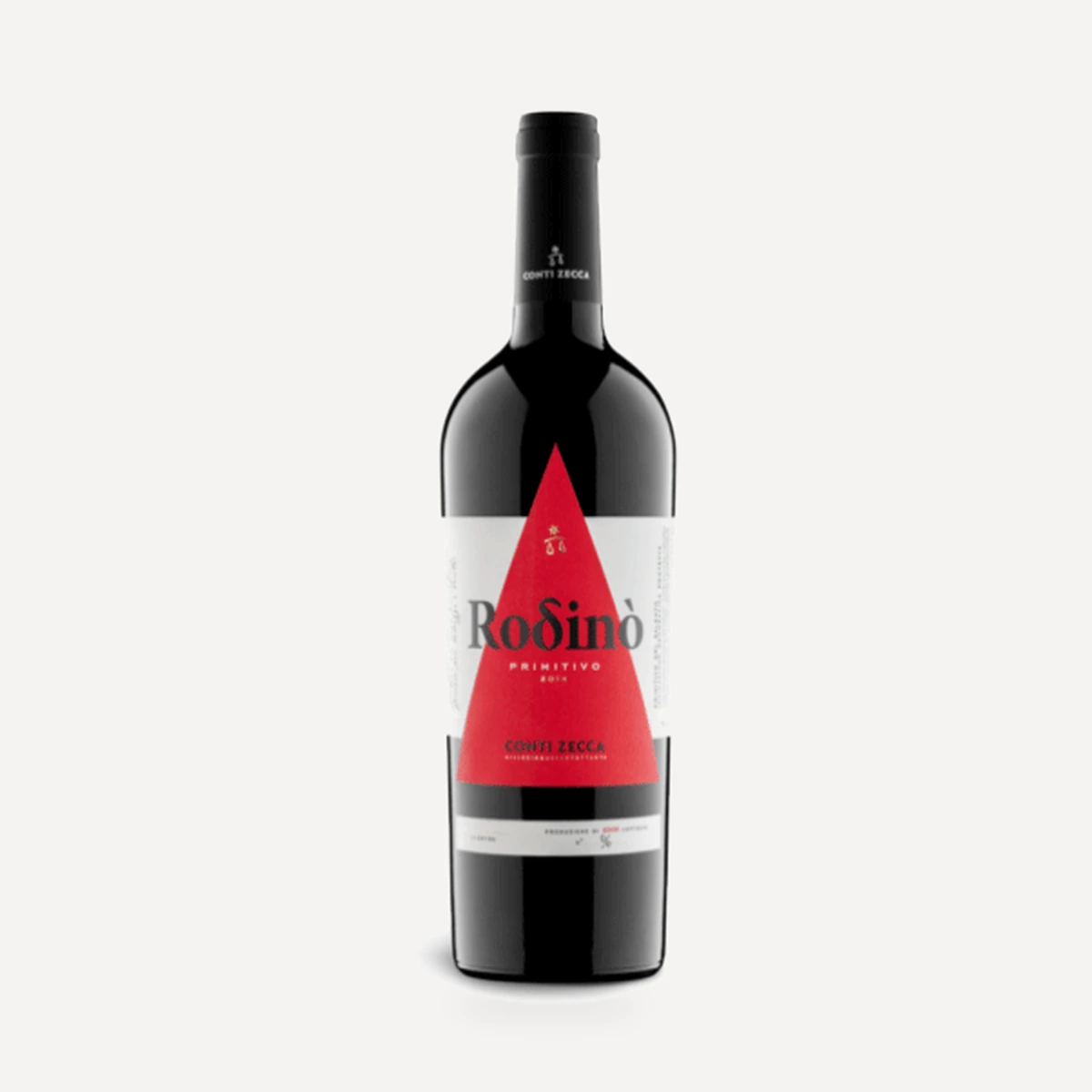
Rodinò
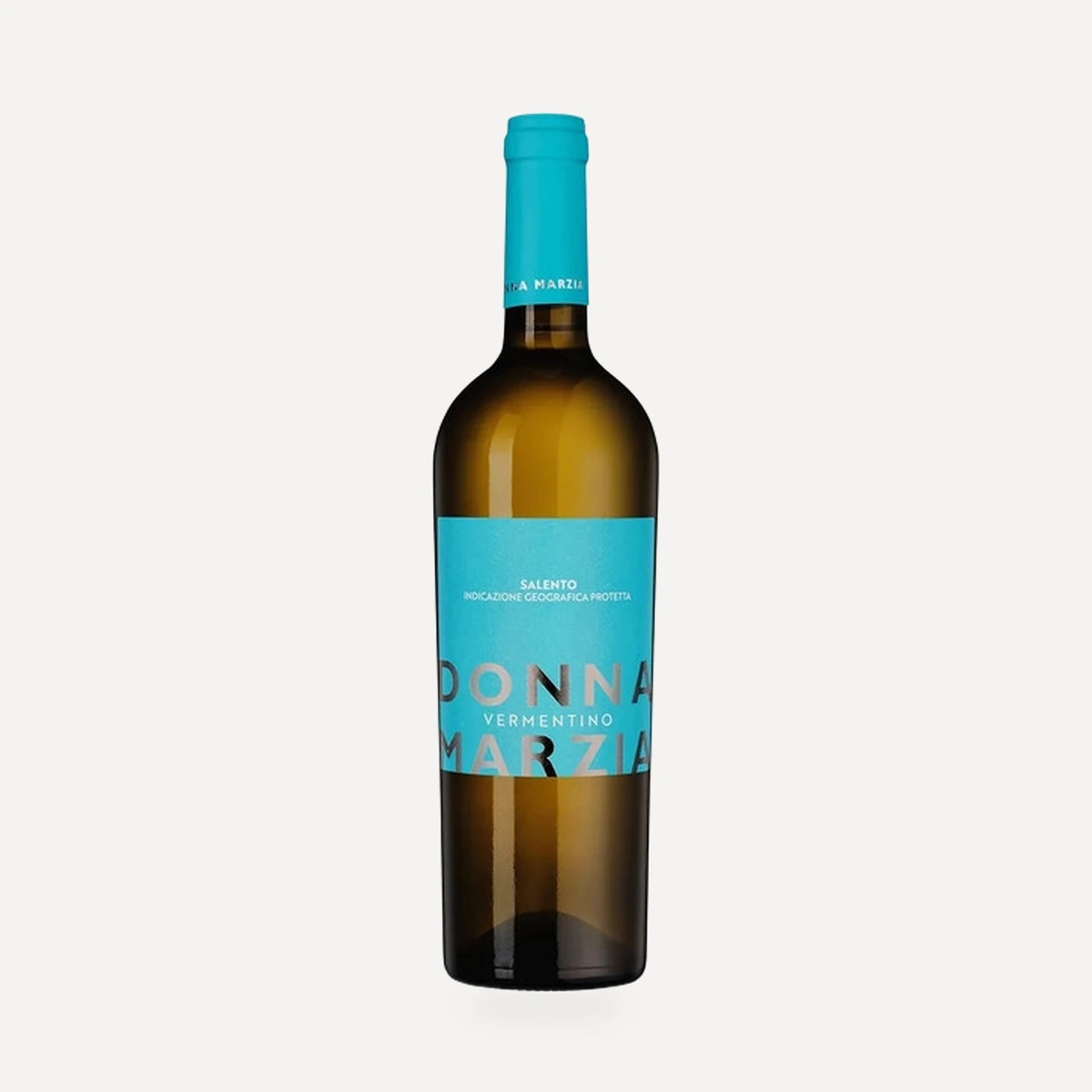
Donna Marzia Vermentino
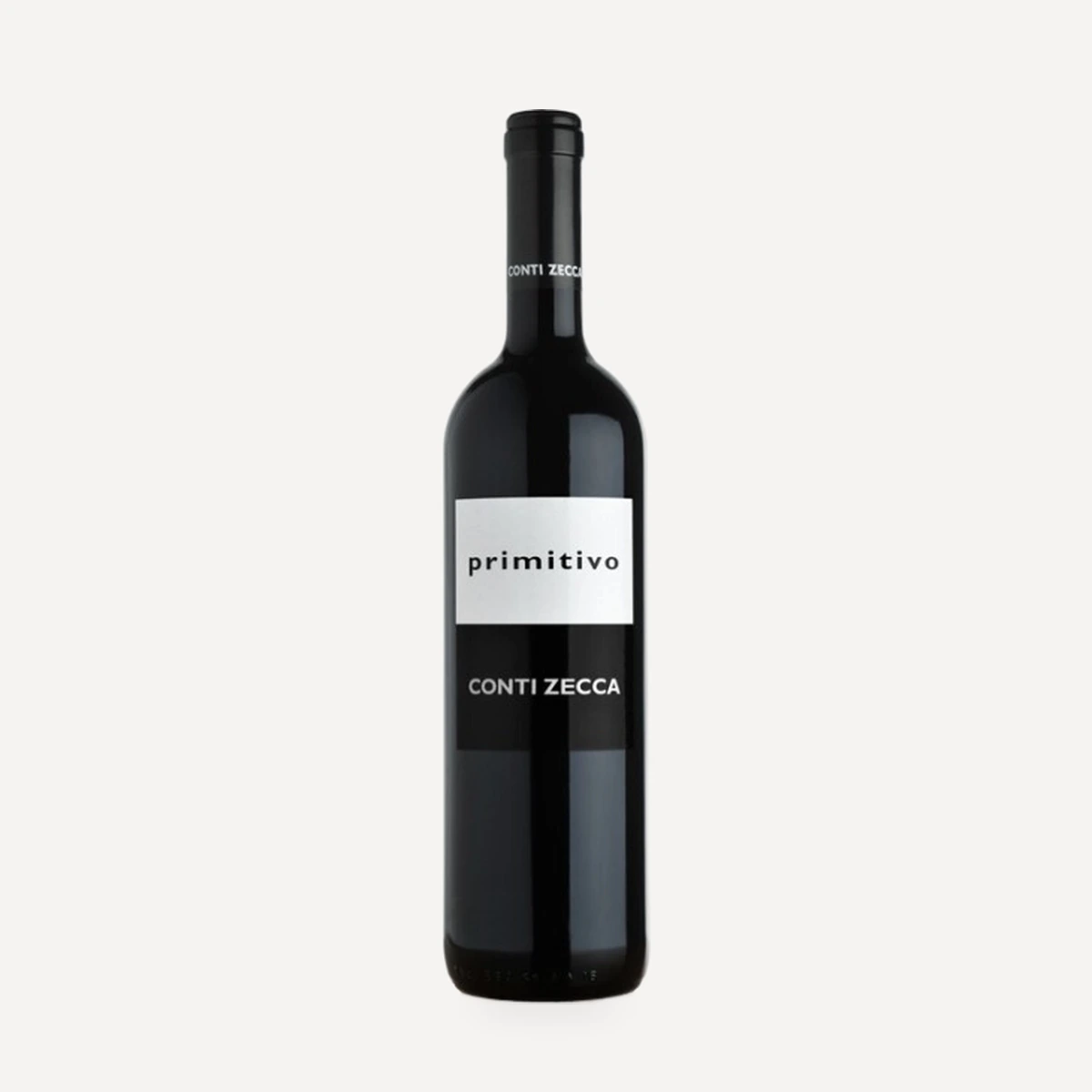
Primitivo Salento IGT
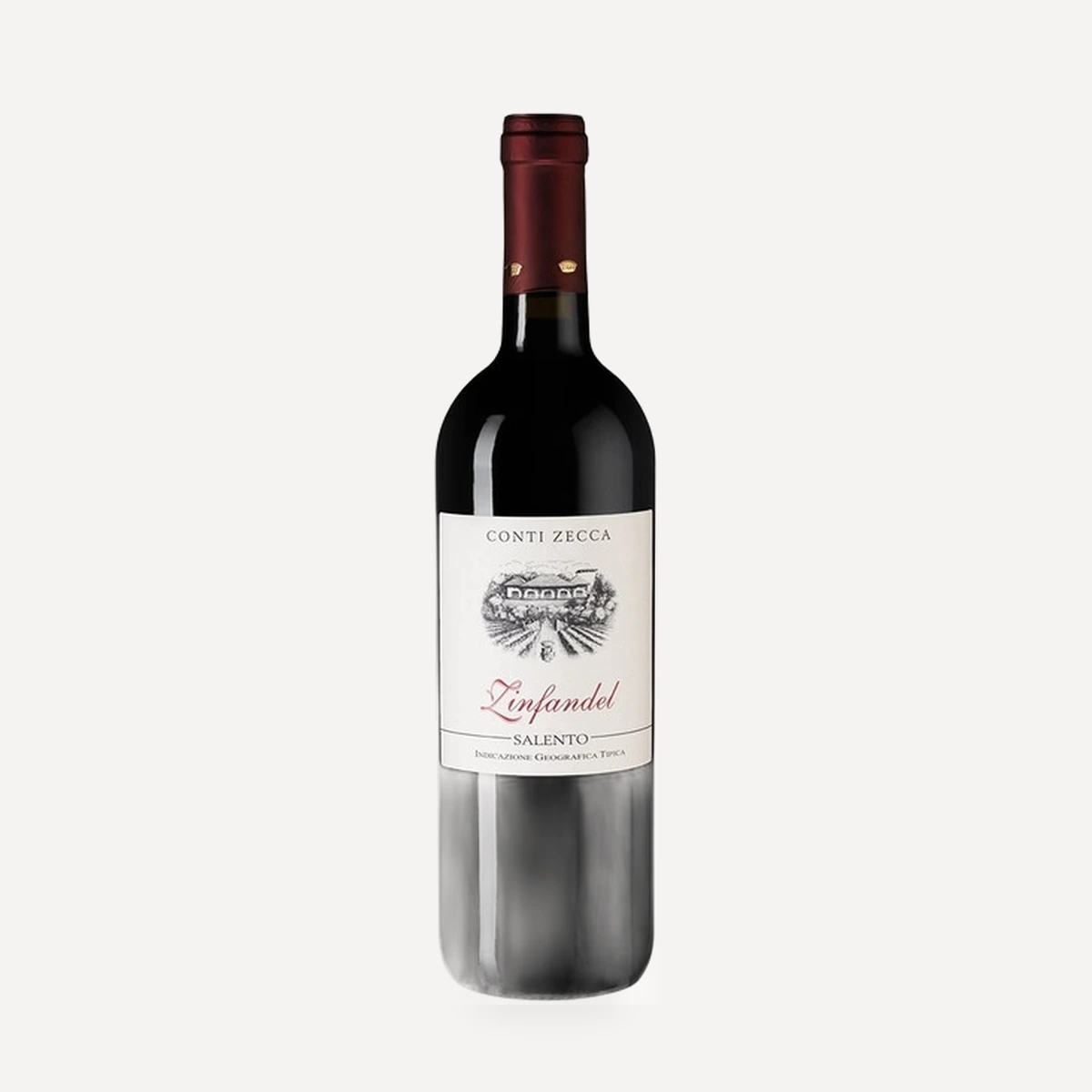
Zinfandel Salento Rosso IGT
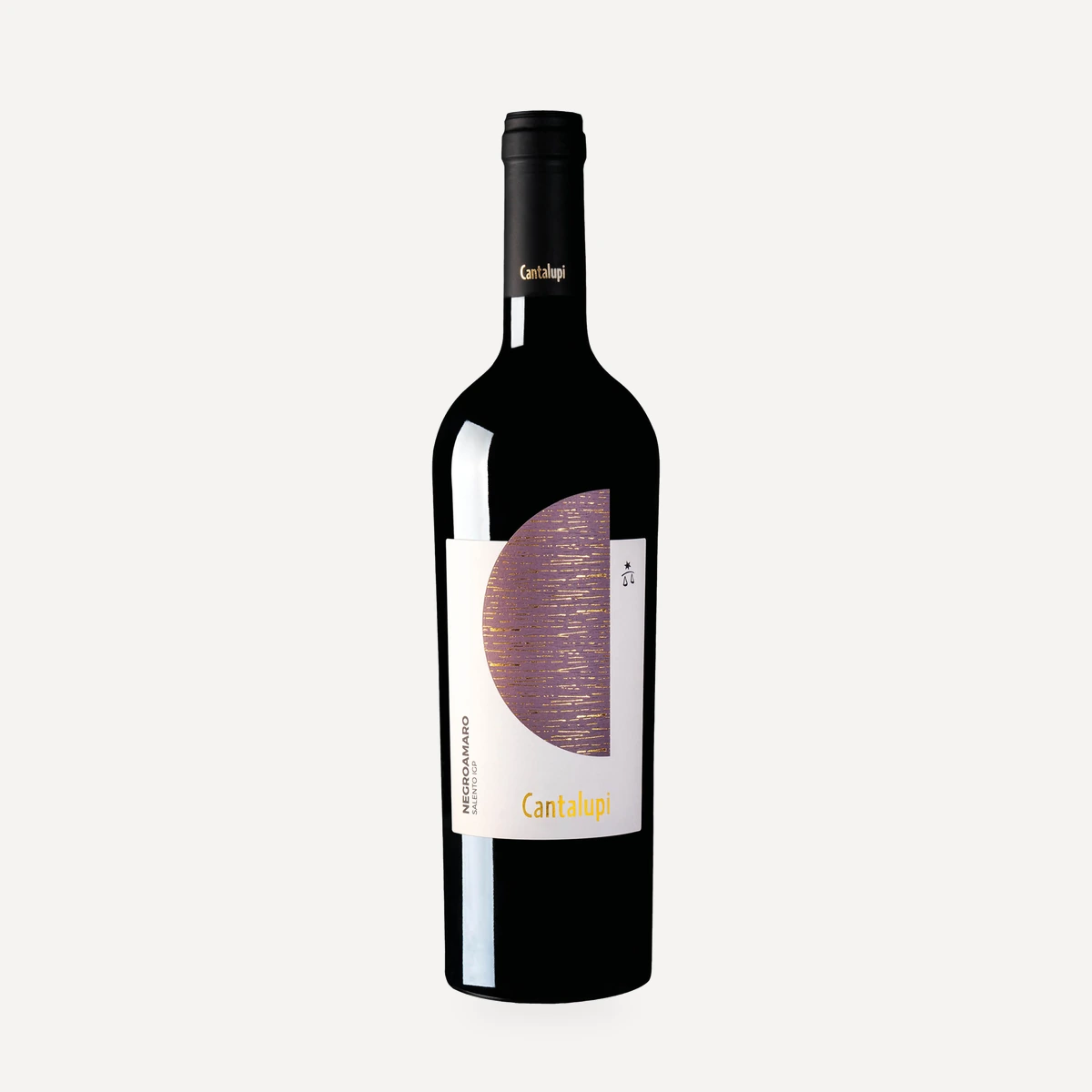
Cantalupi Negroamaro
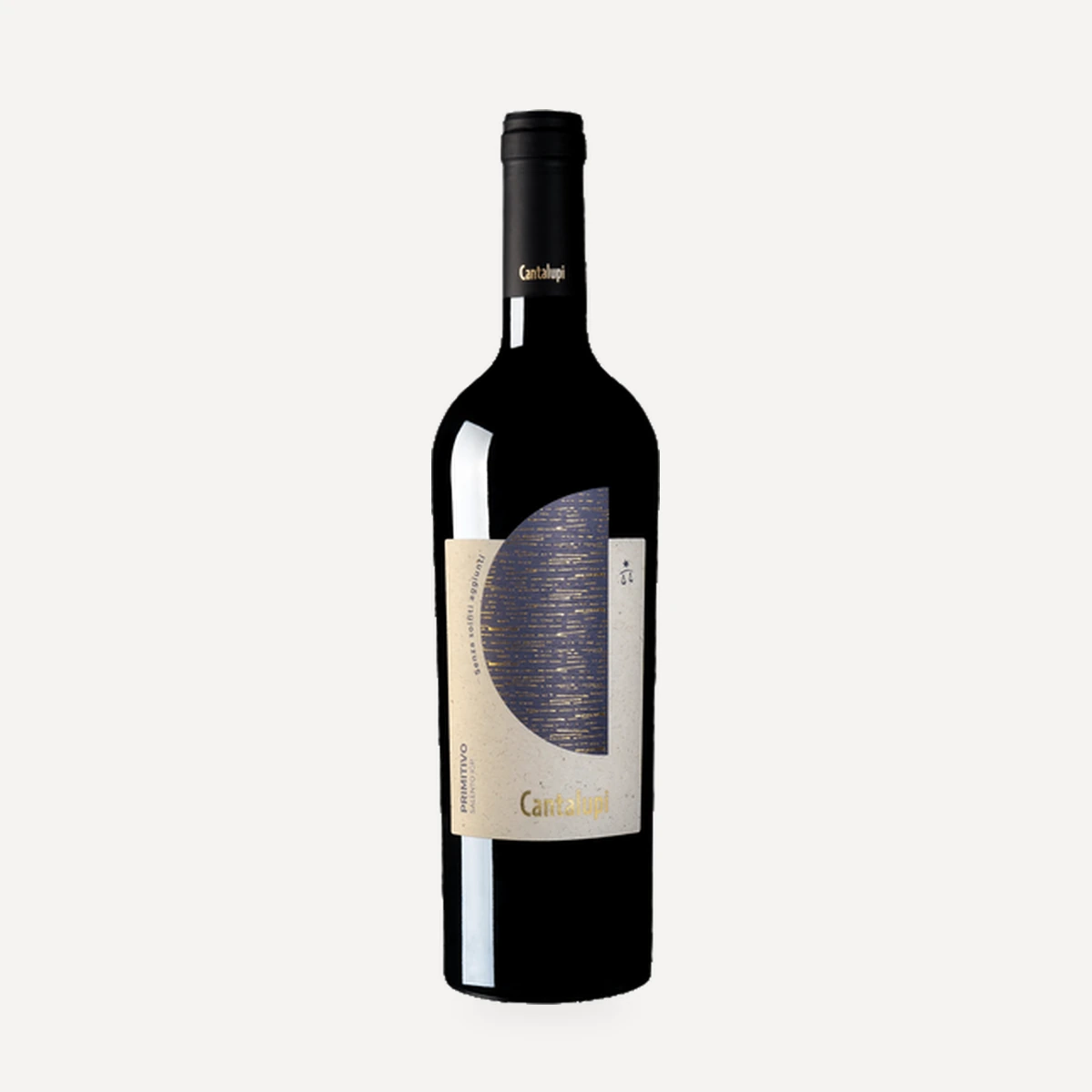
Cantalupi Primitivo Senza solfiti Aggiunti
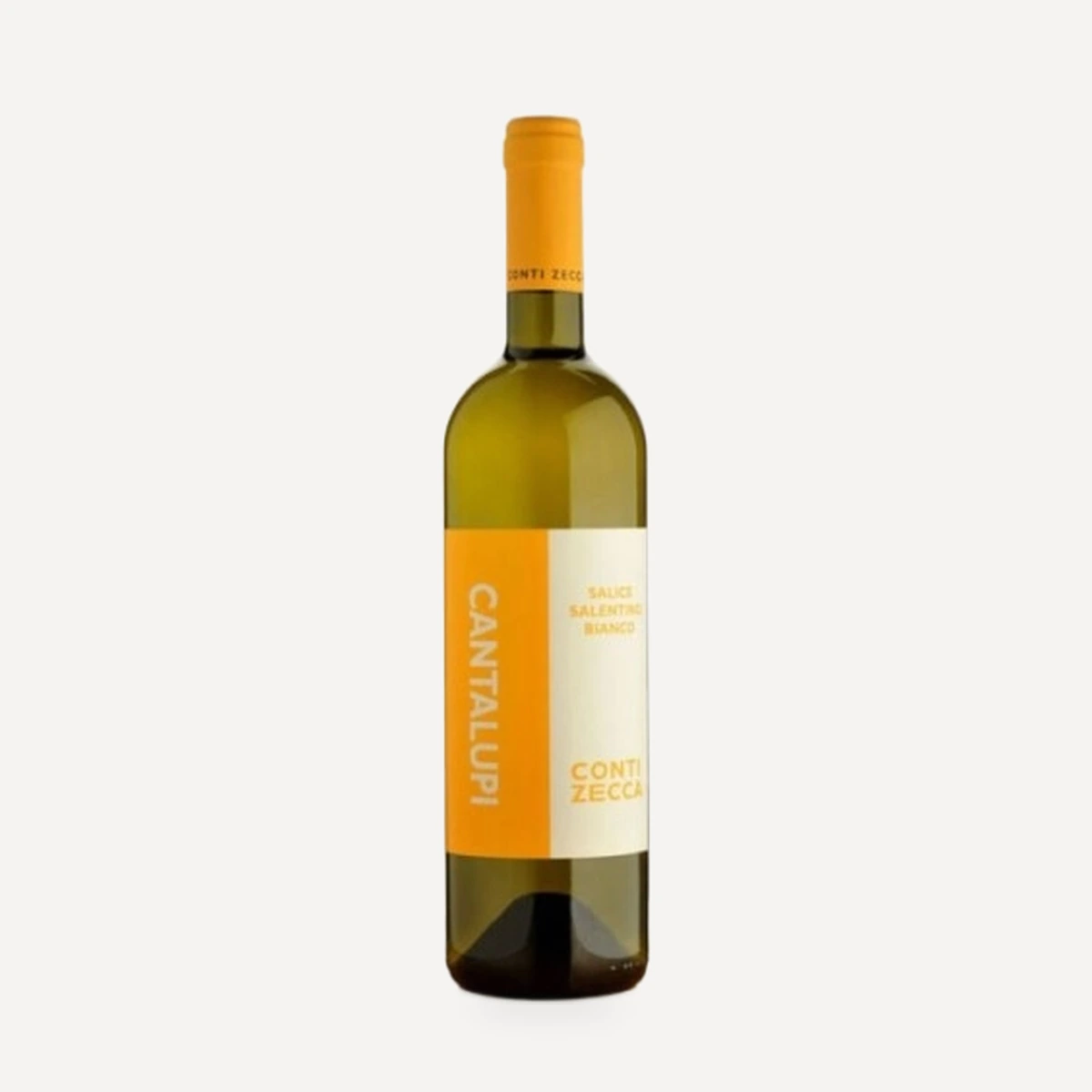
Cantalupi Bianco DOC
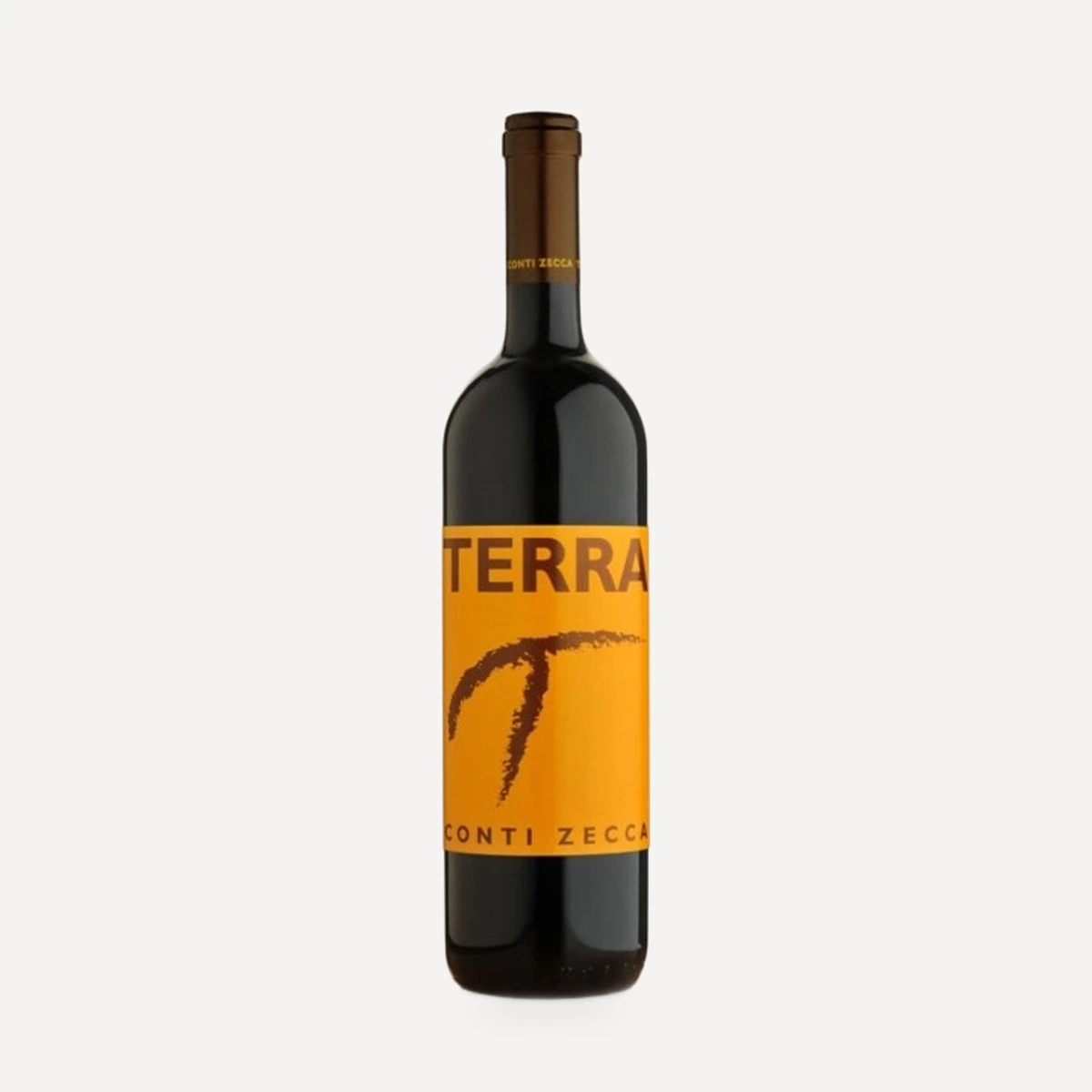
Terra Leverano Riserva DOC
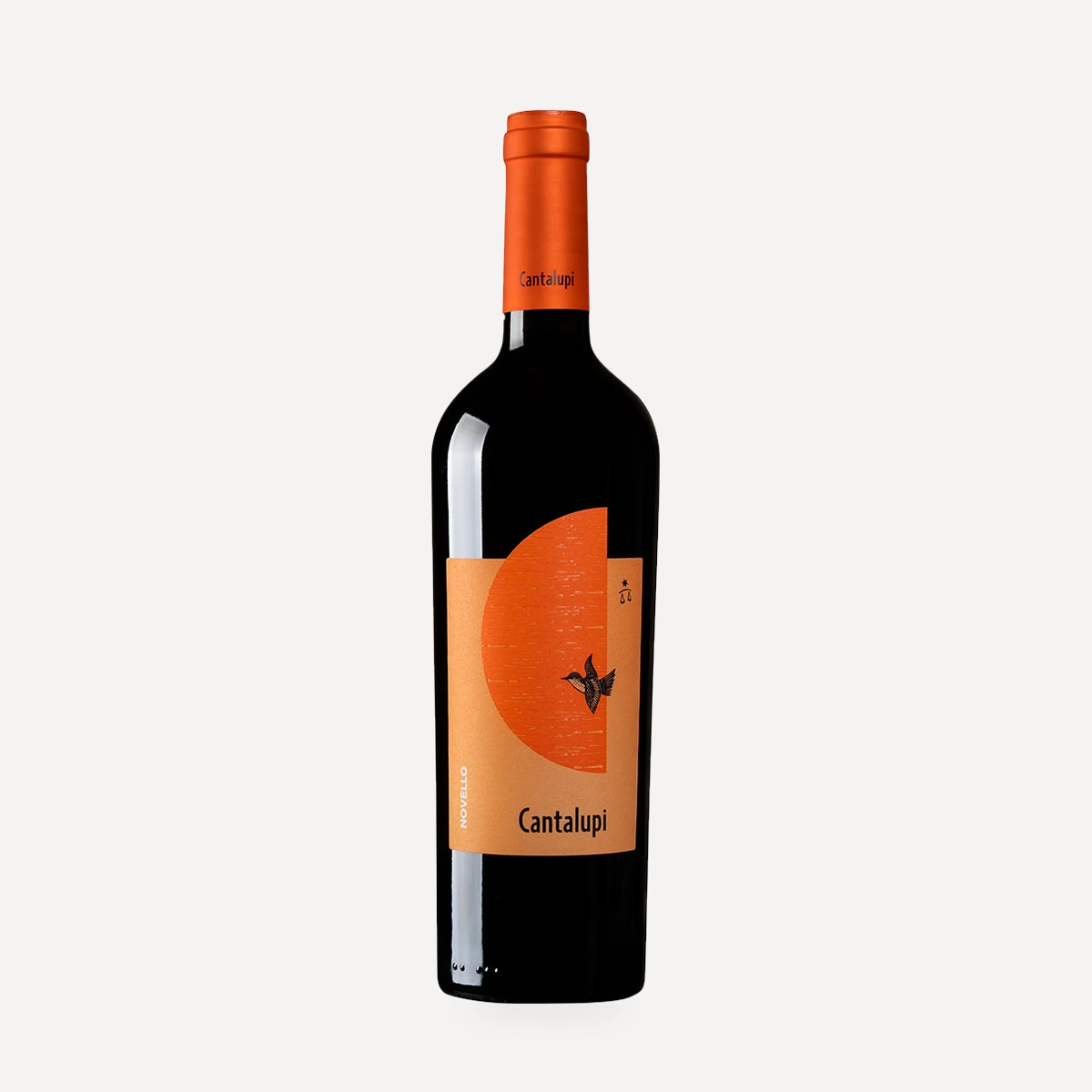
Cantalupi Novello