Storia
1960: Vigna Dacapo
The Barbera vineyard now known as Vigna Dacapo was planted in 1960. It later became the estate’s named cru for Nizza DOCG and was included among the sites identified on Alessandro Masnaghetti’s 2018 map of Nizza.
1997: foundation at Agliano Terme
Dacapo began in 1997 when two friends renovated an old estate in the municipality of Agliano Terme. They shared a belief in wine’s individual personality and set out to make authentic, elegant wines.
2004: the Sartor family in the Langhe
In 2004, the Sartor family founded Cà ed Balos after developing a strong attachment to the Langhe hills. Their project was based at Castiglione Tinella and focused on expressing a terroir associated with floral and fruit aromas.
2017: union of Langhe and Monferrato
Dacapo and Cà ed Balos came together in 2017, linking the Langhe and Monferrato parts of the enterprise. Renata Bonacina and her husband Giovanni acquired the Dacapo properties, adding Barbera vineyards at Agliano Terme and Ruchè and Nebbiolo vineyards in Monferrato to the family’s activities. The 2017 harvest also produced the estate’s first pure-Nebbiolo wine, initially released under the Monferrato Rosso DOC designation.
2018: winery expansion and cellar restoration
The Dacapo winery was enlarged and renovated in 2018. Temperature-control equipment was installed so that fermentations could be managed with appropriate care for each indigenous variety. The ancient barrel cellar beneath the winery was also restored. Its naturally cool temperature and suitable humidity provide an environment for ageing wines in French Allier barriques, tonneaux and larger casks.
2019: organic certification and a new Nebbiolo designation
After a long-standing commitment to organic farming, the vineyards received organic certification in 2019. Beginning with the 2019 harvest, recognition of the new denomination allowed the pure-Nebbiolo wine formerly labelled Monferrato Rosso DOC to be called Monferrato Nebbiolo DOC.
2020: natural-cork carbon contribution
Natural cork closures purchased between 1 January and 31 December 2020 were calculated to have contributed to the sequestration of 4.4 tonnes of carbon dioxide.
Terroir
Dacapo’s vineyards occupy the core areas of their respective denominations in Monferrato and the Langhe.
Agliano Terme
The Agliano Terme vineyards lie on gently flattening hills at approximately 230 metres above sea level. Their white soils combine clay, a small proportion of sand and marl. Barbera and Grignolino are grown here. All three of the estate’s Barbera interpretations come from different vineyards within Agliano Terme.
Castagnole Monferrato
At Castagnole Monferrato, the vineyards occupy gentle hills at approximately 200 metres above sea level, with calcareous and clay-rich soils. The estate grows Ruchè, Nebbiolo and Pinot Nero in this sector. The Ruchè and Nebbiolo sites are associated with the Sant’Eufemia hill, within a UNESCO World Heritage landscape.
Individual sites show further variation. The Ruchè vineyard is at about 230 metres, faces south and south-east, and has calcareous-clay soil. The Nebbiolo vineyard is at 200 metres, faces west, and has calcareous, partly sandy soil. The Pinot Nero vineyard is at 220 metres, also faces west, and combines calcareous, clayey and lightly sandy components.
Castiglione Tinella
The Langhe vineyard at Castiglione Tinella occupies steep hills at approximately 400 metres above sea level. Its clay and limestone soils are also described as limestone and tuffaceous, conditions associated with the aromatic expression of Moscato Bianco. The Moscato rows face south and south-west.
Vinificazione
Dacapo has been certified organic since 2019. Its objective is to avoid synthetic chemicals and pesticides, using copper, sulfur and other naturally derived products intended to support interaction between the vine and soil. Some vines are more than 50 years old, and their longevity is connected to established farming practices designed to respect both the plants and their environment.
Pruning follows the Simonit & Sirch method. The objective is to preserve correct sap flow and develop strong, healthy, long-lived vines. Soil fertility is maintained through green manure: cover crops including peas, oats, clover and vetch are sown in spring and autumn to improve the soil’s biological, physical and chemical condition.
A vineyard weather station monitors soil and air temperature, rainfall and leaf wetness. Its data feed a computerized plant-protection platform used to anticipate disease risk. Treatments are applied with a low-volume electrostatic sprayer that directs the product toward the leaves, reduces water use and limits airborne drift. A mechanical inter-row weeding head cuts grass without damaging vine trunks.
Biodiversity is integrated into the vineyard. Roses at the heads of the rows act as early indicators of fungal disease because they show symptoms before the vines. Lavender, thyme and rosemary attract beneficial insects and help limit pests, while broom and spontaneous vegetation contribute to soil quality and biodiversity. Olive and fruit trees form ecological corridors, moderate solar radiation, provide summer shade and help stabilize the microclimate. Their roots stimulate microbiological activity, support fertility, absorb water and reduce erosion. The orchard includes Madernassa pear, cherry, apple, peach, apricot, plum, persimmon, walnut, mulberry and loquat. Artichokes and spontaneous plants provide further soil cover, helping prevent erosion and preserve soil structure.
Crop selection begins before harvest. Clusters are thinned in July and August to improve ripening. Harvesting is entirely manual and prioritizes healthy grapes at the correct level of maturity. The fruit is handled gently and carried in small perforated crates for pressing immediately upon arrival, protecting its aromas. For Moscato, samples from each vineyard are analysed before picking to identify their aromatic profiles; the selection is adjusted to the conditions of the vintage.
The production philosophy is to carry the character of the grape into the bottle while minimizing cellar intervention. Manual selection retains healthy fruit at the appropriate maturity so that each wine can express its vineyard and vintage.
The winery was enlarged and renovated in 2018. Modern temperature-control equipment was installed to manage fermentations separately and give each indigenous variety appropriate attention. Harvested grapes arrive in small perforated crates and are pressed promptly to preserve aroma.
Beneath the winery is an old barrel cellar whose naturally cool temperature and suitable humidity provide stable ageing conditions. The cellar contains French Allier barriques, tonneaux and larger casks. These different formats allow maturation to be adapted to the personality of the wine and vintage.
Across the estate’s production, the documented cellar resources include temperature-controlled stainless-steel tanks, French Allier barriques, tonneaux and larger French-oak casks. The estate’s red-wine sheets describe gentle crushing and destemming, skin maceration, controlled-temperature fermentation, malolactic fermentation where appropriate, and maturation in either steel or French oak. The exact maceration and ageing regime is selected for the grape, site and intended expression rather than imposed as a single recipe for every wine.
Filosofia
Dacapo’s guiding idea is that wine is made in the vineyard. Quality begins with healthy soil, balanced vines and grapes harvested at the right maturity; careful farming therefore makes it possible to reduce intervention in the cellar.
Respect for the territory and protection of biodiversity are central principles. Organic farming is treated as a responsibility requiring more work, presence and observation, but allowing quality fruit to be grown without forcing natural processes. The approach combines inherited regional practices with targeted technology: plant-sensitive pruning, green manure and manual harvesting coexist with vineyard weather monitoring, computerized disease-risk assessment and low-volume electrostatic spraying.
The estate seeks wines that express their vineyard, vintage and indigenous variety while respecting tradition. Its conception of a vineyard extends beyond rows of vines to a diverse agricultural system of flowers, aromatic plants, spontaneous vegetation, olives, fruit trees and complementary crops. Soil fertility is regarded as a long-term inheritance, while ecological corridors, shade, water absorption and microbial activity help make the farm more resilient.
In the cellar, the aim is to preserve the grape’s identity. Intervention is minimized through rigorous fruit selection, while fermentation control and a range of ageing vessels are used with attention to the needs of each variety and vintage.
Vini
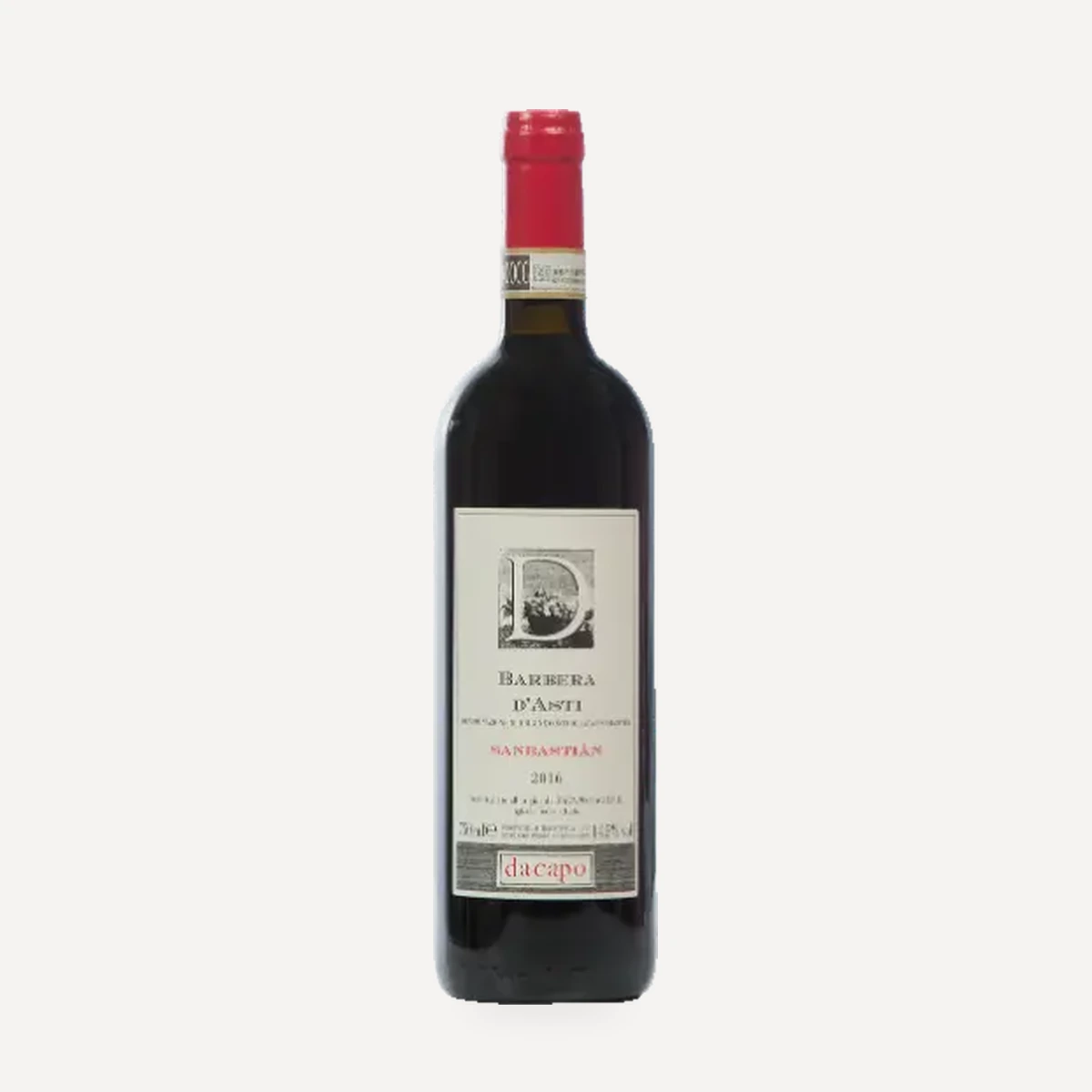
Barbera D’Asti DOCG “Sanbastiàn”
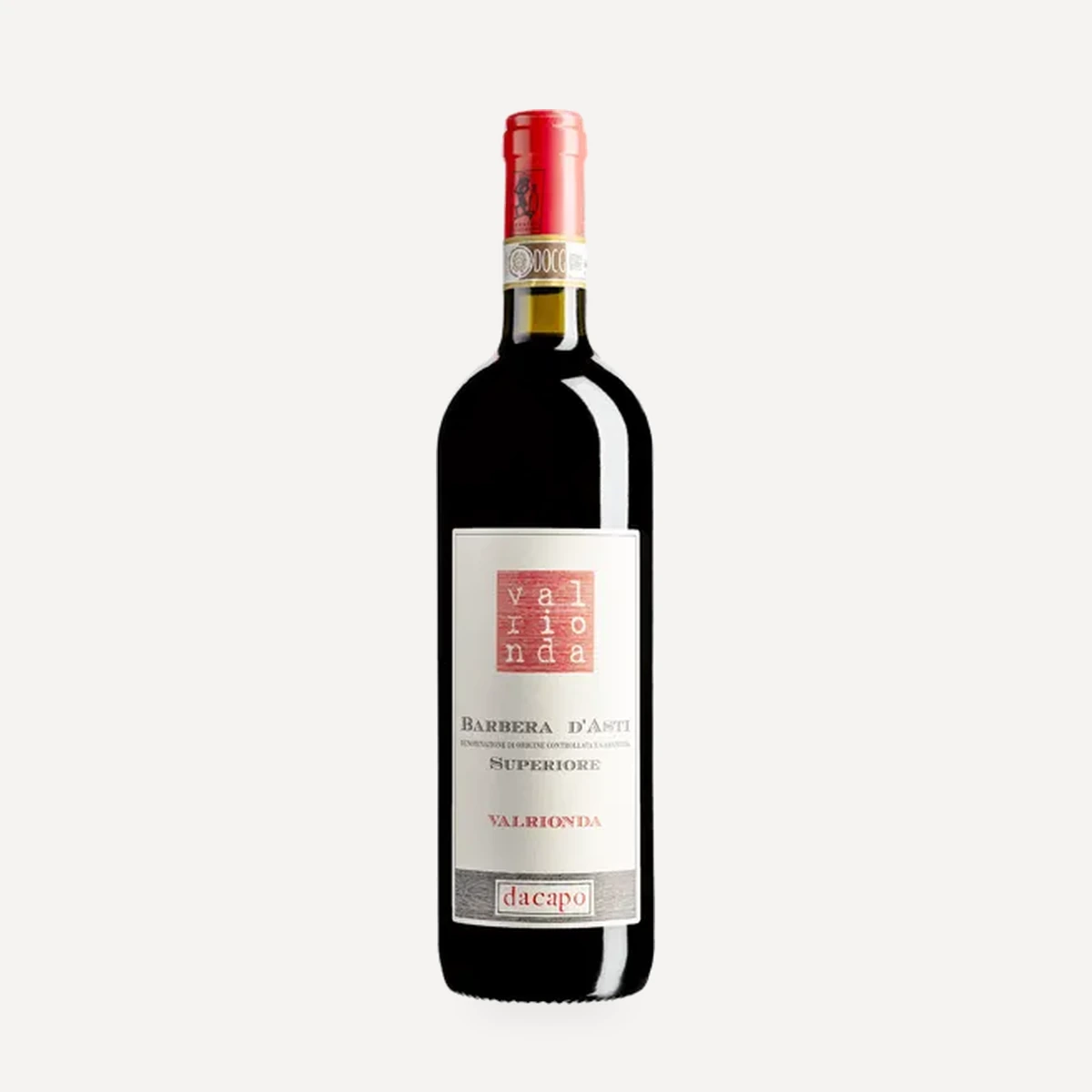
Barbera D’Asti Superiore DOCG “Valrionda”
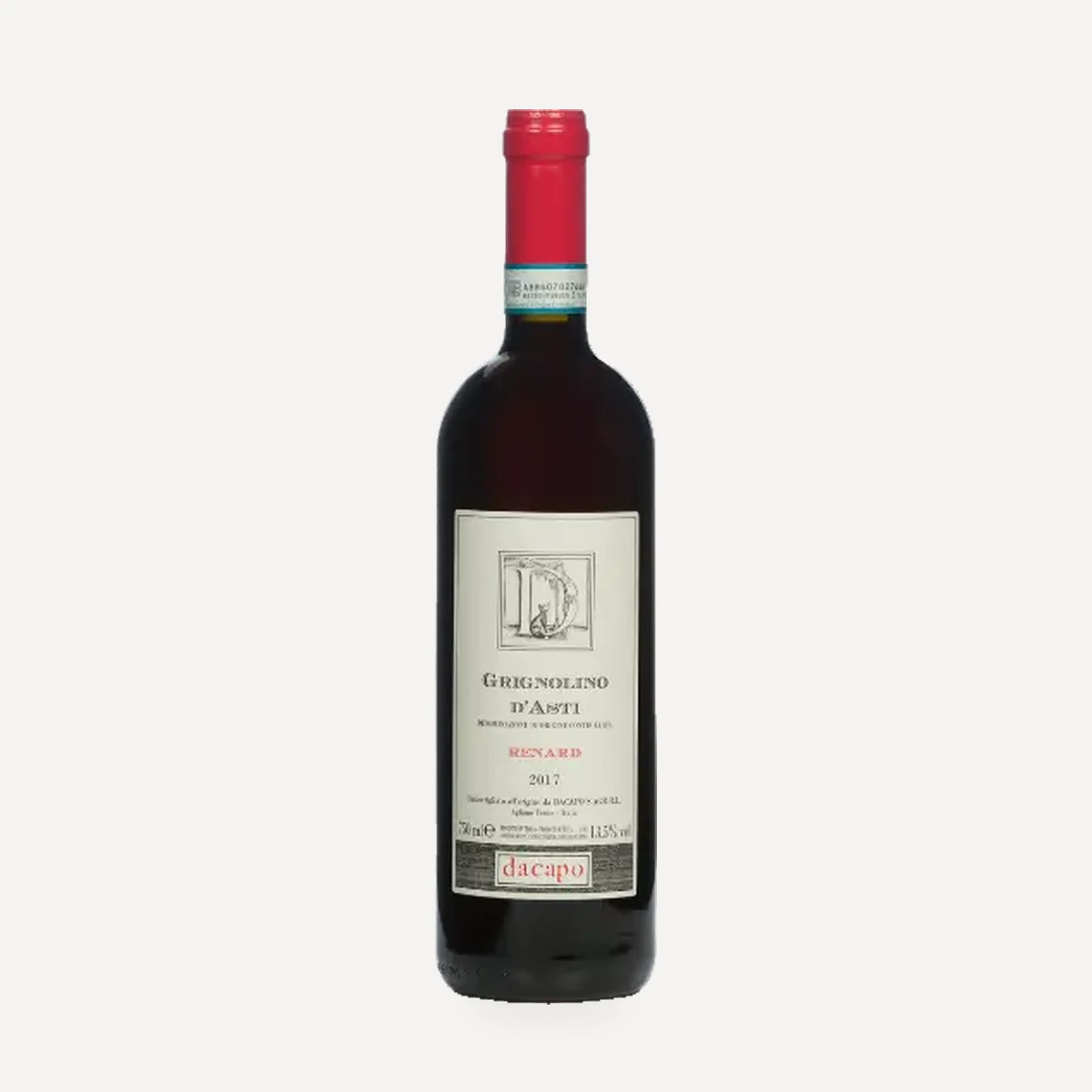
Grignolino D’Asti DOC “Renard”
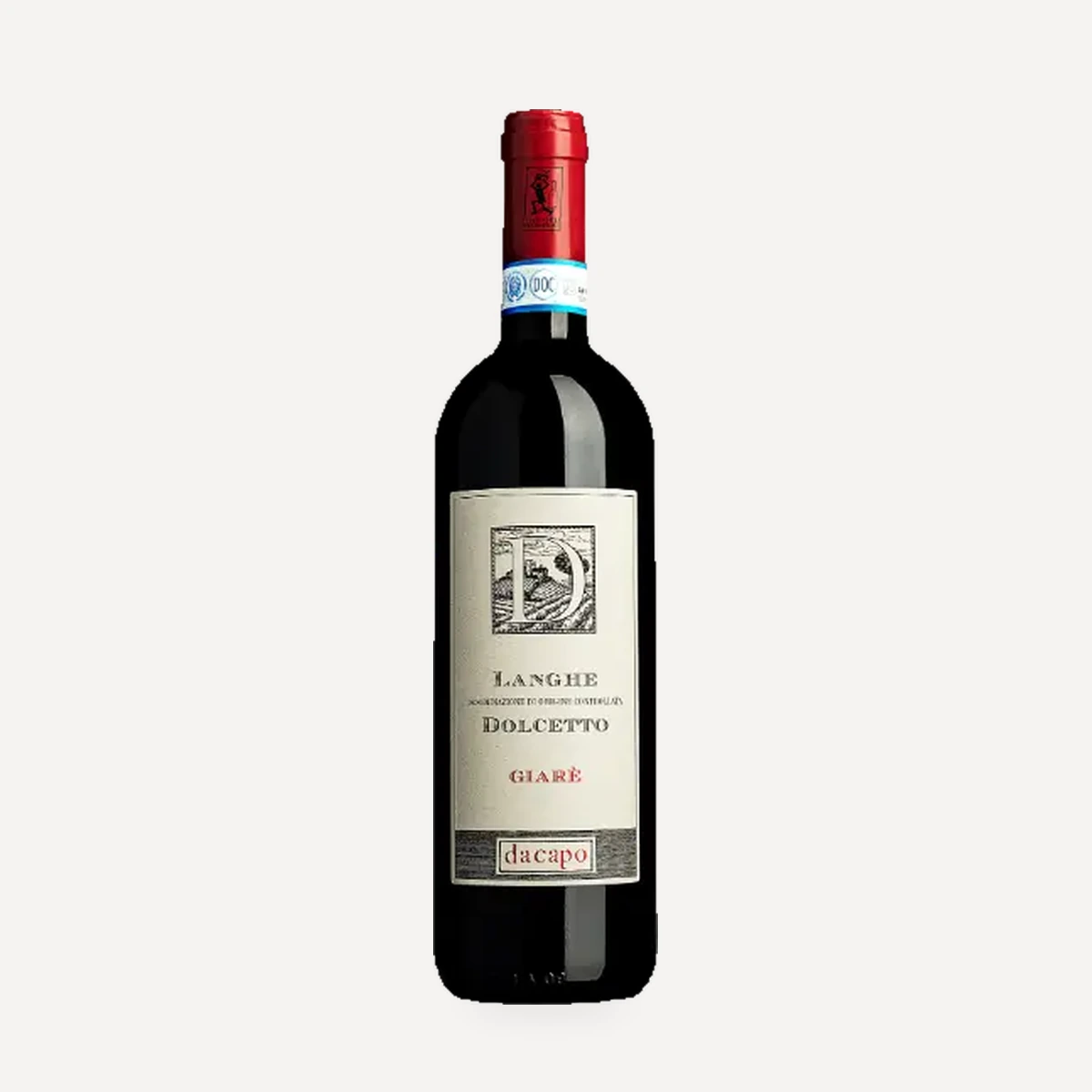
Langhe Dolcetto DOC “Giarè”
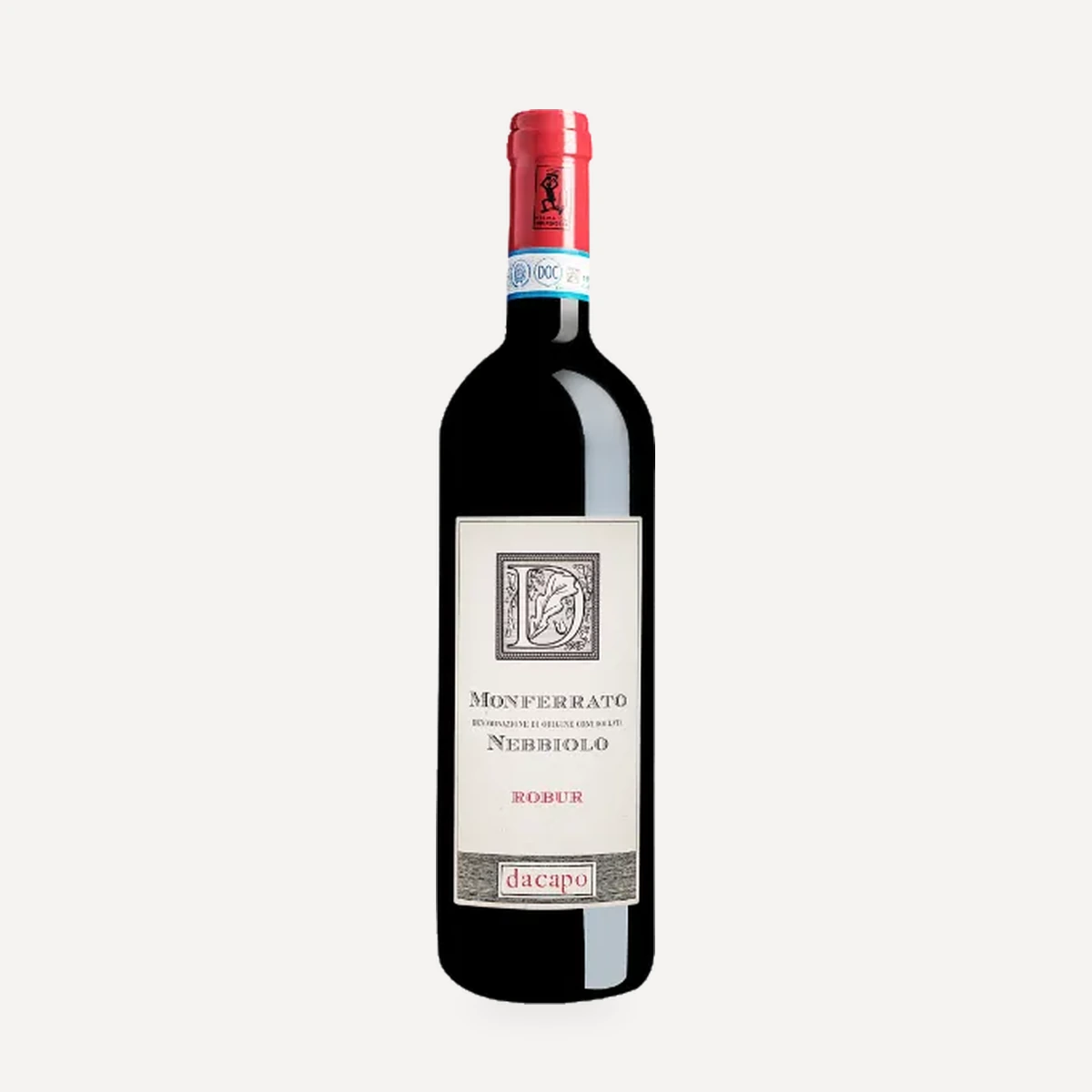
Monferrato Nebbiolo DOC “Robur”
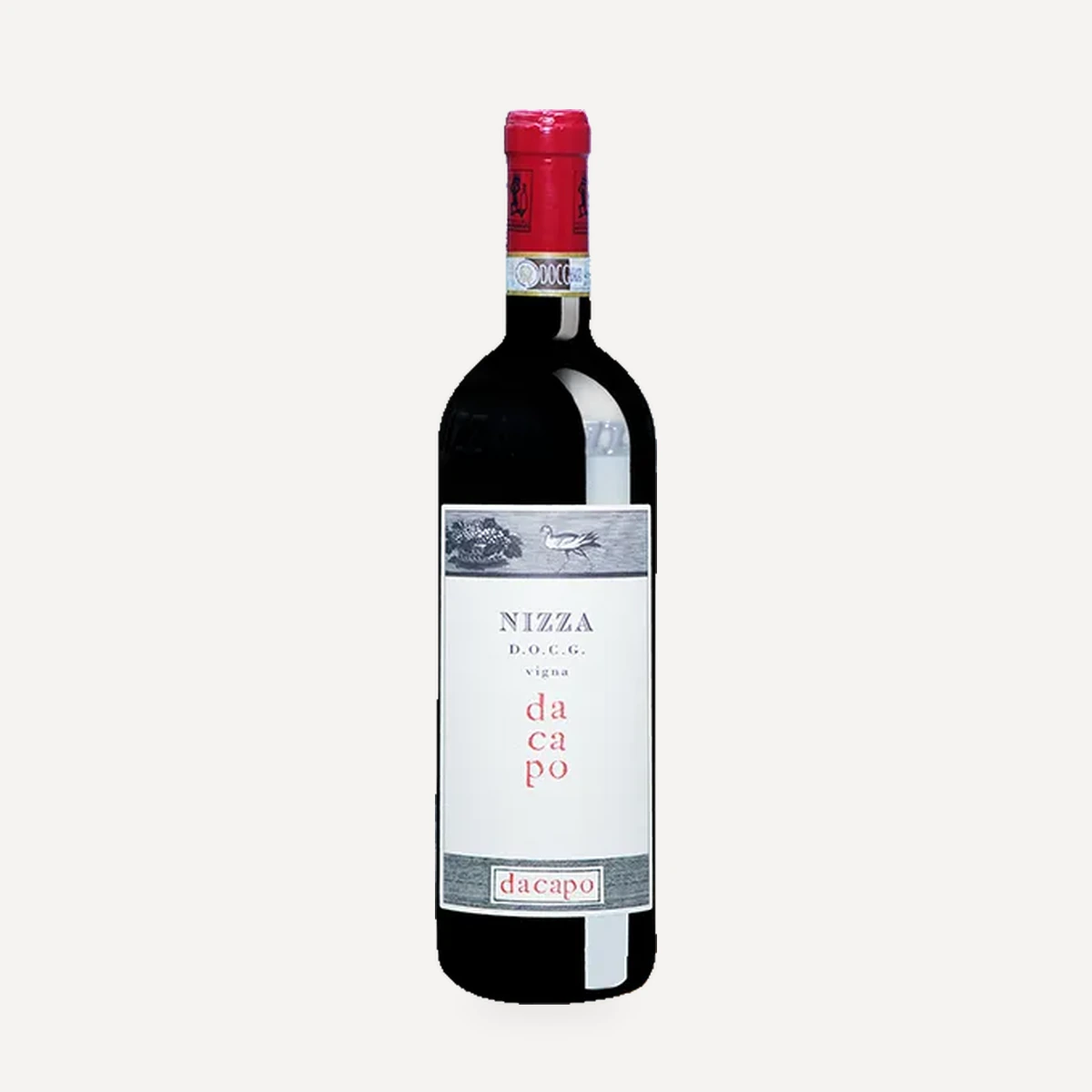
Nizza DOCG “Vigna Dacapo”
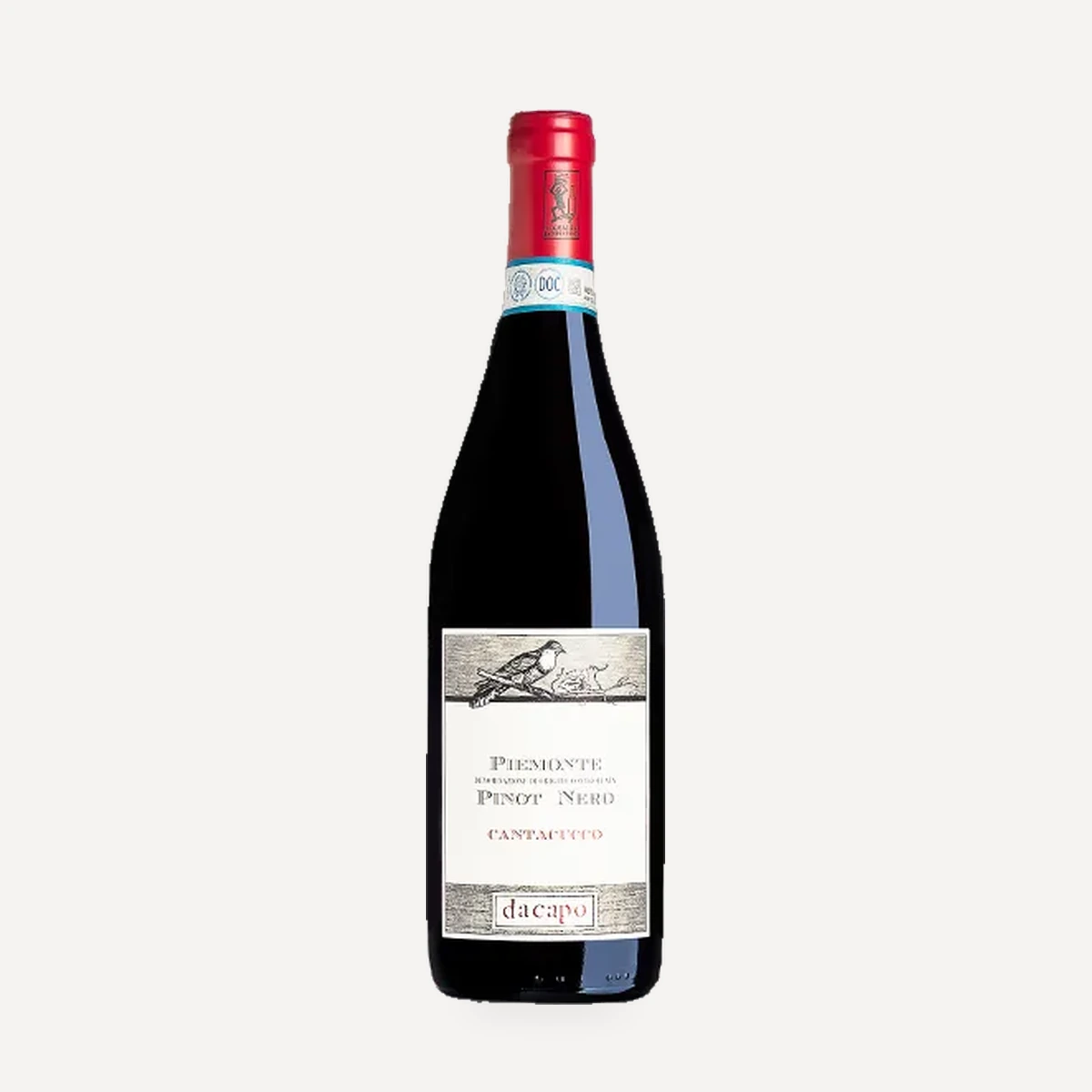
Piemonte Pinot Nero DOC “Cantacucco”
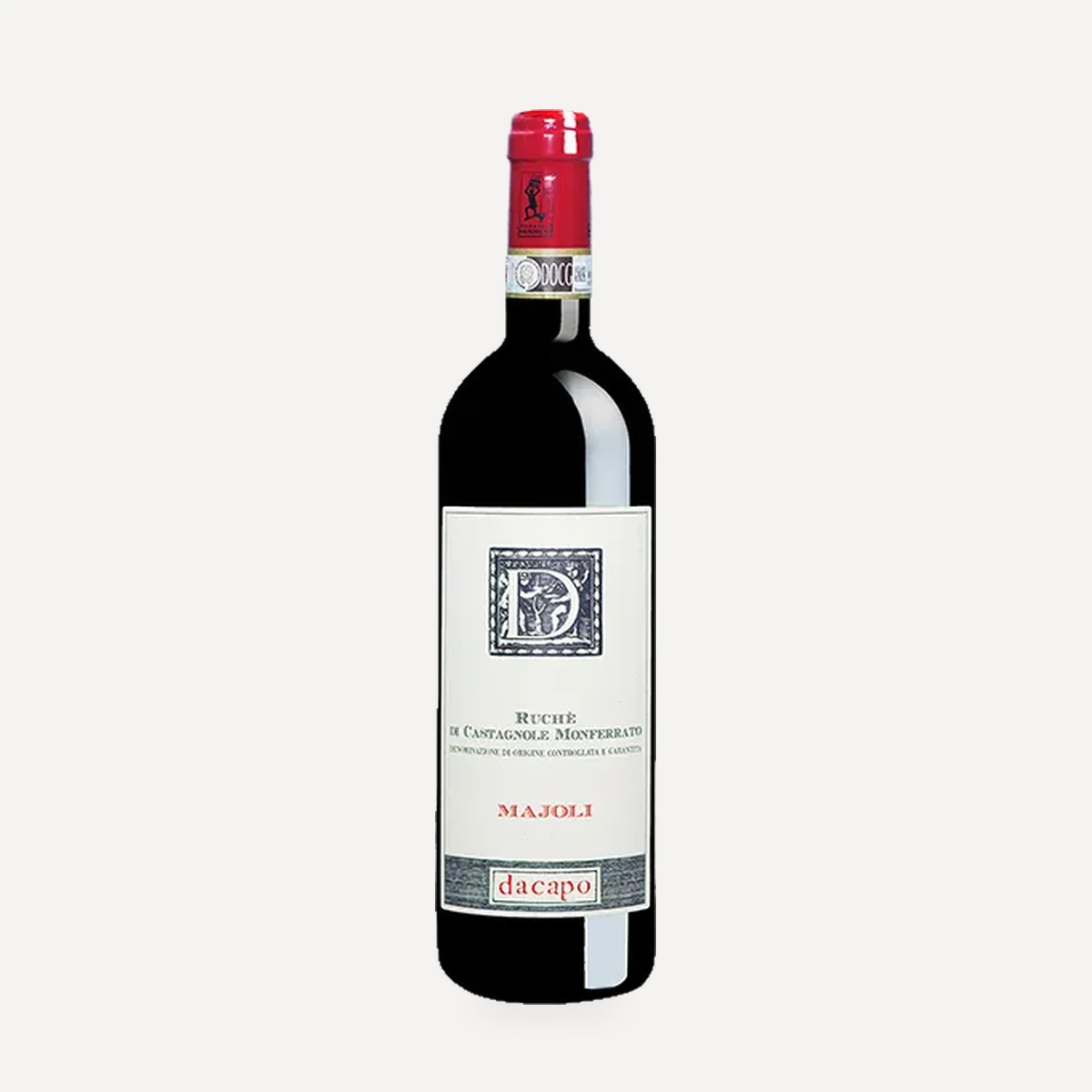
Ruchè di Castagnole Monferrato DOCG “Majoli”