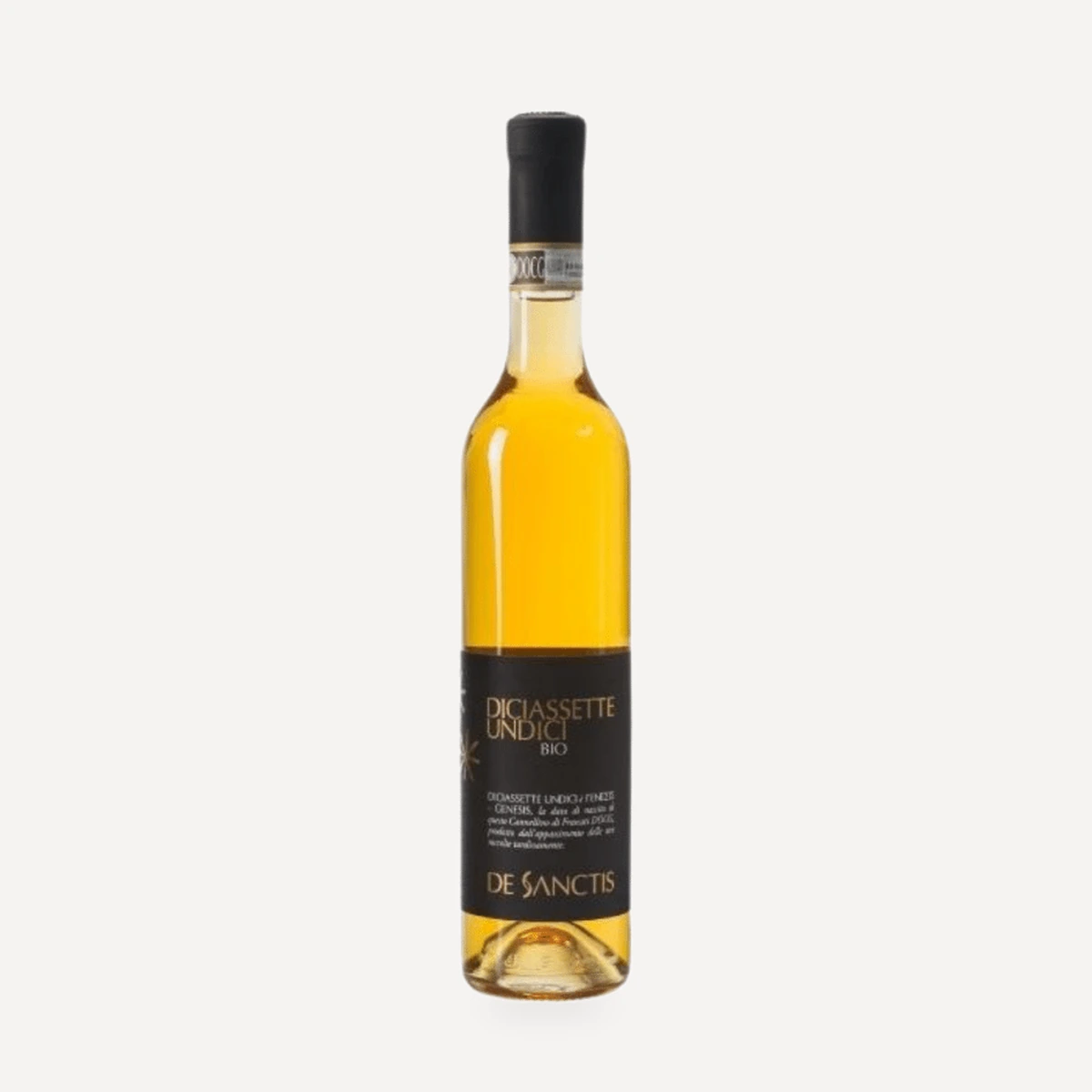
Storia
The land and the Lake Regillus tradition
De Sanctis is based in the foothills of Pietra Porzia, in an area associated with ancient Lake Regillus. The name Pietra Porzia is linked to the Gens Portia, who inhabited the area in antiquity. The Battle of Lake Regillus between Rome and the Latin League is traditionally placed here in 496 BC.
A legend connected with the battle tells of the Dioscuri, Castor and Pollux, appearing as young warriors on white horses and helping the Romans defeat the Latin League. Their embrace became the inspiration for the De Sanctis emblem, where the twins represent strength and authenticity.
1816: the earliest family record
The earliest documented testimony concerning the family’s viticultural activity dates to 1 February 1816. On that date, Filippo De Sanctis bequeathed his property to his children. The inheritance included the useful ownership of two planted vineyards: one in Frascati, within the Agro Romano, in the district of San Matteo, and the other in the territory of Grottaferrata, in the district of La Pedica.
This document marks the beginning of the recorded De Sanctis family winegrowing story. The activity subsequently passed through four generations, maintaining a family connection with vineyards and wine for more than two centuries.
The 1970s: loss of family land
During the 1970s, numerous hectares belonging to the De Sanctis family were expropriated to make way for the Tor Vergata university campus. The expropriations represented a major interruption and contraction of the family’s agricultural holdings.
2009: revival of the cellar
In 2009, Luigi De Sanctis and his family reactivated the estate cellar. This reopening marked a new beginning for the business and renewed its focus on wine and agriculture. The family adopted organic wine production as a means of improving product quality and expressing the character of its land.
The current family estate
De Sanctis is now managed by Luigi De Sanctis with his wife Daniela and their sons Andrea and Francesco. Francesco is also one of the estate’s oenologists. The family cultivates approximately 31 hectares in the foothills of Pietra Porzia, combining inherited artisanal practices with modern production control, organic agriculture and low-impact energy systems.
Terroir
De Sanctis cultivates approximately 31 hectares in the foothills of Pietra Porzia, a few kilometres from Rome. The estate lies in the countryside of the Castelli Romani, near the site traditionally associated with ancient Lake Regillus, and is surrounded by vineyards and olive groves.
The landscape is defined by ancient volcanic ground. These volcanic soils form the agricultural setting for the estate’s vines and olive trees, while the vineyards are also described as occupying fertile land along the former Lagus Regillus.
The climate is mild, an influence attributed to the estate’s proximity to the Tyrrhenian Sea. These conditions support Malvasia del Lazio, Malvasia di Candia, Trebbiano Toscano and Bombino, alongside Cabernet Franc.
Vinificazione
De Sanctis follows organic cultivation methods intended to respect each plant’s natural cycle and protect the surrounding environment. Synthetic chemical pesticides, chemical fertilizers and herbicides are excluded, together with other treatments considered harmful to plants or the environment. The environmental principles associated with this approach include preserving soil fertility and biodiversity.
The estate focuses on varieties historically cultivated in its area, including Malvasia del Lazio, Malvasia di Candia, Trebbiano Toscano and Bombino. Cabernet Franc complements these local varieties as a deliberate element of innovation within the traditional vineyard composition.
Harvested grapes are placed in baskets or crates and transported only as far as the estate cellar. This estate-based, short-chain model reduces intermediary stages and keeps grape growing, harvesting and transformation in close proximity. Every stage—from the choice of grape varieties through selection, harvest and processing—is subject to continuing control under the estate’s organic principles.
The grapes are harvested into baskets or crates and taken directly to the estate cellar, creating a short, estate-based production chain. On arrival, they move along a conveyor belt into equipment used for inspection and control, destemming and crushing.
Fermentation follows what De Sanctis characterizes as traditional methods and timing, with the process managed to avoid damage to the grapes and must. The production team uses modern technology to maintain detailed control throughout the successive stages of processing.
Cellar practice limits sulfite use. Chemical additives are excluded, while permitted winemaking inputs are identified as certified organic products. The stated objective is to retain the natural qualities of the grape juice and produce wines possessing their own stability.
The wider production facility operates with a geothermal system that uses heat from the ground and powers the plant, including the heating and cooling of its spaces. Reusable production residues are recovered within a circular-economy model to generate energy and reduce waste. The combination of estate-grown fruit, direct processing, geothermal power and reduced commercial intermediation forms the basis of the estate’s low-impact, short-chain approach.
Filosofia
De Sanctis presents winegrowing as a family practice founded on continuity, artisanal tradition and respect for the land. Its objective is to preserve the authenticity of its agricultural products while interpreting the wine culture of Lazio through organic farming and closely controlled production.
Organic cultivation is treated as both a quality choice and an environmental ethic. Its principles encompass the natural cycle of the plants, soil fertility, biodiversity, the health of those working with and consuming the products, and reduced pressure on the wider ecosystem.
The estate combines traditional varieties and methods with selected innovation. Local grapes remain central, while Cabernet Franc broadens the inherited varietal base. Modern control technology is used throughout production without displacing the family’s artisanal approach.
A short supply chain is another defining principle. Reducing production stages and commercial intermediaries creates a direct relationship between grower and consumer while limiting environmental impact. Circular reuse of suitable residues and geothermal energy extend this approach beyond the vineyard and into the operation of the winery itself.
Vini
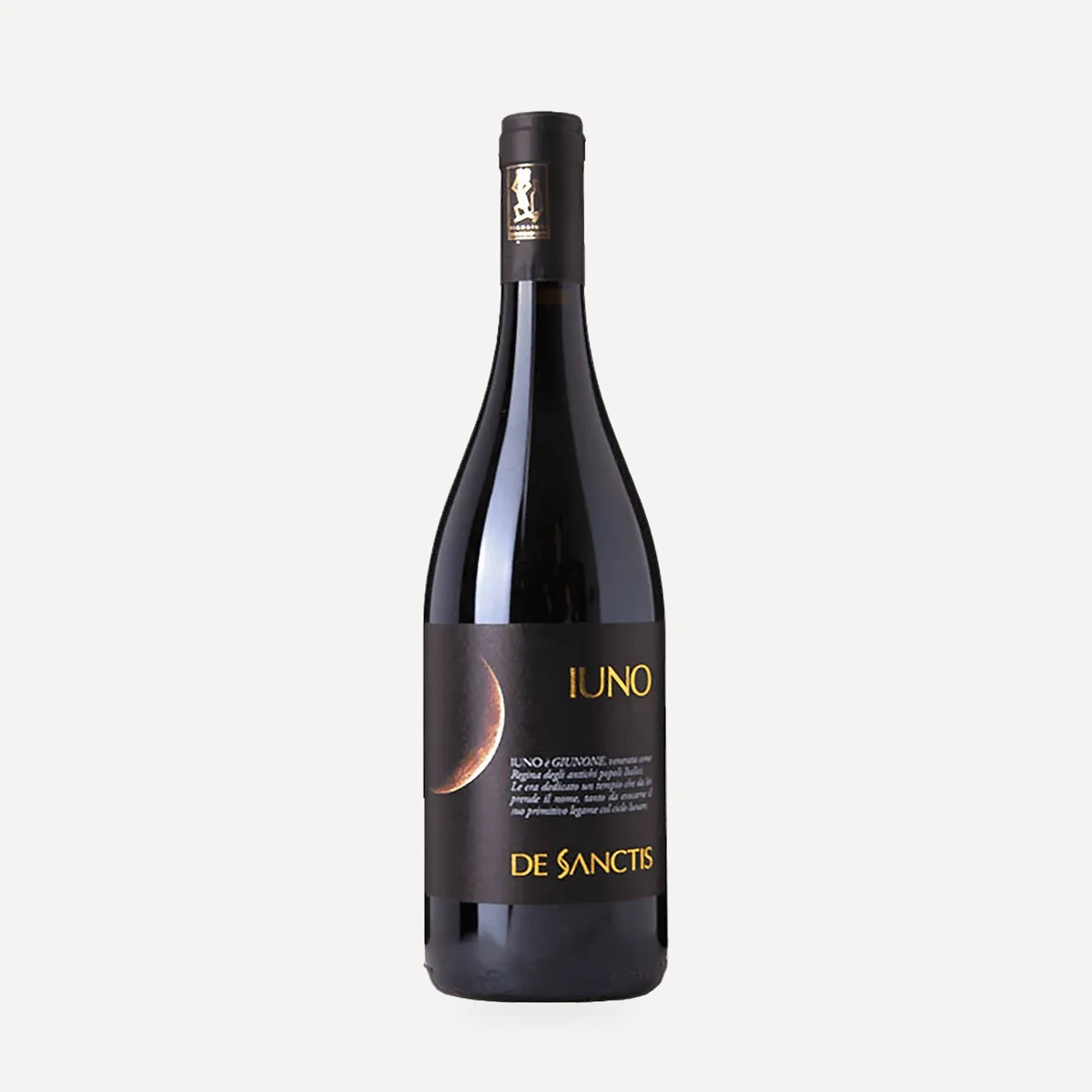
Iuno
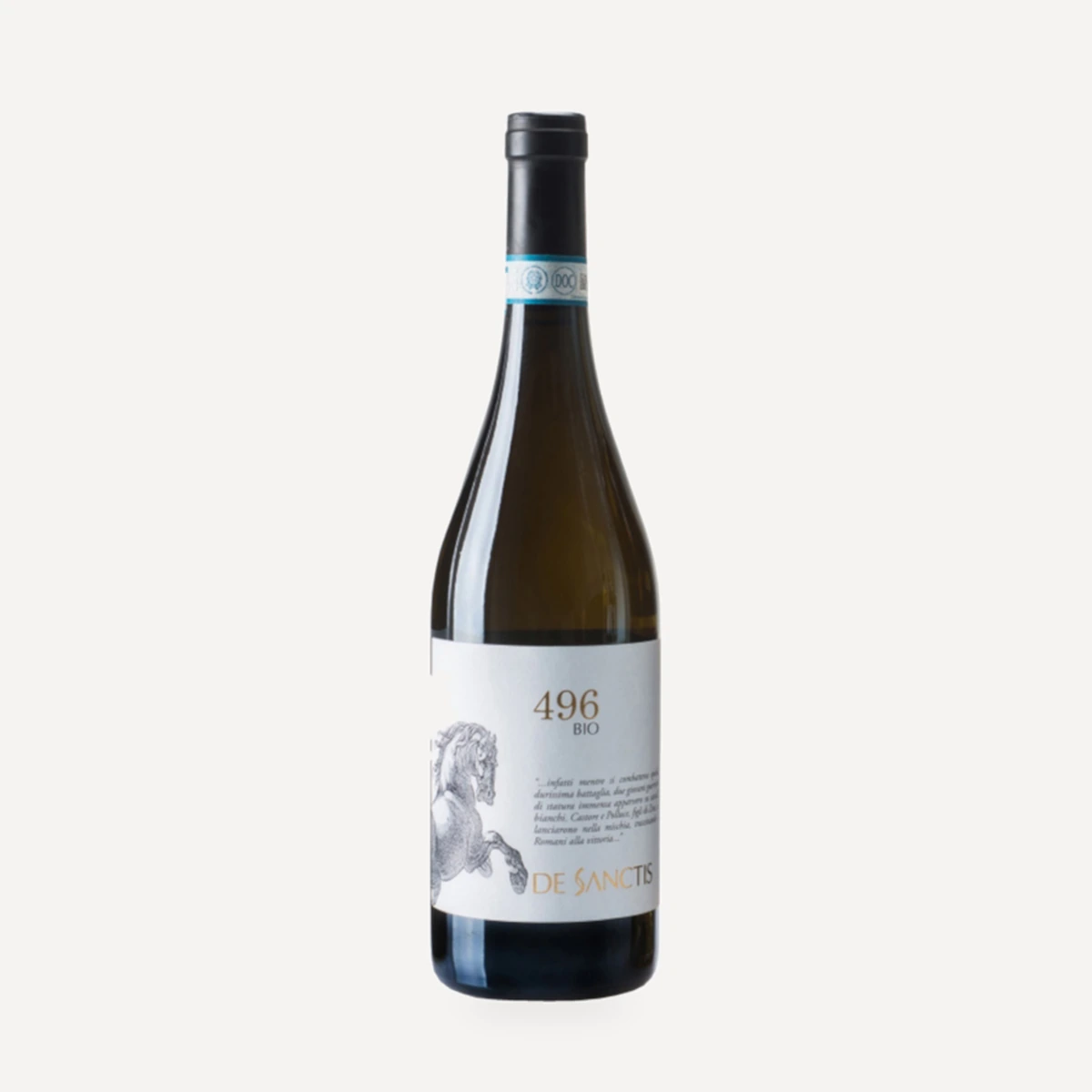
496
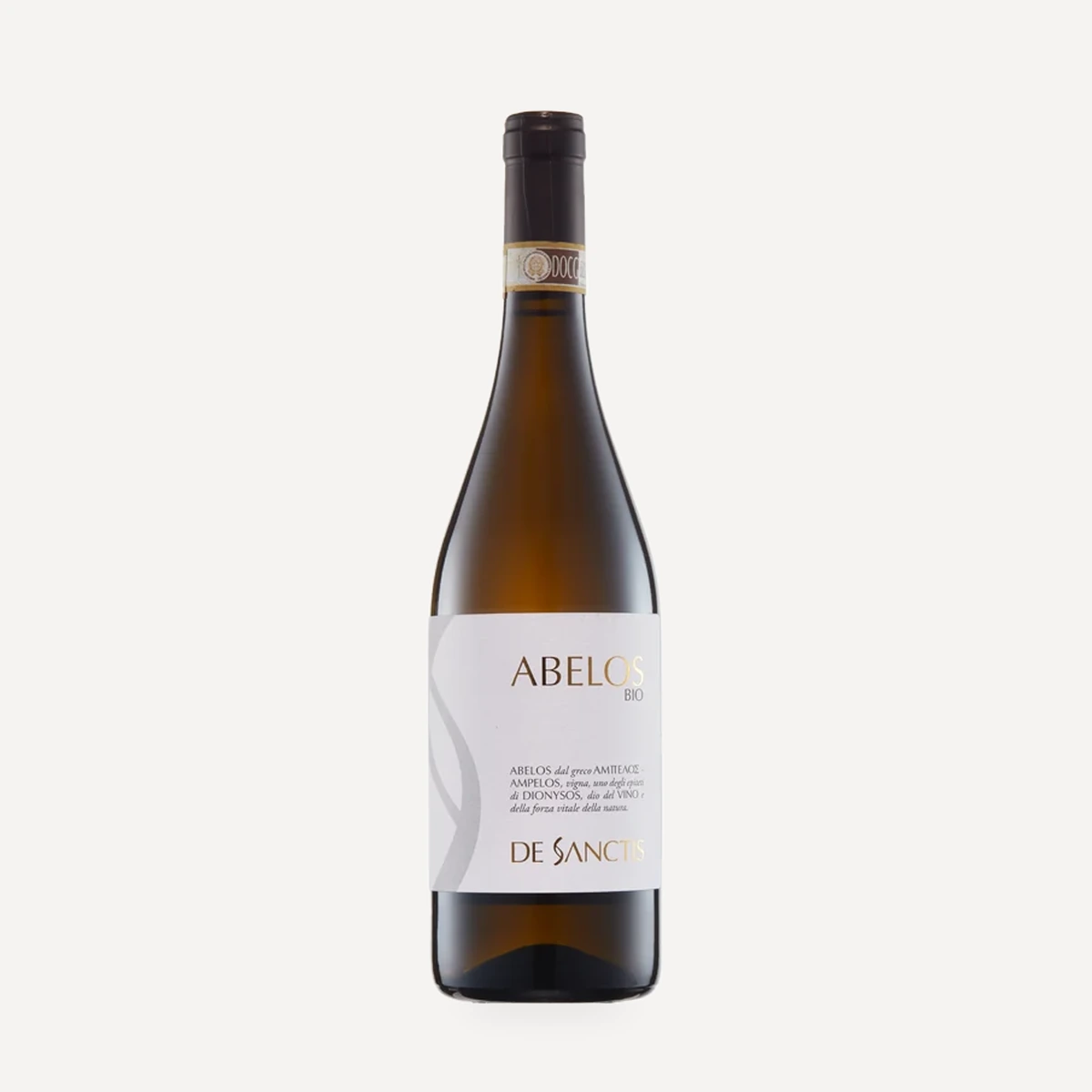
Abelos
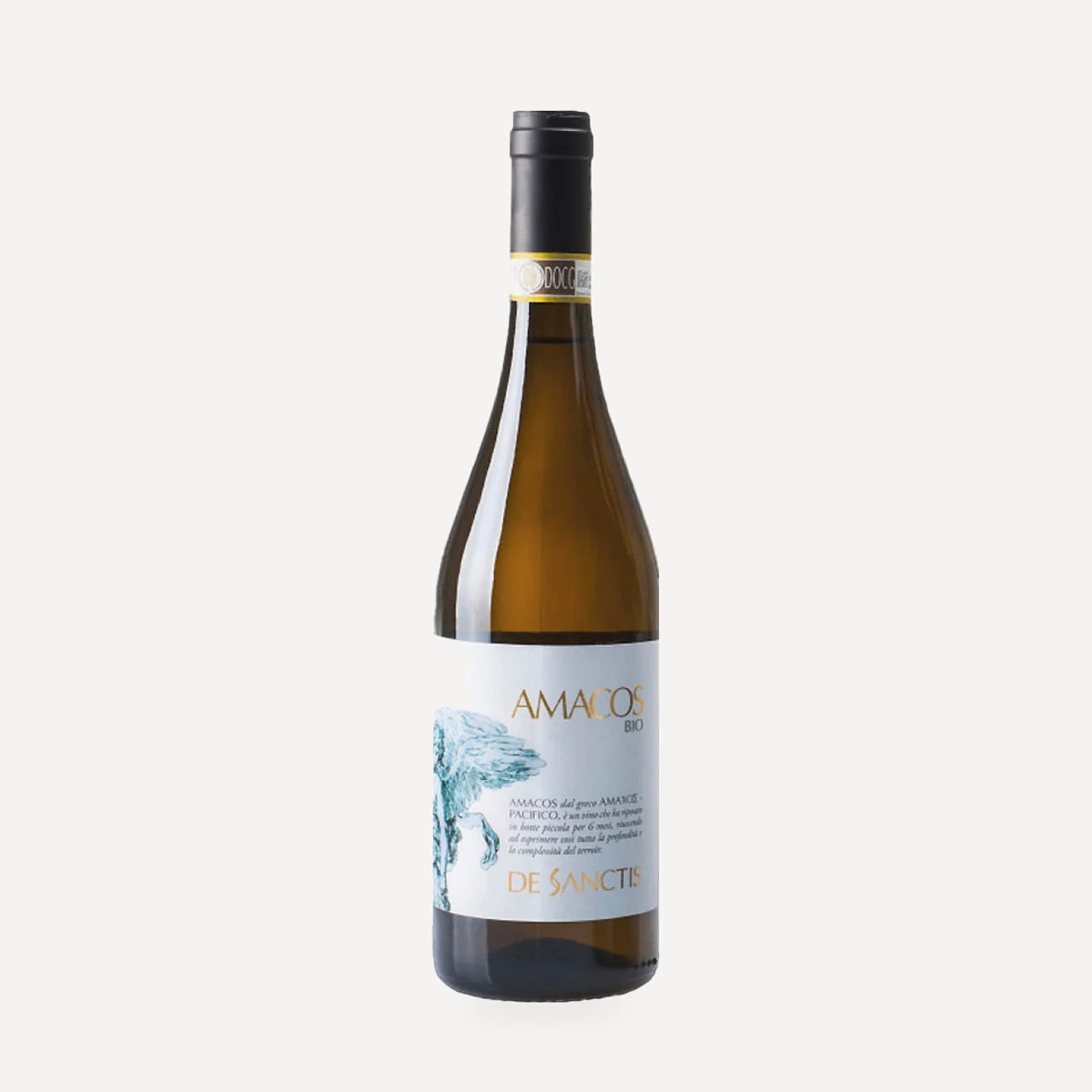
Amacos
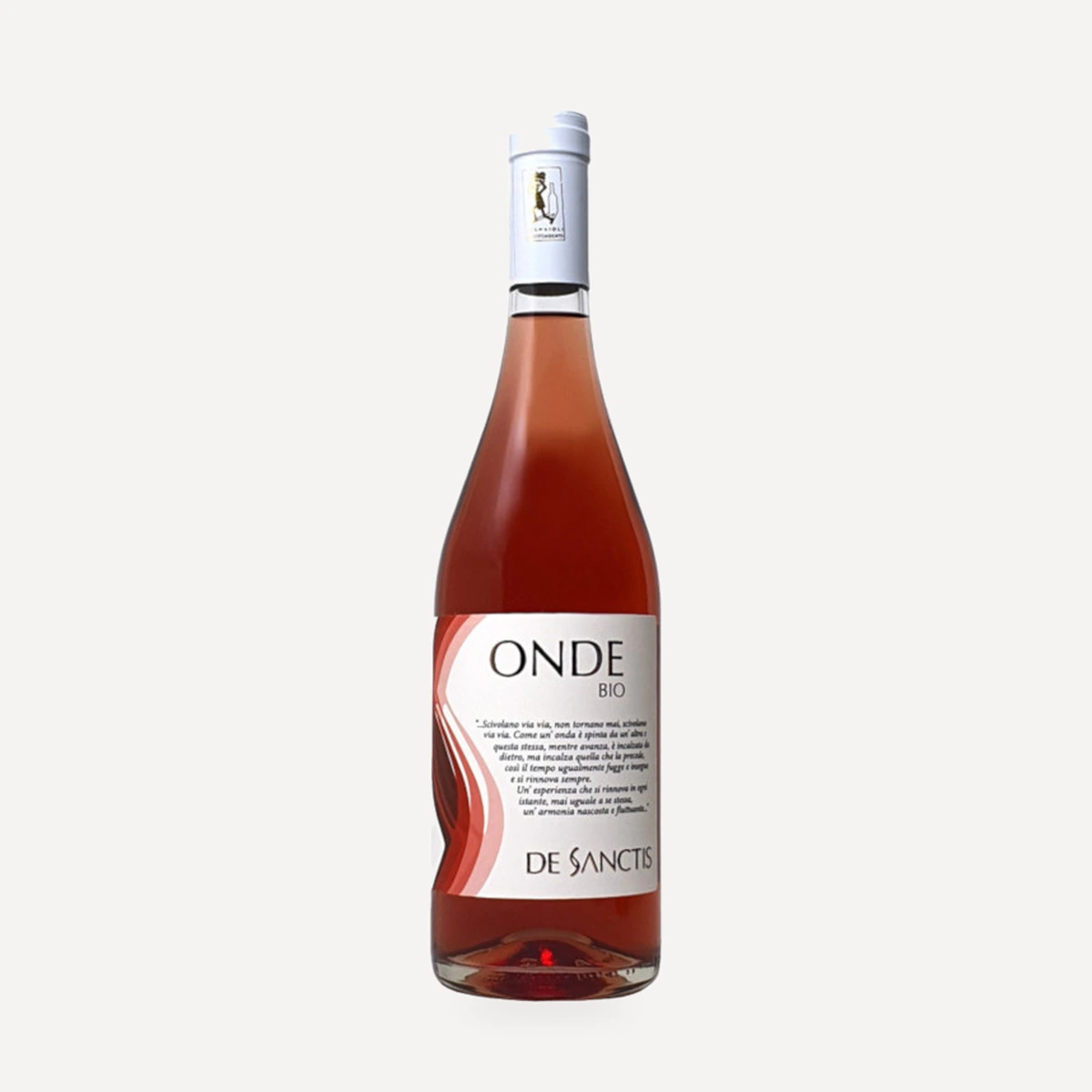
Onde