Storia
Agostino Lenci’s project
Fattoria di Magliano emerged from Agostino Lenci’s decision to leave an established entrepreneurial career in the footwear industry and become a wine producer. Drawn to the Maremma landscape between the Tuscan hills and the Argentario coast, he conceived an estate that would combine regional traditions with a modern approach to wine. The project remains a family undertaking.
1997: Sterpeti and the first plantings
The estate’s detailed chronology begins in 1997 with the acquisition of land at Sterpeti and preparations for the first vineyard plantings. Sterpeti subsequently became the centre of the property, surrounding both the winery and the hospitality facilities.
2000–2003: expansion and the first wines
In 2000, the estate acquired the hill of Poggio Bestiale. The first vinifications of Heba and Poggio Bestiale followed in 2001. That same vintage also marked the estate’s first success with Vermentino, initiating a longer exploration of indigenous white grapes.
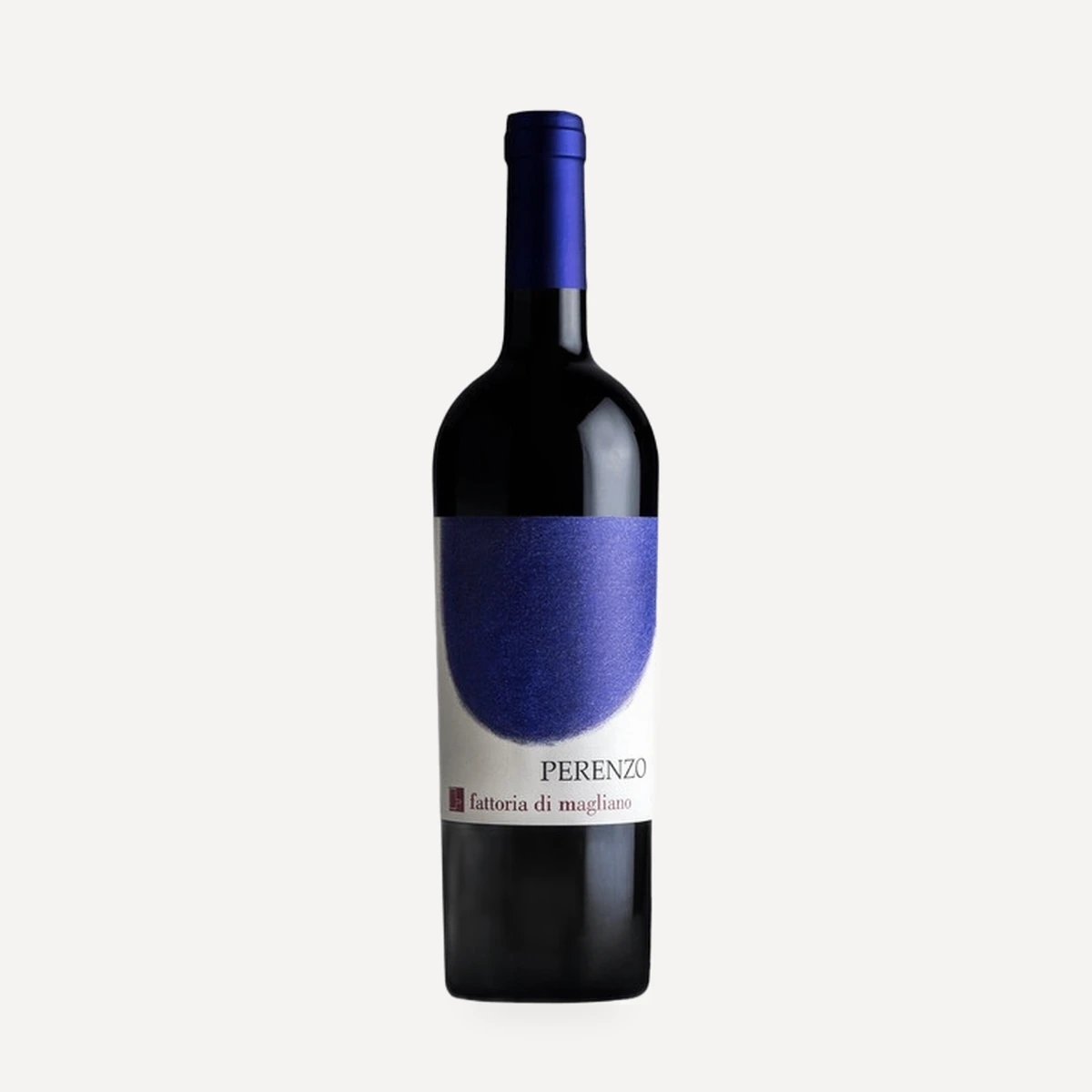
Two separate developments took place in 2002: Pagliatura was vinified for the first time, and the agritourism facility opened, extending the project beyond wine production into hospitality. Perenzo received its first vinification in 2003.
2005–2010: a third vineyard and new cellar choices
The acquisition of the Tizi vineyard in 2005 expanded the estate’s vineyard holdings. In 2006, Fattoria di Magliano began using truncated-conical concrete vats to mature Sangiovese. This introduced a distinctive cellar option alongside the estate’s stainless-steel and barrel capacity.
Sinárra was vinified for the first time in 2007, reinforcing the estate’s focus on Sangiovese. Illario Rosato followed with its first vinification in 2010.
2015–2016: organic certification and further releases
The first organic certification was obtained for an individual parcel in 2015. A separate milestone that year was the first vinification of Altizi. In 2016, certification was extended to the entire production, establishing the estate’s fully organic status. Brissaia, developed around the indigenous white grape Ansonica, was also vinified for the first time in 2016.
The estate today
The property now covers 97 hectares and combines vineyards, a two-level winery, olive groves, woodland and an agritourism operation. Its vineyards remain concentrated within 5 km of the cellar. The Lenci family continues the original project, retaining its intended balance between tradition, modern technology and respect for the Maremma environment.
Terroir
Fattoria di Magliano occupies a hilly site in the Maremma near Magliano in Toscana. The vineyards descend from elevations reaching approximately 300 metres and open towards the Tyrrhenian Sea, Monte Argentario and the island of Giglio. All three vineyards lie within a radius of 5 km of the winery.
The vineyard soils are generally of medium texture. They contain abundant sand, a moderate clay component and no silt, a combination associated with soil aeration and deep root penetration. Stones and coarse skeletal material are also present, although their proportions vary between sites.
Intense sunshine and winds arriving from the sea are central features of the mesoclimate. The broader climate is mild and moderated by proximity to the coast, while the sea-facing hills receive saline breezes. The estate links these conditions to balanced fruit ripening, freshness and the ability to produce structured wines from red and white grapes alike.
Colle Sterpeti
Colle Sterpeti lies around the winery and hospitality area at 220 metres above sea level. Its medium-textured soils show a balanced relationship between sand and clay, with a moderate proportion of skeletal material. The vineyard is exposed towards the coast and combines generous productivity with balanced ripening. Its fruit is associated with freshness and harmony.
Poggio Bestiale
Poggio Bestiale occupies a hill at 300 metres above sea level, surrounded by wild woodland and ridges planted with olive trees. It overlooks the Argentario peninsula and the island of Giglio. The terrain is rugged and austere, with a high proportion of coarse skeletal material, strong drainage and direct exposure to coastal winds.
Vinificazione
Fattoria di Magliano’s entire production is certified organic. The transition recorded in the estate chronology began with organic certification of an individual parcel in 2015 and culminated in certification of the whole production in 2016.
The three vineyards form a compact group within 5 km of the winery, allowing close production management and parcel-sensitive work. Differences among the sites are preserved so that their individual identities and the character of each vintage can remain perceptible. The estate’s environmental approach centres on sustainability, respect for natural balances and preservation of the Maremma landscape.
The winery covers approximately 1,500 m² and is arranged over two levels, one of them underground.
The lower level contains the vinification and storage areas. It is equipped with 39 stainless-steel vats with a combined capacity of 3,280 hl and 8 concrete vessels with a combined capacity of 320 hl. Truncated-conical concrete vats have been used for maturing Sangiovese since 2006.
The barrel cellar is divided between two lateral wings, each measuring 250 m², and holds the wines selected for ageing. The upper level contains the tasting room, bottling facilities and dedicated bottle-ageing rooms.
The cellar is conceived around a combination of tradition and technological development. Advanced cellar techniques support a production philosophy focused on ripe fruit, environmental responsibility and a modern interpretation of the Maremma.
Filosofia
Fattoria di Magliano defines its approach as a modern interpretation of the Maremma: an effort to reveal elegance within the region’s rugged landscape while retaining a clear Mediterranean identity. Agostino Lenci’s founding vision brought tradition and modernity together, drawing inspiration from both the wild Argentario coast and the gentler Tuscan hills.
The estate describes its outlook as a vision of a “new Tuscany.” Mild conditions influenced by the nearby sea support versatility, while fruit ripening remains the central concern. Indigenous and international grapes are both employed as vehicles for expressing the Maremma.
Environmental responsibility forms the other principal axis of the approach. The whole production is organic, and sustainability and respect for ecological balances are paired with advanced winery technology. This combination is characterised as a bio-technological identity rather than a rejection of modern equipment.
Parcel-sensitive vineyard management is intended to preserve the identity of the three sites and the distinctions among vintages. The family continues Agostino Lenci’s original project, maintaining its emphasis on the relationship between human work, nature and the long-established balance of the landscape.
Vini
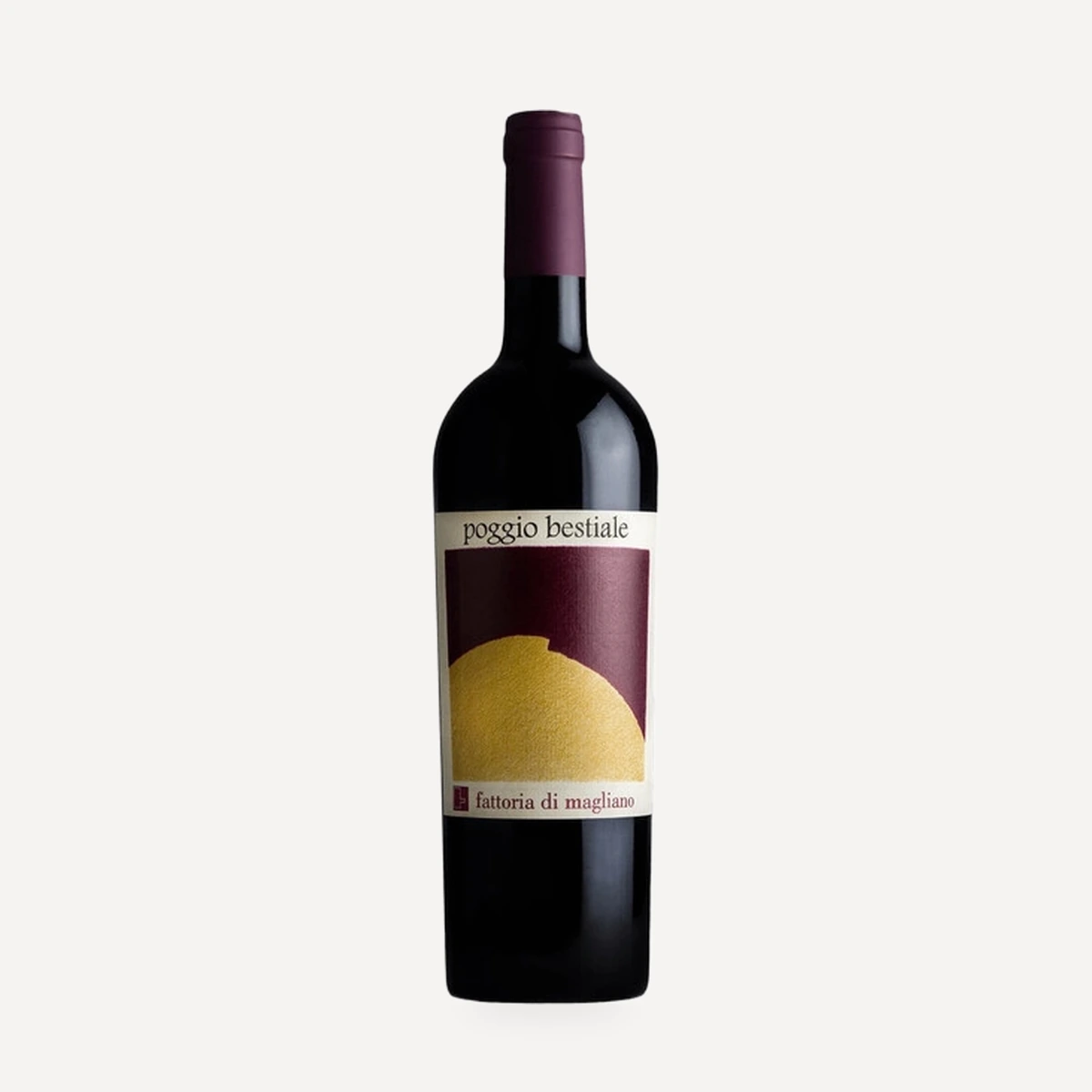
Poggio Bestiale. Maremma Toscana Cabernet Biologico DOC
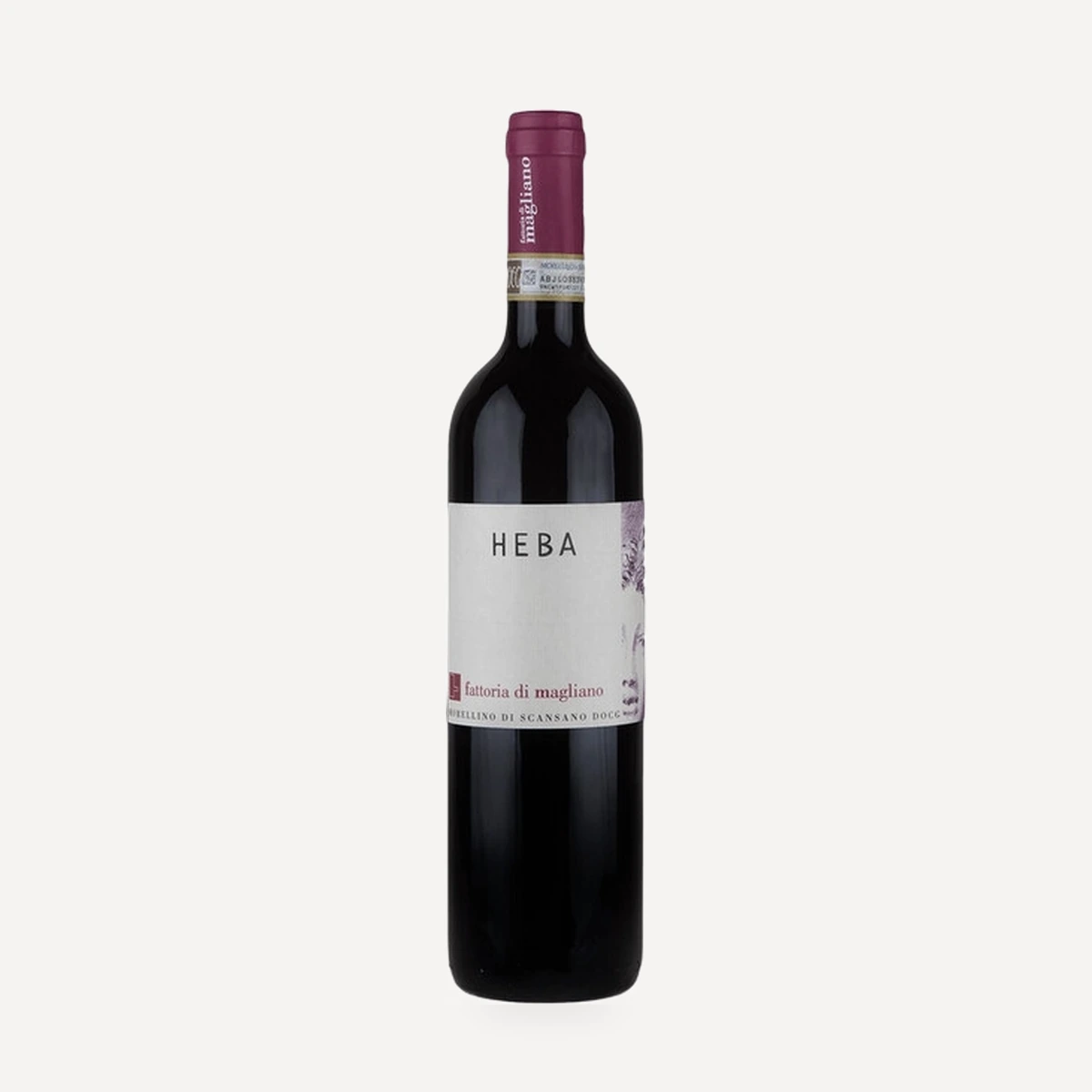
Heba. Morellino di Scansano Biologico DOCG
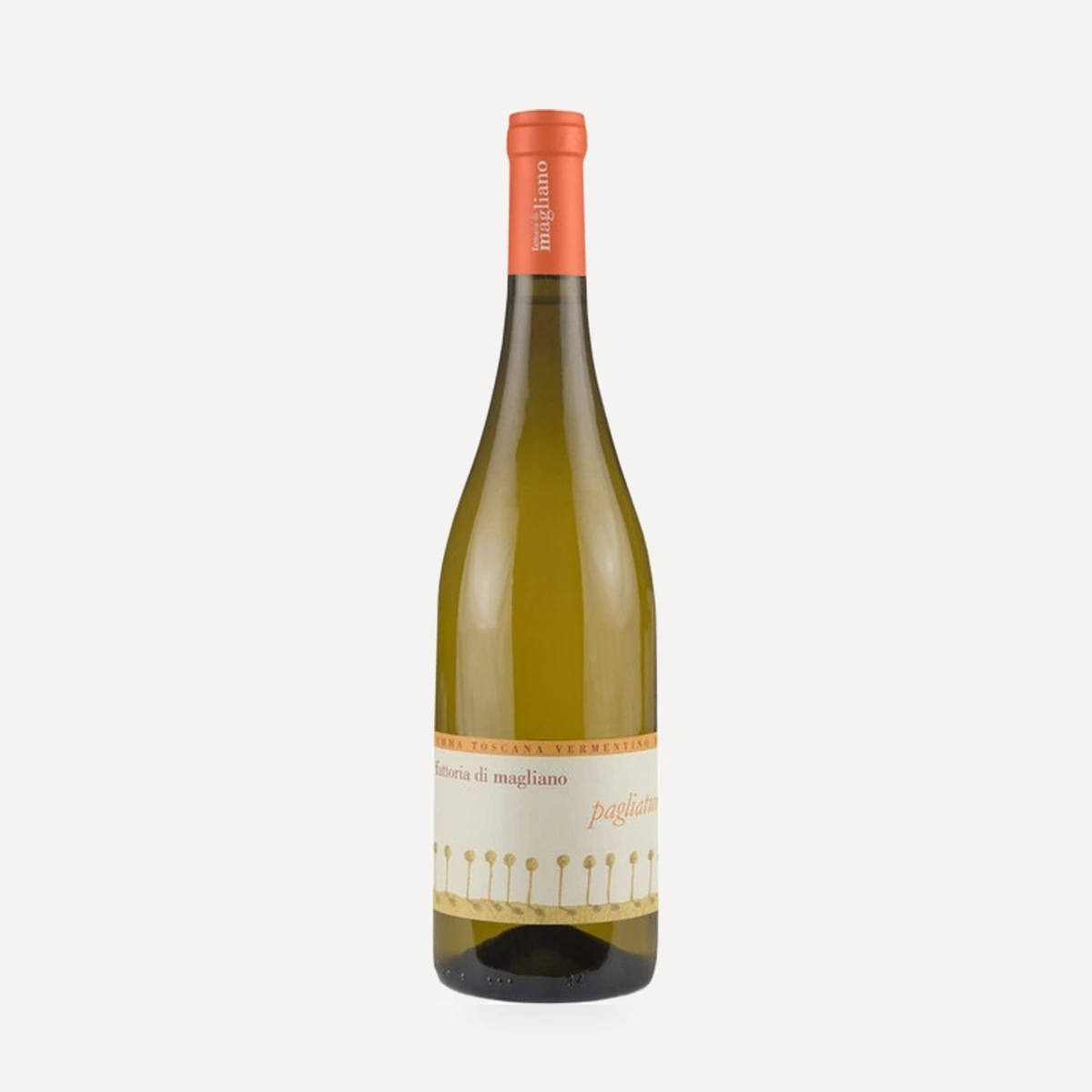
Pagliatura. Maremma Toscana Vermentino Biologico DOC