Storia
Origins at Podere Adua
Poggio Argentiera was founded in 1997 through the purchase of Podere Adua. The farm itself dated from the early twentieth century, the period in which the marshlands of the Maremma were being reclaimed. Its original six hectares of vineyards began supplying grapes for Morellino di Scansano.
A new vinification cellar was subsequently constructed to support the developing estate.
Expansion into Baccinello
In 2001 the property expanded through the acquisition of a second farm at Baccinello, in the hills of the commune of Scansano. New plantings were established alongside the older vineyards already present there. This created an estate divided between two markedly different settings: the coastal, sea-level vineyards around Podere Adua and the elevated, stony hillsides of Baccinello.
Change of ownership
In 2015 Poggio Argentiera passed to Stefano and Simena Frascolla. The acquisition began a new phase focused on interpreting a Maremma terroir quite different from the Suvereto environment in which the family had previously worked.
Giovanni Frascolla and the younger generation
For the 2016 harvest, Stefano Frascolla brought his son Giovanni into Poggio Argentiera. Giovanni had recently graduated in oenology from the University of Pisa. His involvement was conceived as both continuity for the family enterprise and an opportunity to give the estate a younger perspective.
In 2020, following the departure of the estate’s previous oenologist, Giovanni assumed direct responsibility for the wines and assembled a deliberately young team. By 2022, at the age of 24, he was leading a 20-hectare vineyard estate producing approximately 120,000 bottles annually, including two Morellino di Scansano DOCG wines.
Recent development
The portfolio subsequently broadened beyond its established Morellino di Scansano, international-variety reds and white wines. A limited-production, 100% Syrah rosé was first made in 2023, conceived to express the aromatic character of the estate’s Syrah through maturation in steel.
Terroir
Poggio Argentiera lies in the southern Maremma, in the Grosseto area, between the Tyrrhenian Sea and Monte Amiata. Its vineyards are divided between two contrasting environments.
Alberese and Podere Adua
Podere Adua stands next to the Maremma Natural Park, facing Marina di Alberese. The vineyards lie at approximately sea level, only 5–6 km from the Tyrrhenian coast. Their soils are predominantly sandy and loamy, with little clay and little organic matter. The proximity of the sea is central to the estate’s interpretation of its white wines, which is directed toward freshness, ease of drinking and maritime aromatic associations.
Baccinello
The Baccinello vineyards occupy higher slopes in the hills of Scansano. Technical information places vineyards used by different estate bottlings at approximately 300–350 m above sea level. Natural slope, exposure and an extremely stony profile distinguish this sector. The soils contain abundant pebbles of alluvial origin and are dominated by calcareous clay.
The sharp contrast between the sandy, silty coastal soils of Alberese and the elevated, calcareous-clay and alluvial-pebble soils of Baccinello gives the estate two distinct sources of fruit within southern Maremma.
Vinificazione
The production ethic is directed toward environmental sustainability and reducing impact. Vineyard work is based on integrated farming, including the use of natural antagonists against pests. Soil-working techniques are employed to suppress weeds naturally rather than relying solely on direct chemical control.
Technical material documents manual harvesting into 20 kg cases across multiple estate varieties. Planting densities generally range from 5,000 to 5,600 vines/ha. Both Guyot and cordon-spur training are used, according to variety and vineyard.
Organic management is specifically documented for some production. The certification information names CCPB srl as the inspection body authorised by Mi.P.A.A.F., with code IT BIO 009 and controlled-operator number CK91. Bellamarsilia 2020 is also identified as certified organic. More recent individual wine information describes integrated farming for Bellamarsilia, Viognier and Ciliegiolo, so organic status does not apply uniformly to every current vineyard or wine.
The estate built a dedicated vinification cellar after the initial acquisition of Podere Adua. Current technical descriptions show a production model centred on temperature-controlled stainless-steel tanks, with oak and cocciopesto used selectively.
Red-wine vinification commonly involves approximately two weeks of skin contact followed by temperature-controlled fermentation in stainless steel. Several wines also mature in steel. One Morellino di Scansano method is designed to obtain effective extraction of phenolic material while retaining bright colour and organoleptic quality.
More structured red production can include maturation in medium-capacity oak for 15 months followed by a further 15 months in bottle. Cabernet Franc has also been matured for about 14 months in French oak barriques and then for one year in bottle before release.
White-wine fermentation generally takes place in temperature-controlled stainless steel. Ansonica is an exception: it undergoes natural fermentation in steel at controlled temperature, followed by five months in cocciopesto amphora.
The limited 100% Syrah rosé, first produced in 2023, matures in steel. Harvesting is manual, commonly into 20 kg cases, before cellar processing.
Filosofia
Respect for the vine and its territory is the stated foundation of production. The estate’s approach keeps the vineyard at the centre and seeks wines that express the distinct environments of coastal Alberese and hillside Baccinello.
Under Giovanni Frascolla, this territorial focus is paired with a deliberately youthful perspective. The wines are intended to carry both the character of their place and the imprint of a young production team. Environmental responsibility is pursued through integrated agriculture, natural pest antagonists and soil cultivation designed to limit weeds with reduced environmental impact.
The red-wine range treats Morellino di Scansano as a central expression of the estate while also exploring non-local varieties whose character is shaped by the Maremma setting. The white-wine approach gives particular importance to Vermentino and emphasises freshness, drinkability and the aromatic influence associated with the nearby Tyrrhenian coast.
Vini
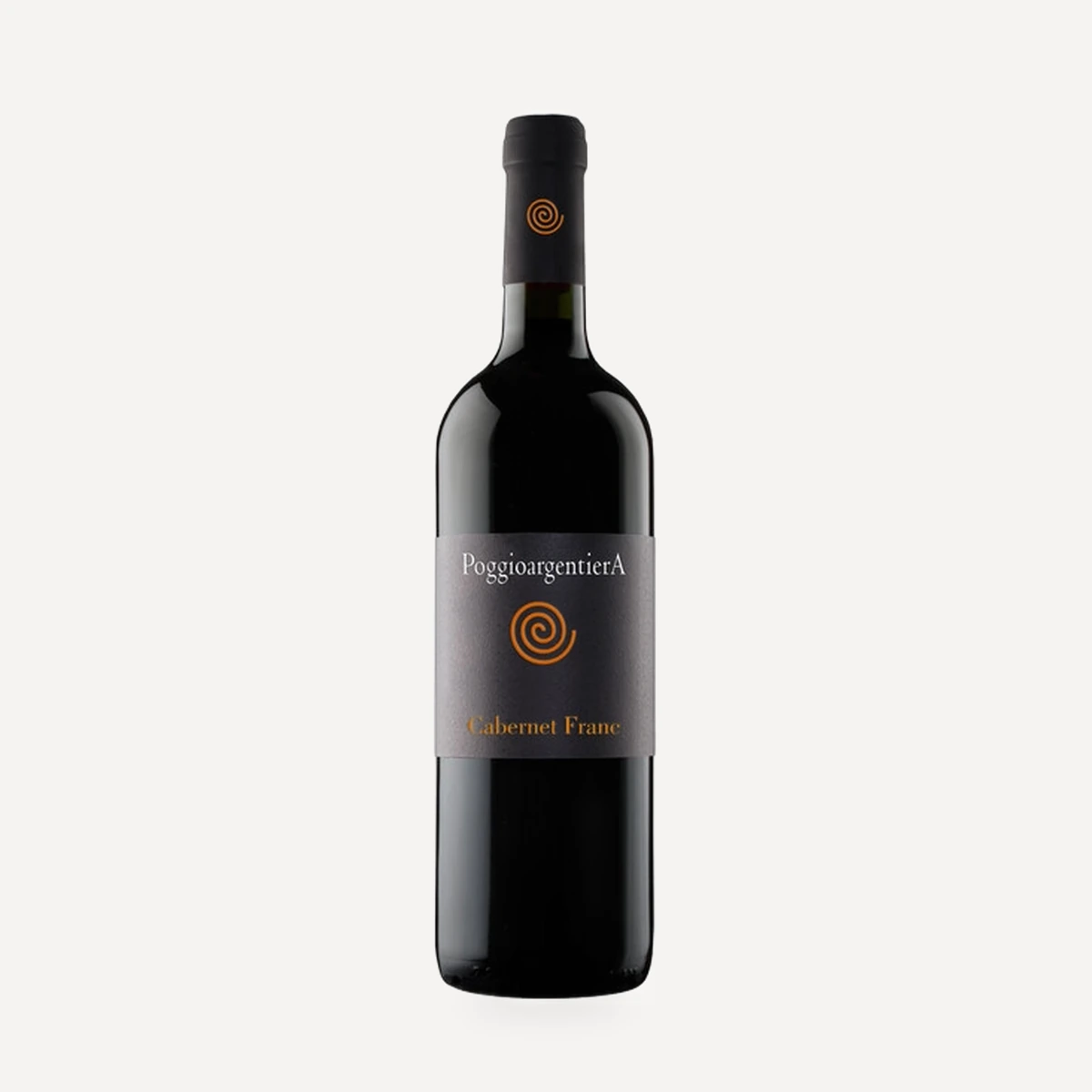
Cabernet Franc | Poggioraso
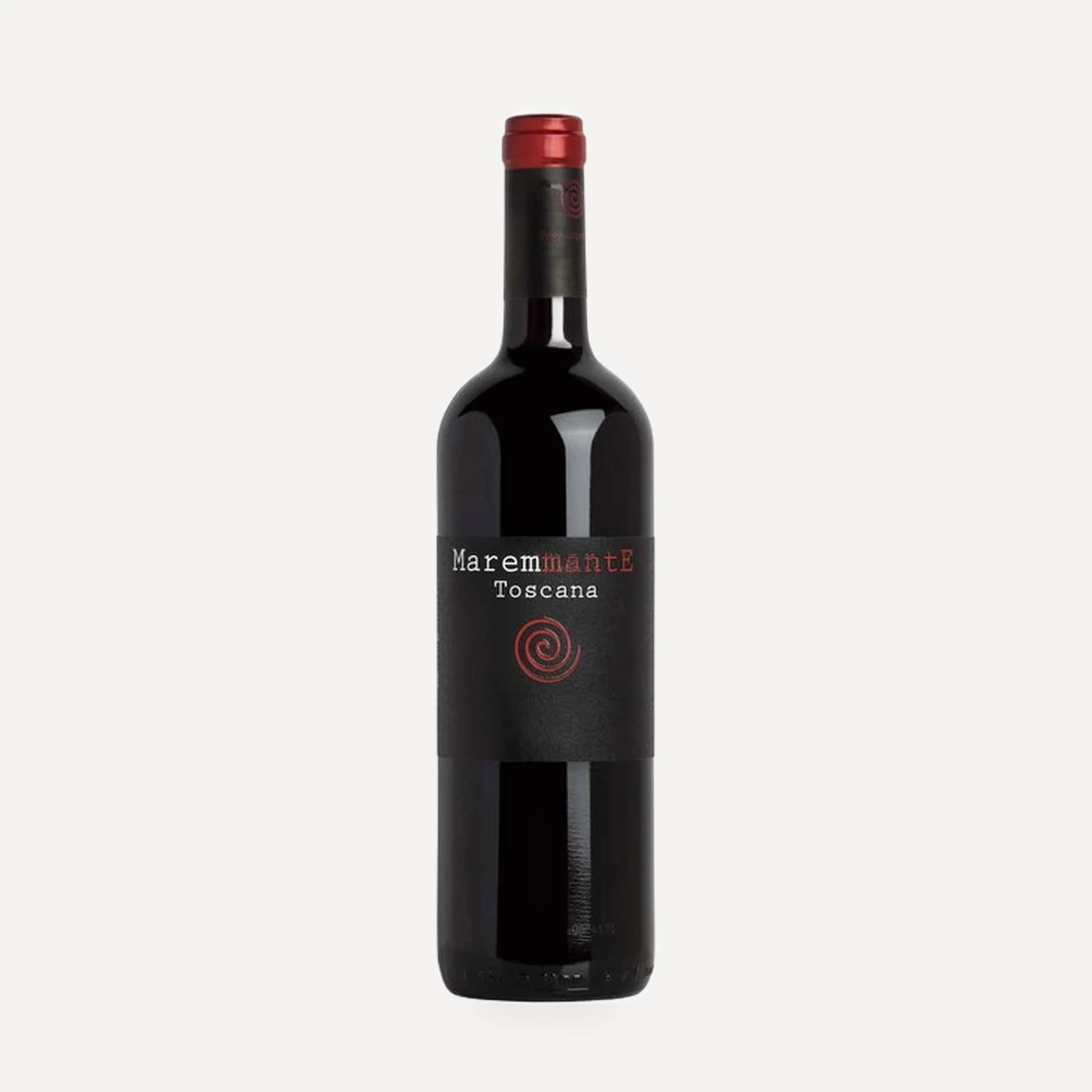
Maremmante
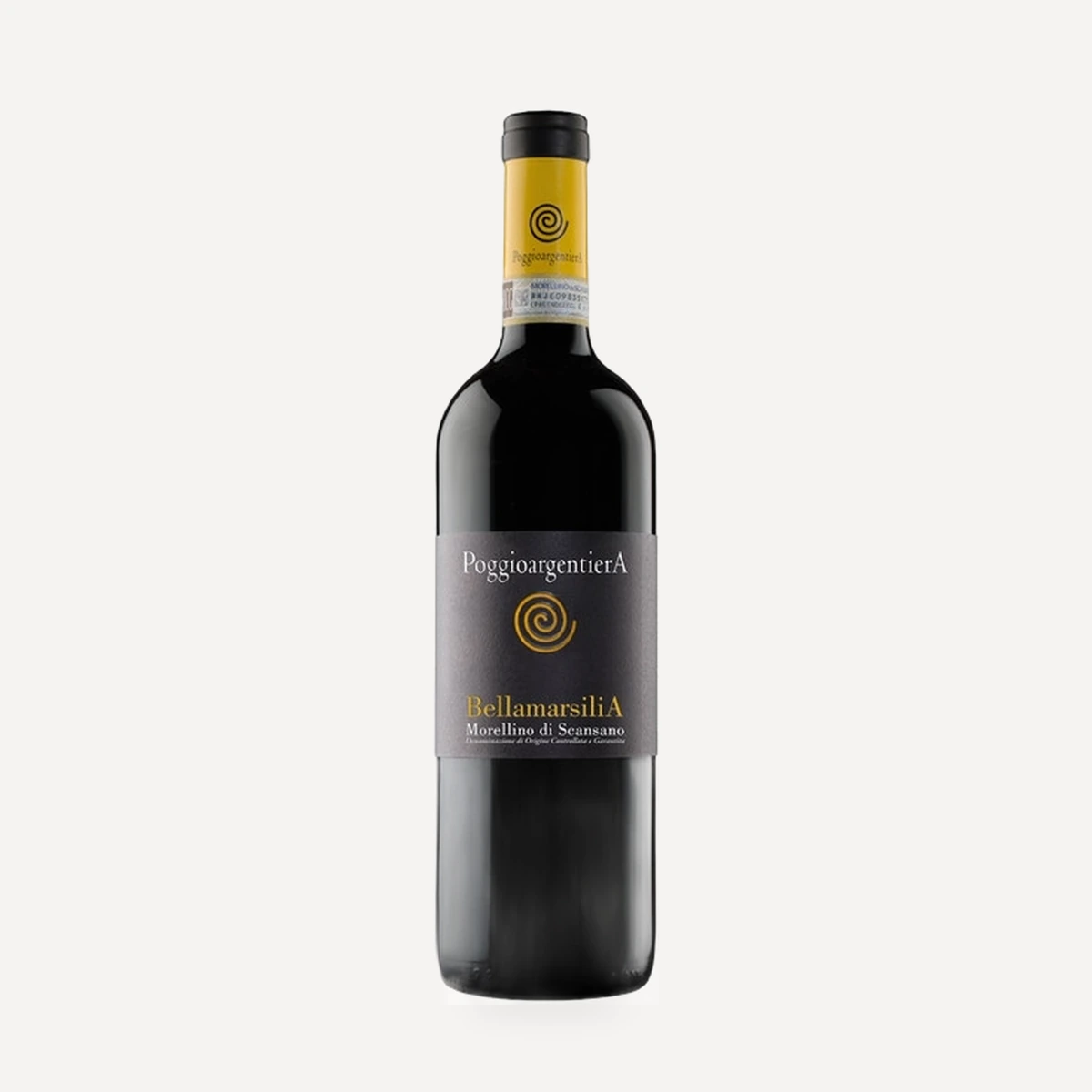
Bellamarsilia
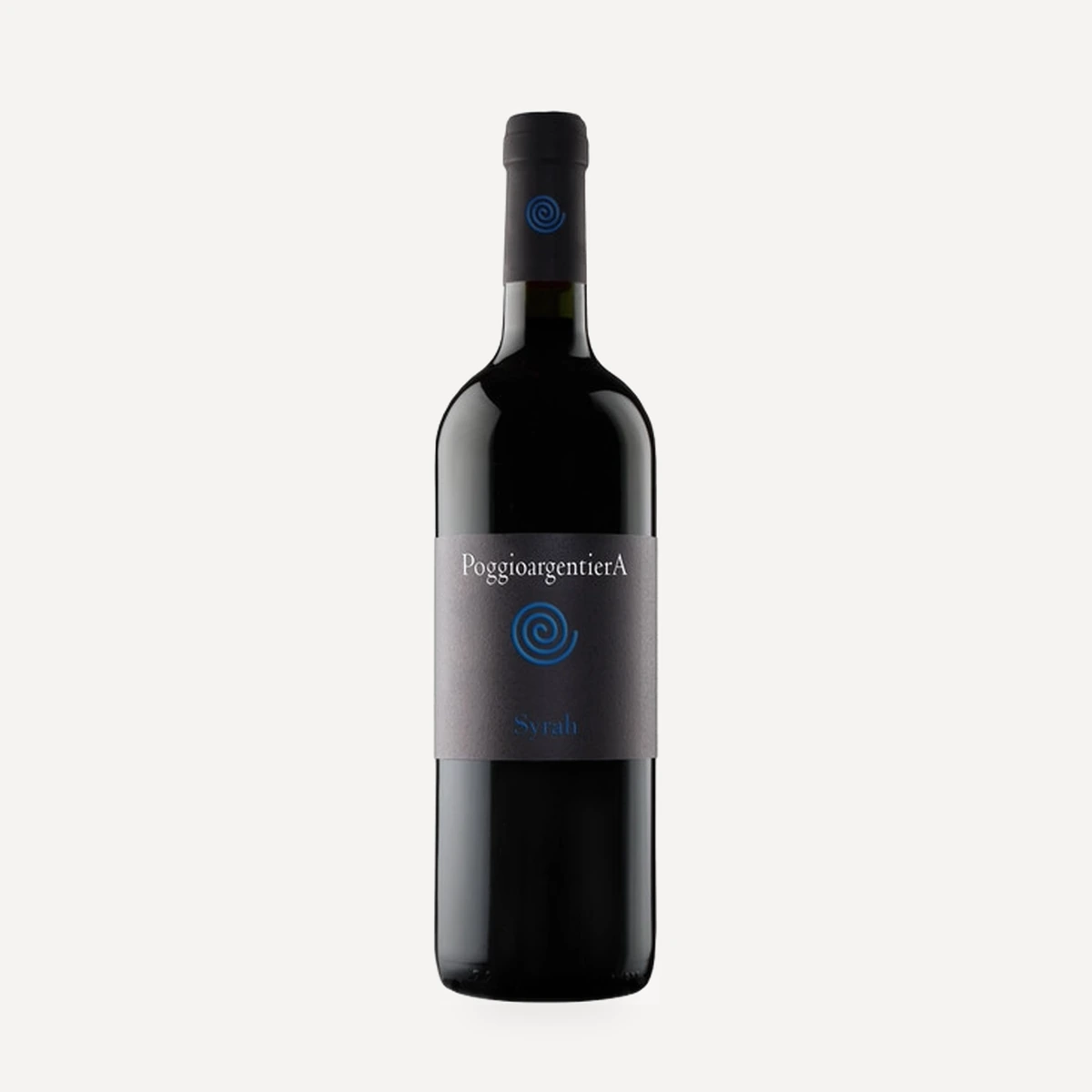
Syrah | Podereadua