Questo vino
Vineyard and terroir
The grapes are grown in the Chianti Classico area at 300–420 metres above sea level, on south- and southwest-facing slopes. The soils are loamy clay, rich in limestone and marl. The vines are 18 years old on average, and yields do not exceed 70 centners per hectare.
Vinification
The grapes are harvested at optimal ripeness. They ferment in concrete vats for 2 weeks at a controlled temperature of around 28 °C.
Ageing
The wine spends 18 months in large, untoasted oak casks, followed by 4 months of ageing in bottle.
Tasting profile
Fresh, intriguing and elegant, with the ripe red fruit character typical of Sangiovese.
Vintage notes
2018 was considered by most experts an exceptionally good year for Tuscany. Heavy rain and hail damaged some Sangiovese vineyards, but favourable summer weather, with hot days and cooler nights, produced a strong, healthy crop. The season's red wines showed juicy fruit, good acidity and structure.
Label / history
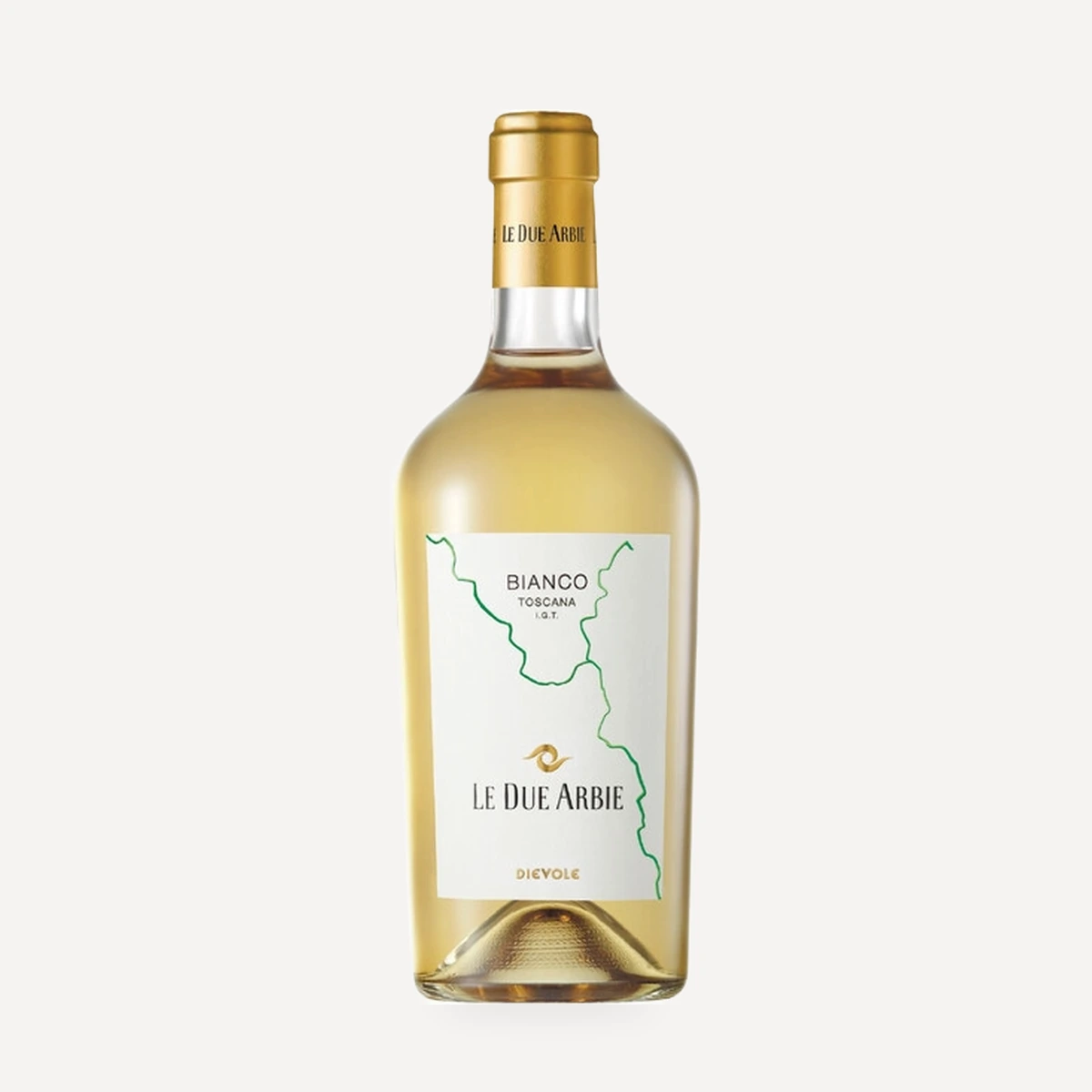
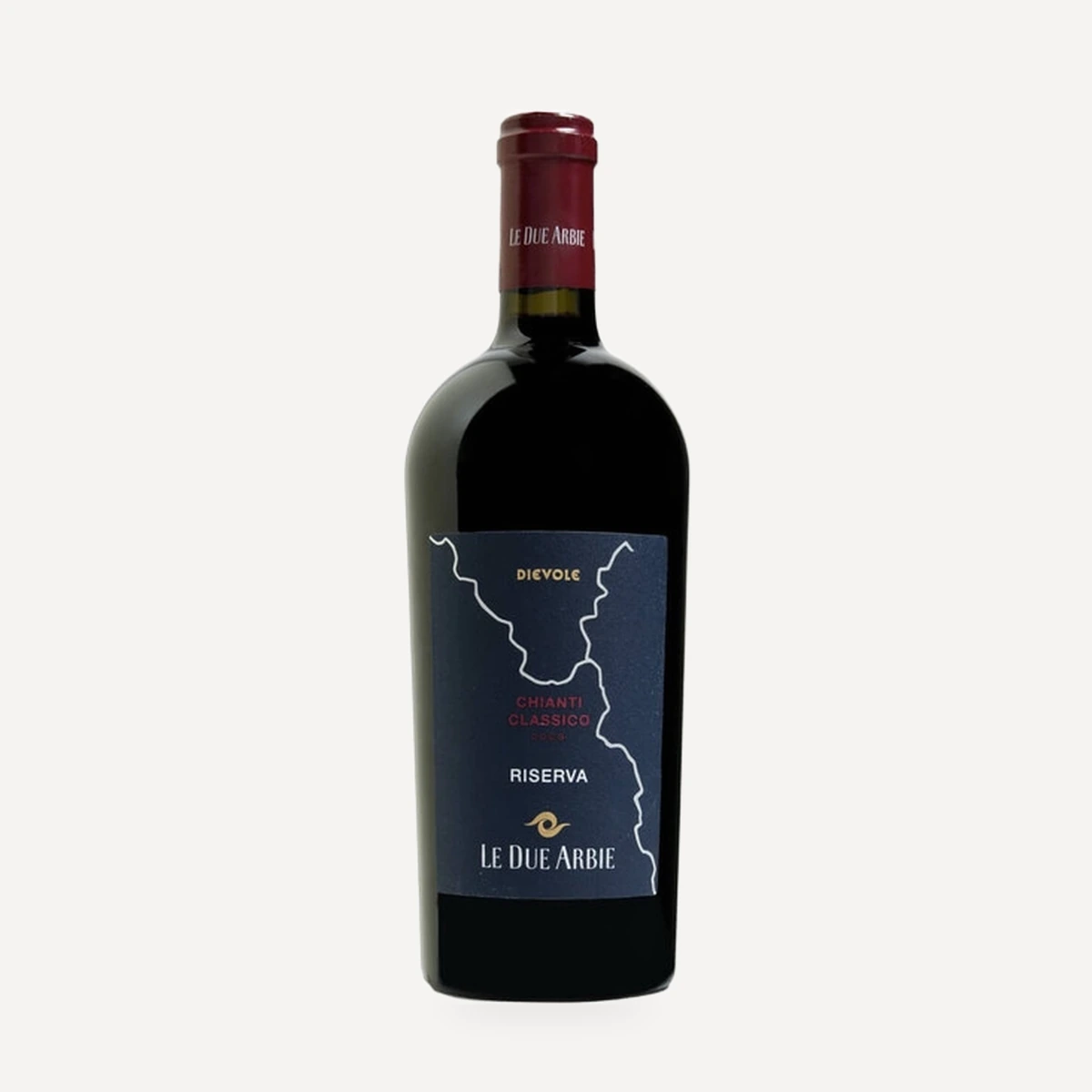
The wine belongs to the "Le Due Arbie" collection.
The Dievole estate lies in the heart of the Chianti Classico region, about 12 km northeast of Siena, 56 km southeast of Florence and 1 km from the village of Vagliagli. Its more than 400 hectares include woodland, hills covered with vineyards and olive groves, and traditional Chianti farms. The plantings cover 150 hectares, divided into 16 individual vineyards, each with its own microclimate.
Villa Dievole, now at the centre of the estate, was built in the eleventh century as the home of a noble Tuscan family, when the Dieulele vineyard was planted. The name is thought to derive from "Dio vuole" ("God wills it"). Fifteen generations of owners have made wine here. In 1986, at 21, Mario di Dievole became director of the family business. The first Dievole Chianti Classico was released in 1989. The estate also makes young white, rosé and red wines and several Super-Tuscans.
Dievole belongs to Alejandro Bulgheroni Family Vineyards (also known as Societa Agricola Dievole Spa), a group that also owns wineries in Argentina, Uruguay and California.