Storia
From Dieule to Dievole
The earliest surviving record is a parchment dated 10 May 1090 and preserved in the Archivio di Stato di Siena. In the deed, drawn up by the notary Bellandus, the abbot of the Benedictine monastery of Sant’Eugenio leased land at a place called Dieule or Dieulele—including vineyards—to Winizio di Sichelmo and Rodolfino di Ardimanno. The consideration was six Luccan silver soldi, two capons and three loaves of bread. The deed referred to a substantial group of earlier tenants, indicating that the monastic holding was already extensive. The name Dievole is associated with the expression Dio vuole, “God willing.”
The leased land lay in the upper Val d’Arbia, near the Arbia River. A 1317 cadastral document described Dievole as a medium-sized village of about 140 inhabitants, with cereal fields, vineyards and grazing animals. It also recorded a shift away from a landscape divided into small equal holdings toward larger and more systematically organized farms.
The Malavolti period
The documentary history places the Sienese Malavolti—or Malevolti—family at Dievole by the late fifteenth or mid-sixteenth century. They belonged to the circle of major Sienese landowners that also included the Piccolomini, Tolomei and Gallerani families. A grand-ducal inspection of 1676 identified Angelo Malevolti as owner of the entire property, by then administered from nearby Vagliagli. Dievole was no longer described simply as a farming village but as an elegant country estate with an attached farm.
Successive purchases of surrounding land expanded the property to dimensions approaching those of the modern estate. A sixteenth-century work by Andrea Bacci, De naturali vinorum historia et de vinis Italiae, characterized the area as producing very good wine in abundance.
In 1799 Ettore Romagnoli designed a villa whose appearance was already close to that seen today. A census taken in 1832 described a farm with an internal courtyard, olive press, henhouse, granary, church and garden, together with a large green area and woodland used for hunting. The Malavolti period also brought the construction of a new villa and a chapel dedicated to San Giovanni Battista.
Deeds from 1836 document the transfer of the estate to Luigi Malavolti after the death of his brother Sallustio. The inventory included the main house, owners’ rooms, granary, hayloft, olive store and chapel; the Mulin nuovo on the Arbia and its land; tenant houses at Fornacella, Poggiarellino, Ville di Sopra, Rapaiolo, Selvole, Dievolino and Mulin nuovo; and the holdings Colombaio, Casanuova, Racole, Macìe, Poggiarello, Selvole, Ville di Mezzo, Ville di Sotto, Prelascione, Pretignano, Palagione, Vignale, Bellaria, Sestina and Valli.
Sale, instability and the twentieth century
The Malavolti family sold Dievole in 1870. A period of unstable ownership followed, with changes approximately every twenty years as the old land-management system moved away from sharecropping. Over time, the property was converted into a modern center for Chianti Classico production.
On 22 December 1909 Count Giulio Terrosi-Vagnoli gave the estate, valued at 361,632 lire, to his future wife Ildegonda Camaiori, remembered as Dievole’s last noblewoman. Her surviving Quaderno dei Saldi di Dievole records the names of the farming families and the holdings entrusted to them. Many descendants of those families remained in the area, and from the 1980s their inherited knowledge again contributed to the care of Dievole’s vineyards. The estate’s 16 vineyards echoed the 16 historic holdings.
The first vintage of Novecento Chianti Classico Riserva was produced in 1990, marking Dievole’s 900th anniversary. Its history later became the subject of research undertaken with the Università di Siena and presented at the Archivio di Stato di Siena.
Renewal under the Bulgheroni family
Alejandro Pedro Bulgheroni acquired Dievole in 2012, beginning a new phase centered on the recovery of the estate’s territorial identity. Detailed study of individual parcels and soils began immediately under technical director Lorenzo Bernini. The initial diagnosis was that vineyard soils had lost organic matter, microorganisms and spontaneous vegetation. Work therefore started with rebuilding soil vitality, restoring the balance between vegetative growth and fruit production and encouraging natural organic-nitrogen cycles.
In 2013 the estate described the beginning of a renaissance joining heritage, land, hospitality and people. The winery, housed in premises dating from the 1960s, was progressively reorganized around Sangiovese, cement vinification and large oak vessels. The 2013 Chianti Classico became the first release intended to embody the renewed production philosophy and was presented in 2016 as part of a redesigned range and visual identity.
Organic management of the company’s entire agricultural surface began in 2014. At the end of 2015 the final barriques were removed from the cellar, and raw-cement tanks were introduced or expanded as part of the return to traditional Tuscan materials and less overt wood influence.
In March 2021 Dievole hosted the first edition of Chianti Classico: exploring a unique way of living, two days of discussion involving wine producers and professionals from hospitality, restaurants and wellness. The event was conceived as a forum for collaboration and the development of the area’s identity.
The estate subsequently adopted an Equalitas-certified sustainability-management system covering environmental, ethical-social and economic performance. In 2023 it introduced a low-impact pasture-maintenance plan, with scarification and shrub control scheduled once every five years to prevent unwanted reforestation. In 2024 the Dievole production site vinified 6,533.49 hl and bottled 2,439.20 hl. Packaging work included lighter bottles and replacing some wooden presentation boxes with recyclable cardboard.
Terroir
Dievole lies within Chianti Classico at Vagliagli, approximately 12 km north of Siena. The medieval hamlet and Villa Dievole stand at about 450 m above sea level. From this high point, the estate descends southeastward in gentle hills to roughly 300 m. The vineyards themselves are distributed mainly between 270 and 420 m.
The landscape combines vineyards, olive groves, farmhouses, white roads and extensive woodland. Within the Castelnuovo Berardenga technical unit, more than 73% of the total agricultural area is classified as semi-natural land of high environmental value, including approximately 315 ha of woods. Oaks, chestnuts and holm oaks predominate, providing habitat for wild boar, roe deer, fallow deer, foxes, hares, badgers and pheasants, with occasional deer and wolves.
The local climate brings harsh, sometimes snowy winters, a relatively calm spring, and hot, sunny summers. Temperatures begin to moderate toward the end of September. Catignano demonstrates the importance of diurnal variation: its sunny plateau experiences notably cold nights, a pattern associated with aromatic development.
Soils vary significantly across the estate, creating a mosaic of micro-terroirs. They range from sandy or sandstone-derived material to silty clay, with abundant stones, marl, limestone and fossils. Long-term studies distinguish two principal geological zones: Macigno del Chianti, associated with sandstone, and Formazione Monte Morello, characterized by limestone-bearing formations and, in places, abundant Alberese and fossil remains. Representative samples are analyzed for particle size, pH, cation-exchange capacity, organic matter, total and active limestone, total nitrogen, exchangeable potassium and available phosphorus. Organic matter and the principal nutrient indicators are rechecked every four years.
Casanova expresses Macigno del Chianti sandstone. Catignano and Petrignano both arise from Formazione Monte Morello but differ substantially in exposure, stoniness, root depth and microclimate. Vigna di Sessina is distinguished by fossil-rich Macigno-derived sandstone. This variability underpins the estate’s parcel-by-parcel and single-vineyard work.
Vinificazione
Dievole’s viticulture is based on certified organic and regenerative management, with particular emphasis on soil vitality. The whole company surface has been managed organically since 2014 under EU organic rules and is certified by ICEA. The active certification was audited on 16 July 2024. The sustainability-management system is also certified to the Equalitas framework, which addresses environmental, ethical-social and economic performance.
The post-2012 program began by rebuilding soils that had lost organic matter, microbial life and spontaneous vegetation. The objective is vegetative-production balance without routine fertilizer use. After harvest, alternate rows are loosened with a decompactor while preserving the order of the soil horizons and protecting microflora and microfauna. A green-manure species is then sown, or spontaneous plants are allowed to develop. The treated row is left uncompacted until spring mowing. Vegetation is cut, shredded and incorporated after flowering, providing substrate for soil microorganisms while allowing pollinating insects to use the flowers.
Permanent grass cover between rows improves structure, porosity, organic matter and water retention, reduces erosion and supports mesofauna, microfauna and beneficial insects. Green-manure mixtures include nectar-bearing species such as phacelia, clover and sulla. Herbicides are not used. Under-vine vegetation is controlled mechanically or manually.
The vineyard plan seeks to generate nitrogen through the natural breakdown and mineralization of organic matter rather than artificial application. If large-scale fertilization becomes necessary, it must be documented in the ICEA cultivation record and supported by a technical report. Organic manure inputs are governed by EU Regulation 2018/848 and the annual limit of 170 kg nitrogen per hectare applicable to the specified livestock effluents.
New vineyards use deep-rooting rootstocks with a narrow geotropic angle so Sangiovese roots can explore the parent rock and reach cooler, moister layers during dry summers. This is intended both to strengthen site expression and to improve drought resilience.
Vineyards are not irrigated. Soft, biologically active soils and deep root systems are relied upon for access to moisture during dry periods; the principal production regulations followed by the company do not permit emergency irrigation.
Harvesting is entirely manual and proceeds section by section over approximately three weeks, enabling selection of the best bunches. When conditions allow, picking takes place at night or during the cooler evening hours, reducing the energy required for refrigeration.
Chemical fertilizers and chemical insecticides, particularly systemic products that would also harm beneficial insects, are excluded. Mating disruption is used only when needed to discourage vineyard moths from laying eggs. Woodland, grassland, fallow fields, drainage ditches and trees form a mosaic around the vines. At Dievole, more than 73% of the technical unit is semi-natural land. Permanently grassed buffer areas of at least 10 m separate vineyards from woods and semi-natural habitats.
The production cellar occupies restored historic premises within a winery whose modern working spaces date in part from the 1960s. It is designed as both a practical workplace and an element integrated into the protected landscape.
Hand-picked, selected bunches are taken to the cellar and destemmed. Fermentation is initiated with indigenous yeasts; no cultured yeasts, supplementary fermentation products or chemical additives are used for this purpose. In warm vintages, stems may be incorporated to restore freshness that might otherwise be diminished by heat.
Vinification takes place in large, unlined, raw-cement Tulipe vessels arranged beneath the cellar’s arches. Cement’s porosity permits gradual evolution while preserving freshness, harmony and balance. Cement maturation was introduced or expanded during the renewal, and by the end of 2015 the last barriques had been removed.
After vinification, the wines rest until bottling in large, untoasted Allier French-oak casks. The large format provides slow micro-oxygenation while limiting overt wood influence and preserving the distinguishing character of Sangiovese. The renewed cellar has used vessels of approximately 41–43 hl, alongside artisanal barrels made from wood sourced in Tuscan forests for a special project.
Vinification by-products are recovered rather than treated solely as waste: pomace is sold to the Bonollo distillery, while other materials may be reused in the fields. Cellar hygiene relies on hot water rather than chemical cleaning agents. Packaging work includes reducing bottle weight and replacing some wooden presentation boxes with lighter, recyclable cardboard.
Filosofia
Dievole’s modern approach begins with the idea that wine is first a product of the soil. Its work therefore moves from soil biology and root development through parcel interpretation and only then into the cellar. Balance is treated as both a quality objective and a commitment to the land and consumer.
The estate aims to recover the character of historic native Tuscan varieties and translate it into wine without obscuring either terroir or varietal identity. Sangiovese remains central, while Canaiolo, Ciliegiolo, Colorino, Trebbiano, Malvasia del Chianti and the Fidelio collection preserve a broader local genetic heritage.
Dievole frames its mission around clean, regenerative agriculture, the individual expression of small parcels and the cultural identity of Tuscany. Technical knowledge is not presented as an alternative to tradition but as a means of understanding soils, adapting to climate pressure and making more precise wines. Cement, large untoasted casks and occasional stem use are employed to retain freshness and reduce the stylistic imprint of the cellar.
Its stated vision links beauty, culture, history and genius loci with openness to exchange and new ideas. Wine is understood not only as an agricultural product but as the intersection of history, customs, nature, skilled work, taste and craft. The Chianti Classico manifesto extends this outlook to patience, conviviality, skilled hands, continuity across vintages and the freedom of a wine to remain recognizably itself.
Vini
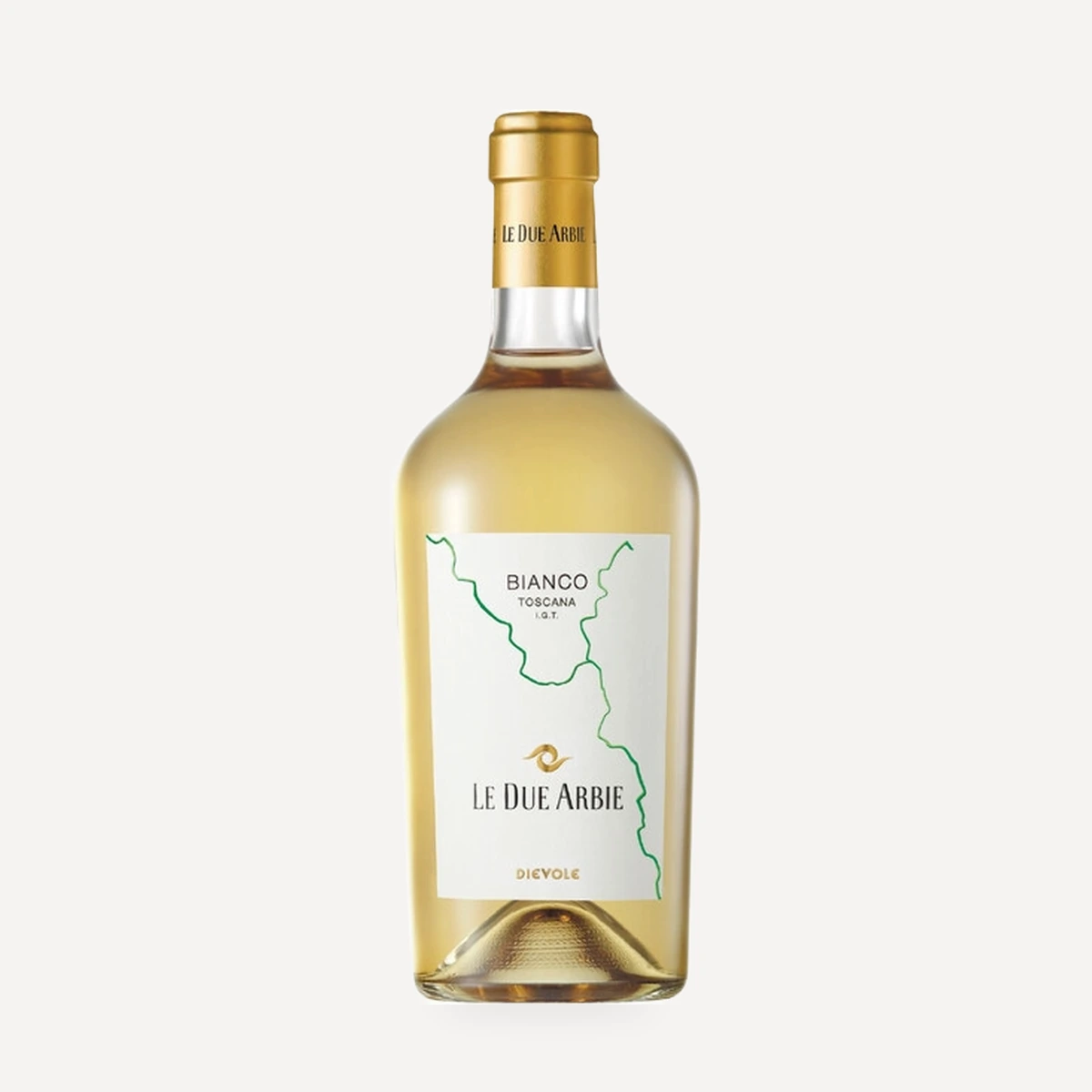
Le Due Arbie Bianco Toscana IGT
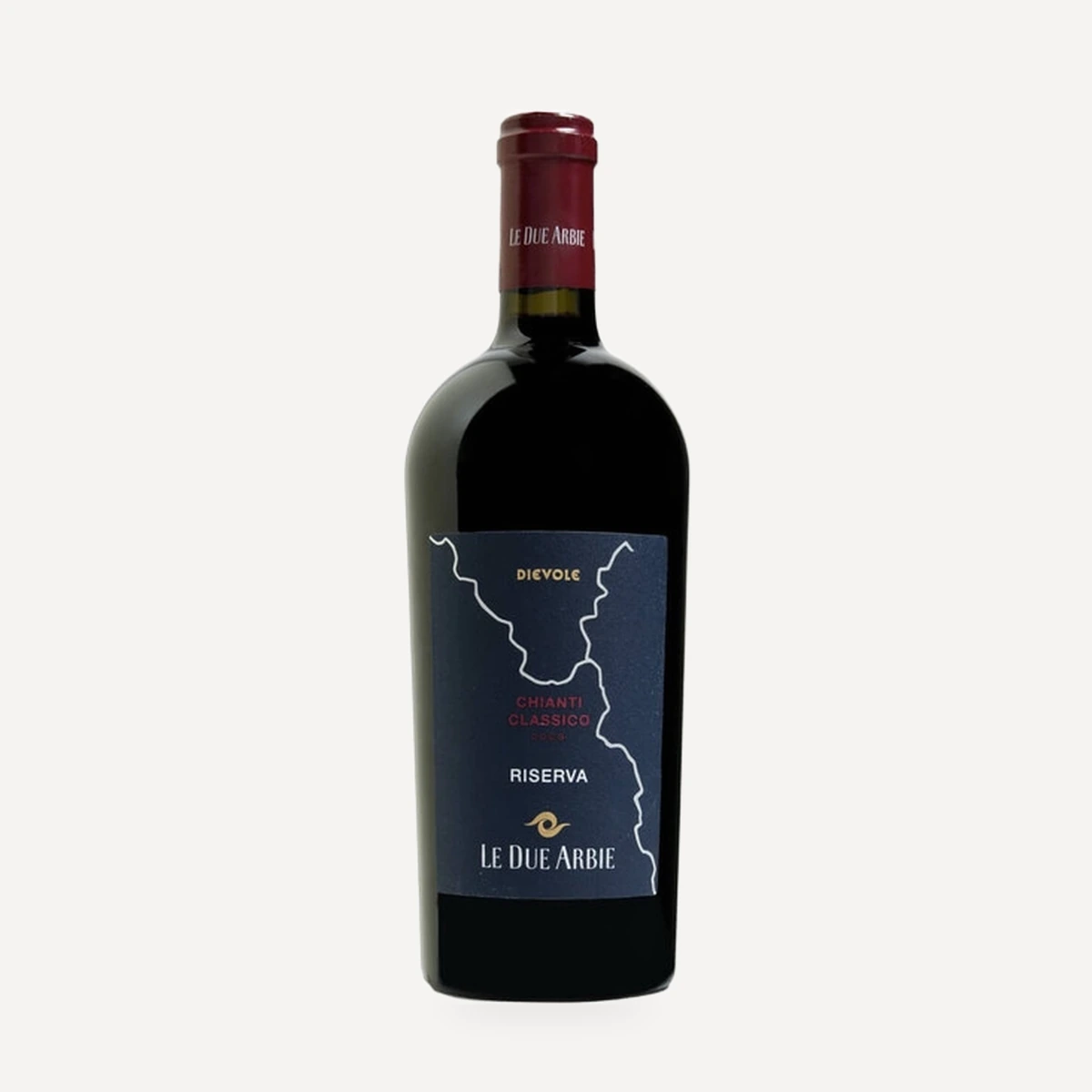
Le Due Arbie Chianti Classico Riserva DOCG
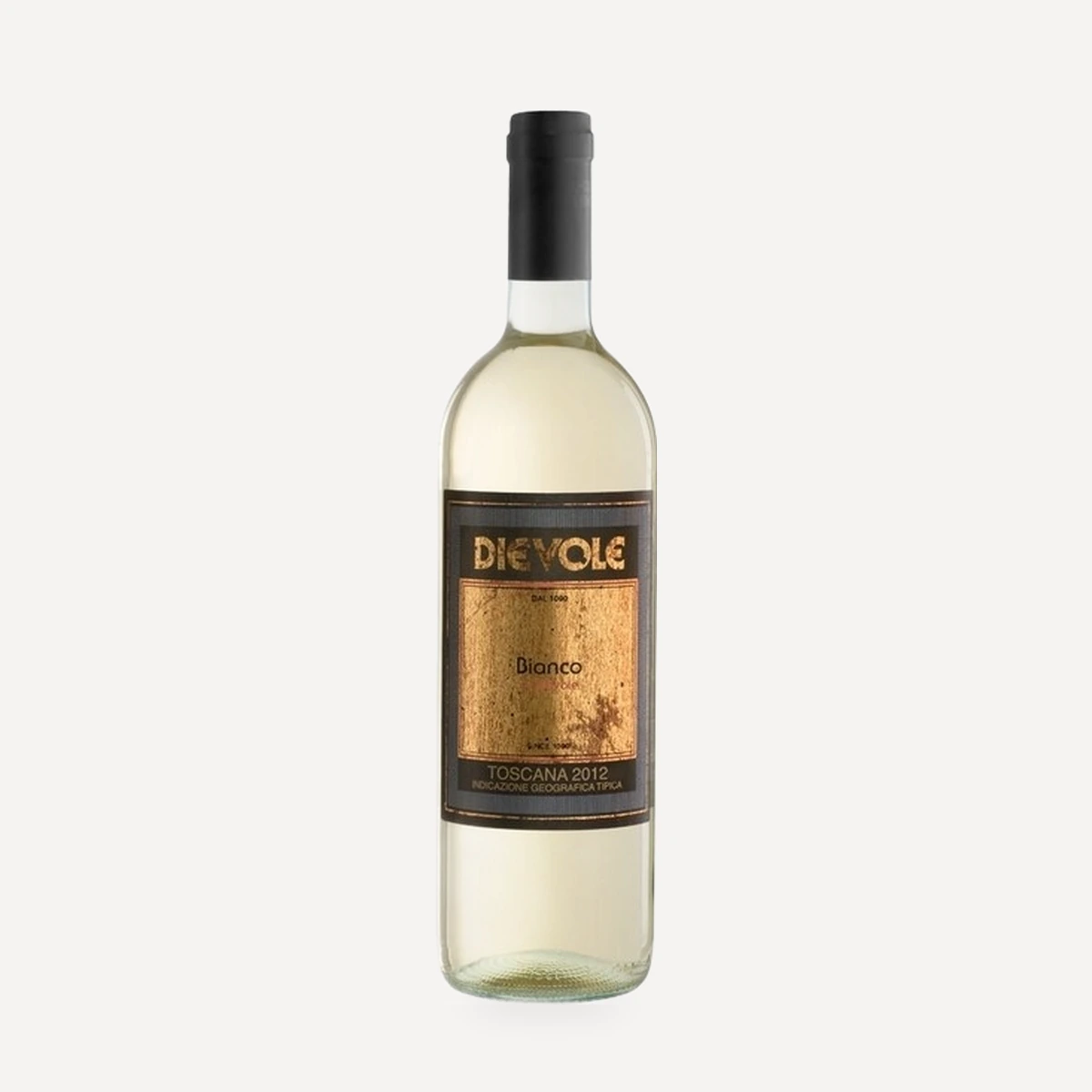
Bianco Toscana IGT
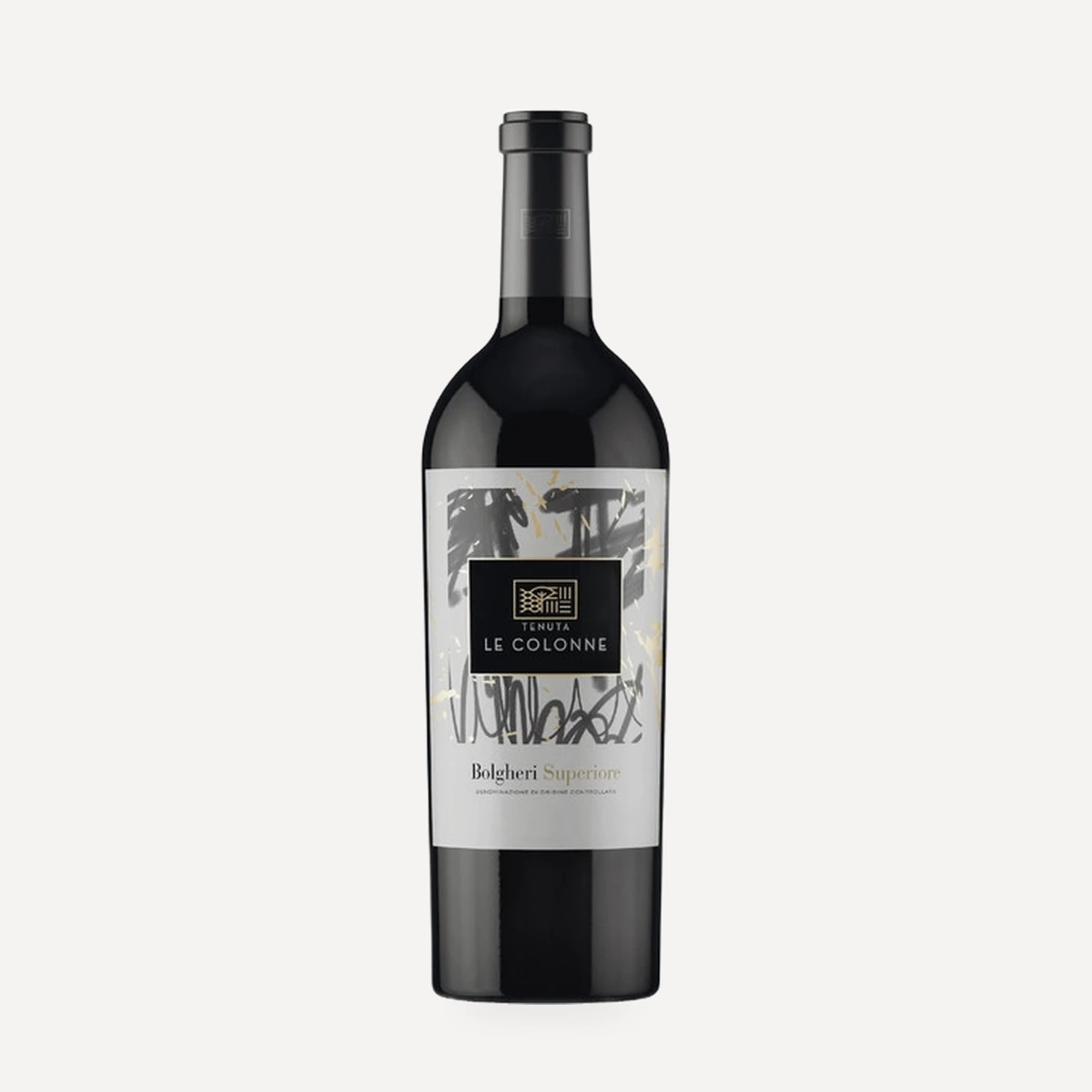
Bolgheri Superiore DOC
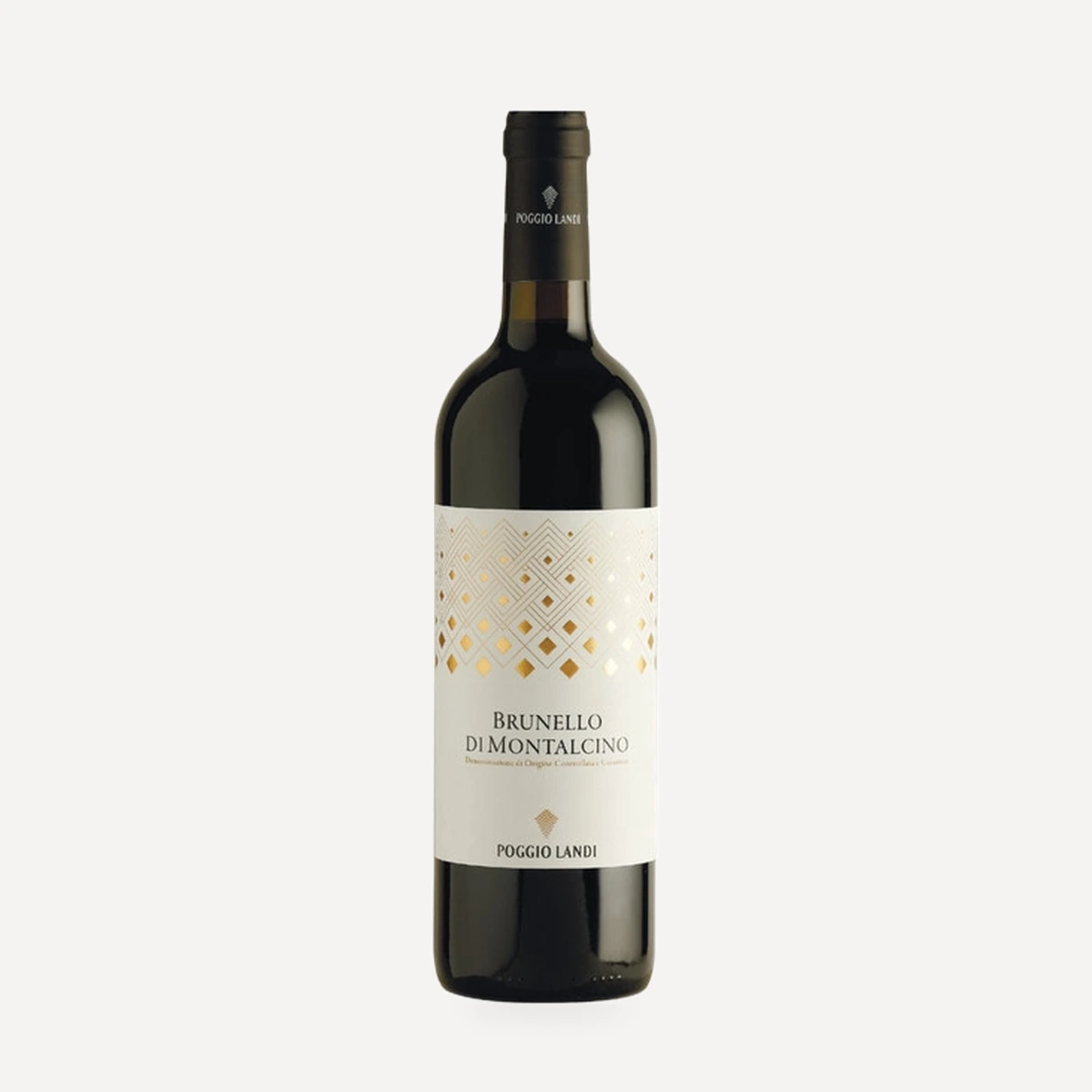
Poggio Landi Brunello di Montalcino DOCG
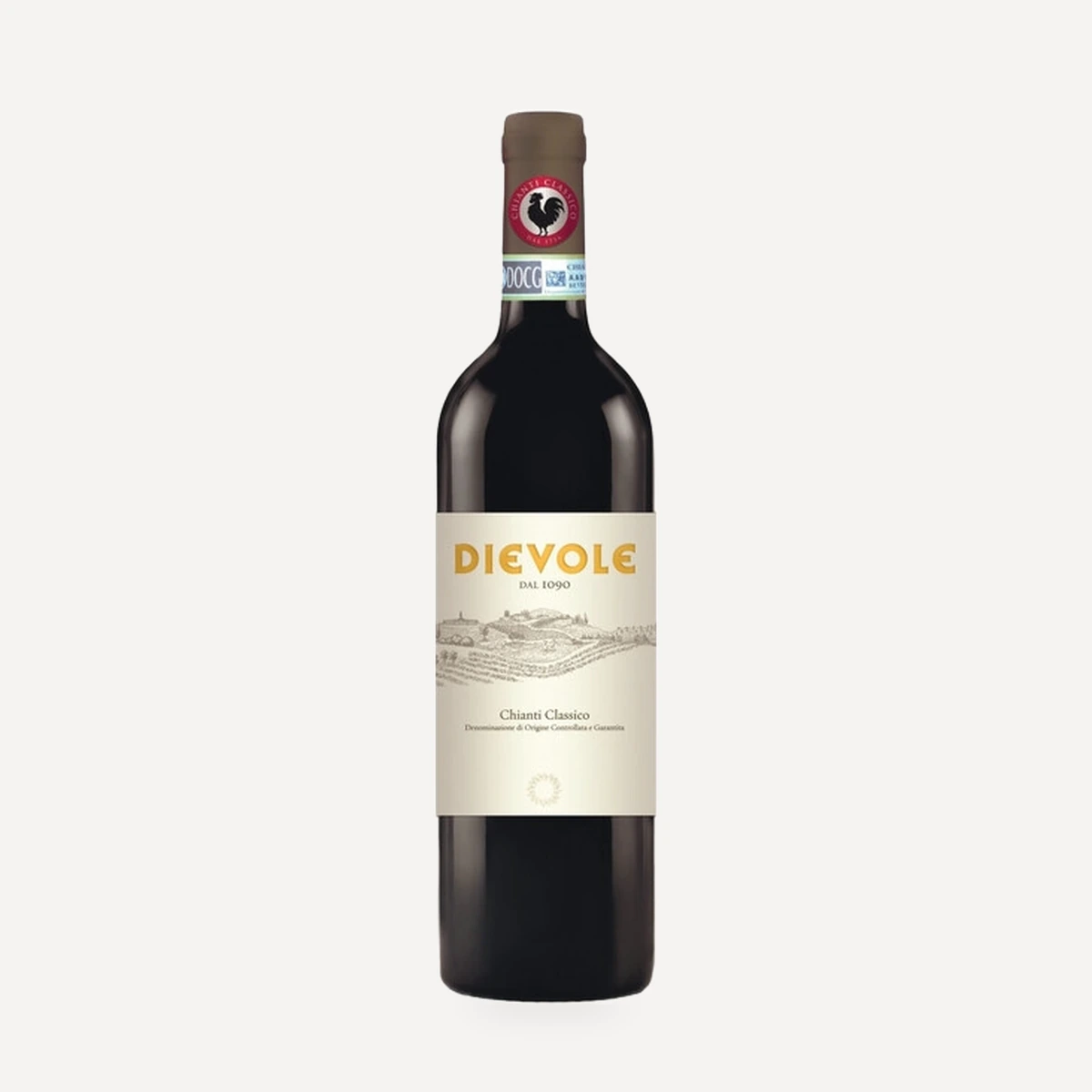
Chianti Classico DOCG
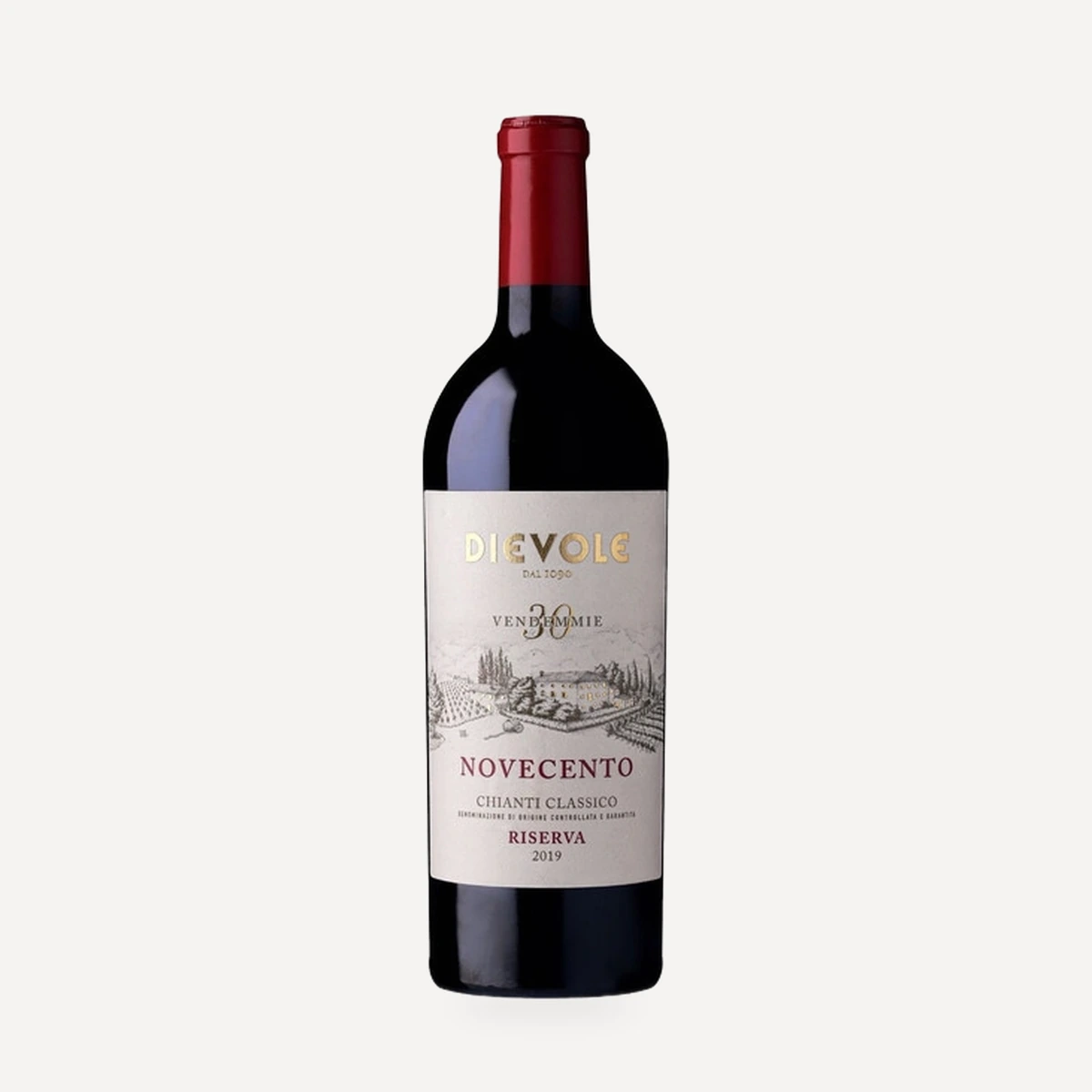
Novecento Riserva Chianti Classico DOCG
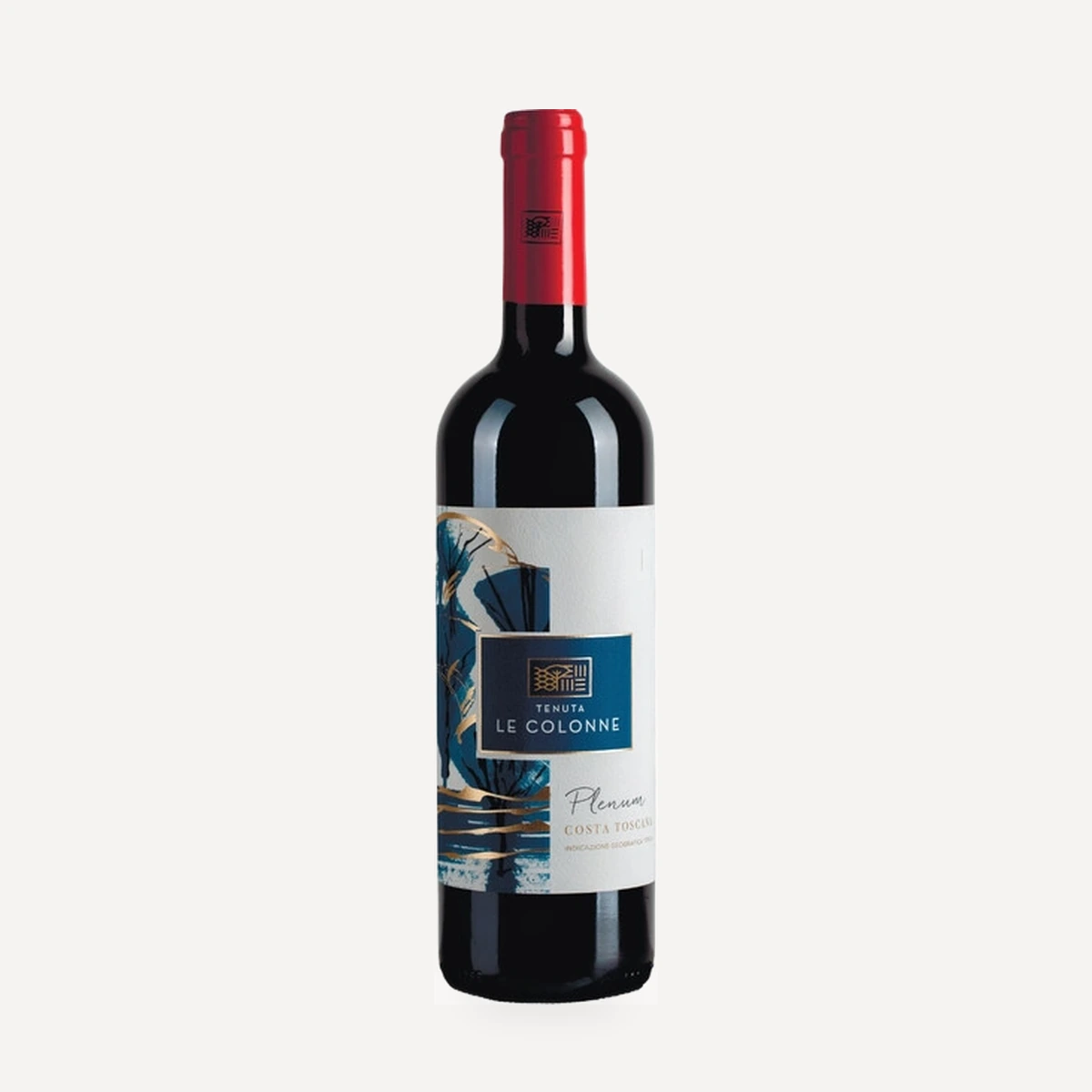
Plenum Costa Toscana IGT
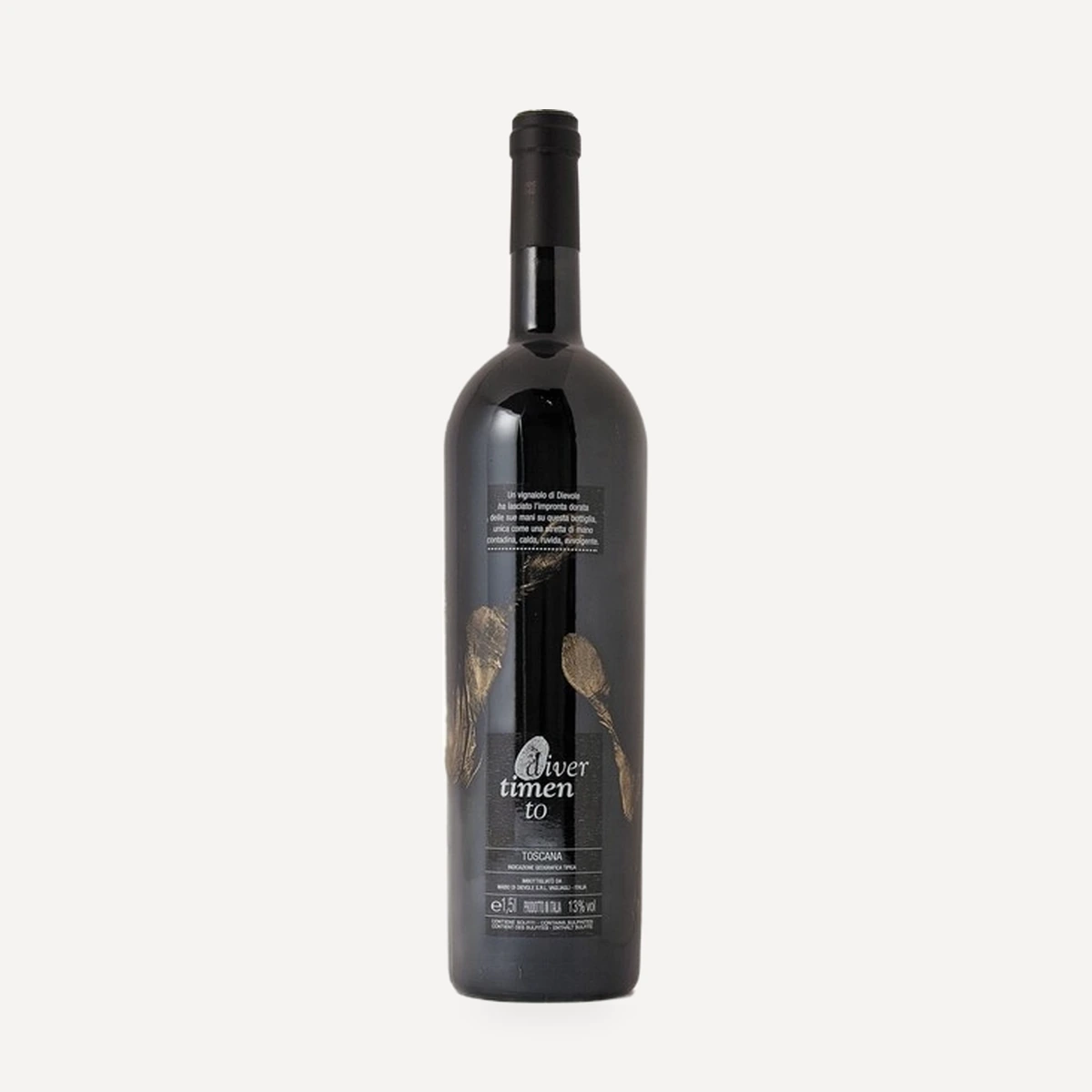
Divertimento Toscana IGT
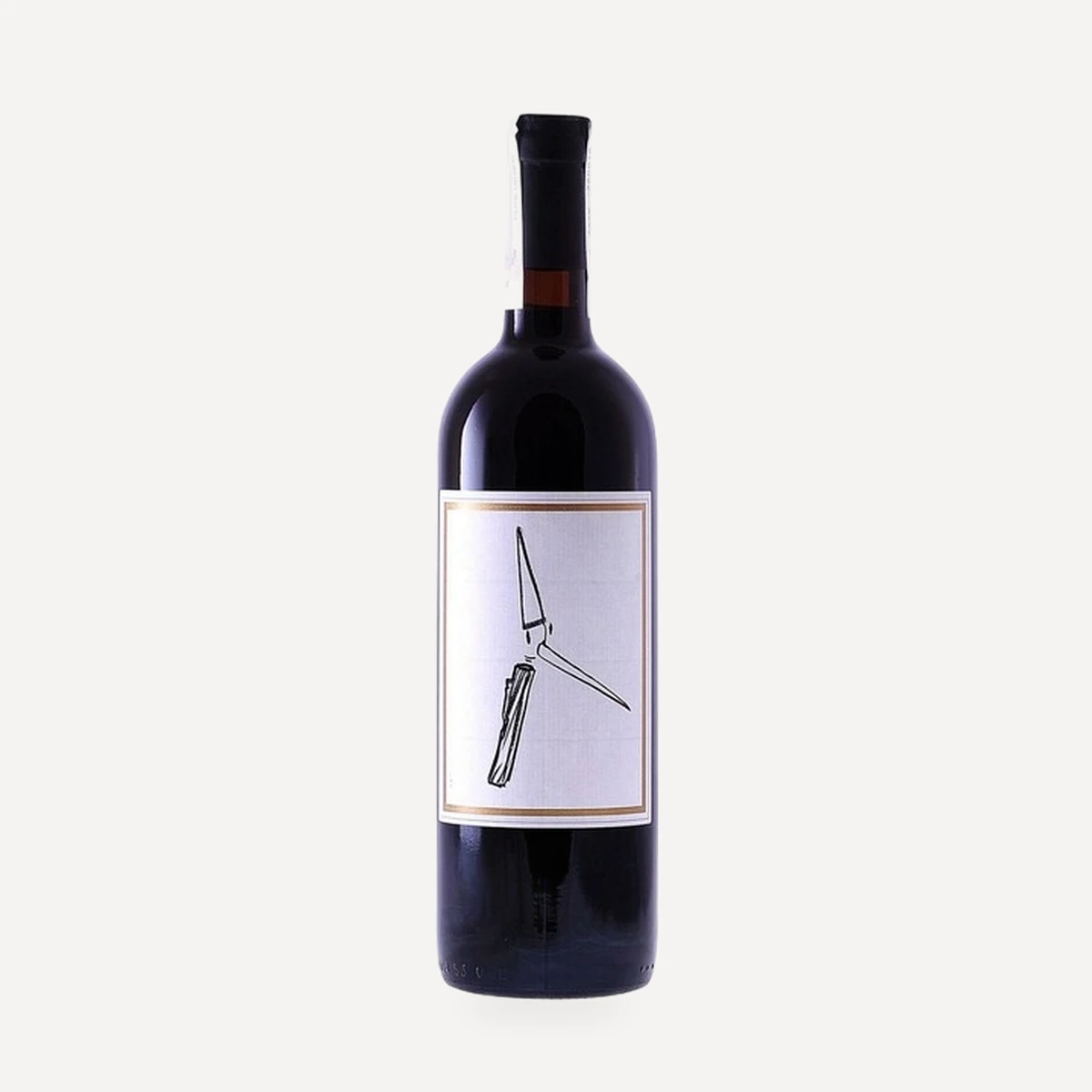
Pinocchio Sicilia IGT
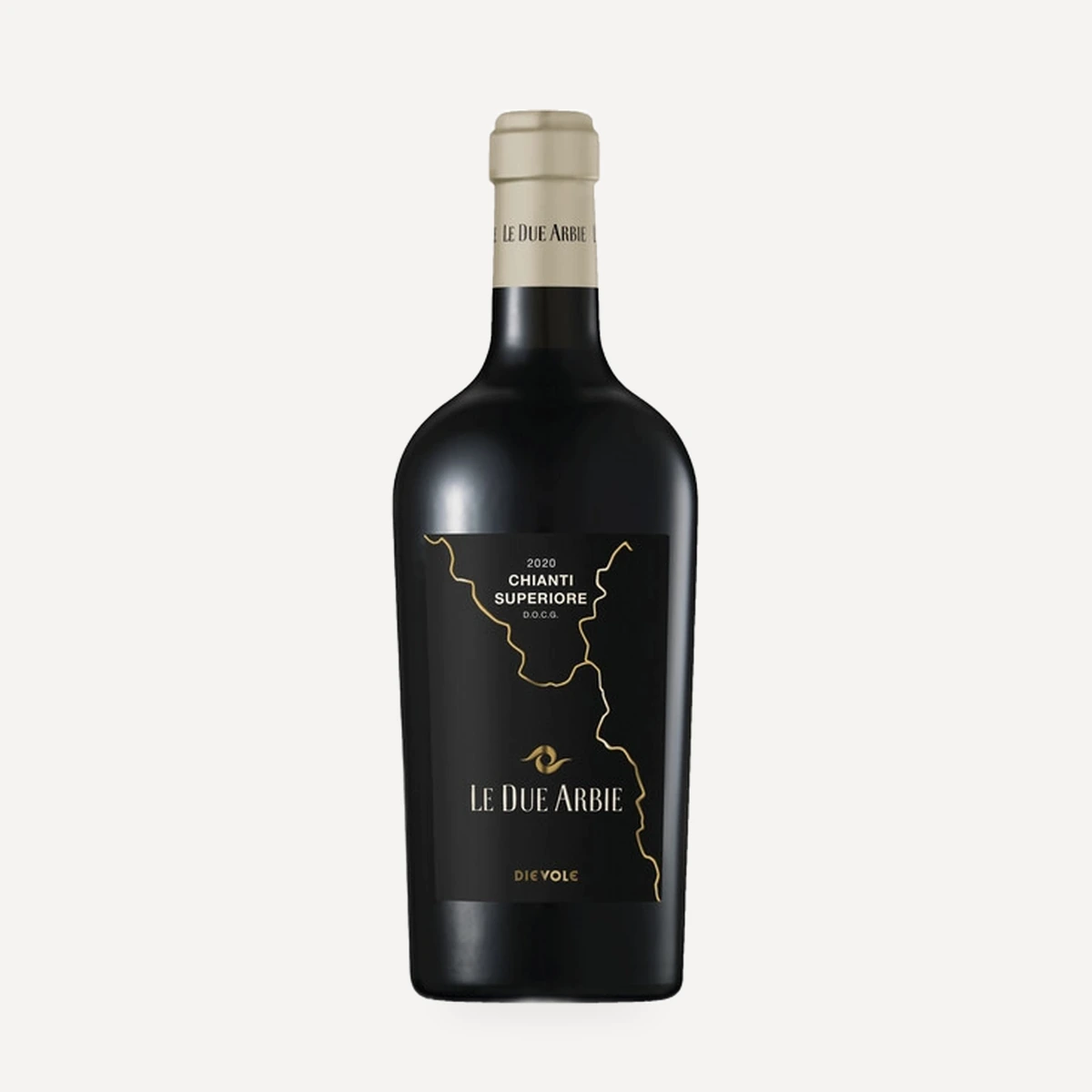
Le Due Arbie Chianti Superiore DOCG
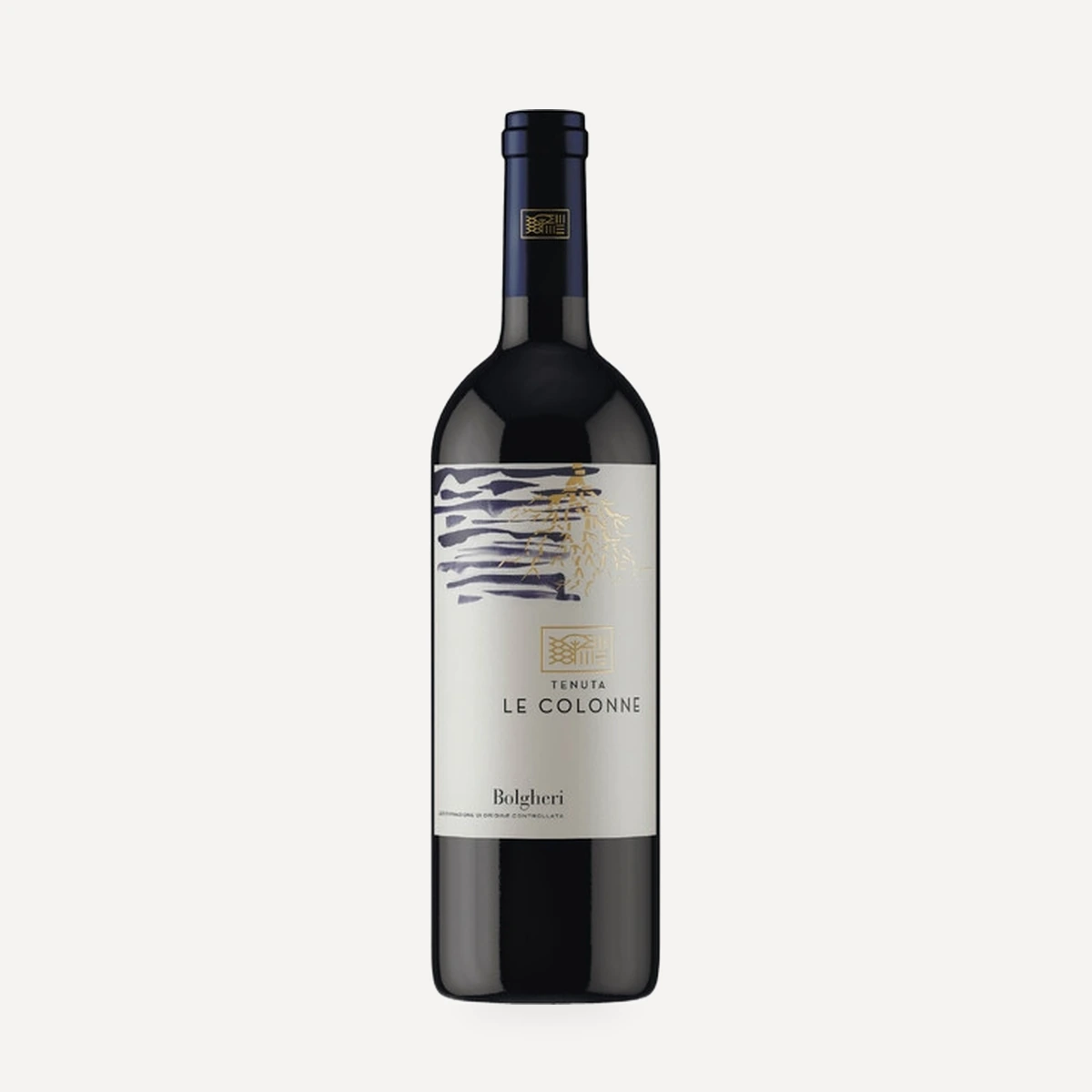
Bolgheri DOC
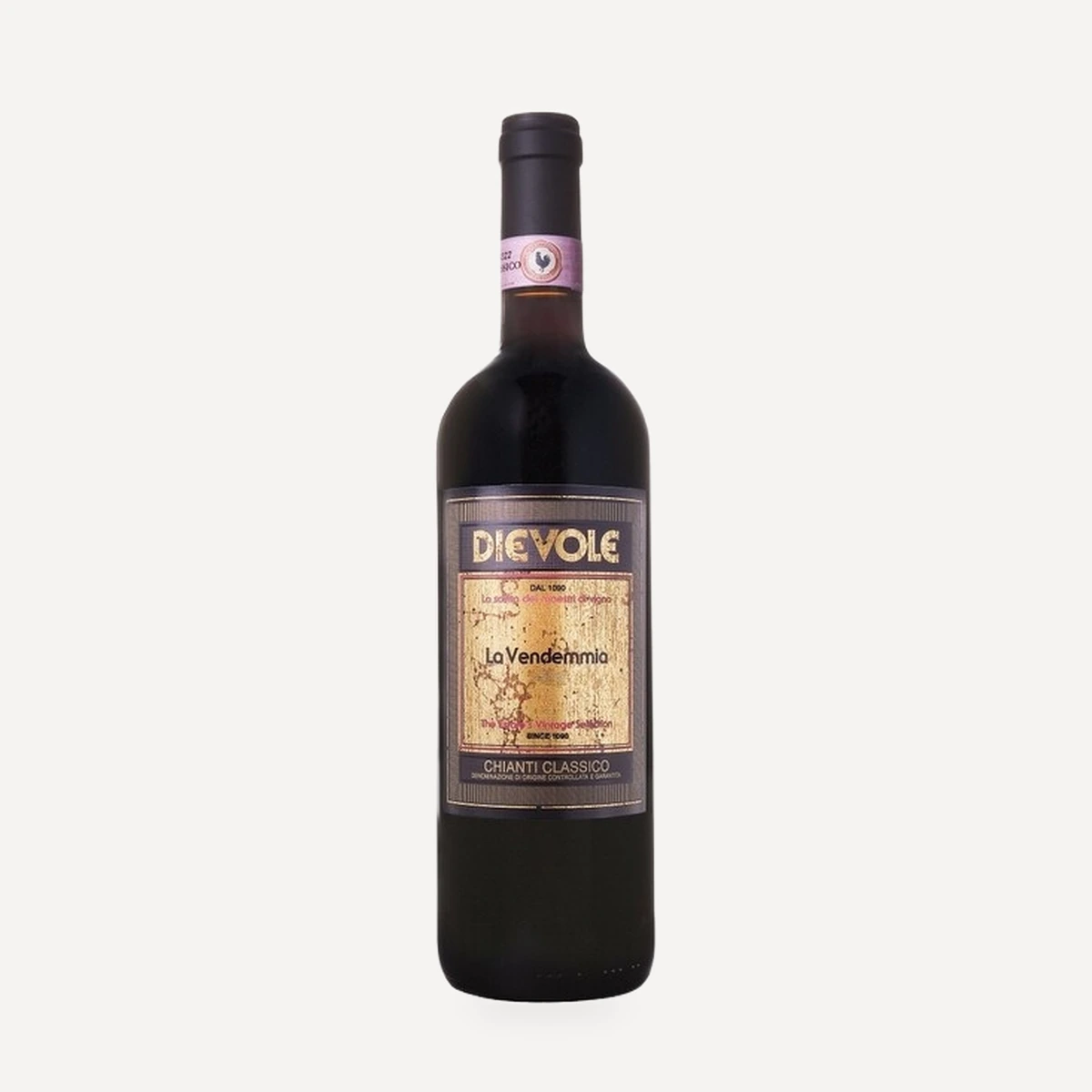
La Vendemmia Chianti Classico DOCG
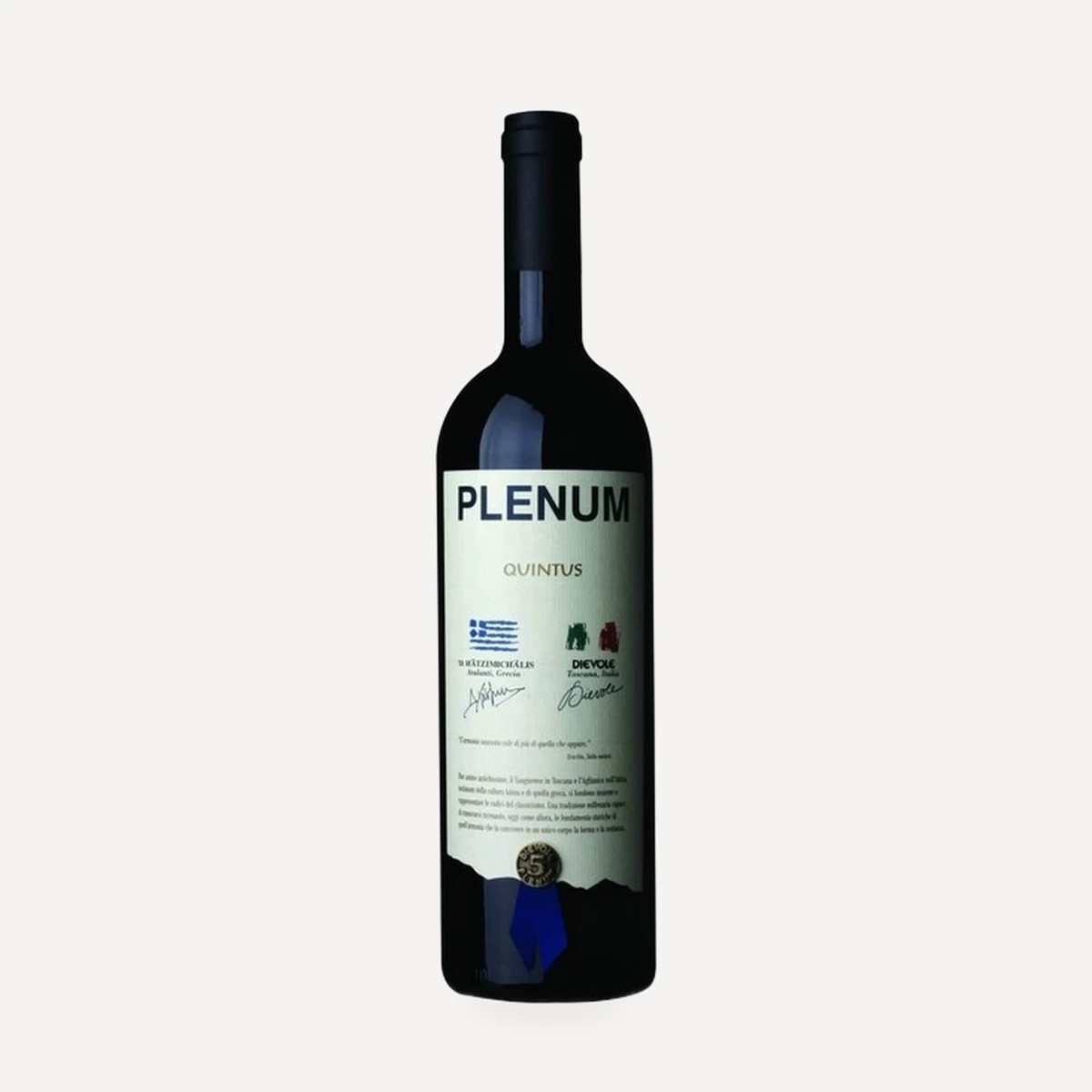
Plenum Quintus European Melange