Storia
Venetian winegrowing heritage
The estate places its work within the longer agricultural history of eastern Veneto. Commercial winegrowing developed in the region during the 15th century under the Republic of Venice and continued through the period of Habsburg rule. Vigna Dogarina presents the preservation and transmission of this vineyard culture as part of its present identity.
Forty years of viticultural experience
Vigna Dogarina describes its contemporary activity in terms of 40 years of vineyard experience. Its development has combined that experience with continuing investment in modern winery technology, detailed controls and oversight extending from vineyard management through bottling. The estate vineyard holding has reached 100 hectares.
August 2016: entry into the Vi.V.O. Group
In August 2016, management of Vigna Dogarina–Vi.V.O. Agricola was acquired by the Vi.V.O. Group. The estate subsequently became the group's flagship wine operation in eastern Veneto while retaining Vigna Dogarina as its principal estate range.
Sustainability and research
Environmental measures include a photovoltaic installation capable of supplying the estate's entire energy requirement. Vigna Dogarina–Vi.V.O. Agricola also participates in collaborative research concerning lower-impact viticulture, vineyard resilience, water and soil management, vine health, precision techniques and more sustainable winery processes.
The VIT-VIVE initiative brought together universities, research bodies and wine-sector businesses to develop and test sustainability protocols for Veneto viticulture. Its work encompassed plant material, stress-tolerant rootstocks and varieties, irrigation, soil fertility, canopy management, disease control, biodiversity, water and energy use, sulfur-dioxide reduction, oxidation management and wine longevity.
Under the Veneto 2023–2027 rural-development framework, Vi.V.O. Agricola is also an agricultural partner in POTA.RAZIO. The multi-year project examines sustainable pruning and canopy management, mechanizable training systems and the use of stereoscopic cameras, automated bud recognition, three-dimensional vineyard reconstruction and microclimate monitoring.
Terroir
Vigna Dogarina is based at Campodipietra in the municipality of Salgareda, in the province of Treviso. Its 100 hectares of vineyards occupy the eastern Veneto landscape between the Carnic Alps and the Venice Lagoon.
Cold air descending from the Carnic Alps meets milder air arriving from the lagoon, producing pronounced temperature variations. These conditions are associated with the development of fragrant and intense aromas in the grapes.
The vineyards around Salgareda grow on caranto: an alluvial, clay-rich formation containing calcium and magnesium transported from the Dolomites by the Piave. The vines root into this mineral-bearing ground, which supplies water and nutrients and is linked to the persistence of the resulting wines.
At Campodipietra, the soil is described as a two-layer profile. An upper alluvial layer lies above a deeper mineral-rich caranto layer. Roots descend into the lower layer for water and nutrients; the resulting moderate vine stress is associated with lower quantity and higher fruit quality.
Vigna Dogarina also works with hilly vineyards in Valdobbiadene. These steep slopes form part of the UNESCO-listed cultural landscape and supply Glera for Valdobbiadene Prosecco Superiore DOCG. The denomination's vineyards range from 50 to 500 metres above sea level.
Vinificazione
Vineyard management forms the first stage of an integrated quality system extending through bottling. Technical staff, modern equipment and extensive controls support this work. The operation holds SQNPI and VIVA certification, alongside BRC and IFS certifications covering broader quality and production systems.
Research participation adds an experimental dimension to vineyard management. The VIT-VIVE programme studied irrigation efficiency, reduced water use, carbon sequestration, climate-change mitigation, soil organic matter and fertility, lower-impact fertilization and weed management, vine nutrition and health, reduced plant-protection inputs, biocontrol, canopy balance and resilient plant material. Its experimental network covered more than 100 hectares across several Veneto provinces and included Pinot Grigio, Glera, Garganega and Corvina trial fields.
POTA.RAZIO includes multi-year trials at Vi.V.O. Agricola. The work assesses pruning and canopy-management systems for their effects on yield, grape quality and vine health. It also investigates conversion to mechanizable trellised systems, modular mechanical pruning, automated bud counting through stereoscopic imaging, three-dimensional vineyard reconstruction and canopy-microclimate monitoring in relation to vine growth and disease development.
Production is managed as a continuous chain from work in the vineyard to bottling. The estate combines established viticultural experience with modern equipment, detailed controls and technical expertise, with the stated objective of producing wines that retain the character of their territory.
The photovoltaic installation supplies the operation's full energy requirement and reduces production-related emissions. BRC and IFS certifications support its quality-management framework, while VIVA and SQNPI address environmental and agricultural performance.
Collaborative research has examined critical stages of vinification and storage, including oxidation, clarification aids and tannins, analytical markers for ageing potential, rationalized sulfur-dioxide use, low-SO2 production, interactions between microorganisms and fermentation conditions, fermentation-temperature effects on aroma formation and evaporation, precision sensors, tartaric stabilization, aroma recovery, water recovery, transport and storage conditions, and methods intended to improve wine longevity while reducing water, energy and processing costs. These subjects form part of the research programme rather than a claim that every technique is routinely applied to every Vigna Dogarina wine.
Filosofia
Vigna Dogarina's approach centres on close attention to every stage of production, from vineyard work to bottling, and on combining accumulated viticultural experience with current technology. Quality is placed ahead of quantity: the Campodipietra soil narrative explicitly connects moderate vine stress and reduced output with improved grape quality.
Tradition and innovation are presented as complementary principles. The estate seeks to carry the wine culture of eastern Veneto into a contemporary production environment while protecting the qualities of its land and transferring vineyard knowledge to later generations. Its wines are intended to be modern expressions of their territory rather than detached technical products.
Environmental responsibility is expressed through full photovoltaic coverage of energy demand, reduced emissions, certification and participation in research into lower-impact vineyard and cellar practices.
Vini
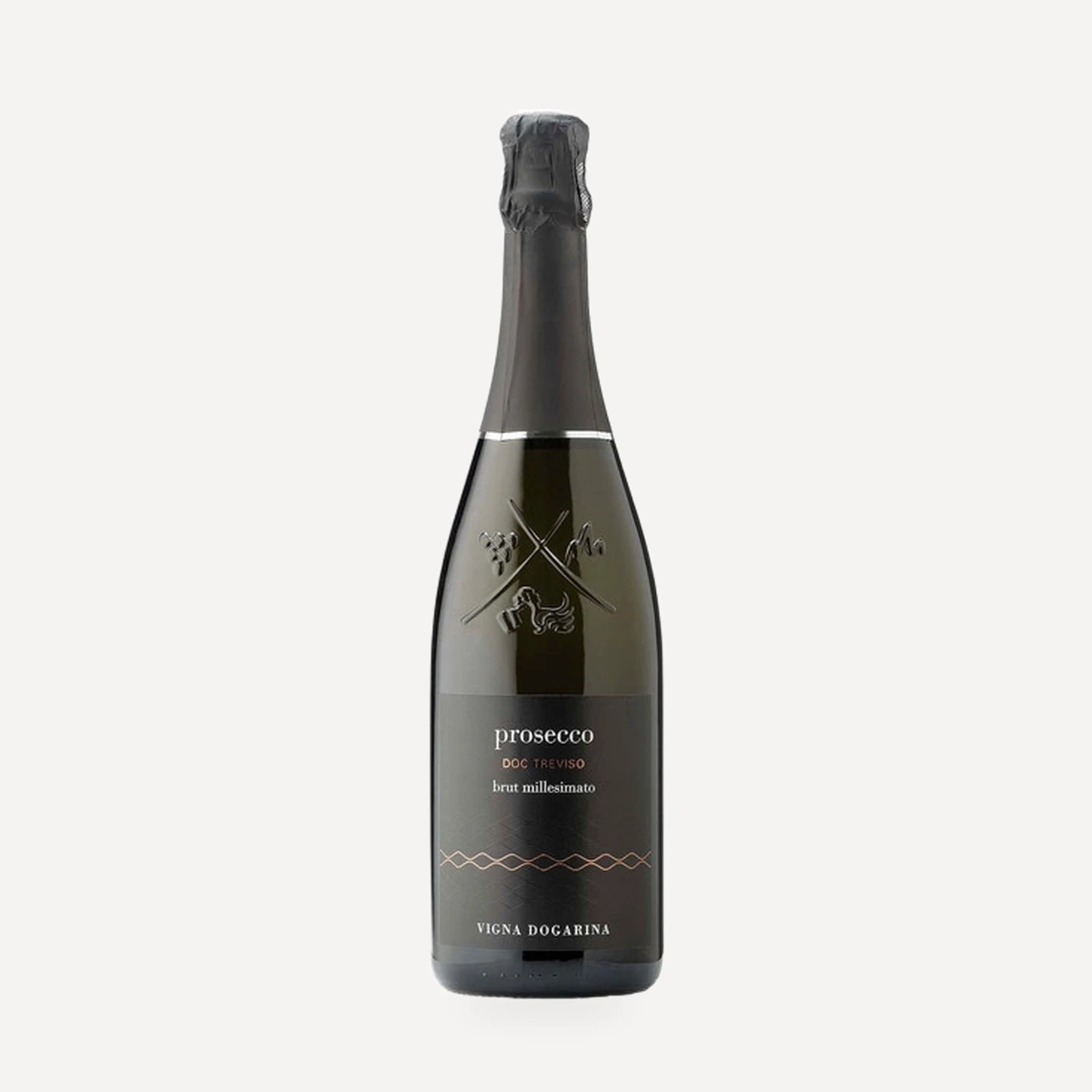
Prosecco Brut Millesimato DOC

Prosecco Rose Extra Dry Millesimato DOC
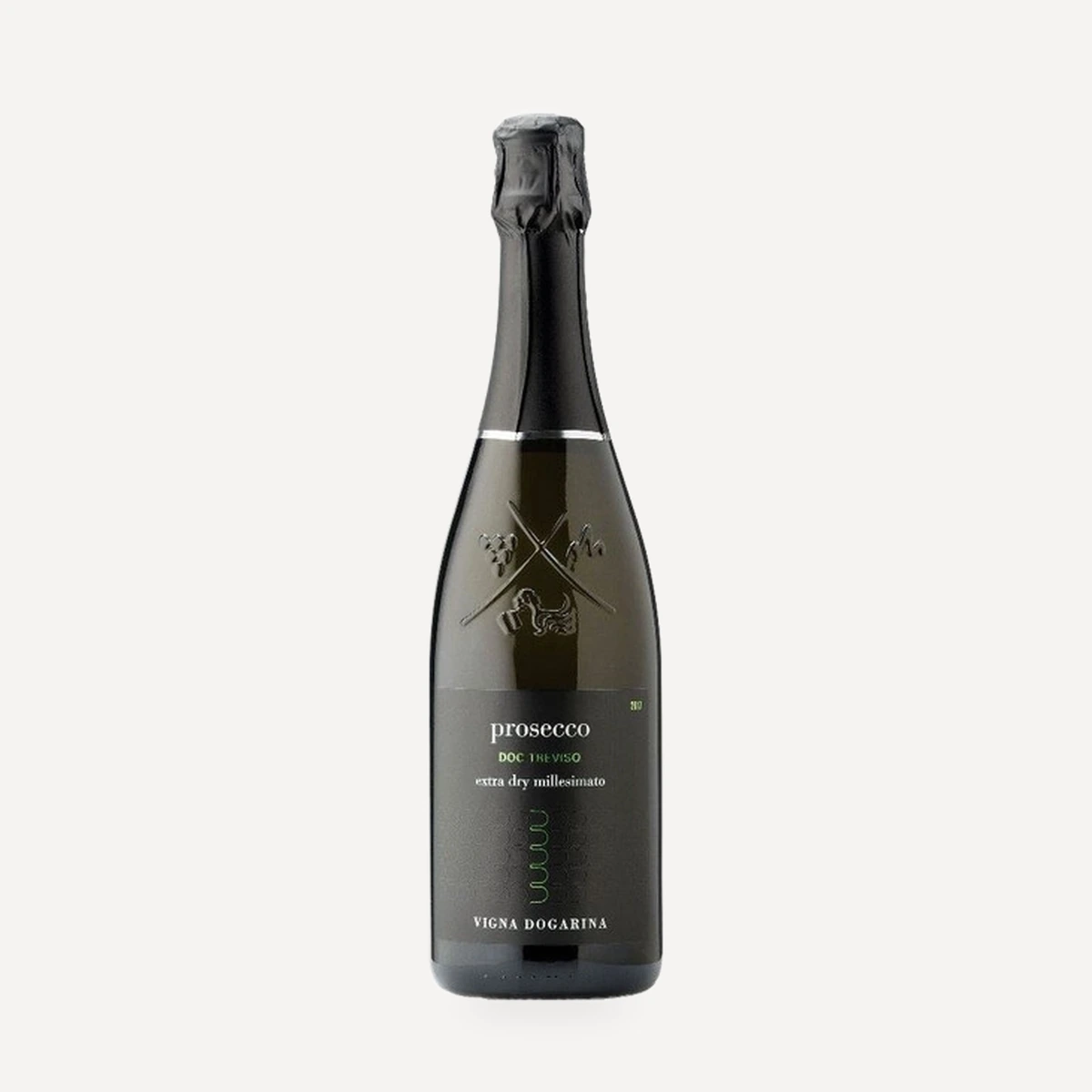
Prosecco Extra Dry Millesimato DOC
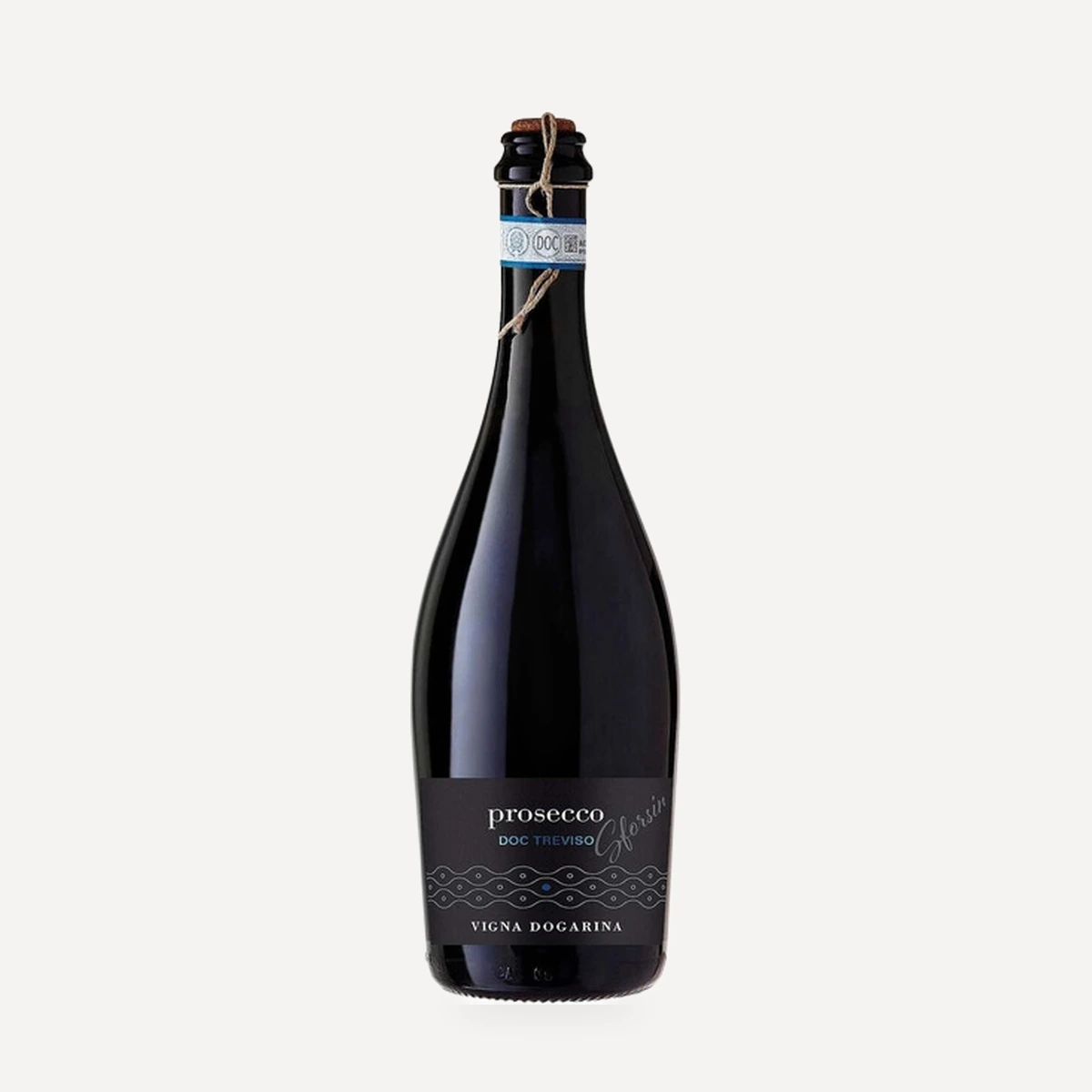
Prosecco Frizzante Sforsin DOC
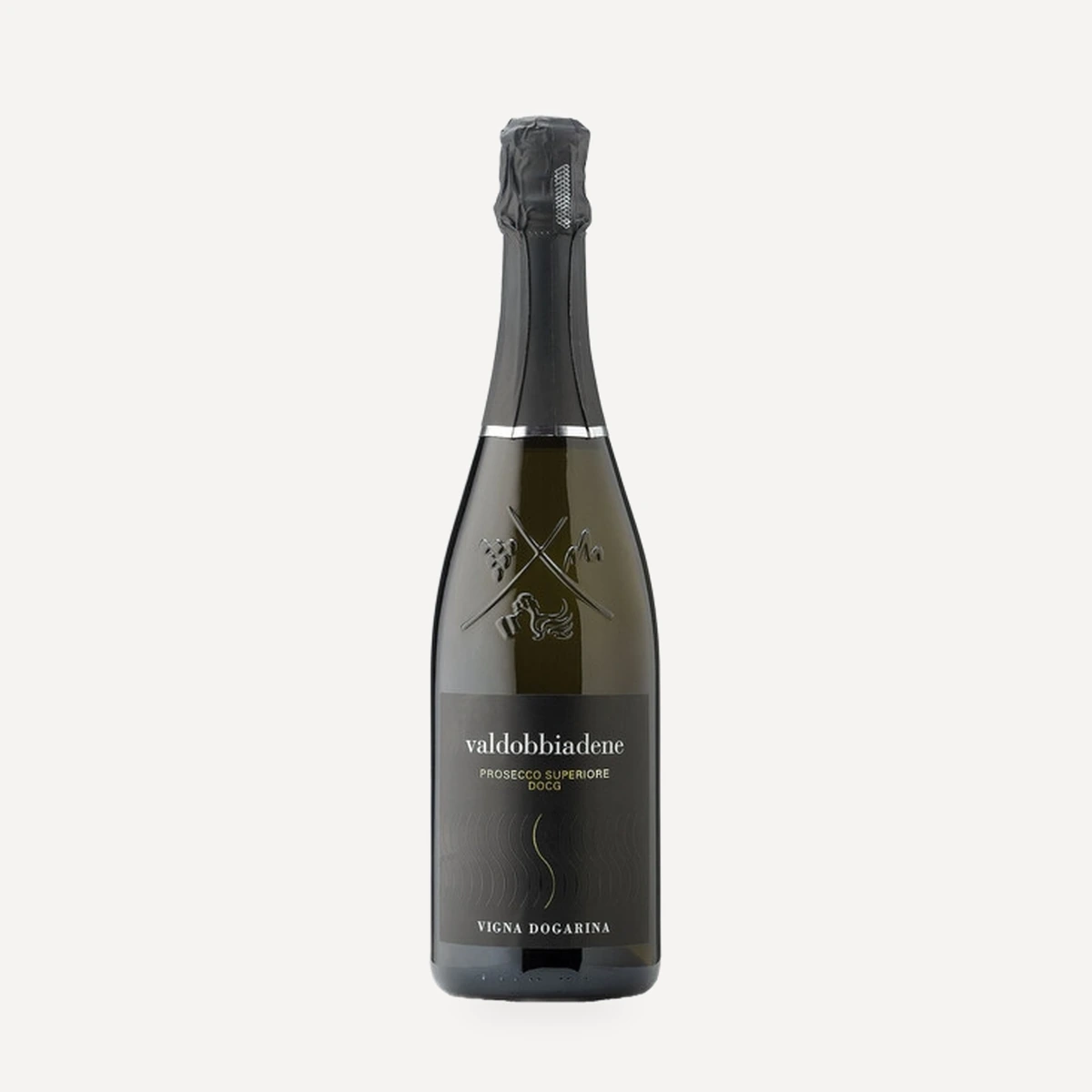
Valdobbiadene Prosecco Superiore DOCG
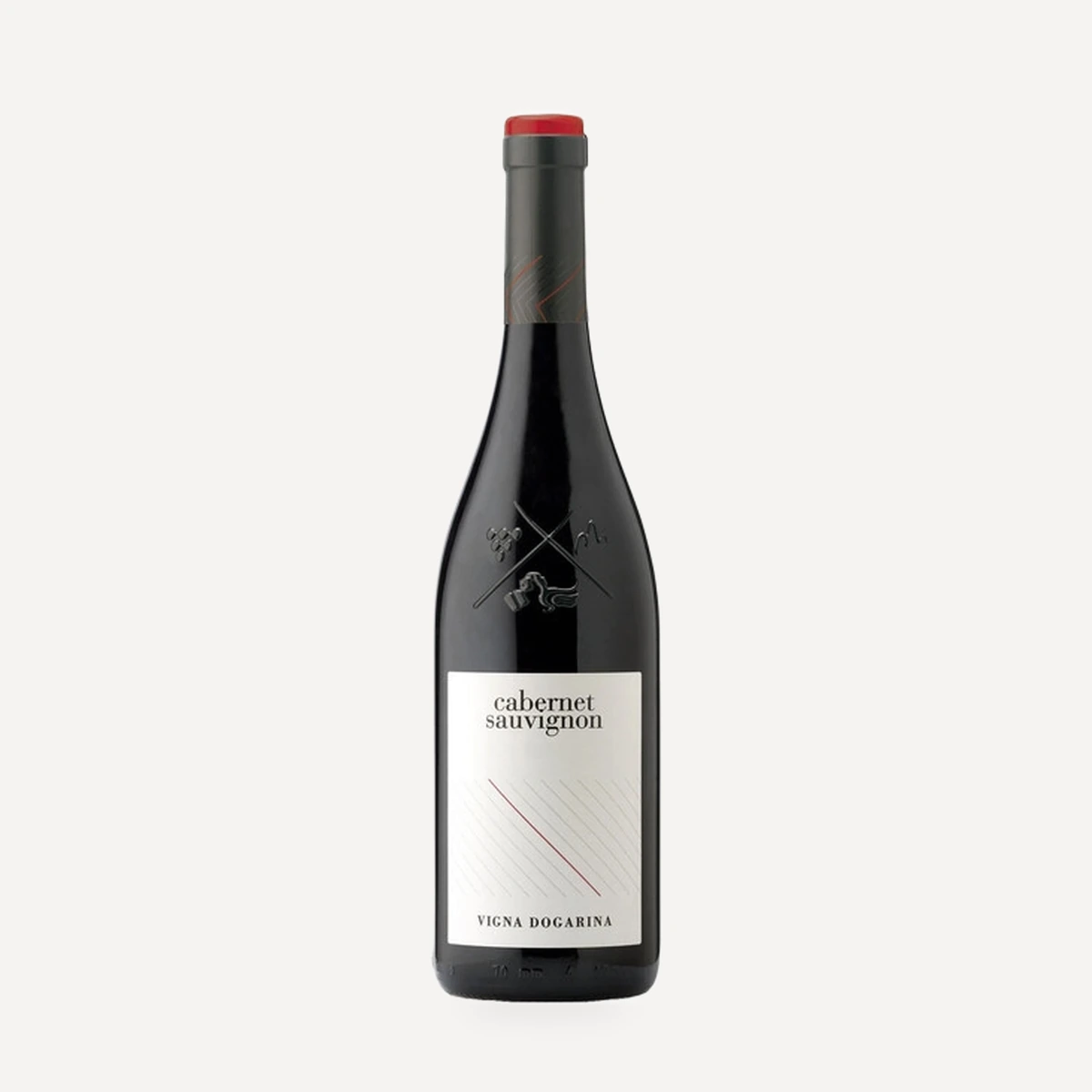
Cabernet Sauvignon Venezia DOC
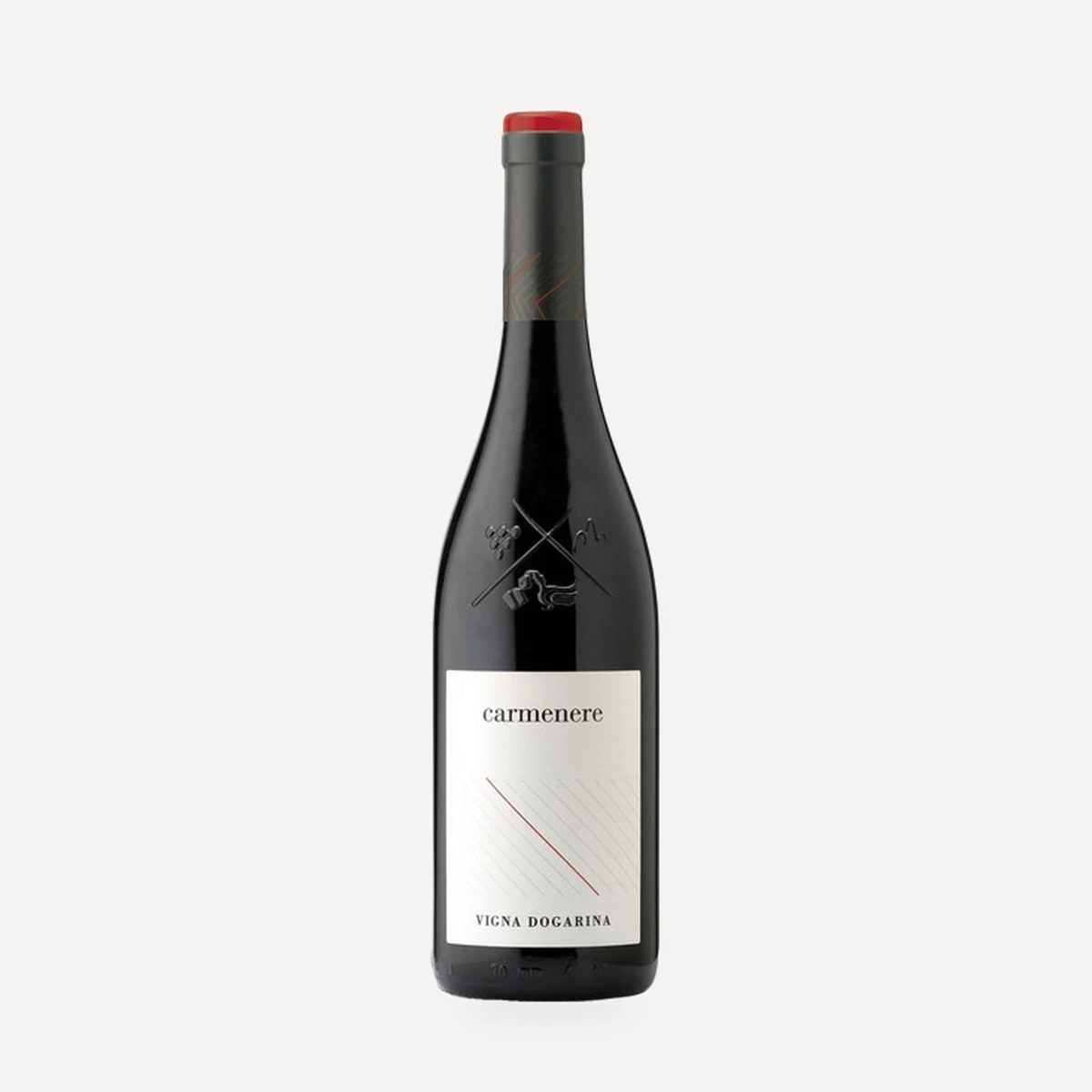
Carmenere Venezia DOC
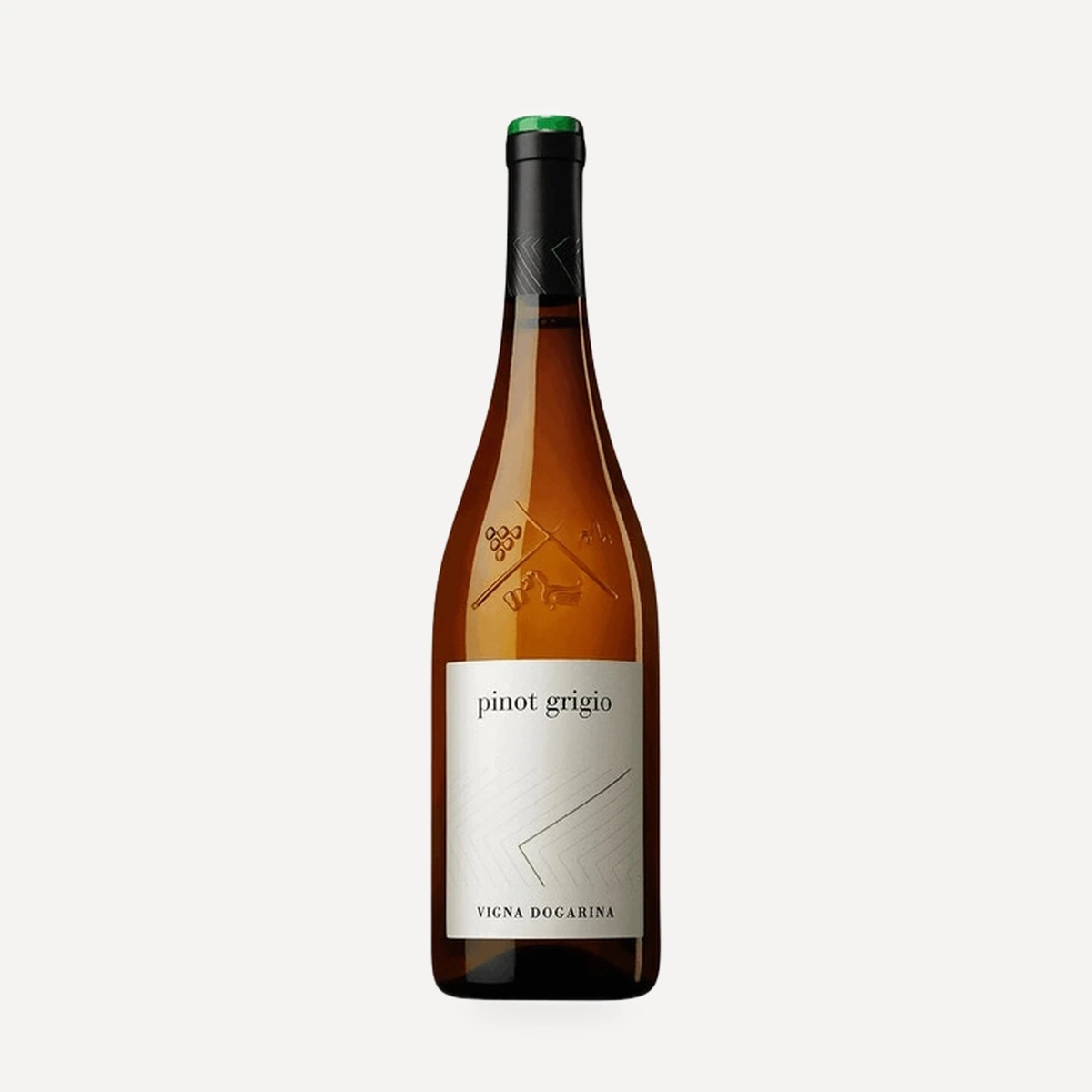
Pinot Grigio Venezia DOC
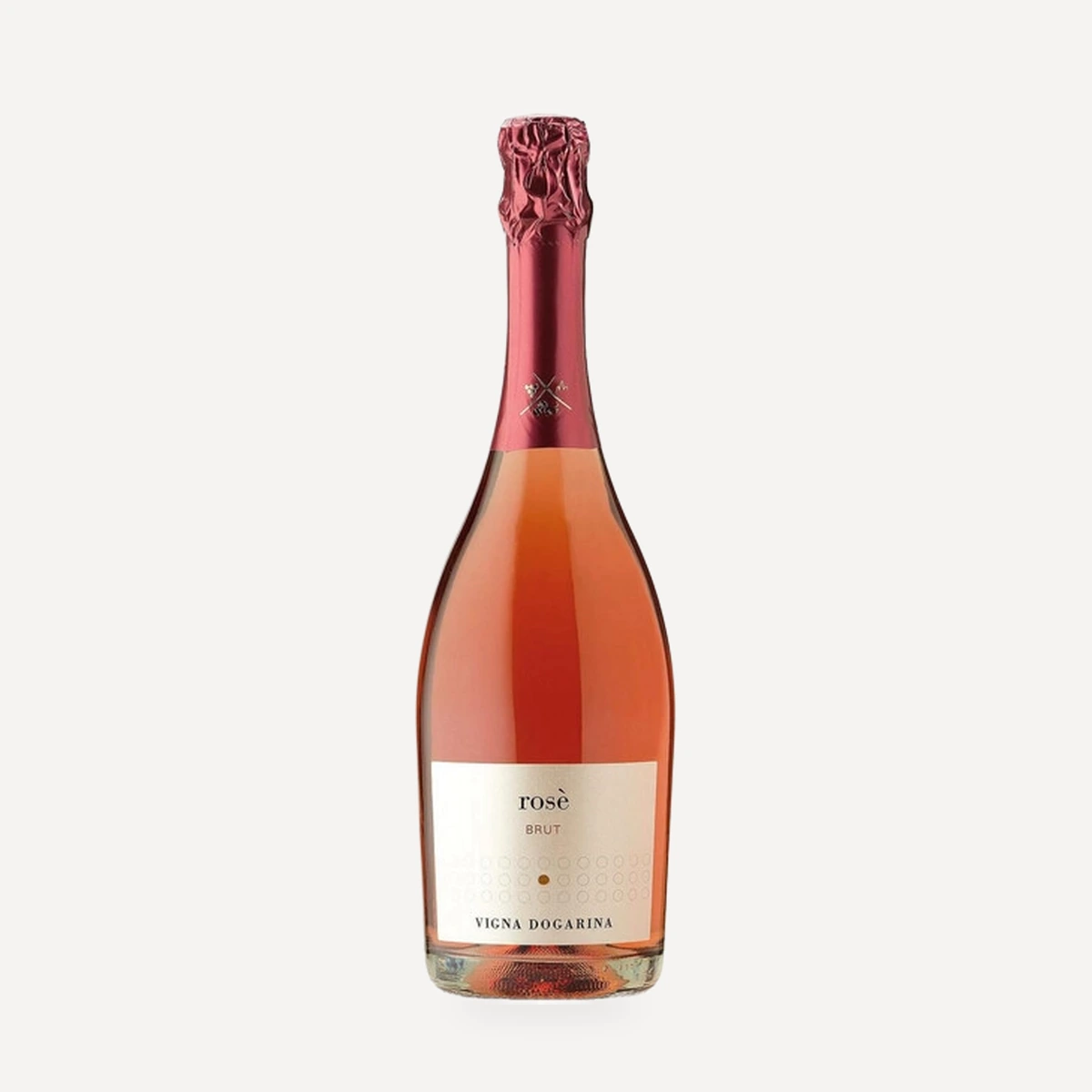
Spumante Brut Rose