Storia
1870: the beginning in Castiglione Tinella
Dogliotti began in 1870 in Castiglione Tinella, where brothers Giuseppe and Marcello Dogliotti started the family business. Working with simple, artisanal techniques, they made Moscato the flagship of their production. It subsequently received diplomas and gold medals at important wine competitions.
1929: relocation to Castagnole delle Lanze
In 1929, Giuseppe’s son Luigi assumed responsibility for the business and transferred the then-small winery to Castagnole delle Lanze. The move marked a new stage in its development: Moscato d’Asti soon crossed both regional and national borders and gained recognition in France and Switzerland.
A tradition transmitted through five generations
The family’s viticultural and winemaking tradition continued from father to son. Successive generations refined their techniques, improved wine quality and progressively broadened the range. Amelio and Roselsa belong to the third generation and are commemorated by wines created by their grandson Erik.
The business is now carried forward jointly by two generations. Giorgio and Bruno represent the fourth generation; Erik, Ivan and Matteo represent the fifth. The three fifth-generation cousins combined complementary skills—oenology and winemaking, commercial work and digital design—with the shared aim of strengthening the family company and developing its international presence.
2020 and the renewal of the cellar
In 2020, spaces within the old cellar were renewed and converted into a tasting room and direct-sales wine shop. The historic cellar, its barrels, old bottles, tools and archival material remain part of the visitor experience.
The next chapter in hospitality
Rooms once occupied by the third generation are being renovated for future overnight stays. The project extends the family home’s role from a private residence to a small hospitality space connected to cellar visits and tastings.
Terroir
Dogliotti is based in Castagnole delle Lanze, in the province of Asti, where the hills of the Langhe meet those of Monferrato. Both surrounding viticultural landscapes form part of the area recognized by UNESCO. The winery describes Castagnole delle Lanze as a village positioned between two distinct territorial identities.
The most precisely documented family site is the historic Berlet vineyard in Annunziata di Castagnole delle Lanze. It has a fully southern exposure and clay-limestone soil. Its vines average 80 years of age. The exposure supports complete ripening of Moscato Bianco, while the mature vines supply the single-vineyard fruit associated with the Berlet name.
Vinificazione
The family vineyard holding comprises 15 ha. At Berlet, the historic Moscato Bianco vineyard in Annunziata di Castagnole delle Lanze, vines are trained to Guyot. Its fully southern exposure supports ripening, and the average vine age is 80 years. Harvest there takes place from late August into early September.
Guyot training is also identified across the documented varietal range, including Moscato Bianco, Barbera, Chardonnay, Arneis, Pinot Nero and Nebbiolo. Harvest timing varies by variety and intended style, beginning in August for early-picked grapes and extending into September for later-ripening red varieties.
Dogliotti’s production remains organized around a historic family cellar in Castagnole delle Lanze. The visitor route passes through the old cellar and the barrel area where wines rest; historic bottles, cellar tools and archival material are preserved there. Former cellar rooms were renewed in 2020 to create a tasting room and wine shop.
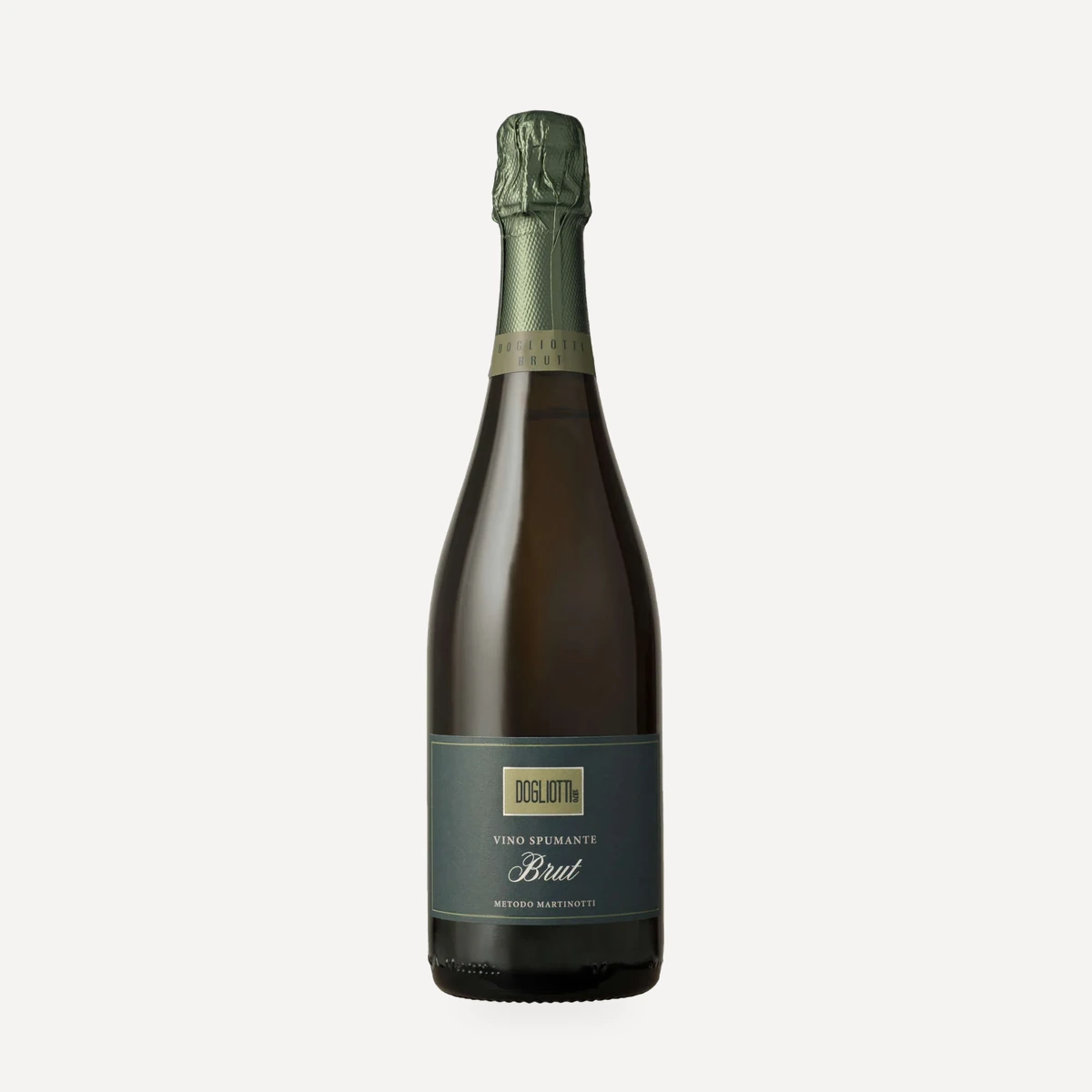
Erik Dogliotti directs the family’s enological work. The range brings together established Piedmontese traditions and newer family interpretations: Moscato d’Asti remains central, while production also encompasses red and white still wines, rosé, lightly sparkling Barbera, bottle-fermented Metodo Classico wines, tank-fermented Martinotti sparkling wine and family-recipe vermouth. The cellar works with both steel and oak, and the portfolio includes wines developed through extended lees, wood and bottle maturation. These techniques are applied according to the individual project rather than as a single standardized protocol.
Filosofia
Dogliotti’s identity is rooted in continuity between family, craft and place. The fourth and fifth generations work together, presenting the business as a shared family undertaking rather than the project of a single individual. The fifth-generation cousins contribute different professional skills toward the same objective: strengthening the company while taking its wines to a wider international audience.
The family frames its work as a continuing balance between tradition and innovation. The historical thread begins with Moscato and artisanal production, while later generations have refined their techniques, improved quality and enlarged the portfolio. Innovation is expressed through new interpretations and blends without abandoning the family’s principal Piedmontese varieties and denominations.
Attachment to Castagnole delle Lanze and the meeting point of Langhe and Monferrato also shapes hospitality. Local food is treated as part of the same regional culture as wine, and tastings pair the range with products from the surrounding territory.
Vini
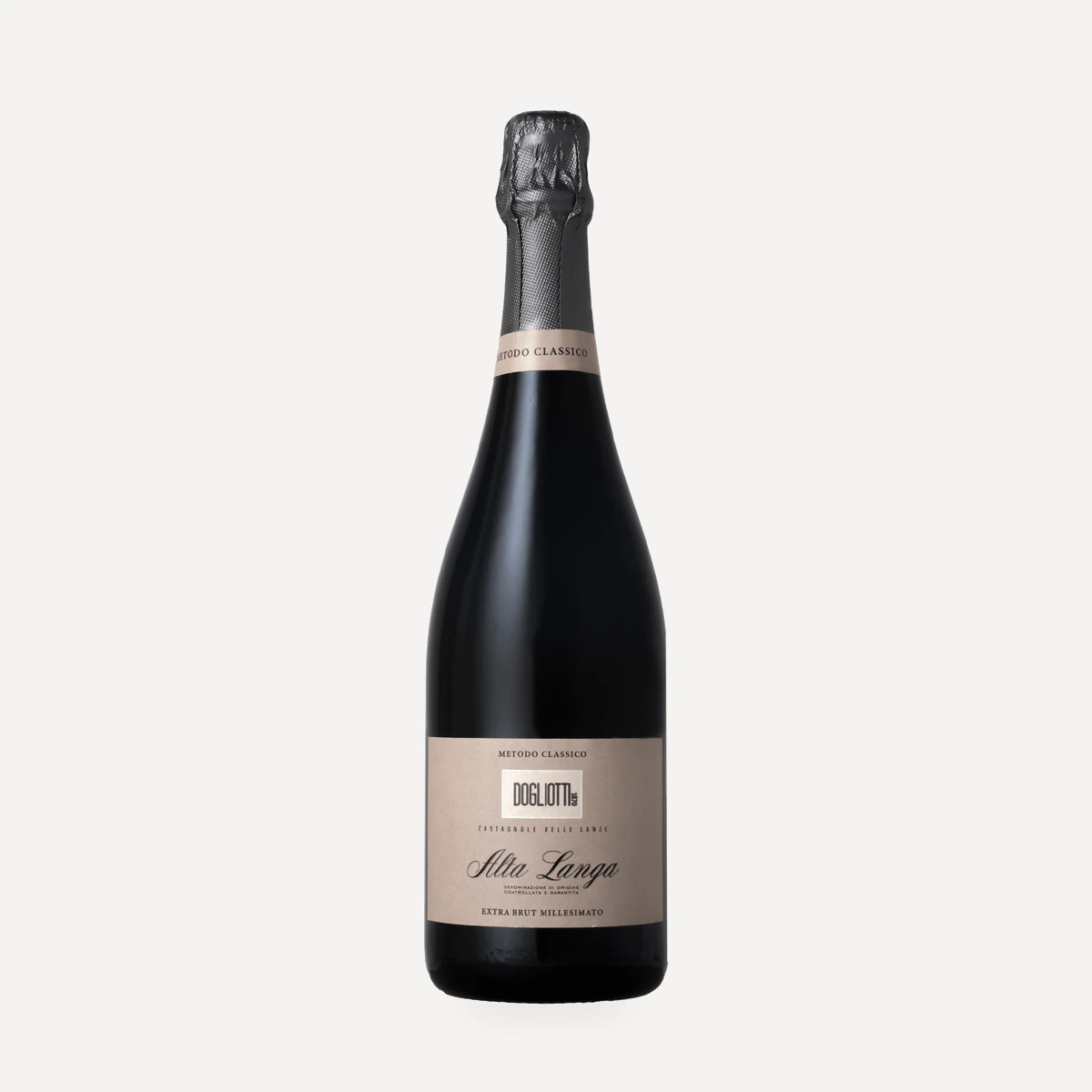
Alta Langa
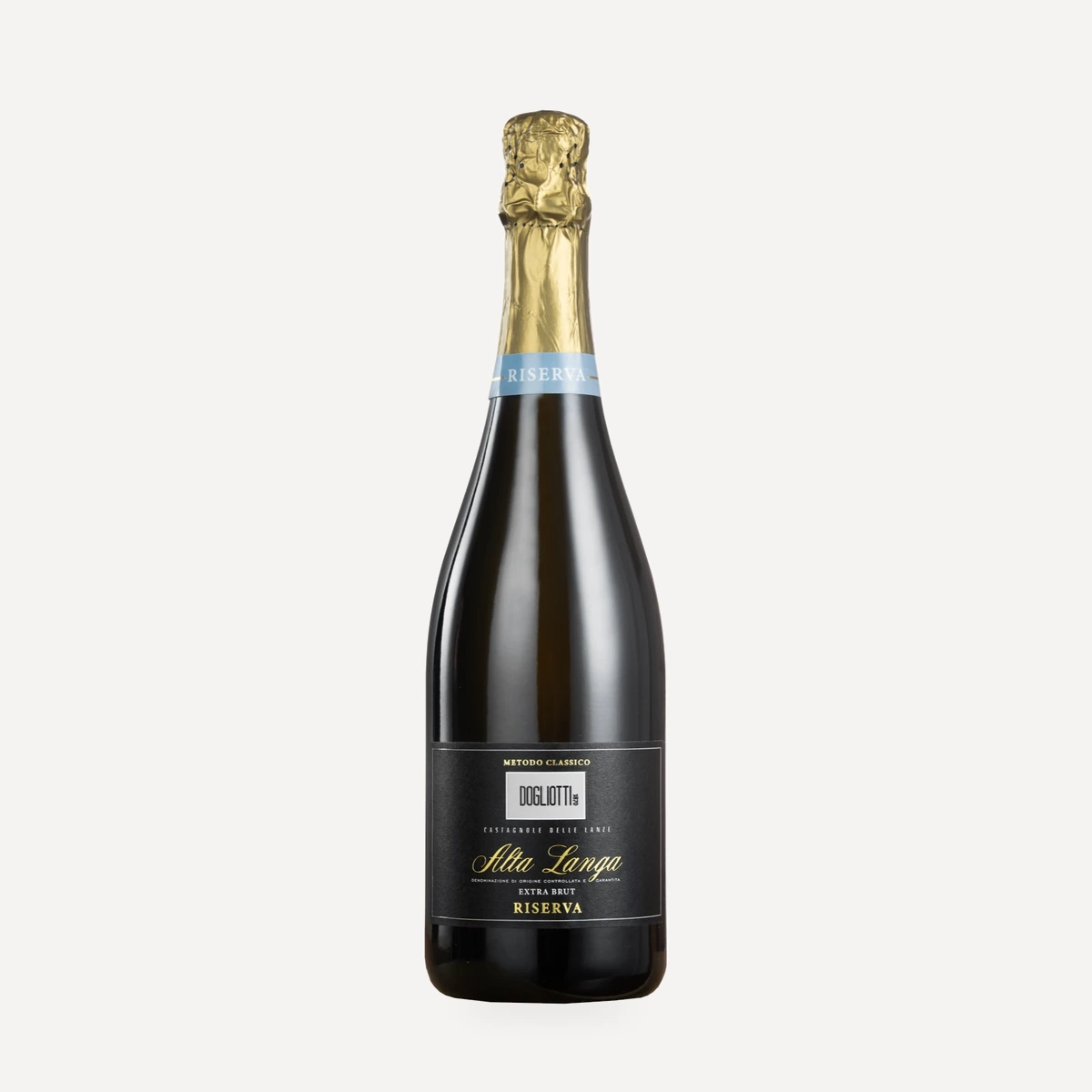
Alta Langa Riserva
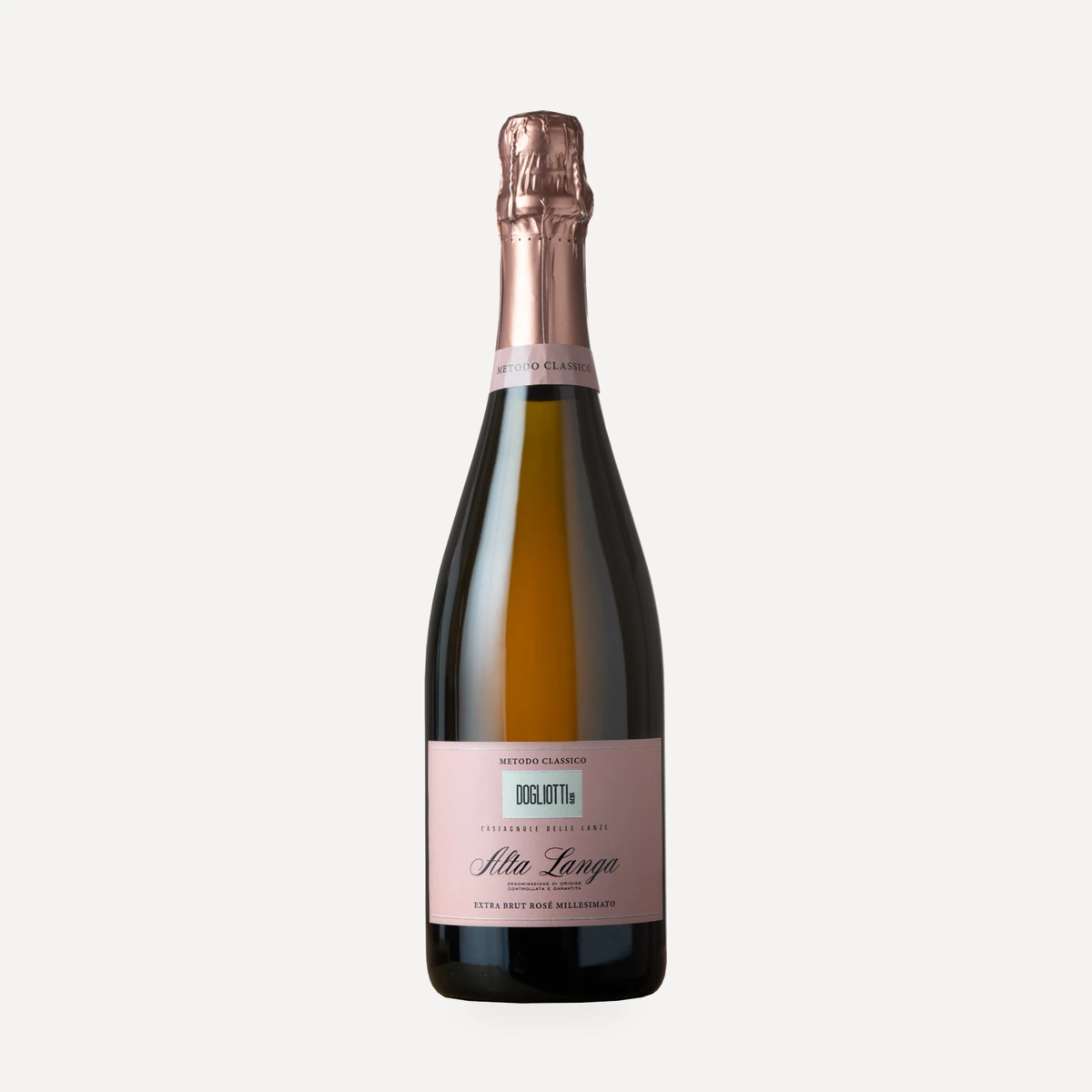
Alta Langa Rosé
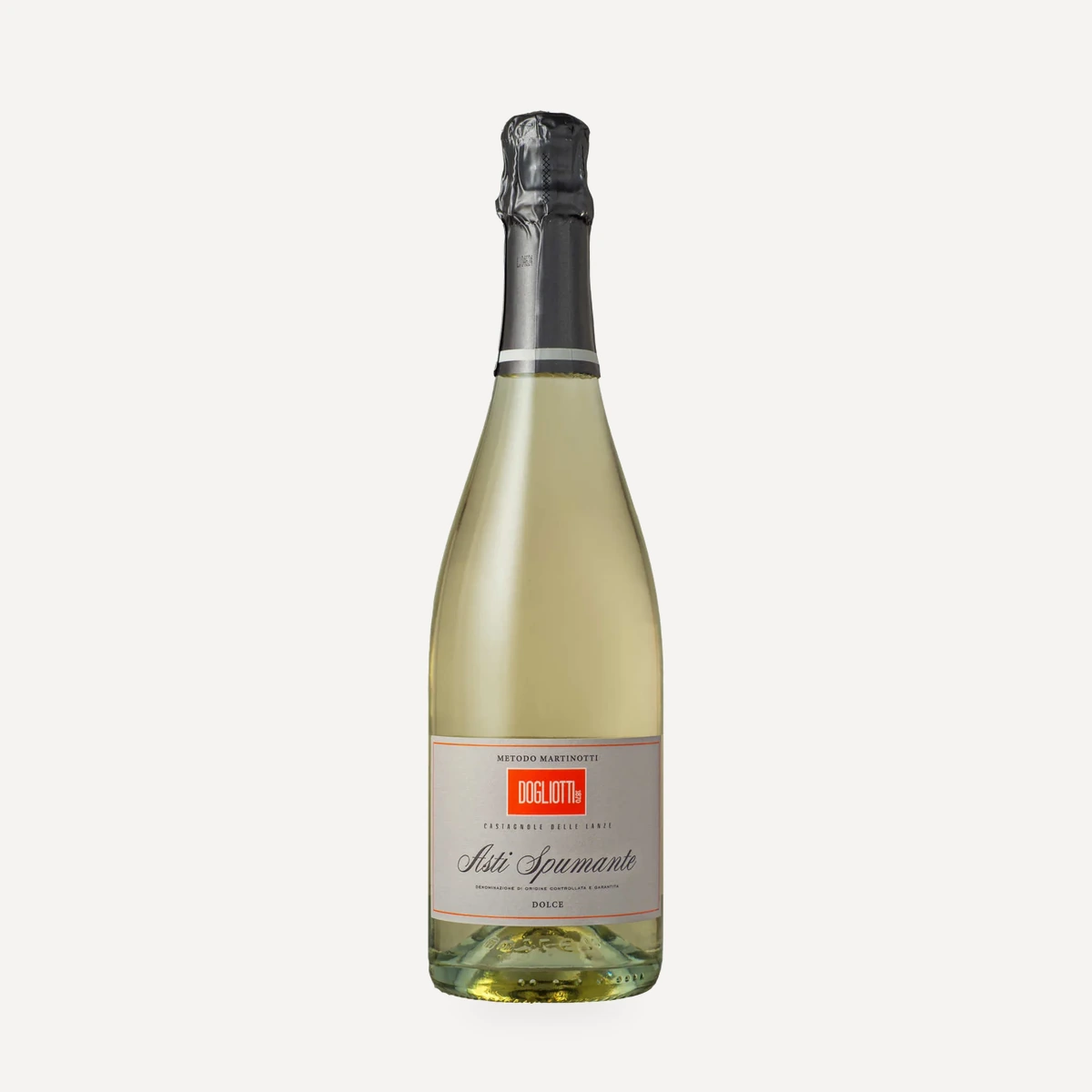
Asti Spumante DOCG
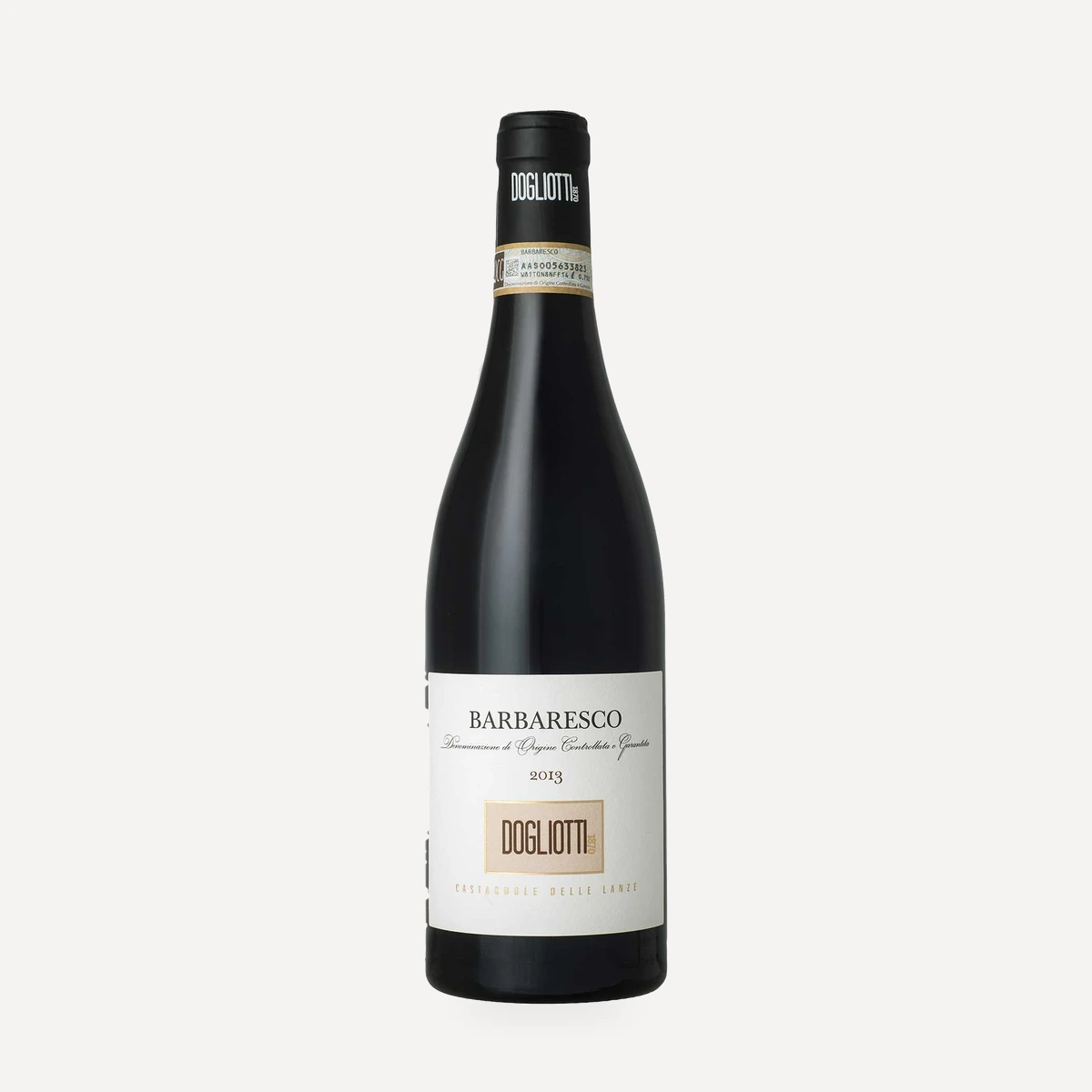
Barbaresco DOCG
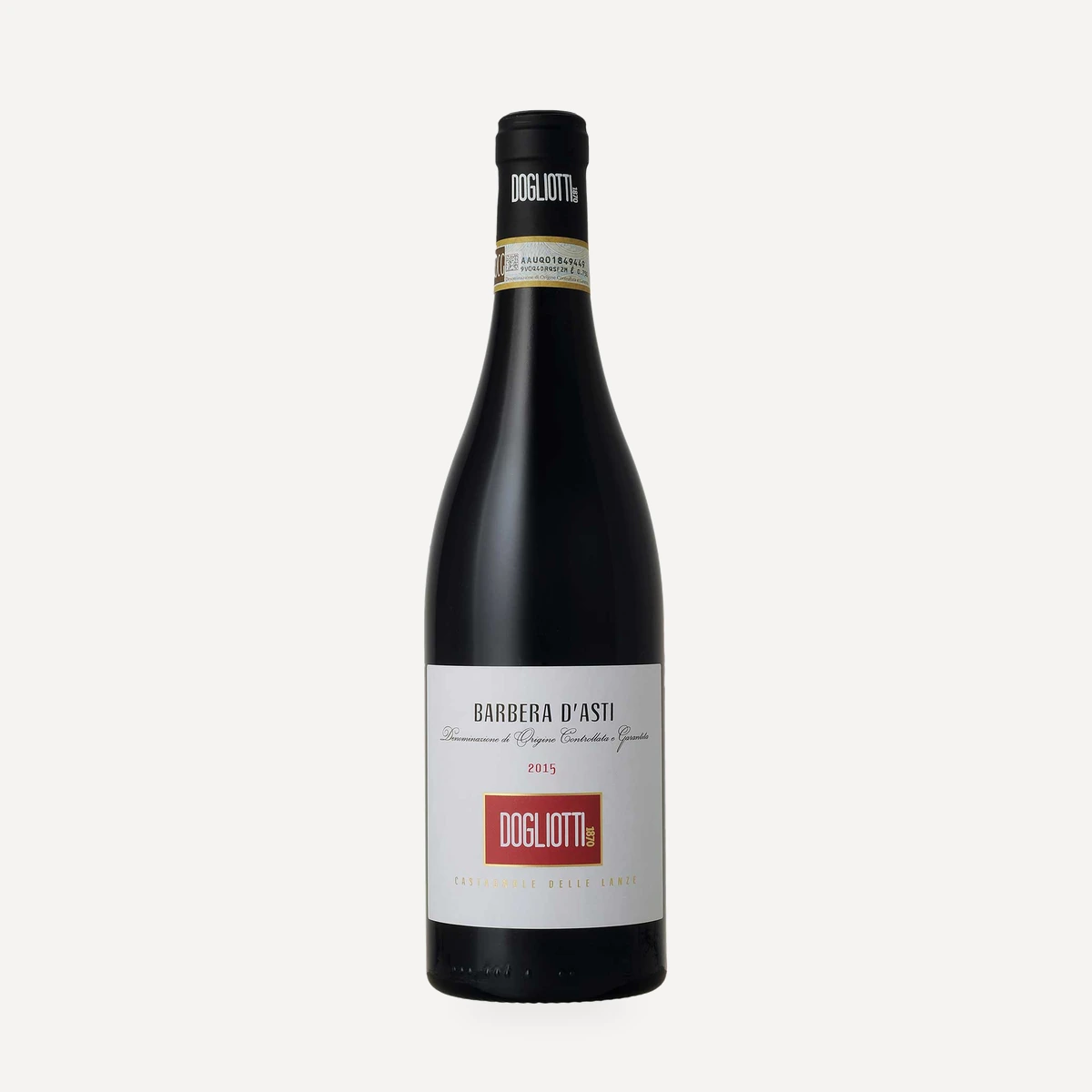
Barbera d'Asti DOCG
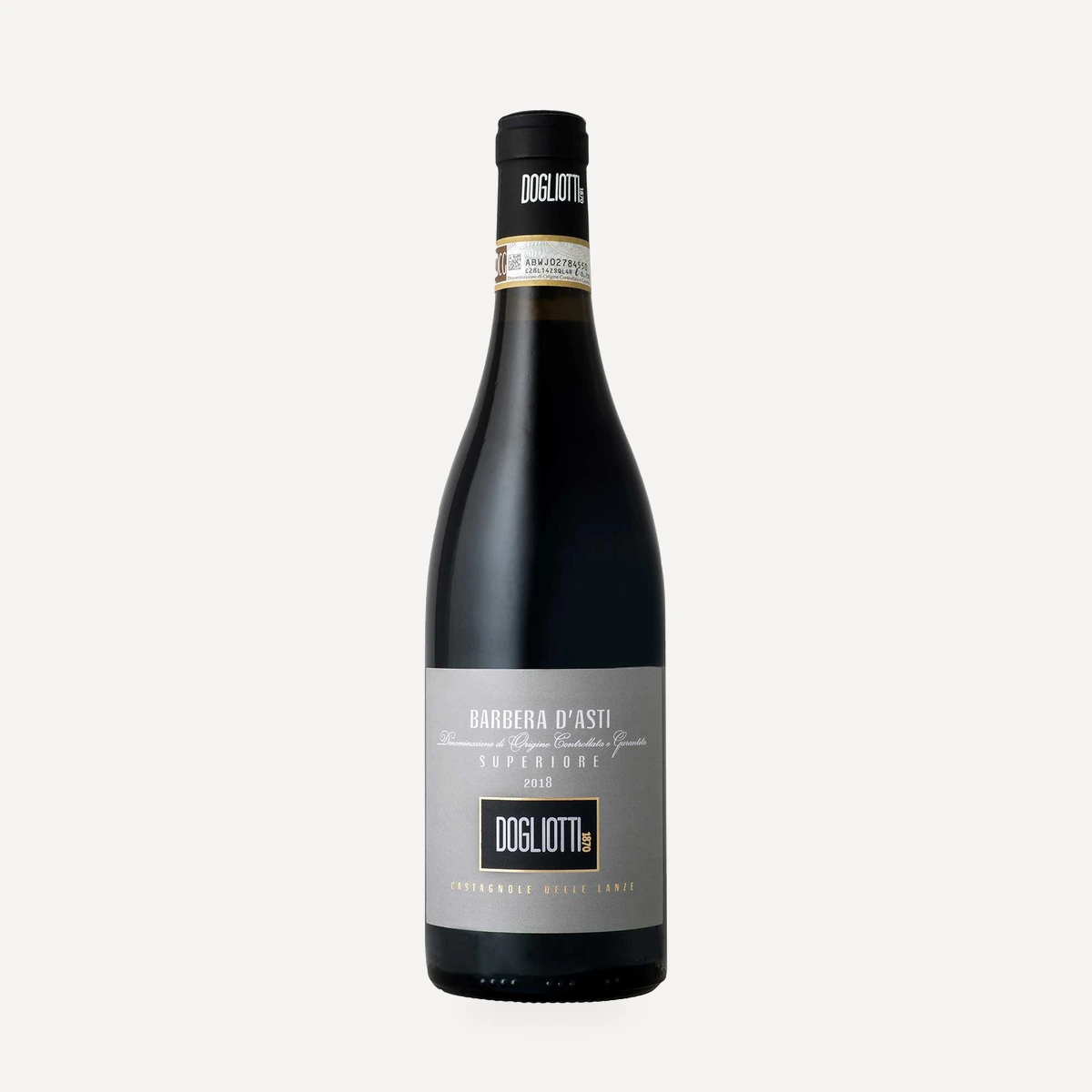
Barbera d'Asti DOCG Superiore
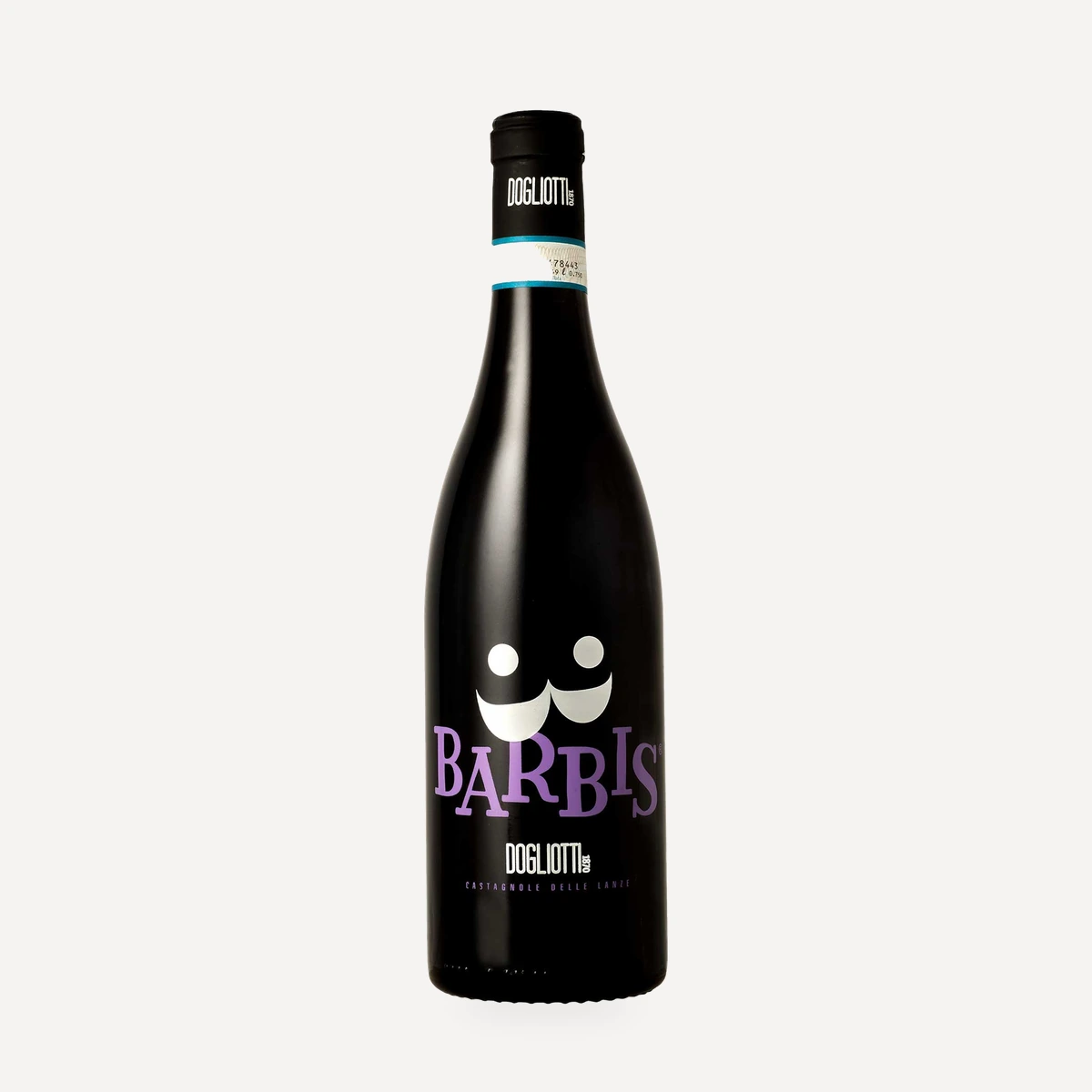
Barbis
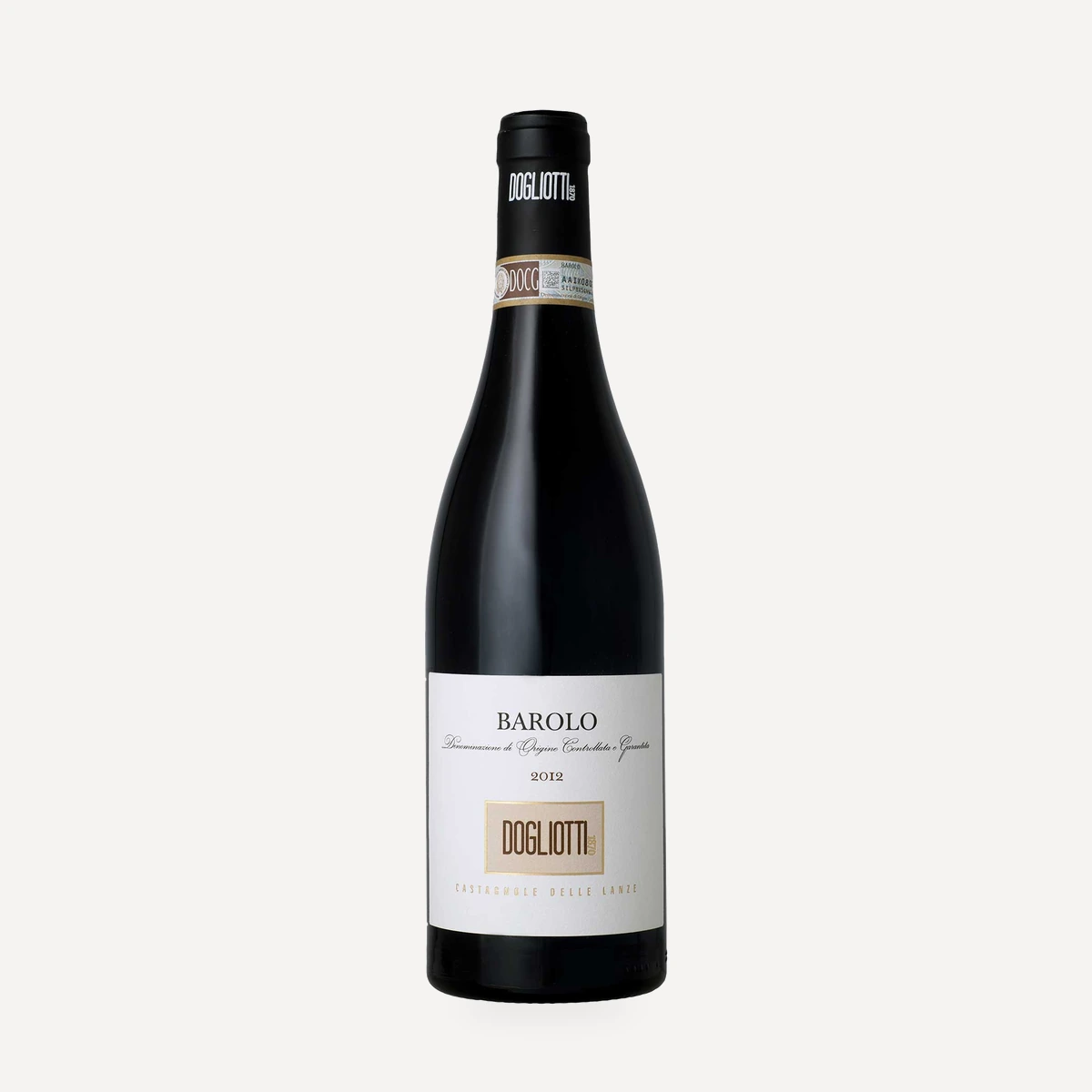
Barolo DOCG
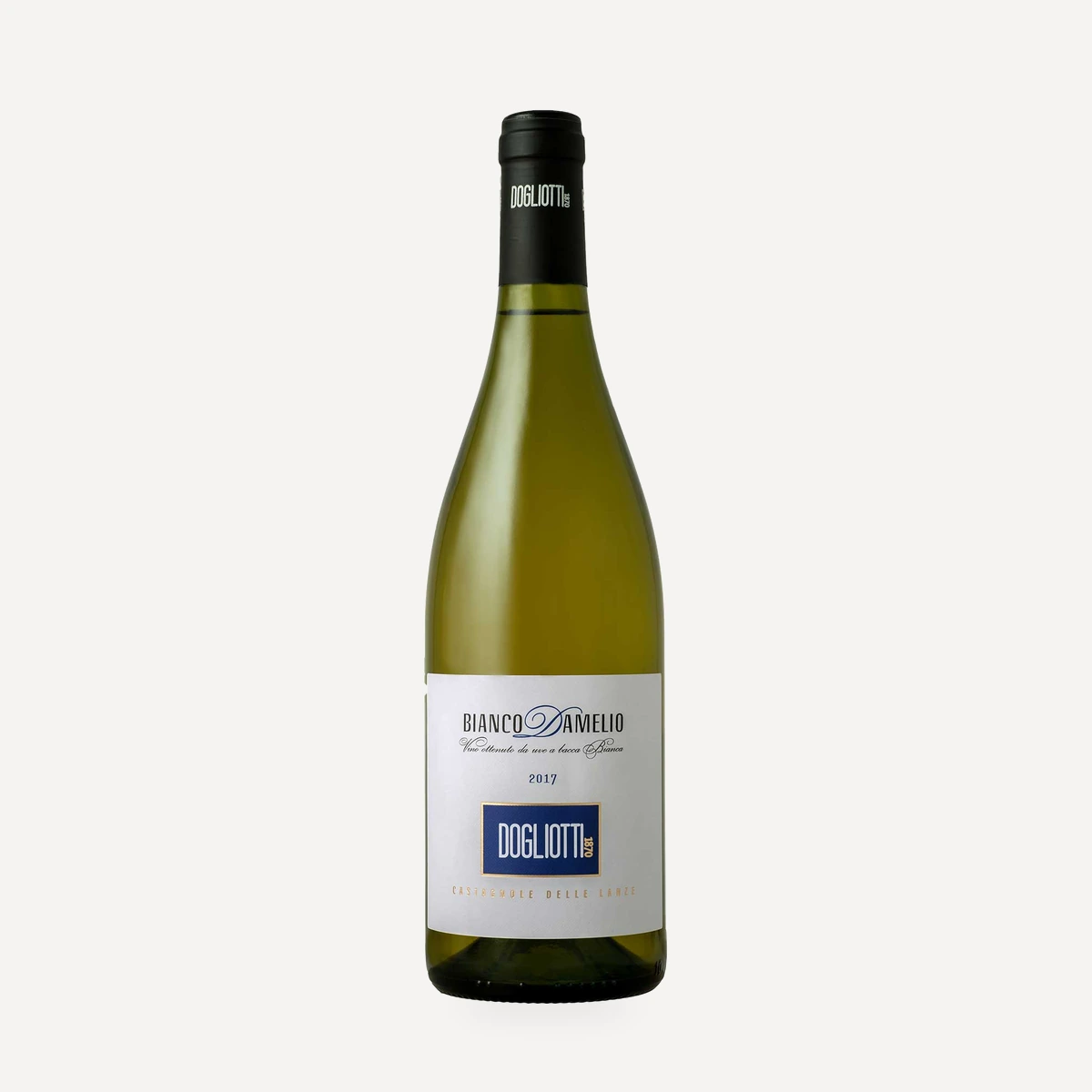
Bianco d'Amelio
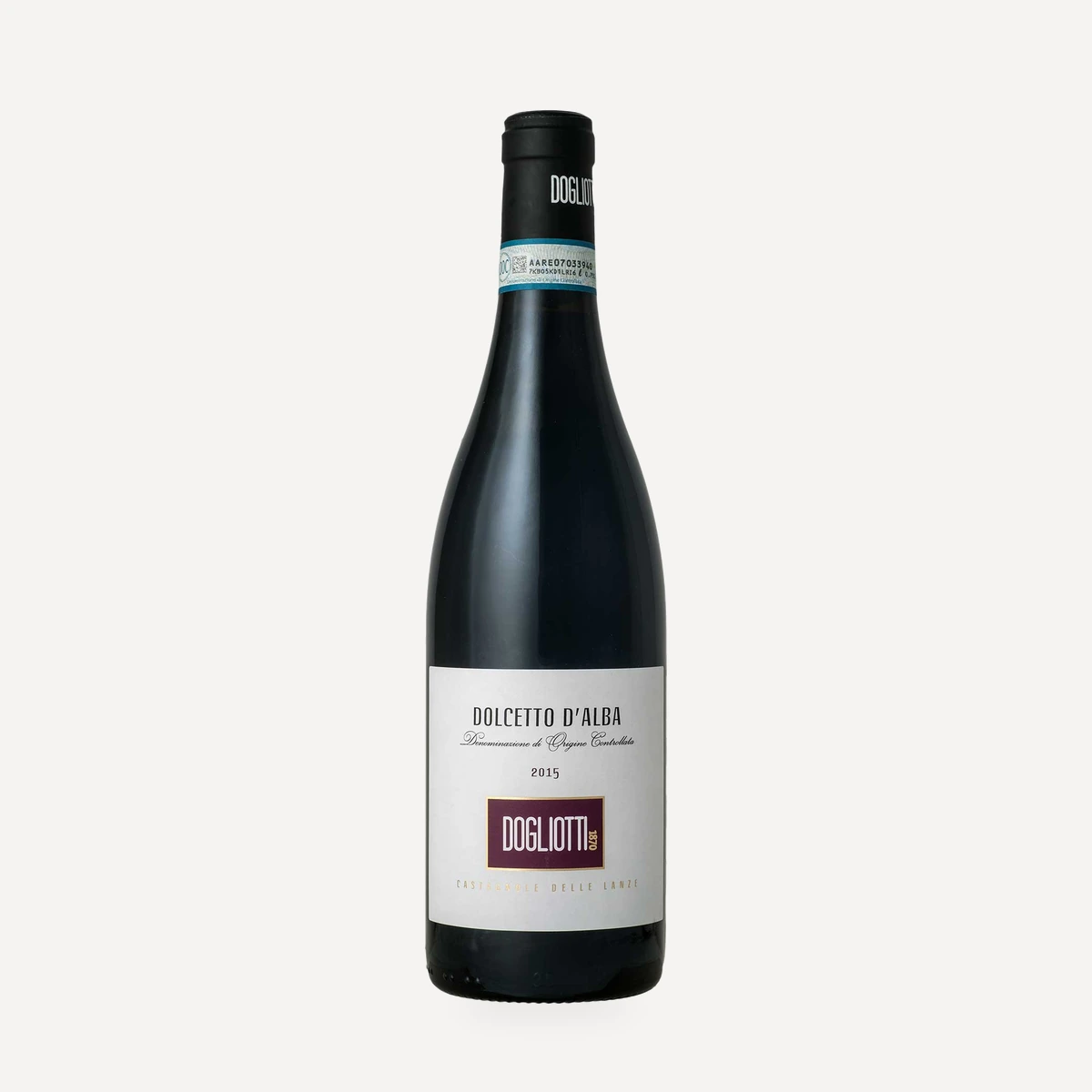
Dolcetto d'Alba DOC
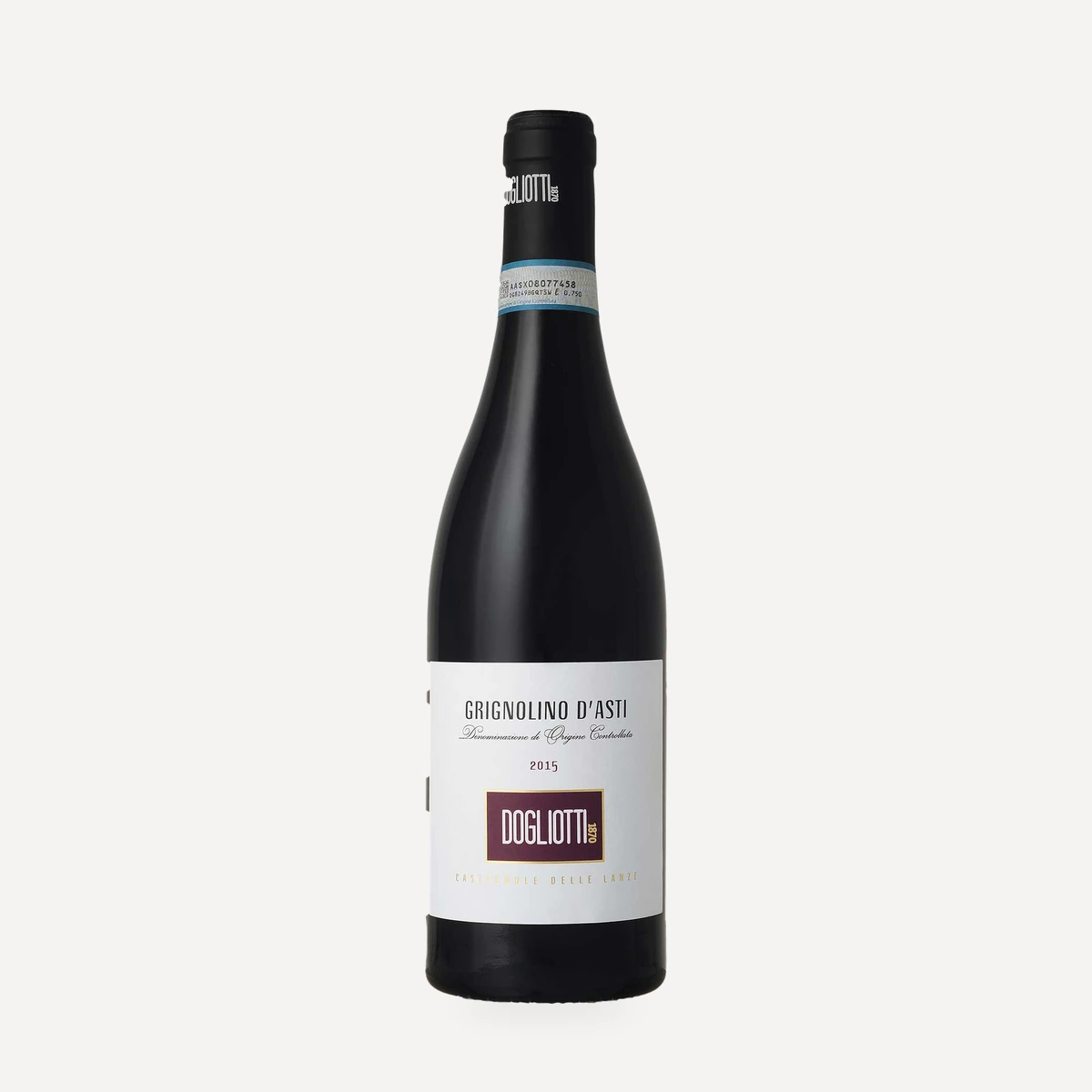
Grignolino d'Asti DOC
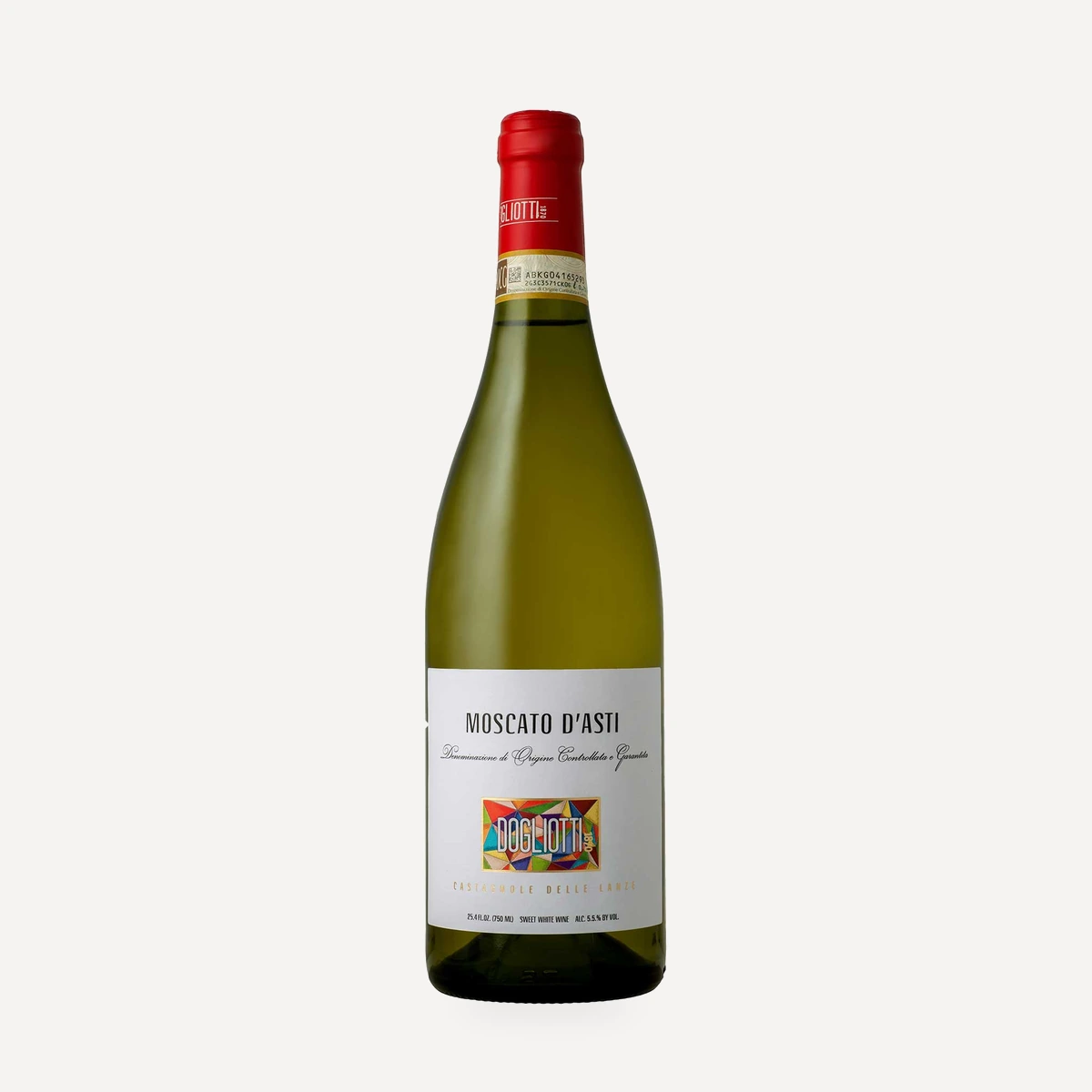
Moscato d'Asti DOCG
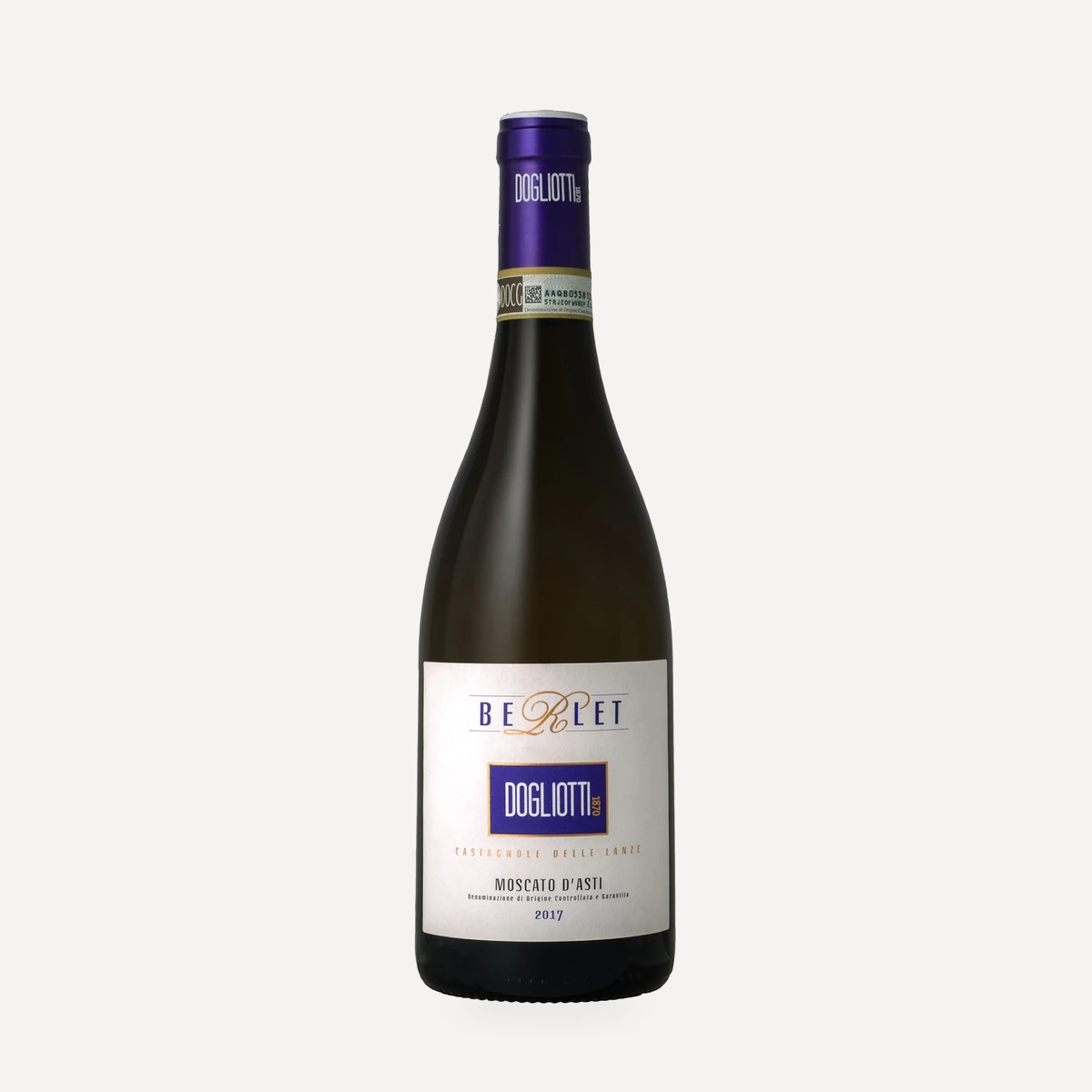
Moscato d'Asti DOCG Berlet
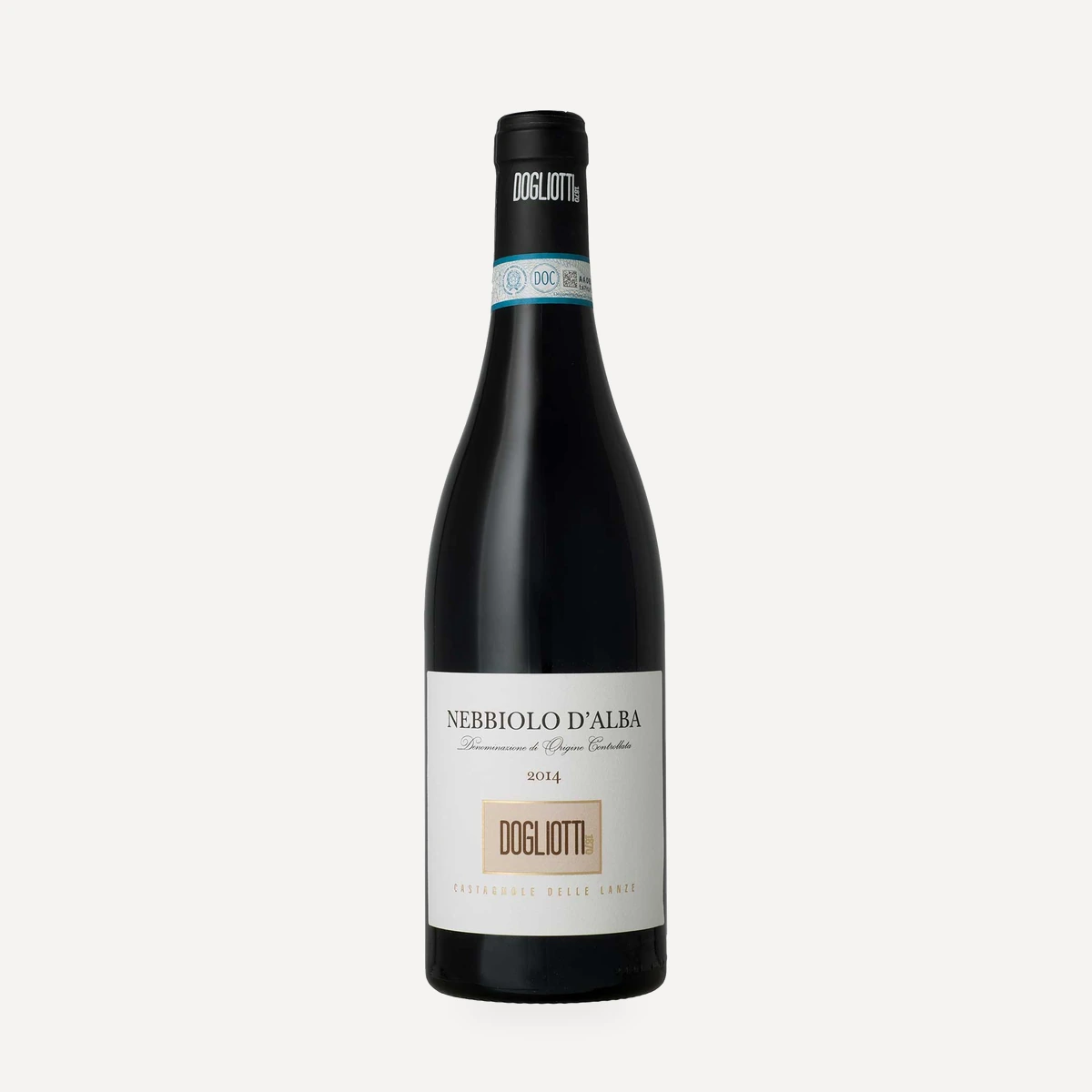
Nebbiolo d'Alba DOC
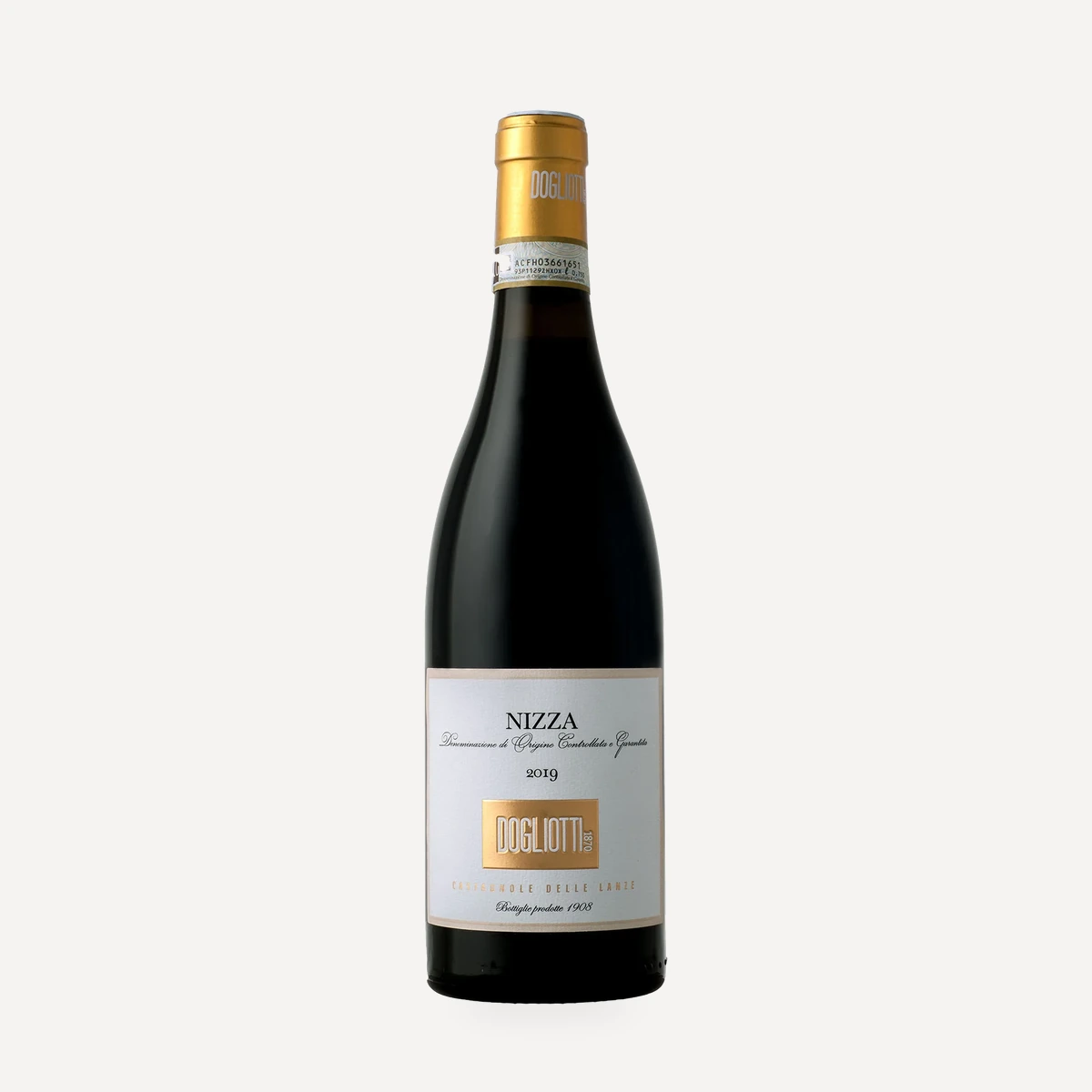
Nizza DOCG
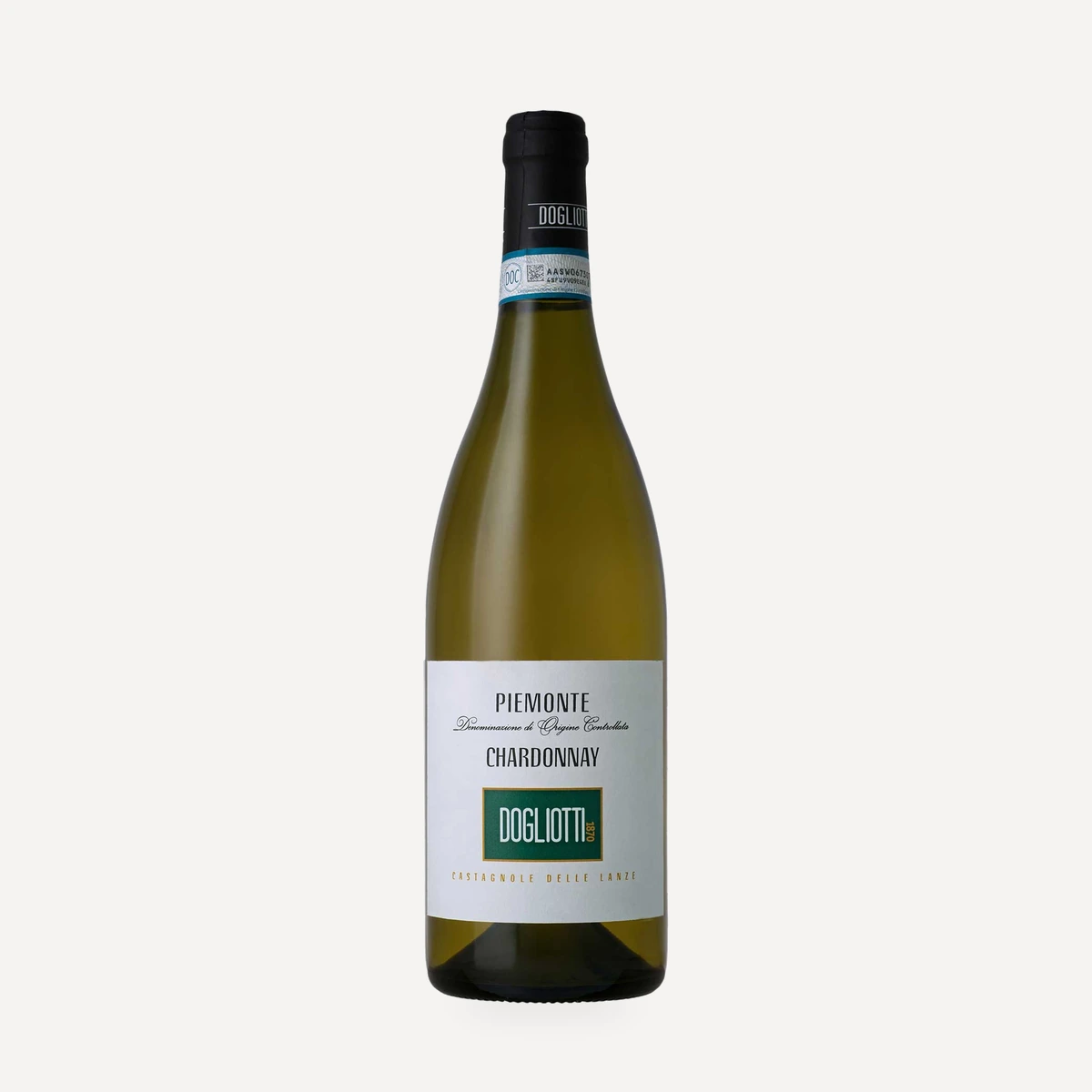
Piemonte DOC Chardonnay
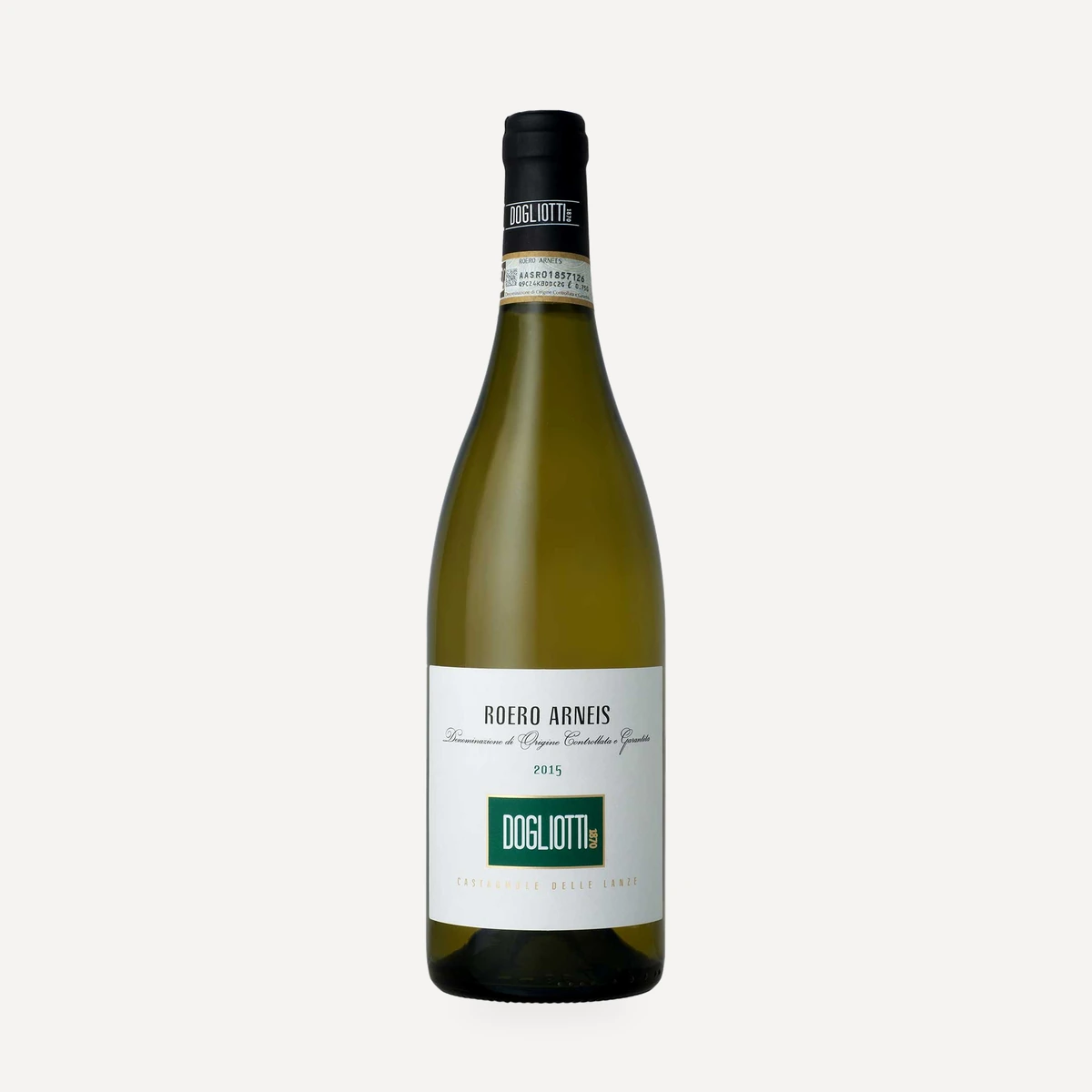
Roero Arneis DOCG
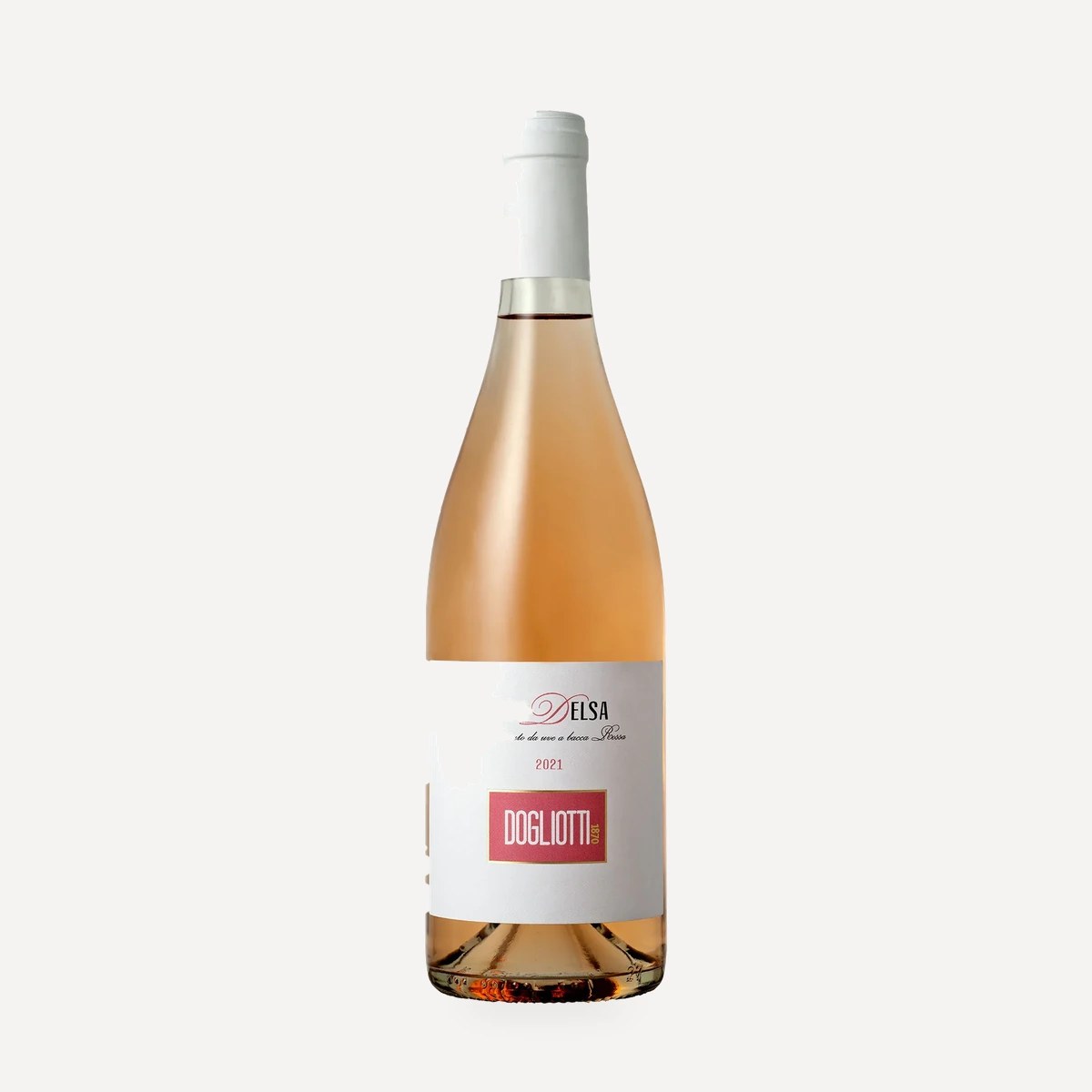
Rosa d'Elsa
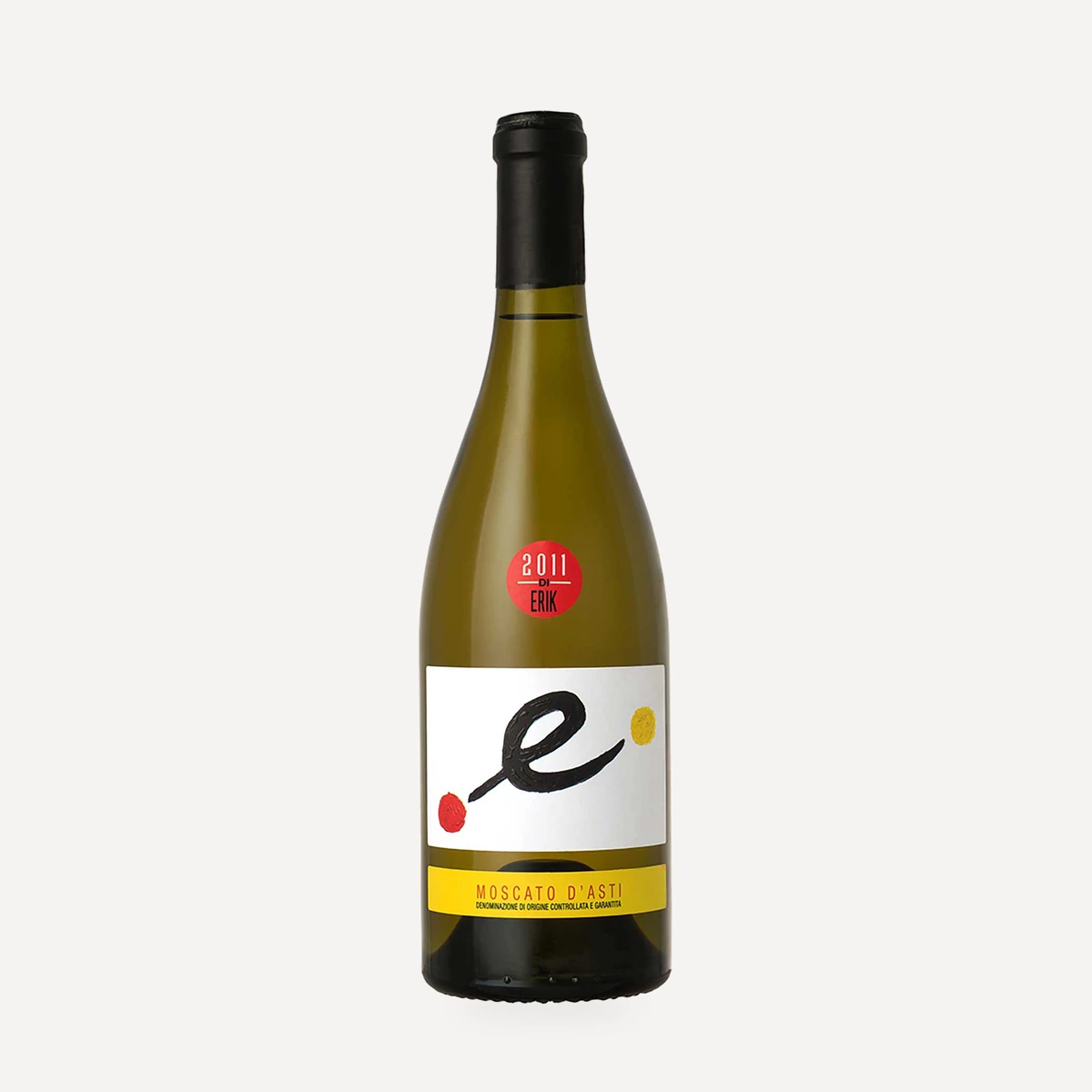
Selezione di Erik