Storia
A mixed farm across three generations
The Montesissa family has farmed at Magnano in Val Chero for three generations. Emilio was born in Lugagnano, Val d’Arda, in 1943 and moved with his family to the property on the hills of Carpaneto Piacentino when he was five. He was one of six siblings and the only one who remained at the farm, subsequently continuing the work of his parents together with his wife, Rosa.
The holding was never devoted exclusively to vines. Wine was always made, initially sold in demijohns and later in bottles, but livestock and arable farming remained central. Until the 1990s, Emilio and Rosa kept dairy cows, while the fields supplied cereals and forage for the animals. The present 20-hectare holding continues this mixed-farming identity: vines occupy 3 hectares, alongside chestnut woods, forage and cereal fields, an orchard and a small olive grove.
The 2006 generational transition
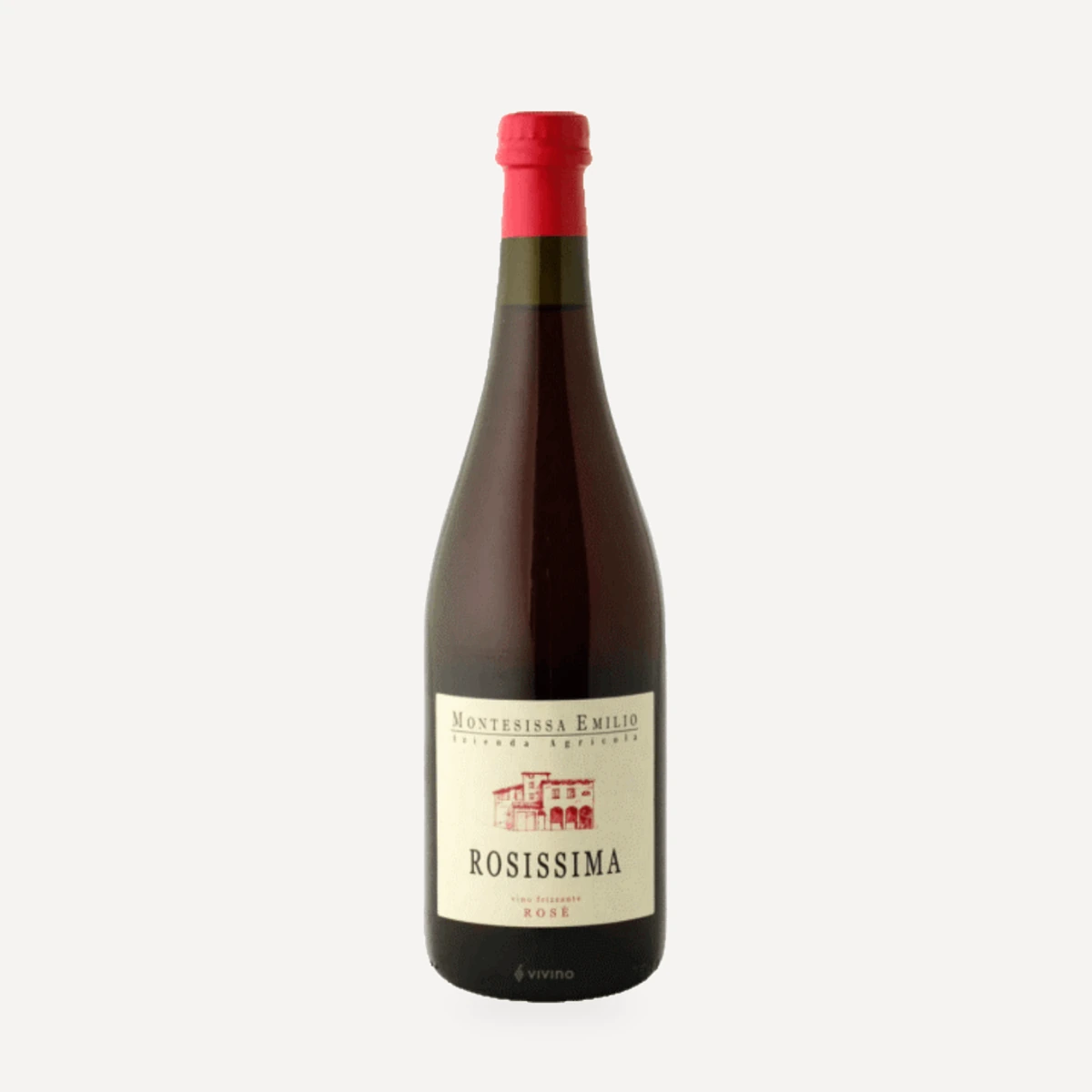
In 2006 the room housing the winery was renovated. The work coincided with a generational transition as Elisabetta Montesissa joined her parents in the business. That year the family’s small farming hamlet appeared on the wine labels for the first time, turning the settlement that the family had cared for over many decades into the estate’s visual emblem.
Elisabetta also planted the Syrah vineyard in 2006. The planting was conceived as an homage to the history of French varieties in the area, linked in the family narrative to the Napoleonic period and the incorporation of the Duchy of Parma and Piacenza into the French Empire.
Preserving the vineyards
The vineyards now average approximately 30 years of age. The family preserves this inheritance by replacing missing vines and establishing new vineyards while retaining the varieties associated with the territory. Production remains integrated into the wider agricultural landscape rather than separated from the farm’s woods, arable fields, fruit trees and olives.
Renewing the cereal tradition
A new phase in the farm’s longstanding cereal activity began in 2020, when 5 hectares were sown with a mixture of traditional wheats. The blend changes from year to year. Each field is harvested separately and its grain is stone-milled, maintaining the identity of the individual sites through the resulting flours and other cereal products.
Terroir
Magnano and Val Chero
The estate is situated at Magnano in Val Chero, 9 kilometres south of Carpaneto Piacentino in the direction of the Apennines. The farming hamlet lies beyond Magnano’s stone castle, whose irregular trapezoidal structure and two towers occupy a hilltop observation point at approximately 300 metres above sea level. Documentary evidence for the castle reaches back to the 13th century, although its origins may be older.
Soils formed by an ancient sea
The vineyards lie within the Parco regionale dello Stirone e del Piacenziano. Their soils combine Pliocene sands with the grey clays of the lower Apennines. Fossils are a conspicuous part of this geology, particularly marine molluscs and gastropods left by the sea that once covered the area.
These soils are poor in nitrogen, and the resulting musts are similarly low in a nutrient important to yeast activity. In combination with indigenous yeasts, this contributes to long, slow fermentations. The family associates the ancient marine soils with freshness, firm tannic structure and a direct profile even in warmer years, as well as with fine, unobtrusive natural effervescence.
Vinificazione
The estate follows a diversified farming model in which vineyards coexist with chestnut woods, cereals, forage, an orchard and a small olive grove. This mosaic is presented as a form of agricoltura contadina concerned with shaping the landscape and safeguarding biodiversity.
The vines are trained using Guyot alla piacentina. Harvesting is performed by hand into small crates, and the grapes are processed immediately. The vineyard heritage, averaging about 30 years of age, is maintained by replacing missing vines and planting new vineyards without abandoning the varieties associated with the territory.
The grapes are harvested by hand into small crates and processed immediately. Traditional cellar work centres on skin maceration followed by fermentation in stainless-steel tanks. Fermentation relies exclusively on indigenous yeasts, without added yeast or temperature control.
The low nitrogen content of the soils is reflected in the must and contributes to a long, slow fermentation. As cellar temperatures fall in autumn, yeast activity becomes dormant and fermentation stops naturally. One or two rackings are carried out during winter, with no filtration.
The wines are bottled in spring with natural residual sugar. Rising temperatures reactivate the yeasts inside the bottle, restarting fermentation and creating the estate’s spontaneous, fine and restrained effervescence. This seasonal interruption and resumption of fermentation connects the production cycle directly to ambient temperature rather than technological temperature control.
Filosofia
The Montesissa family defines its work as agricoltura contadina, or peasant farming. The concept describes a diversified holding in which vines, cereals, forage, woodland, fruit trees and olives are managed as parts of the same agricultural landscape. Its stated priorities are the stewardship of biodiversity, the shaping and care of the countryside, and the continuation of farming practices across generations.
Wine production is organised around the characteristics of the place and the natural seasonal cycle. Indigenous yeasts, ambient cellar temperatures, an autumn pause in fermentation and its spring restart in bottle are treated as expressions of the ancient marine soils and local conditions. The family’s aim is for the wines to convey the territory through natural effervescence, freshness and structure rather than through intensive cellar intervention.
Tradition is combined with selective renewal. Older vineyards are preserved through the replacement of missing vines, while new plantings retain the varieties connected with the area. The same principle guides cereal production: traditional wheats are grown as an evolving mixture, but individual fields remain identifiable through separate harvesting and stone milling.
Vini
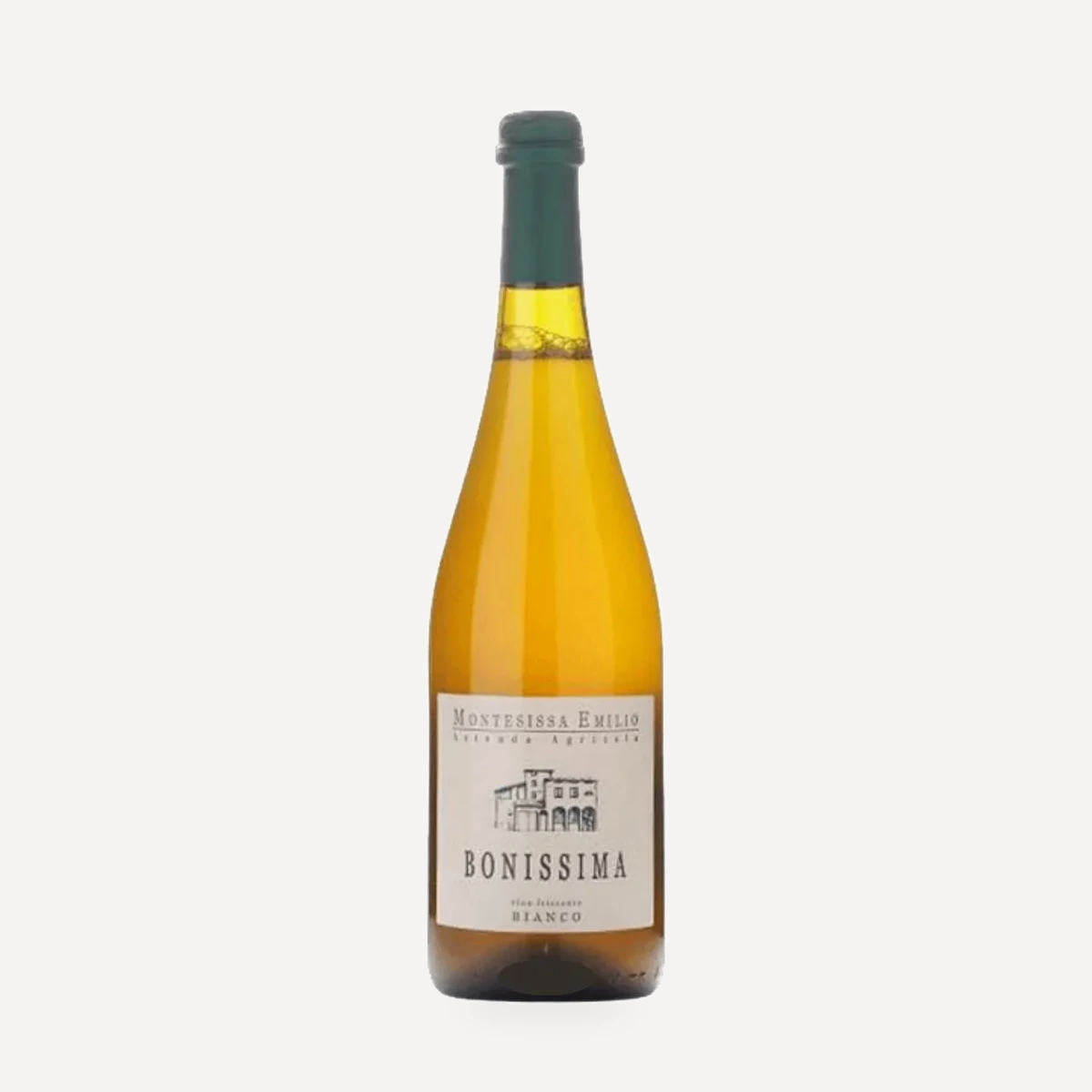
Bonissima