Storia
1966–1970: the estate takes shape
Fattoria Zerbina began in 1966, when Vincenzo Geminiani acquired the property from which the estate takes its name. He planted its first vineyards and began making wine, receiving recognition from the early years of production. The first bottle was released in 1970.
1985–1987: renewal and a new direction
A continuing programme of renewal and growth began in 1985. The decisive qualitative change followed in 1987, when Vincenzo’s granddaughter Cristina Geminiani assumed direct responsibility for the estate’s agronomic and oenological development. Her objective was to raise the standing and expressive potential of Sangiovese and Albana.
Cristina’s work with Sangiovese combined high planting densities, alberello training and trials of dependable clonal material from both Romagna and Tuscany. Within a little more than two years, the first high-density vineyard using the traditional low-trained alberello form had been established—an unusual choice in Italian viticulture at the time.
The first Scacco Matto was also produced in 1987. Its method applied noble rot on the vine and repeated selective picking inspired by Sauternes. The selection could extend from parts of bunches to individual affected berries, and an unsuitable season could mean abandoning production altogether.
1990–1995: alberello, noble rot and new projects
The Pozzo vineyard became the estate’s first single-pole alberello planting in 1990. It combined high density with several Sangiovese clones; their performance subsequently informed the conversion of other vineyards. From the early 1990s, the broader replanting programme introduced an espalier form resembling the Bordeaux gobelet. This preserved high density and the alberello growth habit while permitting more rational mechanisation.
Tergeno debuted in 1991 as a blend of Chardonnay, Sauvignon Blanc and Gewürztraminer. After five dry vintages, experience with botrytised Albana led to its redevelopment as a late-harvest style combining Albana affected by Botrytis with dry-vinified Chardonnay.
By 1992, the estate had consolidated the knowledge needed to manage and select noble rot more reliably. That vintage marked a turning point in the severity of grape selection for Scacco Matto. Particularly concentrated and pure examples followed in 1998, 2001, 2006, 2013 and 2016.
The Marzieno project developed alongside this work. Initially conceived in the context of the mid-1980s Tuscan practice of combining Sangiovese with international varieties, it began as a Sangiovese–Cabernet Sauvignon blend. Merlot and Syrah were subsequently introduced in variable proportions. In 1995, exceptional botrytis concentration made it possible to produce the first 180 half-bottles of AR through repeated picking of individual Albana berries. In exceptionally selective years such as 1995 and 2014, this harvest could absorb the suitable fruit so completely that no other passito was made.
2001–2014: refining the range and territorial identity
From the 2001 vintage, Marzieno retained Sangiovese as its framework while incorporating Cabernet Sauvignon, Merlot and Syrah. Ancellotta also remained important in the red-wine programme. A traditional hill variety that had often been undervalued, it was treated by the estate as its own equivalent of Petit Verdot.
Beginning with the 2008 vintage, Torre di Ceparano evolved from the role of a second wine into an estate interpretation of Romagna Sangiovese Superiore Riserva, benefiting from the improving quality of the alberello vineyards.
From the 2011 vintage, Pietramora carried the Marzeno subzone on its label. The estate releases Pietramora only from vintages it judges suitable and treats vintage variation as part of the wine’s identity rather than something to erase.
In 2014, Tergeno became entirely Albana: approximately 30% late-harvest fruit and 70% fruit vinified as a dry white.
2016 onward: single vineyards and a broader reading of Albana
The Monografia project began with the 2016 vintage. Each edition selects a single alberello-trained Sangiovese vineyard considered especially representative of that harvest, allowing soils, microclimates, clones or massal selections, rootstocks and vintage conditions to determine the chosen site. The project continued through the 2017, 2018 and 2020 vintages.
Rosé production also returned with the 2016 vintage after an absence dating to the 1970s. The renewed style was based on Sangiovese and Syrah and pursued precision, fragrance and freshness.
Poggio Vicchio first appeared with the 2019 vintage from plot 38, a historic parcel of Podere Vicchio. It extended the single-vineyard programme with a more immediate expression of Sangiovese from Marzeno’s red clay.
The Albana range developed from the noble-rot archetype of Scacco Matto through AR, Arrocco and Tergeno to Bianco di Ceparano. For the dry wine, a higher-density vineyard and deliberate canopy control were adopted to retain freshness and aroma, applying a different viticultural approach from that used for noble-rot production.
Terroir
Fattoria Zerbina occupies the first slopes of the Tosco-Romagnolo Apennines, among the gentle hills connecting Faenza with Tuscany. The vineyards lie near the village of Marzeno, in the valley of the Marzeno River, approximately 6 km from central Faenza. The estate ranges from 75 to 160 metres above sea level, and its vineyards are entirely on hillsides.
The lower hills have looser, more fertile soils and a damper microclimate, particularly late in the growing season. These conditions are used principally for Albana because they favour the development of noble rot; Trebbiano is also associated with the lower ground.
Higher slopes display substantial soil variation. Clay-limestone matrices and soils of alluvial character are both used for Sangiovese and produce differing expressions of the variety. Red clay is particularly associated with the Sangiovese of Podere Vicchio.
A smaller badlands sector is marked by gullies and ravines and a strong presence of grey or blue clay. These soils are used especially for Merlot and Cabernet Sauvignon. Across the estate, differences in soil, microclimate, clones or massal material and rootstocks are sufficiently pronounced to support a vintage-by-vintage choice of vineyard for the Monografia project.
Vinificazione
Alberello systems
Most of the vineyards are trained to alberello. The first single-pole high-density example was introduced at Pozzo around 1990, reviving an old Romagnolo hill tradition. Its foliage receives 360-degree exposure, supporting photosynthetic activity, and workers can harvest from any direction—an advantage over conventional rows. The vineyard also served as a trial ground for multiple clonal selections.
Because single-pole alberello entails high management costs, the conversion programme begun in the early 1990s adopted an espalier configuration resembling the Bordeaux gobelet. It preserves high vine density and the alberello form while allowing more rational mechanisation. This espalier-alberello system is now the estate’s prevalent training method.
Site and canopy decisions
Varieties are matched to distinct parts of the hills. Albana occupies lower, more humid sites suited to Botrytis; Sangiovese is planted across higher clay-limestone and alluvial soils; Merlot and Cabernet Sauvignon are associated with the clay-rich badlands. The dry-Albana programme uses higher-density planting and controlled foliage to promote freshness and aroma, contrasting with the conditions sought for noble-rot fruit.
Noble-rot harvests
Botrytised Albana is selected through repeated passages. Pickers may take only an affected section of a bunch or individual berries at the required stage. For the most concentrated selection, harvesting is performed berry by berry. Alternating dry and humid periods can deliver concentrated, complex fruit, while badly timed rain may compromise a batch or the entire intended production. Lots that do not reach the required concentration for the strictest selection may be reassigned to another passito expression; in some years a small proportion of grapes dried in baskets supplements the noble-rot fruit.
Sangiovese and other varieties are harvested selectively according to parcel and ripening time. The estate’s individual technical records show separate picking dates for varieties and vineyard lots rather than a single undifferentiated harvest.
Production is organised around separate handling of vineyard lots and adaptation to grape type and vintage.
For Sangiovese and red blends, fermentation takes place either in medium-capacity temperature-controlled stainless-steel tanks or in 500-litre French-oak tonneaux. Skin contact generally extends from about 10–12 days for the most immediate single-vineyard Sangiovese to 15–21 days for more structured selections. Tonneau-fermented red lots receive manual cap work, including punch-downs and pump-overs. Red-wine maturation ranges from stainless steel for early-drinking Sangiovese to French-oak tonneaux and barriques for reserves; some blends also use small proportions of American and Hungarian oak. New French oak may account for about 20% in the current reserve approach, while second- and third-use vessels are employed elsewhere.
Dry Albana ferments in stainless steel, with one documented process lasting 18–20 days. It then matures for about five months in cement in contact with fine lees. The estate retains several hundred bottles from a typical release to follow its development over time. Other white lots may mature in small cement and stainless-steel tanks.
Rosé production separates Sangiovese and Syrah because they are picked at different times. Both undergo very short, low-temperature skin contact, followed by fermentation in medium-capacity stainless steel for approximately 15–21 days. The two components are assembled shortly before bottling.
Noble-rot Albana is fermented and matured in exceptionally small vessels to accommodate successive selections. Stainless-steel tanks range from approximately 100 to 270 litres; the most concentrated selection has also fermented in demijohns in some vintages. Used French-oak barriques may be employed for certain passito lots. Fruit for the rarest selection is gathered through repeated passages, berry by berry, and production can be abandoned when weather or concentration does not meet the intended standard.
The range therefore combines stainless steel, cement, French-oak tonneaux and barriques, limited American and Hungarian oak, fine-lees contact, manual extraction for selected reds, and lot-by-lot blending. Several wines receive additional bottle maturation before release, with duration determined by style and vintage.
Filosofia
Fattoria Zerbina’s guiding proposition is that quality offers no shortcuts. Time, dedication, care, competence and courage are treated as necessary parts of both vineyard work and winemaking.
Its philosophy combines knowledge inherited from tradition with a willingness to test unfamiliar methods. Alberello training recalls older Romagnolo practice, while high densities, clonal trials, controlled canopies and parcel-level experimentation represent the estate’s investigative side. The objective is not novelty for its own sake, but a clearer expression of the Marzeno hills and of the individual vintage.
Cristina Geminiani frames the work as a close engagement with the land and the vines. The estate seeks structured, mature Romagnolo character while retaining precision and refinement in vinification. In Sangiovese, the stated aim is elegance and purity; in Albana, it is a balance among acidity, noble rot, concentration and sweetness.
Vintage differences are deliberately preserved. The most ambitious Sangiovese is bottled only in suitable years, the Monografia vineyard changes according to the character of each harvest, and noble-rot production may be reduced or abandoned rather than made from fruit below the intended standard. This readiness to accept limited output is central to the estate’s understanding of quality.
Vini
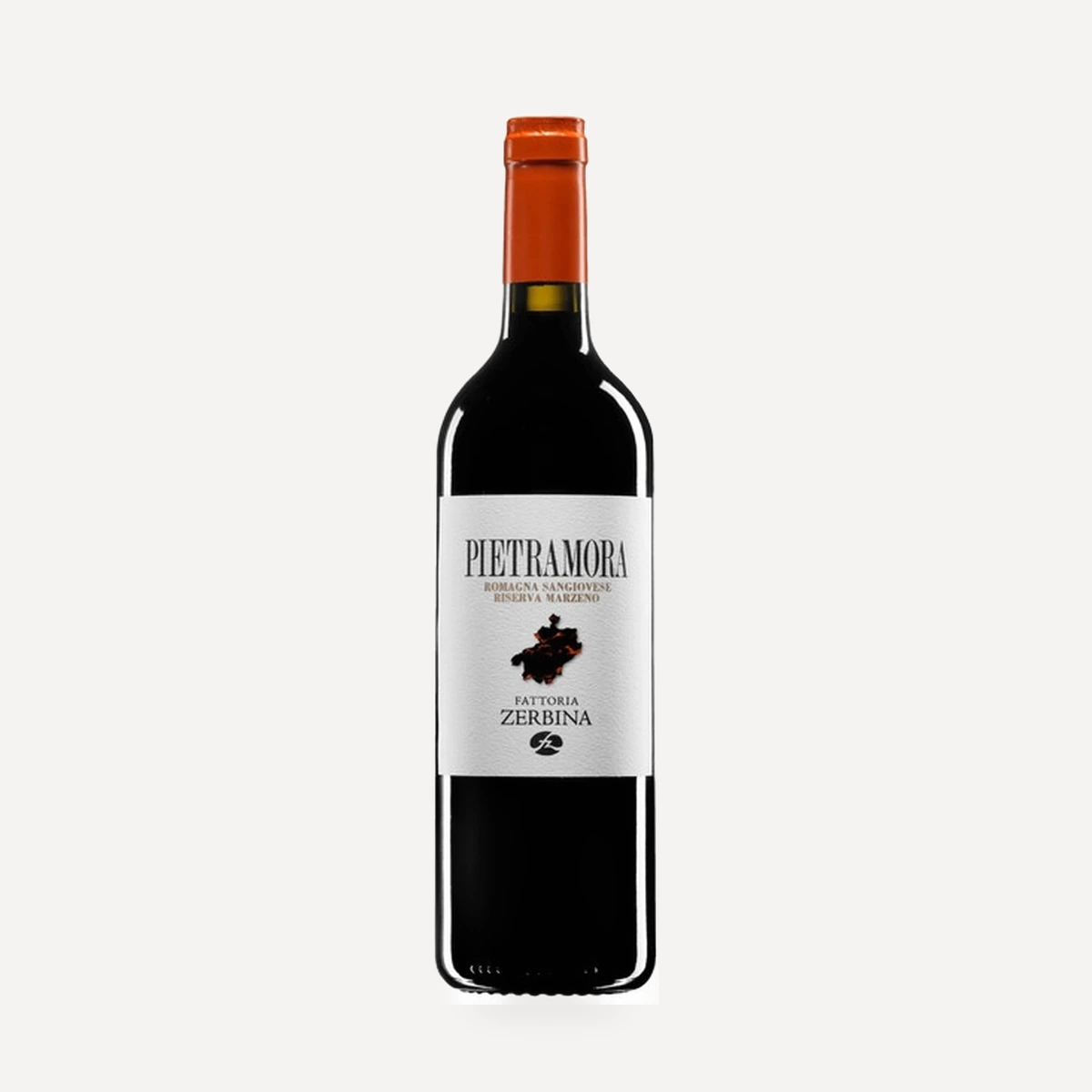
Pietramora
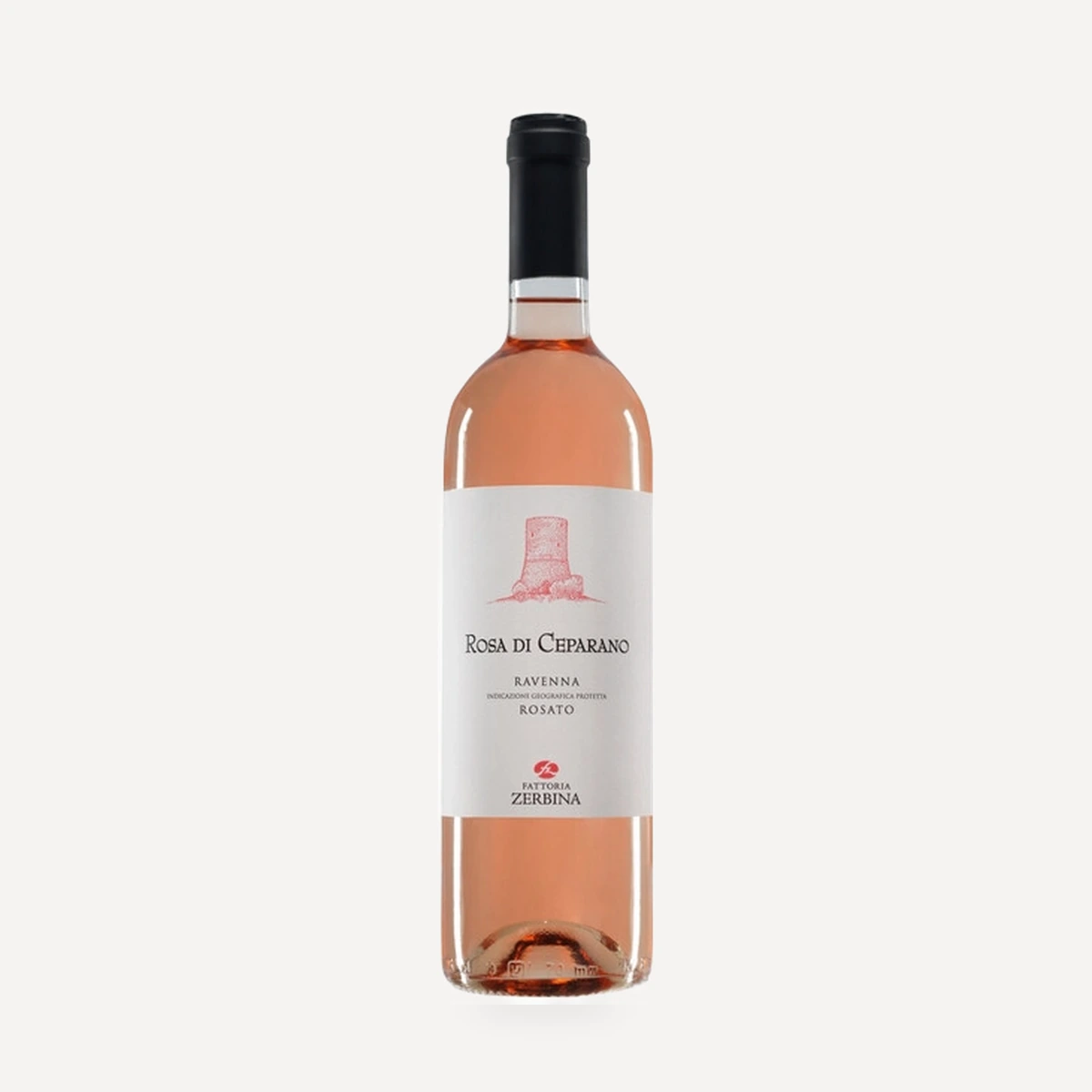
Rosa di Ceparano
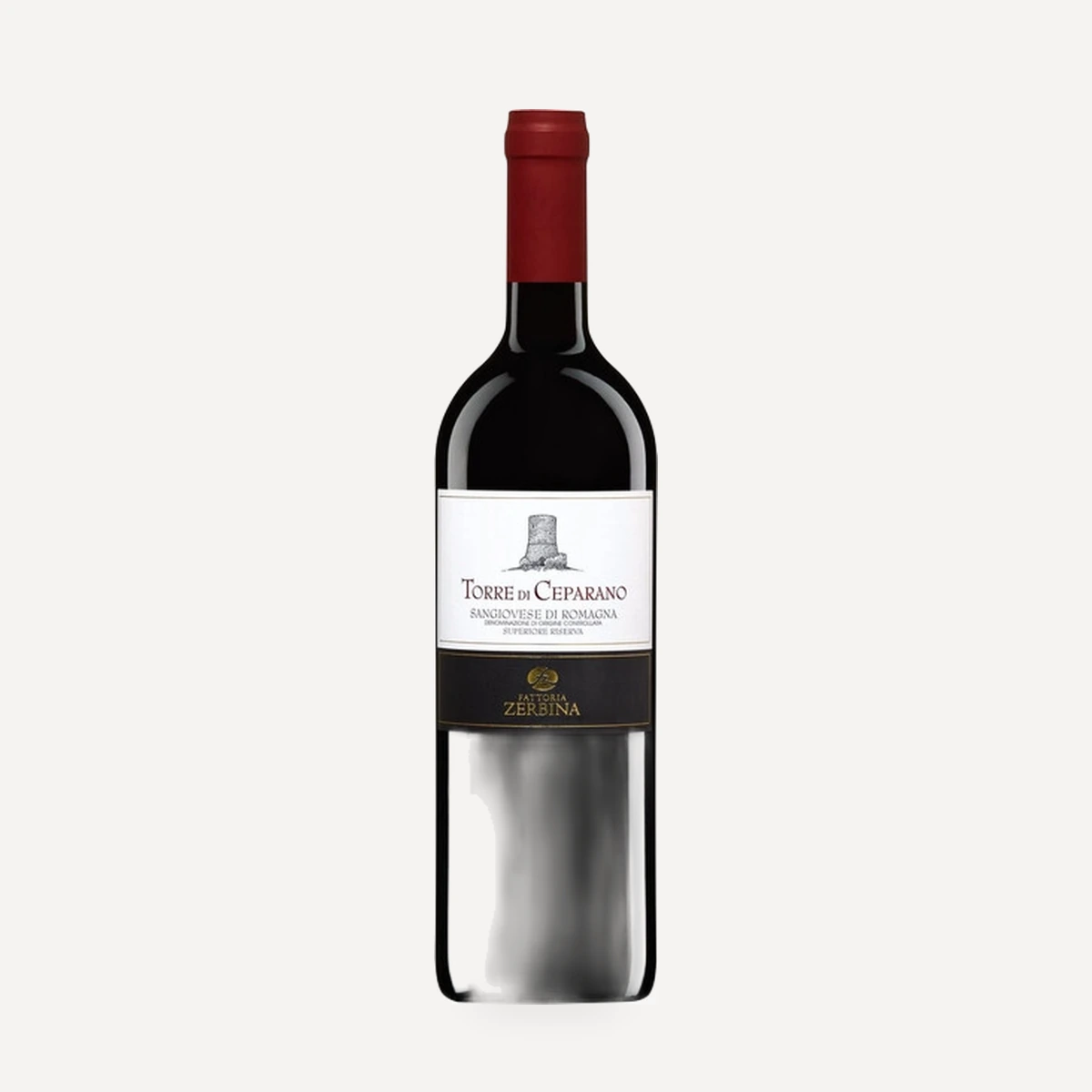
Torre di Ceparano
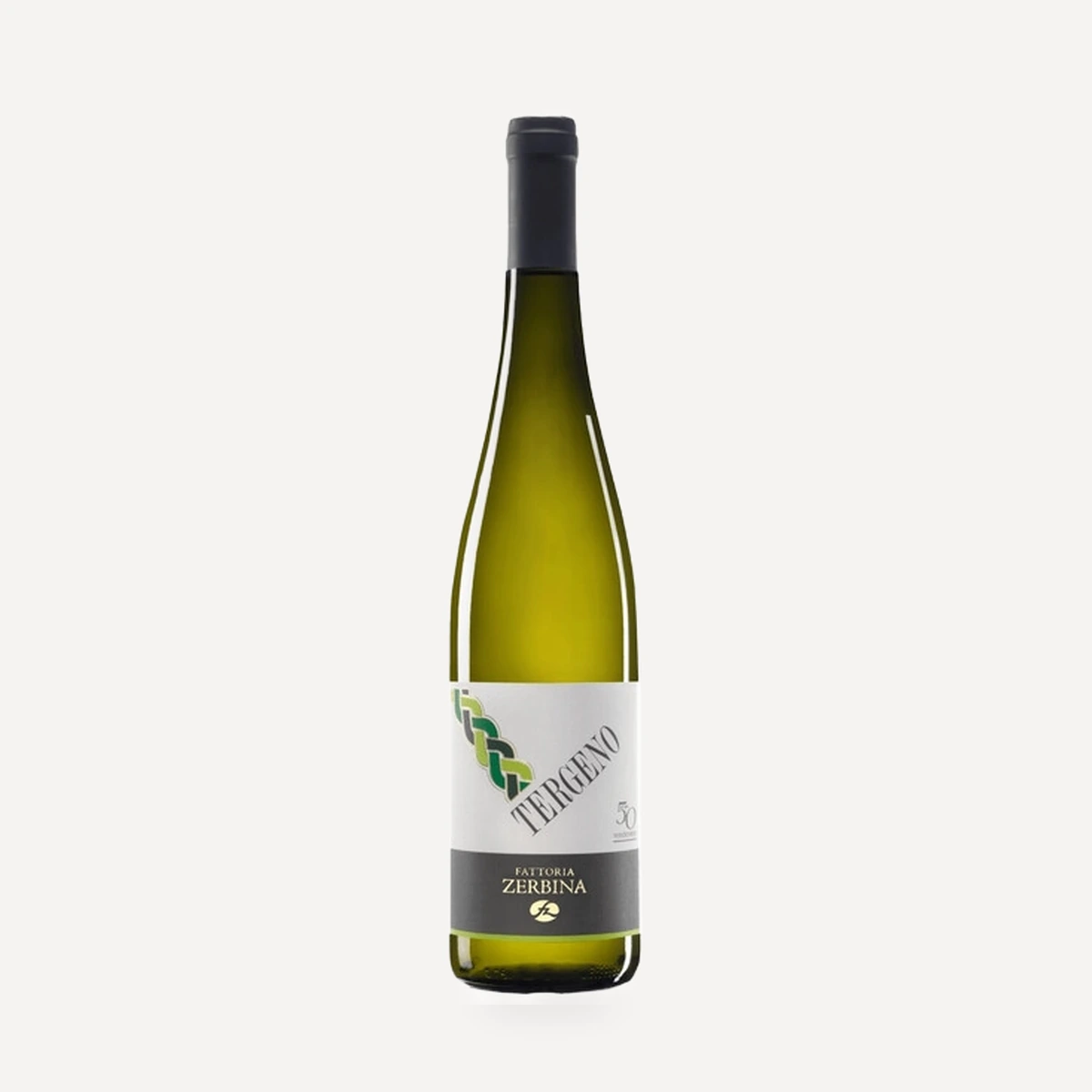
Tergeno
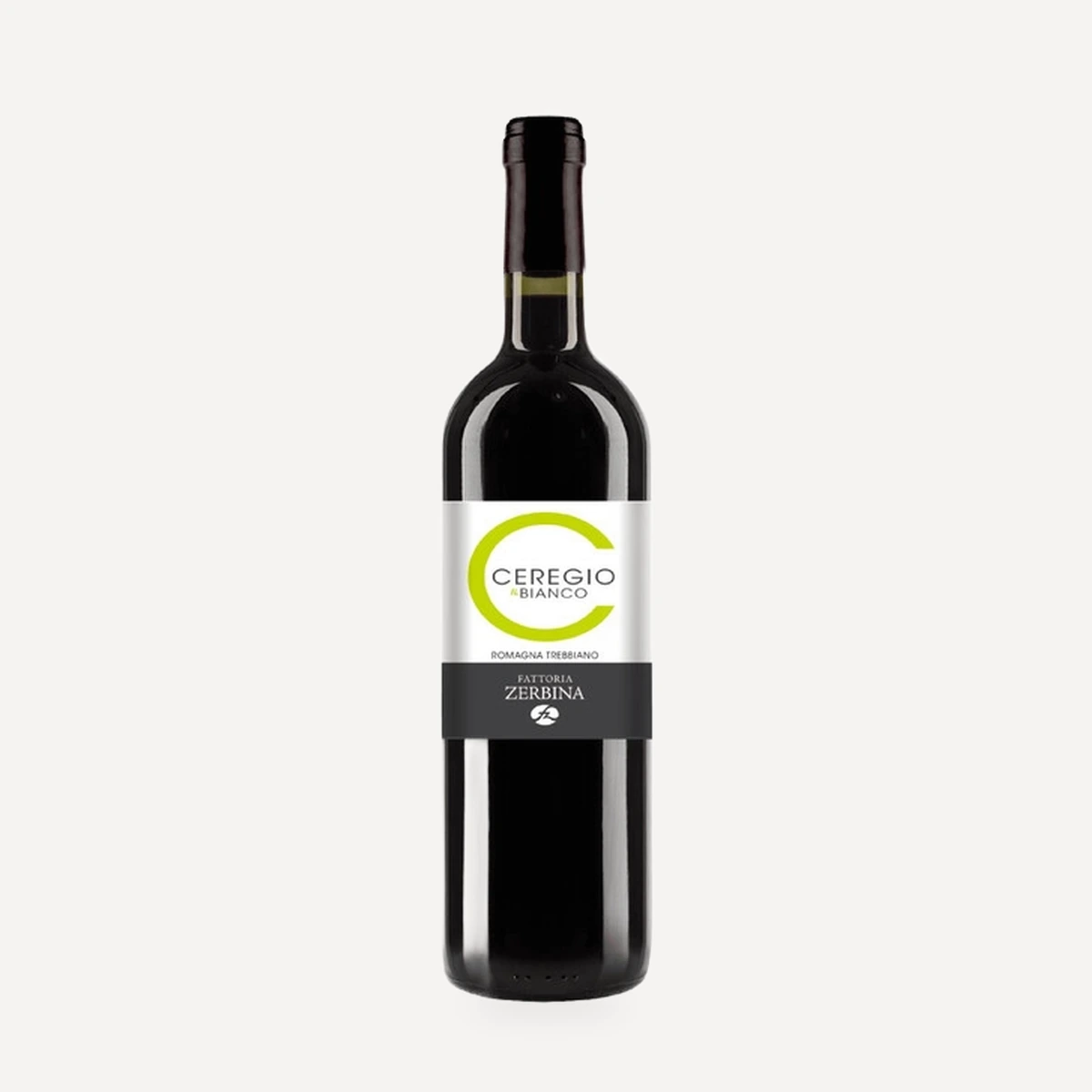
Ceregio Bianco
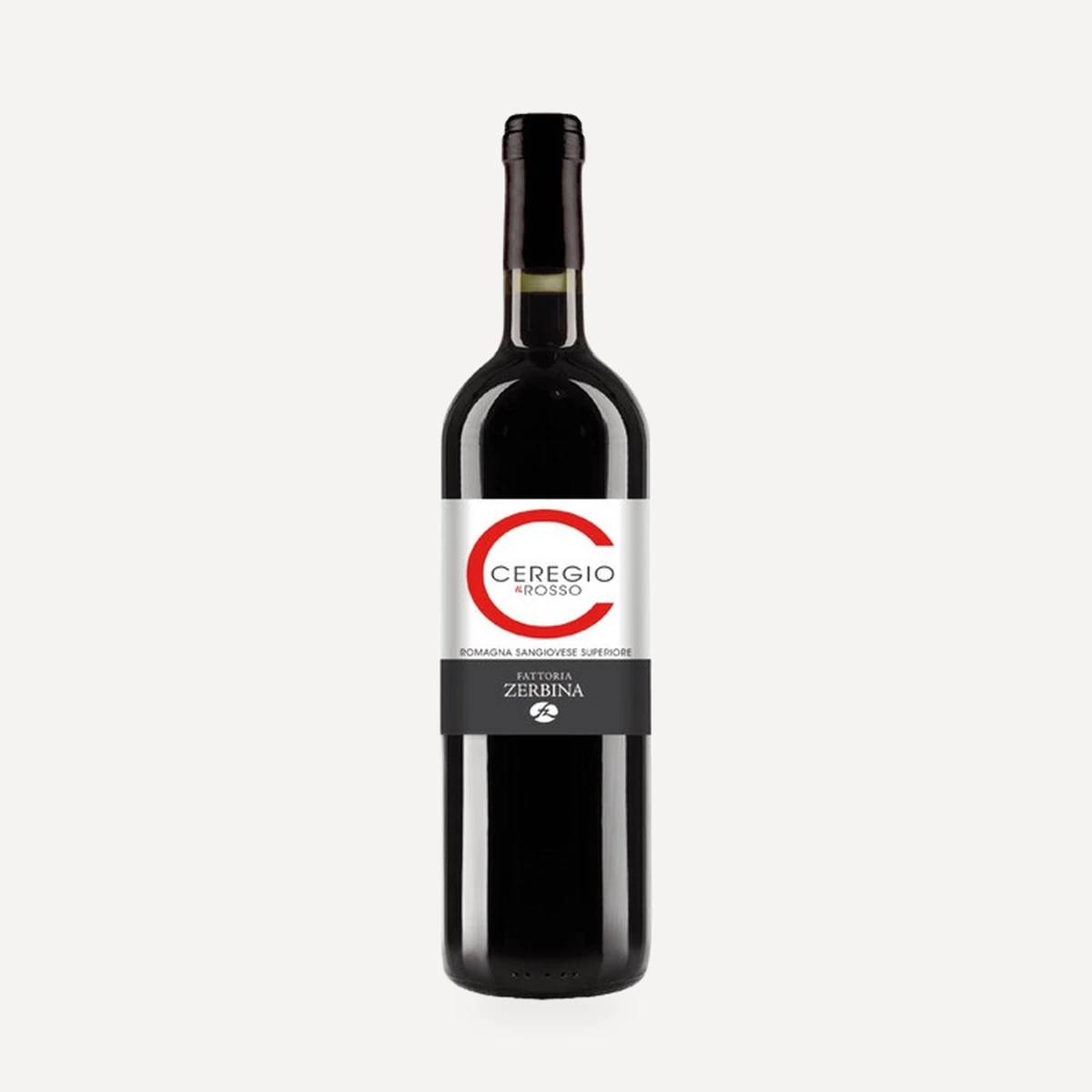
Ceregio Rosso
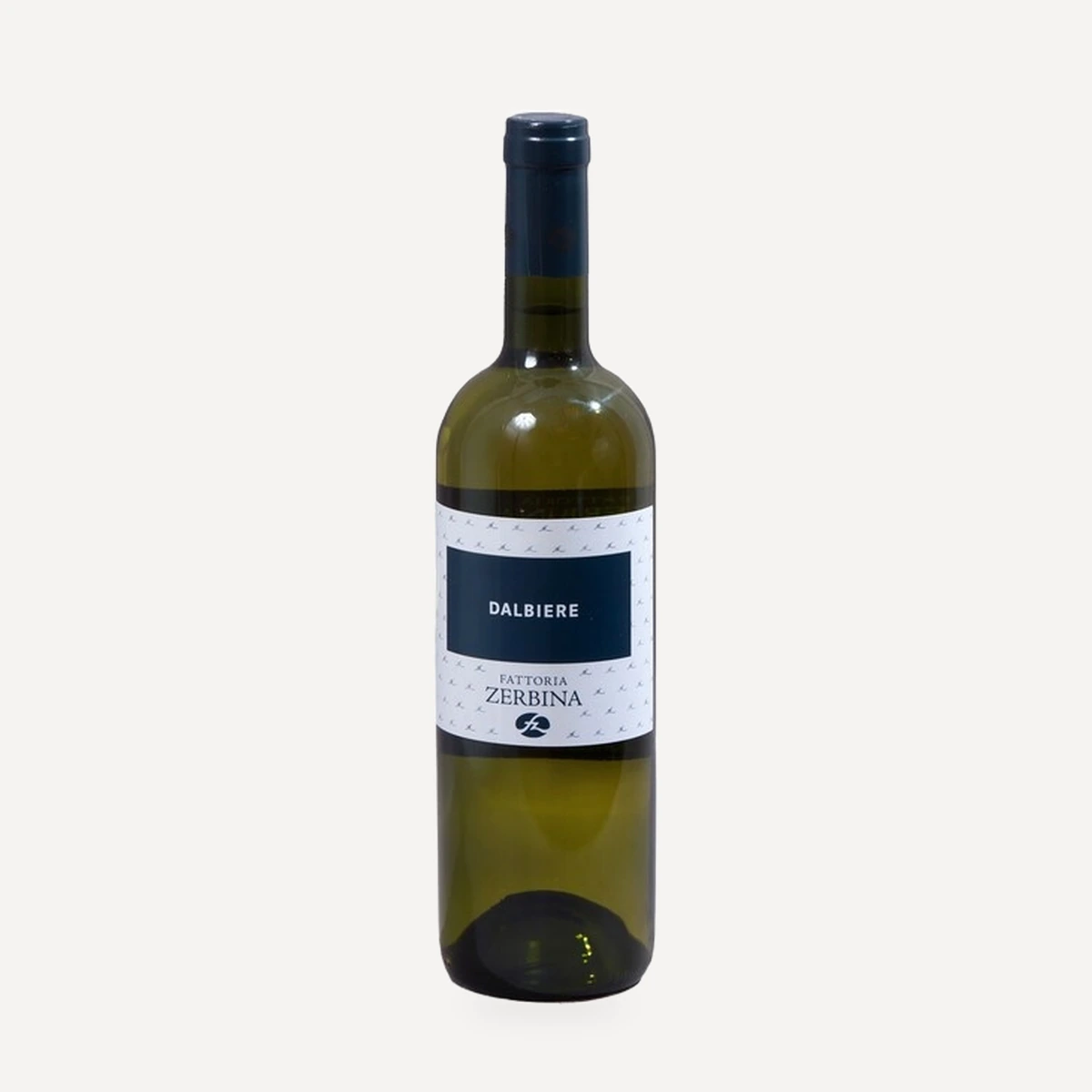
Trebbiano di Romagna Dalbiere
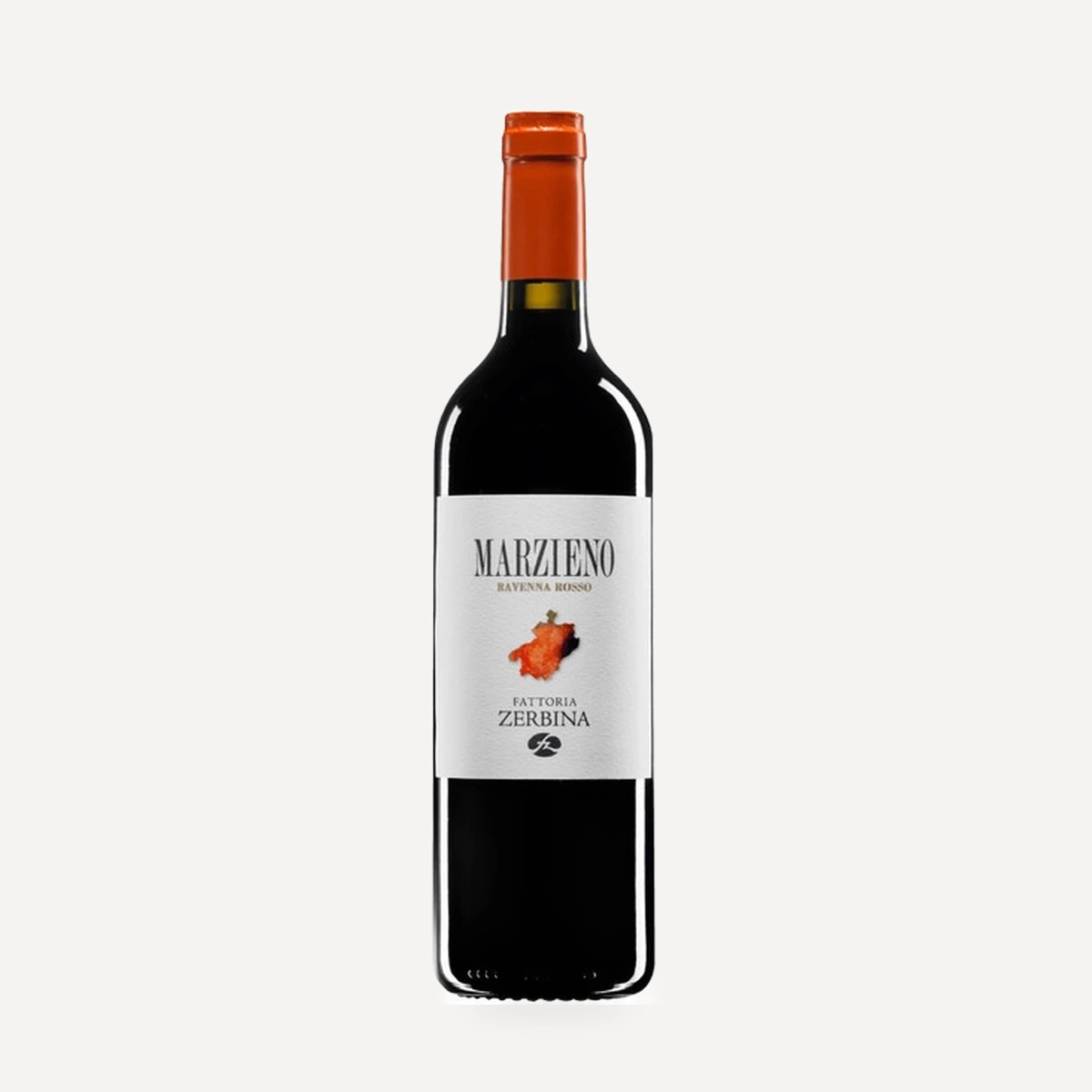
Marzieno