Storia
The vineyards before Fondo San Giuseppe
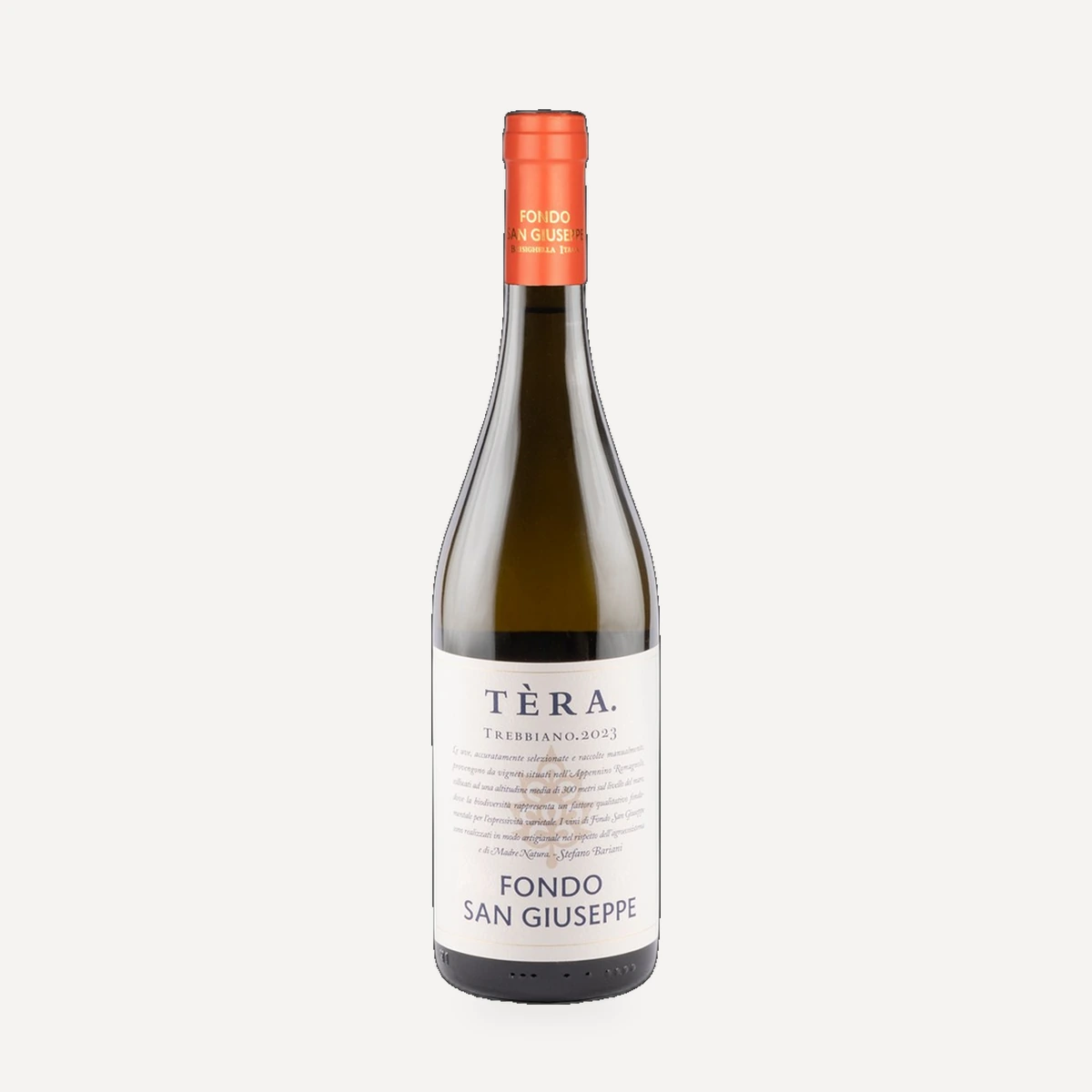
Several of the vineyards predate the present estate. The two small Trebbiano vineyards now associated with Tèra were planted in 1970 and 1980. A 0.3-hectare Marsanne vineyard was planted in 1988 beside a ravine used by nesting swallows. Other surviving plantings include an Albana vineyard of more than forty years, several vineyards described as over twenty years old, and the nearly thirty-year-old Ronco di Rio Brola Sangiovese vineyard in Modigliana.
Stefano Bariani’s early life and education
Stefano Bariani was born in 1969 in a small settlement in the province of Ferrara, into a family of farmers and bakers. His grandfather principally grew fruit, and Bariani began spending substantial time in the family’s fields at the age of five or six. The farm included orchards, wheat and maize fields and a vineyard. His paternal grandfather, who was particularly interested in vines and wine, had planted one hectare during the 1960s with Trebbiano, Merlot and Barbera.
Bariani attended the state Institute for Agrotechnics outside Ferrara. During five years there he studied fruit growing, viticulture, cereal production and agronomy while working on the family farm during the summers. He graduated in 1988, presenting viticulture and oenology in his final examination. In 1989 he enrolled in the Faculty of Agriculture at the University of Bologna, becoming the first member of his family to attend university. He completed the five-year, 36-examination course in six and a half years and graduated in Agricultural Sciences with the highest marks and honours in 1996.
After winning two University of Bologna scholarships, he accepted one offered by the Bologna branch of the Consiglio Nazionale delle Ricerche. He worked in a laboratory on plant pathology, fungal diseases and bacteria, but concluded that he wanted to apply his agronomic training in vineyards and a winery rather than pursue a laboratory career. In 1997 he qualified as a sommelier with the Associazione Italiana Sommelier.
Barbaresco, 1999–2006
A book about Sorì San Lorenzo led Bariani to contact Angelo Gaja. Following an interview of more than four hours in Barbaresco, Gaja offered him a position. Bariani moved more than 400 kilometres from Ferrara and began work on 1 September 1999 as Angelo Gaja’s personal assistant and secretary.
During seven years at Gaja, Bariani handled varied responsibilities, conducted visits for professionals and enthusiasts from around the world and learned to taste wines from Italy and other countries. He credits Angelo Gaja, Lucia Gaja and oenologist Guido Rivella with teaching him discipline, dedication and the pursuit of excellence. Rivella trained him in cellar work, while the estate’s agronomist taught him vineyard management.
The search for an estate, 2006–2008
In February 2006, after several years of reflection, Bariani left Gaja. Although the position was secure, he wanted to express an independent vision, apply what he had learned in Barbaresco and become a vintner in his own right. He returned to Ferrara without yet owning land or a winery.
Bariani and his wife, Mariagrazia Rizzati, spent about a year visiting wineries, hills and winegrowing areas in Romagna. They wanted an isolated property with vineyards, extensive natural surroundings, woodland, a river and little human presence. They eventually selected a farm at Brisighella, on the road across the Apennines toward Florence.
In November 2007 they signed the purchase agreement for the property they would name Fondo San Giuseppe. The notarised purchase was completed on 18 June 2008. Their daughter, Biancamaria, was born on the same date, after a night of rain followed by a full moon. For the family, the birth of their daughter and of Fondo San Giuseppe therefore became inseparable events.
Development of the estate
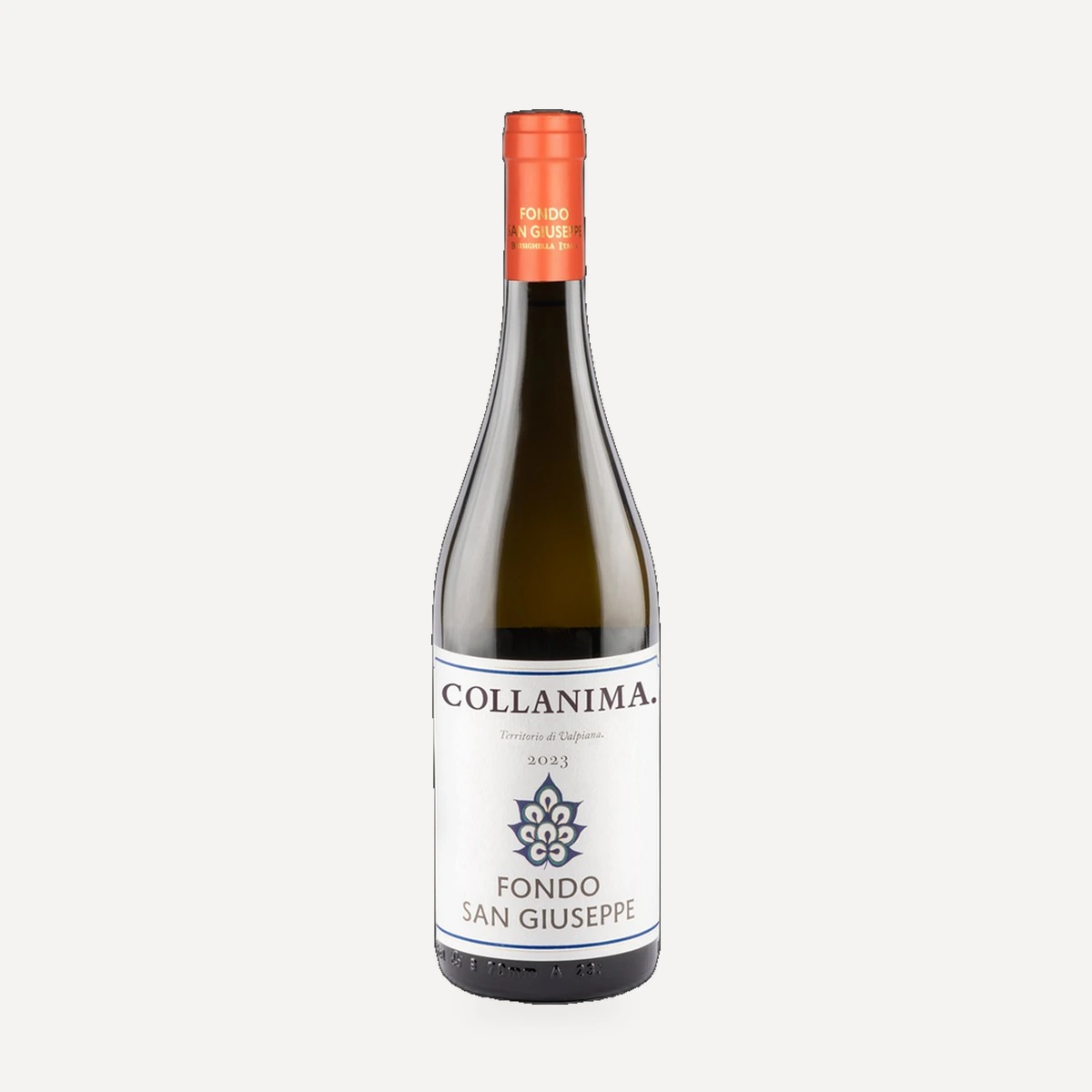
Organic agriculture was adopted from the beginning of the new ownership. The estate developed around white varieties in Valpiana—Albana, Trebbiano, Riesling Renano, Chardonnay and Marsanne—alongside a small mixed planting of Albana Nera and Centesimino. Collanima, from that mixed red-berried vineyard, was first made in 2010.
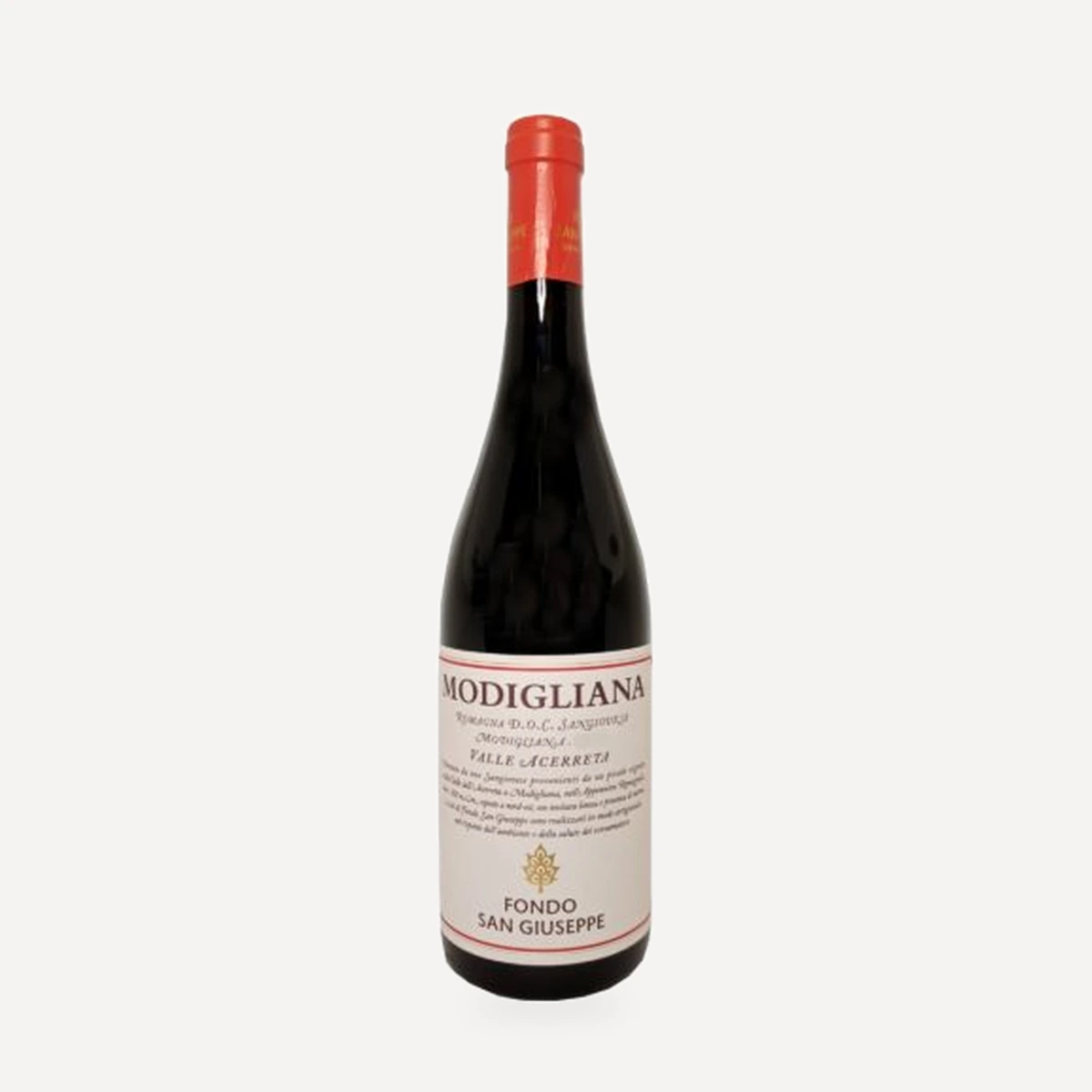
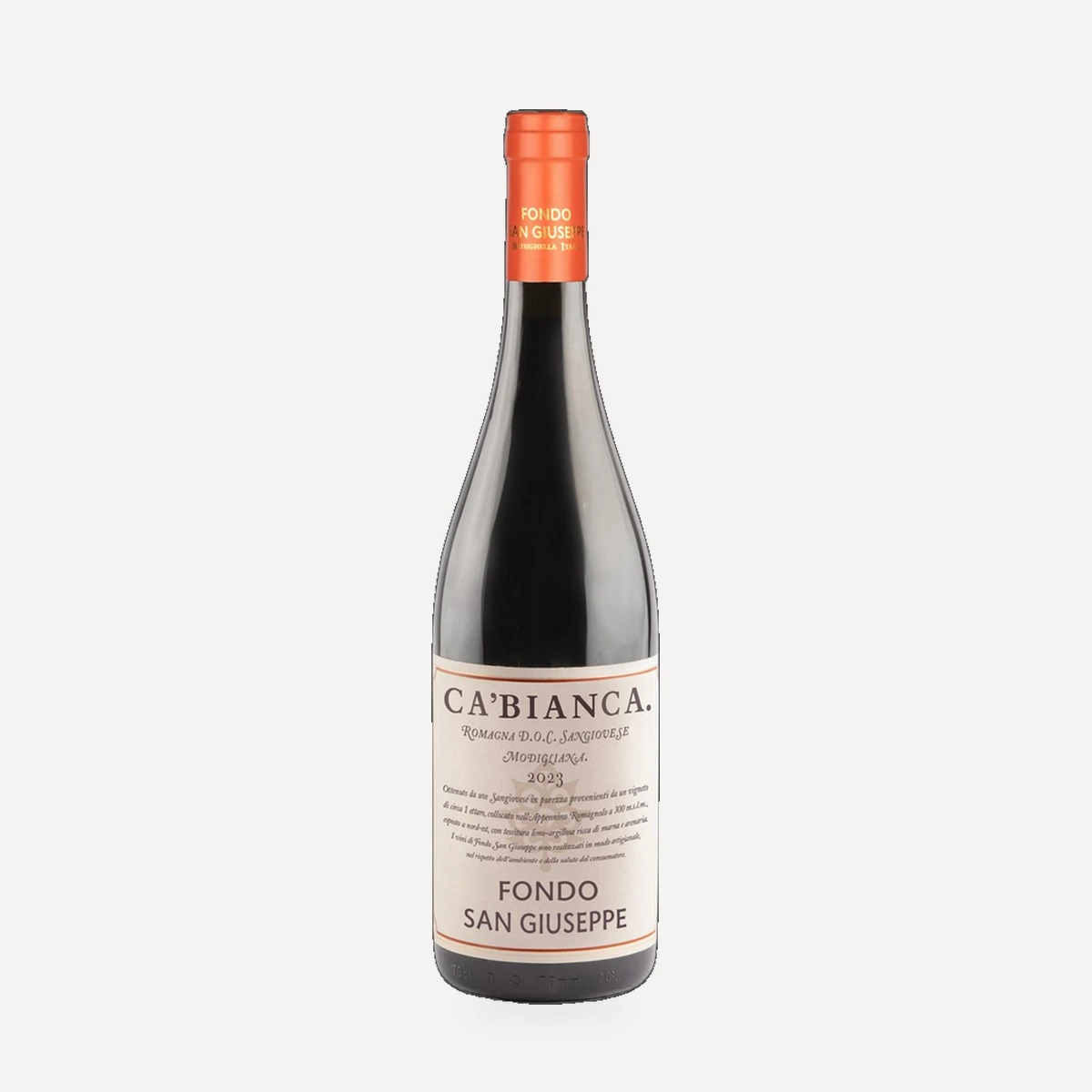
In 2015 Fondo San Giuseppe leased the approximately one-hectare Ronco di Rio Brola vineyard from Casetta dei Frati in Valle Acerreta, Modigliana. This introduced Sangiovese from a steep, north-east-facing Apennine site at 250–300 metres. The vineyard initially supplied Ca’ Bianca and later became the source of a selection for the Modigliana bottling.
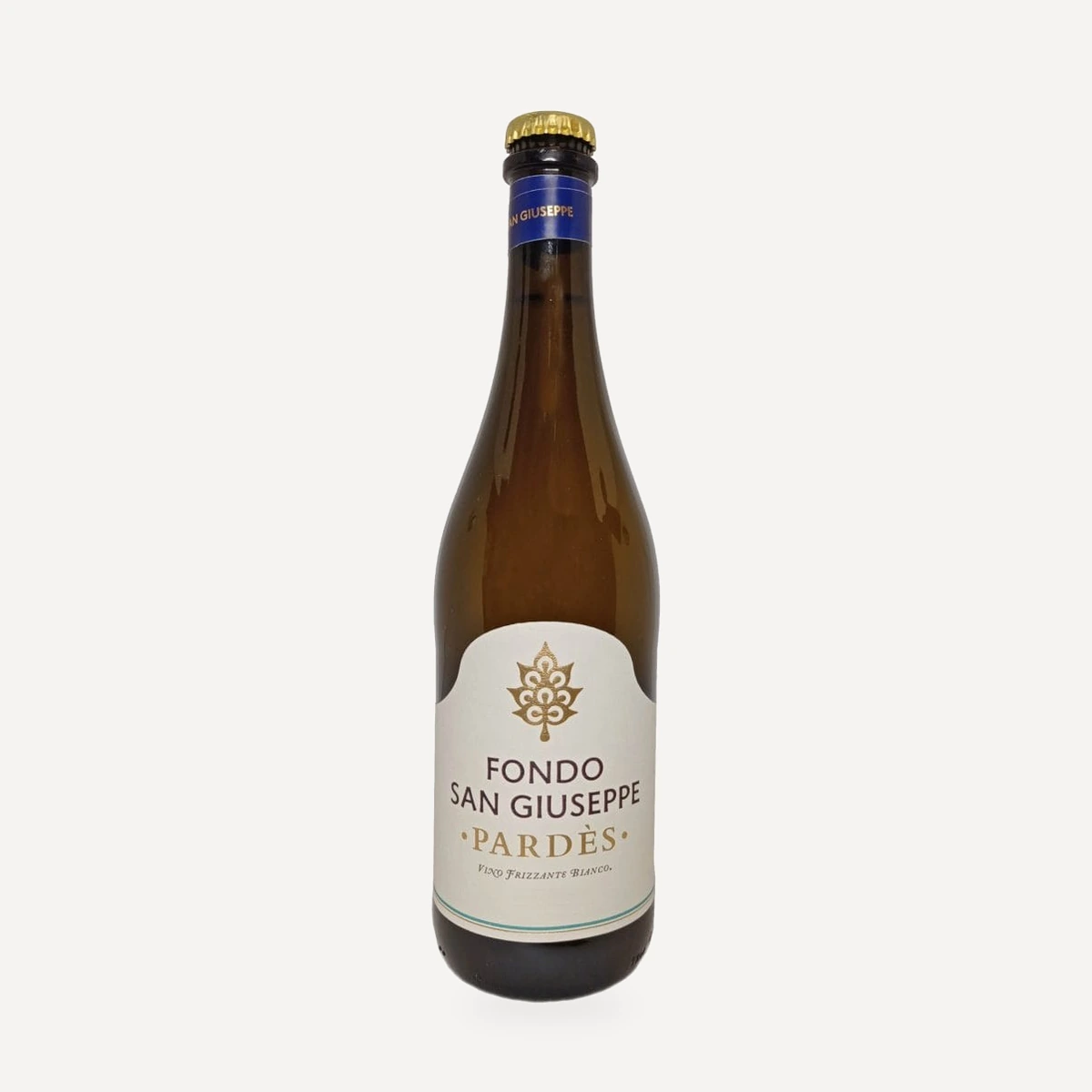
The first vintage of both Modigliana and the ancestral-method Pardès was 2021. Modigliana was released in September 2022. For the inaugural Pardès, equal parts Chardonnay, Trebbiano and Marsanne were assembled in concrete in January 2022 with their natural residual sugar, bottled with their own spontaneous yeasts in February and kept in a cool part of the cellar until October 2022 for slow secondary fermentation.
Terroir
Fondo San Giuseppe’s principal vineyards lie in Valpiana, a subzone of Brisighella in the Romagna Apennines. The site is a north-facing plateau at 400 metres above sea level, completely surrounded by woodland. The estate comprises 5 hectares of vineyard and 11 hectares of woodland; the latter is treated as an essential part of the agroecosystem rather than unused land.
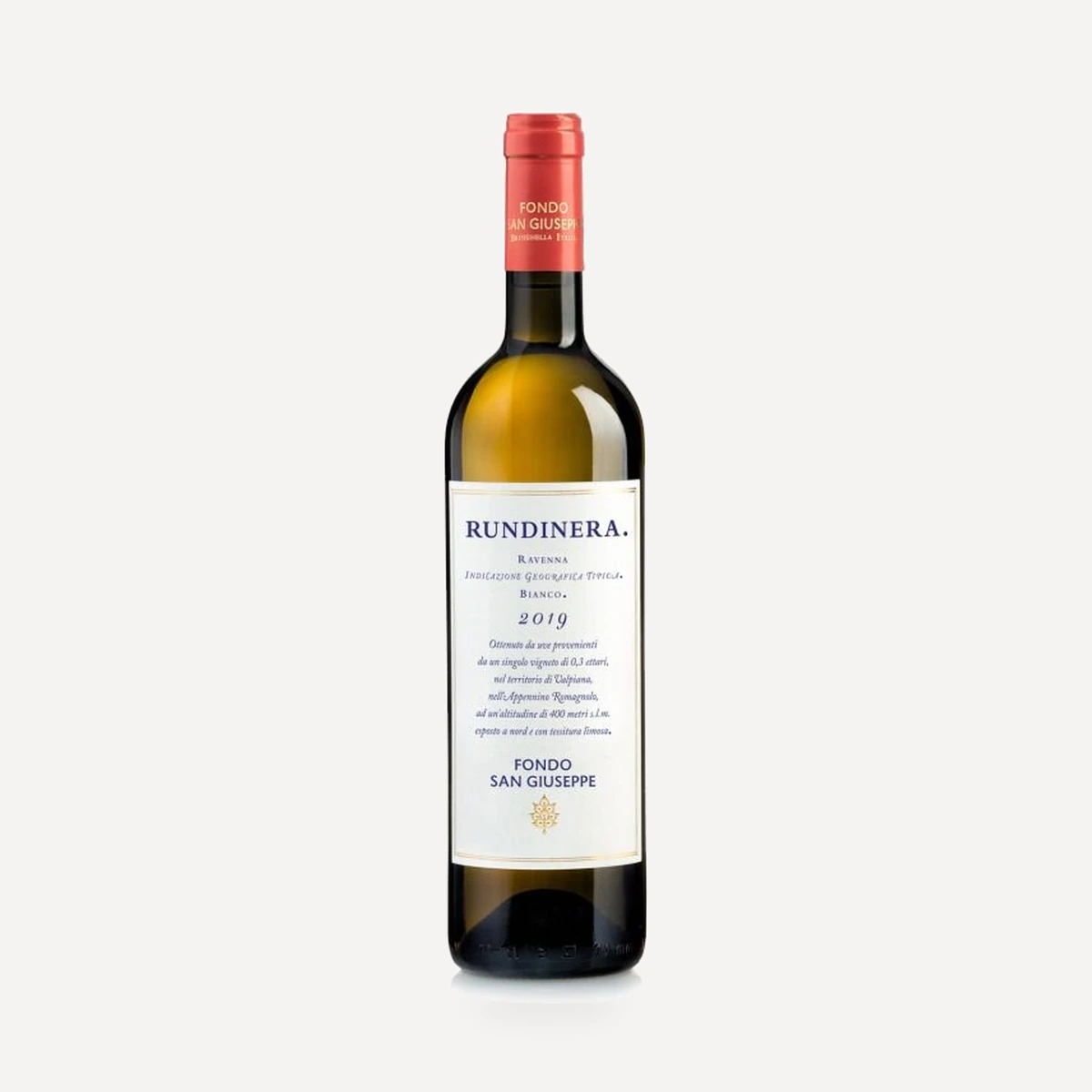
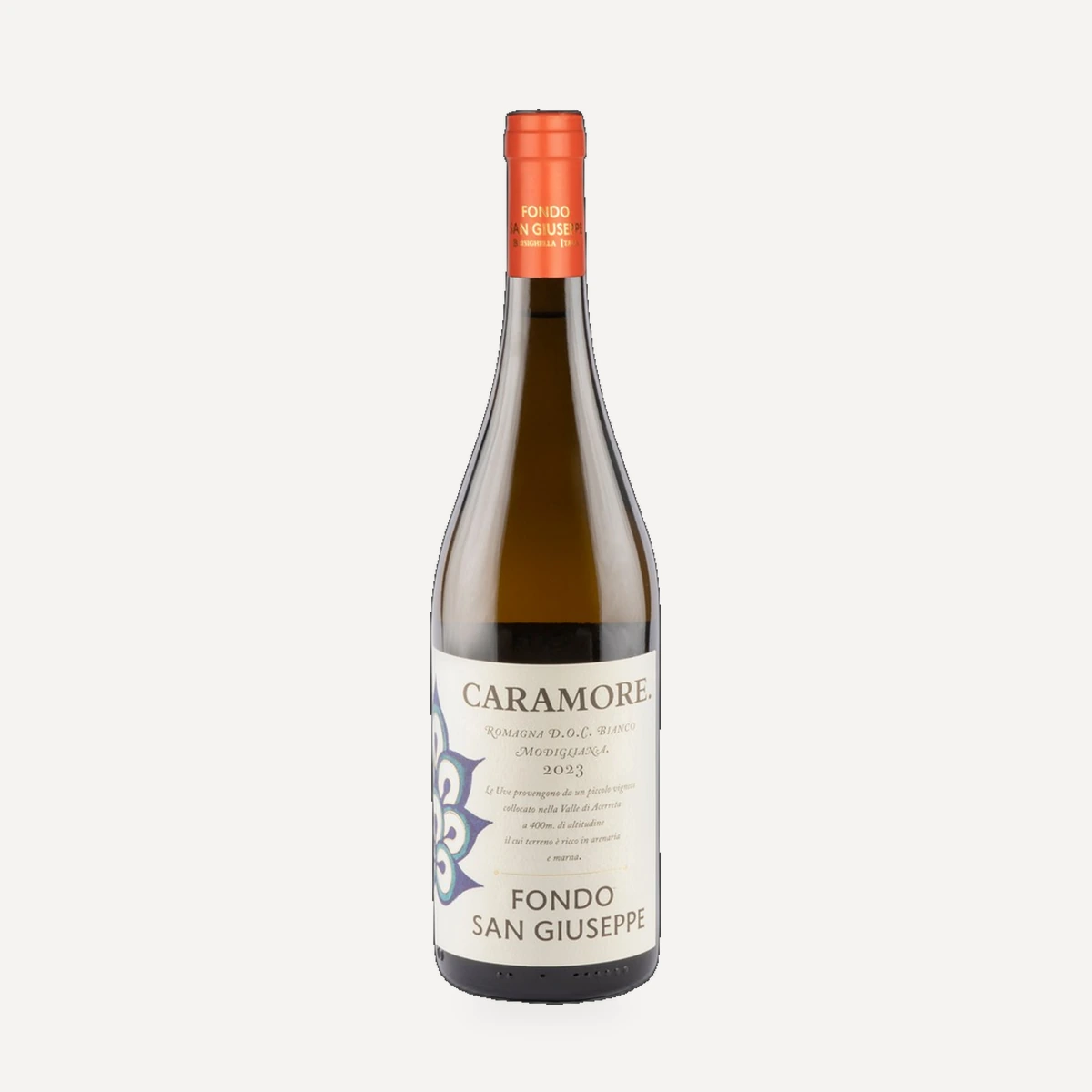
The soils are clayey-silt and calcareous, with a stony marl skeleton and abundant organic matter. The Apennine geological setting is also described as a marl-sandstone formation. Individual sites vary: the Caramore vineyard has relatively lean clay-limestone soil rich in marl fragments, while the former Rundinera Marsanne vineyard is described as silty and lies beside a ravine.
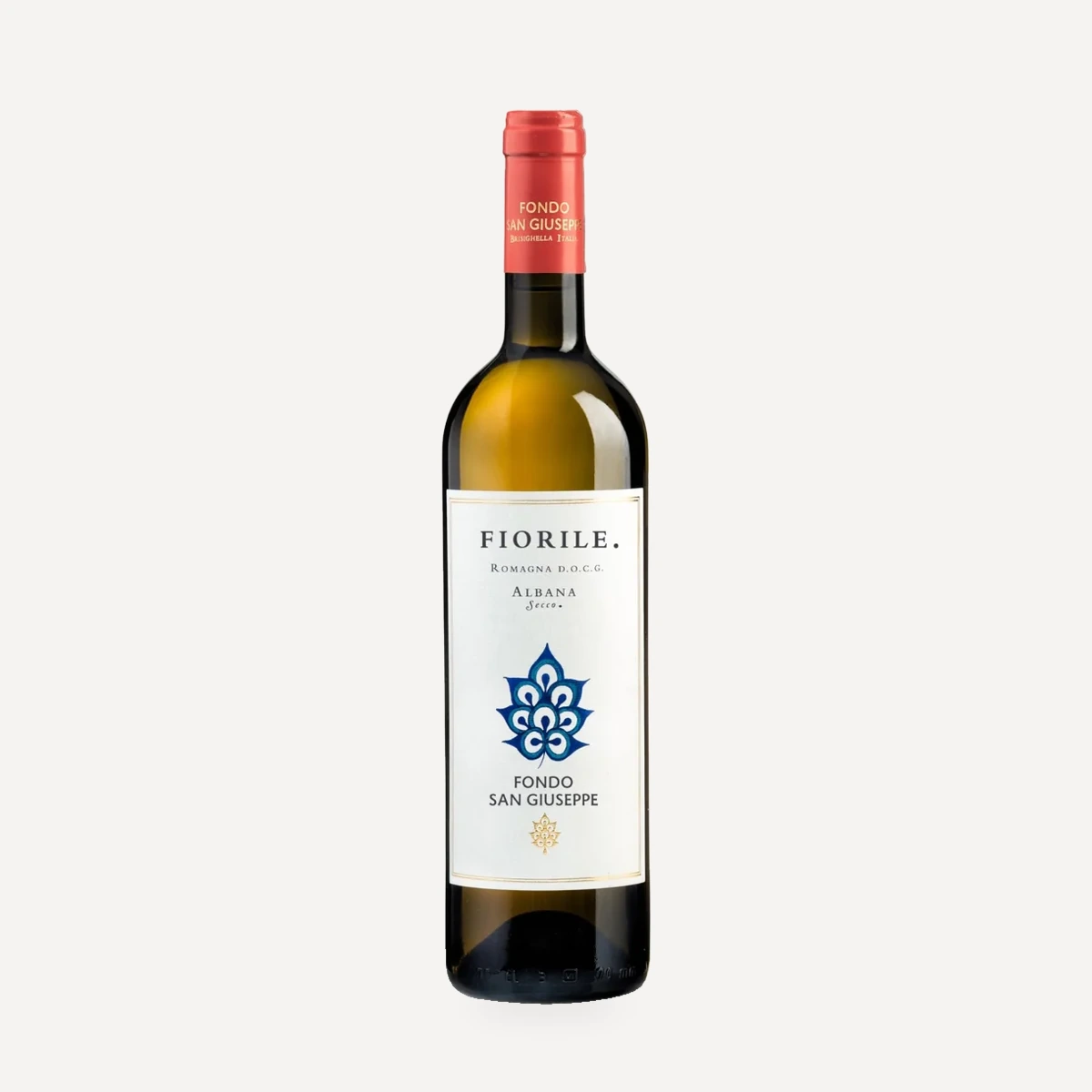
The Lamone runs through the Brisighella valley only a few hundred metres from the vineyards. Its influence provides enough humidity in some years for botrytis cinerea, or noble rot, to develop on sensitive varieties such as Riesling Renano and Albana. The combination of 400-metre elevation and predominantly northern exposure produces marked differences between daytime and nighttime temperatures, helping preserve floral and fruit aromas.
The surrounding woodland supports biodiversity and separates the vineyards from intensive human activity. Stefano Bariani considers the resulting Valpiana character more immediately perceptible in the wines than the identity of the individual grape varieties.
A second viticultural area lies in Valle Acerreta at Modigliana. The leased Ronco di Rio Brola vineyard is situated on a fairly steep, north-east-facing slope at 250–300 metres. It has silty soil with marl and is planted to a small-berried Romagnolo Sangiovese clone with compact bunches.
Vinificazione
The vineyards are managed under certified-organic rules without synthetic products. No insecticides are used. Disease protection is limited to low doses of sulphur and copper.
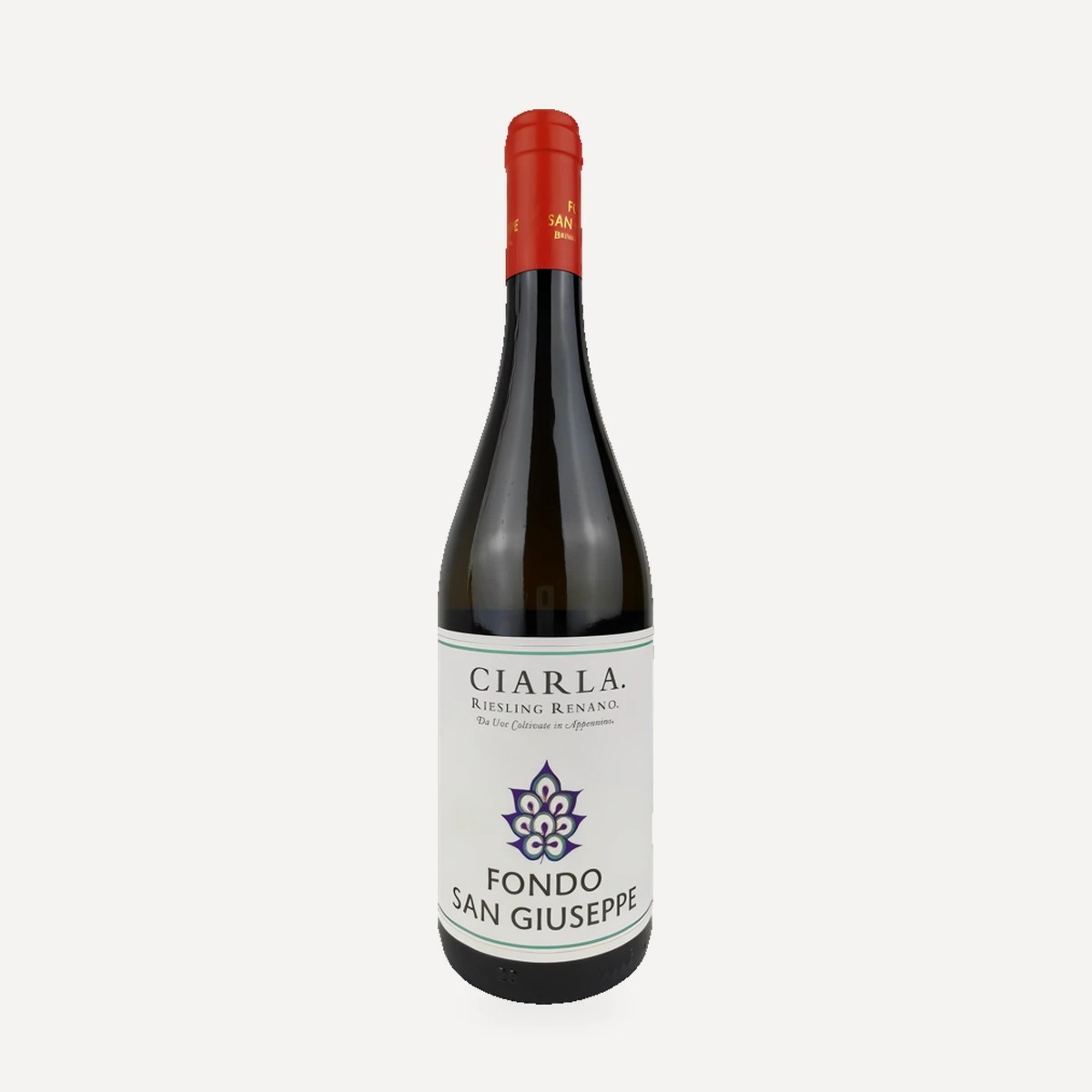
Green manure is used to improve soil fertility. Riesling Renano is specifically interplanted with Vicia faba minor—favino—as a green-manure crop. The combination of woodland and favino within the vineyards is intended to sustain the biodiversity and balance of the agroecosystem.
Pruning and tying are performed manually. Permanent grass is cut mechanically, with no chemical herbicides. Tractor and other mechanical passes are kept to a minimum to avoid soil compaction.
All grapes are harvested by hand and placed in small crates. They are taken to the cellar without additions such as dry ice or sulphur dioxide. Harvest timing varies by site and variety, from early September for Albana and Marsanne through late September for the mixed Albana Nera–Centesimino vineyard and October for Sangiovese.
Organic certification is provided by Suolo e Salute under control-body code IT-BIO-004; the controlled-operator number is 33039. Organic methods have been used from the beginning of Mariagrazia Rizzati and Stefano Bariani’s management.
The cellar approach is artisanal and centres on small vessels, spontaneous fermentations and limited additions.
For white grapes, a crusher-destemmer first removes the stems and then gently crushes the berries between two rollers. Juice, skins and seeds pass to a press. The free-run must, after brief contact with the skins, is transferred to stainless-steel vessels for alcoholic fermentation.
Red grapes follow the same initial destemming and gentle-crushing process, but their skins remain with the must for approximately 10–20 days depending on the variety and vintage. Fermentation begins spontaneously. The estate’s later Modigliana program extends skin contact to about three weeks for its selected Sangiovese.
Musts ferment spontaneously in small stainless-steel tanks. Pump-overs and the movement of fine lees are managed in these vessels. White wines generally mature in stainless steel; selected styles divide the lot between steel and Allier tonneaux before blending and a short return to steel. Red wines have traditionally matured in steel, while the Modigliana selection introduced six to eight months of maturation in concrete. A 10-hectolitre stainless-steel format is used for Collanima.
Sulphur dioxide is used at low levels. Average total sulphur dioxide is approximately 60 mg/L. Grapes enter the cellar without dry ice, sulphur dioxide or other additives.
The estate also employs ancestral-method production. For the inaugural 2021 Pardès, equal portions of Chardonnay, Trebbiano and Marsanne were blended in concrete in January 2022 with natural residual sugar. The still blend was bottled with its indigenous yeasts in February and stored in a cold cellar area until October so that secondary fermentation proceeded slowly.
Filosofia
Stefano Bariani describes wine as a spontaneous fruit of the land that should be altered as little as possible by human technical intervention. He feels close to the natural-wine movement, while maintaining that organic or biodynamic status alone is insufficient: a wine must also be good, original and recognisably connected to the place where its grape variety has adapted.
Organic agriculture is treated as a conviction rather than a commercial convenience. Bariani’s opposition to synthetic pesticides began during his agricultural studies, when he became concerned about their effects on the environment and the healthfulness of agricultural products. His model is the farmer-artisan of the early nineteenth century, before the fertiliser and pesticide industries, working through knowledge accumulated and transmitted over generations.
The surrounding woods are integral to this thinking. Natural viticulture is understood as the pursuit of equilibrium across the ecosystem, even when that means giving up potential vineyard area so that woodland can remain and the vines can express their place fully. Bariani regards himself as the custodian of a small part of the natural world, continuously connected to the vineyard and its forest surroundings.
Brisighella was chosen because of its comparatively intact valley landscape of river, hills, olive groves and woods. The goal is for the wines to translate that environment and local tradition faithfully. In Valpiana, Bariani considers the identity of the territory more immediately evident than varietal character itself.
The names and ideas attached to the range reinforce this outlook. Ciarla is intended to “speak” of its origin and its maker’s intentions; Caramore links affection for the land with love as a motivating principle; Pardès evokes the garden as a meeting place between people and nature; and Collanima expresses the idea of working “with soul.”
Vini
Caramore
Ciarla
Fiorile
Modigliana
Pardès
Tèra
Ésor
Ca’ Bianca
Collanima