Storia
The origins of Sant’Agostino
The history of the Sant’Agostino estate reaches back to approximately the 11th century. At that time it belonged to the Order of the Teutonic Knights and served as a place of assembly, contemplation and prayer before the knights departed for the Crusades.
The property subsequently passed to the Benedictines in the 14th century. In 1523 it came under the Augustinian monastic order, from which it received the name Sant’Agostino. For a short period toward the end of the 18th century, it belonged to the French.
The Ceci family in Andria
The Ceci family originated in Taranto and settled permanently in Andria at the end of the 17th century. Its members developed a longstanding association with Apulian agriculture and became proponents of innovative agronomic techniques and land-reclamation work.
In 1819, Consalvo Ceci, born in 1790, purchased Sant’Agostino and added it to the family’s existing properties. Between 1840 and 1860, the family expanded its landholdings and brought additional land into production through the planting of vineyards and olive groves. The family lineage also included high-ranking clergy, political deputies, civic authorities and literary figures.
A surviving account dated 1896 records Consalvo Ceci’s lands, with particular attention to the Sant’Agostino estate. Another family member named Consalvo Ceci received a medal for military valour in 1916 during the First World War.
Giancarlo Ceci and Agrinatura
Eight generations after the family established its agricultural connection with the estate, Giancarlo Ceci graduated in Agriculture from the University of Bologna. In 1988 he took responsibility for several hectares at Sant’Agostino and, under the Agrinatura name, immediately converted the entire productive activity to organic cultivation. He extended the enterprise beyond farming into the processing and commercialisation of its agricultural products, applying methods intended to respect the land and surrounding environment.
The Almagìa project began in 2007 as an expression of the aim to make wine as naturally as possible. Its wines are produced without added yeast or sulphites and are protected from exposure to oxygen during production.
A photovoltaic energy installation entered operation in 2010. In 2011 the agricultural enterprise obtained Demeter certification and formally consolidated its biodynamic approach. In 2020 it obtained Carbon Footprint certification; the associated assessment found a carbon-neutral balance for the cultivation, processing and transformation of its agricultural products.
Giancarlo now continues the family enterprise with his children Clara and Felice, maintaining the agricultural values and traditions transmitted across eight generations.
Terroir
The estate lies near Castel del Monte, on the slopes of the Murge plateau, and is centred on the family’s historic Sant’Agostino residence. Its vineyards occupy hilly ground at approximately 250 metres above sea level and are planted in rows running from north to south.
The climate is Mediterranean, dry and breezy, with marked differences between daytime and night-time temperatures. The Adriatic Sea, approximately 20 km away, influences the vineyard environment.
The soil is karstic and of medium texture, with abundant active limestone and water present at depth. The limestone slows the vegetative ripening of the grapes, while deep water reserves and diurnal temperature variation contribute to the intended freshness and finesse of the wines.
The approximately 250-hectare agricultural environment also includes 100 hectares of olive groves and more than 30 hectares of oak forest. These wooded and cultivated habitats support the estate’s biodiversity and surround the historic family residence.
Vinificazione
The vineyards have been farmed organically since Giancarlo Ceci’s 1988 conversion of the enterprise. Organic agricultural production is controlled by ICEA. Biodynamic cultivation followed, with Demeter certification obtained in 2011.
Biodynamic work is organised around natural rhythms, seasonal cycles, soil vitality and the treatment of the farm as a living, interconnected organism. The objective is to regenerate the soil, strengthen its fertility and protect local wildlife and biodiversity. The estate’s mixture of vineyards, olive groves, vegetables, tomatoes, cereals, animals and oak woodland supports this diversified agricultural system.
More than 30 Podolica cattle live in semi-wild conditions and graze freely in the oak woods. They consume organic by-products from the farm and provide manure used to revitalise the soil, returning agricultural residues to the production cycle. Cultivated ground also serves as a refuge for wild flora and fauna; plant species preserved in the soil re-emerge with the changing seasons and are particularly visible in spring.
Crop rotation is practised across the agricultural land to restore soil nutrients. Vegetable crops are alternated with soil-improving legumes, while tomatoes and durum wheat also serve as rotational crops.
Vineyard work pays continuous attention to soil and plant health throughout the vine cycle. Harvest timing is determined separately according to the vintage and grape variety. Berries are tasted and subjected to chemical and physical evaluation, and picking begins only when sugar, acidity and aromatic freshness are considered balanced. Harvest takes place manually between August and October, with careful selection of each bunch.
The modern winery stands only a few hundred metres from the vineyards, limiting the interval between picking and vinification. Grapes are brought to the cellar immediately after harvest.
Cellar work is designed to be minimally invasive and to preserve the balance and quality developed in the fruit. A modern temperature-control system operates throughout processing, including grape reception, pressing, fermentation and vinification. Each tank receives grapes from one specific plot and is reserved for a single grape variety, preserving the separation of vineyard and varietal material.
Maturation takes place in stainless-steel tanks and French-oak barriques. The barriques are housed in extensive ageing areas on the ground floor of the estate. In the historic barrel cellar, niches cut into the tufa hold mature bottles from earlier vintages.
The Almagìa range follows a separate low-intervention protocol established in 2007. No yeast or sulphites are added. Because the absence of added sulphites makes the wine especially susceptible to oxidation, production avoids exposure to air and limits contact with oxygen. The range is intended to preserve the raw material without additions that would alter either the grapes or the finished wine.
Filosofia
Giancarlo Ceci defines his relationship with nature as the result of having been born and raised on an estate transmitted through eight generations. Childhood and adolescence in direct contact with the land created the bond that informs his agricultural work.
The enterprise’s stated values are to live within nature, care for it, respect it and represent it. Its farming philosophy seeks balance between cultivated land and the surrounding environment, returning to family roots and to methods that work in symbiosis with natural processes rather than forcing them.
Quality is approached as the result of healthy soil, balanced fruit and environmental stewardship. In the vineyard and cellar, intervention is intended to protect the equilibrium already present in the grapes. Tradition is combined with appropriate technology, including temperature-controlled winery equipment and renewable-energy infrastructure.
Circularity is central to the biodynamic model: diverse crops and livestock form one agricultural system, organic by-products feed the Podolica cattle, and their manure returns to the soil. Biodiversity, soil fertility, reduced consumption, limited plastic use and renewable energy are treated as connected responsibilities.
The Carbon Footprint programme found cultivation, processing and transformation to be carbon-neutral. The longer-term objective is to reduce emissions associated with distribution and marketing year by year until the entire chain reaches carbon neutrality.
Vini
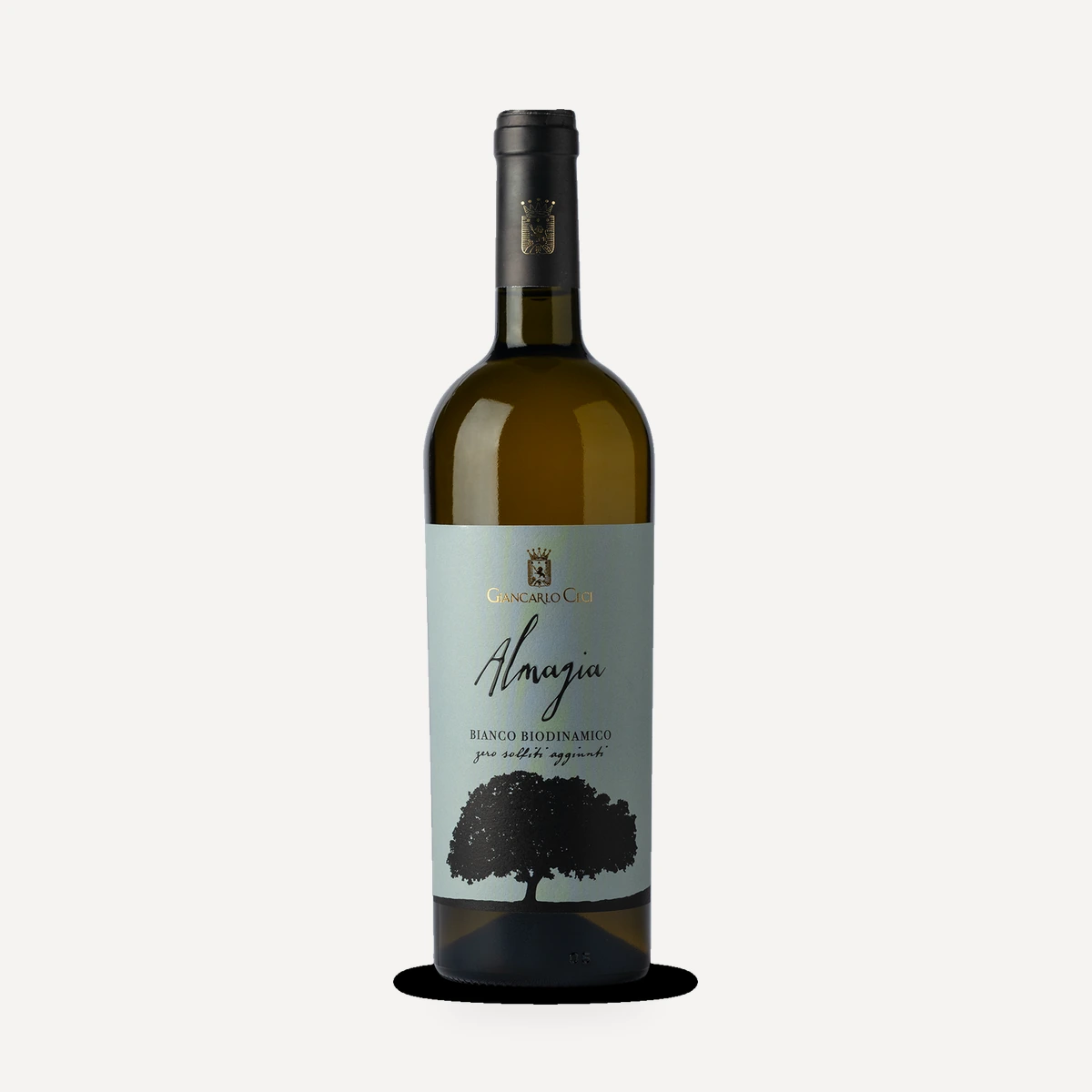
Almagia Bianco
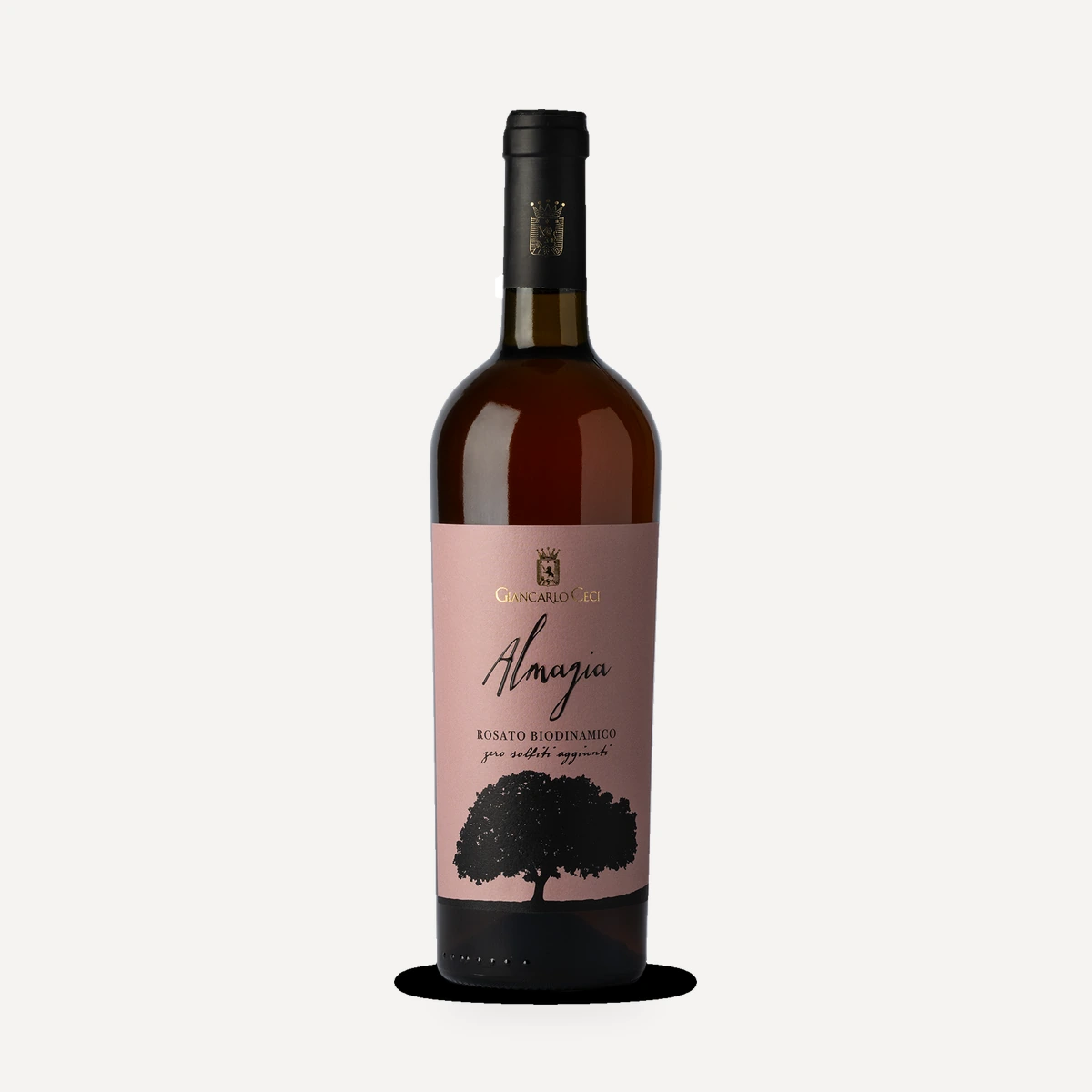
Almagia rosato
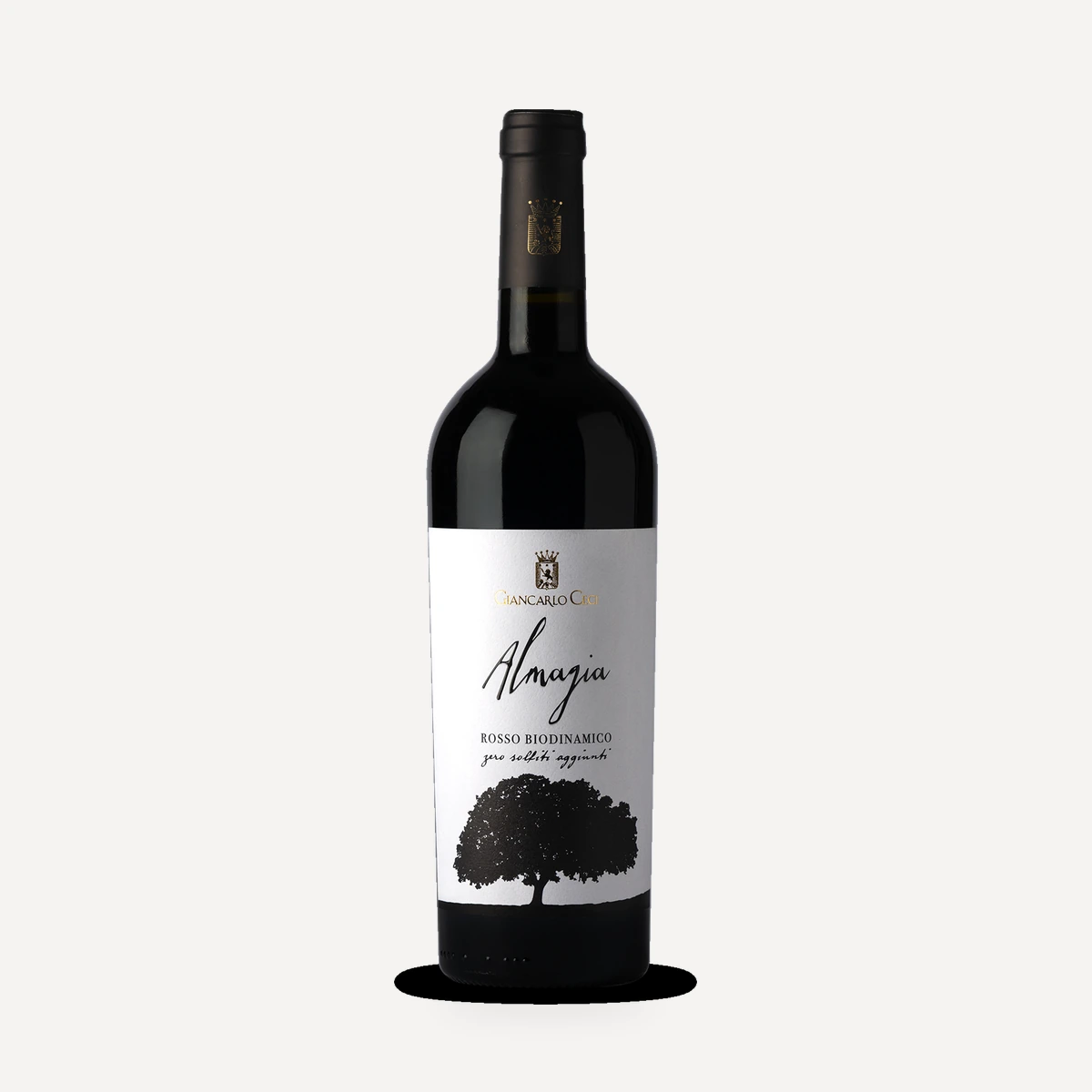
Almagia rosso
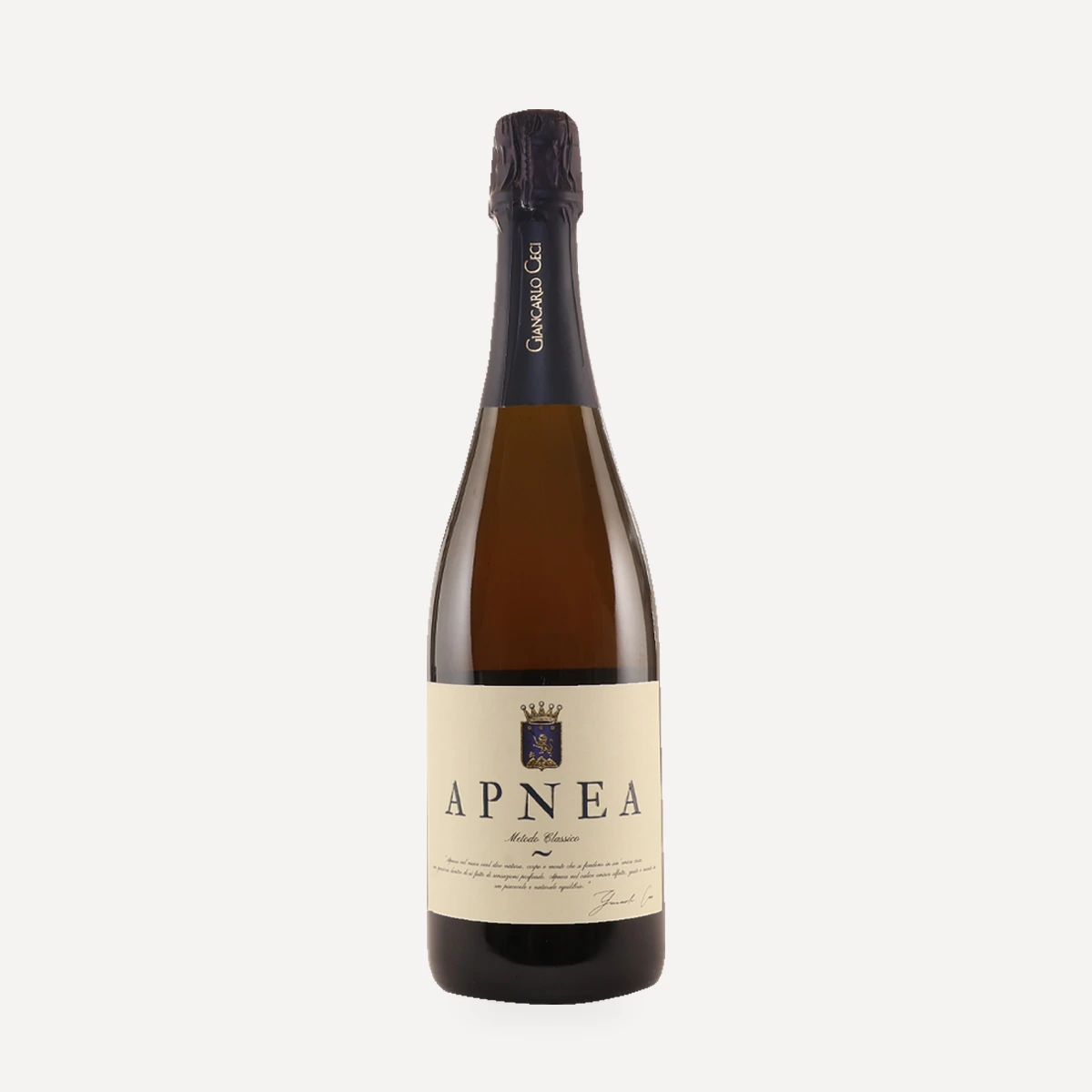
Apnea Metodo Classico
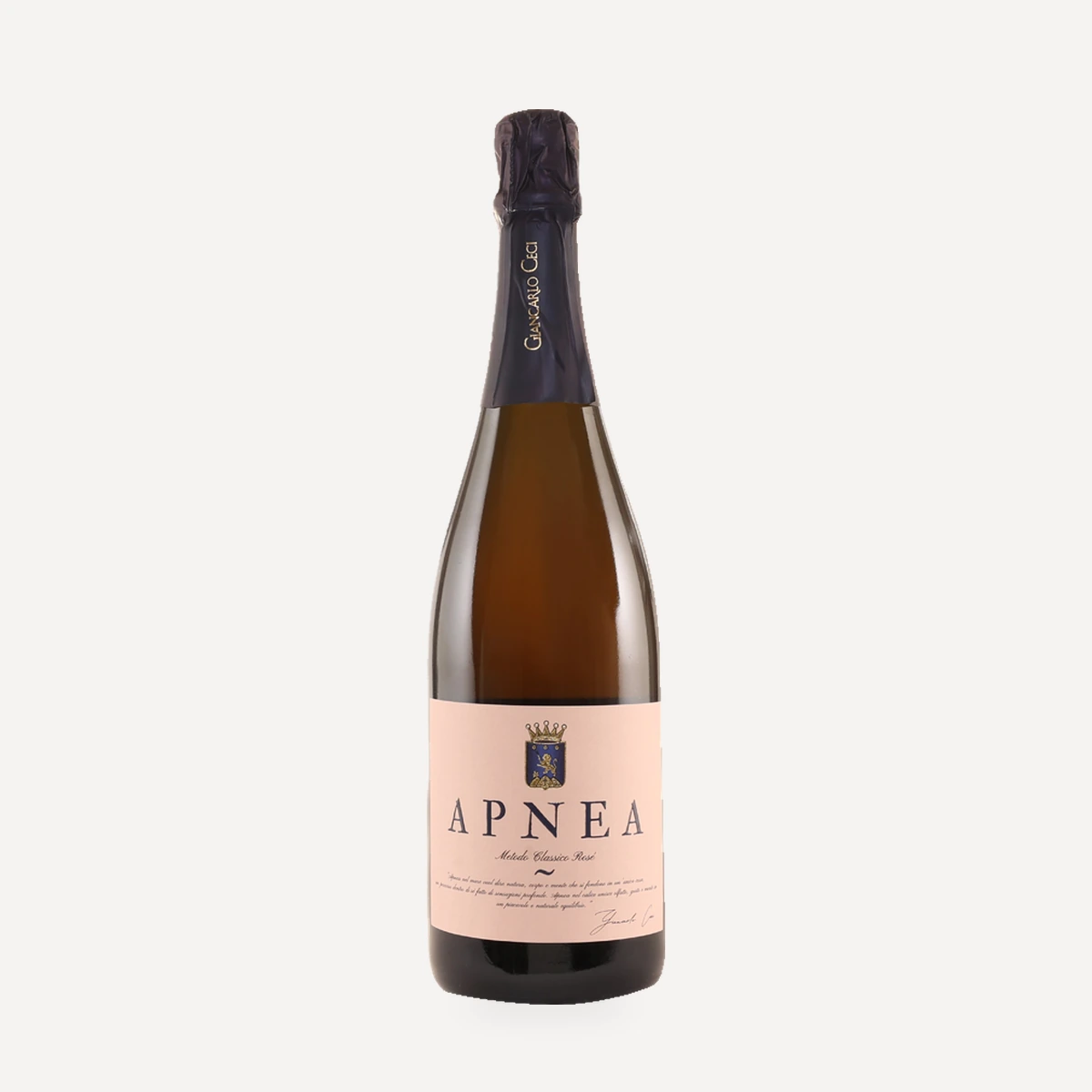
Apnea Rosè Metodo Classico
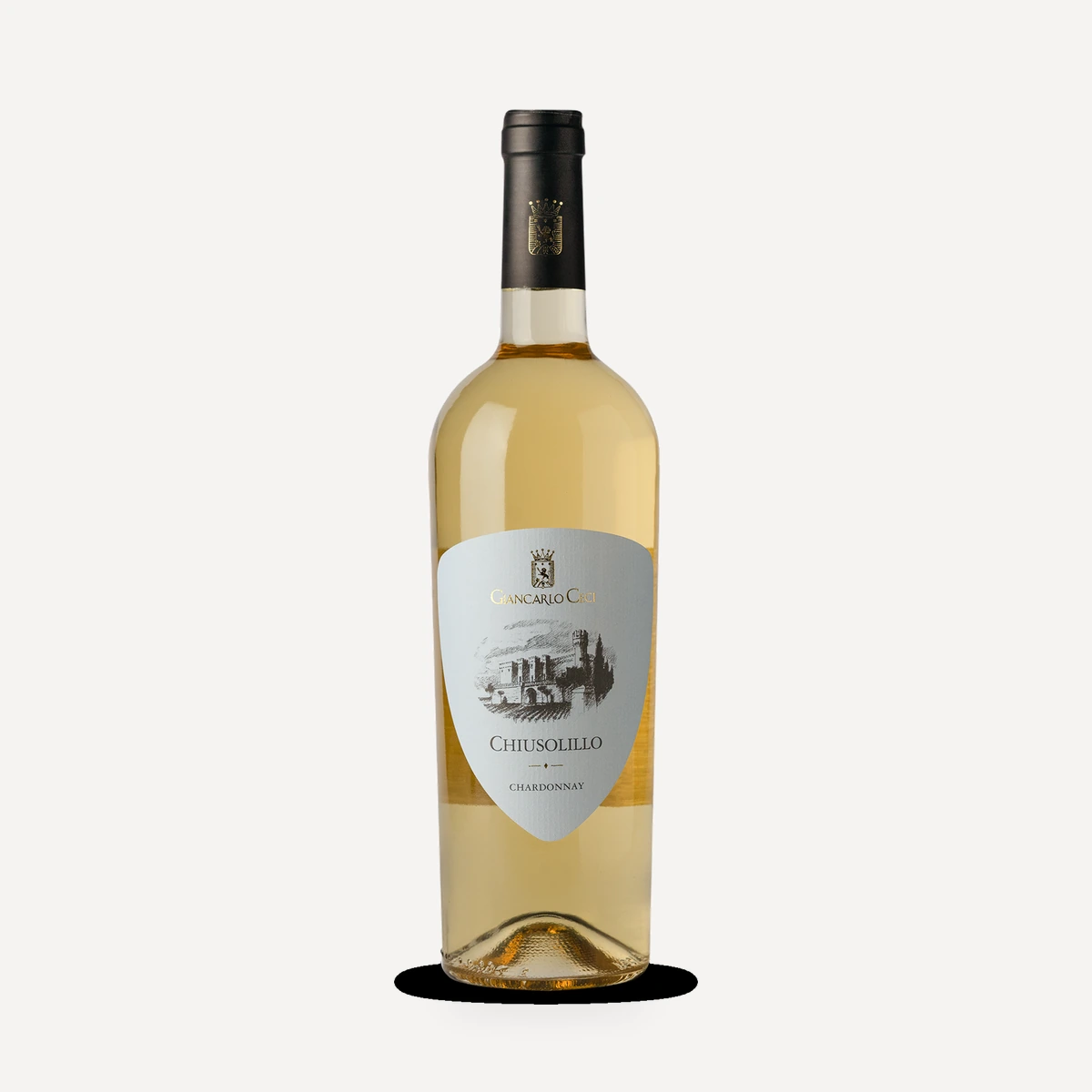
Chiusolillo
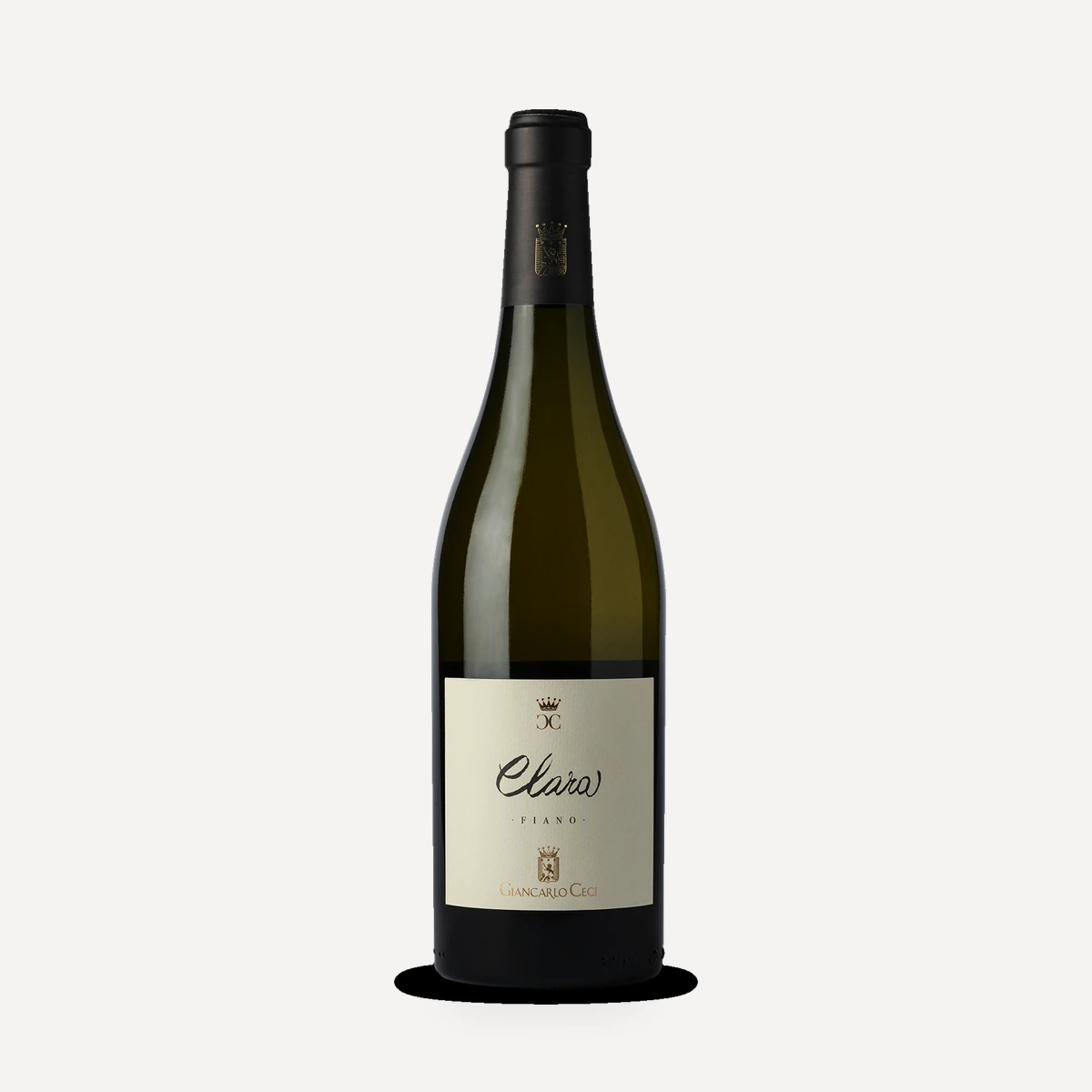
Clara
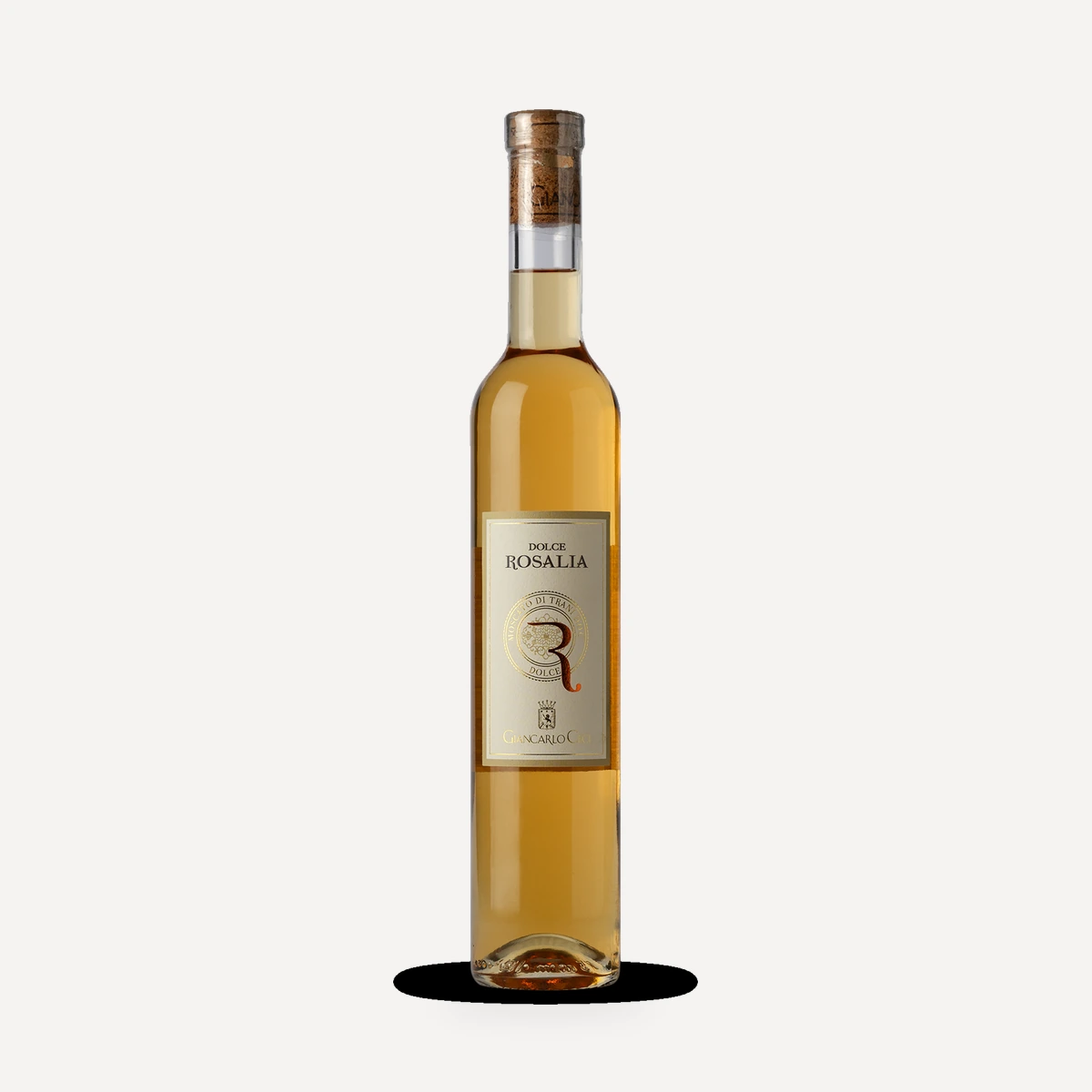
Dolce Rosalia
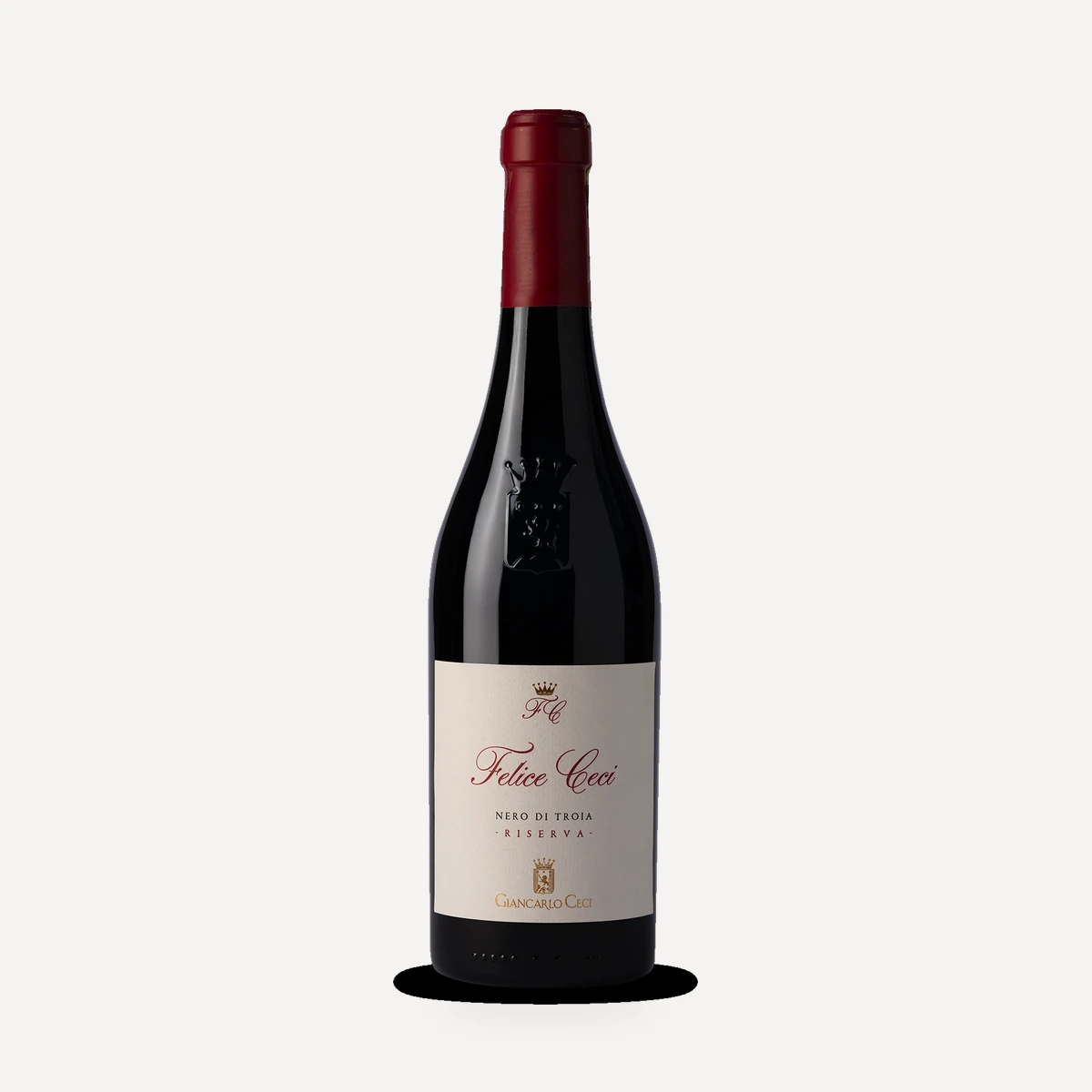
Felice Ceci
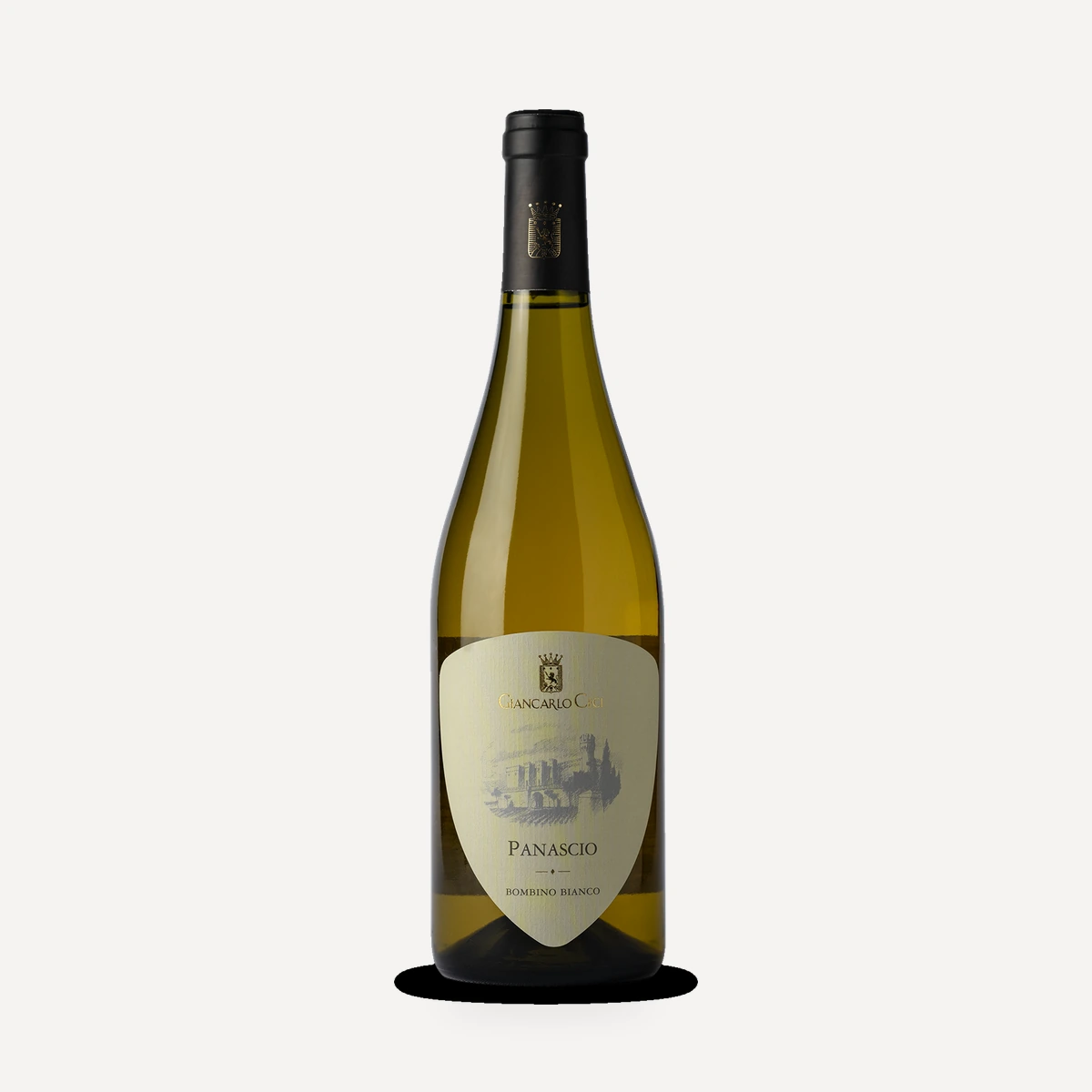
Panascio
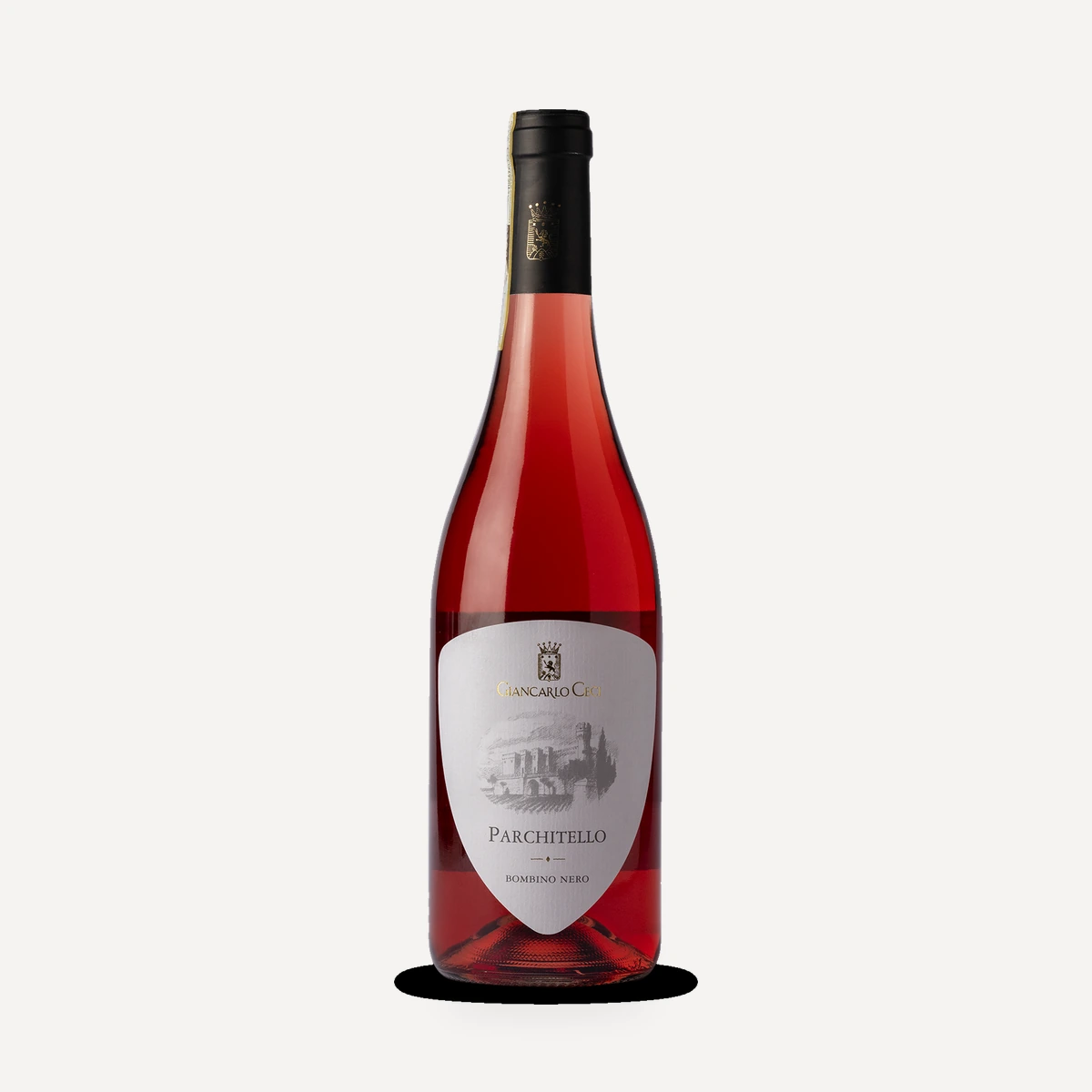
Parchitello
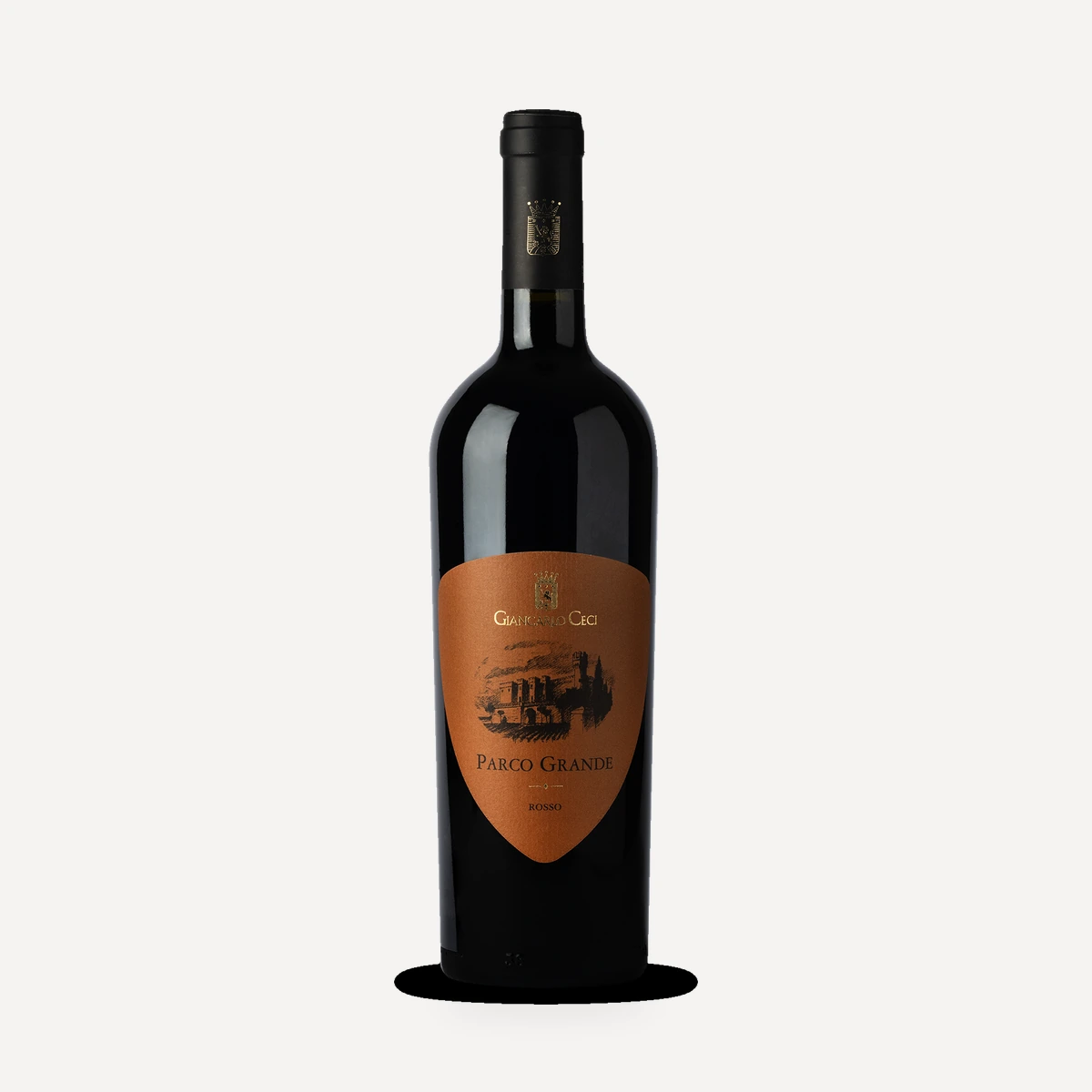
Parco Grande
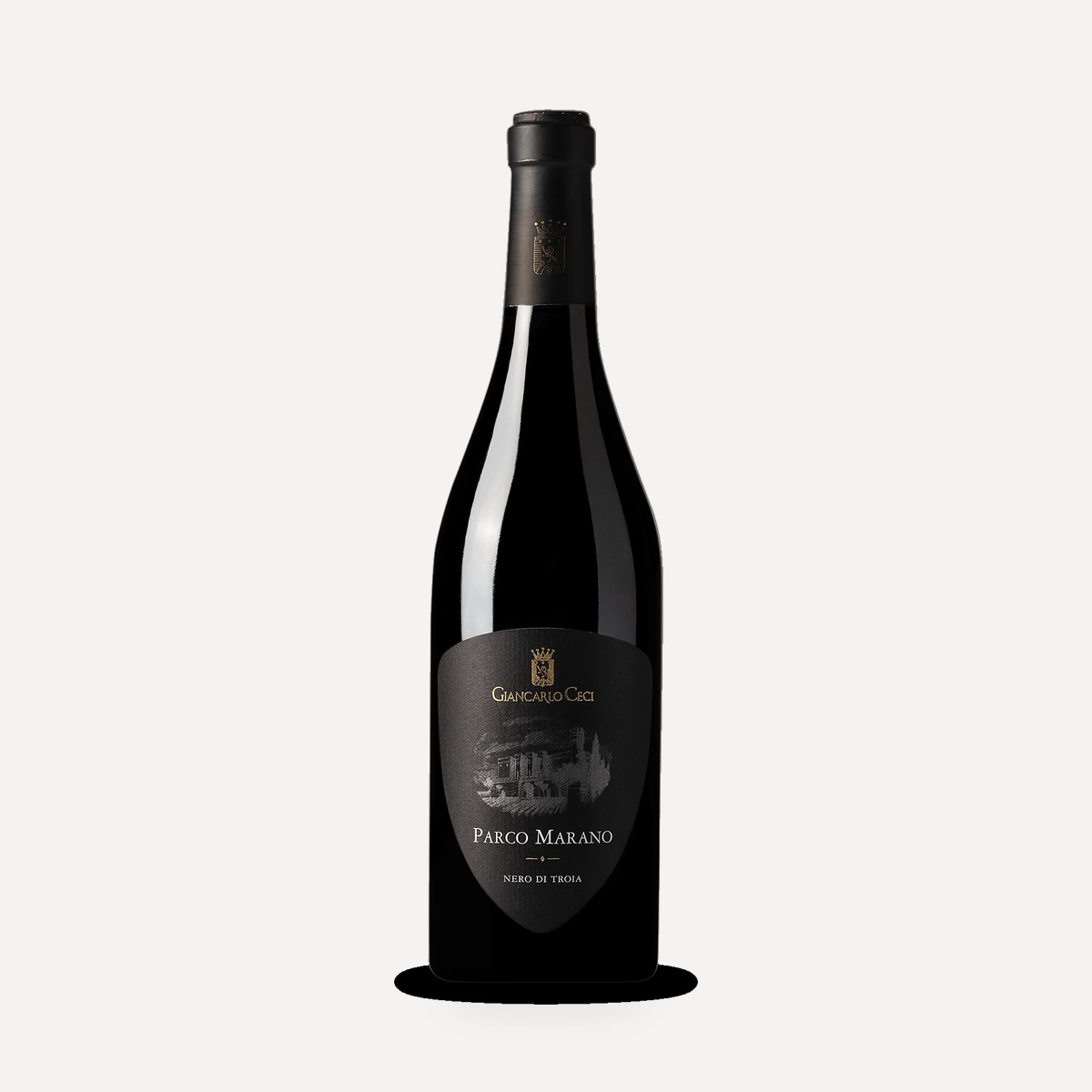
Parco Marano
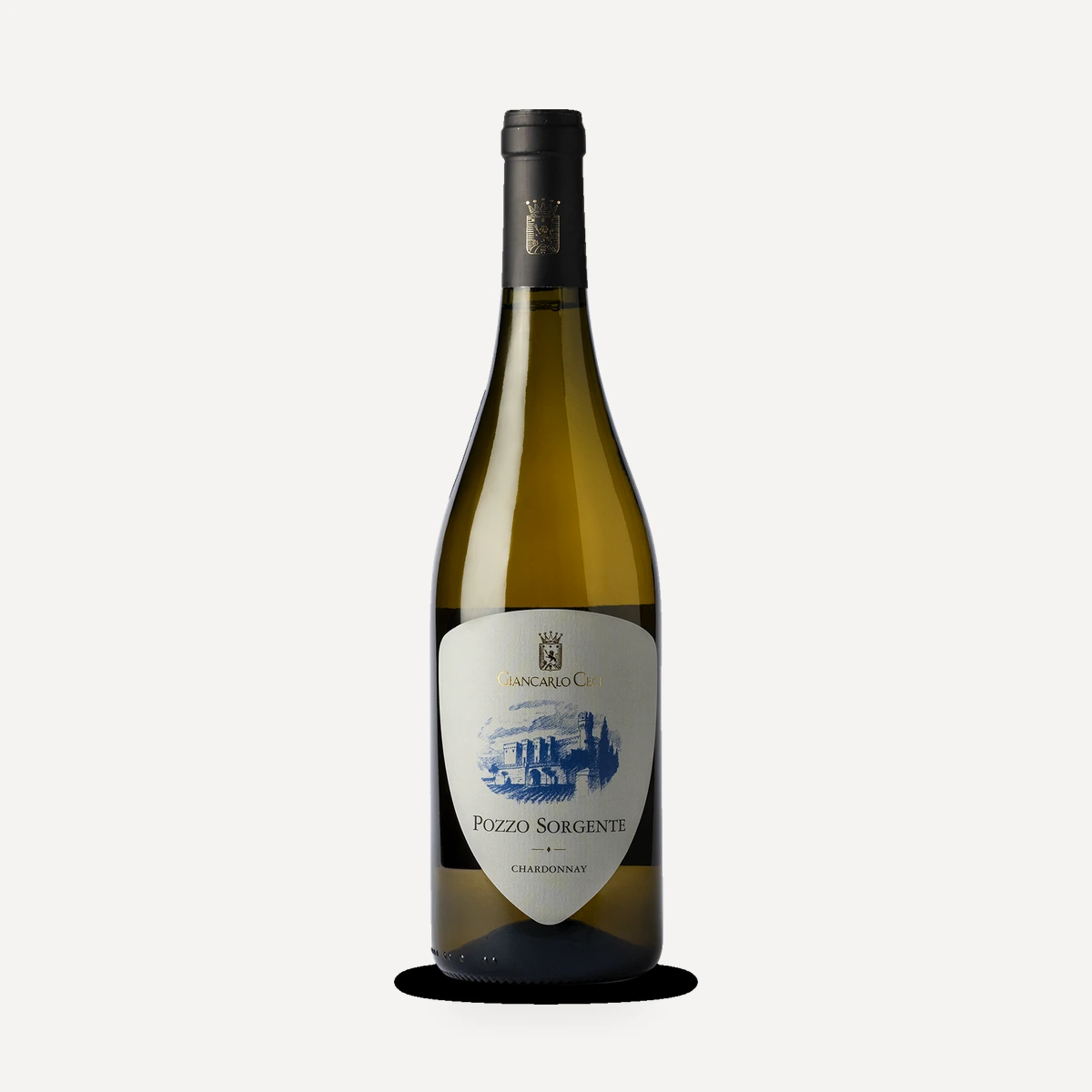
Pozzo Sorgente