Storia
The post-war estate
Shortly after the end of the Second World War, Giovanna Madonia’s grandfather Pietro acquired a large property at Bertinoro. It included 3 hectares of vineyard planted with Sangiovese and Albana. When individual vines dried out, Pietro—who came from Sicily and missed his native landscape—replaced them with olive trees. His ambition was to create a substantial olive grove.
Replanting and foundation in 1992
In 1992, Giovanna replanted the vineyards and enlarged them, marking the foundation of the present wine enterprise. The new planting followed a detailed study and clonal selection. Giovanna retained the olive trees that Pietro had scattered through the original vineyard, fitting the geometric rows of small alberello-trained vines around them. Consequently, some rows were wider or narrower than others and a few were interrupted by the established trees.
The vineyard project restored the traditional alberello, or bush-vine, training once used in the region. New vines were established on the slopes of Montemaggio at 250–350 metres above sea level, generally at high density and with low production per plant.
Expansion to the present estate
The vineyard holding subsequently grew from the original 3 hectares to approximately 14 hectares. Giovanna continued to cultivate it with her four daughters, with Miranda Poppi taking a particularly active role in producing Sangiovese and Albana alongside a small quantity of olive oil. Miranda and Giovanna are identified as the owners of the agricultural company.
Generational renewal and modernization
A 2018 regional call under the 2014–2020 Rural Development Programme supported Miranda Poppi’s establishment as a young farmer and the modernization of the business. The programme was formally recorded on 14 June 2019 and had a planned duration of 24 months. Investments covered a new vineyard intended to strengthen DOC and IGT production, a vineyard tractor, a heavy-duty flail mower, a vine trimmer, an anti-drift sprayer and a mechanical shoot remover. Eligible expenditure amounted to €68,000, with a 50% contribution of €34,000 and a further €30,000 first-establishment premium.
Terroir
The vineyards occupy approximately 14 hectares on the slopes and ridge of Montemaggio at Bertinoro, in Romagna. They lie at 250–350 metres above sea level and have a predominantly south-westerly exposure.
Bertinoro stands between the elevations of the Appennino Tosco-Romagnolo and the lower Po Valley, overlooking the Adriatic Sea. Breezes arriving from the Adriatic pass through the vineyards and contribute maritime aromatic influences. Olive trees and patches of woodland interrupt the vineyard landscape, adding further vegetation to the immediate environment.
The defining geological formation is Spungone, named from the dialect word Spungò. This porous, highly calcareous rock originated approximately 3 million years ago in ancient seabeds, before the emergence of the Romagna landmass. It consists of shell and fossil fragments cemented together by limestone. The formation is associated with pronounced savouriness, elegance and ageing capacity in the wines.
Vinificazione
The vineyards are managed organically while awaiting certification. This followed a long period under the parameters of advanced integrated pest management, with an emphasis on reducing plant-protection products to the lowest possible level.
The 1992 redevelopment followed detailed clonal study and selection. Vineyards were planted at generally high density—approximately 7,000 vines per hectare—with low production per vine. The project restored alberello, the traditional regional bush-vine system, while retaining established olive trees among the rows. The estate also emphasizes the preservation of native varieties and respect for the surrounding natural environment.
Each bunch is carefully selected as part of the estate’s artisanal production model. Responsibility for the chain remains within the business, extending from vineyard cultivation through cellar work, on-site bottling and commercialization.
The 2019 modernization programme supported a new vineyard to increase DOC and IGT production and supplied a vineyard tractor, heavy-duty flail mower, vine trimmer, anti-drift sprayer and mechanical shoot remover.
Production is artisanal and controlled directly by the family from vineyard care through cellar work, bottling and commercialization. The estate bottles approximately 60,000 bottles annually on site and belongs to the Federazione Italiana Vignaioli Indipendenti.
In the fermentation cellar, grapes from different clonal selections are kept separate. Fermentations are encouraged to begin spontaneously, without controlled temperature management. Long macerations form part of the cellar approach, and sulphite use is kept low.
Maturation is deliberately unhurried. Wines rest in the ancient underground cellar beneath the main villa, which dates to the eighteenth century. Modern stainless-steel tanks are used alongside traditional wood and concrete vessels.
Filosofia
The estate’s approach joins direct family control, artisanal production and close responsibility for the entire chain—from cultivating the vines to making, bottling and selling the wines. Careful selection of the fruit, separation of clonal material, spontaneous fermentation, long maceration, restrained sulphite use and extended maturation express a preference for patient, minimally standardized cellar work.
In the vineyard, the guiding principles are preservation of native varieties, organic cultivation and respect for the natural setting. The restoration of alberello training links current viticulture to an older regional practice, while clonal study, high-density planting and modern vineyard equipment provide a technical counterpoint to that tradition.
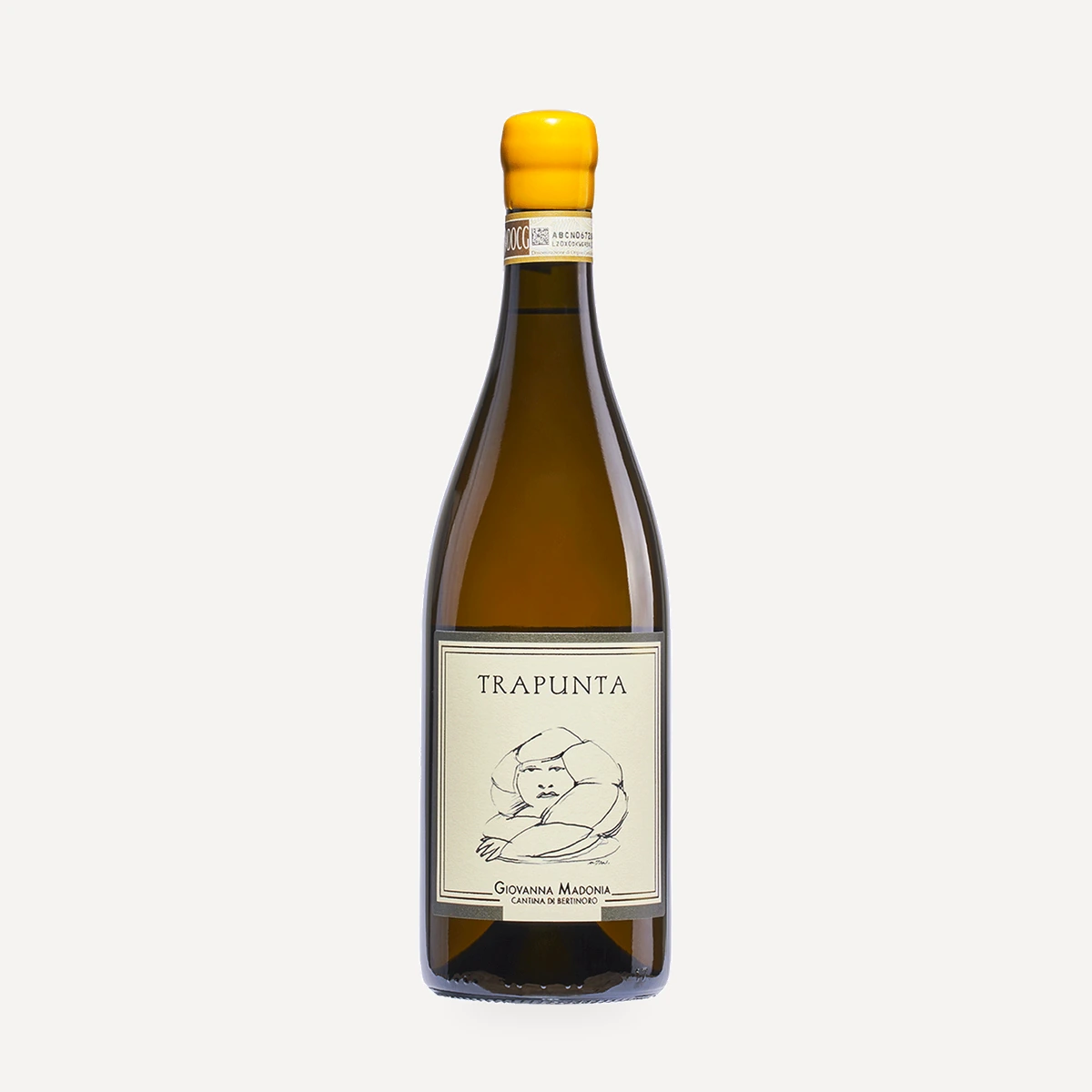
Family continuity is central to the project. Giovanna retained the olive trees planted by her grandfather even when they complicated the geometry of the replanted vineyard, and she now works with her daughters, particularly Miranda. Art and storytelling are also part of the estate’s identity: Altan created the label drawings, while every wine name is intended to convey its own story.
Vini
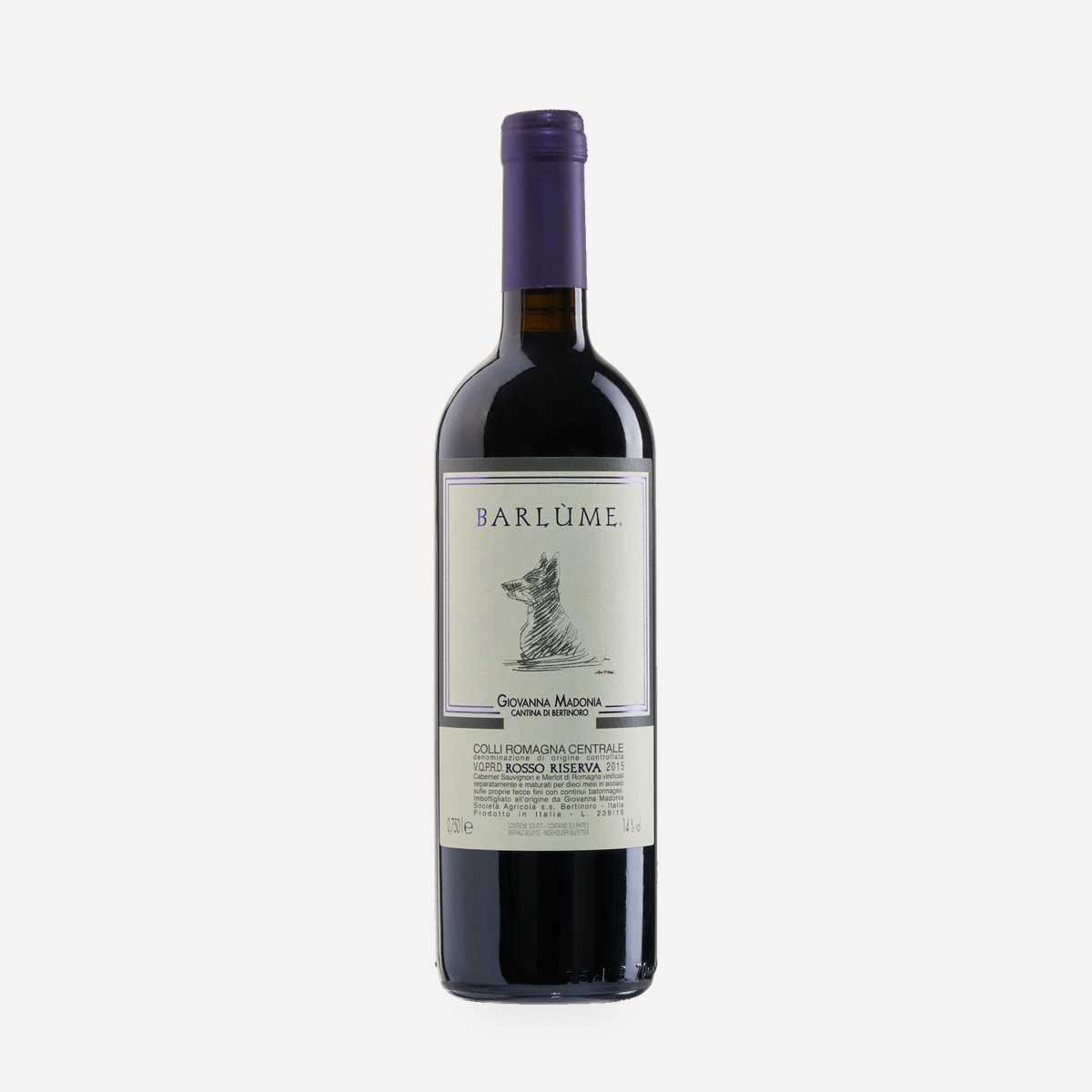
Barlùme
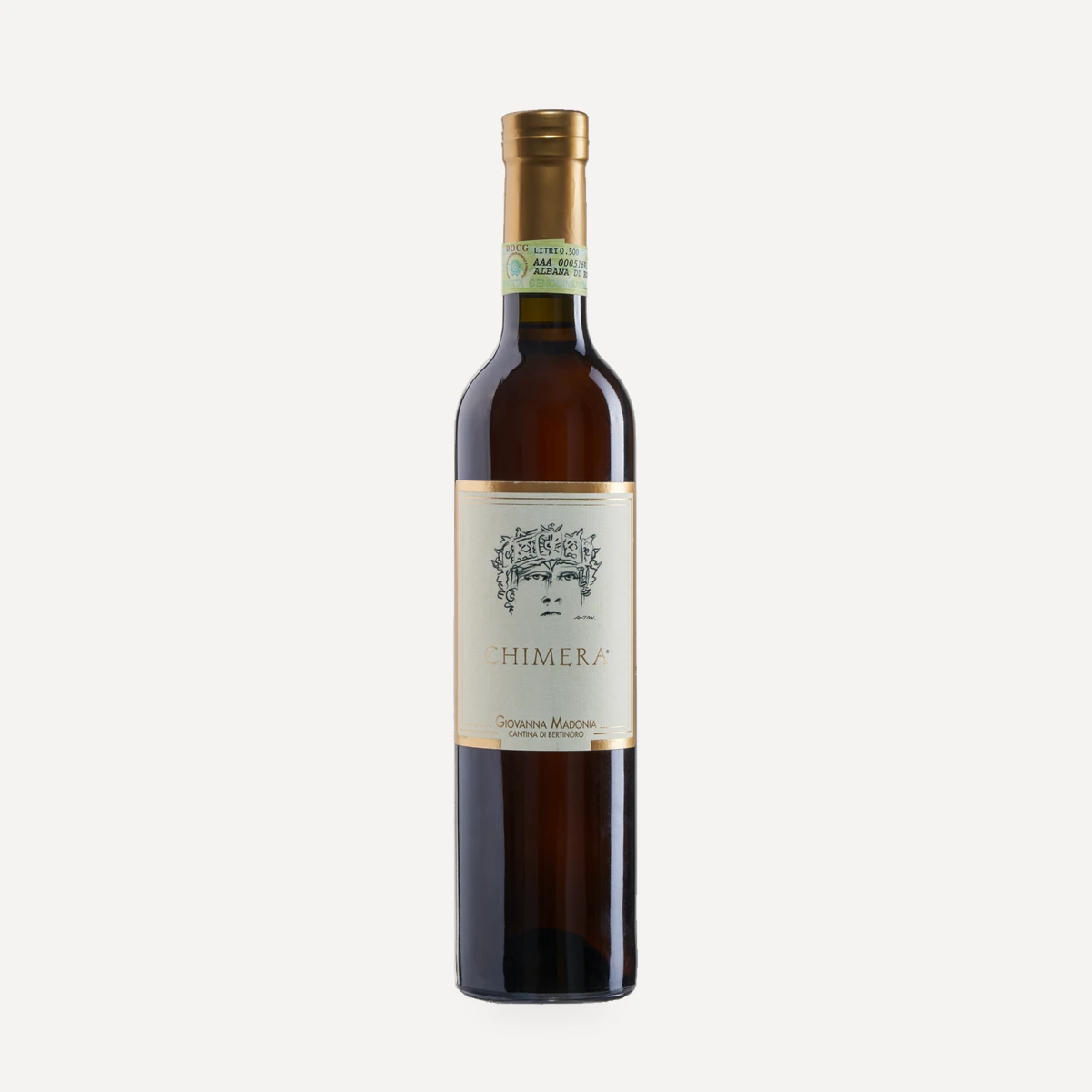
Chimera
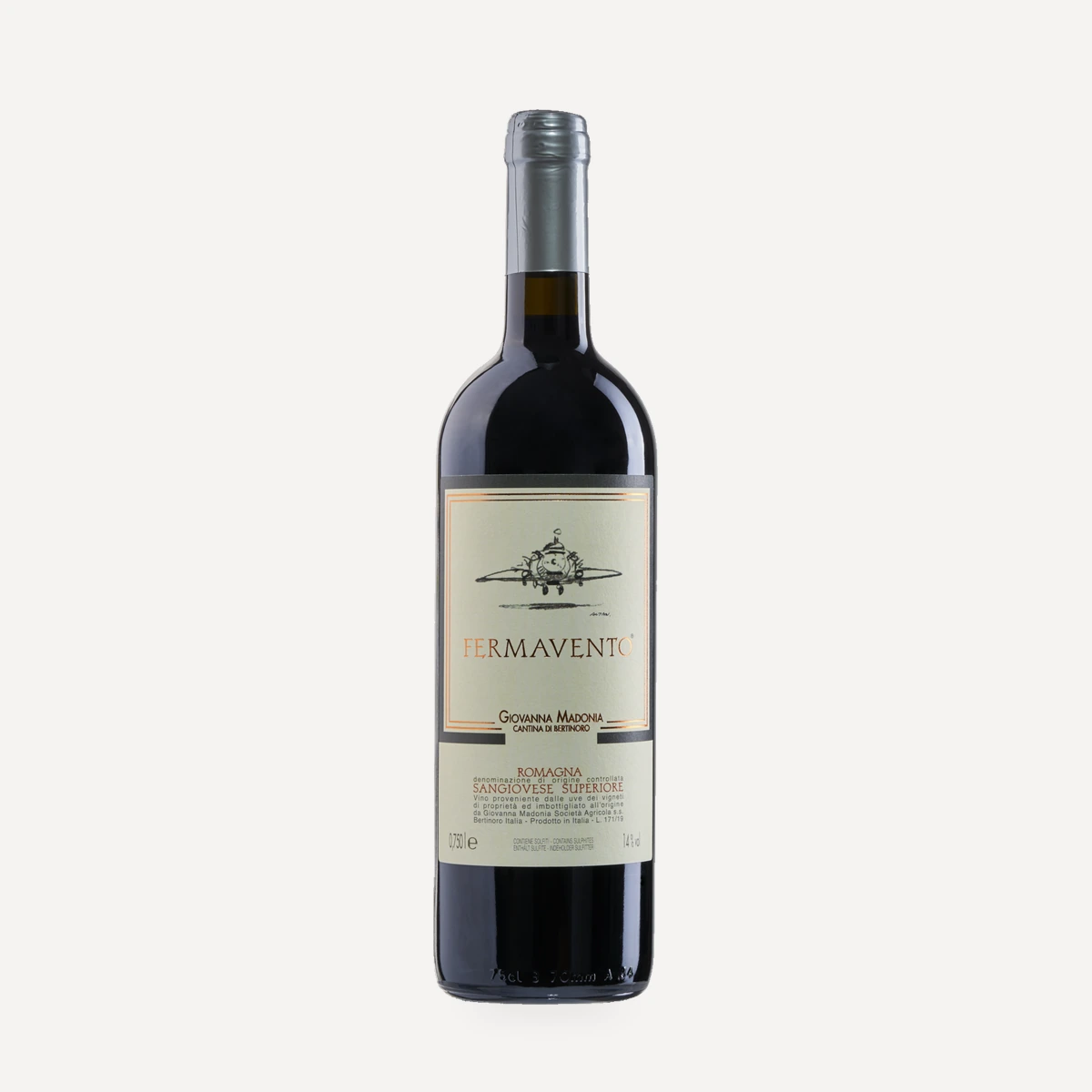
Fermavento
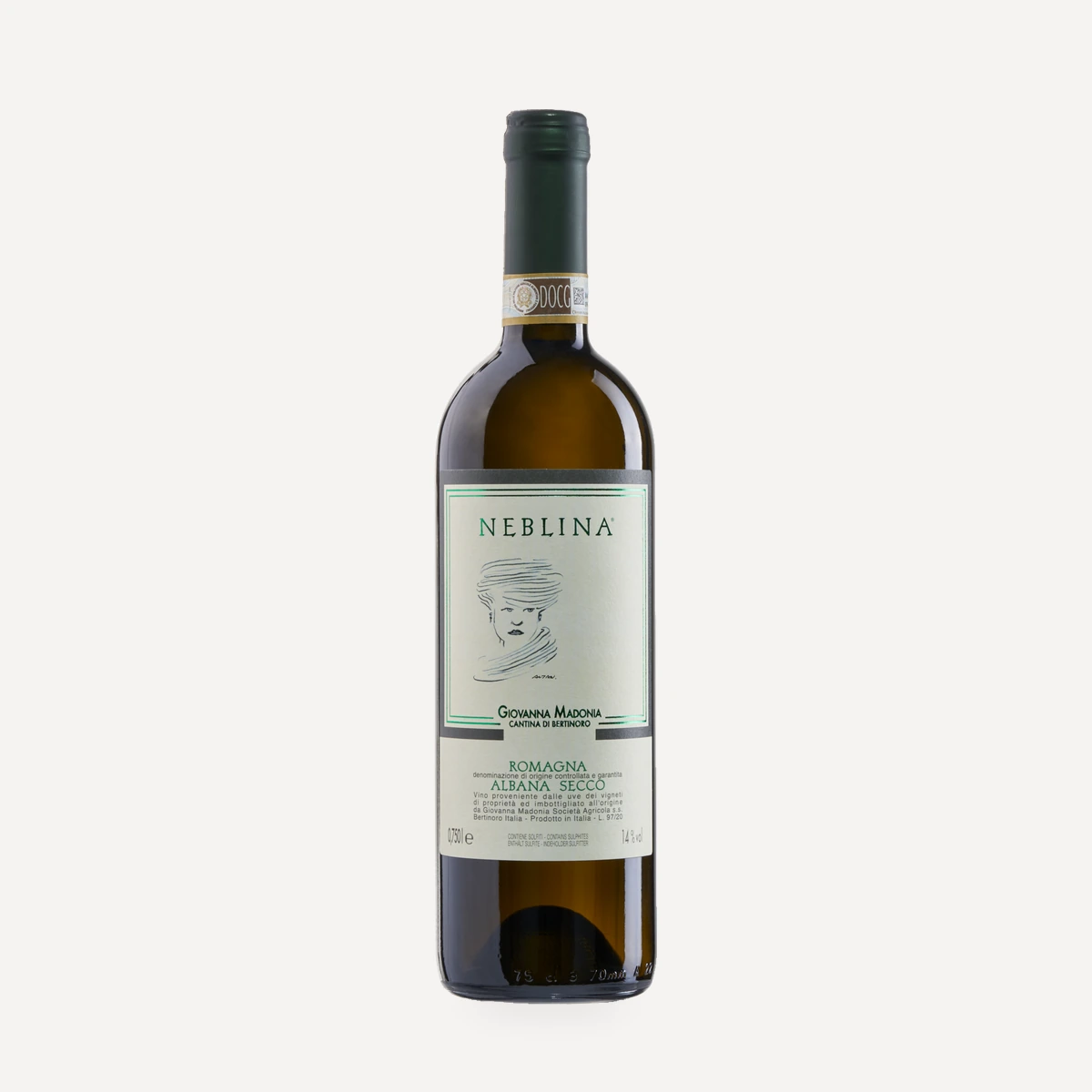
Neblina
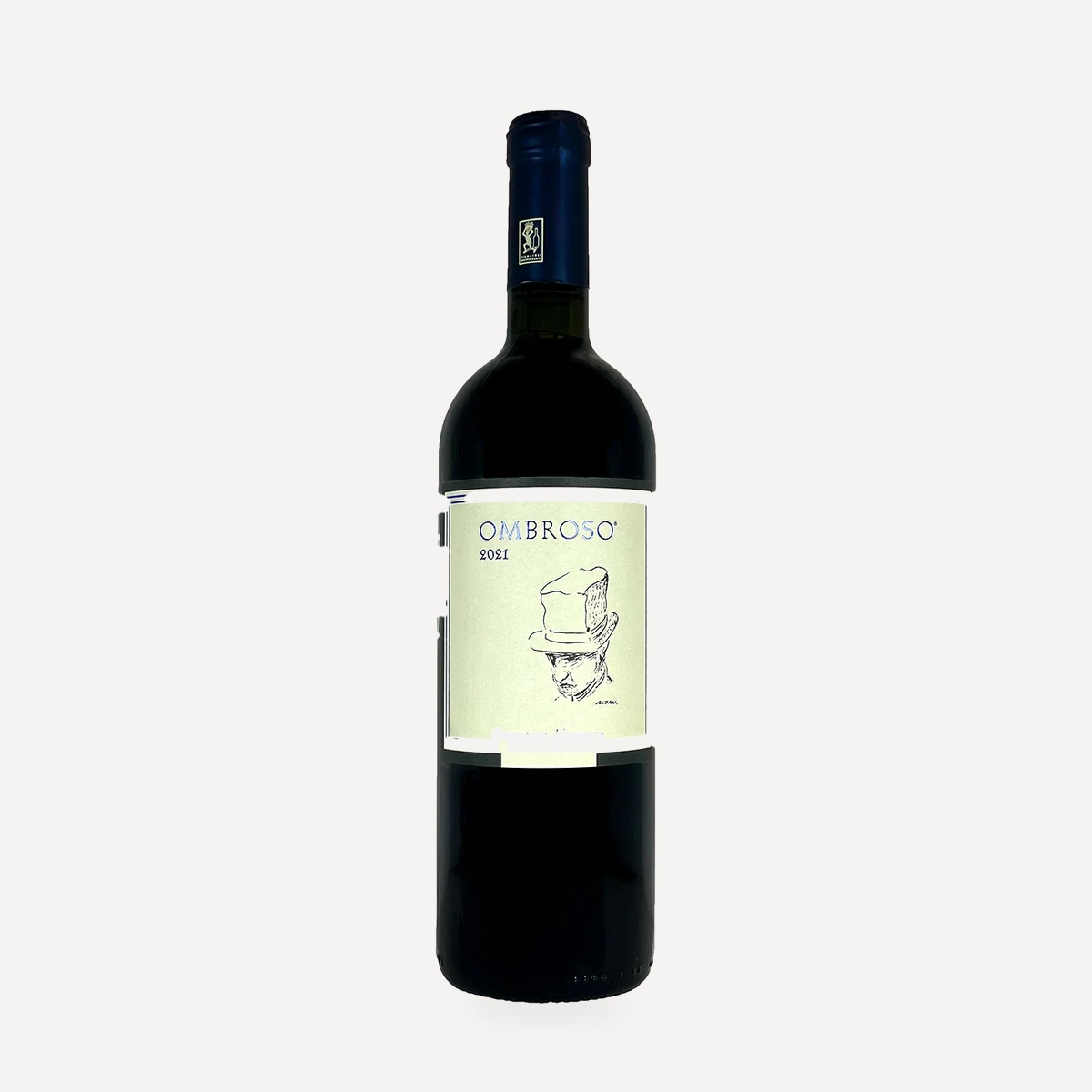
Ombroso
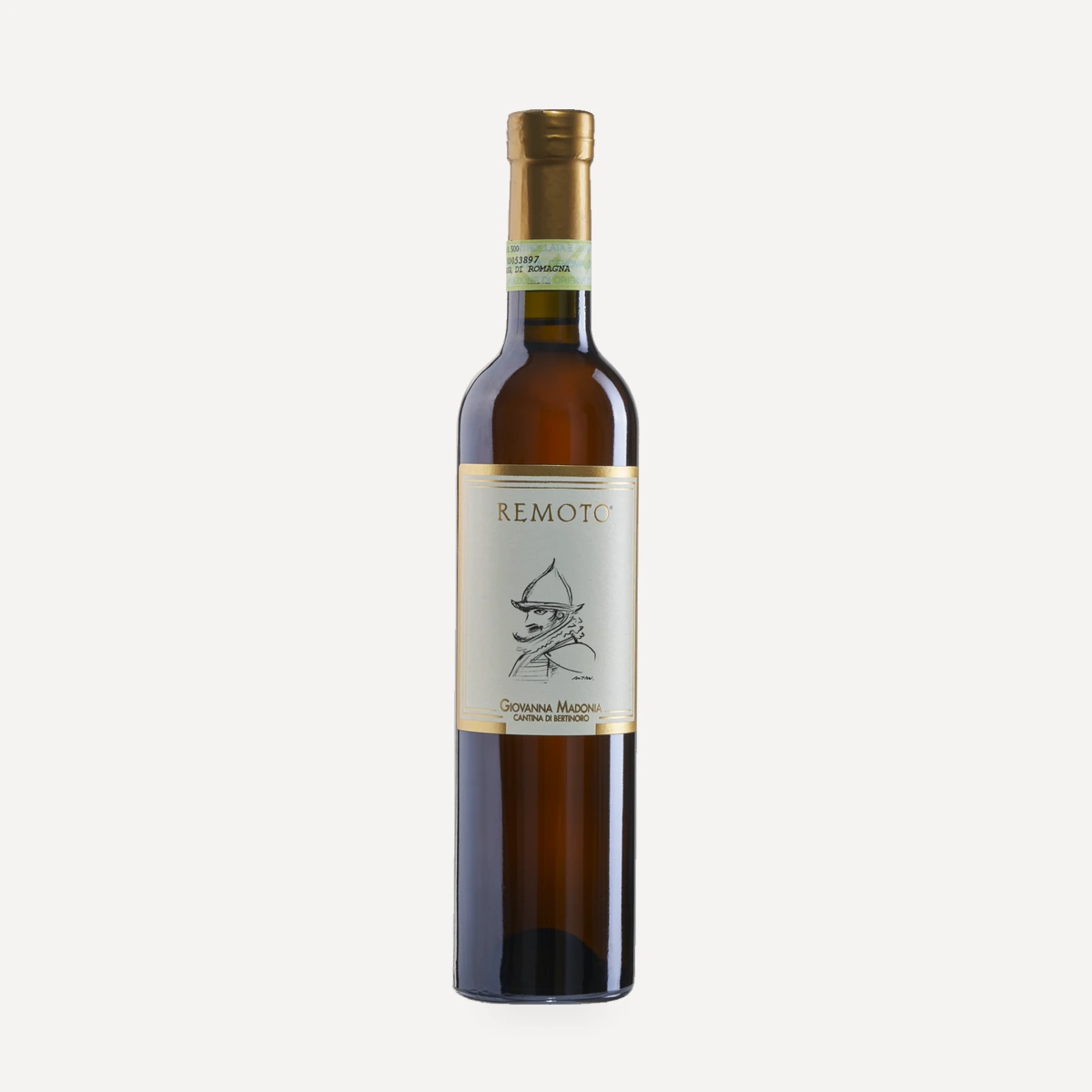
Remoto
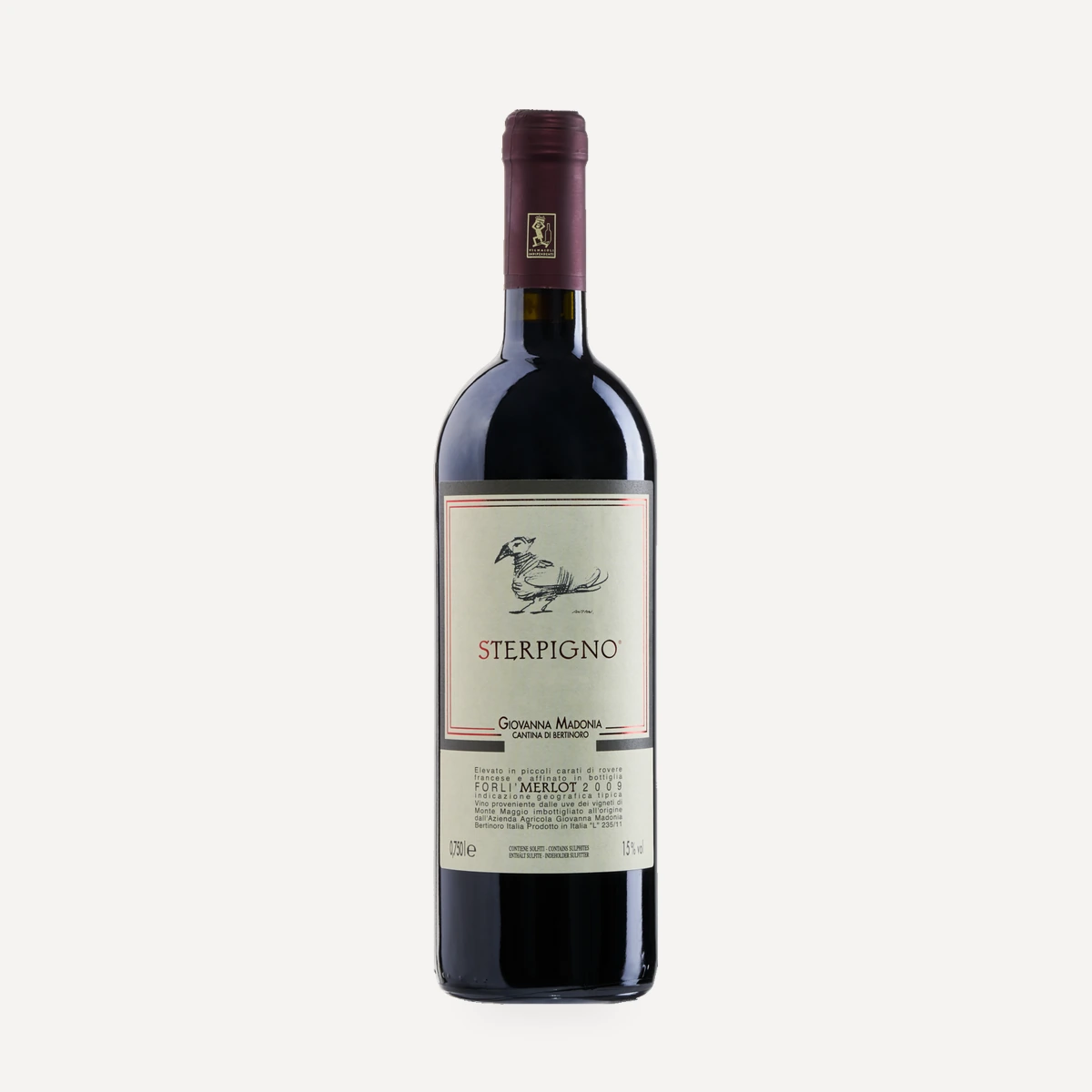
Sterpigno
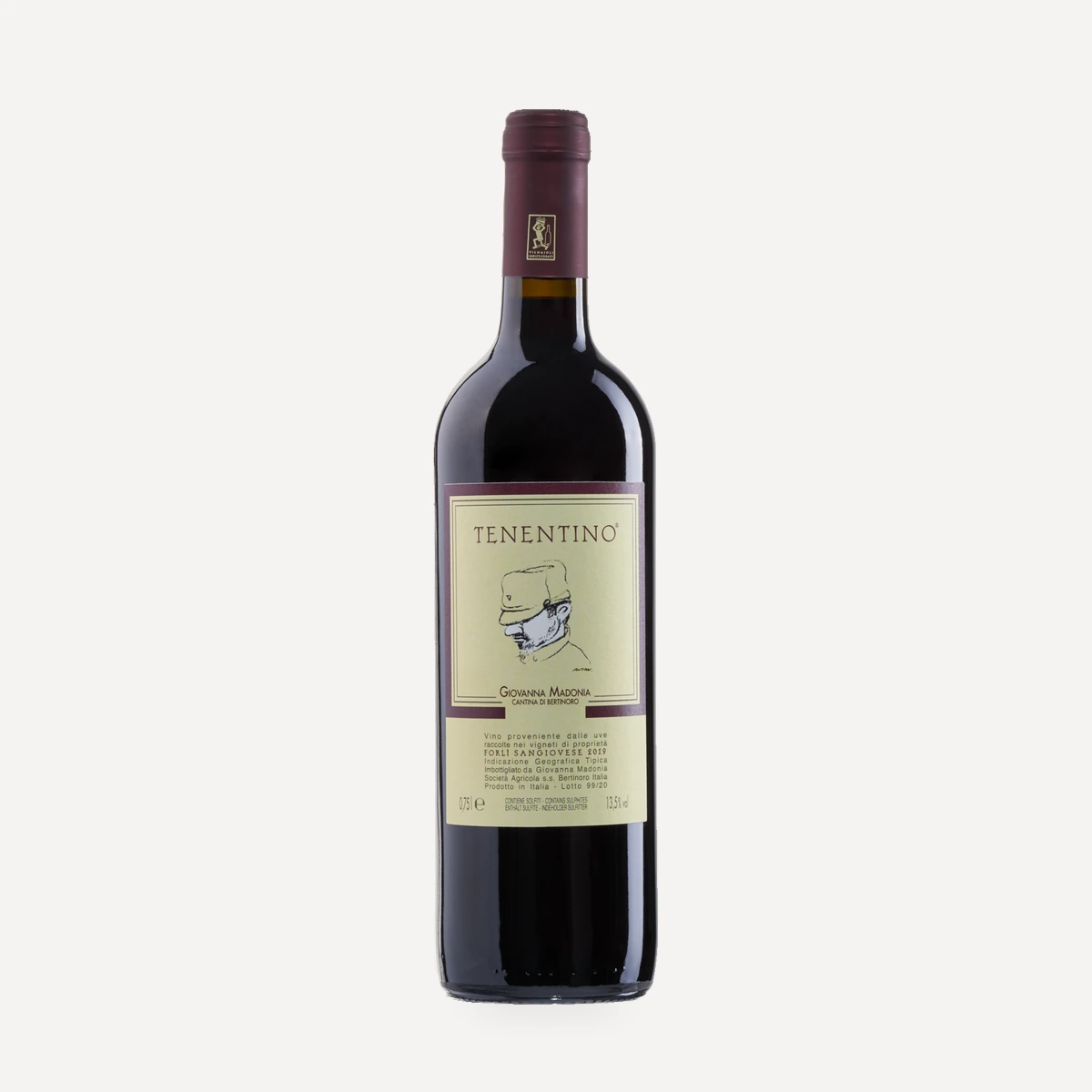
Tenentino