Storia
Family roots
The Catania family’s work with vines and olive trees began more than three generations before the creation of the modern Gulfi estate. The family has long vinified grapes grown on its farm at Chiaramonte Gulfi, in the province of Ragusa. Its agricultural inheritance encompasses the vine and olive, as well as the wheat, almond and carob traditionally associated with rural Sicily.
Vito Catania chose to continue this family activity in his native Chiaramonte Gulfi, on the Monti Iblei. Encouraging results, attachment to Sicily and an inherited passion for wine led to a programme of historical and viticultural research focused on identifying highly suitable vineyard land in southeastern Sicily.
1996: the modern project
In 1996 Vito Catania began combining the family tradition with a more structured programme of innovation. The work included long-term massal selection, replanting selected material and meticulous, deliberately non-invasive cultivation and production. The objective was to create vineyard-specific crus rather than suppress the distinctions between sites.
The project began around Chiaramonte Gulfi, within the historic area of Cerasuolo di Vittoria DOCG. Over time, the family selected parcels in the renowned contrade of Chiaramonte Gulfi, Pachino and Randazzo.
1997: the Pachino crus
From 1997 Gulfi developed four Nero d’Avola crus along the Pachino coast: Baroni, Maccari, San Lorenzo and Bufaleffi. The four nearby, level vineyards share the same variety, alberello training and a common vinification approach, yet were chosen to express sharply different soils. The project extended Gulfi’s work to the southeastern tip of Sicily, in the Eloro/Pachino area, and placed terroir—not a change of grape variety—at the centre of the comparison.
1999: Carricante in the Monti Iblei
In 1999 the Catania family planted Carricante in the hills of the Monti Iblei. The variety adapted to the Chiaramonte Gulfi environment and became the basis of the Campo vineyard project, while also contributing to the Muti vineyard’s Chardonnay–Carricante planting.
Expansion to Etna
The family subsequently extended its vineyard work to Randazzo on Etna’s northern slope. At Monte La Guardia it selected Vigna Poggio, an old, terraced vineyard planted at approximately 800–850 metres. Its century-old alberello vines grow on lava-stone terraces supported by dry walls and surrounded by chestnut woodland. Nerello Mascalese is the principal variety; some presentations also associate the historic vineyard with Nerello Cappuccio.
The steepness of Poggio requires work with a donkey as the vineyard’s practical means of support. Its terraces are locally called reseca, a name later adopted for the estate’s Etna wine.
Continuity
The family frames the modern estate as a continuation of inherited winegrowing and olive-growing rather than a break with the past. Its stated long-term purpose is to improve the land entrusted to it and transmit it to the next generation without exhausting or diminishing it. Alberello cultivation, organic farming, indigenous varieties and a low-intervention cellar approach form the practical expression of that continuity.
Terroir
Chiaramonte Gulfi and the Monti Iblei
The Chiaramonte Gulfi sites lie principally in Contrada Canzeria and Muti, across hills reaching approximately 420–450 metres. Yellowish, porous and lightly fractured organogenic calcarenites of Pleistocene age emerge on the hilltops. Beneath them are calcareous marls belonging to the Miocene Tellaro Formation: yellow or tawny near the altered surface and blue-grey at depth.
Surface materials include silty marl, locally sandy marl and calcarenitic pebbles derived from the erosion of the overlying calcarenites. Occasional whitish limestone inclusions may relate to the marly-calcareous Trubi layers found nearby. Calcarenitic ground has medium-to-high permeability, while the marl substrate is much less permeable. Individual technical descriptions condense this profile as calcareous-clay soil under a temperate Mediterranean climate.
Pachino and Val di Noto
Pachino occupies the extreme southeast of Sicily, where a broad, gently contoured triangle extends from the Monti Iblei to very low elevations near the sea. The climate is warm and dry but moderated by the Mediterranean. Long beaches and sandy dunes alternate with rocky shores, bays and small coves; broad, open coastal surfaces contrast with the interior.
The oldest geological component is assigned to the Cretaceous and includes lava expansions subsequently joined by limestone complexes, beach deposits and marine sediments. These contrasts become particularly visible in the four nearby Nero d’Avola sites. Baroni has calcareous-clay ground, described more specifically as pure limestone in the comparative presentation. Maccari combines calcareous clay with abundant stones or fossil material, iron and black clay. San Lorenzo lies at 10–15 metres, roughly 600 metres from the sea, on red sandy Mediterranean soil. Bufaleffi changes between black clay, white limestone and red sand; the presence of subsurface black sand has led to the hypothesis that the vineyard lies within an ancient caldera.
Etna
Vigna Poggio is at Monte La Guardia in Randazzo, on Etna’s northern slope, approximately 800–850 metres above sea level. The site has a cool, ventilated continental climate and volcanic soil composed principally of mineral- and microelement-rich volcanic sands.
Etna stands in the continental collision zone between the Eurasian and African plates. Basic volcanism is associated with the fault system known as the Ibleo-Maltese or Malta Escarpment, which enabled magma to rise through the crust of eastern Sicily. Poggio climbs the mountain on lava-stone terraces held by dry walls and surrounded by chestnut woodland. The terraces permit cultivation on the pronounced slope and are locally called reseca.
Vinificazione
Gulfi’s vineyards are cultivated according to organic principles and without irrigation. The approach is presented as the practical consequence of respecting natural rhythms and allowing each vine to find its own balance rather than forcing production.
Alberello is the central training system. Depending on the vineyard, it is either maintained in its traditional freestanding form or carried on a trellis; at Vigna Poggio the vines are supported by chestnut stakes. Gulfi associates alberello with low production per plant, adaptation to Sicily’s demanding climate, avoidance of irrigation and reduced dependence on chemical inputs.
The family has conducted massal selection since 1996 and has selected, improved and replanted indigenous material. Priority is given to varieties with a long adaptation to their environments, particularly Nero d’Avola, Frappato di Vittoria and Nerello Mascalese. The biodiversity programme also allows selected experiments, including the 1999 planting of Carricante in the Monti Iblei and the cultivation of Chardonnay and Pinot Nero.
Harvest is manual. Picking dates are determined vineyard by vineyard through analysis of sugar, acidity and polyphenol development, combined with accumulated experience of each site. Grapes from each vineyard are collected in small containers and taken immediately for separate vinification.
The Pachino crus are grown under the same broad framework—Nero d’Avola, alberello, non-irrigated organic cultivation and level exposures—so that the effects of their contrasting soils remain visible. At steep Vigna Poggio, cultivation depends on dry-stone lava terraces and a donkey used to support vineyard work.
The cellar is organised to preserve the individuality of each vineyard. Grapes are harvested separately in small containers and vinified immediately. Small tanks are sized to individual vineyard lots, allowing the sites to remain distinct throughout production.
Intervention is deliberately restrained. The objective is to respect what the vineyard has produced while safeguarding the character of the grapes, the environment and the consumer. Barrel selection follows the same vineyard-specific principle. Only about 15% of the barrels are new, limiting the influence of fresh oak and protecting varietal and site character.
The production repertoire includes direct whole-cluster pressing for white grapes; controlled-temperature fermentation in stainless steel; fermentation in stainless steel and 500- or 2,500-litre oak vessels; brief and long skin macerations for reds; separate fermentation of varieties before blending; malolactic conversion; ageing on indigenous lees in steel or oak; and maturation in used 225- and 500-litre barrels or 500-litre French oak tonneaux.
Carricante from Vigna Campo is directly pressed as whole bunches, fermented in steel and 500- and 2,500-litre oak vessels, then kept on its lees for at least one year in steel and oak before several months in bottle. The Muti Chardonnay and Carricante components are picked at different times, fermented at controlled temperature in steel and aged on their lees in steel before bottle maturation.
For Cerasuolo di Vittoria DOCG, Nero d’Avola and Frappato are harvested separately, given short controlled-temperature macerations, and combined after alcoholic fermentation. The wine remains approximately seven months on its lees in steel, followed by one to two months in bottle. For the Classico expression, the varieties are co-fermented with approximately one week on the skins; after malolactic conversion, the wine spends about a year in previously used 225- and 500-litre barrels before several months in bottle.
The Pachino Nero d’Avola crus receive long skin macerations. After malolactic conversion they generally spend about two years in 500-litre barrels; Baroni also uses 225-litre barrels. Bottle ageing lasts at least one year. Vigna Poggio’s Etna red follows a long skin maceration, malolactic conversion and at least two years in 500-litre French oak tonneaux, followed by at least two years in bottle.
Filosofia
Gulfi defines its guiding principle as Naturalità: organic and traditional viticulture followed by non-invasive winemaking. Cellar work is intended to respect, rather than overwrite, what nature has produced in each vineyard.
The family regards land as inherited capital held in trust for future generations. Its objective is to improve and transmit that capital without consuming, damaging or destroying it. Continuity, tradition and innovation are treated as complementary: inherited alberello cultivation and manual harvest coexist with massal selection, precise vineyard research and small-lot cellar equipment.
Alberello is both a cultural commitment and a quality tool. Gulfi associates it with integration into the natural environment, low yields per vine, freedom from irrigation and the capacity to produce balanced grapes under Sicily’s demanding conditions.
Indigenous varieties occupy the centre of the project because their long adaptation links the vineyards with earlier generations of local experience. The family’s concern for biodiversity has led it to select and improve this material while retaining room for carefully chosen experiments such as Carricante in the Monti Iblei.
Each wine is intended to retain the personality created by its soil, climate, light and position. This is particularly explicit in the four Pachino crus, where the same variety, training system and vinification framework are used to reveal differences between neighbouring soils.
The manual harvest is treated as a ritual inherited from the past. The broader family purpose is intergenerational: to pass on what was learned from earlier generations and leave an intact, improved landscape to those who follow.
Vini
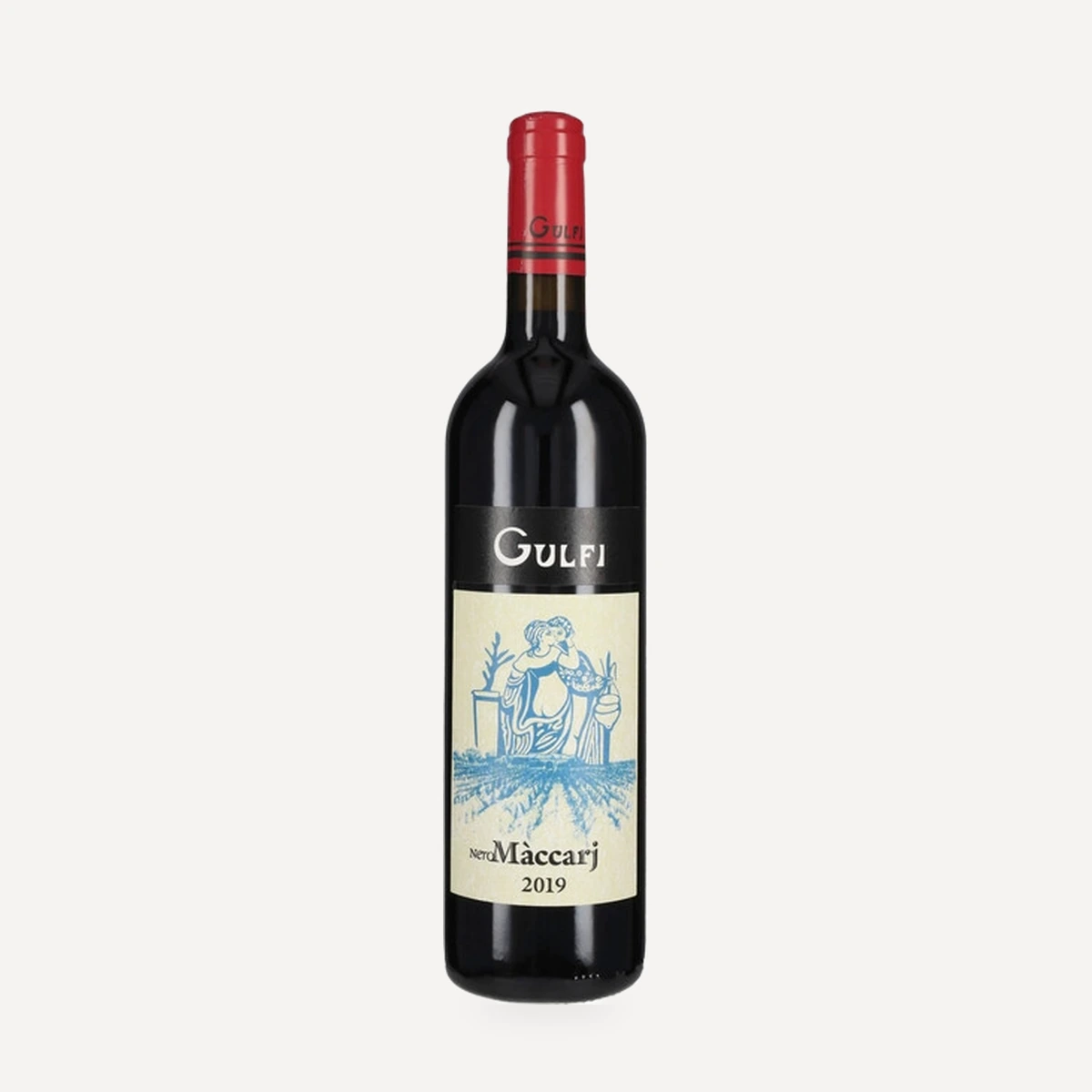
NeroMaccarj
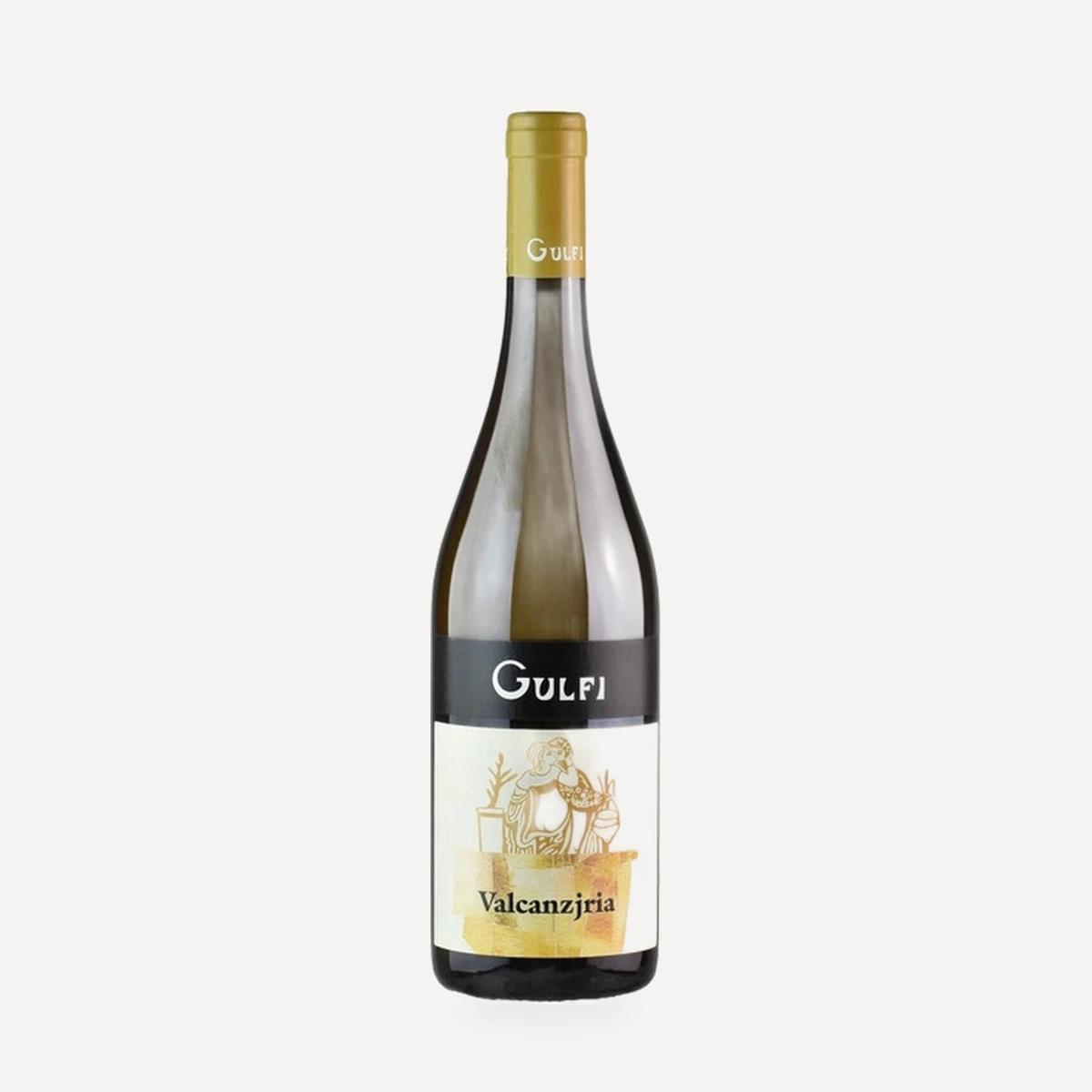
Valcanzjria IGT
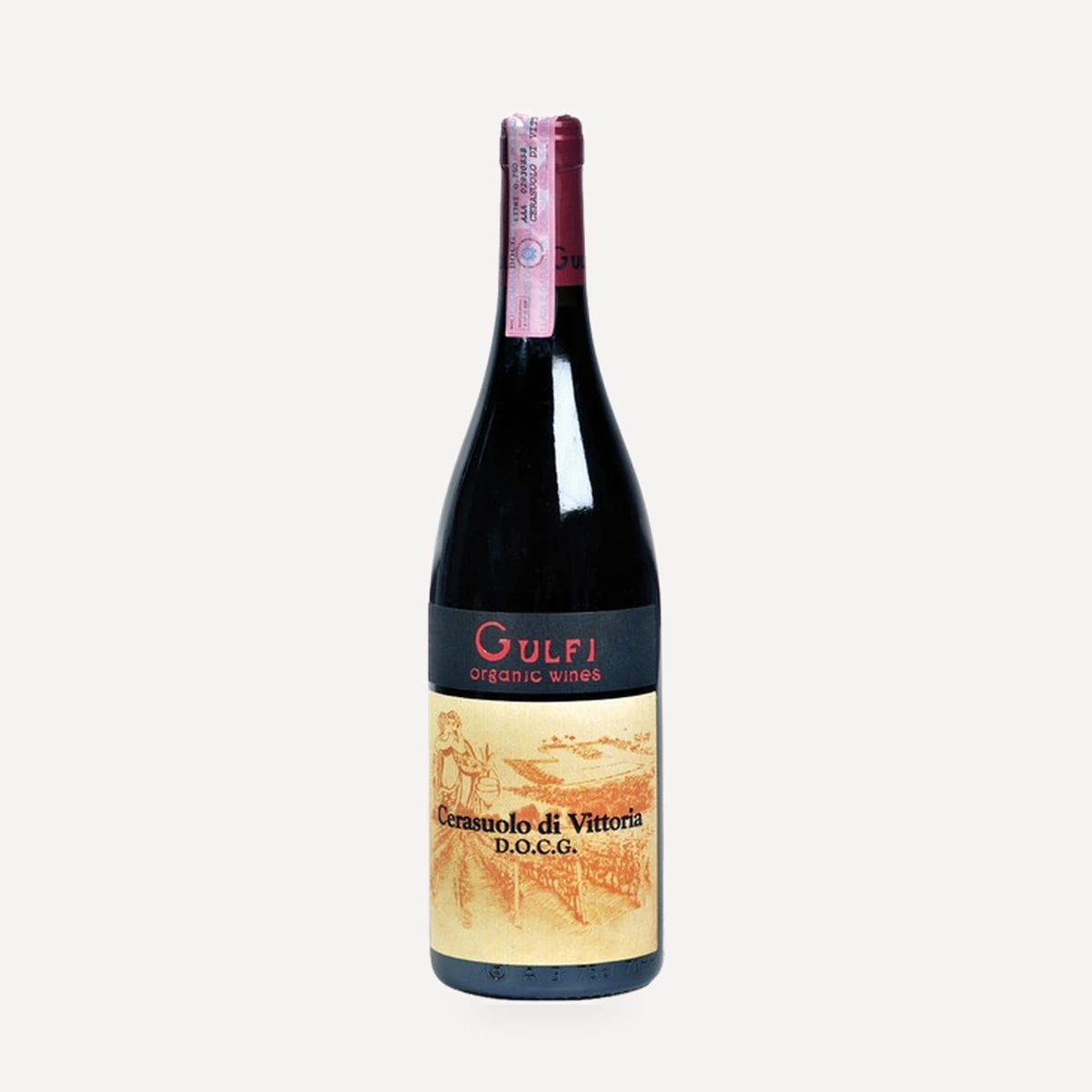
Cerasuolo di Vittoria DOCG
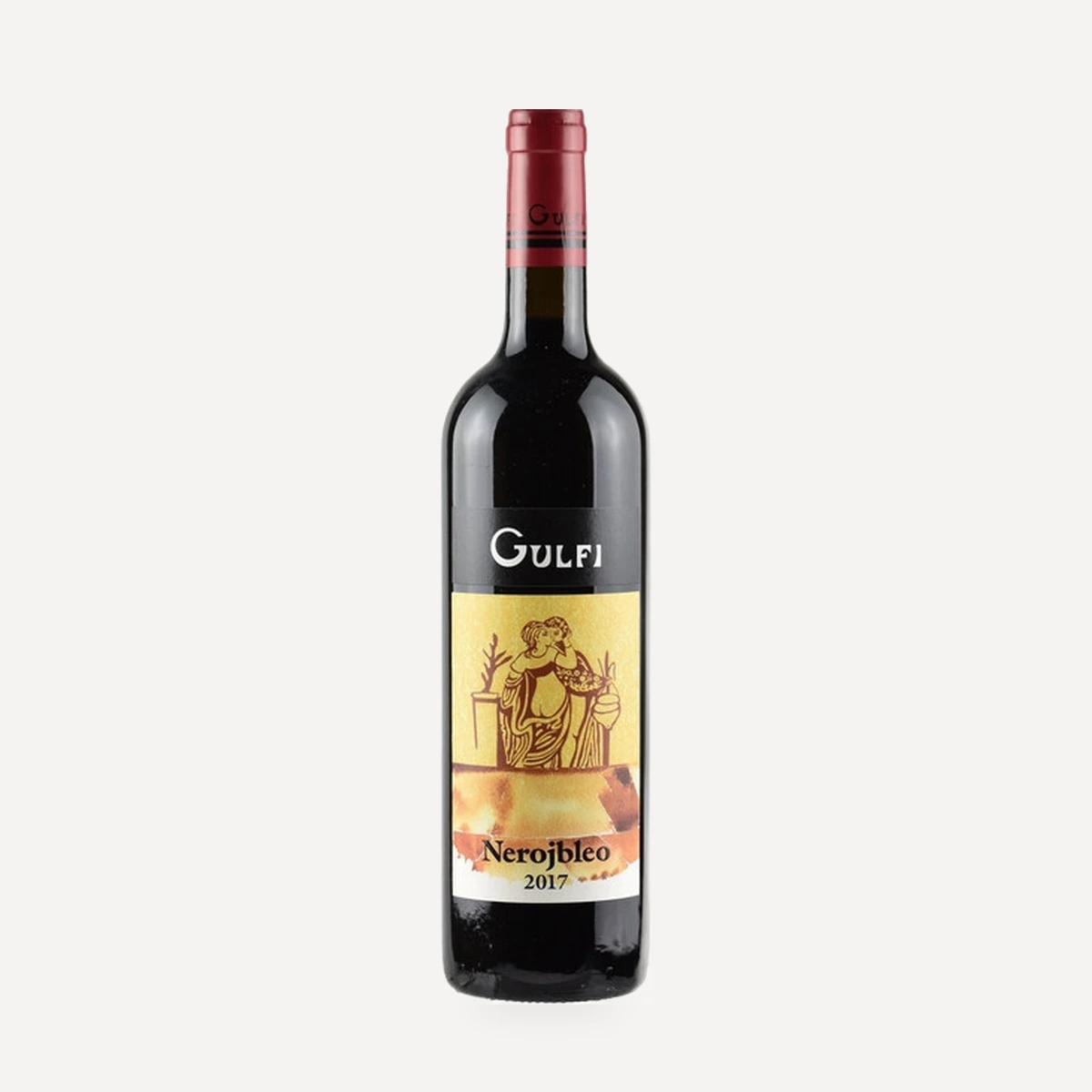
Nerojbleo IGT
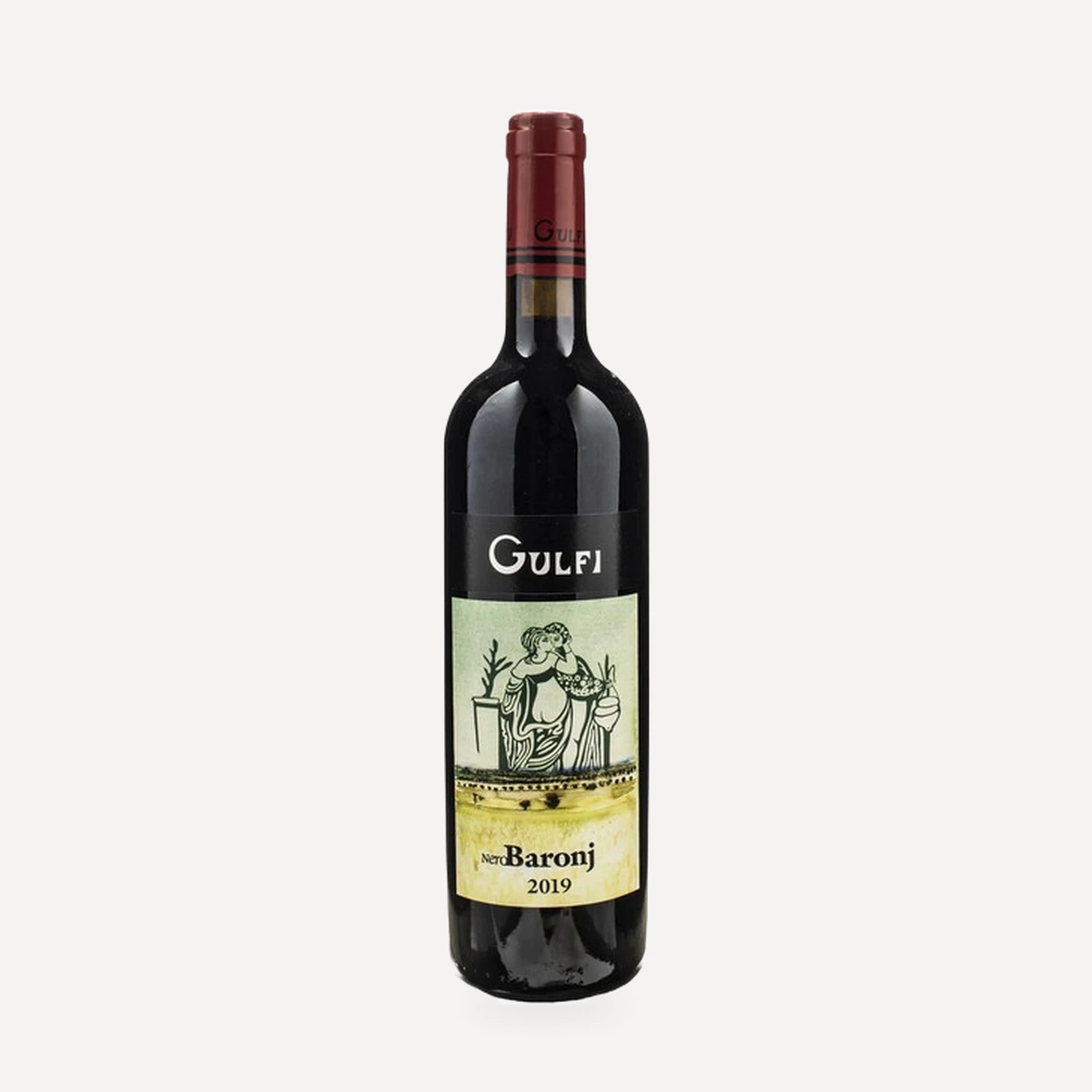
NeroBaronj
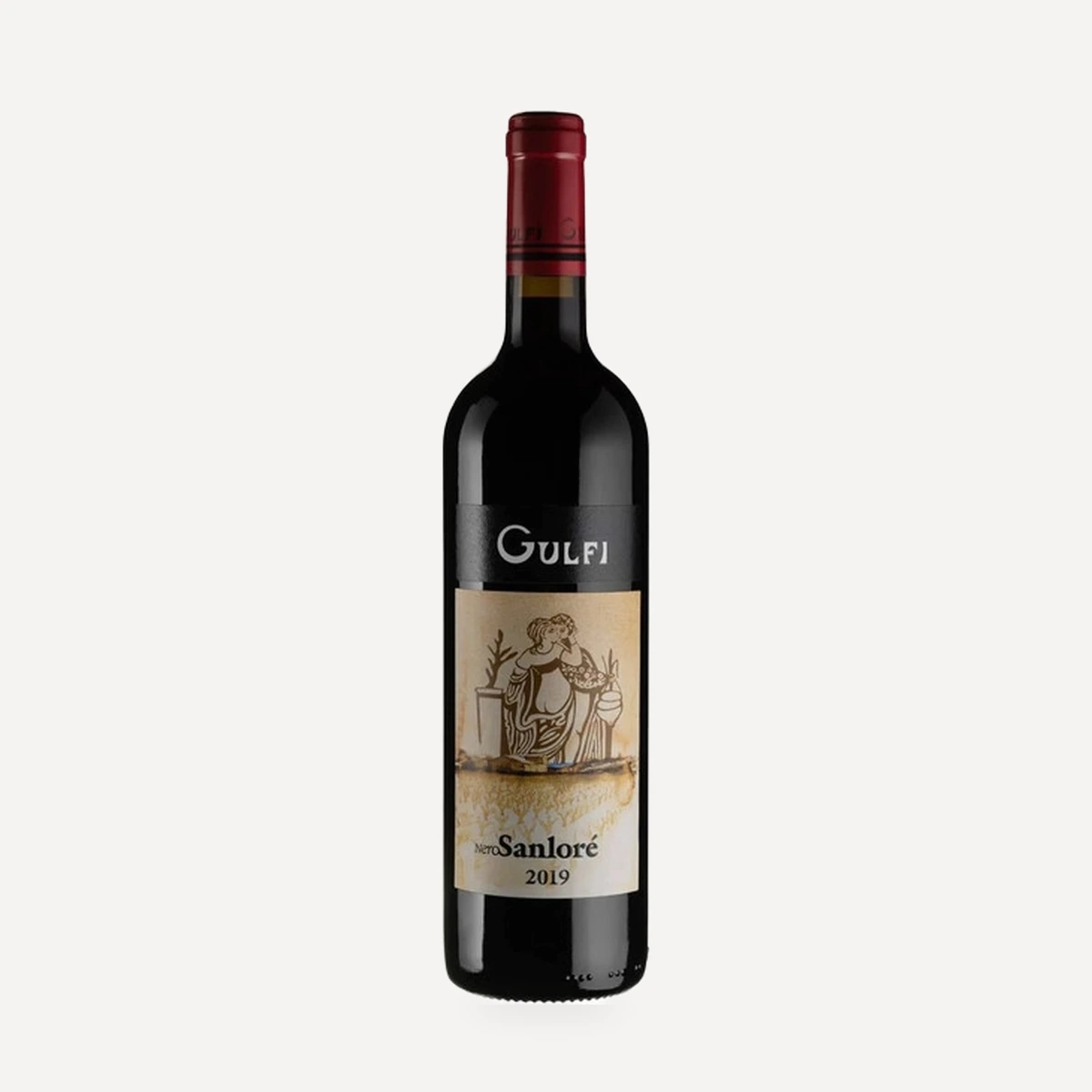
NeroSanlòrè
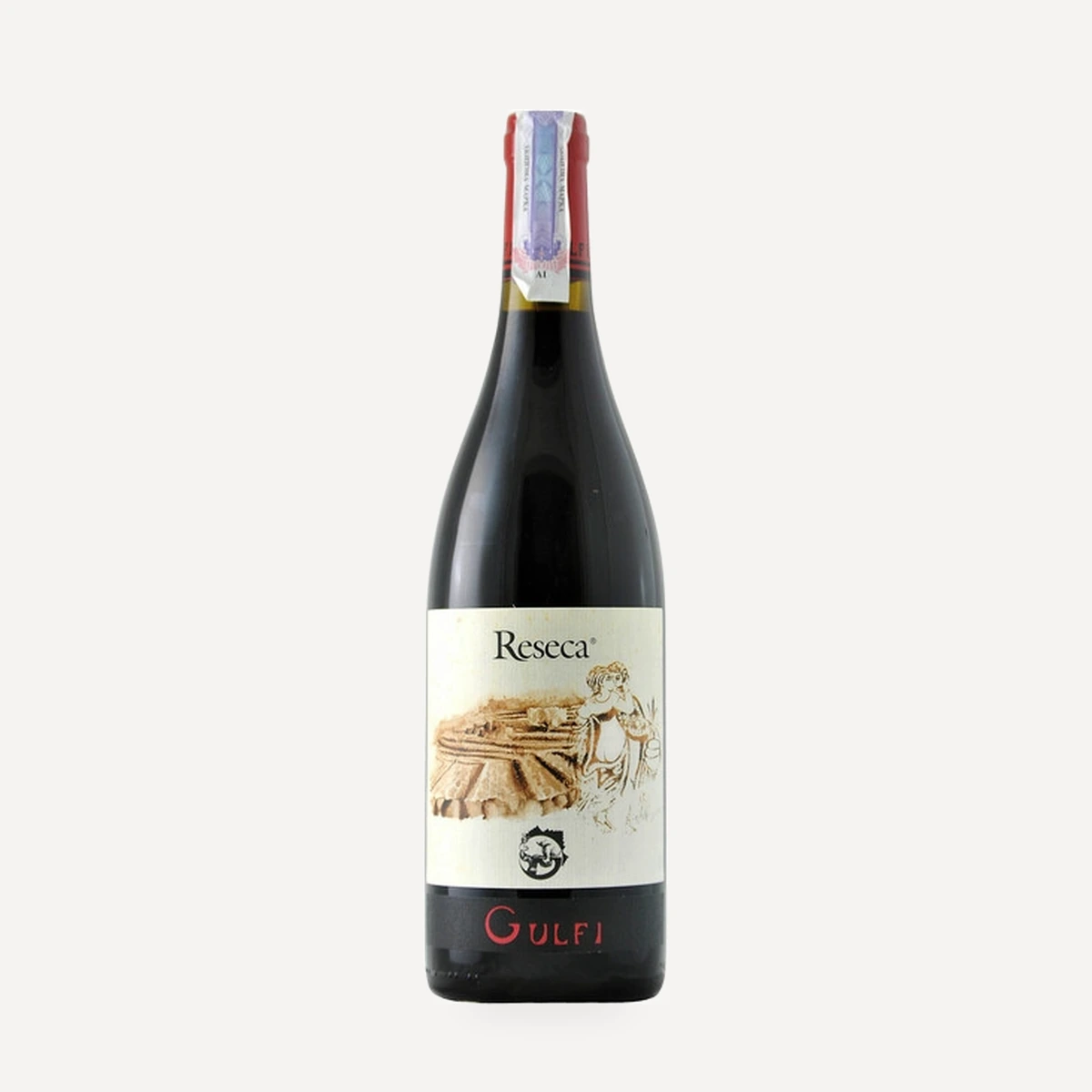
Etna Rosso - Reseca DOC
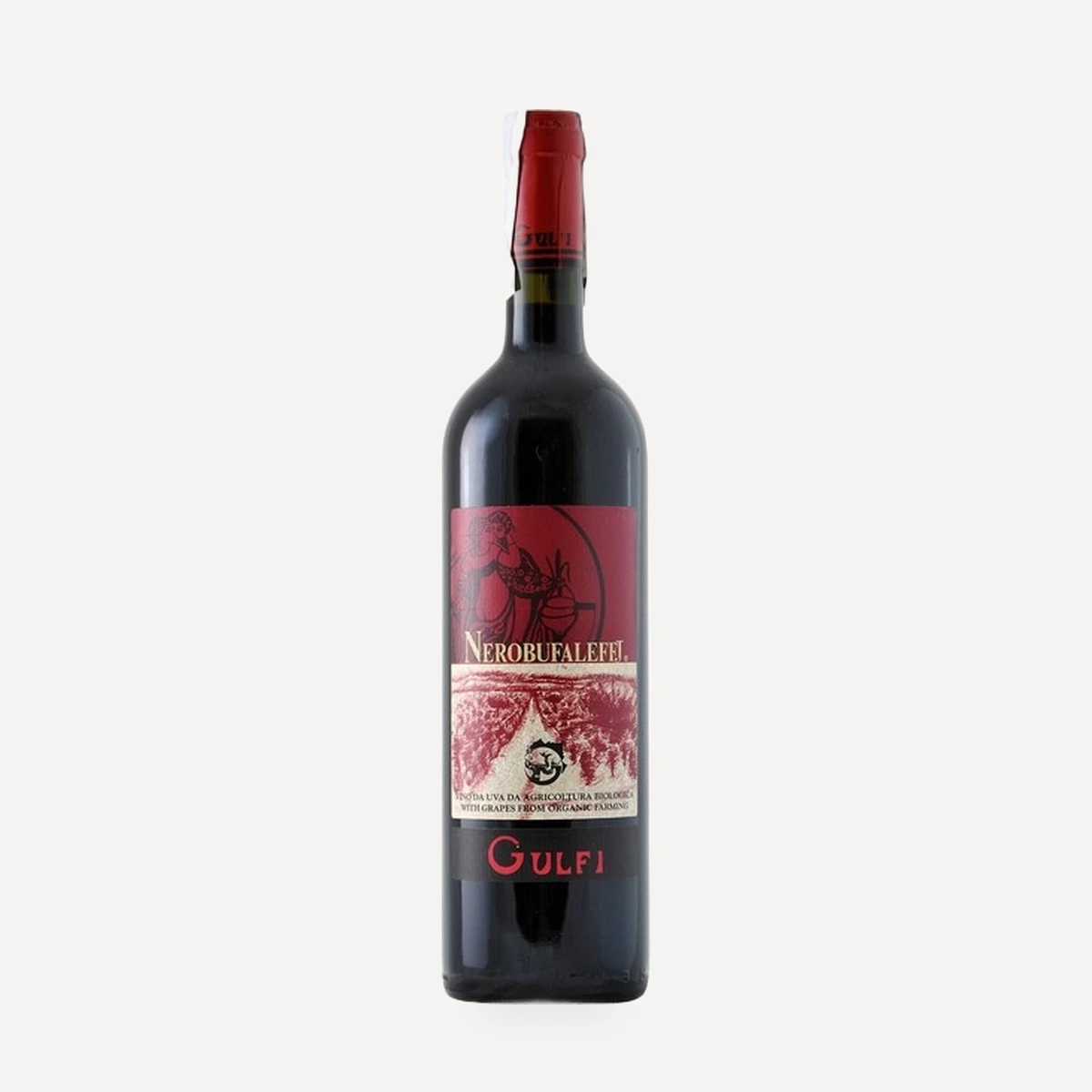
NeroBufaleffj Nero d'Avola Sicilia IGT
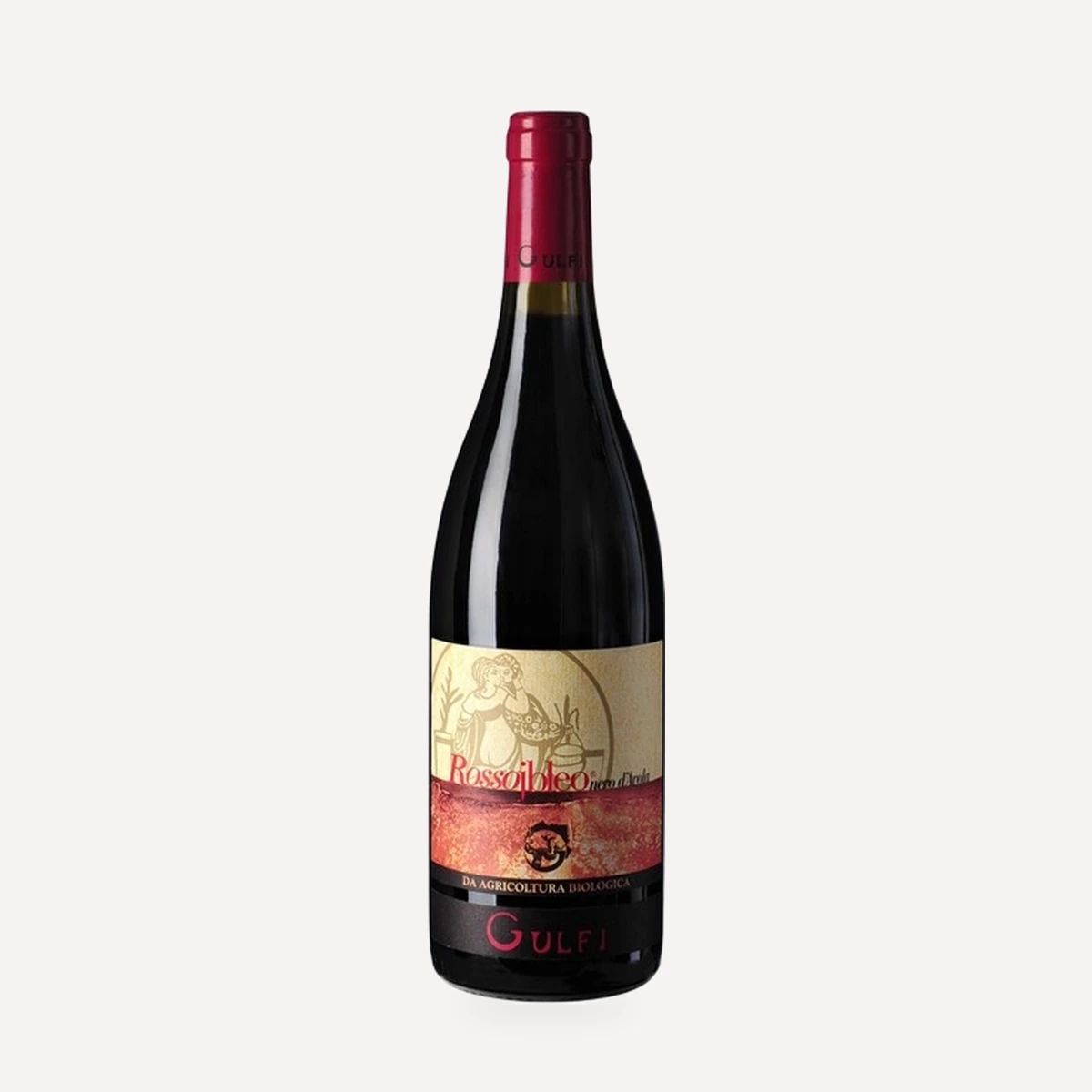
Rossojbleo IGT
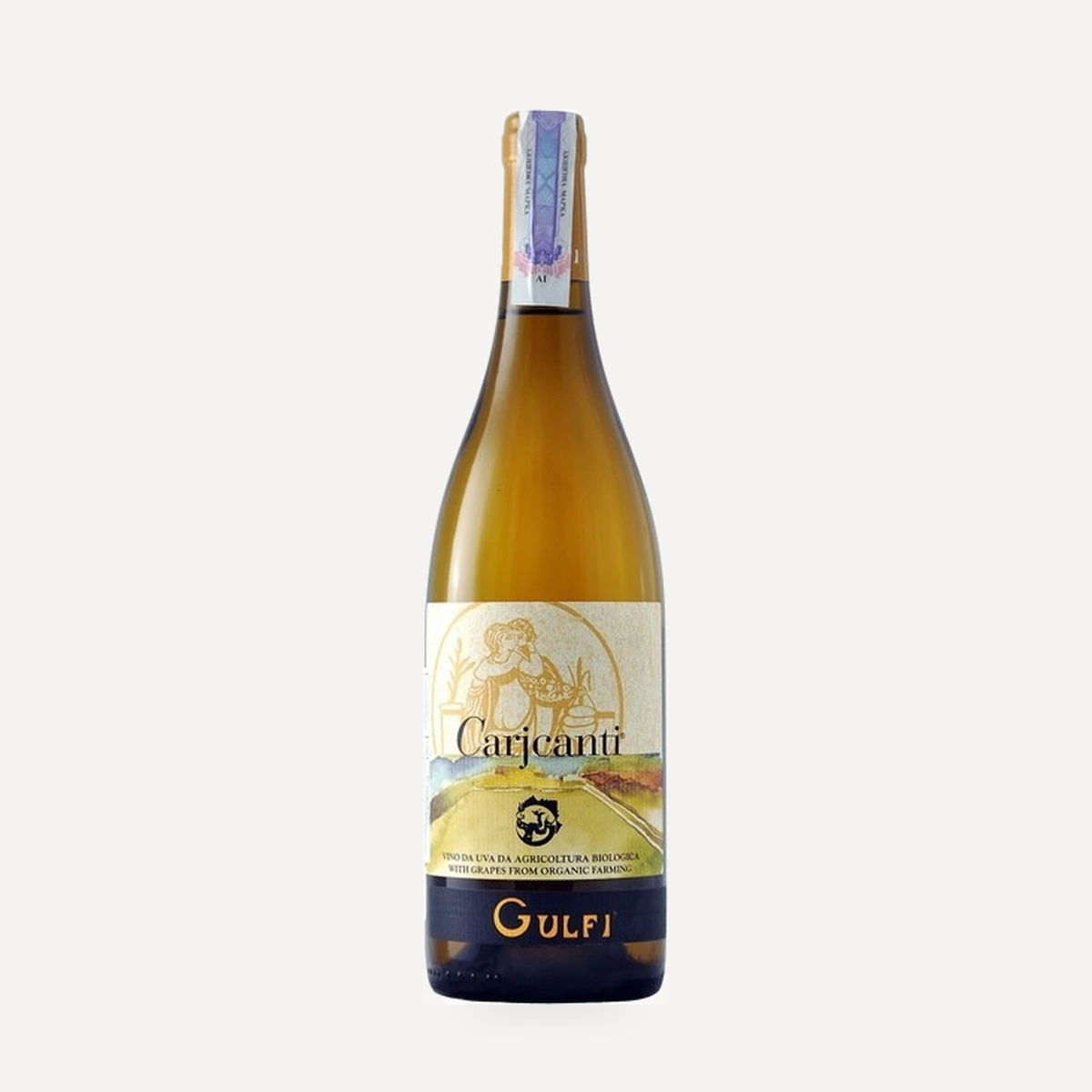
Carjcanti IGT