Storia
Agricultural beginnings in the 1950s
The family enterprise grew from Mario Logi’s work in the countryside around San Gimignano. Mario was already working in the fields before adulthood at the beginning of the 1950s. With time and persistence, he developed a farm initially centred on livestock. His practical knowledge of the land and vines later became the agricultural foundation for the family’s wine project.
San Donato and the first cellar
Several years before the move into professional wine production, the family acquired the Romanesque Pieve di San Donato, its former parsonage and the adjoining fields. The buildings of this complex housed the family’s first small cellar. The property stands in the historic settlement of San Donato beside the Via Francigena.
Colombaio was the first wine made by the cellar. Its inaugural vintage was 2001, preceding the formal conversion of the family business into a winery.
The 2002 wine project
Il Colombaio di Santa Chiara became a winery in 2002. The initiative came from Alessio, the youngest of three brothers, after he began studying oenology and wanted to apply his studies within the family business. His elder brothers, Giampiero and Stefano, joined him, establishing the three-brother partnership that continues to shape the estate. Mario supported the project with his accumulated farming and viticultural experience and continued to supervise work in the vineyards.
Development of the range
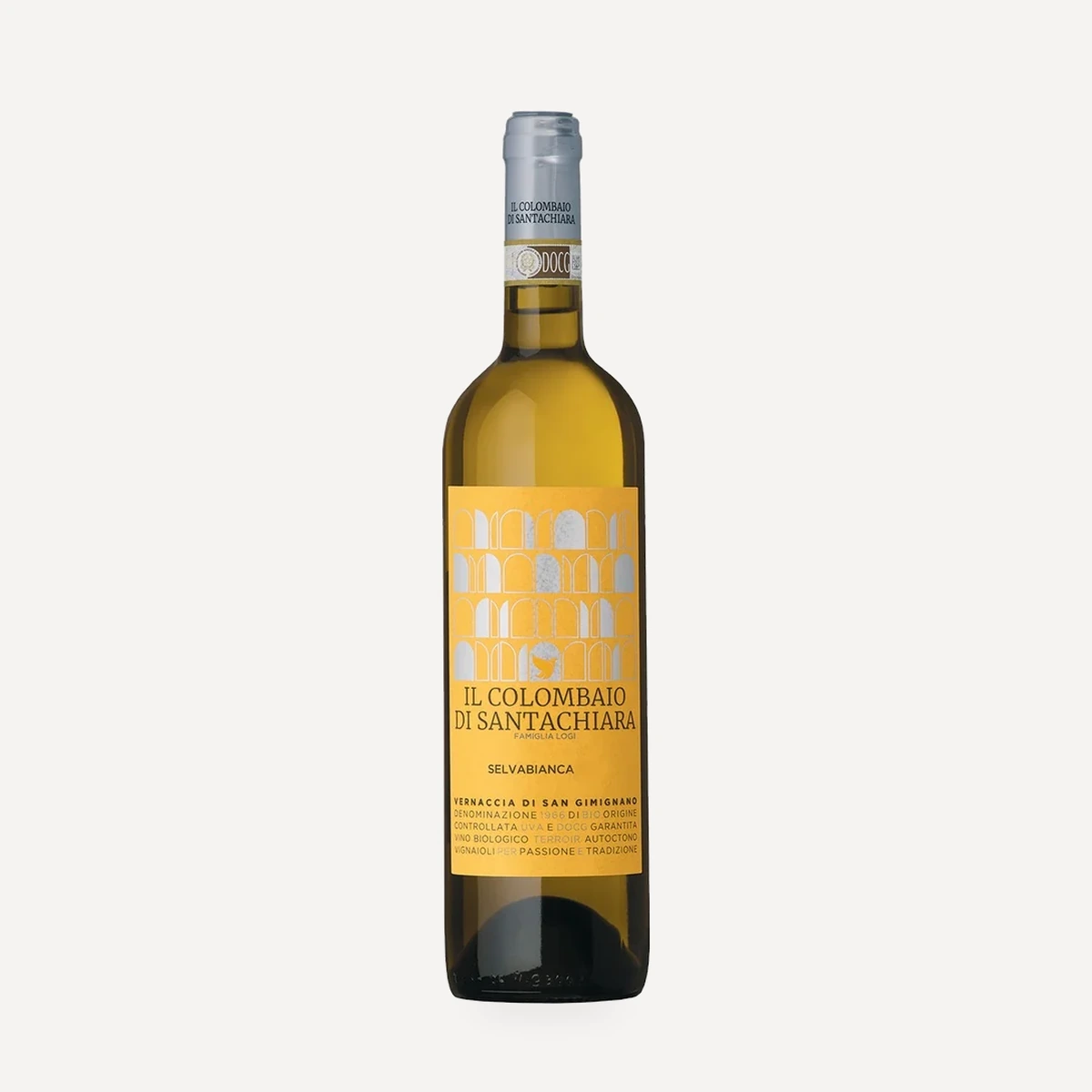
Selvabianca and Il Priore both began with the 2003 vintage. Lumis followed in 2007. Campale and Cremisi were first produced in 2009, Campo della Pieve in 2010 and Bacicolo in 2018. These releases progressively broadened the range from the original Sangiovese wine to three pure expressions of Vernaccia di San Gimignano, two Chianti Colli Senesi wines, Cabernet Franc, rosé, sparkling wines and Vin Santo. Frama subsequently added a Chianti Classico to the portfolio.
Organic cultivation and site-led production
The family adopted certified-organic cultivation to protect the fertility and accumulated richness of its land. Nicola Berti collaborates as oenologist. Vineyard selection and repeated cellar trials have focused on expressing Vernaccia di San Gimignano while retaining the recognizable character of its territory. The same approach extends to the reds: Sangiovese is treated as the historic local reference, while Cabernet Franc and Merlot are cultivated where the family considers the soils appropriate.
Cellar practice has evolved around concrete, stainless steel, clay amphora, large wooden casks and barriques. Techniques represented across the range include whole-bunch pressing, controlled-temperature fermentation, skin maceration, fine-lees maturation, spontaneous fermentation and measured ageing in vessels selected for each lot.
Terroir
The holdings lie in the commune of San Gimignano, principally in its southern sector around the historic settlement of San Donato. The vineyards are situated within the territory of the Vernaccia di San Gimignano DOCG. Elevations represented in the viticultural material extend from approximately 250 to 360 metres, while the olive groves reach 400 metres.
The geological profile changes across the holdings. Upper Pliocene sands, locally enriched with clay, pebbles and gravel, alternate with older formations of cavernous limestone. Individual sites range from sandy soils rich in stones, fossils and limestone to deeper, calcareous, medium-textured soils. Some mixed vineyard areas also contain abundant pebbles. This variability supports the separate identification and use of different parcels.
Aspect differs markedly by site. San Donato and Pescille face south, Bacicolo faces north, and Colombaio and Cotone face east. Campo della Pieve occupies the slope immediately below the Pieve di San Donato. The association with the Via Francigena, the medieval settlement of San Donato and the surviving Romanesque parish complex adds a historical dimension to the physical setting.
Vinificazione
The vineyards are cultivated under certified-organic management, an approach intended to respect the land and preserve its fertility and richness from one vintage to the next.
Spurred cordon is used for the documented Vernaccia, Sangiovese, Merlot and Canaiolo vineyards. The Cabernet Franc vines at Bacicolo are trained to Guyot, while vineyards supplying the sparkling range combine Guyot and spurred cordon. Recent vineyard specifications record densities of approximately 5,000 vines per hectare. Recorded yields are generally 55–60 hl/ha, falling to 25 hl/ha in the Bacicolo Cabernet Franc parcel.
Grapes are harvested and selected by hand. Vernaccia harvesting begins in the final ten days of September, while Sangiovese, Merlot, Canaiolo and Cabernet Franc are generally picked from the beginning of October. Sparkling-wine grapes may be picked from the end of August. Harvest timing and the associated training choices vary with vineyard site, grape variety and intended wine.
The cellar works with concrete vats, stainless-steel tanks, clay amphora, large wooden casks and barriques of different ages.
White-wine production includes soft pressing of whole bunches and controlled-temperature fermentation. Selvabianca ferments in concrete and stainless steel and remains on its fine lees until the beginning of March. Campo della Pieve receives whole-bunch skin maceration and gentle pressing, followed by controlled-temperature fermentation in concrete and clay amphora and maturation on its lees until bottling. L’Albereta follows whole-bunch skin contact and gentle whole-cluster pressing, with spontaneous, temperature-controlled fermentation in a large wooden cask. It then spends one year on fine lees in wood, six months in concrete and one year in bottle.
Red-wine fermentations and macerations take place in concrete, stainless steel or a combination of the two. Campale receives approximately 10 days of fermentation and maceration, followed by 12 months divided between concrete and a combination of third-use barriques and a large cask. Il Priore undergoes approximately 12–15 days of skin maceration in concrete, followed by 24 months in barriques and a subsequent passage in stainless steel. Colombaio receives approximately 20 days of fermentation and maceration in steel and concrete before 24 months in new barriques and one year in bottle. Bacicolo ferments and macerates for 15 days in concrete, then matures for 12 months in equal proportions of new and second-use barriques, followed by one year in bottle.
For Cremisi rosé, the Sangiovese is gently crushed and destemmed before a short cold maceration in the press. Fermentation and fine-lees maturation take place in stainless steel until bottling. Lumis and Lumis Rosé are made by the Charmat method. Vin Santo is produced by pressing dried Vernaccia, Trebbiano and Malvasia grapes.
The estate’s Gran Riserva grappa is distilled from fresh Vernaccia di San Gimignano pomace by Nannoni Distillery. It undergoes discontinuous, low-temperature steam distillation in a copper alembic, with heads and tails separated manually, followed by ten years of maturation in the estate’s barrels.
Filosofia
The family’s approach begins with close attention to the land and the differing vocation of each vineyard area. Experimentation and repeated trials are used to clarify the expression of Vernaccia di San Gimignano while retaining the territorial traits that make it recognizable.
The same site-led principle governs the red wines. Sangiovese is regarded as the historic local reference, while Cabernet Franc and Merlot are explored in soils considered suitable for them. Certified-organic cultivation is treated as a practical means of protecting the land’s accumulated fertility and richness.
Mario Logi’s guiding principle is that the soil produces the wine; work in the cellar can improve it but should not transform it. The family consequently favours wines intended to develop over time, emphasizing depth, complexity, freshness and the ability to reward patient ageing. Daily collaboration among Mario and his three sons remains central to the identity of the enterprise.
Vini
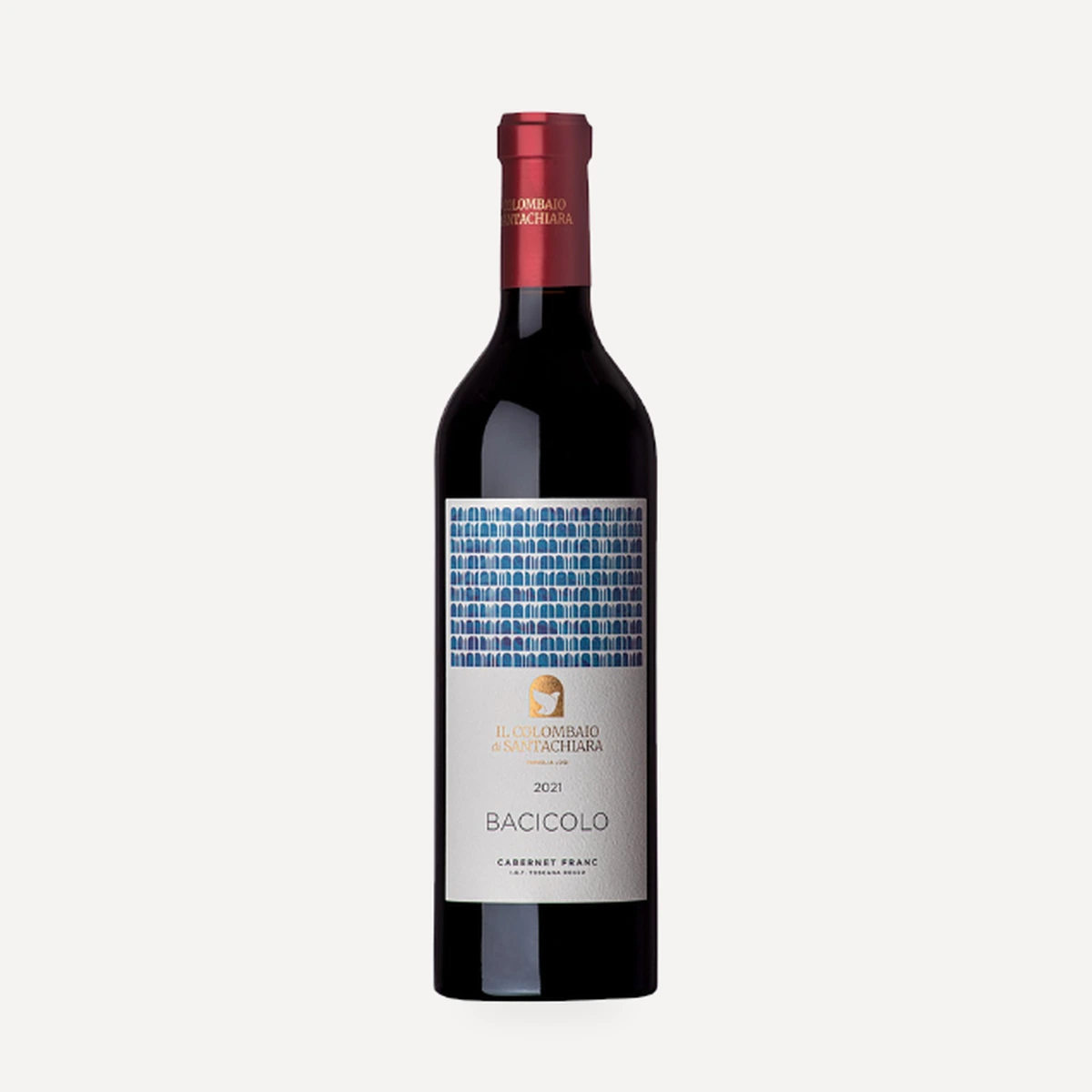
Bacicolo
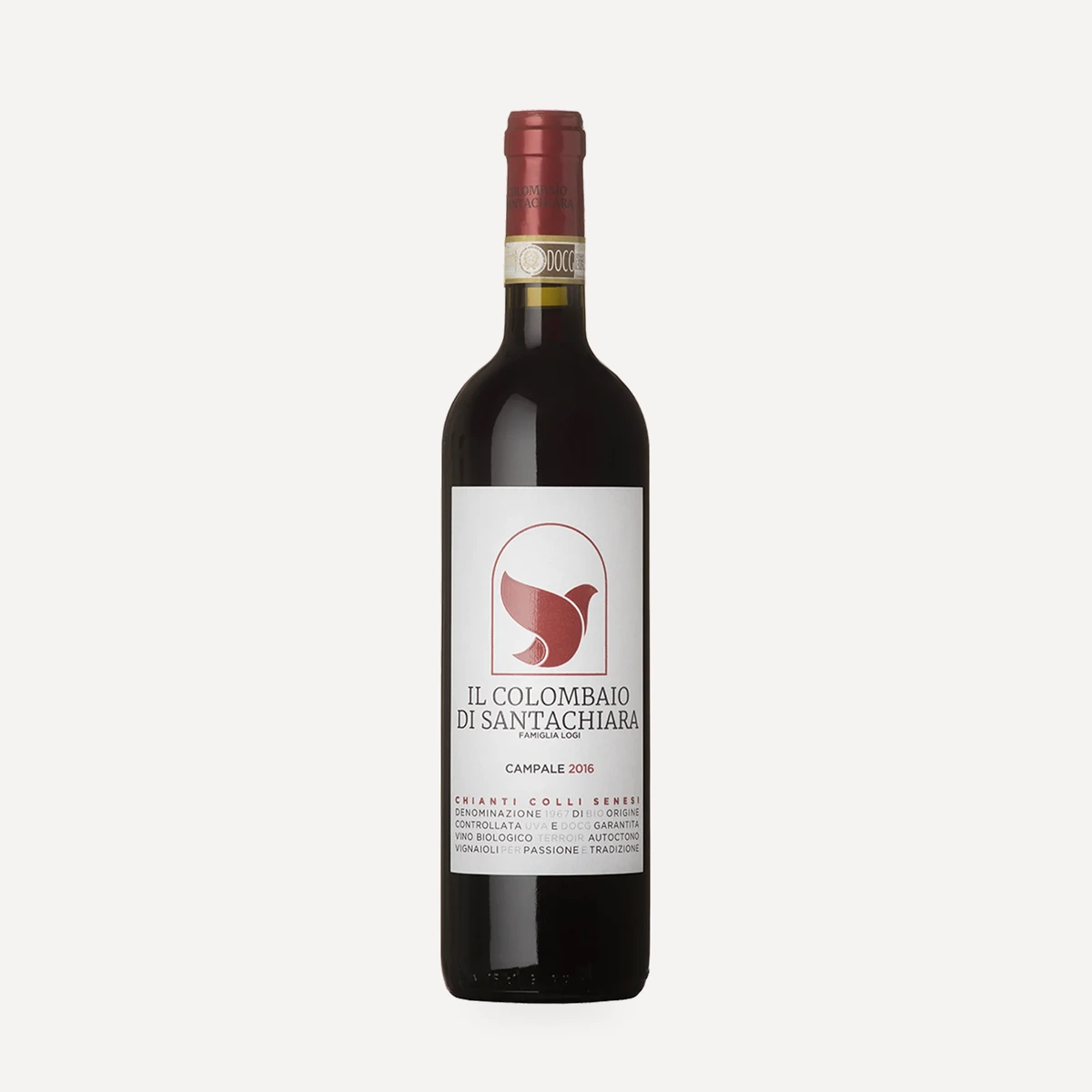
Campale
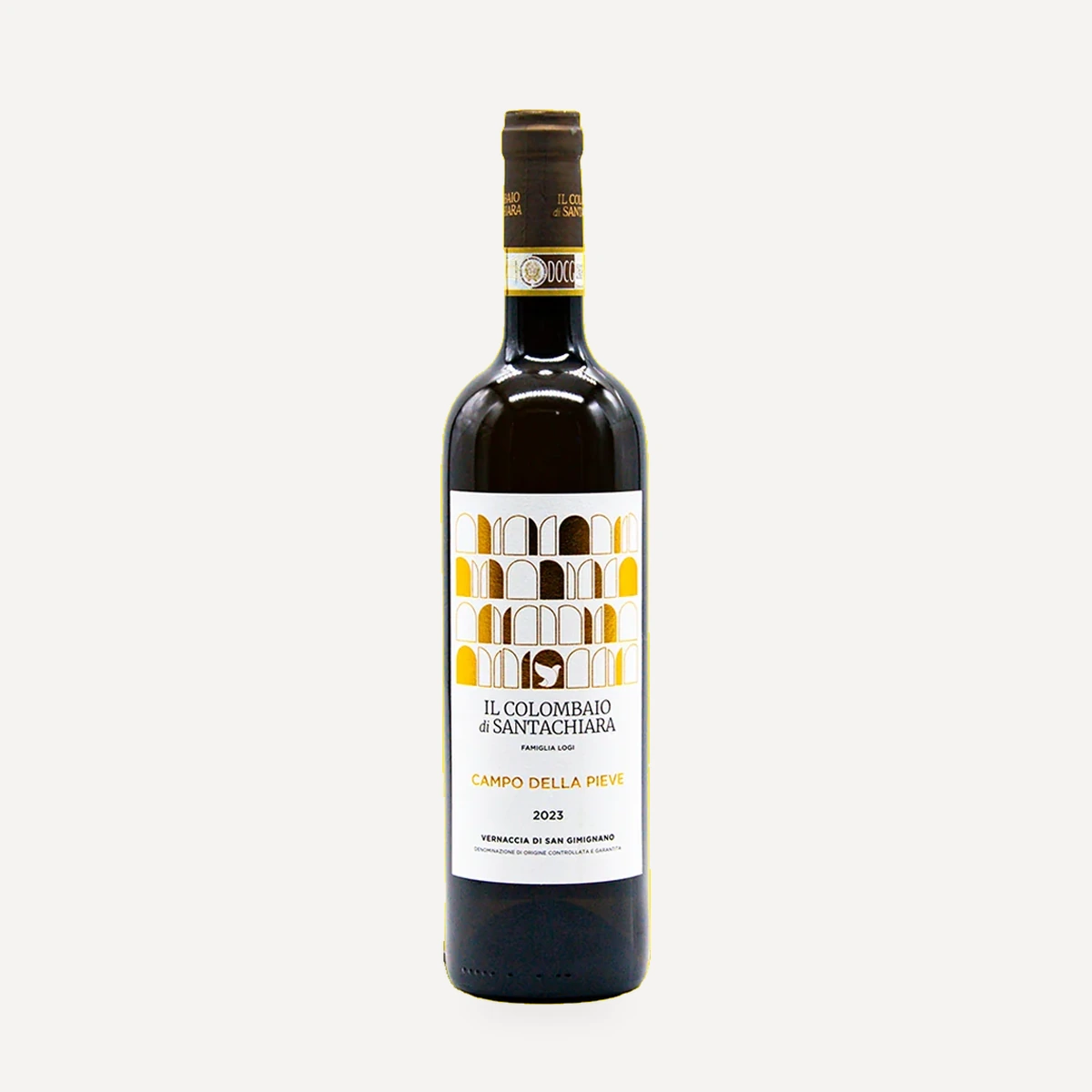
Campo della Pieve
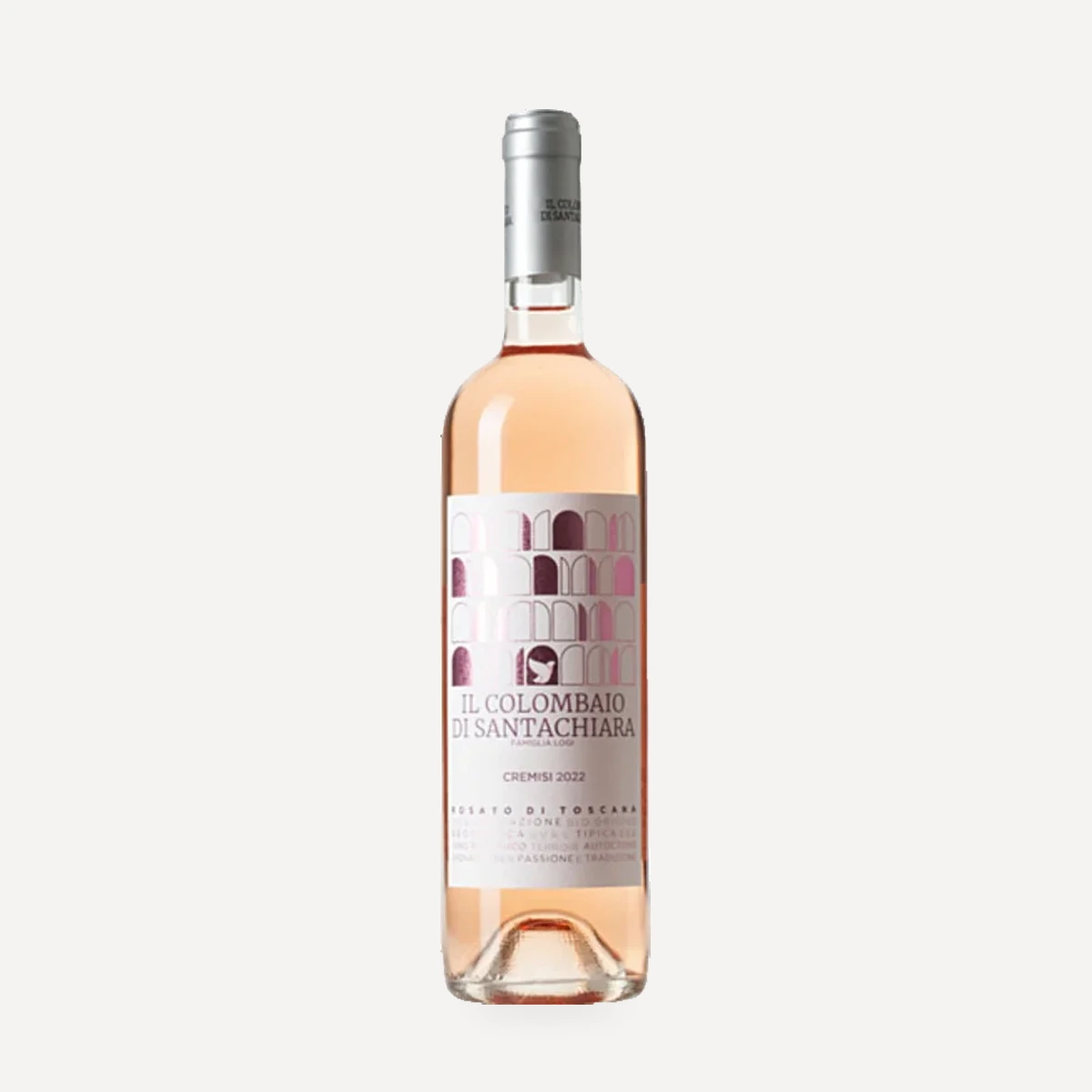
Cremisi