Storia
Foundation and the first estates
Leone de Castris began in Salice Salentino in 1665, when Oronzo Arcangelo Maria Francesco of the Counts of Lemos established the winery on the site it continues to occupy. After recognizing the agricultural potential of the area, he returned to Spain, sold properties there and reinvested the proceeds in Salento. His holdings eventually exceeded 5,000 hectares around Salice, Guagnano, Veglie, Villa Baldassarri, Novoli and San Pancrazio, with vineyards, olive trees and wheat cultivated across the estates.
Nineteenth-century exports
At the beginning of the nineteenth century, the business began exporting bulk wine to the United States, Germany and France. This export activity preceded the creation of the bottled Leone de Castris brand by more than a century.
1925: bottling and the Leone de Castris brand
Piero Leone Plantera and Lisetta de Castris introduced estate bottling in 1925, creating the Leone de Castris brand. Piero was the first producer in Puglia to combine winemaking with bottling. The first documented bottling was Moscatello, marking the transition from bulk agricultural wine to a finished, identifiable and traceable product. The hundredth anniversary of this change was celebrated in 2025.
1943: Five Roses
During the final phase of the Second World War, Piero presented a rosé made from grapes grown in the Cinque Rose district to General Charles Poletti, supply officer for the Allied Forces. Poletti requested a substantial supply but wanted an English-language name, leading to the creation of Five Roses in 1943. It became the first rosé bottled and commercialized in Italy and was exported immediately to the United States.
The name came from the family’s Cinque Rose district and from the recurring family tradition that successive members of the de Castris family had five children. Five Roses became the wine most closely associated with the estate’s international recognition and with the promotion of Salento abroad.
1954 and the Salice denomination
Piero and his son Salvatore created the first Leone de Castris Salice red with the 1954 harvest. Its sustained sale in Italy and abroad helped build recognition for the local wine and contributed to the eventual establishment of the Salice Salentino DOC. Current historical material dates the denomination’s formal recognition to 1976.
Salvatore Leone de Castris
From the 1960s, Salvatore Leone de Castris directed the company and expanded it locally and internationally. He also served for many years as president of the Lecce Chamber of Commerce and became the only president from southern Italy of the Unione Italiana Vini. His work promoted both the family brand and Salento wine more broadly. The Per Lui range was subsequently created as a tribute to his role in the company’s postwar renewal.
Piernicola and the contemporary company
Piernicola Leone de Castris, Salvatore’s son, assumed management in the late 1990s. Under his leadership, international distribution expanded and additional varieties—including Chardonnay and Sauvignon Blanc—were planted alongside the traditional grapes. He also replanted historic vineyards in the Gioia del Colle DOC area at the Donna Coletta estate and began a new father-and-son project with Piersalvatore. Their first intervention in the Noci soils in 2016 is commemorated by the Colpo di Zappa name.
The company’s governance changed in 2024: Piernicola became chairman of the board and Piersalvatore became chief executive officer with responsibility for daily operations. This formalized the latest stage of generational succession.
Museum, sustainability and family-business recognition
The Piero e Salvatore Leone de Castris Wine Museum was inaugurated on 17 October 2009 to preserve the material history of the family, the winery and Apulian wine production. In 2025, Leone de Castris obtained Equalitas Sustainable Organization certification, covering environmental, social and economic responsibility.
In January 2026, the company entered Les Hénokiens, the international association for family businesses with more than 200 years of uninterrupted history, continuous control by the founding family and sound financial management. In May 2026, the wine museum joined Museimpresa, integrating the collection into Italy’s network of corporate museums and archives.
Production modernization
By 2026, the Salice Salentino facility incorporated parameter-controlled drying rooms, refrigerated vacuum presses and an integrated bottling line capable of processing 5,000 bottles per hour. The modernization was framed around three continuing priorities: family continuity, process control through technology and the development of indigenous grape varieties.
Terroir
The vineyards extend across approximately 300 hectares in the provinces of Lecce, Brindisi, Bari and Taranto. Principal areas include Salice Salentino, Guagnano, Campi Salentina and San Pancrazio Salentino, with a separate Donna Coletta project in the Gioia del Colle DOC area around Noci.
Salento sites support a broad combination of indigenous and introduced varieties. Estate selection considers terroir, exposure and cultivation technique in relation to each grape. The Maiana material emphasizes Verdeca’s ability to preserve acidity under a warm climate even without marked temperature variation, while the Ursi site demonstrates Fiano’s adaptation to Salento’s pedoclimatic conditions.
Donna Coletta lies in the Bassa Murgia, whose name is associated with the Latin murex, meaning sharp rock. The landscape is a limestone plateau running parallel to the Adriatic. Its stony, relatively infertile soils presented an agronomic challenge and motivated the replanting of historic Primitivo vineyards. The surrounding dry-stone walls form part of the estate landscape. A current vineyard parcel used for Gioia del Colle Primitivo is situated at approximately 400–450 metres above sea level.
Soils identified across current vineyard and wine material include clay-silt, clay-sand and medium-textured profiles. Case Alte has clay-silt soil; Maiana and Lemos are described as medium-textured; Santera’s Primitivo vineyards include clay-silt soils; and an Ottavianello parcel is clay-sandy. These differences accompany varied systems, densities and harvest dates rather than a single uniform estate terroir.
Vinificazione
The vineyard base combines indigenous varieties—Negroamaro, Primitivo, Malvasia Nera, Verdeca, Aleatico, Malvasia Bianca, Bianco di Alessano, Moscato, Susumaniello and Ottavianello—with Fiano and introduced grapes including Chardonnay, Sauvignon Blanc and Shiraz. Planting decisions relate variety, terroir, exposure and cultivation method to the intended expression of the fruit.
Training systems include Guyot, cordon spur and the traditional alberello pugliese, with current examples ranging from 5,000 to 7,000 vines per hectare. Harvest timing runs from early August for Sauvignon Blanc through early October for Ottavianello. Selected Primitivo and Ottavianello parcels undergo a short period of overripening on the vine. Fruit is selected before and after arrival at the winery; the modern reception system uses a linear destemmer and sorting table to remove stems, seeds and unsuitable berries and to improve batch uniformity.
The company has participated in the Vinum Loci project to help recover Susumaniello. It has also developed monovarietal interpretations of Susumaniello and Ottavianello as part of a broader effort to preserve regional grape diversity. Historic holdings are being consolidated in Salento and the Gioia del Colle Primitivo DOC area following the long-term reduction of family lands through inheritance divisions and postwar land reform.
Equalitas certification places vineyard activity within an environmental, social and economic management system. Resource priorities include monitoring water and energy use, reducing waste, recovering or reusing winemaking residues such as pomace and stems, and developing carbon- and water-footprint inventories under UNI EN ISO 14064-1 and ISO 14046. The estate also began planting Leccino olive trees on land affected by Xylella and initiated a cork-oak reforestation project intended to regenerate parts of Salento and strengthen the long-term supply chain.
The winery is located at its historic Salice Salentino site and handles approximately 2.5 million bottles in an average year. Production includes red, white and rosé DOC wines, Salento and Puglia IGT wines, traditional-method and other sparkling wines, sweet wines and distillates.
Grape reception and selection
A Pellenc linear destemmer works with a sorting table to remove unwanted material and standardize incoming lots. Selection begins as the grapes enter the facility, with process controls following each batch from raw material to packaging.
Controlled drying
Grapes destined for appassimento are managed in two dedicated drying rooms. Temperature, humidity and ventilation are monitored continuously, replacing empirical drying with parameter-controlled dehydration designed to stabilize quality and concentrate sugars and aromatic compounds.
Pressing and oxygen management
The vinification area has three Siprem refrigerated vacuum presses. These permit delicate extraction while controlling temperature and oxygen exposure, with the aim of protecting freshness, aromatic integrity and clarity.
Fermentation and maturation examples
White-wine practices include cold maceration, static settling, stainless-steel fermentation and maturation on fine lees. Case Alte Sauvignon ferments in stainless steel at 18°C and remains on fine fermentation lees for about three months. Maiana Verdeca is softly pressed, settled for approximately 12 hours at 10°C, fermented at 16–18°C in stainless steel and retained on fine lees for approximately two months. Selected Malvasia Bianca undergoes cold maceration and static settling, followed by stainless-steel fermentation with selected yeasts originating from the same grape; it then spends approximately six months on fine lees with repeated bâtonnage.
Current red-wine examples use maceration and fermentation at approximately 20–22°C for 10–15 days. Ottavianello fruit may be slightly overripe on the vine, selected into crates, destemmed and crushed, fermented at 26–28°C and retained with the skins after alcoholic fermentation. Depending on the range, wines mature in stainless steel, large wood or French-oak barriques before bottle ageing. The production model therefore combines stainless-steel preservation of fruit with targeted wood maturation for structured wines.
Bottling
The integrated bottling line is organized as a continuous flow. Its central Bertolaso Elettra 1400 monoblock processes up to 5,000 bottles per hour. A P.E. Labellers Modular CM unit applies labels, while a Cosmapack depalletizer and Fipal systems support casing and final handling. The deliberately controlled scale is intended to preserve direct oversight, traceability and food safety for distribution in more than 50 countries.
Filosofia
Leone de Castris defines its identity through family continuity, technical development and the promotion of Puglia’s indigenous grape varieties. Its production remains focused on Apulian fruit, treating regional specialization as a defining strength rather than a limitation.
Tradition is understood as a working foundation for development rather than a static inheritance. Piernicola Leone de Castris identifies three central pillars: continuity of family management, sustained investment in technology and process control, and strategic development of indigenous grapes. Time is treated both as a winemaking variable and as an organizational asset that supports consistency across generations.
Environmental, social and economic responsibility form the three dimensions of its Equalitas management system. Environmental goals include responsible natural-resource use, lower consumption and waste, ecosystem regeneration and quantitative carbon- and water-footprint assessment. Social commitments encompass human and labour rights, safe employment, prohibition of child and forced labour, freedom of association, non-discrimination, transparent working conditions, training and community engagement. Suppliers are expected to share the same principles.
The company also presents stakeholder dialogue as part of continuous improvement. Employees, suppliers, customers, local residents, institutions and media can raise concerns or suggestions relating to safety, ethics, environmental impact and community relations. The broader objective is to create durable economic, social and environmental value while keeping the family enterprise rooted in Salento.
Vini
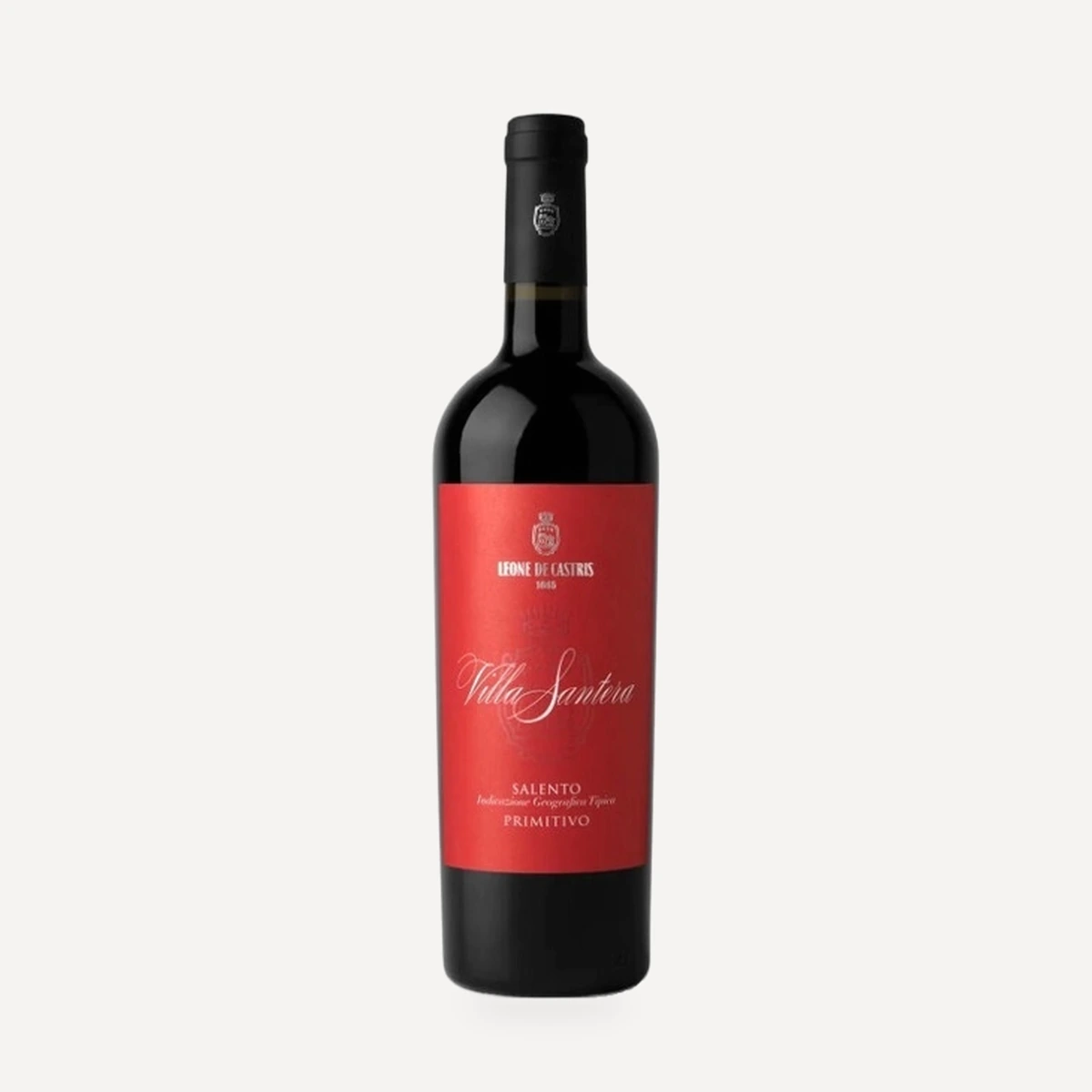
Villa Santera Primitivo Salento IGT
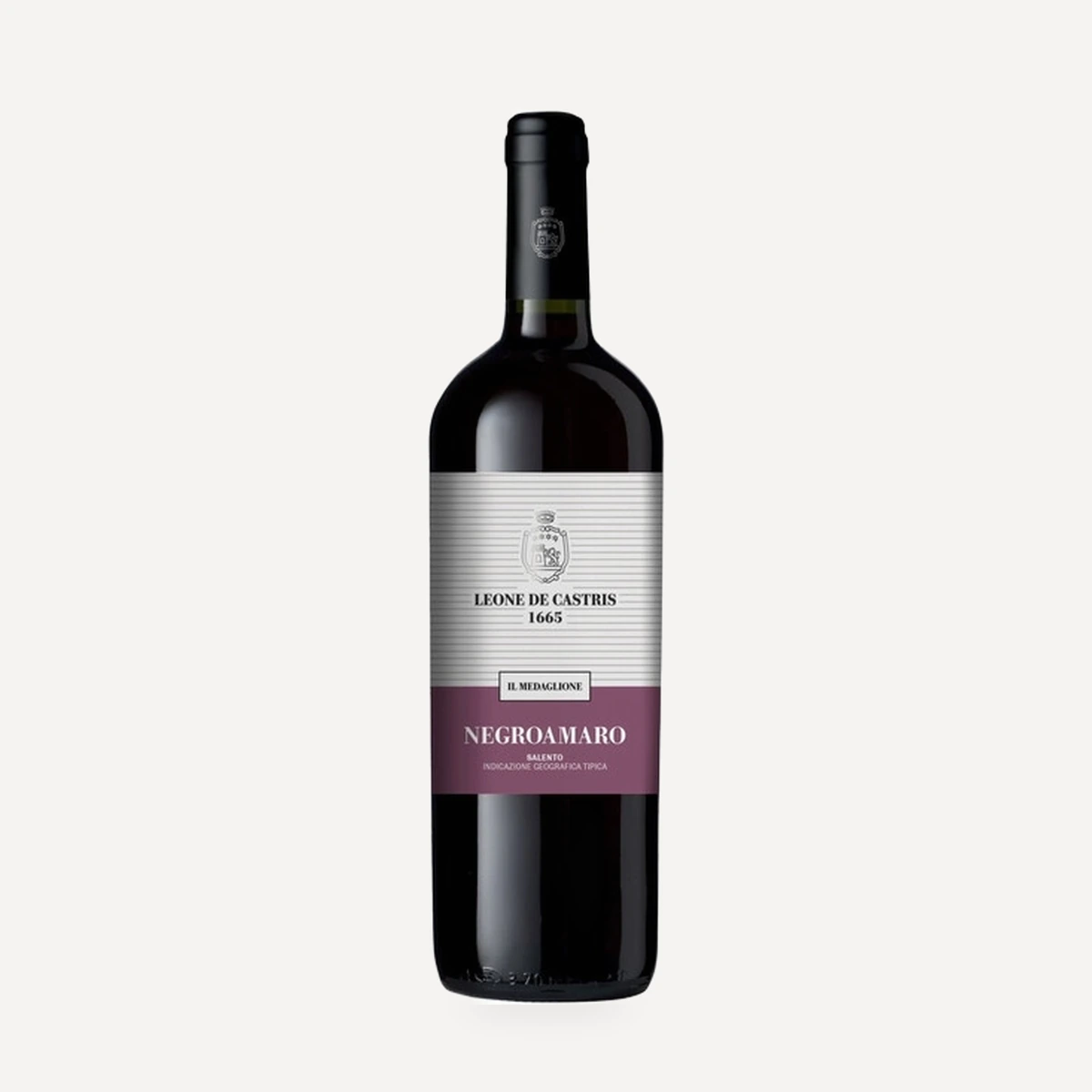
Il Medaglione Negroamaro Rosso Salento IGT
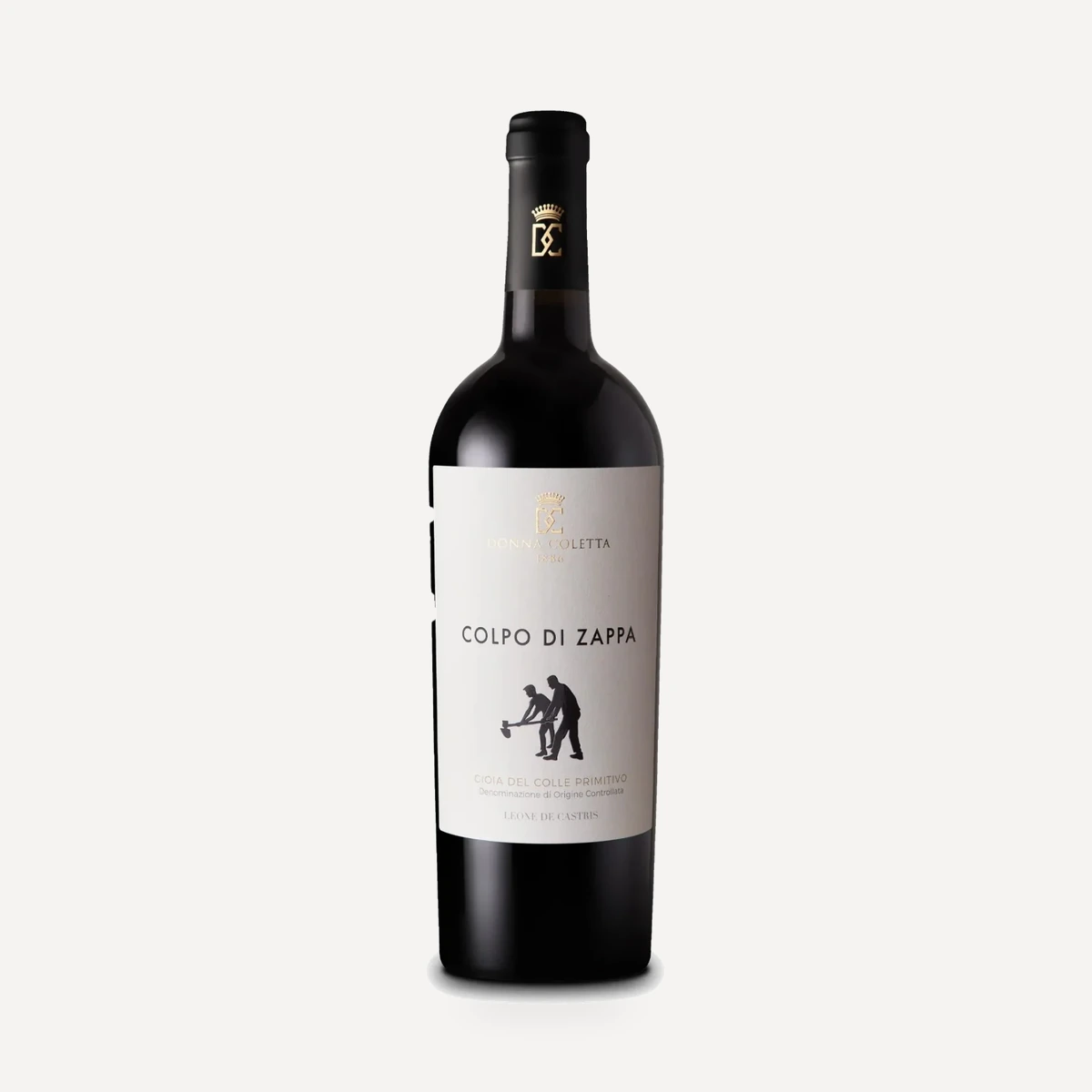
Colpo di Zappa
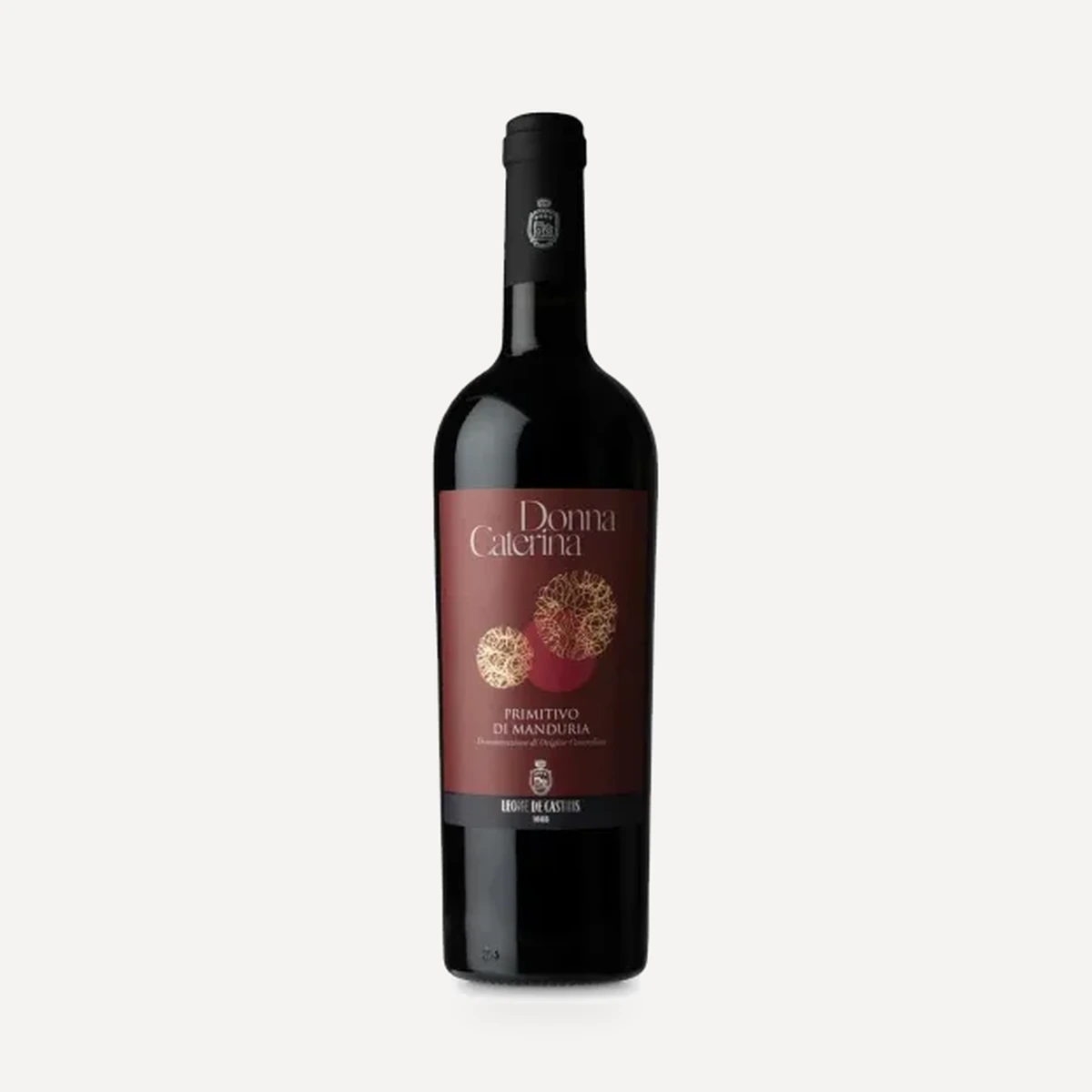
Donna Caterina
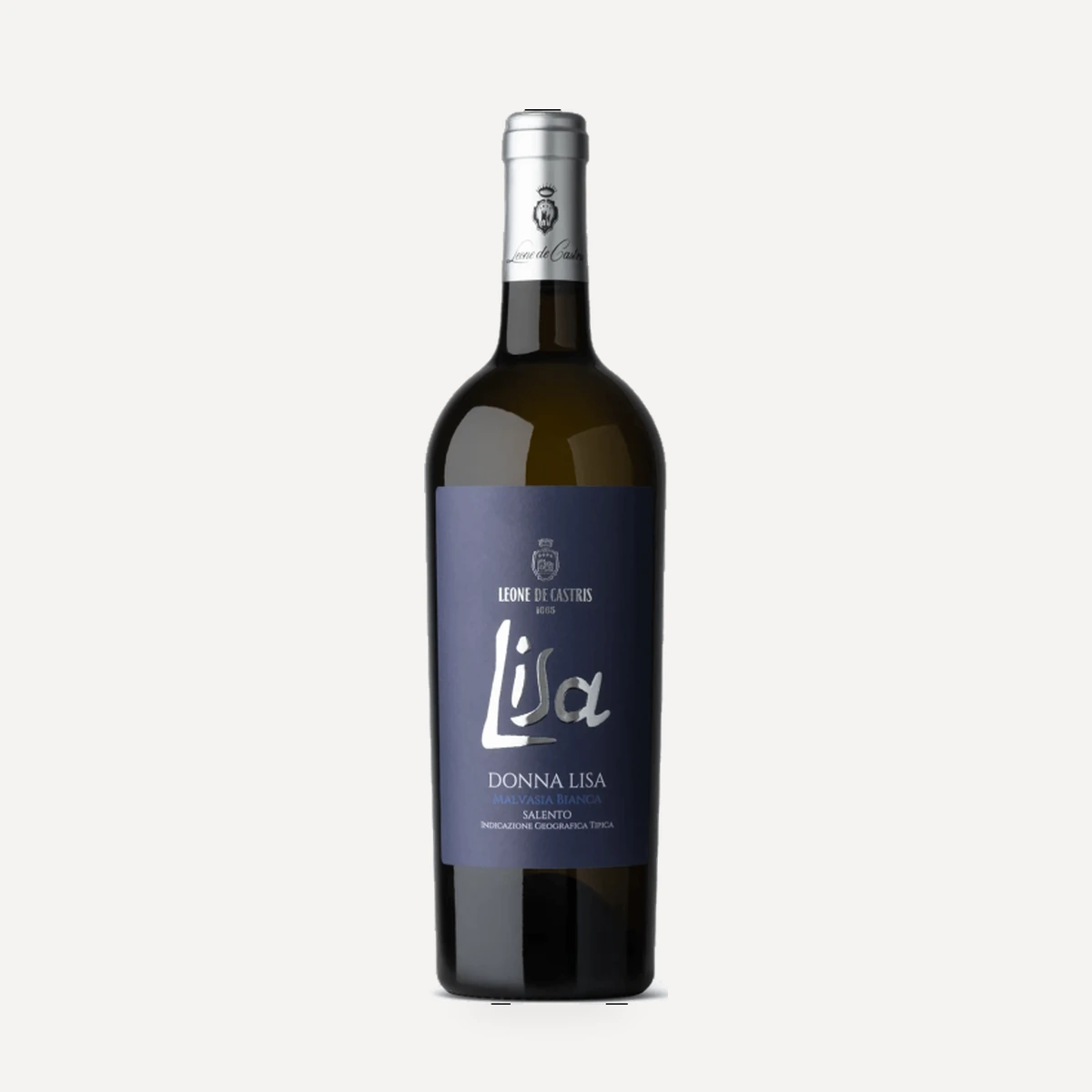
Donna Lisa Malvasia Bianca
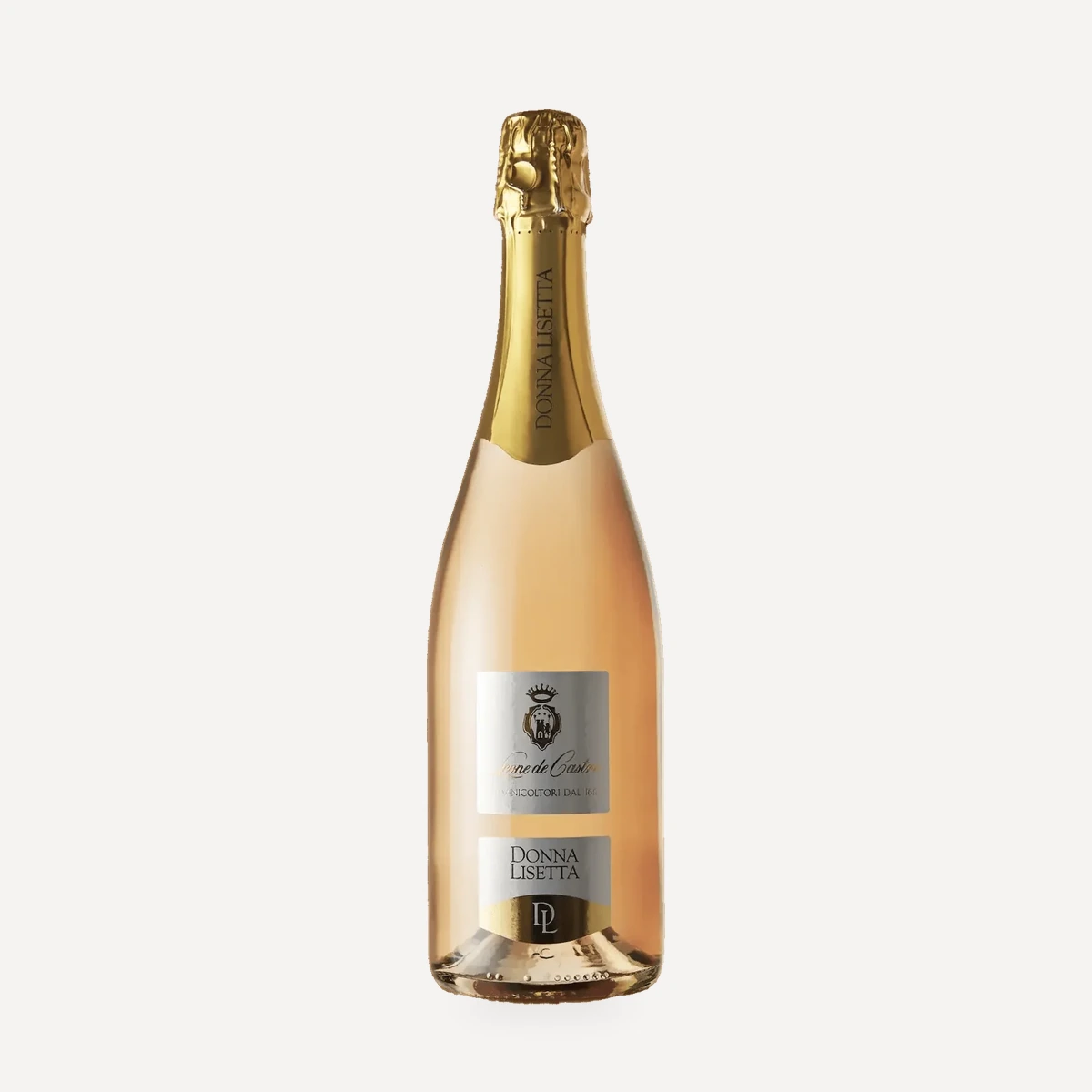
Donna Lisetta Brut Rosé
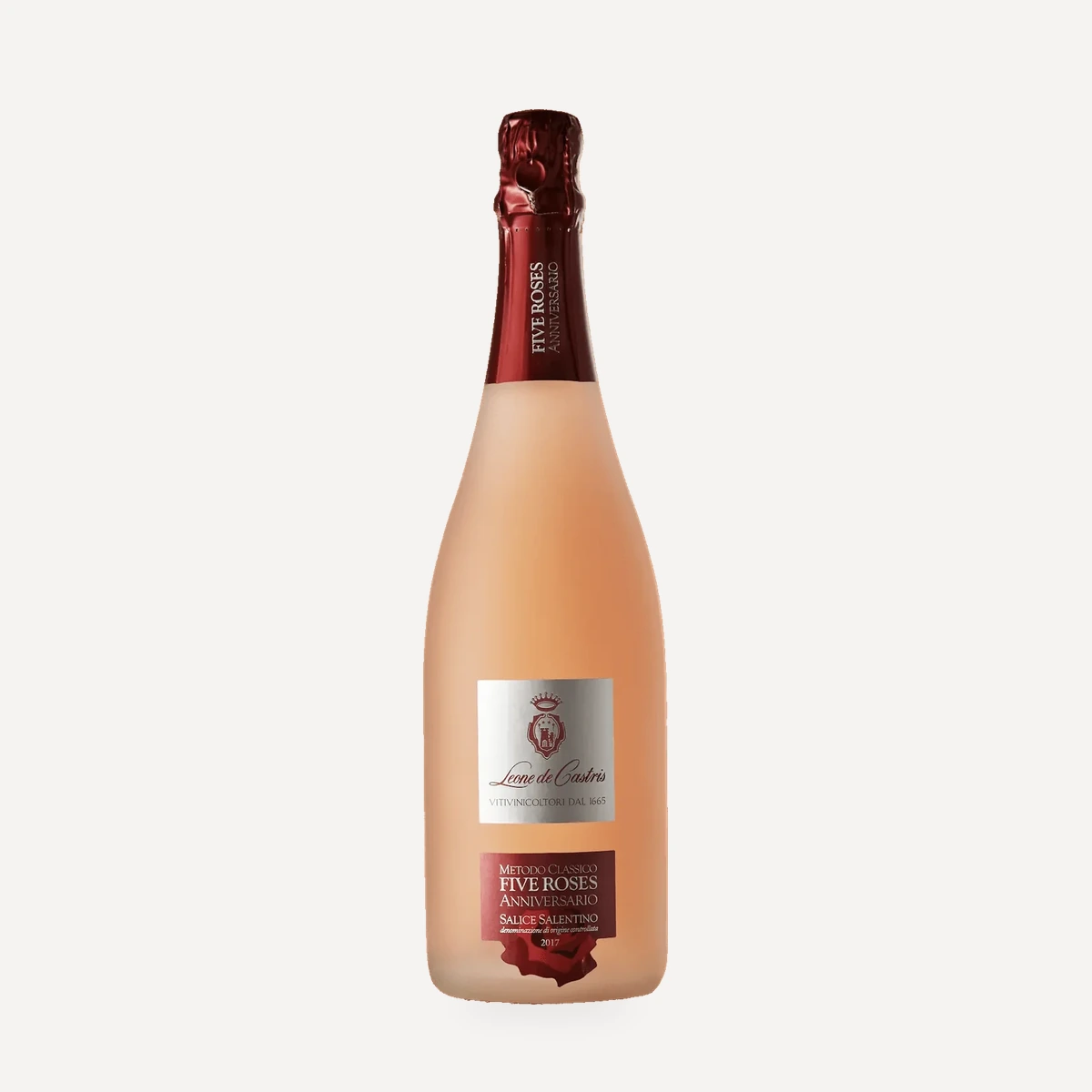
Five Roses Anniversario Metodo Classico
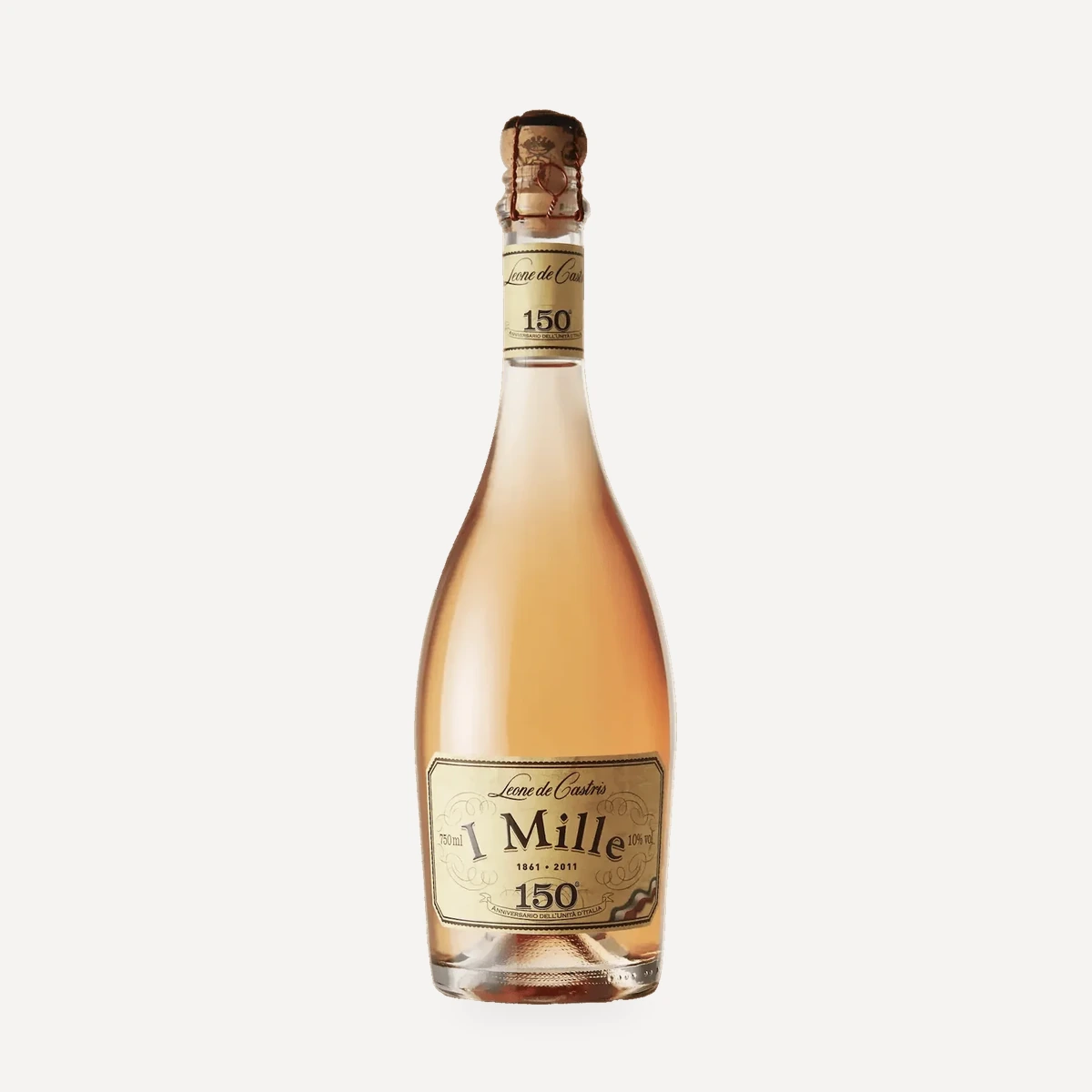
I Mille
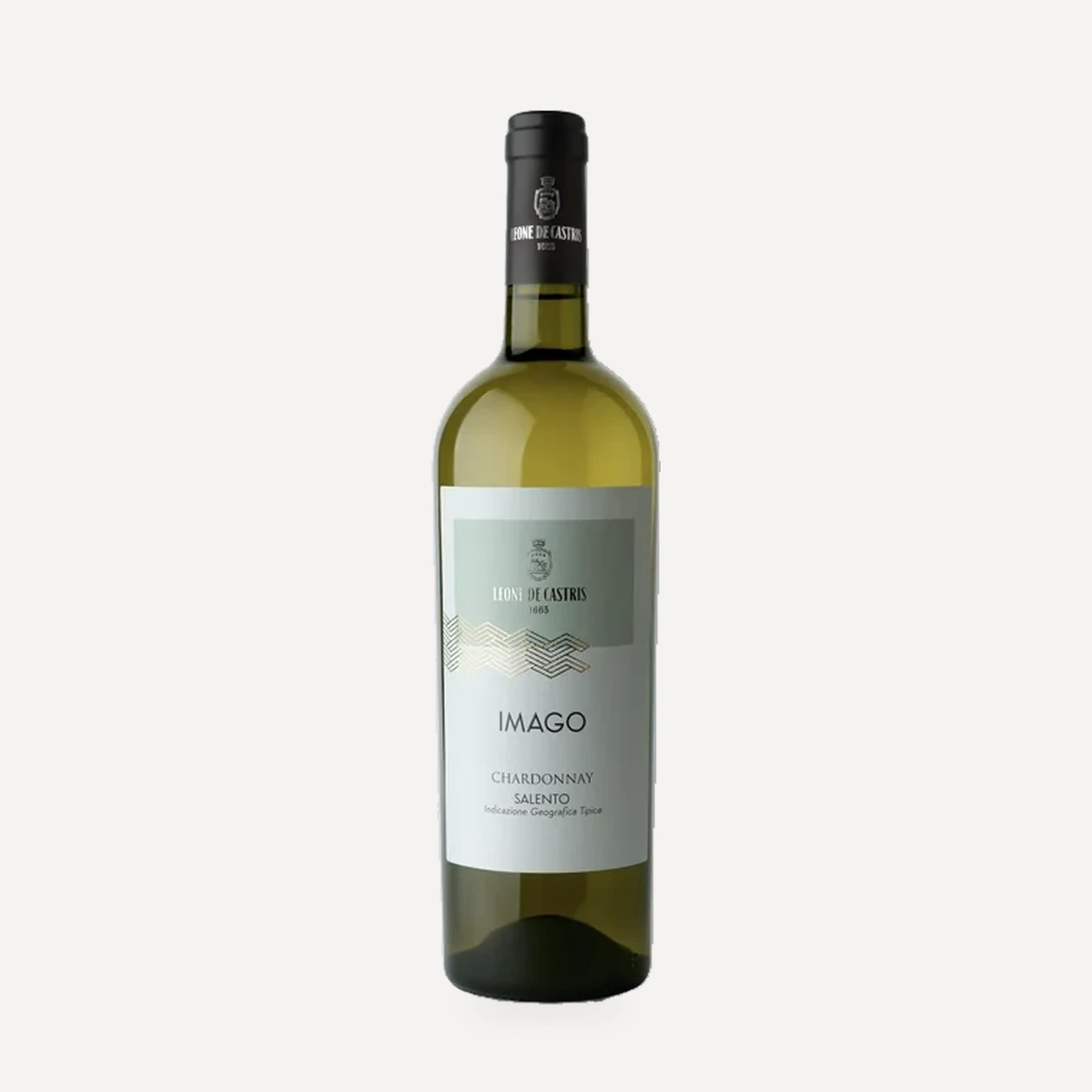
Imago
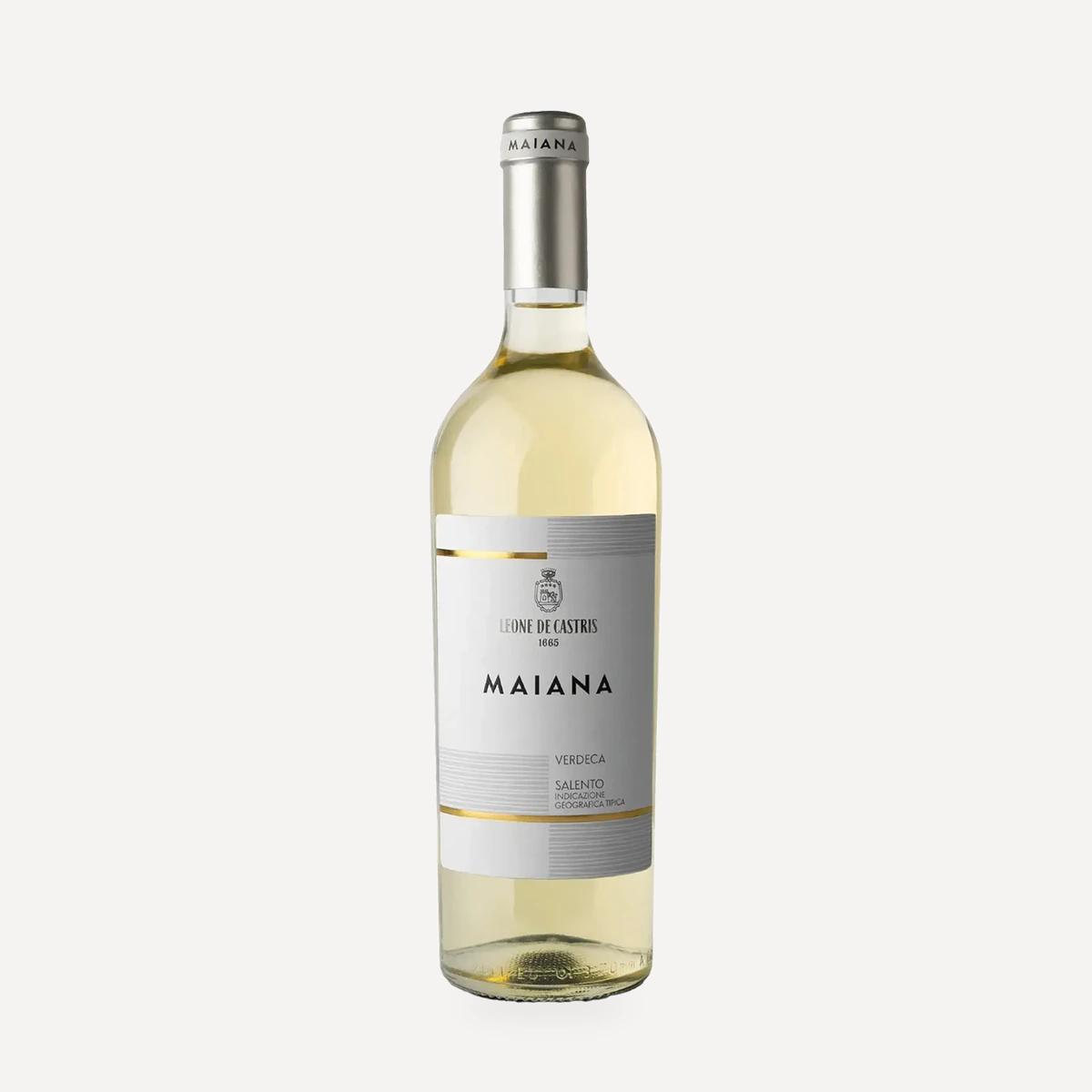
Maiana Bianco
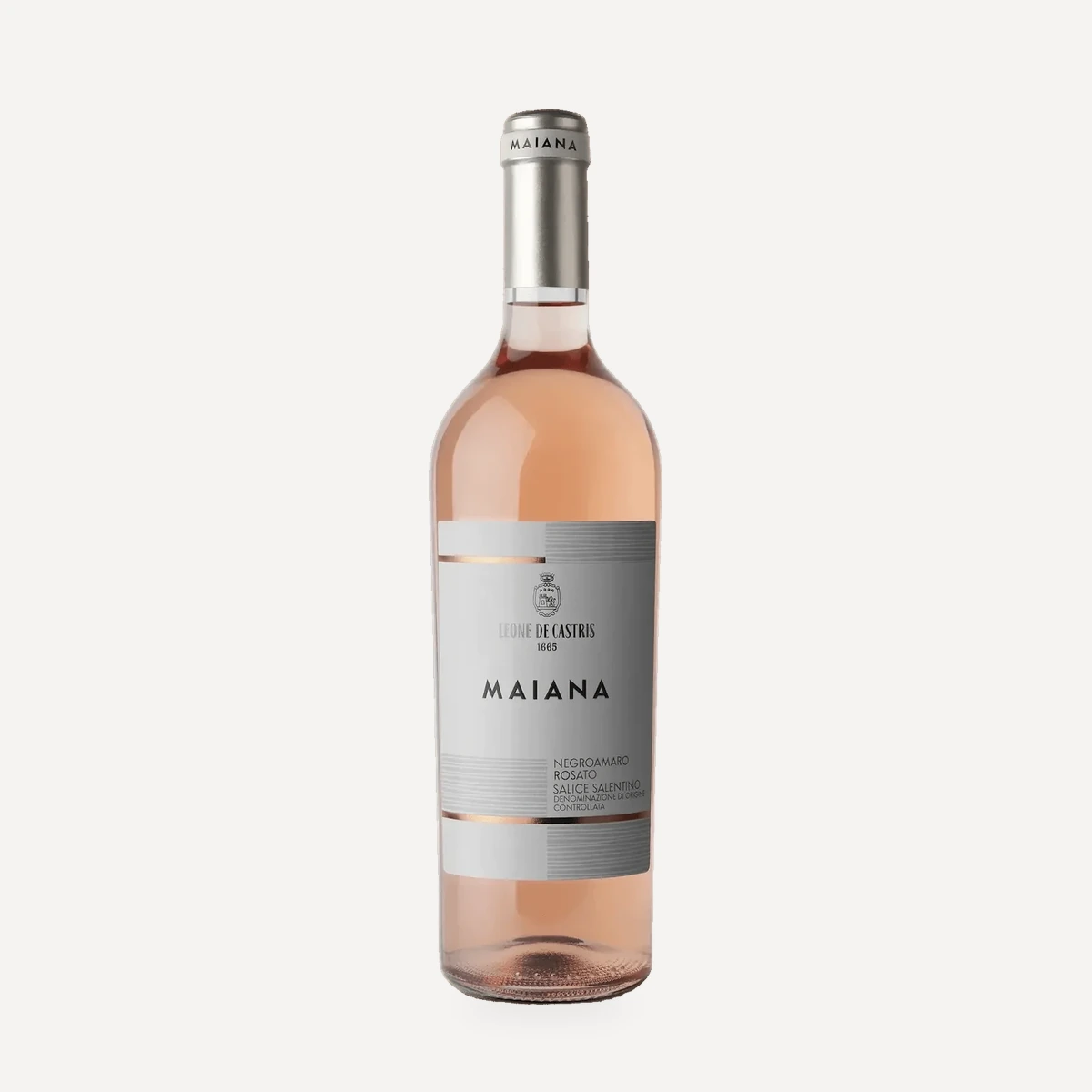
Maiana Negroamaro Rosato
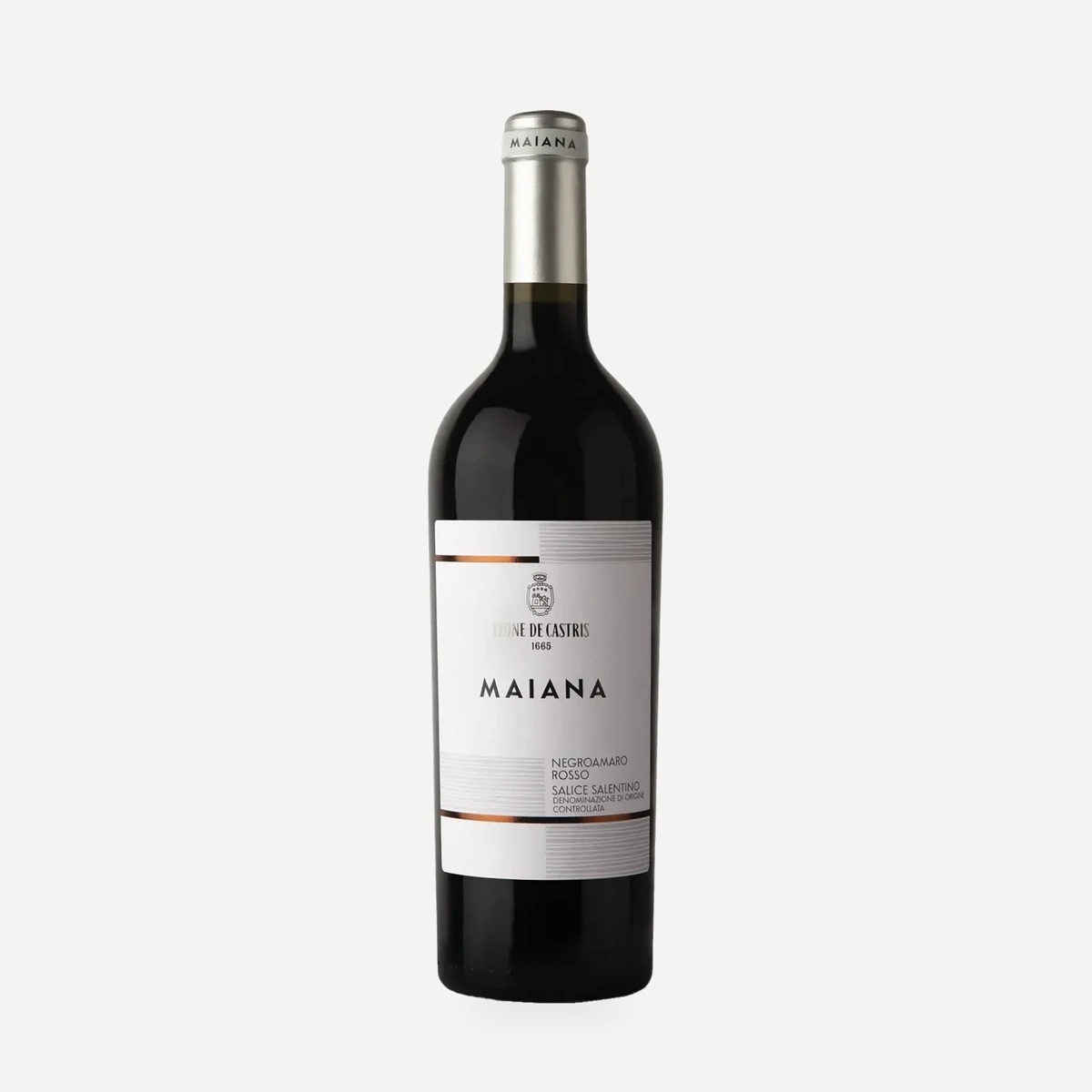
Maiana Negroamaro Rosso
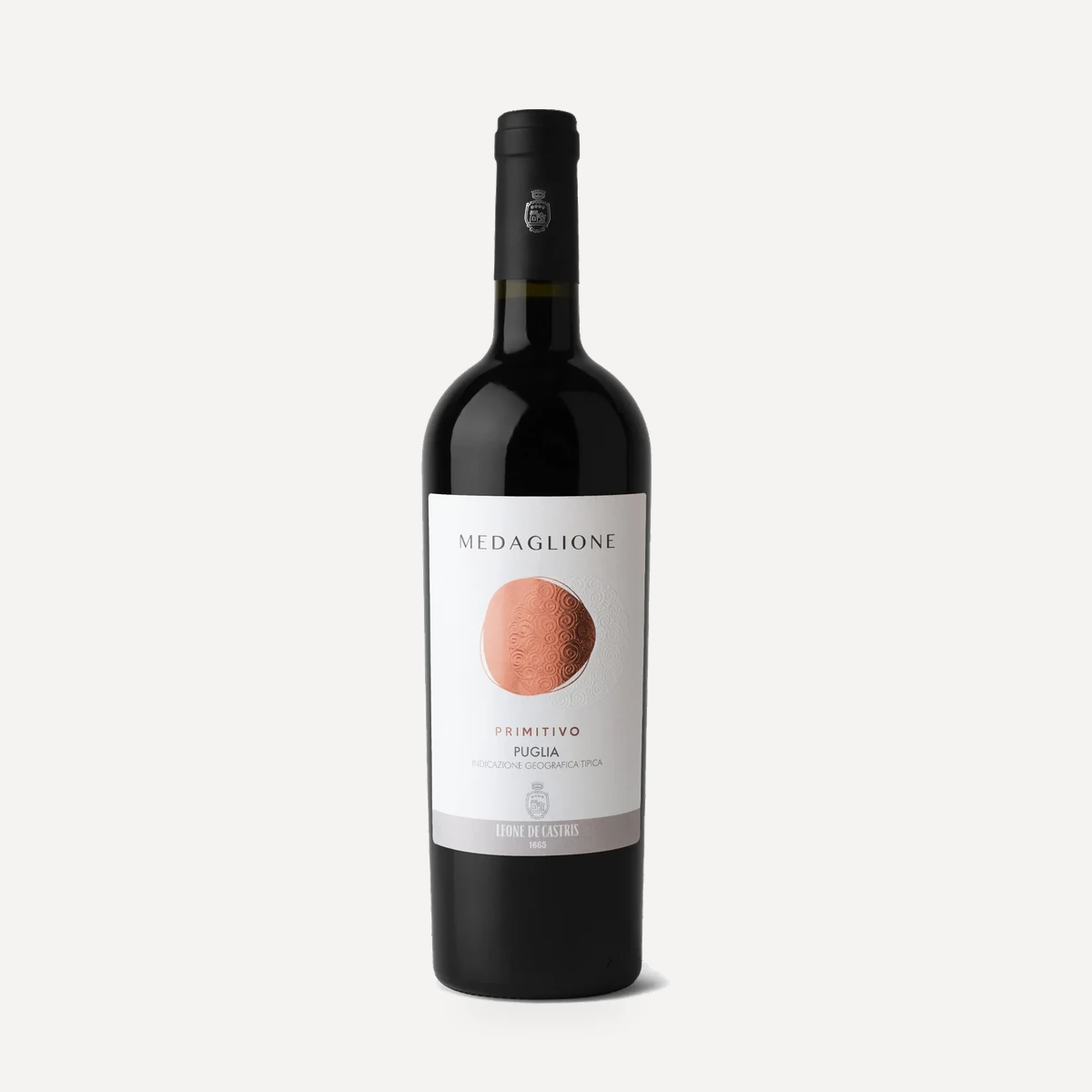
Medaglione Primitivo Rosso
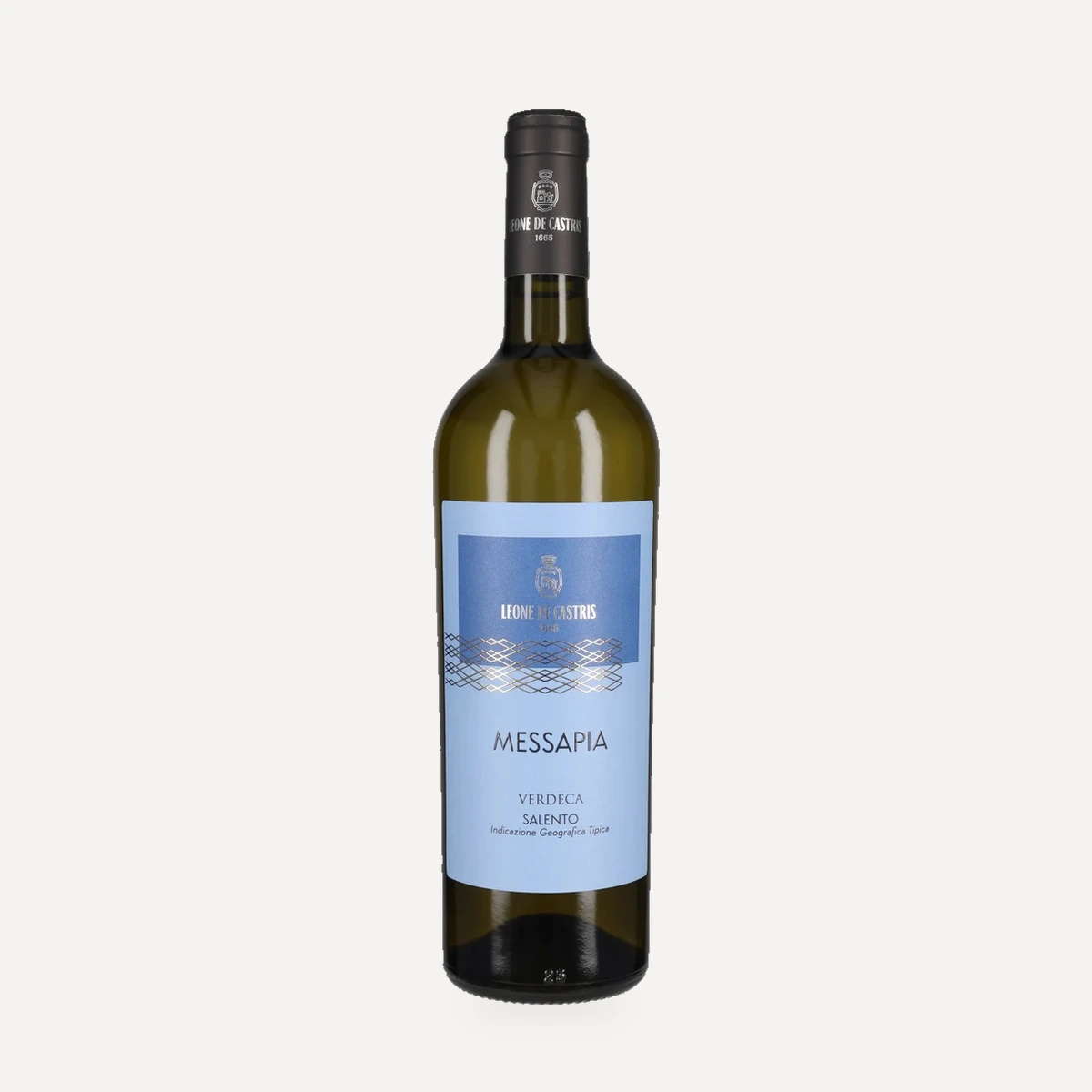
Messapia
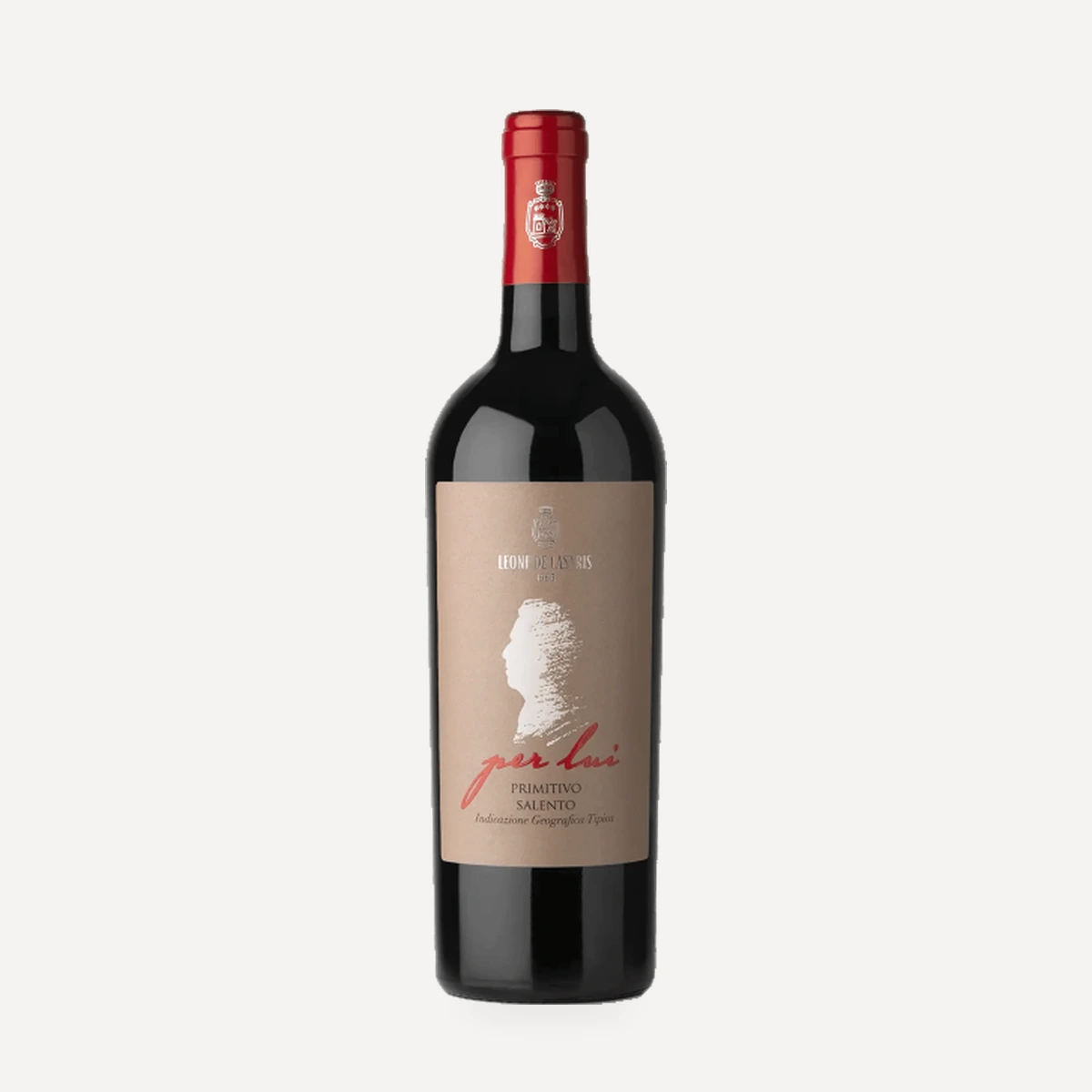
Per Lui Primitivo
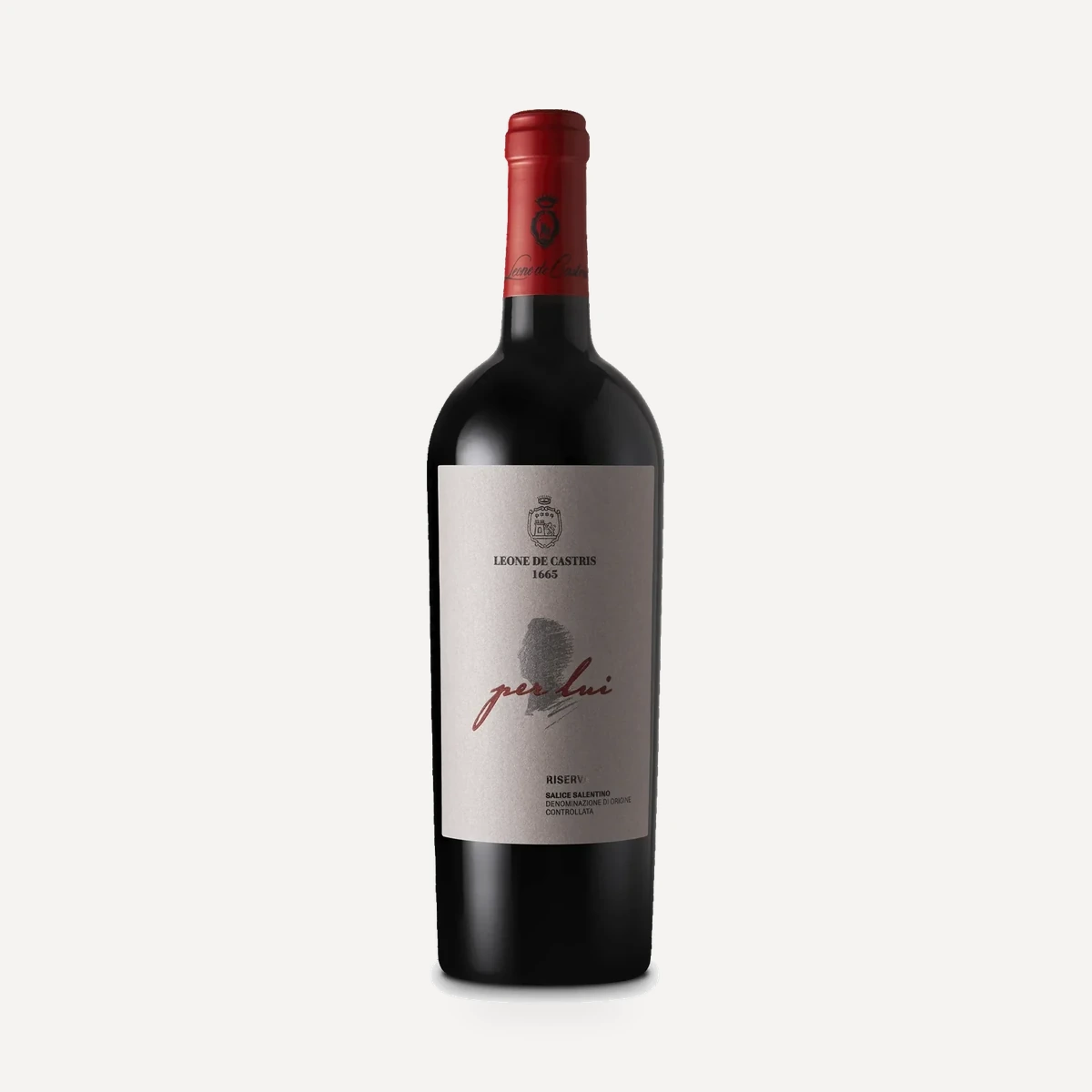
Per Lui Riserva
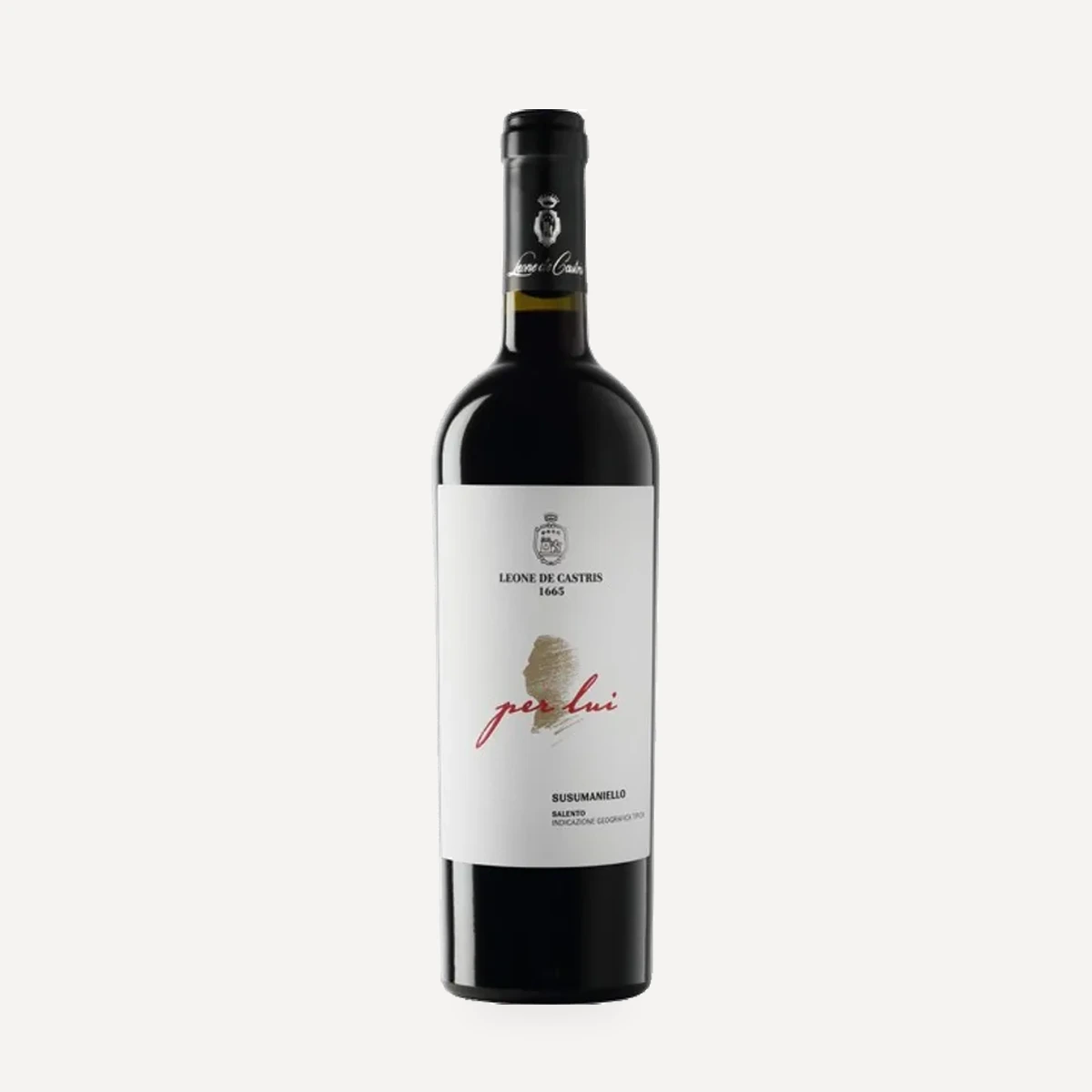
Per Lui Susumaniello
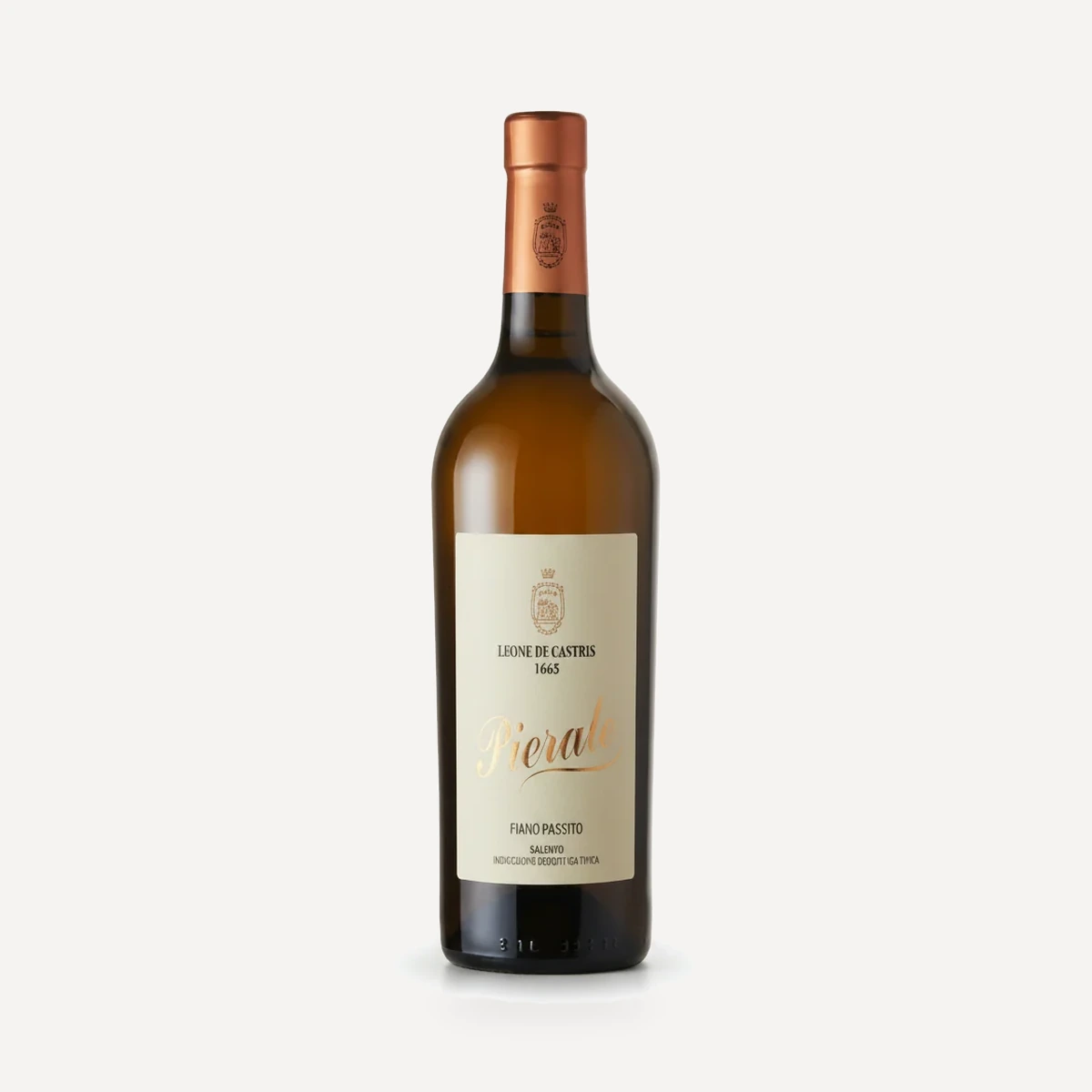
Pierale Passito
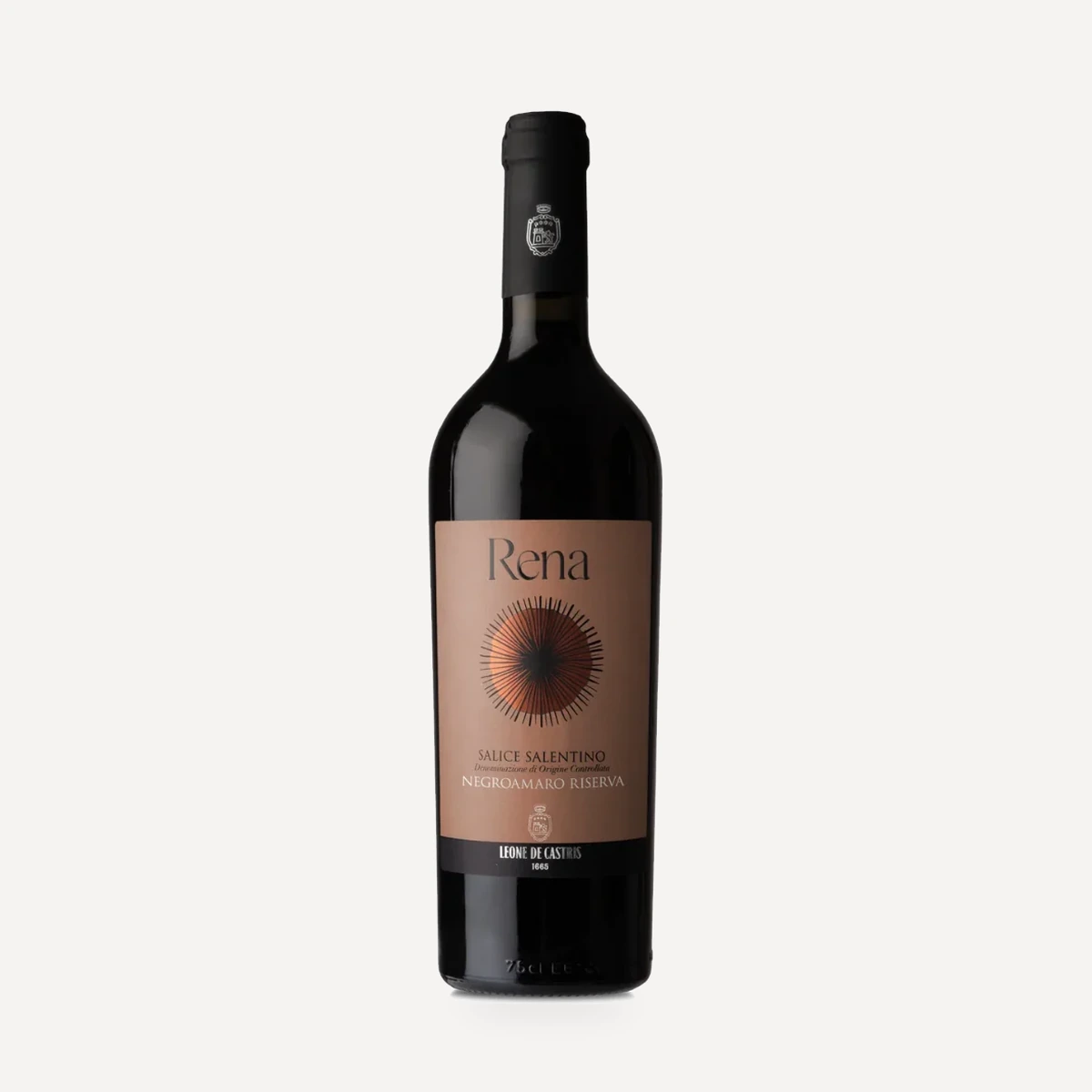
Rena Riserva
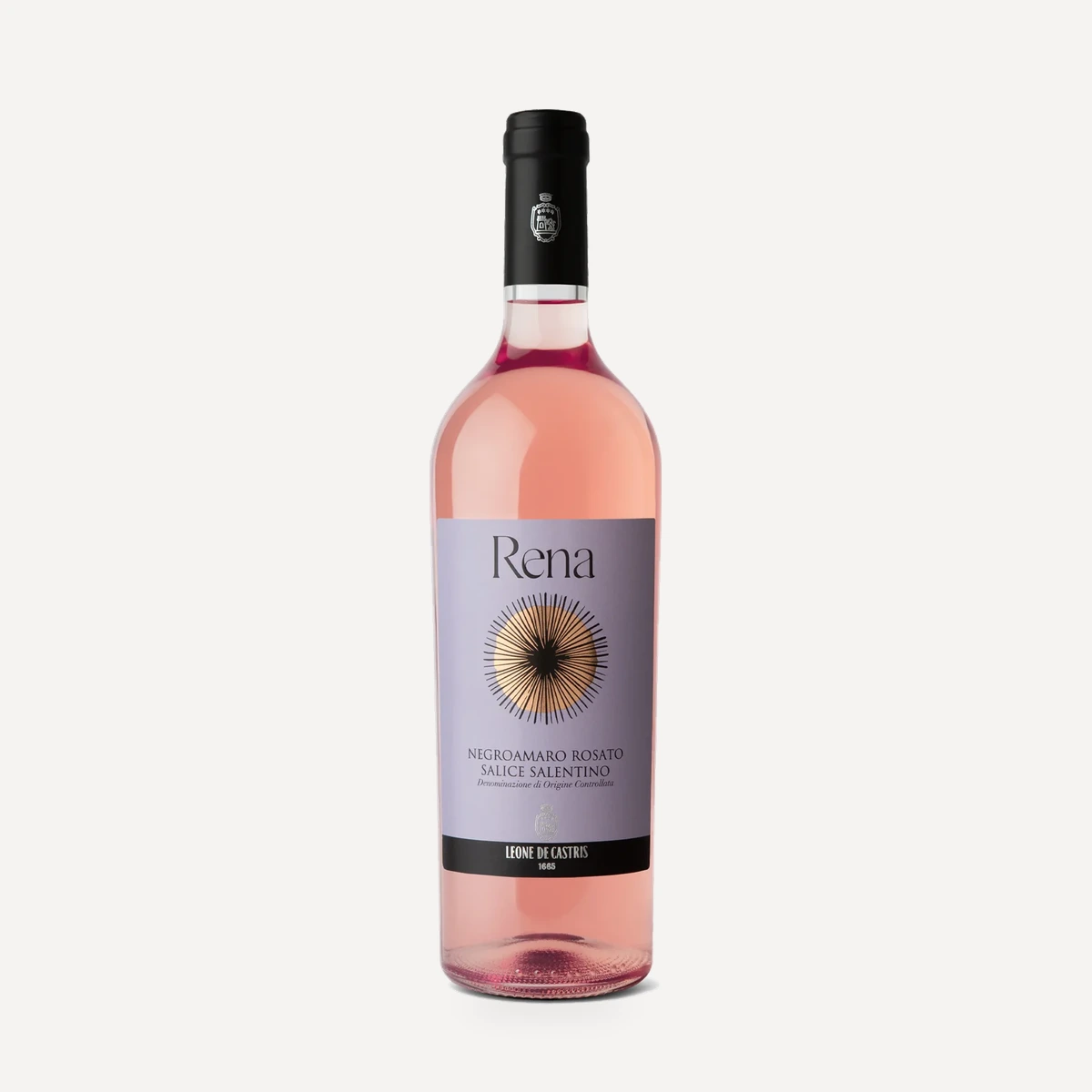
Rena Rosato
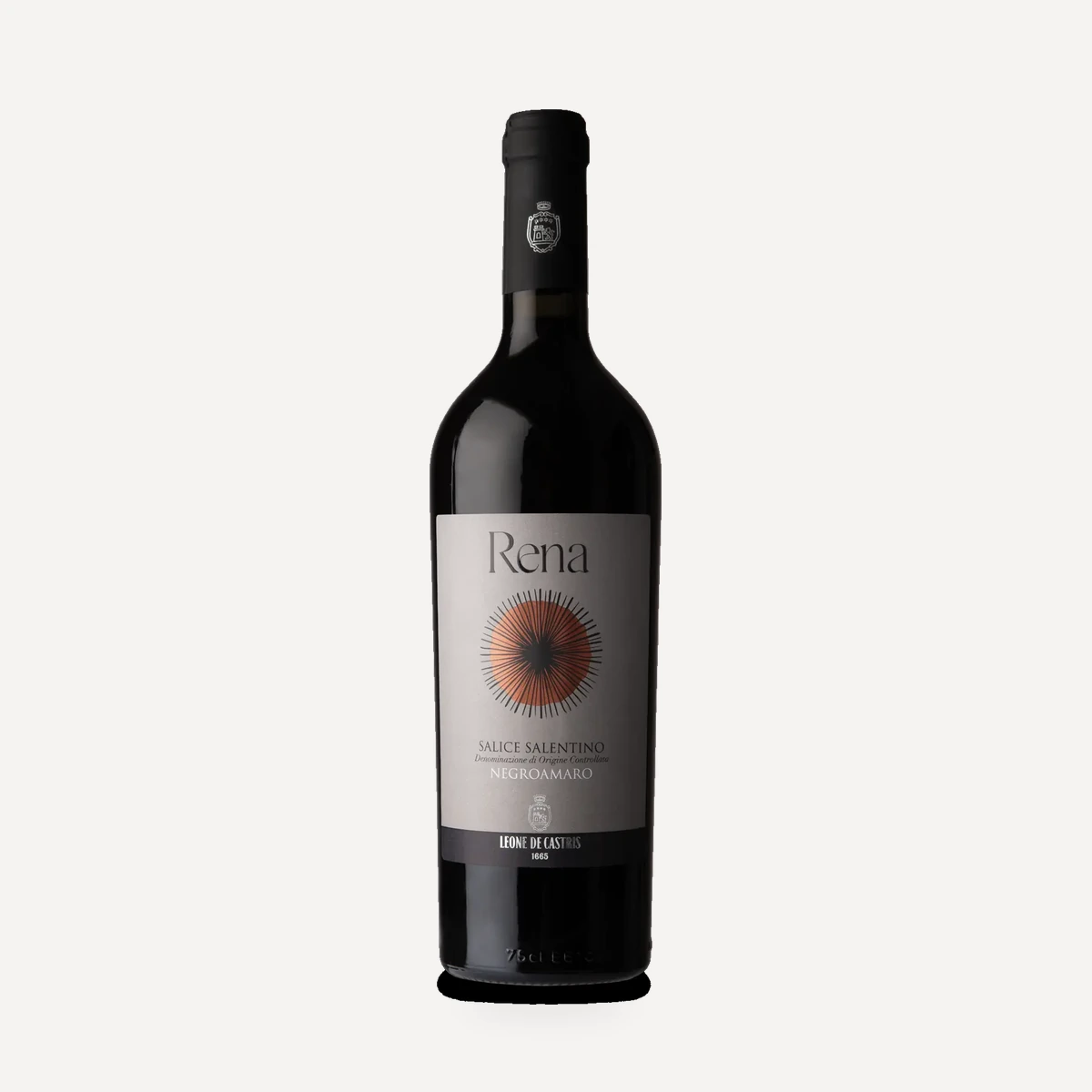
Rena Rosso
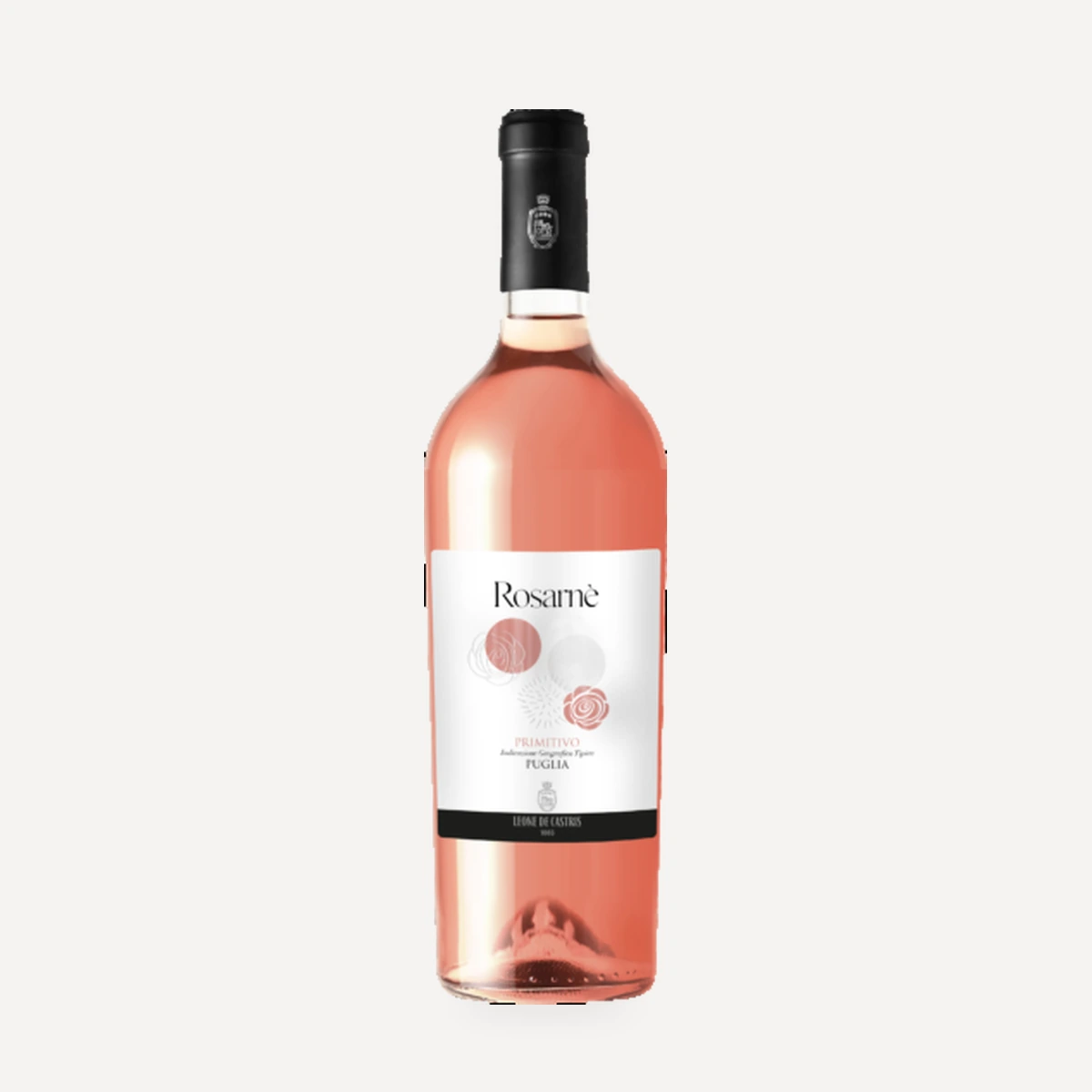
Rosarnè
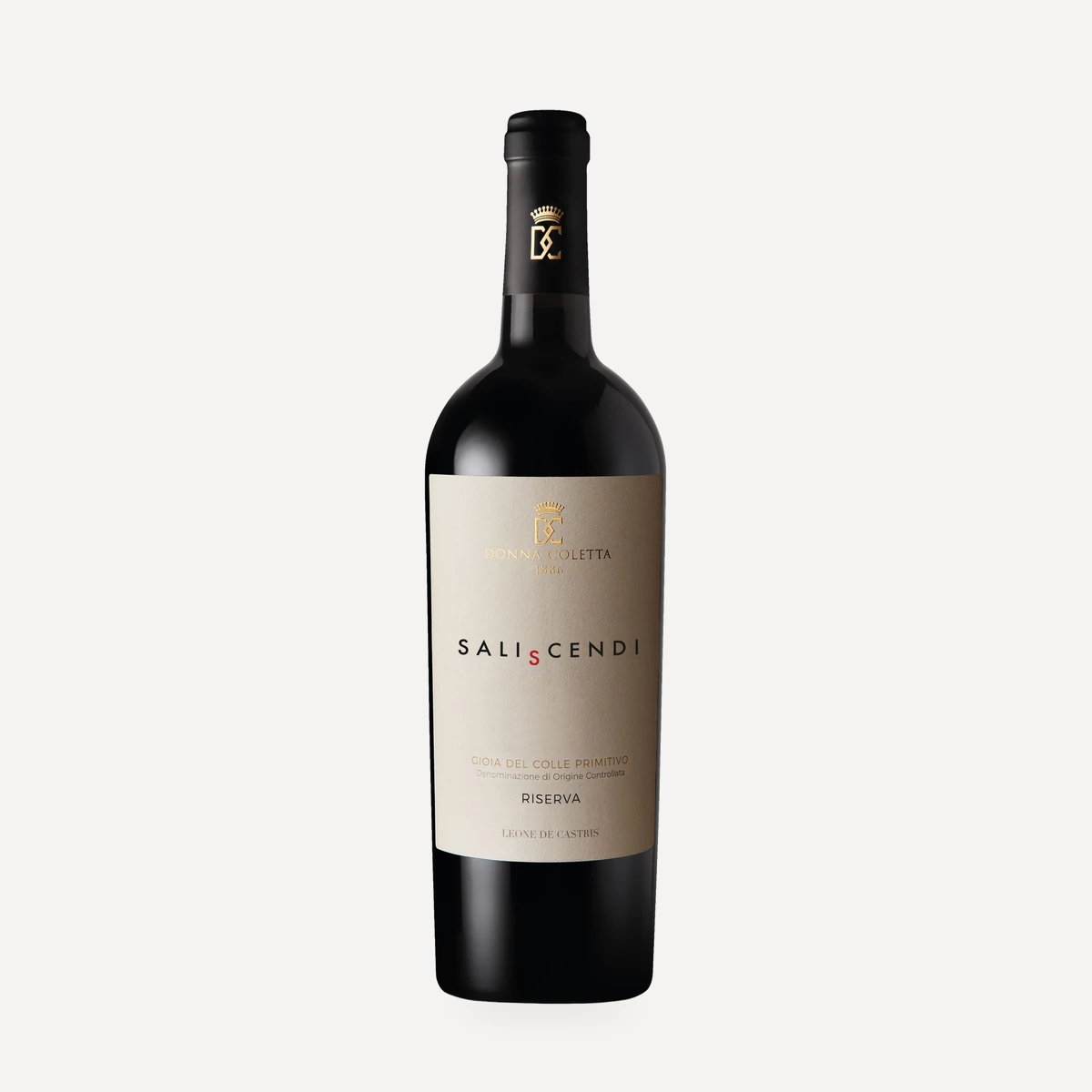
Saliscendi
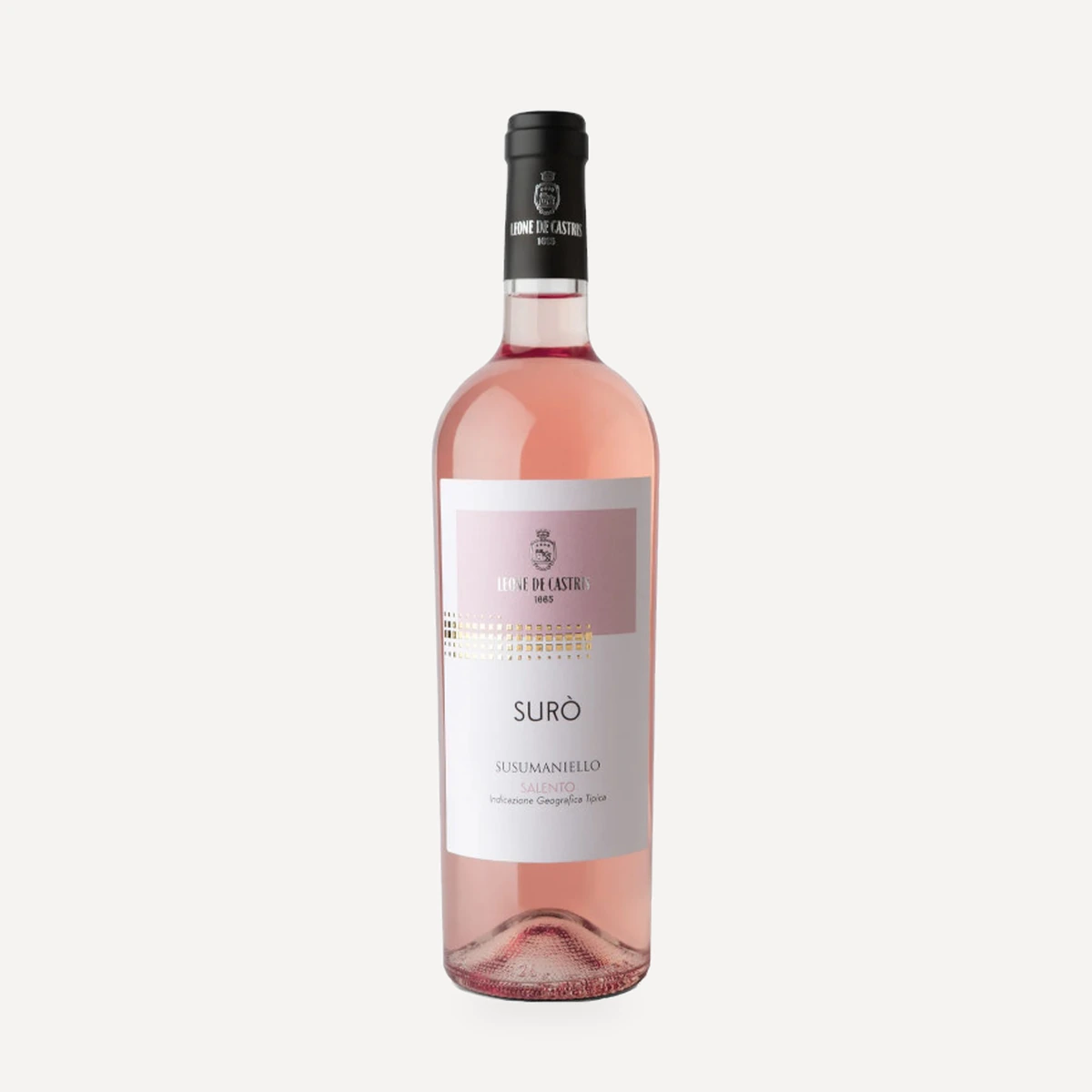
Surò
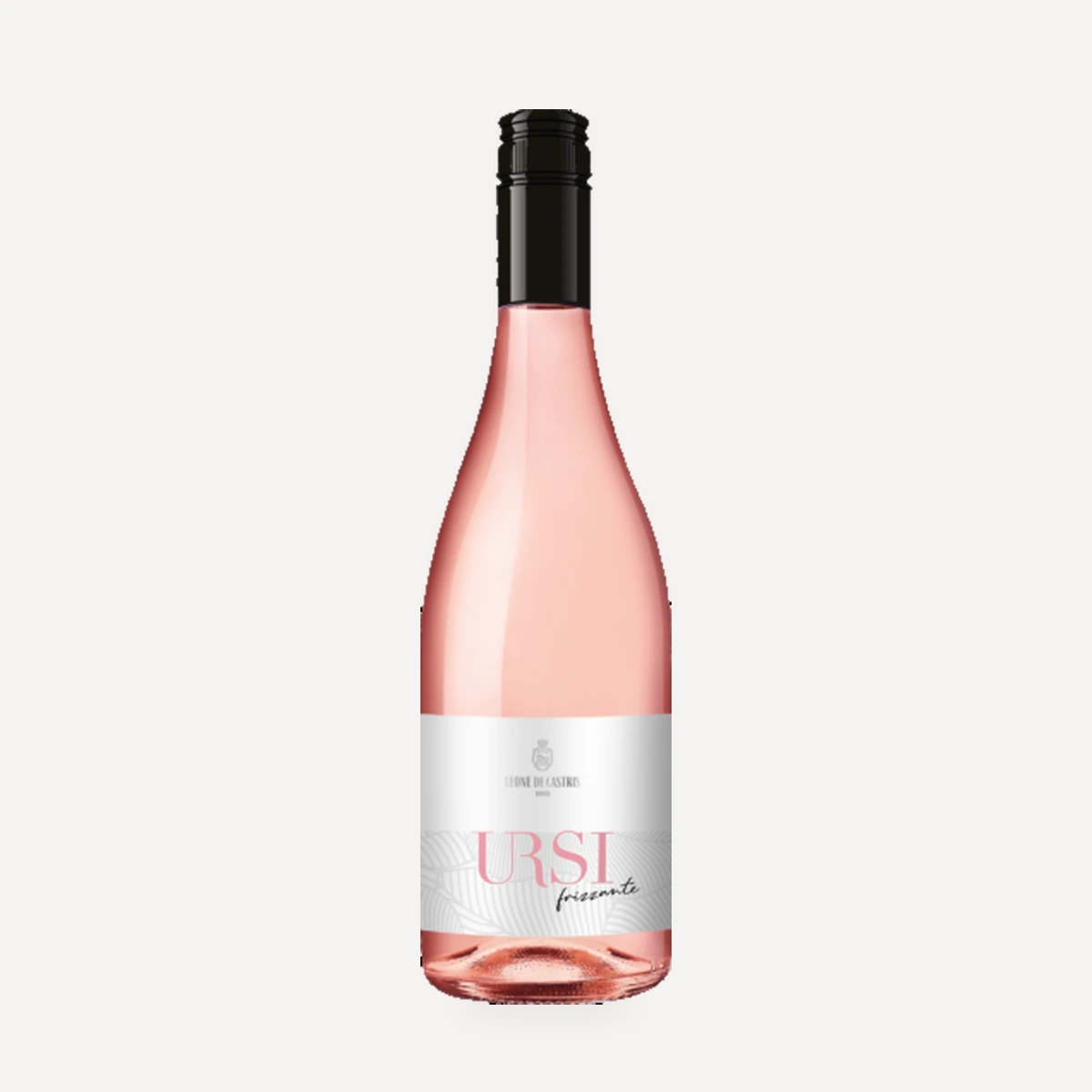
Ursi Rosato Frizzante
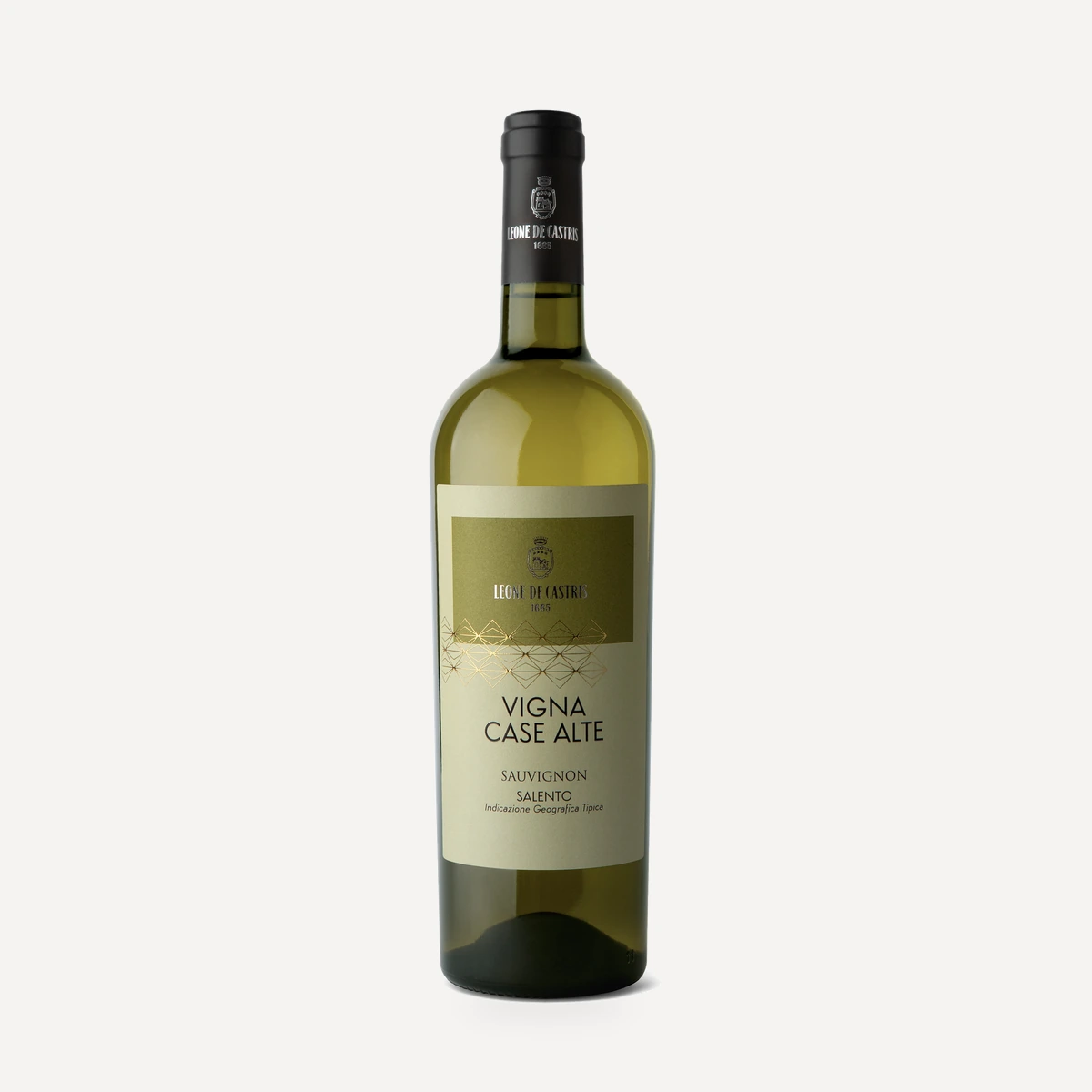
Vigna Case Alte
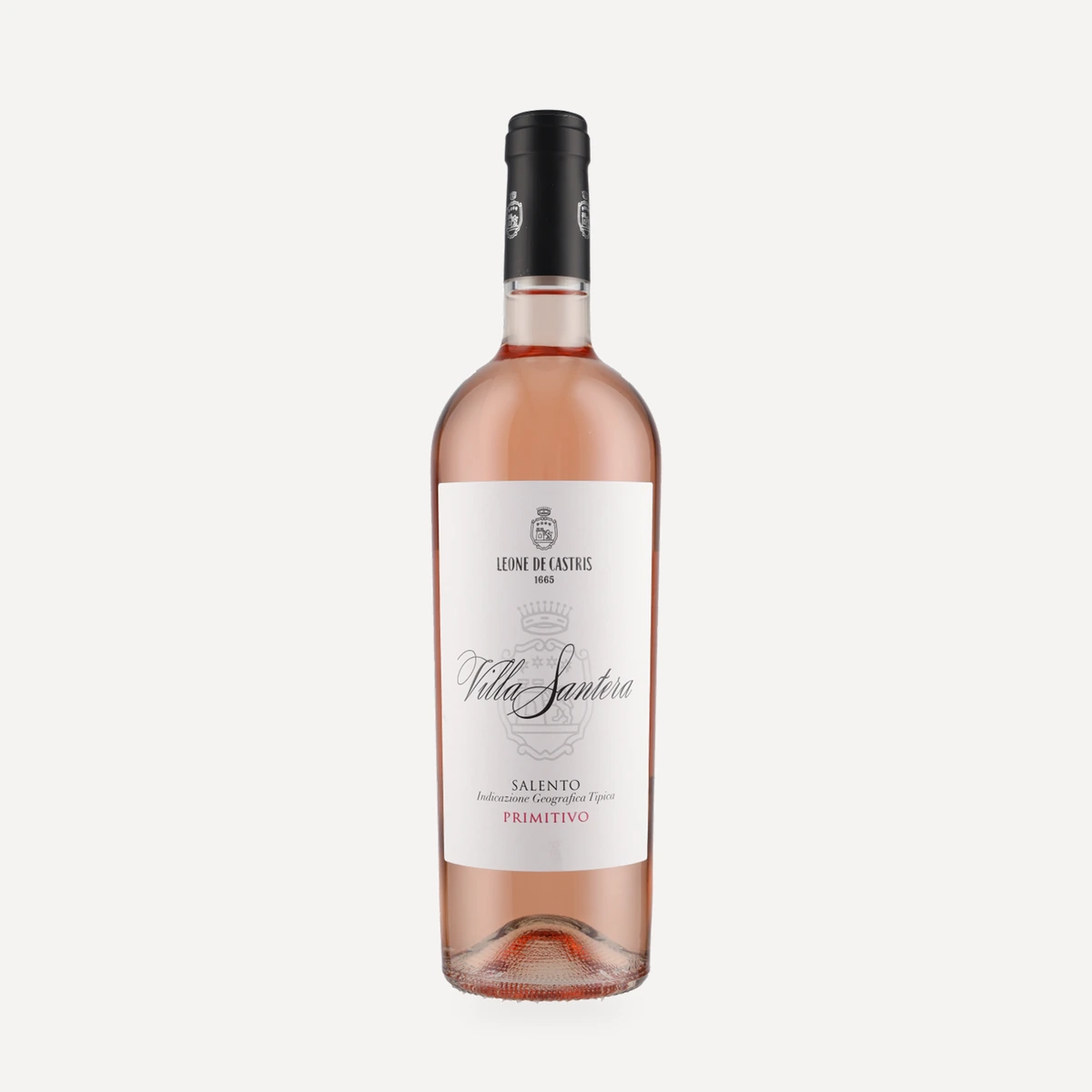
Villa Santera Primitivo Rosato
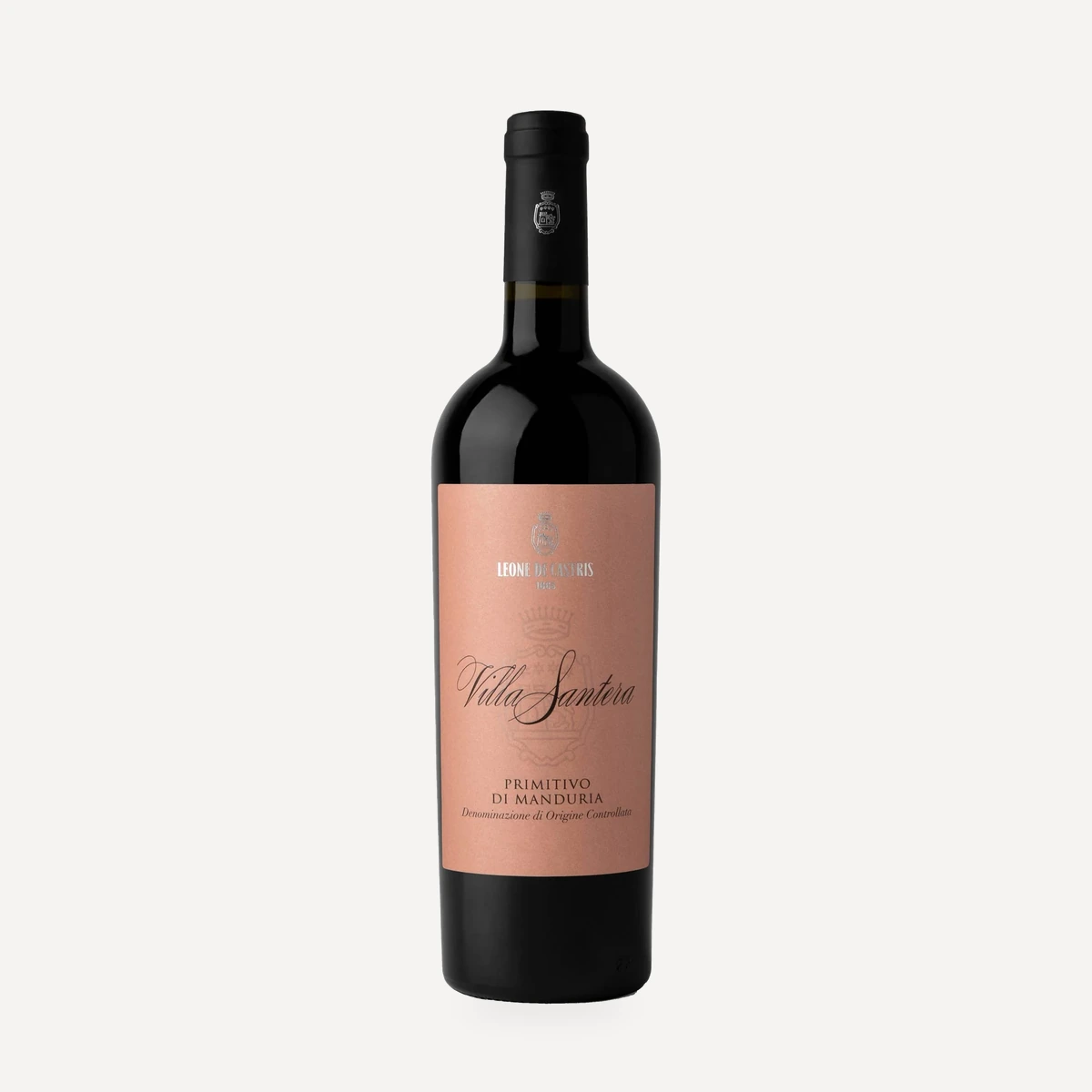
Villa Santera Primitivo di Manduria DOC
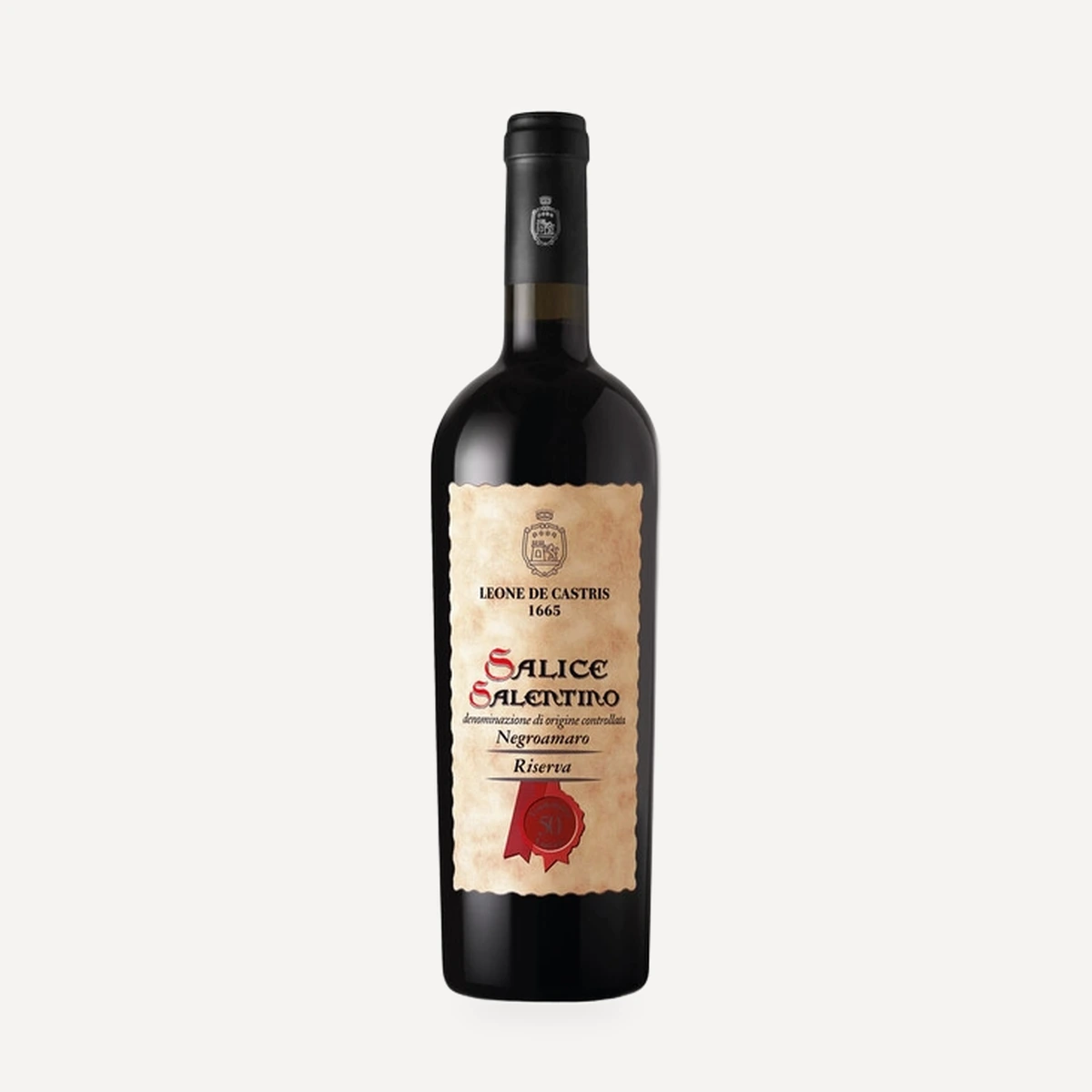
50° Vendemmia Salice Salentino Riserva DOC
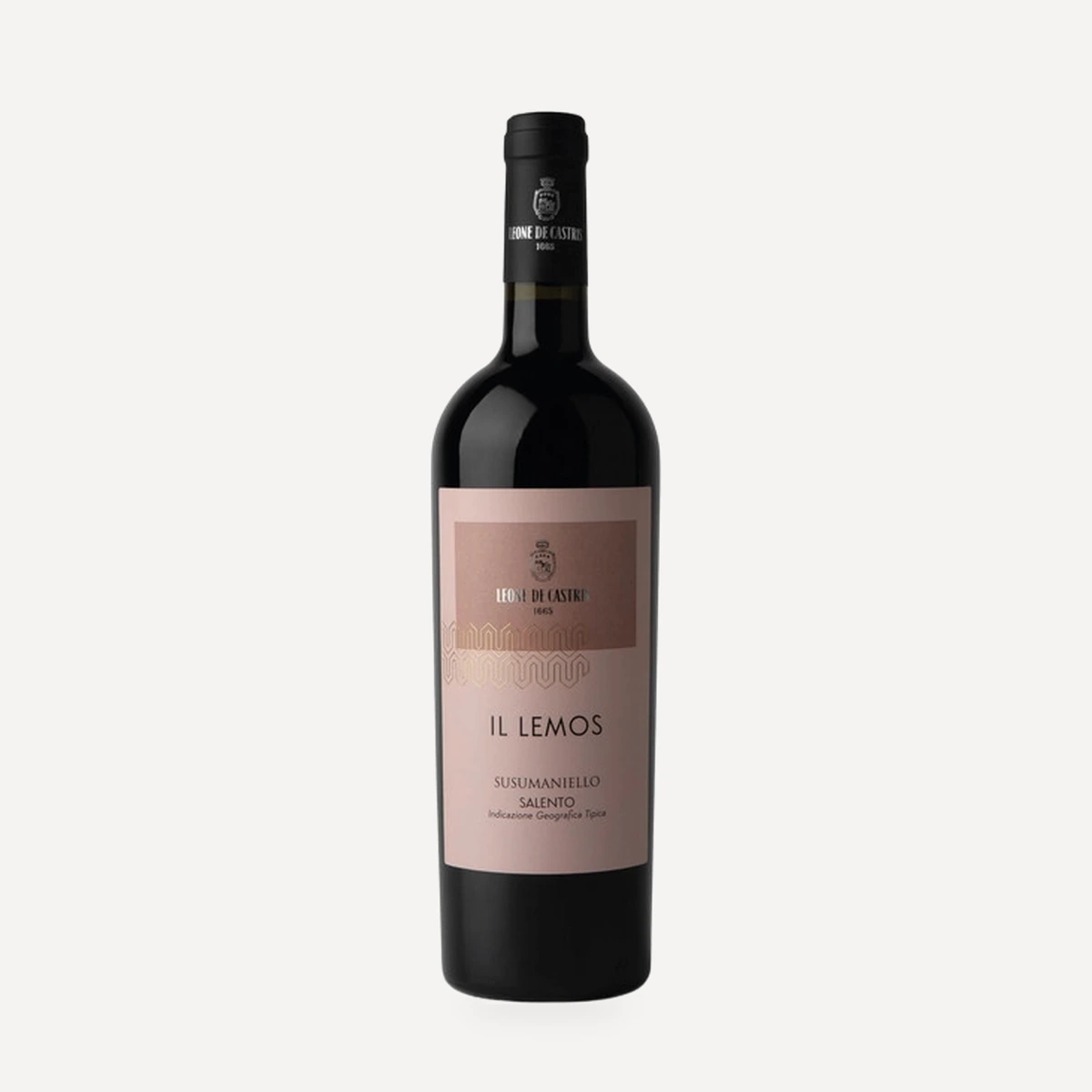
Il Lemos Susumaniello Salento IGT
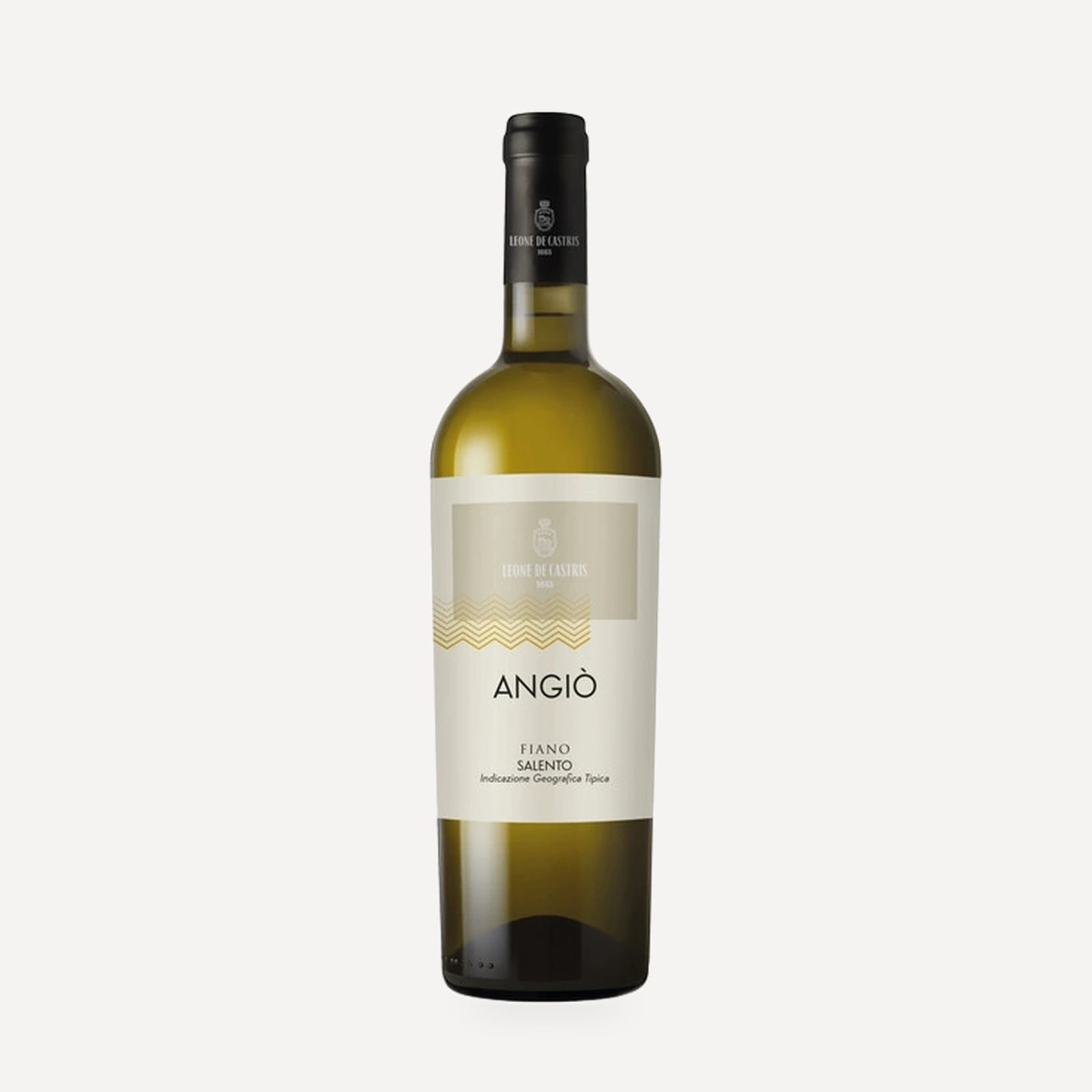
Angio Fiano Salento IGT
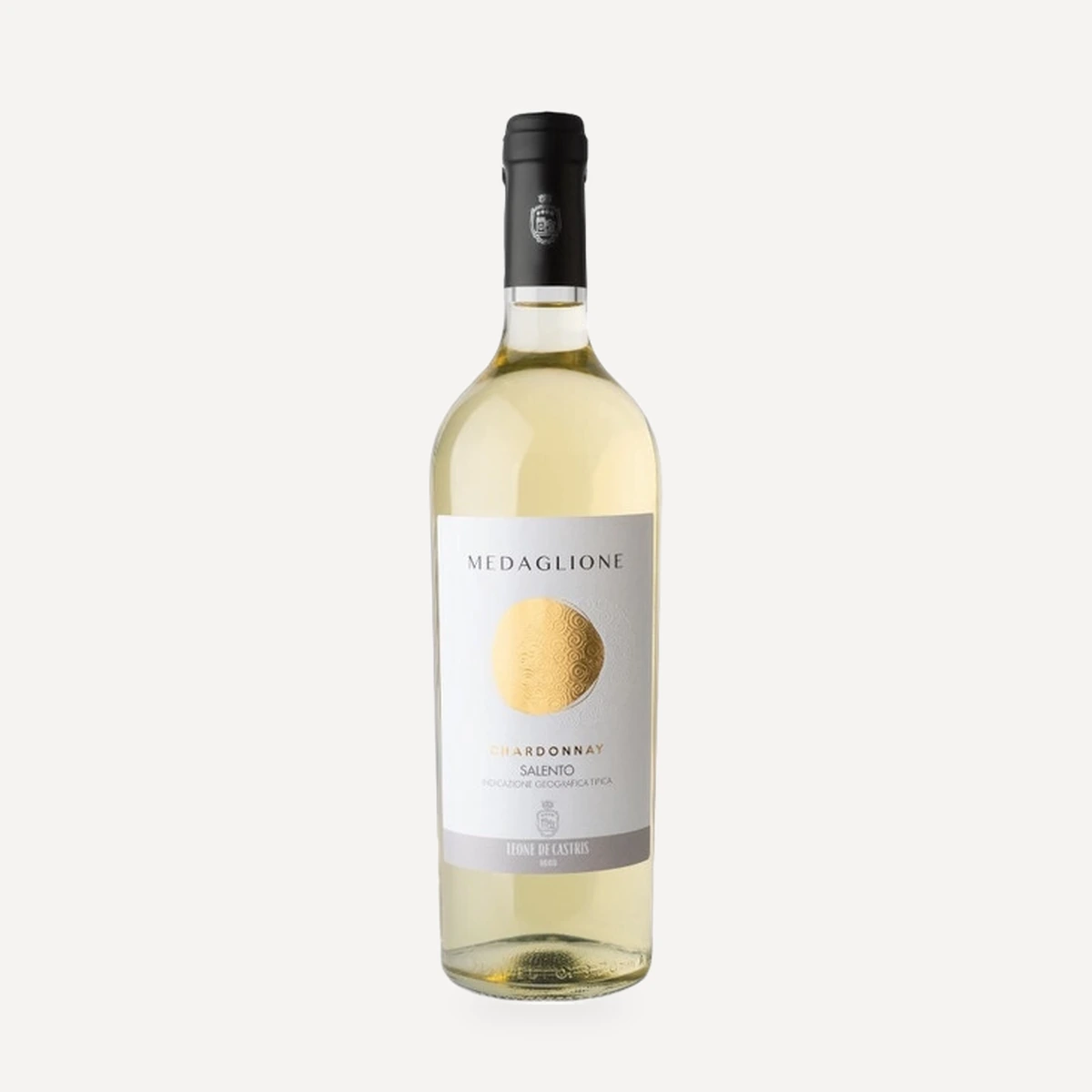
Il Medaglione Chardonnay Salento IGT
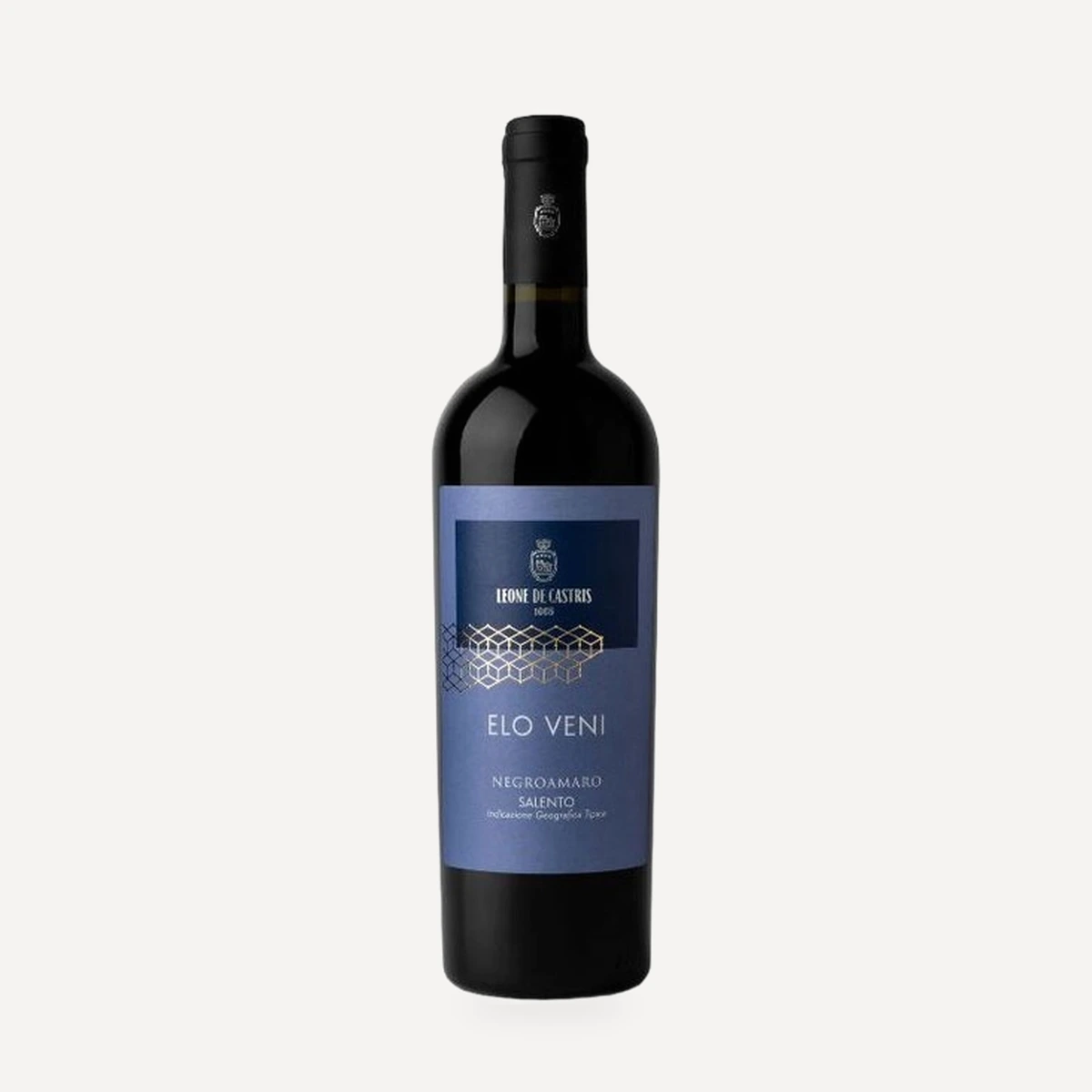
Elo Veni Negroamaro Salento IGT
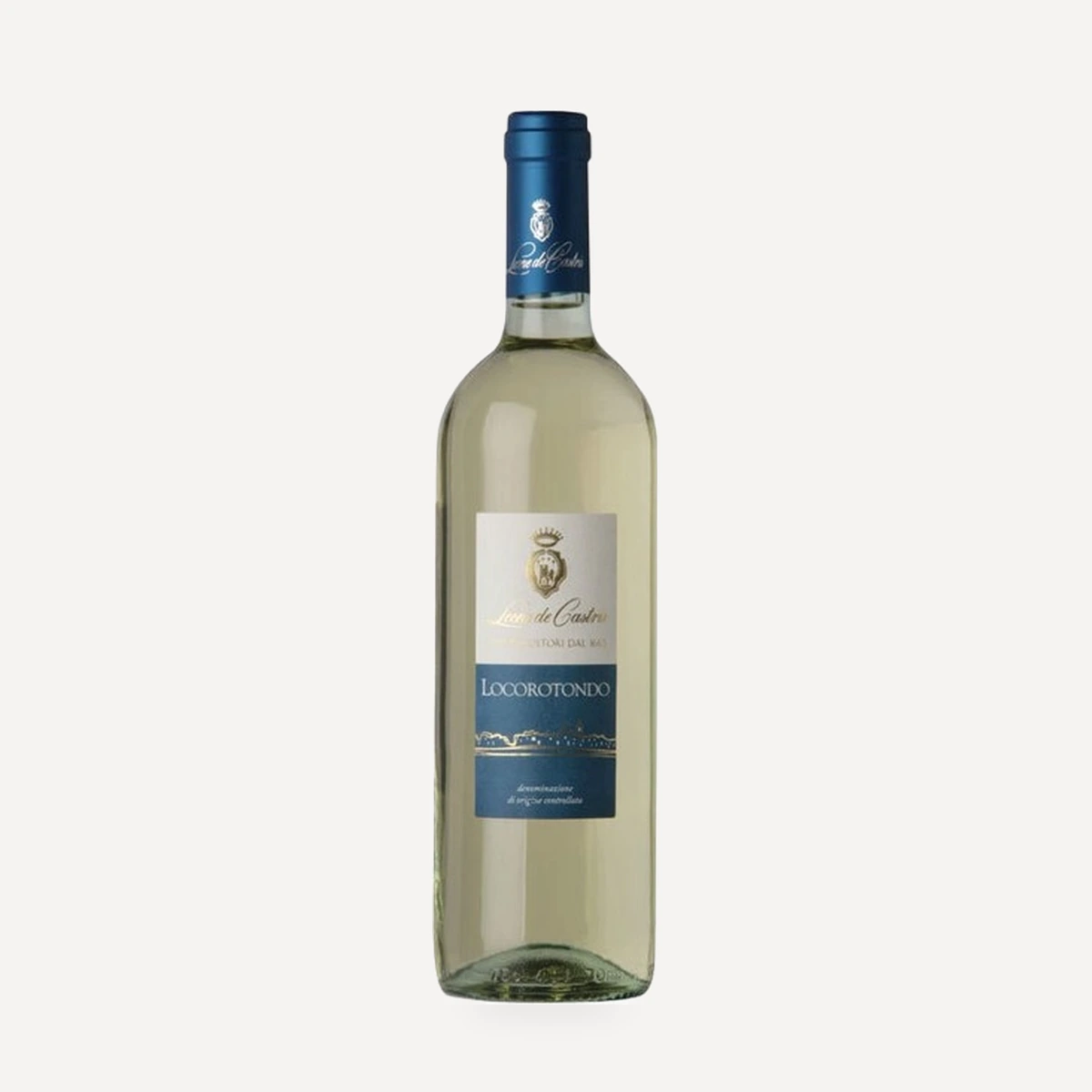
Locorotondo DOC
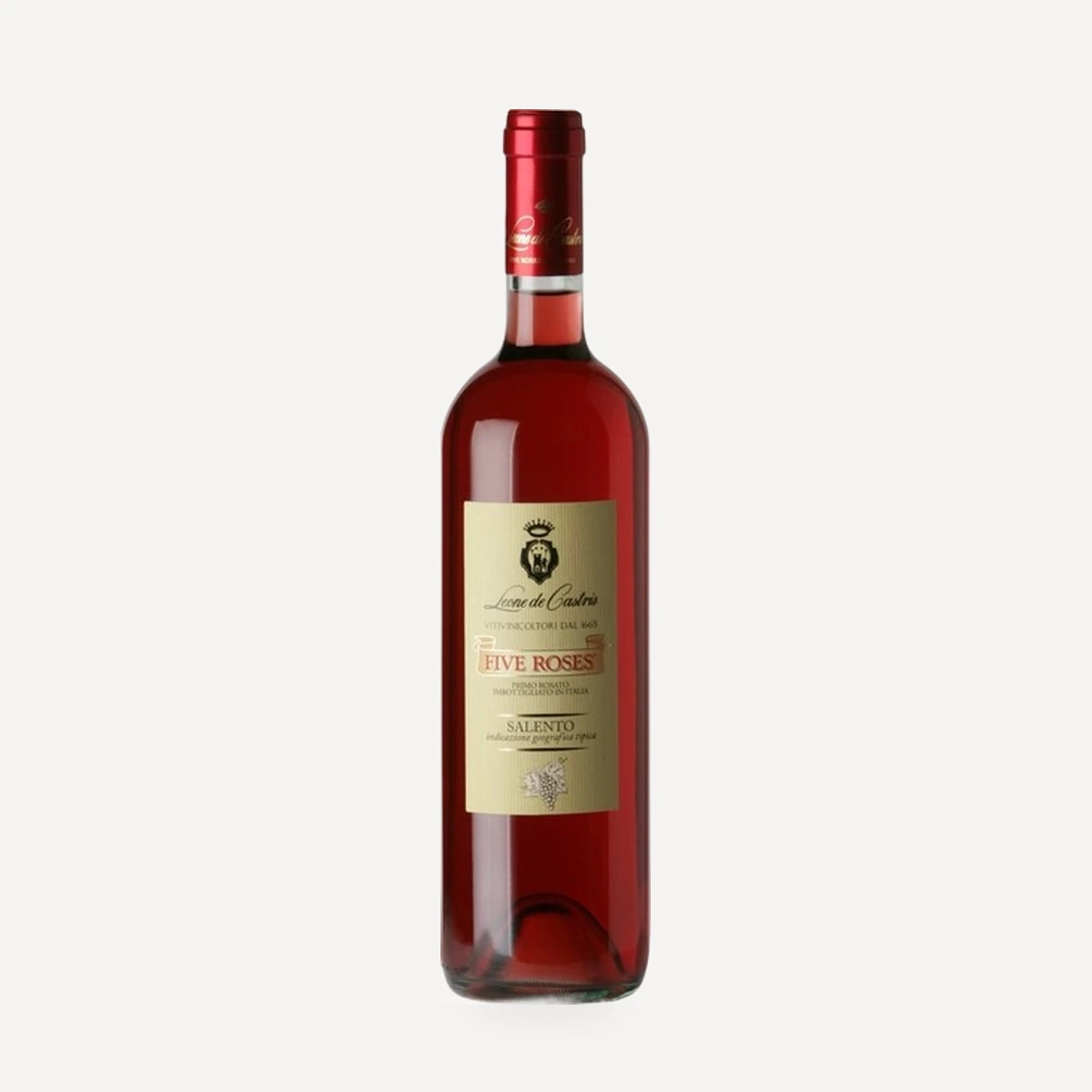
Five Roses Salento IGT
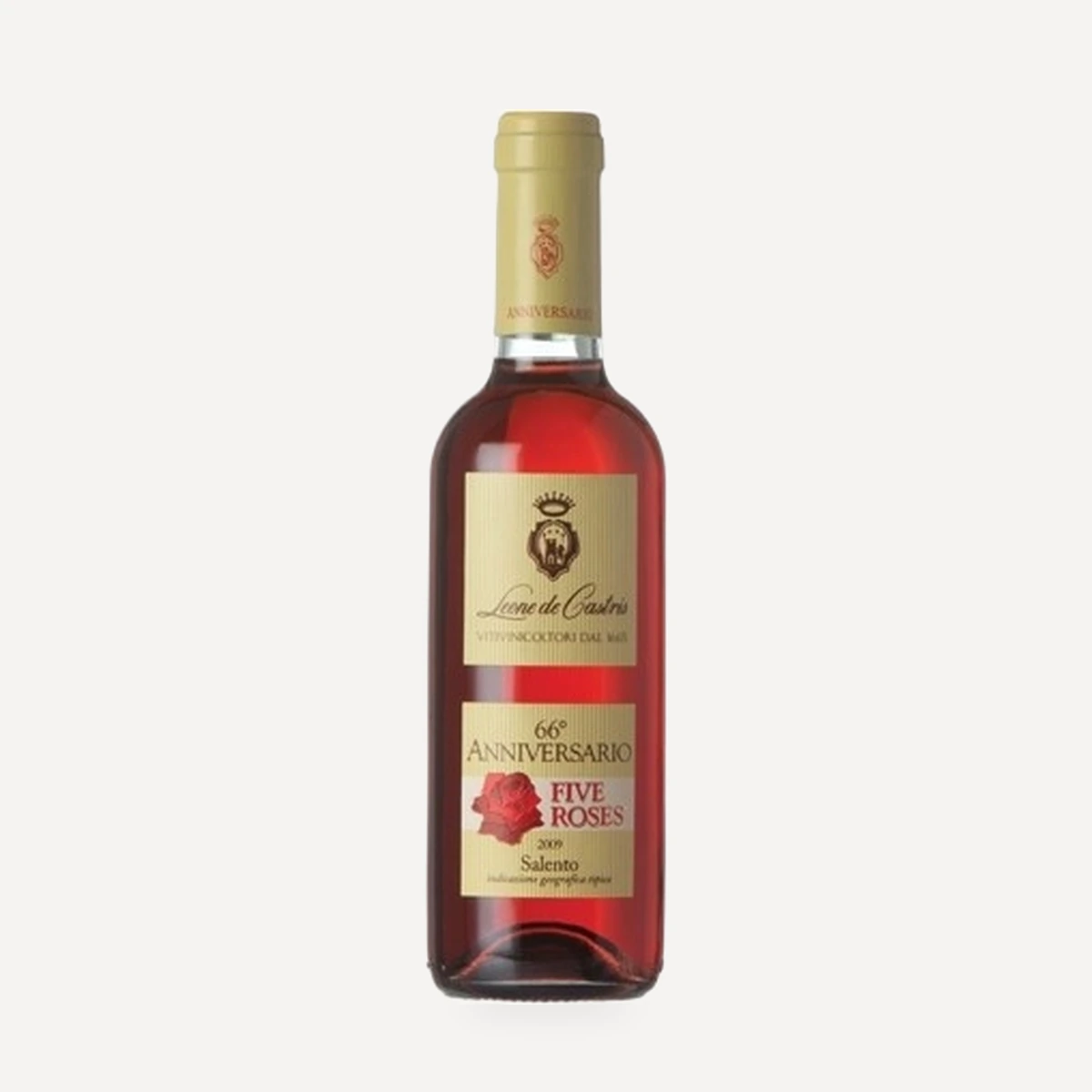
Five Roses Anniversario Salento IGT
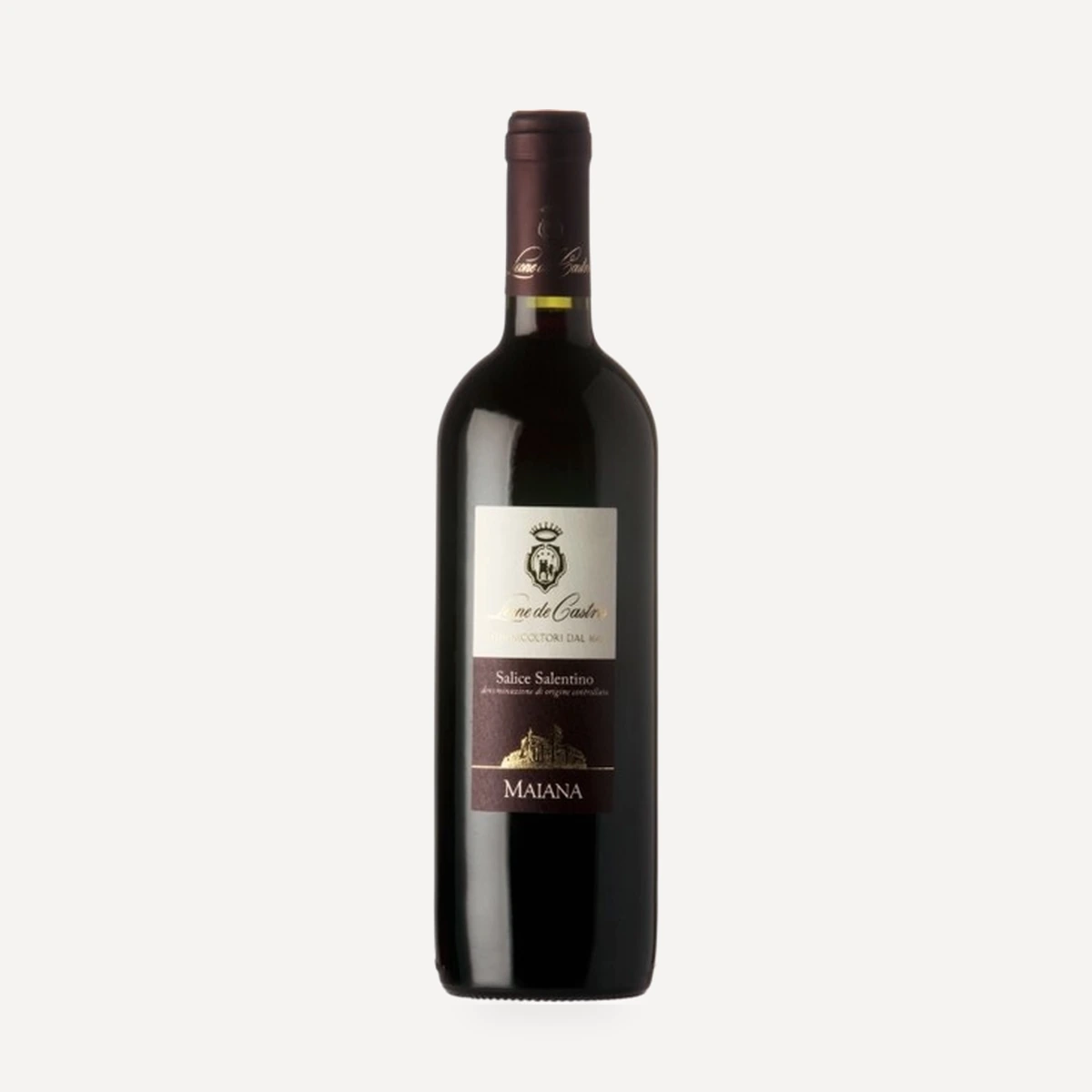
Maiana Rosso Salice Salentino DOC