Storia
The Sassetti family roots
The Sassetti family has cultivated vineyards in Montalcino for more than a century, and the present business represents four generations of winegrowers. The family's original vineyards were at Sant’Angelo in Colle, in the southern part of the Montalcino growing area.
1964: the Pertimali estate
In 1964, the family acquired the Pertimali property on the northern slopes of Montalcino. The estate lies on Montosoli, a hill regarded as particularly suitable for Sangiovese and central to the identity of Sassetti Livio Pertimali.
The fourth generation
Management has passed to Lorenzo Sassetti, Livio’s son and the fourth generation of the family. A trained and established enologist, Lorenzo runs the business with his wife, Sabina. He has renewed and expanded the vineyards while retaining the genetic material and original characteristics of the older vines.
Lorenzo subsequently acquired properties in the Tuscan Maremma and Valdobbiadene, extending the family’s work from Montalcino into two additional wine-growing territories. The three areas now support production spanning Brunello di Montalcino, Montecucco and Valdobbiadene Prosecco Superiore.
The operational winery at Torrenieri
The operational cellar occupies an old mill in Torrenieri. The building was historically used to grind grain; its former connection with flour production later inspired the creation of the estate’s agritourism pizzeria, Il Vecchio Mulino.
Terroir
Montosoli, Montalcino
Tenuta Pertimali lies on the Montosoli hill, on the northern side of Montalcino. Its vineyards have an average elevation of 300 metres above sea level and face northwest. The soils are composed of marl and clay, a combination associated with both water retention and effective drainage. The estate characterizes Montosoli as the gentler, more elegant expression of Brunello, producing wines with good acidity, balanced alcohol, refined tannins and the capacity for long aging.
Cinigiano, Tuscan Maremma
The Maremma property is at Cinigiano, 25 km from Montalcino and on the foothills of Monte Amiata. Its vineyards average 350 metres above sea level and face northwest. The soils are volcanic with limestone. The resulting wines are described as fresh and savory, with good acidity; the local Sangiovese is also associated with vivid, intense color.
Valdobbiadene
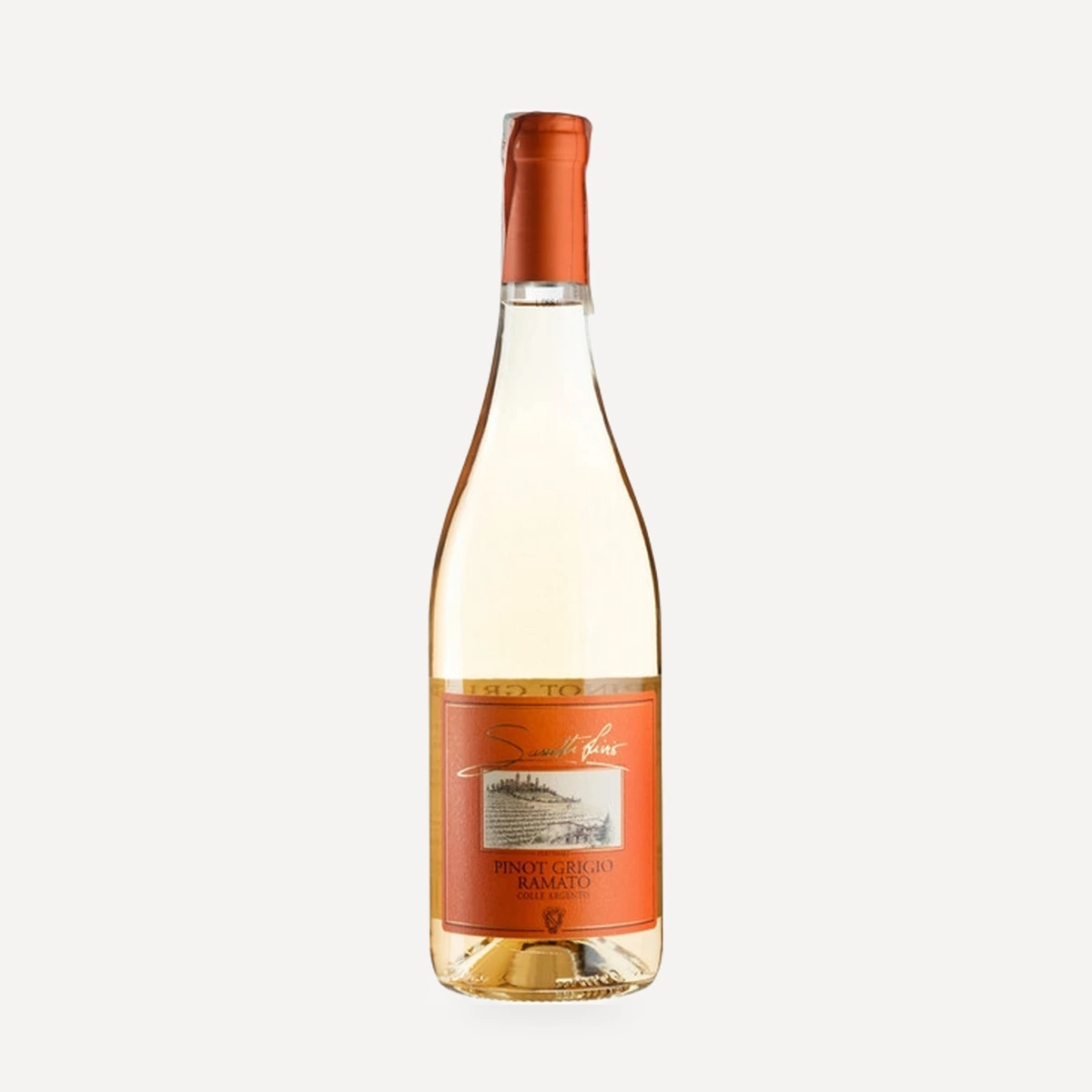
The Veneto property lies within the commune of Valdobbiadene. Its vineyards average 300 metres above sea level and have a southeast exposure. The geographical position brings a temperate climate and constant ventilation. Rock and clay characterize the soils. The resulting sparkling wines are described as fresh and fruity, with a fine, persistent perlage.
Vinificazione
The vineyards are managed sustainably, with organic cultivation preferred. Vines originate from native clones, and the estate works to preserve their original genetic heritage. Lorenzo Sassetti’s renewal and expansion of the vineyards has retained the genetic material and defining characteristics of the older plantings.
All vine care is performed manually, as is the harvest. The objective is to bring healthy, fully ripe grapes into the cellar, thereby reducing the need for intervention during winemaking.
Production combines a traditional territorial identity with a modern approach. Lorenzo Sassetti favors short macerations, seeking freshness, accessibility and elegant, velvety tannins. The wines are conceived to develop further with age.
Manual vineyard work and hand harvesting are intended to deliver healthy, fully mature fruit to the cellar. This fruit quality supports a low-intervention approach once the grapes enter the winery. The operational cellar is housed in a former grain mill at Torrenieri.
Filosofia
Respect for terroir and the enhancement of native grape varieties are the central principles of Lorenzo Sassetti’s work. The estate aims to make wines closely connected to their places of origin while preserving their traditional character.
This approach links family continuity with selective modernization. Vineyard renewal and expansion are undertaken without losing the genetic heritage of established vines. Sustainable management, a preference for organic cultivation, exclusively manual vine care and hand harvesting are intended to produce sound, fully ripe fruit and minimize subsequent intervention.
In the cellar, traditional identity is paired with a modern sensibility. Short macerations are used in pursuit of freshness, balance and refined tannins, while the wines are structured to evolve over time.
Vini
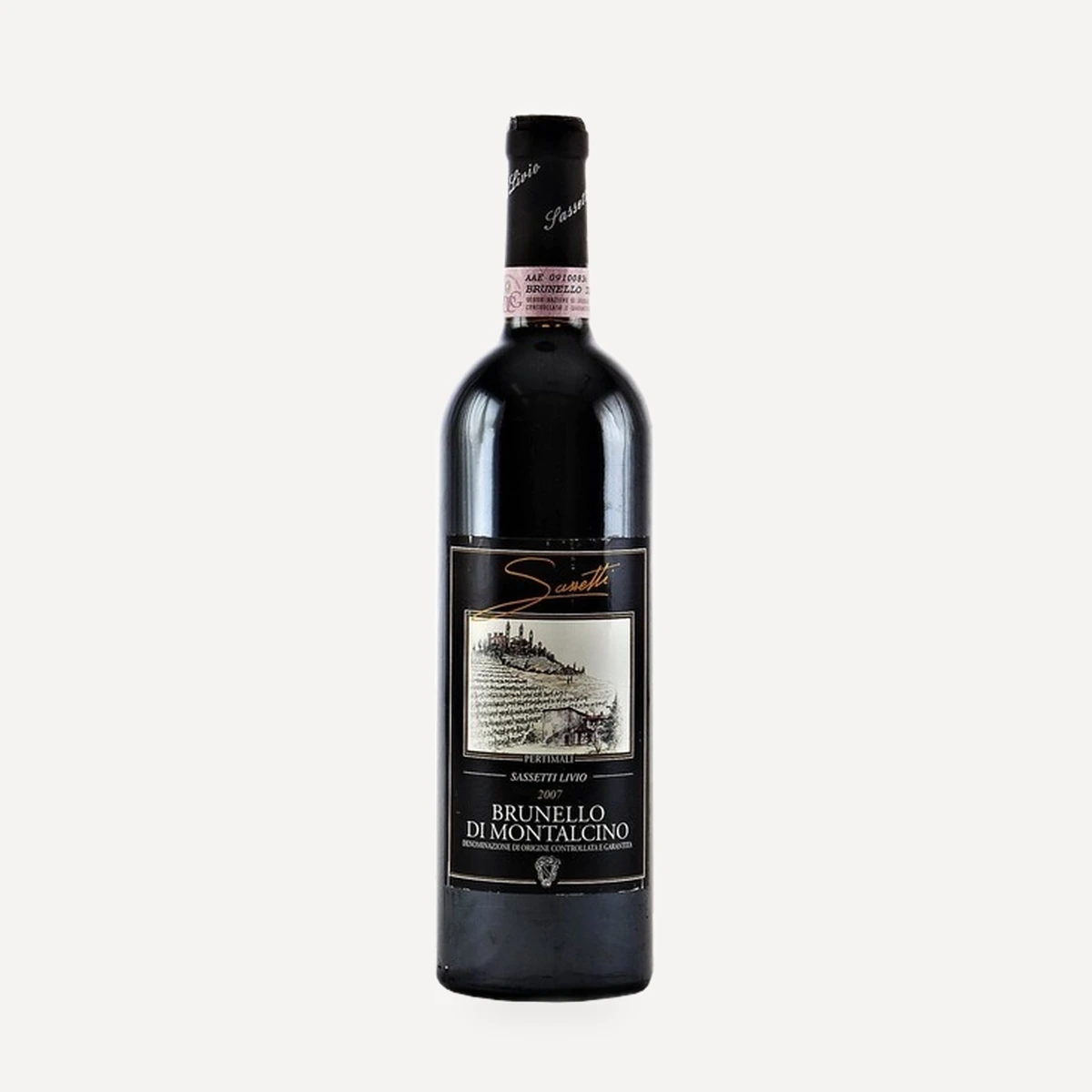
Brunello di Montalcino DOCG
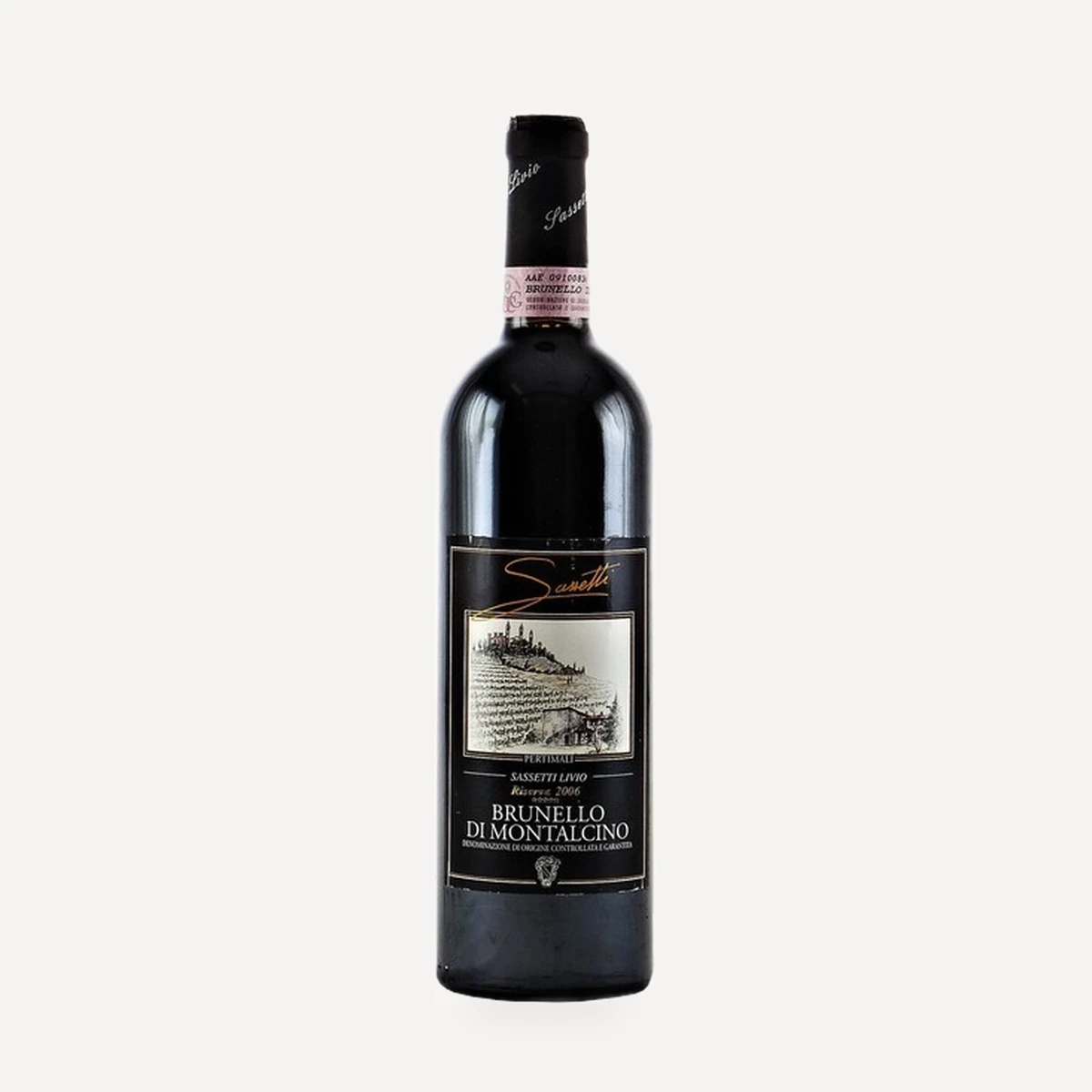
Brunello di Montalcino Riserva DOCG
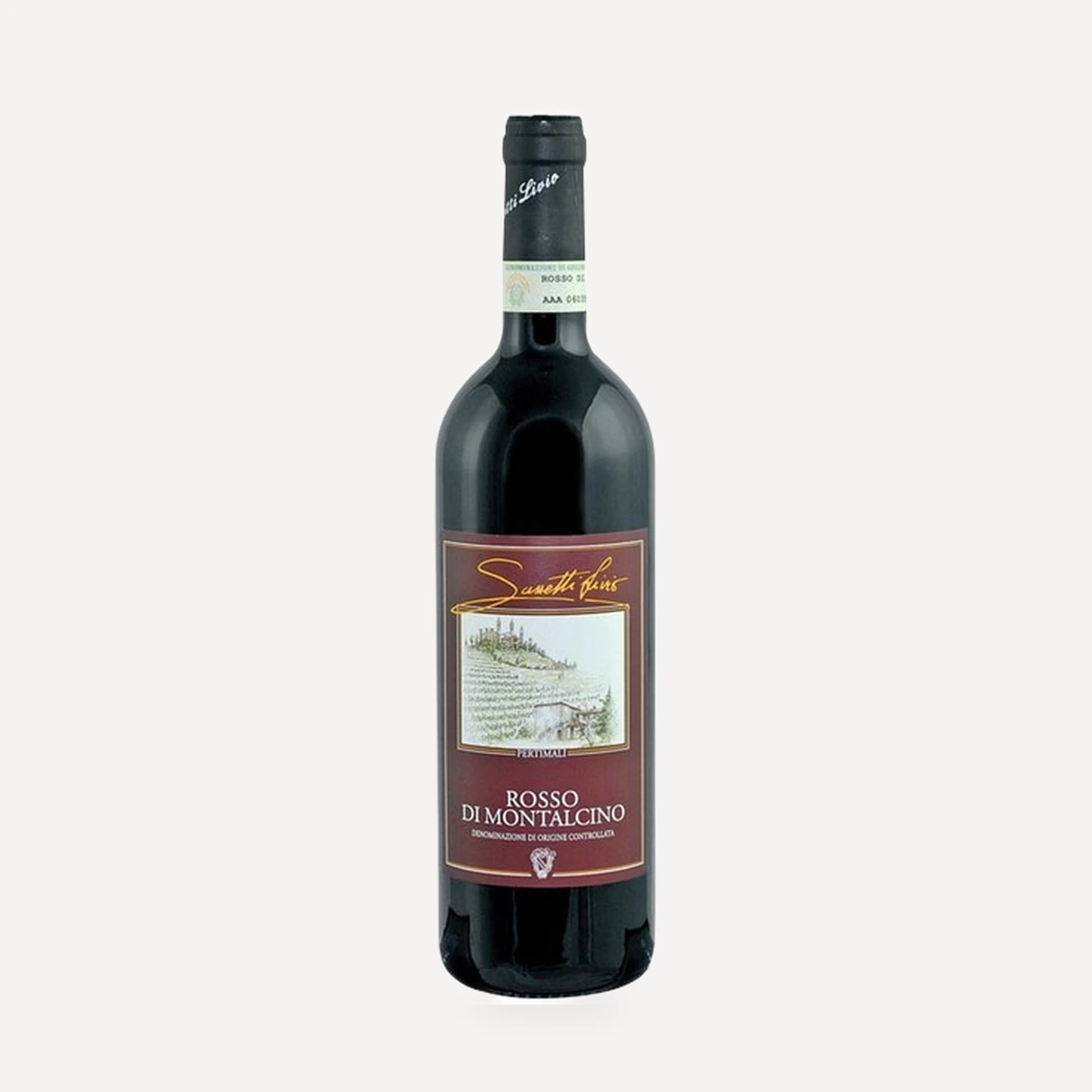
Rosso di Montalcino DOC