Storia
Fusco-family stewardship since the 1990s
The 11-hectare estate has been managed by the Fusco family since the 1990s. The family has worked in winegrowing at Frascati for approximately three decades, combining respect for nature and local traditions with technology intended to support increasingly effective organic cultivation.
Merumalia grew from the family’s desire to share the estate and its produce. Its activities encompass wine from grapes associated with Frascati, olive oil from varieties typical of the Castelli Romani, and hospitality in a century-old farmhouse. The name Merumalia means “wine and other things,” reflecting this combination of agriculture, wine, food and hospitality.
2013 — completion of the winery and first production
The modern winery was completed in 2013, which was also Merumalia’s first production year. It was built into the hill at the centre of the estate, along the northern flank of the dormant Vulcano Laziale. The structure became the production centre for wines grown and bottled by the estate.
2015 — organic certification
Merumalia became officially certified organic in 2015. The certification covers all its products, including wine and extra-virgin olive oil. Organic management excludes synthetic pesticides, herbicides, fertilizers and plant-protection products.
Estate development and hospitality
The old estate farmhouse was renovated as a small wine resort. It now contains four individually configured apartments, with a combined capacity of 13 beds, overlooking Rome and the vineyard valley. The estate also developed wine tours, cooking experiences, private and corporate events, and a Wine Club centred on the family’s wines, harvests and sustainability programme.
Terroir
Merumalia occupies 11 hectares in Frascati, within the Castelli Romani and a few kilometres from Rome. The estate unfolds over a gentle hill overlooking the Frascati DOCG vineyards, the olive-covered hills of the Castelli Romani and the ancient Lago Regillo, one of the outer craters of the larger Vulcano Laziale.
The winery stands within the hill on the volcano’s northern flank. Vineyard materials place different blocks at approximately 190–230 metres above sea level, with northeast, northwest and east–west exposures represented across the estate. The hillsides receive Mediterranean winds and experience useful day–night temperature variation.
The terrain is volcanic and rocky, with conspicuous basalt layers or slabs. The soils are mineral-rich and particularly rich in potassium. These conditions are associated with the estate’s emphasis on freshness, savoury character, minerality and persistence in its wines.
Vinificazione
All Merumalia products have been certified organic since 2015. Vineyard management excludes synthetic pesticides, herbicides, fertilizers and synthetic plant-protection products. The approach is intended to use the soil’s natural fertility, preserve its structure and respect the vines’ natural development cycles.
The estate gives particular attention to controlled, selected grape production and to preserving varieties associated with the Frascati area, especially Malvasia del Lazio, Greco Bianco and Bombino. Guyot and spurred-cordon training are used at densities generally exceeding 4,000 vines per hectare. Several grape selections are restricted to a maximum yield of 8 tonnes per hectare.
Sustainability extends beyond farming. Prunings from the vineyards and olive groves are converted into wood chips for the estate’s biomass boiler. Current packaging specifications include lighter bottles, environmentally conscious packaging, water-based inks or reusable closures for some bottlings, energy savings in the cellar and the use of green energy certified by TÜV Süd.
The modern winery was completed in 2013 and built into the hill at the centre of the estate. Wines are produced from estate-grown grapes and bottled by Merumalia.
Methods vary across the range, but the principal white-wine process uses very soft pressing, frequently in an inert environment, followed by inoculation with selected yeasts and temperature-controlled fermentation in stainless-steel tanks at approximately 14.5–15°C. The inert handling and controlled fermentation are used to limit the formation of sulphites. Stainless-steel maturation followed by bottle refinement is the predominant approach for the white wines.
Red-wine production uses selected yeasts and temperature-controlled stainless-steel fermentation at approximately 22–25°C. Depending on the wine, maturation may take place wholly in French oak or in a combination of stainless steel and French oak before blending and bottle refinement.
The cellar also accommodates less conventional methods within the range, including spontaneous fermentation with indigenous yeasts, unclarified and unfiltered production, bottle refermentation using sugars from the grape must, and on-vine drying of grapes for sweet wine. Hot water required for cellar operations is produced by photothermal panels integrated with a biomass boiler fuelled by wood chips from vineyard and olive-tree prunings. Cooling relies, where possible, on heat pumps, and the integrated energy system is computer-controlled to optimise fuel use.
Filosofia
Merumalia’s philosophy is rooted in terroir: wine should express its particular soil, climate and the work performed in the vineyard. The family links that expression to sustainable management, treating the vineyard as an inheritance that must be preserved for future generations.
The approach combines respect for the agricultural and winegrowing past of Frascati with technological innovation. The stated goals are authenticity, quality, continuous improvement and an environmentally and energetically sustainable form of production. Tradition, sustainability, passion and innovation are presented as the estate’s central values.
The family also treats wine as an expression of local cultural identity and seeks to share the estate’s harvests, landscape and traditions through hospitality, tours, food experiences and the Wine Club.
Vini
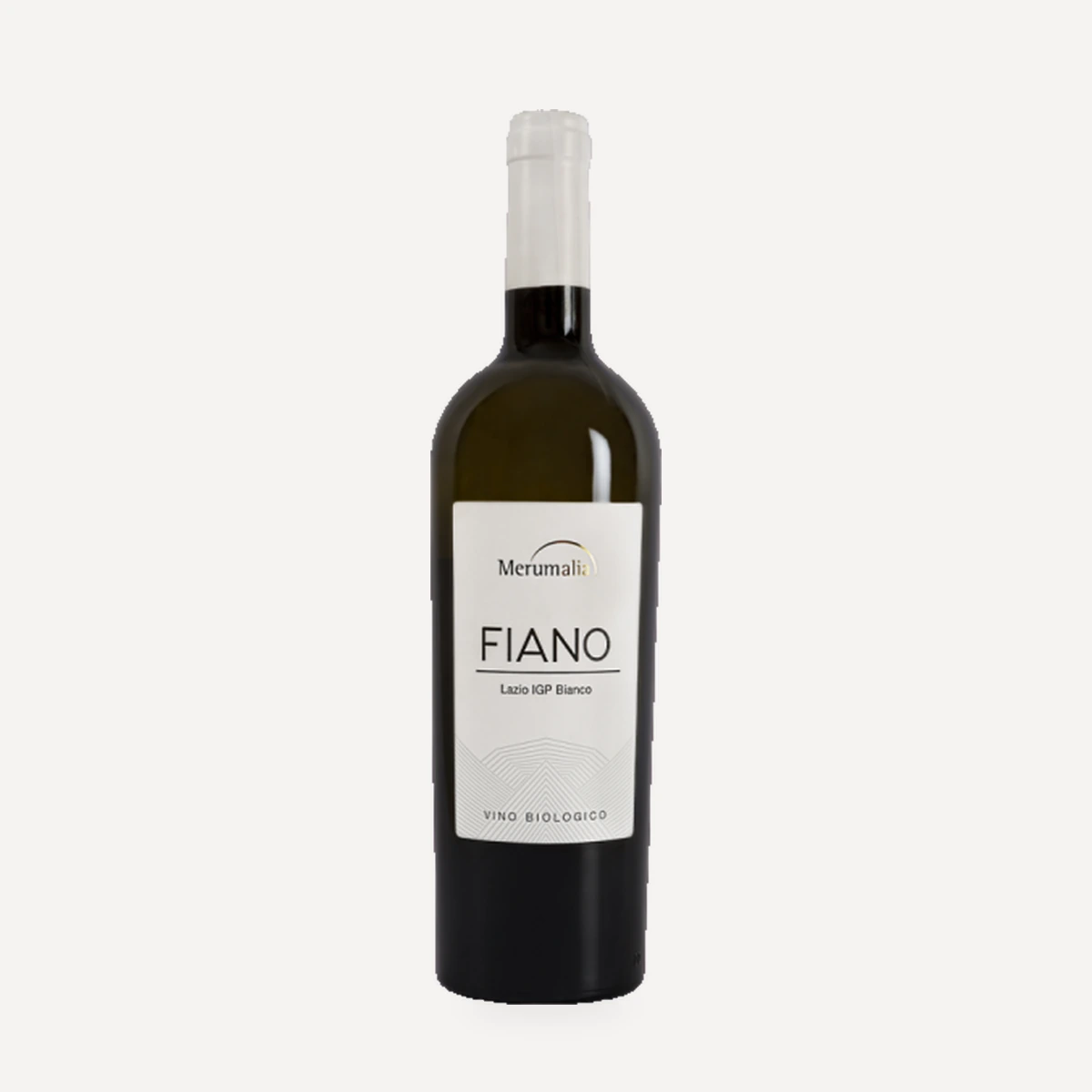
Fiano
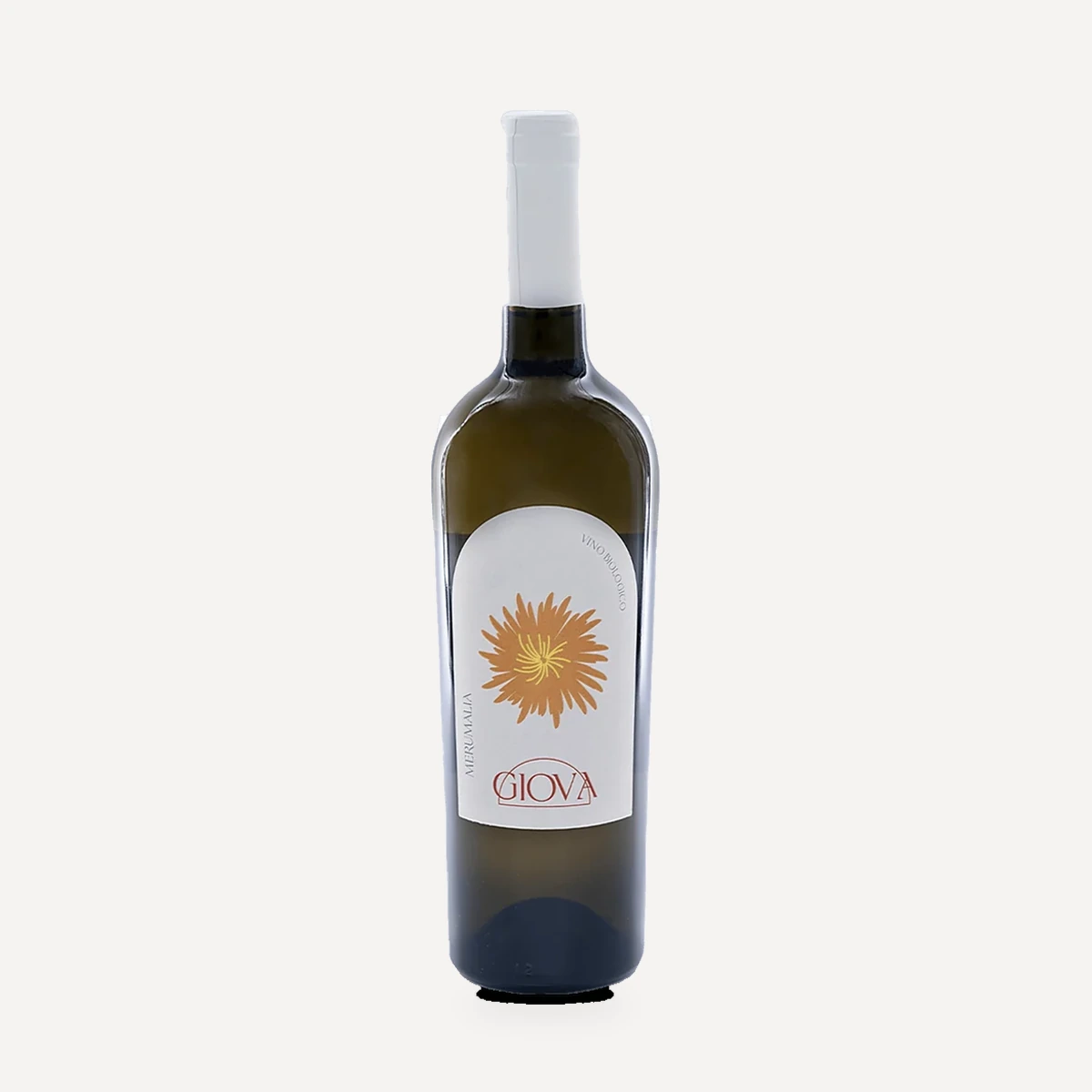
Giova
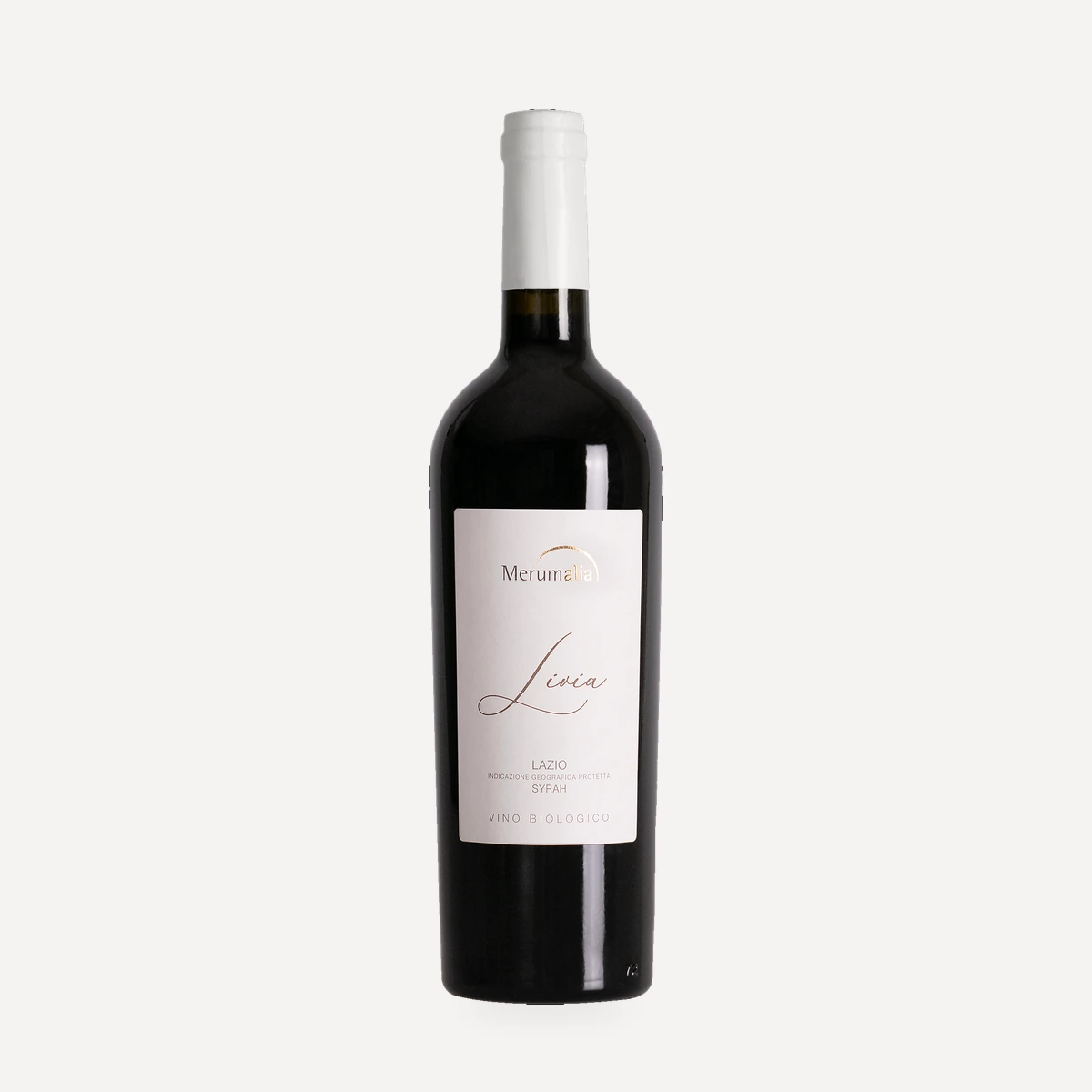
Livia
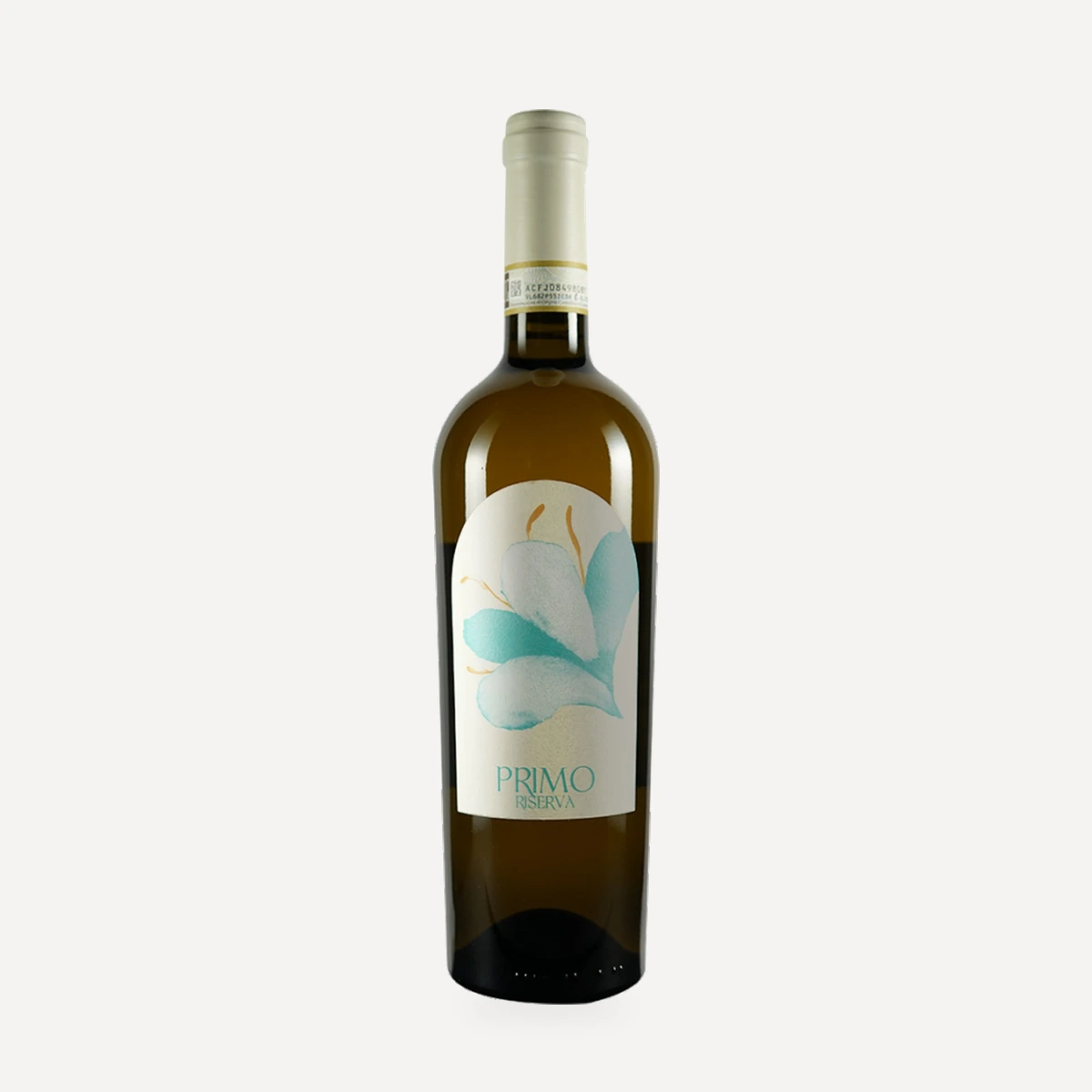
Primo Riserva