Storia
The Monchiero branch
Clotilde Valente, born in 1884 and the great-grandmother of the present Monchiero generation, married Giovanni Raimondo, known as Giobbe, when she was 31. Giovanni had recently returned from America, where he had spent 12 years seeking his fortune. The First World War separated the newly married couple almost immediately, leaving Clotilde, who did not yet have children, to manage their money and future.
In 1918 Clotilde bought the first family plot on the Mombirone hill in Canale. It was already planted with Barbera, and she cultivated it throughout her life. The resulting Barbera MonBirone was initially sold in bulk and served as the house wine in her osteria in the centre of Canale. Bottling began with the 1961 vintage; surviving bottles bear Clotilde’s handwritten description “Grand Cru.” Responsibility passed first to her daughter Francesca Raimondo, then to Francesca’s son, the oenologist Marco Monchiero. Giovanni and Marco Monchiero continued making the wine during the 1970s and 1980s, and Marco remained responsible for it into the 1990s.
The Carbone branch
In the early twentieth century Enrico Carbone, known as Ricu, married Lucia Gioetti, nicknamed “la Biunda” or “the Blonde.” Lucia was the daughter of the prosperous sharecropper of the Count of Canale. Money from her dowry financed the purchase of land on the Tanon or Tanùn hill in Vezza d’Alba. Ricu immediately planted Arneis there to make the sweet style of white wine favoured at the time. Tanon subsequently passed to their descendant Francesco Carbone, known as Cecu d’la Biunda, who shared the family’s attachment to Arneis.
Establishing the estate
Marco Monchiero was born in 1949 and Lucia Carbone, daughter of Cecu d’la Biunda, in 1950. Their son Francesco was born in 1975. Marco developed a nationally recognised career as an oenologist and accumulated experience in important wineries across Italy. In 1987 Marco and Lucia returned to Canale and bought the large farmhouse in Via Santo Stefano Roero. Marco was drawn to its historic cellar, while Lucia valued its extensive spaces. The nineteenth-century residence stands in the centre of Canale and contains a large underground cellar described as having remained intact for more than two centuries.
The 1990 harvest marked the resumption of Barbera MonBirone production in the new premises. That year the young Francesco, assisted by Marco, also vinified 2,000 bottles of Roero Superiore for his school thesis. The family then had only two Piedmontese giornate—7,620 m²—of inherited land. One Piedmontese giornata equals 3,810 m².
Roero Arneis entered the range in 1994, reflecting Francesco’s commitment to researching and developing the potential of a then little-known native variety. The same year brought the purchase of the Printi vineyard. After completing his studies at the Scuola Enologica di Alba, Francesco formally launched the business with the 1995 vintage. Marco was instrumental in setting up the company and in debates over production methods and cellar techniques, while ultimately allowing Francesco to develop an independent direction. From 1995 Francesco also assumed responsibility for MonBirone as the fourth documented generation in its history.
Expansion and new vineyards
The first Roero Riserva Printi vintage followed in 1997. Danilo Gallino began managing the vineyards in 2003, the same year Francesco’s daughter Lucia was born. In 2004 the underground vinification cellar was enlarged and the first Roero Arneis Cecu vintage was produced. Francesco’s son Luigi was born in 2005, and the family acquired Renesio Incisa, the historic Arneis site on the Renesio hill. The first land at Bricco Genestreto in Priocca was purchased in 2006.
Lucrezia Scarsi, Francesco’s wife, joined the business in 2010 to oversee export relations and visits. The first Roero Riserva Bricco Genestreto was made in 2012. In 2013 Francesco became the first president of the newly created Consorzio di Tutela del Roero. The previously rented Srü vineyard was purchased in 2015, and the first Roero Arneis Renesio Incisa vintage followed in 2016. In 2019 the estate rented 5 ha in the Pioiero cru at Vezza d’Alba. A new cellar dedicated to ageing white wines was completed in 2020; that year also saw the installation of the photovoltaic system supplying the winery’s energy needs.
The estate has expanded to 38 ha, or 92 Piedmontese giornate. Major holdings include Mombirone, Printi on the Srü ridge, Renesio Incisa, and the large Bricco Genestreto property in Priocca. Francesco leads the winery and makes the wines with Marco. Lucia Carbone has long managed accounting and administration, Lucrezia handles exports and hospitality, and Danilo Gallino remains responsible for the vineyards.
Terroir
Roero setting
The estate is based at Canale in Roero, in the Province of Cuneo, Piedmont. Roero lies north of Alba on the left bank of the Tanaro, between Langhe and Monferrato. Its landscape alternates rolling hills and sharply eroded ridges with vineyards, chestnut and hazelnut trees, and orchards, descending toward the Tanaro. The wine landscape forms part of the UNESCO-recognised vineyard territory.
Geological origin and soils
Lower Piedmont lay beneath an inland sea known as the Po Valley Gulf for approximately 130 million years. Langhe and Monferrato began to emerge during the Miocene around 10 million years ago, while Roero remained a shallow marine basin until emerging in the Pliocene approximately 2–3 million years ago. Marine sediments and fossils—including shells, sea urchins and fish remains—persist in the soils.
Roero soils are described as 65% sand, 10% silt and 25% clay. They are generally light and clay-calcareous, with locally high sand content. This broad profile varies strongly from hill to hill and even across a single ridge. Srü, for example, juxtaposes sandy marine sediments with redder clay-rich marine sediments, while Mombirone is hard and almost chalky in its clay-calcareous composition. Genestreto is clay-rich and high in magnesium.
Water and climate
Roero is semi-arid. Thin alternating layers of marl and sand drain rainfall quickly and provide only temporary water reserves. Traditional tanks collect rainwater, while wells reach groundwater. Site exposure varies substantially: the estate works west-facing ridges, south- and southwest-facing amphitheatres, northwestern slopes and properties covering nearly entire hills, allowing different varieties to be matched to distinct soils and aspects.
Vinificazione
The vineyards follow the National Quality System of Integrated Production, SQNPI, and the grapes are certified as coming from sustainable production. The estate also participates in VITicoltura Armoniosa, a programme promoting sustainability-oriented vineyard management.
Plant protection is designed to minimise substances that could affect people or the environment. Products are selected according to effectiveness, cost and persistence. Biological and agronomic measures are preferred whenever they can provide an effective alternative; synthetic chemical products are reserved for situations considered strictly necessary.
Agronomic management is treated as the foundation for maintaining each vineyard’s well-being and expressing differences among grapes, hills and individual plots. Vineyard acquisitions have consequently focused on the suitability of the land, while varieties are positioned according to soil and exposure: Nebbiolo on the upper western slopes of Srü and Genestreto, Barbera on Mombirone’s clay-calcareous ground, and Arneis across sandy or mixed clay-sand sites including Tanone and Renesio Incisa.
The winery occupies a nineteenth-century stately farmhouse in central Canale. Beneath it is a large historic cellar that has remained substantially intact for more than two centuries. Marco and Lucia Monchiero acquired the complex in 1987, and the 1990 harvest returned MonBirone production to these premises.
A new underground vinification cellar was built in 2004 as production and vineyard holdings expanded. In 2020 a separate cellar was completed for the ageing of white wines. Francesco Monchiero directs vinification and ageing, supported by Marco Monchiero’s oenological experience. Their stated role is to select the cellar operations needed to preserve and emphasise the character of fruit from different hills and plots rather than impose a uniform style.
The cellar is almost energy self-sufficient. A photovoltaic installation fitted in 2020 produces the energy required for winery operations and reduces associated carbon-dioxide emissions. Bottles are closed with corks from a controlled, sustainability-oriented industry; the cork supplier issues an annual certificate calculating the avoided carbon emissions connected with this choice.
Filosofia
Monchiero Carbone presents tradition as a cultural inheritance shared by two families whose vineyards, land and wine knowledge were joined through Marco Monchiero and Lucia Carbone. Its production choices are intended to sustain the history and culture of Roero while bringing out the distinct character of each grape, hill and plot.
The approach begins with the vineyard as a microcosm whose health must be maintained through deliberate agronomic management and environmental responsibility. Winemaking, maturation and ageing are then used to optimise the quality already present in the grapes. The producer’s role is defined as identifying the operations essential to reveal the fruit and transmit the aromas, flavours and character of Roero, including the differences among its hills.
The Piedmontese proverb printed on the labels—“Ogni uss a l’ha so tanbuss,” literally “every door has its own knocker”—expresses this outlook. It means that every family has its own peculiarities; for the winery it also signifies that every cellar door conceals an unrepeatable combination of people, personality, traditions and secrets, just as every Roero hill can produce a different expression.
Vini
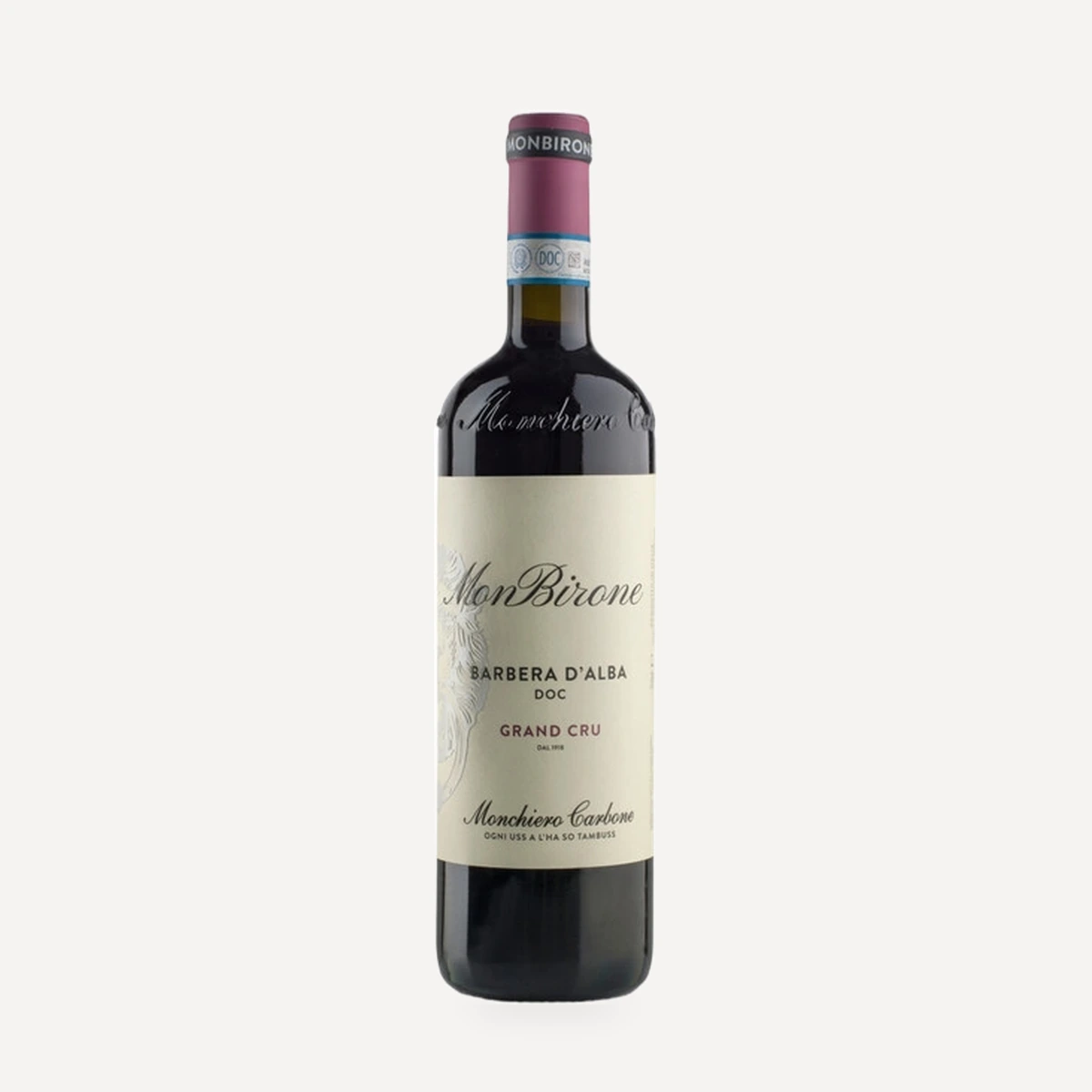
Monbirone Grand Cru Barbera d'Alba DOC
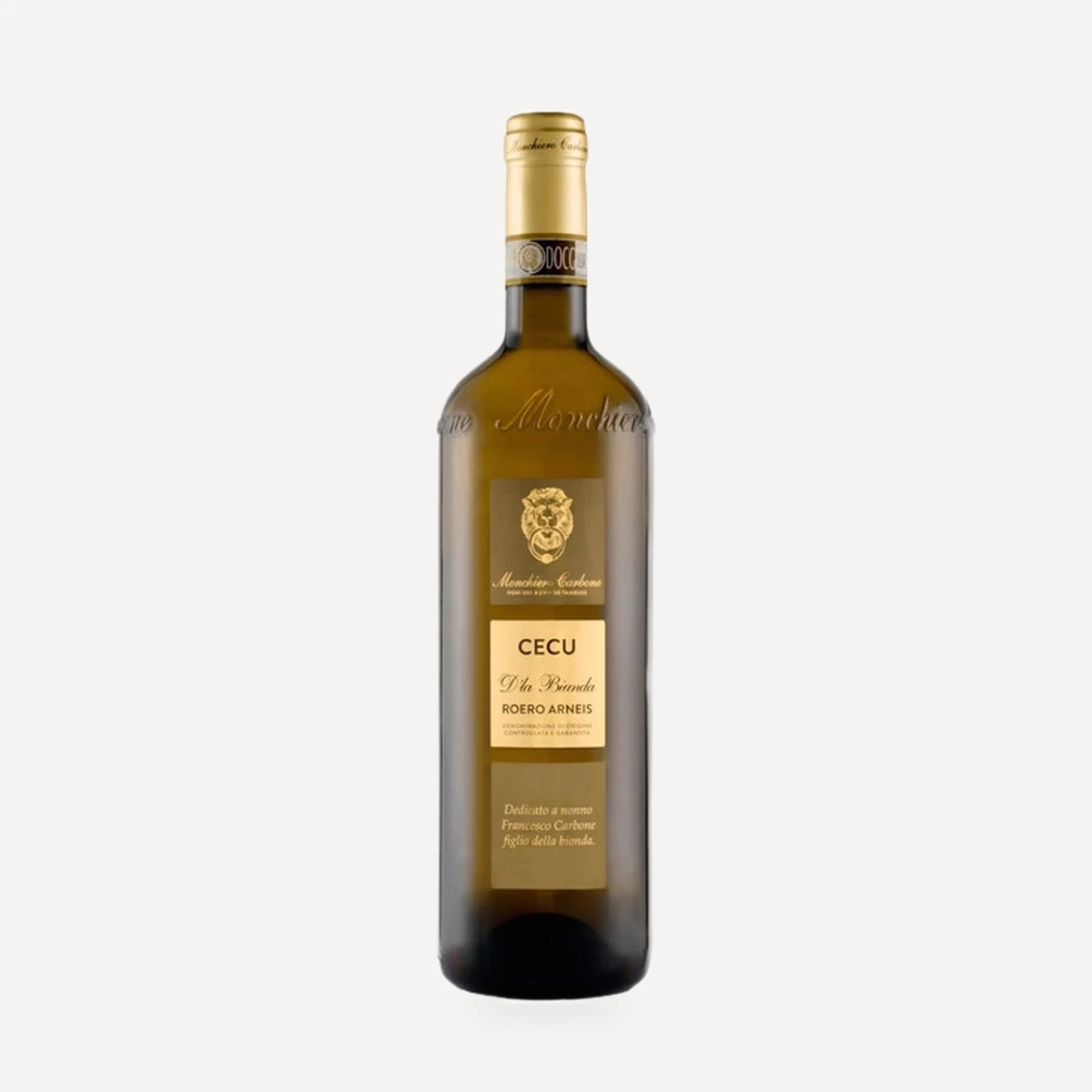
Cecu D'la Biunda Roero Arneis DOCG
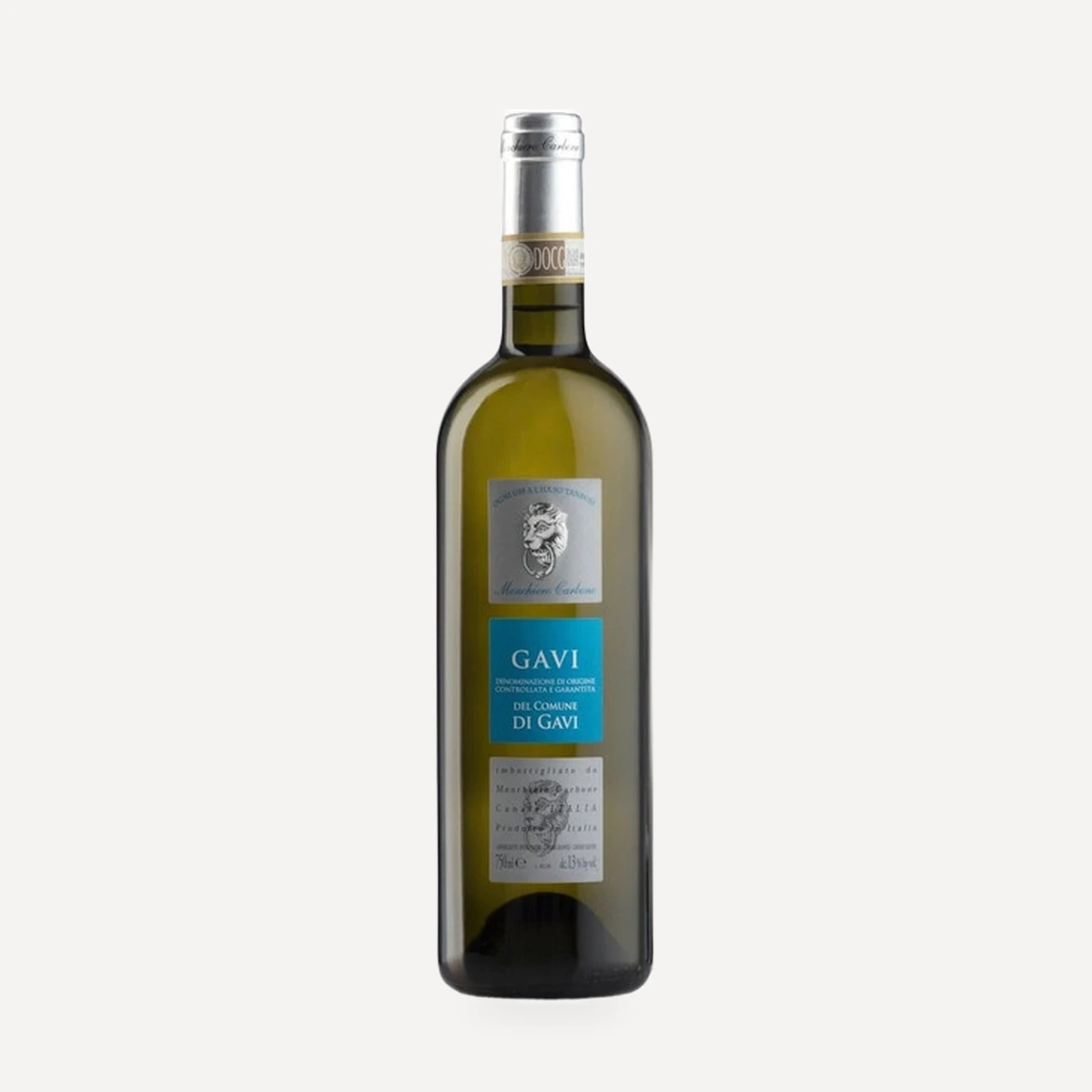
Gavi del Comune di Gavi DOCG
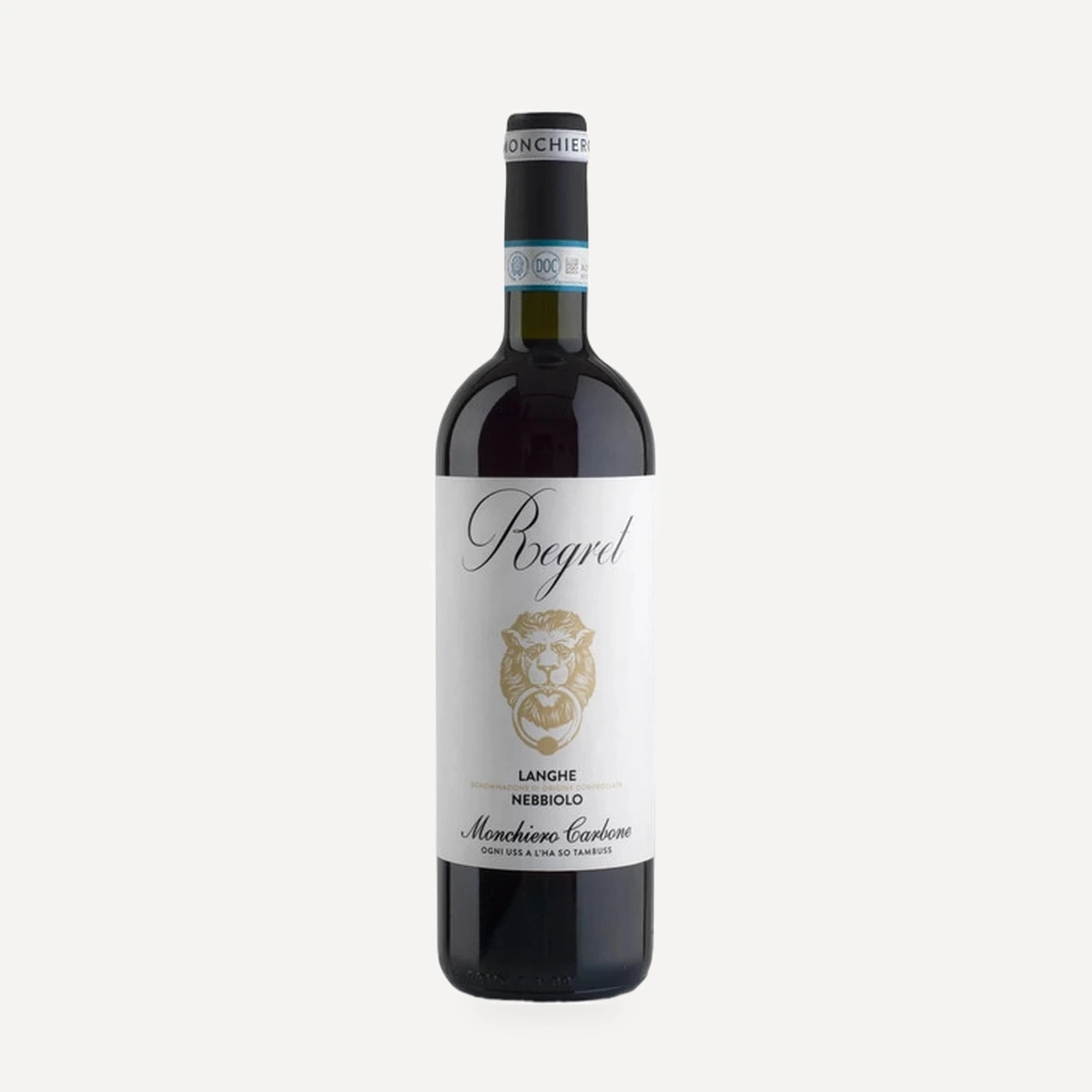
Regret Langhe Nebbiolo DOC
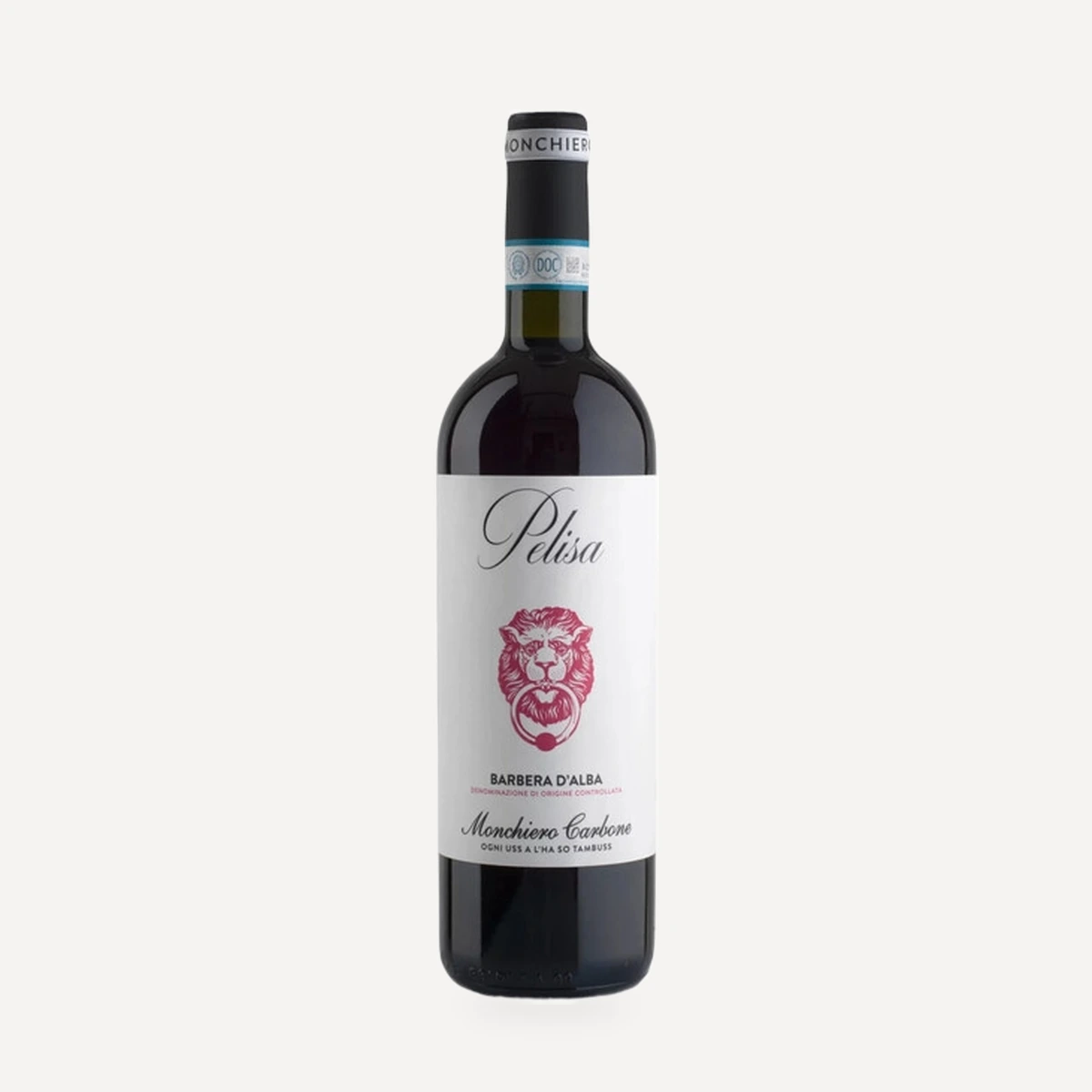
Pelisa Barbera d'Alba DOC