Storia
Medieval origins
The estate stands on the road between Poggibonsi and Castellina in Chianti, near the church of San Pietro a Cedda. Around 1200 it belonged to the Florentine Ormanni family, from whom it took its name. The family used the property as a country residence and was among the old Florentine lineages mentioned by Dante Alighieri in Canto XVI of Paradiso.
During the sixteenth century the estate passed from the Ormanni family to the Scarlatti family. It subsequently entered the ownership of the Medici in the eighteenth century. The oldest part of the wine cellar also dates from the end of that century: it was excavated into tuff beneath the garden of the villa and remains the estate’s barrel- and barrique-ageing area.
The Brini family arrives
In 1818, Carlotta Lenzoni de’ Medici transferred Ormanni to Vincenzo Brini di Angelo of Carmignano, near Prato. Carlotta was also associated with the acquisition and restoration of Boccaccio’s house in Certaldo as a museum. The Ormanni transaction was formally completed in Florence on 30 January 1819 through a deed drawn up by the notary Giovacchino Bacci. Vincenzo, born in 1780 and deceased in 1854, was the son of Angelo Brini.
Ormanni was then a diversified Tuscan farm rather than a vineyard-only property. It produced wine, olive oil, cereals, firewood and working timber; raised livestock; and operated both a mill and an olive press. It also distilled alcohol from strawberry-tree fruit. A surviving treasury receipt dated 9 April 1890 records payment of 100 lire in duties on alcohol production. The property relied on agricultural labourers and on the traditional arrangements described as farm contracts and sharecropping.
The twentieth-century transformation
In 1924, when the Consorzio per la Difesa del Vino Tipico del Chianti was established with the Black Rooster as its emblem, the estate was managed by another Vincenzo Brini and his nephew Francesco. Francesco was the father of Engineer Paolo.
Beginning in the early 1960s, Paolo transformed Ormanni into a modern agricultural enterprise. Mixed and interplanted farming progressively gave way to specialized vineyards and olive groves, while the sharecropping organization of the farms was gradually replaced by direct estate management.
Julius and the contemporary estate
In 1997 Ormanni created Julius as a tribute to Giulio Gambelli, the oenologist who had contributed to the development of the estate’s wines over several decades. The wine combined Sangiovese with estate-grown Merlot and Syrah and was based on rigorous manual grape selection.
Paola Brini Batacchi is the current owner and director. The contemporary technical team includes oenologists Paolo Salvi and Niccolò Ferri and agronomist Ruggero Mazzilli. The vineyard holding comprises 38 ha in the Chianti Classico area of Barberino Val d’Elsa and 26 ha in Poggibonsi for Chianti, alongside 34 ha of olive groves.
Terroir
Tenuta Ormanni lies in Tuscany on the road between Poggibonsi and Castellina in Chianti, near the church of San Pietro a Cedda. Its vineyards are divided between two administrative and production areas: 38 ha of Chianti Classico vineyards at Barberino Val d’Elsa in the province of Florence and 26 ha of Chianti vineyards at Poggibonsi in the province of Siena.
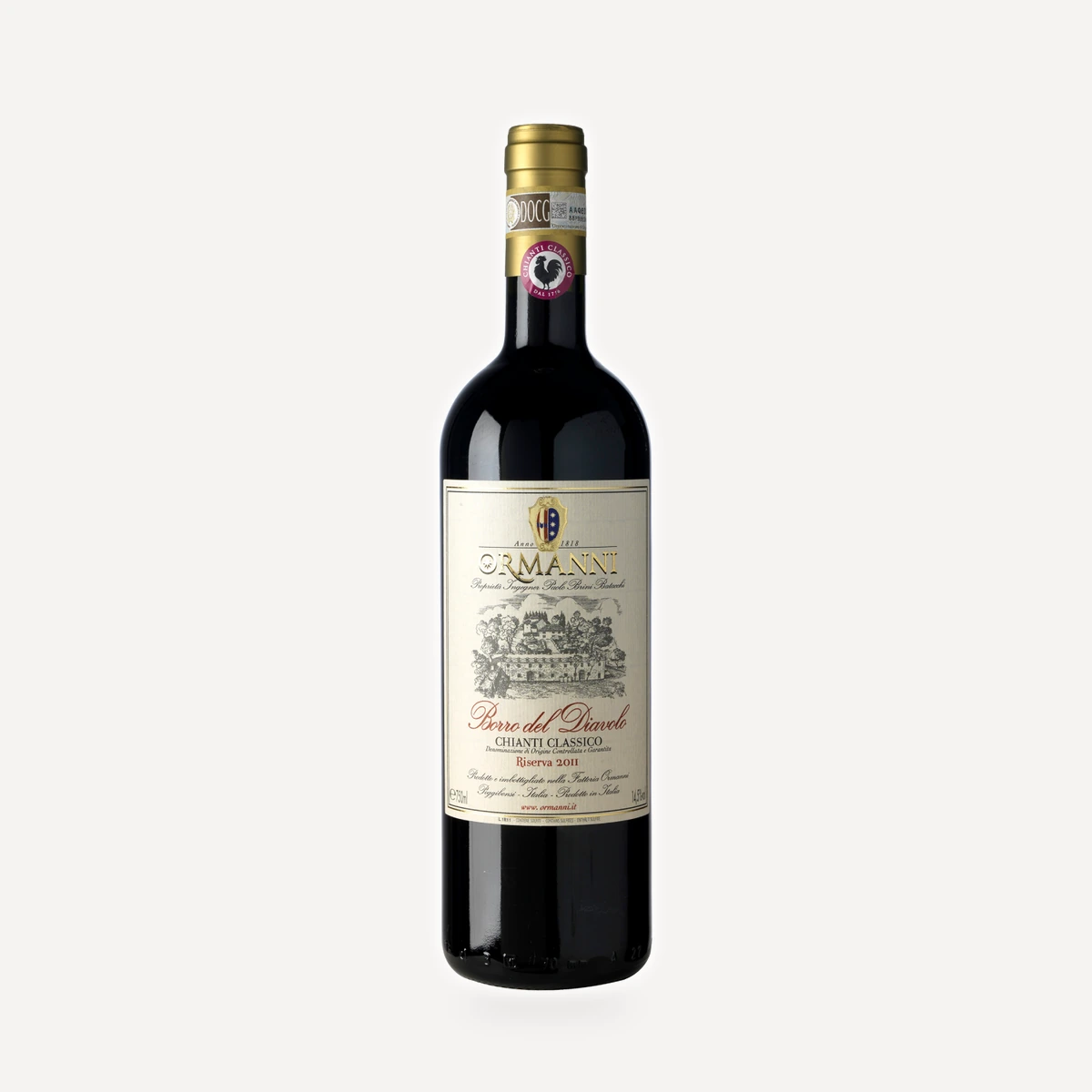
Borro del Diavolo and the neighbouring Montignano vineyard occupy the same stony, south-facing ridge. The estate’s old Trebbiano and Malvasia vines are distributed between two other vineyards in Barberino Val d’Elsa.
The wider estate landscape includes 34 ha of olive groves. Around Montignano, vineyards are accompanied by olive and cypress groves, with views toward the towers of San Gimignano. La Querce looks across the Tuscan hills and the Valdelsa toward San Gimignano.
Vinificazione
The vineyard holding is organized as 38 ha in the Chianti Classico area of Barberino Val d’Elsa and 26 ha at Poggibonsi for Chianti. The modern vineyard structure dates from the transformation begun in the early 1960s, when mixed cultivation was progressively replaced by specialized vineyards and olive groves and sharecropping gave way to direct management.
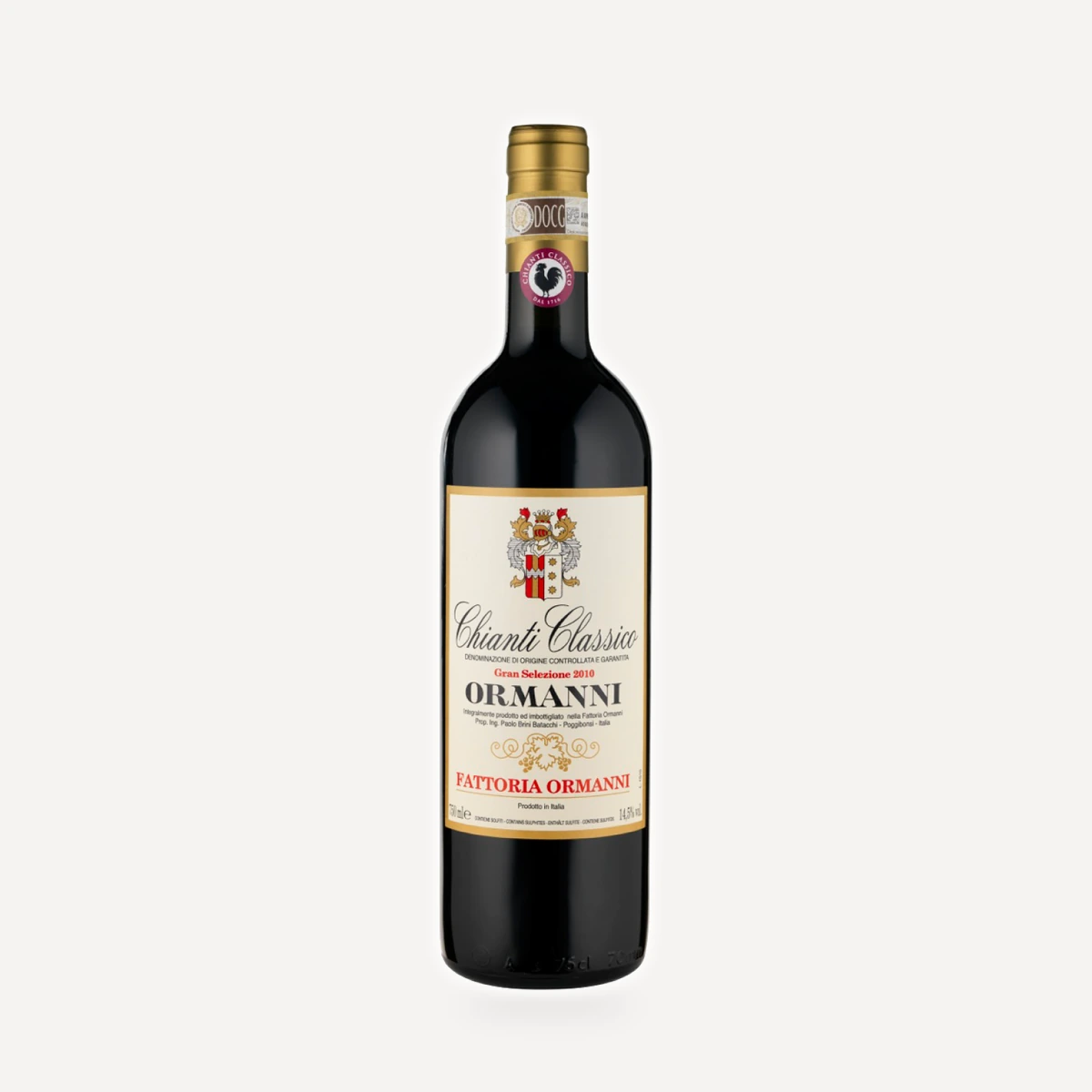
The estate’s approach centres on close attention to the vines, careful vineyard work, sound grapes and responsible use of the land. Manual selection is documented for the highest-selection Sangiovese and for Julius. Grapes for the Riserva are selected from Borro del Diavolo and Montignano during the first ten days of October, while Gran Selezione relies on hand-selected Sangiovese from the oldest vineyards in Barberino Val d’Elsa.
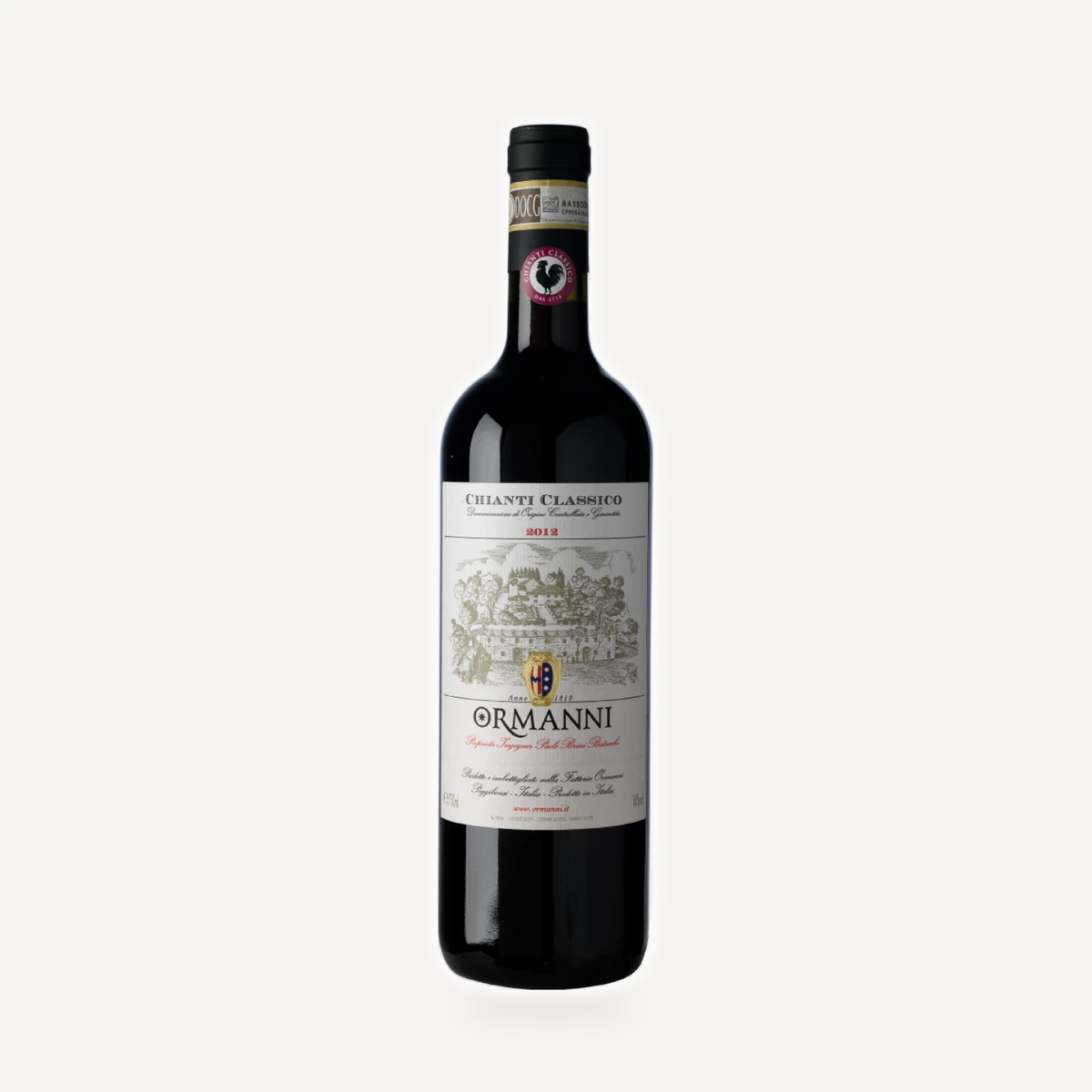
The published 2016–2018 releases of Chianti Classico, Chianti Classico Riserva, Chianti, Julius, Canaiolo and Bianco carry the BIO designation.
The cellar is divided into four working areas corresponding to successive stages of production. These accommodate stainless-steel vessels; glass-lined concrete storage; barrels and barriques; and the bottling, labelling and bottle-storage operations.
Primary fermentation takes place in stainless steel. The new wine then moves to glass-lined concrete vessels for storage before ageing in large barrels and barriques. The oldest cellar lies beneath the garden of the villa. Dating from the end of the eighteenth century, it was excavated into tuff and is used for maturation in barrels and barriques.
The estate also documents rigorous manual grape selection for its highest-selection wines. Gran Selezione is made only in selected vintages from hand-selected Sangiovese and receives extended maturation in wooden barrels. Julius, first made in 1997, is likewise based on meticulous manual selection.
Filosofia
Ormanni treats every wine as the unrepeatable product of a particular territory, vintage and vineyard. Its stated priorities are exacting care of the vines, fertile land and personal commitment to the work.
The estate links wine quality to excellent grapes and responsible use of the land. Tradition remains central: its flagship Sangiovese selection is intended to express both the variety and the estate’s established approach, is produced only in suitable vintages and is matured for an extended period in wood. At the same time, the creation of Julius joined Sangiovese to Merlot and Syrah while retaining what Ormanni describes as an estate-specific style.
Vini
Chianti Classico BIO
Chianti Classico Riserva Borro del Diavolo BIO
Chianti Classico Gran Selezione Etichetta Storica DOCG
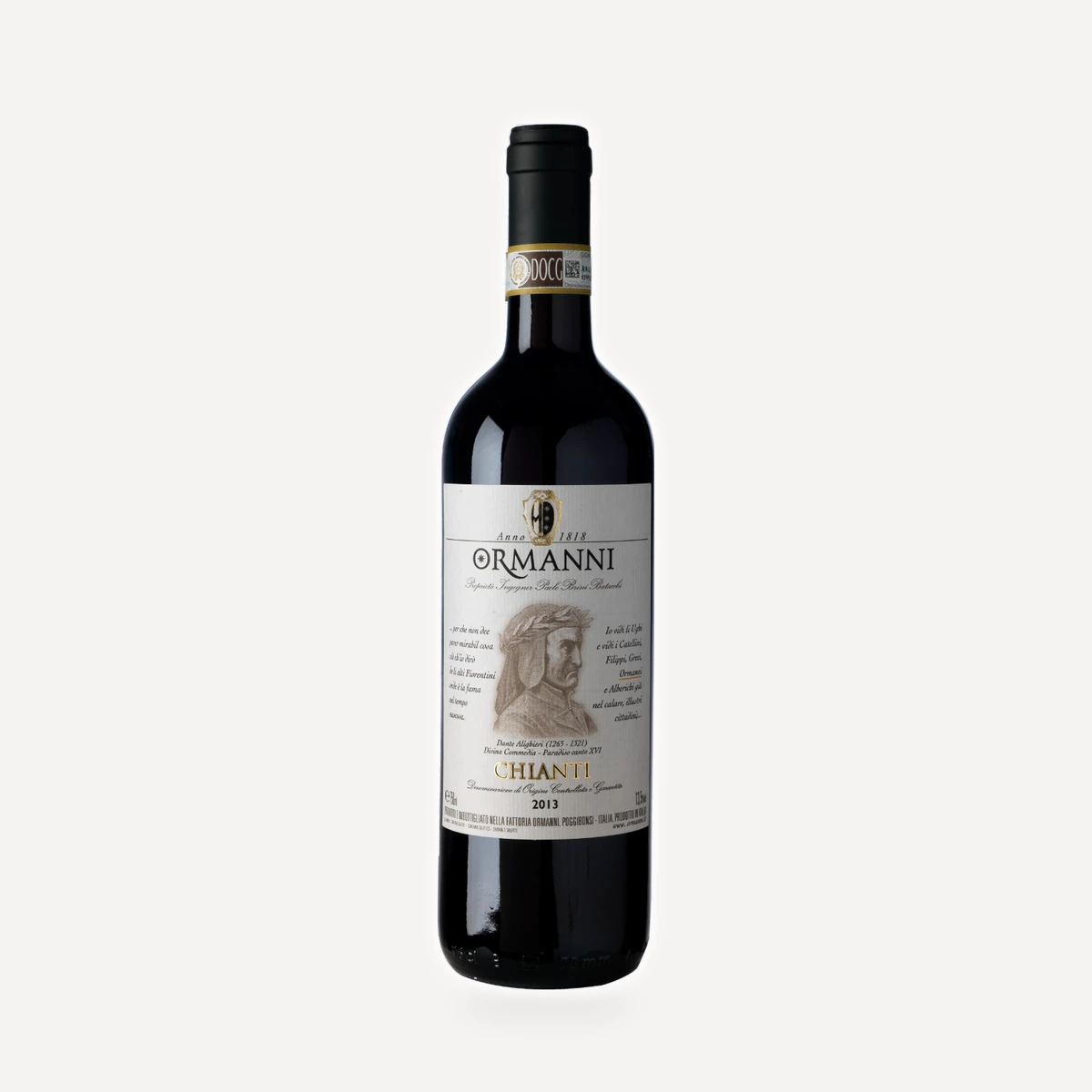
Chianti BIO DOCG
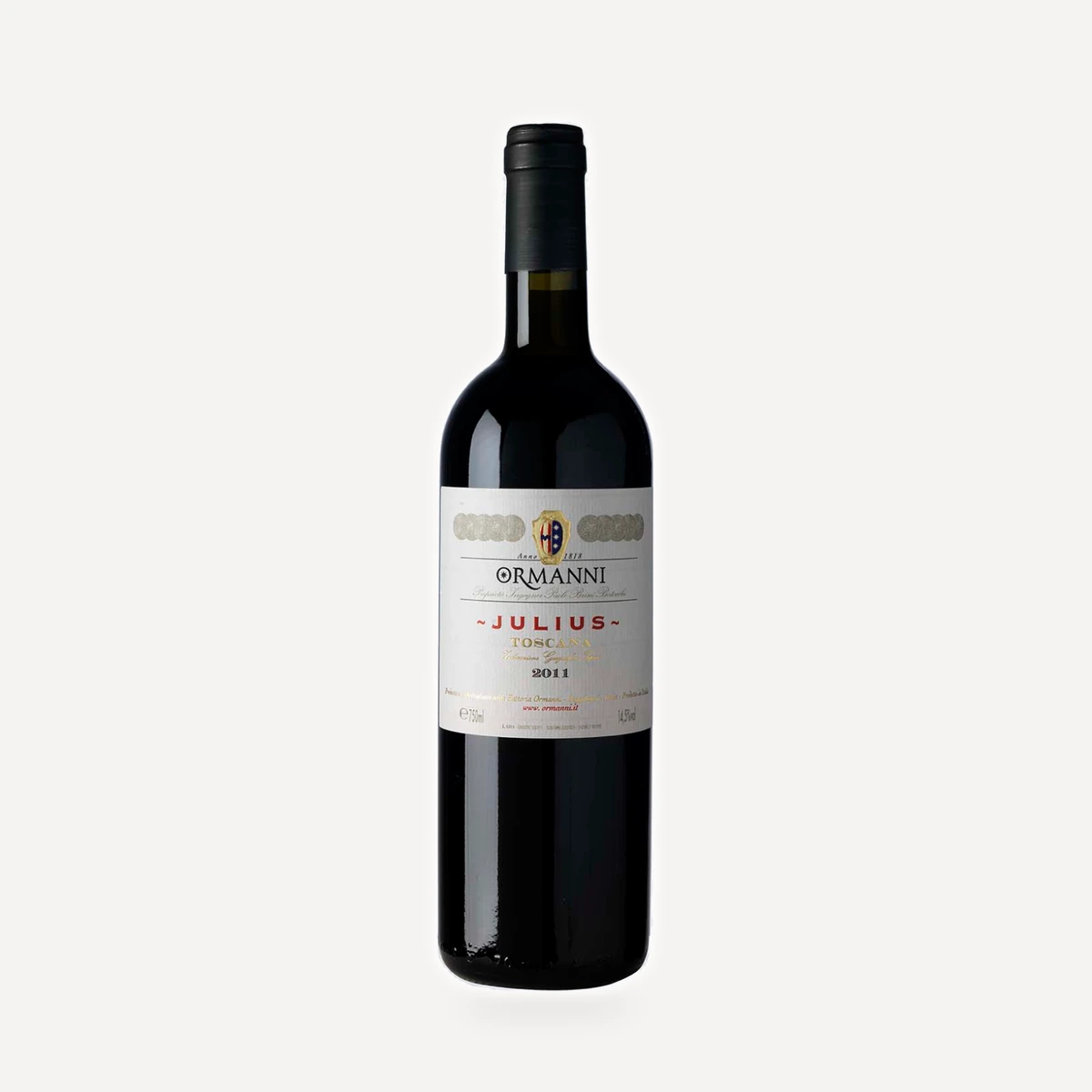
Julius Toscana BIO IGT
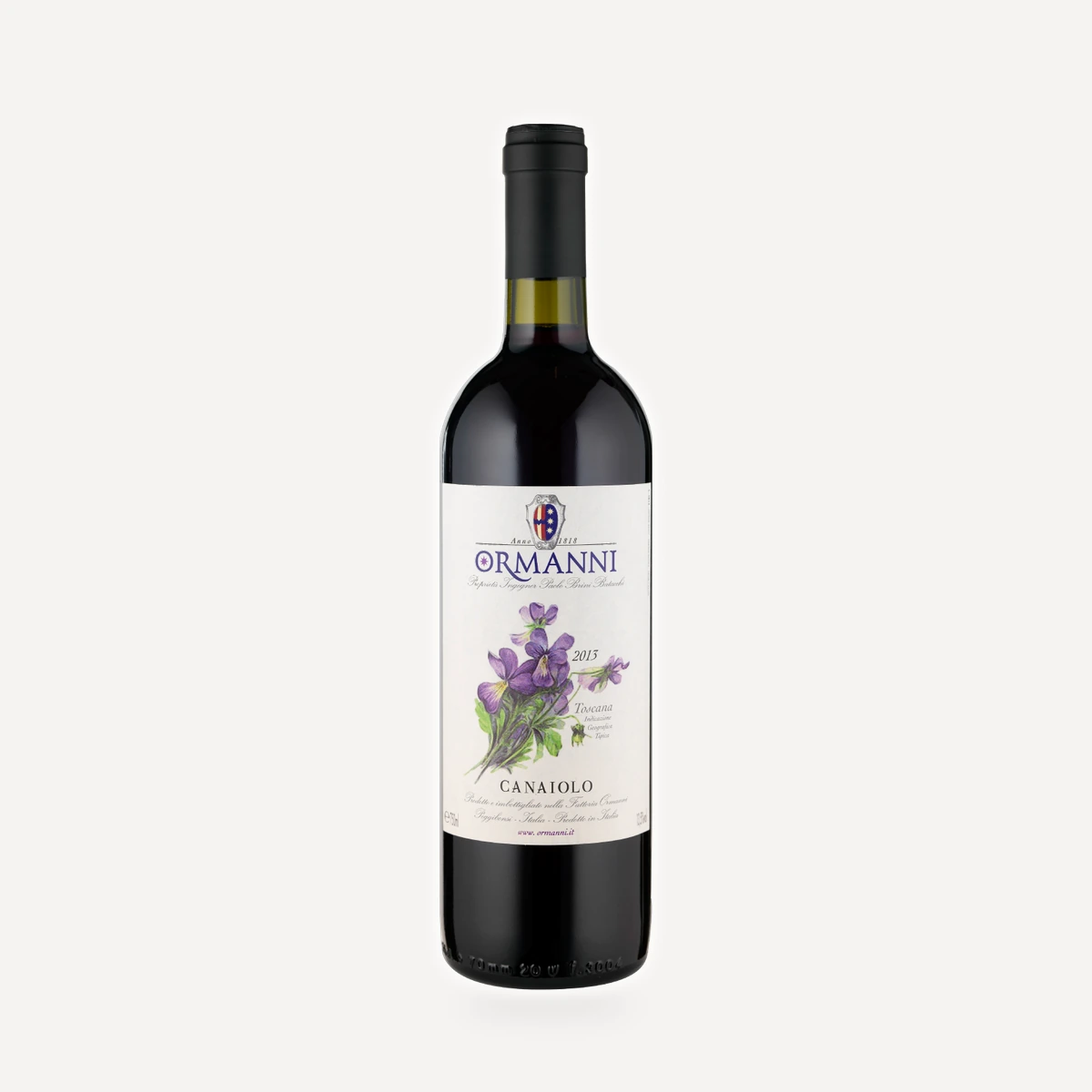
Canaiolo Toscana BIO IGT