Storia
Limbecca and its historical roots
The property is known as Limbecca. Its existence was recorded in cadastral documents in 1780, when vines were already cultivated there. The names Limbecca and Lambicca are thought to derive from the Arabic-rooted term alambicco, meaning a distillation apparatus. This etymology has been interpreted as another indication that viticulture was established locally at that time.
Organic conversion
When Paolo Francesconi assumed the management of the farm, he immediately chose organic agriculture. The estate has held organic certification since 1992, making soil fertility, biological activity and the exclusion of synthetic chemicals central to its farming approach.
Biodynamic practices
In 2002, the estate began applying biodynamic techniques alongside its certified-organic regime. The approach introduced biodynamic preparations and a view of the farm that considers the relationships among soil, plants, environmental forces and the seasonal cycle.
Current certification
Since 2023, the estate's organic certification has been administered by Bioagricert. Organic and biodynamic practices continue to support a production philosophy centred on the character of individual vineyards and the conditions of each vintage.
Terroir
The estate lies 5 km from the historic centre of Faenza, at 85 m above sea level, on the first slopes of the Faentine Apennines. The landscape has gentle gradients where the foothills begin to merge into the plain.
The property is called Limbecca. Its soils are described as clay-silt ferretti: foothill soils deficient in calcium carbonate and distinguished by brown-red to red-yellow colours. The profile contains layers of river stones, grey clay and iron-bearing red clay. The iron-rich red clay is associated with the development of smooth, mature tannins.
Paolo Francesconi's interpretation of terroir rests on the interaction of soil, light, heat, water, grape variety and human work. Each vineyard is treated as a distinct combination of these elements, with the vine transmitting their influence to the grapes and ultimately to the wine.
Vinificazione
All vineyard work, from pruning through harvest, is performed by hand and timed with close attention to the vine's natural cycles.
Winter pruning is carried out plant by plant. The number of buds is reduced to balance each vine according to its vegetative development and the prospective number of bunches. Harvesting is exclusively manual, and picking decisions consider both sugar accumulation and phenolic maturity.
Organic farming excludes synthetic chemical substances and places the soil at the centre of the cultivation system. Its working objectives are to increase organic matter, sustain biological activity, improve the soil's chemical and physical properties, protect it from erosion, prevent compaction caused by machinery and regulate the vine's balance between vegetative growth and production.
Permanent grass cover is used in the vineyards. It supplies organic matter, diversifies the agroecosystem, provides habitat for arthropods and stimulates soil biology by encouraging microorganisms and soil fauna.
The estate has been certified organic since 1992 and has been certified by Bioagricert since 2023. Biodynamic techniques have been applied since 2002. These involve preparations made from mineral, plant and animal substances, transformed over the annual cycle and applied to soil and plants or incorporated into compost to support soil vitality and crop quality.
The cellar is divided into three functional areas:
- a vinification area equipped with stainless-steel vats;
- a storage area with stainless-steel tanks and a terracotta amphora;
- a barrel cellar for maturation in wood, together with a warehouse for bottled wine.
Across the range, fermentations in stainless steel and terracotta are conducted spontaneously with indigenous yeasts. The cellar employs several approaches according to the intended expression: white vinification after gentle pressing; short or extended skin contact; hand destemming where preserving intact skins is important; maturation in stainless steel, oak or terracotta; and storage on fine lees for selected wines. Pneumatic pressing may be performed at a gentle pressure of 0.2 atmospheres, while some white grapes are pressed by foot. Certain white-wine pressings retain only the free-run must, with an indicated grape-to-must yield of 50%.
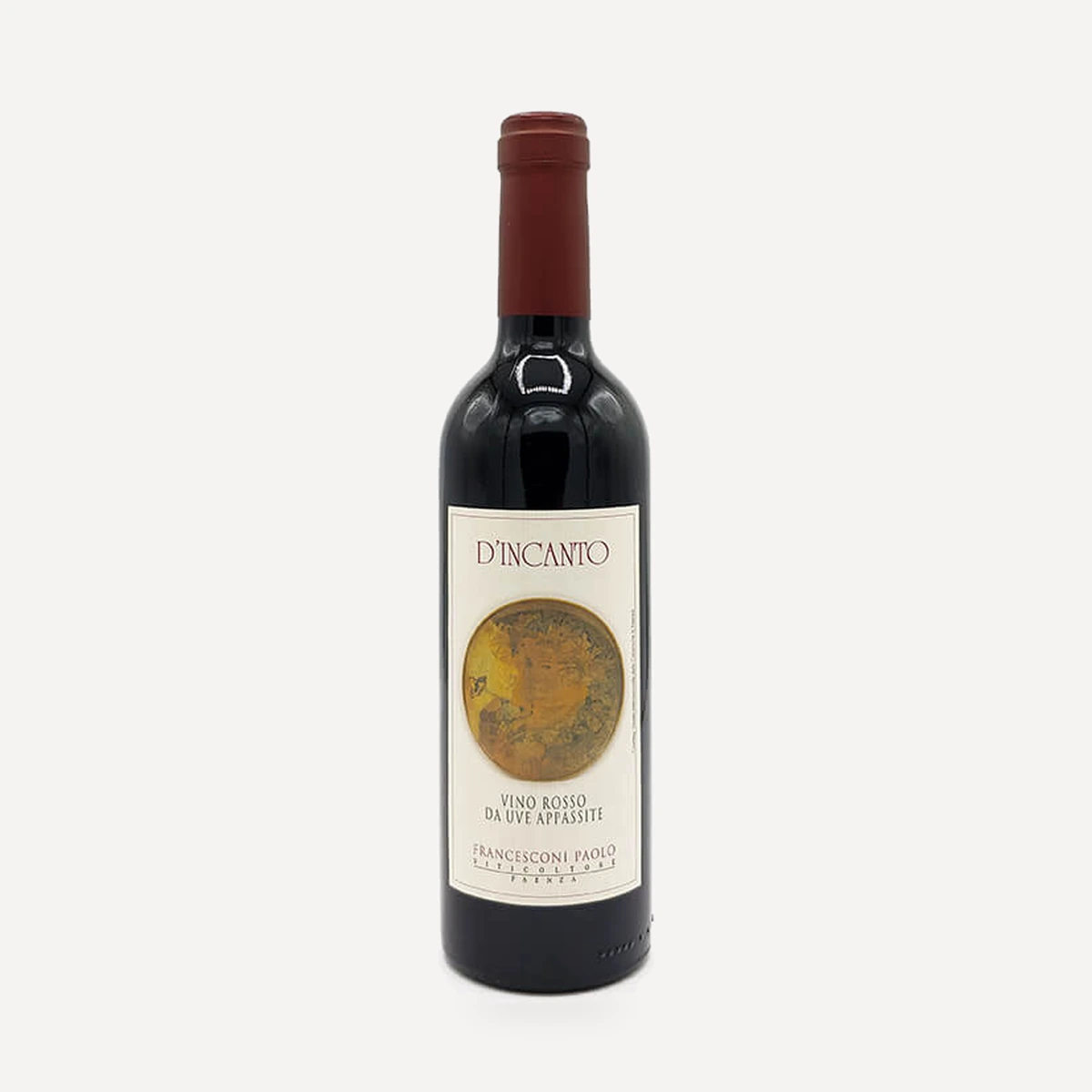
The estate's red-wine methods range from a brief 48-hour maceration followed by completion of fermentation in stainless steel to macerations of seven, 18 or 20 days. Wines intended for wood maturation may spend about 12 months or several months in oak. Albana may be destemmed by hand, left uncrushed and fermented with its skins in stainless steel or terracotta; one stainless-steel expression undergoes a 60-day maceration, while the amphora expression receives an extended skin maceration. A passito-style red is made from grapes dried for two months in small crates in a drying room, pressed in mid-November, fermented and stored in stainless steel until April, then matured in bottle for one year.
Filosofia
Paolo Francesconi's objective is to produce wines with a distinct character, capable of reflecting both the attributes of their individual vineyard and the climate of the growing year.
His conception of a vineyard joins soil, light, heat, water, grape variety and human work in a combination that cannot be replicated elsewhere. The vine absorbs the influence of these elements and transfers it to the fruit, creating the possibility of a wine that expresses both its variety and its place.
The farming philosophy places living soil at the foundation of quality. Organic cultivation is understood as more than the absence of synthetic chemicals: it is directed toward fertility, organic matter, biological activity, structural protection and a balanced relationship between vegetative growth and crop load.
Biodynamic practice adds preparations and attention to terrestrial, seasonal and cosmic cycles. Its declared aim is to cultivate healthy, residue-free produce with strong organoleptic and flavour quality while respecting the environment.
Vini
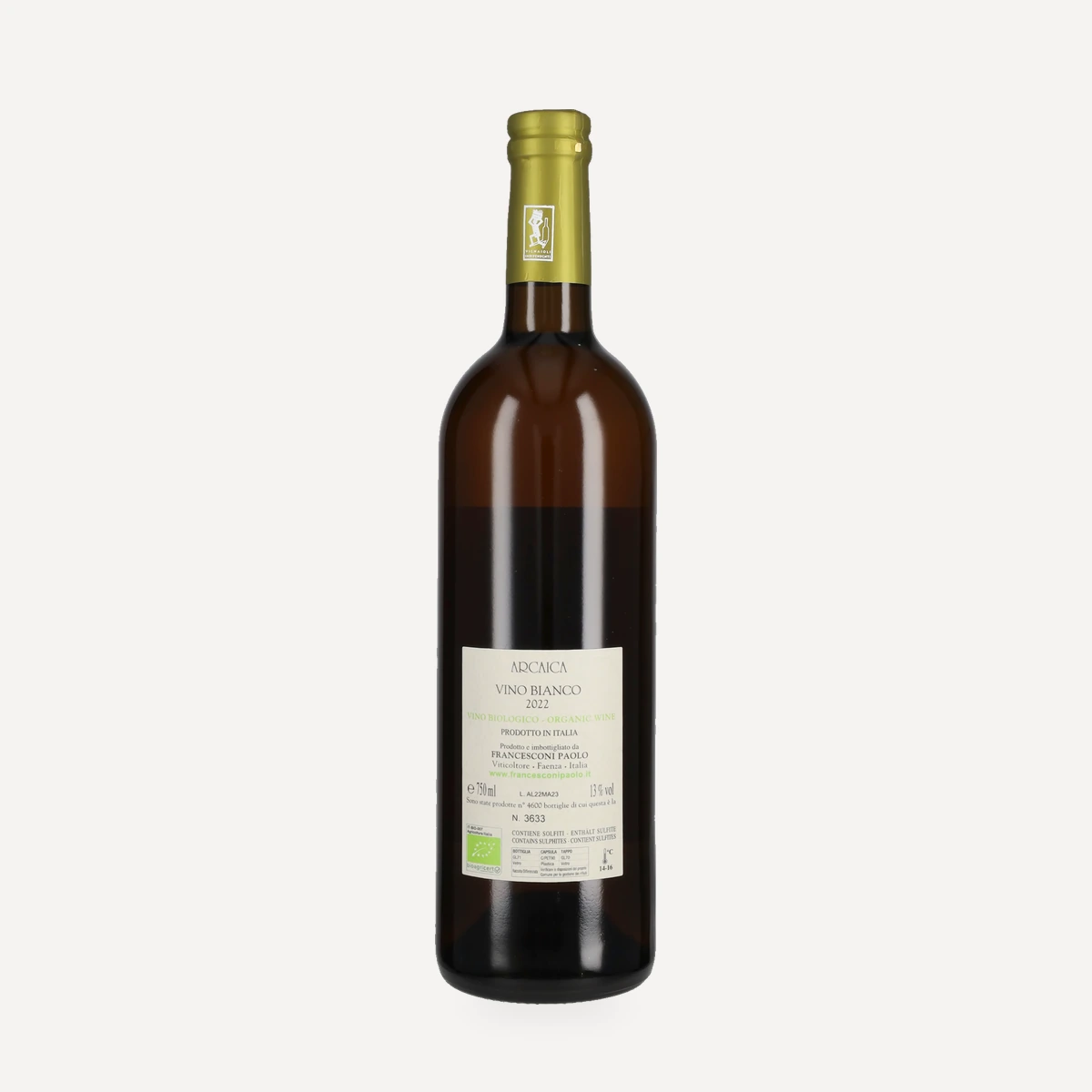
Arcaica
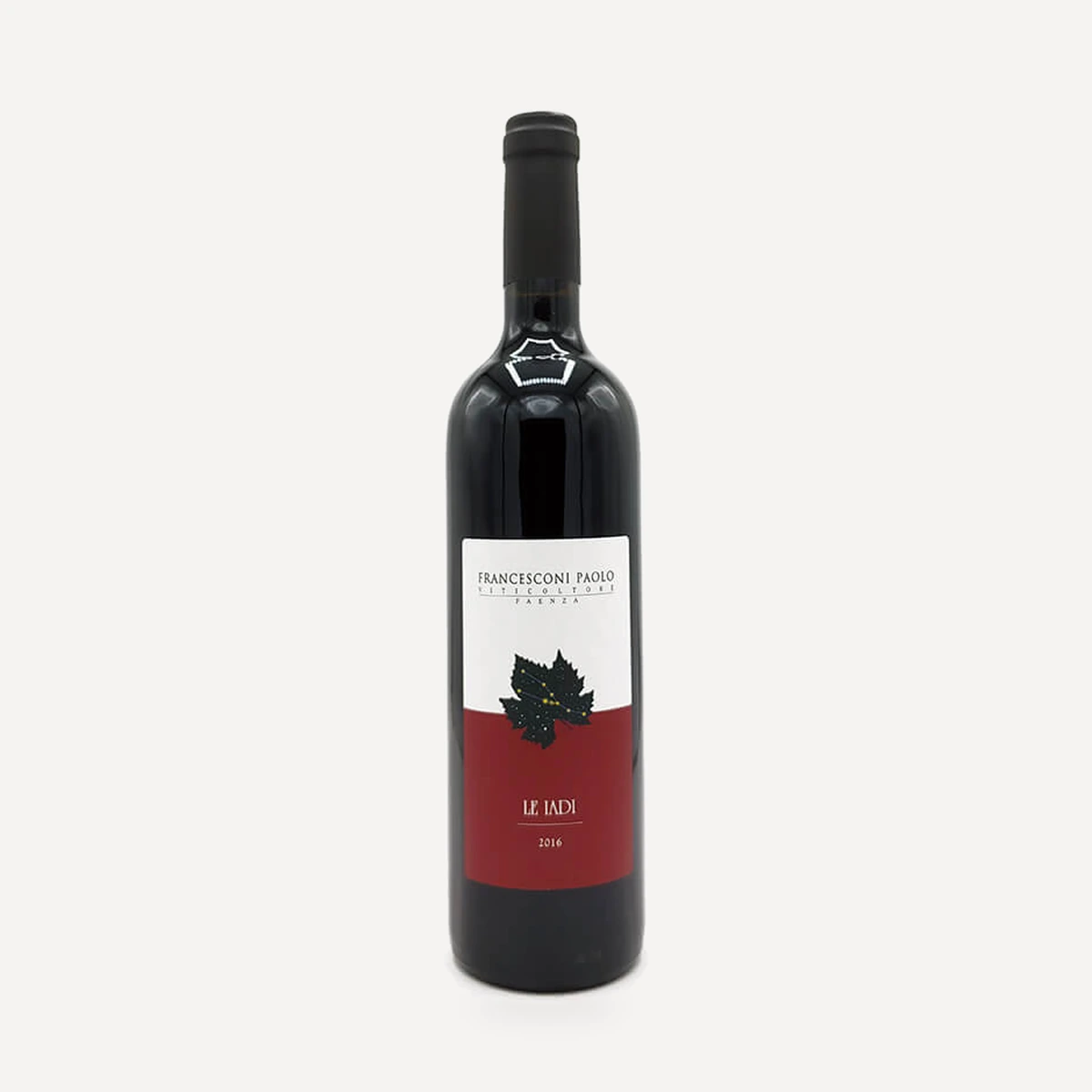
Le Iadi
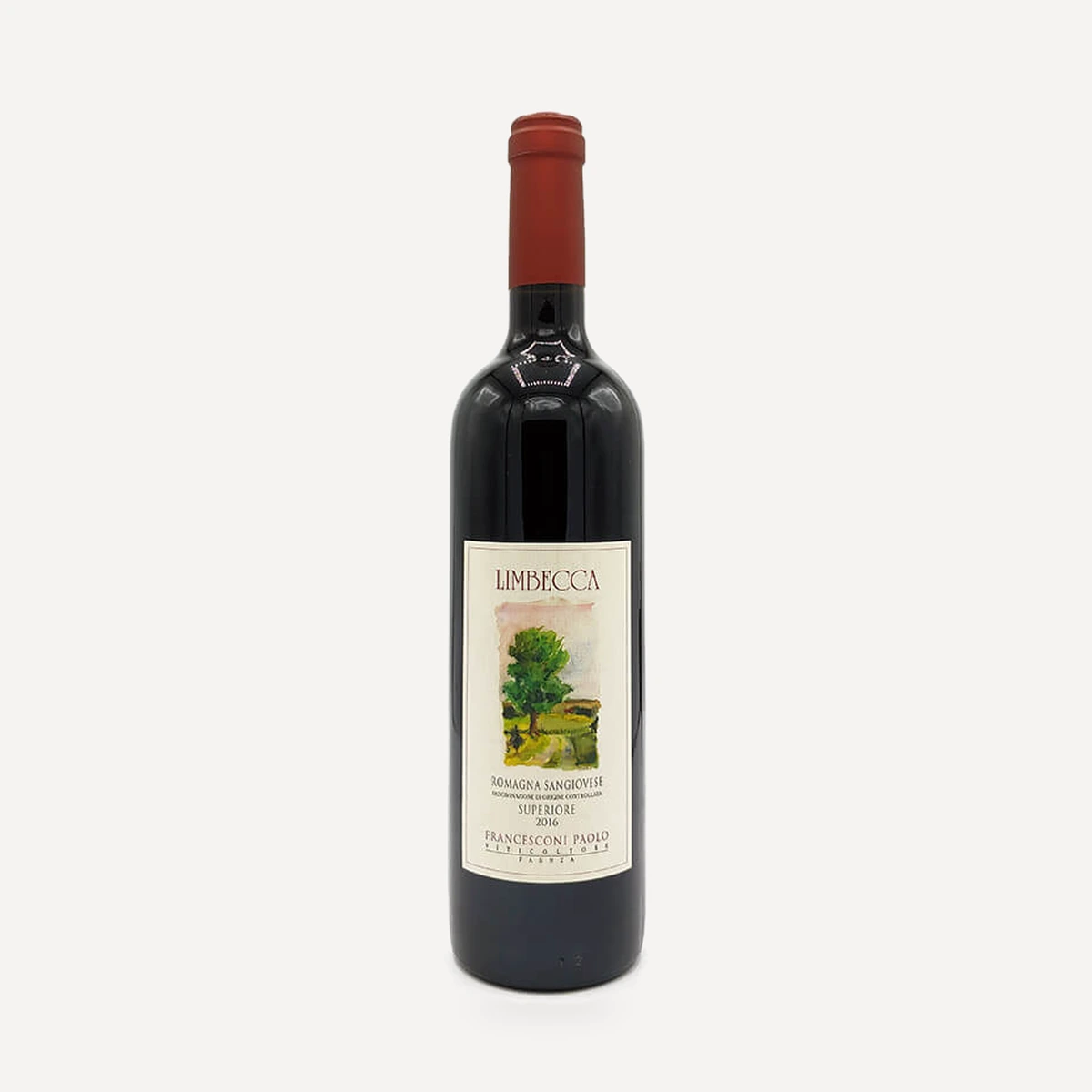
Limbecca
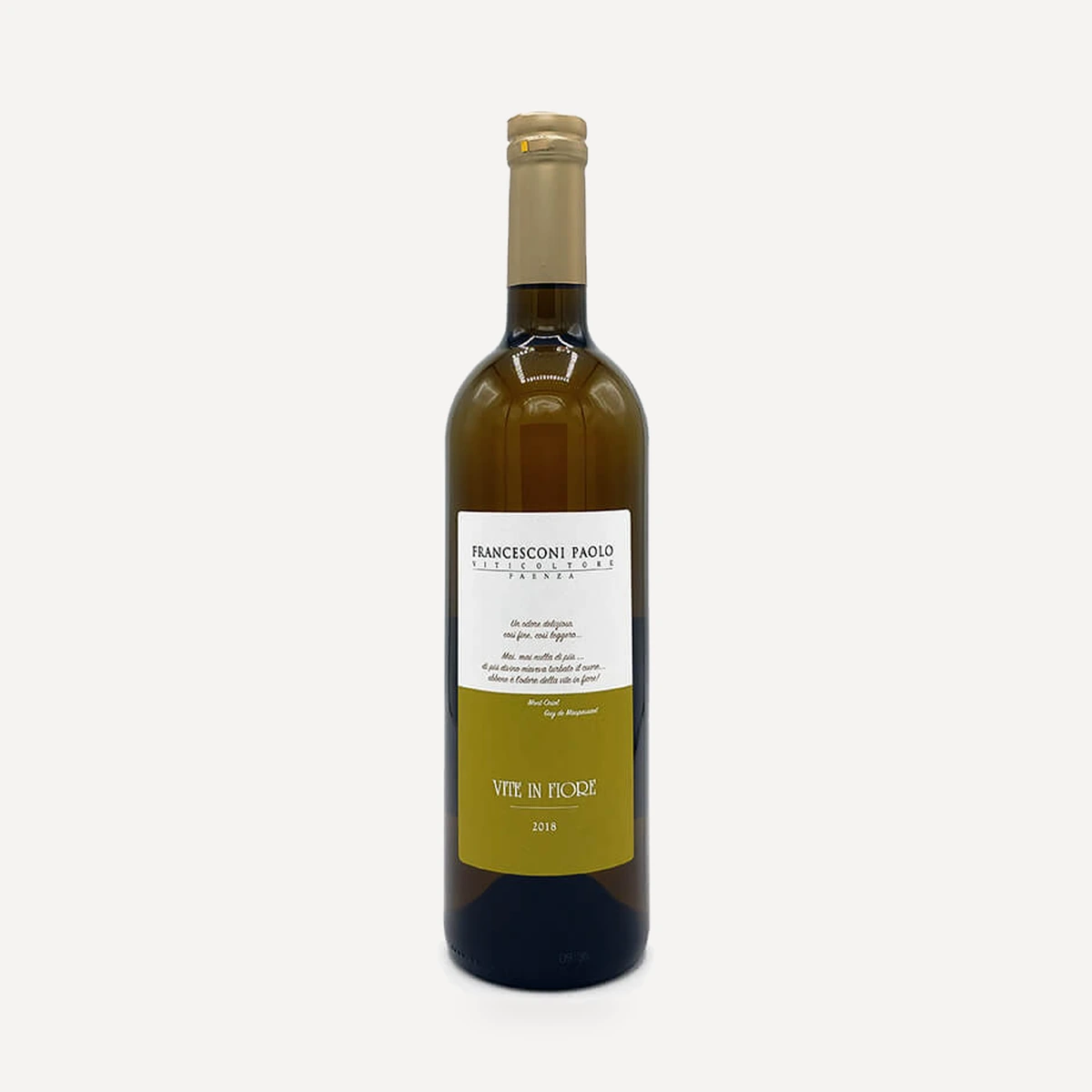
Vite in Fiore