Storia
Late 19th century: Donnino
The agricultural history of Podere Giardino reaches back to the end of the 19th century. Donnino, the present family's great-grandfather, kept a small herd of dairy cows whose milk was intended for Parmigiano Reggiano. Alongside animal husbandry, he cultivated a strong interest in producing Lambrusco. This combination of dairy farming and viticulture established the mixed-farm identity that would continue through the family.
Family continuity
The work passed from father to son as the farm expanded with the contribution of successive members of the Crotti family. Donnino was followed first by his grandson Adolfo and then by Adolfo's son Bruno, who managed the farm together with his wife Lella. The estate retained both of its historic activities: grape growing and wine production on one side, dairy farming for Parmigiano Reggiano on the other.
Since 2001: Marco, Paolo and Federica
Marco, Paolo and Federica have actively managed Podere Giardino since 2001. Marco is responsible for the vineyards and wine production, while Federica and Paolo care for the dairy cattle. Their management combines family continuity and traditional agricultural knowledge with innovation, environmental sustainability and a formal commitment to quality.
The farm joined an organic-agriculture protocol in 2003. Since 2005, only certified non-GMO feed has been used for its cattle. Organic fodder for the herd is grown exclusively in Podere Giardino's own fields.
The viticultural side subsequently obtained ICEA organic certification. The certification covers the production chain from grape growing and harvest through winemaking and storage, with periodic authorized inspections. Organic cultivation, spontaneous fermentation, restrained cellar intervention and observance of lunar and seasonal cycles became central elements of the estate's approach.
2023: a renewed identity
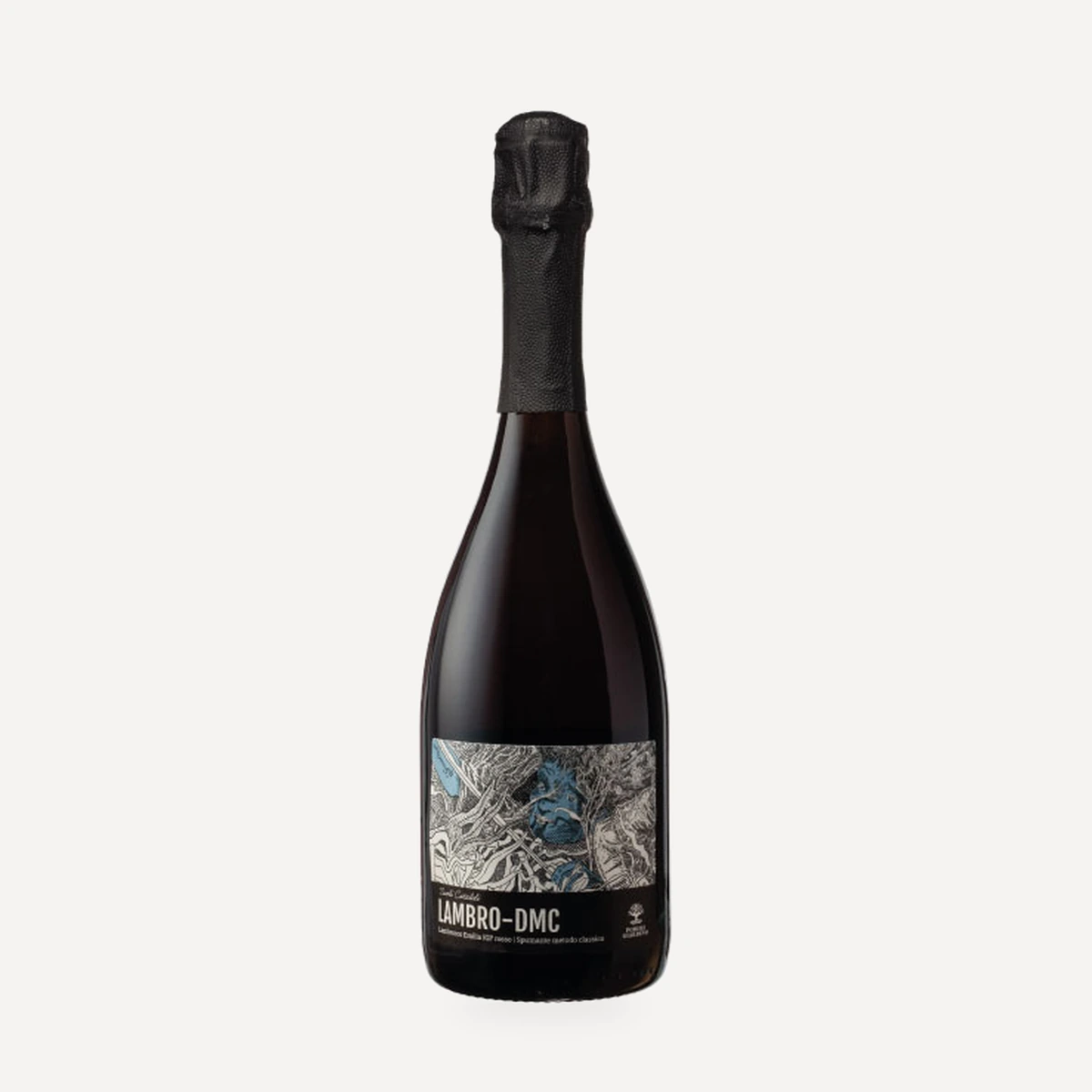
In 2023 Podere Giardino redesigned its visual identity while retaining the same agricultural principles. The project introduced a new logo, new wine names and new labels. The logo depicts human hands adapting to nature and gathering its fruit in accordance with biological rhythms and seasonal cycles. Music became the unifying inspiration for the renamed wines, with each bottling associated with a piece of musical history.
2025: participation in the BioDistretto Reggiano
By March 2025, Podere Giardino was participating with Ferretti Vini and other organic producers in the BioDistretto Reggiano, an association bringing together producers and institutions to promote agriculture designed around environmental and territorial protection.
Terroir
Podere Giardino lies at Villa Roncadella, a small hamlet in the Reggio Emilia countryside. The farm occupies the fertile high plain between the historic Via Emilia and the hills facing Modena.
The estate's soils are classified as Cataldi in mapping carried out by the Geological Survey. This classification reflects their particle-size composition, depth and organic component. The farm formerly used Suoli Cataldi as a recurring identity for its wines, linking the range directly to this soil classification.
The vineyards are distributed among several parcels. Their planting layouts and training systems are described as consistent across the different sites. The cultivated grapes are indigenous varieties of the area, including Lambrusco varieties, Malvasia and Spergola.
Vinificazione
Podere Giardino follows certified organic cultivation and has obtained certification from ICEA, the Istituto per la Certificazione Etica ed Ambientale. Its bottles carry the EU organic mark and ICEA identification, while grape growing, harvest, wine production and storage undergo periodic authorized controls.
The viticultural objective is to keep the soil biologically active and healthy. Techniques are adapted to the needs of the crop and designed to accompany natural processes. Vineyard work is reduced to the minimum considered necessary out of respect for both soil and vine. Synthetic chemical products are excluded. Protection against fungal disease relies on minimal applications of copper salts, sulfur, essential oils and other natural preparations.
Grass is retained beneath the rows to help maintain ecological balance and biodiversity. Flowering at the end of May and beginning of June attracts pollinating insects, including bees.
Vines are pruned either to spurs or Guyot. In recent years, the estate has adopted Simonit & Sirch pruning, with cuts designed to preserve sap flow and support vine health and longevity.
The annual cycle begins with dry pruning in February and March, while the vines are dormant; shoots that will bear the new crop are selected. Budbreak follows in April. At the end of April and beginning of May, suckering and shoot removal eliminate non-fruitful growth emerging from old wood. Organic plant-protection treatments are conducted from May through July. Flowering normally occurs from late May into early June, followed by fruit set and véraison in July and August.
Harvest takes place in September and is performed exclusively by hand. The purpose of manual picking is to preserve the integrity of each bunch and protect the quality of the fruit. Vineyard and soil management also follow cosmic and lunar cycles, reflecting the estate's emphasis on seasonal rhythms and patient observation.
Cellar work is intended to intervene as little as possible and to avoid altering the composition of the grape juice. Vinification normally takes place in October and November, following the September hand harvest.
Fermentations begin spontaneously with the grapes' indigenous yeasts; selected yeasts and corrective ingredients are not added. Sulfur dioxide is used only when necessary and then in minimal quantities. Wines are clarified through rackings rather than filtration.
Cellar operations are timed with reference to lunar phases. Bottling is carried out during the waning moons of February, March and April. After bottling, the wine completes its transformation in the darkness and quiet of the cellar.
The range employs direct refermentation in bottle, the ancestral method and the traditional method. A hybrid Charmat process is also used: primary fermentation begins spontaneously with the wine's own yeasts, after which the prise de mousse takes place in an autoclave. The Charmat wine is made from estate-grown grapes but is processed away from Podere Giardino's own cellar.
Filosofia
Podere Giardino defines itself through the continuity of a family-run mixed farm in which winegrowing, dairy cattle and food production remain connected. Its declared priorities are sustainability, innovation and quality, interpreted through traditional agricultural knowledge rather than through intensive production.
Listening and observation guide decisions in both vineyard and cellar. The family seeks to work in harmony with natural processes, keep the soil alive and adapt its techniques to the needs of each crop. Biodynamic thinking informs its emphasis on soil vitality and cosmic rhythms, although the formal certification presented is organic certification from ICEA.
The estate uses natural wine as a philosophical description rather than as a regulated category. In its interpretation, natural wine requires spontaneous fermentation, the exclusion of corrective ingredients, minimal sulfur only when necessary, rackings instead of filtration, and respect for lunar cycles. Terroir is understood as the combined expression of soil, people, history and local culture.
Environmental protection is framed as an ethical responsibility toward future generations. The farm also emphasizes direct relationships between producer and consumer, openness to visitors and the sharing of agricultural traditions. Tradition is not treated as resistance to change: the family aims to interpret inherited practices through appropriate innovation and modern technology while avoiding invasive methods.
Vini
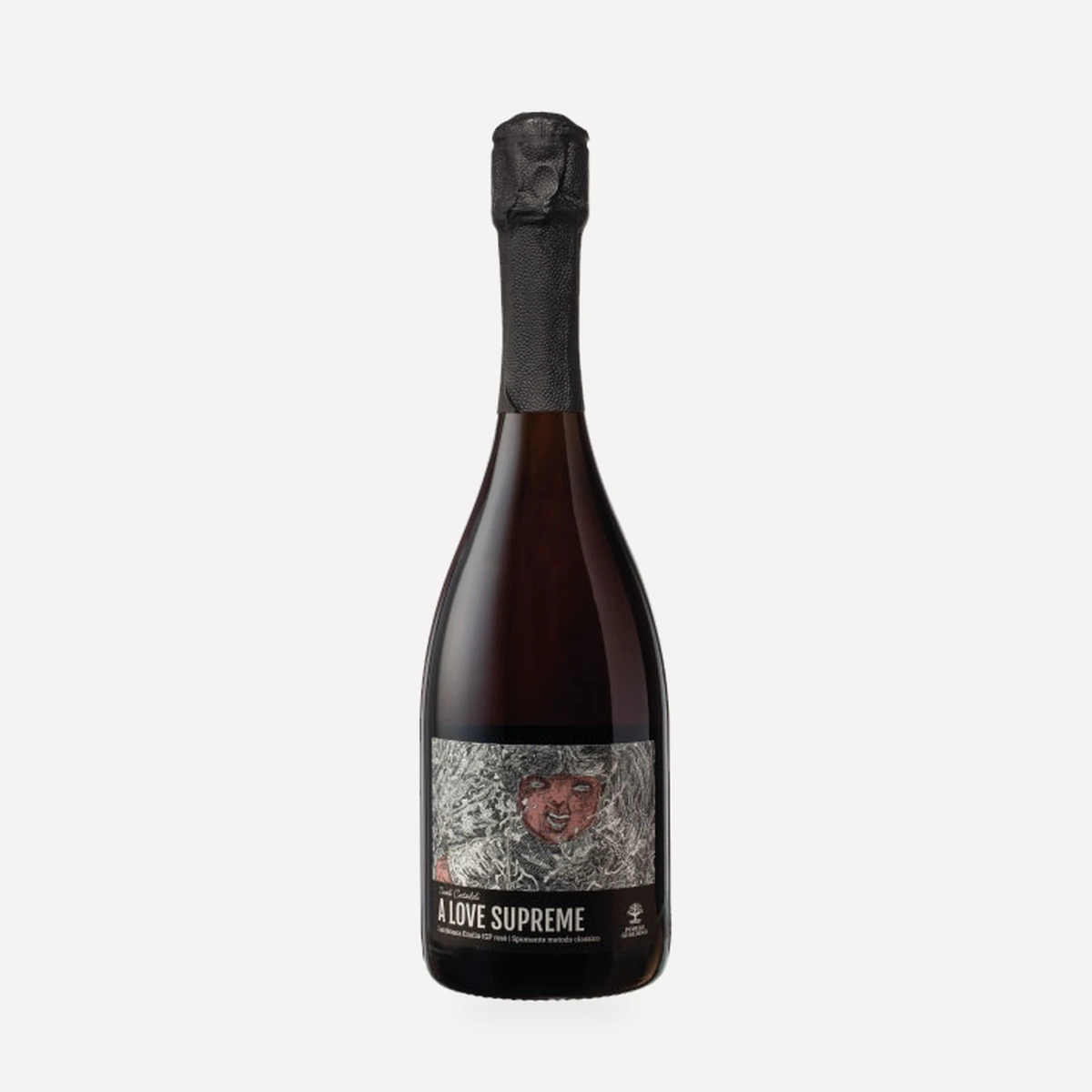
A love supreme
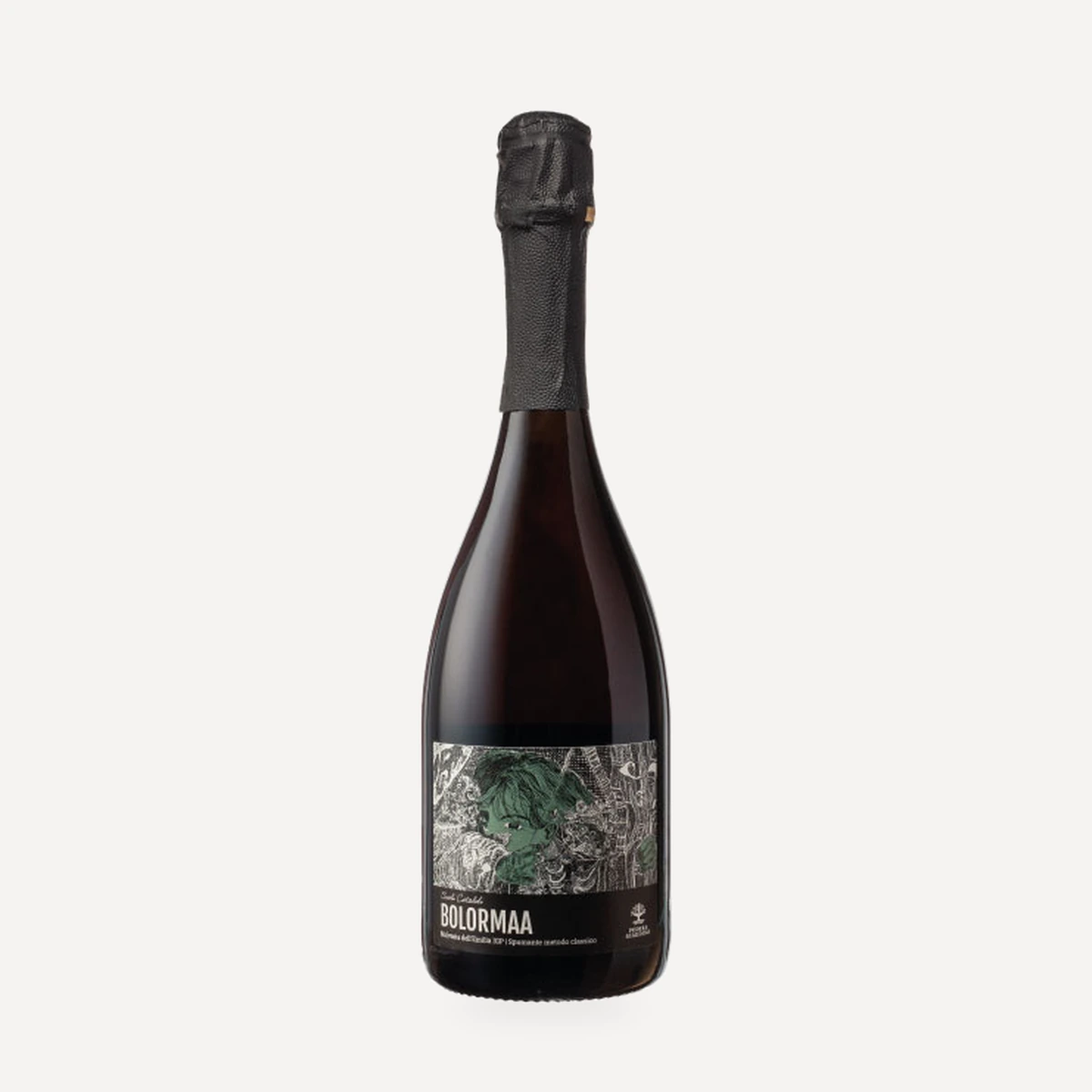
Bolormaa
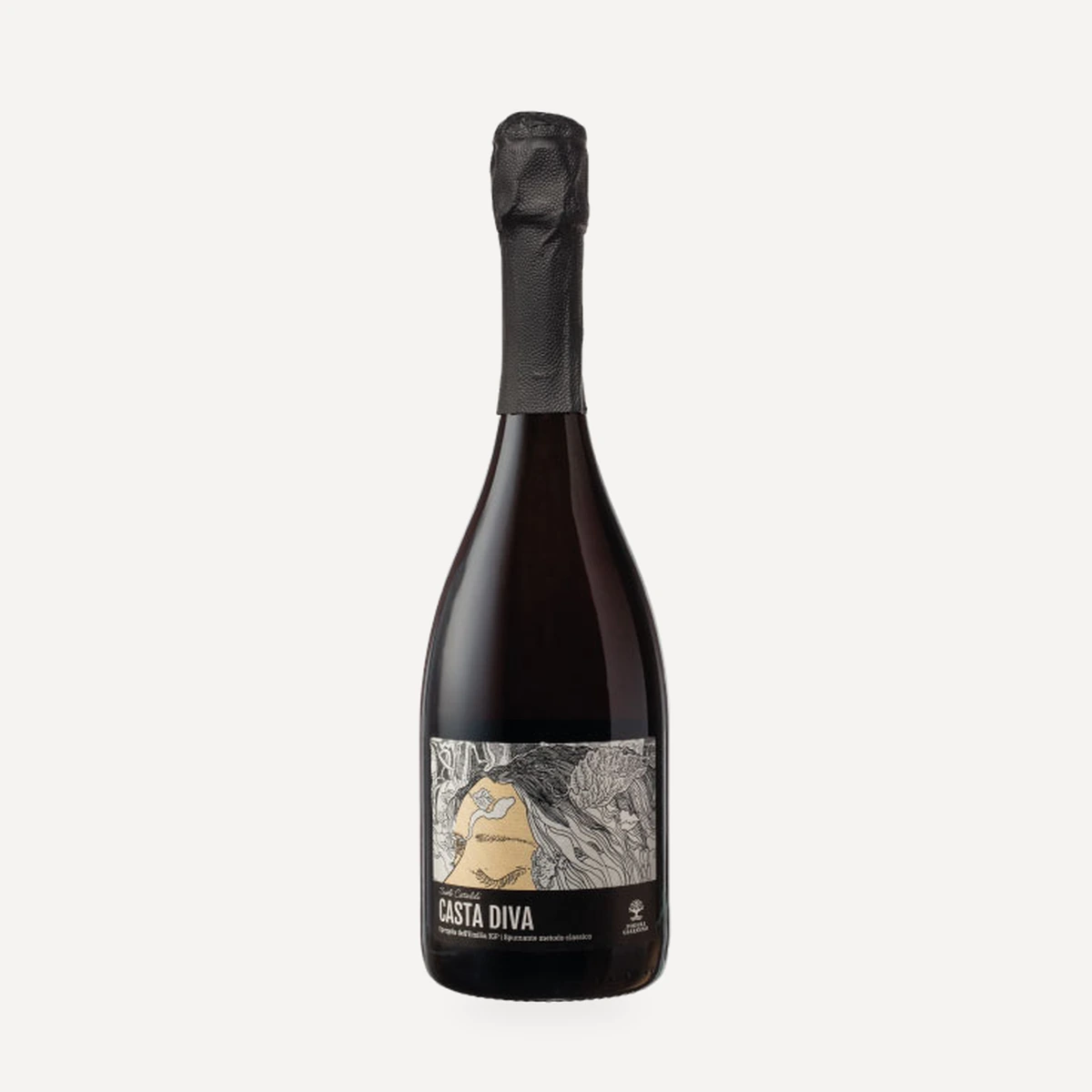
Casta Diva