Storia
Beginnings in 1971
The Cellario family has worked as farmers and cultivated vines with friends since 1971, initially out of passion and later as a profession. Poderi Cellario identifies itself with three generations of winegrowers.
The first vineyard of Fausto Cellario
Fausto Cellario’s first vineyard of his own was at Gene’, in Farigliano, an area he particularly valued for Dolcetto. He cultivated it with Beppe Albesiano and Beppe’s father, Cesare. Through that collaboration, Fausto learned traditional practices including long pruning and tying vines with willow shoots.
Growth through a network of growers
Poderi Cellario developed as a group of friends growing together—what Fausto describes as a small cooperative rather than a rigidly hierarchical company. The network expanded organically as growers with similar ideas joined the project. Their shared principles were respect for the land, healthy viticulture without pesticides or synthetic chemistry, and wines intended to convey the character of their places of origin.
This network also broadened production beyond Dolcetto. The participating growers named by the estate are Giuseppe Albesiano, Mario Ferrero, Aldo Borra and Pierfrancesco Clerico in Farigliano; Giuseppe Anselma in the Monchiero–Dogliani area; the Lasagna brothers, Giovanni Raviola, Massimo Quaglia and Ermanno Filippi in Piozzo; Roberto Bongioanni in Treiso; Roberto Carmine in Mango; Stefano Traversa in Sarezzano; Lodovico Baratta in Agliano Terme; and Amelio Giacosa in Cornegliano d’Alba.
A progressively lower-intervention approach
Fausto’s discovery that his wife was intolerant to sulphites became one of the motivations for moving progressively toward wines made with less chemistry. This direction developed around clean, hand-harvested fruit, spontaneous fermentations, absent or very low sulphite additions in the estate’s most explicitly natural range, and wines left unfiltered and, as a general rule, unfined.
The estate also became closely involved with forgotten local varieties. It participated in the recovery of Nascetta and other minor indigenous grapes. An encounter between Fausto and an elderly grower from the Pinerolese led to work with two local varieties that had nearly disappeared; rows were replanted and became the basis of the Il Vino che non c’è project.
The present estate and cellar
Fausto and Cinzia Cellario now cultivate 13 hectares of vineyards, together with hazelnut groves, in the southwestern Langhe. Their work is supported by grower friends, five young employees, Fausto’s mother Mariuccia and Cinzia’s father Tonio. Tonio is an old-school winegrower whose home winemaking preserved the bottle-fermentation method adopted for the estate’s pét-nat wines.
The cellar follows a traditional two-level layout. Vinification takes place at ground level in easily cleaned stainless-steel tanks, while the underground level is used for maturation in cement, amphorae and wood. The cellar remains naturally cool without air conditioning, and electricity is supplied by the estate’s photovoltaic installation. Bottling follows lunar phases: still wines are bottled late in the waning moon and sparkling wines early in the waxing moon.
Terroir
Southwestern Langhe
The estate’s 13 hectares of vineyards lie in the southwestern Langhe. All are on hillsides, distributed across Farigliano, San Luigi in Dogliani, Carrù and Piozzo. These are among the first and higher hills nearest the Alpi Marittime, a position associated with particular freshness in the white wines. The Tanaro separates the Carrù and Piozzo vineyards from the other sectors.
Farigliano
Farigliano has poor, calcareous white soils containing Marne di Sant’Agata. These soils are associated with structure and body in red wines. The Corradini hill rises to 420 metres and includes old Dolcetto vines on a tufa outcrop above the Tanaro. Its combination of western exposure, elevation and river-facing rock creates a distinct microclimate.
Dogliani and San Luigi
The broader Dogliani sector has more iron-rich, reddish soil. San Luigi is an exception within it: sandstone and marl alternate with reddish areas and clay-rich slopes thought to be of fluvial origin. The resulting wines are associated with fruit, elegance and drinkability.
Carrù and Piozzo
Across the Tanaro at Carrù and Piozzo, the soils are iron-rich clay over a lower sandy layer. The vines must develop long roots to reach water and nutrients through this profile. These sites are considered particularly suitable for white varieties and are associated with marked minerality.
Geological diversity
Across the estate, the principal materials include calcareous Marne di Sant’Agata, sandstone, clay, iron-rich reddish soils, sand and tufa. This variation underpins the estate’s practice of adapting cover crops and soil management to the condition and position of each vineyard.
Vinificazione
Poderi Cellario’s agricultural objective is to maintain living soil and protect biodiversity. Grass is allowed to grow between the rows rather than being removed with herbicides. Before a new vineyard is planted, manure is used in place of artificial fertiliser. Legumes and grasses are then sown periodically to balance soil fertility.
Cover-crop choices vary with vineyard position. Favino is sown in poorer areas to add fertility and organic matter, while grasses are planted in lower, richer sections to reduce excessive vigour. Green manuring is used to bring the vineyard into balance.
In part of the vineyards, the estate has been experimenting with biodynamic preparations and lunar timing. Horn manure and horn silica are applied, while mycorrhizae are used to encourage a larger vine-root system. Horn silica is employed to support photosynthetic activity. These practices are presented as continuing trials rather than a claim of full biodynamic certification.
Pruning is never performed during a waxing moon. The timing follows an older family tradition transmitted by Fausto’s father. Lunar phases also guide bottling: still wines are bottled in the final days of the waning moon and sparkling wines in the first days of the waxing moon.
Sexual confusion has been used for years to reduce populations of insects that damage bunches, avoiding insecticide use for that purpose. The broader approach rejects pesticides and other chemical interventions considered harmful to the environment.
All estate-grown grapes are harvested by hand into small red crates and crushed or pressed as soon as possible. The estate also maintains hazelnut groves and woodland. Two pigs form part of the present farm, while future ambitions include sowing old grain varieties, keeping livestock, further increasing biodiversity and producing more fertiliser on the farm itself.
The vineyards and wines are certified under SQNPI integrated-production standards, a framework intended to minimise synthetic chemical inputs and rationalise fertilisation according to ecological, economic and toxicological principles.
Cellar layout
The winery is arranged on two levels in a traditional configuration. Vinification takes place on the ground floor in stainless-steel tanks. Stainless steel is favoured for ease of cleaning, allowing hygiene to be maintained without aggressive chemical treatment.
The underground cellar is dedicated to maturation in cement tanks, amphorae and wood. The estate values the controlled oxygen exchange permitted by these materials as a means of achieving an old-style evolution. The subterranean space remains naturally cool and requires no air conditioning. Electricity is generated by the estate’s photovoltaic installation.
Fermentation and handling
Grapes are harvested manually into small red crates and processed as quickly as possible. Spontaneous fermentation is a defining practice, with indigenous yeasts explicitly used in the traditional Dolcetto production. The estate generally avoids clarification and filtration, allowing the wines to retain their natural sediment and texture.
Cement is a central maturation vessel, including 100-hectolitre tanks for the litre-format red. Other wines mature in amphorae or large-format wood. The cellar also uses unseasoned or untoasted oak formats—including French Allier and Slovenian oak for selected wines—while acacia is used for a late-harvest white. These choices belong to particular bottlings but illustrate the cellar’s broader range of vessels.
Traditional cellar techniques include partial foot crushing, leaving a proportion of berries intact, carbonic maceration, submerged-cap maceration and long skin contact. The specific method varies by wine rather than following one uniform recipe.
Naturally sparkling wines and lunar bottling
For pét-nat production, wine is bottled during a waxing moon with either juice from dried grapes or natural residual sugar from the first fermentation. Fermentation then resumes in bottle, producing the bubbles without filtration. The technique was transmitted by Tonio, Cinzia’s father, from the sparkling wine he made for his own use.
Still wines are bottled during the waning moon, while sparkling wines are bottled at the beginning of the waxing phase. The estate’s bottles are also recognisable by a red crown cap bearing Fausto’s face.
Additions and finishing
The estate’s stated direction is toward spontaneous fermentation, no clarification, no filtration and absent or very low sulphite additions, particularly in the explicitly natural, everyday-wine range. The emphasis is on preserving the character of clean, hand-harvested fruit rather than standardising the finished wine.
Filosofia
Fausto Cellario’s central aim is to make good, natural wine capable of conveying the emotion and flavour of his land. Poderi Cellario defines itself less as a hierarchical company than as a group of friends growing together—a small, horizontally organised cooperative of farmers with shared principles.
The agricultural philosophy begins with total respect for the land: living soils, healthy viticulture, avoidance of pesticides and unnecessary chemistry, and protection of biodiversity. The estate’s concise expression of this principle is that people come from the earth and therefore must respect it.
Dolcetto remains the cultural and agricultural centre of the estate, which embraces the description “Dolcetto specialist.” At the same time, the Cellarios are committed to forgotten grapes, including Nascetta and minor indigenous varieties that had nearly disappeared.
In the cellar, the objective is natural wine that reflects the Langhe rather than a highly manipulated style. Hand-picked clean fruit, spontaneous fermentation, low or absent sulphites in the most explicitly natural wines, and avoidance of filtration and clarification form the practical expression of that objective.
Accessibility is equally important. The litre-bottle range grew from the belief that natural wine should not sit at the top of a commercial pyramid but should be available at a fair price and shared freely. The intended style is suitable for everyday drinking: simple and approachable without being anonymous, capable of being enjoyed at any time and with anyone.
Tradition and experimentation coexist. Traditional pruning, willow tying, cement tanks, lunar timing and ancestral bottle fermentation are retained alongside trials with biodynamic preparations, mycorrhizae, varied cover crops and the recovery of neglected varieties.
Vini
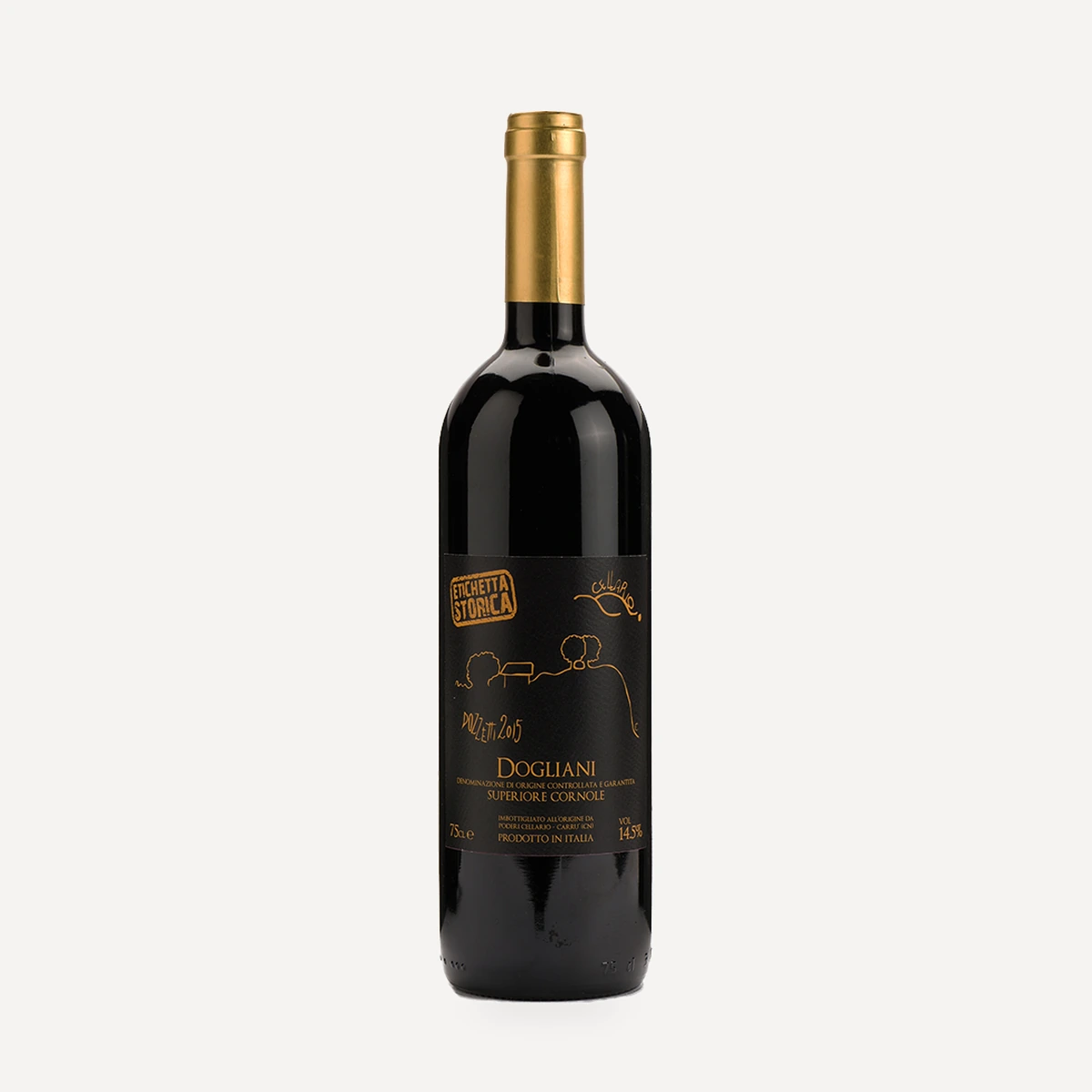
Etichetta Storica – Dogliani DOCG Superiore
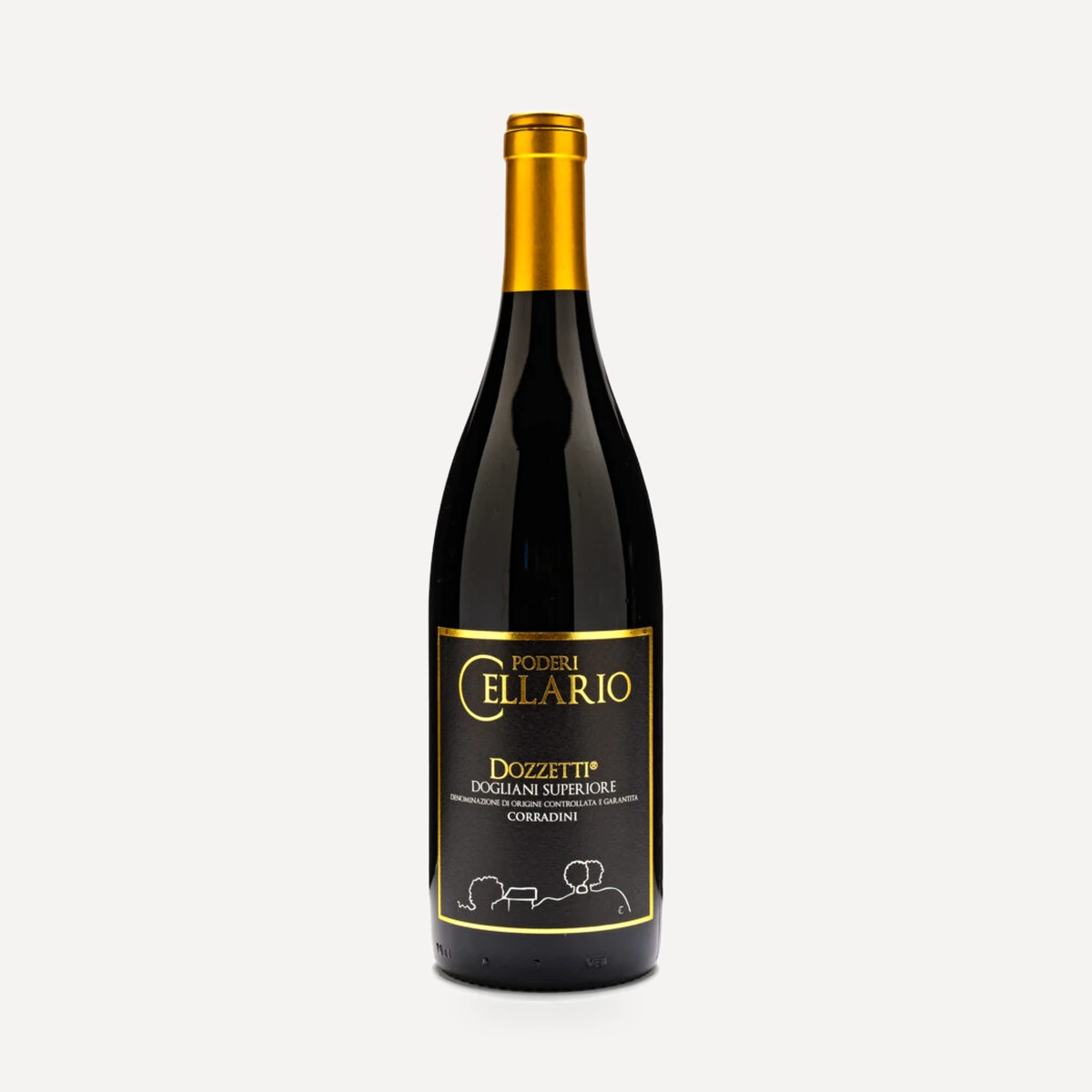
DOZZETTI – Dogliani DOCG Superiore
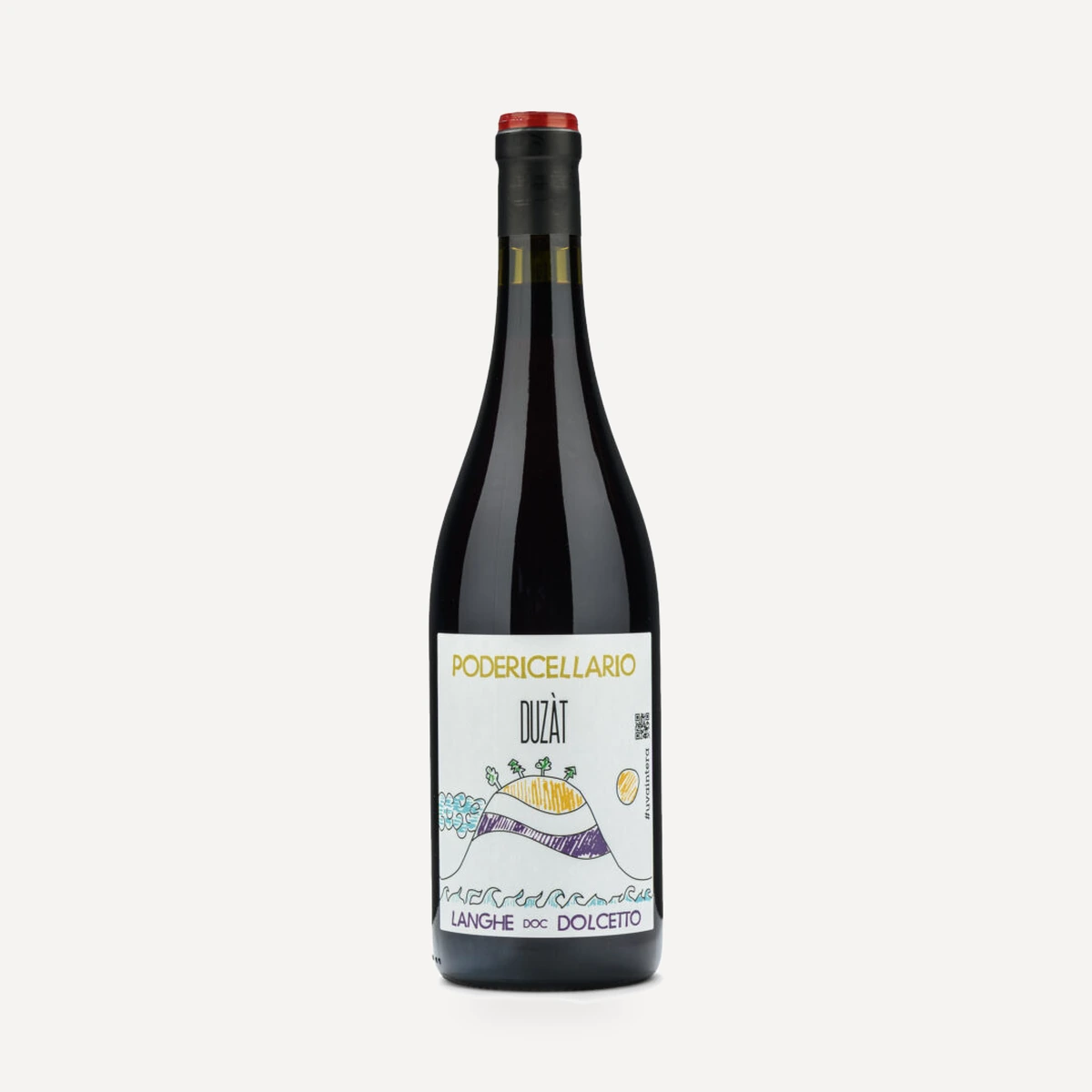
DUZAT – Langhe DOC Dolcetto
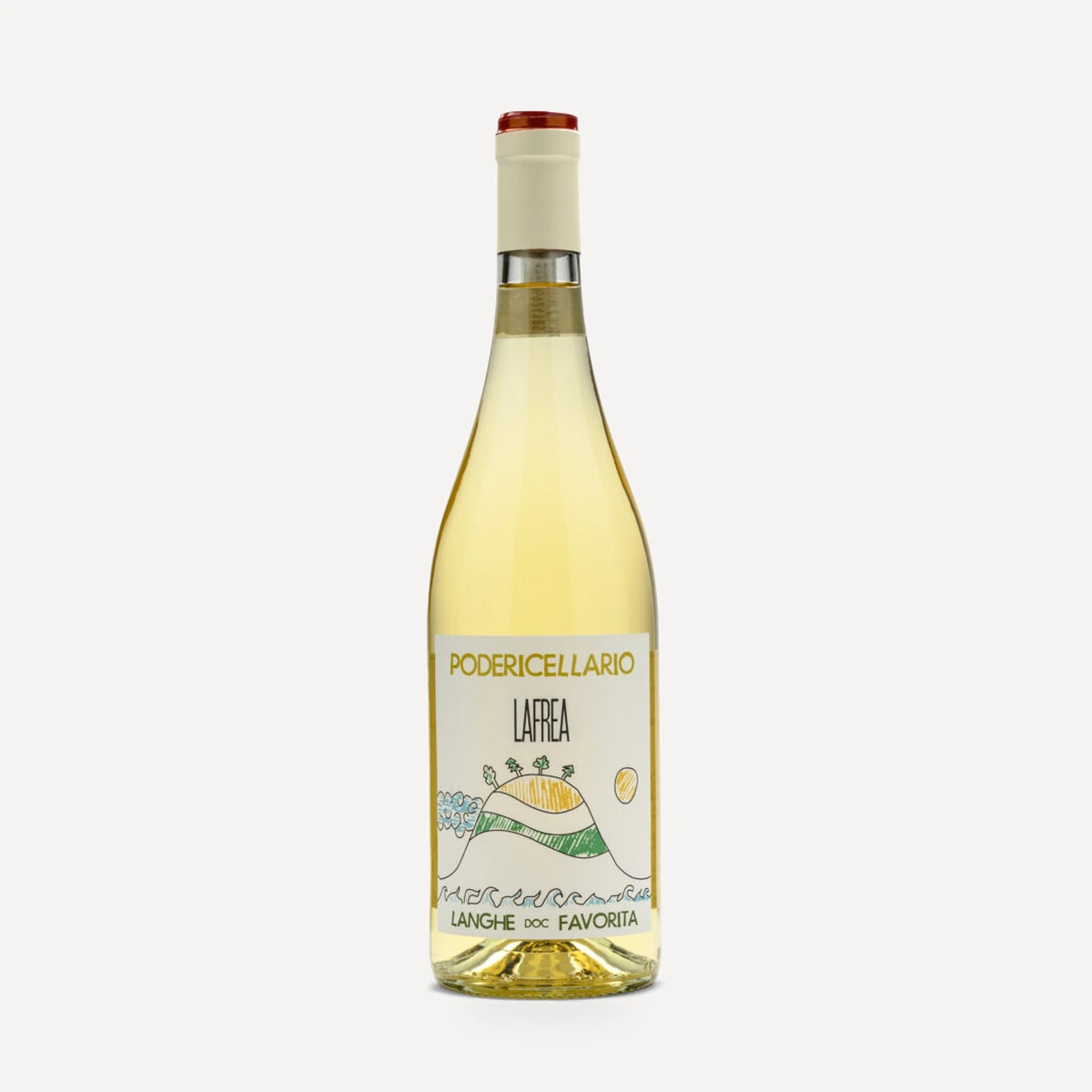
LA FREA – Langhe DOC Favorita
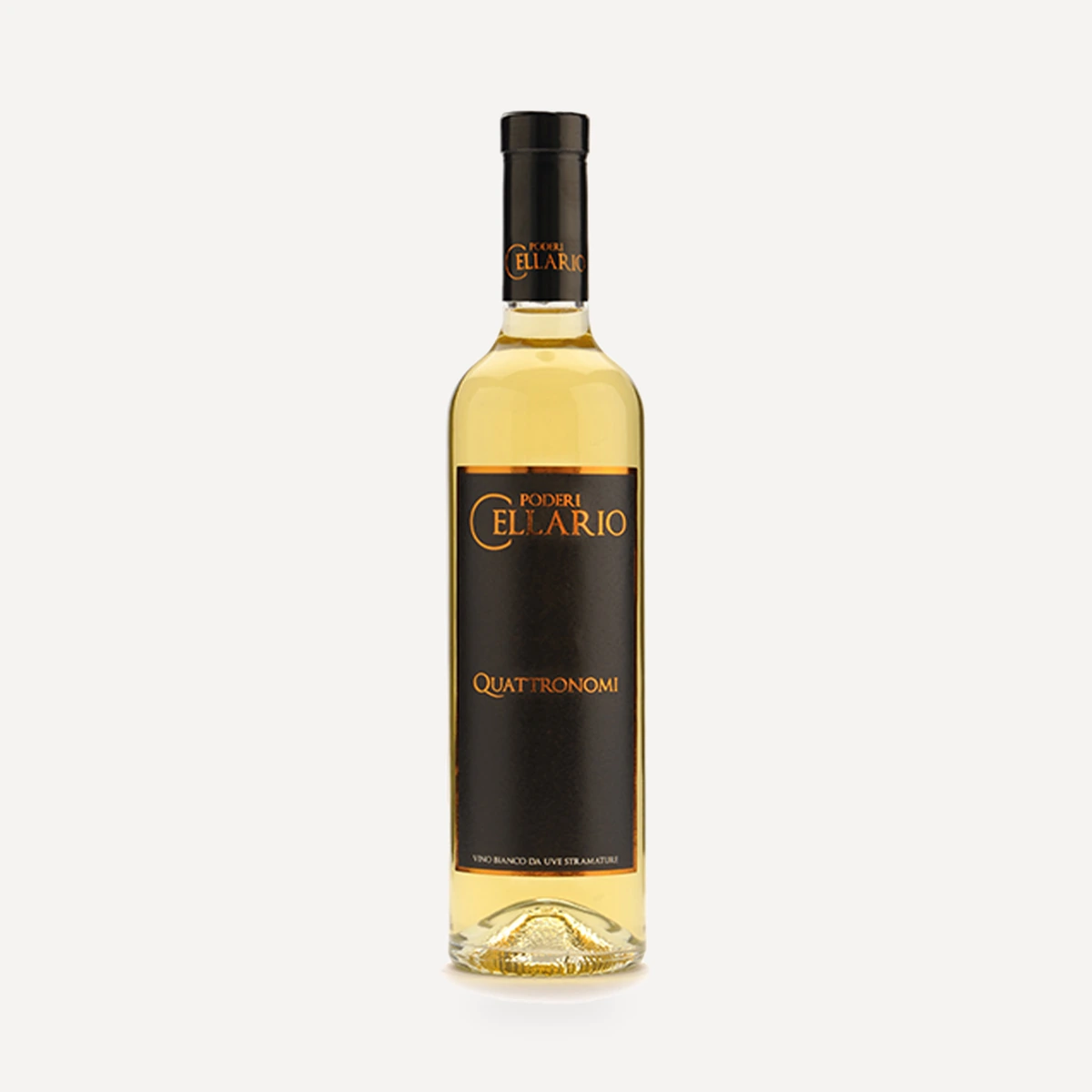
Quattronomi
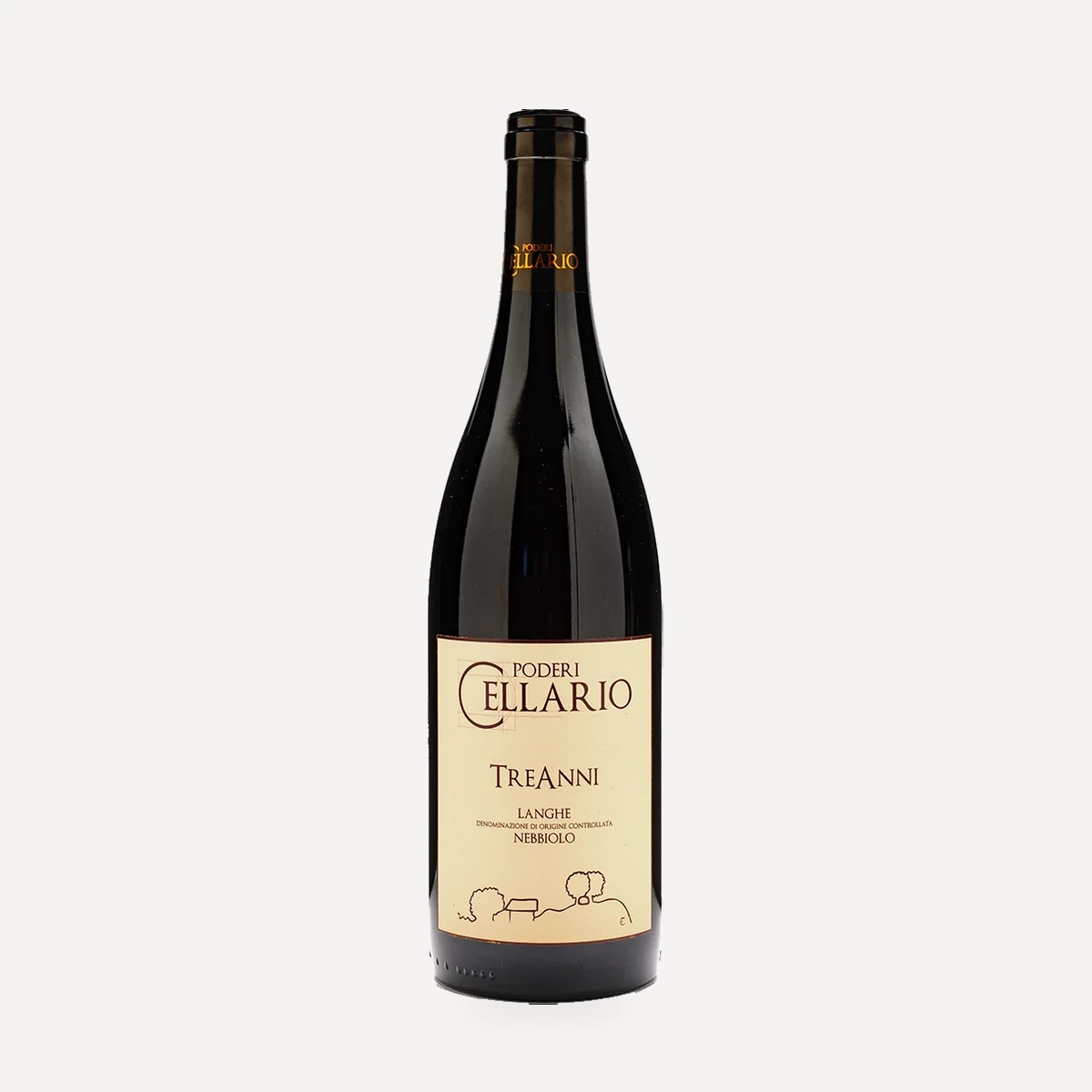
TREANNI – Langhe DOC Nebbiolo
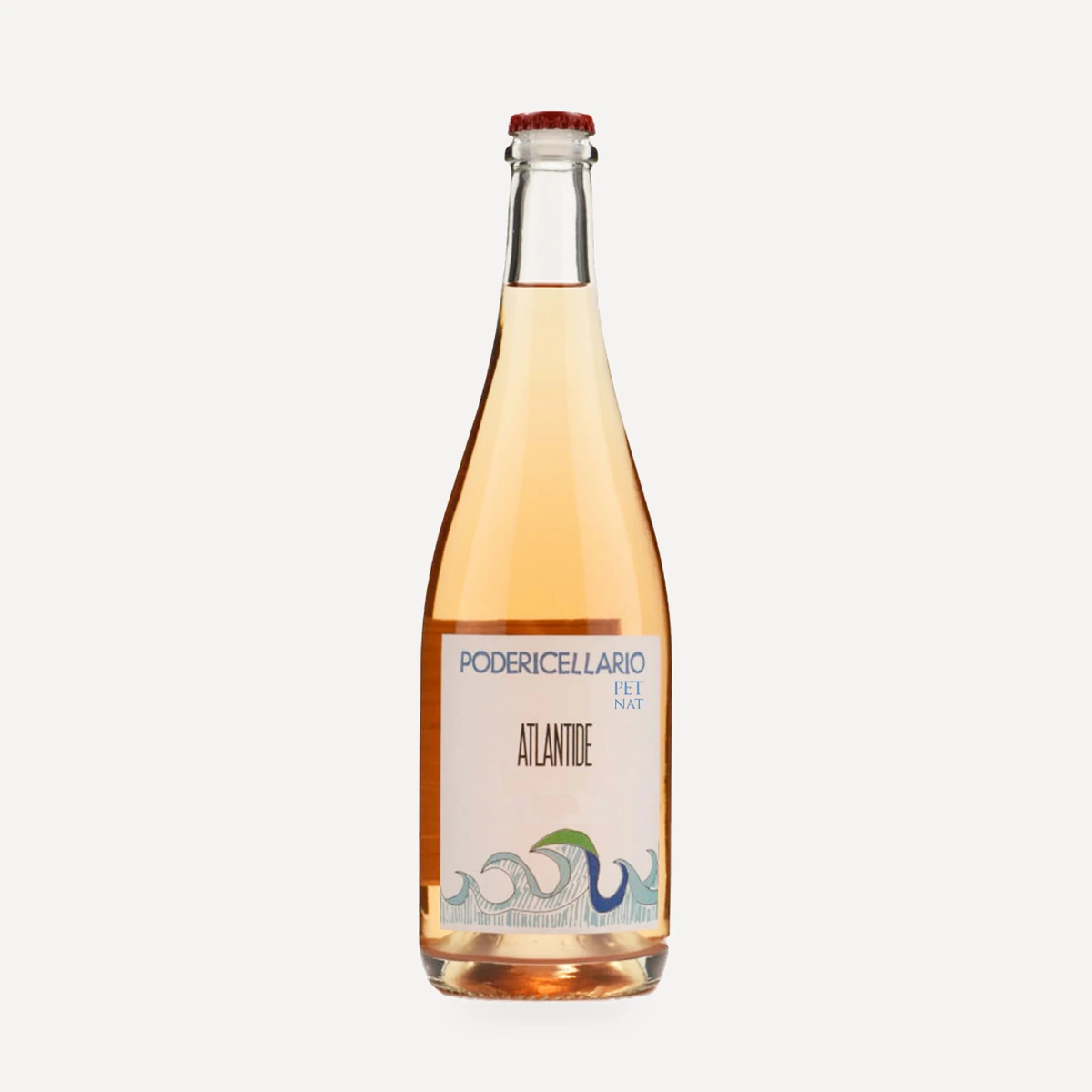
Atlantide
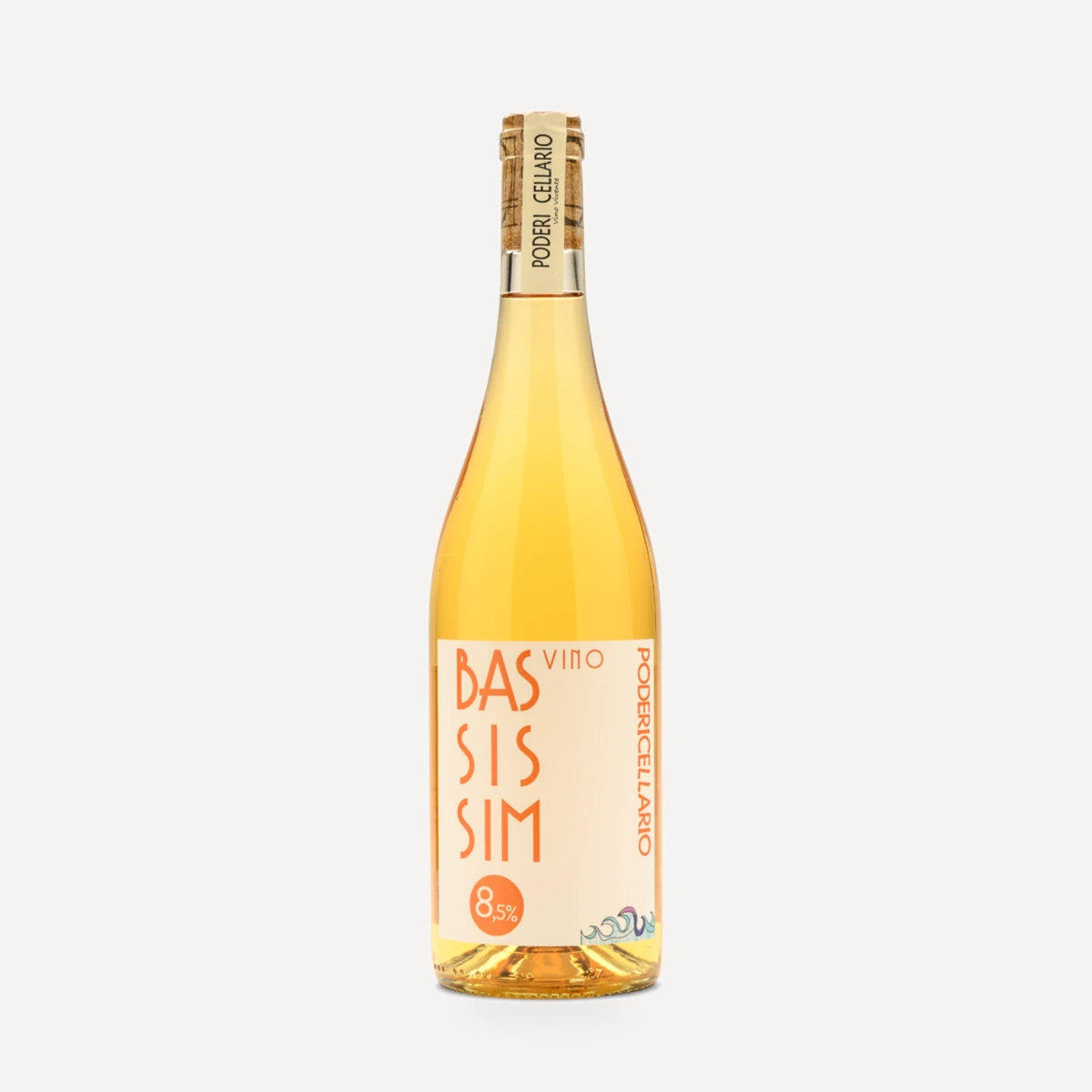
Bassissimo
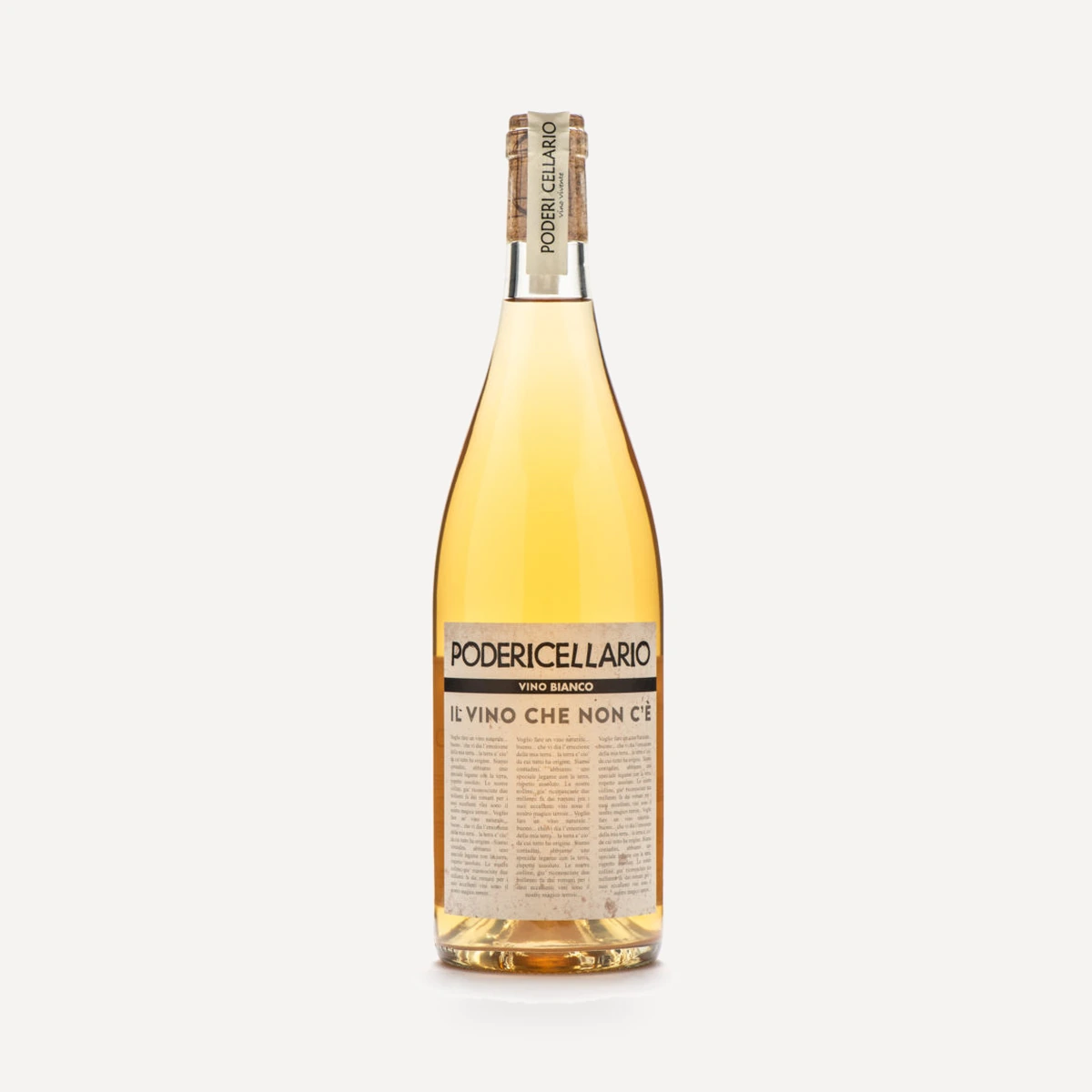
IL VINO CHE NON C’È – Bianco
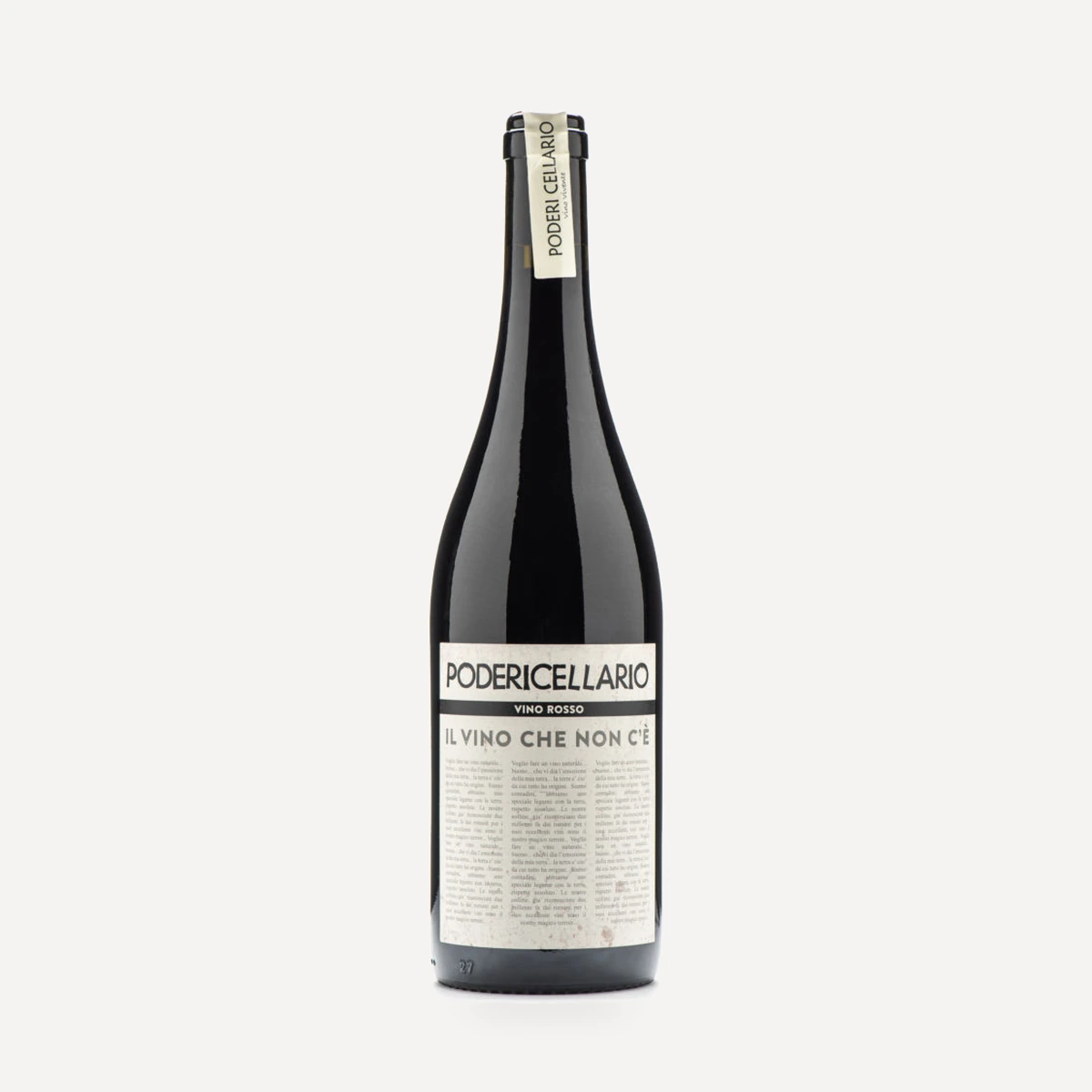
IL VINO CHE NON C’È – Rosso
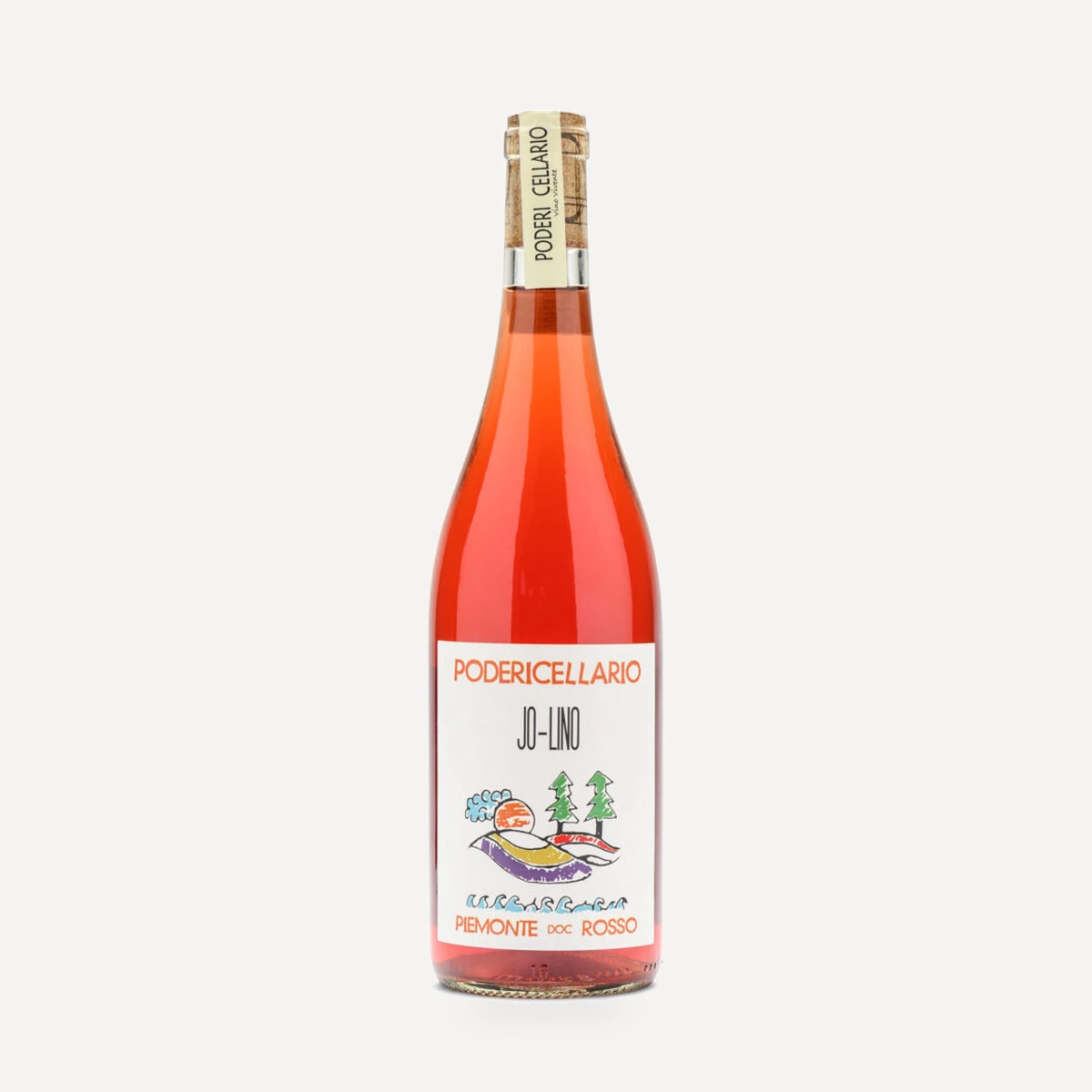
JO-LINO – Piemonte DOC Rosso
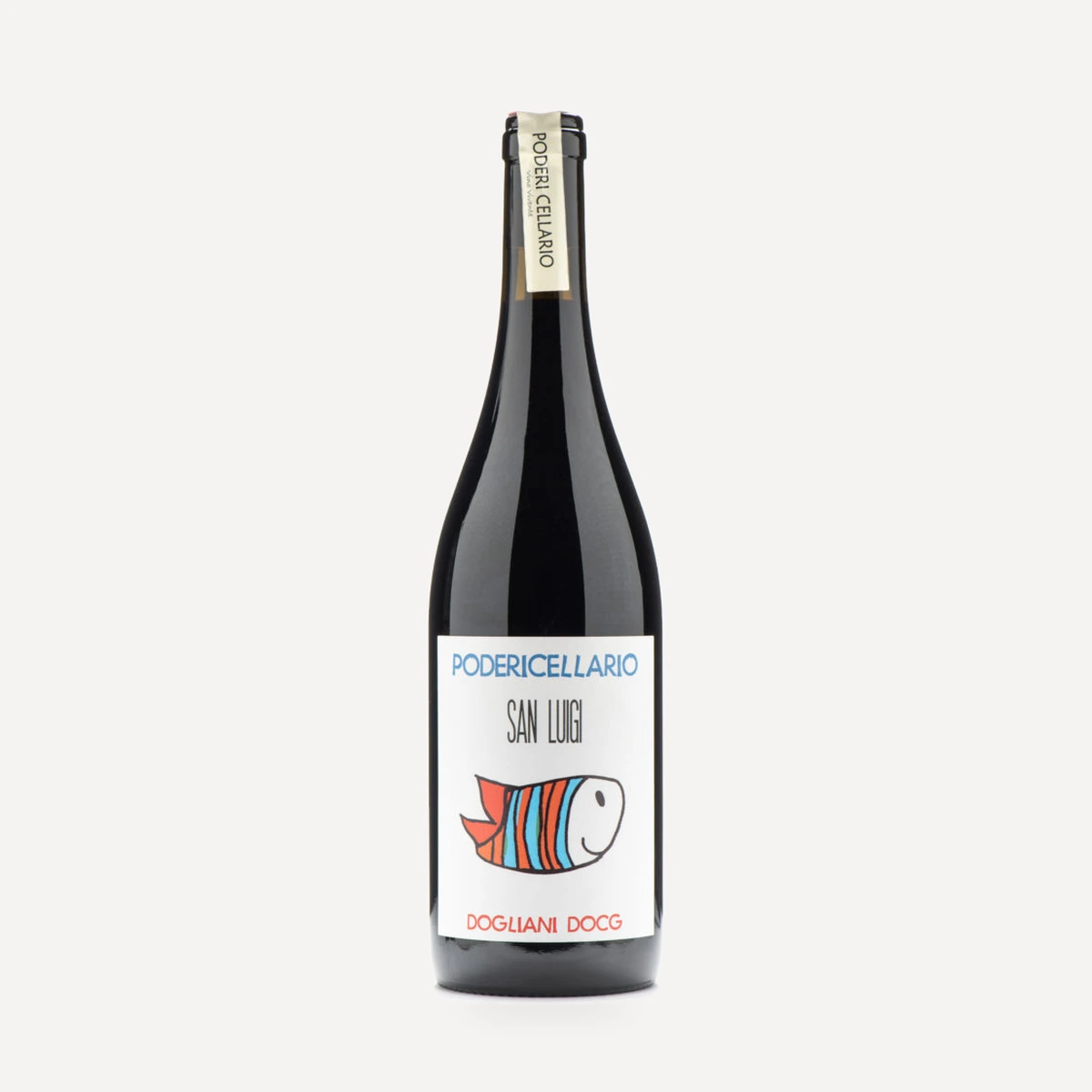
SAN LUIGI – Dogliani DOCG
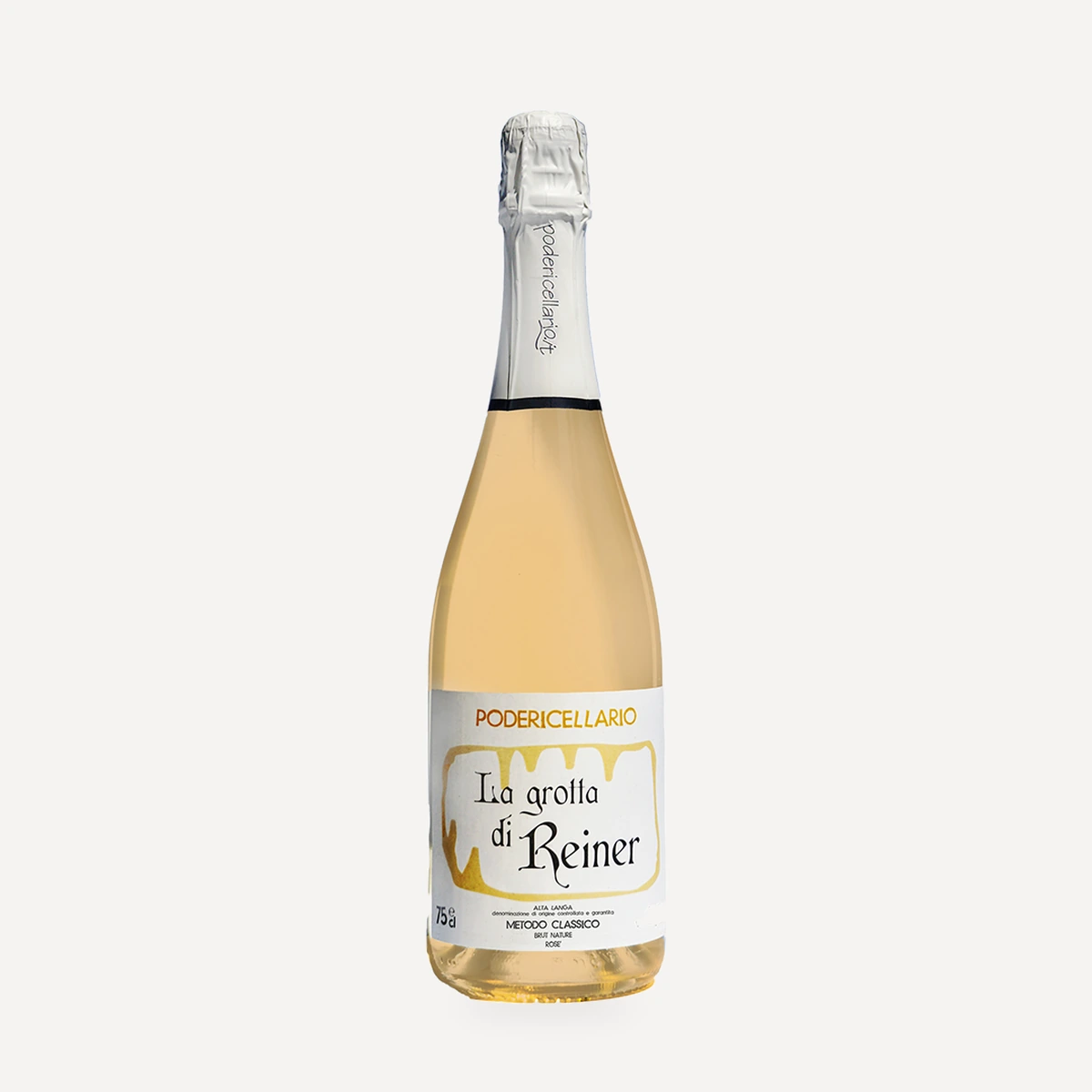
LA GROTTA DI REINER – Alta Langa DOCG Metodo Classico – Pas Dosé
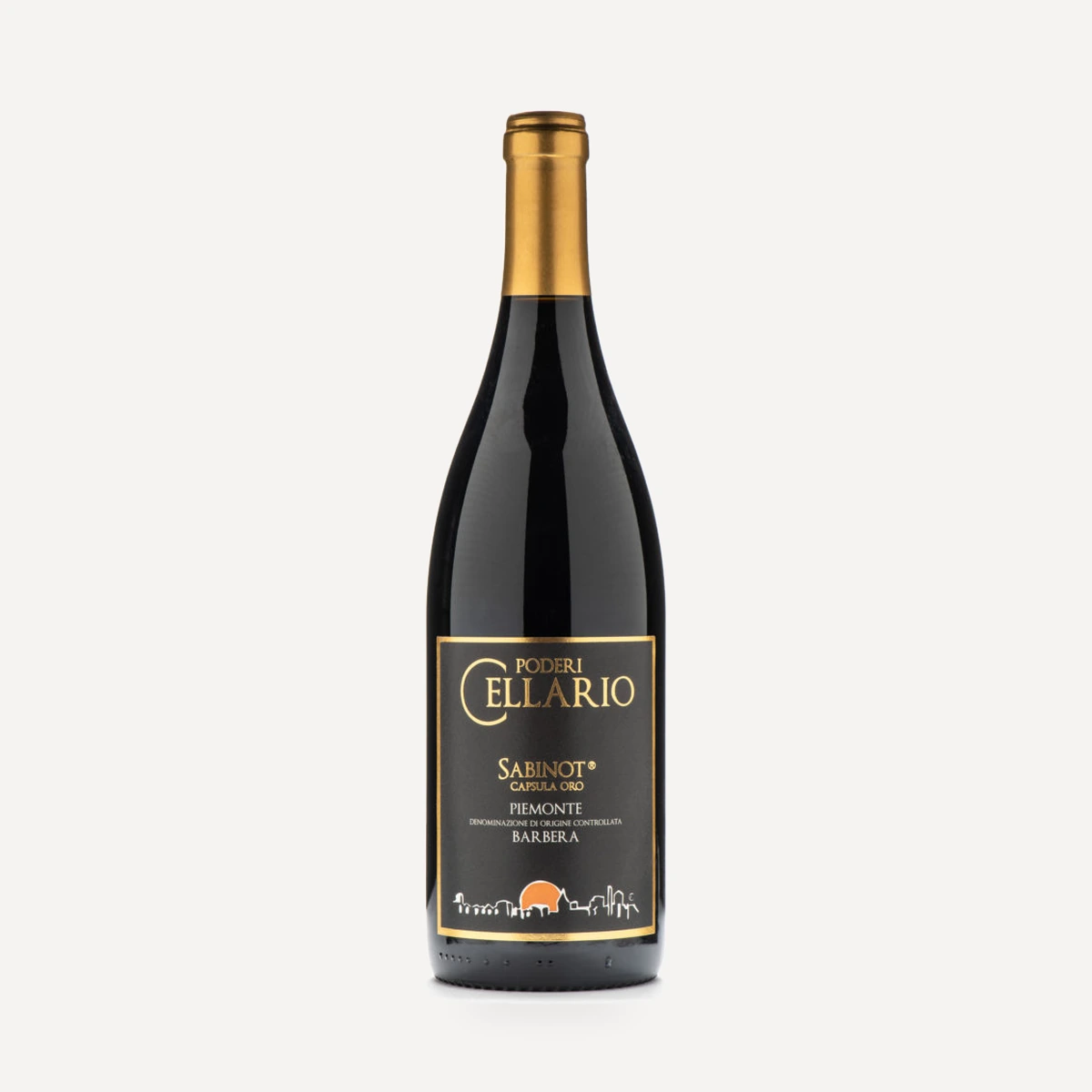
Sabinot Capsula Oro – Piemonte DOC Barbera
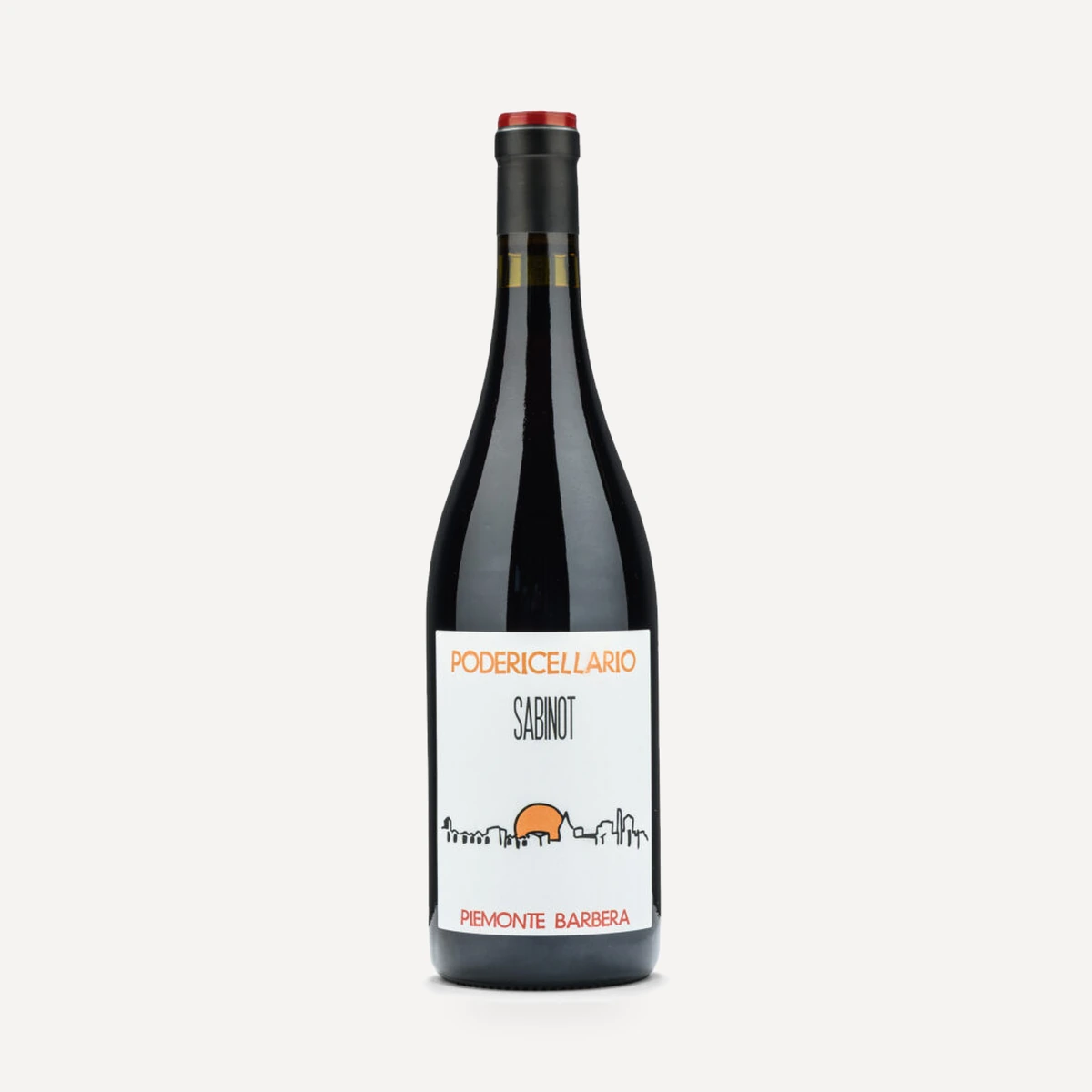
SABINOT – Piemonte DOC Barbera
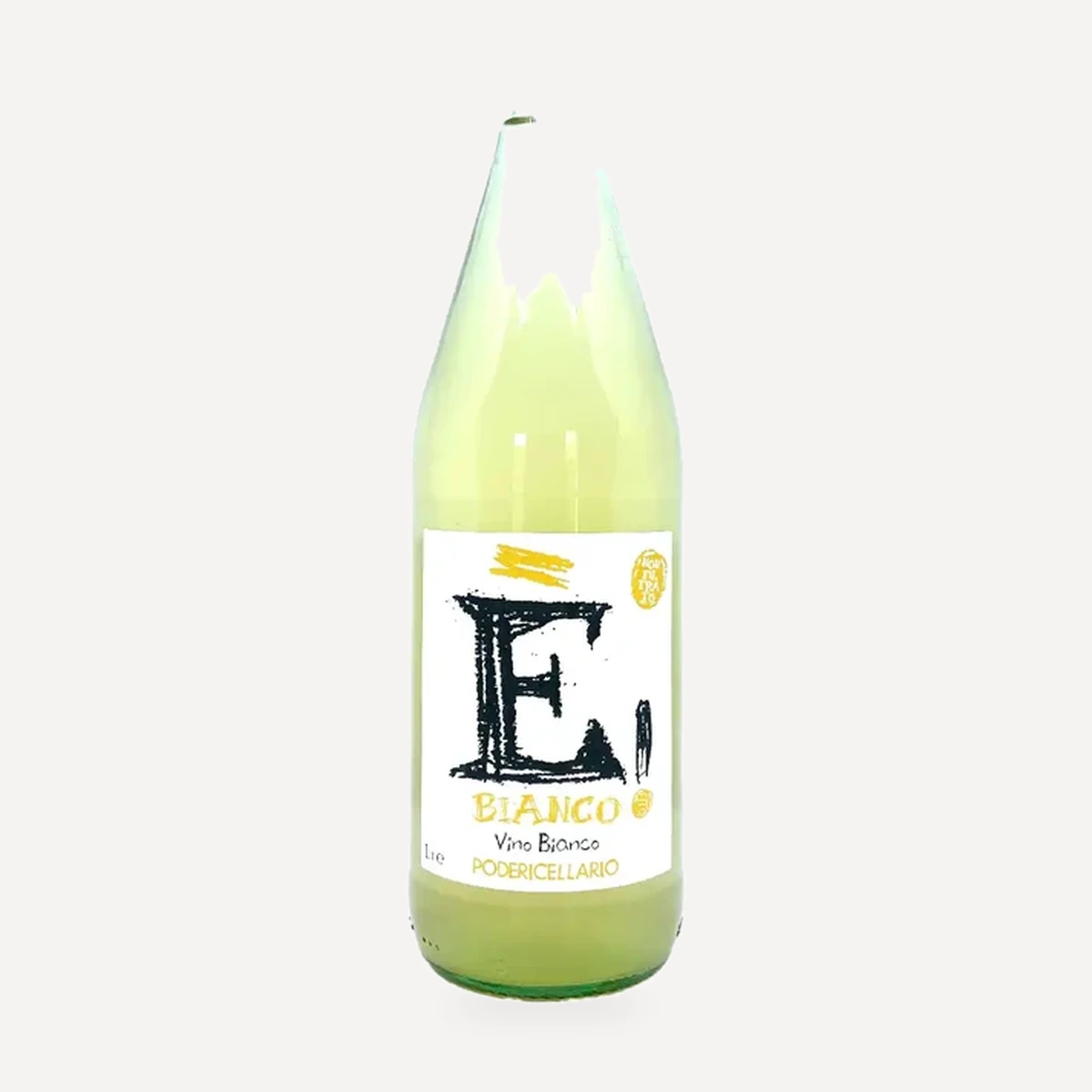
E’ Bianco
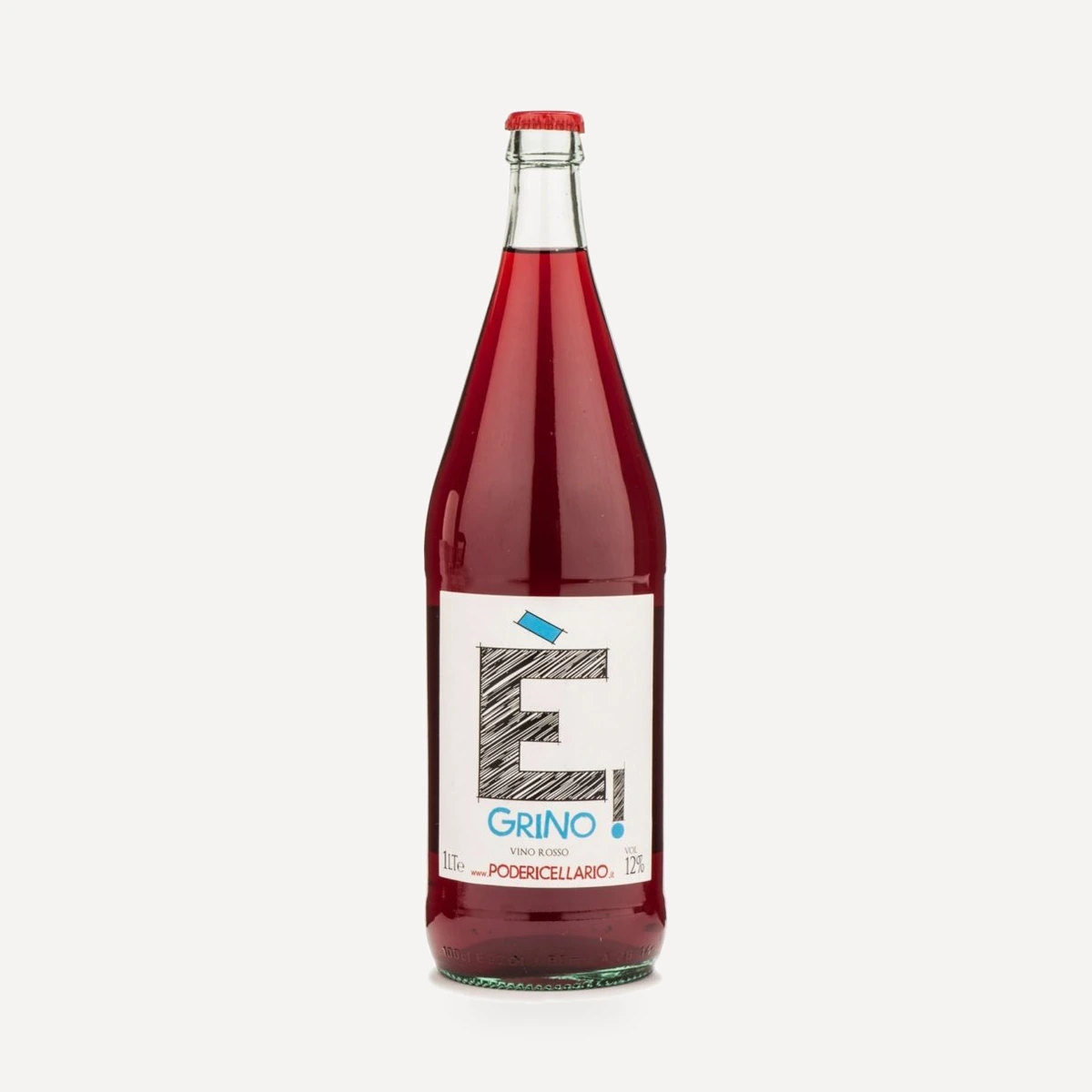
E’ Grino

E’ Orange
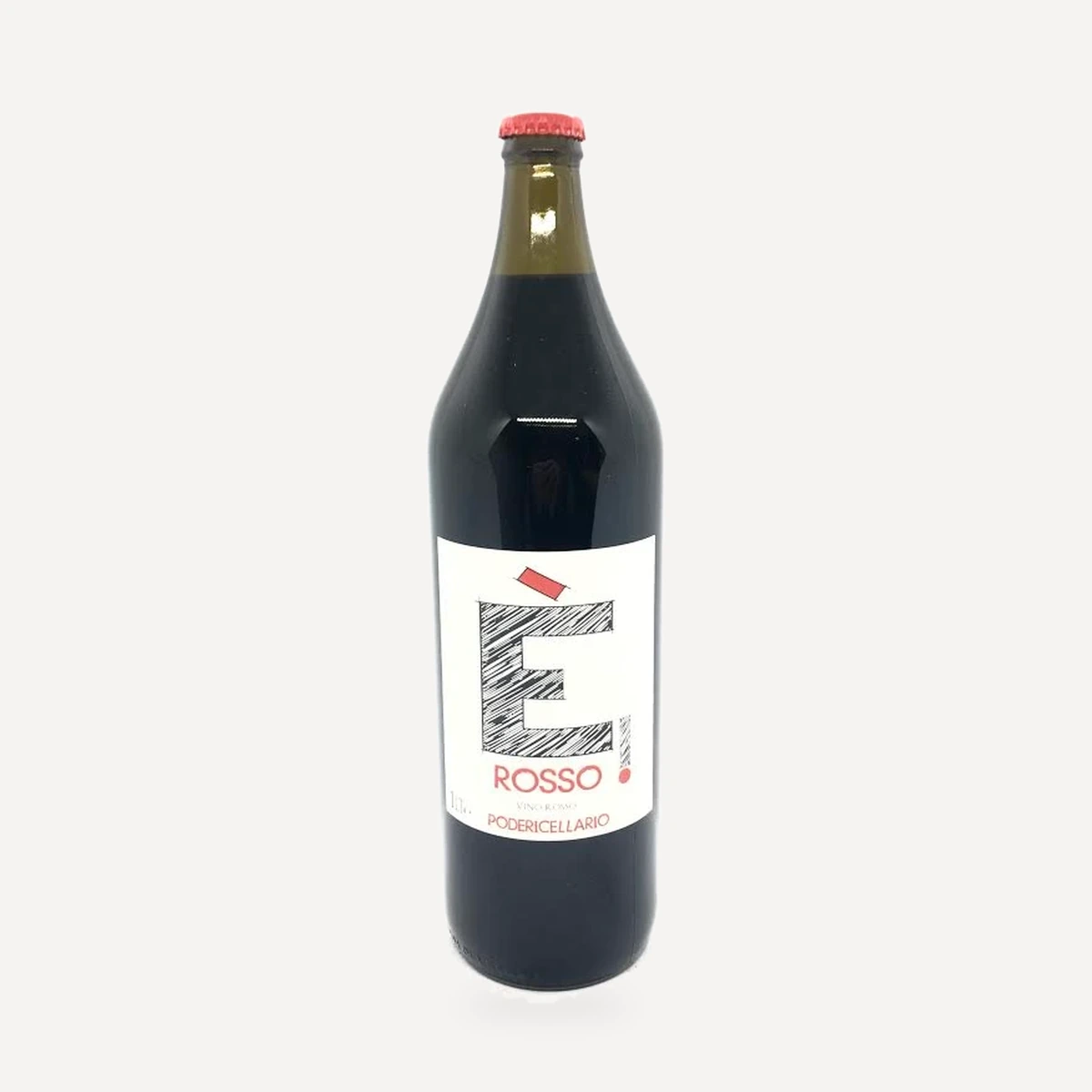
E’ Rosso
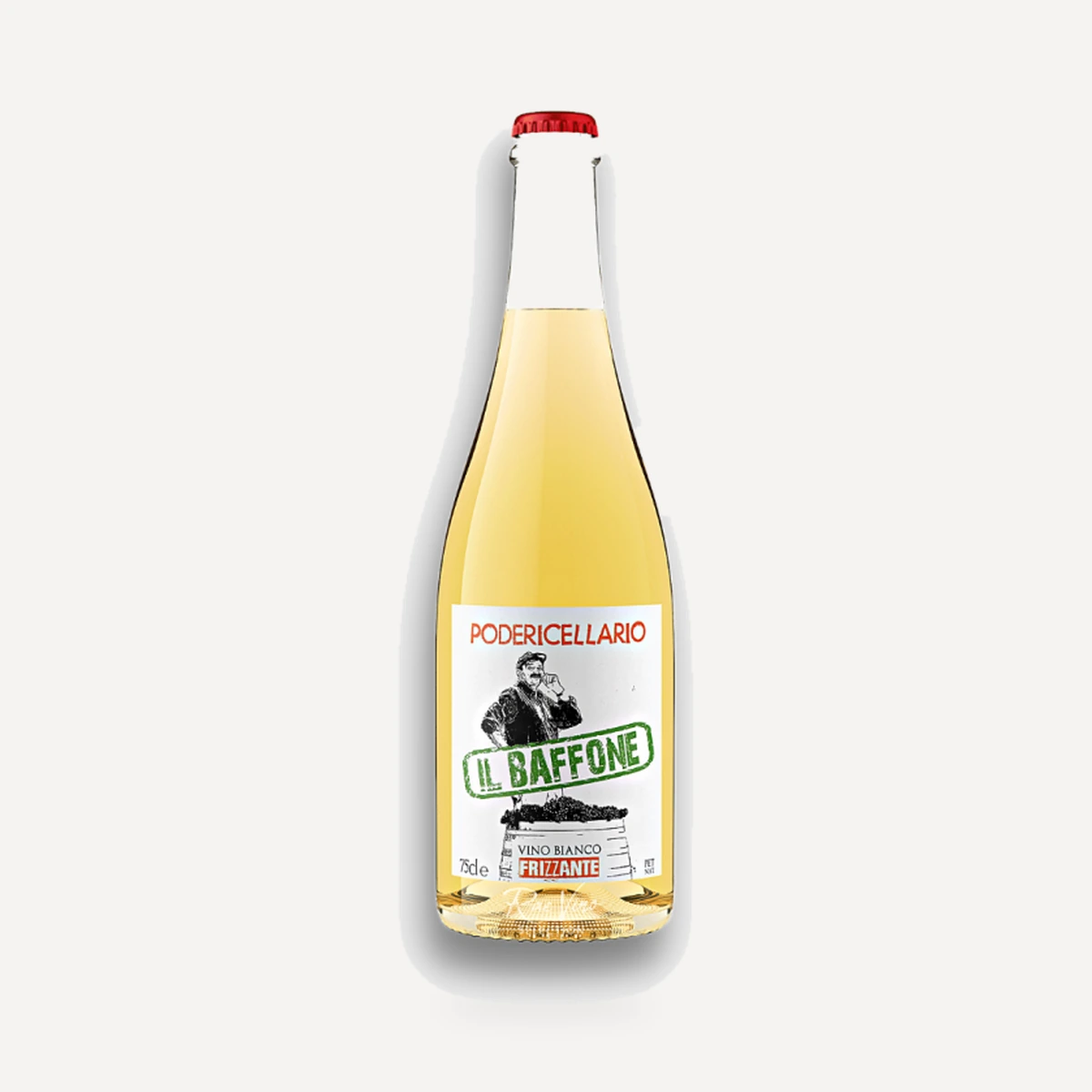
Il Baffone
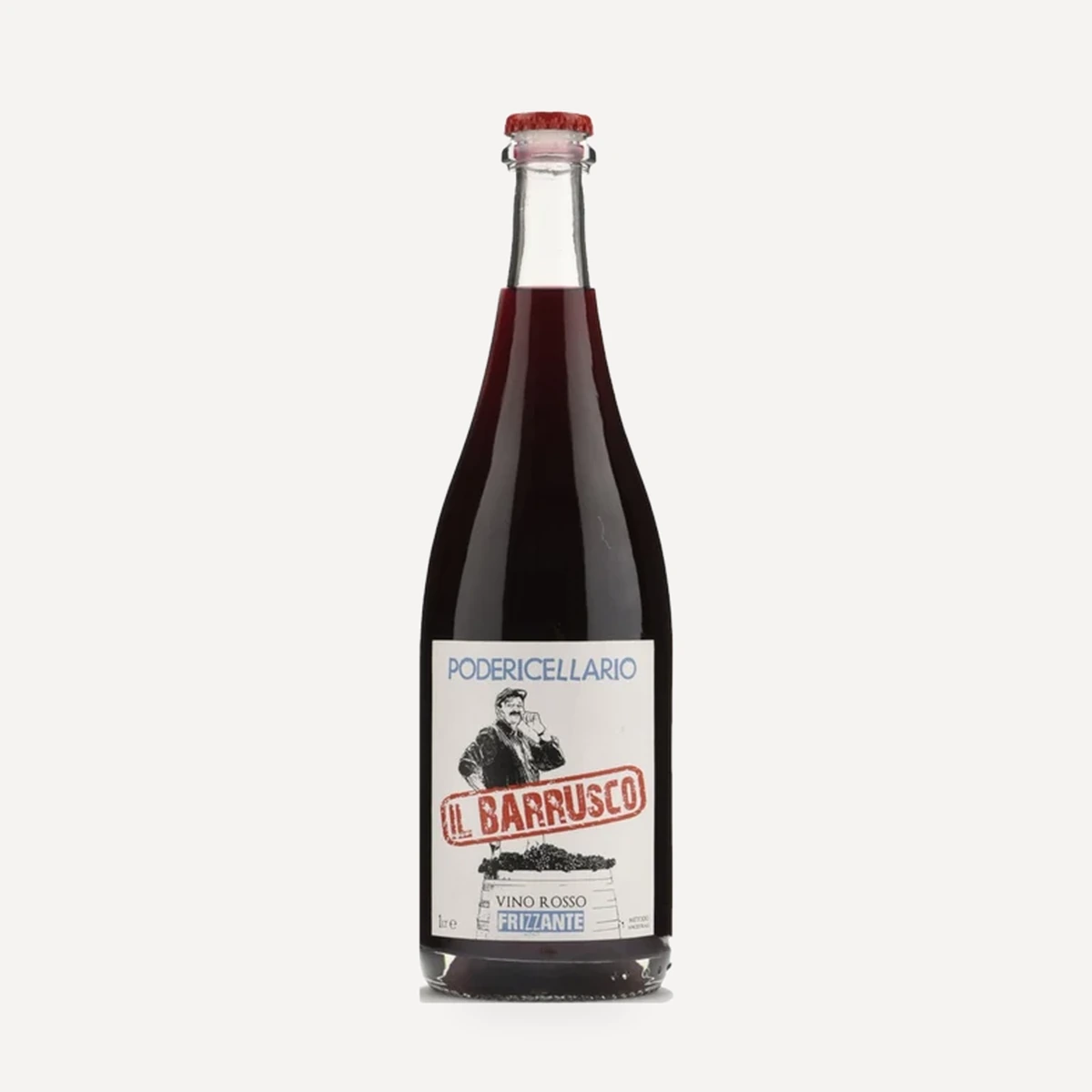
Il Barrusco
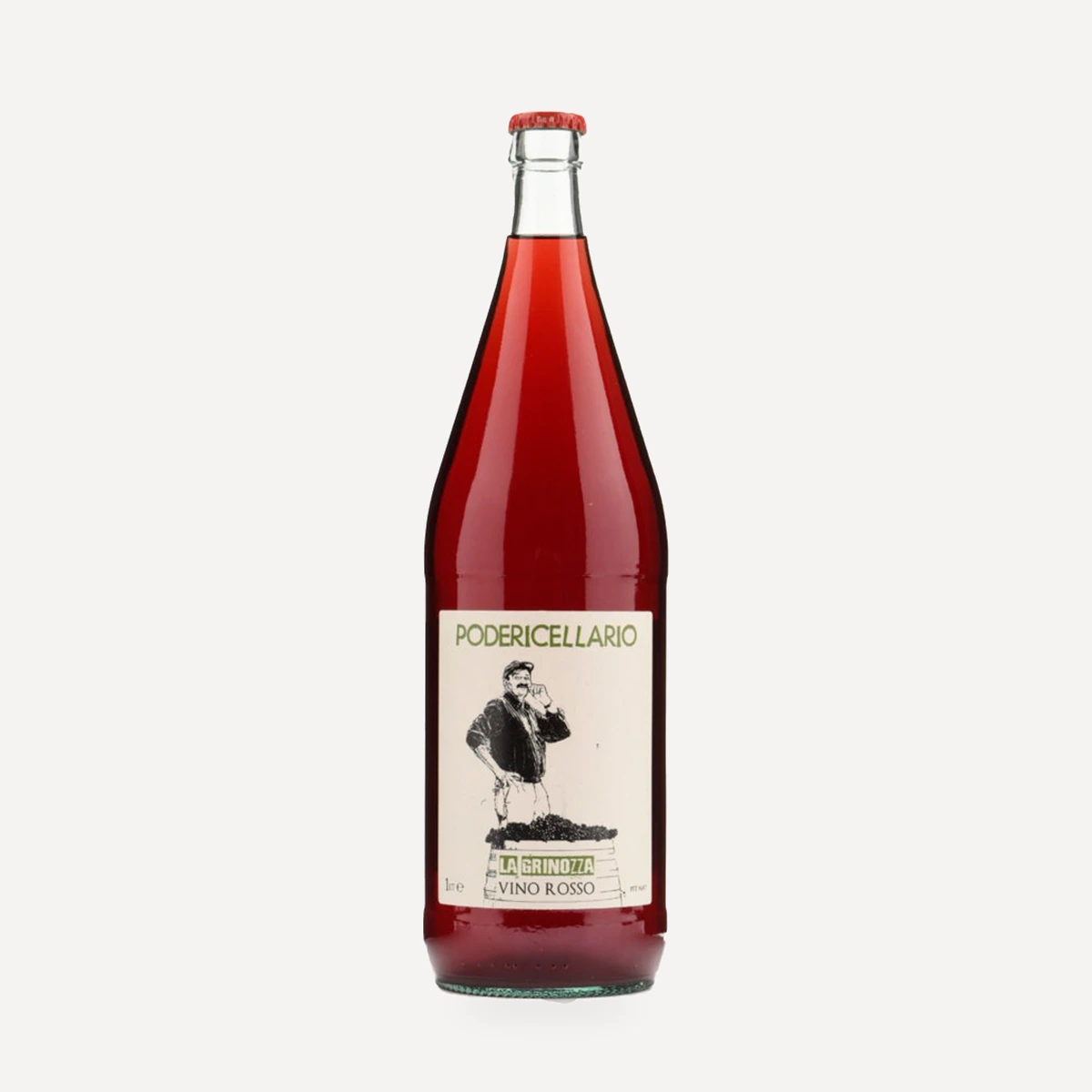
La Grinozza
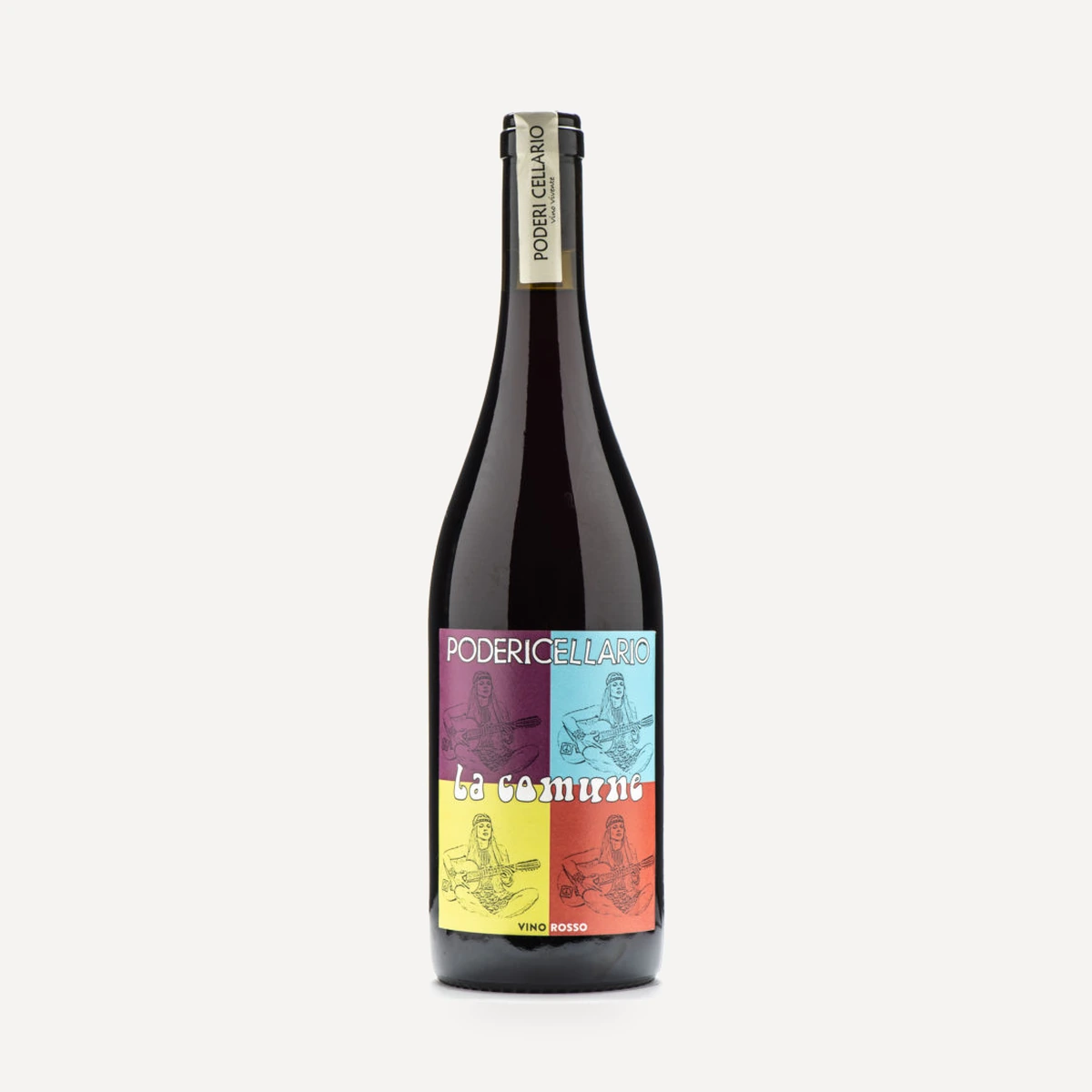
La Comune