Storia
The meeting at Faedo, 1975
Pojer e Sandri began in Faedo in 1975 through the partnership of Fiorentino Sandri and Mario Pojer. Sandri had just inherited approximately 2 ha of vineyards, while Pojer had recently graduated as an oenologist from the school of oenology at San Michele all’Adige. With limited land and resources, they set out to produce high-quality wine on the Faedo hillside between the Valle dell’Adige and the Valle di Cembra—an area that many observers regarded as having limited viticultural potential.
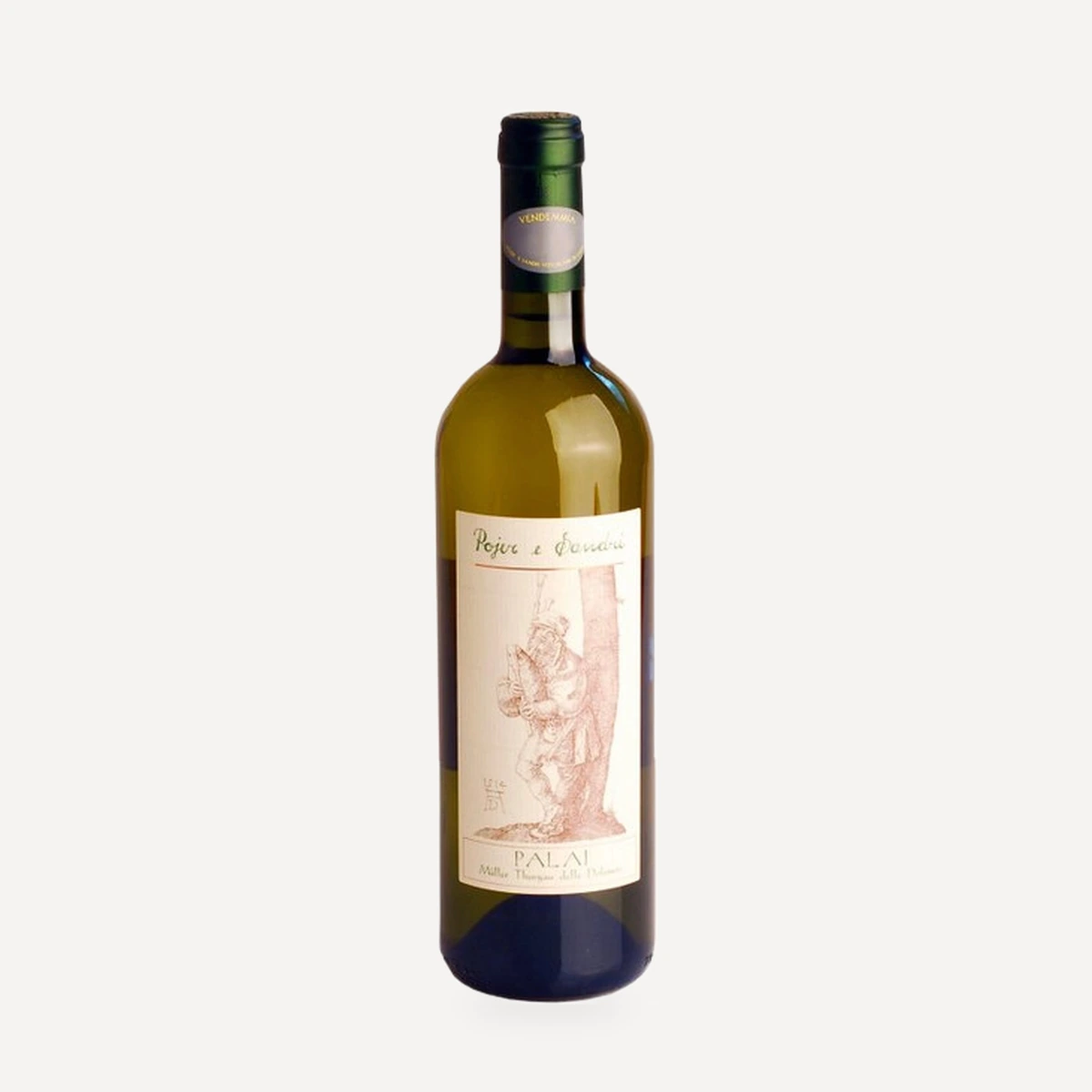
Their first wine was Palai Müller Thurgau, followed by Chardonnay and the indigenous Nosiola. Its early reception encouraged the acquisition of further land. The estate eventually expanded to approximately 32 ha under vine.
From a home cellar to an integrated estate
The original winery occupied the basement of a house during the 1970s. Rising production led to successive investments and enlargements, gradually creating the present structure. The enterprise developed as an integrated system extending from the plant and fruit through wine, grappa, fruit distillates and vinegar.
Innovation, 1992–2002
Planning for the production of fruit eaux-de-vie began in 1992. Traditional distillation methods were combined with research, technology and a purpose-designed discontinuous bain-marie still developed with the participation of the proprietors.
In 1998, the estate identified the commercial development of Chardonnay as an important milestone, describing itself as one of the early Italian businesses to market a variety that was still little known nationally.
In 2002, Pojer e Sandri patented reductive winemaking and a press equipped to recover nitrogen. The system was designed to sharply reduce sulphite requirements by limiting contact with oxygen. A grape-washing process subsequently became part of the production system, with bunches cleaned in a purpose-built hydromassage or “grape jacuzzi.”
Zero Infinito, 2013
The main historical chronology dates the creation of Zero Infinito to 2013. The project was conceived around a sequence of exclusions: no chemical vineyard treatments, added sulphur dioxide, commercial yeasts, fining agents, filtration or antioxidants. It is based at Maso Rella in Grumes, on land abandoned during the 1950s and 1960s, and uses interspecific PIWI vines naturally resistant to fungal diseases.
The broader Zero Infinito family later included Cremisi and Perpetuo. Perpetuo draws on several harvests, beginning with the 2009 vintage, and applies a perpetual or solera-style system. It combines overripe PIWI grapes, extended skin contact inspired by Georgian maceration practice and maturation in small oak casks previously used for the estate’s brandy for ten years.
Expansion and modernization, 2019 onward
Continued growth eventually left the winery short of space. Its bottling line no longer met operational needs, while an ageing refrigeration plant was undersized for the enlarged cellar and its winemaking requirements. A major investment programme was therefore planned to expand the facility, introduce new technological equipment, optimize production processes and strengthen production, promotion and product development.
The Commissione per la Pianificazione Territoriale e il Paesaggio approved the expansion through resolution 81/2019 on 17 July 2019. Faedo issued building permit no. 8/2019 on 27 November 2019. The eligible expenditure was €1,374,900.17, supported by a €501,680.07 contribution divided among European Union, Italian state and Provincia Autonoma di Trento funding.
A separate rural-development project supported the redevelopment of guest areas at Agritur Maso Besleri in the Valle di Cembra. Eligible expenditure was €19,904.05, with an anticipated contribution of €7,961.62.
The team today
Marianna, Matteo, Fiamma, Elisa and Federico subsequently joined the enterprise, bringing a new group into a project still organized around passion, experimentation and innovation. Hospitality has also expanded through a new tasting and event room capable of receiving larger groups, hosting seasonal meals with a personal chef, and accommodating meetings, presentations and team-building activities.
Terroir
Faedo between two valleys
The Faedo hillside lies between the Valle dell’Adige and the Valle di Cembra. Its cone-shaped landform was created by alluvial activity, an interglacial landslide process and the action of the Rio Faedo. The position between the valleys, the Ora del Garda and air currents arriving from the Brennero make Faedo notably ventilated. Wind, elevation and solar exposure create differentiated conditions for the varieties planted across the hillside.
Geologically, Faedo stands at the transition between the Permian porphyry platform, composed of volcanic rock, and Werfen deposits of sandstone, siltstone, marl, limestone and dolomite. In the Nosiola sites, soils range from 30 to 100 cm deep; they are silty-calcareous and rest on a marly conglomerate.
Grumes and the upper Valle di Cembra
Maso Rella at Grumes occupies steep land at 800–900 m in the upper Valle di Cembra. The site receives northerly morning winds from the Val di Fiemme and Val di Fassa and the southerly Ora del Garda during the afternoon. Persistent sunlight and ventilation define the site. Its dark-brown soil derives from fragmented volcanic porphyry.
The vineyards were established on land abandoned during the 1950s and 1960s. Their altitude, strong gradients, ventilation and fungal-disease-resistant vines form the physical basis of the Zero Infinito project.
Vinificazione
Viticulture is divided between the established Faedo vineyards and the PIWI-based Zero Infinito project at Grumes. At Maso Rella, interspecific vines resistant to fungal diseases were planted on steep land that had been abandoned during the 1950s and 1960s. Solaris, Muscaris and Souvignier Gris reduce dependence on plant-protection treatments through their natural resistance.
Zero Infinito is certified organic and is defined by the exclusion of chemical treatments in the vineyard, including fungicides and insecticides. The project extends this approach into the cellar through the avoidance of added sulphur dioxide, commercial yeast, fining agents, filtration and exogenous antioxidants.
Training systems documented across the vineyards include open Trentino pergoletta at 6,500 vines/ha, Guyot at 6,200 vines/ha and double-arched Guyot at the Perpetuo block. Recorded yields range from 110 q/ha for Nosiola, through 80–90 q/ha for Solaris used in Zero Infinito, to 30–40 q/ha for the overripe PIWI fruit selected for Perpetuo.
An integrated production system
Production is conceived as a continuous system running from the plant and fruit to the cask and bottle. Long-term experimentation combines older practices with internally developed equipment intended to protect the raw material, limit impurities and reduce additions.
Grape reception and washing
White, red and sparkling-wine grapes undergo a cleaning treatment developed and designed at the estate. Whole bunches receive an hydromassage in the purpose-built “grape jacuzzi” before subsequent processing.
White winemaking
After washing, white grapes are pressed in a controlled atmosphere. The must is transferred immediately to stainless-steel tanks, where fermentation proceeds under controlled-atmosphere conditions. Hyper-reductive processing excludes oxygen in order to preserve varietal aromas and naturally occurring antioxidants. The patented system uses nitrogen recovery and is intended to minimize oxidation, added antioxidants and sulphur dioxide.
Red winemaking
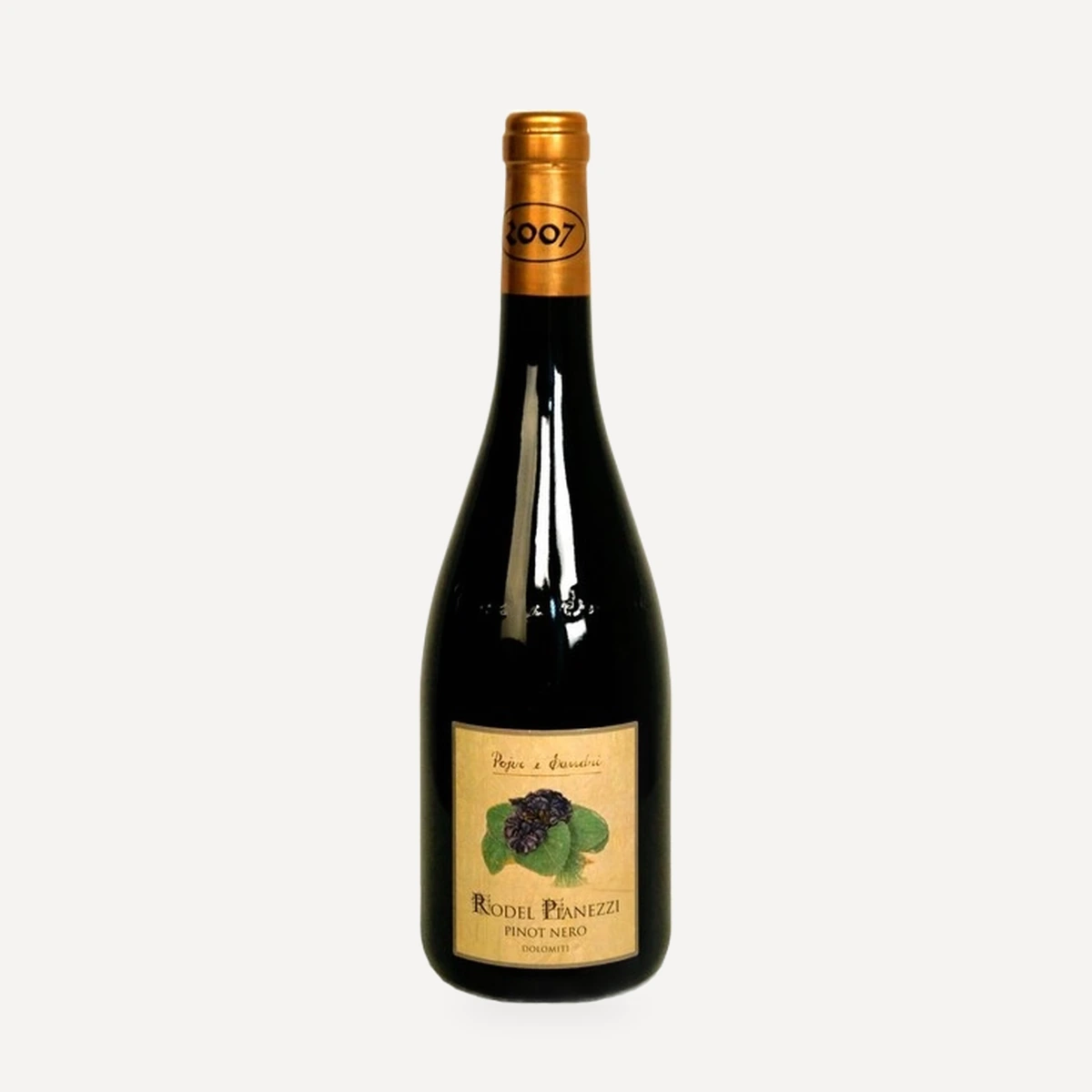
Washed red grapes are destemmed, removing berries from the rachis to avoid an unwanted stalk-derived tannic character and produce a softer result. Fermentation takes place in wooden vats, followed by maturation in barriques. Pinot Nero Rodel Pianezzi matures in oak for more than one year.
Traditional-method sparkling wine
The general sparkling-wine sequence comprises washing, pressing, a first fermentation in barriques, a second fermentation in bottle and remuage on pupitres. The Extra Brut Molinar remains on its lees for 36 months before disgorgement without added sugar.
Zero Infinito and Perpetuo
Zero Infinito applies an ancestral method with no chemical intervention in the vineyard or cellar and no exogenous additions. Its defining exclusions are chemical vineyard treatments, added sulphur dioxide, commercial yeasts, fining agents, filtration and antioxidants.
Perpetuo uses overripe Solaris, Muscaris and Souvignier Gris. The fruit undergoes extended maceration on skins; extraction from skins and seeds supplies tannin as a natural antioxidant. Multiple vintages are assembled through a perpetual or solera-style method, beginning with a 2009 component. Maturation takes place in small oak casks that had previously held the estate’s brandy for ten years.
Distillation and vinegar
The distillery uses a proprietary discontinuous bain-marie still designed with the involvement of the proprietors. For grappa, washed grape pomace is processed after fermentation. Stems and seeds are removed; seeds can account for 20–45% of the pomace by weight, and their removal avoids distilling their wood, waxes and oils. Skins ferment in small 4-q containers to limit overheating and preserve varietal integrity, then enter the still. The resulting spirit reaches approximately 73–78% alcohol and rests in stainless steel before further preparation.
Vinegars are made by traditional, slow acetification in wooden casks using a static surface method, generally lasting one to two years. Fruit or wine must be of primary quality rather than diluted material or by-products. The process is not mechanically accelerated, and temperature is not adjusted, allowing aroma to develop through oxidation.
Filosofia
Pojer e Sandri defines quality as the outcome of an integrated system in which every stage—from the plant and fruit to the cask and bottle—affects the finished product. Its philosophy combines experimentation, close control of raw materials and respect for biological principles.
The cellar’s pursuit of purity begins in the vineyard. Traditional knowledge is combined with internally developed technology where it can better preserve the fruit: grape washing, oxygen-free pressing and nitrogen recovery are used to protect varietal aromas and natural antioxidants while reducing the need for sulphur dioxide and other exogenous additions.
Zero Infinito represents the most radical expression of this position. Its objective is wine made from grapes alone, excluding chemical treatments in the vineyard and additives or corrective processing in the cellar. Resistant PIWI vines, ancestral fermentation, skin-derived tannin and seasoned vessels are used as alternatives to fungicides, insecticides and exogenous antioxidants.
Across wine, distillation and vinegar, the common principles are high-quality primary material, time, care and the combination of tradition with research. The estate’s self-description places passion and innovation at the centre of the project shared by the founders and the newer team.
Vini
Pinot Nero Rodel Pianezzi
Bianco Faye
Pinot Nero
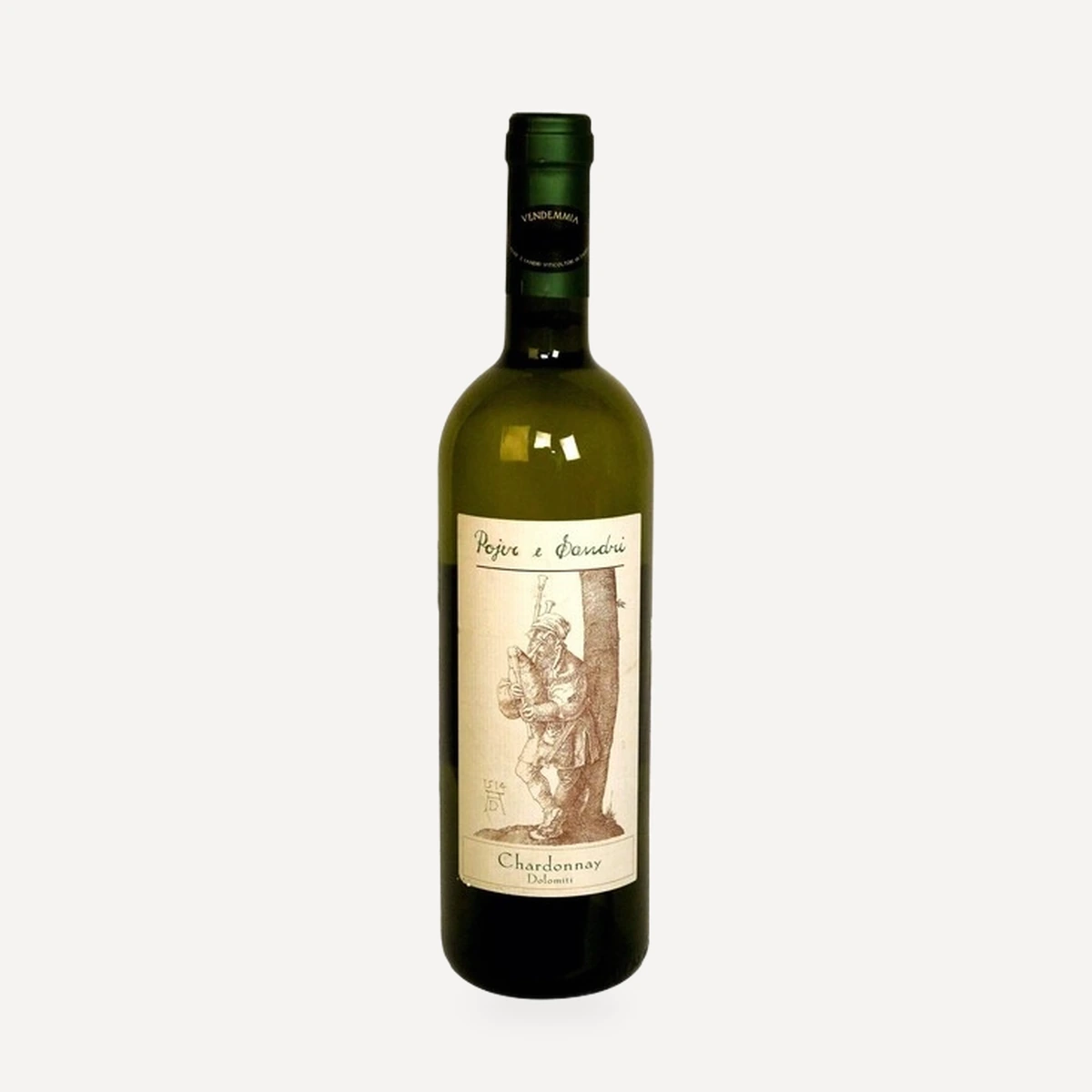
Chardonnay
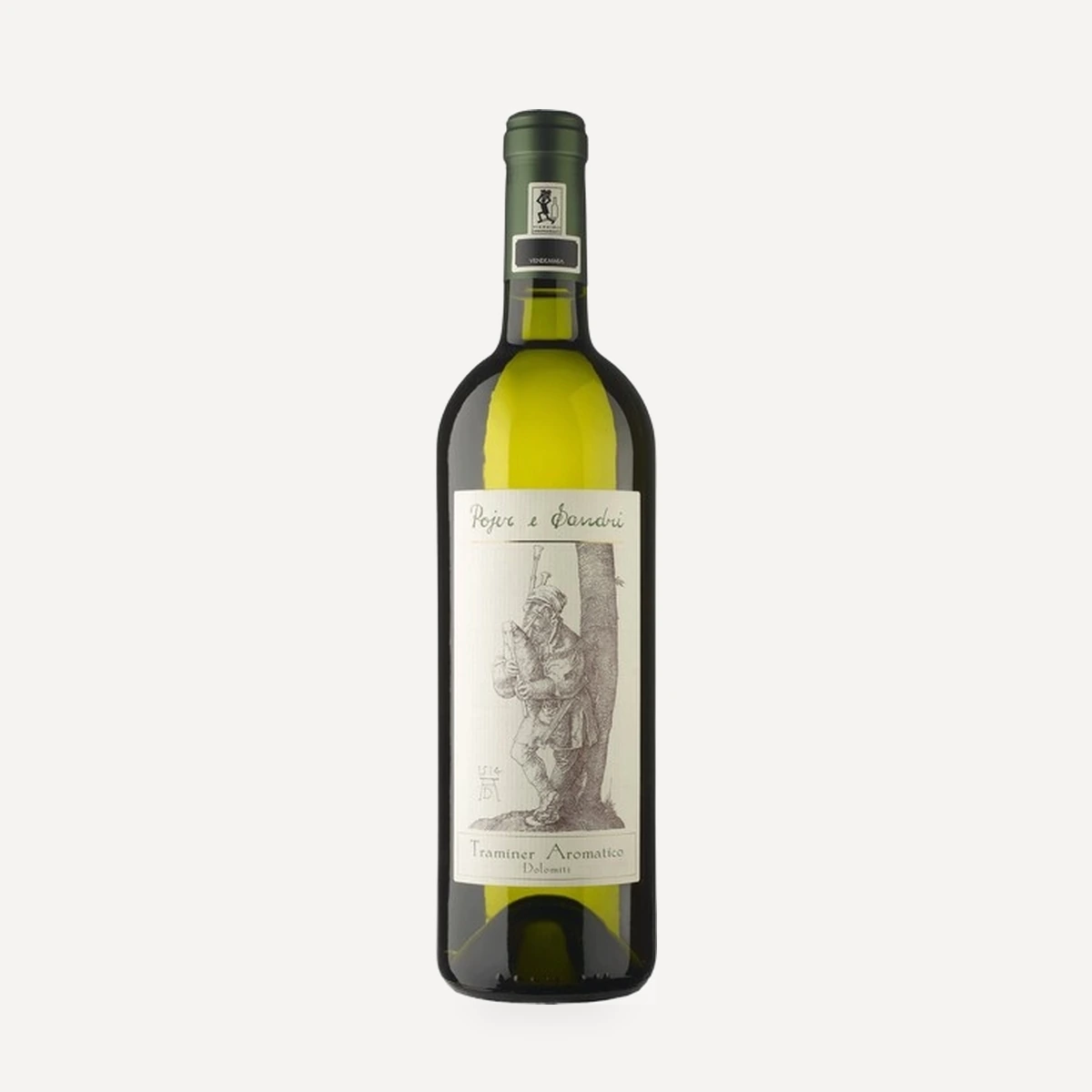
Traminer Aromatico
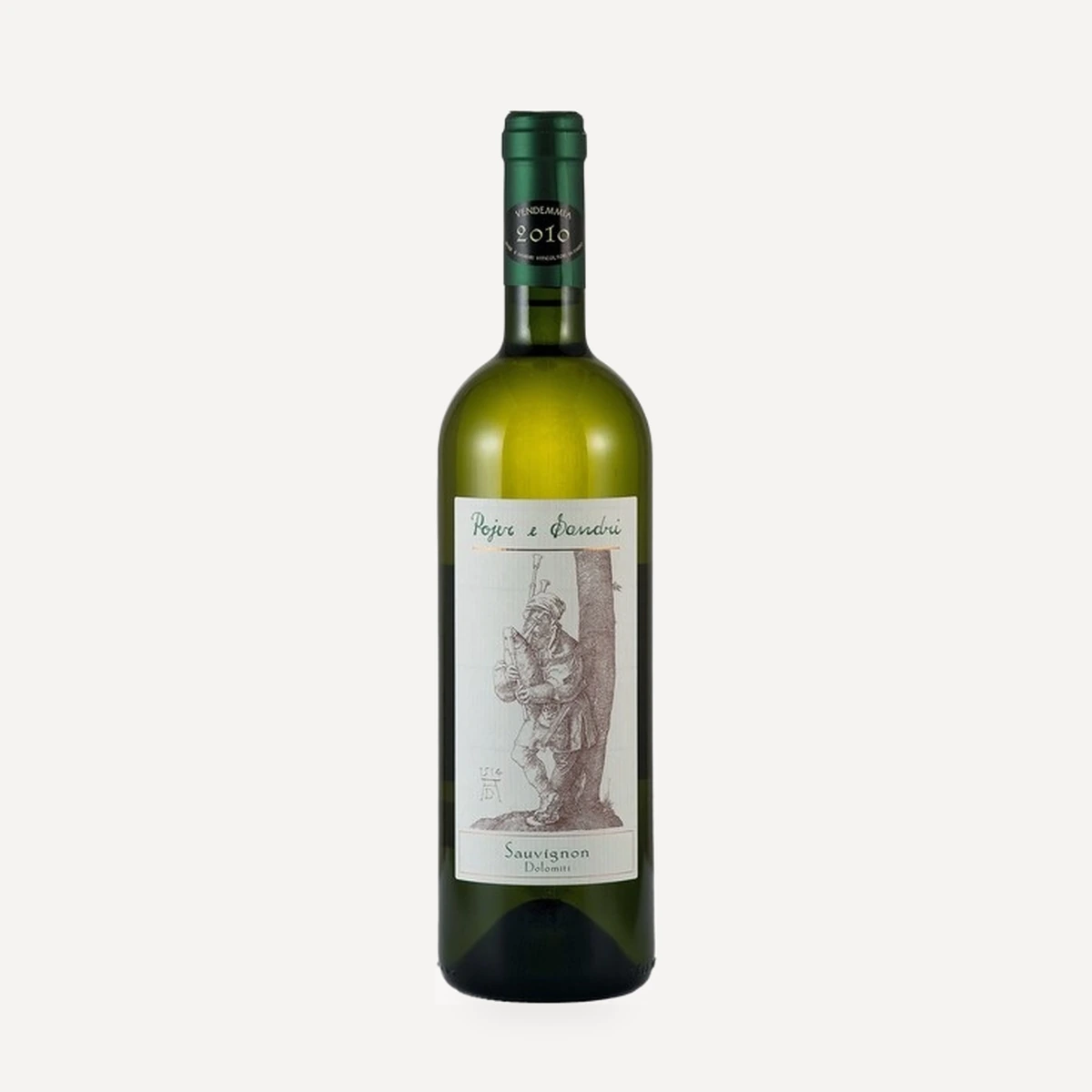
Sauvignon
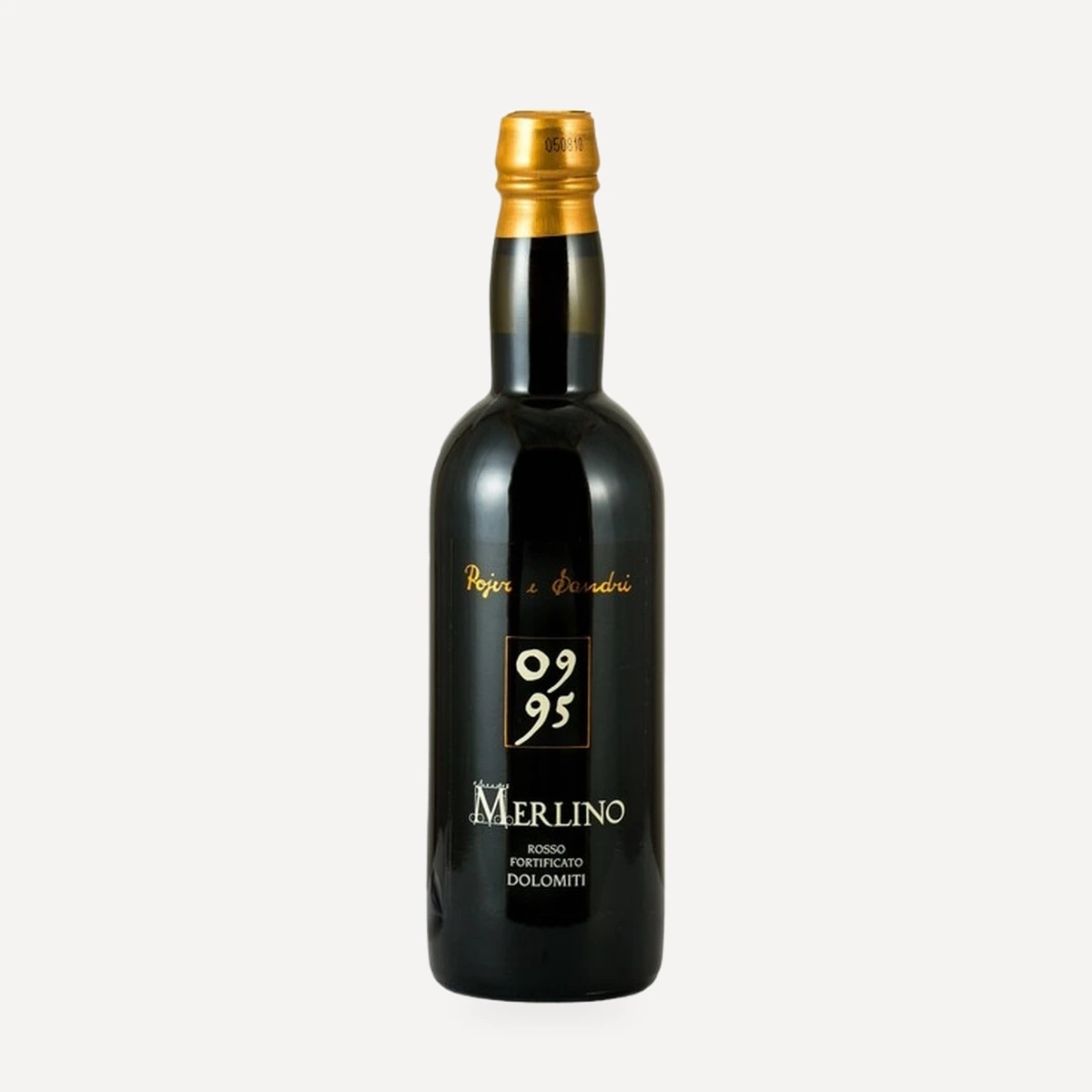
Merlino
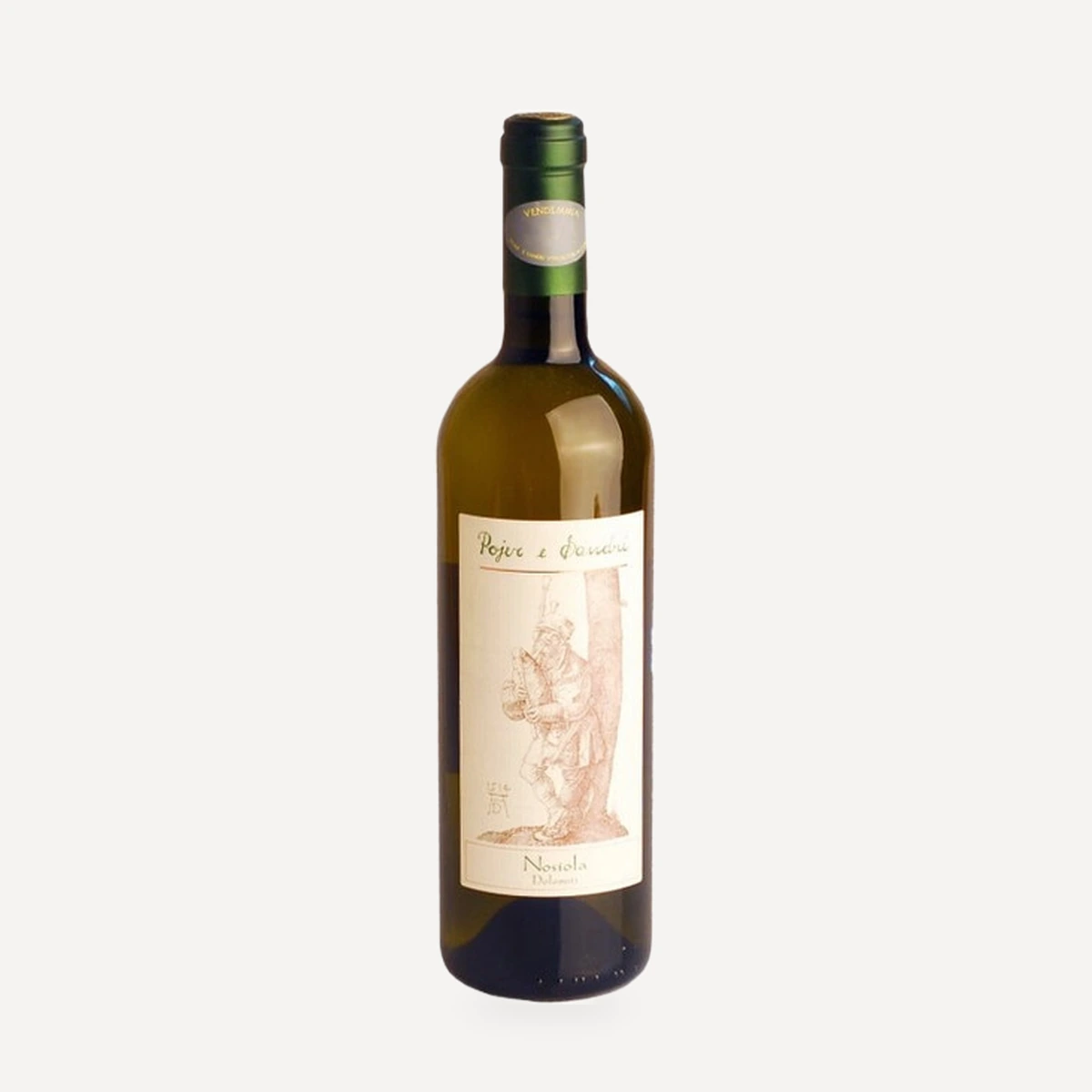
Nosiola