Storia
Before Rivera
The historic winery was constructed in the late 19th century on an estate situated along the ancient Via Traiana, at the foot of the first Alta Murgia hills. The property marked an arrival point for the autumn transhumance of flocks from Abruzzo and developed around viticulture and olive growing.
The estate had belonged for centuries to the noble Rivera family of Abruzzo. Its ancestor was a captain of Emperor Frederick II of Swabia, who granted the property to him. The Rivera name therefore predates the de Corato family’s ownership and became the name of the winery established on the estate.
1921: Giuseppe de Corato acquires the estate
Giuseppe de Corato, a farmer and entrepreneur born in the mid-19th century and active in the countryside of Andria, purchased the extensive Rivera holdings in 1921. He transformed them into a model estate devoted to vines and olives.
1950: foundation of the winery
Sebastiano de Corato, Giuseppe’s youngest son, recognized the winegrowing potential of the hills surrounding Castel del Monte and founded Rivera in the historic cellars in 1950. His objective was to create a label capable of representing Puglia in the wider wine world. This initiative established the modern wine business while retaining the historical estate name.
1960s: expansion of the cellars
Following the winery’s early commercial success, a new wing was built in the 1960s. It was equipped with glass-lined concrete vats and was later modernized and fully temperature-controlled. The wing remains dedicated to finishing and storing younger white, rosé and red wines, while the two underground rooms of the 19th-century cellar are used for red-wine maturation in large French-oak casks and French-oak barriques.
1970s: Carlo de Corato and a period of experimentation
In the 1970s, Sebastiano’s son Carlo de Corato led vineyard trials and cellar modernization that resulted in wines considered innovative within the regional context. The first vintage of Il Falcone appeared in 1971, the same year in which Castel del Monte became a DOC. Rivera subsequently developed its range around the denomination and identifies itself as one of its founders and a contributor to its evolution.
1980s: adapting international white varieties
During the 1980s, Rivera began a long program to adapt Chardonnay and Sauvignon to the Mediterranean conditions of Castel del Monte. Work in the vineyard included identifying appropriate plant material and training systems; cellar trials focused on harvest timing and vinification. Preludio N°1 emerged from the Chardonnay program and was the first Chardonnay produced in Puglia, and possibly in southern Italy. The Sauvignon project produced Terre al Monte. Both varieties were ultimately incorporated into the Castel del Monte DOC rules.
1997: creation of Lama dei Corvi
Rivera created the high-altitude Lama dei Corvi vineyard in 1997 by crushing the characteristic limestone rock on a spur of the Alta Murgia. Situated at 350 metres and looking toward the Adriatic and the distant Gargano massif, the site was planted to Chardonnay and Sauvignon.
2005 and 2010: the Fiano project
In 2005, the de Corato family planted Fiano on calcareous-tuff soils facing the winery. The aim was to produce a complex, age-worthy white wine while preserving varietal and site expression. The resulting Scariazzo was first made in the 2010 vintage. Its name recalls the low, elongated livestock shelters used by flocks arriving from Abruzzo during transhumance.
2011: DOCG recognition
Castel del Monte gained DOCG status in 2011. Rivera’s production remained centered on Castel del Monte DOC and its DOCGs while also covering other significant Puglian varieties and denominations.
2020: sustainability certification
Beginning with the 2020 vintage, grapes from Rivera’s vineyards—and the wines produced from them—obtained SQNPI certification under Italy’s Sistema di Qualità Nazionale Produzione Integrata. The voluntary integrated-production system is intended to minimize synthetic chemical inputs, rationalize fertilization and protect both environmental and economic sustainability.
Fourth-generation stewardship
Carlo’s sons Sebastiano and Marco de Corato represent the fourth generation and continue the family business alongside their father. The winemaking team is led by consultant oenologist Marco Bernabei and production director Angelo Mauriello. In 2025 the family celebrated Rivera’s 75th anniversary, marking three quarters of a century since the 1950 foundation.
Terroir
Location and relief
Rivera lies in the countryside of Andria, on the plateau between the Murgia hills and the Adriatic Sea. The estate stands on the ancient Via Traiana at the foot of the first Alta Murgia slopes. Its vineyards occupy calcareous plateaus exposed to northerly winds arriving from the Adriatic.
The Castel del Monte zone encompasses both the Alta Murgia hills and the pre-Murgian plateau. Above 300 metres, hard limestone and karst formations predominate. Between 180 and 250 metres, the terrain changes to loose, deep, calcareous-tuff soils formed by marine sedimentation.
Climate
The climate is Mediterranean, with cool, rainy winters and hot, dry summers moderated by sea breezes. The northerly maritime airflow, elevation and the slow, late ripening of the indigenous varieties underpin the freshness, elegance and ageing capacity sought in the estate’s wines.
Lower holdings
Rivera, Torre di Bocca, Tafuri and Monte Carafa lie between 180 and 250 metres. Their soils are poor yet deep, calcareous-tuff formations of marine sedimentary origin. The Rivera Fiano block is at 210 metres on the same calcareous-tuff matrix.
Alta Murgia sites
Lama dei Corvi occupies rocky limestone at 350 metres on a spur of the Alta Murgia. It faces toward the Adriatic Sea and the distant Gargano massif. The elevation and rocky substrate are associated with freshness and mineral character in its Chardonnay and Sauvignon.
The wider Murgia landscape
The word Murgia derives from the Latin murex, meaning a pointed or jagged rock. The dry, open limestone landscape is structured by dry-stone walls, trulli and jazzi, the long, low shelters associated with transhumance. Vineyards, olives and almonds coexist with oak woods and pasture beneath Castel del Monte.
Vinificazione
Rivera farms 70 hectares of estate vineyards alongside 75 hectares of specialized olive groves. The vines are trained to spurred cordon and Guyot at high planting densities, with low production per vine. Individual technical information for the Rivera Fiano and high-altitude white-variety blocks gives a density of 4,800 vines per hectare and yields generally restricted to 80–100 quintals per hectare, depending on the block.
The viticultural project emphasizes quality and the separate expression of the estate’s terroirs. Most grapes come from the estate, while a small number of trusted growers supply the remaining requirement.
Since the 2020 vintage, estate-grown grapes and the resulting wines have carried SQNPI certification. This voluntary national integrated-production scheme requires cultivation and plant-protection practices designed to minimize synthetic chemical substances, rationalize fertilization and safeguard environmental and economic sustainability.
Lama dei Corvi was physically created in 1997 by crushing the limestone rock of its Alta Murgia site. Its Chardonnay is picked manually into 20 kg crates. The Fiano destined for the estate’s age-worthy white project is harvested in the final week of August at full phenolic maturity. Across production, modern viticultural techniques are combined with respect for natural processes and a stated objective of continuous quality improvement.
Historic and modern cellars
The production complex records several stages in the estate’s development. The late-19th-century winery contains two underground rooms for maturing red wines: one holds large French-oak casks and the other French-oak barriques. The wing added in the 1960s contains glass-lined concrete vats. These were subsequently modernized and fully temperature-controlled and are used for finishing and storing younger white, rosé and red wines.
A modern vinification unit was later constructed beside the old cellars. It is equipped with small stainless-steel tanks used for macerating rosé and red wines and fermenting white wines. The combination of small temperature-controlled steel vessels, glass-lined concrete and differently sized French-oak containers allows the cellar to handle a broad range of white, rosé and red styles.
All stages—vineyard management, harvest, vinification, maturation and bottling—are managed through a combination of modern viticultural and oenological techniques and respect for natural processes. The production complex is partly powered by a photovoltaic installation that supplies 35% of its energy requirement.
The portfolio demonstrates controlled-temperature fermentation, skin maceration for rosé and red wines, maturation in glass-lined concrete, and ageing in French-oak barriques, tonneaux and large casks. Bottle maturation is also used for the estate’s longer-aged wines. Rivera additionally produces traditional-method sparkling wines, with manual harvesting, gentle pressing, cool settling, selected yeasts, secondary fermentation in bottle and at least 24 months on the lees before disgorgement without dosage.
Filosofia
Rivera’s guiding aim is to interpret Puglia—and particularly Castel del Monte—through wines marked by the freshness and elegance associated with the territory. The estate places native varieties at the center of this work while treating carefully selected international white varieties as the outcome of long-term adaptation to local soils and climate.
Its production philosophy joins contemporary viticulture and oenology with respect for natural processes at every stage from vineyard cultivation through bottling. Environmental and economic sustainability and continuous quality improvement are explicit objectives.
The family describes its approach as a balance between tradition and a contemporary outlook. Vineyard trials, the preservation and replanting of an old Nero di Troia biotype, the adaptation of Chardonnay and Sauvignon, and the creation of a dedicated Fiano vineyard express that principle in practice. Quality is pursued through high-density vineyards, restrained yields, parcel-sensitive cultivation, small fermentation vessels and maturation choices suited to different styles.
Fourth-generation continuity is central to the estate’s identity. Carlo, Sebastiano and Marco de Corato work directly with the technical team, maintaining the family’s historical commitment to representing the rocky Murgia landscape and its varieties in markets beyond Puglia.
Vini
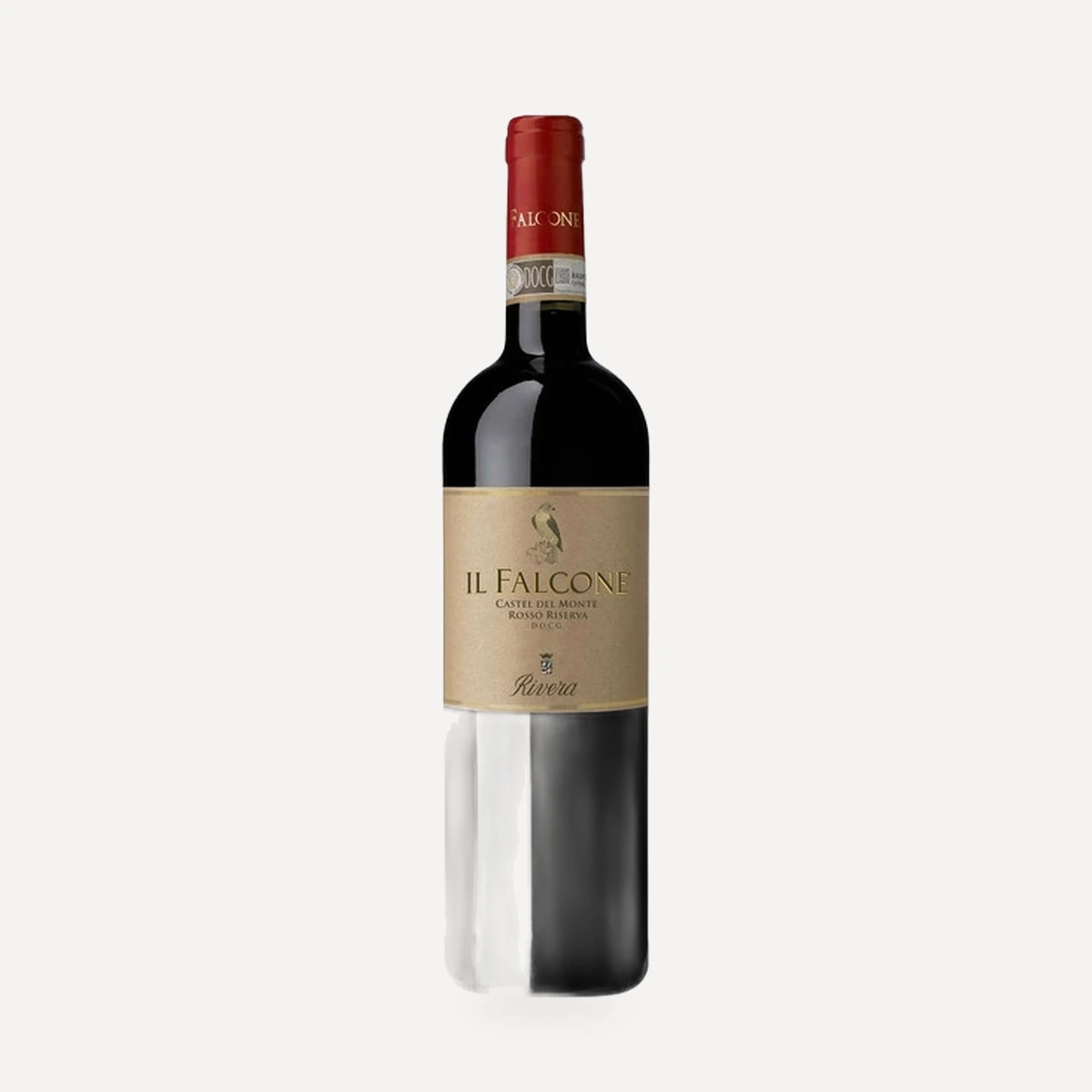
Il Falcone
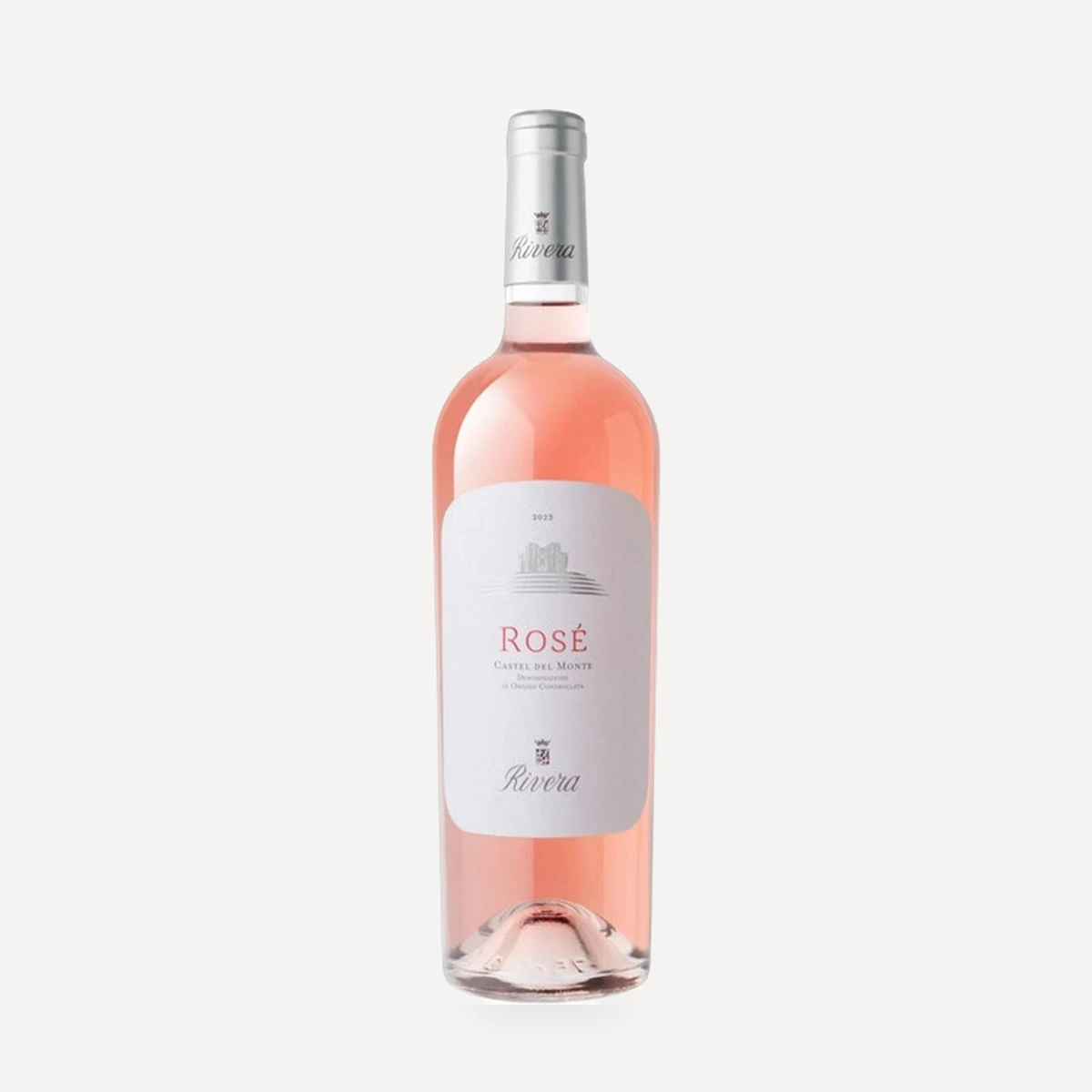
Rosé
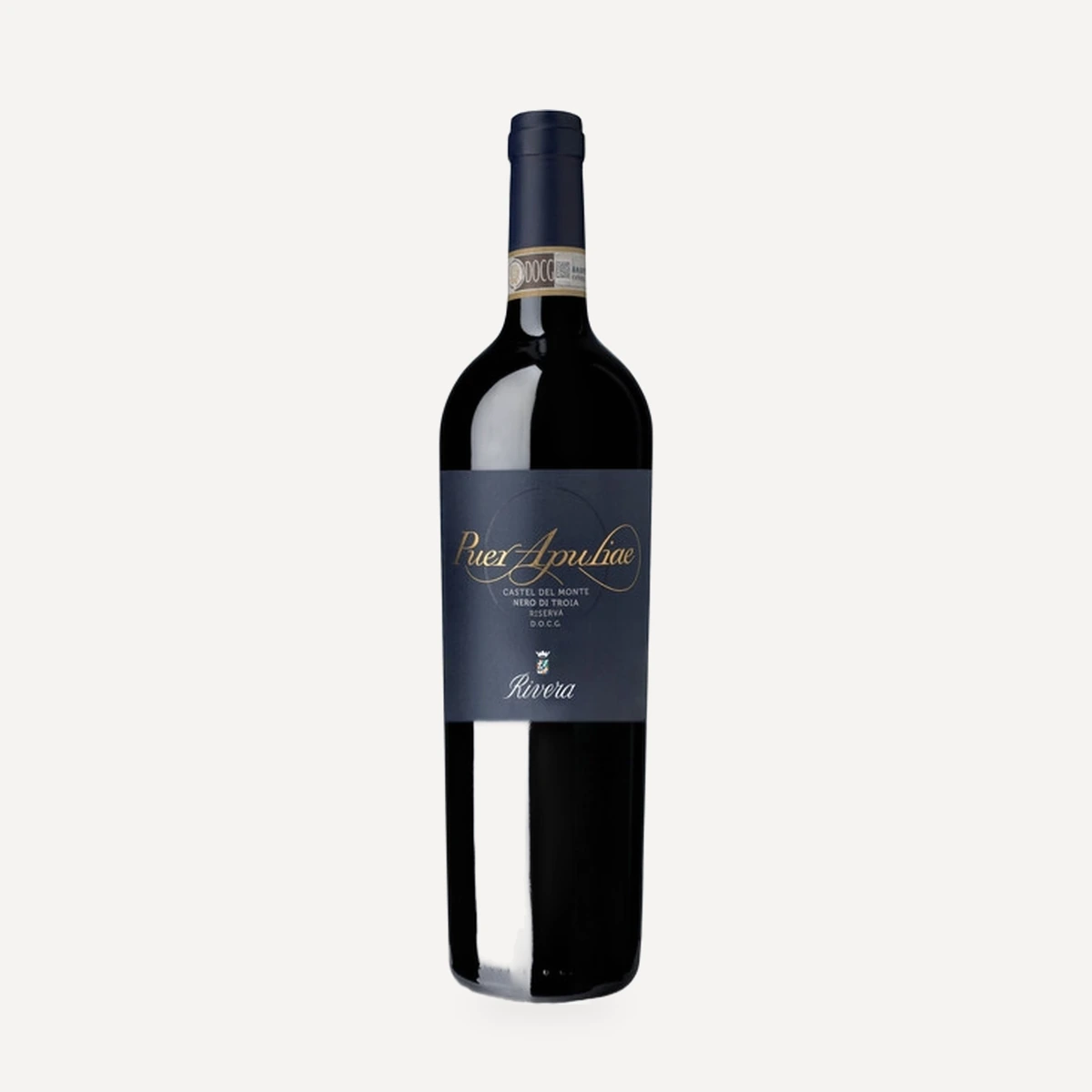
Puer Apuliae
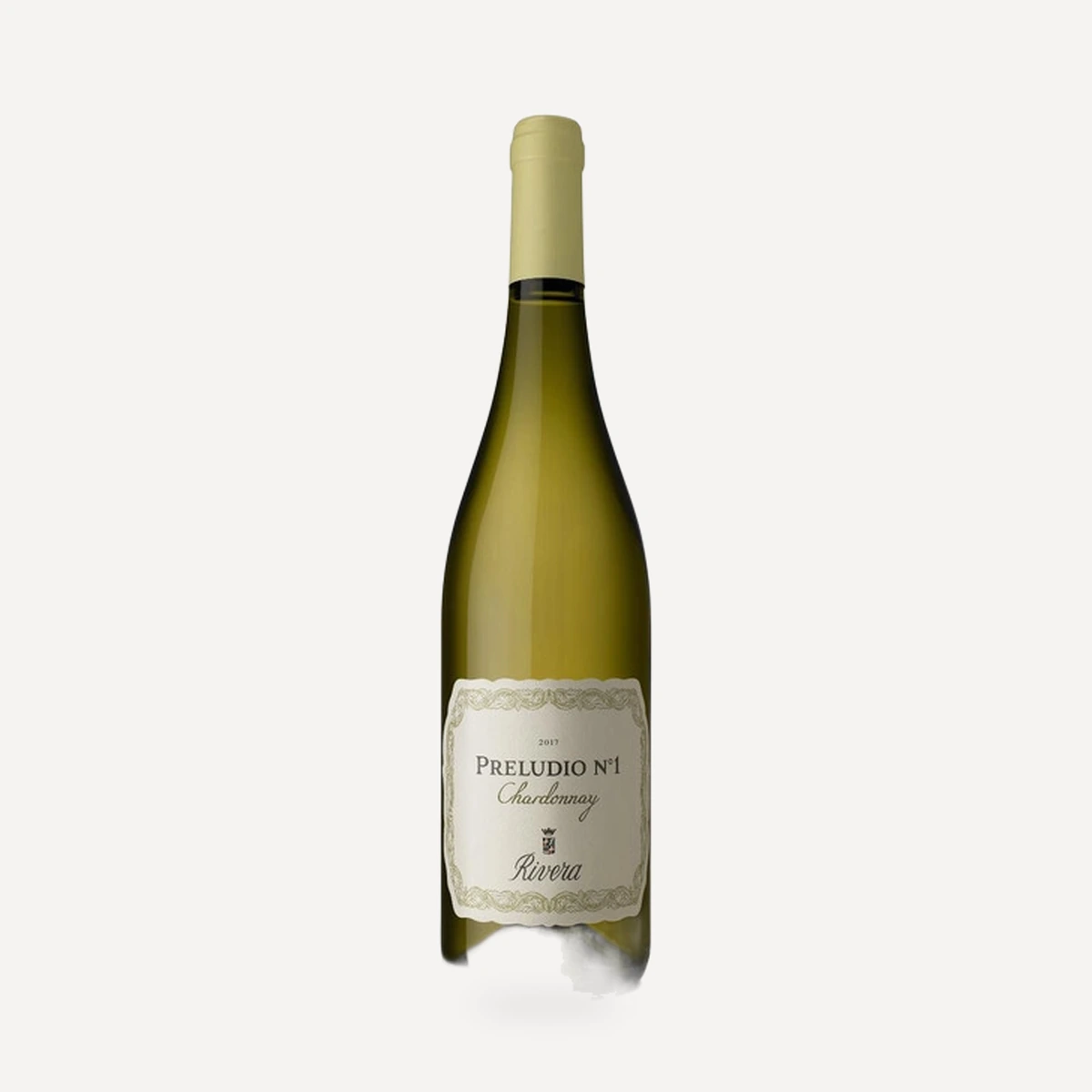
Preludio N°1
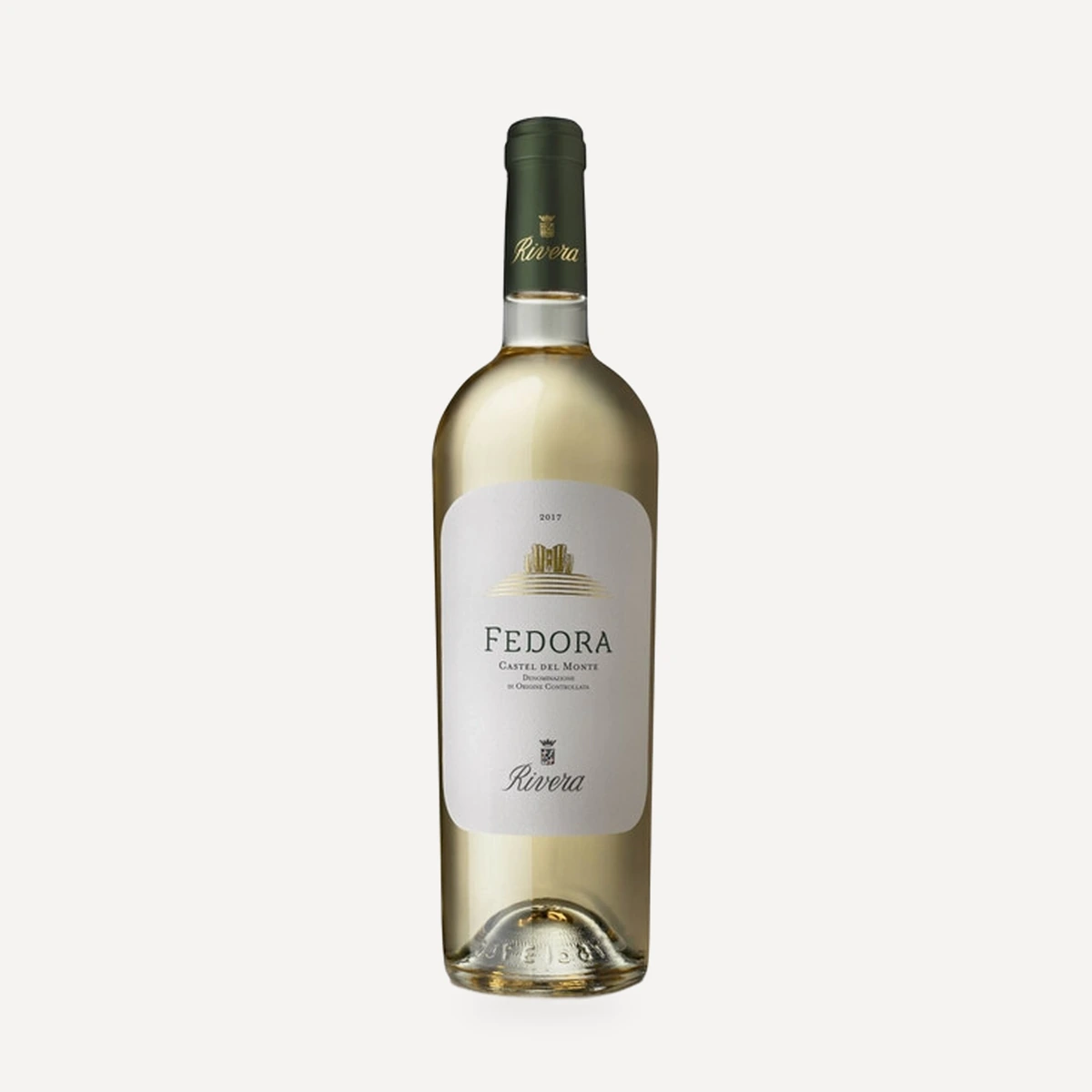
Fedora
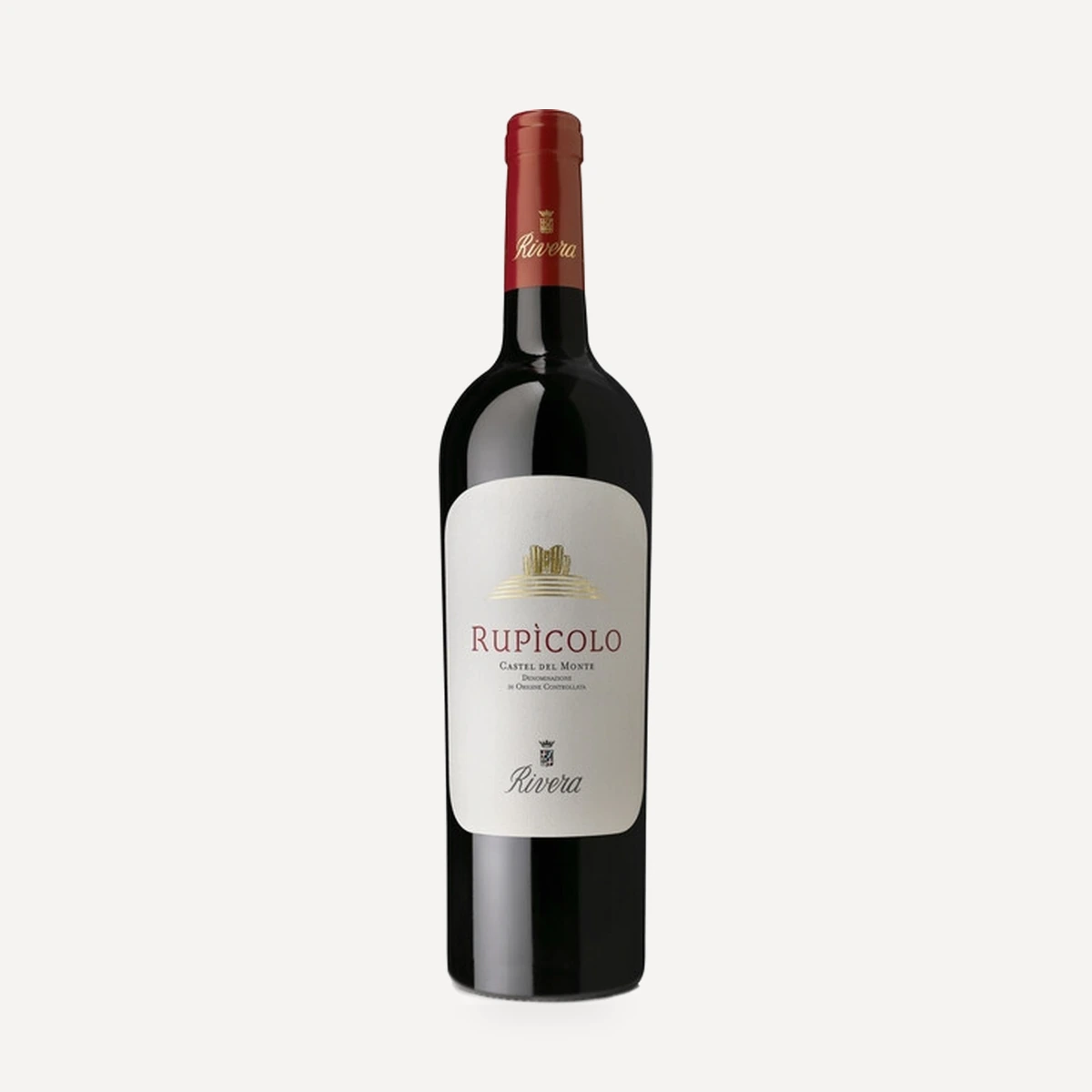
Rupicolo
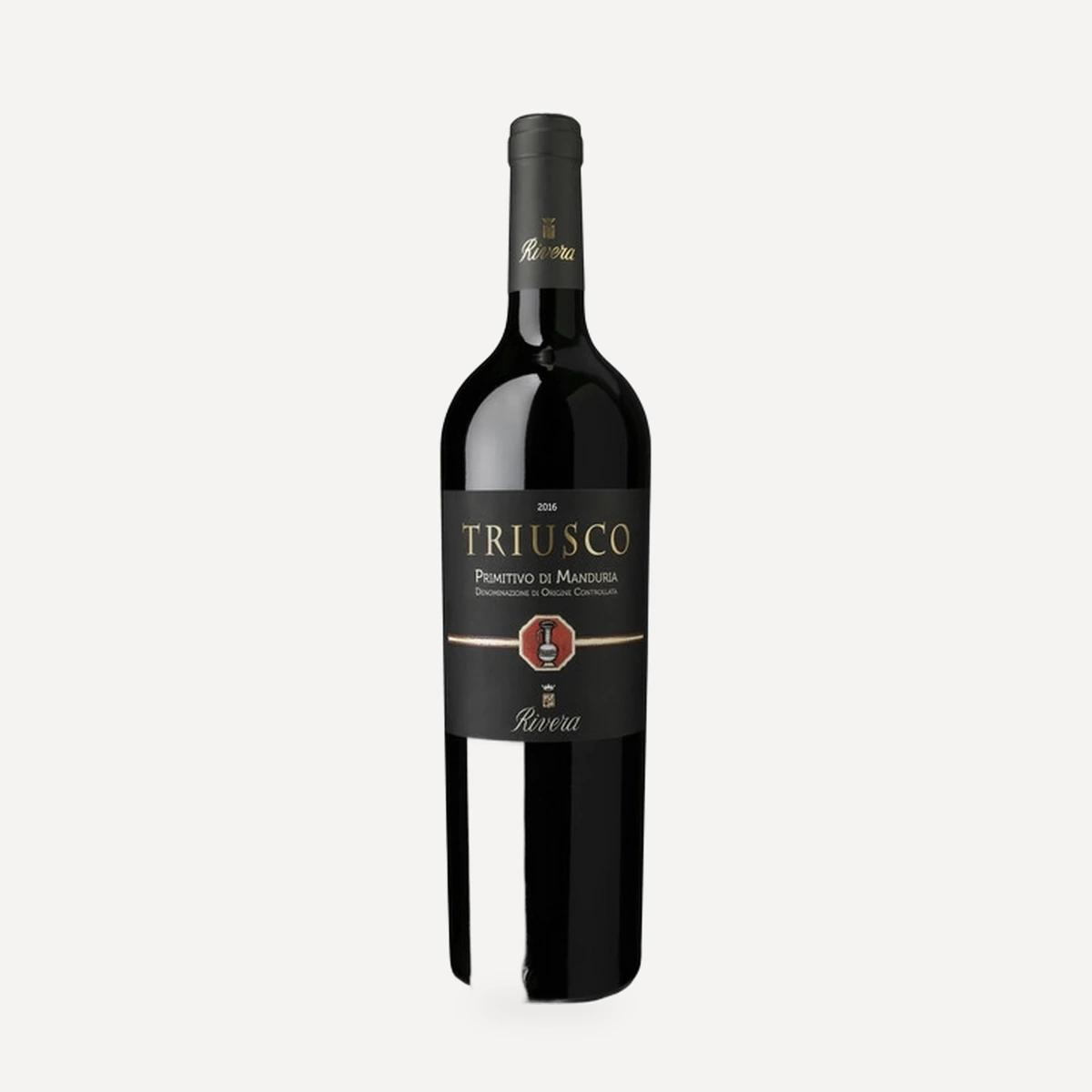
Triusco
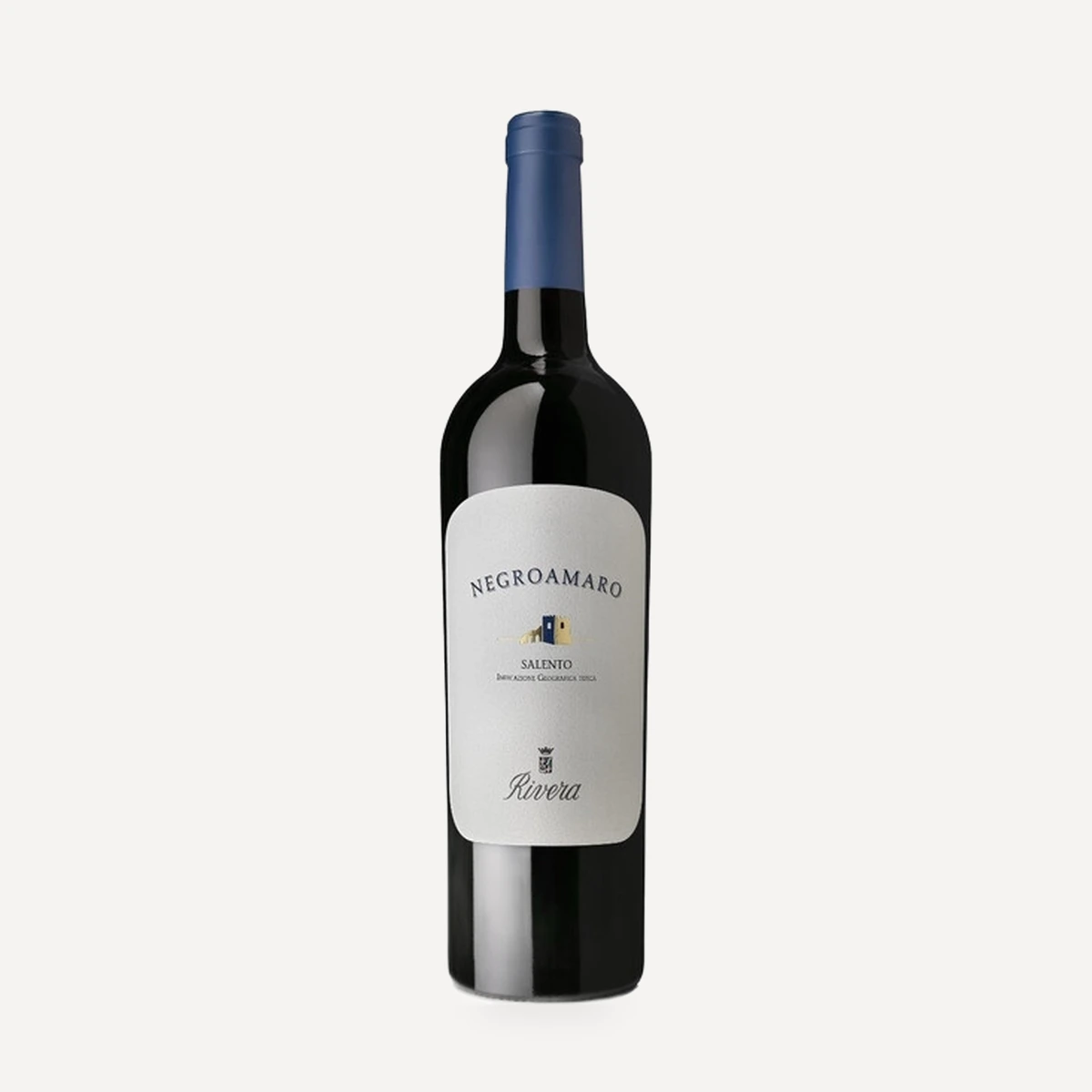
Negroamaro