Storia
Farming origins
The Badin family has worked the land for generations. Its agricultural background predates the wine estate and continued through five generations. Before the transition to winegrowing, the farm was principally devoted to livestock.
1988: the birth of Ronco del Gelso
Ronco del Gelso dates its foundation to 1988, the year the family bottled wine under the estate name for the first time. That inaugural release amounted to 3,000 bottles. It also marked the beginning of a gradual transformation from livestock farming into a specialist winegrowing and winemaking estate.
As production expanded, the business acquired modern equipment and technology. Annual output ultimately grew from the original 3,000 bottles to approximately 150,000 bottles.
Development of the vineyards and cellar
For more than thirty years, vineyard management has incorporated permanent or alternate-row grassing, crop thinning, leaf removal and delayed harvesting. The estate developed a recently constructed winery that brought the complete production sequence under its direct control, from pressing through maturation, bottling and bottle storage.
A separate library cellar was also established. Several hundred bottles of each of the most representative wines are retained and tasted periodically to follow their development. The collection serves both as an internal record of bottle evolution and as a historical archive through which visitors and customers can understand the estate’s work over time.
Acquisition of the Traminer parcel
At an unspecified date, Giorgio Badin purchased an adjoining 18,000 m² parcel planted with Traminer, financing the acquisition with a bank loan. Because he did not want to make the variety as a dry wine, he tasted Traminer from numerous origins and found the sweet and dried-grape interpretations most convincing. This led to the construction of a dedicated drying room and the creation of Aur, whose name means “gold” in Friulian.
Energy transition
In 2008, a woodchip boiler replaced the estate’s oil-fired heating system for both space heating and domestic hot water. Vine-pruning residues are collected at the end of winter, stored and burned during the following cold season. The former oil boiler was retained but has remained unused since the new system entered service. Together with two photovoltaic installations, the boiler made the operation self-sufficient in both thermal and electrical energy.
Terroir
Ronco del Gelso’s vineyards occupy a short, flat stretch formed by tributaries of the Isonzo River, between the Collio hills and the Adriatic Sea. Every vineyard lies within the Rive Alte subzone of Isonzo del Friuli DOC.
The alluvial ground is lean, gravelly, dry and stony. Its low fertility naturally limits vine vigour and excessive production. The soil is also warm and exceptionally dry because the stones accumulate solar heat. These conditions promote complete grape ripening and contribute to savoury character in the wines.
The climate combines continental and Mediterranean influences. During summer, sea breezes arriving from the south moderate temperatures. In winter, mountains to the north shelter the area from cold winds. Warm days and cool nights define the local microclimate.
Pinot Grigio, Sauvignon, Chardonnay, Friulano and Malvasia Istriana are identified as especially well suited among the white grapes, with Merlot and Cabernet Franc highlighted among the reds. Malvasia particularly benefits from warm, dry gravel close to the sea. The Sauvignon vineyards at Sottomonte stand at the foot of the Cormons hill, where deeper, siltier ground retains more moisture.
Vinificazione
Ronco del Gelso is not operated or presented as an organic or biodynamic estate. Its approach is pragmatic: lower-impact measures are adopted when they provide the required qualitative result at an economically sustainable cost.
All vineyards are trellised and trained to unilateral Guyot. Relatively dense planting encourages competition between roots and restrains canopy growth. Clones and rootstocks are chosen to suit the estate’s lean, stony soils. Alternate-row grassing supports soil management, while techniques intended to improve biological activity are also employed. Average production is generally about 1–1.5 kg per vine, varying by variety; crop thinning is used when required.
Leaf removal improves airflow and prevents stagnant humidity. The estate also employs delayed harvesting, and Pinot Grigio may remain on the vine after physiological ripeness so that berries lose water and concentrate. Drip irrigation is used to limit water consumption.
Pest management includes sexual-confusion techniques and the introduction of predatory phytoseiid mites. Acaricides are not used. Anti-botrytis products had not been used for years when the environmental programme was described, and systemic downy-mildew treatments had been employed only twice in the preceding ten years. Copper is kept within 6 kg/ha and is avoided on sensitive varieties. One legally compulsory insecticide treatment is made annually. Treatments are scheduled after, rather than before, manual vineyard work, and withholding periods are respected.
When plant-protection products are considered necessary, the preference is for effective active ingredients with lower toxicity. Fertilisers are selected with an organic fraction derived from peat rather than leather-processing by-products. Under-vine weed control uses approximately 1.5 litres of glyphosate per hectare.
The programme has developed over more than a quarter-century and has also benefited from the guided pest-control service managed locally by the protection consortia.
The recently constructed winery allows the estate to control the entire sequence from grape pressing to maturation, bottling and finished-bottle storage. Investment since 1988 has added modern equipment and technology.
White grapes are generally pressed as whole bunches. Depending on the cuvée, maturation takes place either in stainless steel or in large oak vessels, with prolonged contact with the fine lees. Selected yeasts are used. Sulphur dioxide and bentonite are employed, while no other cellar additives are identified in the estate’s environmental account.
Red-wine production favours extended maceration and long maturation in wood. Large oak rather than small new barrels forms an important part of the cellar approach, although steel is also used where appropriate.
The estate maintains a dedicated drying room for passito production. This facility was built after the purchase of the adjoining Traminer vineyard and supports white vinification from dried grapes.
Several hundred bottles of each representative wine are retained in the vintage cellar. Periodic tastings monitor their evolution, while the archive preserves a record of the estate’s work and its belief that quality wines often show their best after several years in bottle.
Environmental measures extend into production and packaging: lightweight bottles are used, and the estate is thermally and electrically self-sufficient through two photovoltaic systems and a woodchip boiler fuelled with vine-pruning residues.
Filosofia
Giorgio Badin describes his wine as “secular”: it is not intended to advance an ideological position. It is conceived as a table wine for food and conviviality, shaped by his own oenological experience and by close knowledge of how each variety behaves in this particular place.
The aim is to produce wines with typicity, longevity and personality. Climate and soil are understood to give the fruit a sweet aromatic expression, a savoury rather than sharply acidic body and a pronounced fruit component. Vineyard practices are therefore deliberately restrained so that the identity of the grape remains recognizable.
The ideal is balanced and elegant, with concentration that never becomes muscularity for its own sake, and with the capacity to develop over time. Fineness, elegance and cleanliness are central objectives. Preserving the sensory character of grapes from the estate vineyards is Giorgio Badin’s definition of a territorial wine.
The commitment to Isonzo del Friuli DOC and, where permitted, the Rive Alte subzone reflects the belief that designation establishes origin and that the Isonzo territory gives its wines a distinctive identity. The designation itself is not treated as a guarantee of quality; quality remains the result of the grower’s work.
Environmental choices follow the same practical outlook. Lower-impact measures are adopted through agricultural knowledge, experience and judgement rather than as an ideological identity, without losing sight of the intended wine style. New wines can originate from the intuition or conviction of a family member rather than market research.
Vini
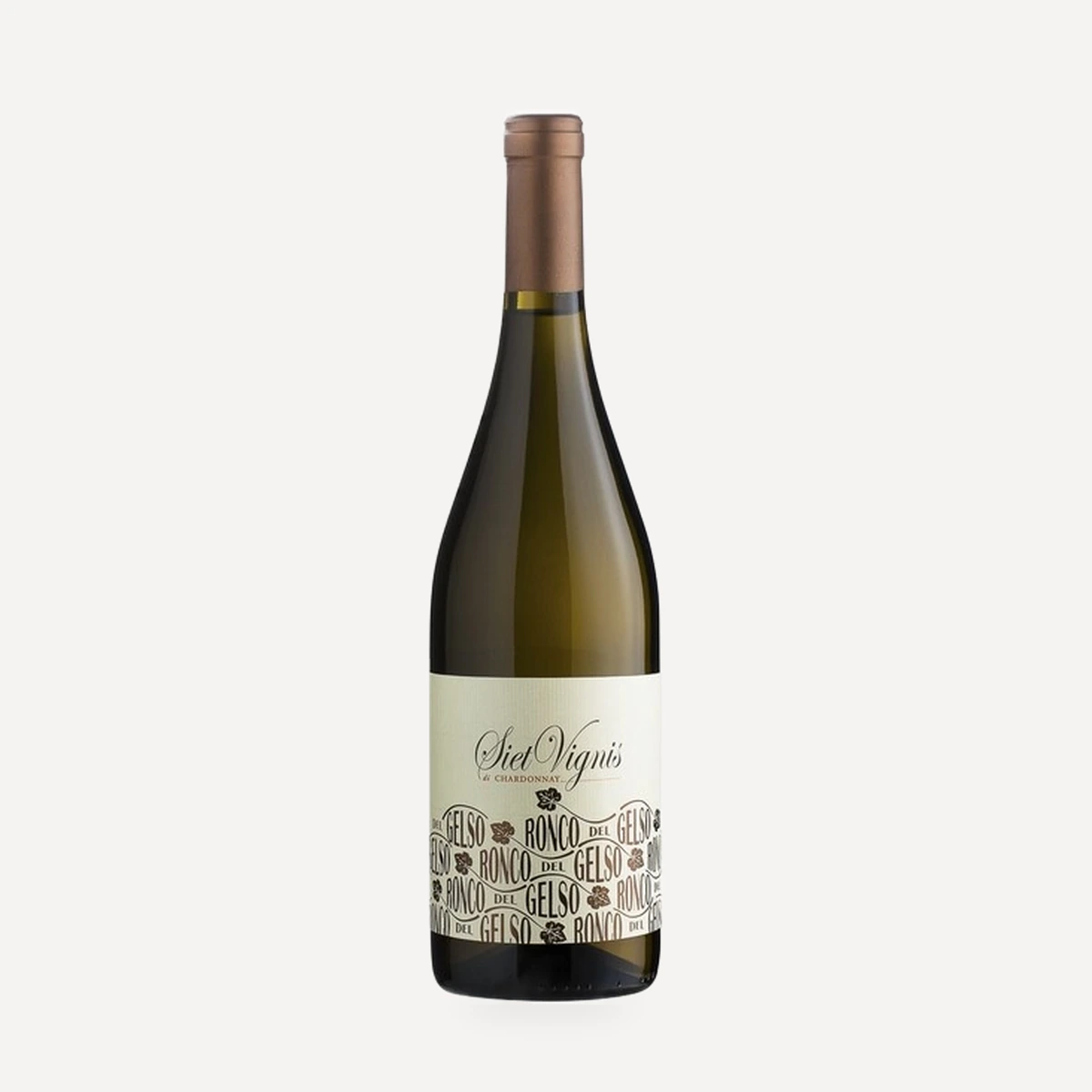
Settevigne Chardonnay
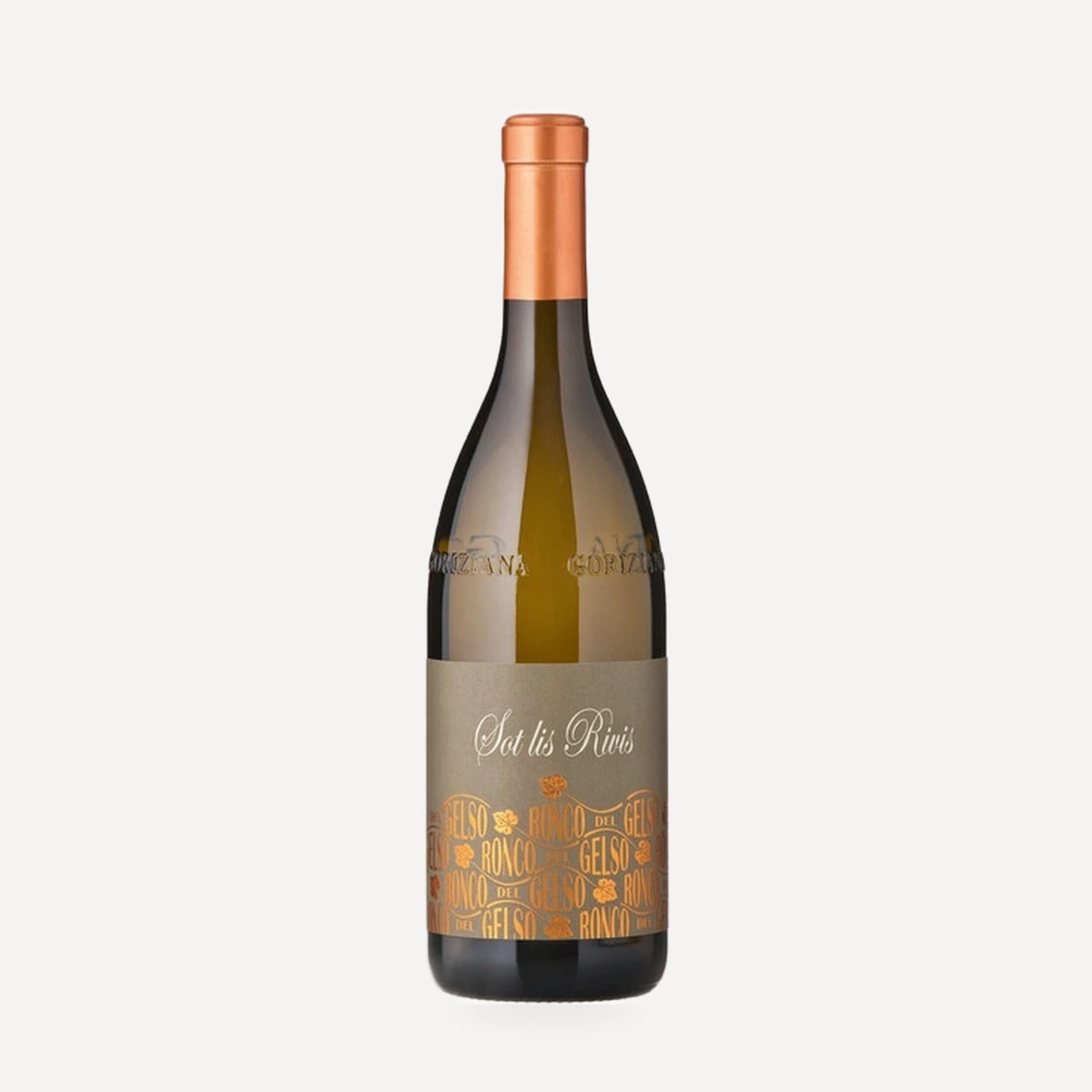
Sot Lis Rivis Pinot Grigio Friuli Isonzo DOC
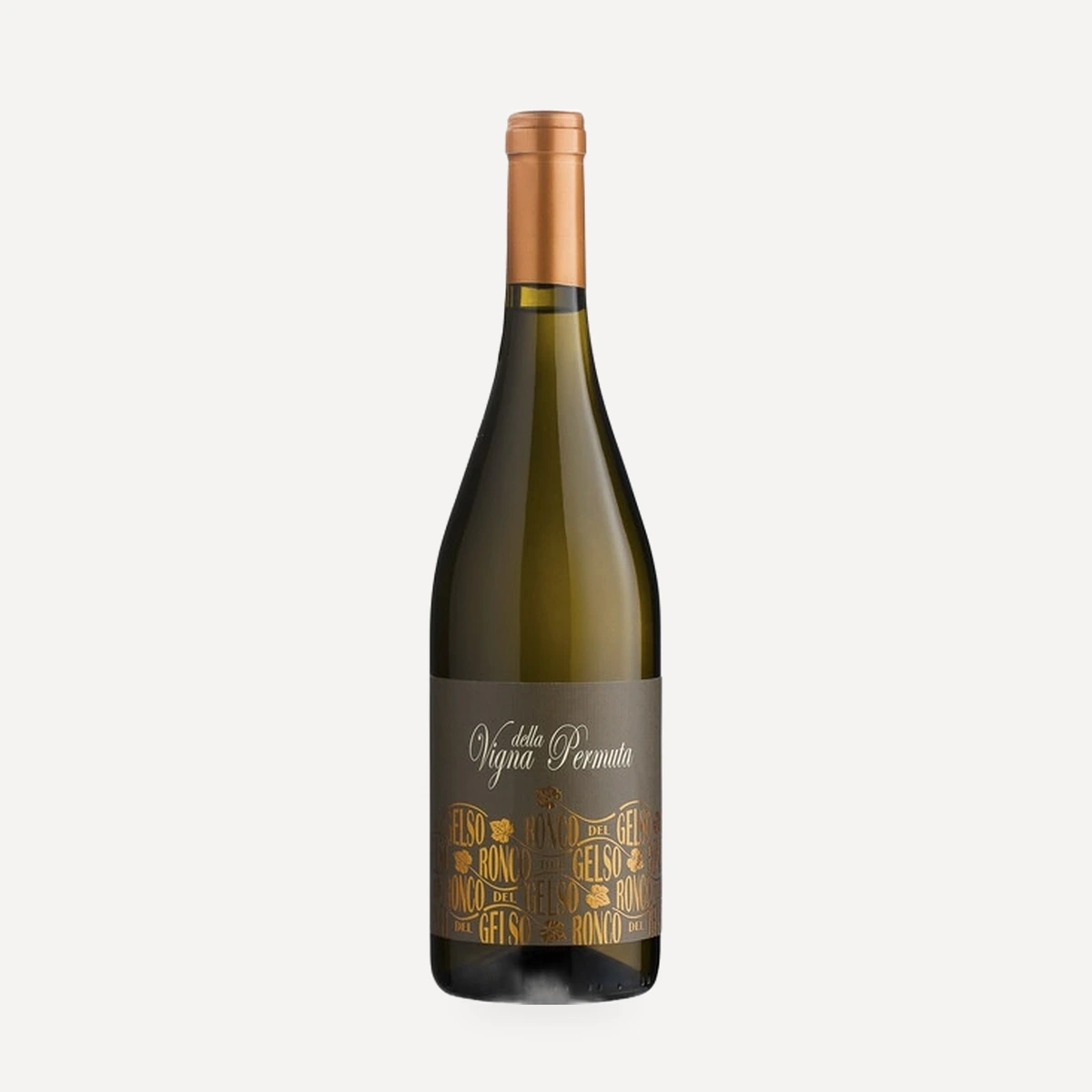
Vigna della Permuta Malvasia Friuli Isonzo DOC
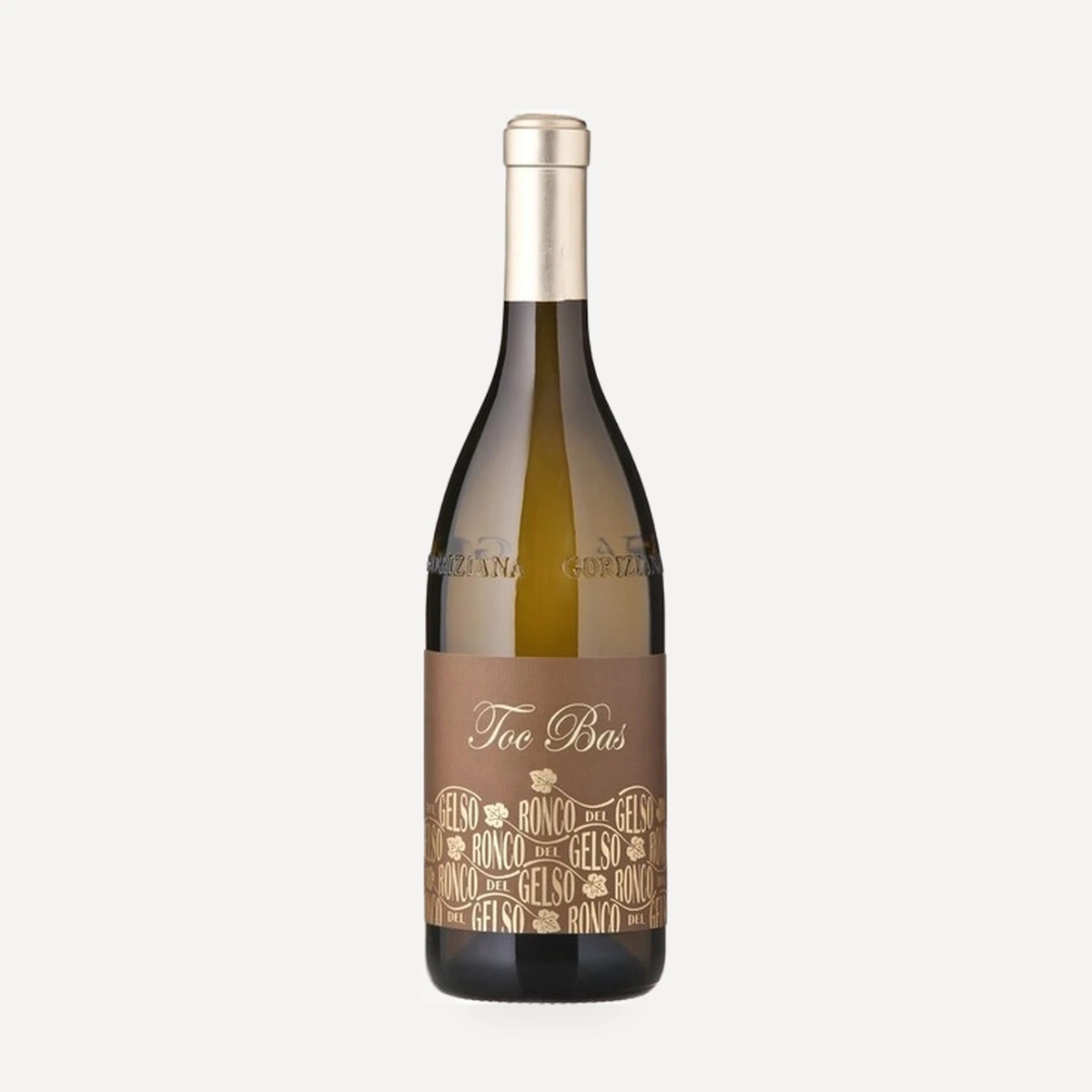
Toc Bas Friulano Friuli Isonzo DOC
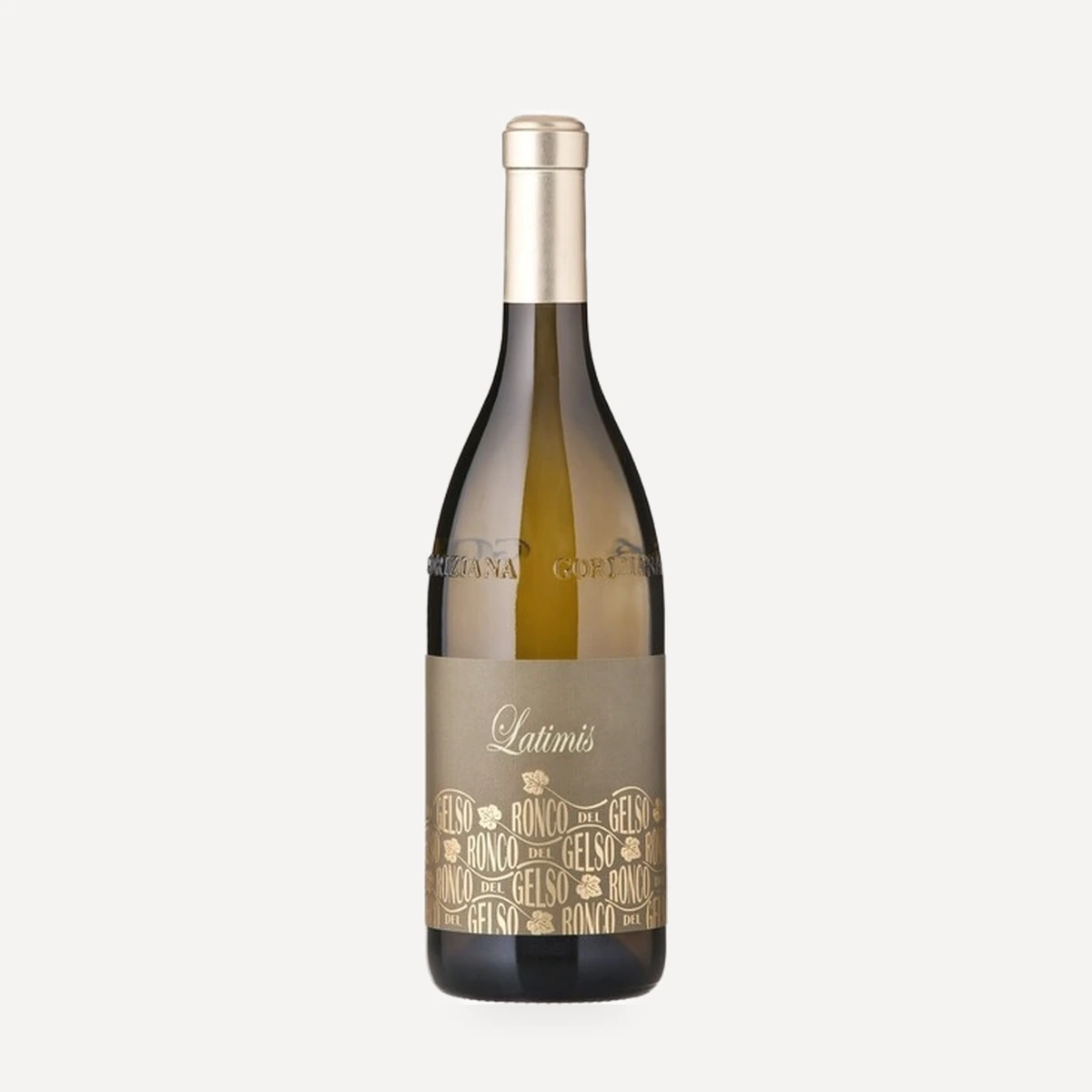
Latimis Bianco Friuli Isonzo DOC
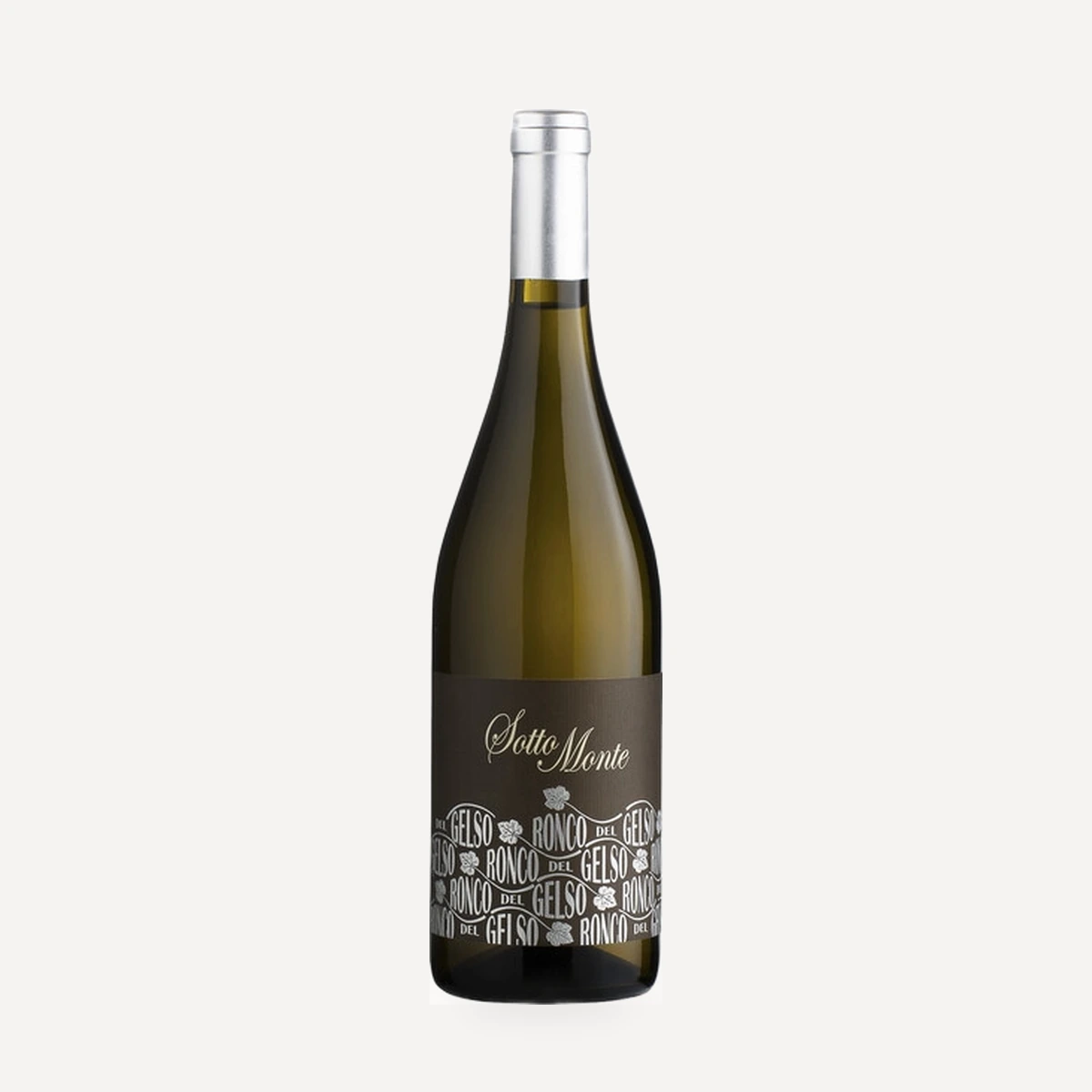
Sotto Monte Sauvignon Blanc Friuli Isonzo DOC
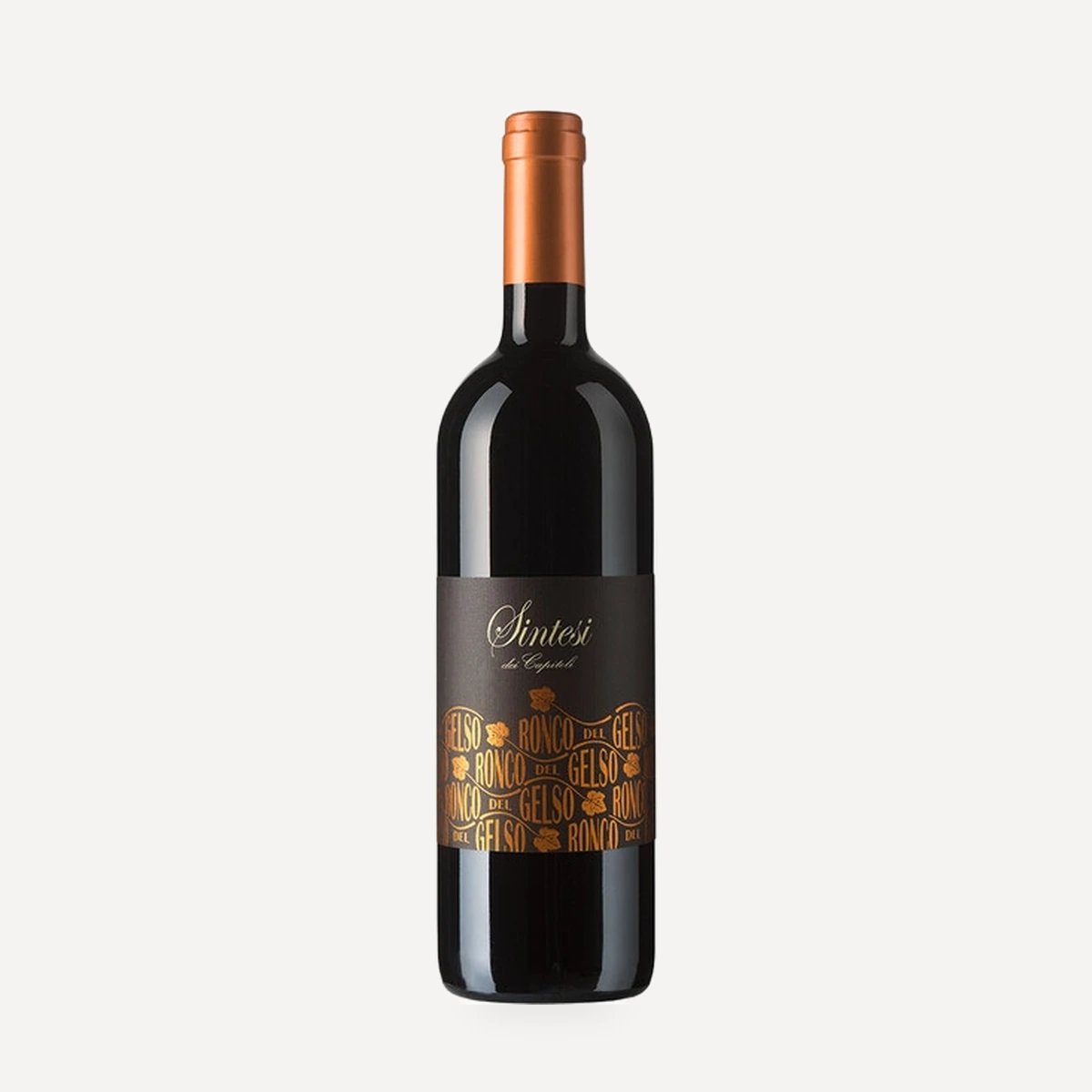
Sintesi dei Capitoli Merlot Friuli Isonzo DOC
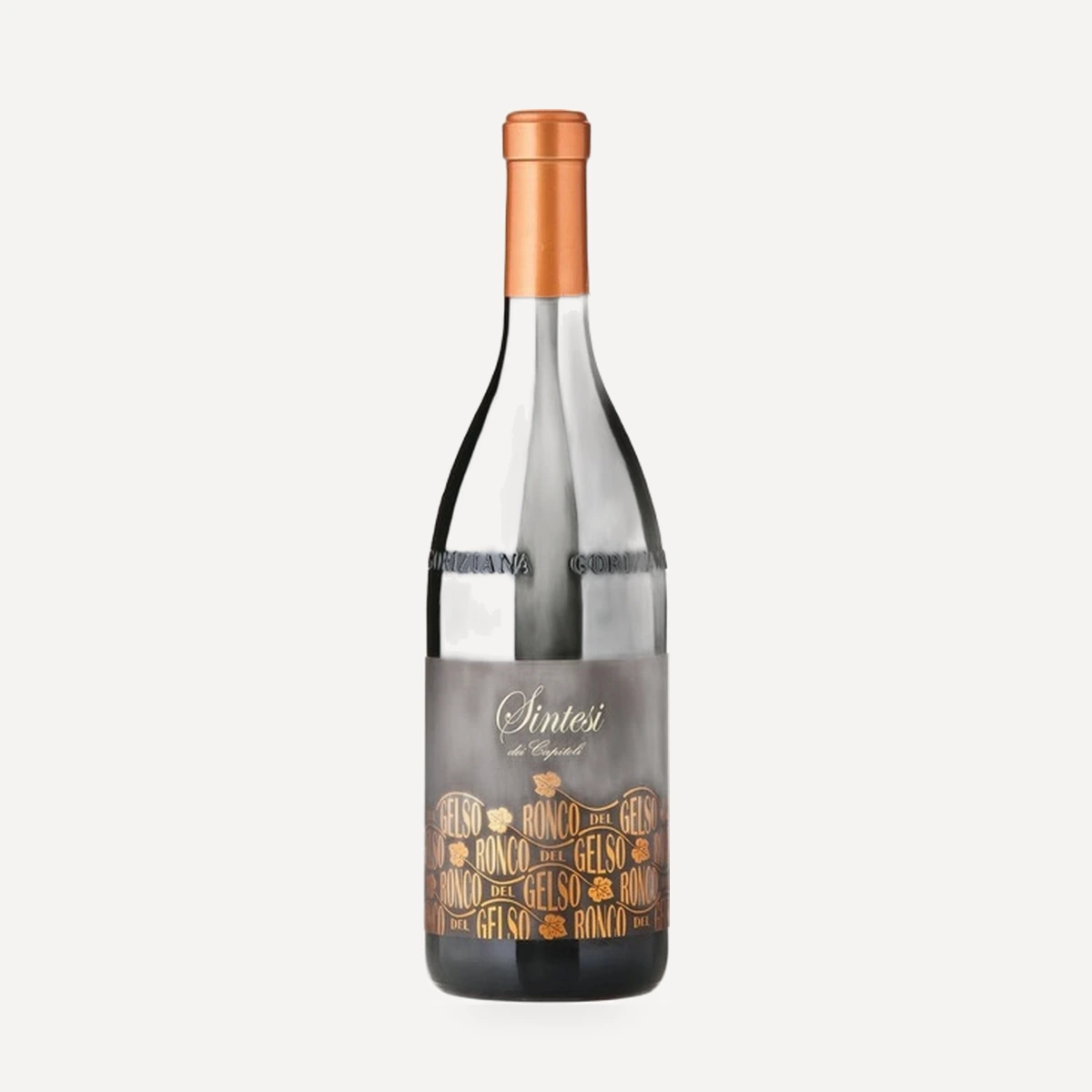
Sintesi dei Capitoli Rosso Friuli Isonzo DOC