Storia
Origins and foundation
The Maschio family’s connection with beverage production predates the winery through a distillery described as having a century of family history. In 1973, Bonaventura Maschio transformed that family distillery at Visnà di Vazzola, in the province of Treviso, into Cantine Maschio. The new operation was conceived from the outset around advanced technology and substantial production capacity.
Varietal semi-sparkling wines
Cantine Maschio initially established itself through varietal semi-sparkling wines bearing an Indicazione Geografica Tipica. Their identity linked the characteristics of the wines both to their production areas and to established methods of working the grapes. The elongated Rhine-style bottle known as the renana was adopted at the beginning of this period and became a distinguishing feature of the range in Italy. The winery subsequently became a leading national seller in this category, placing millions of bottles on Italian tables each year.
Alongside internationally known grapes, the range was used to maintain attention on less widespread local varieties, including Verduzzo and Manzoni Bianco.
The early 1980s and Prosecco
Production of Prosecco began in the early 1980s. At the time, the portfolio included the wine now identified as Conegliano Valdobbiadene Prosecco DOCG and the wine that would later become Prosecco DOC.
The standard 75 cl bottle was joined by a 20 cl Prosecco bottle intended for a different consumption occasion. The miniature format rapidly became one of Cantine Maschio’s signatures. For the first years after its introduction, and for many subsequent years, Cantine Maschio was the only winery equipped with an industrial bottling line dedicated to this size.
Entry into Cantine Riunite & Civ
A decisive change occurred in 2002, when Cantine Maschio became part of Cantine Riunite & Civ. The acquiring cooperative group was already an important domestic and international producer of Lambrusco and other wines from Emilia. Adding the Treviso winery strengthened the group’s position in sparkling and semi-sparkling wines while retaining Cantine Maschio’s specific Venetian production identity.
The supply structure subsequently developed around cooperatives owned by growers who deliver their grapes. By the 2022–2023 reporting period, the network connected with Cantine Maschio comprised nine cooperative wineries in the province of Treviso and four in neighbouring territories. Their members are farming families and small producers whose vineyards average approximately 3 ha per holding.
The 2009 denominations and subsequent growth
In 2009, the Prosecco DOC and Conegliano Valdobbiadene Prosecco DOCG systems came into force. Cantine Maschio’s Prosecco activity then continued to grow, building on the production initiated in the early 1980s and on the relationship between the wines and their areas of origin.
The portfolio expanded across Prosecco, other sparkling wines and the historic varietal semi-sparkling category. Production practices and equipment were progressively developed around quality control, food safety, reduced environmental impact and efficient use of water, energy and processing materials.
Sustainability programme and fiftieth anniversary
The certification programme associated with Cantine Maschio and its parent cooperative began with ISO 9001 quality-management certification in 1993. EMAS followed in 2003, ISO 14001 in 2009, BRC in 2010 and a further food-safety and process-quality standard in 2012. Organic-chain certification was obtained in 2016, SQNPI integrated-production certification in 2019 and Equalitas sustainability certification in 2022.
Cantine Maschio celebrated fifty years of activity in 2023. In the 2022–2023 financial year, the plant processed almost 27.9 million litres and produced approximately 59 million bottles across formats ranging from 18.7 cl to 150 cl.
Terroir
Cantine Maschio is based at Visnà di Vazzola in the province of Treviso and draws on a broad cooperative supply network in north-eastern Italy. Nine associated cooperative wineries are located in the province of Treviso and four more operate in neighbouring territories.
The Prosecco range distinguishes between vineyards in the historic Treviso sector of Prosecco DOC and the hills of Conegliano and Valdobbiadene. The Conegliano zone occupies the lower elevations of the Conegliano Valdobbiadene DOCG area; its fruit is associated with wines of greater structure than those from the higher hills. Valdobbiadene fruit comes from the central hill country of the DOCG. Selected Glera vineyards in the most suitable Treviso areas supply the Prosecco DOC wines.
The wider sparkling and semi-sparkling portfolio also draws on selected vineyards in Veneto, the broader Triveneto area and central Friuli-Venezia Giulia. Ribolla Gialla comes from central Friuli-Venezia Giulia, where the combination of soil and climate is linked to its marked acidity, freshness and mineral character.
Vinificazione
Vineyard work during 2022–2023 followed the SQNPI procedures of the Friuli-Venezia Giulia region and the Equalitas standard, with the corresponding certifications obtained.
Treatments are applied only with recovery atomisers. These machines intercept spray that does not adhere to the leaf wall, allowing it to be reused, reducing the quantity of product and water required and preventing drift. Agronomists monitor conditions with dedicated equipment, and growers enter the vineyard for treatment only when intervention is strictly necessary.
Mating disruption is used against insect pests in place of chemical insecticide treatments. Organic fertilisers are preferred to mineral fertilisers, with soil organic matter treated as an important element in responding to climate change. Part of the agricultural surface is deliberately left uncultivated to provide refuge for beneficial insects.
More than 1,500 grower families form the first stage of the supply chain. Their vineyards have pursued a systematic reduction in crop-protection products for more than a decade, limiting applications to those considered necessary to preserve grape quality. Some growers converted to organic farming over a period of years; by 2022–2023, certified organic cultivation exceeded 250 ha.
The cooperative policy supports preventive action, monitoring and incentives intended to move supplying growers toward more sustainable production. Biodiversity protection is treated as a central agronomic priority.
Harvest planning and intake
Harvest dates are planned from preliminary analyses used to determine whether the required grape-quality parameters have been reached. Field work begins at 04:00 so that grapes can be handled during the naturally cooler part of the day.
Production stages are organised through flow diagrams and specific production plans defining the processing parameters and the oenological products to be added.
Processing choices
Practices that reduce additions and environmental impact are preferred where compatible with quality and food safety. Centrifugation is favoured over clarification with chemical processing aids, while cold storage is preferred to the addition of preservatives. Active dry yeasts are used because they do not require a refrigerated supply chain.
For sparkling Prosecco, must undergoes secondary fermentation in autoclaves with selected yeasts. One documented Prosecco process lasts approximately one month at 12–15°C; cooling the autoclave stops the process at the intended residual-sugar level. The semi-sparkling Prosecco process reaches approximately 2.5 bar over about two weeks. Ribolla Gialla uses a long Charmat process with extended contact on fine lees.
Oxygen and carbon-dioxide management
Wine vessels are saturated with carbon dioxide recovered from autoclaves undergoing secondary fermentation. Excluding oxygen during filling reduces the amount of antioxidant needed to preserve base wines.
Cleaning and hygiene
Rooms and production equipment are cleaned, disinfected and, where required, sterilised under documented procedures specifying chemicals, quantities, rinsing times and temperatures. The effectiveness of these procedures is validated annually. Hot water is used instead of chemical detergent for tank washing where possible. Detergents and sugar are purchased in returnable bulk containers rather than small cans or bags.
Water, effluent and spill control
All wastewater passes through an internal biological-treatment plant before discharge into surface water. The system operates under authorisation from the Ecology and Environment Office of the Province of Treviso. Outgoing water is continuously monitored through internal analyses and accredited external laboratories, while drains, pipes and underground tanks are checked to ensure that effluent reaches the treatment plant without leaking into the subsoil.
An accidental-spill prevention system has covered the external winery area since 2020. Fixed and movable containment barriers protect zones with tanks; additional containment covers refrigeration units and the evaporative tower; external tanks have level sensors that alert designated personnel to losses; emergency storage tanks accommodate volumes beyond the treatment plant’s capacity; bypass valves can divert wastewater during an emergency; and a trained response team is maintained.
A screw press installed in 2022 dewaters oxidation sludge. This reduced liquid-sludge tanker journeys from about 80 in 2021 to eight in 2023. The dewatered material is sent to a transformation plant and converted from waste into fertiliser for agricultural use.
Scale and resource use
In the 2022–2023 financial year, almost 27.9 million litres were processed and approximately 59 million bottles were produced. Winery consumption for the reporting period was 56,762 m³ of water, equivalent to 203.8 litres per hectolitre of wine; 4,369,173 kWh of electricity, or 15.6 kWh/hl; and 524,734 standard cubic metres of methane, or 1.88 smc/hl.
The organisational carbon footprint calculated for 1 August 2022–31 July 2023 was 61,868.42 tCO₂e. Packaging production was the largest reported emissions component. The water-footprint analysis likewise attributed 90.90% of the water-use impact to packaging-material production.
Filosofia
Cantine Maschio defines quality through control of both the product and the entire supply chain, with food safety, customer satisfaction and the interests of supplying members treated as linked responsibilities. Its stated production objective is to maintain quality above the required standard and provide a consistent tasting experience.
The winery’s approach combines the established identity of Veneto sparkling and semi-sparkling wine with continuing investment in technology and research. Technical development is directed toward protecting the character of the raw material, reducing unnecessary additions and using water, energy and processing materials more efficiently. The same approach supports both Glera and less widespread varieties such as Verduzzo and Manzoni Bianco.
Sustainability is organised around environmental, social and economic responsibilities. It encompasses the land and its fruit, the families who cultivate the vineyards, winery employees, local communities and the ability of future generations to meet their needs. The cooperative model also treats the long-term economic resilience of growers and their territories as a sustainability objective rather than pursuing only short-term returns.
Environmental priorities include minimising agricultural treatments, protecting biodiversity, increasing organic cultivation, improving water and energy efficiency, preventing pollution and measuring carbon and water footprints. Equalitas certification is intended to provide an externally accredited framework for making that programme measurable and extending its methods through the wider cooperative group.
Vini
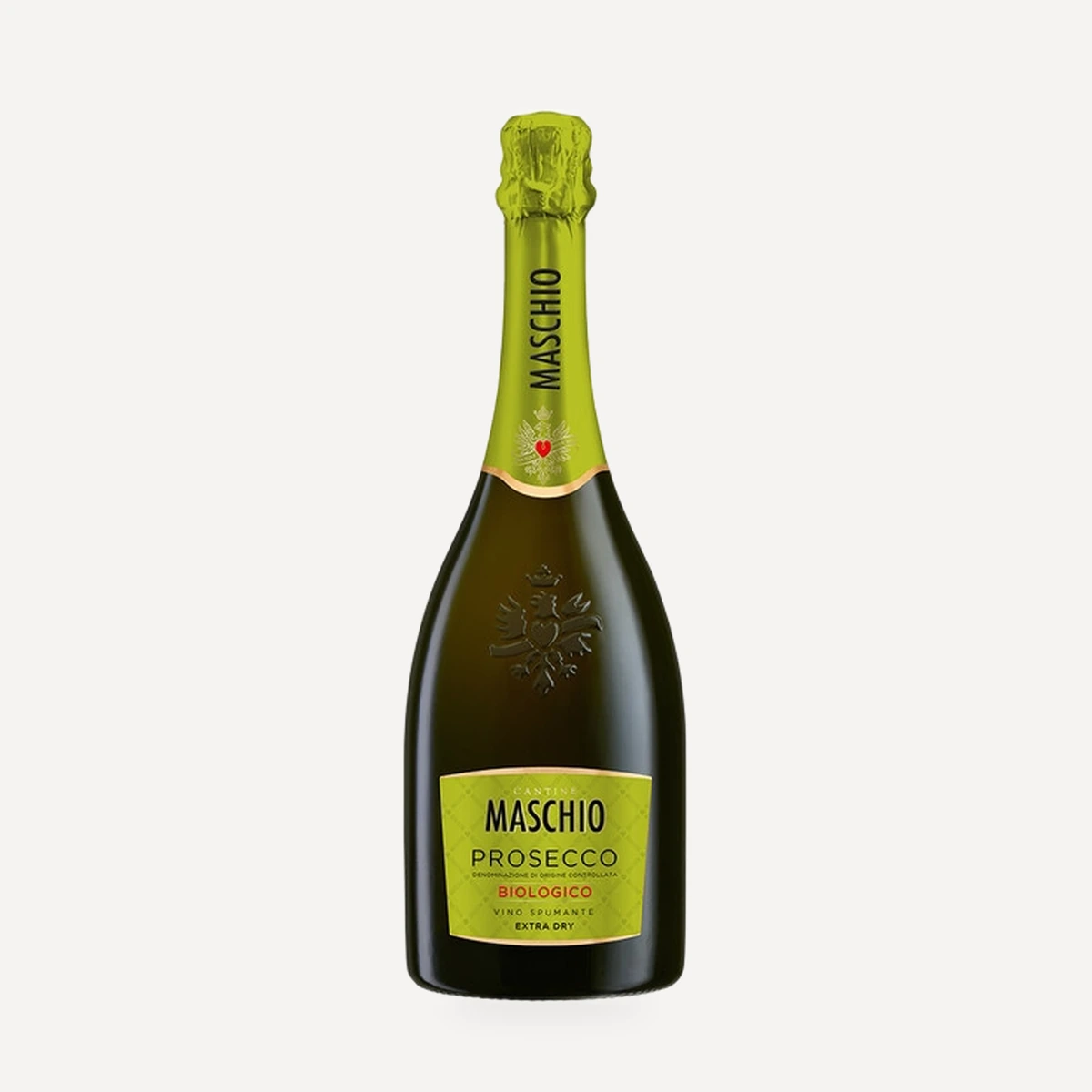
Prosecco Biologico Extra Dry DOC
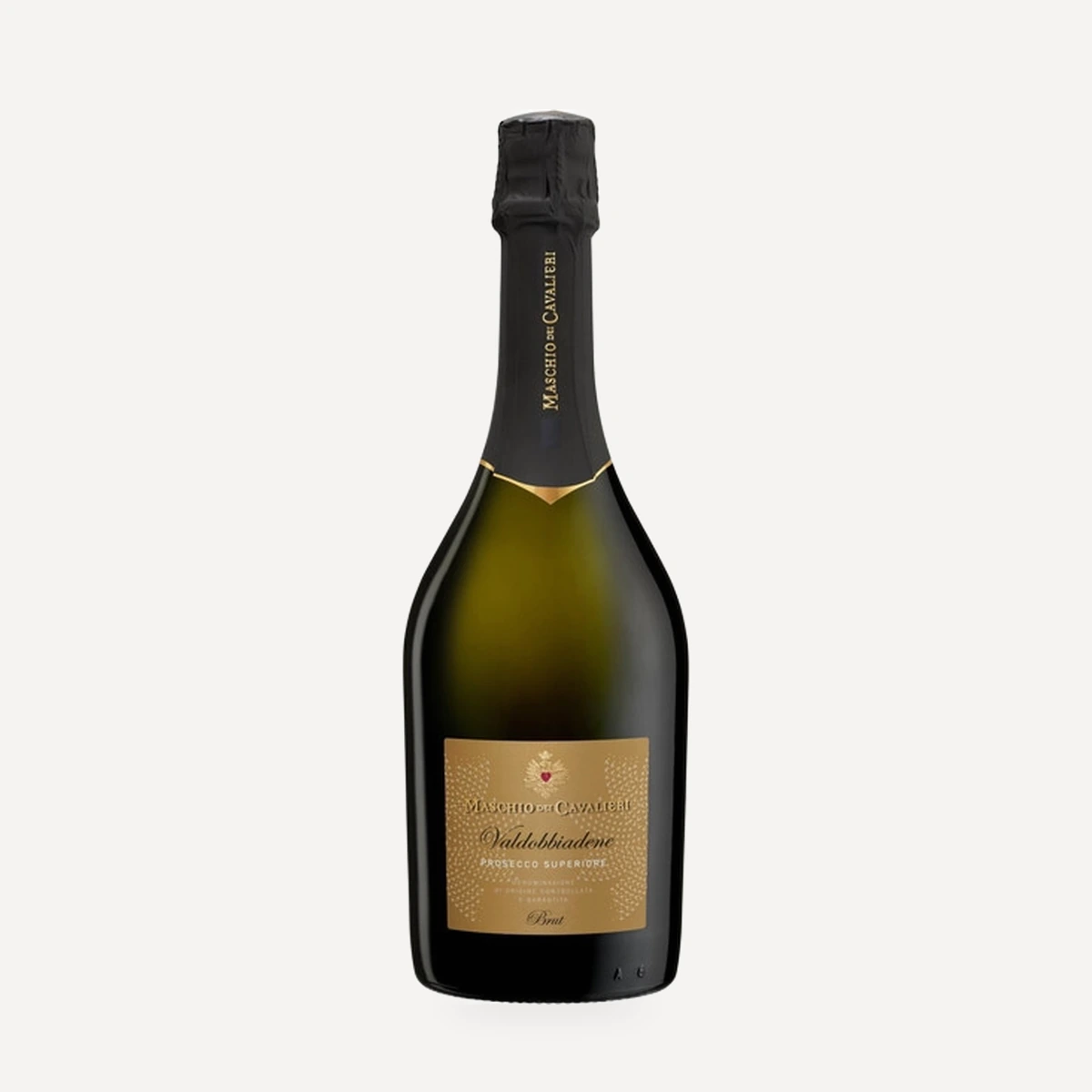
Maschio dei Cavalieri Valdobbiadene Prosecco Superiore Brut DOCG
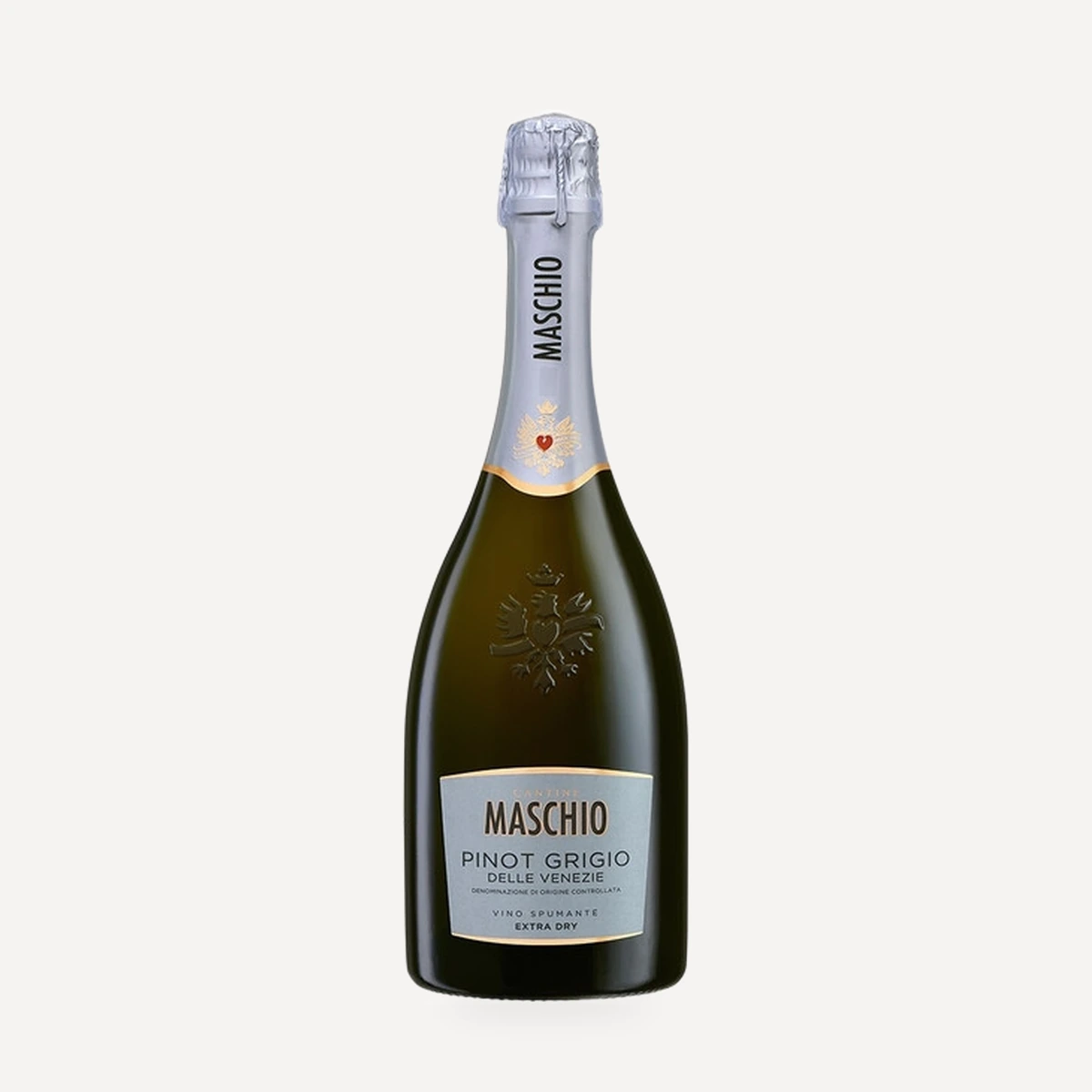
Pinot Grigio delle Venezie Extra Dry DOC
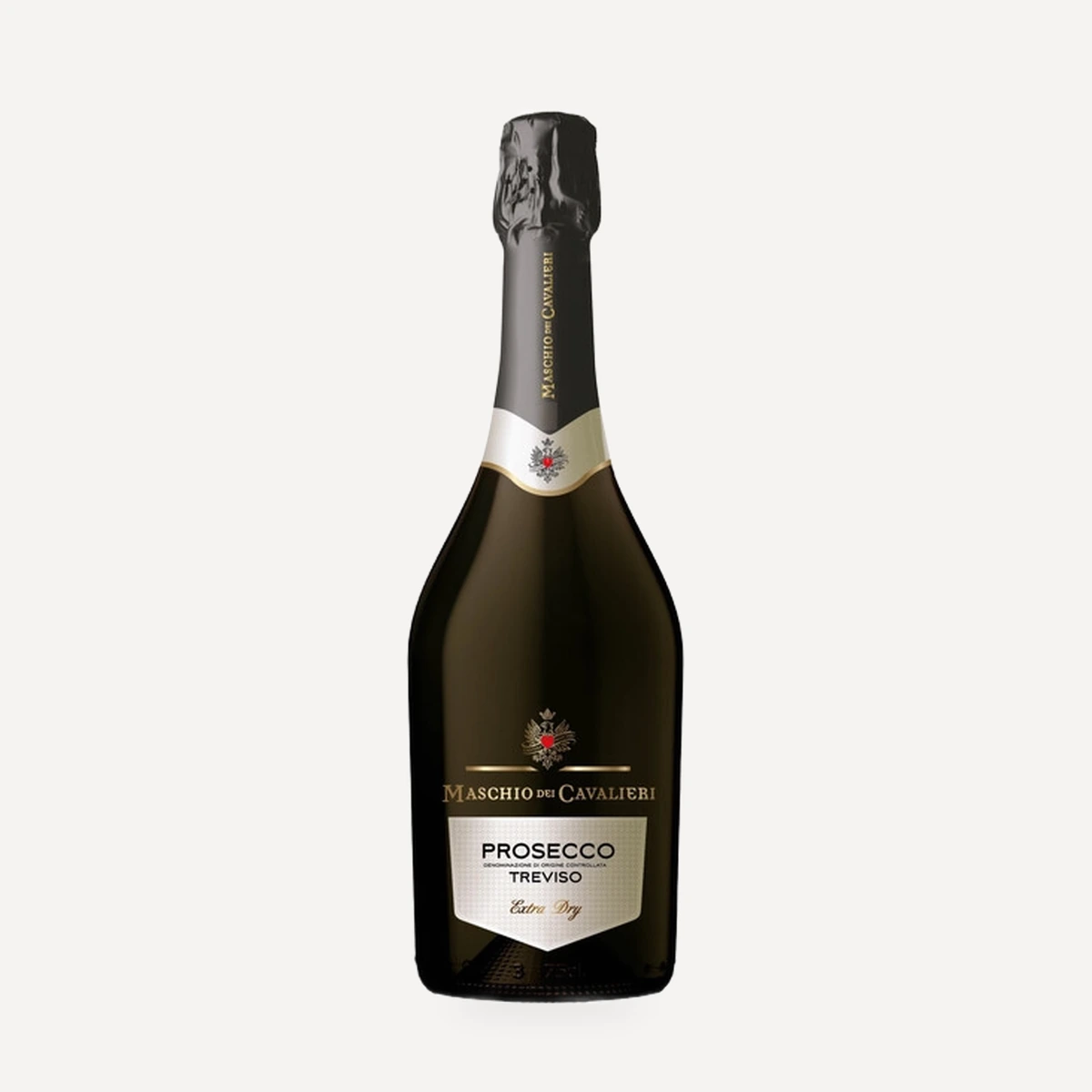
Maschio dei Cavalieri Prosecco Extra Dry Treviso DOC
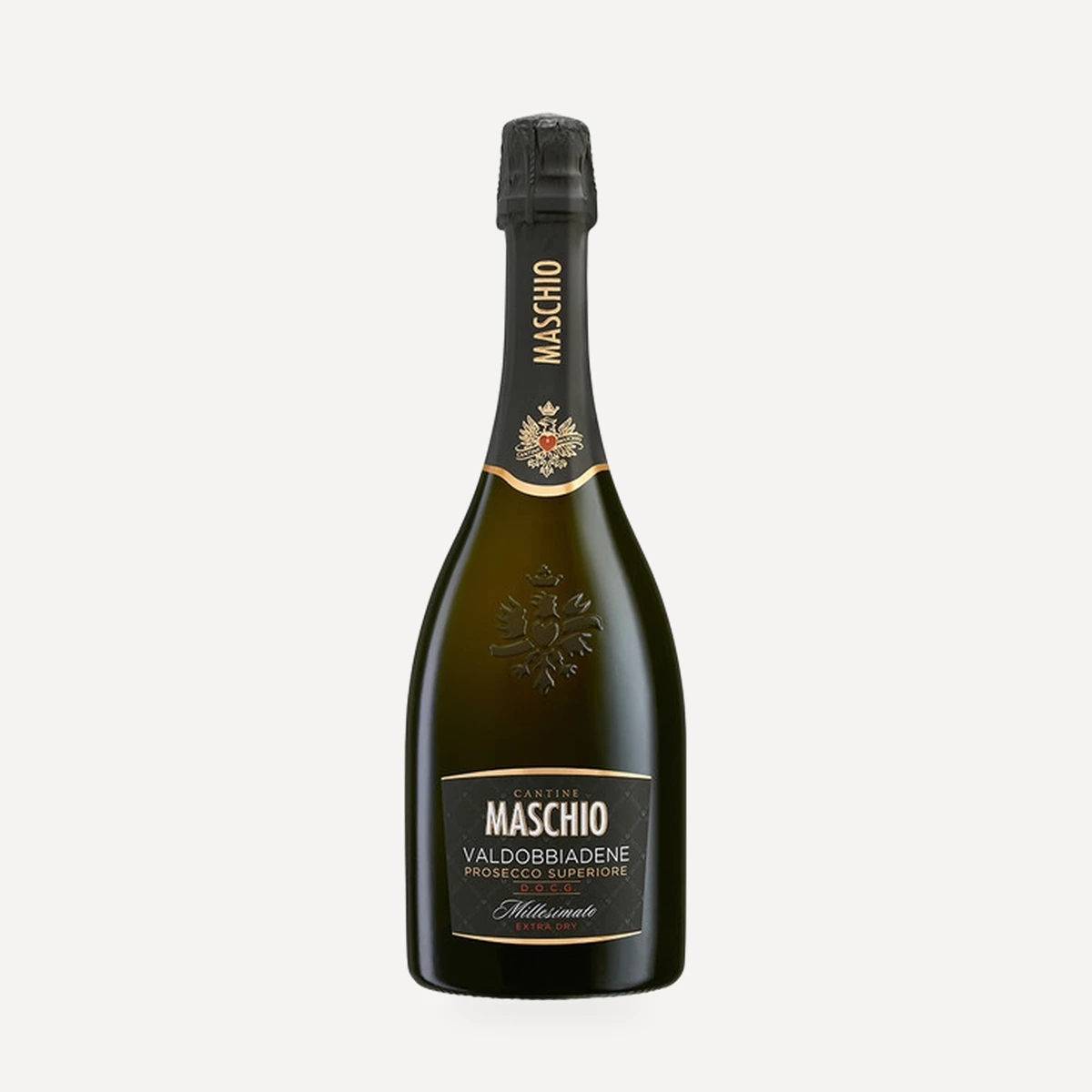
Valdobbiadene Prosecco Superiore Millesimato DOCG
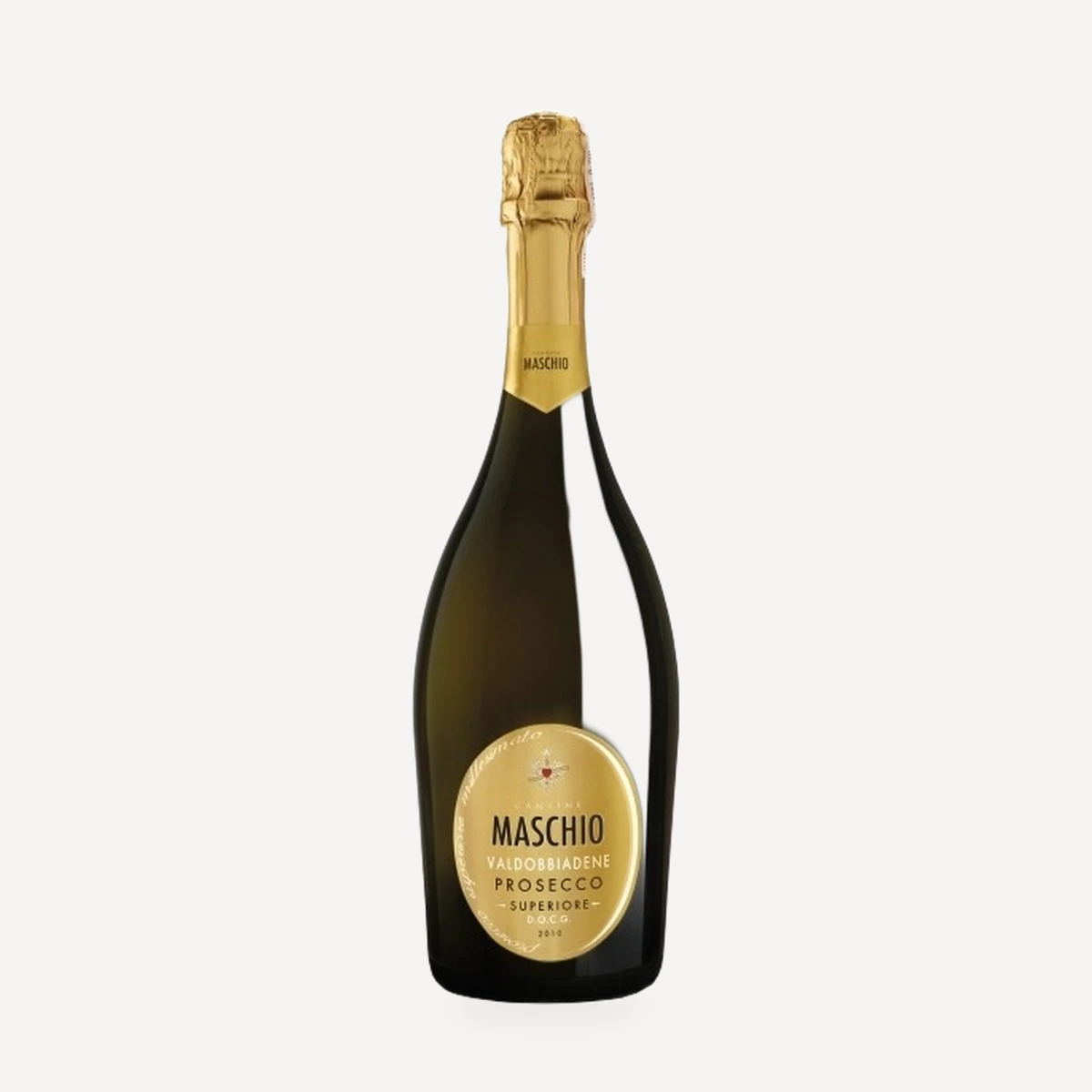
Valdobbiadene Prosecco Superiore DOCG
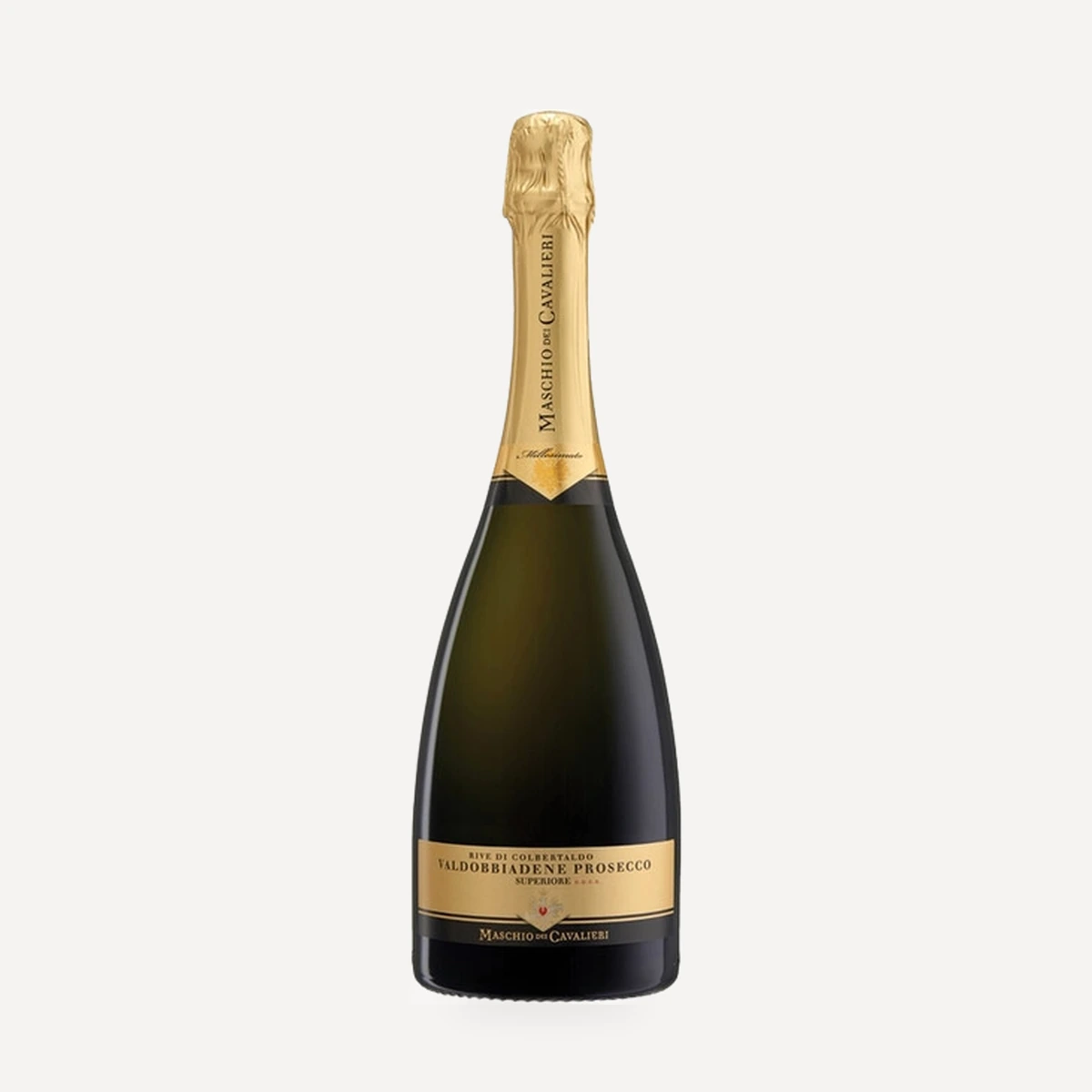
Maschio dei Cavalieri Valdobbiadene Prosecco Superiore Rive di Colbertaldo DOCG
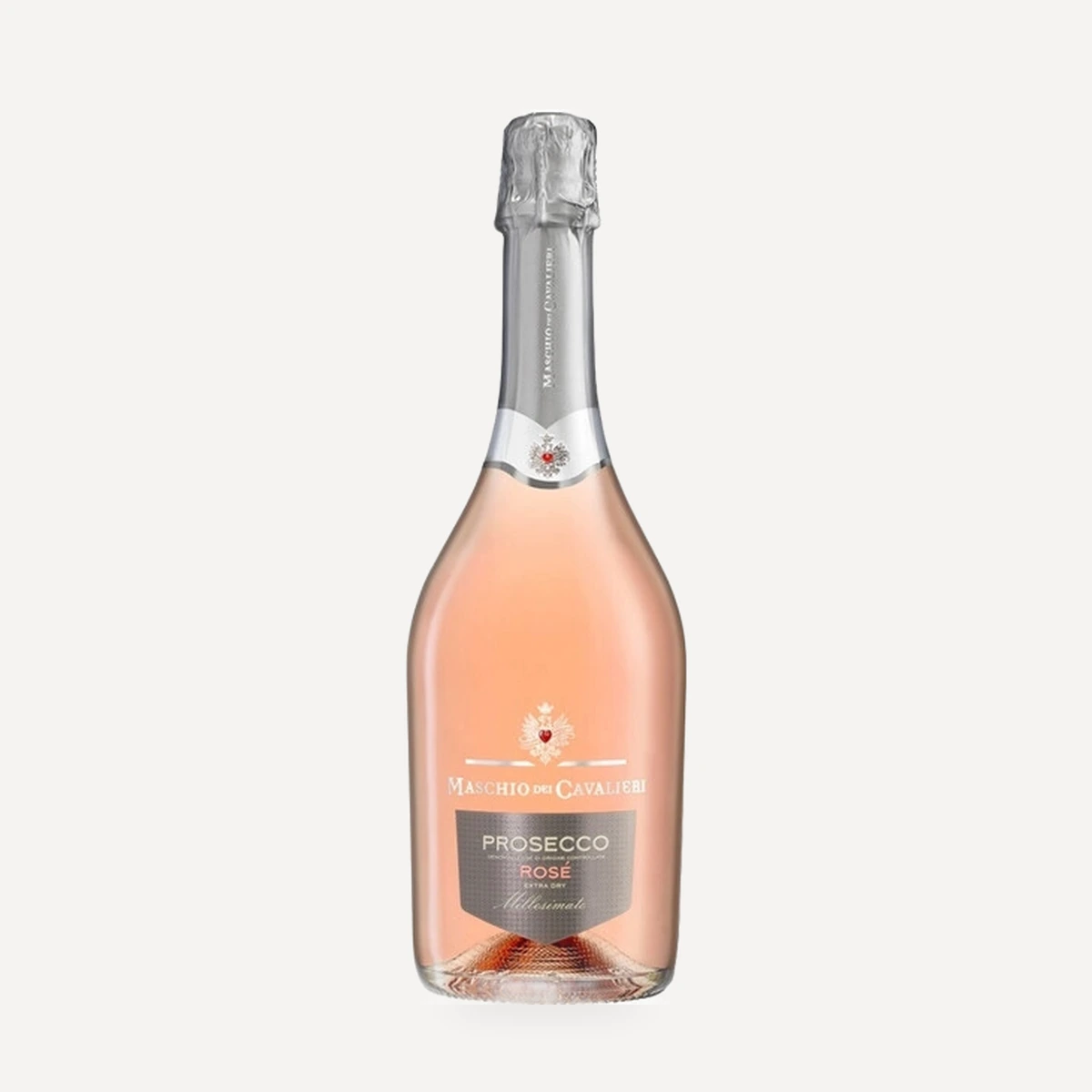
Maschio dei Cavalieri Prosecco Rose Extra Dry Millesimato DOC
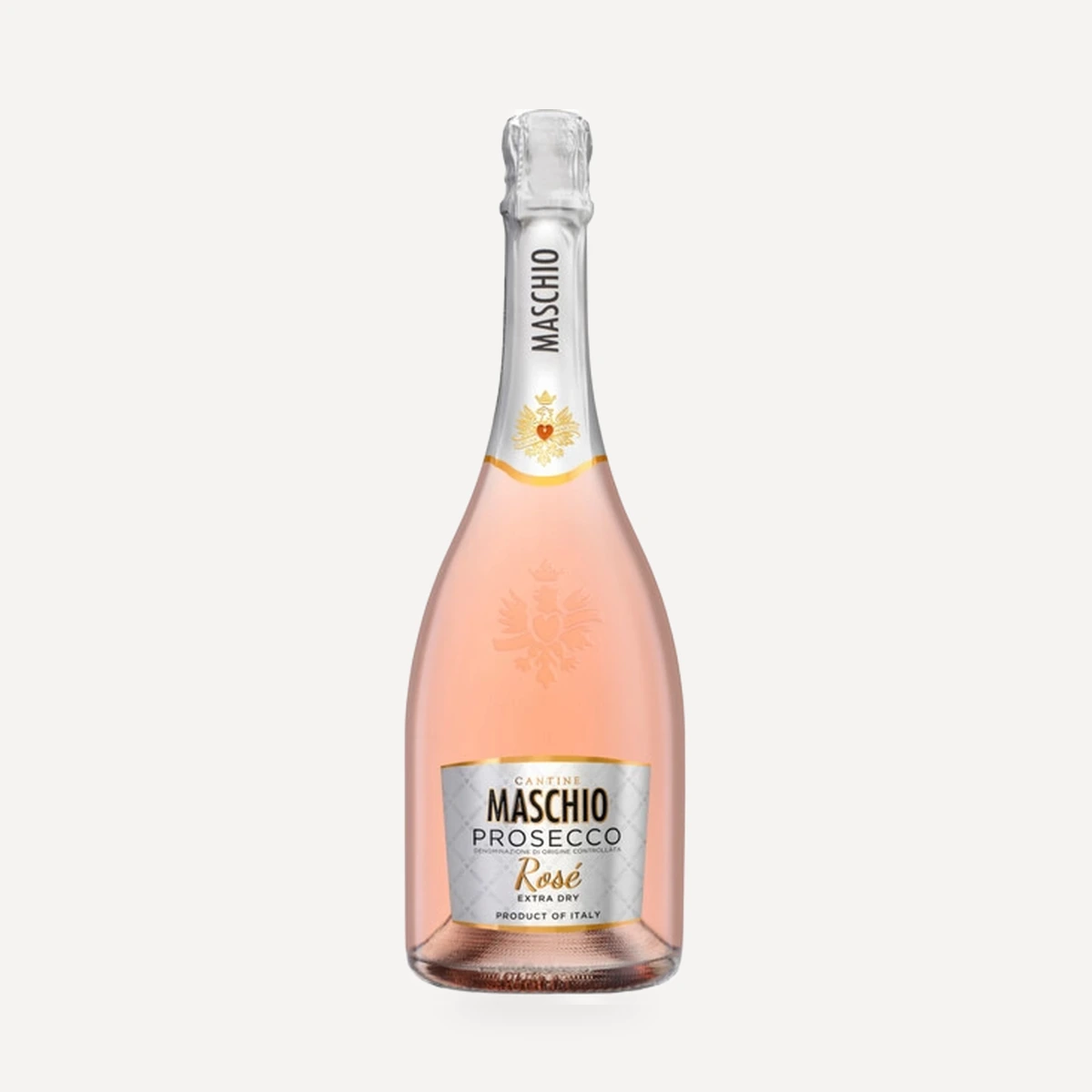
Prosecco Rose Millesimato Extra Dry DOC
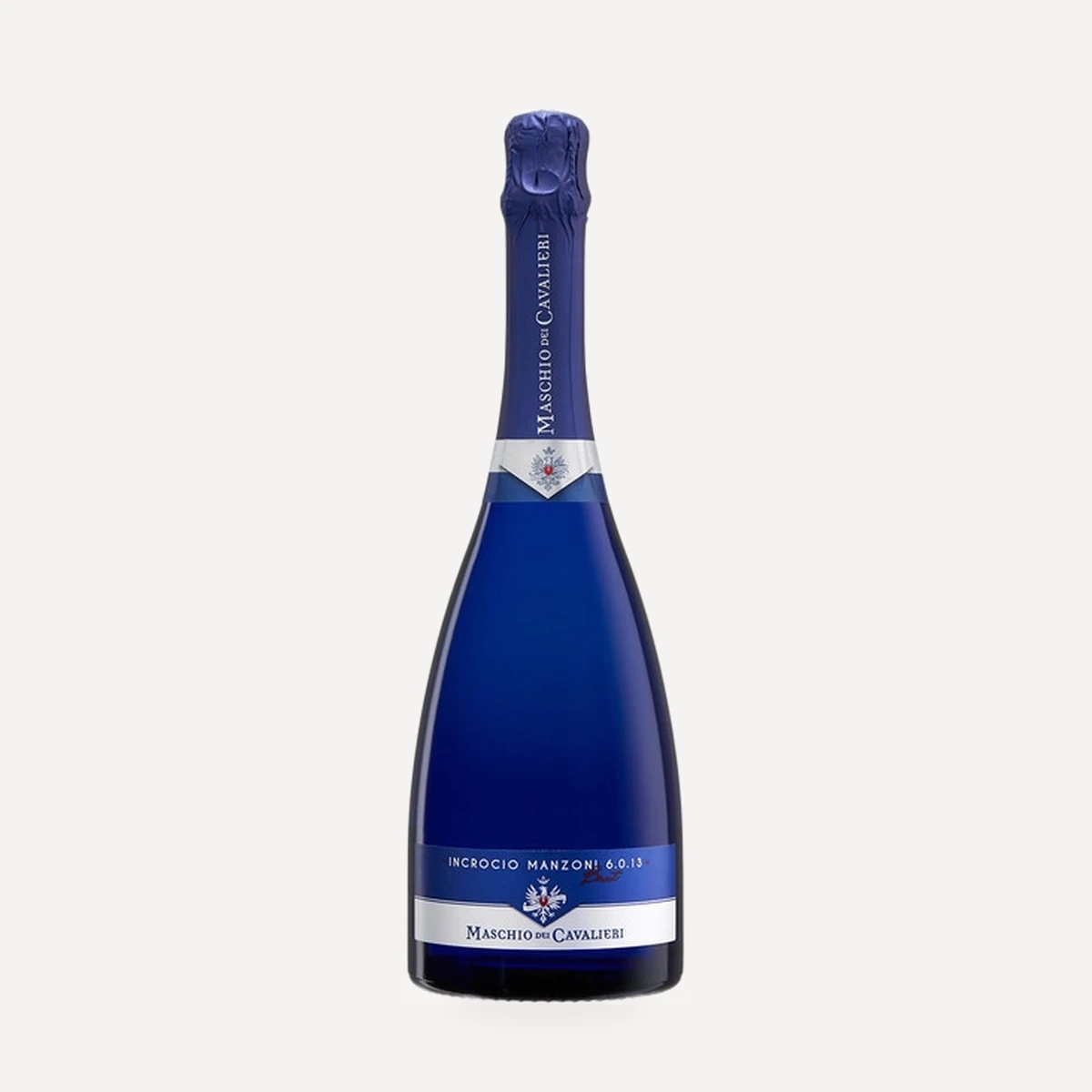
Incrocio Manzoni 6.0.13 Brut
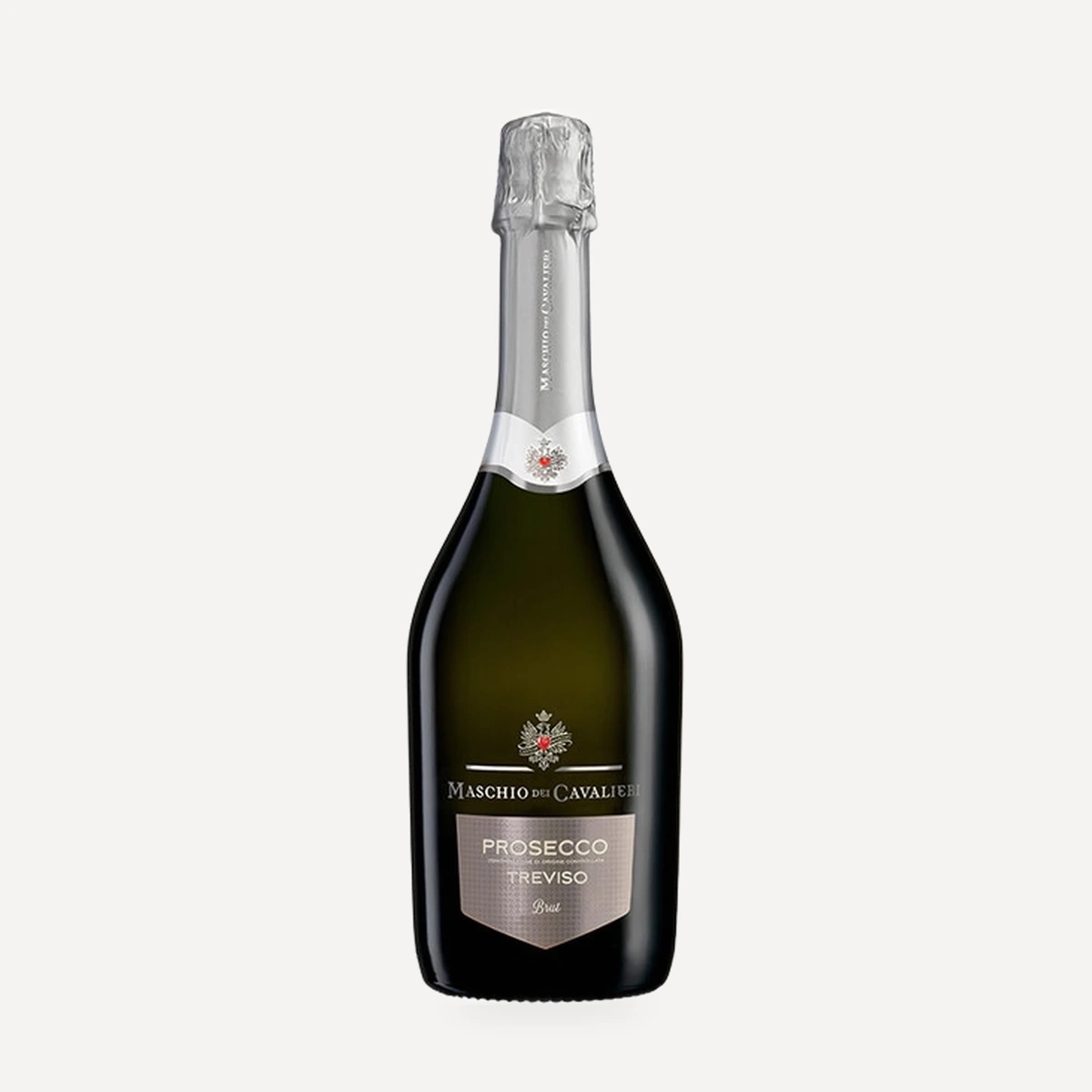
Maschio dei Cavalieri Prosecco Treviso Brut DOC
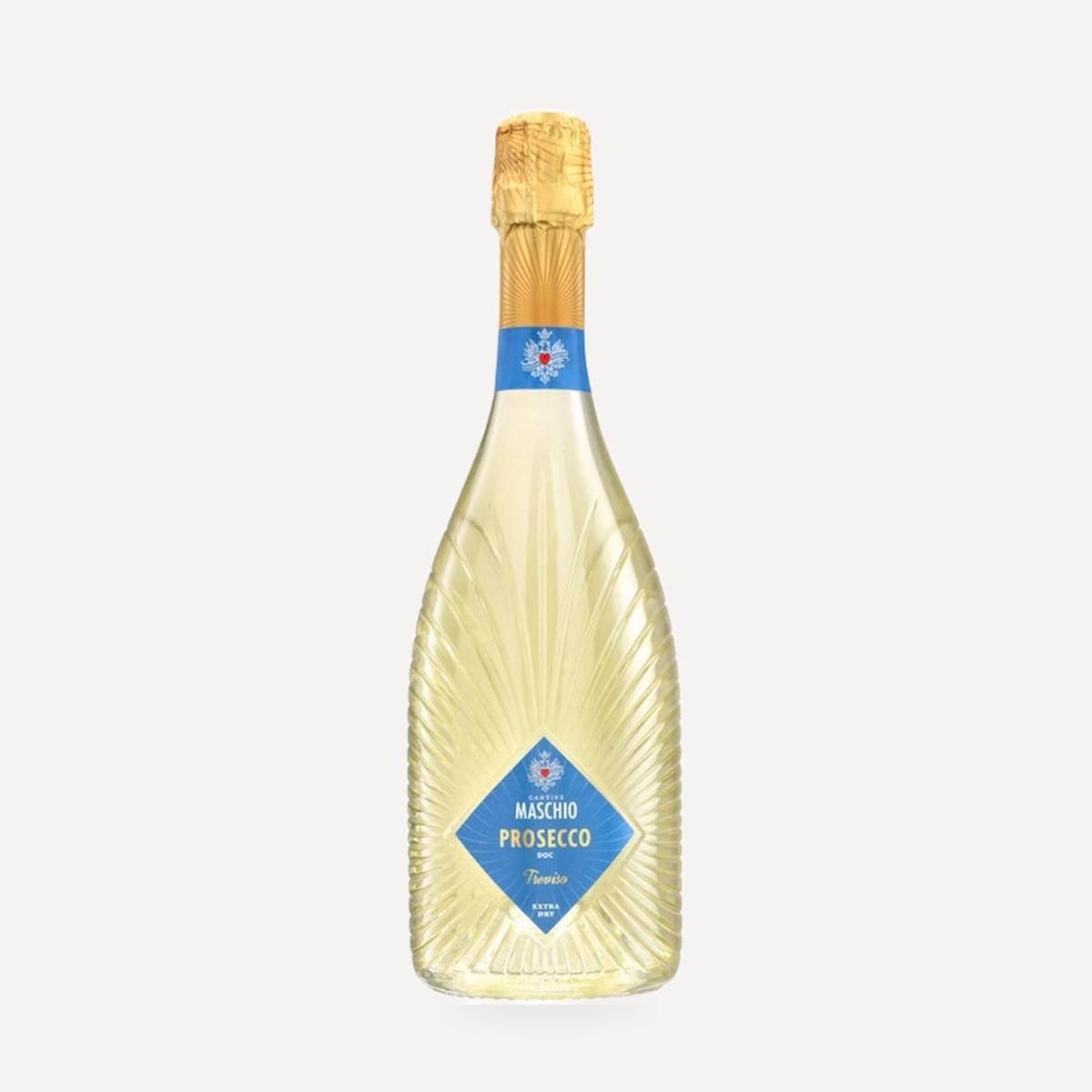
Prosecco Treviso design Onda DOC
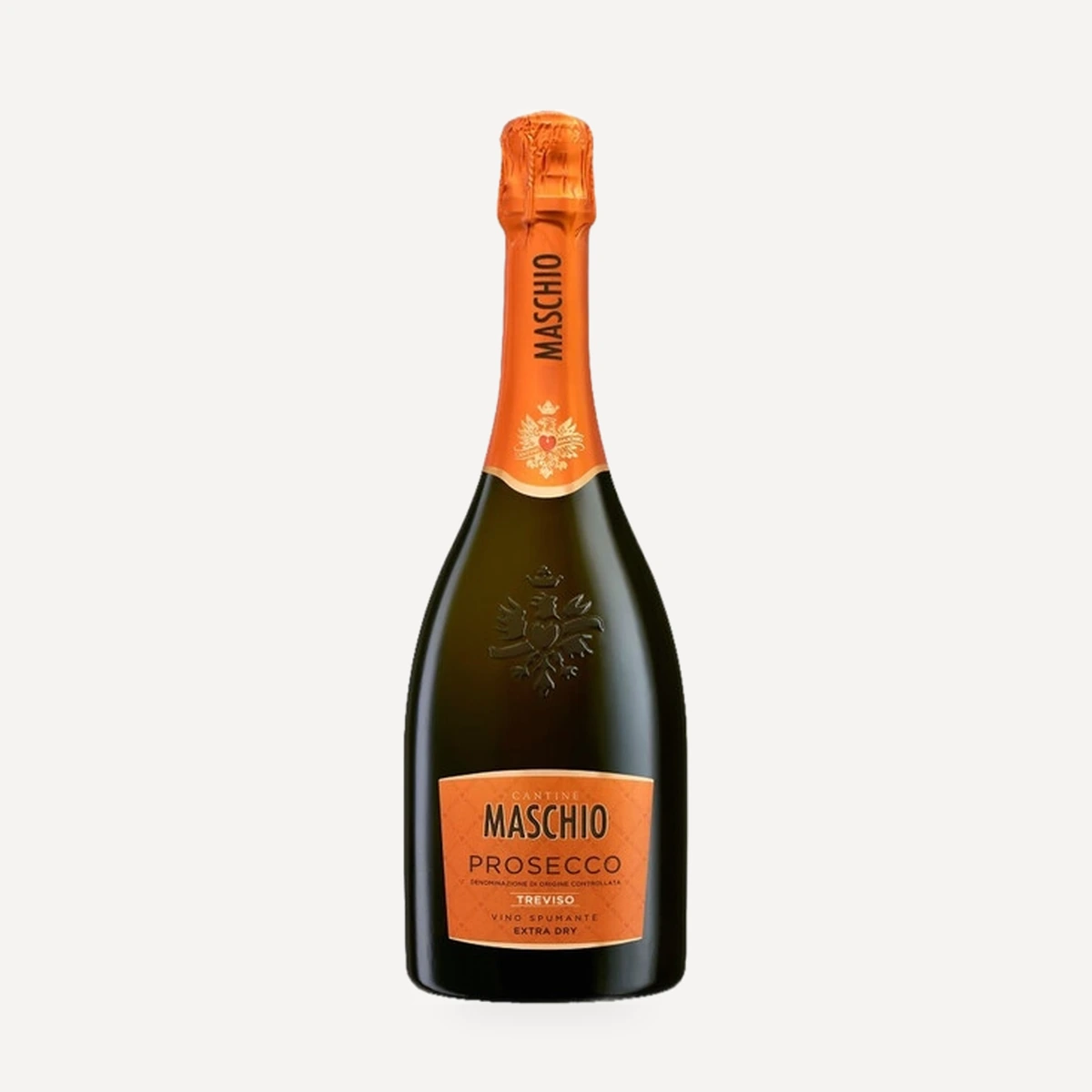
Prosecco Treviso DOC
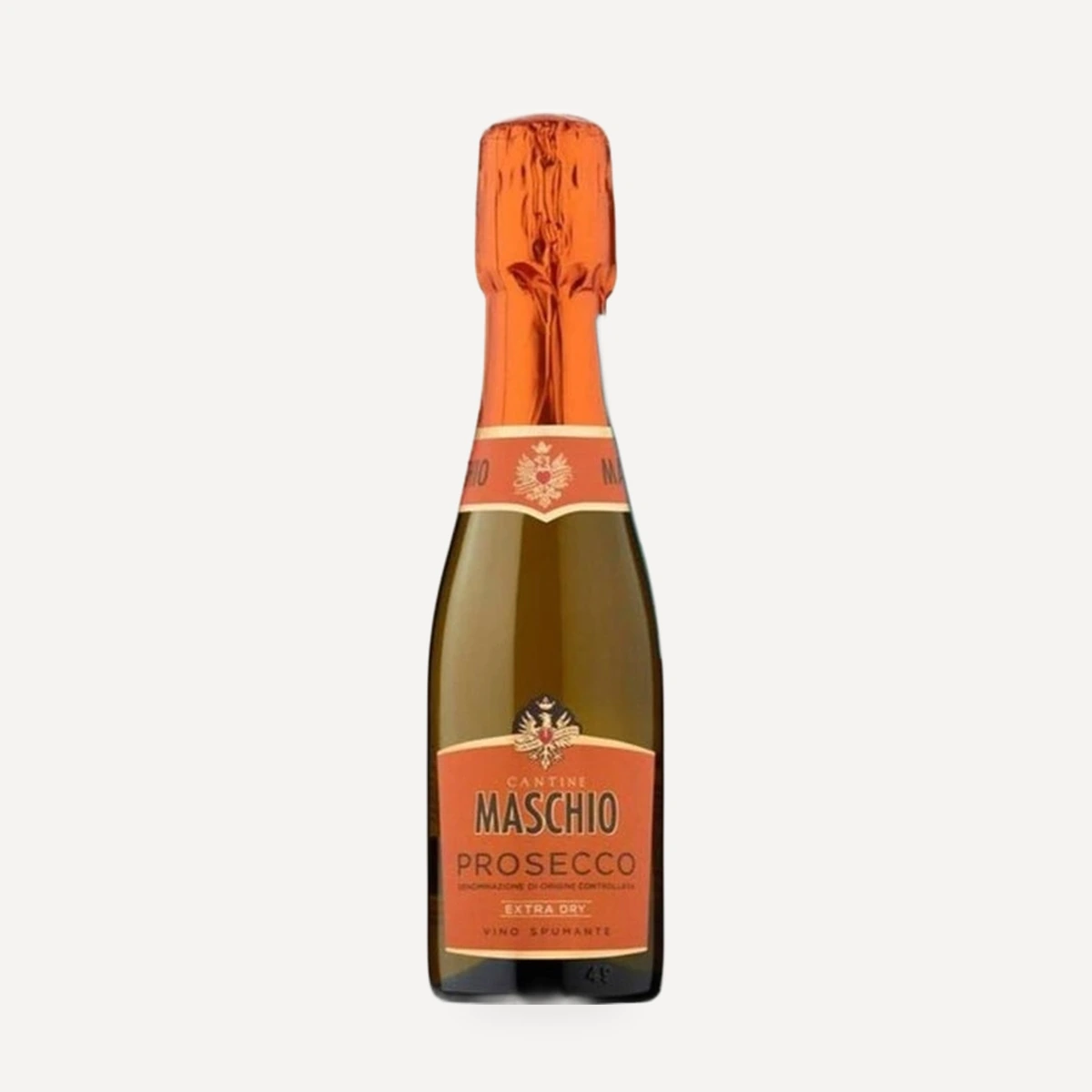
Prosecco Treviso Extra Dry DOC
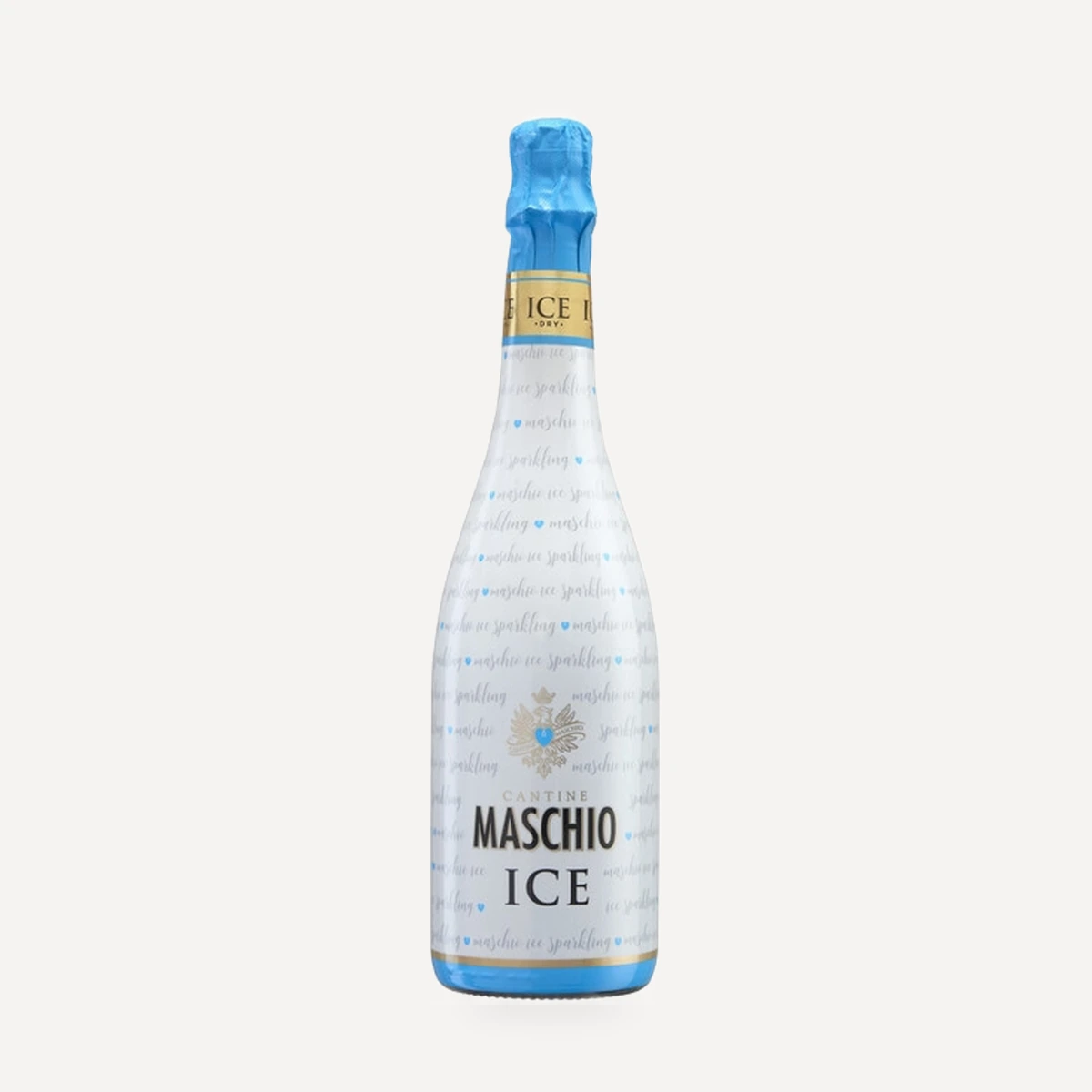
Ice
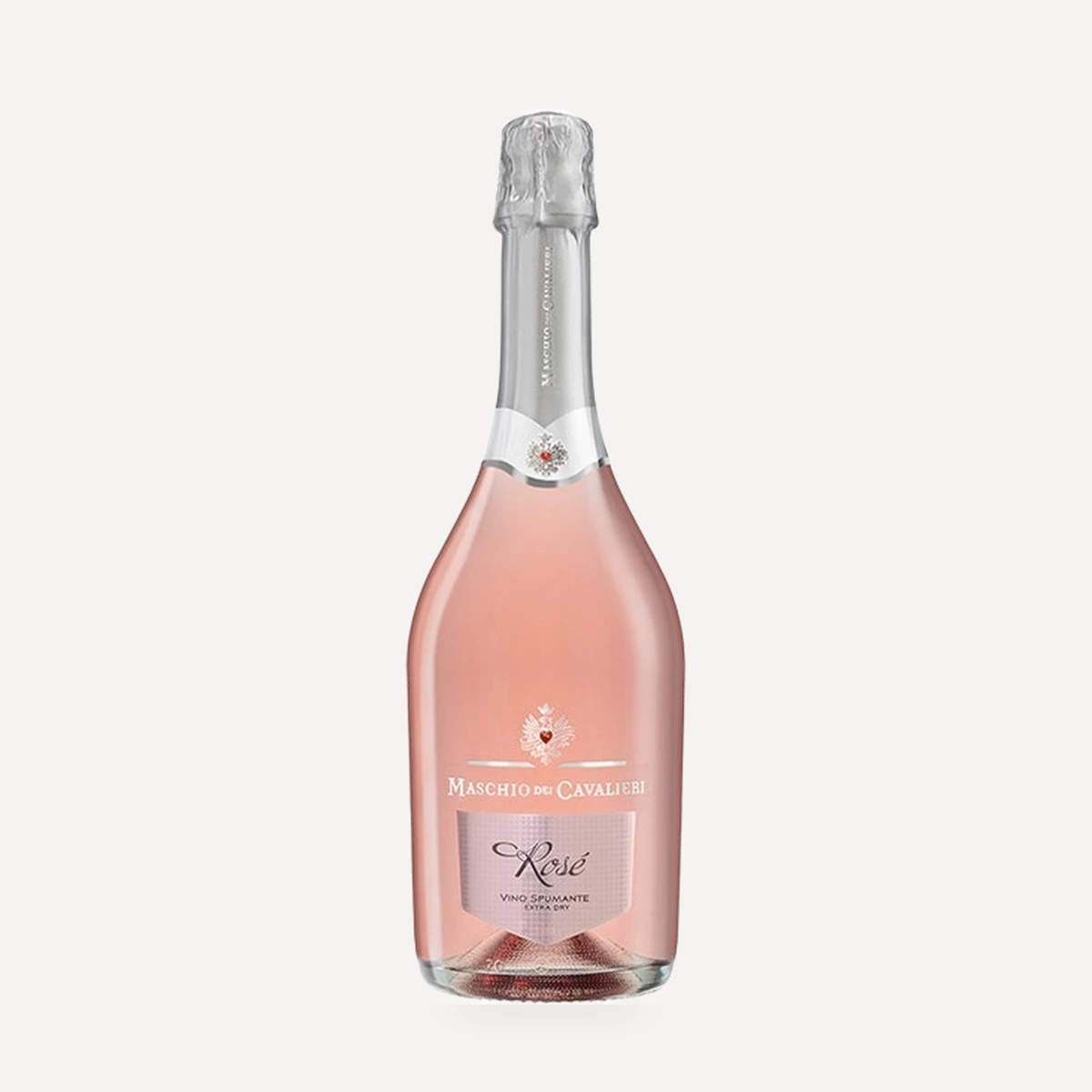
Maschio dei Cavalieri Rose Extra Dry