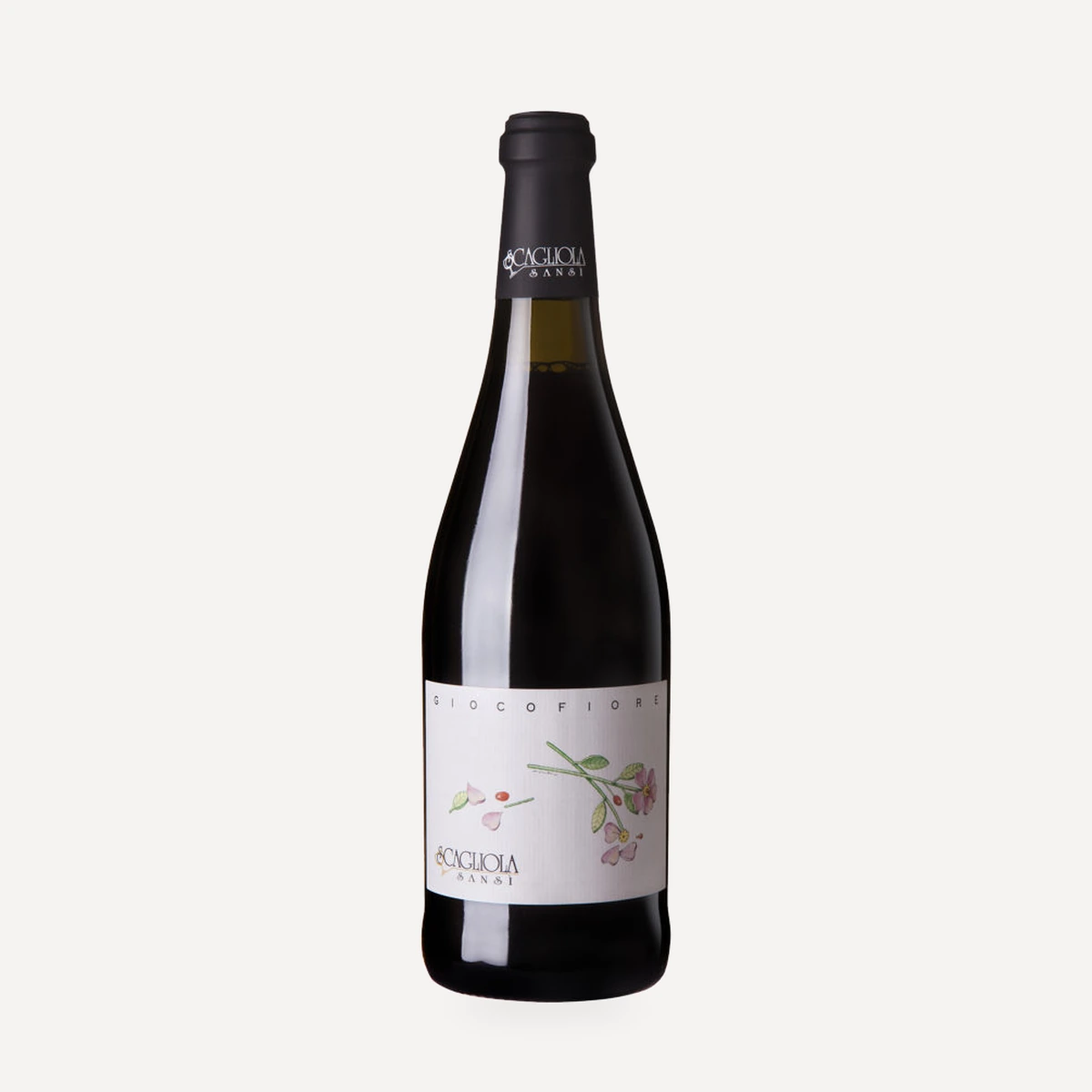
Storia
Camillo Scagliola and the foundation
Camillo Scagliola was born in 1889. He married Palmina, and the couple had five children. In 1936 Camillo founded the agricultural business and produced the first barrel of Scagliola wine. He died while still young, leaving Palmina to raise the family. The children consequently assumed responsibilities at an early age.
The Second World War compounded the family’s difficulties by taking young people and essential labour away from the land.
Giovanni and Marcellina
Camillo’s son Giovanni Scagliola decided at the age of 14 to continue his father’s work. He rented land adjoining the family home and, together with his wife Marcellina, operated a mixed farm. Their fields included vines, arable crops and meadows, while the family also kept livestock and poultry. Giovanni managed the land; Marcellina walked to neighbouring markets to sell the farm’s produce.
Giovanni later took livestock to the major fairs of Piedmont. The merchants he encountered there also appreciated the wine that he brought to celebrate completed transactions. These relationships established the family’s first Italian wine trade.
Maggiorino, Mario and the conversion to winegrowing
Maggiorino Scagliola was born in 1947 and followed his parents into the business. By accompanying Giovanni to fairs, he recognised wine as a means of broadening the family’s sales. His brother Mario, born in 1959, subsequently joined the enterprise. Together they pursued the conversion of the diversified farm into a specialist winegrowing and winemaking estate.
In 1976 Maggiorino married Bruna. She entered the business that year, supported its plans and became fully involved in management. Mario later married Emiliana, who likewise joined the estate’s management.
For several years the business specialised in bottled Moscato, while its other wines continued to be sold privately in bulk. Barbera Monferrato La Birba and Barbera d’Asti Frem were the first Barbera bottlings added to the range.
The first named Moscato and the development of Barbera
The first bottle of Moscato d’Asti Volo di Farfalle was produced in 1989. Barbera Superiore SanSì followed in 1996. In 1997 the family introduced SanSì Selezione as its highest expression of Barbera; the wine was subsequently renamed SanSì Antologia.
Maggiorino and Mario carried forward the character, practical knowledge, vocation and skills inherited from their parents while directing the business toward the future.
The fourth generation
Maggiorino and Bruna’s children, Silvia and Giovanni, joined the family project after completing their studies. As the fourth generation, they brought new energy at a time when the market was becoming increasingly international and patterns of consumption were changing.
This evolution brought Chardonnay and Cabernet into the family’s work alongside its established varieties. New additions included the Chardonnay Dan Vian, Azörd—a blend of Barbera, Cabernet and Nebbiolo—and the Camilo and Nonabis sparkling wines, made from combinations of Chardonnay, Pinot Nero and Pinot Grigio.
Mario and Emiliana’s daughters, Martina and Federica, represent the family’s prospective continuation into a further generation.
Terroir
Scagliola is based in Calosso, a small village in southern Piedmont. The village lies among extensive vineyards on the last hills of Monferrato, close to the Langhe.
The estate stands at the top of the San Siro hill and is surrounded by its vineyards. The vineyard holding covers approximately 40 hectares, with the vines situated between 320 and 380 metres above sea level.
The soils combine sand, layers described as tufo in the Italian and French texts and as marl in the English version, and a substantial limestone component.
Vinificazione
The family describes its approach as healthy, attentive and clean viticulture conducted without forcing the vines, with respect for nature and the vine’s biological balance. Yields per hectare are kept low.
Winter pruning
Winter pruning leaves one fruiting cane with a limited number of buds and a renewal spur.
Spring canopy work
Three rounds of shoot-tip trimming are normally performed in spring. Light leaf removal around the bunch zone improves exposure and is intended to reduce the risk of mould.
Plant protection and monitoring
Plant-protection treatments are based primarily on sulfur and copper. Vineyard observations, processed meteorological information and assistance from specialist viticultural technicians are used to keep interventions to the minimum considered necessary.
Nutrition and crop control
Fertilisation is minimal and is restricted to replacing what the vines have consumed. During summer, excess bunches and bunches unlikely to ripen satisfactorily are removed. This green harvest reduces the crop and is intended to improve the quality of the remaining fruit.
Harvest
Harvest extends from late August until approximately the middle of October, reflecting the different ripening periods of the estate’s varieties. Grapes are picked by hand, providing an additional opportunity to select the bunches.
Production combines careful vineyard work with the measured use of cellar technology. Grapes and musts are selected attentively, and the estate deliberately produces a limited number of bottles intended to express the potential of its hillside vineyards.
The production approach varies across the range: the catalogue distinguishes young wines matured in stainless steel, reds aged in large wooden casks, reds matured in barriques and traditional-method sparkling wines. No single cellar protocol is applied to the entire portfolio.
Filosofia
The Scagliola family defines its central principle as quality over quantity. Its stated conviction is that quality is created first in the vineyard rather than manufactured in the cellar.
This principle is expressed through low yields, minimal fertilisation, vineyard monitoring, restrained plant-protection work, manual harvesting and fruit selection. Tradition is treated as a foundation for future development: later generations have retained the family’s established Moscato and Barbera work while exploring additional varieties and styles in response to changing international tastes.
The family also places importance on the historical inheritance and potential of its land. Barbera is interpreted across several expressions, ranging from an accessible everyday style to wines reserved for exceptional occasions.
Vini
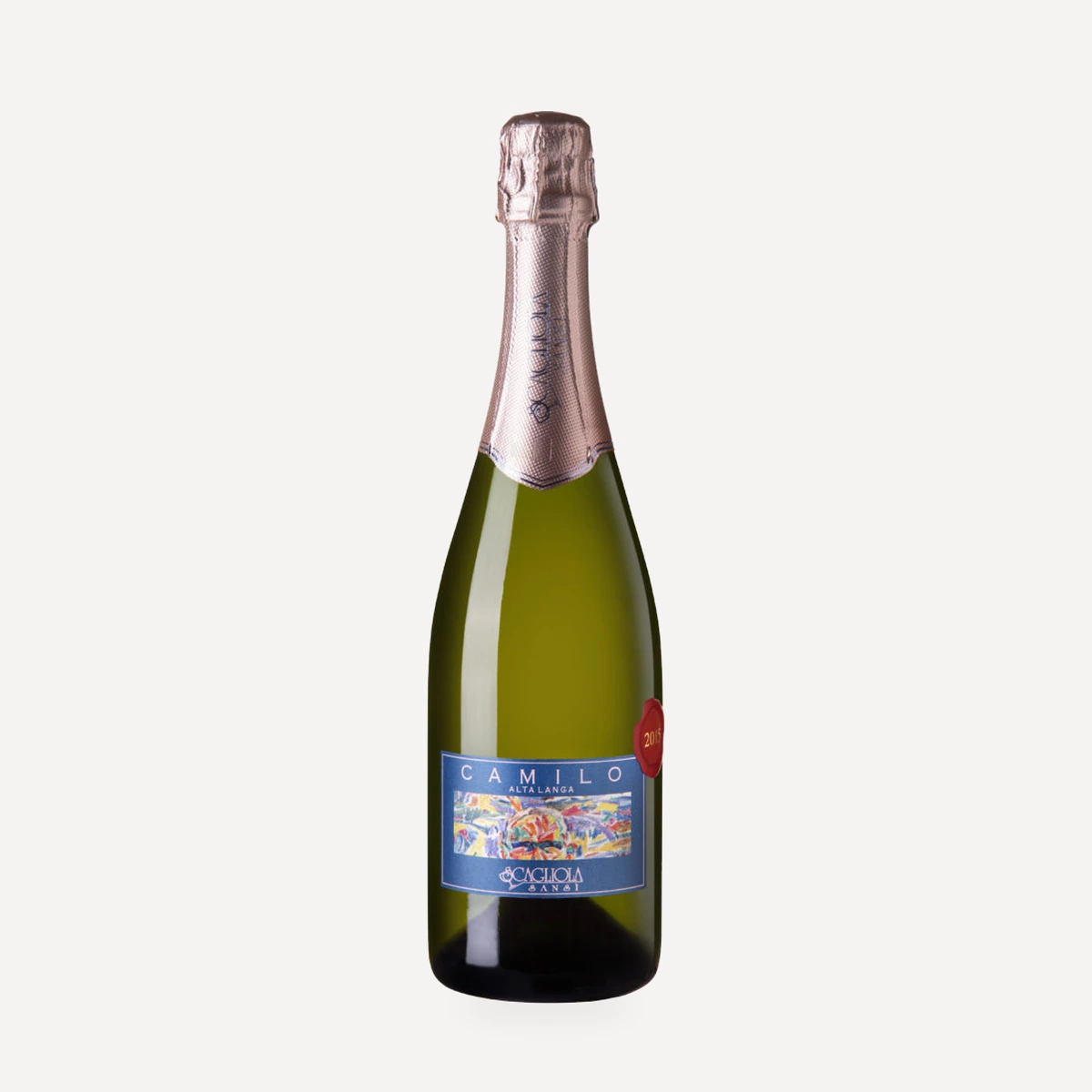
Alta Langa DOCG Camilo
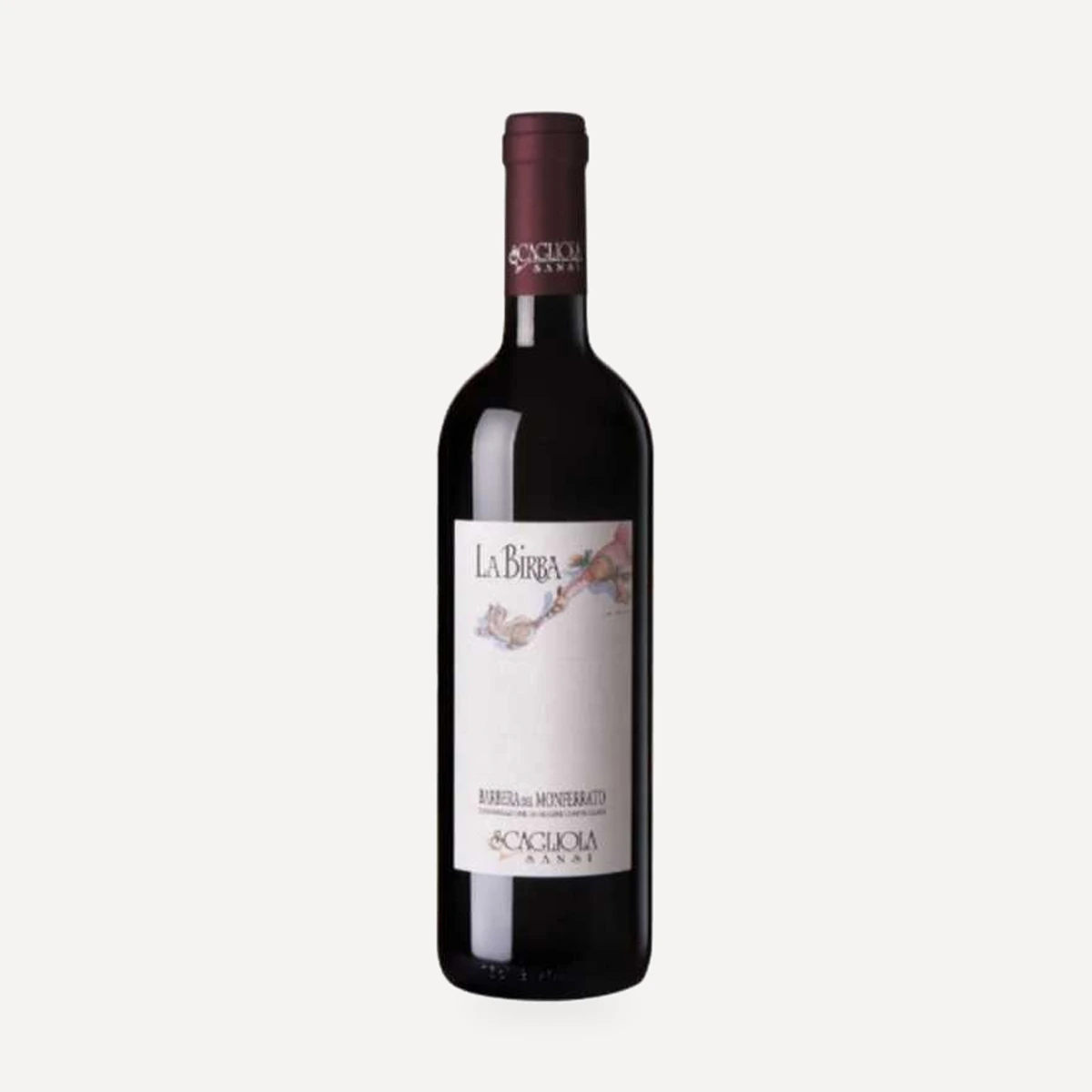
Barbera Monferrato DOC La Birba
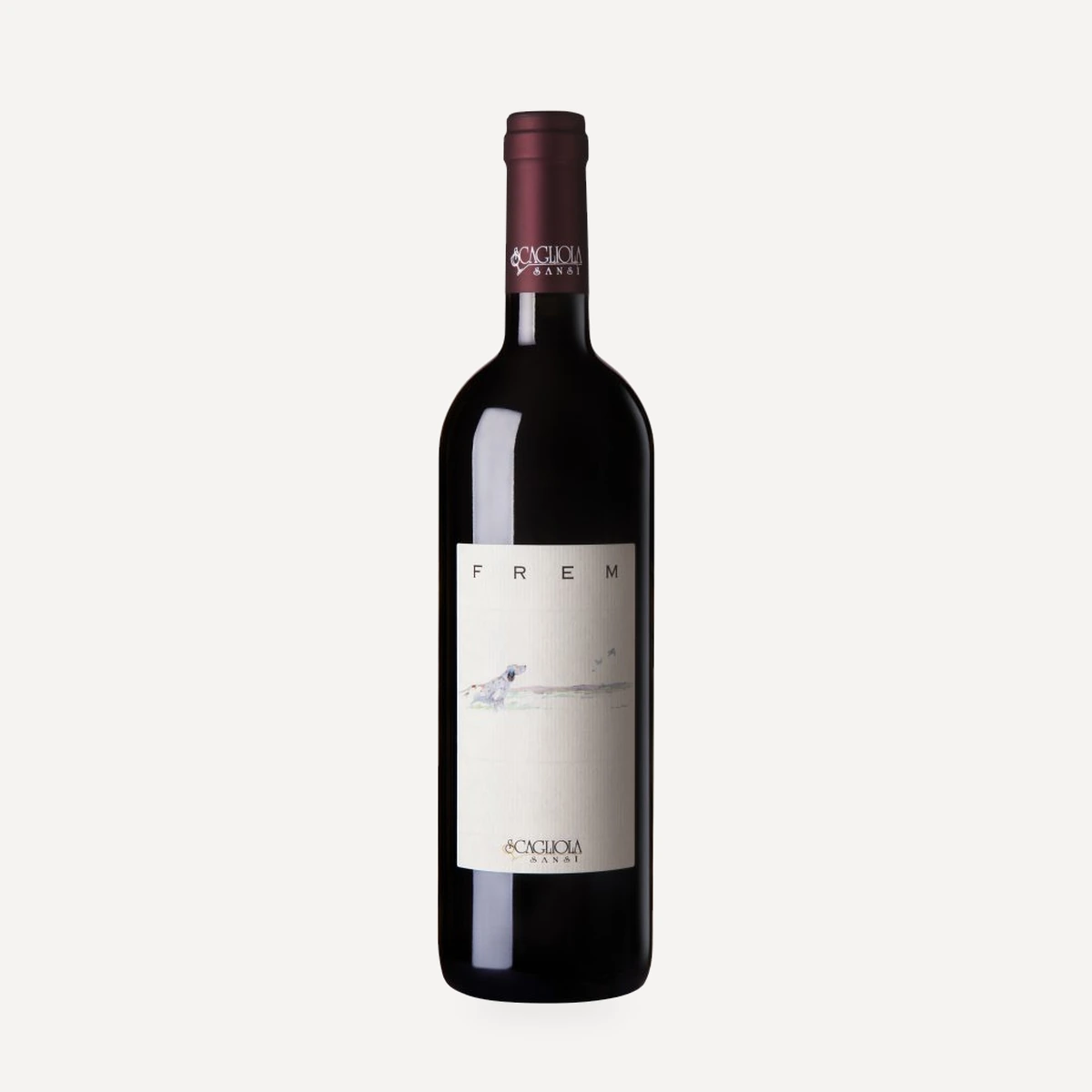
Barbera d'Asti DOCG Frem
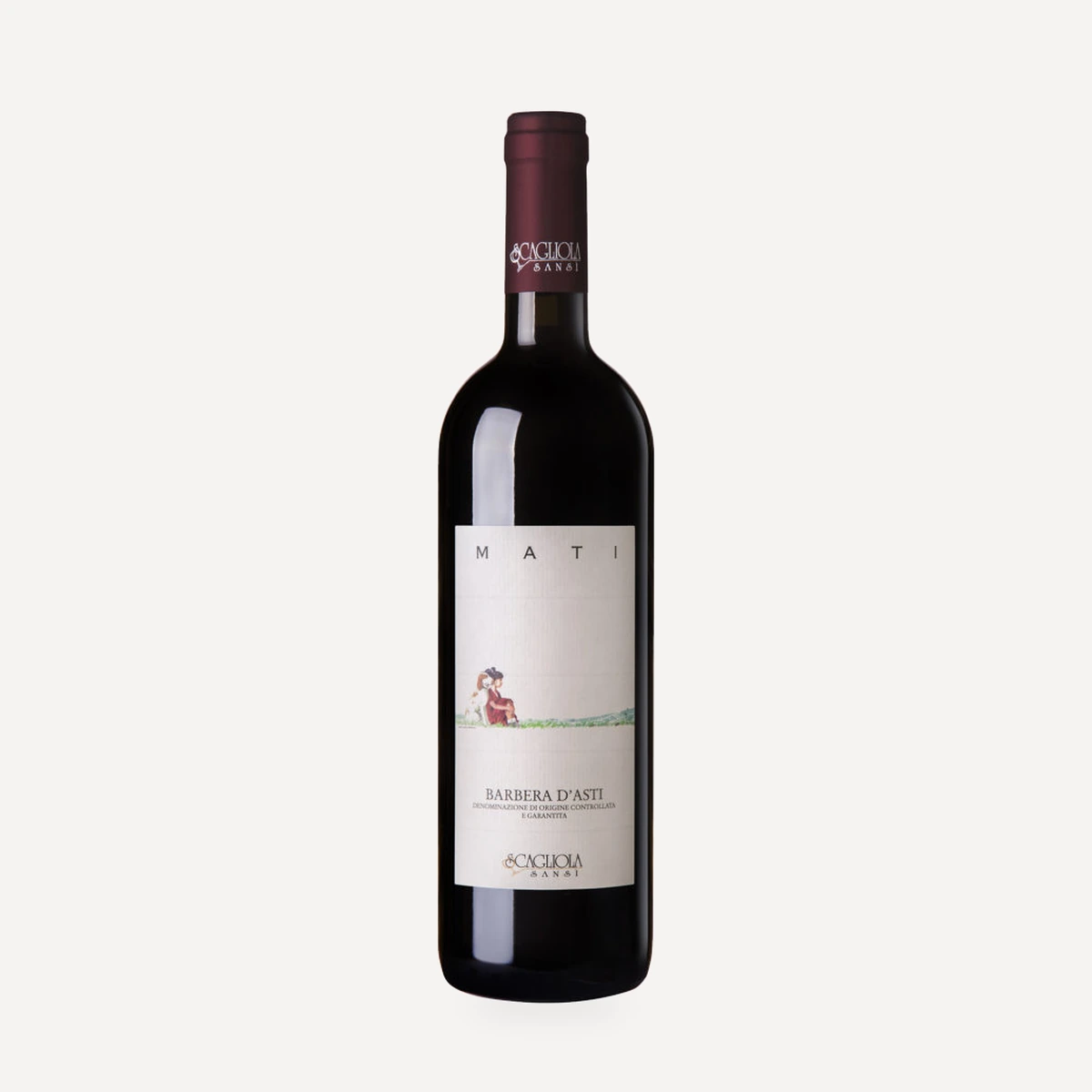
Barbera d'Asti DOCG Mati
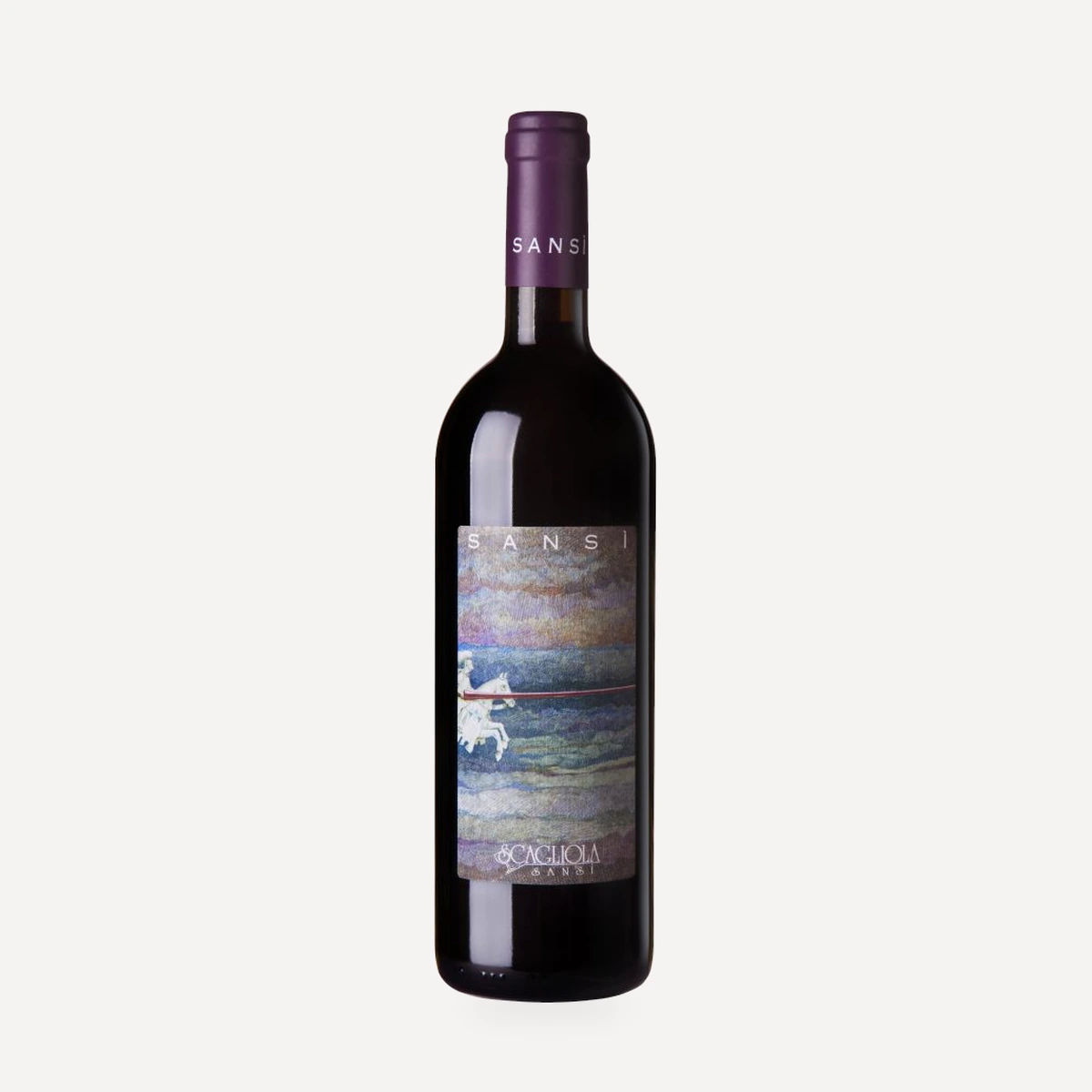
Barbera d'Asti Superiore DOCG Sansì
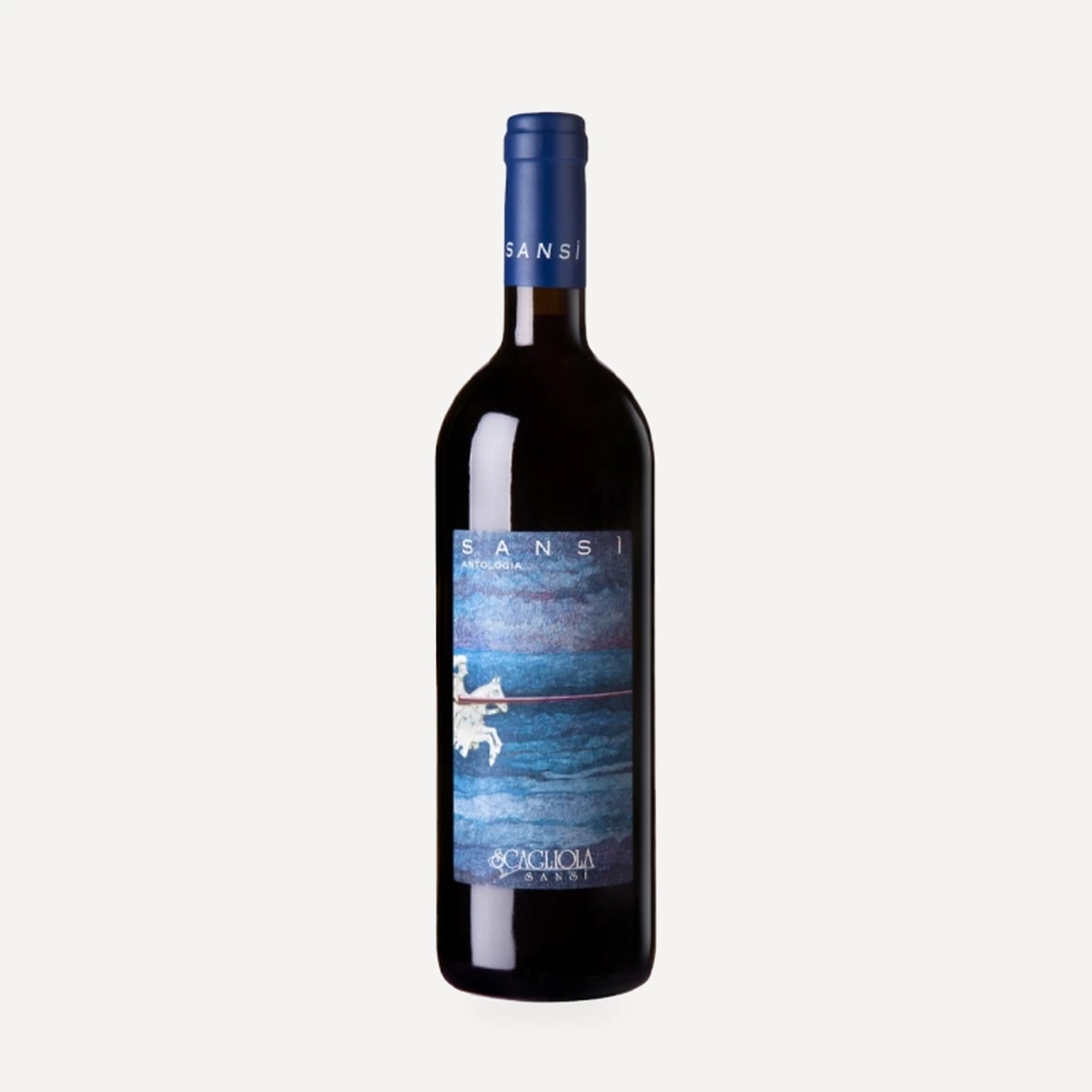
Barbera d'Asti Superiore DOCG Sansì Antologia
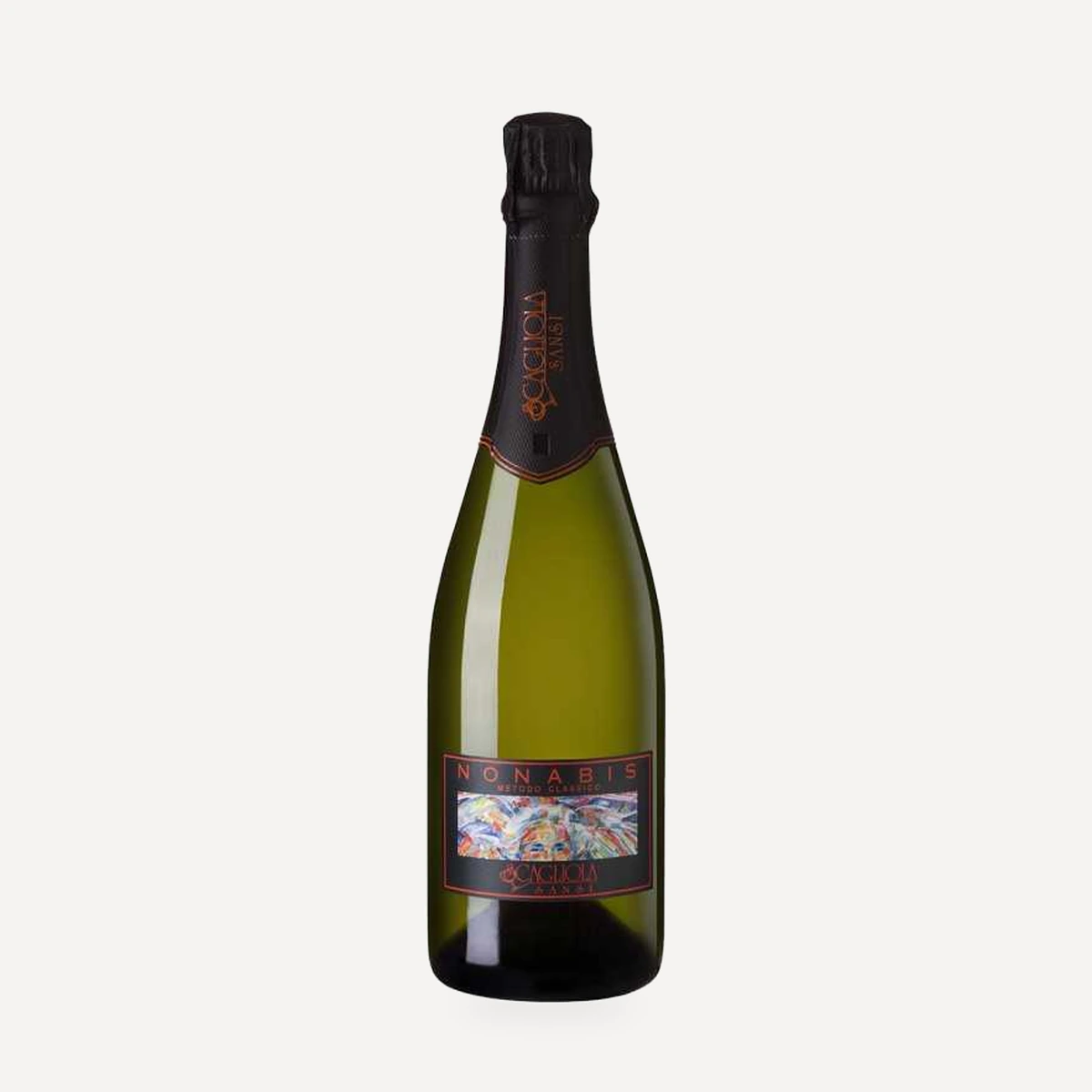
Metodo Classico Nonabis
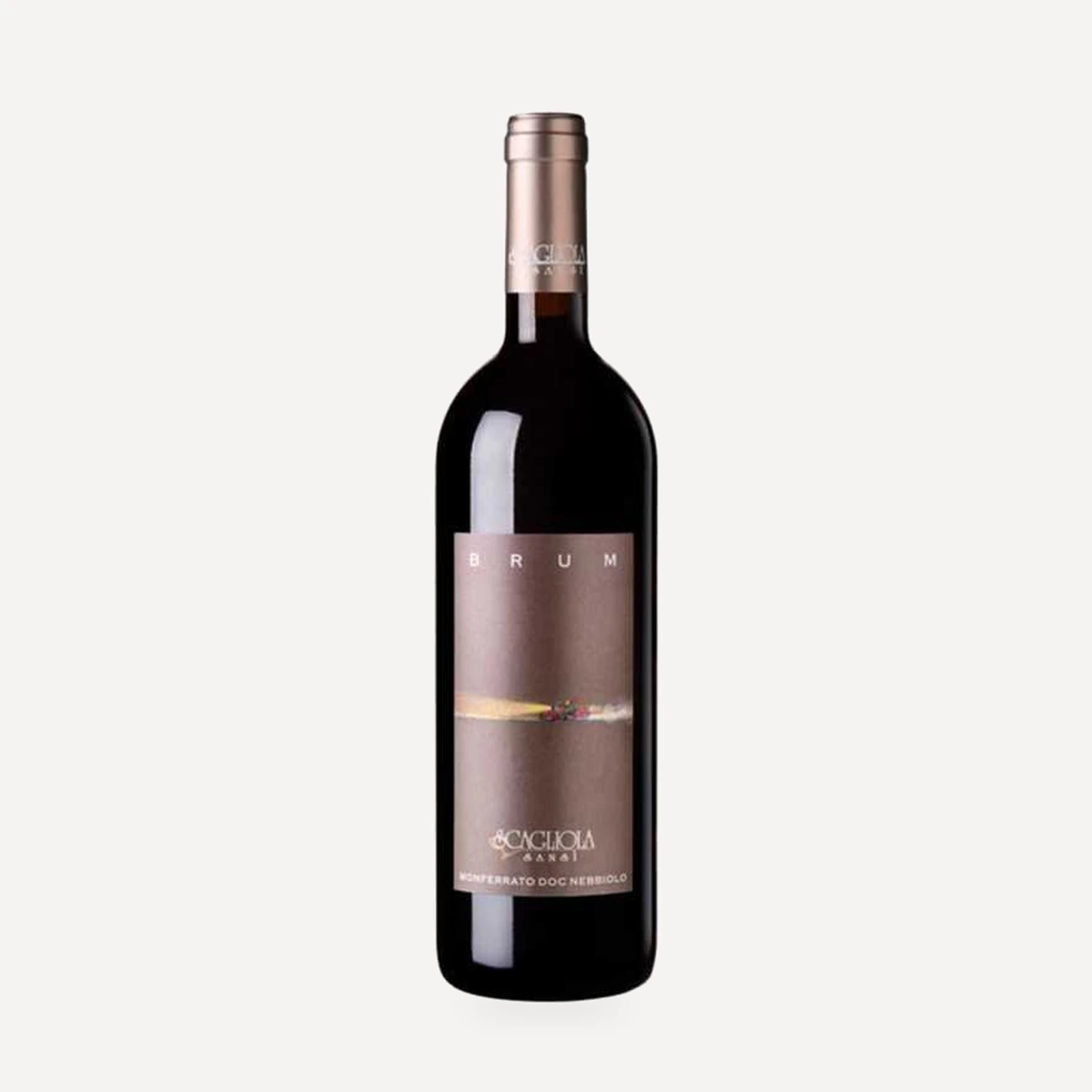
Monferrato DOC Nebbiolo Brum
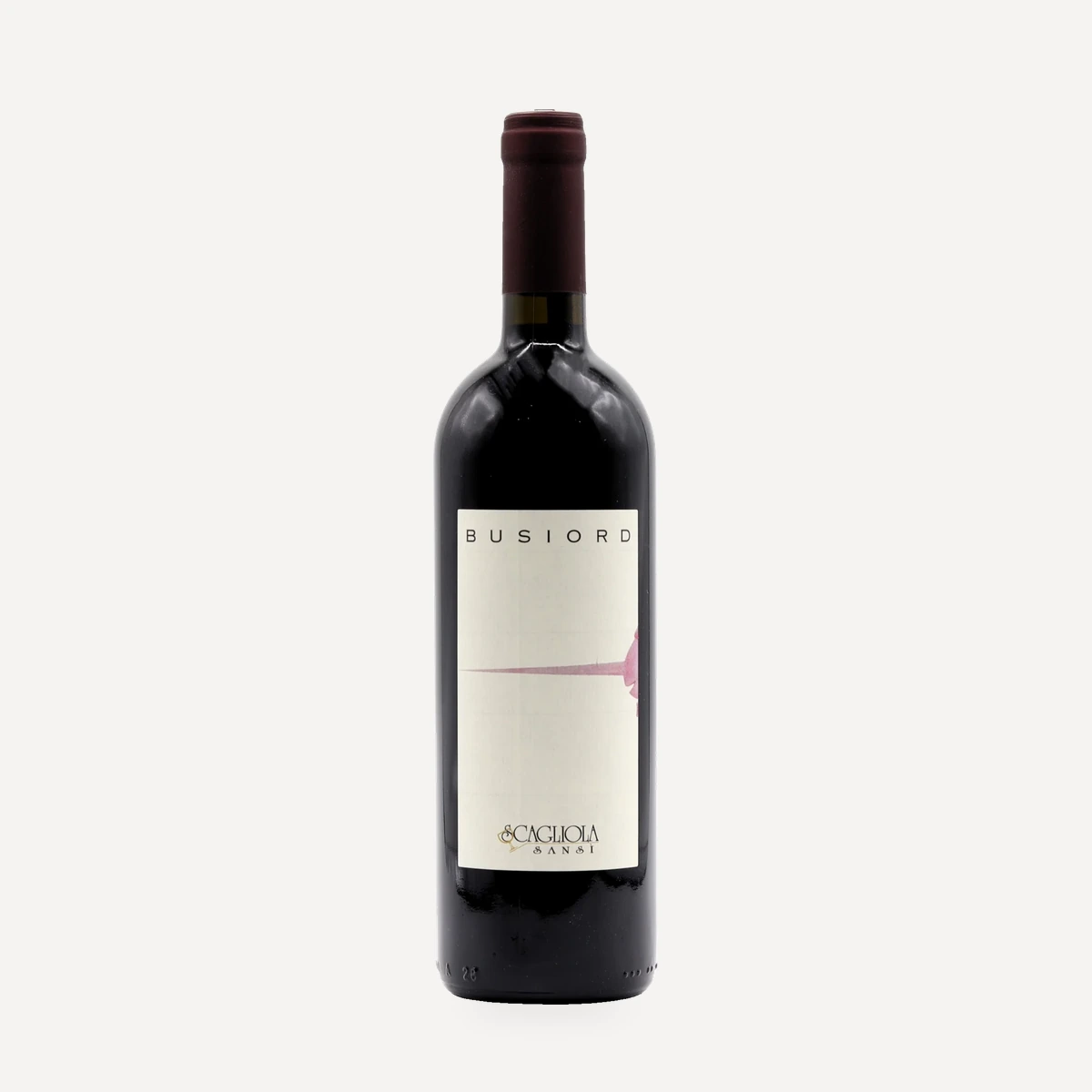
Monferrato Dolcetto DOC Busiord
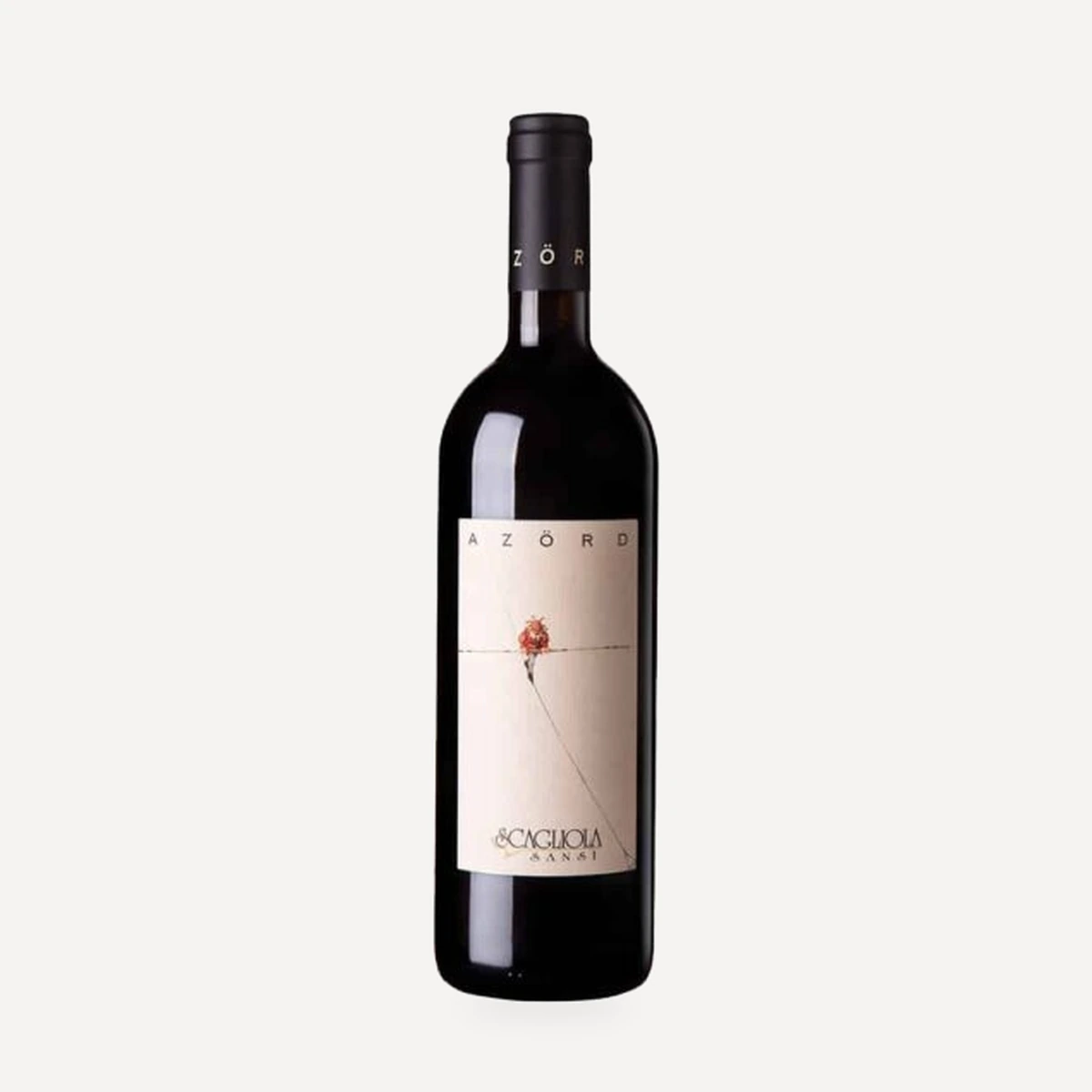
Monferrato Rosso DOC Azörd
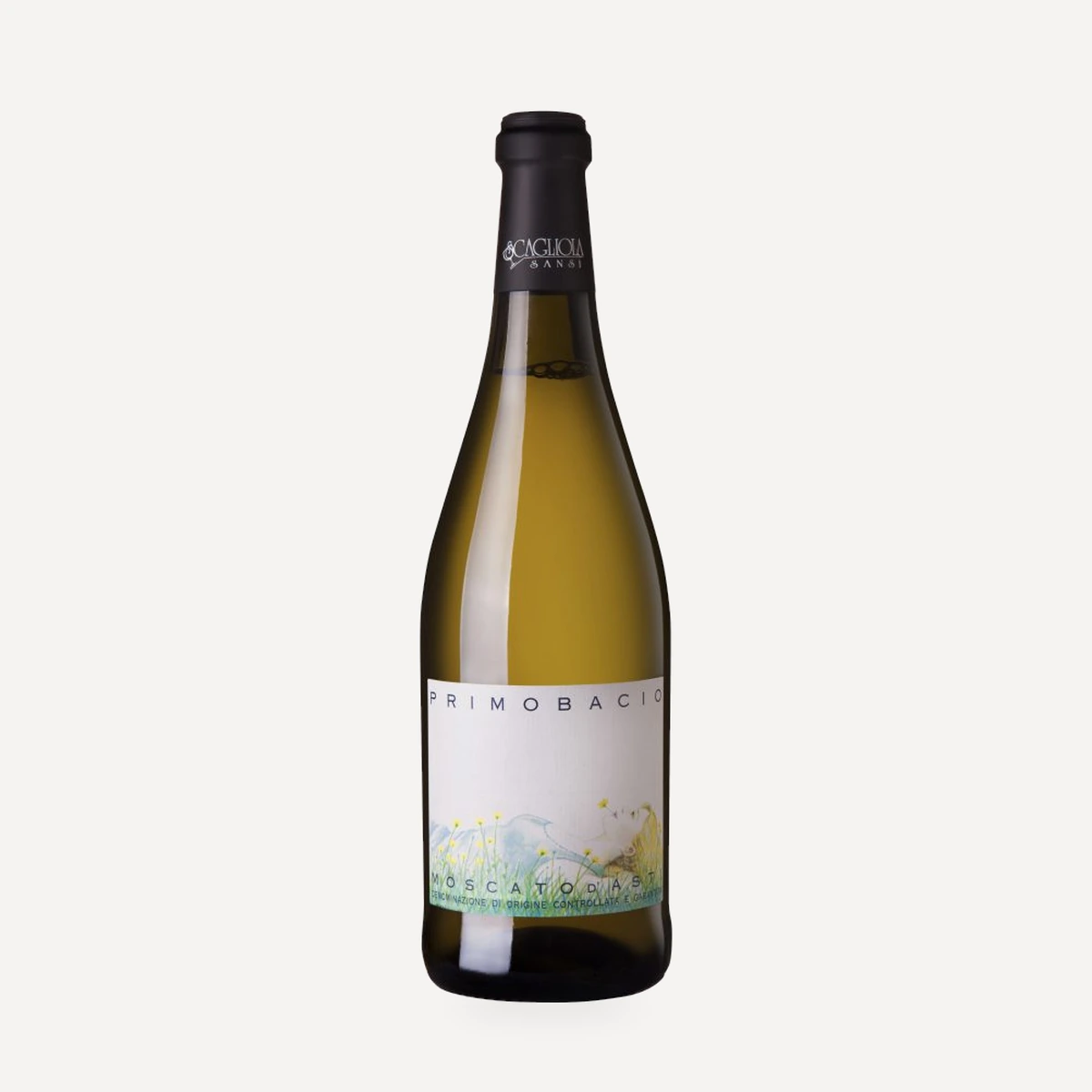
Moscato d'Asti DOCG Primo Bacio
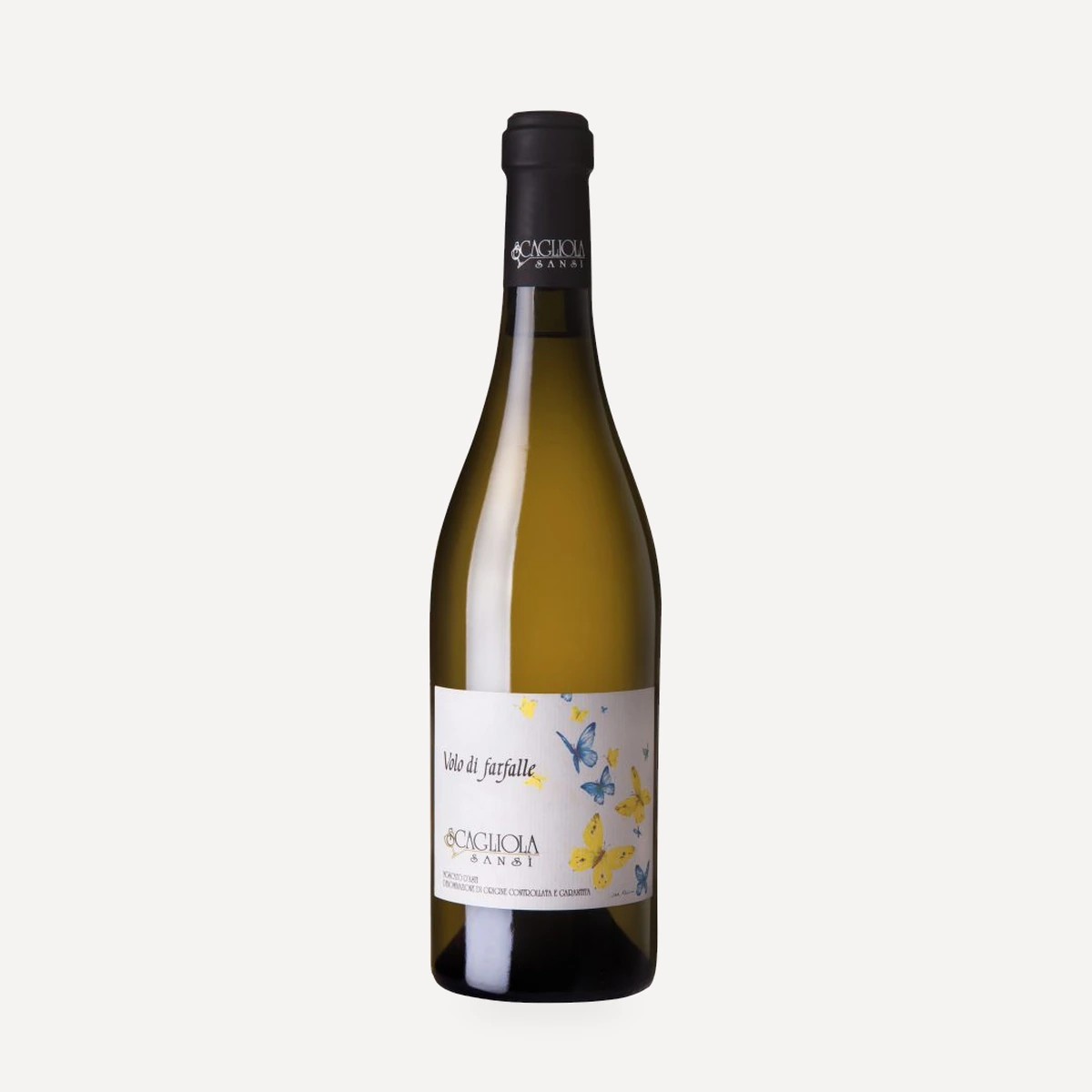
Moscato d'Asti DOCG Volo di Farfalle
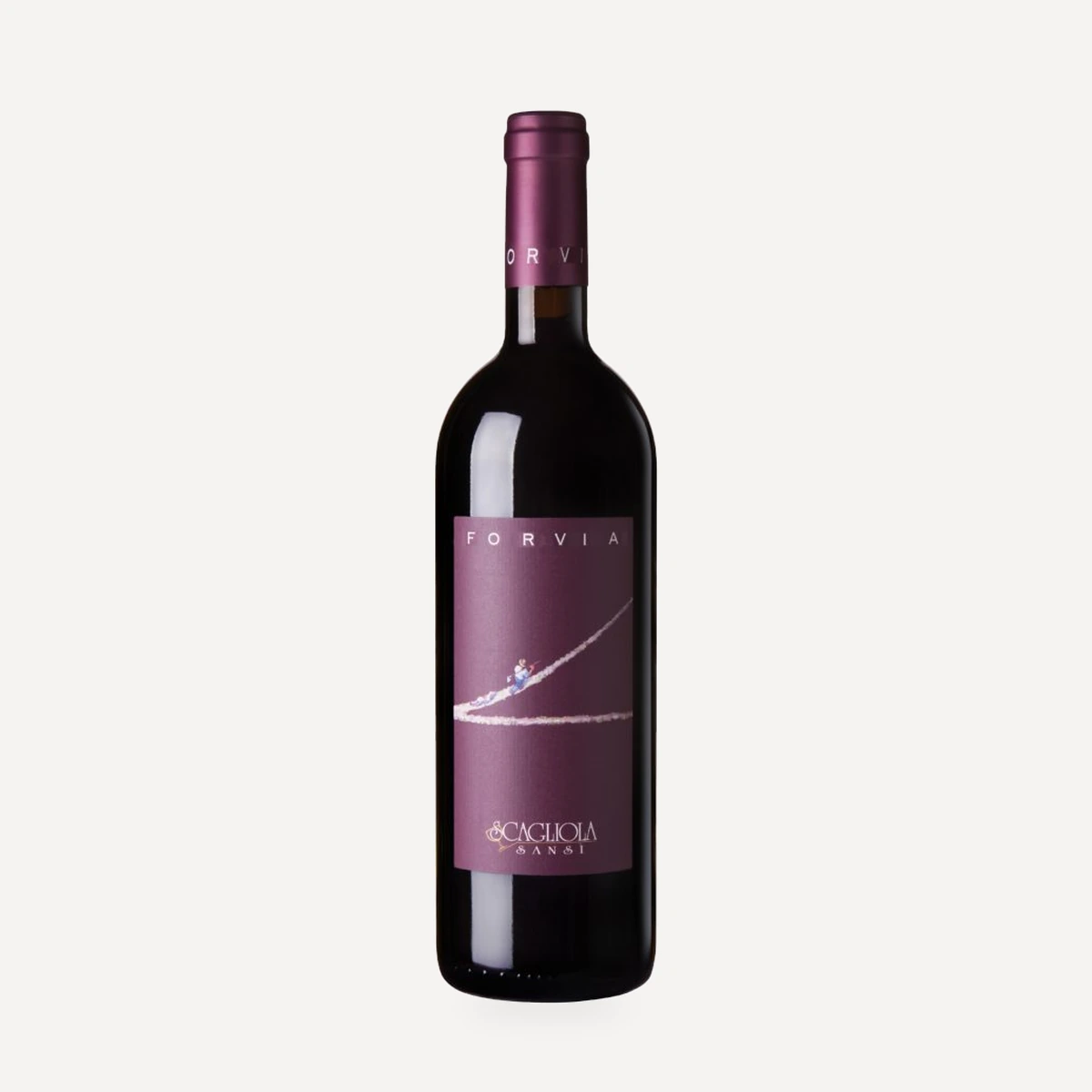
Nizza DOCG Forvia
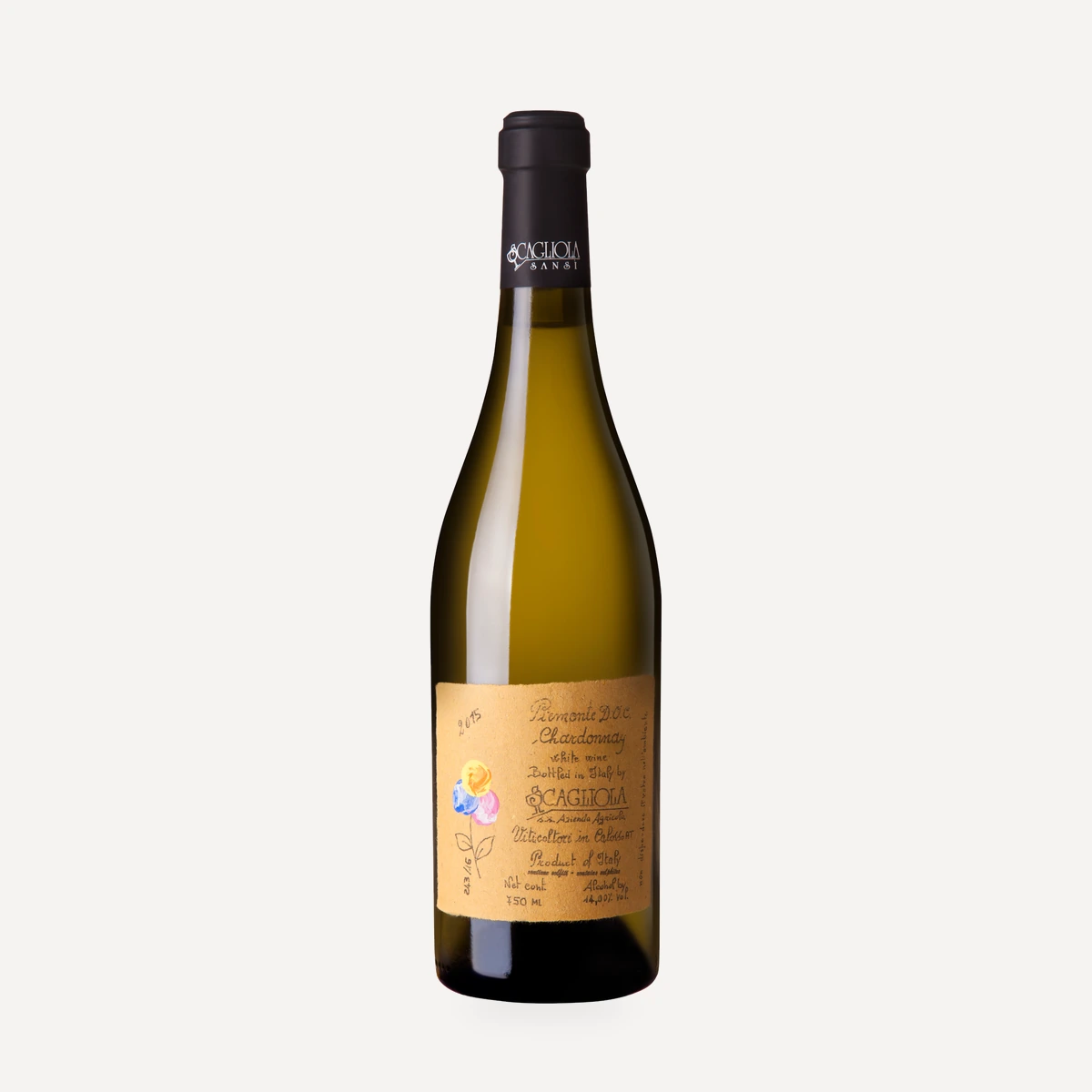
Piemonte Chardonnay DOC Barrique
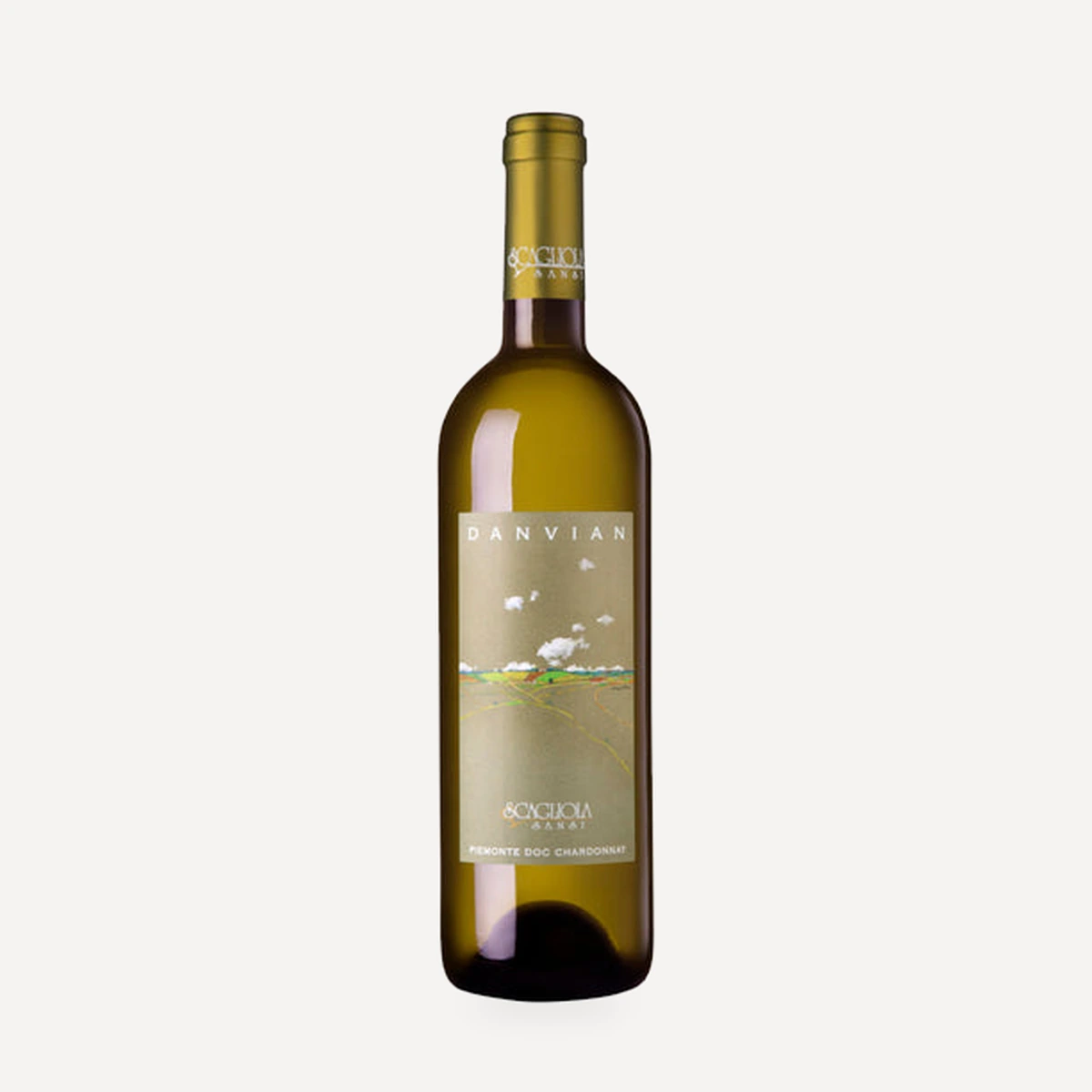
Piemonte Chardonnay DOC Dan Vian
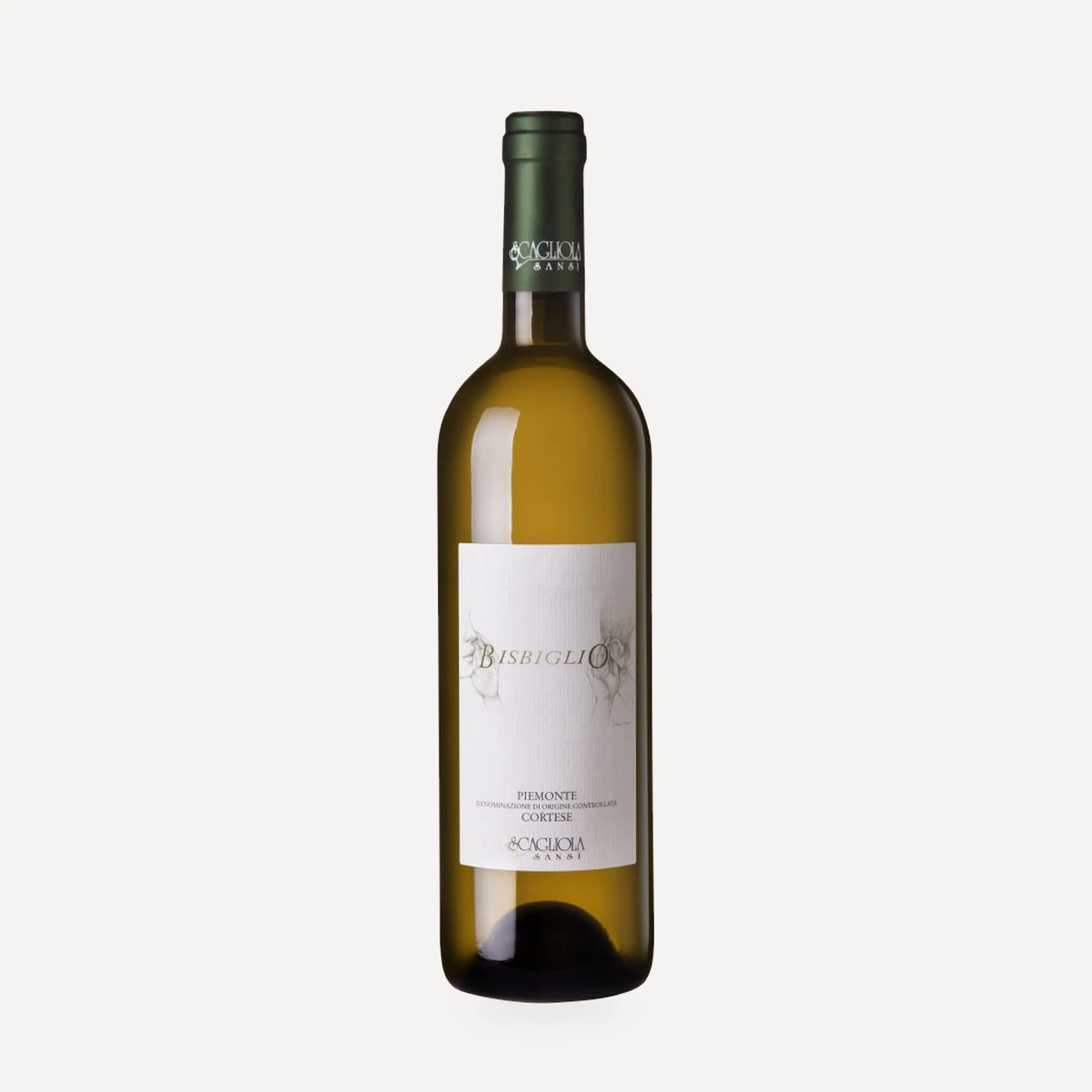
Piemonte Cortese DOC Bisbiglio
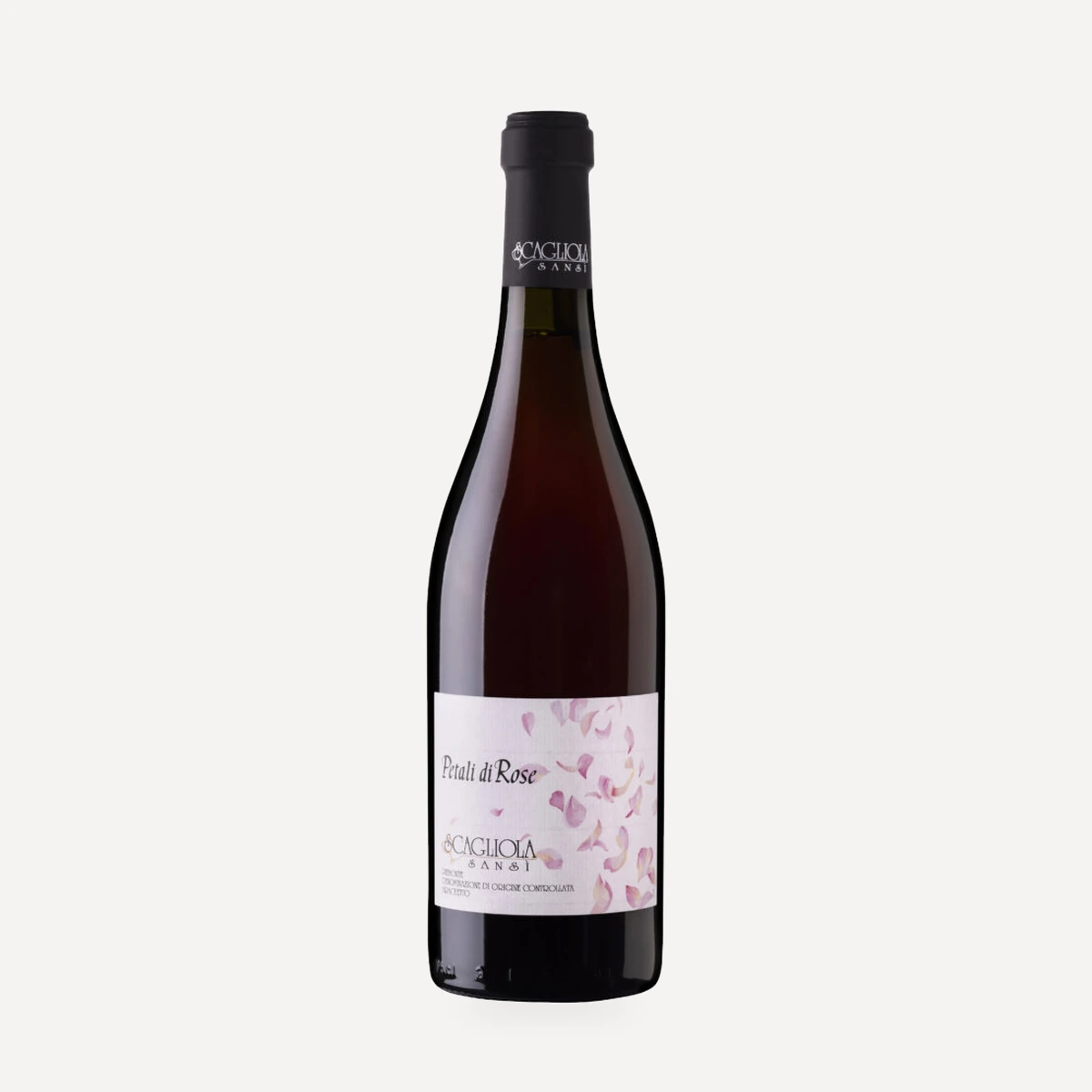
Piemonte DOC Brachetto Petali di Rose
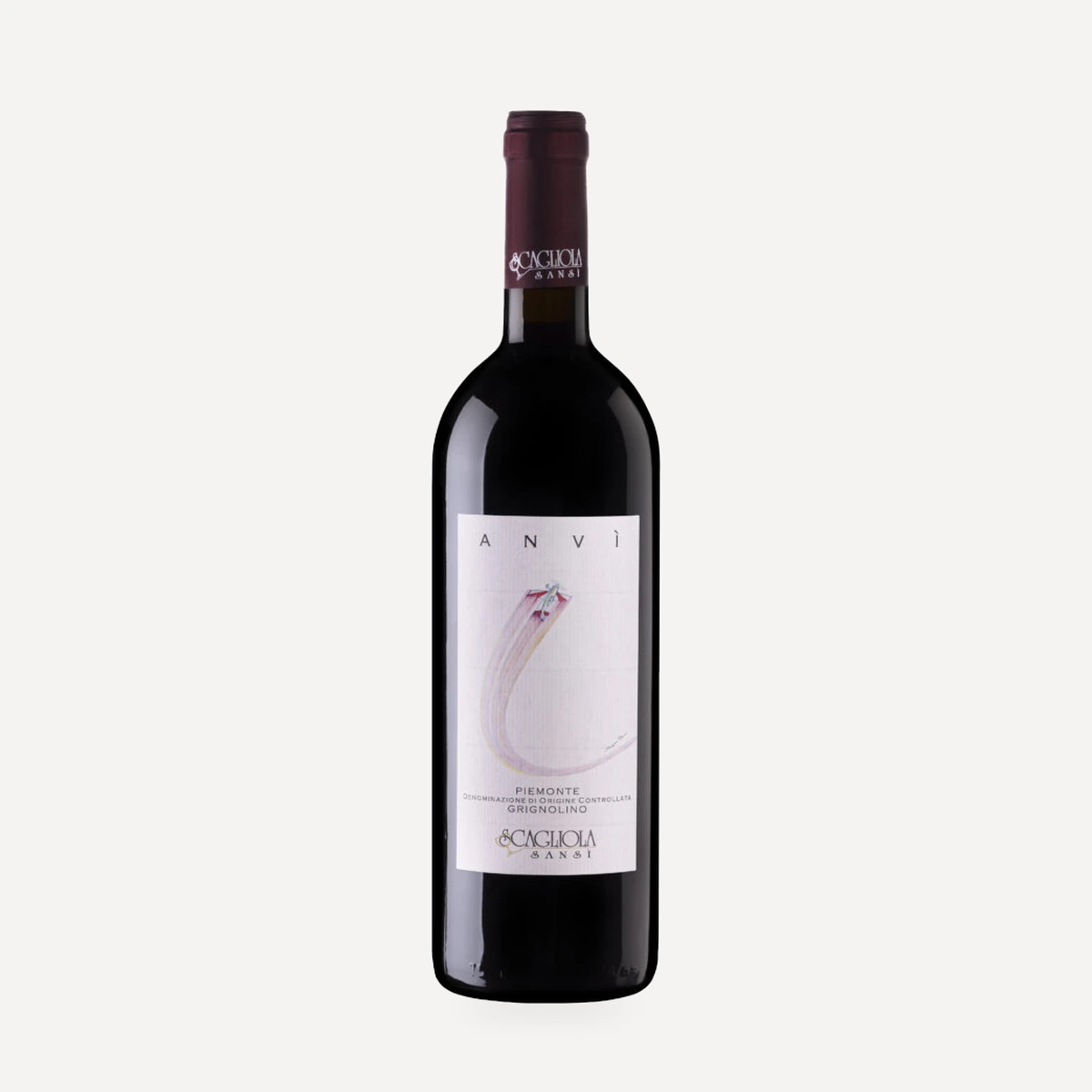
Piemonte DOC Grignolino Anvi'
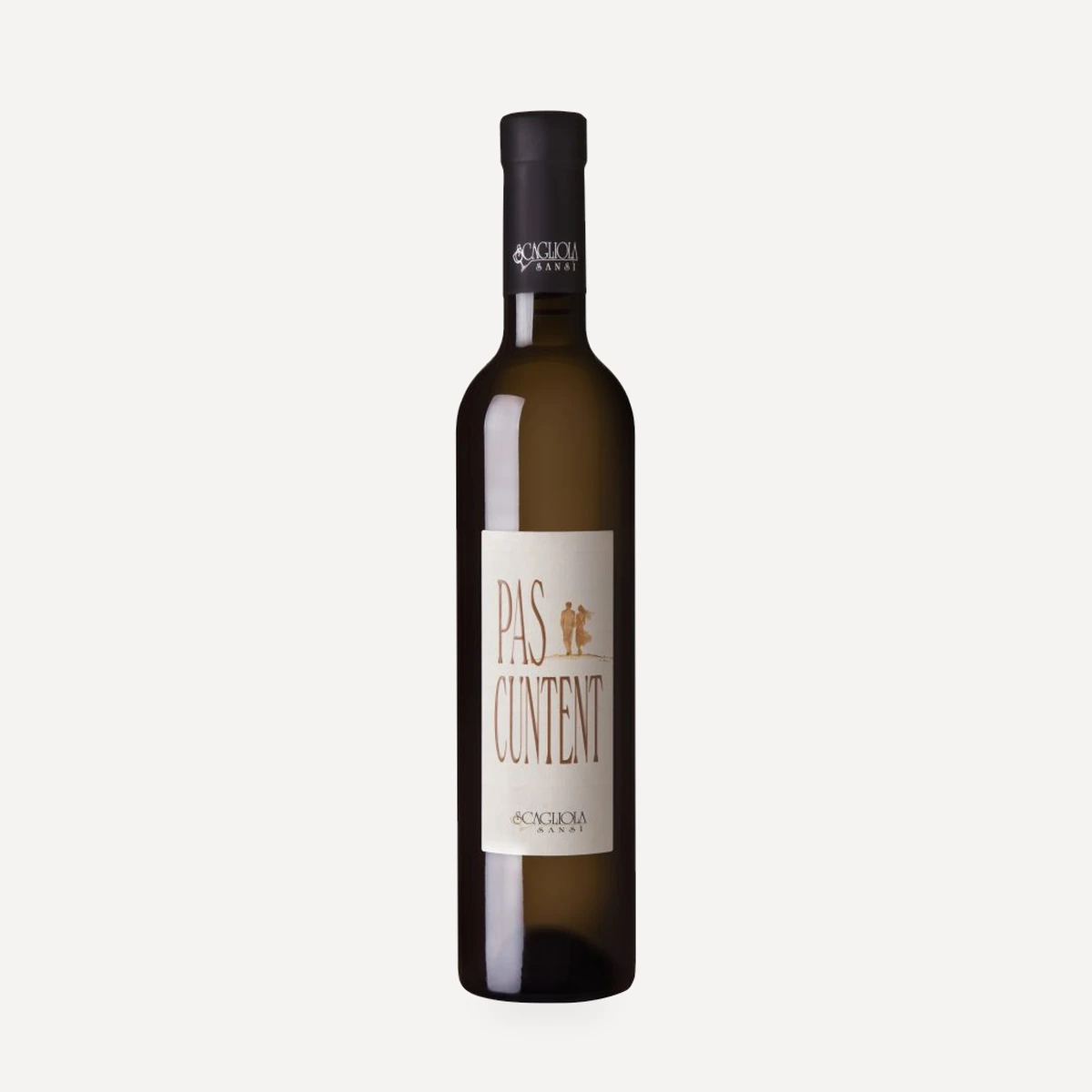
Piemonte DOC Moscato Passito Pass Cuntent
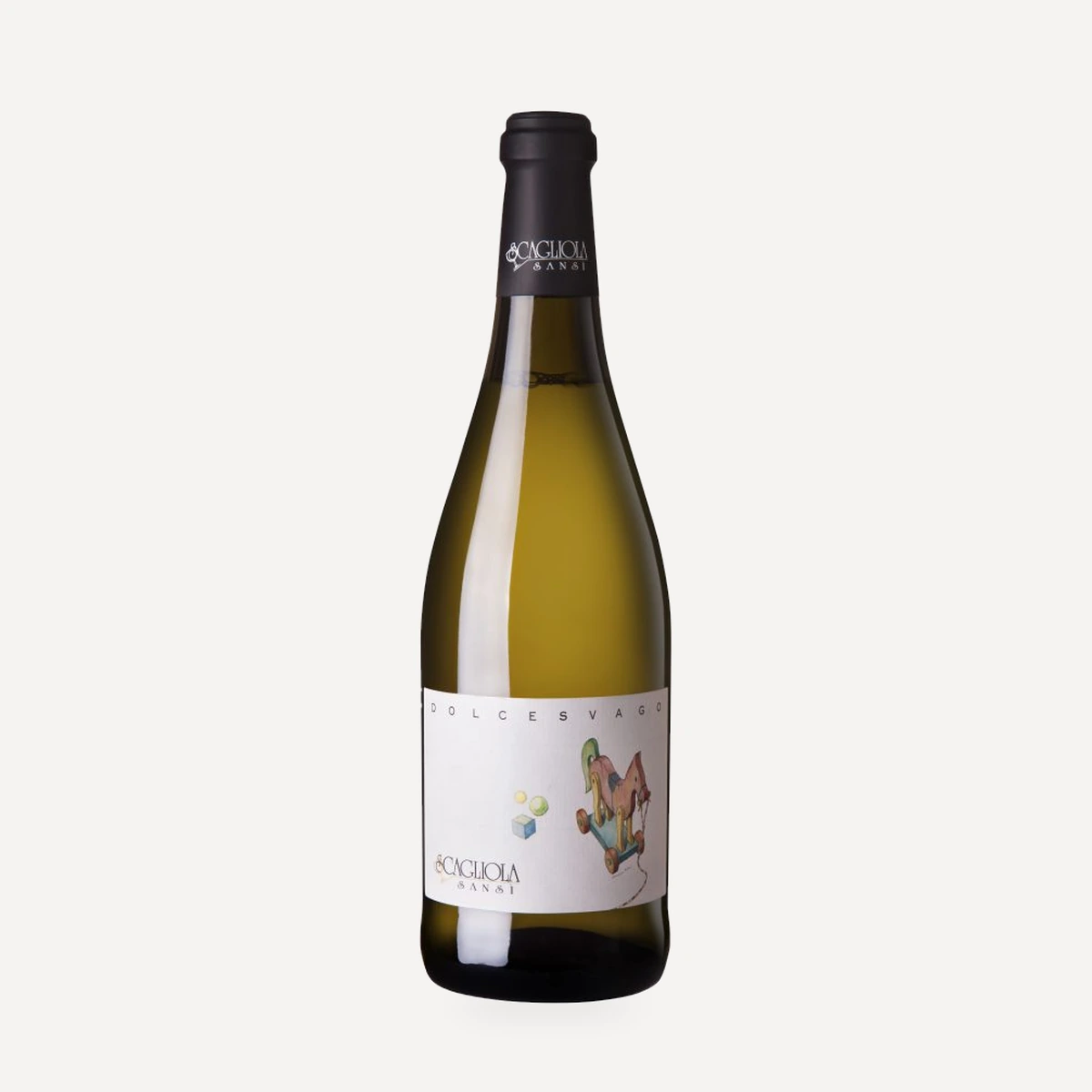
Mosto Parzialmente Fermentato Bianco Dolcesvago