Storia
Beginnings in 1880
The family enterprise began in Cirò in 1880 with the brothers’ great-grandfather Peppe. Motivated by a strong commitment to vine growing, he cultivated the land with simple agricultural tools and transported the harvest using horses and donkeys.
Peppe Arcuri and the development of the vineyards
The present owners’ father, also named Peppe, was born in 1931. He began working beside his grandfather in the vineyard when he was nine years old, acquiring practical viticultural experience and techniques directly from him. Peppe became a vine grower and skilled grafter; over the course of his youth, he successfully grafted hundreds of hectares of vines. He also produced traditional red wine from the family’s own Gaglioppo grapes.
The family cellar
In 1973, Peppe opened his own cellar. The family continued to make and sell wine in bulk, serving a growing and increasingly demanding clientele.
The vineyard holdings subsequently developed around old bush-trained vines and newer plantings. One hectare of alberello vines is recorded as having been planted in 1945 and another in 1980. Approximately two further hectares were planted in 2005 and trained to cordone speronato. Separate harvest records identify the old Piciara alberello vineyard as a 1948 planting.
Estate bottling from 2009
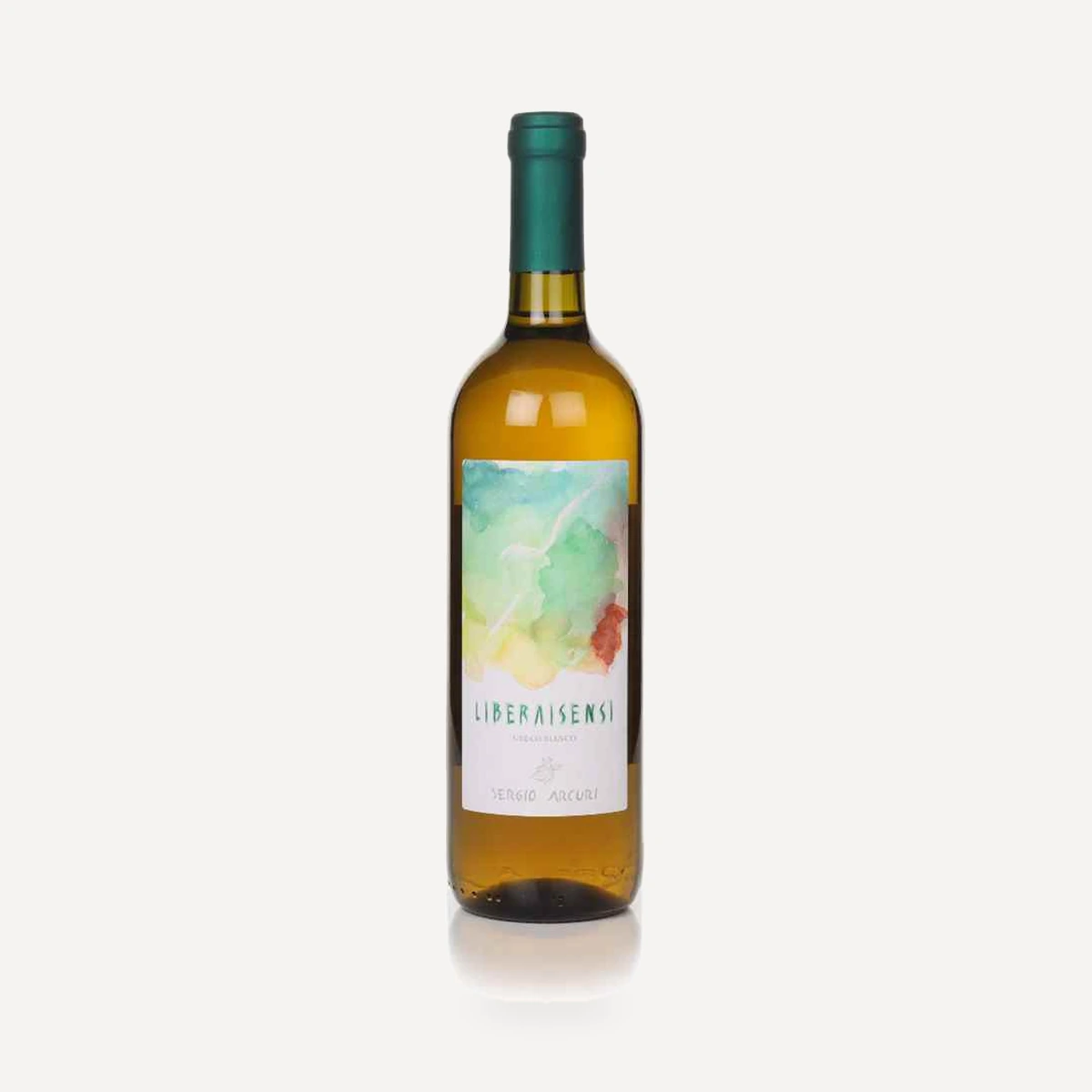
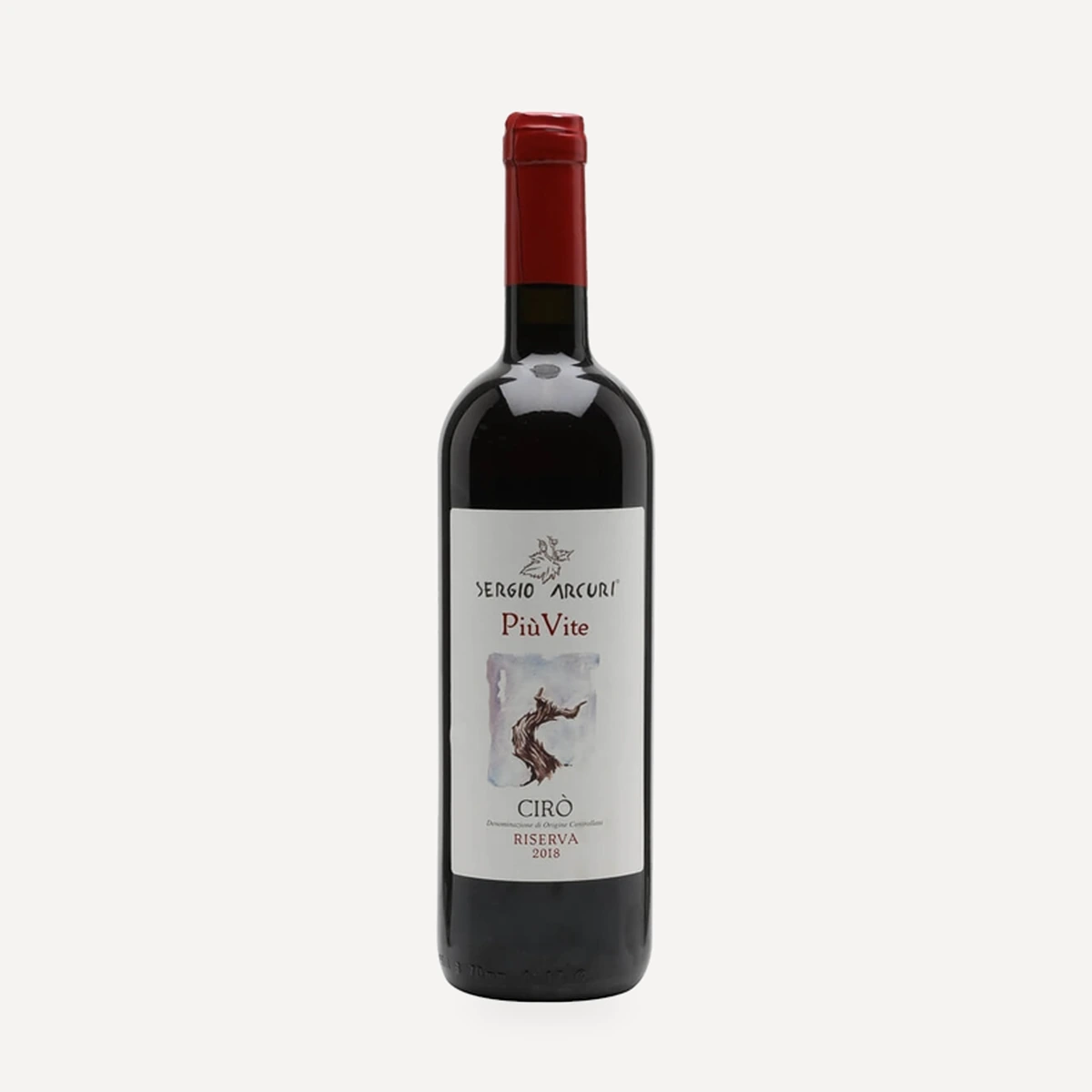
After modernizing their father’s cellar, Sergio and Francesco Arcuri began bottling the family’s wine in 2009, with Peppe continuing to assist them. The initial bottled range comprised Aris, a Cirò Rosso Classico Superiore, and Il Marinetto rosato. The range later expanded to include the Più Vite riserva and Liberaisensi Greco Bianco.
Recognition and later developments
By 2017, the estate had received the Slow Wine Chiocciola for three consecutive years. The winery received the Chiocciola again in the 2019 edition of the guide and in the 2020 guide. In 2021 Sergio Arcuri joined the Triple “A” group, whose stated principles emphasize clean farming, respect for soil and the environment, spontaneous fermentation and cellar work without corrective tricks.
In 2026 the estate participated in the Slow Wine Fair in Bologna with the Consorzio Vini Cirò, presenting wines including Il Marinetto and Liberaisensi.
Terroir
The estate is based in Cirò Marina, Calabria, close to the Ionian Sea. Its vineyards occupy distinct positions ranging from near sea level to 105 m above sea level.
Piciara lies at approximately 3 m above sea level and has clay soil. The old bush-trained vineyard associated with this area faces the Ionian Sea. Another vineyard planted in 1980 stands at 105 m, faces south-west and combines clay, silt and red sand. Marinetto is at approximately 50 m, also with a south-west exposure, on calcareous soil containing relatively little clay.
A 2019 account of a vineyard visit distinguishes grey, dense clay in the coastal vineyard, soil mixed with sand in another site, and red clay mixed with sand at a higher elevation. The estate’s event descriptions also associate Cirò with sunshine and sea breezes.
Vinificazione
Cultivation is carried out personally by the family. Pruning and shoot removal are performed manually. Synthetic chemical substances are excluded, as are herbicides and pesticides. Fertility is managed with natural fertilizers and legume green manures, with the intention of respecting the vineyard’s natural life cycles.
The family selects a suitable vineyard and harvest date for each type of wine. Grapes are picked manually when healthy and properly mature, then placed gently into dedicated crates. Old Gaglioppo parcels are maintained as alberello vineyards, including vines around seven decades old where tractors have never passed. The family contrasts these irregular old bush vineyards with mechanically convenient, uniform rows and expresses a clear preference for the former.
A 2019 vineyard update recorded a season completed without fertilizer or preparations and with only two treatments. The estate’s Slow Wine Chiocciola recognition also entails the absence of chemical weed control.
The cellar centers its red-wine production on traditional open-vat fermentation in a palmento. Fermentation begins spontaneously through the indigenous yeasts present on the grapes. The must receives neither added sulfur dioxide nor other additives, and no chemical intervention is used during fermentation. Biological or chemical flavorings are excluded.
Harvest documentation from 2016 records spontaneous fermentation of Gaglioppo from the old Piciara vineyard in the palmento, followed by the use of manual presses and racking. Wines mature on their own fine lees until bottling. Total sulfur dioxide in the finished wines is kept below the maximum permitted for organic wine. Natural sediment may remain in the bottle.
The estate has also carried out very small experimental family production: in 2018 a small crop of Zibibbo was crushed by foot at night, fermented and matured in a glass demijohn without added sulfites, yielding only a few bottles for family consumption.
The cellar was modernized before Sergio and Francesco began bottling in 2009. Stainless steel and concrete are both used within the range: wines may mature in steel, while the reserve has been matured for four years in concrete and then one year in bottle. These maturation regimes are tied to individual labels rather than a single universal cellar protocol.
Filosofia
The family sees its work as the stewardship of land and vineyards cultivated by earlier generations with respect, commitment and dedication. Its declared aim is to make wine understood as wholesome nourishment for both physical and spiritual well-being.
This outlook translates into personal cultivation, manual vineyard work, rejection of synthetic chemicals and respect for natural cycles. In the cellar, the corresponding principles are spontaneous fermentation, traditional palmento vinification, the avoidance of corrective additives and flavorings, and maturation on fine lees until bottling.
Old alberello vineyards have a particular place in Sergio Arcuri’s outlook. He values their irregular form, the impossibility of simplifying their cultivation with tractors and their connection to the landscape, especially where they overlook the sea. Sediment in a bottle is accepted as a consequence of minimally corrective production rather than treated as a defect.
Since 2021, affiliation with Triple “A” has aligned the estate with the group’s ideals of Agriculturists, Artisans and Artists: clean agriculture, respect for soil and environment, spontaneous fermentation, transparent cellar work and wines intended to express their place of origin.
Vini
Più Vite, riserva